 InkCraft
Sleeve Tattoo Ideas for Men and How They Grow
32 men's sleeve tattoos photographed on skin for InkCraftBy Uladzimir TumanauUpdated
A sleeve on a man's arm often begins as one forearm or bicep piece that kept going. These sleeve tattoos for men show half sleeves, full sleeves and the pieces they start from, photographed in tank tops, t-shirts and rolled sleeves, with how to size that first piece for the sleeve it may become.
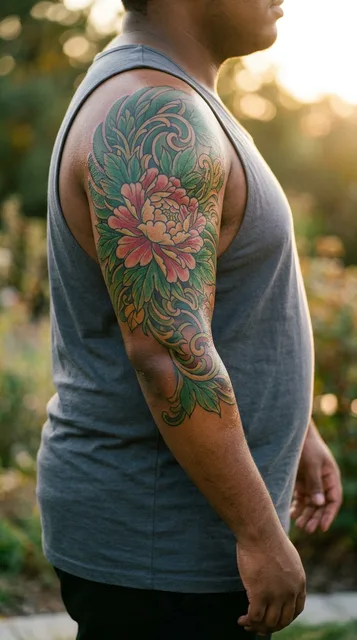
- illustrative · colourTry it on — Color illustrative tattoo as a half sleeve on a man
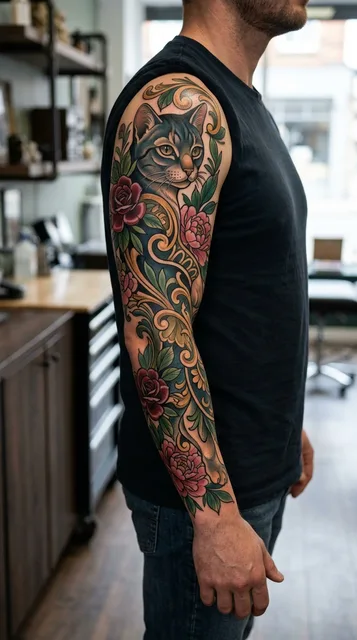
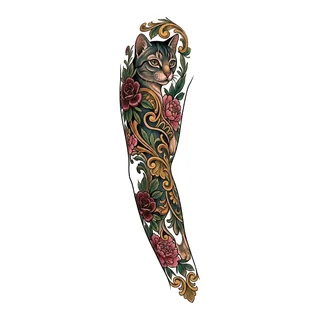
- neo traditional · colourTry it on — Color neo traditional cat tattoo as a full sleeve on a man
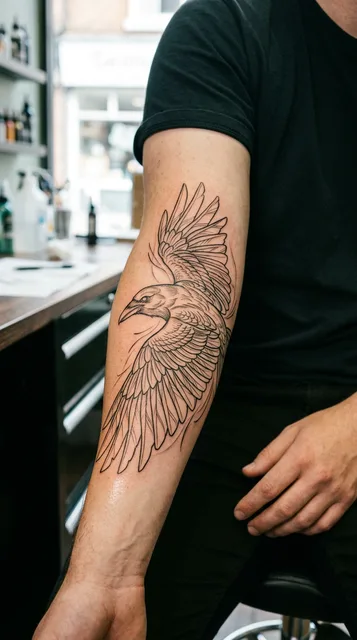
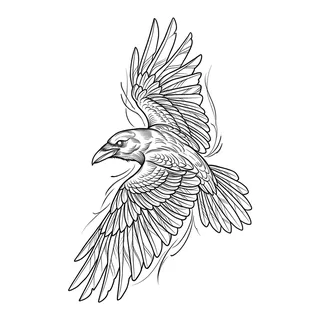
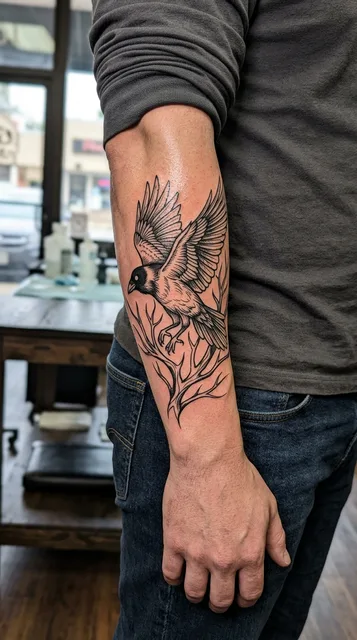
- linework · black and whiteTry it on — Black and white linework raven tattoo on a man's forearm
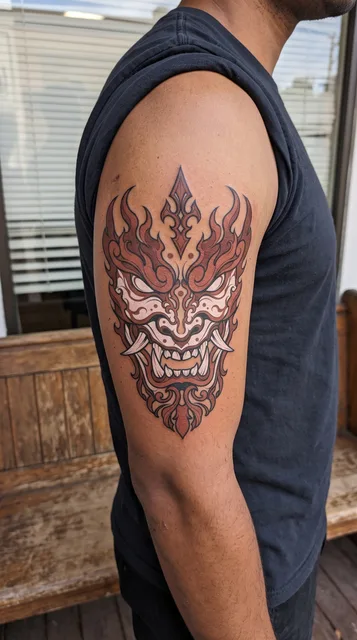
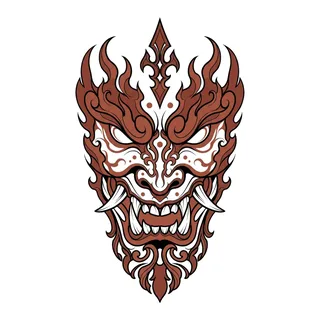
- Japanese · black and greyTry it on — Black and grey Japanese oni mask tattoo on a man's bicep
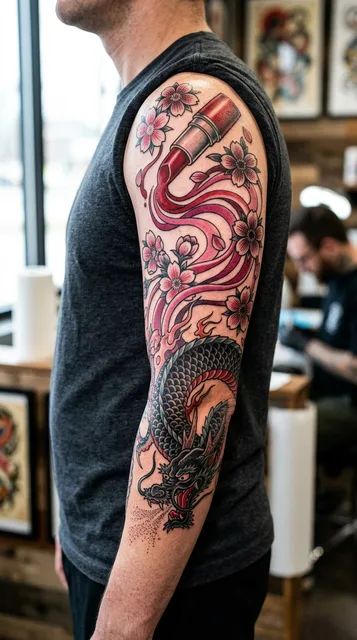
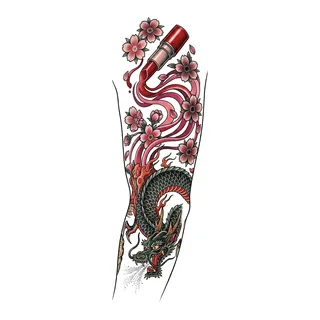
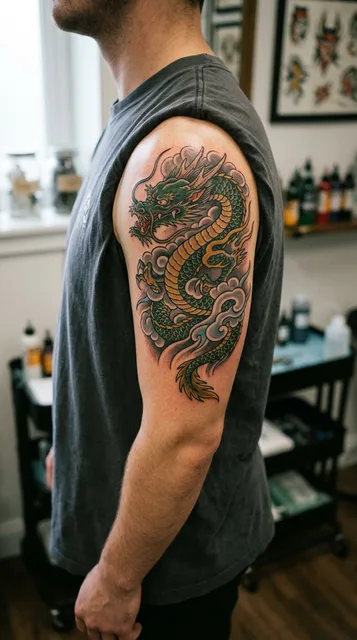
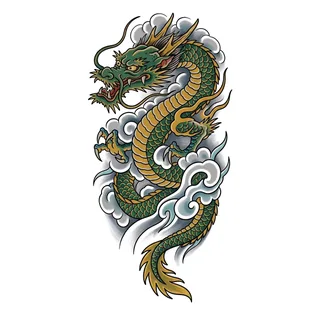
- Japanese · colourTry it on — Color Japanese dragon tattoo as a half sleeve on a man
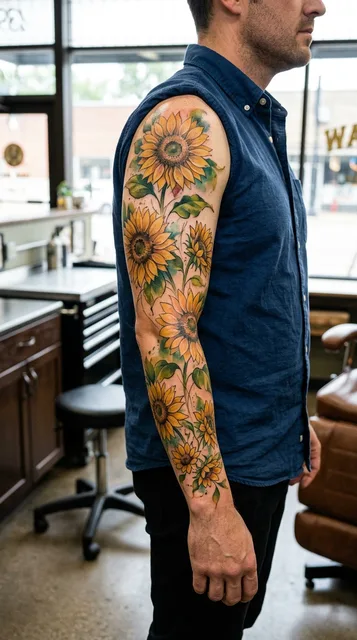
- watercolor · colourTry it on — Color watercolor tattoo as a full sleeve on a man
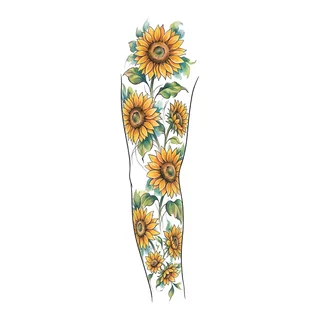
- biomechanical · black and greyTry it on — Black and grey biomechanical anchor tattoo on a man's forearm
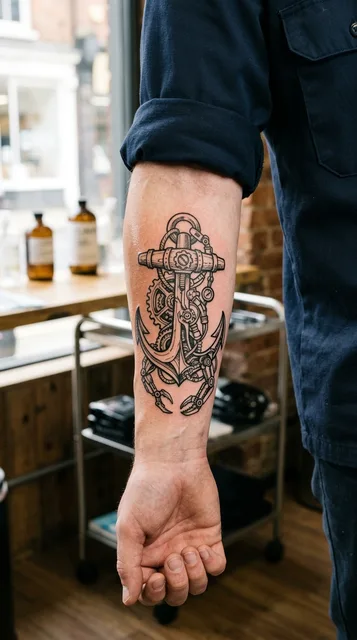
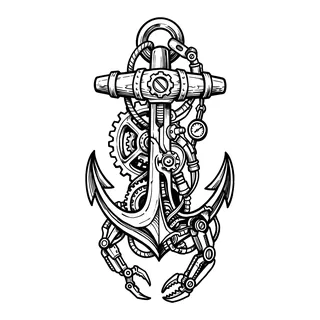
- illustrative · black and greyTry it on — Black and grey illustrative angel eye tattoo on a man's bicep
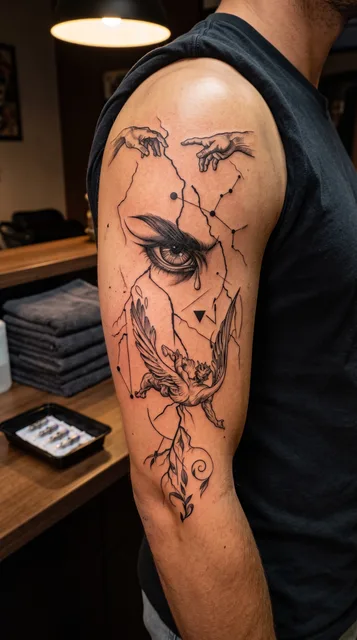
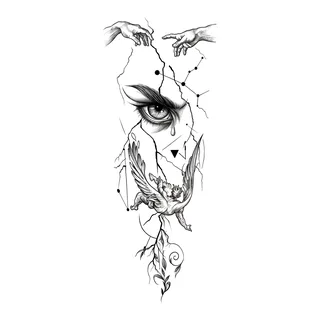
- biomechanical · black and greyTry it on — Black and grey biomechanical tattoo as a half sleeve on a man
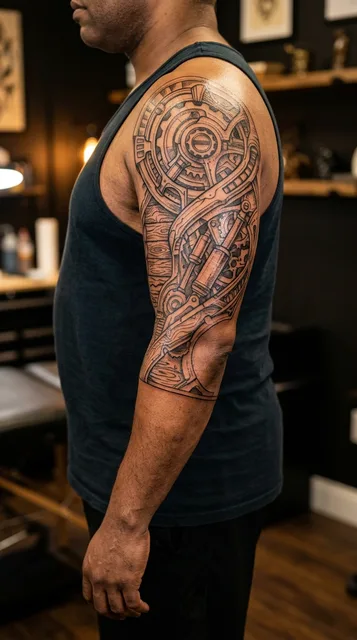
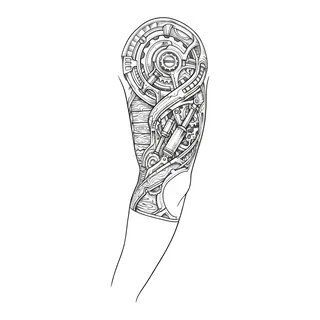
- linework · black and whiteTry it on — Black and white linework tattoo as a full sleeve on a man
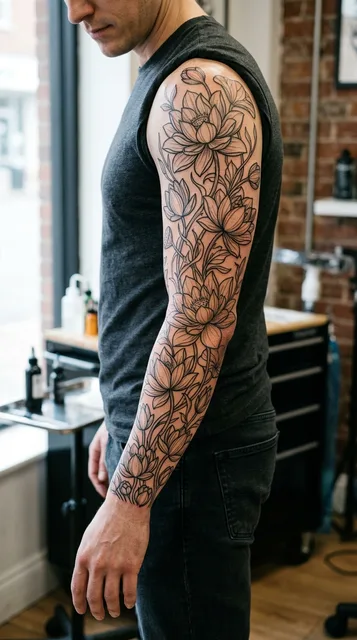
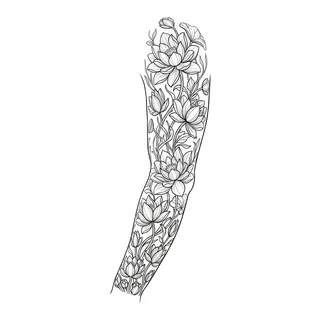
- Japanese · colourTry it on — Color Japanese tattoo on a man's forearm

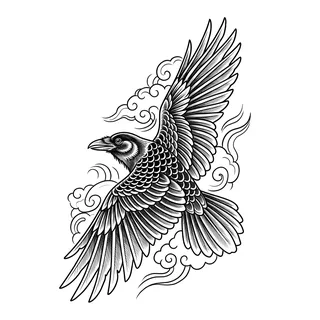
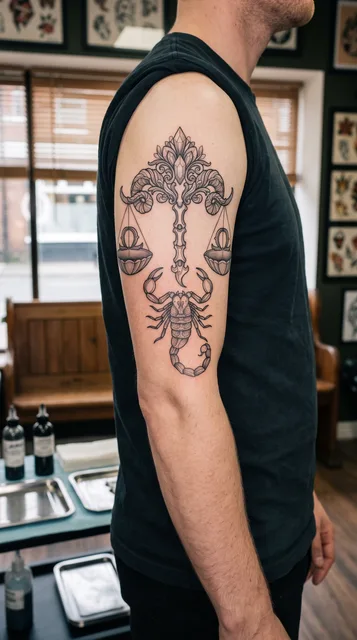
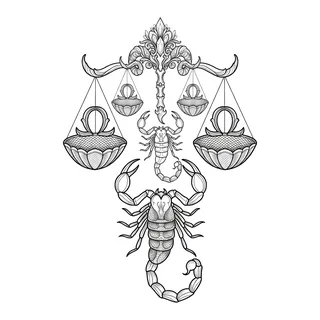
- illustrative · black and greyTry it on — Black and grey illustrative scales scorpion tattoo on a man's bicep
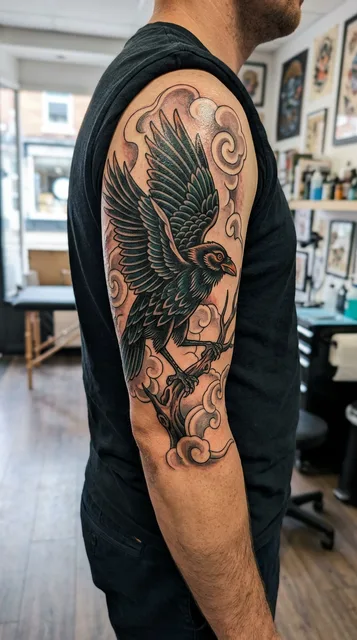
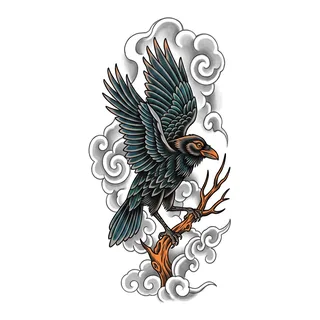
- traditional · colourTry it on — Color traditional raven tattoo as a half sleeve on a man
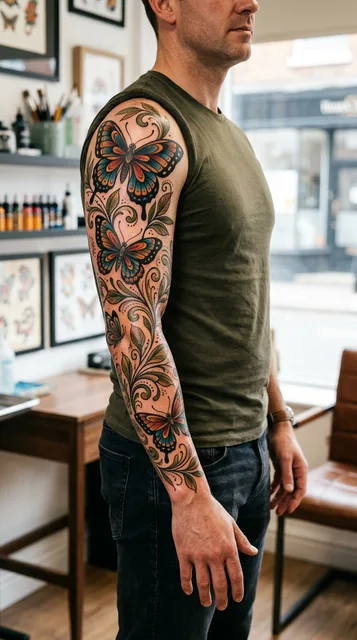
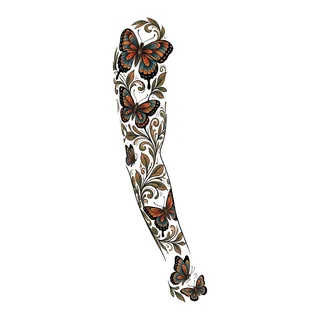
- neo traditional · colourTry it on — Color neo traditional tattoo as a full sleeve on a man
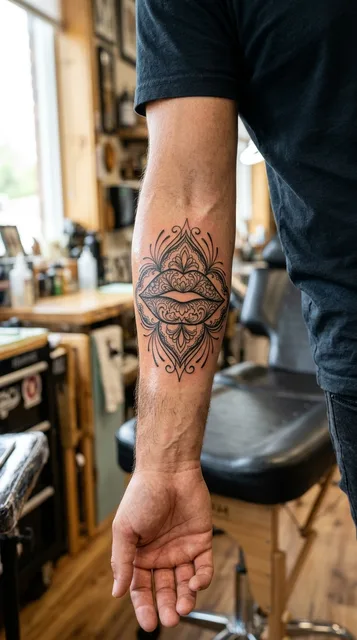
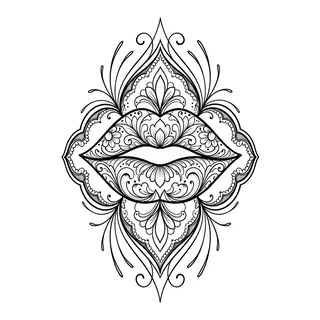
- ornamental · black and greyTry it on — Black and grey ornamental lips tattoo on a man's forearm
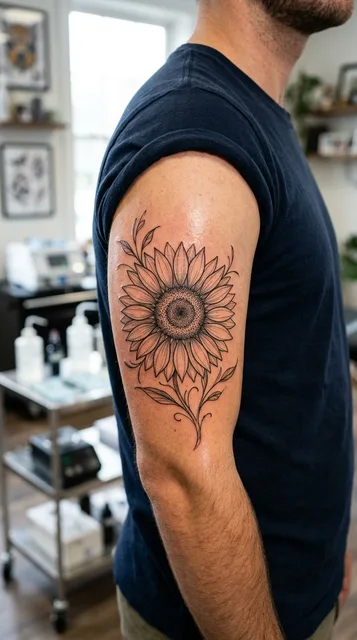
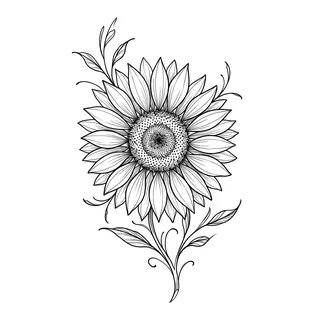
- fine line · black and whiteTry it on — Black and white fine line sunflower tattoo on a man's bicep
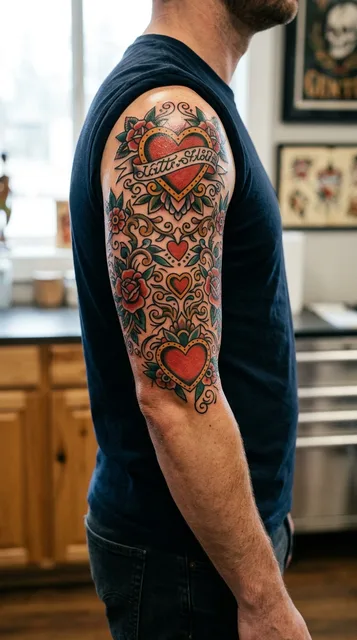
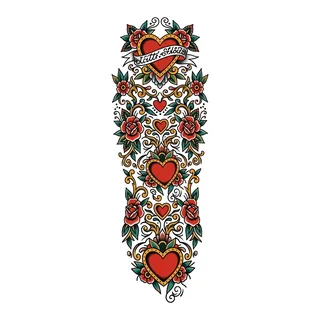
- traditional · colourTry it on — Color traditional tattoo as a half sleeve on a man
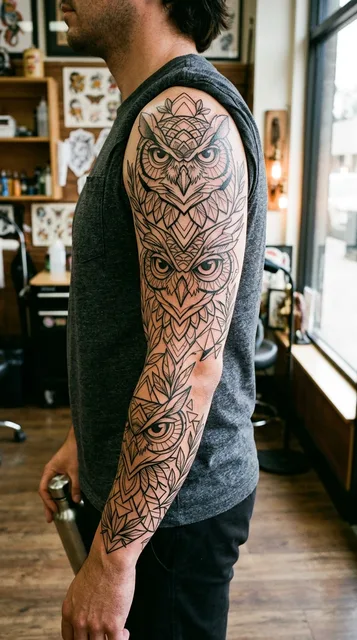
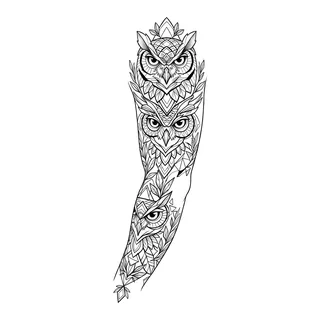
- geometric · black and whiteTry it on — Black and white geometric owls tattoo as a full sleeve on a man
- fine line · black and whiteTry it on — Black and white fine line tattoo on a man's forearm
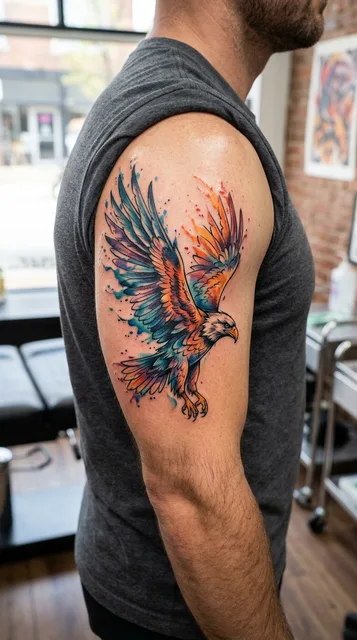
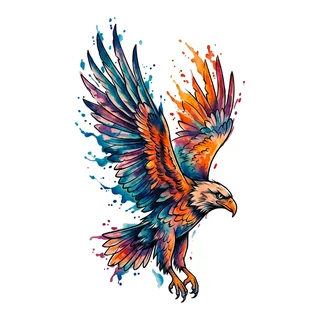
- watercolor · colourTry it on — Color watercolor eagle tattoo on a man's bicep
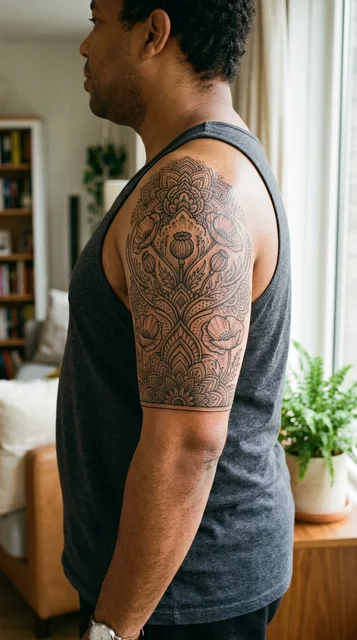
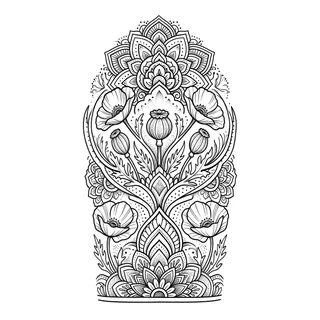
- ornamental · black and greyTry it on — Black and grey ornamental tattoo as a half sleeve on a man
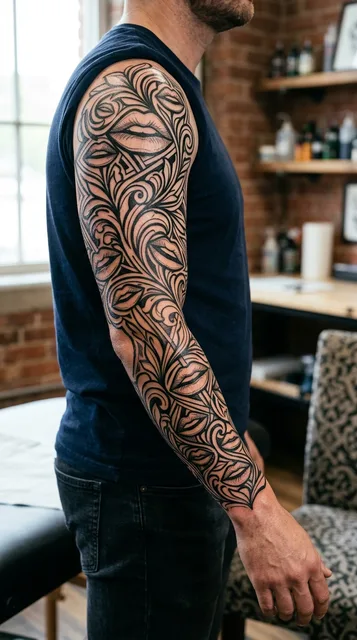
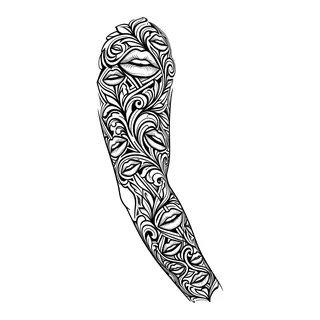
- blackwork · black and whiteTry it on — Black and white blackwork lips tattoo as a full sleeve on a man
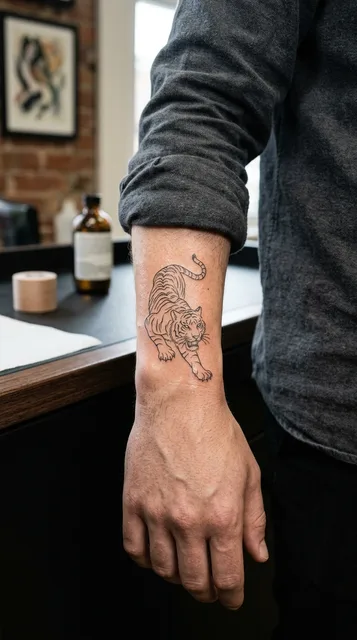
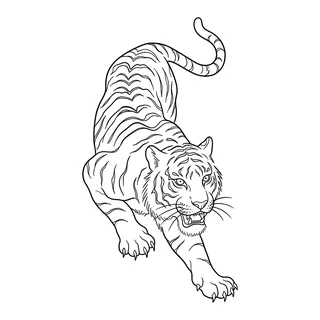
- illustrative · colourTry it on — Color illustrative tiger tattoo on a man's forearm
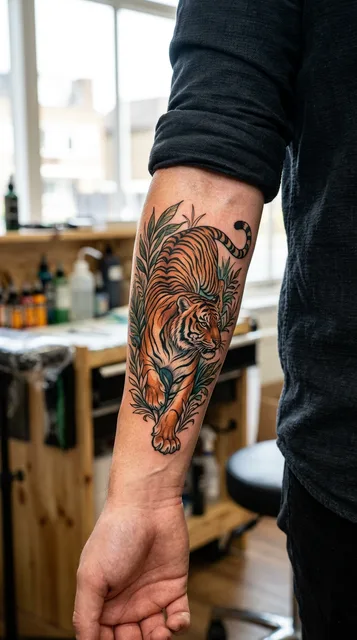
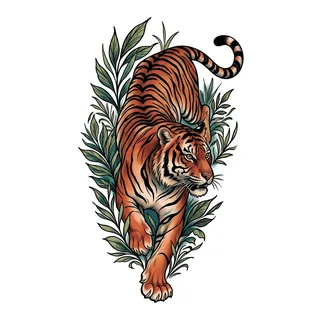
- traditional · colourTry it on — Color traditional tattoo on a man's bicep
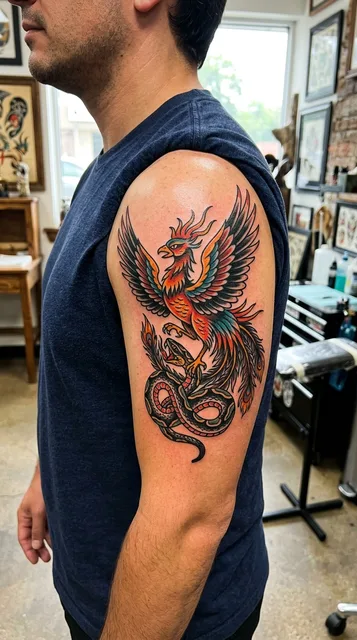
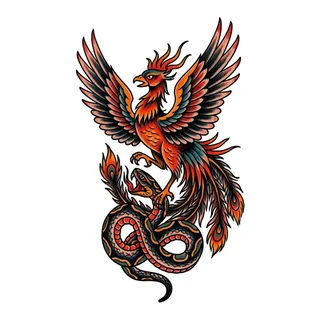
- traditional · colourTry it on — Color traditional tattoo as a half sleeve on a man
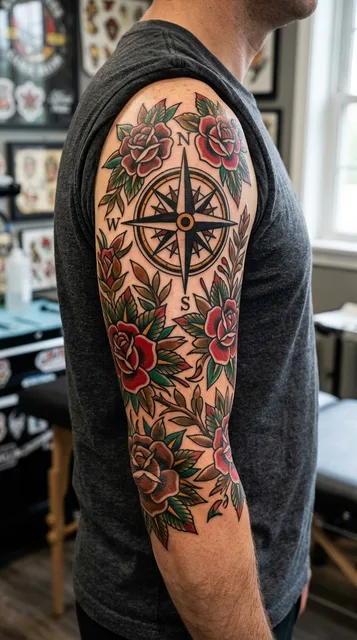
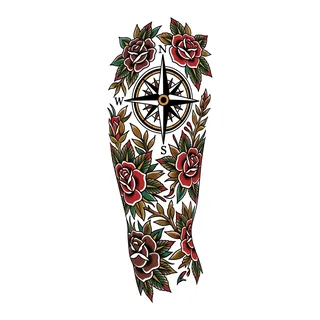
- traditional · colourTry it on — Color traditional tattoo as a full sleeve on a man
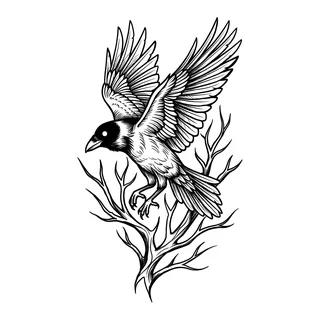
- illustrative · black and greyTry it on — Black and grey illustrative crow tattoo on a man's forearm
- tribal · black and whiteTry it on — Black and white tribal ornament tattoo on a man's bicep
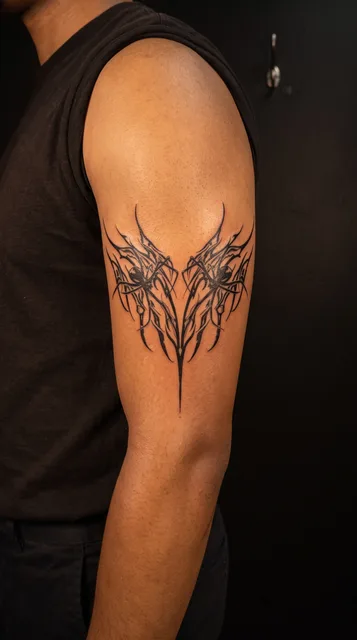
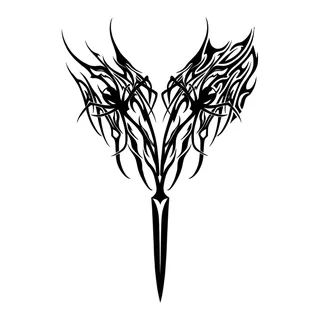
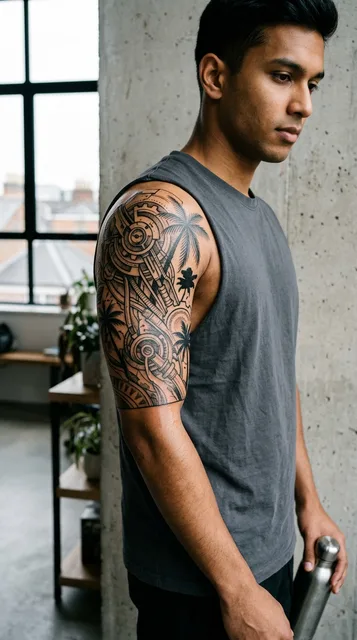
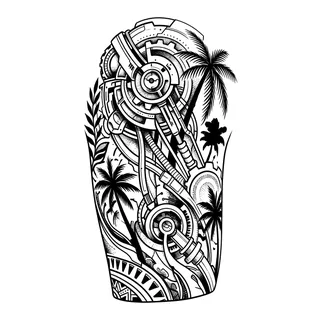
- biomechanical · black and greyTry it on — Black and grey biomechanical tattoo as a half sleeve on a man
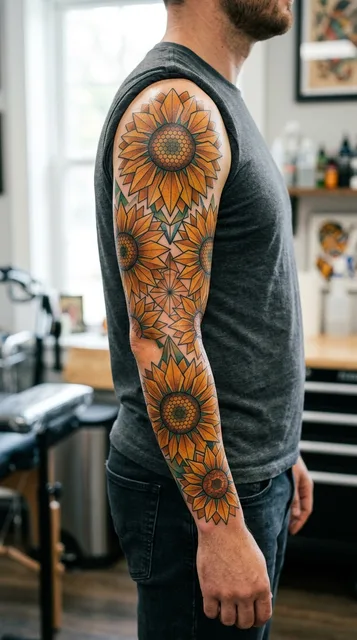
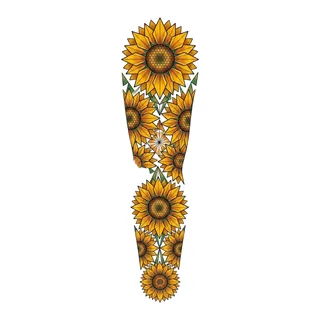
- geometric · colourTry it on — Color geometric sunflower tattoo as a full sleeve on a man
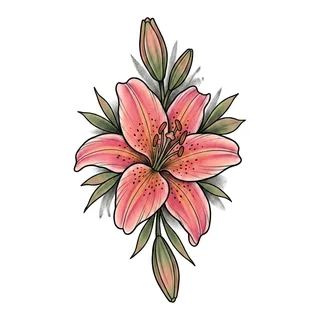
- neo traditional · colourTry it on — Color neo traditional lily tattoo on a man's forearm

- traditional · colourTry it on — Color traditional shark tattoo on a man's bicep
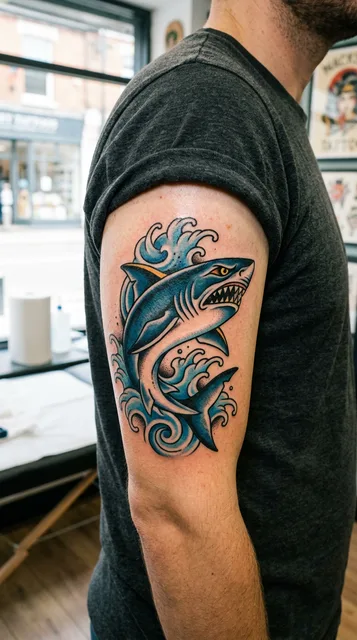
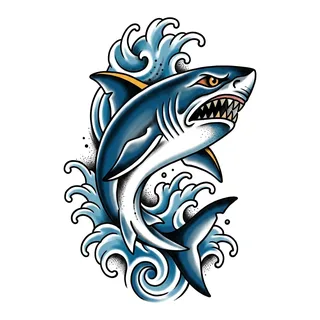


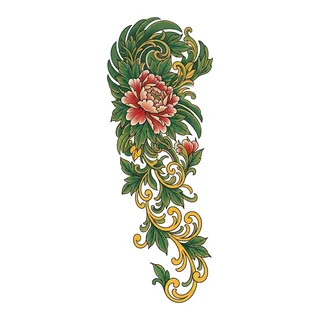
Every pair is one tattoo: the design as it was drawn, and a photograph of that same design on the body.
These 32 tattoos for men's sleeves, in numbers
- Body parts
- 4
- Black and grey
- 16
- Colour
- 16
- Most common style
- traditional
A first piece sized for a big arm
On a broad arm the first piece of a future sleeve is easy to get wrong in one direction: too small. A design that fills a slim forearm leaves a large, muscular one with awkward margins on every side, and later work has to crowd around it. Sizing it to the surface, a full outer forearm or the whole outer bicep, means the sleeve grows outward from a subject that already fits the arm.
Hair is the other thing a man's sleeve has to plan for. The background that joins the pieces, whether solid black, dark smoke or heavy pattern, is also what keeps the sleeve readable through regrowth on the outer forearm. A light, open background suits a smooth arm or one you keep shaved; on a hairy forearm it reads as patches.
Work shirts, and where a sleeve stops
The clothes you work in decide which sleeve you can wear openly. An upper half sleeve is hidden by a t-shirt; a lower half or full sleeve shows below every short sleeve and at every rolled cuff. Starting on the upper arm and extending down only when a visible forearm is no longer a question keeps the choice open for longest.
On a broad frame a full sleeve raises one more question: whether it stops at the shoulder or carries on into the chest or the shoulder blade. Leaving the top of the deltoid open keeps that choice alive. The sleeve page covers how sleeves are planned and paid for, and the half sleeve and full sleeve each have a page for men.
Common questions
- Should a man start a sleeve on the forearm or the upper arm?
- The upper arm, if you want the choice of covering it: a t-shirt hides it and the sleeve can be extended down later. The forearm, if you already want visible work and like seeing it yourself. Either way, size the first piece for the arm you have rather than for a slimmer reference.
- What background works for a sleeve on a hairy arm?
- A dark one: solid black, heavy smoke, dense pattern or black-and-grey shading with strong contrast. These keep the subjects joined and readable when the hair grows back. Light, open backgrounds rely on smooth skin and read best on an arm that is kept shaved.
- Can a sleeve go onto the chest or back later?
- Yes, if the top edge is left open. Stopping the sleeve at a hard line across the deltoid makes extending it harder; letting the background fade out over the top of the shoulder leaves room to carry it onto the chest or the shoulder blade later.
- Which styles make a strong sleeve on a man's arm?
- Styles that come with their own background. Japanese sleeves join a dragon or an oni mask with wind and water; traditional sleeves set an eagle, an anchor or a sunflower on bold outlines and solid black; biomechanical work treats the whole arm as one mechanism. Illustrative and neo-traditional pieces can grow into a sleeve too, once a shared shading ties them together.
See it on your own skin first
InkCraft places a design on a photo of you — scaled, wrapped and shaded to the spot you pick, so you can judge the size against your own body before it is permanent.