 InkCraft
Cute Tattoo Ideas Drawn to Stay Cute
By Uladzimir TumanauUpdated
Cute is a subject and a treatment at once: a small creature or a flower, drawn softly, with a little more air around it than a bold piece would want. These are ours, filled from the subjects people actually mean by cute, in the styles that keep them that way on skin.
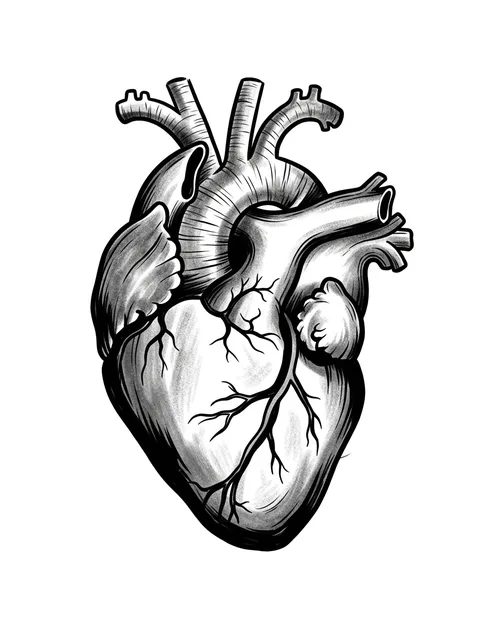
illustrative heart tattoo design Try it on — illustrative heart tattoo design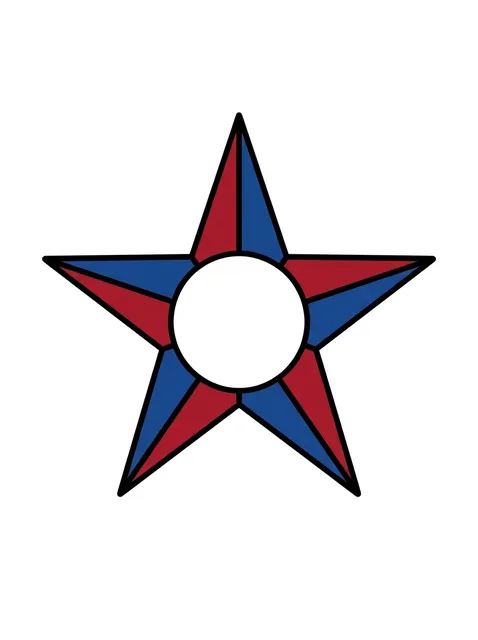
traditional star tattoo design Try it on — traditional star tattoo design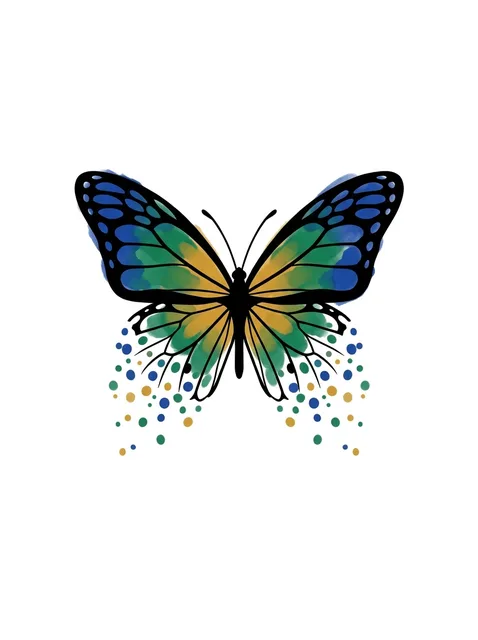
watercolor butterfly tattoo design Try it on — watercolor butterfly tattoo design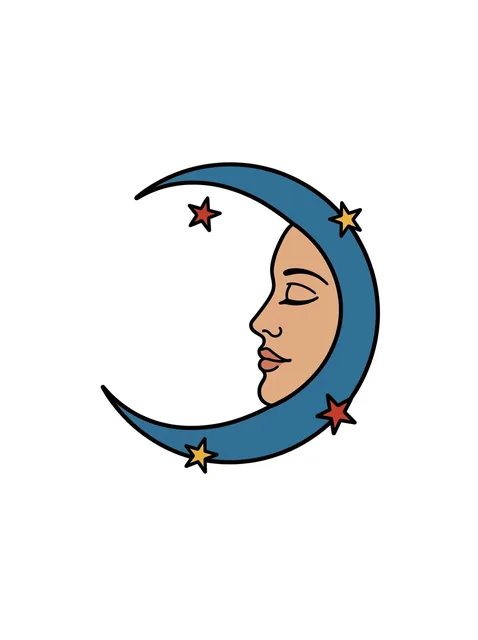
traditional moon tattoo design Try it on — traditional moon tattoo design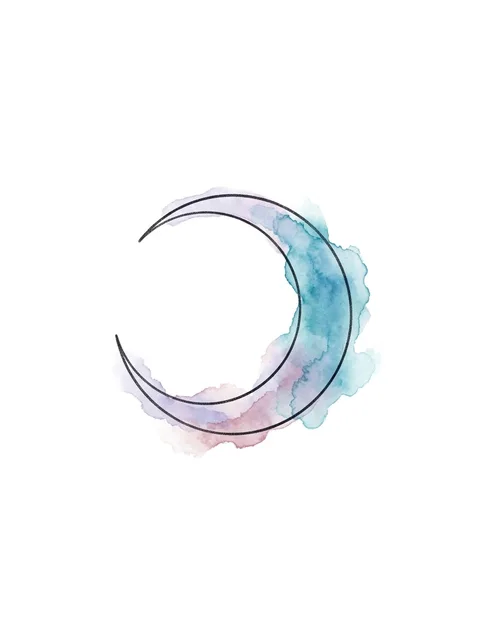
watercolor moon tattoo design Try it on — watercolor moon tattoo design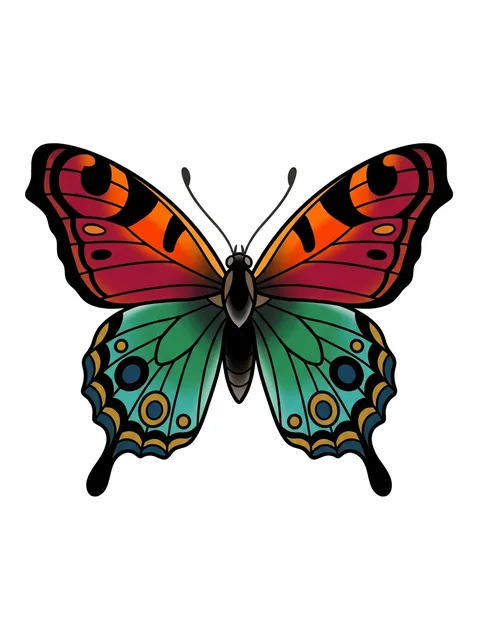
traditional butterfly tattoo design Try it on — traditional butterfly tattoo design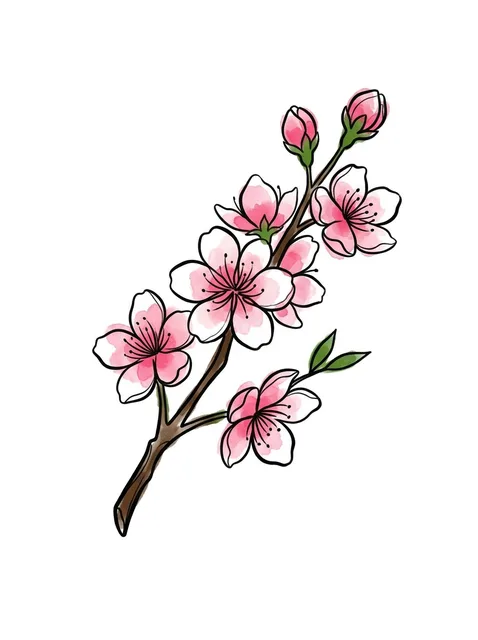
watercolor cherry blossom tattoo design Try it on — watercolor cherry blossom tattoo design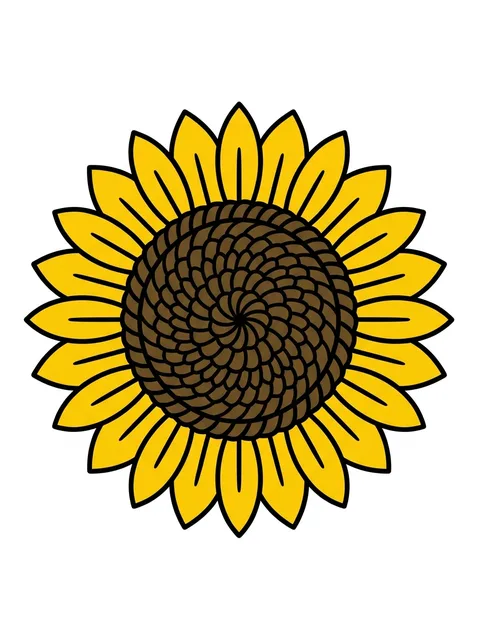
illustrative sunflower tattoo design Try it on — illustrative sunflower tattoo design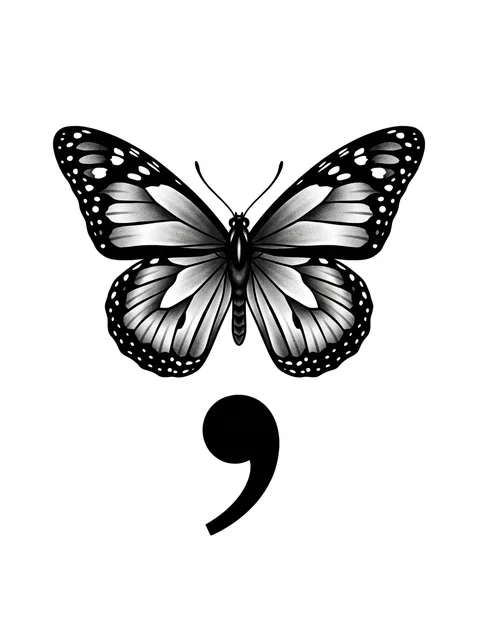
illustrative butterfly tattoo design Try it on — illustrative butterfly tattoo design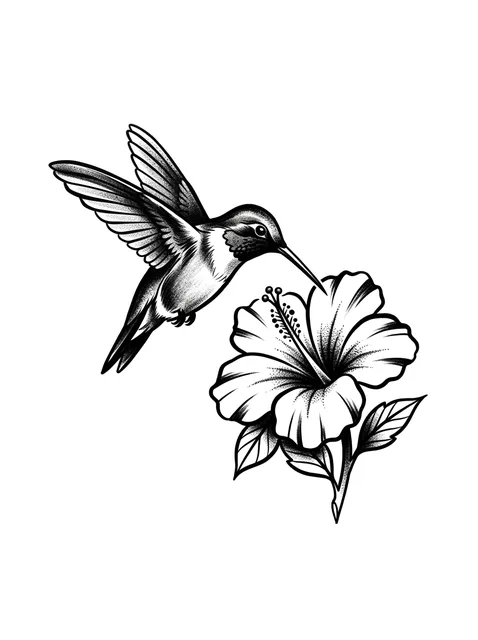
illustrative hummingbird tattoo design Try it on — illustrative hummingbird tattoo design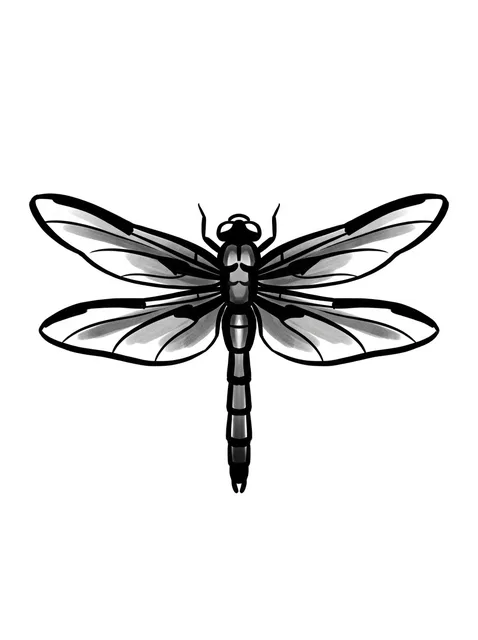
illustrative dragonfly tattoo design Try it on — illustrative dragonfly tattoo design
neo traditional moon tattoo design Try it on — neo traditional moon tattoo design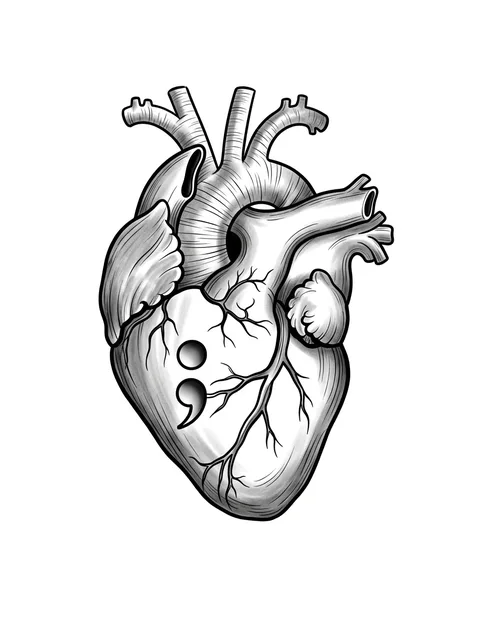
illustrative heart tattoo design Try it on — illustrative heart tattoo design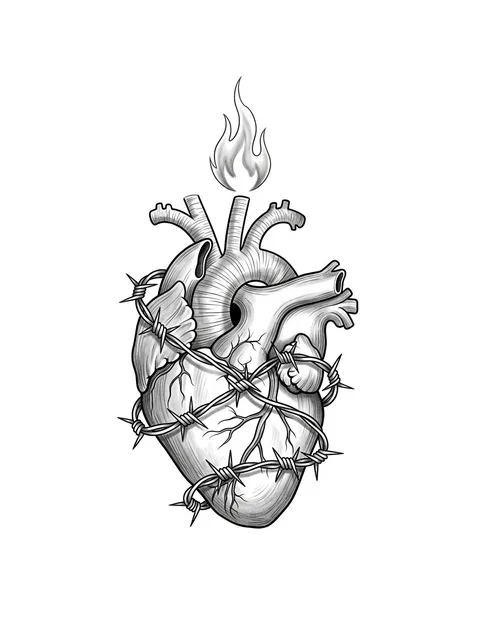
illustrative heart tattoo design Try it on — illustrative heart tattoo design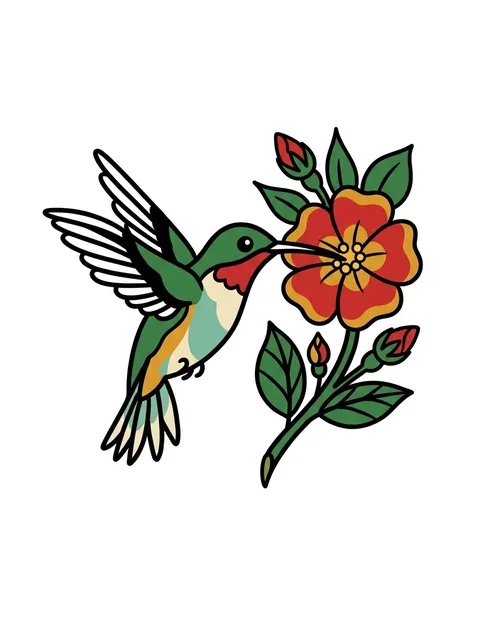
traditional hummingbird tattoo design Try it on — traditional hummingbird tattoo design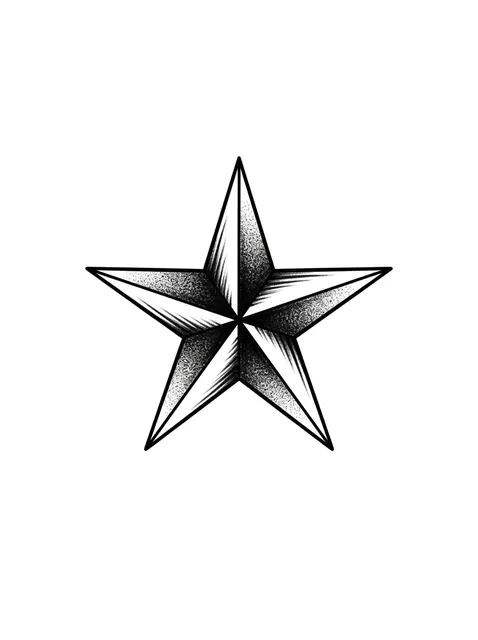
traditional star tattoo design Try it on — traditional star tattoo design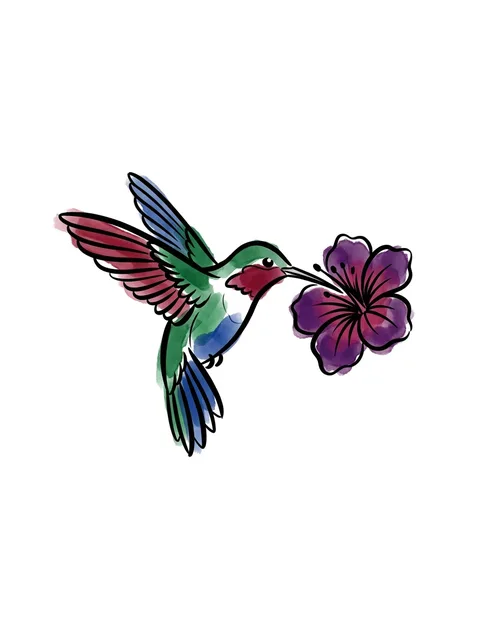
watercolor hummingbird tattoo design Try it on — watercolor hummingbird tattoo design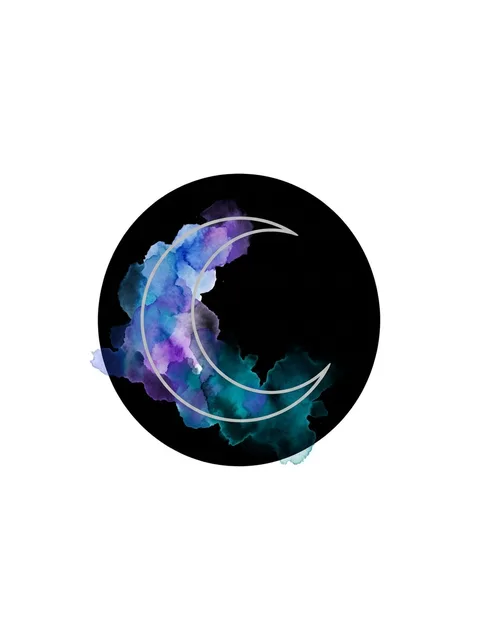
watercolor moon tattoo design Try it on — watercolor moon tattoo design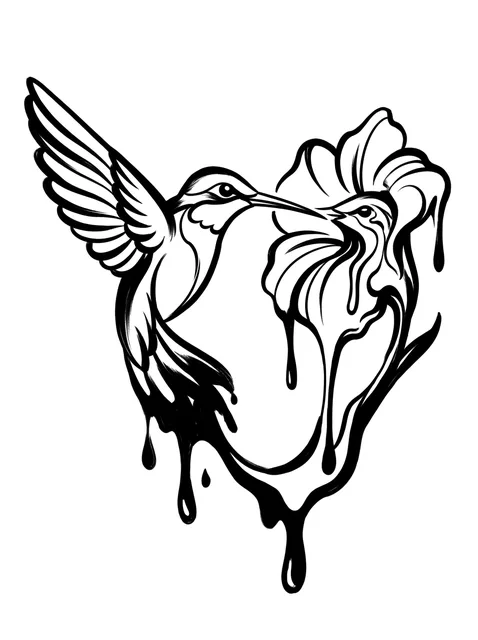
illustrative hummingbird tattoo design Try it on — illustrative hummingbird tattoo design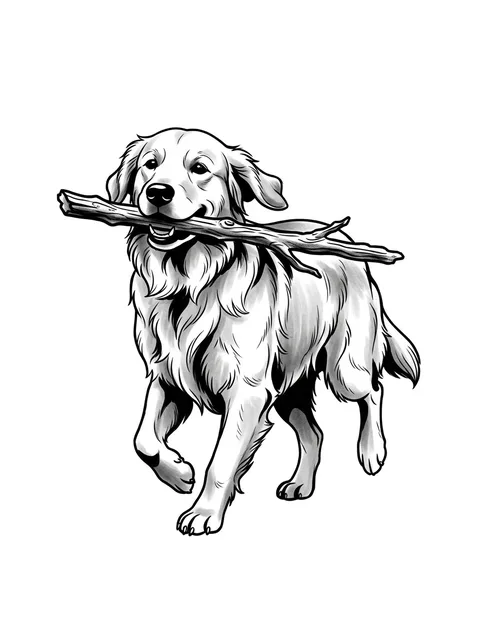
illustrative dog tattoo design Try it on — illustrative dog tattoo design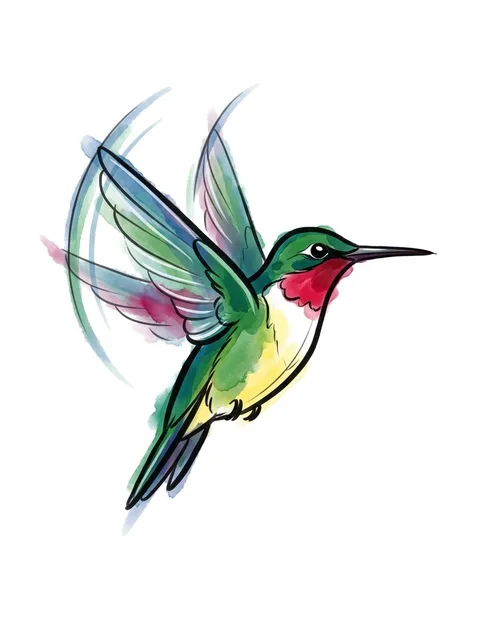
watercolor hummingbird tattoo design Try it on — watercolor hummingbird tattoo design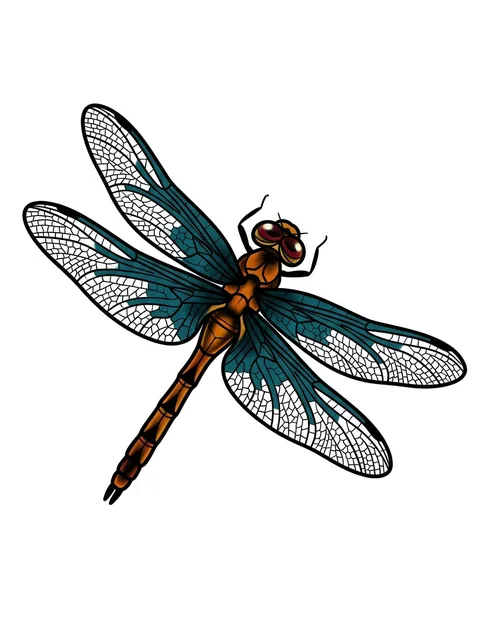
illustrative dragonfly tattoo design Try it on — illustrative dragonfly tattoo design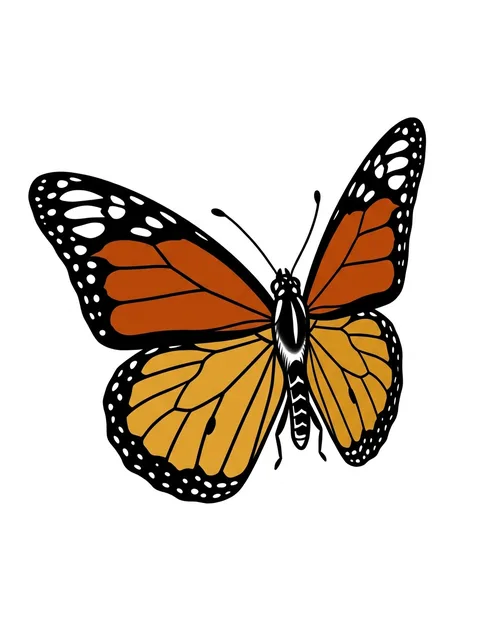
illustrative butterfly tattoo design Try it on — illustrative butterfly tattoo design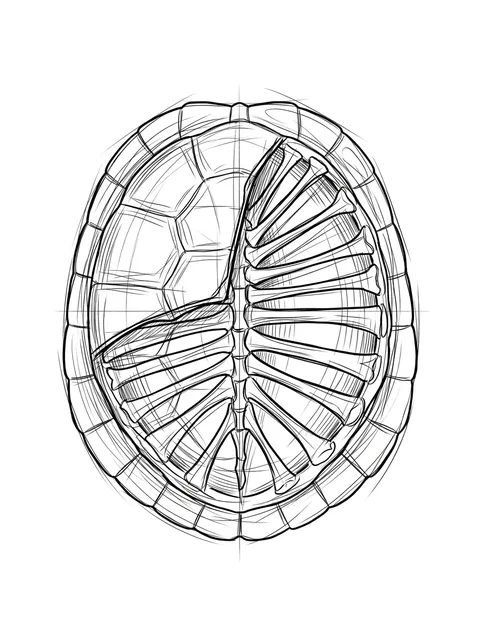
fine line turtle tattoo design Try it on — fine line turtle tattoo design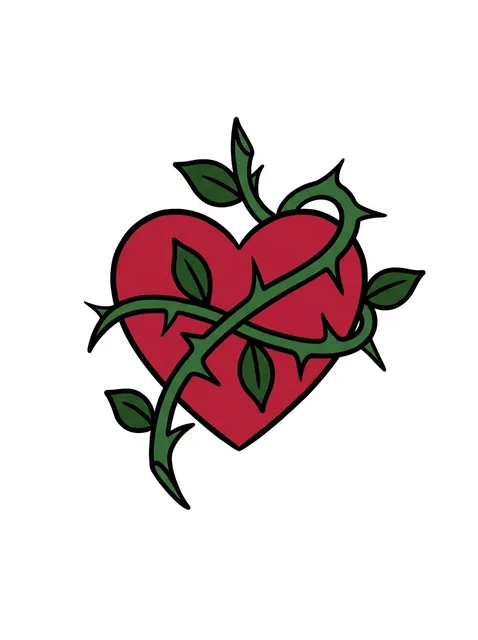
traditional heart tattoo design Try it on — traditional heart tattoo design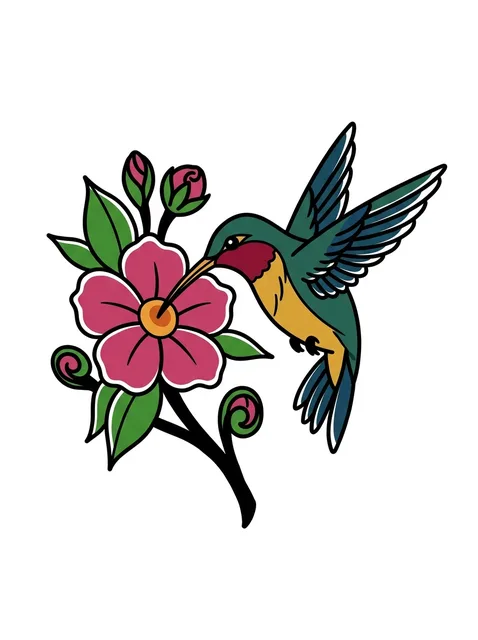
traditional hummingbird tattoo design Try it on — traditional hummingbird tattoo design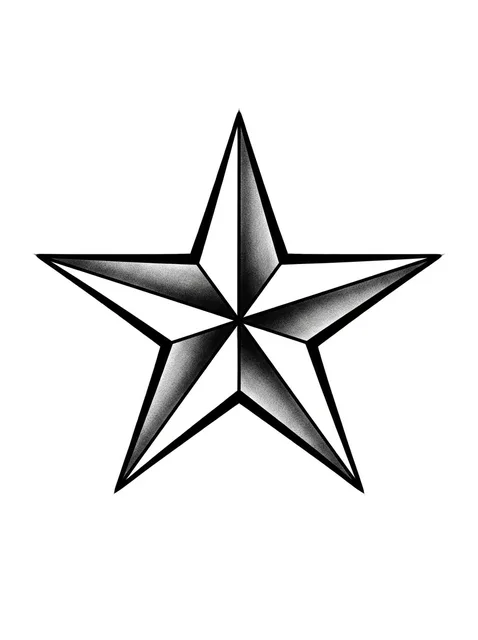
traditional star tattoo design Try it on — traditional star tattoo design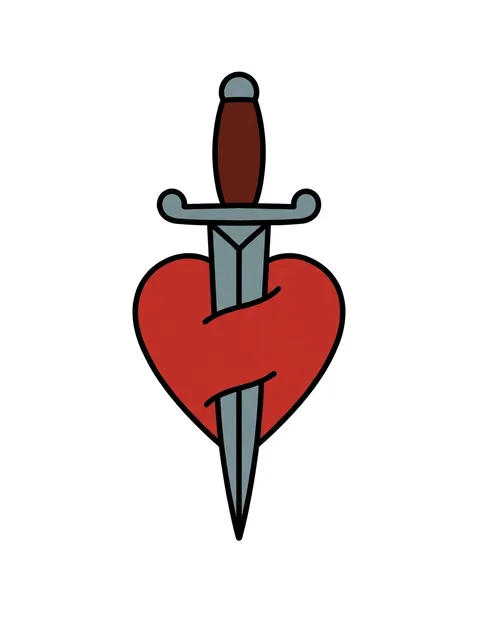
traditional heart tattoo design Try it on — traditional heart tattoo design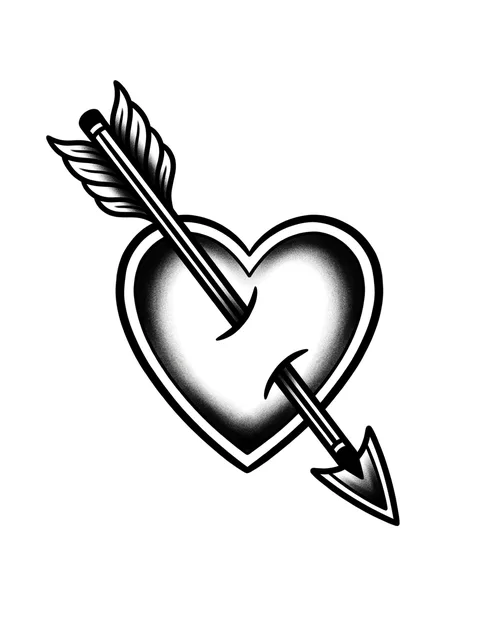
traditional heart tattoo design Try it on — traditional heart tattoo design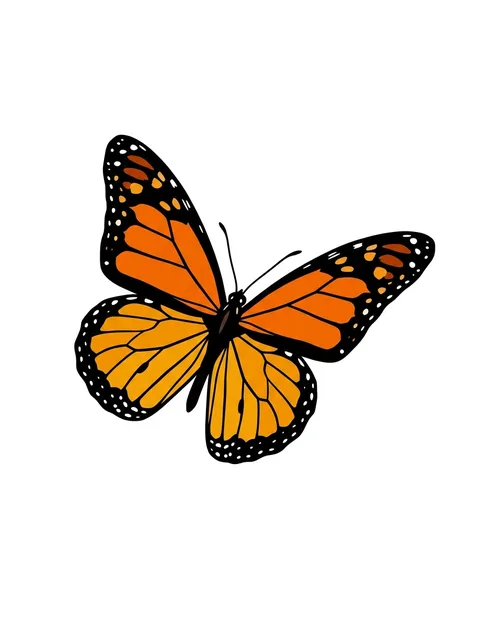
illustrative butterfly tattoo design Try it on — illustrative butterfly tattoo design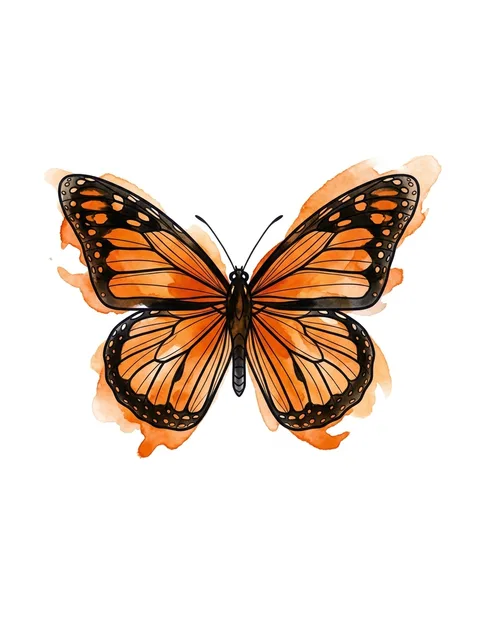
watercolor butterfly tattoo design Try it on — watercolor butterfly tattoo design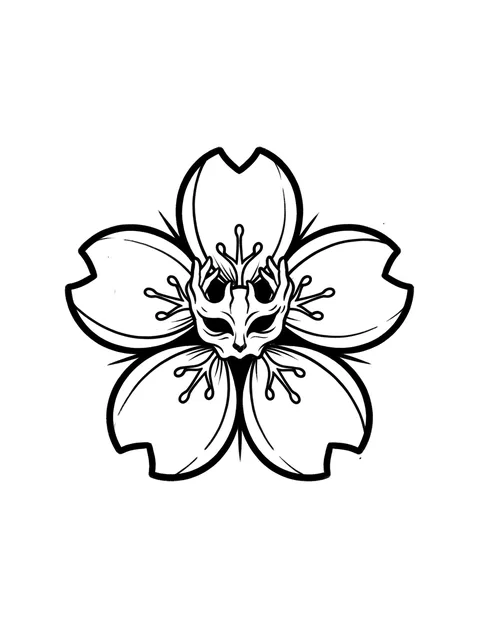
illustrative cherry blossom tattoo design Try it on — illustrative cherry blossom tattoo design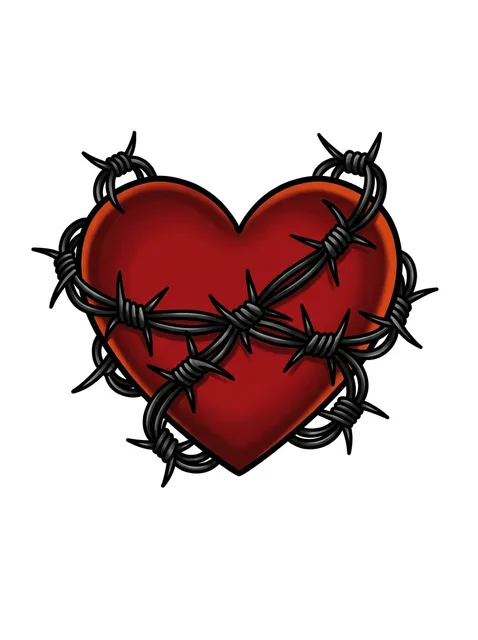
traditional heart tattoo design Try it on — traditional heart tattoo design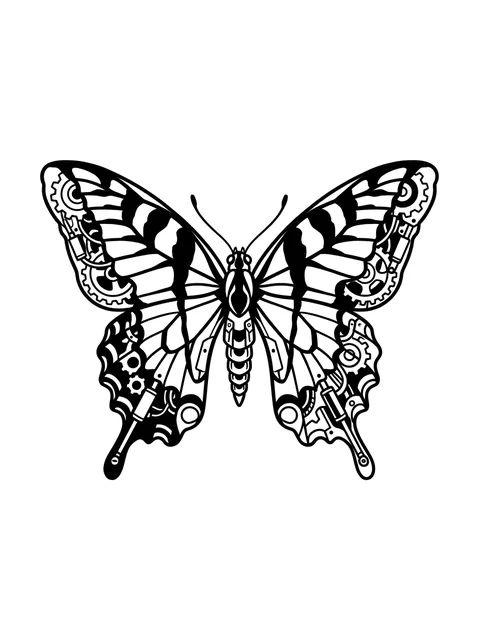
illustrative butterfly tattoo design Try it on — illustrative butterfly tattoo design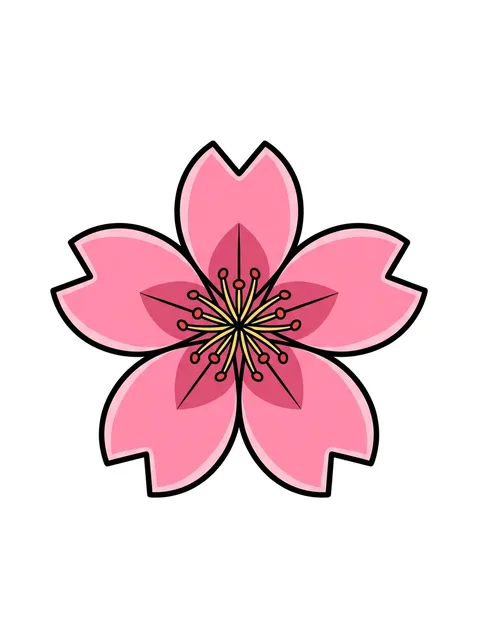
illustrative cherry blossom tattoo design Try it on — illustrative cherry blossom tattoo design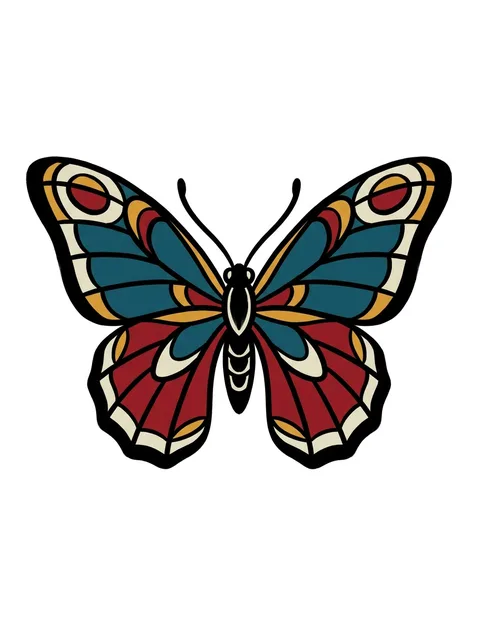
traditional butterfly tattoo design Try it on — traditional butterfly tattoo design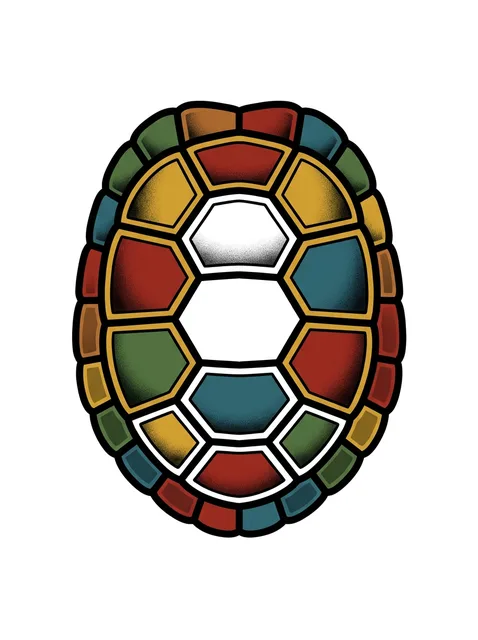
traditional turtle tattoo design Try it on — traditional turtle tattoo design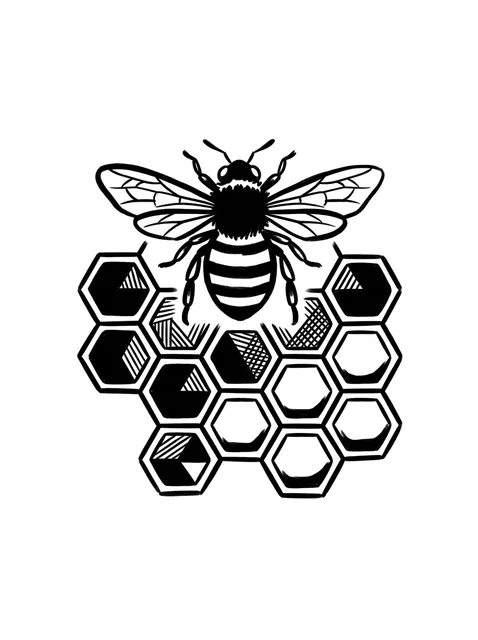
illustrative bee tattoo design Try it on — illustrative bee tattoo design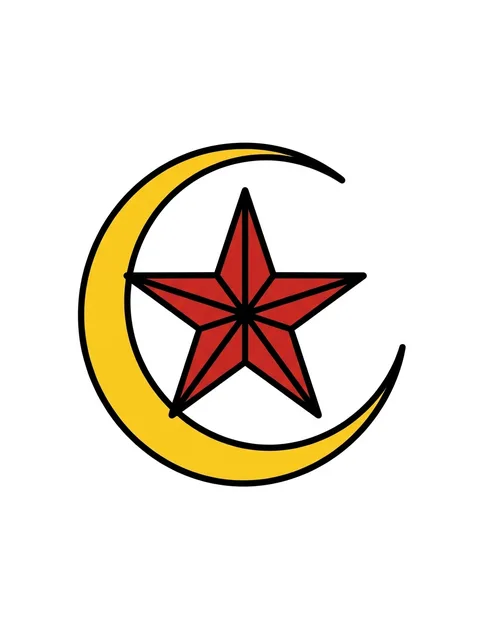
traditional star tattoo design Try it on — traditional star tattoo design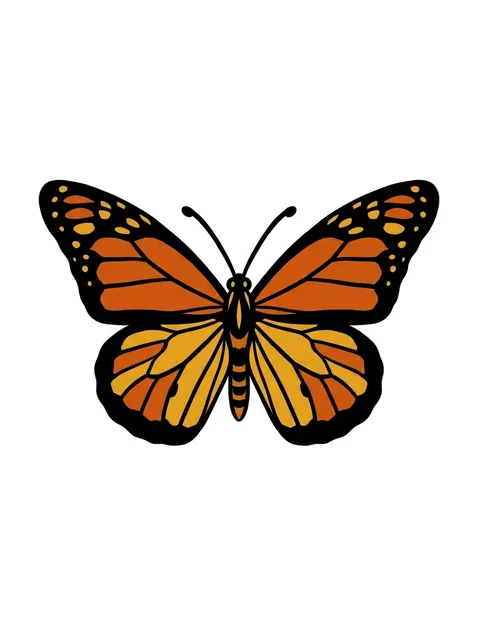
illustrative butterfly tattoo design Try it on — illustrative butterfly tattoo design


Filled by rule: the subjects people mean by cute, first-labelled with at most one companion, in fine line, illustrative, watercolour and the two traditional styles.
These 40 cute tattoos, in numbers
- Black and grey
- 16
- Colour
- 24
- Styles
- 5
- Subjects
- 11
What people mean by cute, and what the skin does to it
Cute tattoos are a subject list before they are a style: bees, butterflies, cats, dogs, hummingbirds, daisies, cherry blossom, hearts, stars, moons, mushrooms, frogs and turtles, drawn small and drawn kindly. The word points at roundness, at a subject caught mid-gesture, at an absence of menace. That is why the same butterfly is cute in fine line and not in blackwork, and why this page is filled from a subject list and a style list together.
Skin is unkind to cute work in one specific way. Cute designs are usually small and usually detailed, a face with eyes, a bee with stripes, and detail at small size is what ink spread erases first. A cute face whose eyes are two millimetres apart is a cute face for about three years. The fix is not to give up the detail but to give it room: draw the piece a size larger than instinct says, or reduce the detail to the two or three marks that carry the expression.
The grid here is filled from the cute subjects, first-labelled, carrying at most one companion label, in the styles that suit softness: fine line, minimalist, linework, illustrative, watercolour, traditional and neo-traditional. It is a rule and it says so, because a cute page chosen by one person's taste would be a page about that person.
Styles that keep cute soft
Fine line is the default for cute work and the one to be most careful with, for the reasons above: it is soft because the line is thin, and thin lines are the ones that close. Illustrative black and grey keeps the softness in the shading rather than the line and ages better for it. Watercolour gives cute subjects their colour without an outline to harden them and suits flowers and small birds in particular. Traditional flash, oddly, does cute very well: a bold-outlined cherry or a swallow is cute because the drawing is warm, and the heavy line means it stays legible for life.
What does not keep cute soft is too much of it. A single small creature on the inner arm is cute; five of them in a row start to read as a pattern, and the charm is in the singularity. If you want more than one, let them be different subjects at different sizes, or let one carry a companion, a bee on a flower, rather than repeating the figure.
Colour is a choice, not a requirement. Most cute tattoos are searched for in colour and most are worn in black and grey, because a soft grey drawing of a rabbit reads as a rabbit at every distance while a pastel one reads as a smudge past arm's length. The colour designs here are the ones where colour is the point, a monarch, a ladybird, a cherry.
Where cute sits, and how small it can go
Cute work lives on the places that get looked at closely: the inner wrist, the inner forearm, behind the ear, the ankle, the collarbone, the shoulder blade. Those are also the places that hold fine detail best, which is not a coincidence; small soft work and protected flat skin want each other. The exceptions are the fingers and the top of the foot, where cute designs go to fade.
Size is the decision to get right. A cute design under three centimetres will lose its face; at four to six it keeps it for a lifetime. Because these pieces are small, several can be placed in one sitting for one studio minimum, and that is the best way to build a set that reads as intended rather than accumulated.
Before booking, see the size honestly. On a screen a three centimetre bee fills the window; on a wrist it is the size of a thumbnail. Place it on a photograph of the spot at the size you mean, look at the gap between the stripes, and take that picture to the artist. The pages behind each design say what its subject means, if you want the reason as well as the drawing.
Common questions
- What are the cutest tattoo ideas?
- Small creatures and flowers drawn softly: a bee, a butterfly, a cat, a hummingbird, a daisy, a sprig of cherry blossom, a crescent moon with a star. What makes them cute is the drawing rather than the subject, roundness and a subject caught mid-gesture, so the same animal can be cute in fine line and fierce in blackwork.
- How small can a cute tattoo be?
- Four to six centimetres keeps a face or stripes readable for life; under three the detail closes as the ink spreads over a few years. Give cute work a size larger than instinct suggests, or reduce it to the two or three marks that carry the expression.
- Do cute tattoos have to be in colour?
- No, and most are worn in black and grey because a soft grey drawing reads at every distance while pastel colour reads as a smudge past arm's length. Colour is worth it where colour is the point, a monarch, a ladybird, a cherry.
- Where do cute tattoos look best?
- Inner wrist, inner forearm, behind the ear, ankle, collarbone and shoulder blade, the places that get looked at closely and hold fine detail. Fingers and the top of the foot are where small detailed work fades fastest.
See it on your own skin first
InkCraft places a design on a photo of you — scaled, wrapped and shaded to the spot you pick, so you can judge the size against your own body before it is permanent.