 InkCraft
Unique Tattoo Ideas Nobody Else Is Wearing
By Uladzimir TumanauUpdated
Unique does not mean strange. It means the version of a subject nobody else asked for: the sword guard instead of the sword, the empty armour instead of the warrior, the skull rack instead of the skull. These were picked one at a time with the reason each one is here.
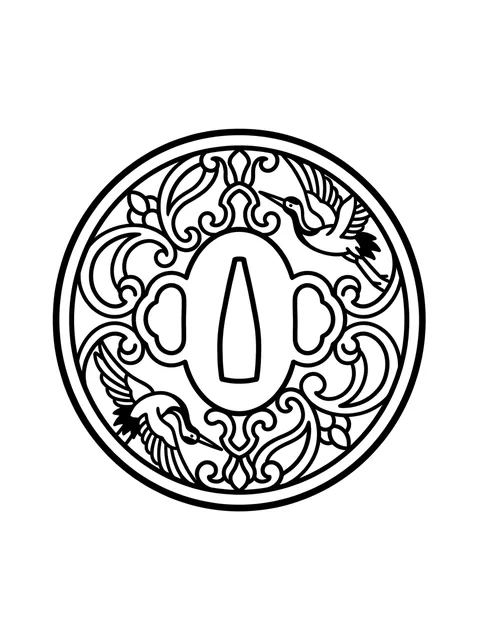
ornamental samurai tattoo design Try it on — ornamental samurai tattoo design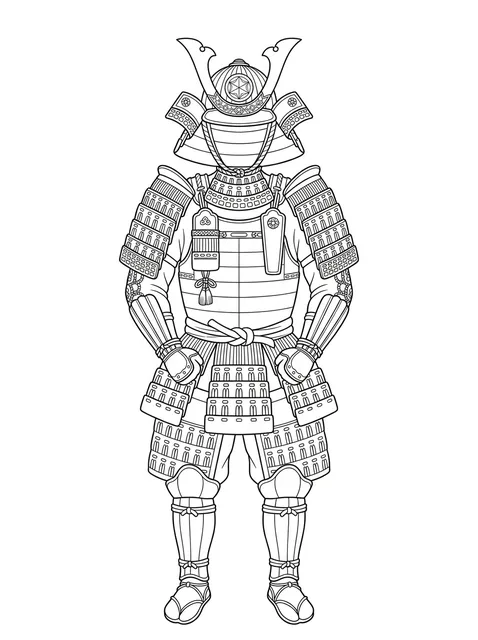
fine line samurai tattoo design Try it on — fine line samurai tattoo design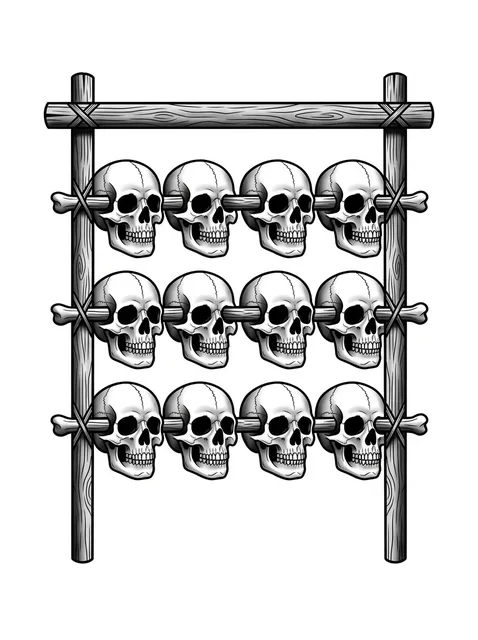
illustrative aztec tattoo design Try it on — illustrative aztec tattoo design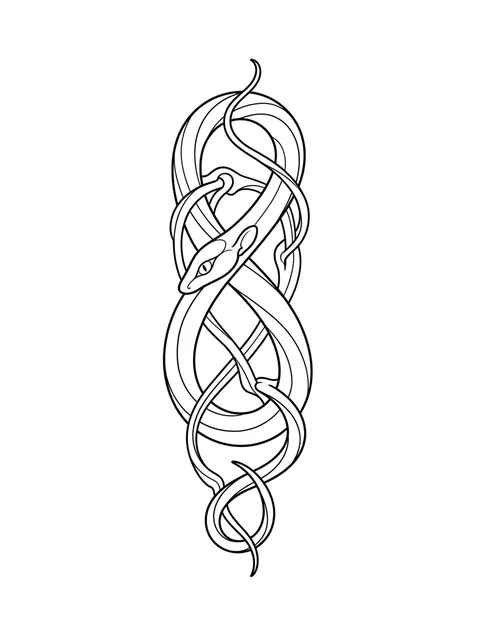
fine line viking tattoo design Try it on — fine line viking tattoo design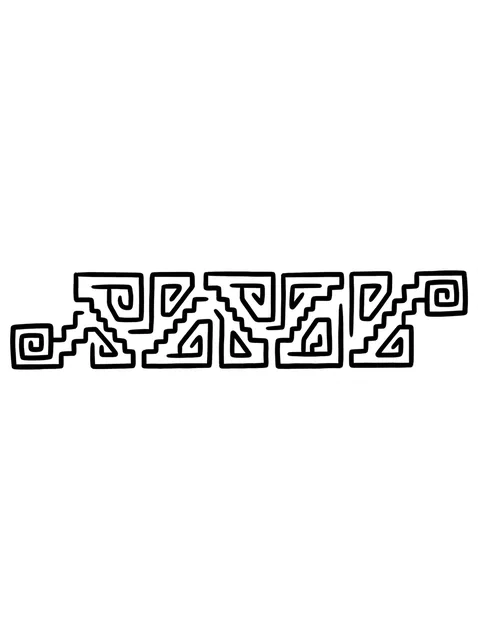
geometric aztec tattoo design Try it on — geometric aztec tattoo design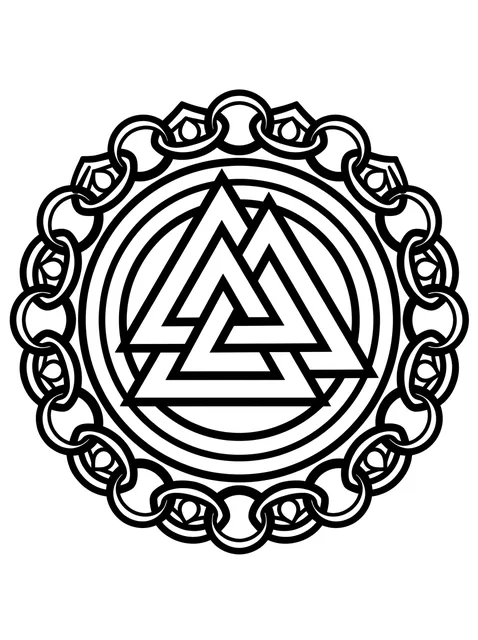
geometric viking tattoo design Try it on — geometric viking tattoo design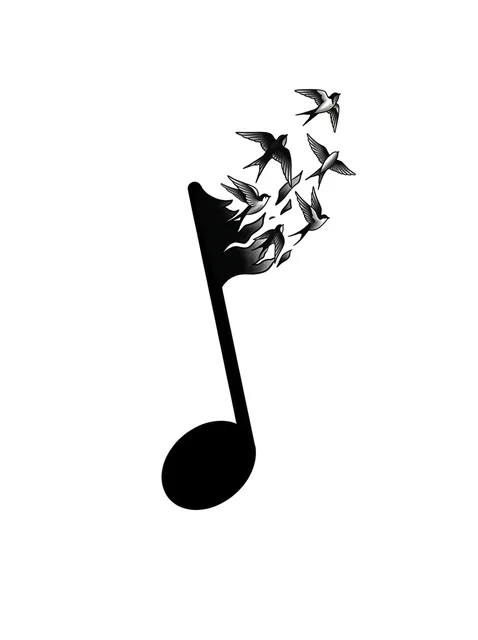
illustrative music note tattoo design Try it on — illustrative music note tattoo design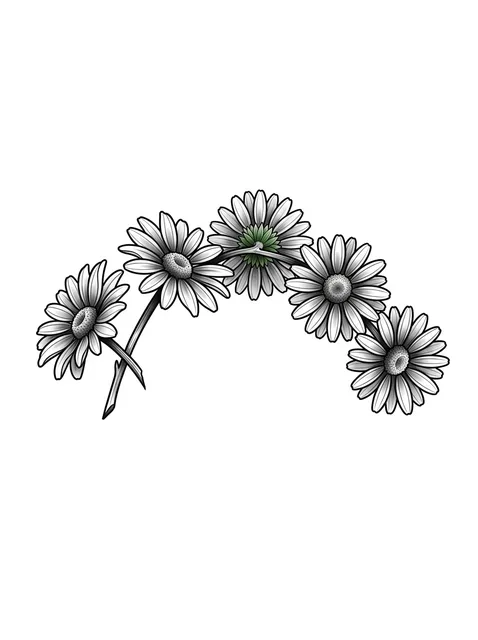
illustrative daisy tattoo design Try it on — illustrative daisy tattoo design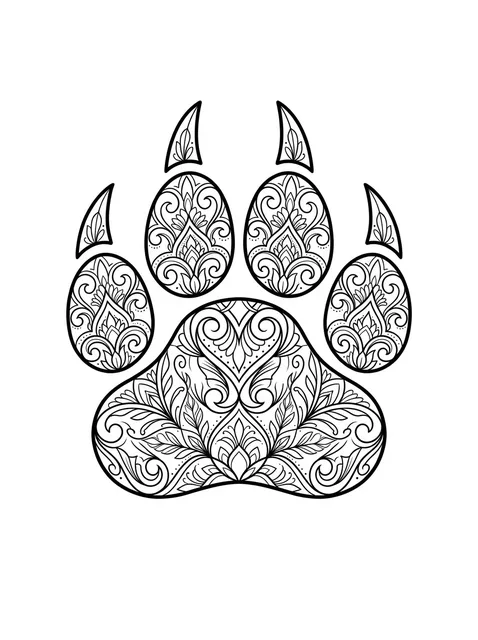
ornamental mandala tattoo design Try it on — ornamental mandala tattoo design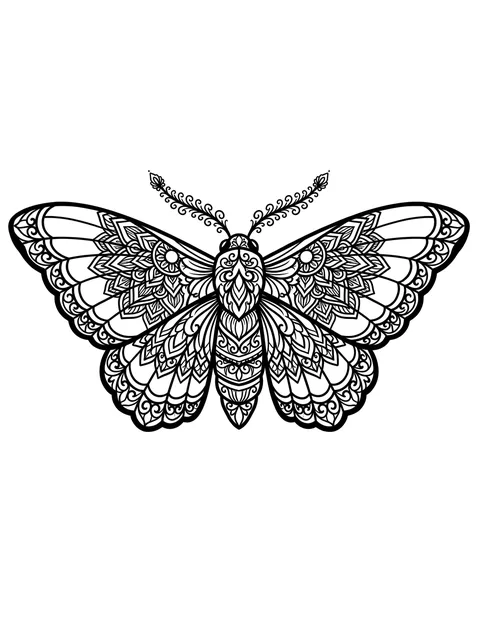
ornamental moth tattoo design Try it on — ornamental moth tattoo design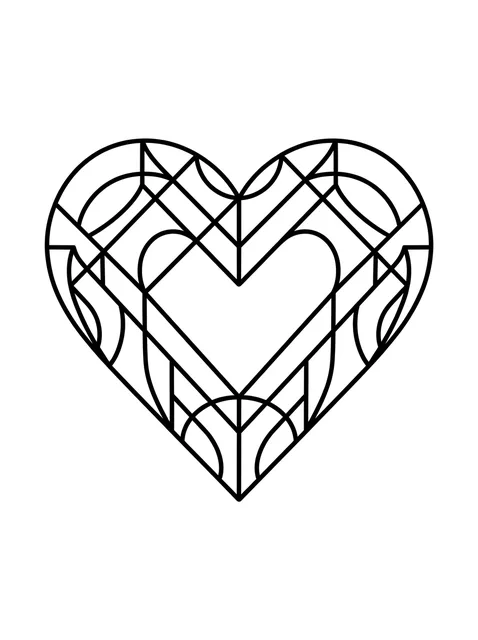
ornamental heart tattoo design Try it on — ornamental heart tattoo design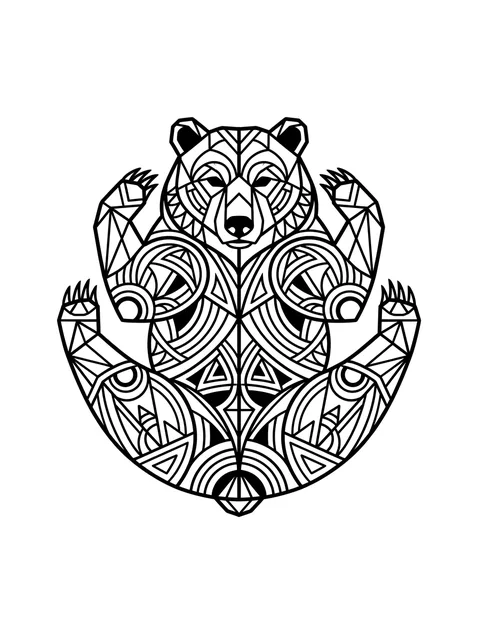
ornamental bear tattoo design Try it on — ornamental bear tattoo design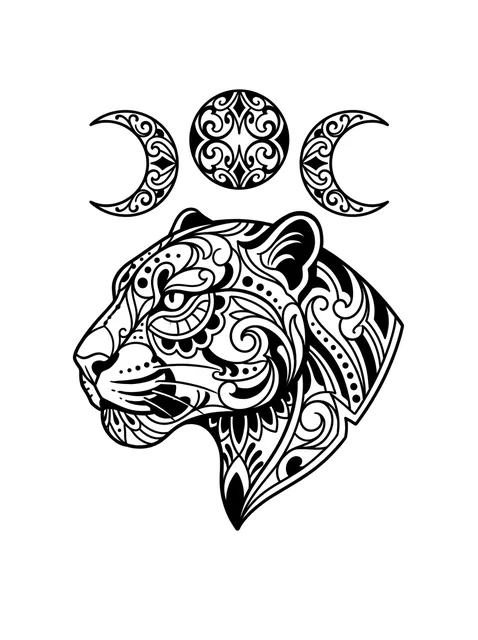
ornamental panther tattoo design Try it on — ornamental panther tattoo design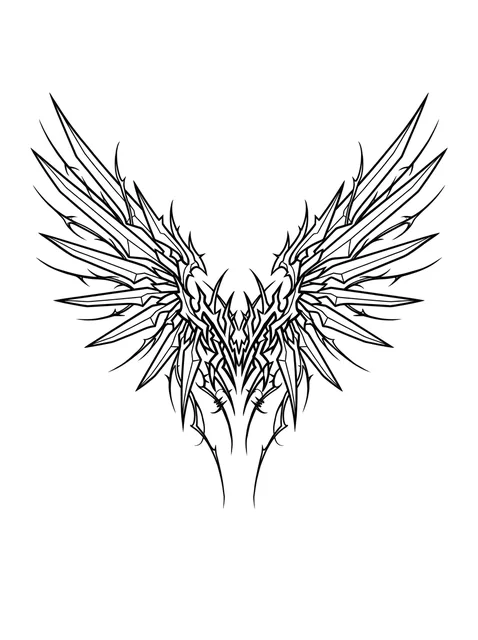
cybersigilism angel wings tattoo design Try it on — cybersigilism angel wings tattoo design
biomechanical lion tattoo design Try it on — biomechanical lion tattoo design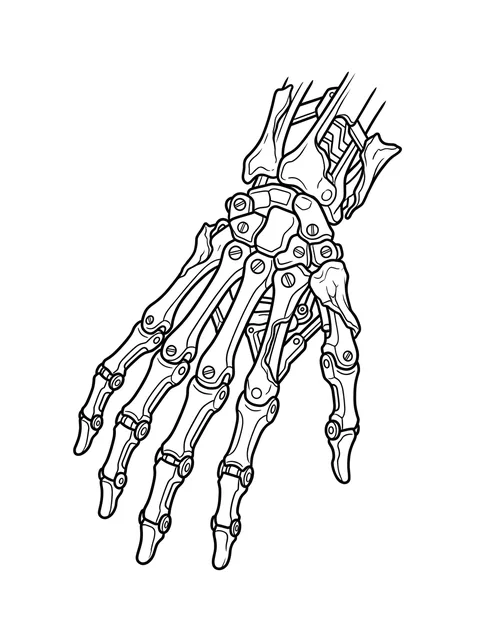
biomechanical skeleton hand tattoo design Try it on — biomechanical skeleton hand tattoo design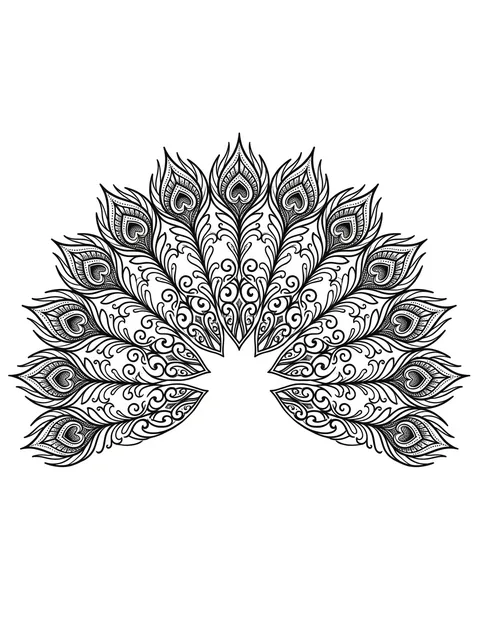
ornamental feather tattoo design Try it on — ornamental feather tattoo design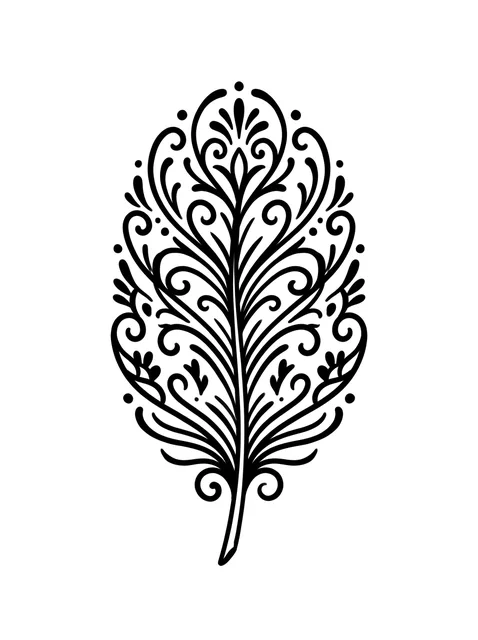
ornamental feather tattoo design Try it on — ornamental feather tattoo design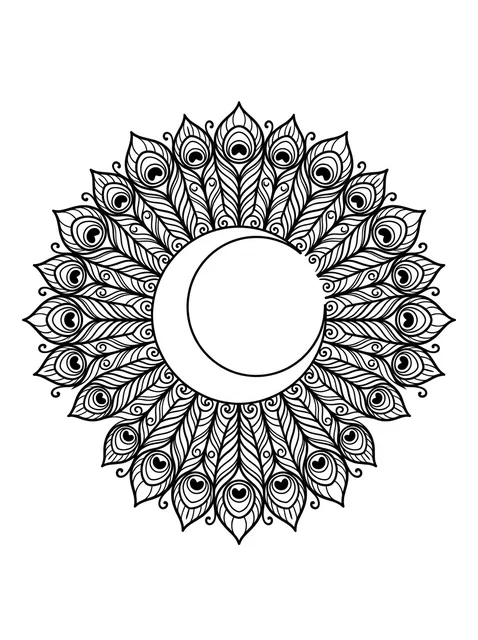
ornamental moon tattoo design Try it on — ornamental moon tattoo design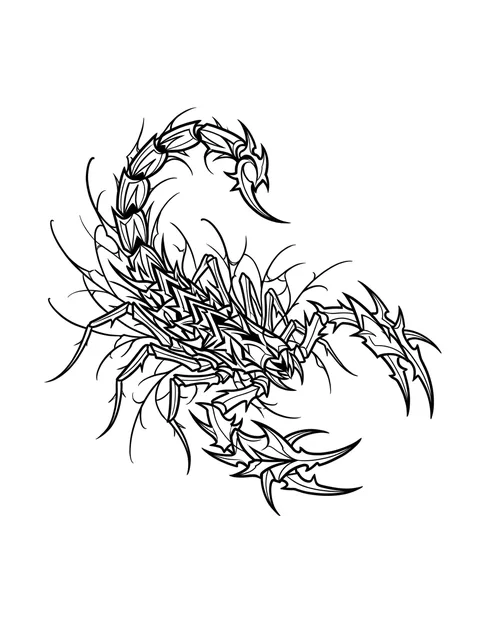
cybersigilism scorpion tattoo design Try it on — cybersigilism scorpion tattoo design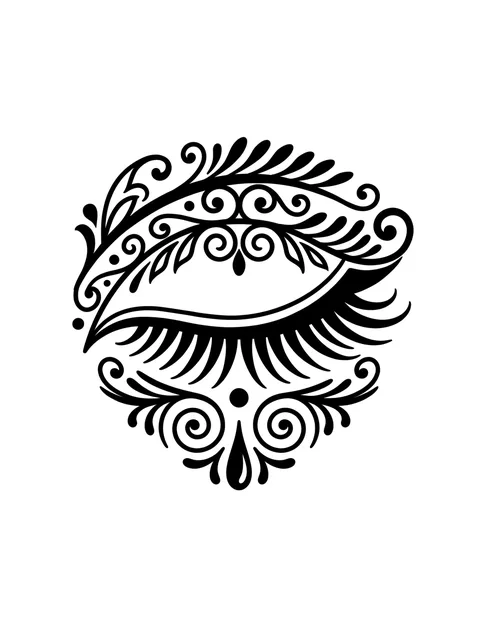
ornamental eye tattoo design Try it on — ornamental eye tattoo design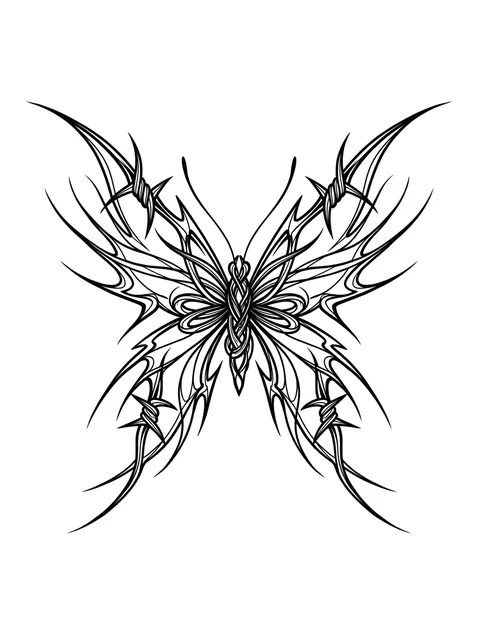
cybersigilism butterfly tattoo design Try it on — cybersigilism butterfly tattoo design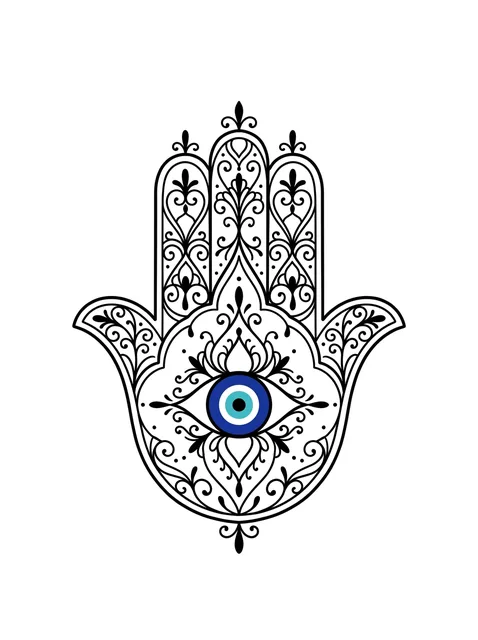
ornamental hamsa tattoo design Try it on — ornamental hamsa tattoo design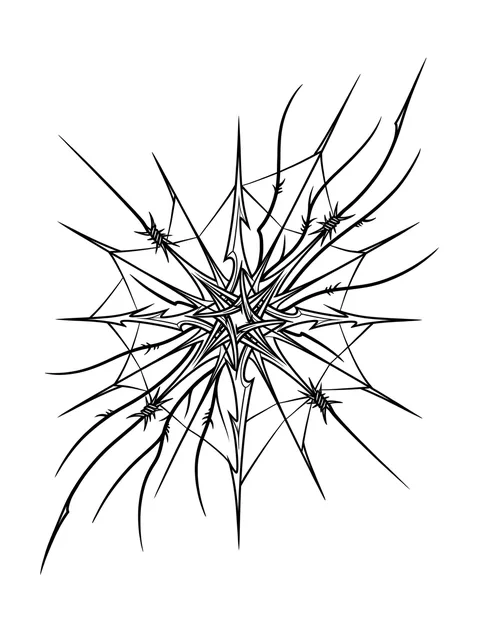
cybersigilism abstract tattoo design Try it on — cybersigilism abstract tattoo design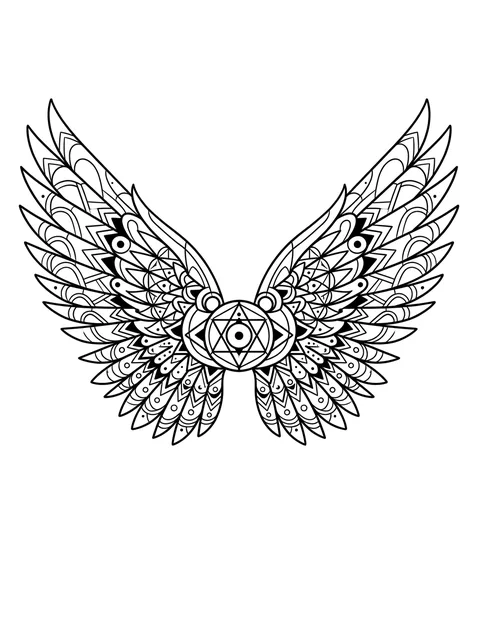
ornamental angel wings tattoo design Try it on — ornamental angel wings tattoo design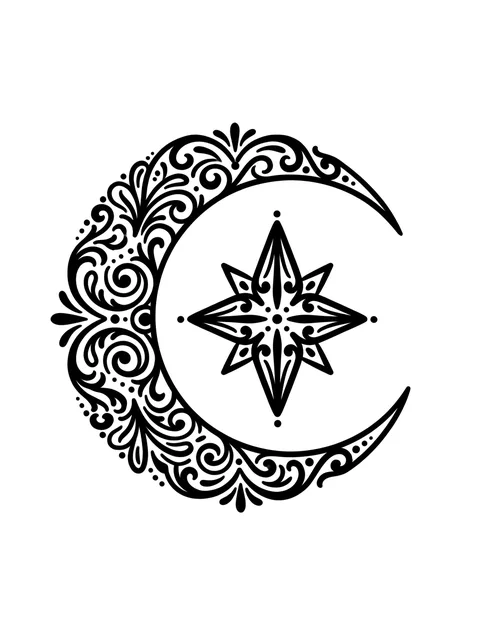
ornamental moon tattoo design Try it on — ornamental moon tattoo design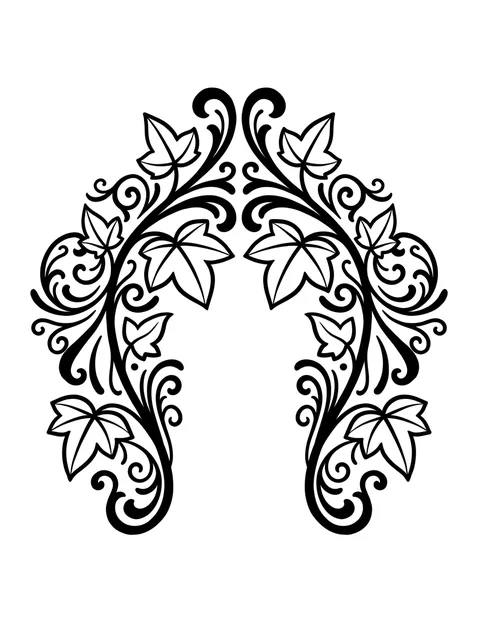
ornamental leaf tattoo design Try it on — ornamental leaf tattoo design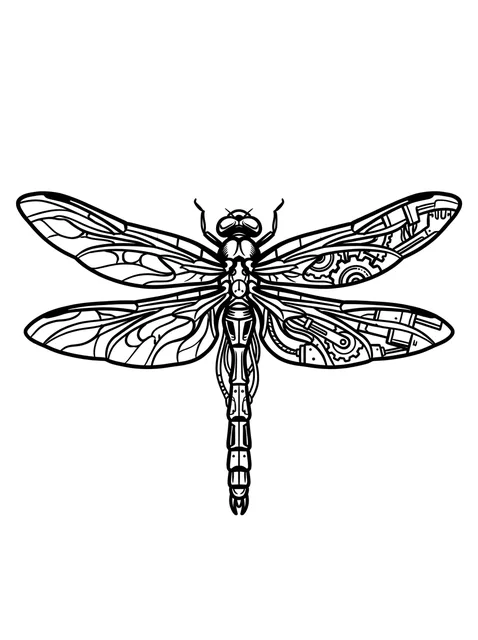
biomechanical dragonfly tattoo design Try it on — biomechanical dragonfly tattoo design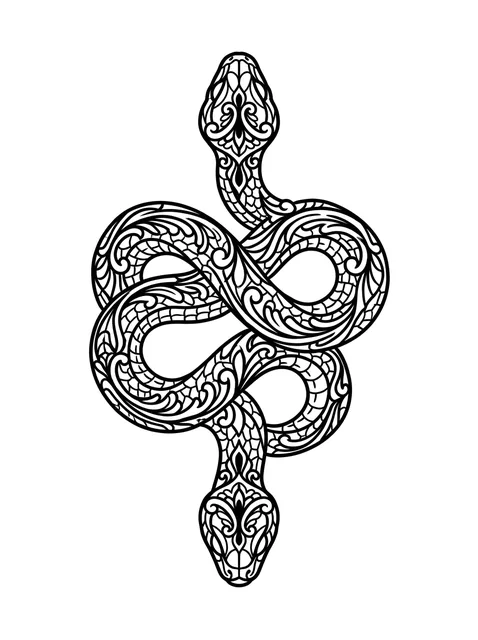
ornamental aztec tattoo design Try it on — ornamental aztec tattoo design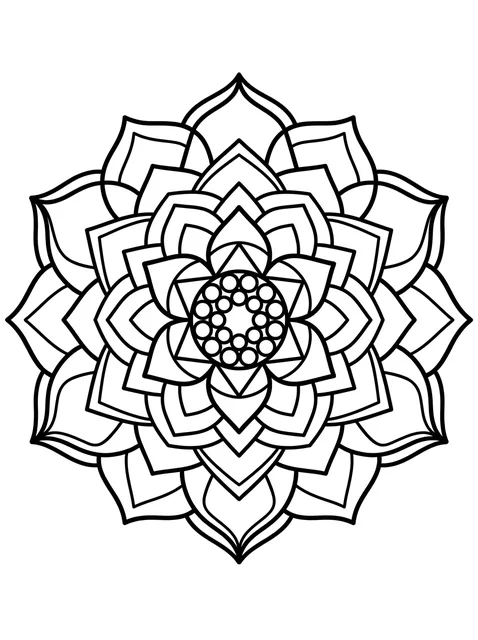
ornamental mandala tattoo design Try it on — ornamental mandala tattoo design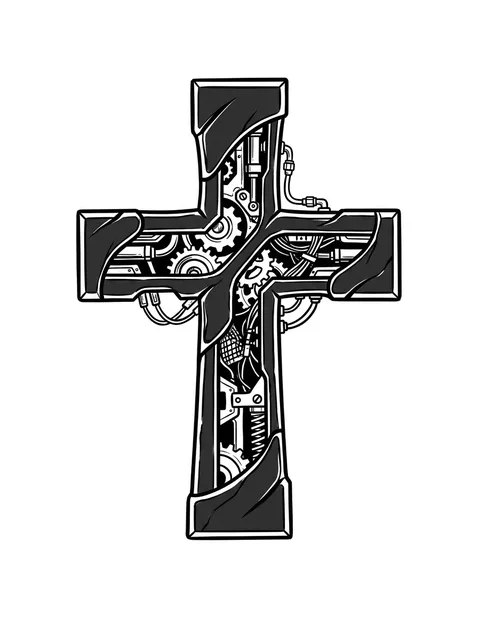
biomechanical cross tattoo design Try it on — biomechanical cross tattoo design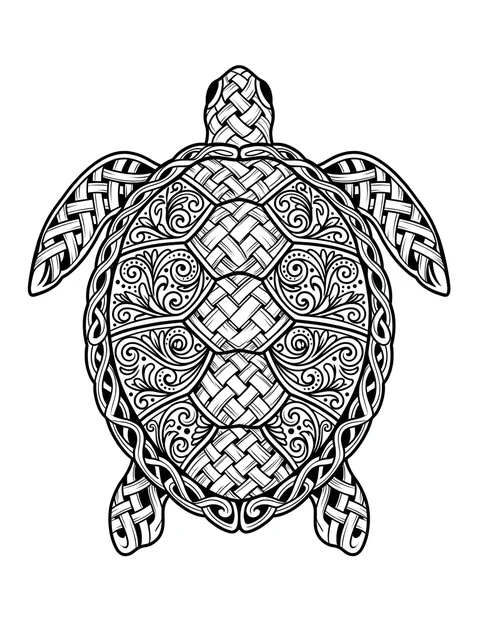
ornamental turtle tattoo design Try it on — ornamental turtle tattoo design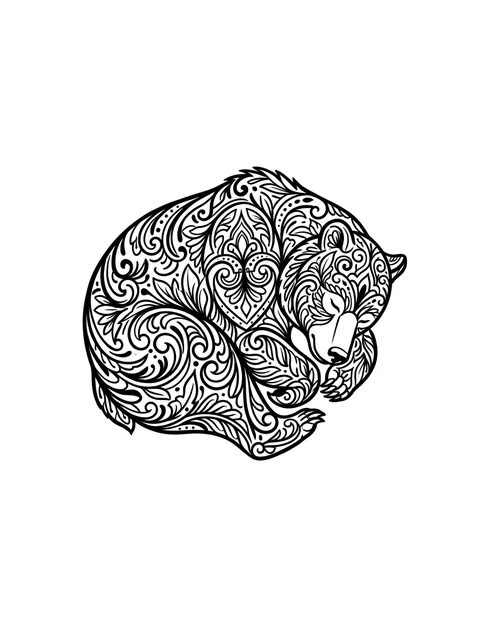
ornamental bear tattoo design Try it on — ornamental bear tattoo design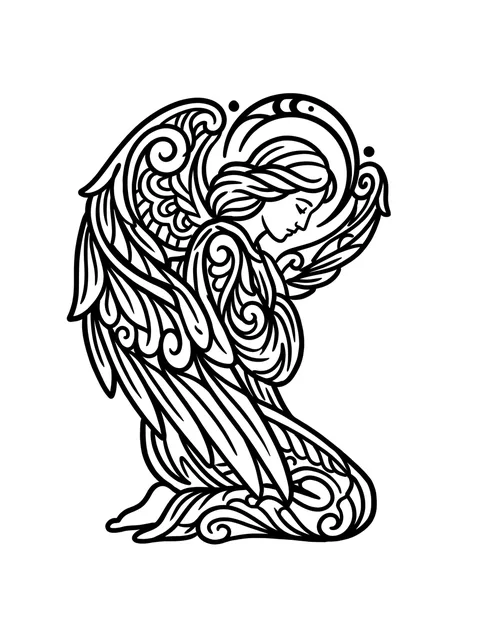
ornamental angel tattoo design Try it on — ornamental angel tattoo design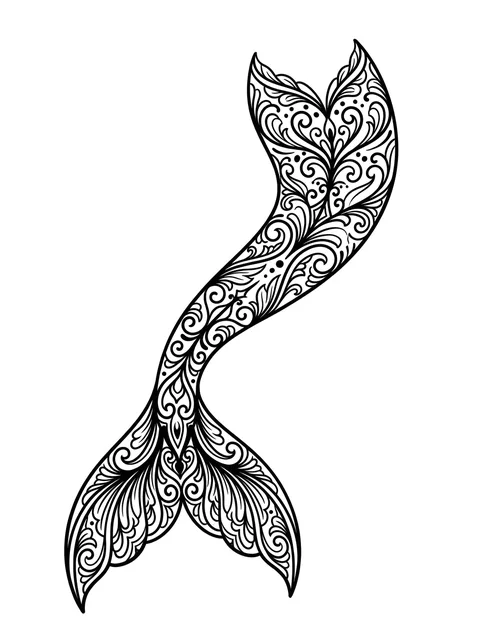
ornamental mermaid tattoo design Try it on — ornamental mermaid tattoo design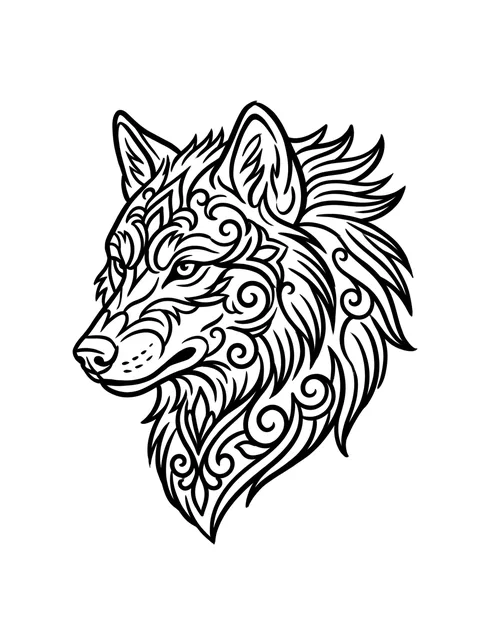
ornamental wolf tattoo design Try it on — ornamental wolf tattoo design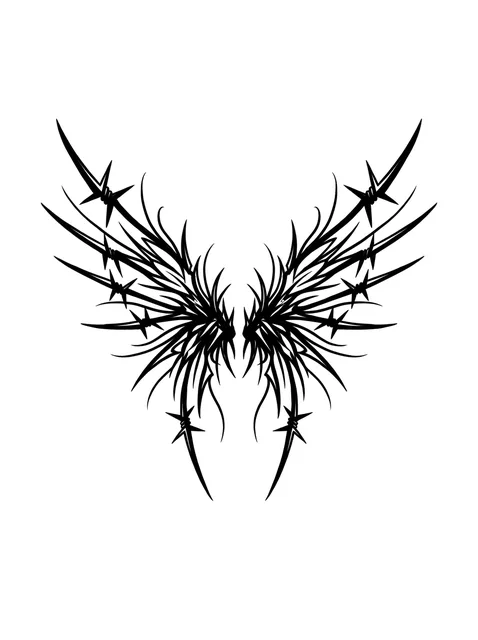
cybersigilism angel wings tattoo design Try it on — cybersigilism angel wings tattoo design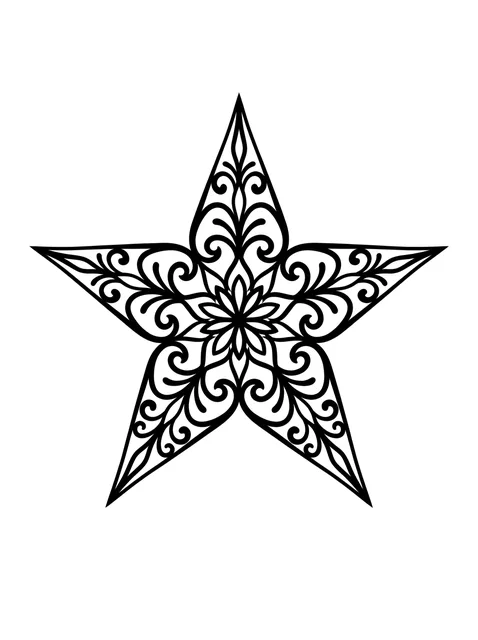
ornamental star tattoo design Try it on — ornamental star tattoo design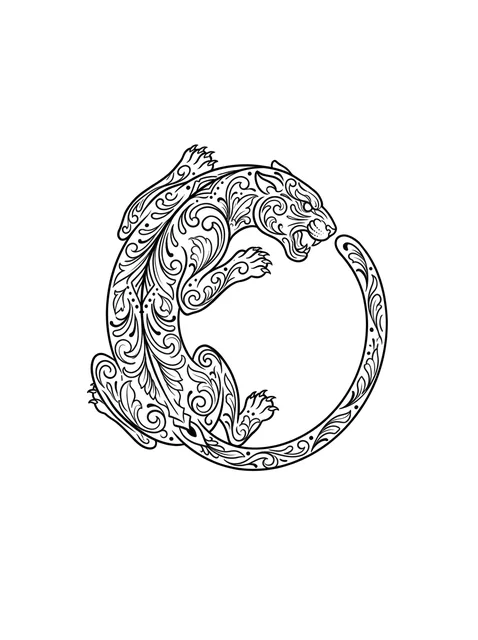
ornamental panther tattoo design Try it on — ornamental panther tattoo design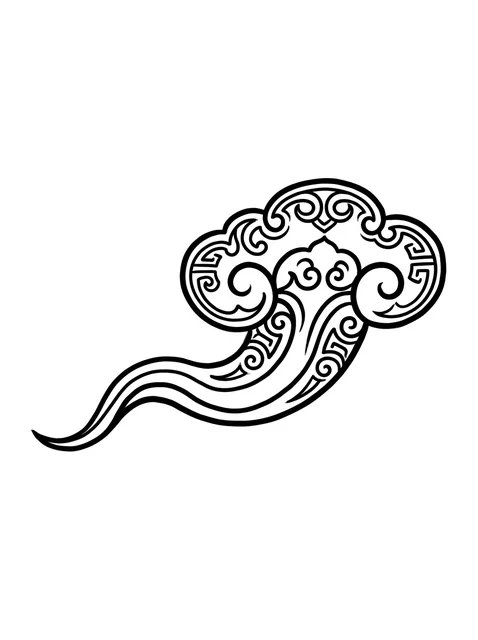
ornamental cloud tattoo design Try it on — ornamental cloud tattoo design


The first eight were picked one at a time, with the reason under each; the rest are ornamental, surreal, biomechanical and cybersigilism designs, the four styles that are structurally unusual.
Why these 8 lead the page
- ornamental samurai
- A tsuba sword guard with two cranes pierced through it. The whole samurai subject in one round object, and a composition almost nobody has asked for.
- fine line samurai
- An empty armour stand, plates and helmet arranged as if worn with nobody inside. The absence is the design, and it reads at any size the lacing survives.
- illustrative aztec
- A tzompantli, the Aztec skull rack, drawn as the specific structure it was rather than as skulls. Named by the page, worn by almost no one.
- fine line viking
- An Urnes-style ribbon serpent, the last phase of Viking art, tall and narrow enough for a forearm. Unmistakably Norse to anyone who knows, and knotwork to everyone else.
- geometric aztec
- A stepped xicalcoliuhqui fret band alone: the base pattern of Aztec visual language with no figure in front of it. A real thing, a small piece, and rare because it is not a picture.
- geometric viking
- A Valknut over a shield boss inside a ring chain. Three interlocked triangles with a date behind them, set in period ornament instead of floating on skin.
- illustrative music note
- A quaver whose flag breaks into swallows, with the note drawn correctly, stem on the right side. The accuracy is what makes the fancy readable rather than decorative.
- illustrative daisy
- A daisy chain with the stems actually split and threaded through each other, which is how a real one is made and how almost no drawn one is. Unique by being right.
These 40 unique tattoos, in numbers
- Black and grey
- 39
- Colour
- 1
- Styles
- 6
- Subjects
- 29
The object instead of the figure
Most subjects on this site have one version everyone gets. The samurai is a masked warrior in three-quarter view; the Viking is a bearded man; the Aztec is a warrior in a headdress from the wrong continent. A unique tattoo is very often the same subject approached from the side: the tsuba sword guard with its pierced cranes, the armour stand with nobody in it, the tzompantli skull rack. Each one carries the whole subject, is instantly recognisable to anyone who knows it, and has almost never been tattooed.
That is a better route to unique than invention. A design nobody has seen because it was made up on the spot reads as made up; a design nobody has seen because it is the object at the edge of a real tradition reads as knowledge. The picks at the top of this grid were chosen on that test and each says why under it.
The rule that fills the rest of the grid follows the same logic in style rather than subject: ornamental, surreal, biomechanical and cybersigilism work, the four styles on this site that are structurally unusual, where the treatment itself is the thing few people have.
Pattern, notation and things that are true
The second route to unique is the pattern that a tradition is actually made of. A stepped Aztec fret band on its own, an Urnes-style serpent from the last phase of Viking art, a Valknut set in a ring chain: each is a real thing with a date and a place, each is unmistakable to the people who know it, and each is almost never worn because it is not a picture of anything. They make exceptional small pieces for exactly that reason.
Notation is a third. A treble clef breaking into a flock of swallows is unique only if the clef is drawn correctly, which most are not; the correctness is the design. The same is true of a daisy chain drawn with the stems actually split and threaded, which is how a real one is made and how almost no drawn one is. Unique, on inspection, is very often just accurate.
What does not make a tattoo unique is the arbitrary: a rose with a clock in it, a skull with a galaxy in the eye socket. Those are combinations, and combinations are the most common tattoos there are. If you want a piece nobody else has, take one real thing and draw it properly.
Wearing something nobody recognises
A unique tattoo has a cost that a cool one does not: most people will not know what it is. That is either the point or a problem, and it is worth deciding which before booking. A gripping beast will be read as knotwork by everyone who is not a Norse art historian, and that is fine; the piece works as ornament and rewards the one person a year who knows. A tzompantli will be read as a rack of skulls, which is what it is.
Unique pieces also want a placement that lets them be looked at. The inner forearm, the ribs, the back and the thigh suit a design that rewards attention; the outer forearm and the calf suit a design that has to work at a glance. Most of the picks here are the former, and their pages say how large each wants to be.
The last test is time. A unique design chosen for its strangeness stops being strange in a year; one chosen for its source is as unusual in twenty years as it is today, because the source does not move. Put one on a photo of yourself and leave it there for a week before you book; unique is the adjective most worth sleeping on.
Common questions
- What makes a tattoo unique?
- Approaching a known subject from the side, the object instead of the figure or the pattern instead of the picture, drawn from a real source. A sword guard, an empty armour stand or a stepped fret band carry a whole tradition and are almost never worn. Invention reads as invented; the edge of a real tradition reads as knowledge.
- Are unique tattoos more expensive?
- Not for the tattooing, which is priced by hours like anything else. They can cost more in preparation if the artist has to research the source, and a good artist will want to. Bringing the reference yourself, from a page like this, removes that.
- Will people know what my unique tattoo is?
- Usually not, and that is worth deciding about beforehand. Most unique pieces work as ornament for everyone and as a specific thing for the few who recognise it. If you want the meaning read, choose the object that still reads as itself, a helmet, a skull rack, a clef.
- How do I make a common tattoo unique?
- Change the angle, not the subject. Draw the object at the edge of the subject's world, the sword guard rather than the sword, or choose a style with a real grammar, ornamental or geometric, and let the treatment be the unusual part. Adding a second unrelated subject makes it more common, not less.
See it on your own skin first
InkCraft places a design on a photo of you — scaled, wrapped and shaded to the spot you pick, so you can judge the size against your own body before it is permanent.