 InkCraft
Tattoo stencils
By Uladzimir TumanauUpdated
A stencil is the outline an artist transfers onto skin before any ink goes in. These are our designs drawn in the line styles that are stencils in the strict sense, one per subject, with how a stencil is sized, placed and used, and a way to see any of them on yourself first.
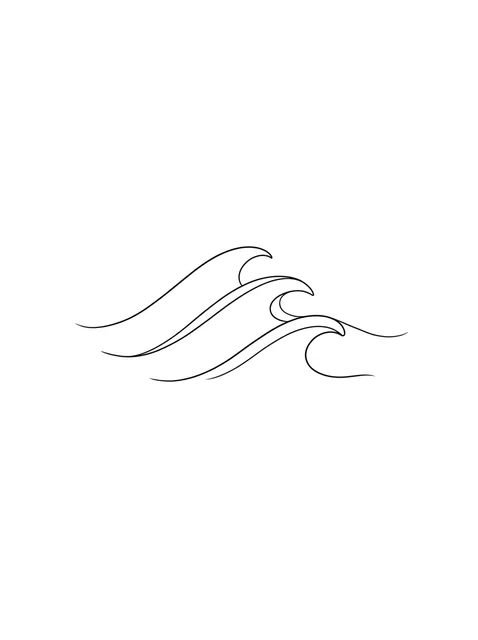
wave tattoo stencil, fine line outline Try it on — wave tattoo stencil, fine line outline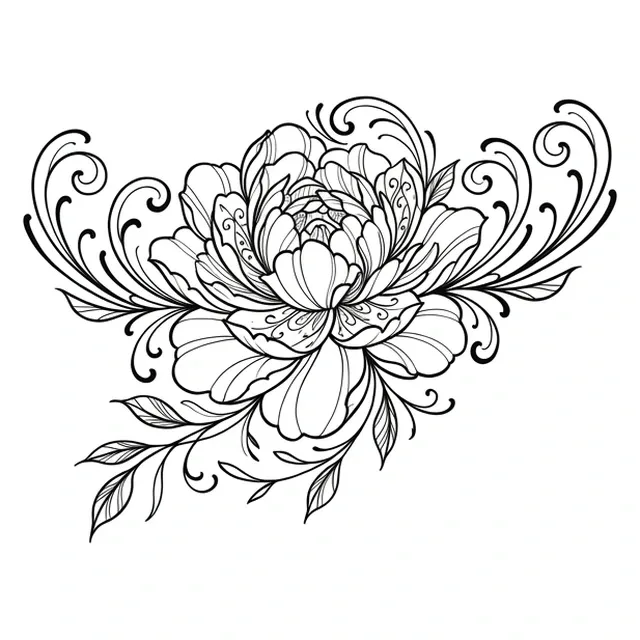
peony tattoo stencil, fine line outline Try it on — peony tattoo stencil, fine line outline
abstract tattoo stencil, minimalist outline Try it on — abstract tattoo stencil, minimalist outline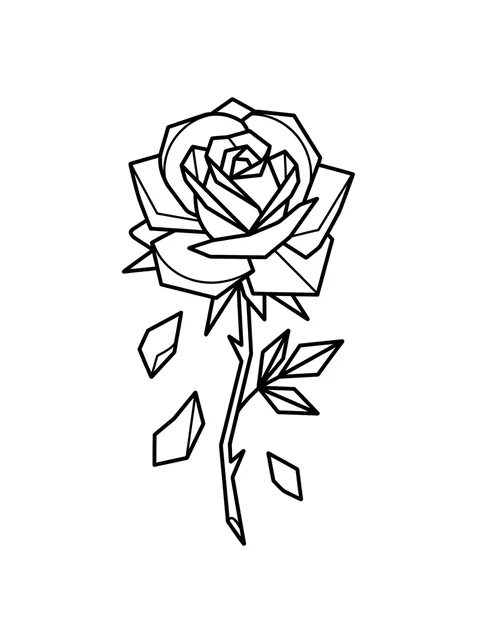
rose tattoo stencil, geometric outline Try it on — rose tattoo stencil, geometric outline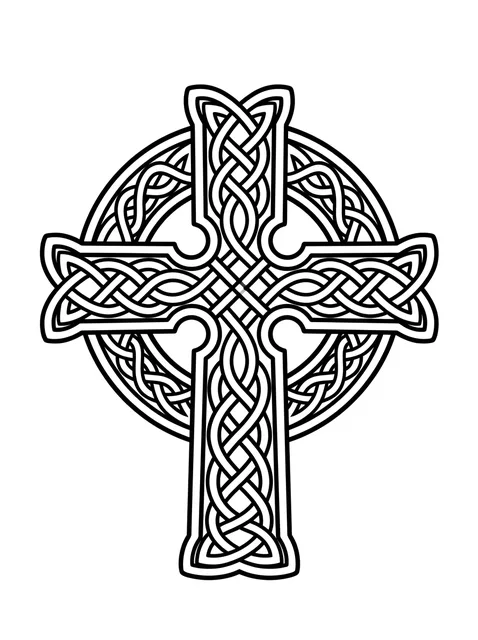
cross tattoo stencil, geometric outline Try it on — cross tattoo stencil, geometric outline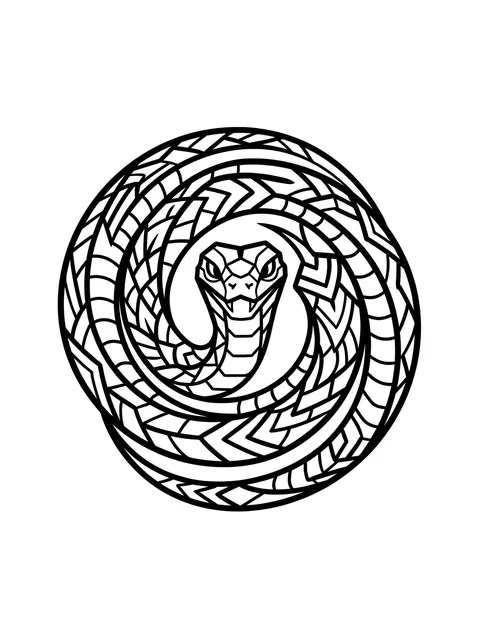
snake tattoo stencil, geometric outline Try it on — snake tattoo stencil, geometric outline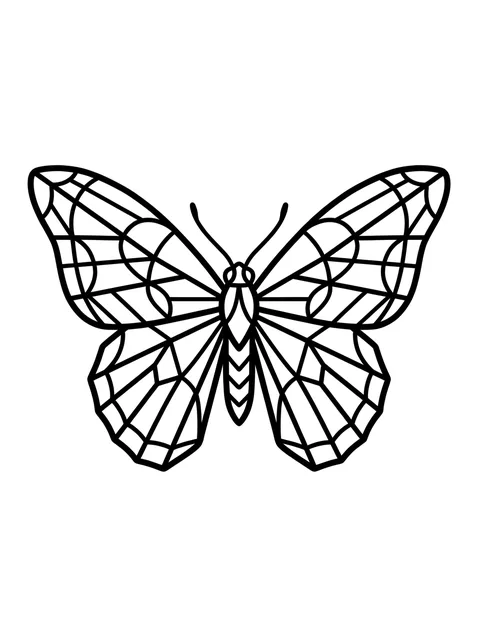
butterfly tattoo stencil, geometric outline Try it on — butterfly tattoo stencil, geometric outline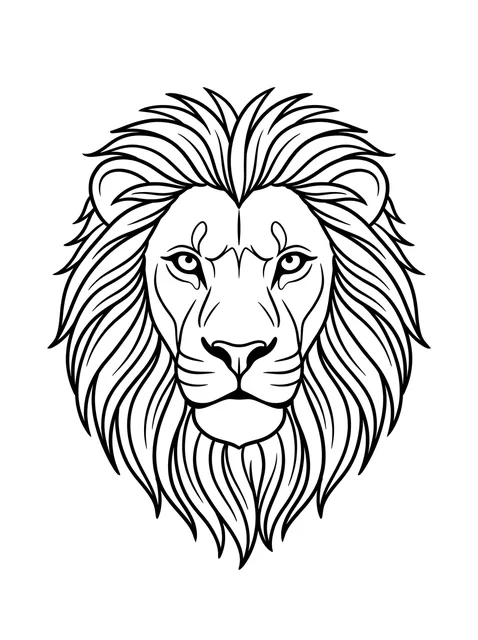
lion tattoo stencil, linework outline Try it on — lion tattoo stencil, linework outline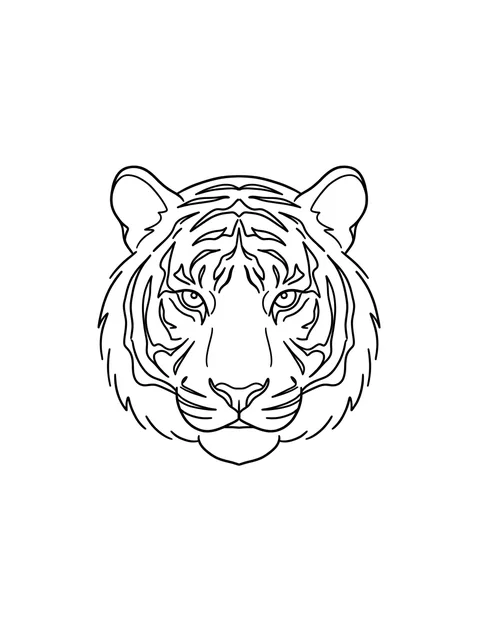
tiger tattoo stencil, linework outline Try it on — tiger tattoo stencil, linework outline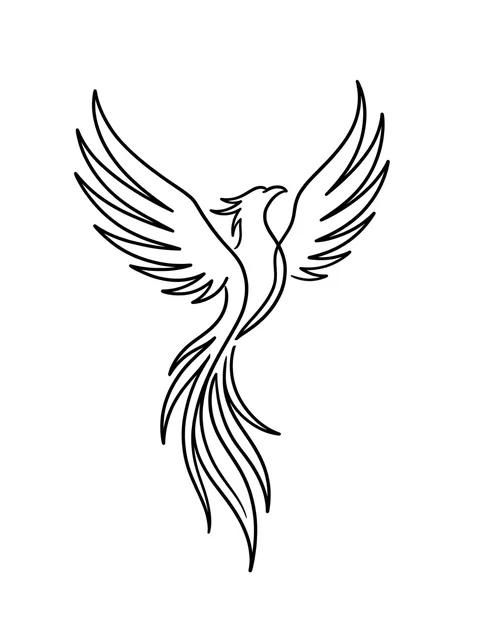
phoenix tattoo stencil, linework outline Try it on — phoenix tattoo stencil, linework outline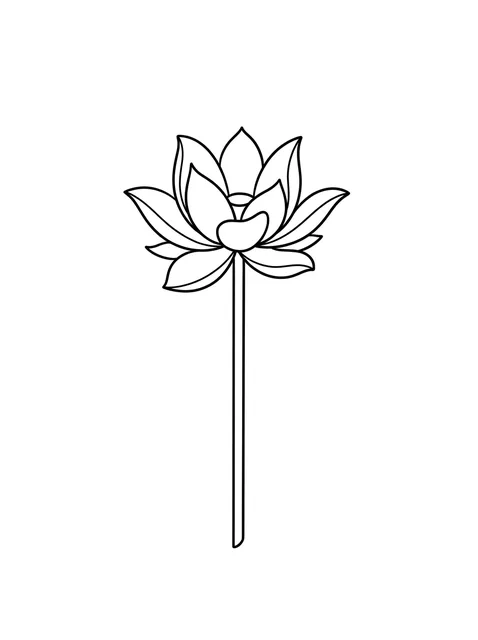
lotus tattoo stencil, linework outline Try it on — lotus tattoo stencil, linework outline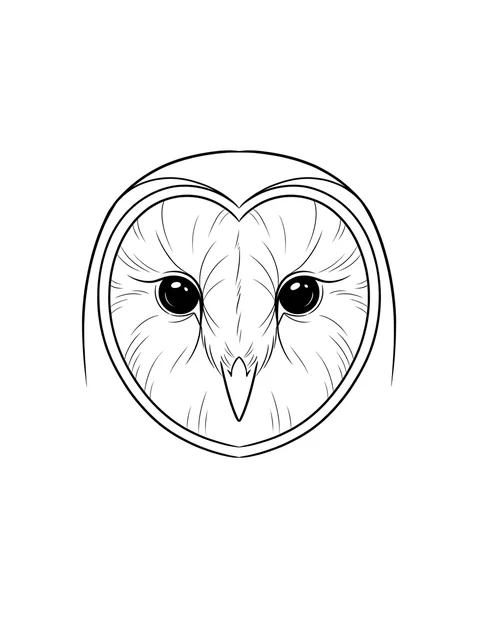
owl tattoo stencil, linework outline Try it on — owl tattoo stencil, linework outline
compass tattoo stencil, geometric outline Try it on — compass tattoo stencil, geometric outline
anchor tattoo stencil, linework outline Try it on — anchor tattoo stencil, linework outline
cherry blossom tattoo stencil, linework outline Try it on — cherry blossom tattoo stencil, linework outline
flower tattoo stencil, fine line outline Try it on — flower tattoo stencil, fine line outline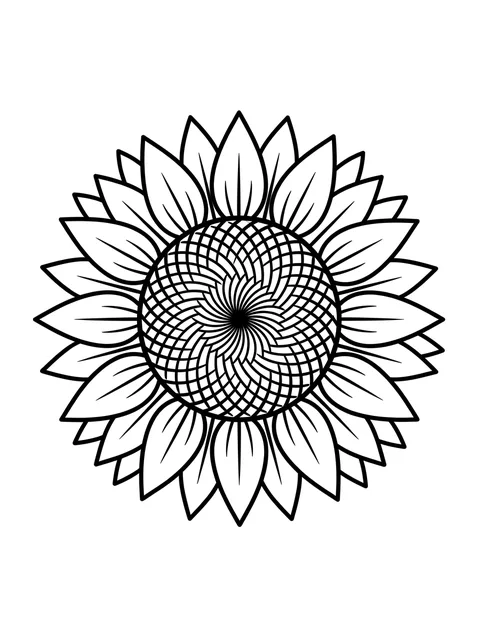
sunflower tattoo stencil, linework outline Try it on — sunflower tattoo stencil, linework outline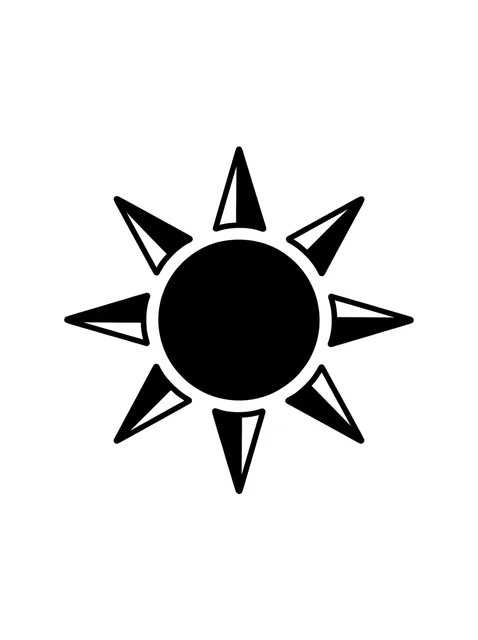
sun tattoo stencil, minimalist outline Try it on — sun tattoo stencil, minimalist outline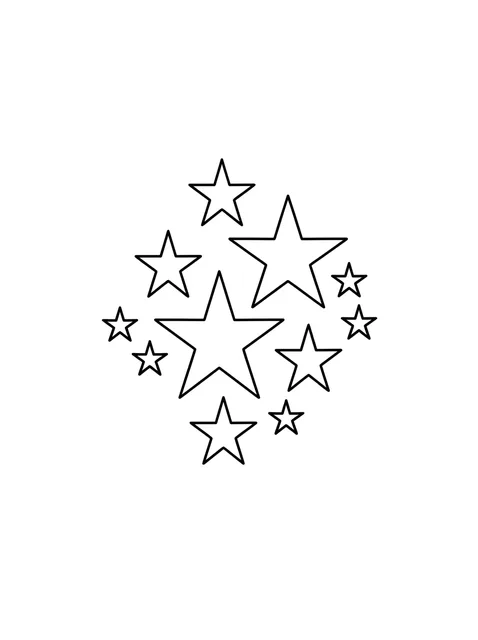
star tattoo stencil, linework outline Try it on — star tattoo stencil, linework outline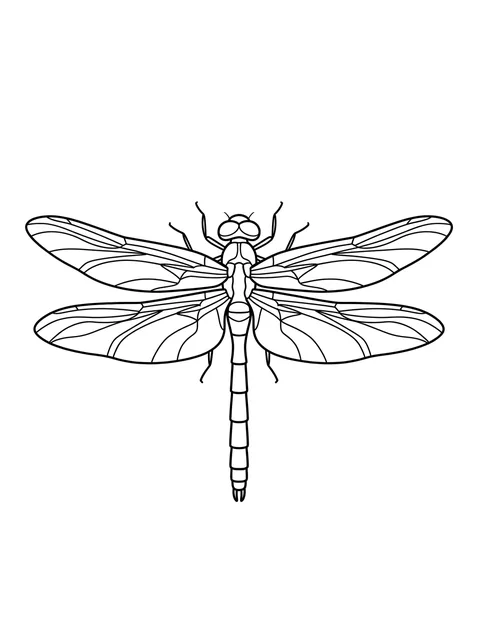
dragonfly tattoo stencil, linework outline Try it on — dragonfly tattoo stencil, linework outline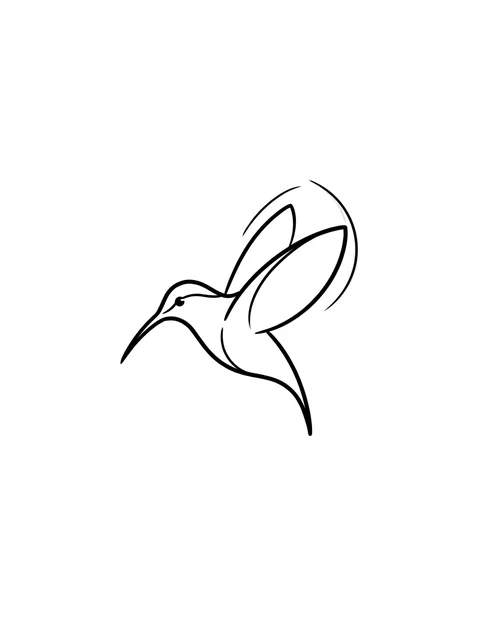
hummingbird tattoo stencil, linework outline Try it on — hummingbird tattoo stencil, linework outline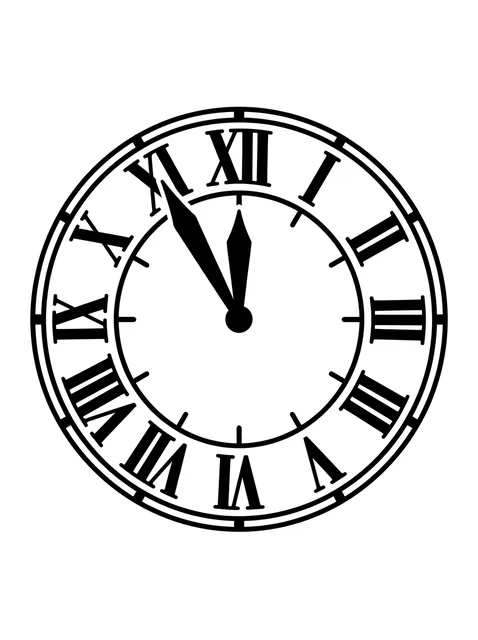
clock tattoo stencil, linework outline Try it on — clock tattoo stencil, linework outline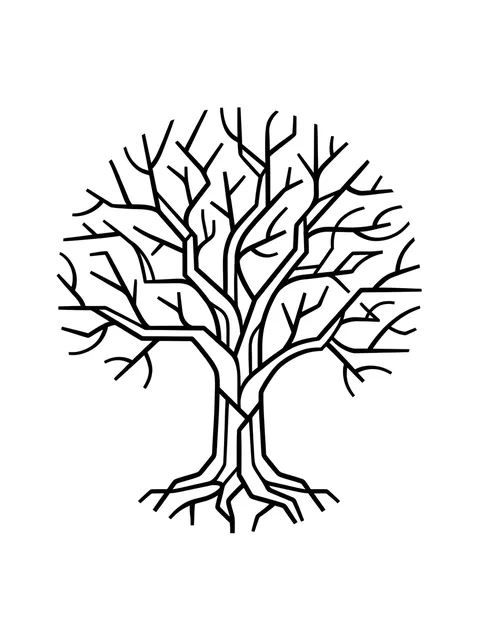
tree tattoo stencil, geometric outline Try it on — tree tattoo stencil, geometric outline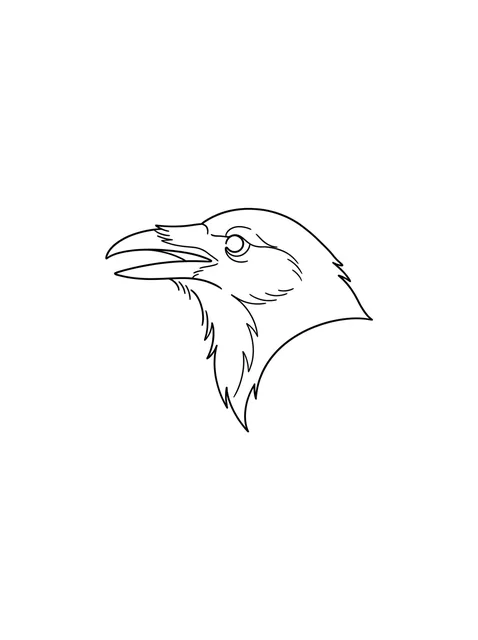
raven tattoo stencil, linework outline Try it on — raven tattoo stencil, linework outline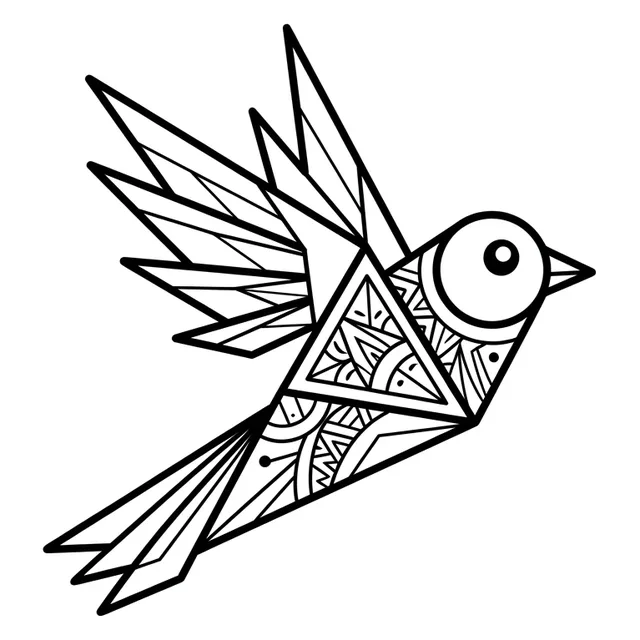
bird tattoo stencil, geometric outline Try it on — bird tattoo stencil, geometric outline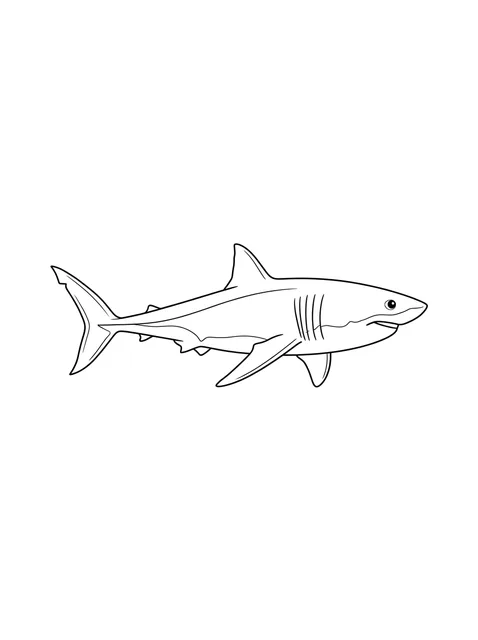
shark tattoo stencil, linework outline Try it on — shark tattoo stencil, linework outline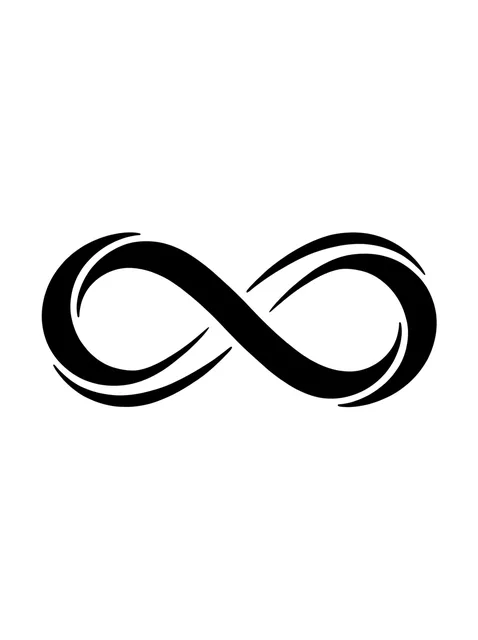
infinity tattoo stencil, minimalist outline Try it on — infinity tattoo stencil, minimalist outline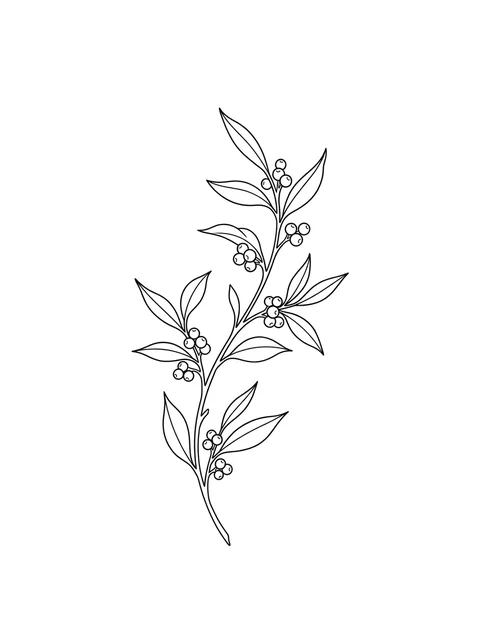
leaf tattoo stencil, fine line outline Try it on — leaf tattoo stencil, fine line outline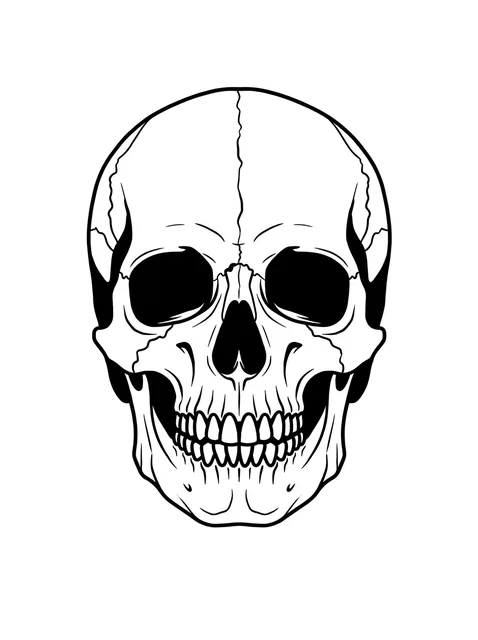
skull tattoo stencil, linework outline Try it on — skull tattoo stencil, linework outline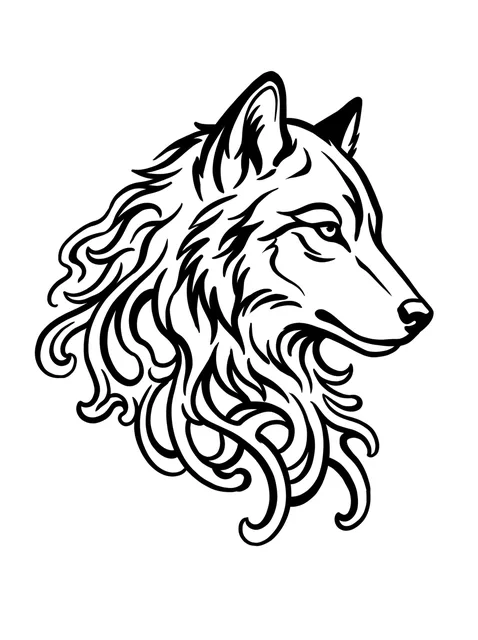
wolf tattoo stencil, linework outline Try it on — wolf tattoo stencil, linework outline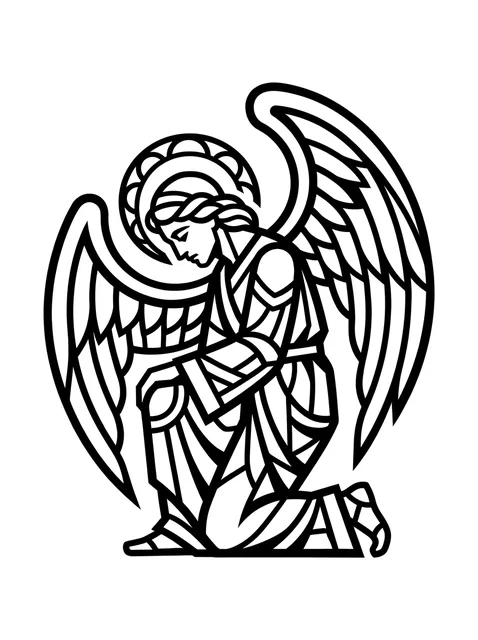
angel tattoo stencil, geometric outline Try it on — angel tattoo stencil, geometric outline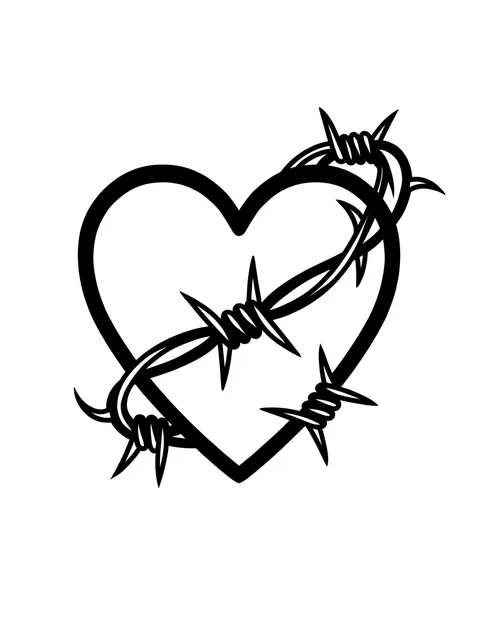
heart tattoo stencil, linework outline Try it on — heart tattoo stencil, linework outline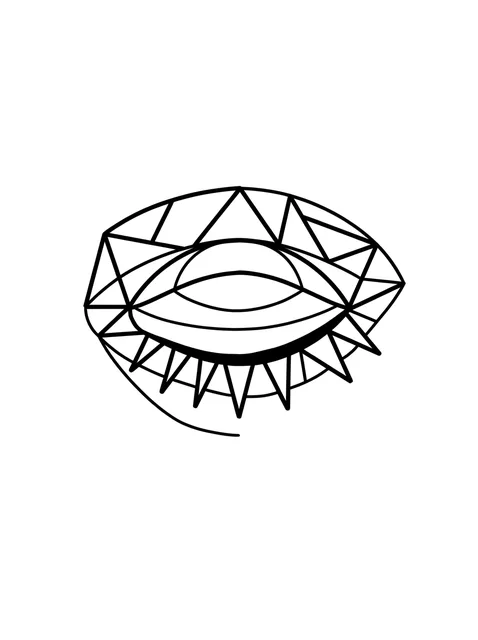
eye tattoo stencil, geometric outline Try it on — eye tattoo stencil, geometric outline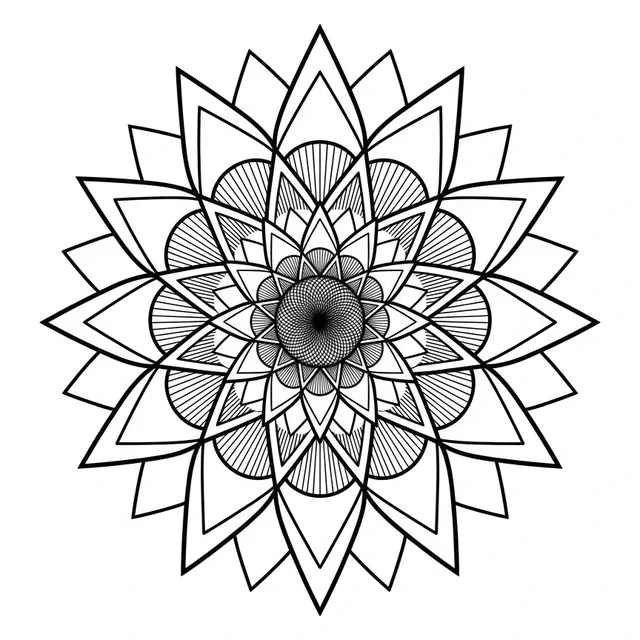
mandala tattoo stencil, geometric outline Try it on — mandala tattoo stencil, geometric outline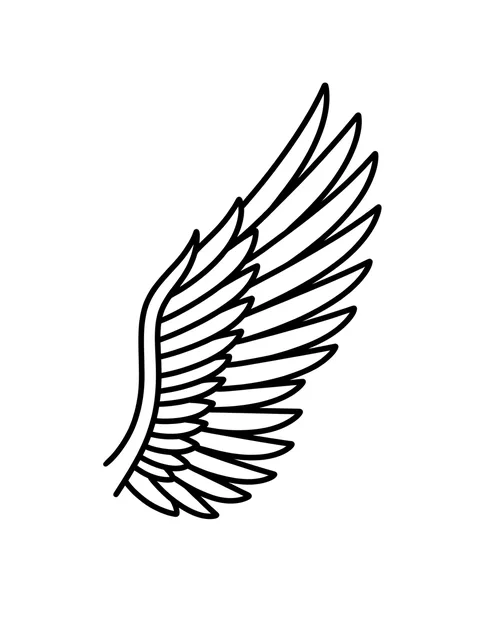
feather tattoo stencil, linework outline Try it on — feather tattoo stencil, linework outline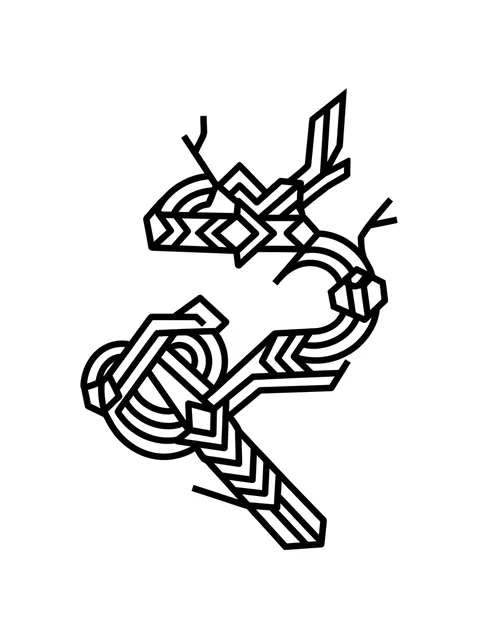
vine tattoo stencil, geometric outline Try it on — vine tattoo stencil, geometric outline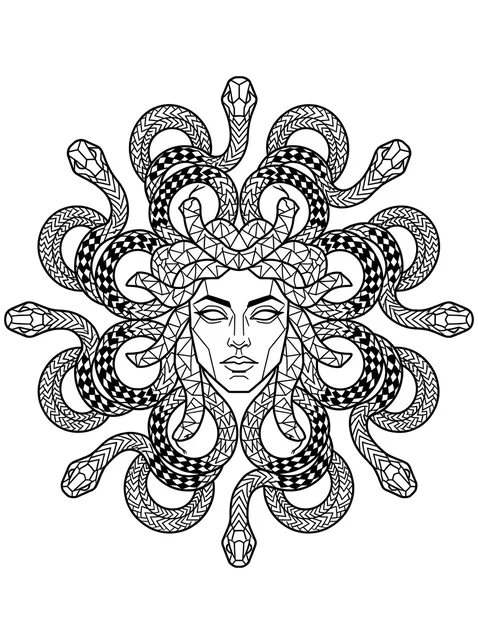
medusa tattoo stencil, geometric outline Try it on — medusa tattoo stencil, geometric outline
semicolon tattoo stencil, minimalist outline Try it on — semicolon tattoo stencil, minimalist outline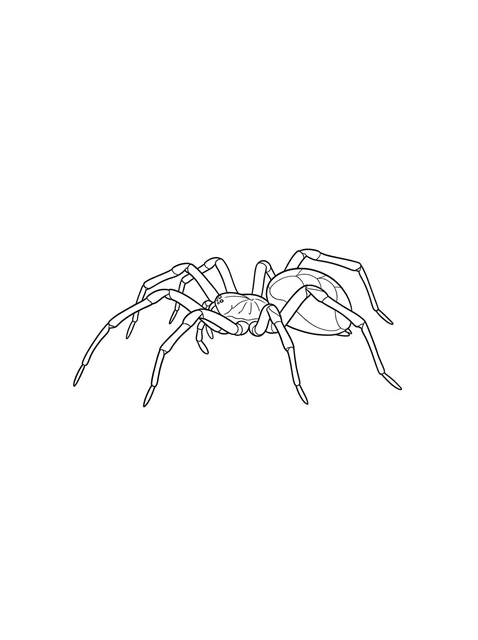
spider tattoo stencil, linework outline Try it on — spider tattoo stencil, linework outline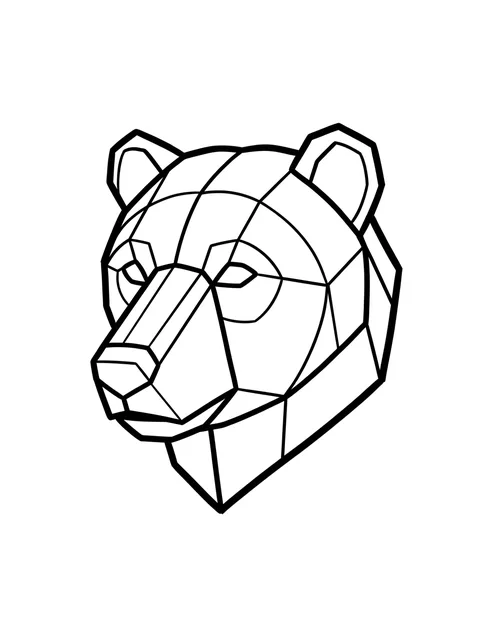
bear tattoo stencil, geometric outline Try it on — bear tattoo stencil, geometric outline


One line-built design per subject, 40 in all, each the first line design its subject page shows. Tap any one to place it on a photo of your own skin at the size you mean.
What a stencil is, and what it is not
Every tattoo starts as a stencil. The artist draws or prints the outline of the design onto thermal transfer paper, presses it onto skin prepared with a transfer solution, and peels it away to leave a purple copy of the lines. That copy is the map the needle follows. Shading, colour and the artist's hand come later; the stencil is only ever the line, which is why a design with no clear outline cannot be stencilled and has to be drawn freehand on the body instead.
That is also why the word is used loosely online. A "stencil" download that is a fully shaded drawing is a reference picture, not a stencil; the artist will trace an outline from it. The designs on this page are the ones where the outline IS the design: linework, fine line, minimalist and geometric work, where every mark that will be on the skin is already in the stencil and nothing depends on shading that has to be invented later.
Everything here was drawn for this site, so it can be traced, printed at size and taken to a consultation without asking anyone. Each subject links to its full page, where the same design appears with its shaded and coloured relatives.
Size, placement and the one thing to check
A stencil is printed at the size the tattoo will be, and that is the decision it exists to test. Lines closer than about two millimetres will merge as the ink spreads over the years, so a design reduced to fit a wrist can look sharp on paper and become a grey mark on skin. Print the outline at the intended size, hold it against the spot in a mirror, and look at the smallest gap between two lines. If you cannot fit a matchstick between them, the design wants to be bigger or simpler.
Placement is the second thing a stencil settles. Artists apply the transfer, have you stand, sit and move, and reapply it if the piece twists with the muscle or sits off the centre line. On a limb the stencil is read from where other people stand, not from where you look down at it, and a design placed from your own viewpoint reads upside down to everyone else. A photograph from across a room catches that in seconds.
The try-on does this before the studio does. Place any design on a photo of your own skin, scale it to the size you intend, and turn it; what you see is the stencil the artist would apply, at the size it would be, on the surface it would follow. Export the result and bring it, and the stencil conversation at the consultation is short.
Which styles are stencils, and which only look like it
Four styles on this site are stencils in the strict sense. Linework carries the whole design in the outline, at a weight that survives decades. Fine line does the same with a single needle and a thinner line, and needs a protected placement to last. Minimalist reduces a subject to the fewest lines that still carry it. Geometric builds from measured shapes, and is the one style where the stencil is also the finished drawing to the millimetre.
Blackwork, dotwork, illustrative and traditional work all start from a stencil too, but the stencil is not the tattoo: solid fills, stipple, grey shading and colour panels are added over it and are most of the hours. A stencil of those styles is a skeleton, and judging the design from it alone misleads. That is why they are on their own pages and not here.
Every design on this page is shown at the size it was drawn; the filename of each one carries the word stencil, because that is what it is. Pick a subject, trace or print the line, or try it on and see how the outline sits on the body part you have in mind.
Common questions
- What is a tattoo stencil?
- The outline of a design, printed or drawn on thermal transfer paper and pressed onto the skin so the artist has the lines to follow. It carries only the line: shading and colour are added over it during the tattoo. A design without a clear outline cannot be stencilled and is drawn freehand instead.
- Can I bring my own stencil to a tattoo artist?
- Bring the design at the size you want it; the artist will make the stencil from it on their own transfer paper, because the transfer has to be fresh, clean and printed at exactly the size agreed. Any design on this site can be printed or exported for that purpose.
- How big should a tattoo stencil be?
- As big as the smallest gap between two lines needs. Lines closer than about two millimetres merge as ink spreads over the years, so print the outline at the intended size and check the tightest spot. A design that only works small on paper wants to be bigger or simpler on skin.
- What paper are tattoo stencils printed on?
- Thermal transfer paper, run through a thermal copier or a stencil printer, or drawn on by hand with a hectograph pencil. The purple carbon layer transfers onto skin prepared with a stencil solution and stays through the tattoo, then washes off.
- Are these free to use?
- They are drawn by us, and the licence on the press page says how they may be reused. For your own tattoo, print or trace any of them and take it to your artist. The try-on places any of them on a photo of your skin free, without an account.
Turn any design into a stencil on your own skin
InkCraft places a design on a photo of you at the size you choose — the outline the artist would transfer, on the surface it would follow — so the stencil conversation at the studio is a minute long.