 InkCraft
First Tattoo Ideas: What to Get and Where
By Uladzimir TumanauUpdated
A first tattoo should be one you would still choose if it were the only one: a clear outline at a comfortable size, on a flat, padded spot, from an artist you have seen work. These designs were picked for that, with the reason each is a good first, and the rest follow the same rule.
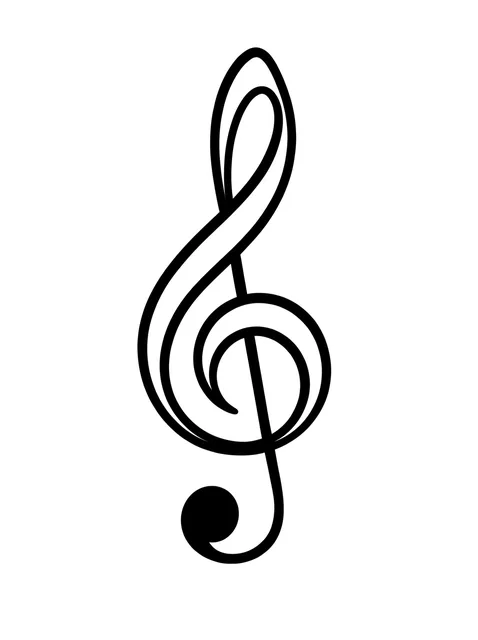
minimalist music note tattoo design Try it on — minimalist music note tattoo design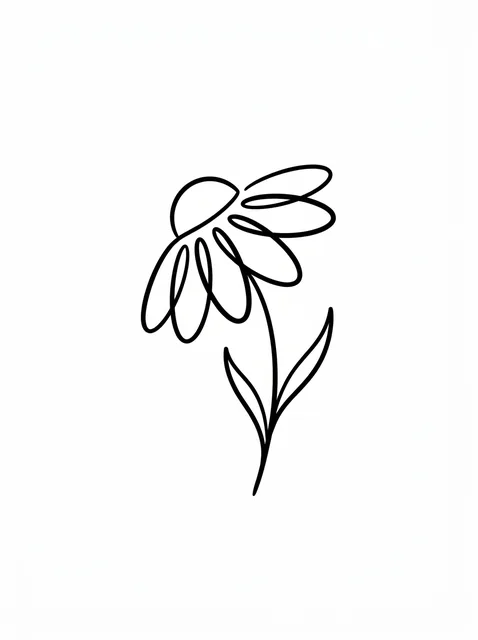
minimalist daisy tattoo design Try it on — minimalist daisy tattoo design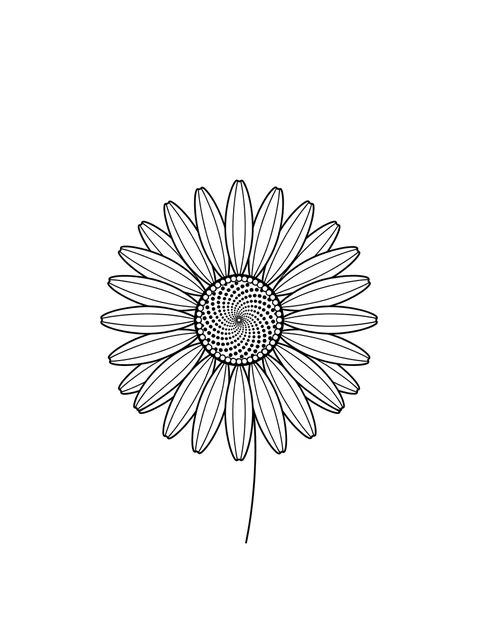
fine line daisy tattoo design Try it on — fine line daisy tattoo design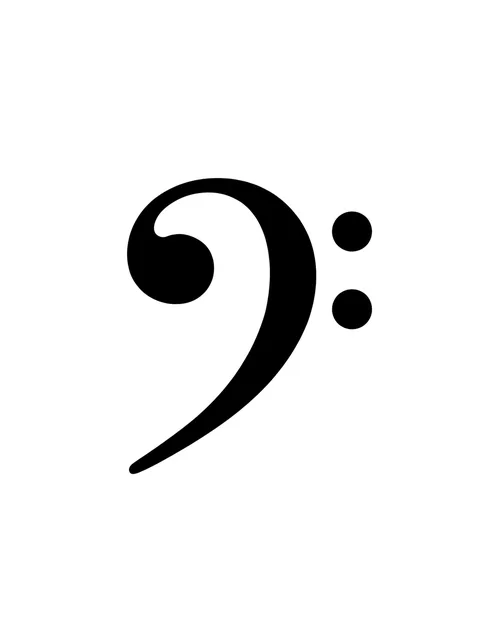
minimalist music note tattoo design Try it on — minimalist music note tattoo design
blackwork music note tattoo design Try it on — blackwork music note tattoo design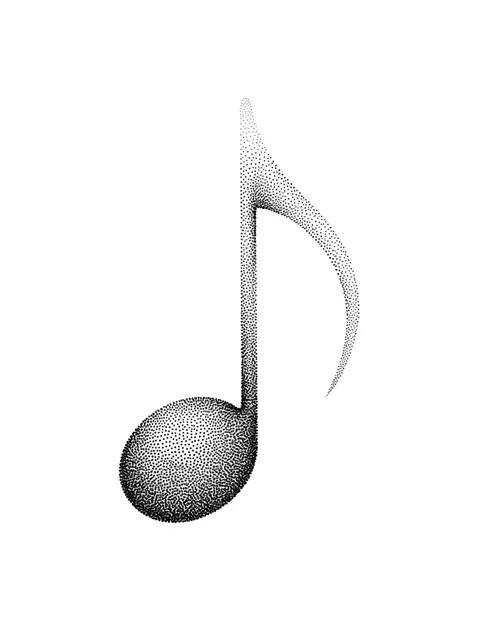
dotwork music note tattoo design Try it on — dotwork music note tattoo design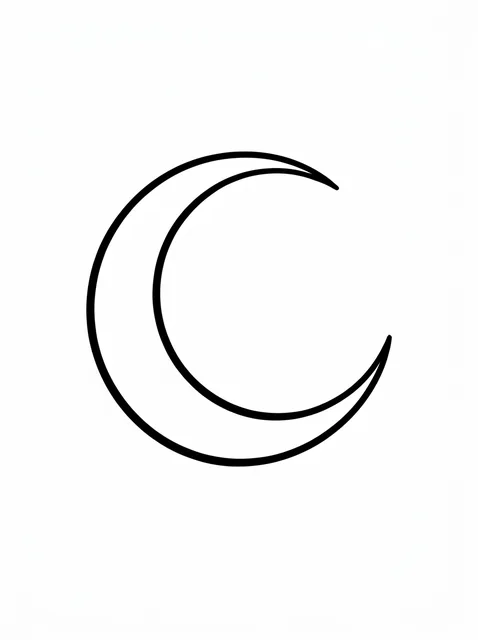
minimalist moon tattoo design Try it on — minimalist moon tattoo design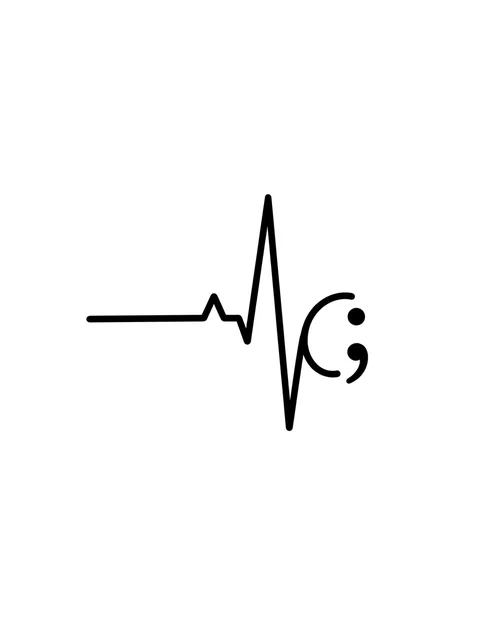
minimalist semicolon tattoo design Try it on — minimalist semicolon tattoo design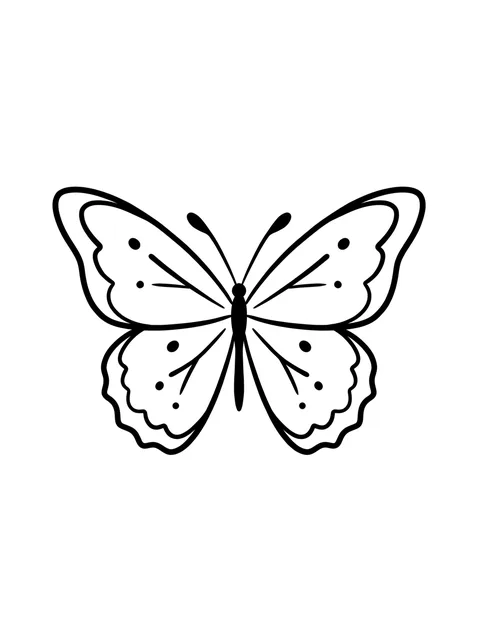
linework butterfly tattoo design Try it on — linework butterfly tattoo design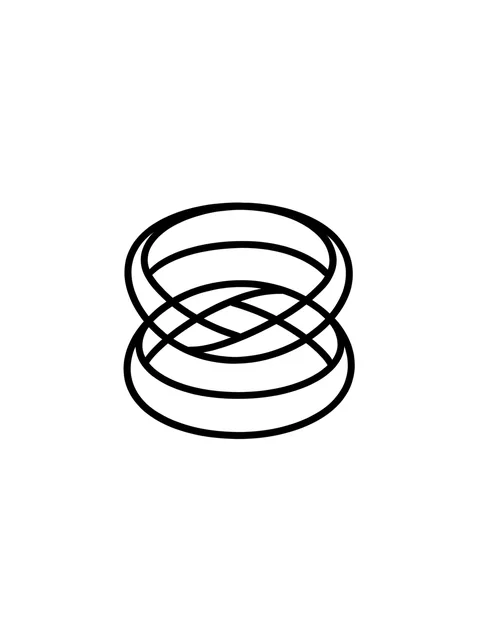
minimalist ring tattoo design Try it on — minimalist ring tattoo design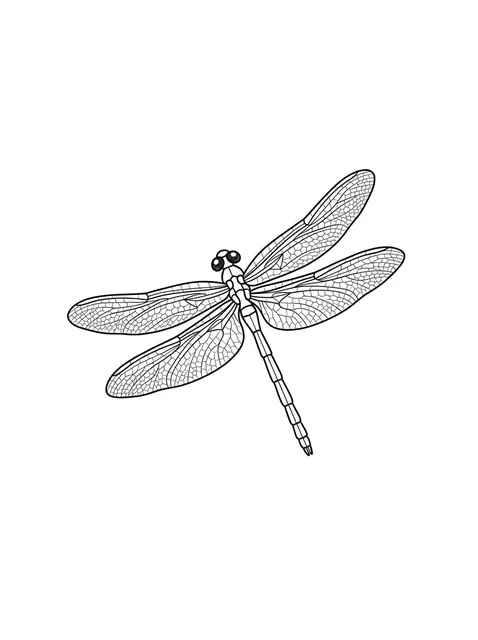
linework dragonfly tattoo design Try it on — linework dragonfly tattoo design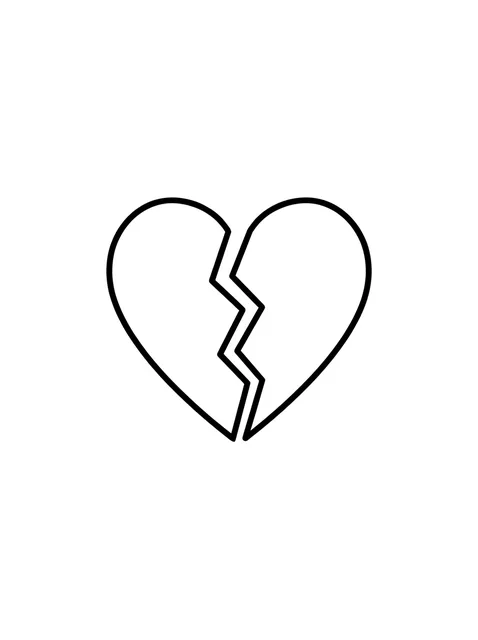
minimalist heart tattoo design Try it on — minimalist heart tattoo design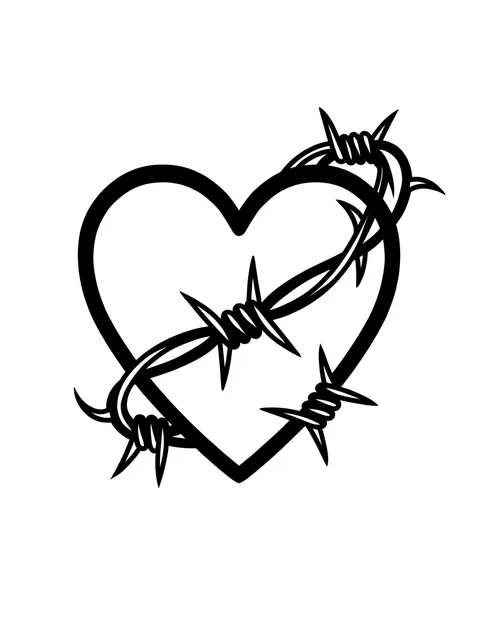
linework heart tattoo design Try it on — linework heart tattoo design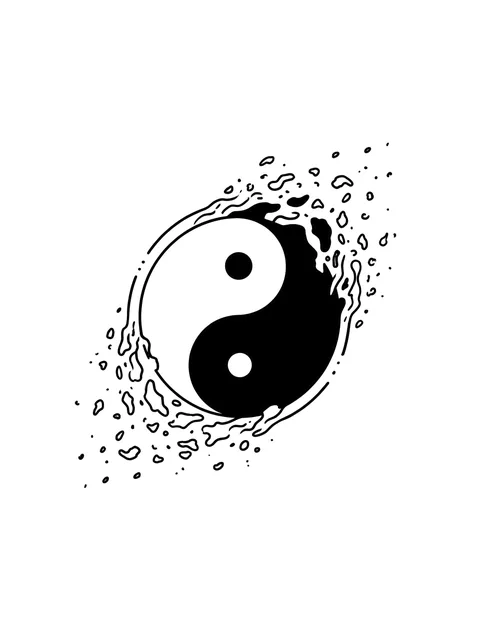
linework yin yang tattoo design Try it on — linework yin yang tattoo design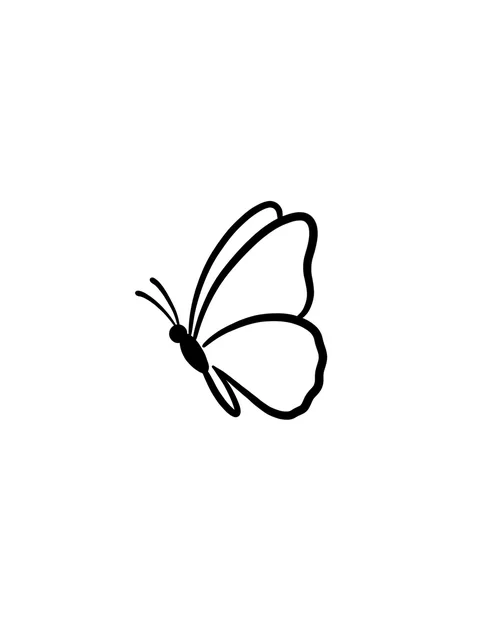
minimalist butterfly tattoo design Try it on — minimalist butterfly tattoo design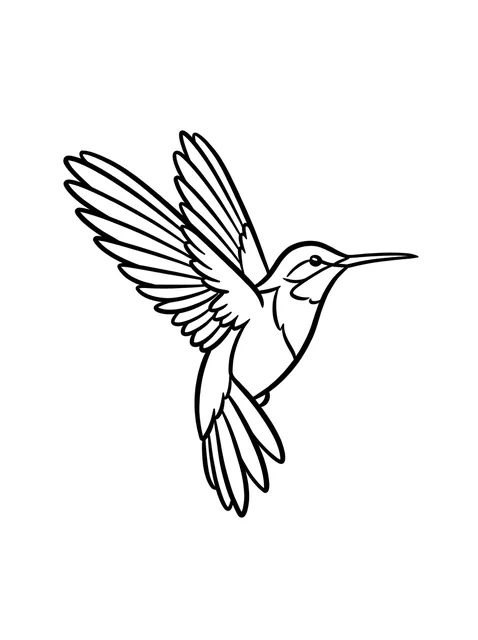
linework hummingbird tattoo design Try it on — linework hummingbird tattoo design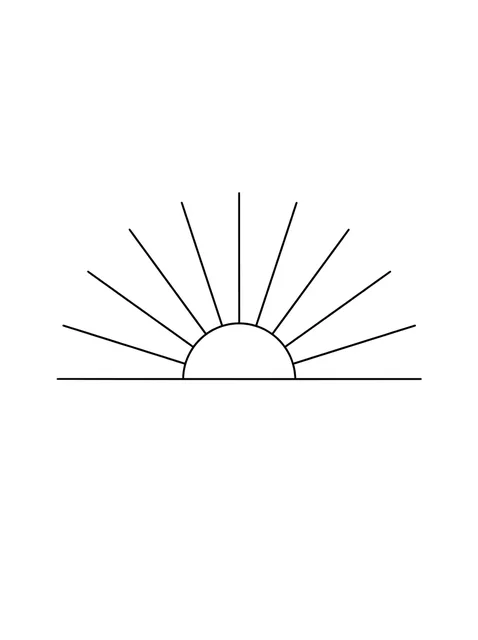
minimalist sun tattoo design Try it on — minimalist sun tattoo design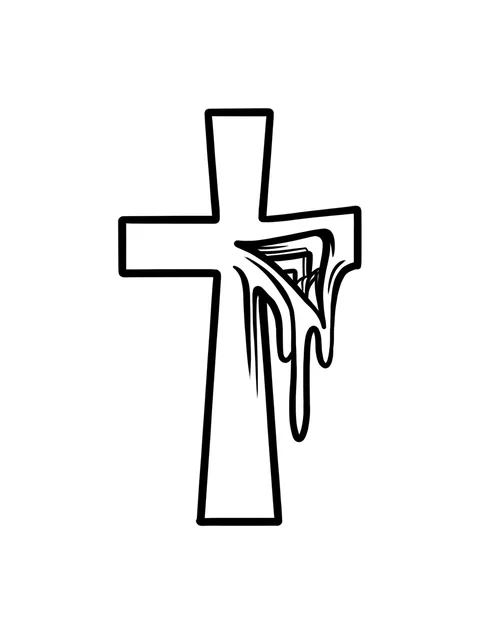
linework cross tattoo design Try it on — linework cross tattoo design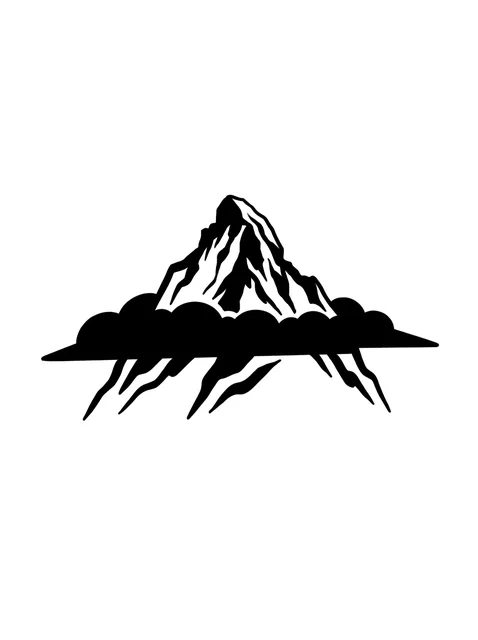
minimalist mountain tattoo design Try it on — minimalist mountain tattoo design
minimalist abstract tattoo design Try it on — minimalist abstract tattoo design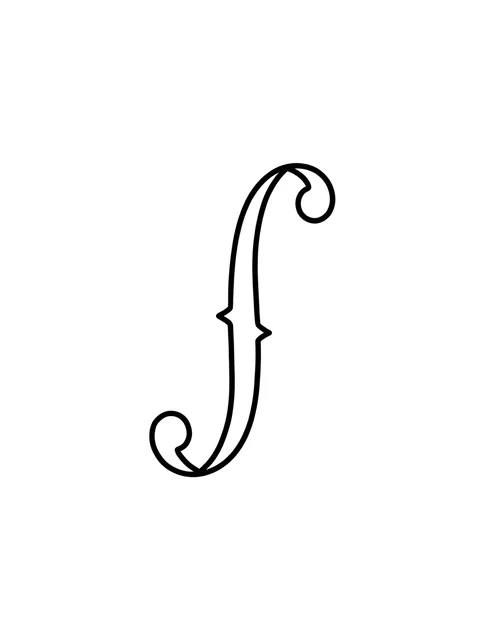
linework violin tattoo design Try it on — linework violin tattoo design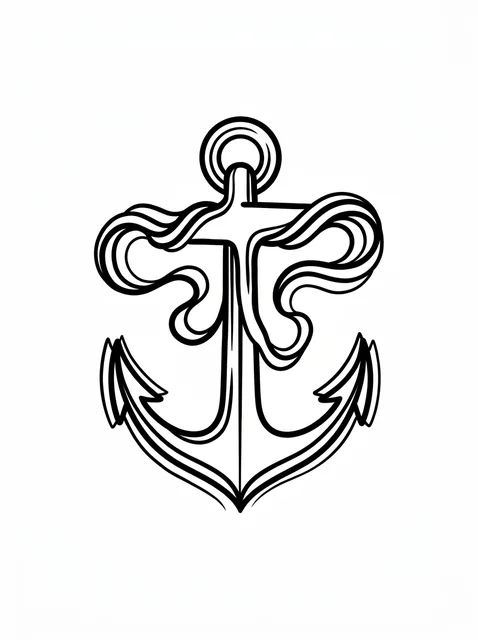
linework anchor tattoo design Try it on — linework anchor tattoo design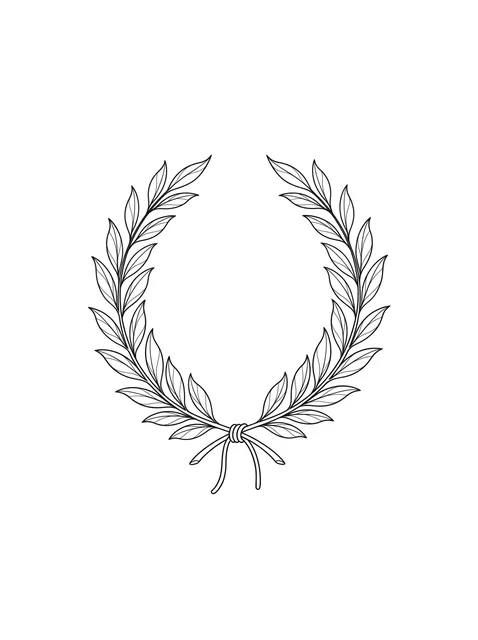
linework leaf tattoo design Try it on — linework leaf tattoo design
minimalist abstract tattoo design Try it on — minimalist abstract tattoo design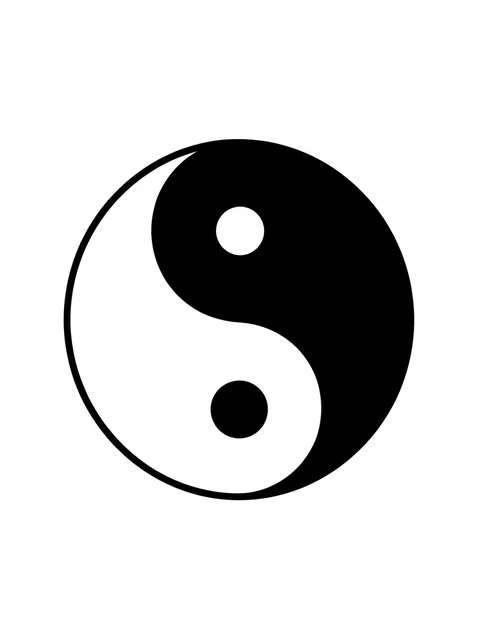
minimalist yin yang tattoo design Try it on — minimalist yin yang tattoo design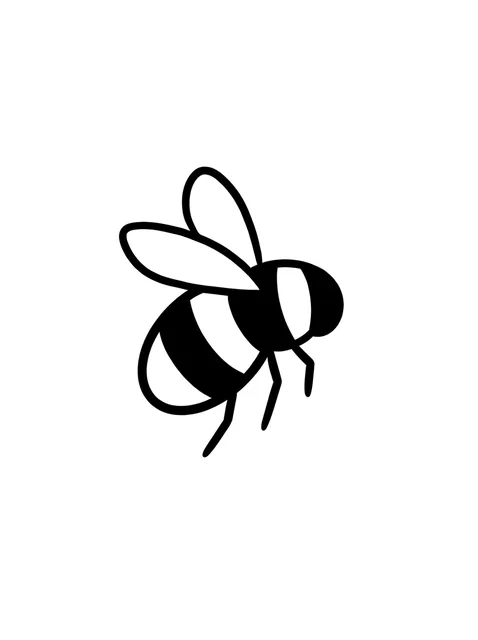
minimalist bee tattoo design Try it on — minimalist bee tattoo design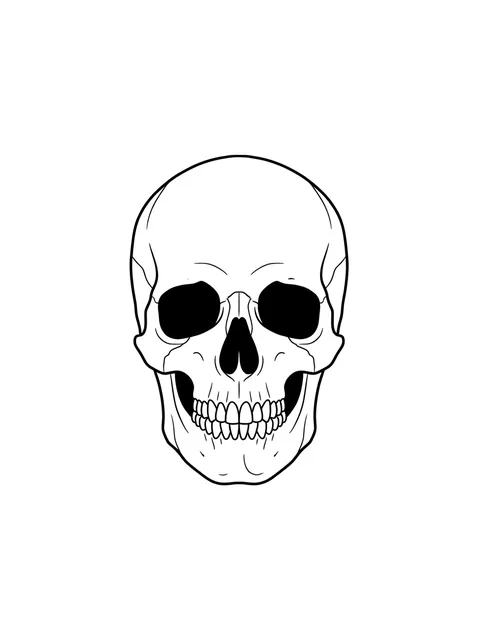
linework skull tattoo design Try it on — linework skull tattoo design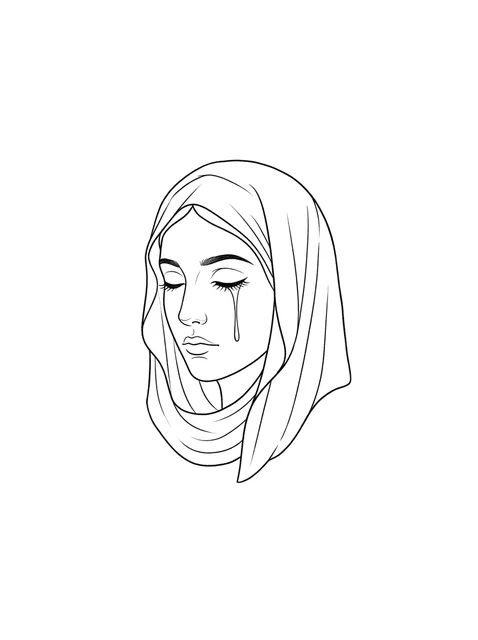
linework woman portrait tattoo design Try it on — linework woman portrait tattoo design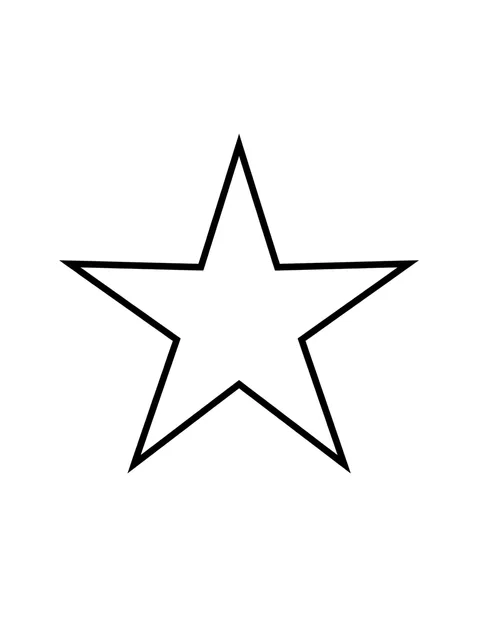
minimalist star tattoo design Try it on — minimalist star tattoo design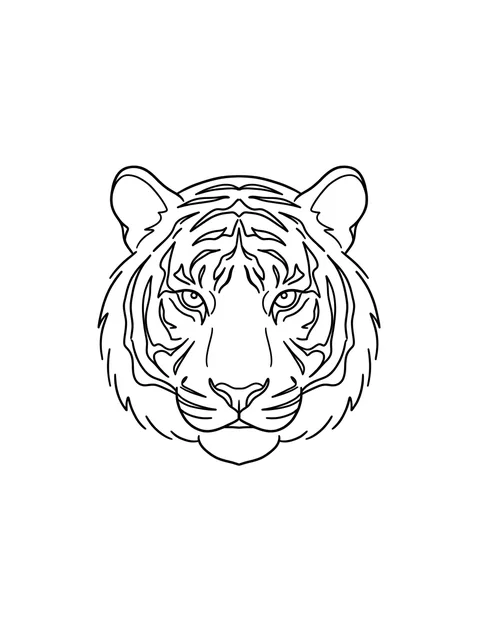
linework tiger tattoo design Try it on — linework tiger tattoo design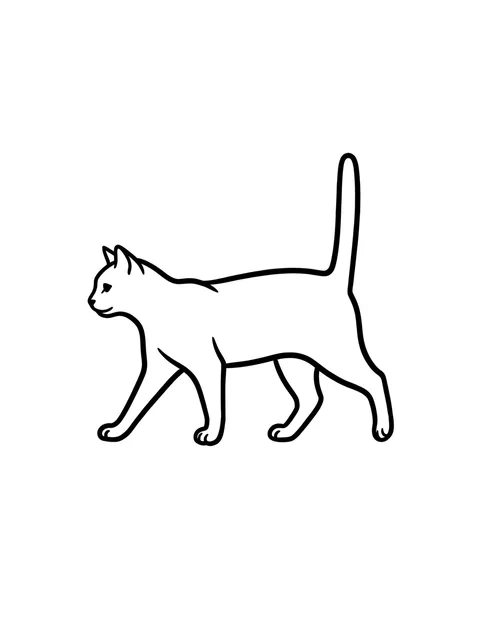
linework cat tattoo design Try it on — linework cat tattoo design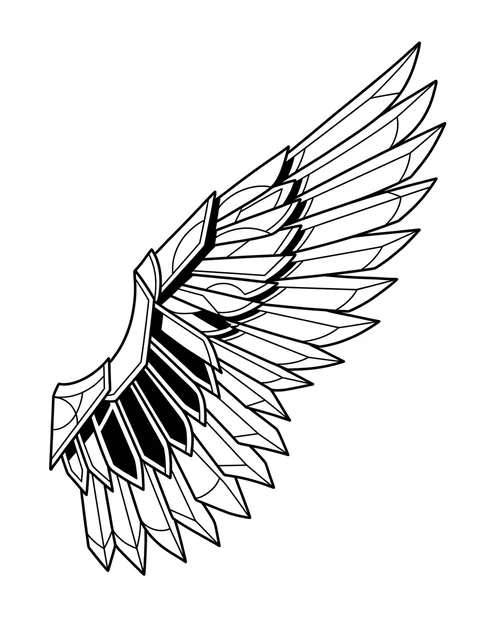
linework angel wings tattoo design Try it on — linework angel wings tattoo design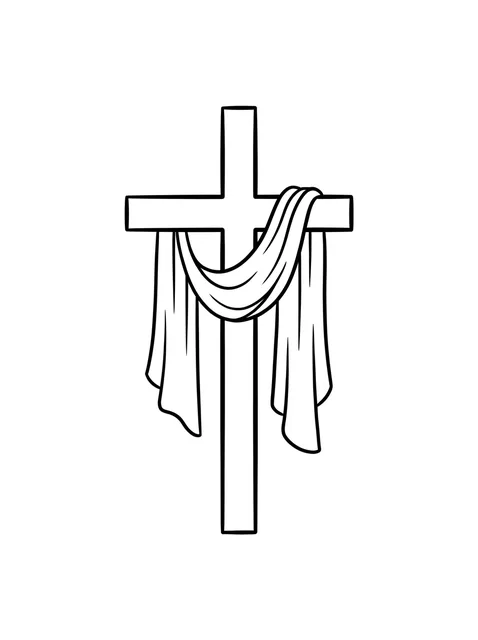
linework cross tattoo design Try it on — linework cross tattoo design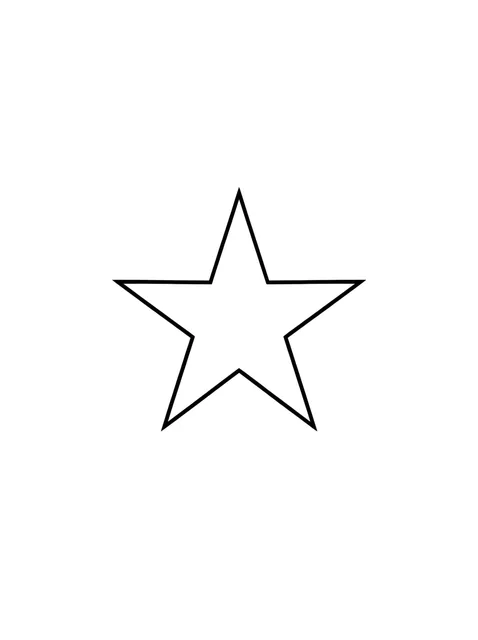
minimalist star tattoo design Try it on — minimalist star tattoo design
linework flower tattoo design Try it on — linework flower tattoo design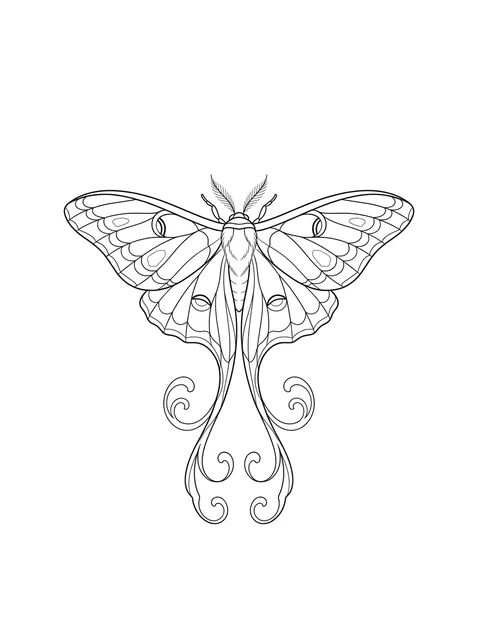
linework moth tattoo design Try it on — linework moth tattoo design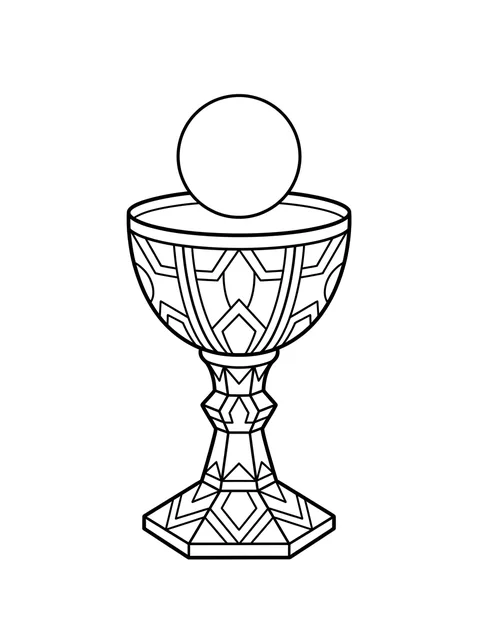
linework chalice tattoo design Try it on — linework chalice tattoo design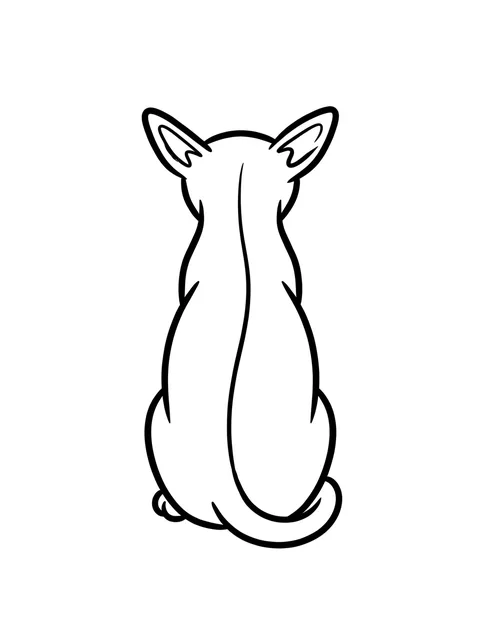
linework dog tattoo design Try it on — linework dog tattoo design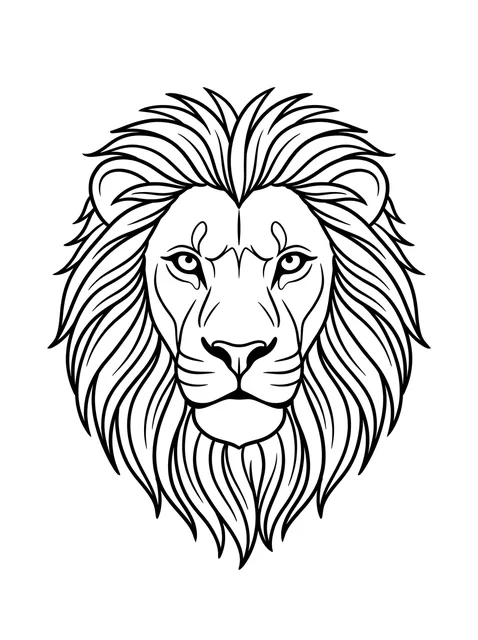
linework lion tattoo design Try it on — linework lion tattoo design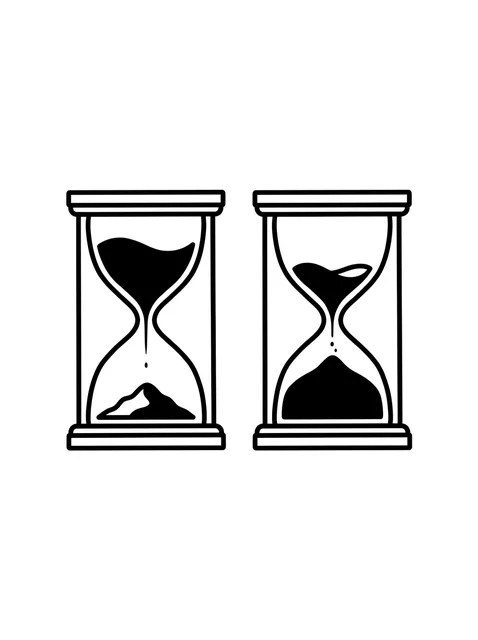
minimalist hourglass tattoo design Try it on — minimalist hourglass tattoo design


The first six were picked one at a time, with the reason under each; the rest are black minimalist and linework outlines carrying one subject label.
Why these 6 lead the page
- minimalist music note
- A treble clef drawn correctly as one continuous stroke. One line, no shading, instantly readable, and quick enough that a nervous first sitting is over before it settles in.
- minimalist daisy
- A daisy from the side in a single thin line. A small, kind subject with room between every mark, the shape a first tattoo should have.
- fine line daisy
- A daisy straight on, with the petals given air. It is the version of a flower that still reads at five centimetres, on the inner forearm where fine line lasts.
- minimalist music note
- A bass clef as one bold comma. A solid shape heals cleanly and forgives movement, and it is a musician's tattoo that nobody has to be told about.
- blackwork music note
- Two beamed eighth notes in solid black, stems on the right side. Solid black is the easiest ink to heal and the slowest to fade, and the drawing is complete at any size.
- dotwork music note
- A single note fading into dots. Dotwork on a tiny piece tolerates the small wobbles of a first sitting better than a line does, because there is no line to wobble.
These 40 for a first tattoo tattoos, in numbers
- Black and grey
- 40
- Colour
- 0
- Styles
- 5
- Subjects
- 30
What a good first tattoo is
A good first tattoo is forgiving in three ways at once. The drawing forgives the small movements of a first sitting, so it is a clear outline rather than fine detail or blended grey. The placement forgives a first-timer's nerves, so it is a flat, padded surface that hurts moderately and heals without drama. And the subject forgives time, so it is something you would still want if it were the only tattoo you ever got. Most first-tattoo regret comes from breaking the third rule, not the first two.
The picks at the top of this grid meet all three and say why. They are small, legible drawings of single subjects with generous gaps between the lines, the kind of piece that takes under an hour, heals in two weeks and still reads in twenty years. The rule that fills the rest of the grid is the same in shape: minimalist and linework designs carrying one label, the styles where nothing depends on a hand you have not yet learned to trust.
None of that means a first tattoo has to be tiny. Very small work is harder to do and ages worse; five to ten centimetres on an arm is the comfortable range where an outline holds its gaps and the sitting is still short.
Where it should go
The outer forearm, the outer bicep, the shoulder, the calf and the outer thigh are the first-tattoo surfaces: flat, padded, low friction, moderate pain, easy heal, and every one of them can be shown or covered as you choose. The pain chart puts numbers on all twenty-six body parts on this site, and the first-tattoo spots are the ones scoring two to four.
The ones to leave for later are the ribs, the sternum, the elbow, the knee, the feet and the fingers. They hurt more, heal worse, and in the case of the hands and feet fade fast enough that the first tattoo becomes the first touch-up. Nothing about them is forbidden; they are simply better second tattoos, once you know how your own body sits through a sitting.
Think about the sleeve line too. Anything below the hem of a t-shirt is visible at work and everywhere else, every day, and a first tattoo is the one where people most often discover they wanted the choice. The upper arm and the shoulder blade are where that choice stays yours.
The chair, the fortnight and the artist
Eat a real meal an hour or two before, sleep the night before, bring water, and wear clothes that leave the spot bare without you holding anything. The sitting for a first piece of this size is thirty minutes to an hour and a half. It hurts like a hot scratch, more over bone, less over muscle, and most people find the anticipation worse than the needle. Say so if you need a break; every artist expects it.
The heal is two weeks of washing gently, keeping it lightly moisturised and out of the sun, and not picking the flakes in the second week however much they itch. A first tattoo on one of the surfaces above almost never goes wrong; the ones that do are usually on the feet, the hands or the ribs, or were scratched. The aftercare paragraph on each placement page is specific to that spot.
Choose the artist by their healed work, not their fresh photographs, and choose one who does the style you want as a matter of course. Then, before booking, place the design on a photograph of yourself at the size you mean, and live with the picture for a week. The design you still like on day seven is the first tattoo.
Common questions
- What is a good first tattoo?
- A clear outline of a single subject at five to ten centimetres, on the outer arm, shoulder, calf or outer thigh, chosen as if it were the only tattoo you would ever get. It takes under two hours, heals in two weeks, and forgives a first-timer's nerves and an artist's ordinary day.
- Where does a first tattoo hurt least?
- The outer thigh, the outer upper arm, the outer forearm and the calf, all padded by muscle and scoring two or three on a ten-point pain scale. The ribs, sternum, elbow, knee, feet and fingers are the spots to leave for later.
- How long does a first tattoo take?
- Thirty minutes to ninety in the chair for an outline of the size above, plus the consultation and stencil placement before it. Then about two weeks of healing, with the itchy flaking in the second week the part most people find hardest.
- Should a first tattoo be small?
- Comfortable rather than tiny. Very small work is harder to do well and closes up as the ink spreads over the years. Five to ten centimetres on an arm holds its gaps, keeps the sitting short and still reads in twenty years.
See it on your own skin first
InkCraft places a design on a photo of you — scaled, wrapped and shaded to the spot you pick, so you can judge the size against your own body before it is permanent.