 InkCraft
Simple Tattoo Ideas That Still Read in Ten Years
By Uladzimir TumanauUpdated
Simple means one subject, one line weight and nothing that depends on shading. Every design here carries a single label and was drawn in minimalist or fine line, which is what simple looks like when it is done on purpose rather than by leaving things out.
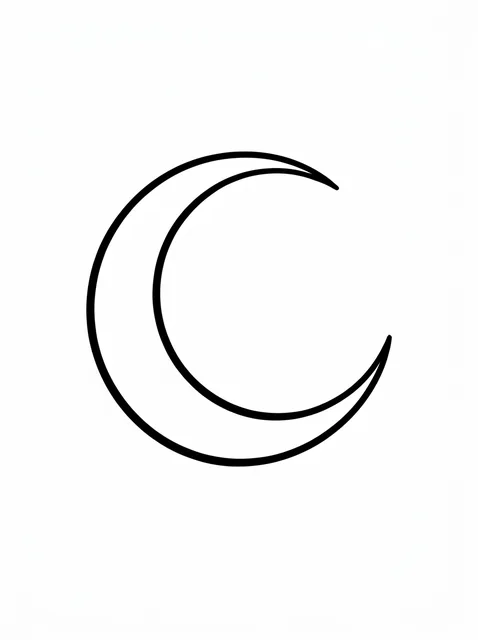
minimalist moon tattoo design Try it on — minimalist moon tattoo design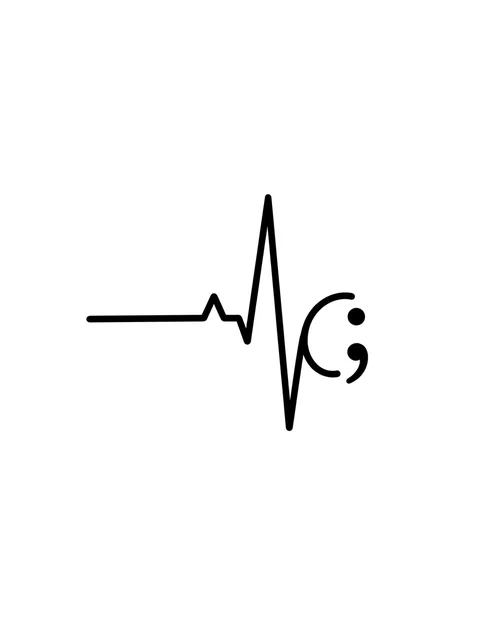
minimalist semicolon tattoo design Try it on — minimalist semicolon tattoo design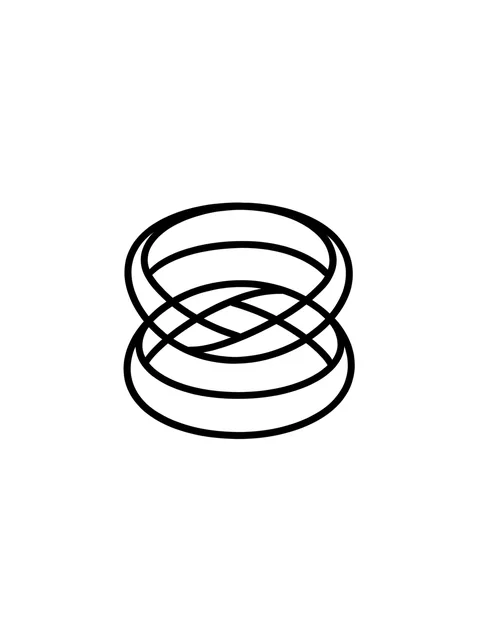
minimalist ring tattoo design Try it on — minimalist ring tattoo design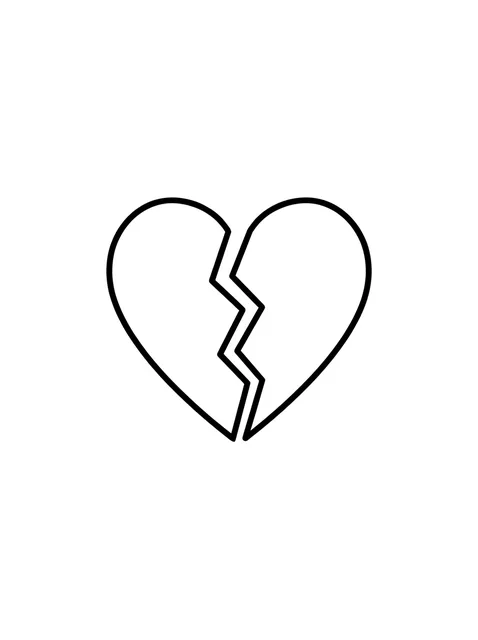
minimalist heart tattoo design Try it on — minimalist heart tattoo design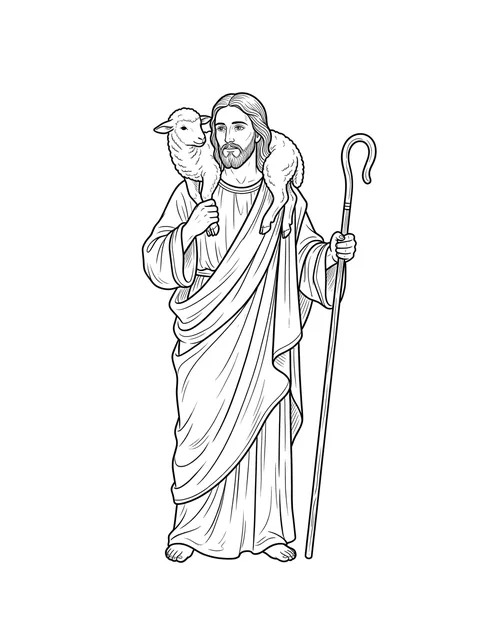
fine line jesus tattoo design Try it on — fine line jesus tattoo design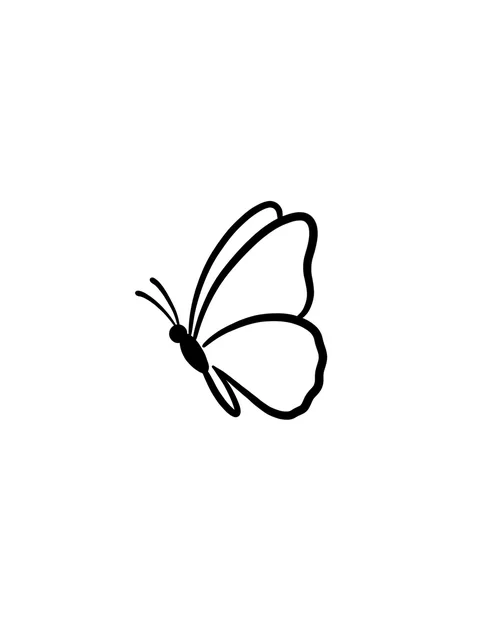
minimalist butterfly tattoo design Try it on — minimalist butterfly tattoo design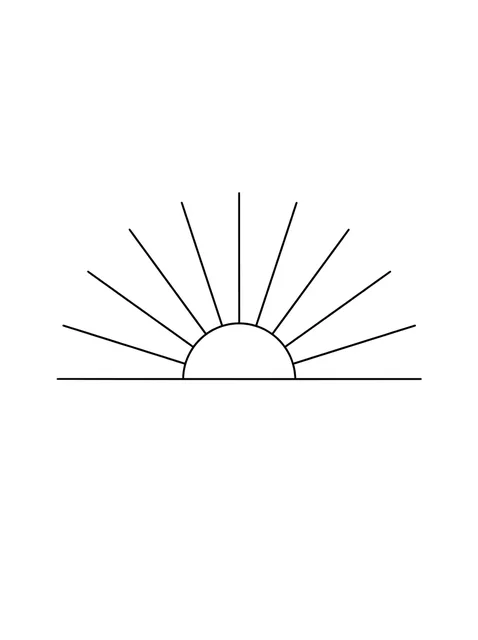
minimalist sun tattoo design Try it on — minimalist sun tattoo design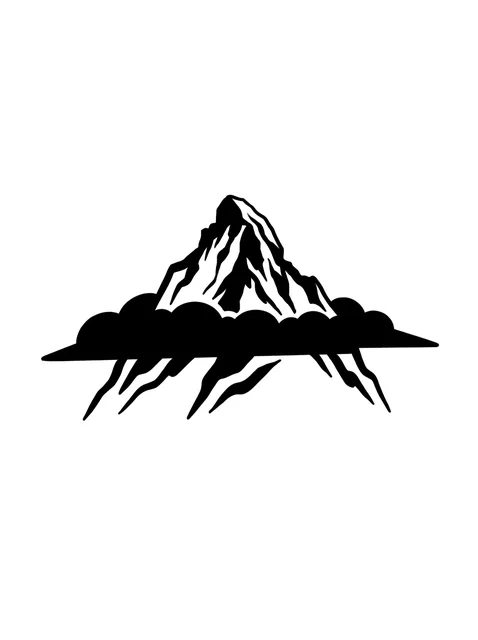
minimalist mountain tattoo design Try it on — minimalist mountain tattoo design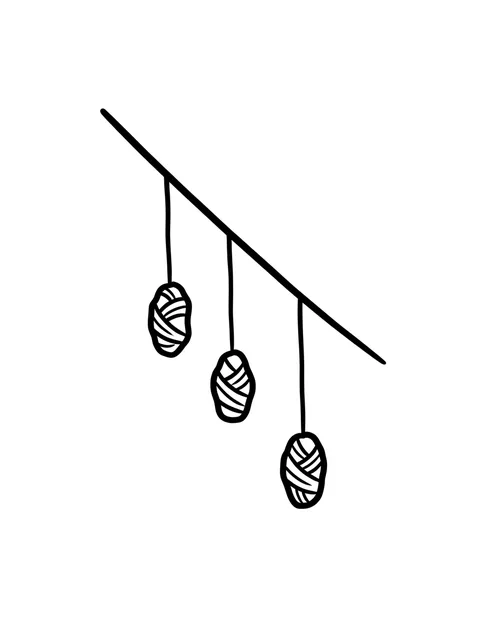
minimalist abstract tattoo design Try it on — minimalist abstract tattoo design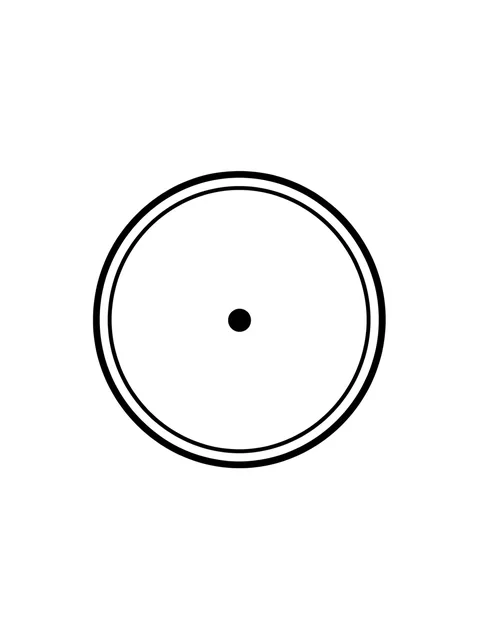
minimalist abstract tattoo design Try it on — minimalist abstract tattoo design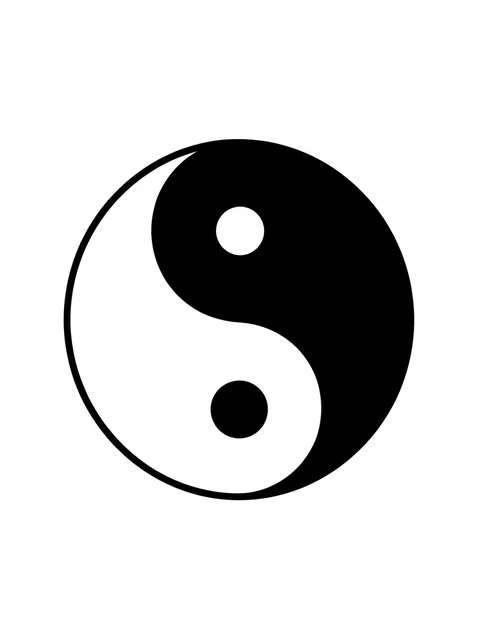
minimalist yin yang tattoo design Try it on — minimalist yin yang tattoo design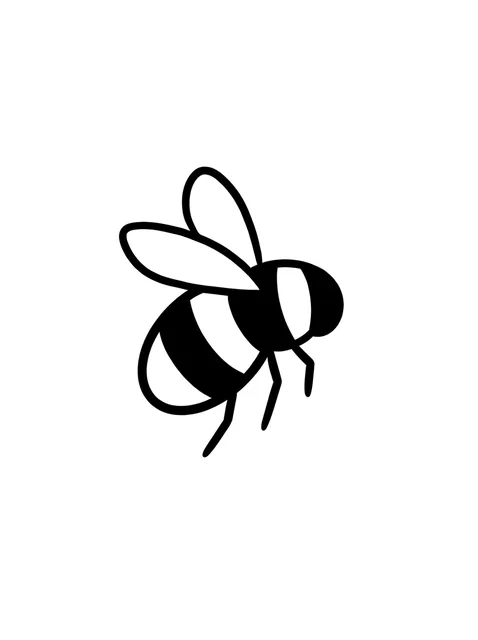
minimalist bee tattoo design Try it on — minimalist bee tattoo design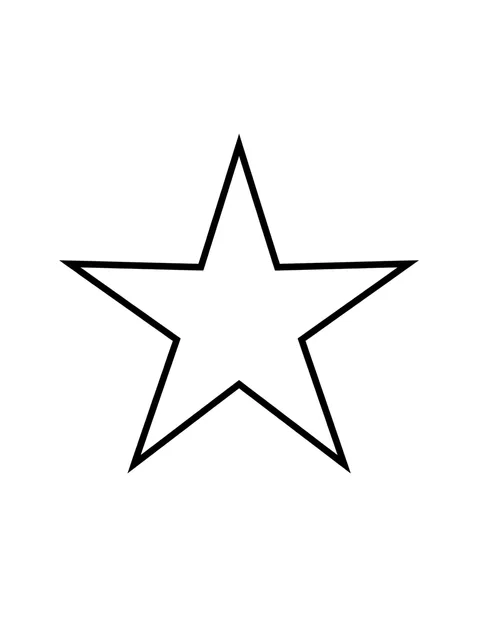
minimalist star tattoo design Try it on — minimalist star tattoo design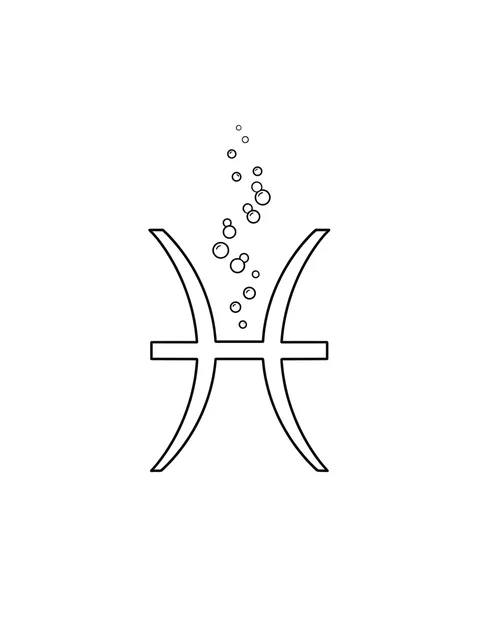
fine line pisces tattoo design Try it on — fine line pisces tattoo design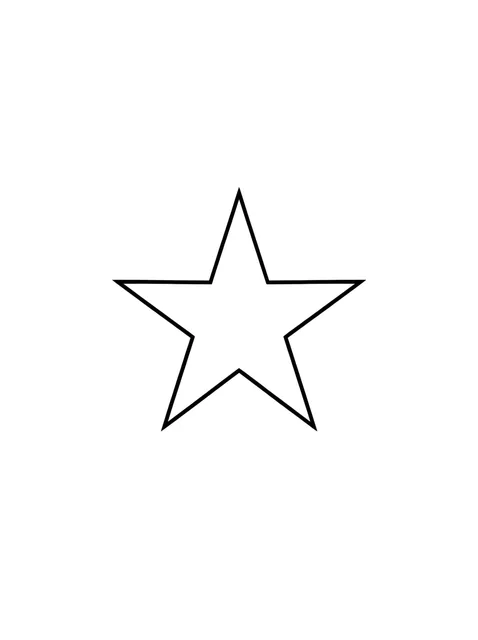
minimalist star tattoo design Try it on — minimalist star tattoo design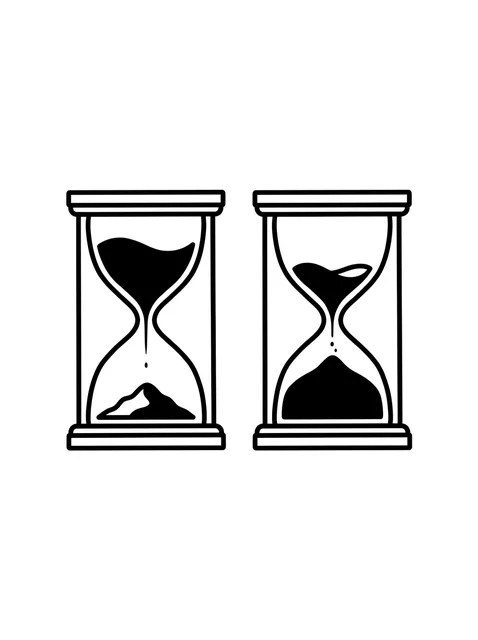
minimalist hourglass tattoo design Try it on — minimalist hourglass tattoo design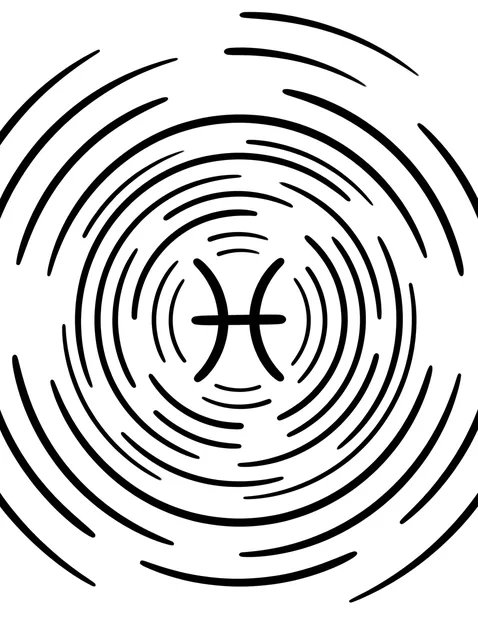
minimalist pisces tattoo design Try it on — minimalist pisces tattoo design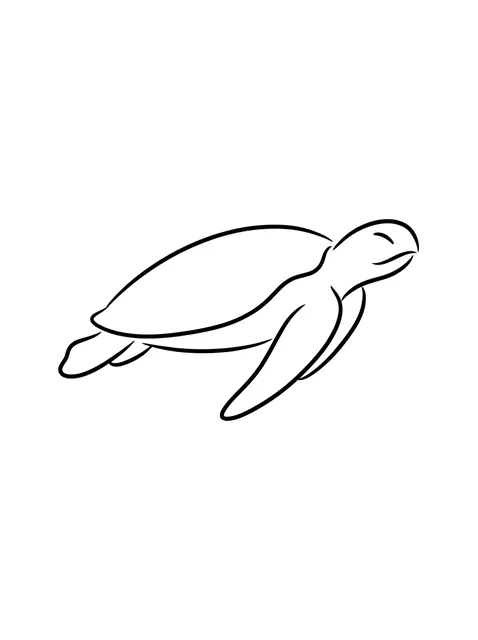
minimalist turtle tattoo design Try it on — minimalist turtle tattoo design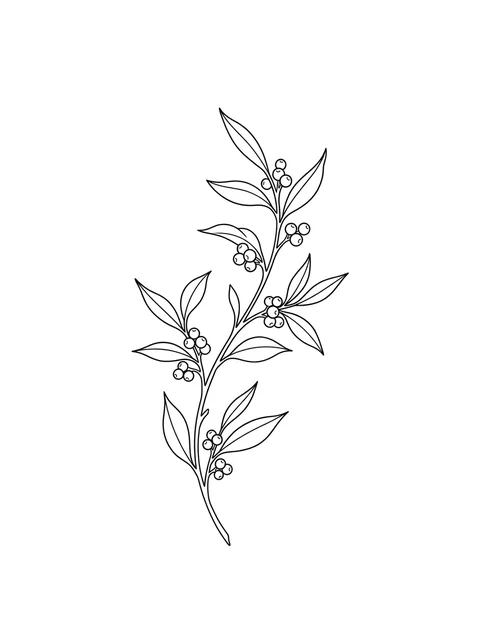
fine line leaf tattoo design Try it on — fine line leaf tattoo design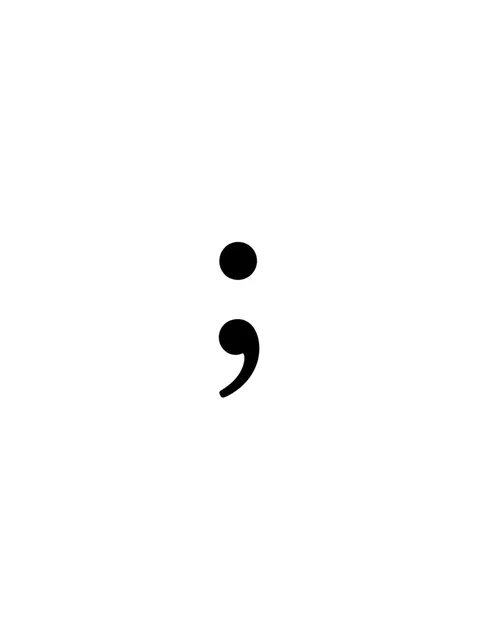
minimalist semicolon tattoo design Try it on — minimalist semicolon tattoo design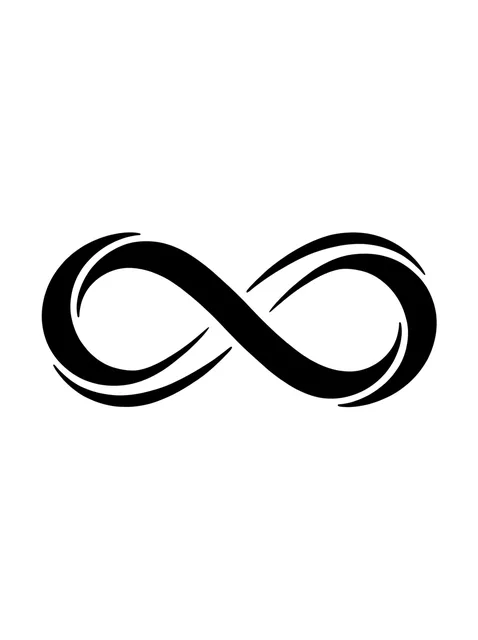
minimalist infinity tattoo design Try it on — minimalist infinity tattoo design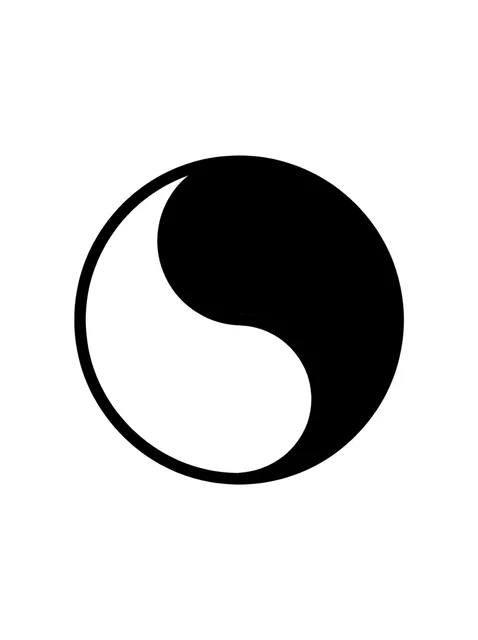
minimalist yin yang tattoo design Try it on — minimalist yin yang tattoo design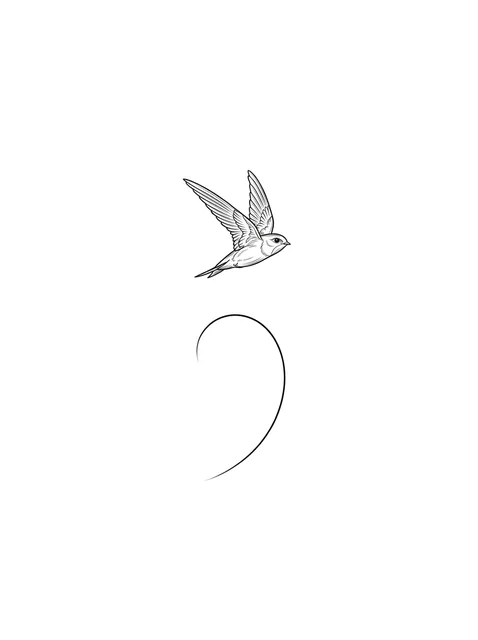
fine line bird tattoo design Try it on — fine line bird tattoo design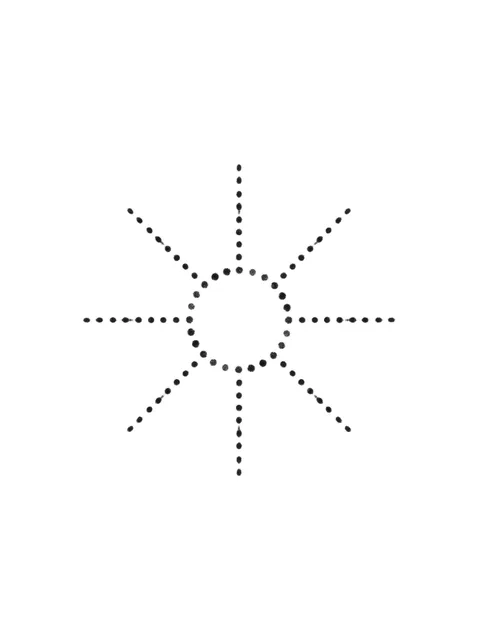
fine line sun tattoo design Try it on — fine line sun tattoo design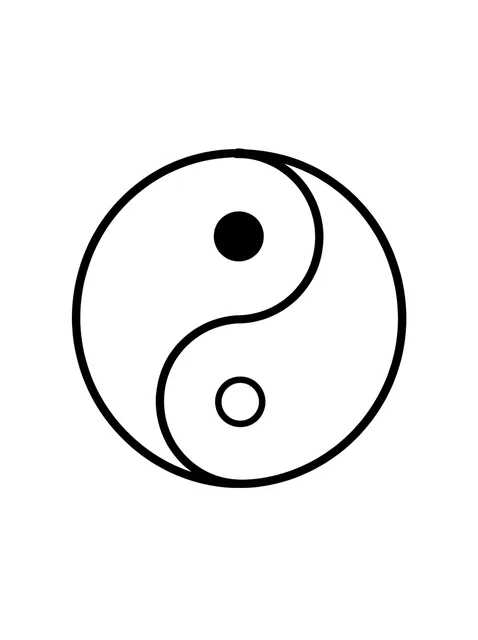
minimalist yin yang tattoo design Try it on — minimalist yin yang tattoo design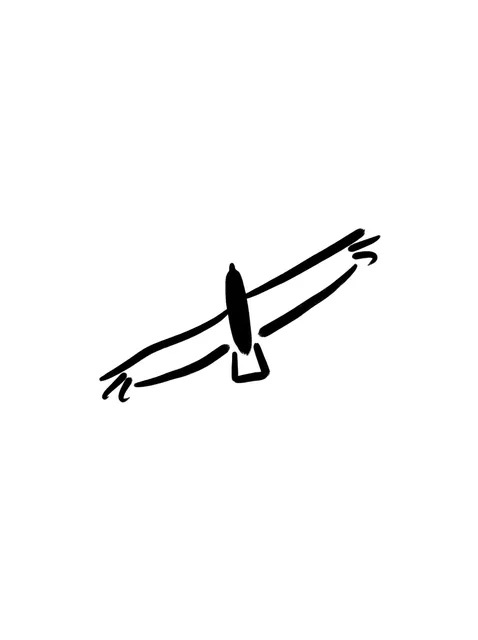
minimalist bird tattoo design Try it on — minimalist bird tattoo design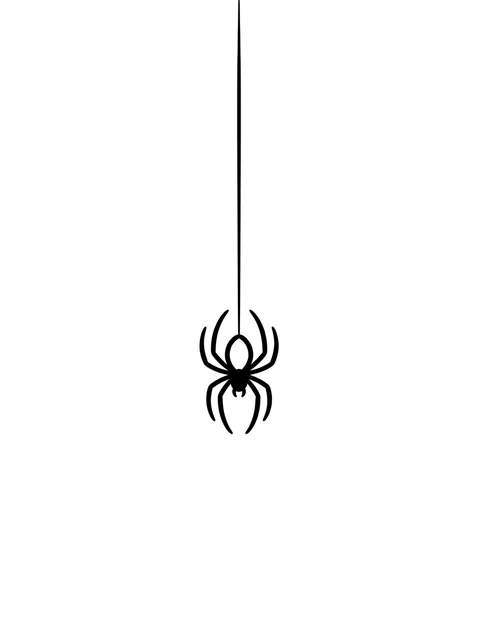
minimalist spider tattoo design Try it on — minimalist spider tattoo design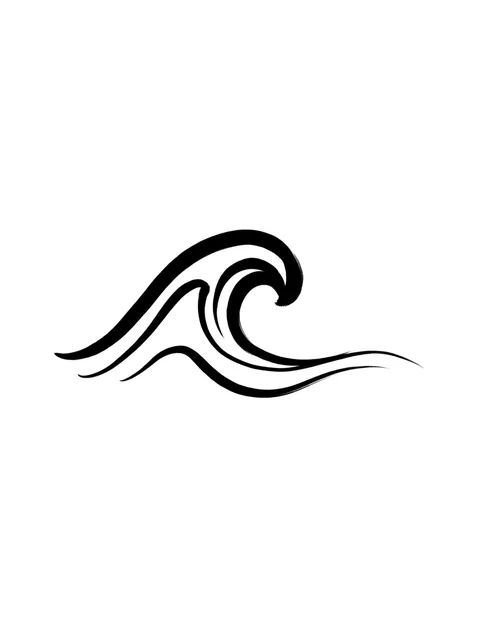
minimalist wave tattoo design Try it on — minimalist wave tattoo design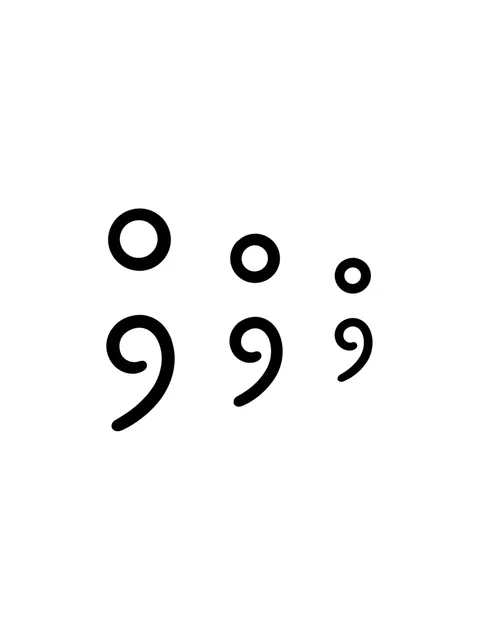
minimalist semicolon tattoo design Try it on — minimalist semicolon tattoo design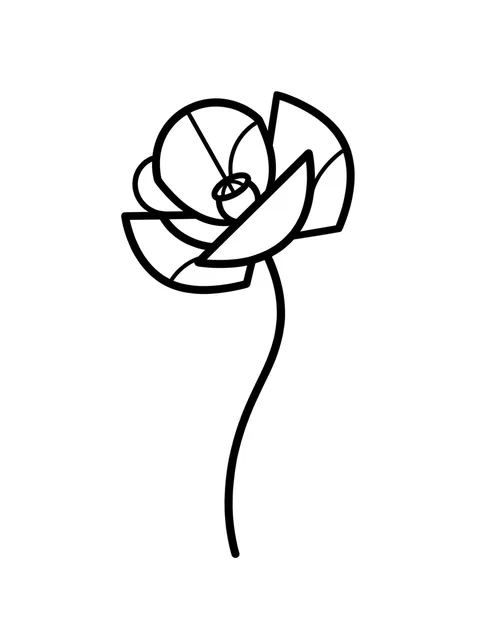
fine line flower tattoo design Try it on — fine line flower tattoo design
minimalist cross tattoo design Try it on — minimalist cross tattoo design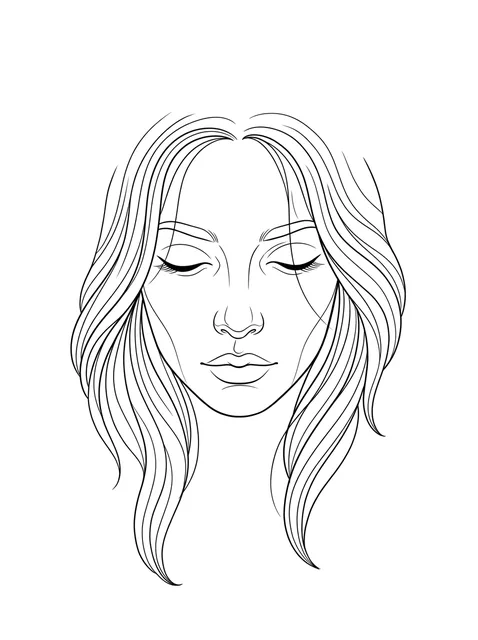
fine line woman portrait tattoo design Try it on — fine line woman portrait tattoo design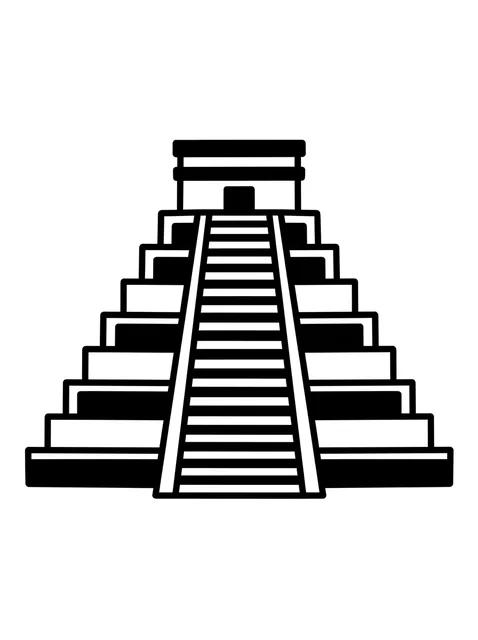
minimalist aztec tattoo design Try it on — minimalist aztec tattoo design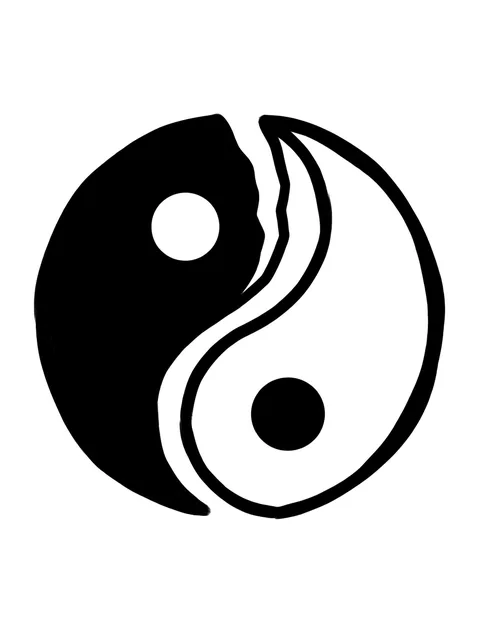
minimalist yin yang tattoo design Try it on — minimalist yin yang tattoo design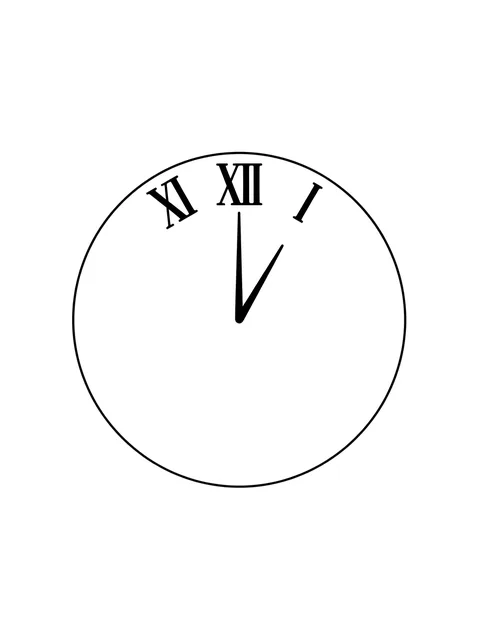
minimalist clock tattoo design Try it on — minimalist clock tattoo design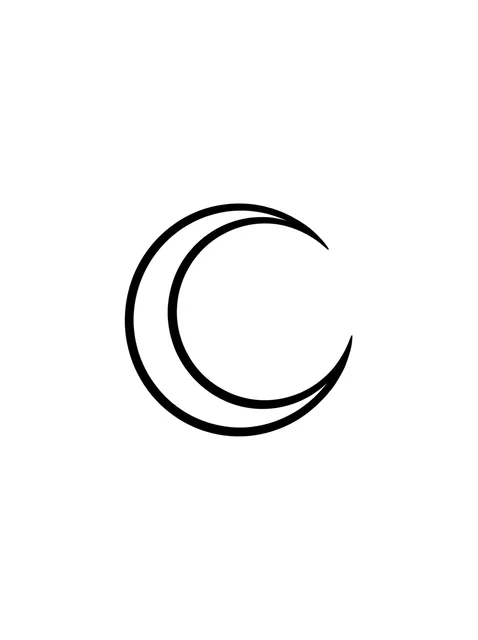
minimalist moon tattoo design Try it on — minimalist moon tattoo design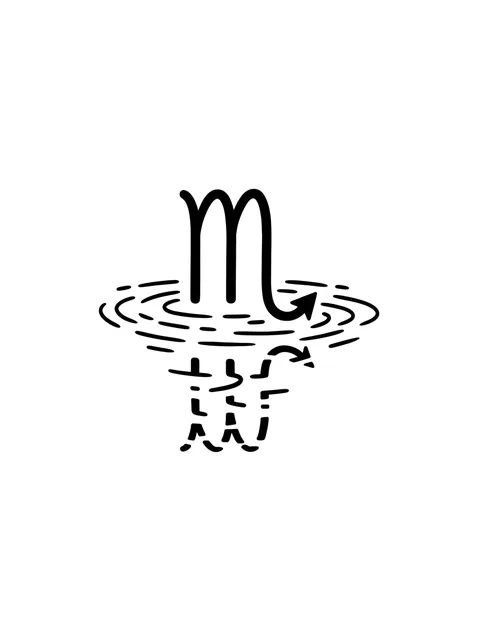
minimalist scorpio tattoo design Try it on — minimalist scorpio tattoo design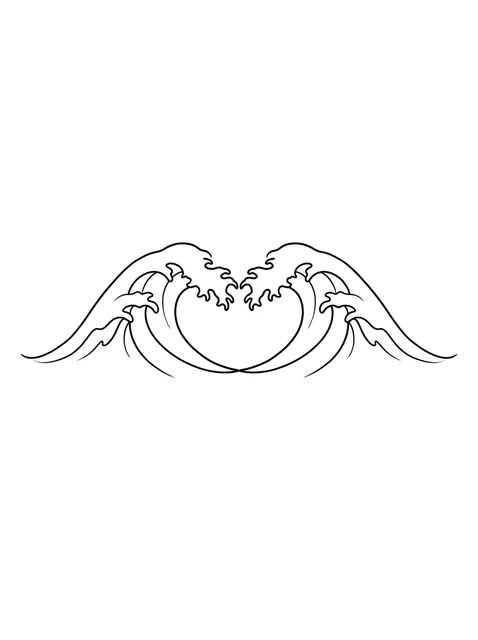
fine line wave tattoo design Try it on — fine line wave tattoo design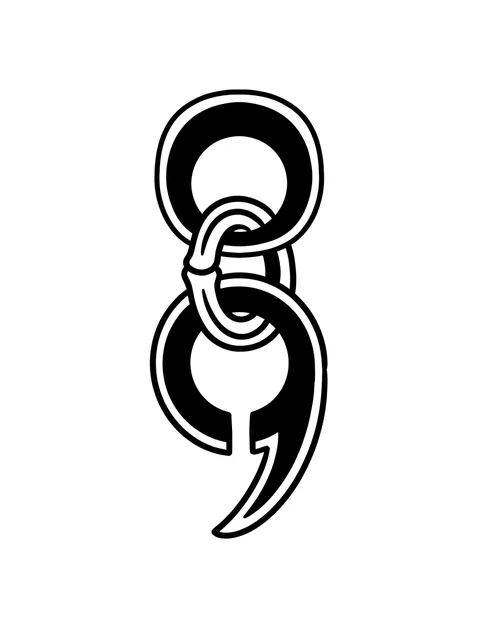
minimalist semicolon tattoo design Try it on — minimalist semicolon tattoo design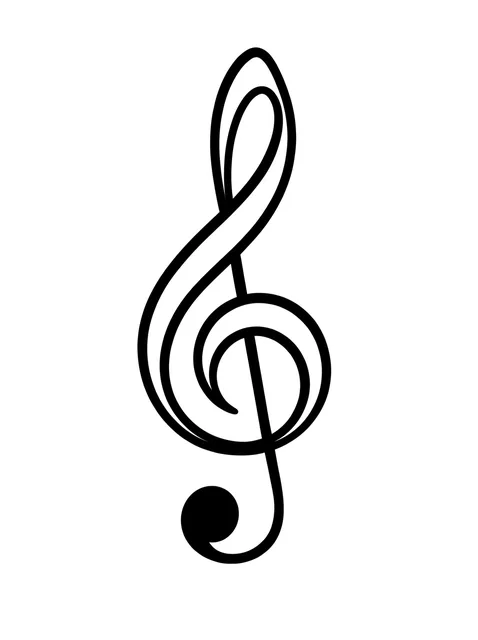
minimalist music note tattoo design Try it on — minimalist music note tattoo design


Filled by rule: every design here is in the minimalist or fine line style and carries exactly one subject label.
These 40 simple tattoos, in numbers
- Black and grey
- 40
- Colour
- 0
- Styles
- 2
- Subjects
- 27
What simple actually means on skin
A simple tattoo is not a small tattoo or a cheap one. It is a design that carries its subject in the fewest marks that still name it, so that nothing on the skin is there to support something else. A minimalist rose is five lines that read as a rose from across a table; a fine line rose is the same rose with the petals drawn, in a single thin weight, with no shadow anywhere. Both are simple. A rose with shading and a highlight is not, however small it is printed.
That definition is why simple work ages the way it does. Ink spreads a little as it heals and keeps spreading slowly for years, and a design with few lines and generous gaps has nowhere to lose definition. The same spread that closes the detail in a busy piece leaves a simple one looking exactly as it did. Simple tattoos are the ones people still like at fifty, not because they were fashionable but because there was nothing in them to go wrong.
The grid here is filled by a rule rather than by taste: designs in the minimalist and fine line styles that carry exactly one subject label. That excludes the pairings, the backgrounds and the pieces that need a second element to make sense, which is the honest edge of simple. Every one of them links to its subject page, where the same idea appears in bolder styles.
Where simple fails, and how to stop it
Simple fails in one way: the lines find each other. A design with three lines has a floor set by the gap between them, roughly two millimetres, and below that floor the lines merge into a mark over a few years. So the question to ask is never how small the design can go but how far apart its nearest two lines are at that size. Print the outline at the intended size and check the tightest spot before anything is booked.
Placement is the other half. Fine line survives on flat, protected, low-friction skin: the inner forearm, the ribs, the collarbone, the upper back. On the fingers, the hands and the feet it is realistically a two-year design, because that skin renews faster and rubs against everything. Minimalist work with a heavier single line is more forgiving, which is why a minimalist piece is the version of simple that suits a wrist or an ankle.
Sun does the rest. A thin line carries less pigment than a bold one, so a summer of unprotected forearm shows on fine line work and not on traditional. Sunscreen on a healed simple tattoo is not fussiness; it is the difference between one refresh and three.
Cost, sittings and getting more than one
A simple tattoo is quick to do and slow to price. Most studios charge a minimum that covers the setup, the stencil and the sterile field whether the needle runs for ten minutes or ninety, so a single simple piece usually costs the minimum and two simple pieces in one sitting cost barely more. If you want several, book them together and have them placed as a set.
That is also how a simple collection stays simple. Scattered small pieces added one at a time with no relationship read as clutter; the same pieces placed in one plan, at one line weight, along one line of the body, read as intent. Tell the artist there may be more and let them leave the spacing.
Before booking, see it at true size on yourself. Simple designs are the ones people most misjudge on a screen, where a three centimetre drawing fills the window. Place one on a photo of your skin at the size you mean, check the gaps, and take that image to the studio; the stencil conversation is then a minute long.
Common questions
- What counts as a simple tattoo?
- One subject, one line weight and no shading it depends on. A minimalist outline or a fine line drawing of a single thing is simple; the same thing with a background, a pairing or grey shading is not, however small it is. Simple is a property of the drawing, not of the size.
- Do simple tattoos age well?
- Better than most, as long as the lines are spaced. Ink spreads slightly for years, and a design with few marks and generous gaps has nothing to lose. Fine line on high-friction skin, fingers and feet, is the exception and fades within a few years.
- How much does a simple tattoo cost?
- Usually the studio minimum, because setup costs the same however short the tattoo. Several simple pieces booked in one sitting cost far less than the same pieces across separate appointments.
- Where do simple tattoos look best?
- On flat, protected skin with a natural edge nearby: the inner forearm, the wrist, the ankle, the collarbone, behind the ear. A small simple piece dropped in the middle of a large flat area tends to look stranded, so give it a boundary to relate to.
See it on your own skin first
InkCraft places a design on a photo of you — scaled, wrapped and shaded to the spot you pick, so you can judge the size against your own body before it is permanent.