 InkCraft
Tattoo symbols and their meanings
By Uladzimir TumanauUpdated
Every symbol we draw, sorted by the thing people choose it to say. Each line gives the reading most wearers intend, where it comes from and the detail that changes it; the name opens the full meaning and the designs.
Strength and courage
Most strength symbols are animals, and they do not mean the same strength. Between them they cover authority, defiance, momentum and discipline, and picking the right one is picking which of those you mean.
With designs: Strength tattoos
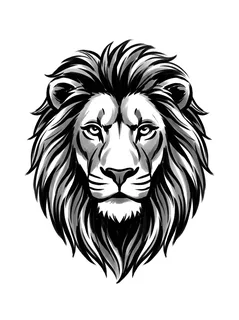
Lion
Courage that protects, and authority others accept. A lion says you stand in front of people, not over them.
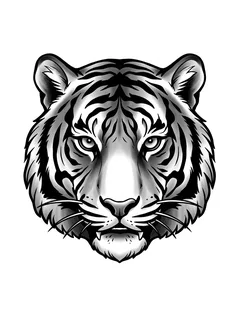
Tiger
Power that answers to nobody. The lion leads a pride; the tiger hunts alone, so it suits independence more than leadership.
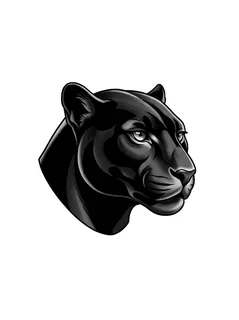
Panther
Strength held in reserve. The crawling panther of American flash is readiness, power that has not had to be used yet.
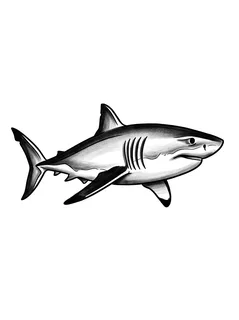
Shark
Momentum. Many sharks must keep swimming to breathe, so the animal says keep going more than it says fight.
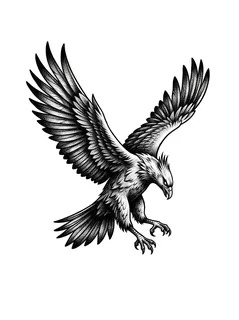
Eagle
Power with a flag behind it. From the Roman standards to the Great Seal of the United States, the eagle stood for a state before it stood for a person.
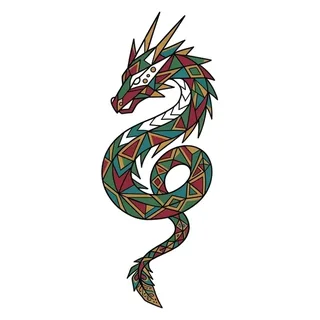
Dragon
In China and Japan, authority and wisdom earned over time; in Europe, the danger a hero overcomes. The style you draw it in decides which one you wear.
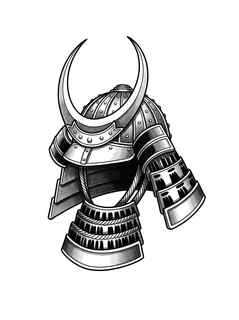
Samurai
Discipline rather than violence: loyalty, restraint and a code kept when keeping it costs something.
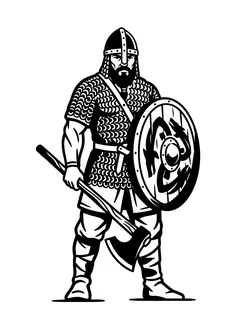
Viking
Courage in front of a fate that cannot be changed. In the Norse myths the gods lose at Ragnarök and fight anyway.
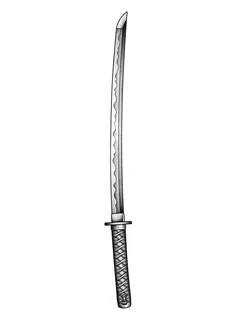
Sword
A decision and the will to act on it. A sword has no use but conflict, so it stands for honour, justice or a battle already won.
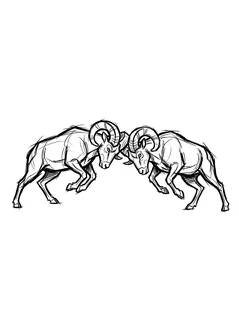
Goat
Sure footing where nothing else can stand. The goat is independence and stubborn persistence long before it is anything occult.
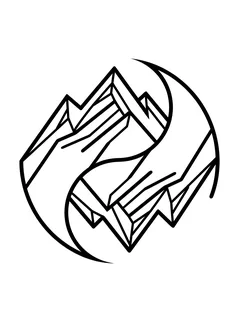
Mountain
Endurance and the effort of a climb. The one strength symbol that is not an animal, and the only one that never moves.
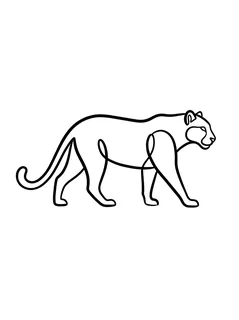
Leopard
Strength that adapts and hides. No wild cat ranges wider, and its rosettes break up its outline so it can lie in plain view and go unseen.
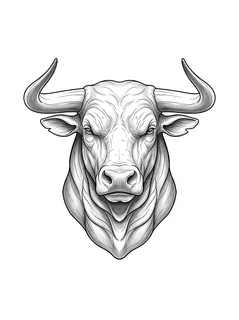
Bull
Force that comes straight on and does not turn, painted on the walls of Lascaux long before the bull was a sign of the zodiac.
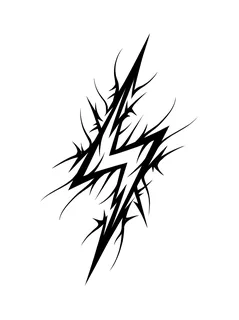
Lightning
Power that lands all at once: the weapon of Zeus, Thor's thunder and Indra's vajra. Keep it single, since two matching angular bolts are the SS runes.
Protection
Protection symbols work in one of two ways. Some stand guard over a person; others turn harm back on whoever sends it, which is the older idea and the reason so many of them are eyes.
With designs: Protection tattoos
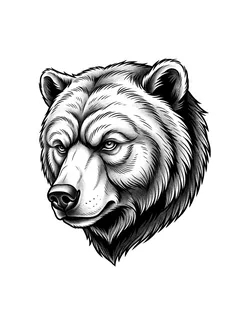
Bear
A guardian, above all of family. A mother bear with cubs is the most defensive animal most people can picture, and that is the reading.
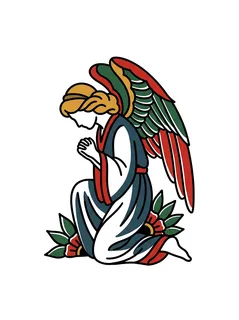
Angel
A guardian angel watching over one person, and very often a memorial for someone who is now thought to do the watching.
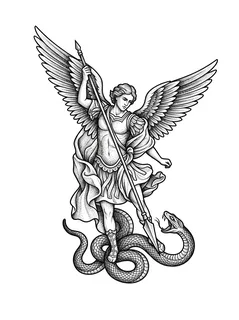
Archangel
Saint Michael, who throws the dragon down: protection that fights rather than watches, and the patron of soldiers and police.
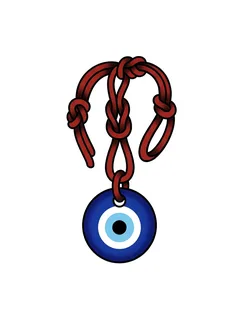
Evil eye
The nazar of Turkey, Greece and the Middle East, a blue eye that sends an envious look back to the one who cast it.
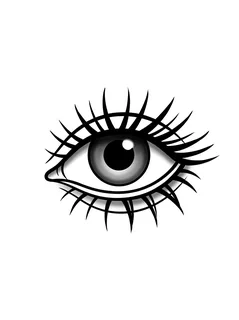
Eye
Being watched over, or being watched. As the Eye of Horus it is protection and healing; as the Eye of Providence, divine care.
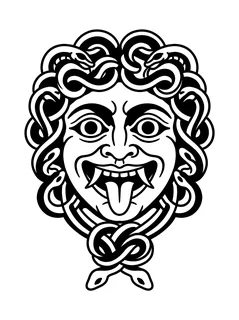
Medusa
The Greeks cut her face into shields to turn harm away. Many now wear her as a survivor's symbol: the victim remade as the one nobody can touch.
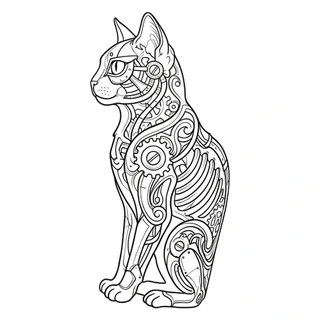
Cat
Guardian or omen, depending on the century: sacred to Bastet in Egypt, suspected in medieval Europe, independent everywhere.
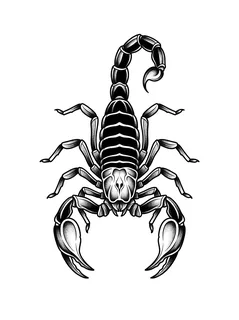
Scorpion
A warning about consequences. It rarely strikes first, but it answers whoever steps on it.
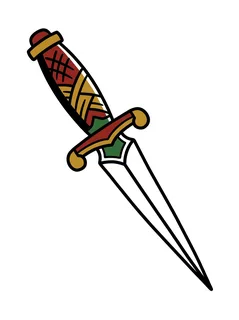
Dagger
Danger at close range: protection kept within reach, or a betrayal by someone who stood near enough to use it.
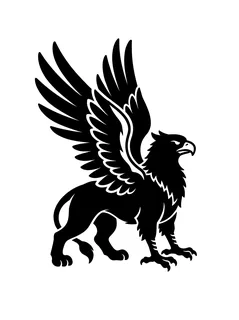
Griffin
A guard assembled from the lion of the ground and the eagle of the sky, posted by thrones, tombs and gold to watch both at once.
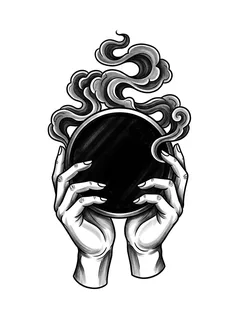
Hand symbol
The raised palm that says stop: the hamsa of North Africa and the Middle East, often with an eye in its centre to throw back an envious look.
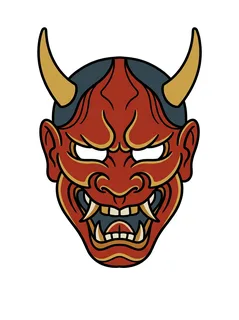
Demon
Fear set to work as a guard: oni faces on Japanese temple roofs keep worse things away, and the hannya shows what jealousy makes of a person.
Love and devotion
Love symbols are the least specific on the page and the most changed by a detail: a name, a colour, a second flower, a thorn left on or taken off.
With designs: Love tattoos · Couples tattoos
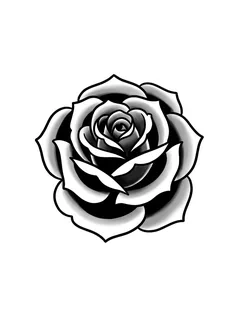
Rose
Love that includes its cost, which is why the thorns stay on. Red for passion, white for remembrance, black for a love that has ended.
Heart
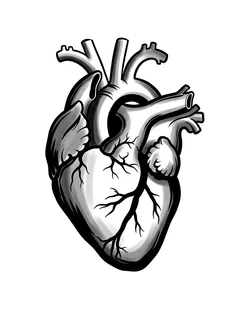
Love at its plainest, made specific by what goes with it: a name on a banner, a dagger, a flame, a lock and key.
Infinity
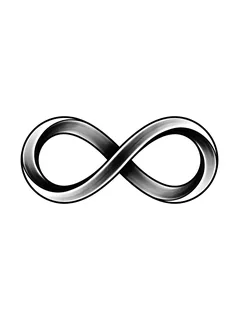
A bond with no end, drawn as one line that never stops. Worn far more often for one person than for an idea.
Anchor
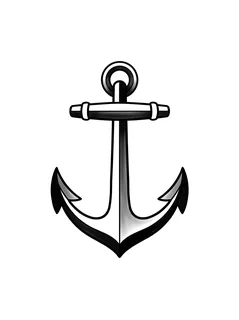
Whatever holds you steady, and it is usually a person. Sailors wore it for a safe return; it still means someone to come back to.
Daisy
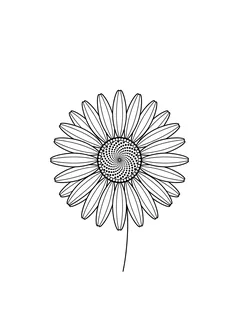
Innocence and uncomplicated love, the flower of daisy chains and he-loves-me-not, and a frequent choice for a child.
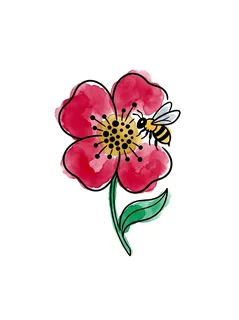
Flower
Beauty and growth in general. The species settles the rest: a lily, a peony and a poppy say three different things.
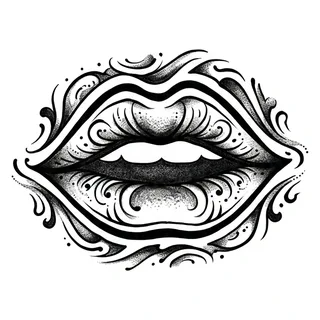
Lips
Love as the body instead of the idea. A kiss, a word said aloud or a silence kept, and each one is drawn differently.
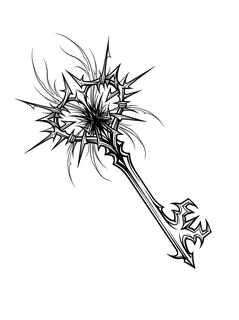
Key
Access to one door and no other: a home, a secret, or a heart whose matching lock is worn by someone else.
Ring
A promise with no ends, drawn as a band or a Claddagh, or inked round the finger where the metal would sit.
Family, loyalty and belonging
These are chosen for other people: a household, a pack, a friend for life, one particular animal.
With designs: Family tattoos · Mother and daughter tattoos · Father and daughter tattoos
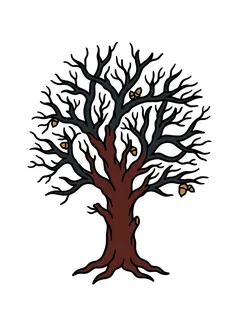
Tree
Family across time: roots for the people who came before, branches for the ones who come after, one trunk between them.
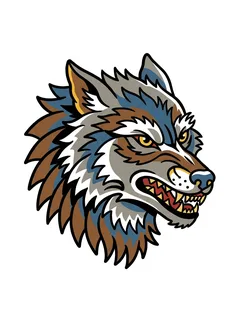
Wolf
Loyalty and belonging to a pack. The lone wolf is the popular reading, but the animal's whole life is its family.
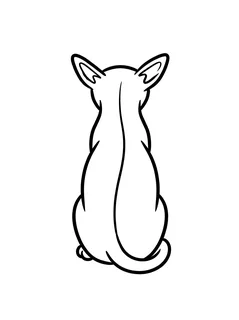
Dog
One particular dog, most often one that has died, and the loyalty it gave without conditions.
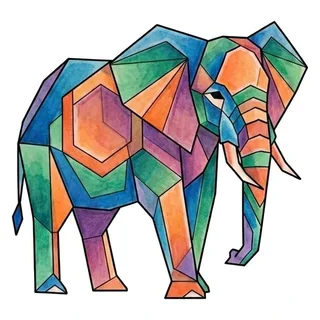
Elephant
Memory, and the family that keeps it. The oldest female leads the herd on what she remembers, which is why it is chosen for mothers and grandmothers.
Sunflower
Loyalty to one source. Young sunflowers follow the sun across the sky and turn back to the east before morning.
Bee
Work for others. A worker bee spends its few weeks on a hive that will outlive it, so it stands for community and care.
Faith and the sacred
Religious symbols belong to particular traditions, and their details place them there: which cross, which Mary, which way the mandala is drawn.
With designs: Faith tattoos · Christian tattoos · Spiritual tattoos
Cross
Christian faith first, then mourning, heritage or defiance. The form says which: Latin, Celtic, Orthodox or two plain lines.
Jesus
Devotion made personal: the face of Christ, most often under the crown of thorns, carried as a reminder of sacrifice and mercy.
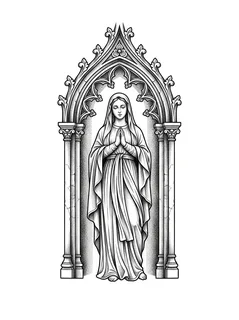
Virgin Mary
Motherly protection and intercession. Our Lady of Guadalupe is a statement of Mexican faith and identity as much as a prayer.
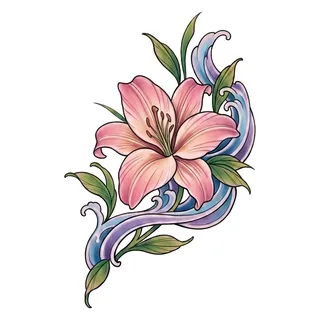
Lily
Purity and resurrection in Christian art, where Gabriel brings Mary a white lily; also the flower of funerals.
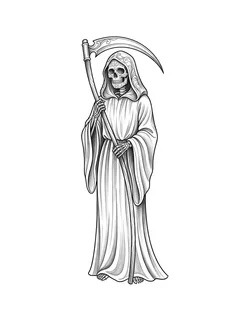
Santa Muerte
The Mexican folk saint of death, asked for protection, love and a safe return, and thanked as a patron rather than feared.
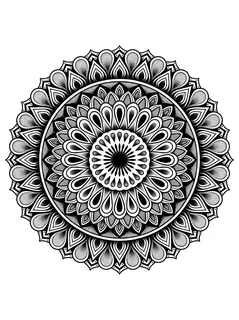
Mandala
A map of the cosmos from Hindu and Buddhist practice, drawn to be travelled by the eye from the edge to the centre.
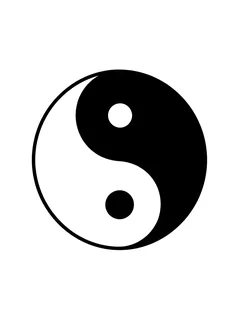
Yin-yang
Opposites that need each other, from Taoist thought. Each half holds a dot of the other because neither exists alone.
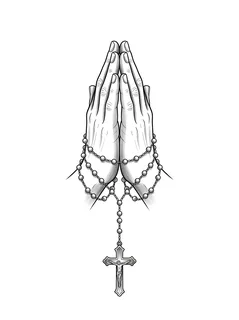
Praying hands
A prayer made visible, and very often a prayer for someone who has died; nearly every version copies Dürer's drawing of an apostle's hands.
Rebirth and transformation
The recovery symbols. Each one tells a story of coming through something, and the stories differ in what was lost and what came back.
With designs: Resilience tattoos · Mental health tattoos
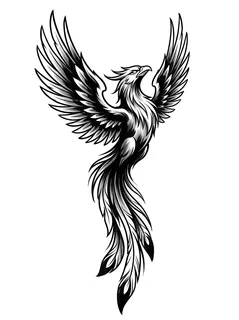
Phoenix
Return after destruction: the bird that burns and rises from its own ashes, chosen after illness, addiction or loss.
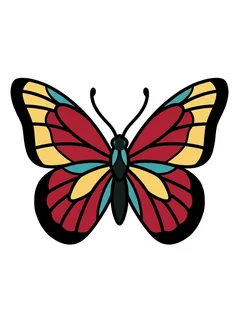
Butterfly
Complete change. Nothing of the caterpillar survives as it was, which is why it is so often chosen after grief or recovery.
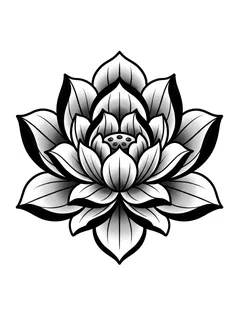
Lotus
Clean out of mud. It roots in the pond bed and opens spotless above the water, so it is about what was grown through.
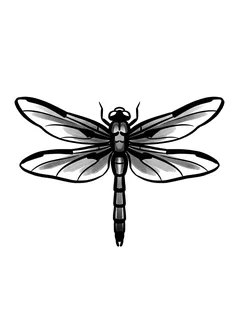
Dragonfly
Change that comes late. It lives for years underwater before it flies, and then flies briefly and brilliantly.
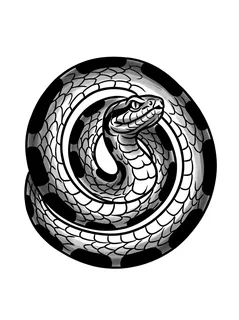
Snake
Renewal by shedding its skin, and healing on the staff of Asclepius; also danger and temptation. It means what it is shown doing.
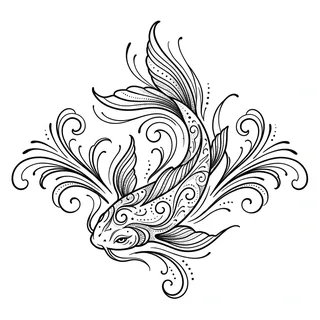
Koi
Perseverance rewarded. In the Chinese legend a carp that climbs the waterfall at the Dragon Gate becomes a dragon.
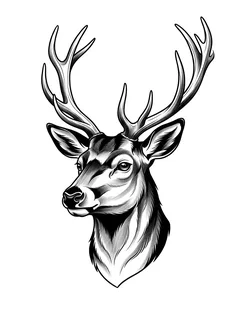
Deer
Renewal after loss. A stag sheds its antlers every year and grows them back larger.
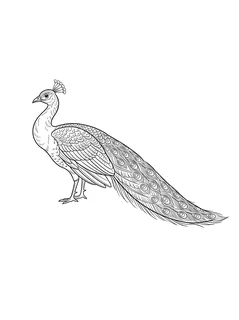
Peacock
Renewal and immortality in early Christian and Indian art, because it regrows its train every year; pride came later.
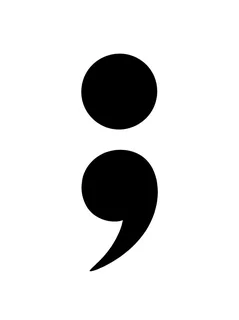
Semicolon
A life that went on. From Project Semicolon: the mark a writer uses where the sentence could have ended and did not.
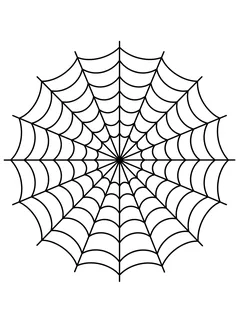
Spider web
Rebuilding without complaint. The spider remakes its web every night after it is torn.
Change, cycles and impermanence
Where the rebirth symbols describe one change, these describe change that keeps happening: phases, seasons, and things that never hold one shape.
With designs: Growth tattoos · Forever tattoos
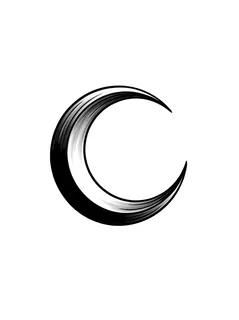
Moon
Change on a schedule. It wanes, vanishes and returns every 29.5 days, so it means cycles and the certainty of coming back.
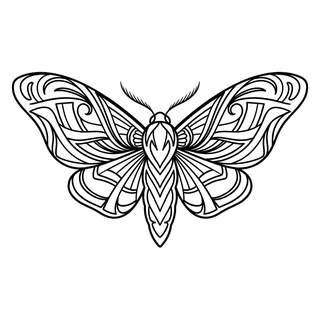
Moth
Attraction and being led astray. The moth steers by the moon and a nearby flame confuses it; it is also the butterfly's night-time double.
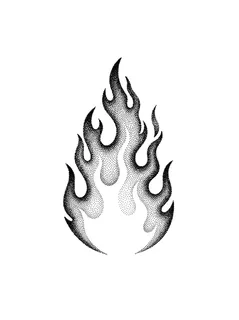
Fire
Passion, destruction and the renewal that burning allows. Fire has to be fed or it goes out, which is the half people forget.
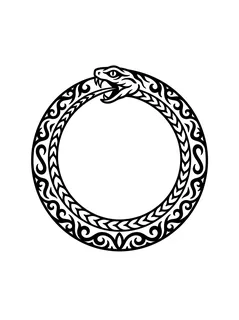
Ouroboros
Eternity and the endless cycle, drawn as a serpent eating its own tail, from Egyptian tombs to Greek alchemy.
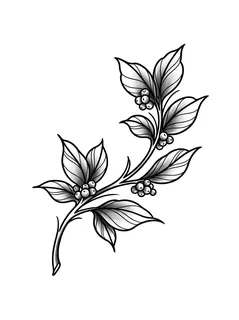
Leaf
A season of life: growth when green, maturity when full, letting go when it falls.
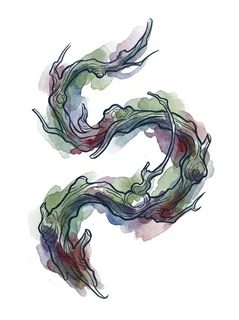
Vine
Persistence that needs support. A vine climbs whatever it can hold, so it stands for growth that depends on others.
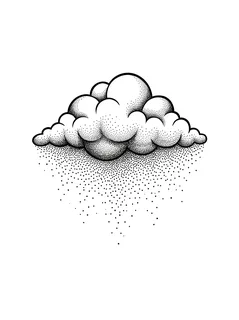
Cloud
Impermanence and daydreaming. A cloud has no fixed edge and is gone within the hour.
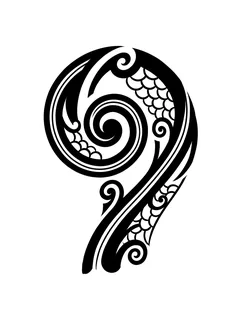
Fern
Growth that takes its time. Each frond unrolls from a spiral, the koru of New Zealand, on a plant that was already ancient before the first flower opened.
Time, loss and remembrance
Most of these are older than tattooing. They come from the memento mori tradition, which reminded the living that time is short so that they would spend it well.
With designs: Memorial tattoos
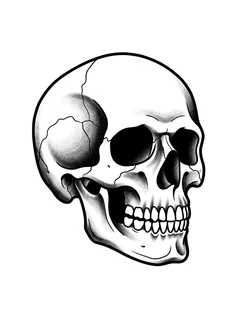
Skull
Knowing that you will die, not wanting to: the memento mori skull is a reminder to use the time.
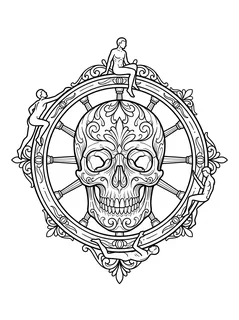
Memento mori
Latin for remember that you must die, an instruction to live that was carved on gravestones and mourning rings for centuries.
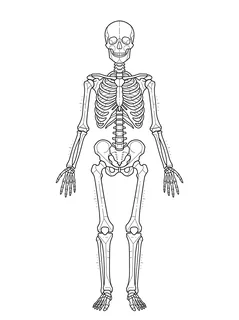
Skeleton
Death that still acts. A skeleton can dance, wait or hold flowers, and in Mexico it celebrates the dead rather than mourning them.
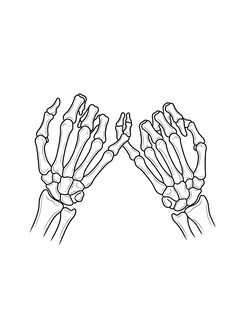
Skeleton Hand
Mortality made active: a hand that reaches, holds or lets go, usually paired with a flower, a card or a second hand.
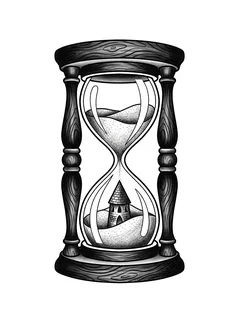
Hourglass
Time running out, visibly. Of all the mortality symbols it is the one that shows how much is left.
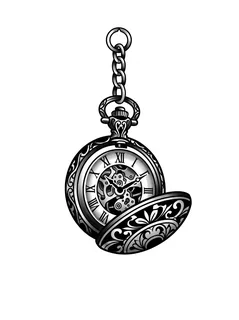
Clock
A moment fixed, or time passing. A stopped clock often records the hour of a birth or a death.
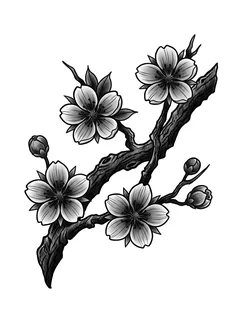
Cherry Blossom
The beauty of a short life. Sakura fall at their peak, which made them the samurai's flower in Japan.
Feather
Lightness, release, and the belief that someone who died is close. A feather breaking into birds says letting go.
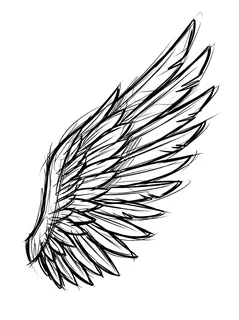
Angel wings
Someone who was here and is not. Wings without a body are the quiet memorial, with no name or date needed.
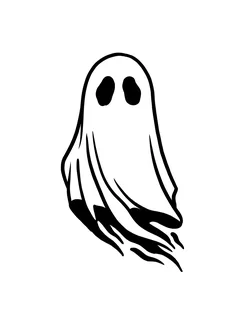
Ghost
A death carried lightly: the friendly ghost is a memorial without the weight of a skull, and a Halloween favourite besides.
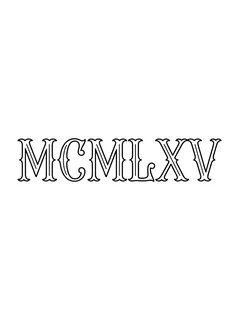
Roman numeral
A date set in the letters of Latin inscriptions, usually a birth, a wedding or a death, that most people who see it will not stop to decode.
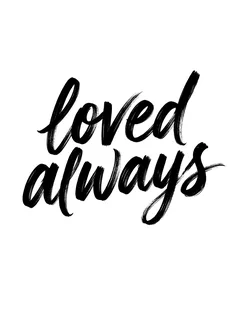
Memorial lettering
The Latin prayer for the dead cut to three letters, usually joined by a name or the years of a life.
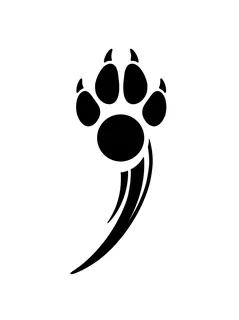
Paw print
The trace an animal left behind, not its portrait, and so the quiet memorial for a pet that no likeness has to live up to.
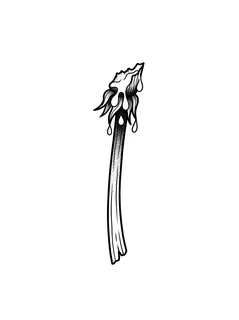
Candle
Time burning down in plain sight. Lit, it is a vigil kept for someone; snuffed and still smoking, it is a life that has ended.
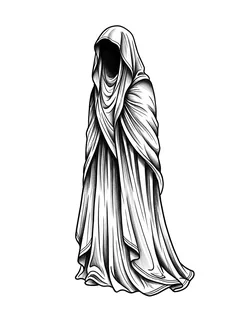
Grim reaper
Death come to collect, scythe in hand: an equaliser that takes everyone in their season, worn to say its wearer is not afraid of it.
Freedom, direction and the sea
Travel and escape, and the old sailors' symbols of finding the way home.
With designs: Freedom tattoos
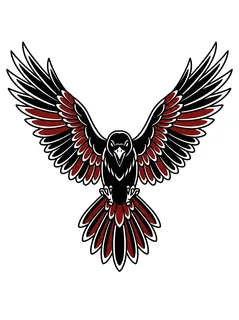
Bird
Freedom in general, and something more exact once the bird is chosen: a swallow returns, a dove makes peace, a raven knows.
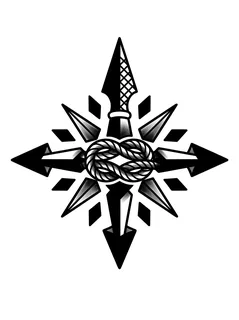
Compass
Guidance and a way home, for someone who has found a direction or is still looking for one.
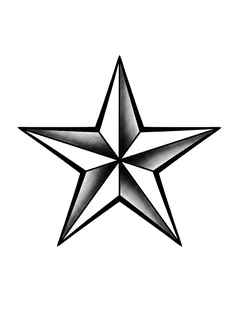
Star
Guidance in unfamiliar places. The nautical star was a sailor's way home before instruments.
Wave
Living with what you cannot control. The sea answers to nobody, and the tattoo is about making peace with that.
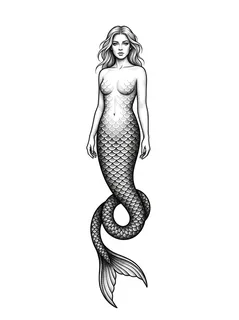
Mermaid
The sea's beauty and its danger in one figure. Sailors wore her as a charm and as a warning.
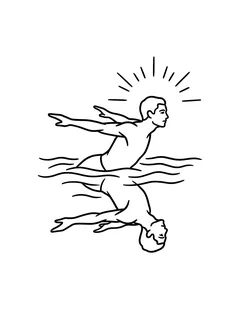
Icarus
Ambition and its price. The wax melted because he flew too high, though his father had also warned him not to fly too low.
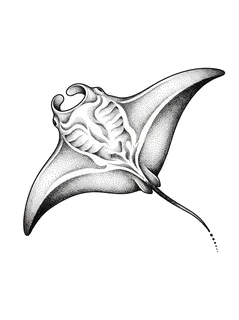
Ocean
The sea as a place rather than a moment: a home coast, a working life on the water, or a grave with no stone to visit.
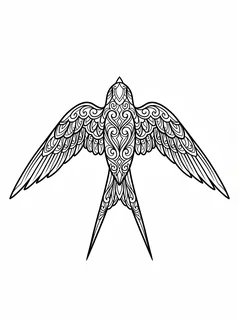
Swallow
The sailor's bird of homecoming: it flies to Africa every autumn and is back under the same roof by spring.
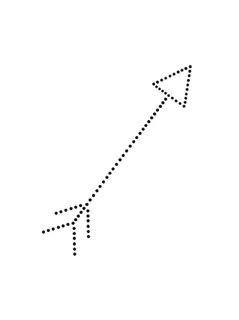
Arrow
A direction chosen and committed to, or a wound lived through when it pierces a heart, from Cupid's golden shaft to Saint Sebastian.
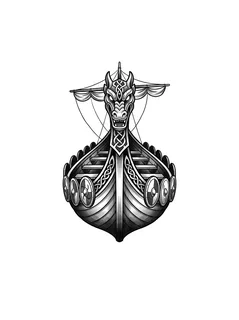
Ship
The voyage itself, from the rigged ship that sailors tied to Cape Horn to the Norse longship that carried its dead into the mound.
Wisdom, memory and long life
The animals chosen for what they know, and for how long they have been around to learn it.
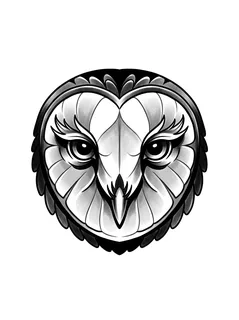
Owl
Wisdom, from the little owl of Athena stamped on Athenian coins. In several cultures it is also a messenger of death.
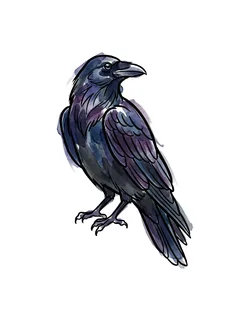
Raven
Intelligence first and death second. In Norse myth Odin's ravens, Huginn and Muninn, thought and memory, flew out each morning and reported back.
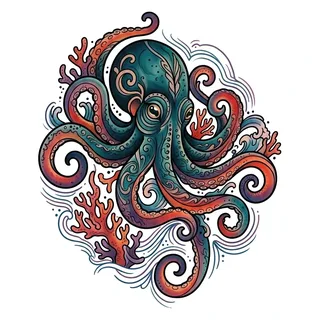
Octopus
A different kind of intelligence, spread through eight arms, and the talent to adapt, hide and slip away.
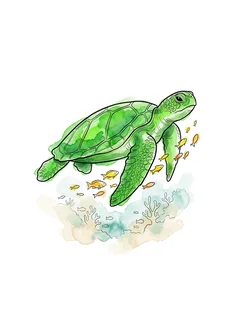
Turtle
Long life and the patience to reach it. Some turtles pass a hundred, and a sea turtle swims back to the beach it hatched on to nest.
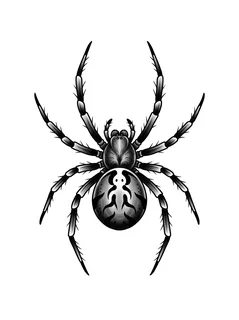
Spider
Patience, craft and creation. Anansi of West Africa and Arachne of Greece are both stories about weaving.
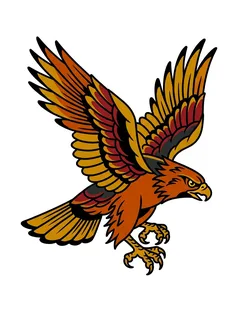
Hawk
Close attention. The hawk sits on one perch and watches until the moment comes, and in Egypt the falcon Horus added healing and protection.
Luck, hope and joy
Symbols worn to invite something good, or to celebrate it once it came.
With designs: Luck tattoos
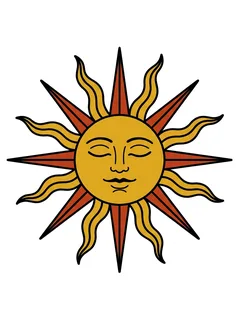
Sun
Life and warmth: one of the oldest symbols anywhere, and one of very few with no dark reading.
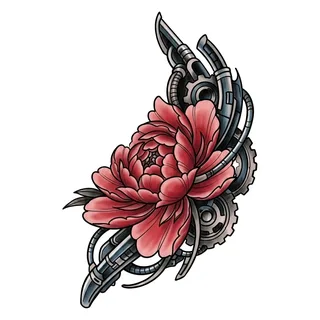
Peony
The king of flowers in Japan: wealth, honour, good fortune and a courage that does not announce itself.
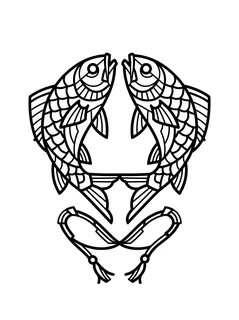
Fish
Abundance, and in early Christianity the ichthys, a secret sign of faith drawn in two strokes.
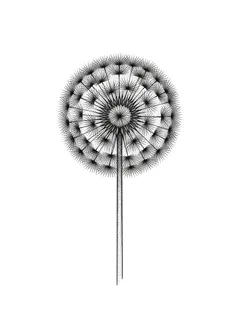
Dandelion
Wishes and letting go. Every seed blown away is a wish made and a piece of the plant leaving.
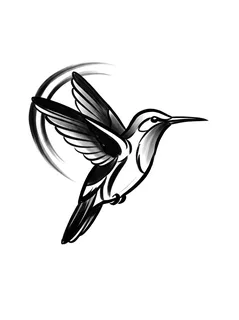
Hummingbird
Joy and living intensely. It beats its wings up to eighty times a second and must feed many times an hour.
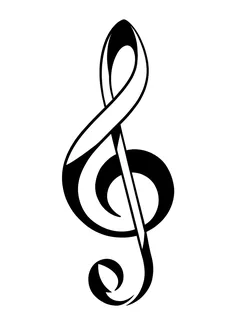
Music note
The music that matters to you, usually one song, one person or one year carried in a single mark.
Number
Repeated digits read as a sign from angels, and sevens and thirteens carried as charms; a four or an eight says something else again to a Chinese reader.
Identity, heritage and the signs
Symbols worn to say who you are or where you come from, including all twelve zodiac signs.
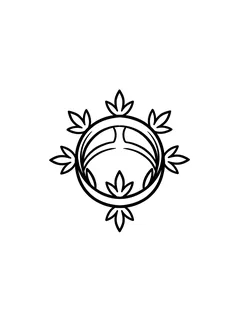
Crown
Sovereignty, and the question is whose. On its own it is a claim about yourself; over a name it is an honour given to someone else.
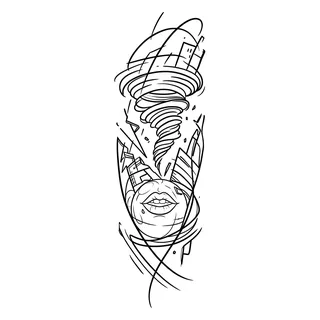
Woman portrait
Femininity as an archetype, or one woman in particular. Once the face stops being a likeness it becomes grace, strength or loss.
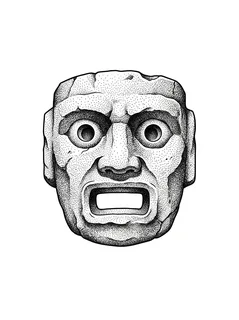
Aztec
Mexica heritage and Mexican pride. The Sun Stone, carved around 1510, is the image most chosen, and it is a ritual disc rather than a calendar.
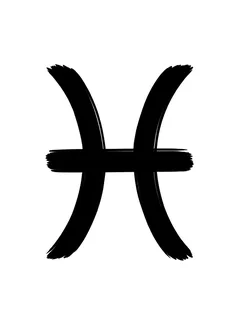
Pisces
Being pulled two ways and staying whole: two fish swimming apart and tied together.
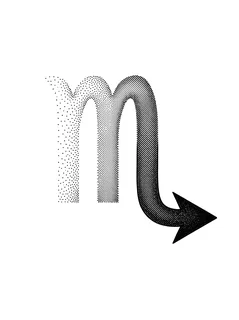
Scorpio
Depth and self-possession. The sign's scorpion never chases; it holds still, and strikes only when trodden on.
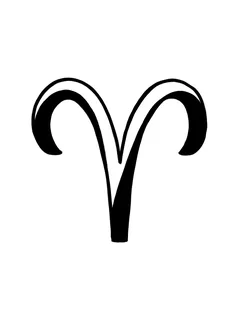
Aries
Beginnings and initiative. The first sign, and a ram that goes forward and does not reverse well.
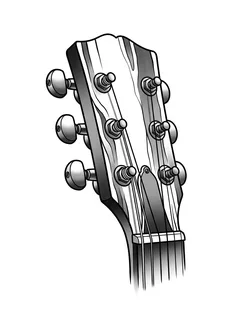
Guitar
A player, not a playlist: the instrument stands for the hands on it, and its body shape tells you whether the music was flamenco, jazz or metal.
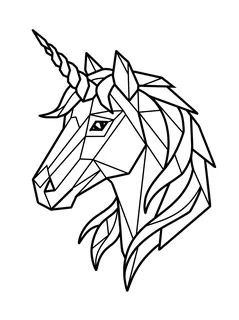
Unicorn
The animal nobody can catch or find twice: Christ in medieval art, Scotland on its royal arms, and joy in the rainbow version.
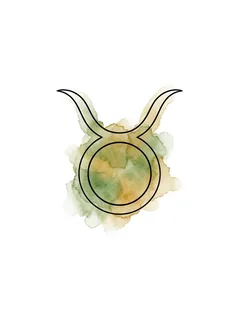
Taurus
Steadiness and a love of comfort: the bull that is slow to charge and impossible to turn, with Aldebaran for its eye.
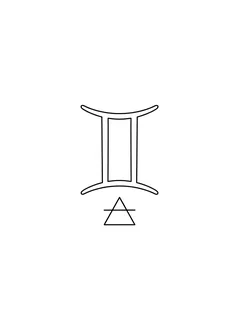
Gemini
Two natures in one person, from the twins Castor and Pollux, who chose to share one immortality rather than be parted.
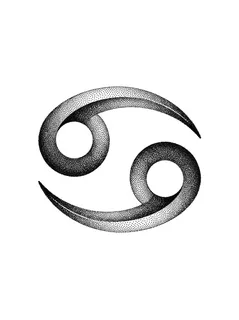
Cancer
Home and the armour that guards it. The crab carries its shelter on its back, and the sign answers to the Moon.
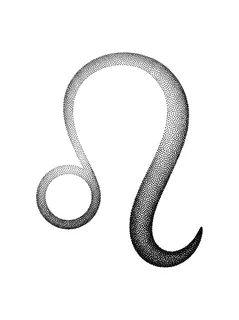
Leo
Warmth and pride from the Sun's own sign, marked in the sky by Regulus, the little king at the lion's heart.
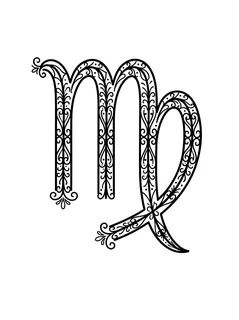
Virgo
Care, craft and the harvest: the star maiden with her ear of wheat, the bright star Spica, gathered in at summer's end.
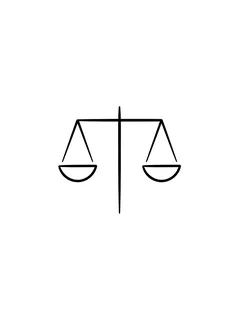
Libra
Fairness and proportion. The one sign drawn as an object, a balance whose stars the Greeks counted as a scorpion's pincers.
Sagittarius
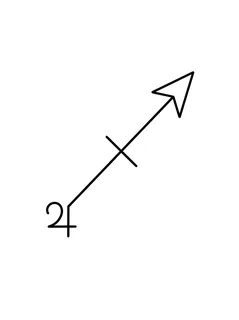
Aim and distance: an arrow already loosed, from a sign whose stars point toward the heart of the galaxy.
Capricorn
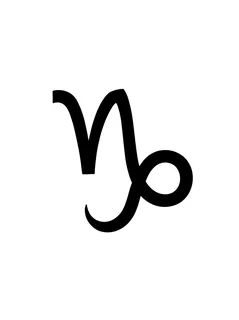
Ambition taken slowly. The sea-goat is at home on the mountain and in the deep, and needs both halves to be itself.
Aquarius
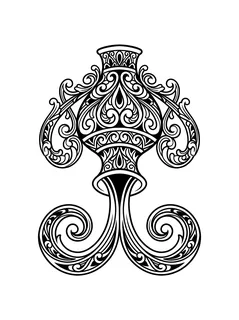
Ideas and generosity poured out for others. An air sign, whatever the water bearer happens to be carrying.
Constellation
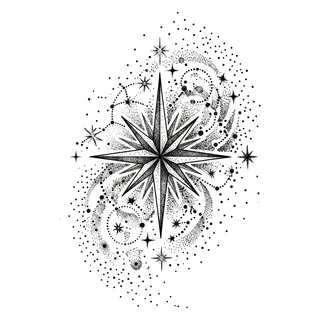
A pattern taken from the real sky, usually a birth sign or the stars over one night, that anyone with a star map can check.
Planet
The world underfoot, or a ruler beside a sign: Mars for Aries, Neptune for Pisces, Pluto for Scorpio, and Saturn for the return at twenty-nine.
Where a tattoo symbol gets its meaning
A tattoo meaning comes from one of three places, and knowing which tells you how far you can trust it. The strongest come from the thing itself: an anchor means holding because that is what an anchor does, and a stag means renewal because it really does regrow its antlers every year. Those survive translation and fashion, because anyone who knows the object can read them. The next come from a tradition, which fixed a meaning once and passed it on: the swallow of the nineteenth-century sailor, the peony of Japanese irezumi, the lily of Christian painting. They are real, but they belong to the people who kept them, and they drift as those people change.
The third source is you. A dog, a date, a single note of music means exactly what it means to the person wearing it and nothing to anyone else, and that is not a weaker kind of meaning. Most of the symbols above can carry all three at once. A rose is love by tradition, love-with-a-cost by its thorns, and one particular person by the name beside it, and the full meaning pages say which layer each part of a design belongs to.
Choosing a symbol for what you want to say
Start from the sentence, not the picture. "I came through something" and "I will not stop" are both strength, but the first is a phoenix or a lotus and the second a shark or a mountain. Then look at the details, because they carry as much as the symbol does: an open lotus against a closed bud, a snake climbing against one coiled to strike, a compass pointing north against one with no needle at all. Two symbols make a sentence where one makes a word. A swallow over an anchor says return and steadiness together; a skull with a flower says the time is short and still worth something.
A few symbols carry a history you may not want. A spider web on the elbow was long read in the United States as time served in prison, and some combinations of crowns, numbers and letters are gang markers in particular cities. None of the designs on this site is drawn from those codes, but if a symbol has a reading where you live that you did not intend, the local reading is the one strangers will use.
When one symbol means different things
The same animal can mean opposite things a border apart. The owl is wisdom in Athens and a death omen in parts of the Middle East and Latin America. The dragon is a benevolent rain-bringer in China and a monster to be killed in medieval Europe. The cat was a goddess in Egypt and a witch's familiar in late-medieval Europe. The snake is temptation in Genesis and healing on the staff of Asclepius, the symbol that still stands over medicine.
The style usually settles it. A dragon drawn in the Japanese manner, with three claws and a pearl, is the eastern dragon and nobody will read it otherwise; the same animal in a western woodcut style is Saint George's enemy. When a meaning matters, choose the tradition's own way of drawing it, and the reading comes with the drawing. Every symbol above links to its own page, where the designs show those versions side by side.
Common questions
- What tattoo symbol means strength?
- The lion, for courage that protects others; the tiger, for strength that answers to nobody; the shark and the mountain, for endurance. If the strength you mean is coming through something hard, the phoenix, the lotus and the semicolon say it more exactly.
- What tattoo symbolizes family?
- The tree, with roots and branches for the generations; the elephant, for the family that keeps its memory; the wolf, for belonging to a pack. For one bond rather than a whole family, the infinity sign and the anchor are the usual choices, and birds on a branch, one for each person, are the most requested family design.
- Which tattoo symbols mean a new beginning?
- The phoenix, the butterfly, the lotus and the dragonfly all mean coming out of one life into another. The deer and the peacock mean renewal that repeats every year, the moon means return in cycles, and Aries, as the first sign of the zodiac, means beginning itself.
- What tattoos mean protection?
- The evil eye and the Eye of Horus, which turn harm away; Saint Michael the archangel, who fights for the wearer; the bear, which guards its family; and Medusa, whose face was carved on Greek shields to stop an attacker. A guardian angel is protection and, very often, a memorial.
- Do tattoo symbols mean the same thing everywhere?
- No. The owl, the dragon, the cat and the snake all mean opposite things in different cultures, and even a colour can change a flower from love to mourning. The tradition a design is drawn in usually decides the reading, so the style is part of the meaning.
- What is the most meaningful tattoo symbol?
- The one whose meaning comes from the object rather than from a convention: an anchor that holds, a phoenix that returns, a tree with roots and branches. Those read the same to anyone. Beyond that, the most meaningful symbol is the one tied to something only you know, which a stranger cannot misread because they were never meant to read it.
See the symbol on your own skin
A meaning is half of a tattoo. InkCraft places any of these designs on a photo of you, scaled, wrapped and shaded to the spot you pick, so you can judge the other half before it is permanent.