 InkCraft
Tattoo ideas and designs
4,054 original tattoo designs, and 1,349 of our tattoos photographed on skin, all drawn for InkCraft and free to use for your own tattoo. Search them, filter by body part or style, and try any design on your own photo before you book.
By Uladzimir TumanauUpdated
5,178 tattoo ideas
- back
Lips · on skin
- Flower
illustrative · design
- chest
Sunflower · on skin
- Leaf
traditional · design
- forearm
Raven · on skin
- Rose
traditional · design
- ribs
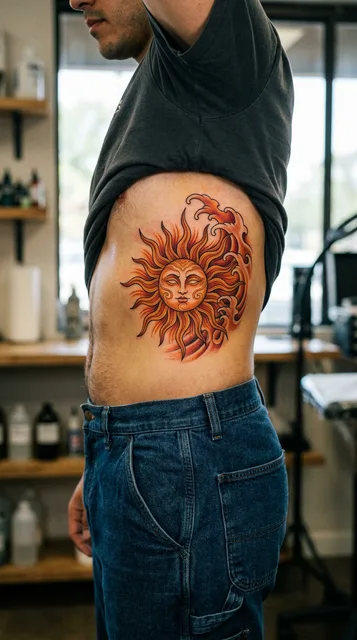
Sun · on skin
- Skull
traditional · design
- spine
subway train · on skin
- Star
traditional · design
- calf
Flower · on skin
- Snake
traditional · design
- bicep
Raven · on skin
- Moon
illustrative · design
- neck
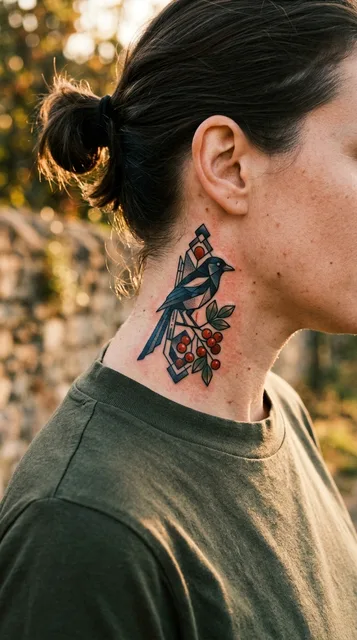
magpie · on skin
- Mandala
dotwork · design
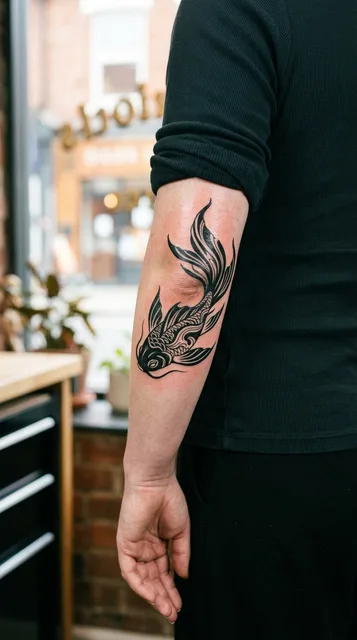
- shoulder
koi fish · on skin
- Bird
traditional · design
- hand
Hummingbird · on skin
- Heart
illustrative · design
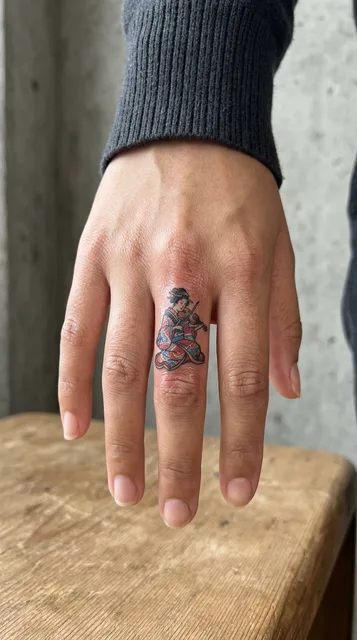
- finger
geisha · on skin
- Vine
watercolor · design
- full sleeve
Cat · on skin
- Feather
linework · design
- thigh
Snake · on skin
- Eye
traditional · design
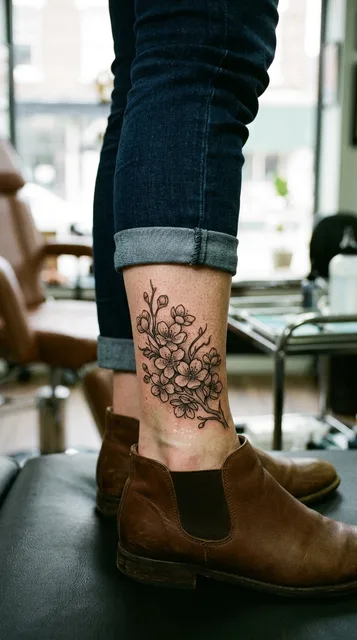
- ankle
Lotus · on skin
- Sword
dotwork · design
- hip
Constellation · on skin
- Sun
traditional · design
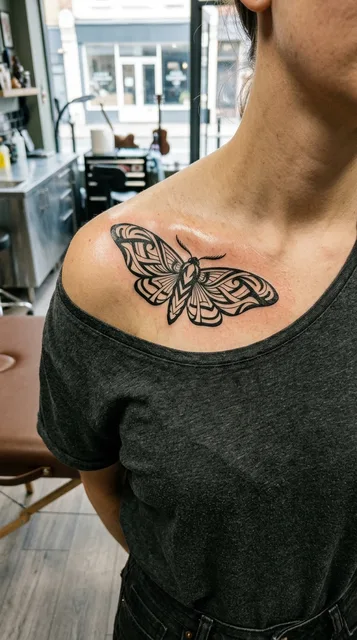
- behind the ear
Moth · on skin
- Cross
illustrative · design
- collarbone
raven moon · on skin
- Lion
illustrative · design
- half sleeve
Peony · on skin
- Angel wings
sketch · design
- knee
Snake · on skin
- Cherry Blossom
irezumi · design
- palm
Angel · on skin
- Woman portrait
sketch · design
- foot
koi fish · on skin
- Bear
linework · design
- lower back
Sun · on skin
- Wave
stick and poke · design
- shin
Butterfly · on skin
- Angel
traditional · design
- elbow
portal · on skin
- Wolf
traditional · design
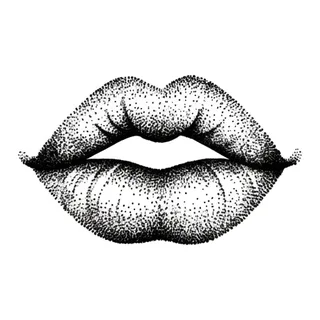
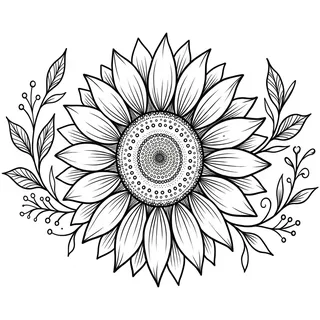
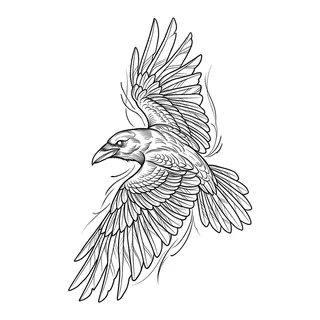
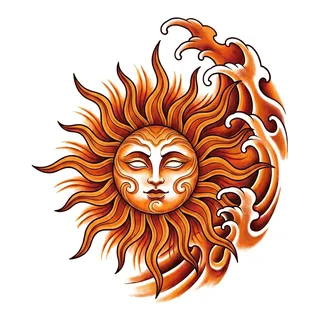
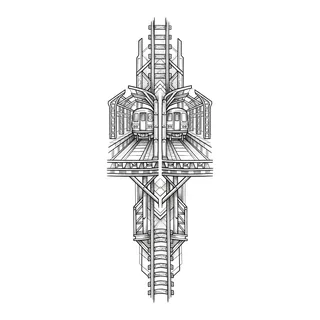
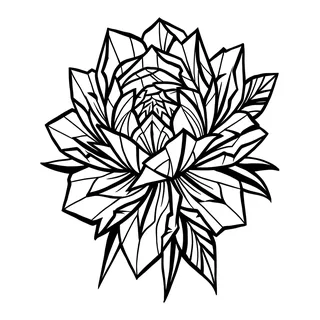
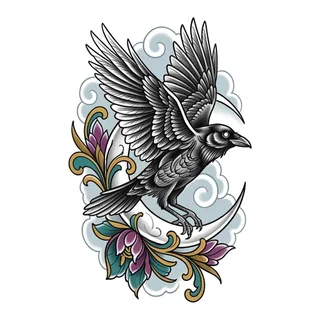
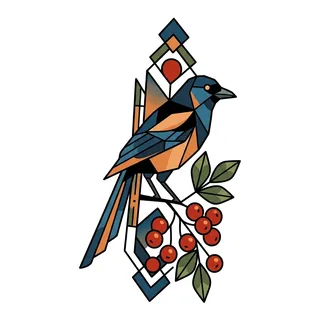
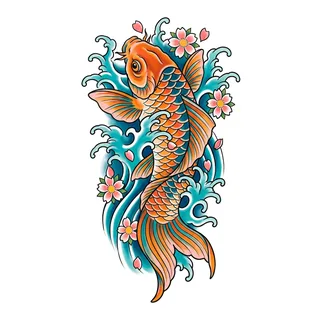
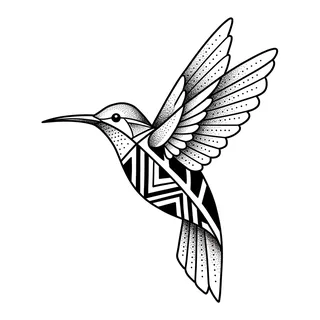
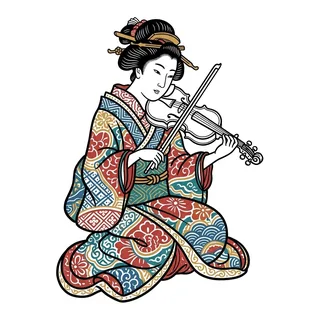
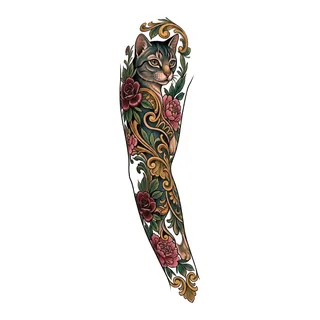
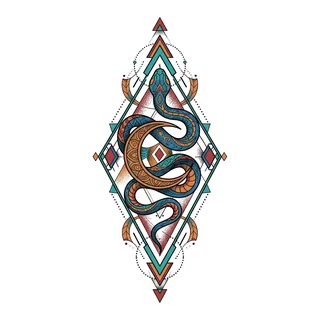
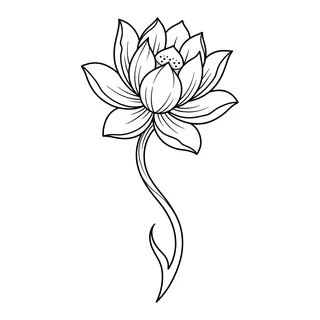
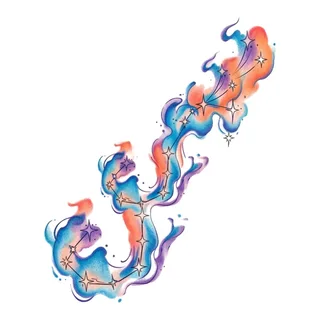
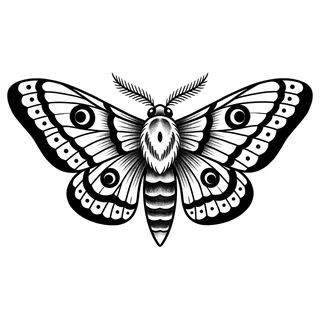
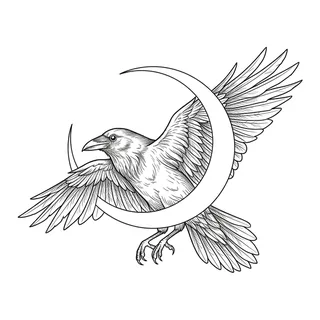
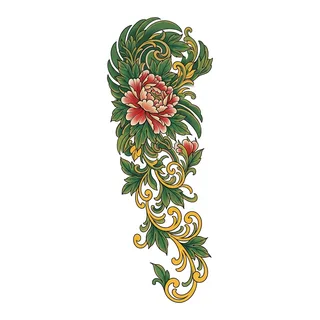
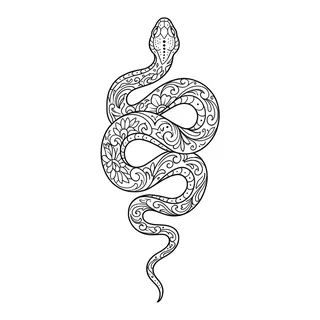
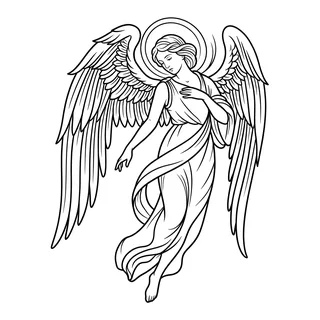
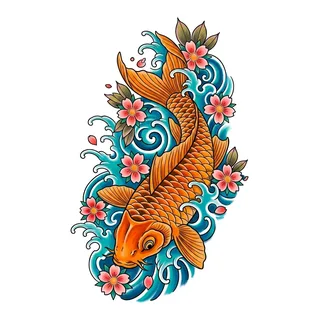
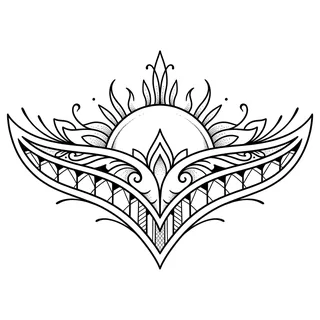
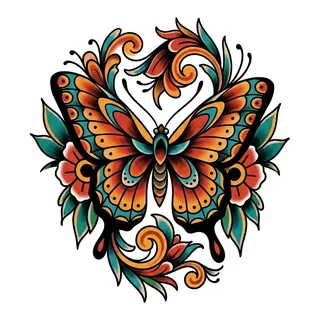
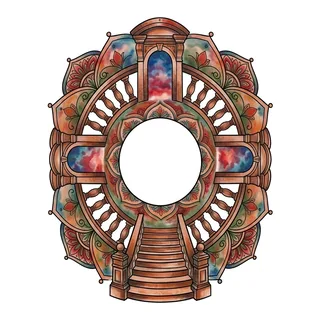
Every tattoo idea on this page is an original design made for InkCraft. None of it is collected from other sites or pulled off Pinterest, which is why every one of them can be placed on your own photo in the browser in about a minute, free and without an account. Pick a subject below to see the full set, or jump to the ideas for men, the ideas for women, the placements, or the styles.
I built this library because I was planning a sleeve and could not find designs I was allowed to use, shown on a real body, that I could move around until they fit. So I drew them, photographed them on skin, and put the whole thing here. If you want the longer version, it is on the about page.
What are the best tattoo ideas for men?
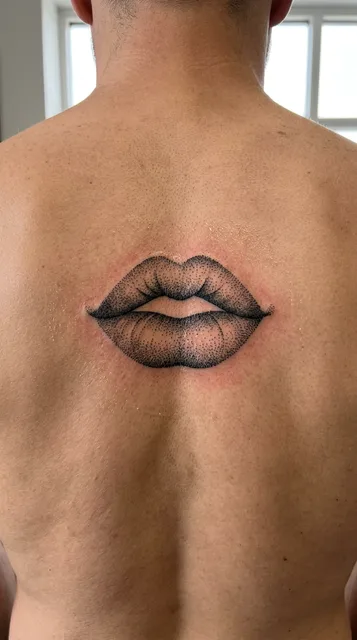
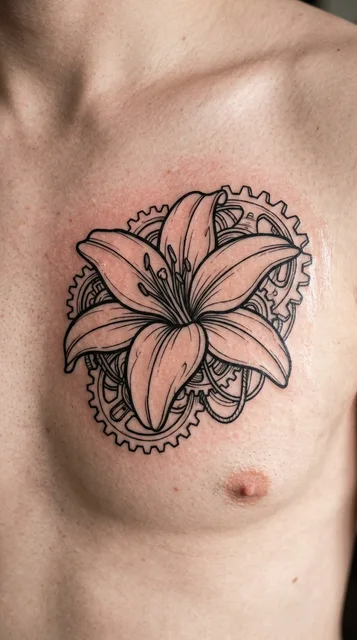
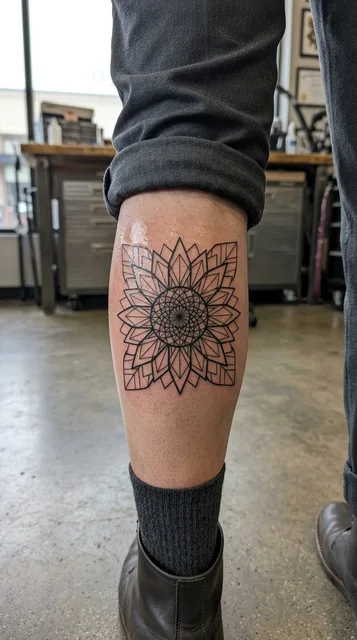
Arm pieces lead: “arm tattoos for men” draws about 135,000 searches a month worldwide, forearm and hand tattoos for men about 110,000 each, and sleeves around 60,500. Most of what men ask me for is bold — blackwork, heavy linework, geometric pieces and traditional motifs like lions, wolves, skulls and eagles that read from across a room. The photos below are our designs on men, one per placement, each linking to that body part’s page. There is a fuller set, with what body hair and line weight do to a piece over time, on tattoo designs for men.
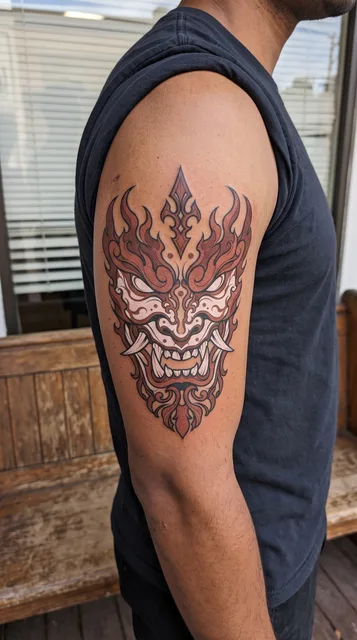
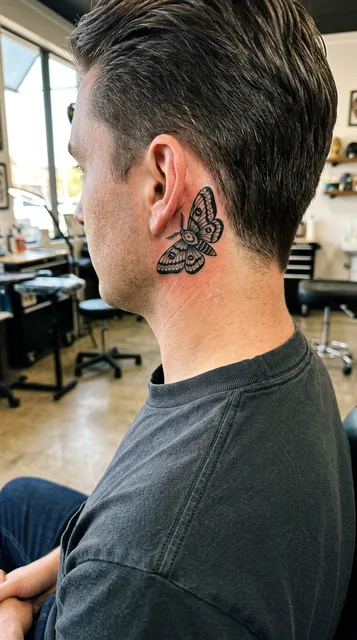
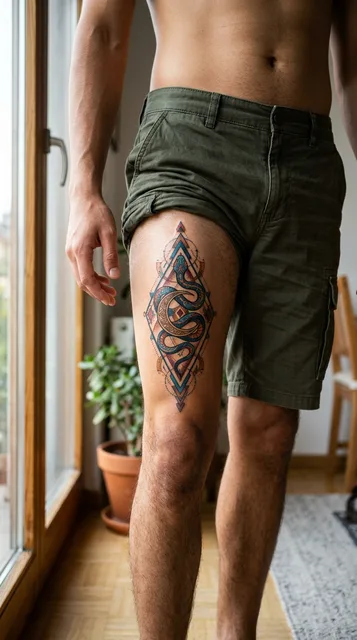
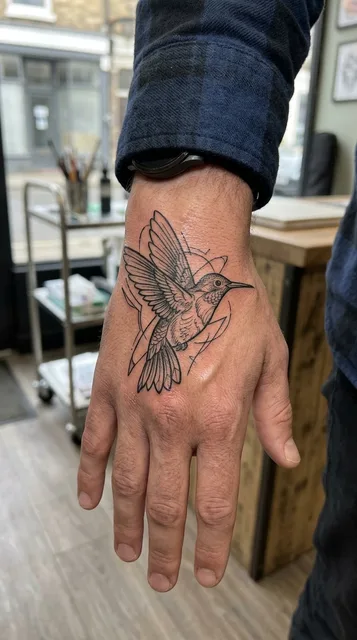
What are good tattoo ideas for women?
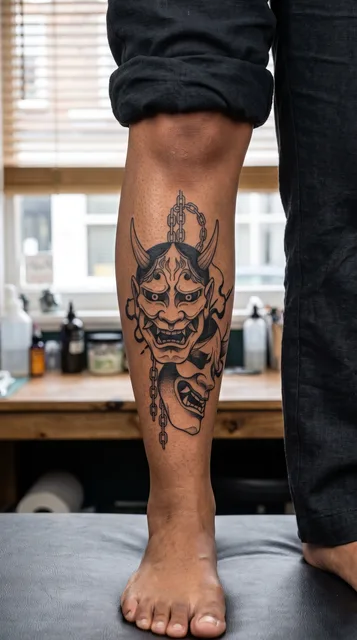
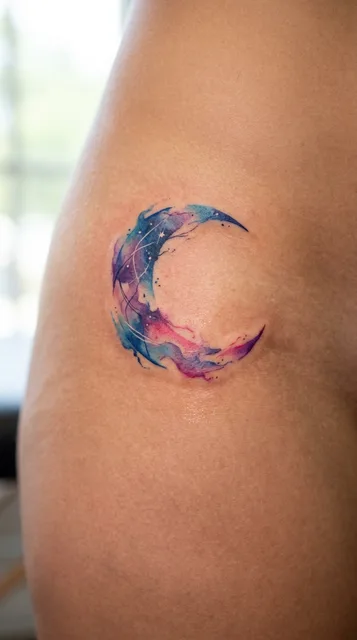
“Tattoo ideas for women” draws about 90,500 searches a month worldwide, back tattoos for women about 74,000 and small tattoo ideas for women about 18,100. The requests I see from women lean towards fine line, florals, dotwork and pieces that follow a curve: the collarbone, the ribs, behind the ear, the spine. The photos below are our designs on women, one per placement, each linking to the full set for that body part. The fuller set, with what a curve does to a drawing and how small a piece can go before it closes up, is on tattoo ideas for women.
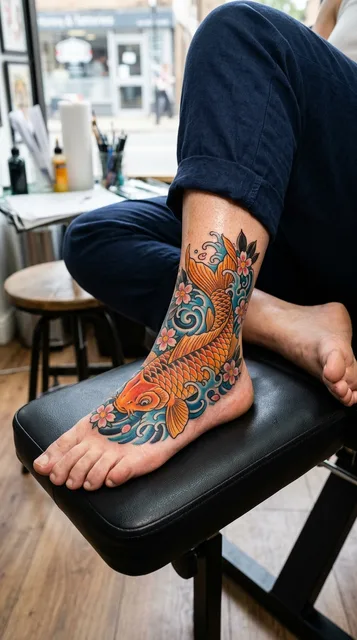


Where on the body should a tattoo go?
Decide how visible you want it and how much pain you will sit through, then let the spot shape the design. The arm, neck, hand, forearm and finger are the most-searched placements worldwide; the forearm, upper arm and calf are the easiest for a first piece, the ribs, hands and neck the hardest. Every placement page below shows our designs photographed on that body part and covers pain, healing, visibility and how large a design it can hold. For the pain part alone, the tattoo pain chart by placement ranks all of them on one page.
- back 217 · guide
- chest 67 · guide
- forearm 58 · guide
- ribs 55 · guide
- spine 55 · guide
- calf 54 · guide
- bicep 51 · guide
- neck 50 · guide
- shoulder 50 · guide
- hand 46 · guide
- finger 45 · guide
- full sleeve 45 · guide
- thigh 45 · guide
- ankle 44 · guide
- hip 43 · guide
- behind the ear 41 · guide
- collarbone 40 · guide
- half sleeve 40 · guide
- knee 40 · guide
- palm 40 · guide
- foot 39 · guide
- lower back 39 · guide
- shin 39 · guide
- elbow 38 · guide
- wrist 37 · guide
- stomach 31 · guide
What are the most popular tattoo subjects?
Worldwide, butterflies, dragons and roses are the most-searched tattoo subjects, followed by angels, skulls, lions, snakes, wolves, the sun and the moon. Popular is not the same as right for you: a common subject drawn in an uncommon style or placement still reads as yours. Every subject below has its own page with the full set of our designs and what the motif is usually taken to mean.
- Flower 300 · guide
- Leaf 246 · guide
- Rose 159 · guide
- Skull 146 · guide
- Star 125 · guide
- Snake 118 · guide
- Moon 113 · guide
- Mandala 100 · guide
- Bird 95 · guide
- Heart 95 · guide
- Vine 94 · guide
- Feather 85 · guide
- Eye 83 · guide
- Sword 79 · guide
- Sun 79 · guide
- Cross 78 · guide
- Lion 73 · guide
- Angel wings 71 · guide
- Cherry Blossom 70 · guide
- Woman portrait 70 · guide
- Constellation 68 · guide
- Wave 66 · guide
- Angel 60 · guide
- Wolf 58 · guide
- Raven 55 · guide
- Butterfly 55 · guide
- Lotus 54 · guide
- Anchor 53 · guide
- Skeleton 47 · guide
- Tiger 47 · guide
- Abstract 46 · guide
- Hummingbird 45 · guide
- Compass 45 · guide
- Dragonfly 44 · guide
- Crown 44 · guide
- Hourglass 44 · guide
- Phoenix 43 · guide
- Sunflower 43 · guide
- Shark 43 · guide
- Tree 43 · guide
- Fire 43 · guide
- Owl 42 · guide
- Hand symbol 41 · guide
- Clock 39 · guide
- Swallow 38 · guide
- Moth 38 · guide
- Infinity 37 · guide
- Goat 37 · guide
- Arrow 36 · guide
- Taurus 36 · guide
- Dragon 35 · guide
- Cat 35 · guide
- Peony 34 · guide
- Spider 34 · guide
- Leo 34 · guide
- Dagger 33 · guide
- Demon 33 · guide
- Eagle 32 · guide
- Virgo 32 · guide
- Mountain 31 · guide
- Spider web 31 · guide
- Skeleton Hand 31 · guide
- Medusa 30 · guide
- Panther 30 · guide
- Samurai 30 · guide
- Cloud 29 · guide
- Aries 29 · guide
- Daisy 29 · guide
- Sugar skull 28 · guide
- Fish 28 · guide
- Bee 27 · guide
- Ouroboros 27 · guide
- Fern 27 · guide
- Bear 27 · guide
- Deer 27 · guide
- Guitar 27 · guide
- Viking 27 · guide
- Gemini 27 · guide
- Koi 26 · guide
- Octopus 26 · guide
- Paw print 26 · guide
- Scorpion 26 · guide
- Dog 26 · guide
- Virgin Mary 26 · guide
- Capricorn 26 · guide
- Aquarius 26 · guide
- Name 26 · guide
- Lips 25 · guide
- Lily 25 · guide
- Music note 25 · guide
- Yin-yang 25 · guide
- Jesus 25 · guide
- Aztec 25 · guide
- Ghost 25 · guide
- Memento mori 25 · guide
- Cancer 25 · guide
- Horse 24 · guide
- Griffin 23 · guide
- Libra 23 · guide
- Mermaid 23 · guide
- Turtle 23 · guide
- Tree of life 23 · guide
- Dandelion 23 · guide
- Pin-up 23 · guide
- Fox 23 · guide
- Lettering 23 · guide
- Roman numeral 23 · guide
- Tulip 23 · guide
- Semicolon 22 · guide
- Ladybug 22 · guide
- Pisces 22 · guide
- Orchid 22 · guide
- Quote 22 · guide
- Hawk 22 · guide
- Leopard 22 · guide
- Buddha 22 · guide
- Broken heart 22 · guide
- American flag 22 · guide
- Angel of death 22 · guide
- Armband 22 · guide
- Birth flower 22 · guide
- Crown of thorns 22 · guide
- Egyptian 22 · guide
- Fairy 22 · guide
- Filler 22 · guide
- Laugh now cry later 22 · guide
- Pirate 22 · guide
- Awareness ribbon 22 · guide
- Warrior 22 · guide
- Western 22 · guide
- Evil eye 21 · guide
- Elephant 21 · guide
- Icarus 21 · guide
- Bull 21 · guide
- Script 21 · guide
- Number 21 · guide
- Unicorn 21 · guide
- Peacock 20 · guide
- Archangel 20 · guide
- Santa Muerte 20 · guide
- Sagittarius 20 · guide
- Candle 19 · guide
- Memorial lettering 19 · guide
- Mushroom 18 · guide
- Ocean 17 · guide
- Poppy 16 · guide
- Praying hands 16 · guide
- Scorpio 16 · guide
- Chrysanthemum 14 · guide
- Lantern 14 · guide
- Gun 14 · guide
- Diamond 13 · guide
- Claw 13 · guide
- Snake dagger 12 · guide
- Galaxy 12 · guide
- Pet portrait 12 · guide
- Frog 12 · guide
- Crucifix 12 · guide
- Rose window 12 · guide
- Jellyfish 12 · guide
- Whale 12 · guide
- Ship 11 · guide
- Lightning 11 · guide
- Key 10 · guide
- Grim reaper 9 · guide
- Planet 9 · guide
- script quote 8
- Ring 8 · guide
What are good small and simple tattoo ideas?
“Small tattoo ideas” draws about 90,500 searches a month worldwide, “minimalist tattoos” about 74,000 and “simple tattoo” about 49,500. Small works when a design has few lines with room between them: a single star, a moon, a heart, a short linework or fine line piece. Detailed designs shrunk to fit close up as the ink settles, so ask your artist for the smallest size at which the design still reads. Small tattoo ideas and simple tattoo ideas cover where that floor sits.
Which tattoos carry meaning?
The most-searched meaningful tattoos are small ones: “small meaningful tattoos” and “tiny meaningful tattoo” each draw about 40,500 searches a month. Symbols that carry a story in a single mark do best — the semicolon for mental health, the lotus and the phoenix for recovery and rebirth, the anchor and the compass for steadiness and direction, memento mori for mortality. The meaning is yours to set, but a symbol other people read the same way saves explaining it. Tattoo meanings collects them by theme.
What are good couple and matching tattoo ideas?
“Couples tattoos” draws about 110,000 searches a month worldwide, “matching couple tattoo” about 49,500 and best-friend matching tattoos about 18,100. Three approaches hold up: two halves that complete each other, like a sun and a moon or yin and yang; the same small symbol in the same spot, like a heart or an infinity sign on the wrist; or one subject drawn in each person’s style. Try the pair on both of your photos in the try-on first — a design sized for one wrist rarely suits another without changes.
Which tattoo style should I choose?
Choose by how the style ages and where it will sit. Bold outlines and solid black — traditional, tribal, blackwork — stay readable longest; fine line and watercolor need room and fade sooner. Tribal is the most-searched style worldwide, at about 135,000 searches a month. These are the styles with the most designs here:
Illustrative work is drawn the way a book plate is drawn: full shading, a clear light source, and a subject that reads as a picture rather than a symbol. It is the largest group in the library because it suits almost any subject and ages well when the lines are kept clean.
Traditional means bold outlines, a small palette and motifs that have not changed in a century: roses, daggers, swallows, anchors. It is the style that heals most predictably and stays readable longest, which is why artists still recommend it for a first piece.
Dotwork builds tone from thousands of stippled points instead of shaded fills. It suits mandalas, geometric pieces and anything with soft gradients, and it holds up over time because there is no solid fill to blur.
Linework leaves out the shading and lets the line do everything. It is the most flexible style for placement, because a line drawing can wrap a forearm or sit behind an ear without losing detail, and it is the easiest to size down.
Neo-traditional keeps the bold outline of traditional work but opens the palette and the subject matter: more realism in the faces, more ornament, richer colour. It is the middle ground for people who want something classic that does not look like a flash sheet.
Blackwork fills large areas solid and lets the negative space carry the drawing. It stays legible longest of any style, and leaves the least room for a cover-up later.
Watercolor imitates paint: soft edges, bleeds of colour, often no outline at all. It is striking fresh and needs a good artist, because without a line structure underneath, the piece depends on colour that will fade faster than black.
Geometric tattoos are built from shapes and symmetry: sacred geometry, tessellations, a subject broken into facets. They demand precise placement, because a symmetrical piece on an asymmetrical body part shows every millimetre of drift, which is exactly what a try-on is for.
Those are the 8 styles with the most designs; every style, with its count and where it sits well, has its own index, and the line styles are collected as tattoo stencils.
What tattoos are trending in 2026?
The typical tattoo search worldwide fell by about a quarter in the year to August 2026, so a trend is whatever held up against that. Cybersigilism grew 35%, ornamental work 10%, and gothic and spider tattoos about 5%; realism, chrome, fine line and blackwork held close to level. The fastest to fade were embroidery tattoos (down 55%), birth-flower and medusa tattoos (down 40%) and butterflies (down 35%) — still searched a great deal, just less than a year earlier. The direction is darker, graphic, line-led work.
What makes a good first tattoo?
Something with a clear outline and simple shapes, in a spot that is easy to sit through and easy to show or hide: the forearm, the upper arm, the calf. Traditional and linework designs heal predictably and stay readable. Save the ribs, the hands and the neck for later, when you know how your skin takes ink. First tattoo ideas collects designs that suit a first piece.
How do I choose a tattoo idea?
Start with meaning, not with a picture. The tattoos people keep loving are the ones that stand for something they still care about years later; the ones they cover are the ones chosen because they looked good on someone else. Write one sentence about what the piece is for. If you cannot, wait.
Choose the placement second, and let it change the design. A forearm wants a long composition, a shoulder blade wants something round, a wrist wants something small with few lines. Our placement pages go through each body part: what it can hold, how much it hurts, how it heals and how visible it is at work.
Size and detail come third, and they pull against each other. Fine detail needs room; a small tattoo needs simple shapes. Ask your artist what the smallest size is at which the design still reads, and assume it will soften a little over the years. If you are set on something little, the small-tattoo page covers where the floor actually is and why it is line spacing rather than diameter.
Then see it on yourself before you book. Upload a photo, place the design, move it, turn the 3D model of your body and look at it from the angle other people will see. That is the step every tool I tried skipped, and it is the reason the try-on exists. Take the render to your artist: it is far easier to say "this, here, this big" with a picture than with words.
Questions about these designs
- How can I see a tattoo idea on my own body before I book?
- Upload a photo to the browser try-on, pick a design and place it. It follows the curve of your skin, and the same photo becomes a 3D model you can turn. It is free and needs no account. In the iPhone app you can also upload your own design or one your artist drew.
- Can I use these designs for my tattoo?
- Yes. Every design here was drawn for InkCraft, so there is no other artist whose work you would be copying. Show the render to your artist; most will adapt it to your body and their hand, which is how it should be.
- How many designs are here, and where do they come from?
- The library holds 4054 original designs across 168 subjects, plus 1349 more photographed on skin across 26 placements. All of it was made in-house, labelled by style, ink and motif, and none of it was collected from other sites. The counts on each tile are live.