 InkCraft
Full Sleeve Tattoo Designs for a Woman's Arm
20 women's full sleeve tattoos photographed on skin for InkCraftBy Uladzimir TumanauUpdated
A full sleeve on a slimmer arm covers less skin over the same length, and each subject has to shrink or be left out to match. These full sleeve tattoos for women are photographed shoulder to wrist in sleeveless tops, with how to scale one, fill it and finish it.
- fine line · black and whiteTry it on — Black and white fine line dragonfly tattoo as a full sleeve on a woman
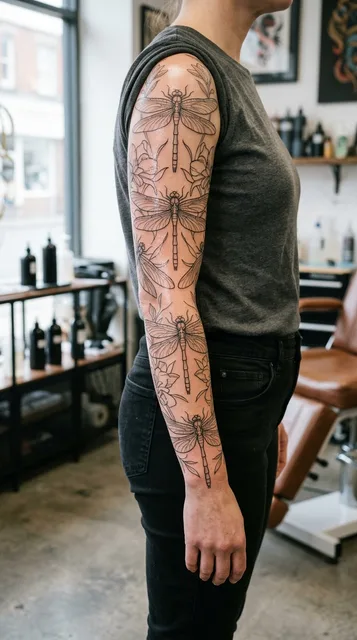
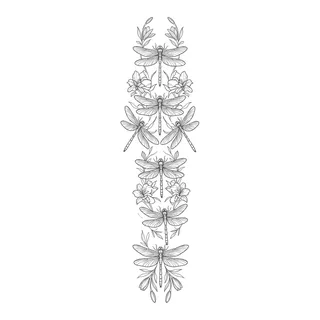
- geometric · black and whiteTry it on — Black and white geometric tattoo as a full sleeve on a woman
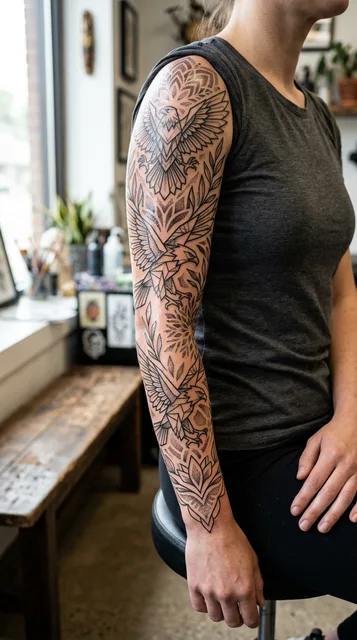
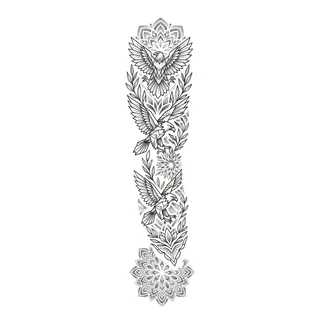
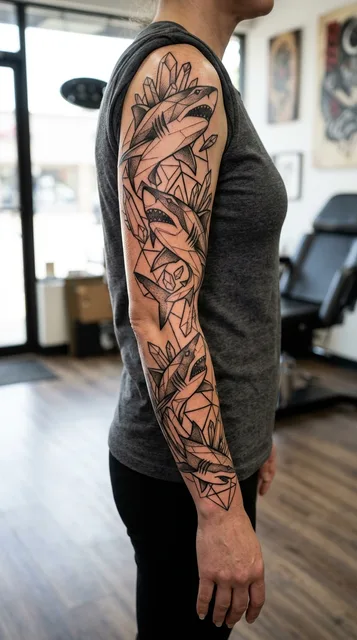
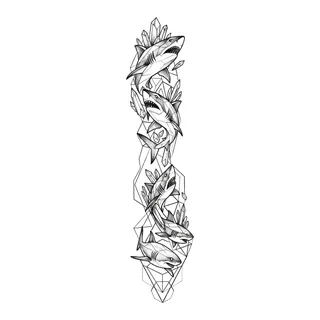
- geometric · black and whiteTry it on — Black and white geometric sharks tattoo as a full sleeve on a woman
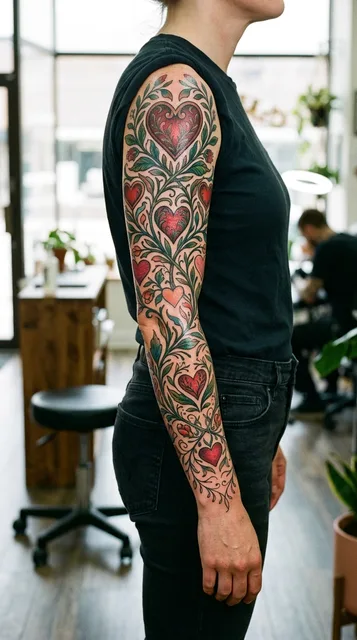
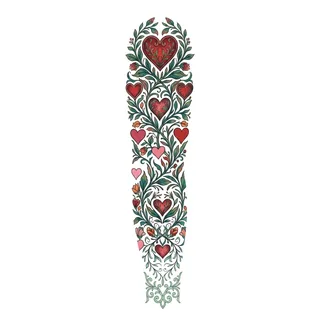
- illustrative · colourTry it on — Color illustrative hearts tattoo as a full sleeve on a woman
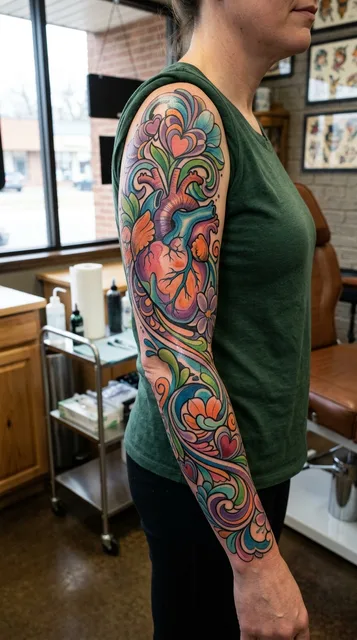
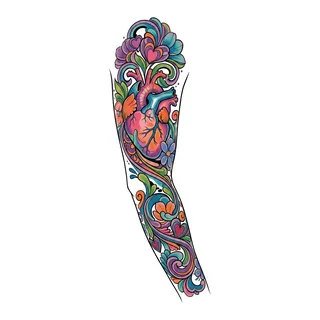
- new school · colourTry it on — Color new school heart tattoo as a full sleeve on a woman
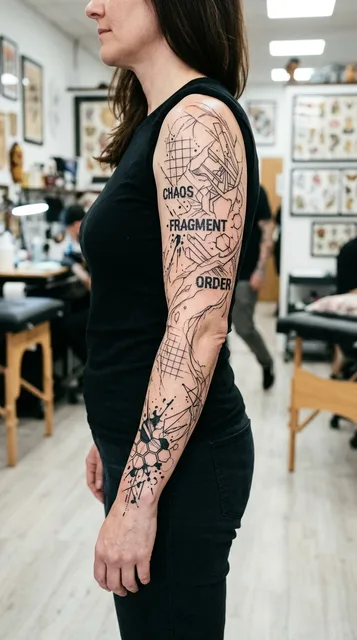
- linework · black and whiteTry it on — Black and white linework tattoo as a full sleeve on a woman
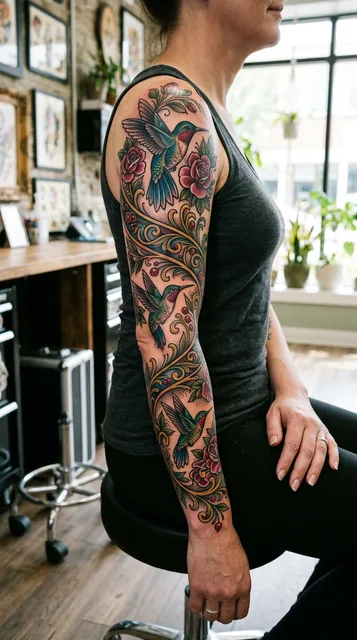
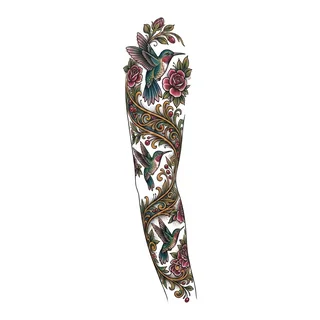
- neo traditional · colourTry it on — Color neo traditional hummingbird tattoo as a full sleeve on a woman
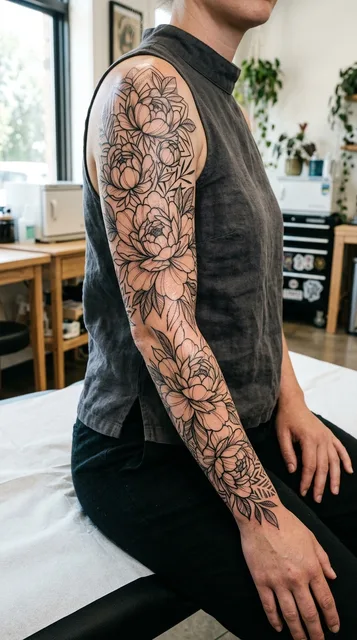
- blackwork · black and whiteTry it on — Black and white blackwork flowers tattoo as a full sleeve on a woman
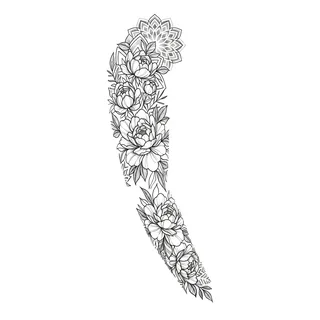
- dotwork · black and greyTry it on — Black and grey dotwork tattoo as a full sleeve on a woman
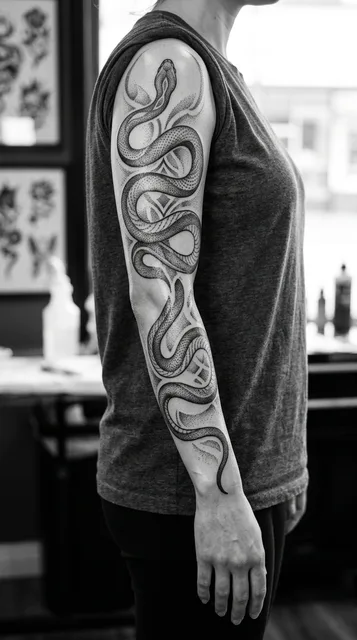
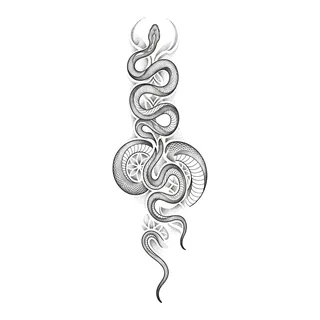
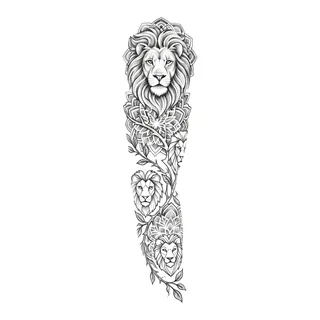
- dotwork · black and greyTry it on — Black and grey dotwork lion tattoo as a full sleeve on a woman
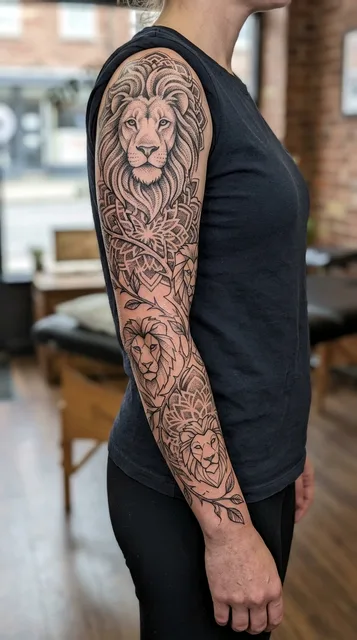
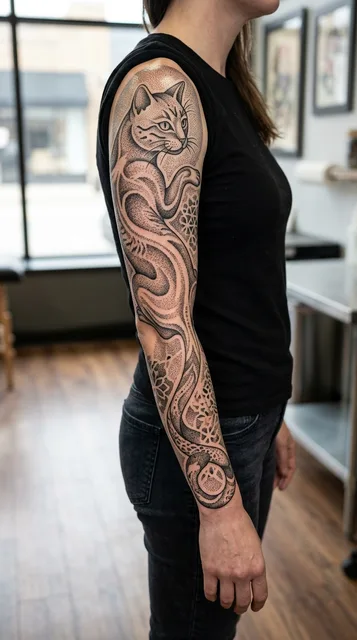
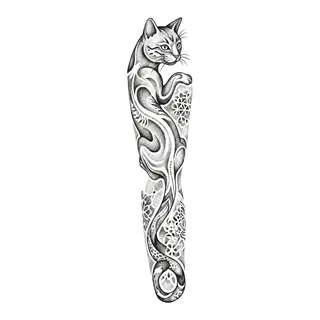
- dotwork · black and greyTry it on — Black and grey dotwork cat tattoo as a full sleeve on a woman
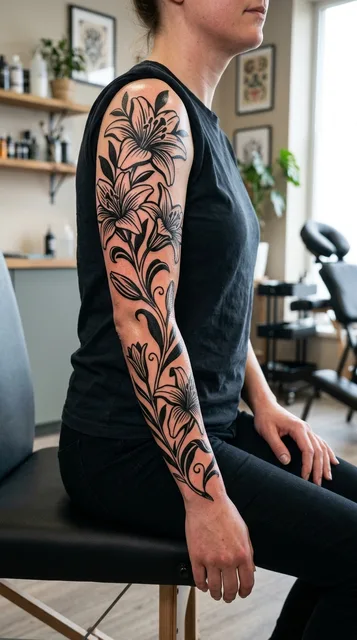
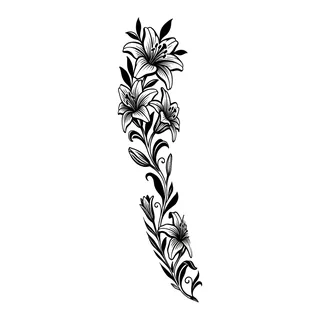
- blackwork · black and whiteTry it on — Black and white blackwork lily tattoo as a full sleeve on a woman
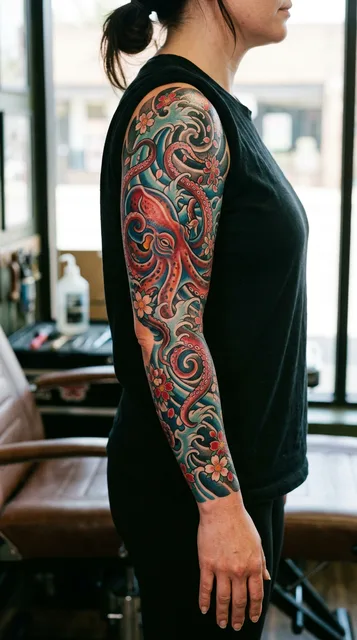
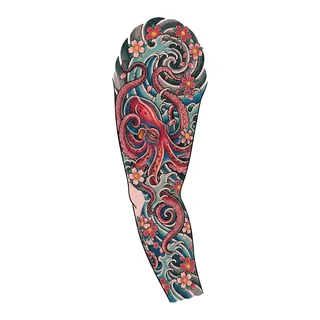
- Japanese · colourTry it on — Color Japanese octopus tattoo as a full sleeve on a woman
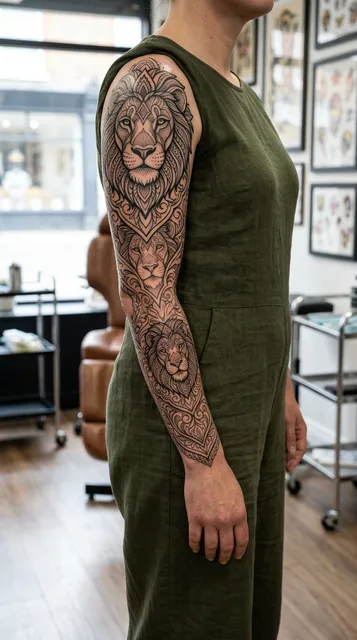
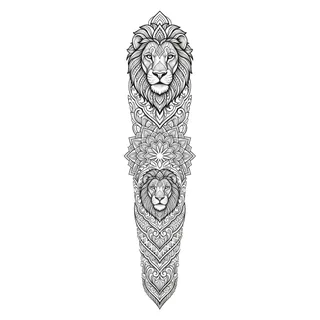
- ornamental · black and greyTry it on — Black and grey ornamental lion tattoo as a full sleeve on a woman
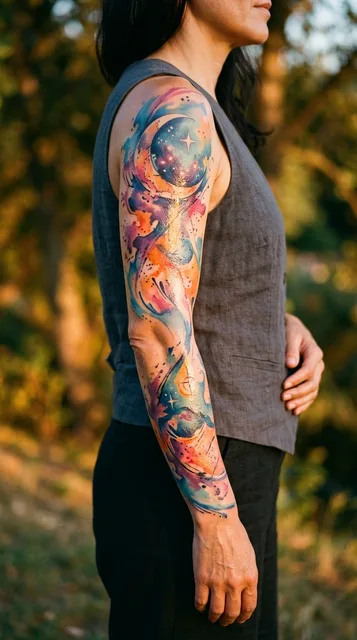
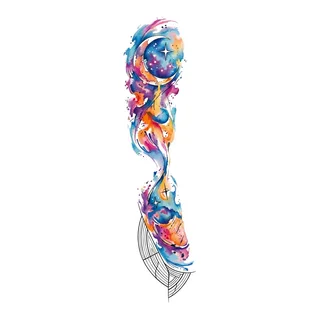
- watercolor · colourTry it on — Color watercolor tattoo as a full sleeve on a woman
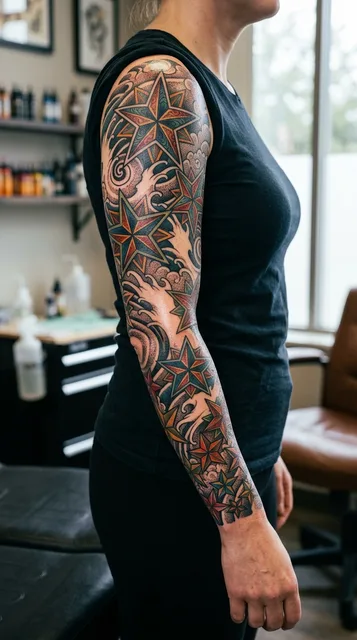
- Japanese · colourTry it on — Color Japanese tattoo as a full sleeve on a woman
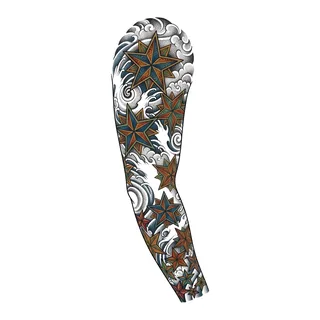
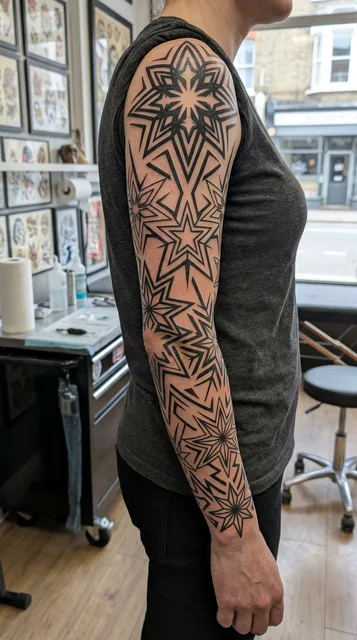
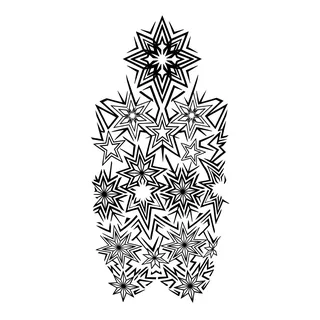
- tribal · black and whiteTry it on — Black and white tribal ornament tattoo as a full sleeve on a woman
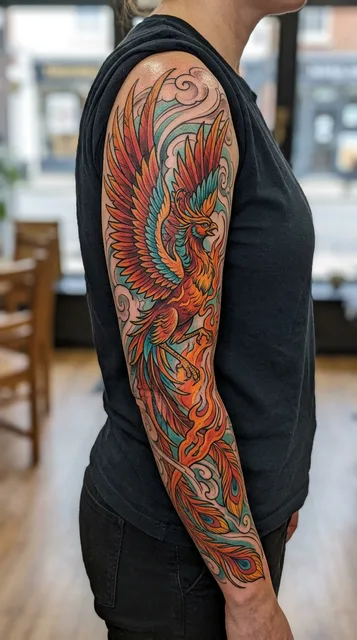
- new school · colourTry it on — Color new school tattoo as a full sleeve on a woman
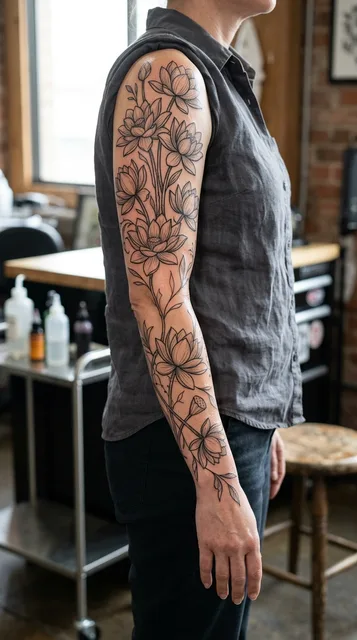
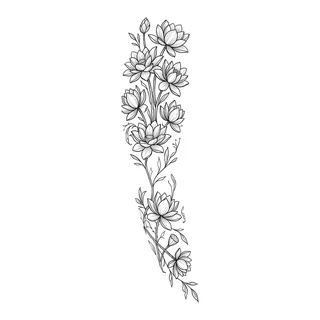
- linework · black and whiteTry it on — Black and white linework lotus tattoo as a full sleeve on a woman
- linework · black and whiteTry it on — Black and white linework ravens tattoo as a full sleeve on a woman
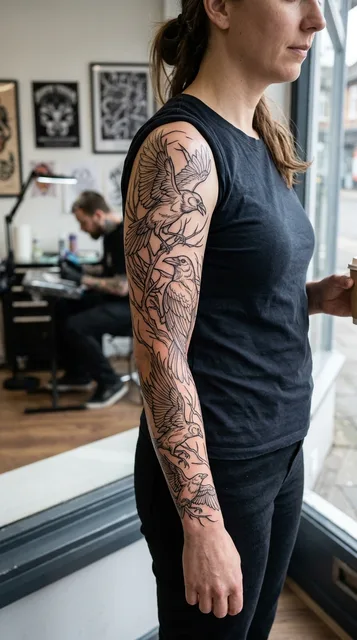
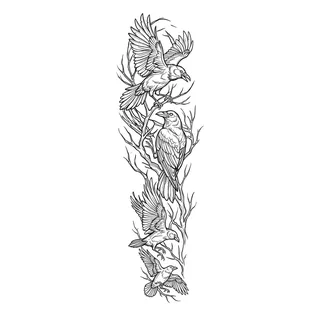


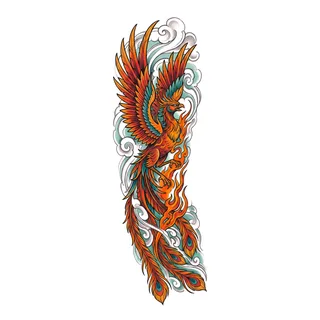
Every pair is one tattoo: the design as it was drawn, and a photograph of that same design on the body.
These 20 tattoos as full sleeves on women, in numbers
- Body parts
- 1
- Black and grey
- 13
- Colour
- 7
- Most common style
- dotwork
Scaling a sleeve to a slimmer arm
Subjects drawn for a large arm look crammed on a slim one. A narrower circumference means each element has to be smaller or there have to be fewer of them, and fewer is usually better: three or four main subjects with room around them read from across a room, where eight squeezed together read as texture. Ask for the design to be drawn on your own arm, not scaled down from someone else's.
Density works differently on a smaller frame too. A solid black background covers a slim arm almost completely and makes the sleeve visually heavy; a sleeve built with open skin, dotwork or light shading between subjects keeps some of the arm's own tone. Neither is right. The open version needs a little more touching up over the years, and the solid one is harder to change later.
Bracelets, sleeveless dresses and the soft upper arm
Most of a full sleeve is on show in a sleeveless dress or top, and the whole arm is seen at once in a way a t-shirt never allows. The wrist end is the other visible edge, and it sits right where bracelets and watches go. Ending the sleeve in a deliberate cuff a little above the wrist bones lets jewellery sit below it; ending it on the wrist means jewellery sits over the ink.
Over the years the soft underside of the upper arm is the part most affected by weight change and age, and the forearm the least. Put the subjects you care about most on the outer upper arm and the forearm, and let the background carry the underside. The full sleeve page covers sessions, pain and cost.
Common questions
- How does a full sleeve fit a slim arm?
- With fewer, smaller subjects and more space between them than a sleeve on a large arm. The length is similar, so the composition is taller and narrower. Ask the artist to design on your arm measurements or a photo of your arm, not to shrink a sleeve drawn for someone bigger.
- Does a full sleeve need a solid background?
- No. Background is what makes separate subjects read as one piece, but it can be dotwork, light shading, pattern or open skin as well as solid black. Denser backgrounds hold up longer and hide more; lighter ones keep the sleeve airier and need a little more upkeep.
- How does a full sleeve look in a sleeveless dress?
- Complete, which is the thing to plan for: shoulder, upper arm, elbow and forearm are all seen together, so the top edge at the shoulder matters as much as the wrist. Decide whether the sleeve stops at the shoulder cap or runs onto the collarbone or shoulder blade before the first session.
- What full sleeve designs suit a slimmer arm?
- A few large subjects and a light way of joining them. Dotwork and linework can link a lion on the upper arm to flowers or a hummingbird on the forearm without covering the arm in black; geometric and blackwork sleeves make pattern the background and read clearly at a distance. Japanese sleeves suit a slim arm too, drawn with fewer, larger elements than on a broad one.
See it on your own skin first
InkCraft places a design on a photo of you — scaled, wrapped and shaded to the spot you pick, so you can judge the size against your own body before it is permanent.