 InkCraft
Full Sleeve Tattoo Ideas and How to Plan One
45 full sleeve tattoos photographed on skin for InkCraftBy Uladzimir TumanauUpdated

Opens in your browser. No signup. Or tap any design below.
A full sleeve runs from shoulder to wrist as a single composition. It is the largest commitment on the arm and, done properly, is planned entirely before the first line is drawn.
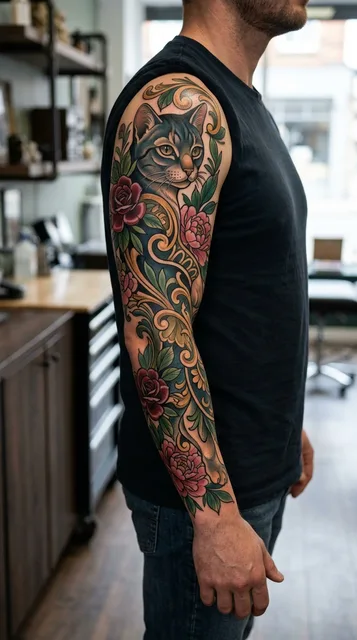
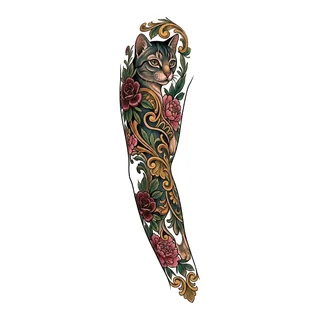
- neo traditional · colourTry it on — Color neo traditional cat tattoo as a full sleeve on a man
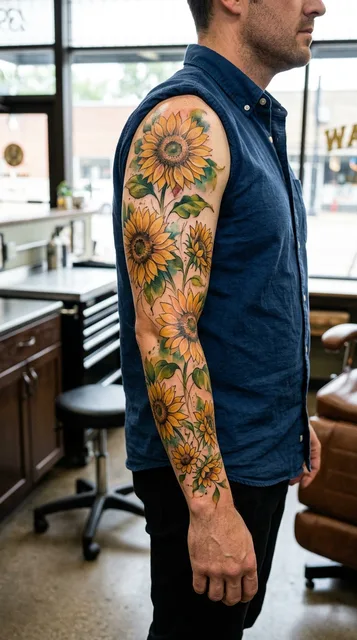
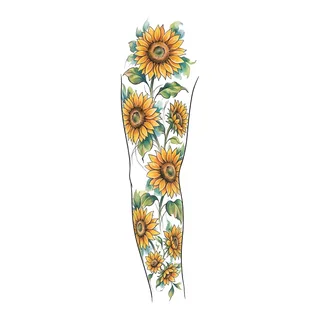
- illustrative · colourTry it on — Color illustrative sunflower tattoo as a full sleeve on a man
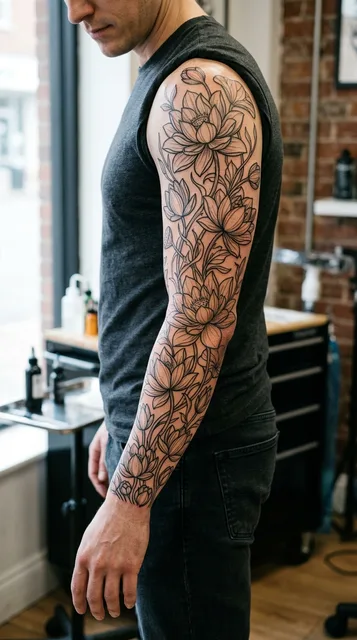
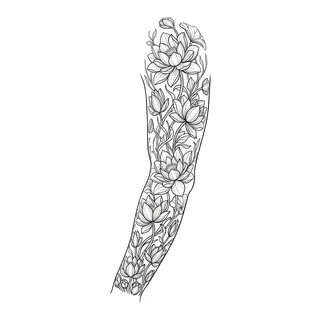
- linework · black and whiteTry it on — Black and white linework lotus tattoo as a full sleeve on a man
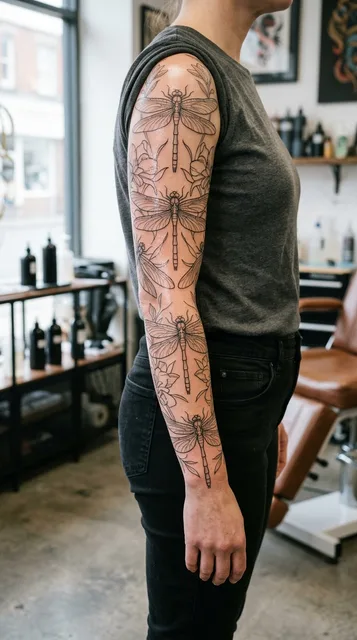
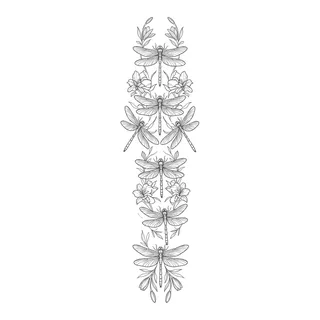
- fine line · black and whiteTry it on — Black and white fine line dragonfly tattoo as a full sleeve on a woman
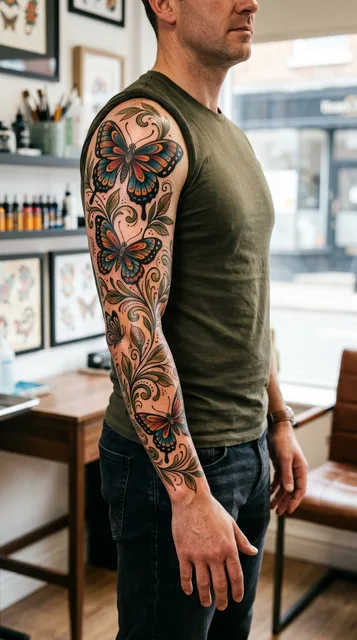
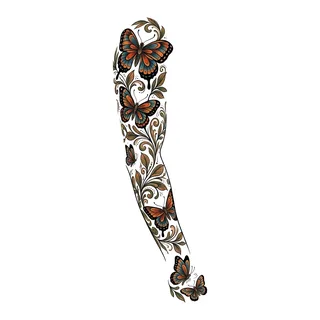
- neo traditional · colourTry it on — Color neo traditional butterfly tattoo as a full sleeve on a man
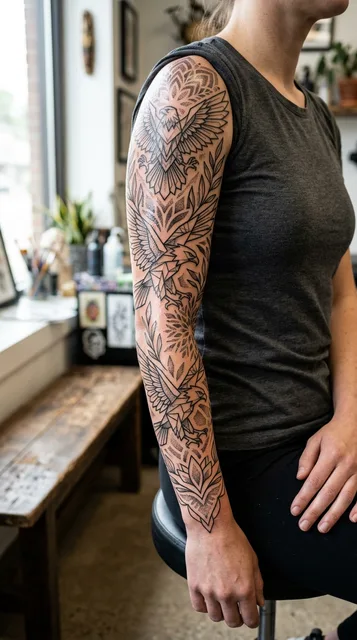
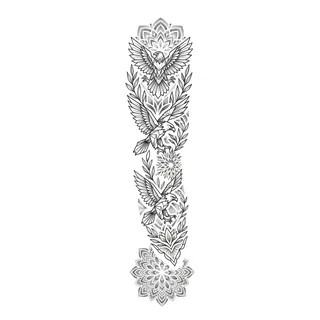
- ornamental · black and greyTry it on — Black and grey ornamental eagle tattoo as a full sleeve on a woman
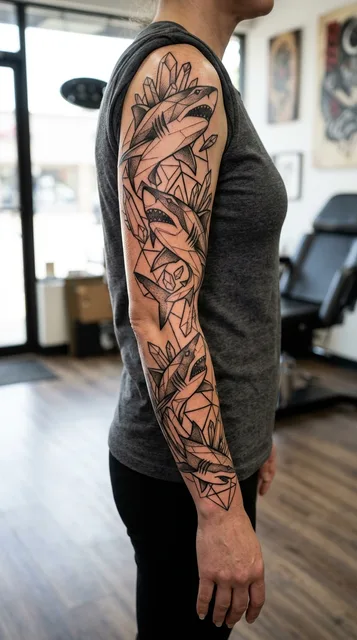
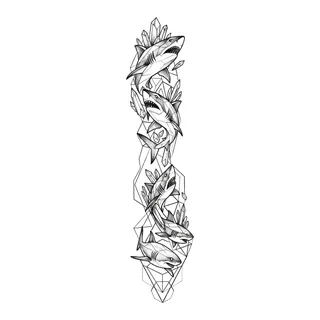
- geometric · black and whiteTry it on — Black and white geometric sharks tattoo as a full sleeve on a woman
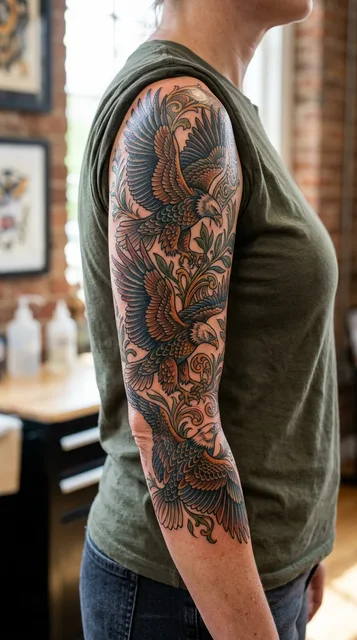
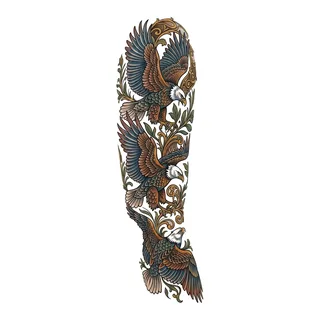
- illustrative · colourTry it on — Color illustrative eagle tattoo as a full sleeve on a woman
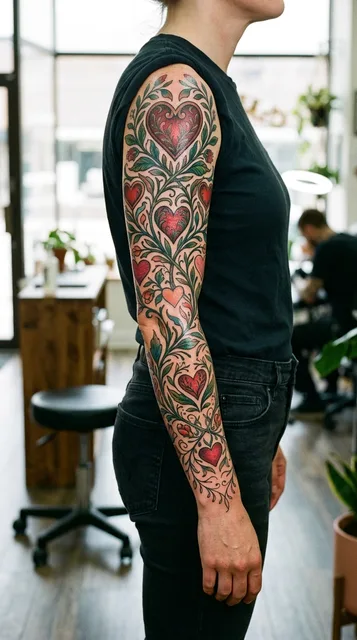
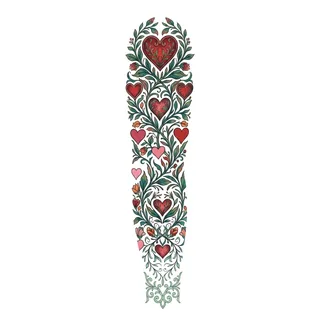
- illustrative · colourTry it on — Color illustrative hearts tattoo as a full sleeve on a woman
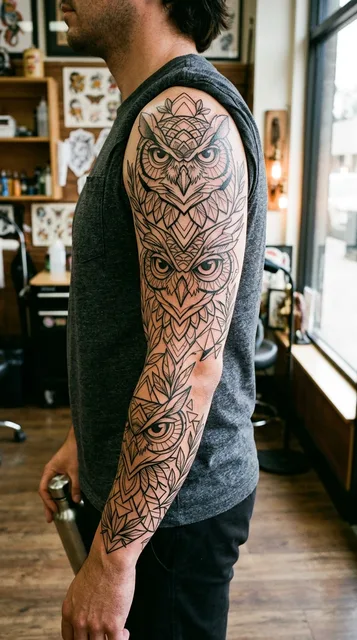
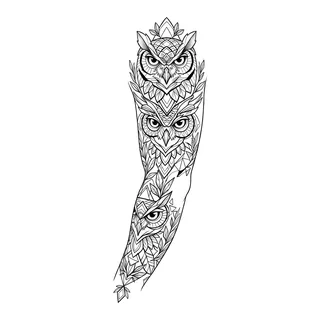
- geometric · black and whiteTry it on — Black and white geometric owls tattoo as a full sleeve on a man
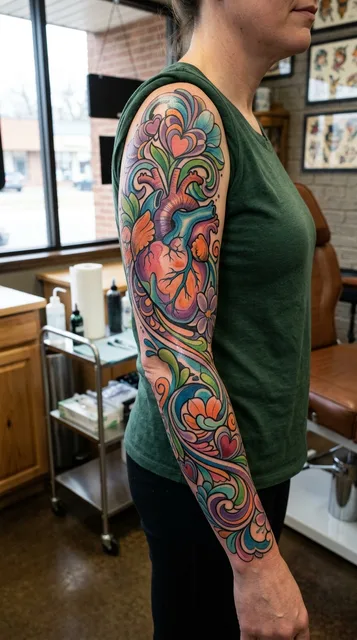
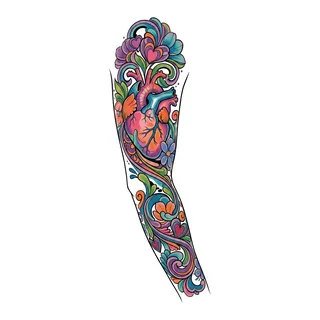
- new school · colourTry it on — Color new school heart tattoo as a full sleeve on a woman
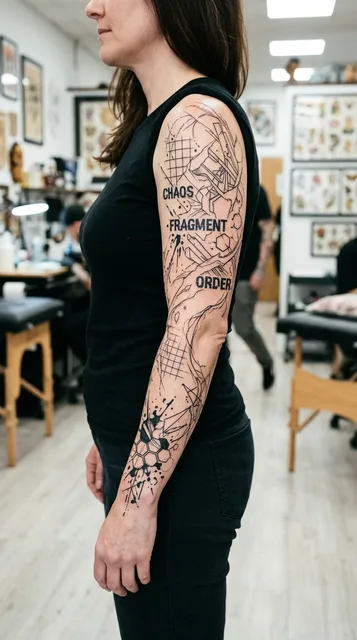
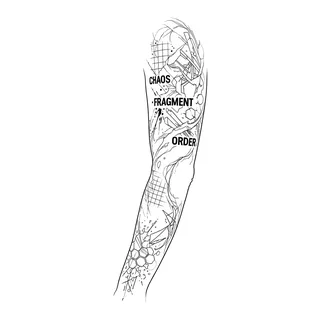
- linework · black and whiteTry it on — Black and white linework abstract tattoo as a full sleeve on a woman
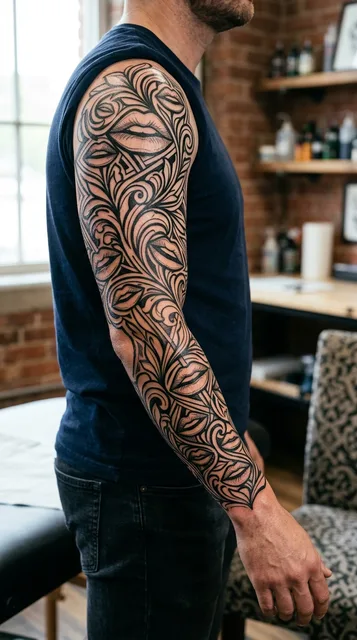
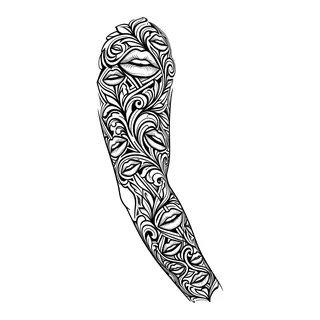
- blackwork · black and whiteTry it on — Black and white blackwork lips tattoo as a full sleeve on a man
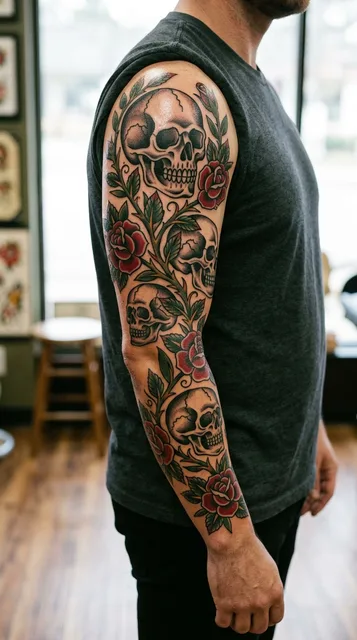
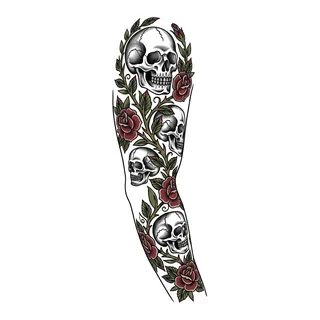
- traditional · colourTry it on — Color traditional skull and roses tattoo as a full sleeve on a man
- geometric · colourTry it on — Color geometric sunflower tattoo as a full sleeve on a man
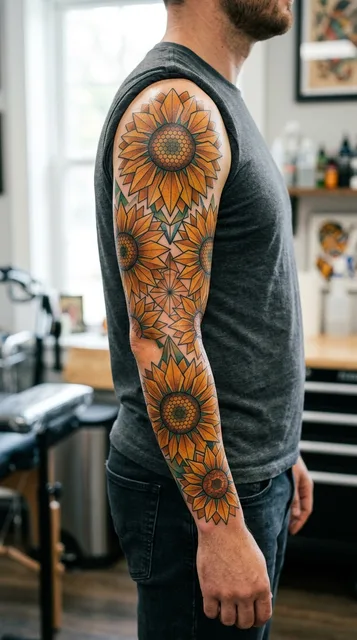
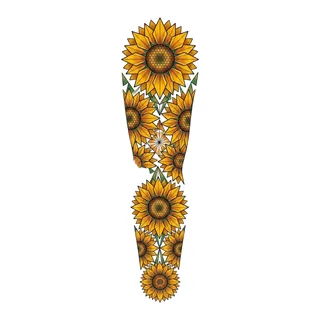
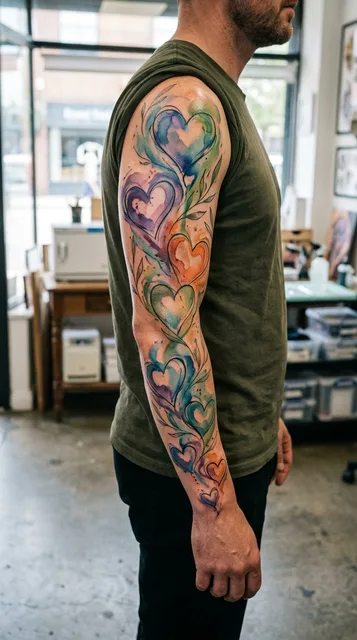
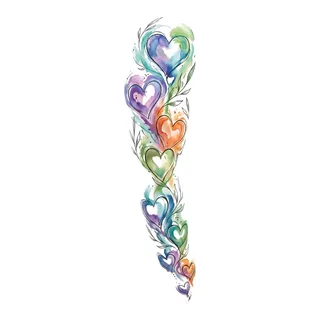
- watercolor · colourTry it on — Color watercolor hearts tattoo as a full sleeve on a man
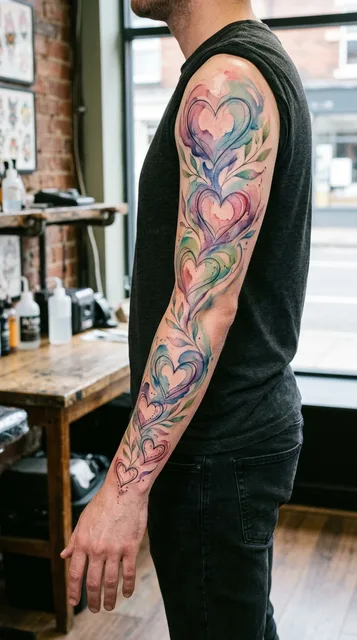
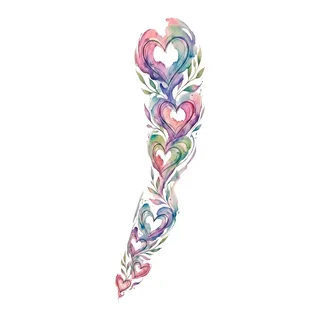
- watercolor · colourTry it on — Color watercolor heart tattoo as a full sleeve on a man
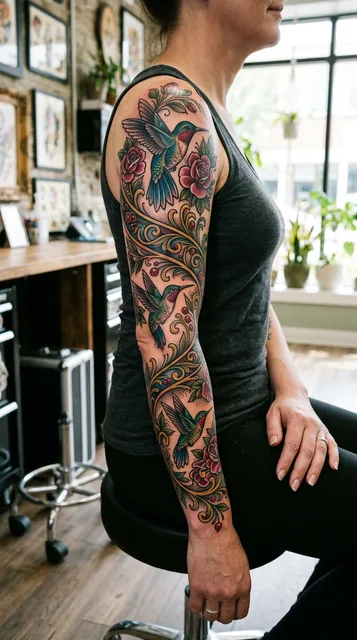
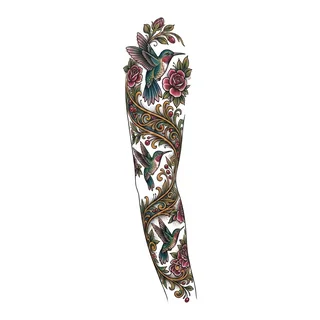
- neo traditional · colourTry it on — Color neo traditional hummingbird tattoo as a full sleeve on a woman
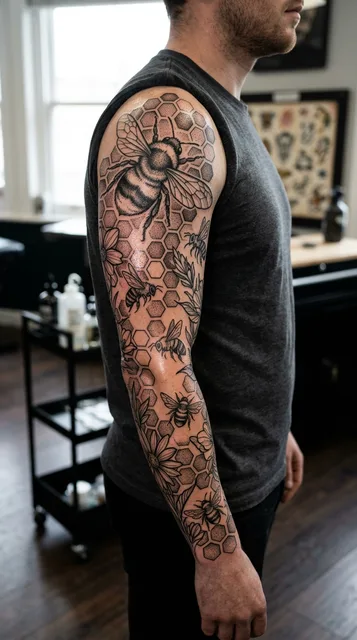
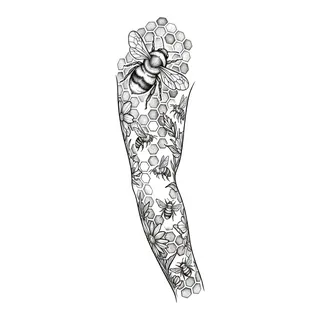
- blackwork · black and whiteTry it on — Black and white blackwork bees tattoo as a full sleeve on a man
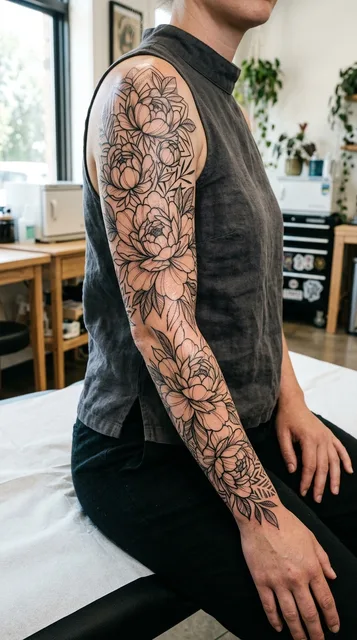
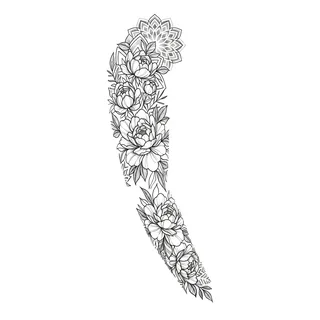
- blackwork · black and whiteTry it on — Black and white blackwork flowers tattoo as a full sleeve on a woman
- illustrative · black and greyTry it on — Black and grey illustrative snake tattoo as a full sleeve on a woman
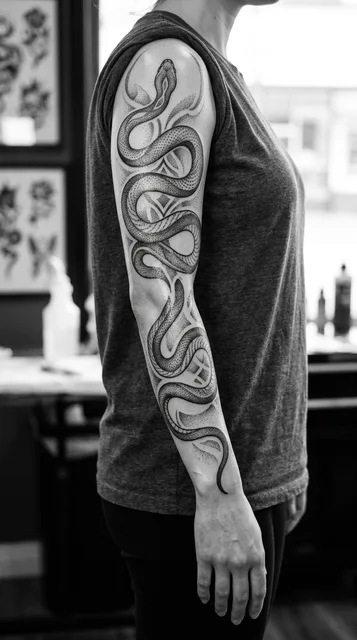
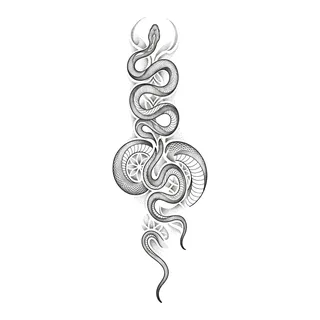
- dotwork · black and greyTry it on — Black and grey dotwork lion tattoo as a full sleeve on a woman
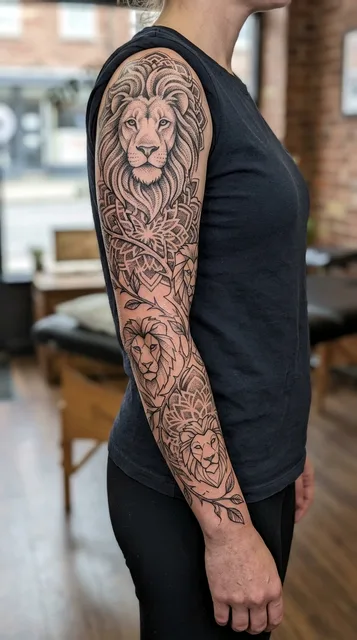
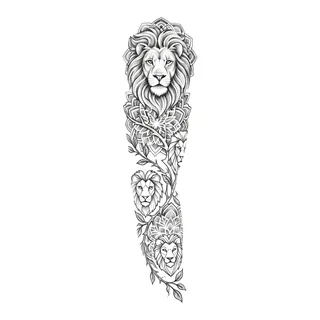
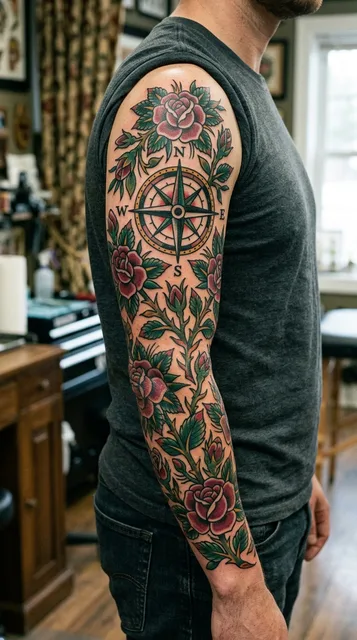
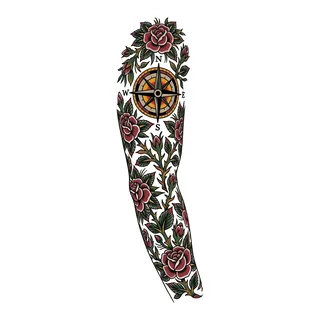
- traditional · colourTry it on — Color traditional compass tattoo as a full sleeve on a man
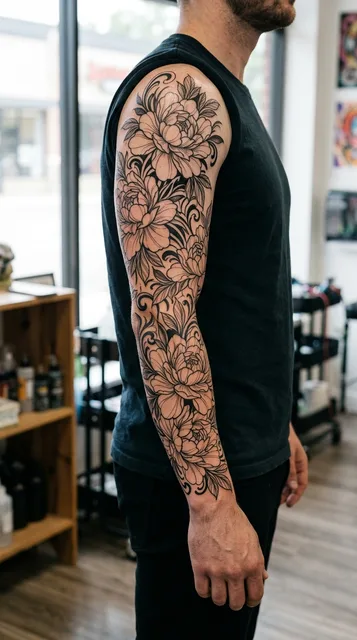
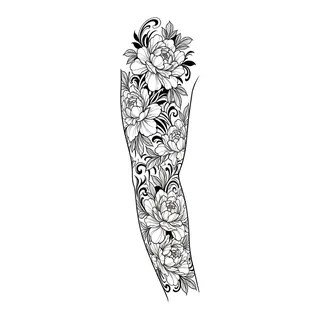
- ornamental · black and greyTry it on — Black and grey ornamental flowers tattoo as a full sleeve on a man
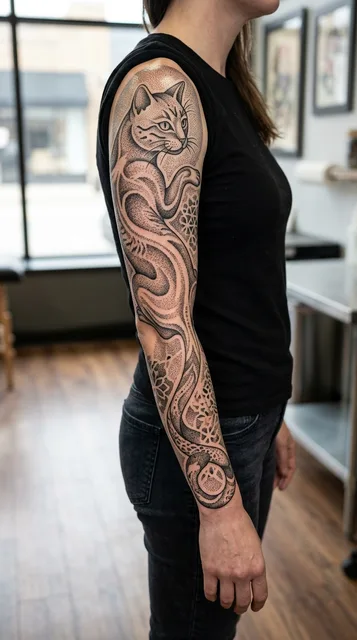
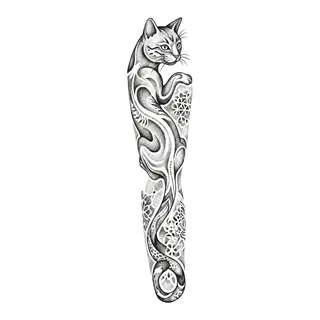
- dotwork · black and greyTry it on — Black and grey dotwork cat tattoo as a full sleeve on a woman
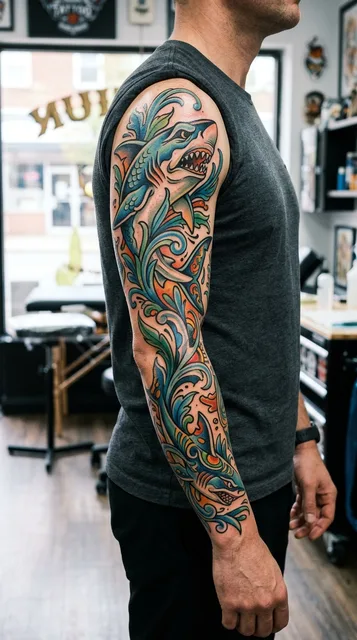
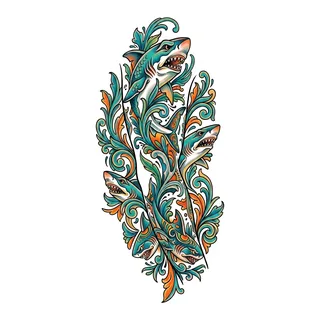
- new school · colourTry it on — Color new school sharks tattoo as a full sleeve on a man
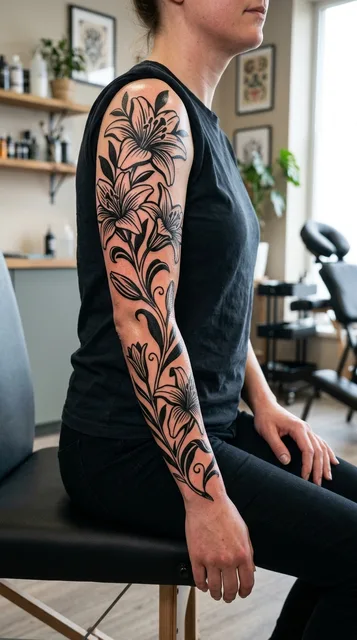
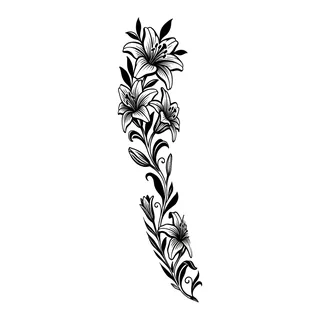
- blackwork · black and whiteTry it on — Black and white blackwork lily tattoo as a full sleeve on a woman
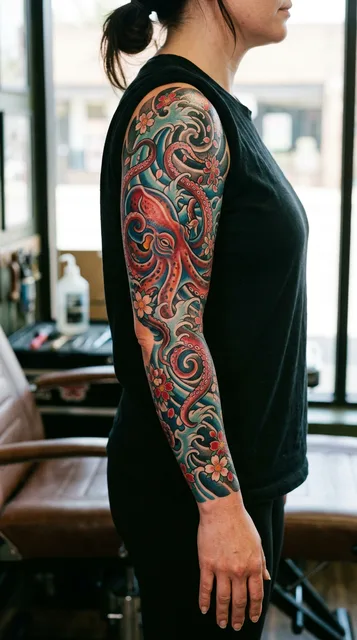
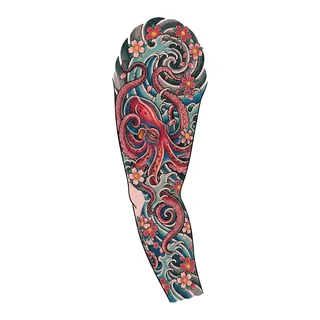
- Japanese · colourTry it on — Color Japanese octopus tattoo as a full sleeve on a woman
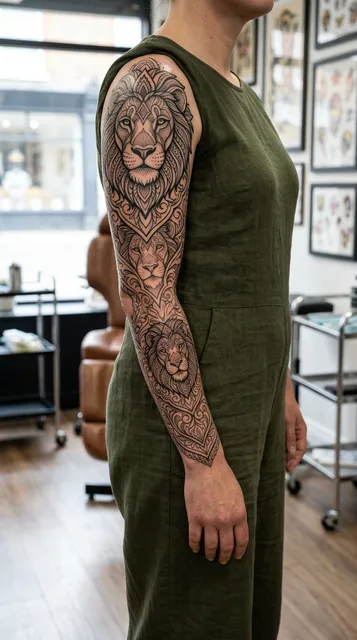
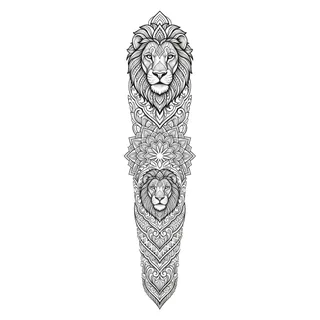
- ornamental · black and greyTry it on — Black and grey ornamental lion tattoo as a full sleeve on a woman
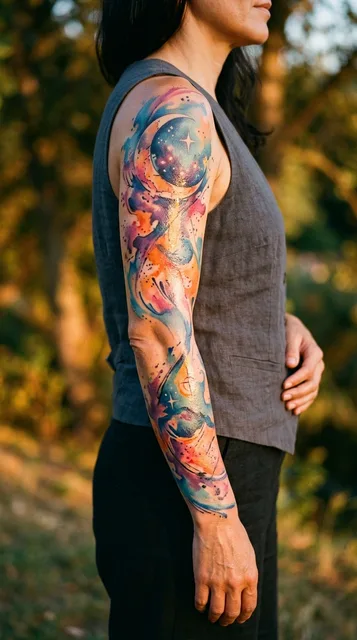
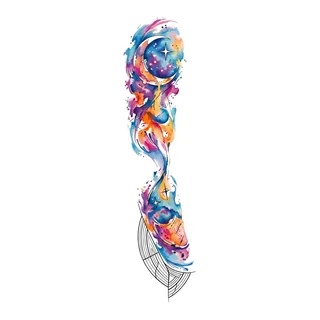
- watercolor · colourTry it on — Color watercolor galaxy tattoo as a full sleeve on a woman
- Japanese · colourTry it on — Color Japanese star tattoo as a full sleeve on a woman
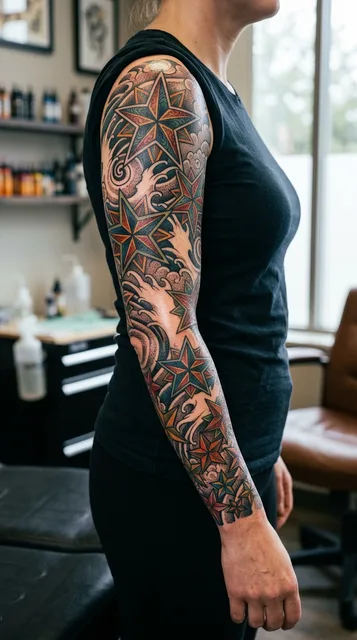
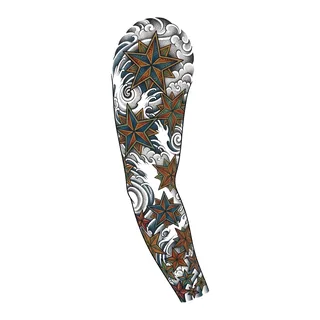
- illustrative · black and greyTry it on — Black and grey illustrative clock tattoo as a full sleeve on a man
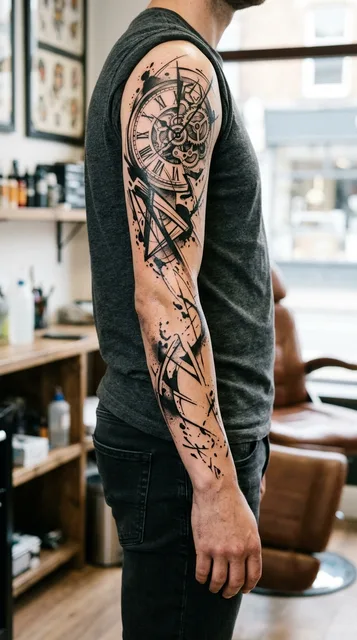
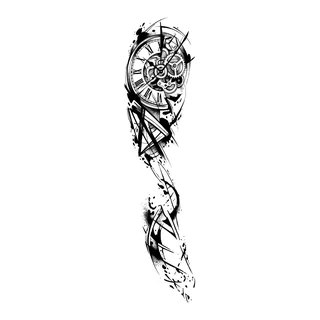
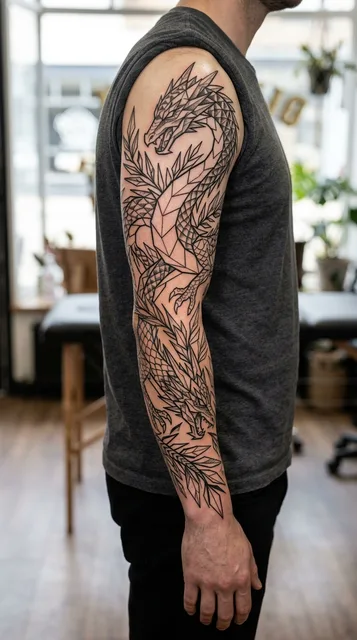
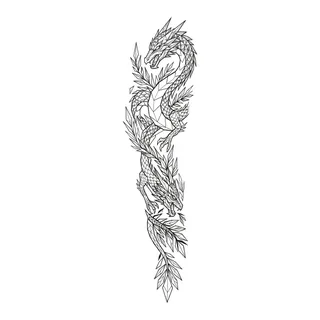
- geometric · black and whiteTry it on — Black and white geometric dragon tattoo as a full sleeve on a man
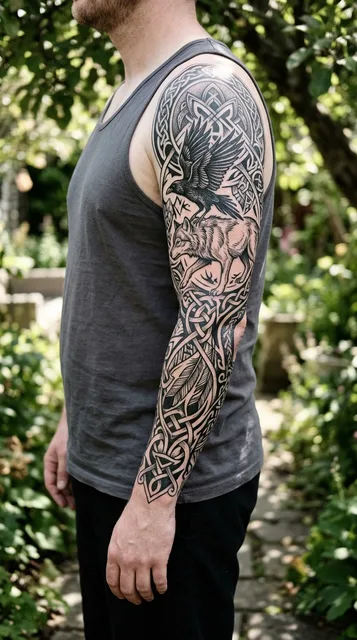
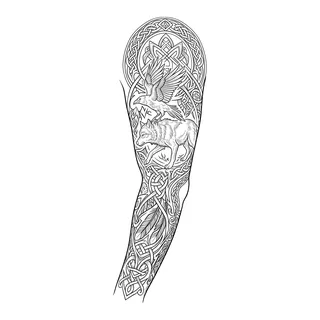
- celtic · black and greyTry it on — Black and grey celtic wolf tattoo as a full sleeve on a man
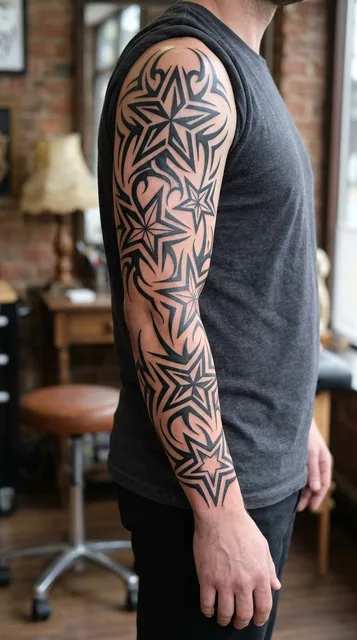
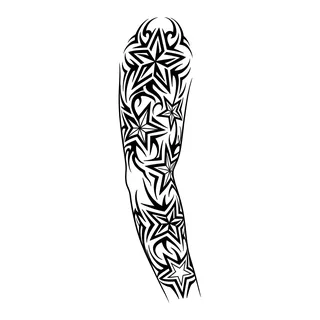
- tribal · black and whiteTry it on — Black and white tribal stars tattoo as a full sleeve on a man
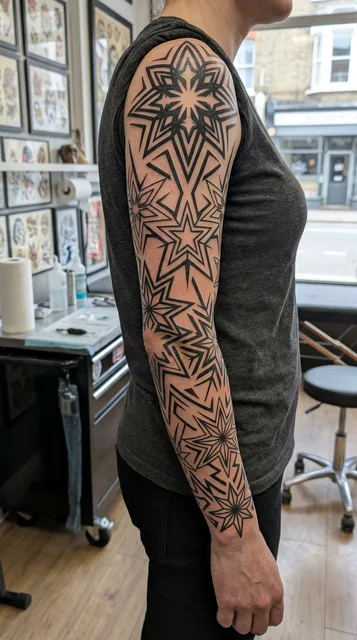
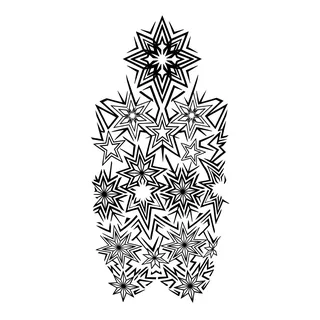
- tribal · black and whiteTry it on — Black and white tribal ornament tattoo as a full sleeve on a woman
- new school · colourTry it on — Color new school lotus tattoo as a full sleeve on a man
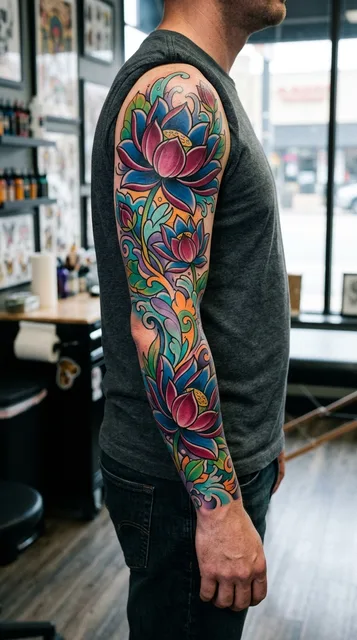
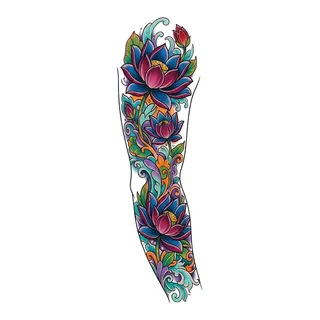
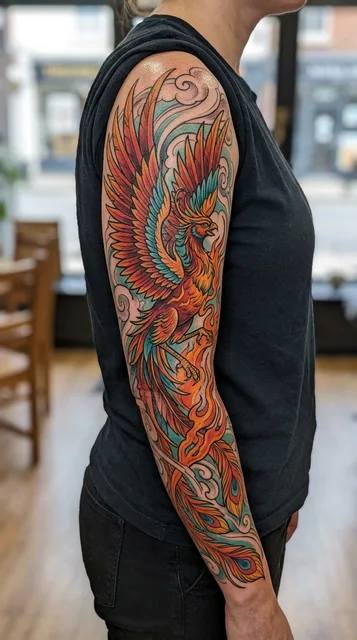
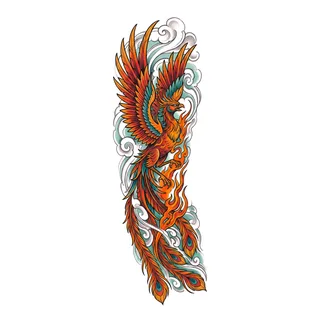
- neo traditional · colourTry it on — Color neo traditional phoenix tattoo as a full sleeve on a woman
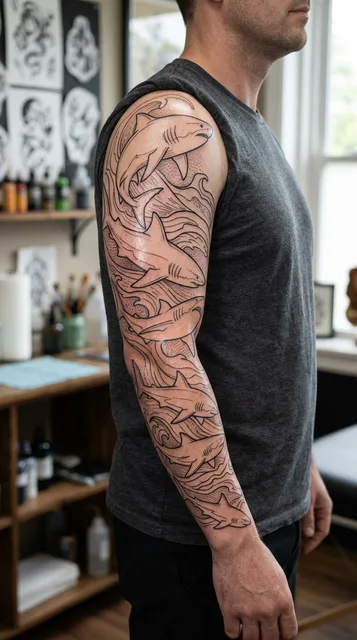
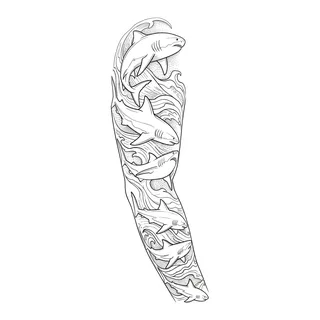
- linework · black and whiteTry it on — Black and white linework shark tattoo as a full sleeve on a man
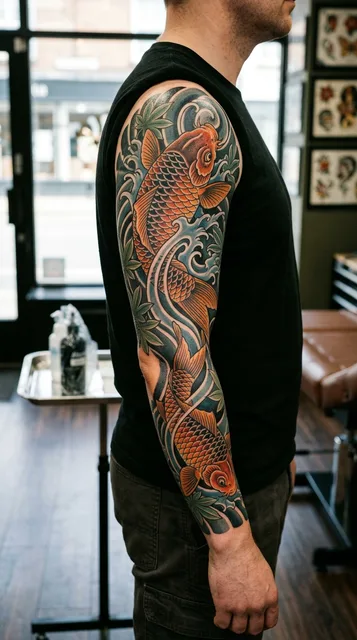
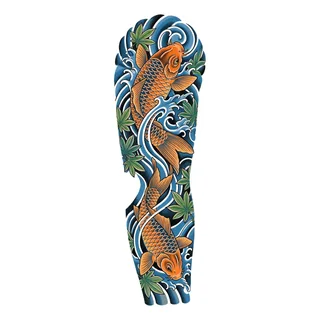
- Japanese · colourTry it on — Color Japanese koi tattoo as a full sleeve on a man
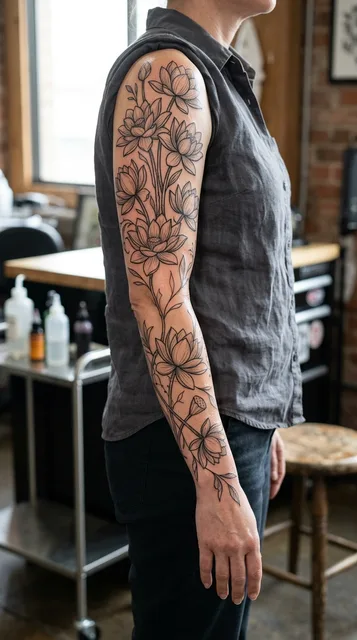
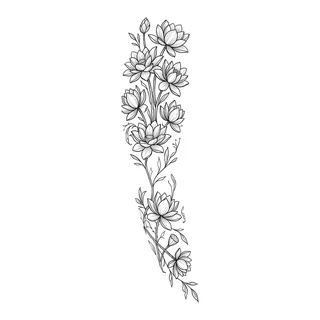
- linework · black and whiteTry it on — Black and white linework lotus tattoo as a full sleeve on a woman
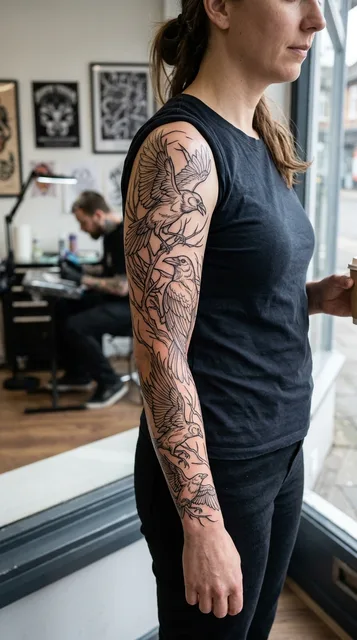
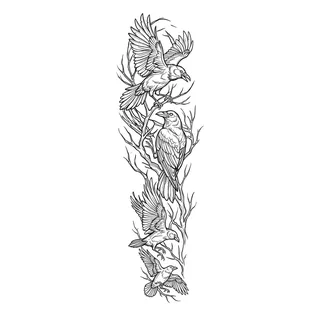
- linework · black and whiteTry it on — Black and white linework ravens tattoo as a full sleeve on a woman
- Japanese · colourTry it on — Color Japanese anchor tattoo as a full sleeve on a man
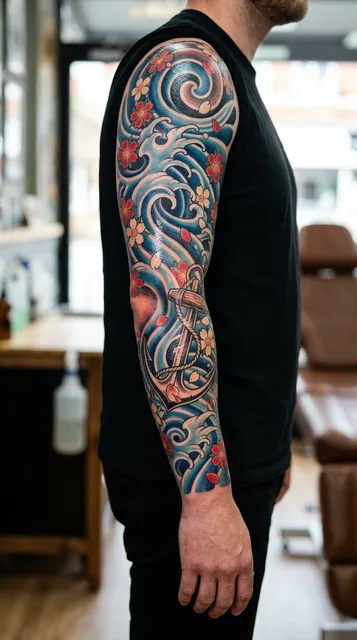
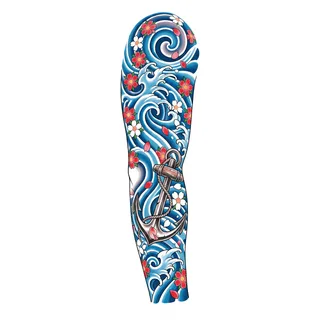
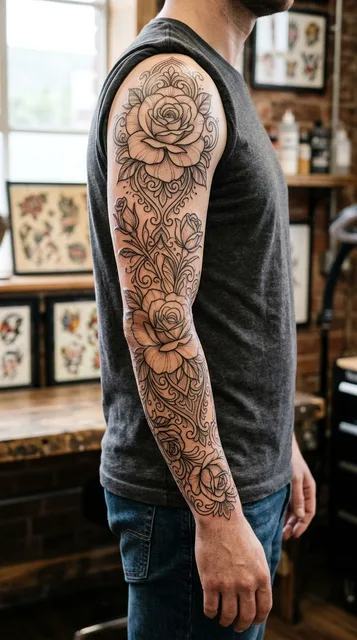
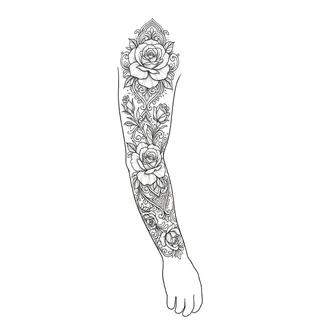
- ornamental · black and greyTry it on — Black and grey ornamental rose tattoo as a full sleeve on a man
- illustrative · black and greyTry it on — Black and grey illustrative raven tattoo as a full sleeve on a man
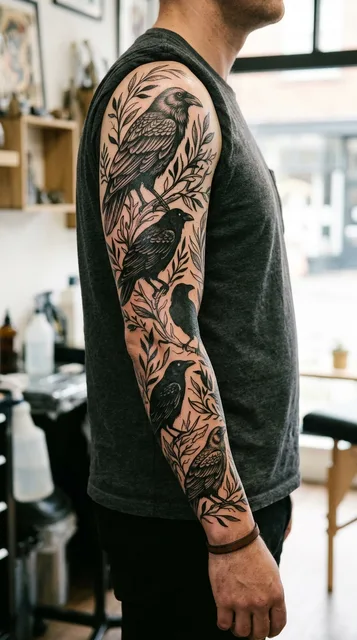
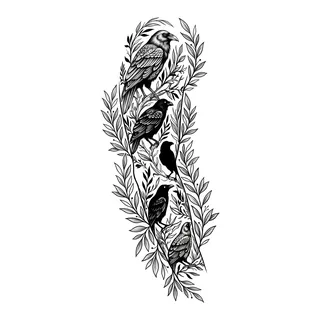


Every pair is one tattoo: the design as it was drawn, and a photograph of that same design on the full sleeve.
These 45 full sleeve tattoos, by the numbers
- Styles represented
- illustrative (6), linework (5), blackwork (4), geometric (4), japanese (4), neo traditional (4)
- Black-and-grey vs colour
- 56% black-and-grey, 44% colour
- Shown on
- 21 feminine, 24 masculine presentation
Counted from the 45 tattoos shown on this page. Every design was drawn for InkCraft and photographed on this placement — none are scraped or reposted. Free to reference with a link to this page.
How a full sleeve tattoo wears
What separates a full sleeve from a half is not just length — it is that the design has to survive crossing the elbow. That joint interrupts the arm both visually and mechanically, and the whole composition has to carry across it without either ignoring it or being stopped by it. Most successful sleeves solve this with a flowing background or a deliberate transitional element at the elbow.
The arm changes shape considerably along its length: a wide rounded shoulder, the taper of the bicep, the joint, then the forearm narrowing to the wrist. A sleeve that acknowledges this — weighting the composition to the room available — looks made for the arm. One drawn as a flat rectangle and wrapped does not, and the seam usually shows on the inner arm.
Because it is seen from every angle, a full sleeve has no back. That is the hardest part of designing one and the clearest difference between an experienced sleeve artist and someone assembling panels: the piece has to work walking past, shaking hands, and with the arm raised.
Pain and healing
Every sensation the arm offers, in sequence. The shoulder and outer bicep are comfortable; the inner bicep is sharper than it looks; the elbow is genuinely sharp; the forearm is easy again apart from the ulna ridge and the inner wrist. Spread across many sessions this is manageable for most people — the difficulty of a sleeve is stamina and scheduling rather than any single sitting. Respect the healing gaps between sessions; they are what keep colour even across the whole piece.
The tattoo pain chart ranks the full sleeve against the other twenty-five body parts on this site, and says why. The aftercare guide has a row for healing a full sleeve tattoo specifically: what gets in the way here, and the one thing to do about it.
Choosing a design that suits it
- Have the entire design agreed before the first session. A sleeve assembled piece by piece almost always reads as one.
- Ask specifically how the composition crosses the elbow — that is where sleeves succeed or fail.
- Check there is no dead angle. The design should work from every side, including with the arm raised.
- Be honest about the timeline and budget upfront. A sleeve abandoned halfway is worse than either finishing it or not starting.
Size, cost and who sees it
How big, and what it costs
A project rather than an appointment: commonly six to twelve sessions across six months to two years, depending on density and how often you can sit. Most artists price it as a project with a deposit, and most will want a consultation before agreeing to it at all. Budget by total hours, not per visit.
Who will see it
A long sleeve hides it and anything shorter shows it. Because it reaches the wrist it is the point at which a tattoo becomes difficult to hide in short sleeves — worth weighing if that matters for your work.
What to ask your artist
- Can I see the complete design for the whole arm before we begin?
- How does the composition carry across the elbow?
- What is the realistic session count and schedule?
- How does this look with my arm raised, and from behind?
Prices vary widely by city and artist — treat these as session lengths rather than quotes, and expect a shop minimum on anything small. The cost guide puts the full sleeve in a table with the other twenty-five placements.
Common questions
How long does a full sleeve take to finish?
Commonly six to twelve sessions over six months to two years. The limiting factors are healing time between sittings and how often you can book, not the tattooing hours themselves.
Does the whole design have to be planned in advance?
For a sleeve that reads as one piece, effectively yes. The elbow transition and the overall flow cannot be retrofitted, which is why sleeves built session by session from unrelated ideas look like collections.
Can a half sleeve be extended into a full one?
Often, if the half sleeve was designed with it in mind — which is why it is worth saying so even when you are unsure. Extending one that resolved firmly at the elbow means designing around that ending.
See it on your own full sleeve
InkCraft places a design on a photo of you — scaled, wrapped and shaded to the placement you pick, so you can judge it before it is permanent.