 InkCraft
Cherry Blossom Tattoo Ideas, Designs and Meaning
70 original cherry blossom designs drawn for InkCraftBy Uladzimir TumanauUpdated
Opens in your browser. No signup. Or tap any design below.
Branches, single blooms and falling petals, from Japanese traditional to fine line. One of the few branches that genuinely improves on a curve, where a flat placement is the compromise rather than the ideal.
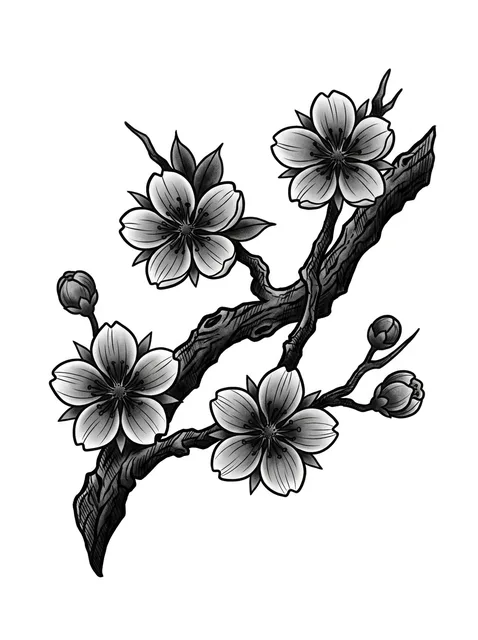
Black and grey irezumi cherry blossom tattoo design Try it on — Black and grey irezumi cherry blossom tattoo design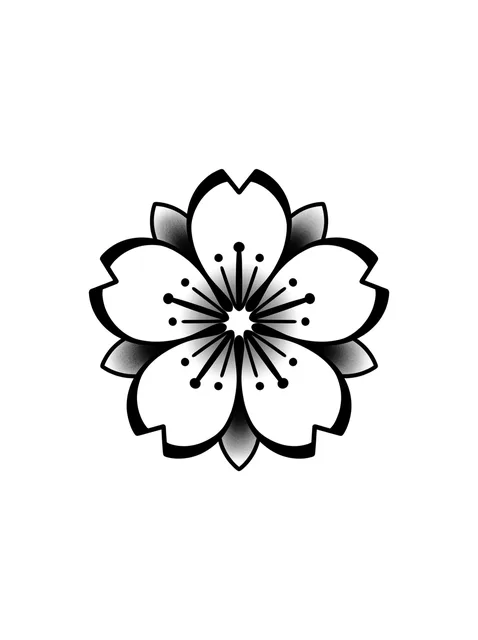
Black and grey traditional cherry blossom and flower tattoo design (1 of 2) Try it on — Black and grey traditional cherry blossom and flower tattoo design (1 of 2)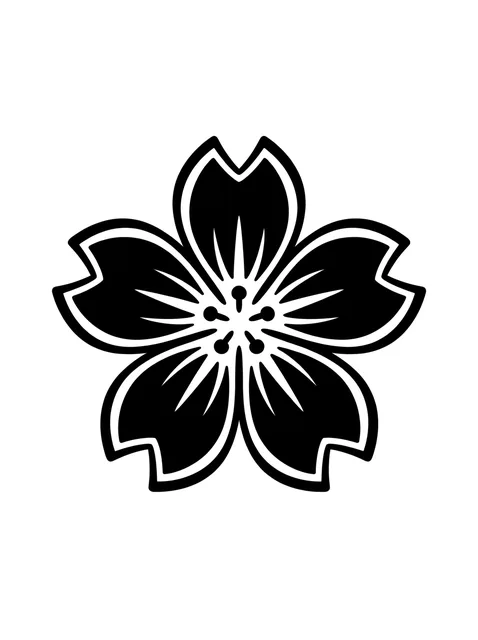
Black and white blackwork cherry blossom and flower tattoo design: a cherry blossom flower Try it on — Black and white blackwork cherry blossom and flower tattoo design: a cherry blossom flower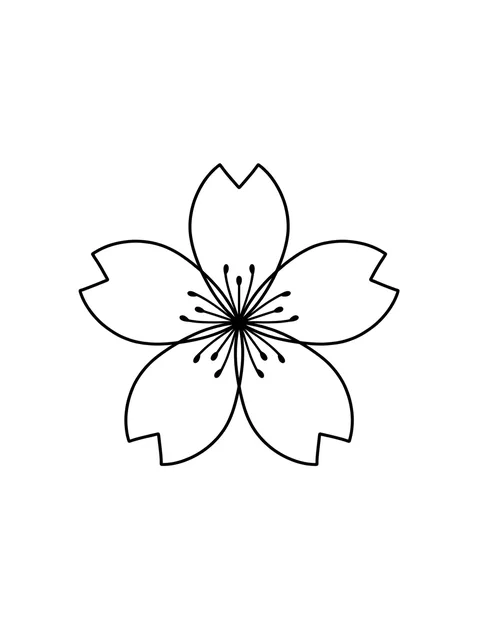
Black and white linework cherry blossom and flower tattoo design, outline stencil (1 of 5) Try it on — Black and white linework cherry blossom and flower tattoo design, outline stencil (1 of 5)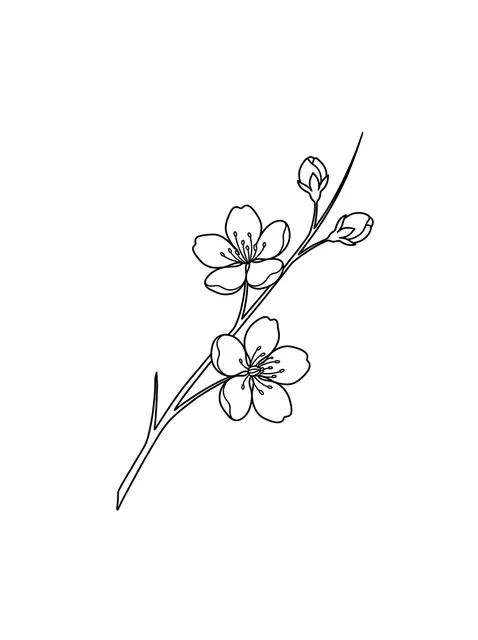
Black and white linework cherry blossom and flower tattoo design, outline stencil (2 of 5) Try it on — Black and white linework cherry blossom and flower tattoo design, outline stencil (2 of 5)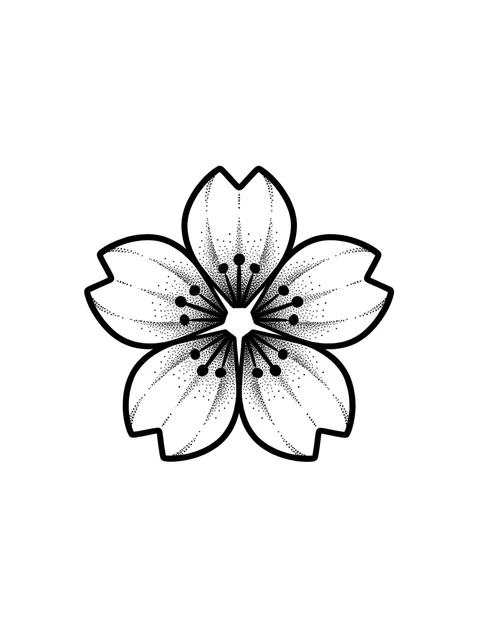
Black and grey dotwork cherry blossom and flower tattoo design (1 of 3) Try it on — Black and grey dotwork cherry blossom and flower tattoo design (1 of 3)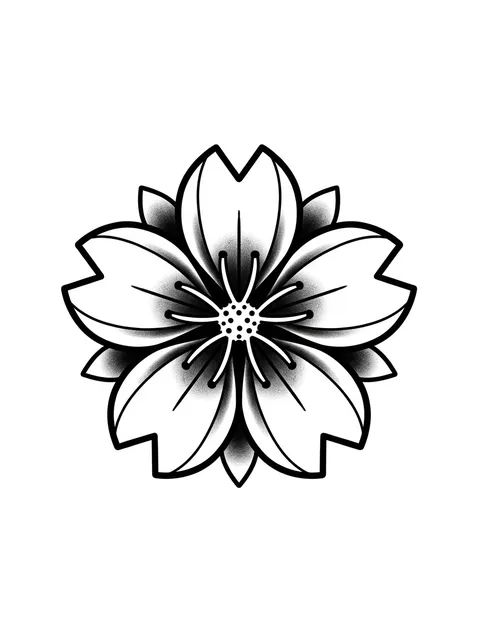
Black and grey traditional cherry blossom and flower tattoo design (2 of 2) Try it on — Black and grey traditional cherry blossom and flower tattoo design (2 of 2)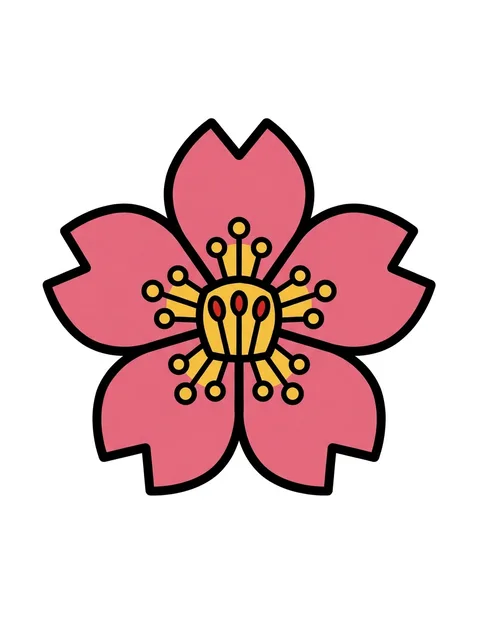
Color Japanese cherry blossom and flower tattoo design (1 of 2) Try it on — Color Japanese cherry blossom and flower tattoo design (1 of 2)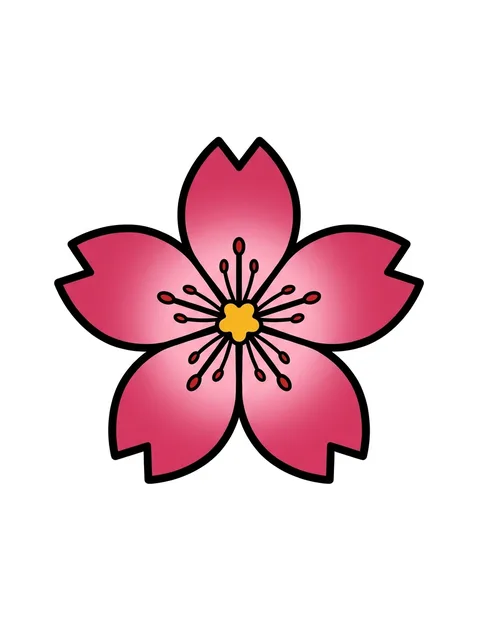
Color Japanese cherry blossom and flower tattoo design (2 of 2) Try it on — Color Japanese cherry blossom and flower tattoo design (2 of 2)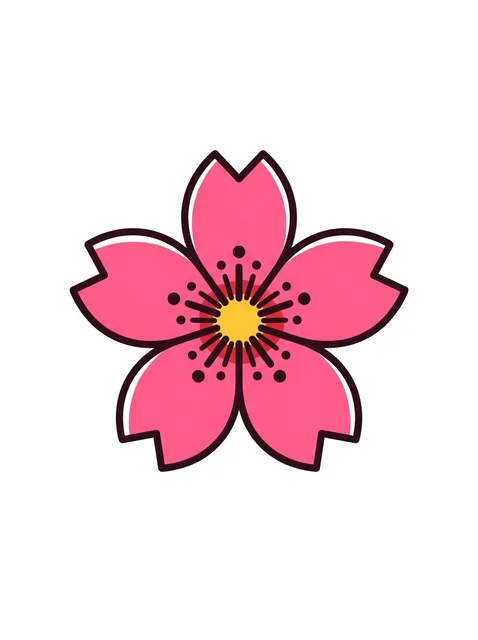
Color illustrative cherry blossom and flower tattoo design (1 of 3) Try it on — Color illustrative cherry blossom and flower tattoo design (1 of 3)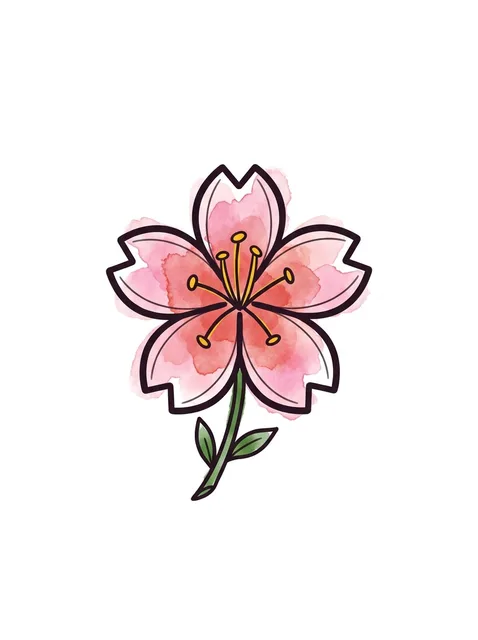
Color watercolor cherry blossom and flower tattoo design: a dark outline and a green stem Try it on — Color watercolor cherry blossom and flower tattoo design: a dark outline and a green stem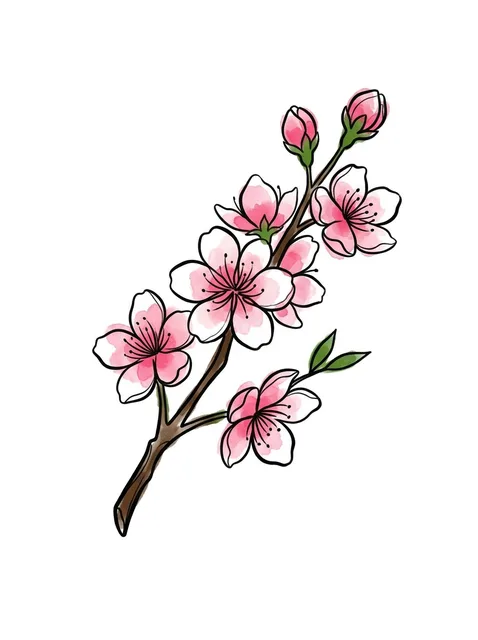
Color watercolor cherry blossom and flower tattoo design Try it on — Color watercolor cherry blossom and flower tattoo design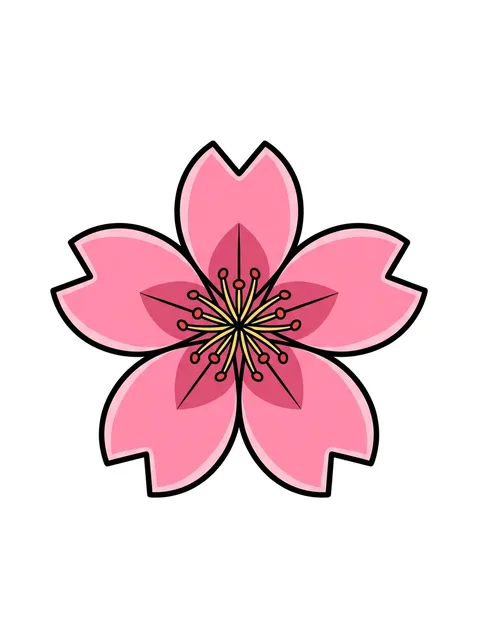
Color illustrative cherry blossom and flower tattoo design (2 of 3) Try it on — Color illustrative cherry blossom and flower tattoo design (2 of 3)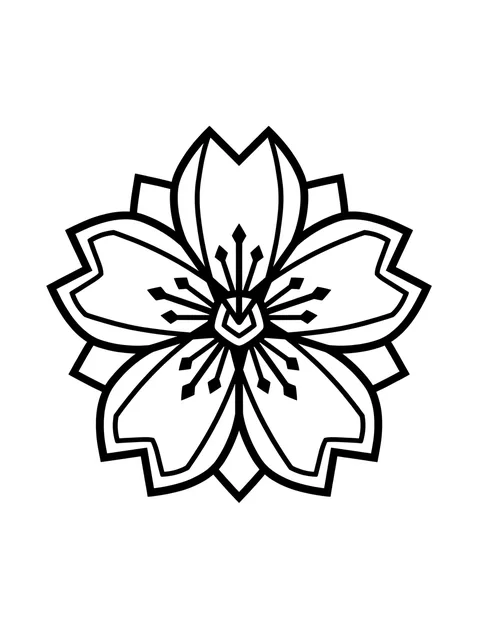
Black and white geometric cherry blossom and flower tattoo design, outline stencil Try it on — Black and white geometric cherry blossom and flower tattoo design, outline stencil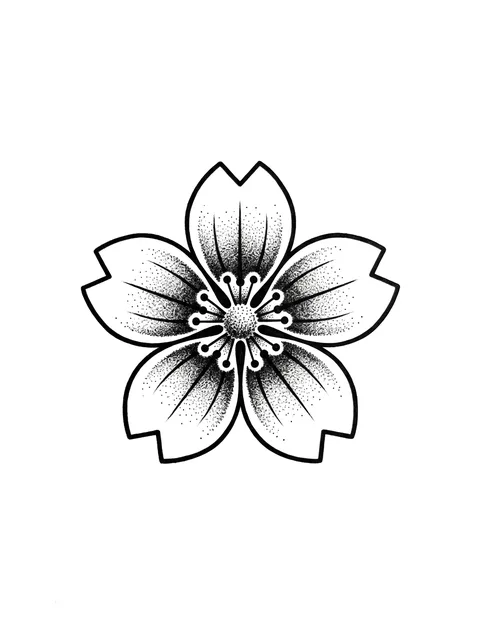
Black and grey dotwork cherry blossom and flower tattoo design (2 of 3) Try it on — Black and grey dotwork cherry blossom and flower tattoo design (2 of 3)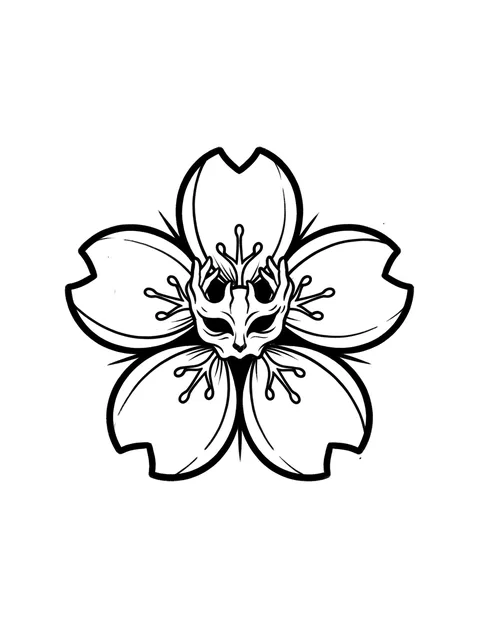
Black and white illustrative cherry blossom and skull tattoo design: a stylized cherry blossom Try it on — Black and white illustrative cherry blossom and skull tattoo design: a stylized cherry blossom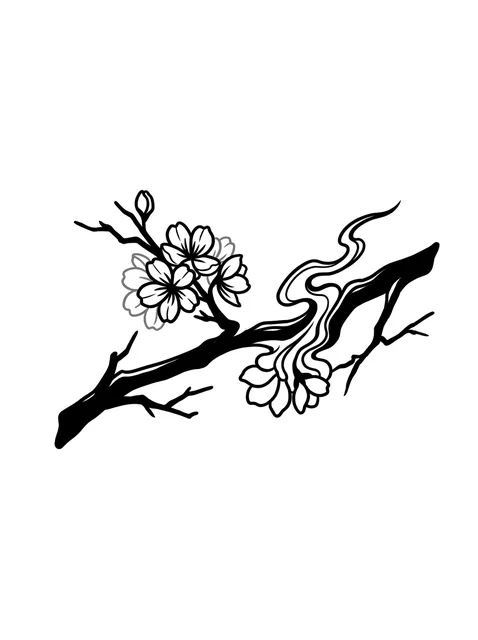
Black and grey Japanese cherry blossom and flower tattoo design: a branch of cherry blossoms Try it on — Black and grey Japanese cherry blossom and flower tattoo design: a branch of cherry blossoms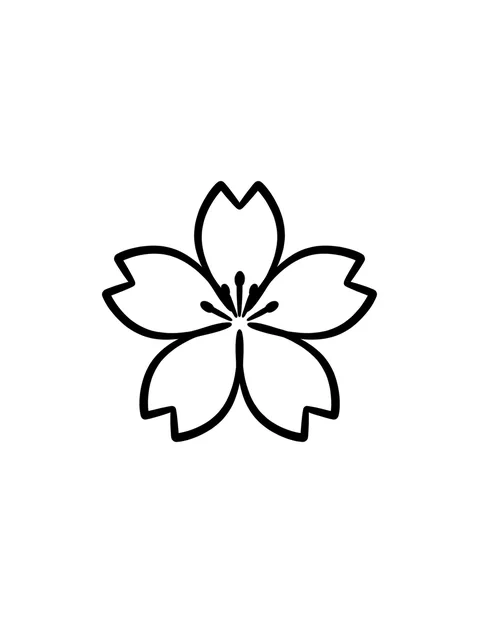
Black and white minimalist cherry blossom and flower tattoo design, outline stencil Try it on — Black and white minimalist cherry blossom and flower tattoo design, outline stencil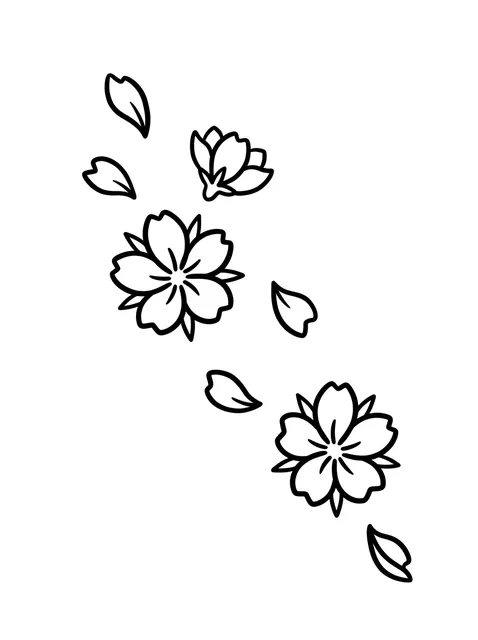
Black and white linework cherry blossom and flower tattoo design, outline stencil (3 of 5) Try it on — Black and white linework cherry blossom and flower tattoo design, outline stencil (3 of 5)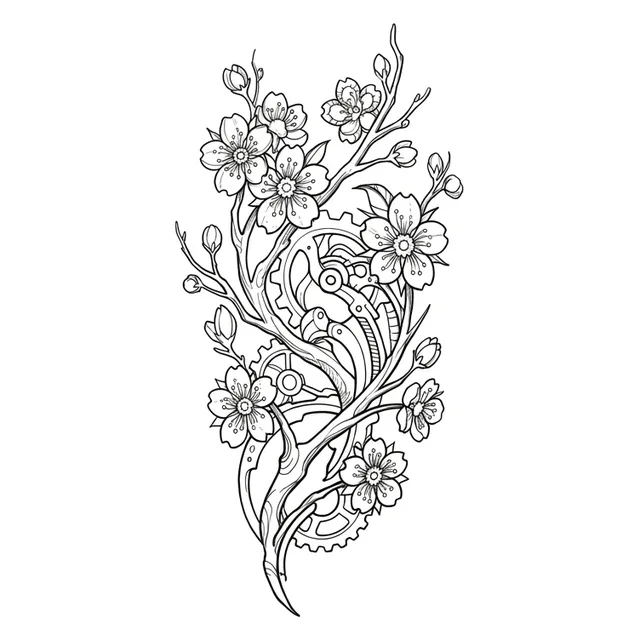
Black and grey illustrative cherry blossom and flower tattoo design (1 of 5) Try it on — Black and grey illustrative cherry blossom and flower tattoo design (1 of 5)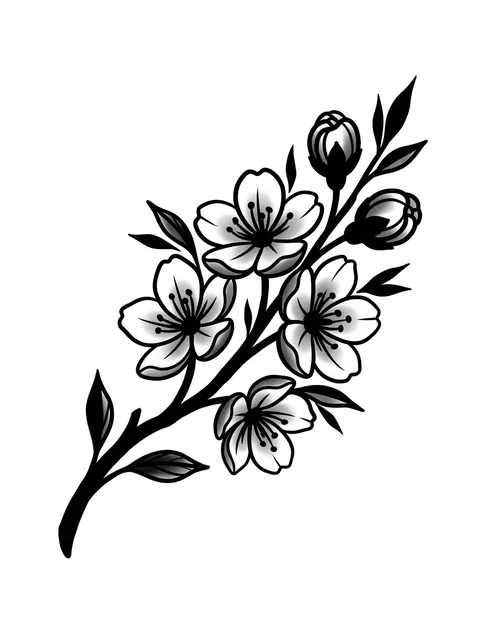
Black and grey neo traditional cherry blossom and flower tattoo design Try it on — Black and grey neo traditional cherry blossom and flower tattoo design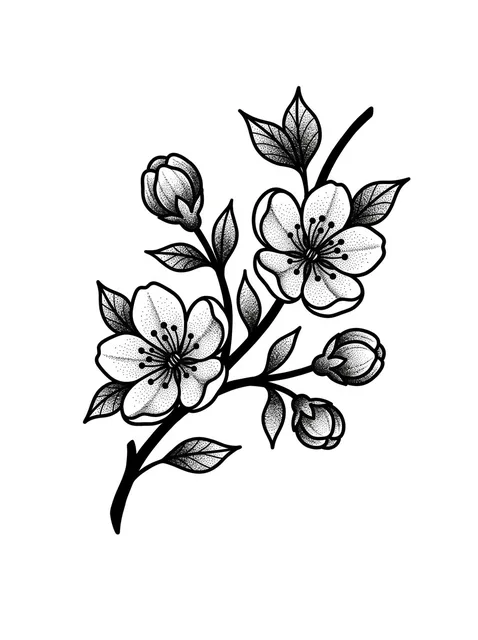
Black and grey illustrative cherry blossom and flower tattoo design (2 of 5) Try it on — Black and grey illustrative cherry blossom and flower tattoo design (2 of 5)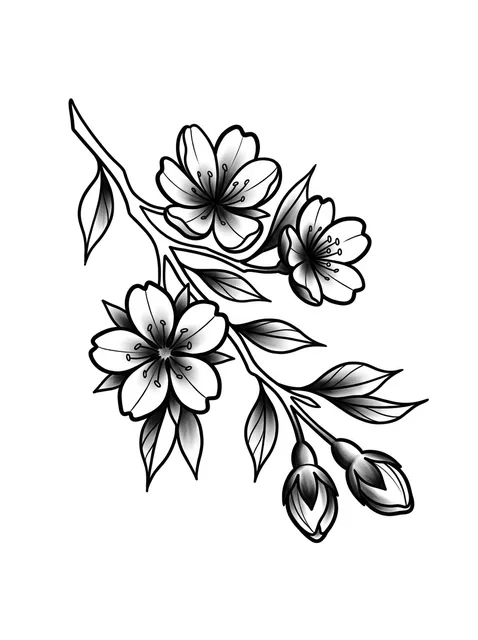
Black and grey traditional cherry blossom and flower tattoo design: a branch of cherry blossoms Try it on — Black and grey traditional cherry blossom and flower tattoo design: a branch of cherry blossoms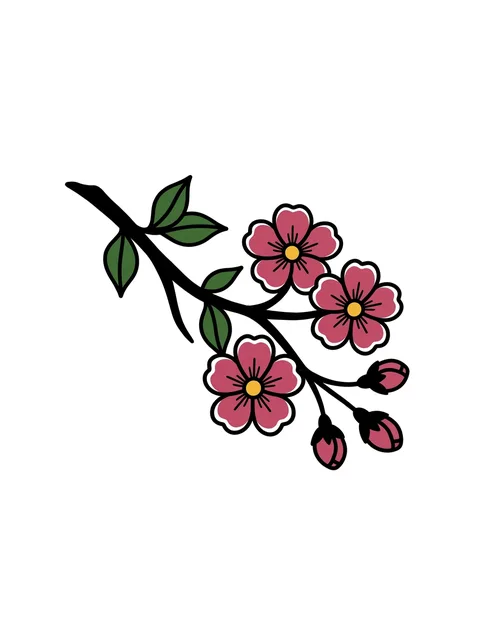
Color traditional cherry blossom and flower tattoo design: a branch of cherry blossoms (1 of 3) Try it on — Color traditional cherry blossom and flower tattoo design: a branch of cherry blossoms (1 of 3)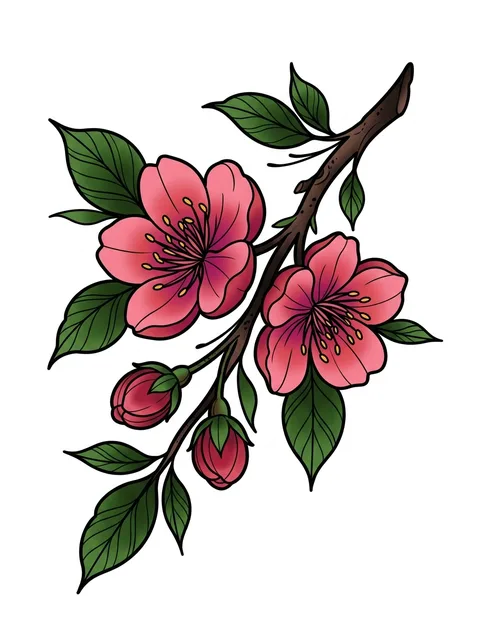
Color neo traditional cherry blossom and flower tattoo design (1 of 2) Try it on — Color neo traditional cherry blossom and flower tattoo design (1 of 2)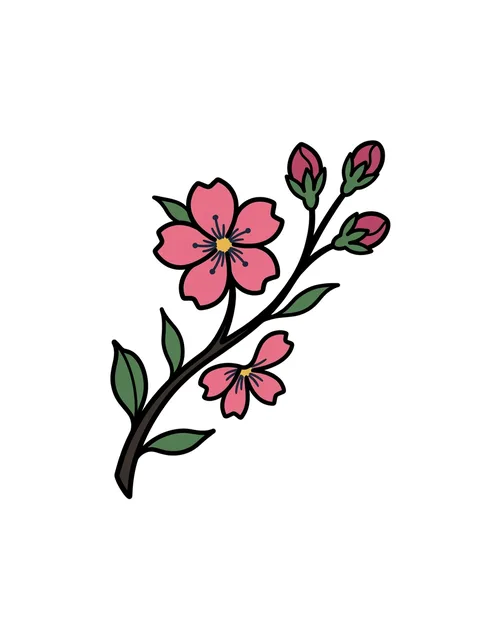
Color traditional cherry blossom and flower tattoo design: a branch of cherry blossoms (2 of 3) Try it on — Color traditional cherry blossom and flower tattoo design: a branch of cherry blossoms (2 of 3)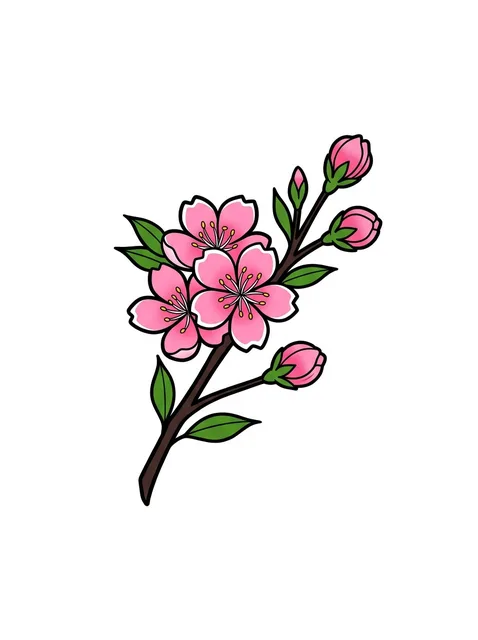
Color traditional cherry blossom and flower tattoo design: a branch of cherry blossoms (3 of 3) Try it on — Color traditional cherry blossom and flower tattoo design: a branch of cherry blossoms (3 of 3)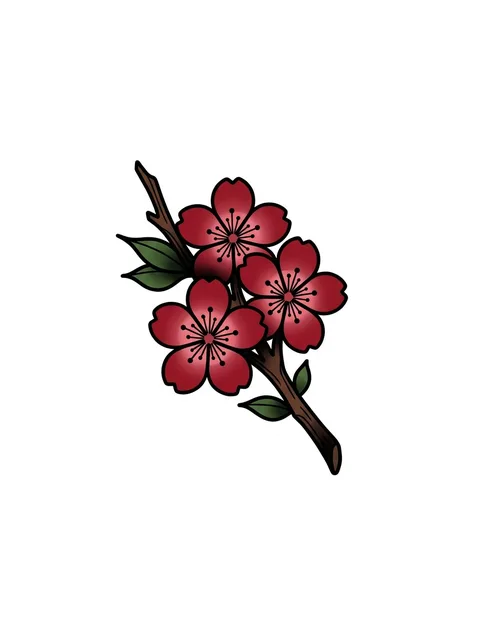
Color traditional cherry blossom and flower tattoo design Try it on — Color traditional cherry blossom and flower tattoo design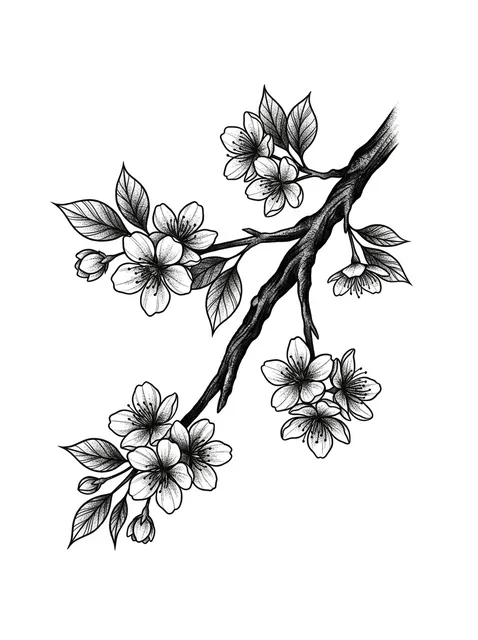
Black and grey illustrative cherry blossom and flower tattoo design (3 of 5) Try it on — Black and grey illustrative cherry blossom and flower tattoo design (3 of 5)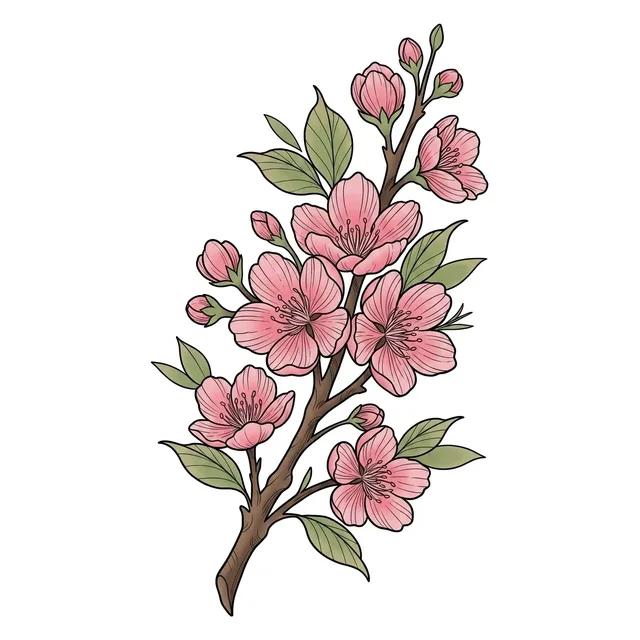
Color illustrative cherry blossom and flower tattoo design: a branch of cherry blossoms Try it on — Color illustrative cherry blossom and flower tattoo design: a branch of cherry blossoms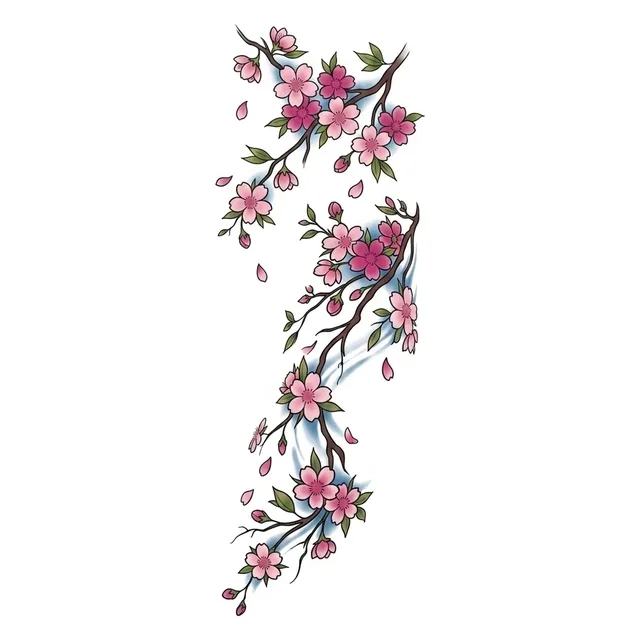
Color illustrative cherry blossom and flower tattoo design (3 of 3) Try it on — Color illustrative cherry blossom and flower tattoo design (3 of 3)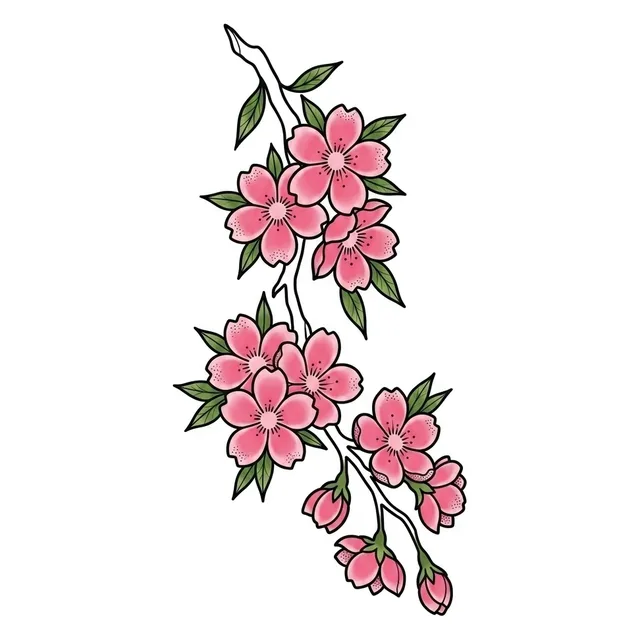
Color neo traditional cherry blossom and flower tattoo design (2 of 2) Try it on — Color neo traditional cherry blossom and flower tattoo design (2 of 2)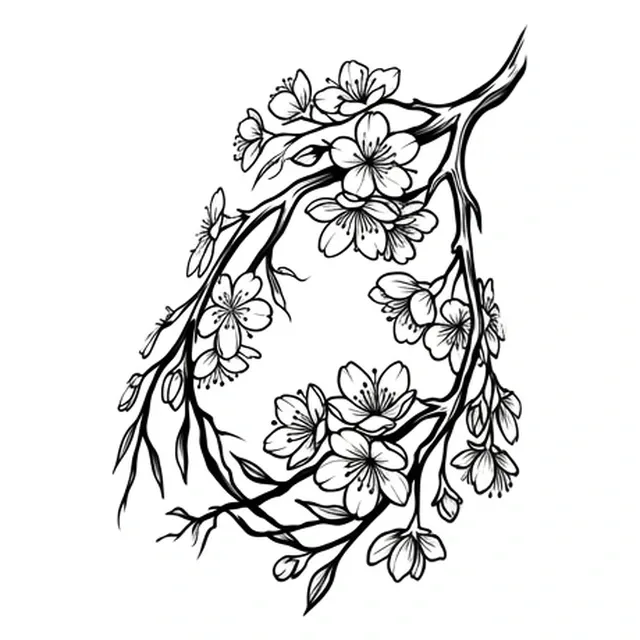
Black and white fine line cherry blossom and flower tattoo design, outline stencil (1 of 2) Try it on — Black and white fine line cherry blossom and flower tattoo design, outline stencil (1 of 2)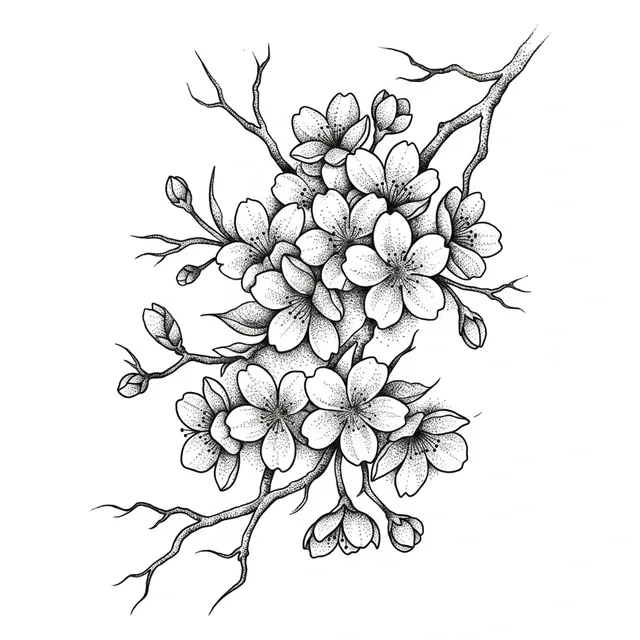
Black and grey dotwork cherry blossom and flower tattoo design (3 of 3) Try it on — Black and grey dotwork cherry blossom and flower tattoo design (3 of 3)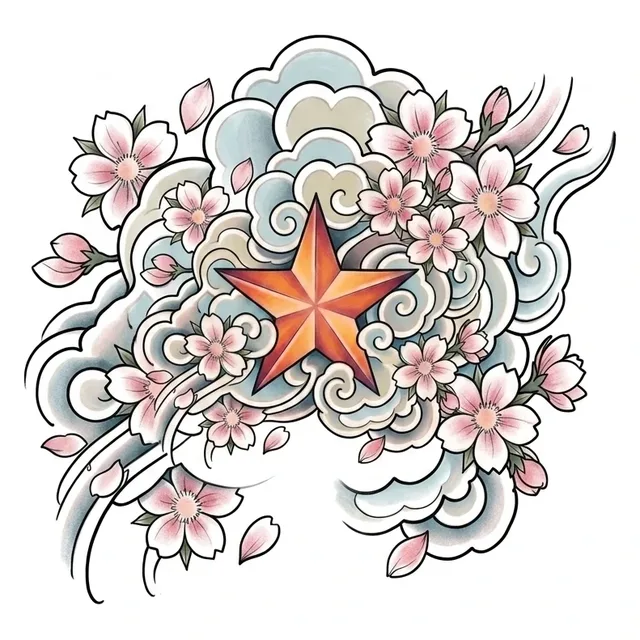
Color Japanese cherry blossom and star tattoo design Try it on — Color Japanese cherry blossom and star tattoo design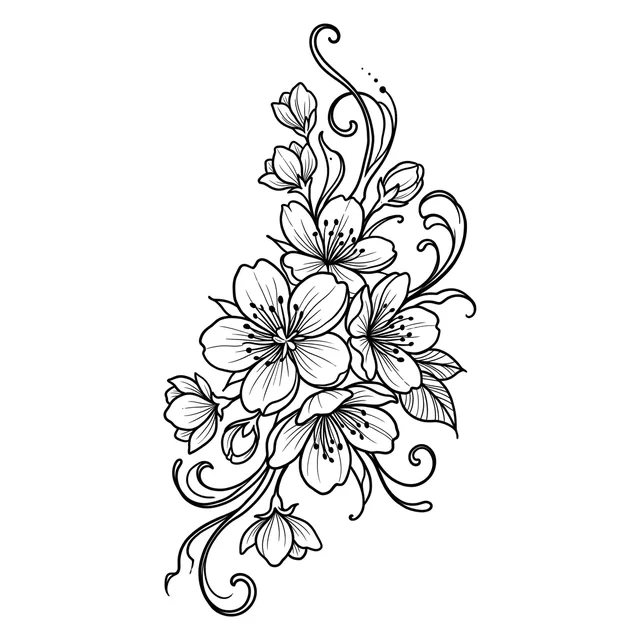
Black and white fine line cherry blossom and flower tattoo design, outline stencil (2 of 2) Try it on — Black and white fine line cherry blossom and flower tattoo design, outline stencil (2 of 2)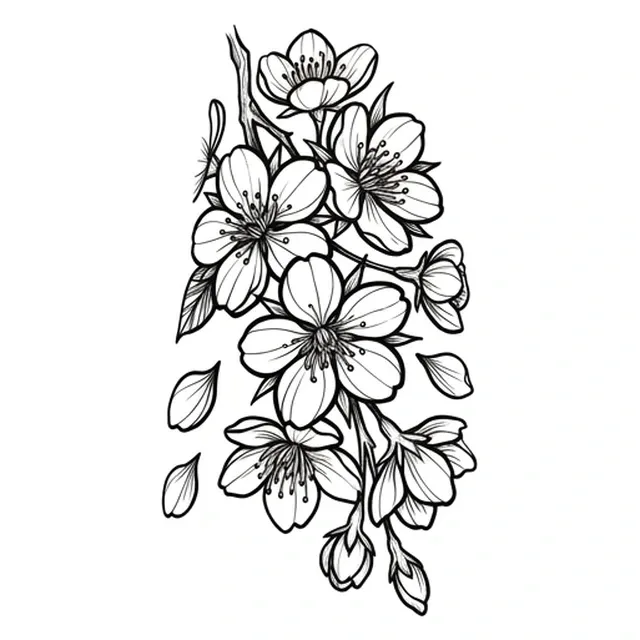
Black and grey fine line cherry blossom and flower tattoo design, outline stencil Try it on — Black and grey fine line cherry blossom and flower tattoo design, outline stencil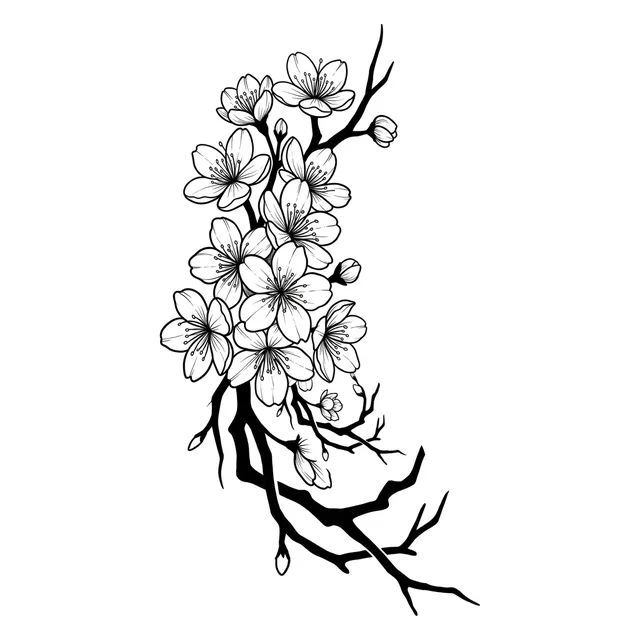
Black and grey illustrative cherry blossom and flower tattoo design (4 of 5) Try it on — Black and grey illustrative cherry blossom and flower tattoo design (4 of 5)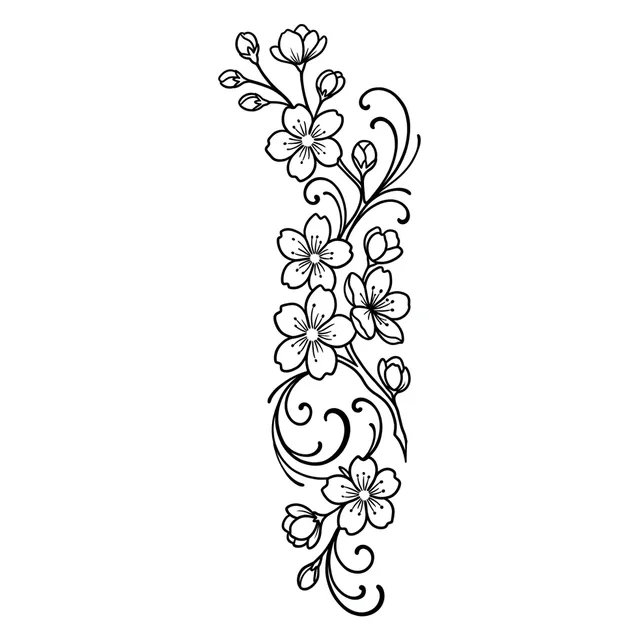
Black and white linework cherry blossom and flower tattoo design, outline stencil (4 of 5) Try it on — Black and white linework cherry blossom and flower tattoo design, outline stencil (4 of 5)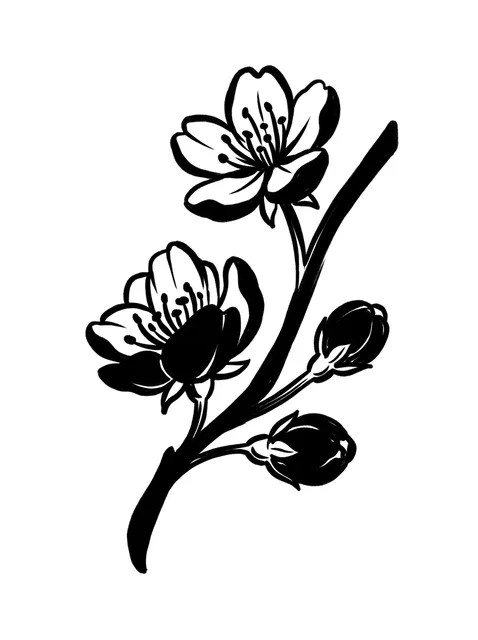
Black and grey illustrative cherry blossom and flower tattoo design (5 of 5) Try it on — Black and grey illustrative cherry blossom and flower tattoo design (5 of 5)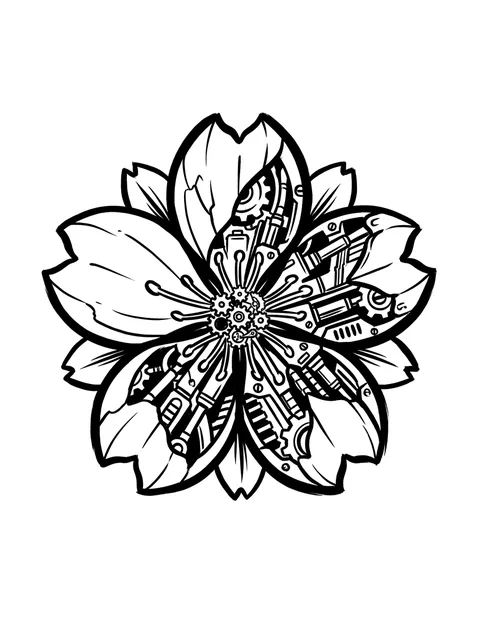
Black and white illustrative cherry blossom and flower tattoo design: a cherry blossom flower Try it on — Black and white illustrative cherry blossom and flower tattoo design: a cherry blossom flower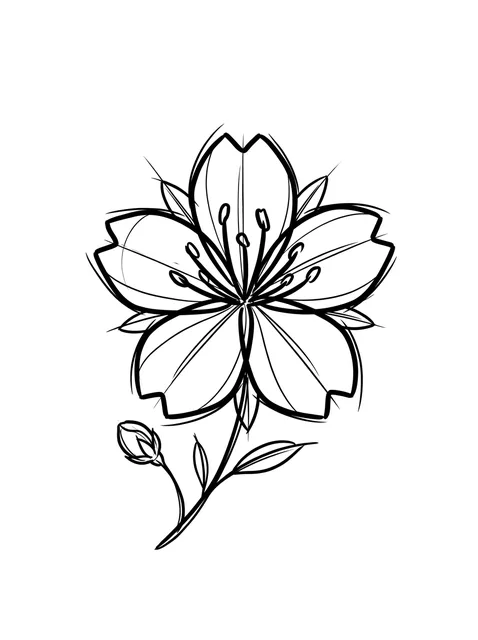
Black and white linework cherry blossom and flower tattoo design, outline stencil (5 of 5) Try it on — Black and white linework cherry blossom and flower tattoo design, outline stencil (5 of 5)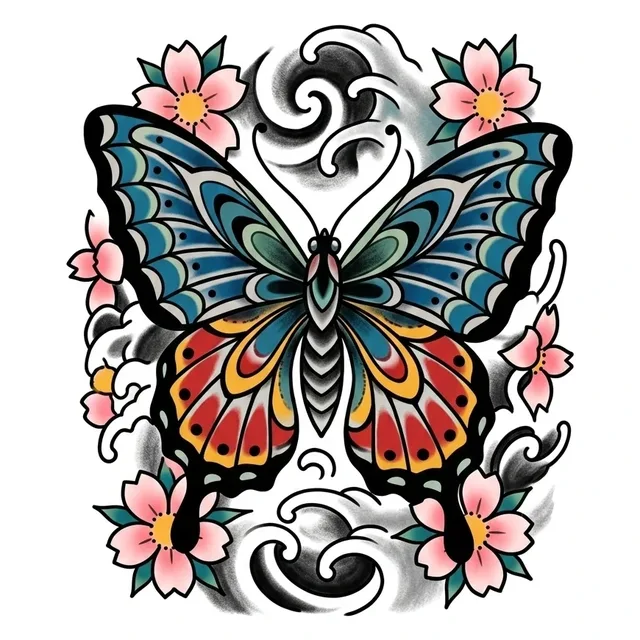
Color neo traditional cherry blossom and butterfly tattoo design Try it on — Color neo traditional cherry blossom and butterfly tattoo design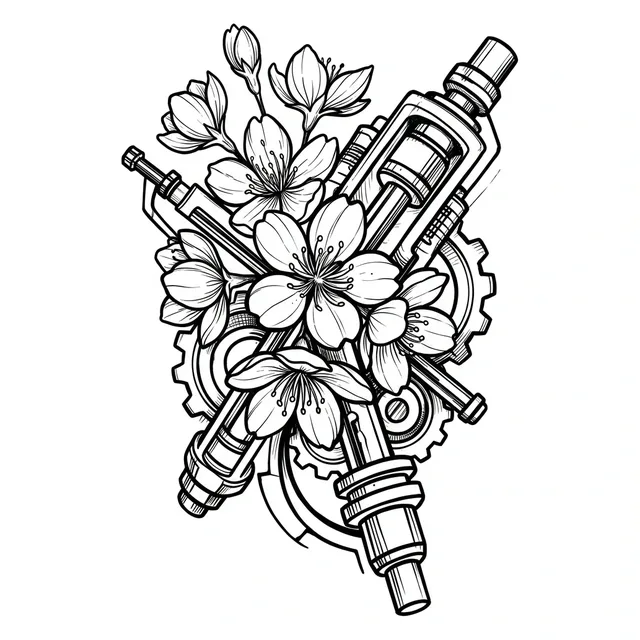
Black and white illustrative cherry blossom and flower tattoo design Try it on — Black and white illustrative cherry blossom and flower tattoo design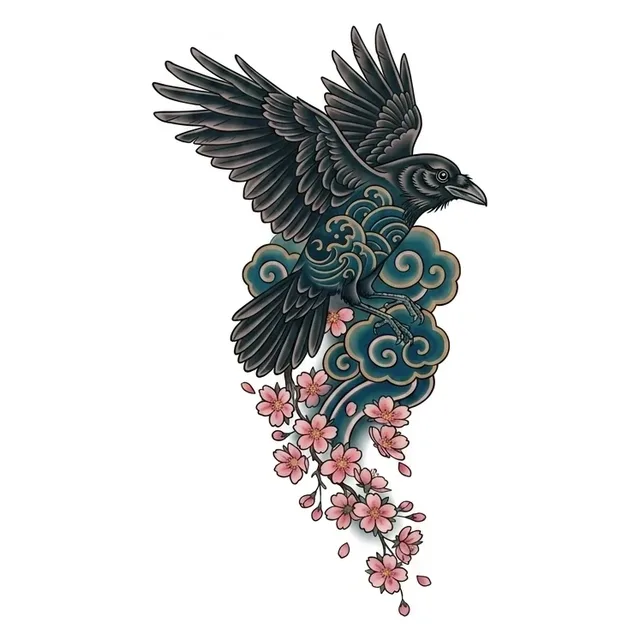
Color Japanese cherry blossom and raven tattoo design: a black raven Try it on — Color Japanese cherry blossom and raven tattoo design: a black raven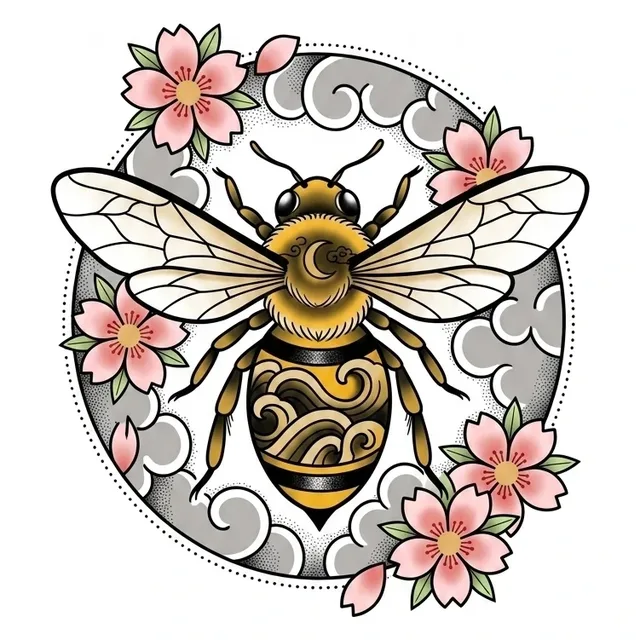
Color neo traditional cherry blossom and bee tattoo design: a detailed bee Try it on — Color neo traditional cherry blossom and bee tattoo design: a detailed bee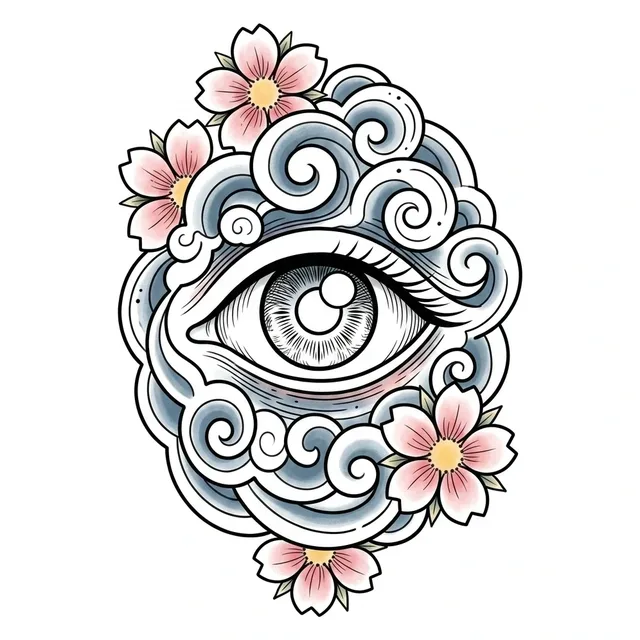
Color Japanese cherry blossom and eye tattoo design Try it on — Color Japanese cherry blossom and eye tattoo design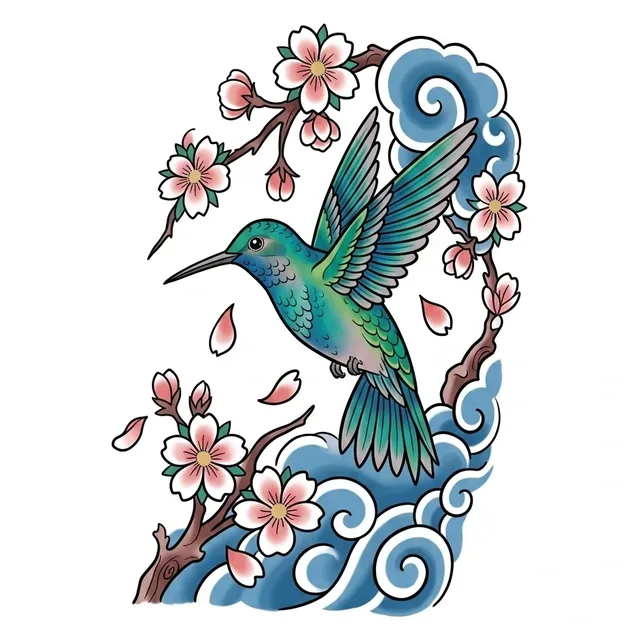
Color neo traditional cherry blossom and hummingbird tattoo design: a hummingbird in flight Try it on — Color neo traditional cherry blossom and hummingbird tattoo design: a hummingbird in flight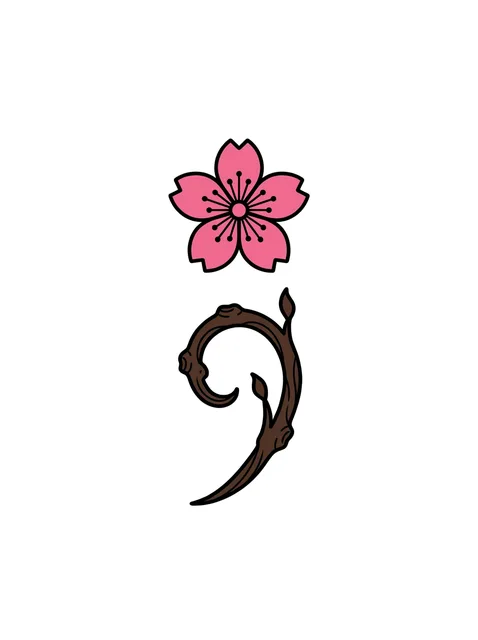
Color neo traditional cherry blossom and semicolon tattoo design Try it on — Color neo traditional cherry blossom and semicolon tattoo design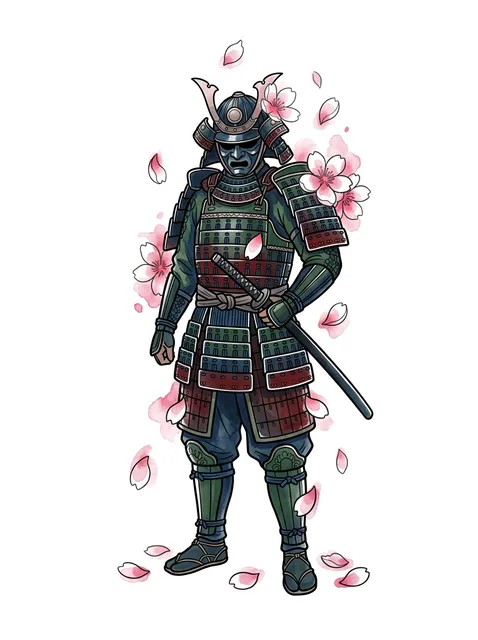
Color illustrative cherry blossom and samurai tattoo design: a samurai in full armor Try it on — Color illustrative cherry blossom and samurai tattoo design: a samurai in full armor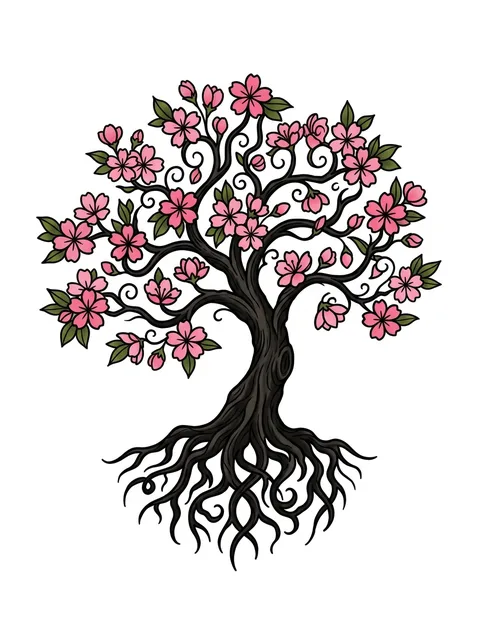
Color illustrative cherry blossom and tree of life tattoo design Try it on — Color illustrative cherry blossom and tree of life tattoo design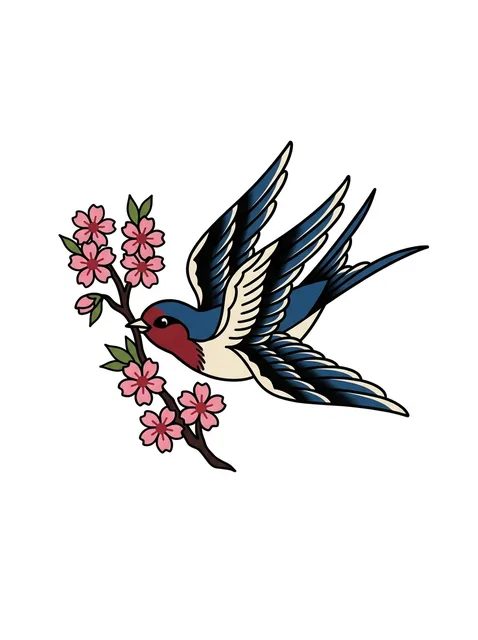
Color Japanese cherry blossom and swallow tattoo design Try it on — Color Japanese cherry blossom and swallow tattoo design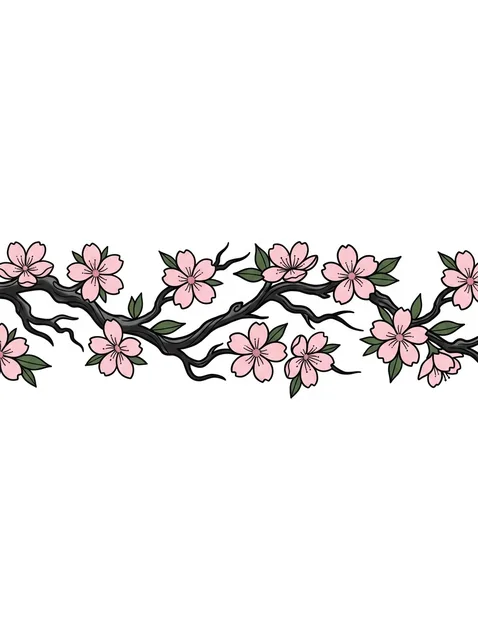
Color illustrative cherry blossom and armband tattoo design Try it on — Color illustrative cherry blossom and armband tattoo design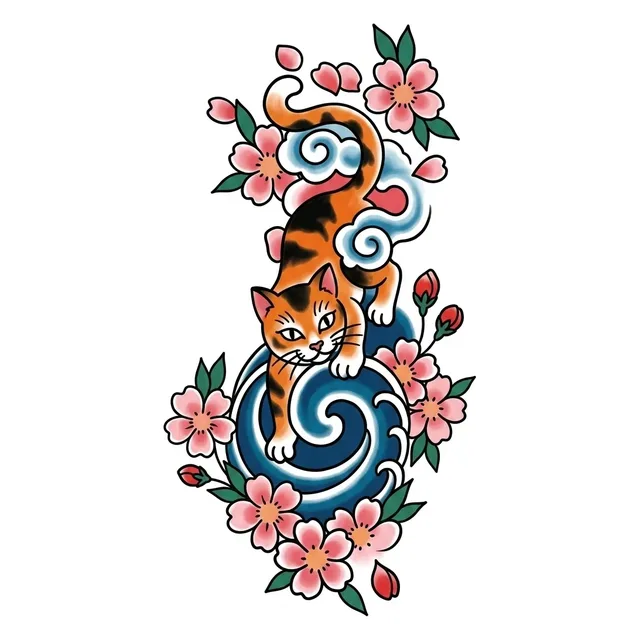
Color Japanese cherry blossom and cat tattoo design: a playful expression Try it on — Color Japanese cherry blossom and cat tattoo design: a playful expression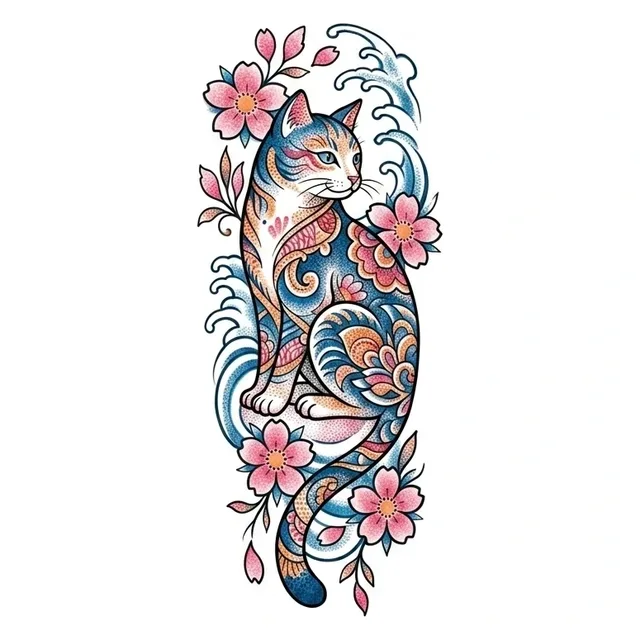
Color illustrative cherry blossom and cat tattoo design: a stylized cat adorned Try it on — Color illustrative cherry blossom and cat tattoo design: a stylized cat adorned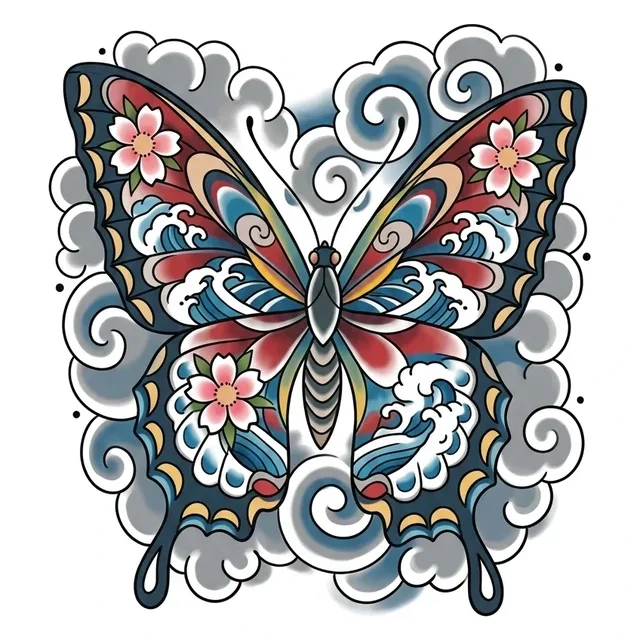
Color Japanese cherry blossom and butterfly tattoo design Try it on — Color Japanese cherry blossom and butterfly tattoo design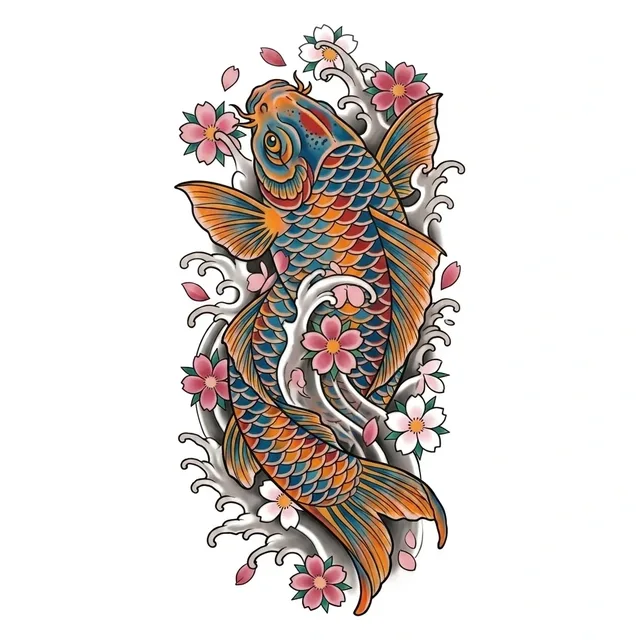
Color Japanese cherry blossom and koi tattoo design (1 of 3) Try it on — Color Japanese cherry blossom and koi tattoo design (1 of 3)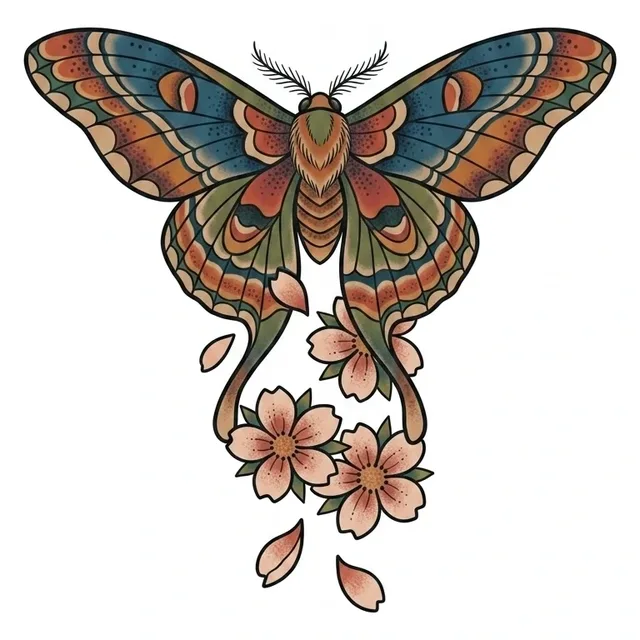
Color neo traditional cherry blossom and moth tattoo design Try it on — Color neo traditional cherry blossom and moth tattoo design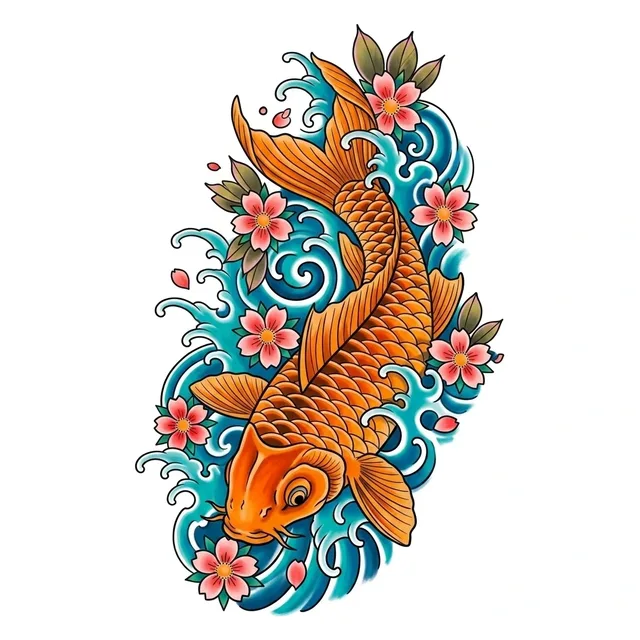
Color Japanese cherry blossom and koi tattoo design (2 of 3) Try it on — Color Japanese cherry blossom and koi tattoo design (2 of 3)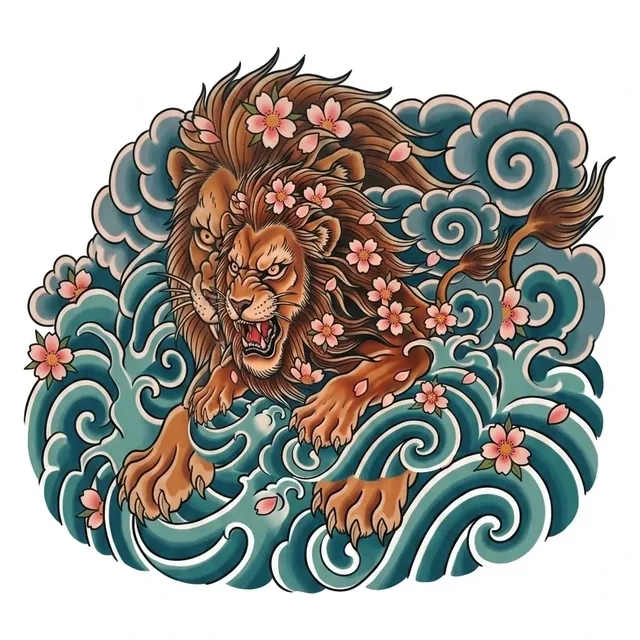
Color Japanese cherry blossom and lion tattoo design Try it on — Color Japanese cherry blossom and lion tattoo design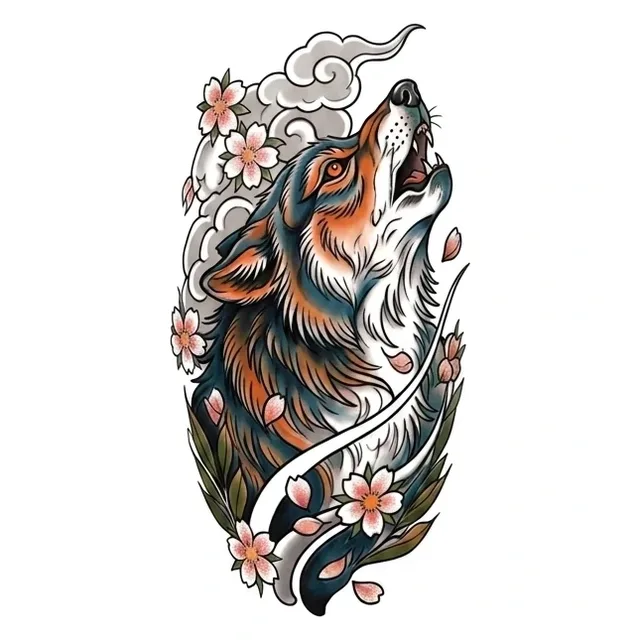
Color neo traditional cherry blossom and wolf tattoo design: a howling wolf's head Try it on — Color neo traditional cherry blossom and wolf tattoo design: a howling wolf's head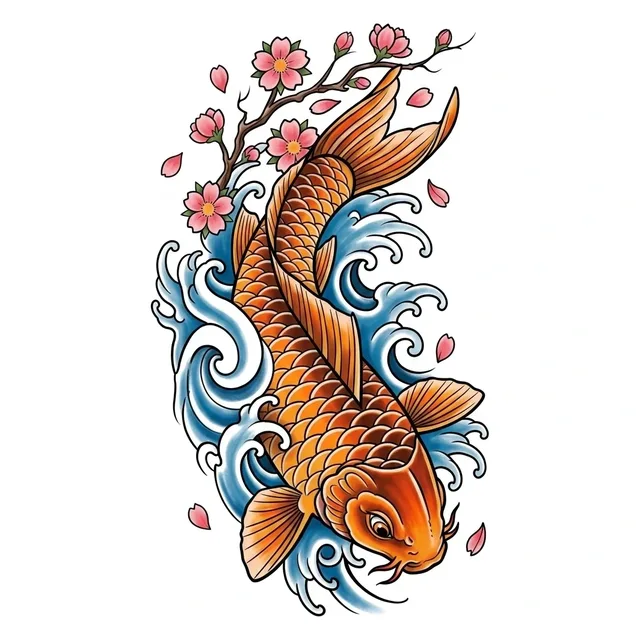
Color Japanese cherry blossom and koi tattoo design (3 of 3) Try it on — Color Japanese cherry blossom and koi tattoo design (3 of 3)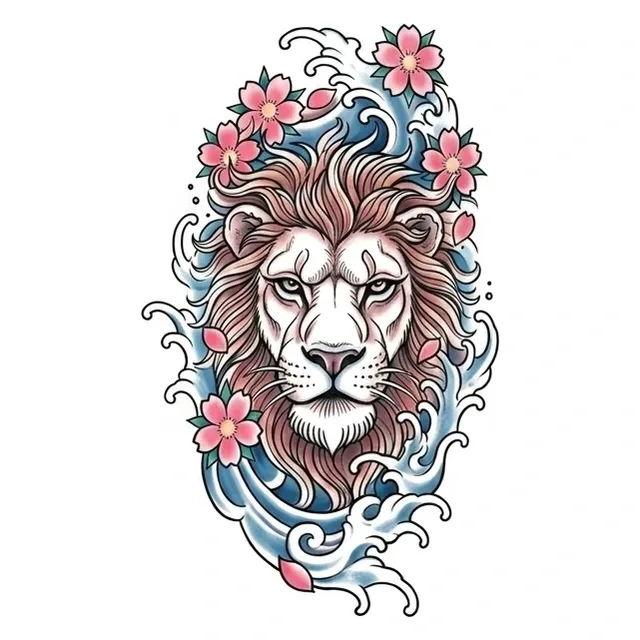
Color Japanese cherry blossom and lion tattoo design: a pale white and grey mane Try it on — Color Japanese cherry blossom and lion tattoo design: a pale white and grey mane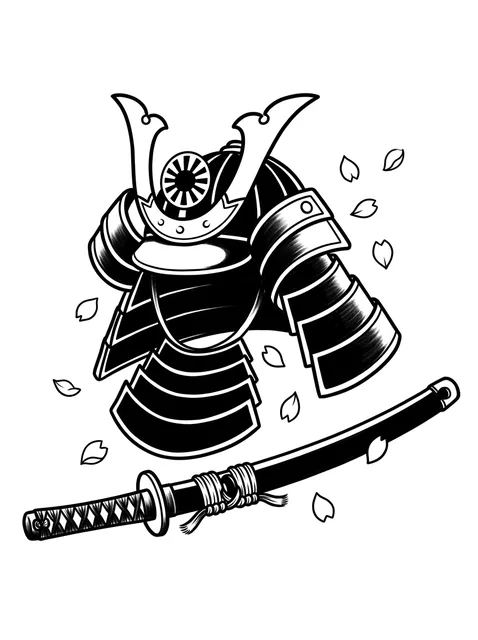
Black and grey neo traditional cherry blossom and samurai tattoo design Try it on — Black and grey neo traditional cherry blossom and samurai tattoo design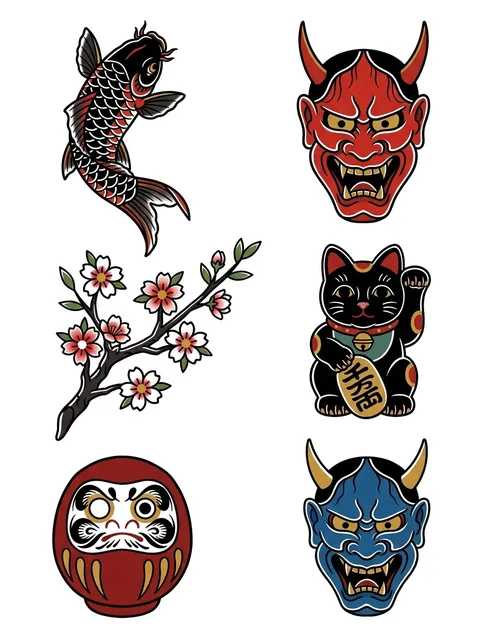
Color flash cherry blossom and koi tattoo design: a maneki-neko lucky cat and a daruma doll Try it on — Color flash cherry blossom and koi tattoo design: a maneki-neko lucky cat and a daruma doll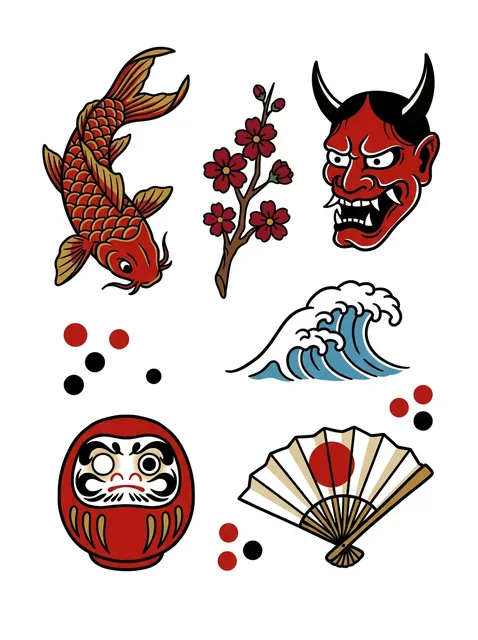
Color patchwork cherry blossom and koi tattoo design: a breaking wave, a daruma doll, a folding fan Try it on — Color patchwork cherry blossom and koi tattoo design: a breaking wave, a daruma doll, a folding fan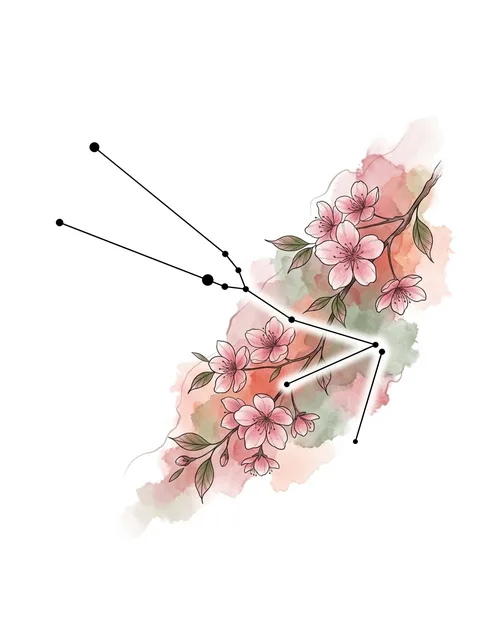
Color watercolor cherry blossom and taurus tattoo design Try it on — Color watercolor cherry blossom and taurus tattoo design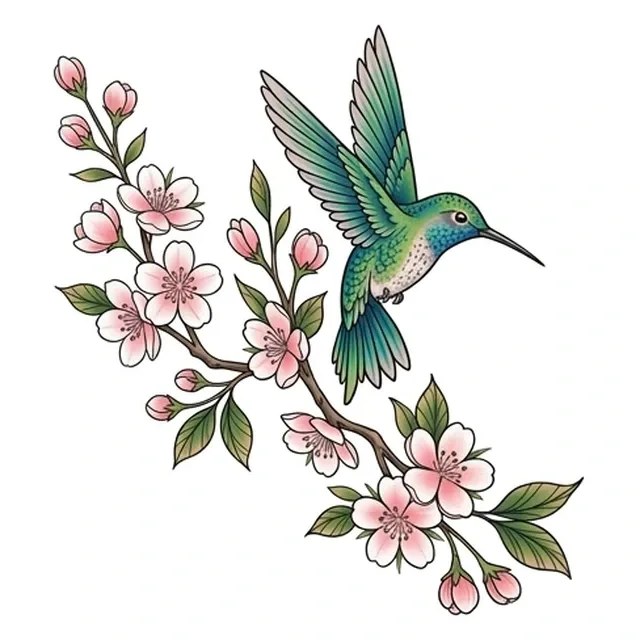
Color illustrative cherry blossom and hummingbird tattoo design: a hummingbird in flight Try it on — Color illustrative cherry blossom and hummingbird tattoo design: a hummingbird in flight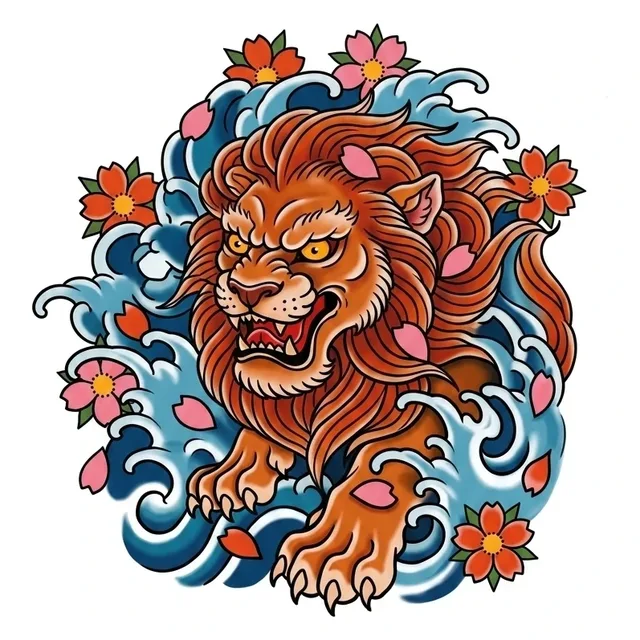
Color Japanese cherry blossom and lion tattoo design: a fierce orange lion with a flowing mane Try it on — Color Japanese cherry blossom and lion tattoo design: a fierce orange lion with a flowing mane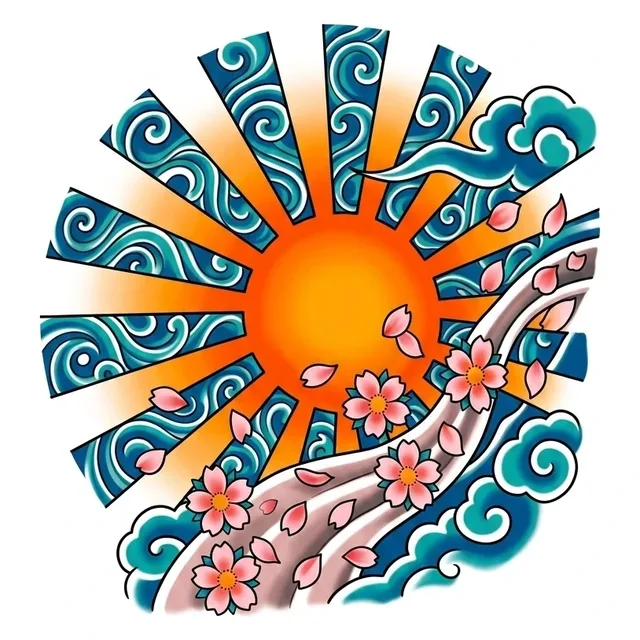
Color Japanese cherry blossom and sun tattoo design: a rising sun with stylized rays filled Try it on — Color Japanese cherry blossom and sun tattoo design: a rising sun with stylized rays filled


Tap any design to see it on your own skin in the try-on — no signup.
This set of 70 cherry blossom designs, by the numbers
- Styles represented
- illustrative (17), japanese asian (16), neo traditional (10), traditional (7), linework (5), dotwork (3)
- Black-and-grey vs colour
- 41% black-and-grey, 59% colour
- Most often drawn with
- flower, leaf, wave, koi
Counted from the 70 designs shown on this page. Every one was drawn for InkCraft — none are scraped or reposted. Free to reference with a link to this page.
What a cherry blossom tattoo means
The cherry blossom means mortality, and it means it more directly than almost any other flower. Sakura bloom for roughly a week and then fall while still perfect rather than wilting — so the flower stands for a life that is beautiful because it is short, not in spite of it. That is the entire reading, and everything else follows from it.
This makes it one of the most common memorial flowers, but a specific kind of memorial: it suits someone who died young or suddenly far better than someone who lived a long life. Falling and scattered petals carry that meaning; a branch in full unfallen bloom does not, and the difference is the single most important choice on the design.
In Japanese tradition the association runs deeper than sentiment. Mono no aware — the pathos of impermanence — is a central aesthetic idea, and hanami, the practice of gathering to view the blossom, is a national ritual precisely because the window is so brief. The flower is a scheduled annual reminder that things end.
It also functions as filler in a way few motifs do. In Japanese-style work, blossoms and wind bars fill the space around a main subject and carry the composition, which is why cherry blossom appears alongside tigers, snakes and skulls throughout our set rather than only as a standalone piece.
Where the design comes from
Sakura has been central to Japanese poetry since the Heian period, when it displaced plum as the flower meant by the unqualified word "blossom". Its adoption into irezumi came through the same woodblock tradition that supplied the tiger and the dragon, where blossom and wind bars did the compositional work around a central figure. Its association with the samurai — a life that should end at its height rather than decline — is the reading most often quoted in the West, though it was substantially amplified by twentieth-century nationalism and is less central to the older poetry than it is usually made to sound.
Choosing yours
- A branch wants a long curved field and it is one of the few designs that genuinely improves on a curve: forearm, collarbone, the line of the ribs, down a calf. This is the rare subject where a flat placement is the compromise rather than the ideal.
- Individual blossoms are small five-petal shapes, and small shapes with internal detail merge first. A branch of them below roughly 10 cm turns into a line of grey dots within years. If you want something small, take a few large blossoms rather than many little ones.
- Scattered petals are the element people leave out and later wish they had included. They cost almost nothing in time or money, they carry the actual meaning of the motif, and they solve the composition problem of a branch that would otherwise end abruptly at the edge of the design.
Size, cost and placement
How big, and what it costs
A small branch with a few blossoms is a 10-12 cm, two-hour piece. Cost scales with blossom count rather than area, since each flower is a separate small drawing — which is why a long delicate branch down a forearm can cost more than a single larger design.
Where it sits, and how much it hurts
This is the rare motif that genuinely improves on a curve: forearm, collarbone, the line of the ribs, down a calf. A flat placement is the compromise here rather than the ideal. The collarbone and ribs are the painful options and also the two that suit the shape best.
What to ask your artist
- To include scattered falling petals — they carry the actual meaning and cost almost nothing to add.
- Whether it is sakura or plum, because they look similar and mean opposite things.
- At your size, whether to use fewer large blossoms rather than many small ones that will merge.
Prices vary widely by city and artist — treat these as session lengths rather than quotes, and expect a shop minimum on anything small. The cost guide turns hours into money by size, placement and style.
Common questions
Cherry blossom or plum blossom?
They are drawn similarly and mean different things — sakura is impermanence, plum is endurance, since it flowers in the cold before spring. Worth naming which one you want, because artists will ask.
Does a cherry blossom tattoo have to be pink?
No. Roughly two-thirds of our cherry blossom designs are black-and-grey, and the shape and the falling petals carry the meaning without colour.
What do falling petals mean?
They are the whole point of the motif — a life that ends at its height rather than fading. A branch in full unfallen bloom is a considerably weaker version of the same image.
What a cherry blossom tattoo can mean
The meanings this motif carries on the pages that argue them. Each line is that page's own reason for including it.
- Growth tattoos
- Growth that is explicitly brief. In Japanese work the whole point is that it falls, so it marks a change you know will not last rather than one you hope will.
See it on your skin before you commit
InkCraft places any of these designs on a photo of you — scaled, wrapped and shaded to the placement you pick.