 InkCraft
80 Heart Tattoo Ideas, Stencils and Meaning
80 original heart designs drawn for InkCraftBy Uladzimir TumanauUpdated
Opens in your browser. No signup. Or tap any design below.
Traditional and banner-bound, or anatomical and unsentimental — two motifs sharing a name. A plain one survives ink spread better than nearly anything; an anatomical heart is the opposite and wants 10 cm or more.
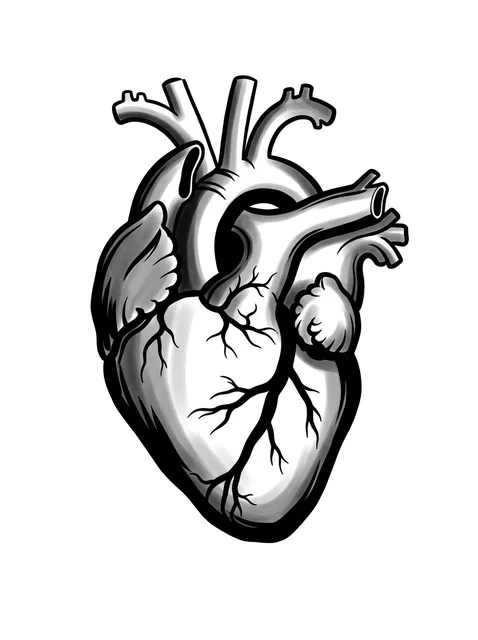
Black and grey illustrative heart tattoo design: an anatomical heart (1 of 3) Try it on — Black and grey illustrative heart tattoo design: an anatomical heart (1 of 3)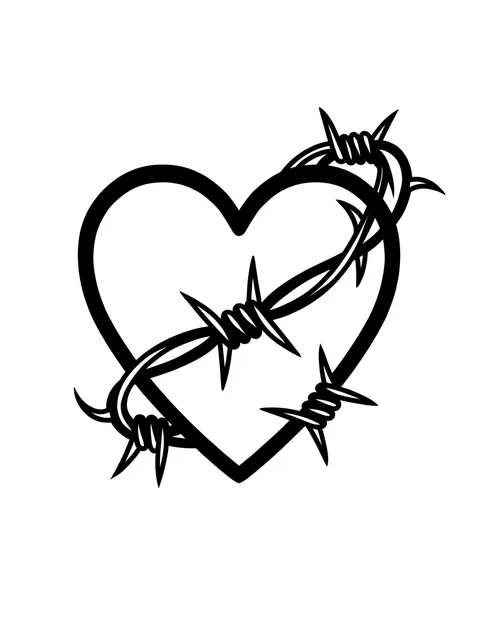
Black and white linework heart tattoo design, outline stencil Try it on — Black and white linework heart tattoo design, outline stencil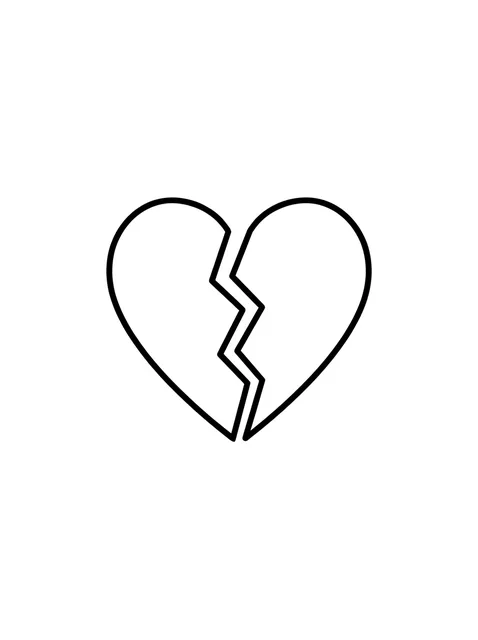
Black and white minimalist heart tattoo design, outline stencil: a broken heart Try it on — Black and white minimalist heart tattoo design, outline stencil: a broken heart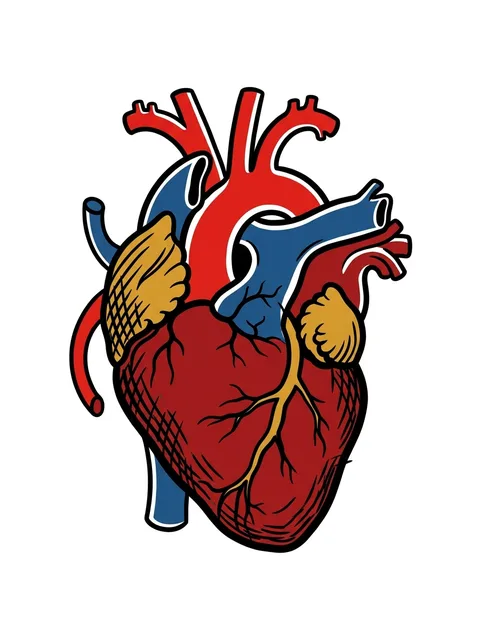
Color traditional heart tattoo design: an anatomical heart Try it on — Color traditional heart tattoo design: an anatomical heart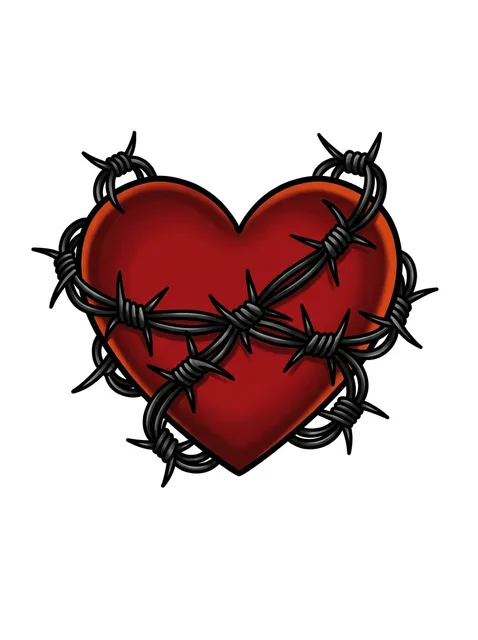
Color traditional heart tattoo design: a vibrant red heart wrapped Try it on — Color traditional heart tattoo design: a vibrant red heart wrapped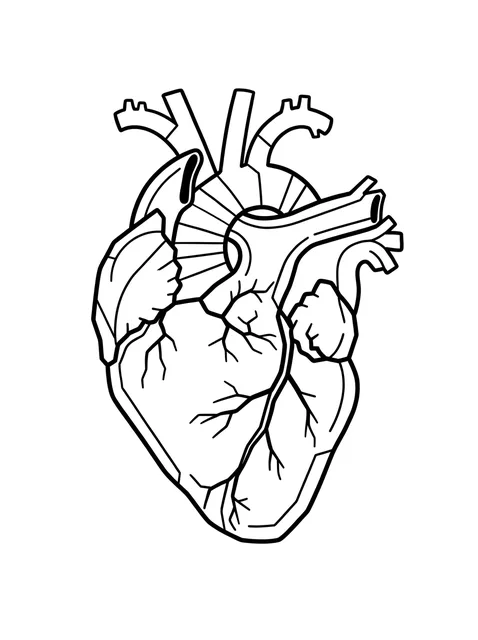
Black and white linework heart tattoo design, outline stencil: an anatomical heart (1 of 3) Try it on — Black and white linework heart tattoo design, outline stencil: an anatomical heart (1 of 3)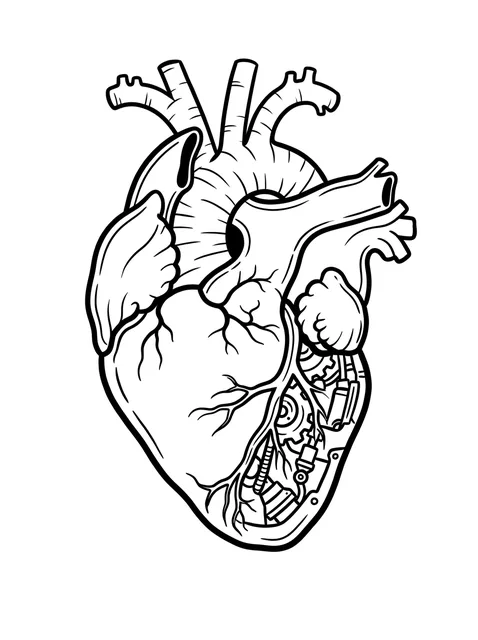
Black and white illustrative heart tattoo design: an anatomical heart (1 of 2) Try it on — Black and white illustrative heart tattoo design: an anatomical heart (1 of 2)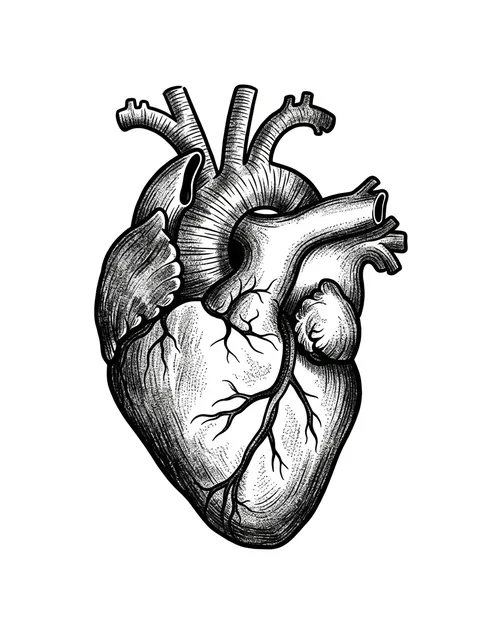
Black and grey illustrative heart tattoo design: an anatomical heart (2 of 3) Try it on — Black and grey illustrative heart tattoo design: an anatomical heart (2 of 3)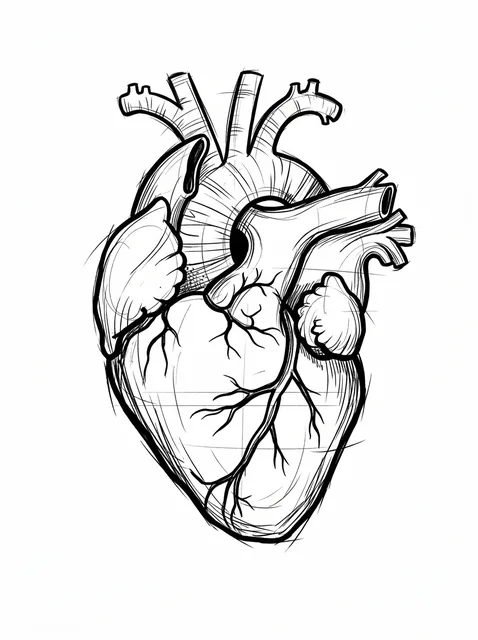
Black and white illustrative heart tattoo design: an anatomical heart (2 of 2) Try it on — Black and white illustrative heart tattoo design: an anatomical heart (2 of 2)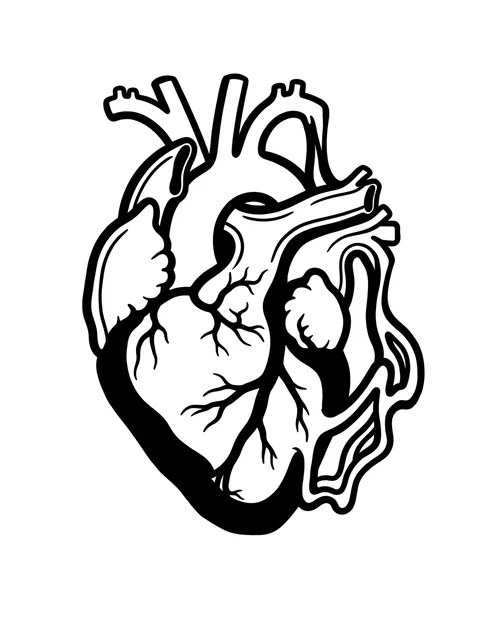
Black and white linework heart tattoo design, outline stencil: an anatomical heart (2 of 3) Try it on — Black and white linework heart tattoo design, outline stencil: an anatomical heart (2 of 3)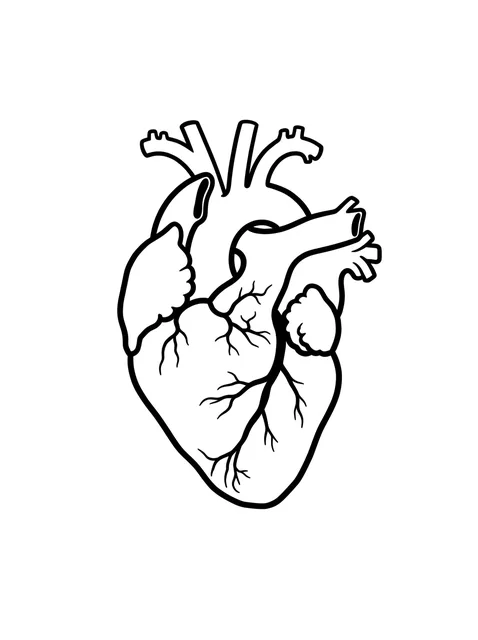
Black and white linework heart tattoo design, outline stencil: an anatomical heart (3 of 3) Try it on — Black and white linework heart tattoo design, outline stencil: an anatomical heart (3 of 3)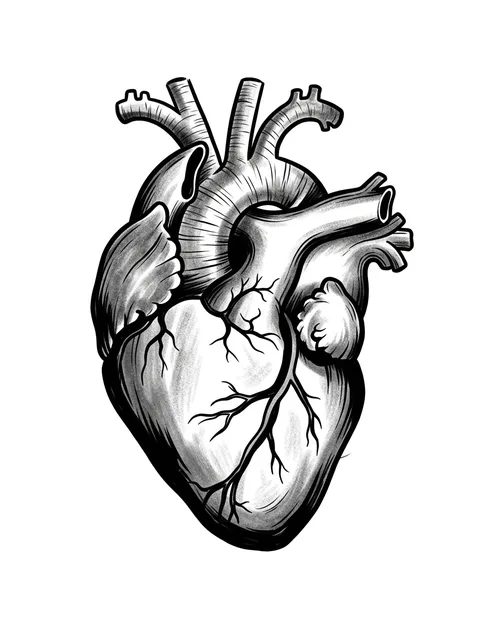
Black and grey illustrative heart tattoo design: an anatomical heart (3 of 3) Try it on — Black and grey illustrative heart tattoo design: an anatomical heart (3 of 3)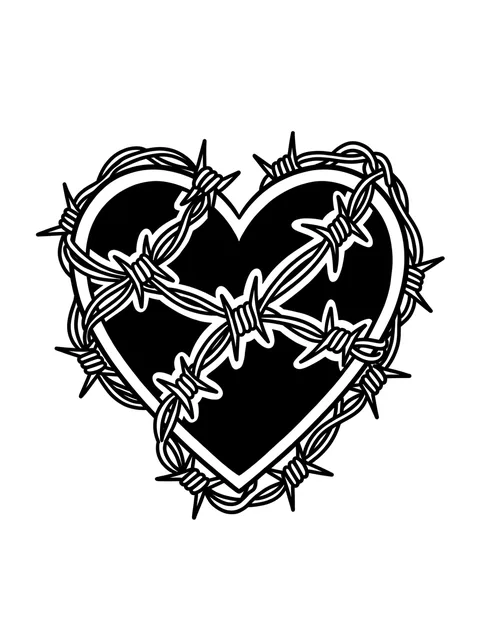
Black and grey traditional heart tattoo design: a black heart wrapped in barbed wire Try it on — Black and grey traditional heart tattoo design: a black heart wrapped in barbed wire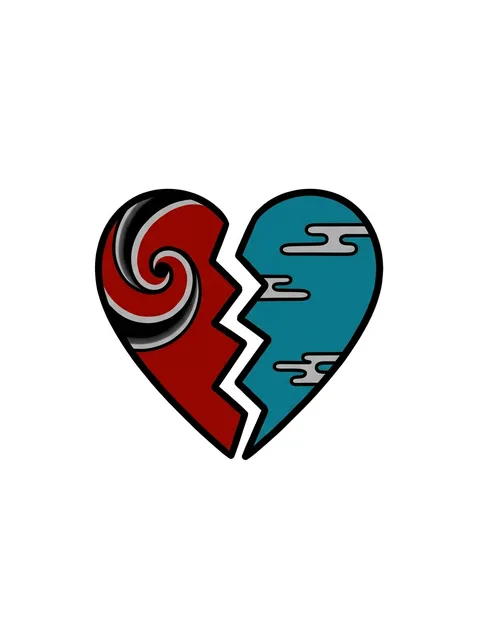
Color neo traditional heart tattoo design: a black and grey spiral pattern Try it on — Color neo traditional heart tattoo design: a black and grey spiral pattern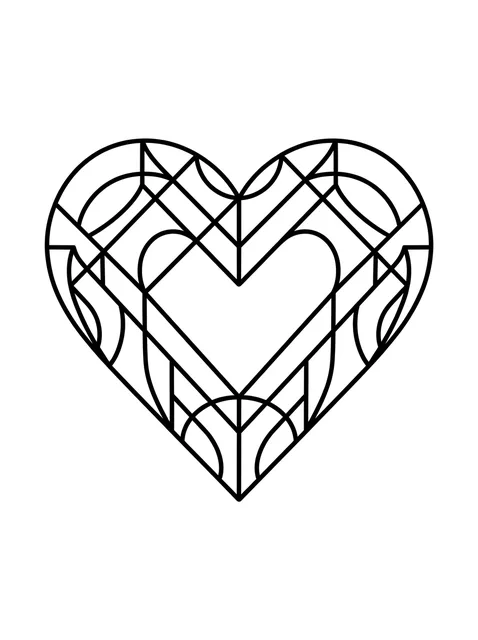
Black and grey ornamental heart tattoo design Try it on — Black and grey ornamental heart tattoo design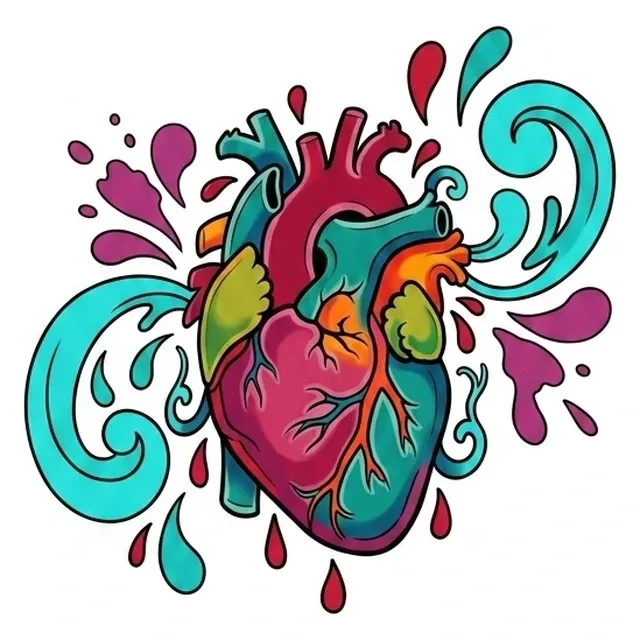
Color new school heart tattoo design: an anatomical heart bursting Try it on — Color new school heart tattoo design: an anatomical heart bursting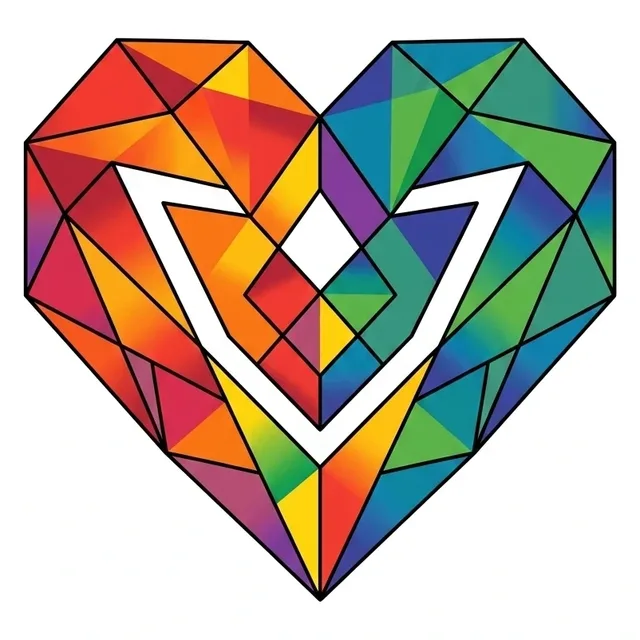
Color geometric heart tattoo design, outline stencil: a full spectrum of rainbow colors Try it on — Color geometric heart tattoo design, outline stencil: a full spectrum of rainbow colors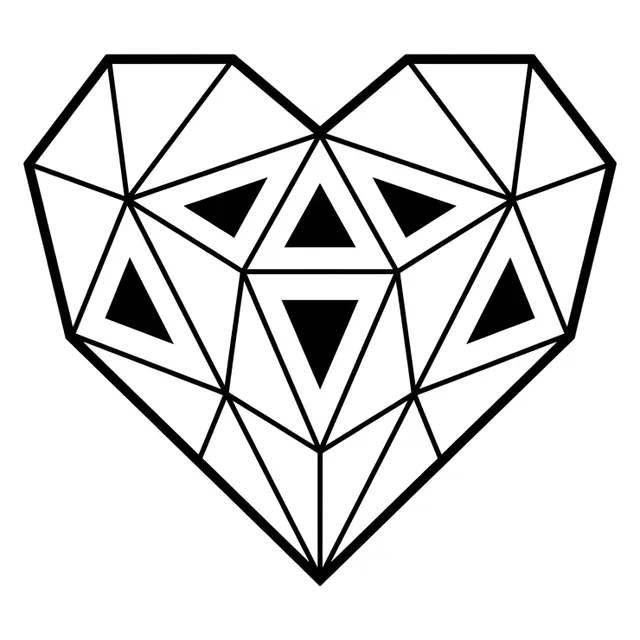
Black and white geometric heart tattoo design, outline stencil Try it on — Black and white geometric heart tattoo design, outline stencil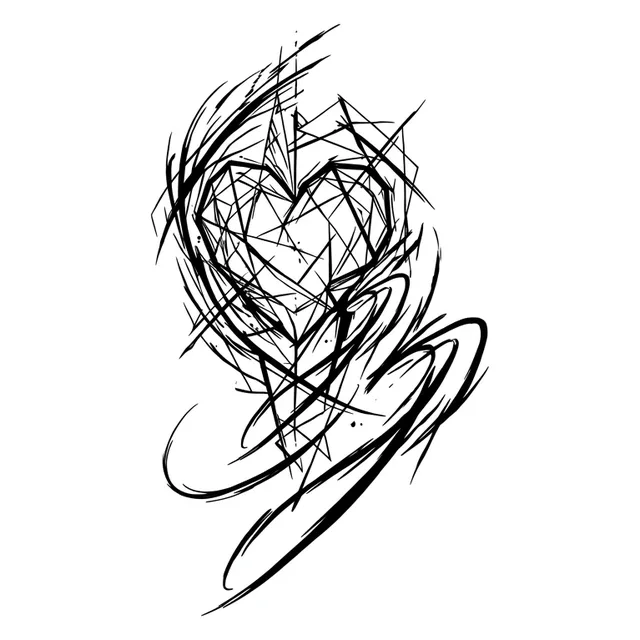
Black and grey illustrative heart tattoo design Try it on — Black and grey illustrative heart tattoo design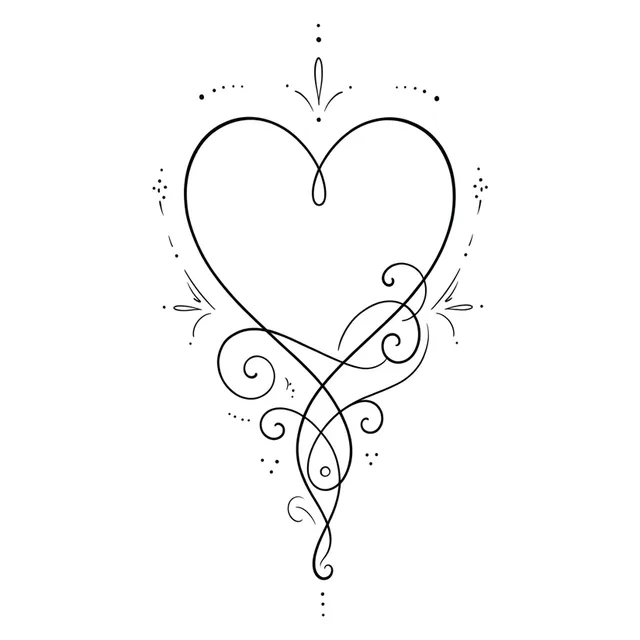
Black and white fine line heart tattoo design, outline stencil: a heart shape intertwined Try it on — Black and white fine line heart tattoo design, outline stencil: a heart shape intertwined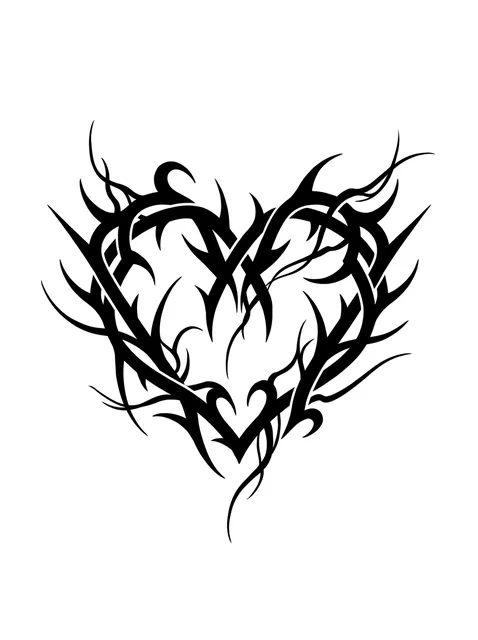
Black and white tribal heart tattoo design Try it on — Black and white tribal heart tattoo design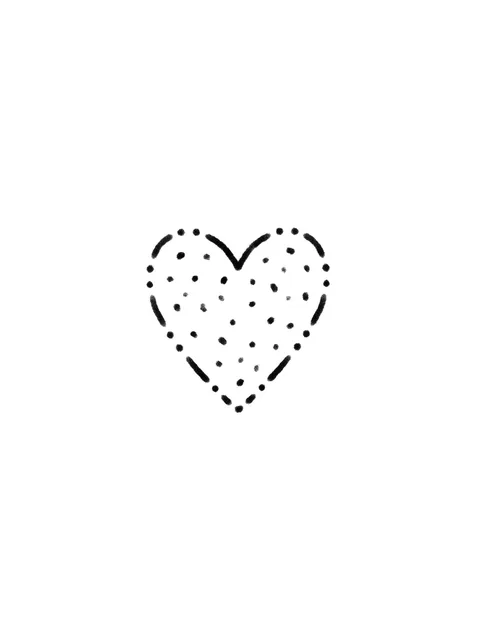
Black and grey stick and poke heart tattoo design Try it on — Black and grey stick and poke heart tattoo design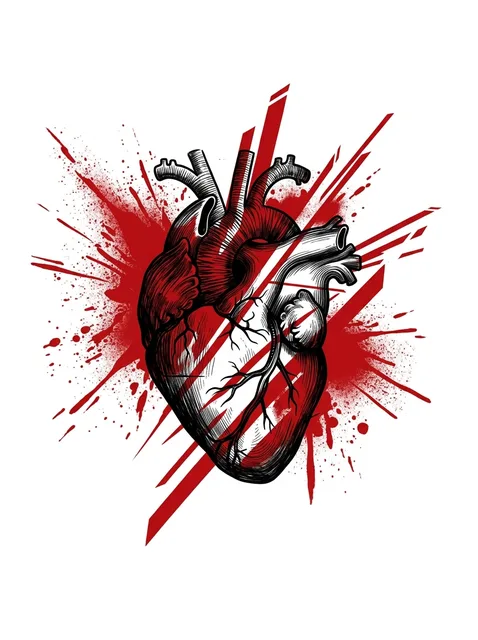
Color trash polka heart tattoo design: a detailed anatomical heart Try it on — Color trash polka heart tattoo design: a detailed anatomical heart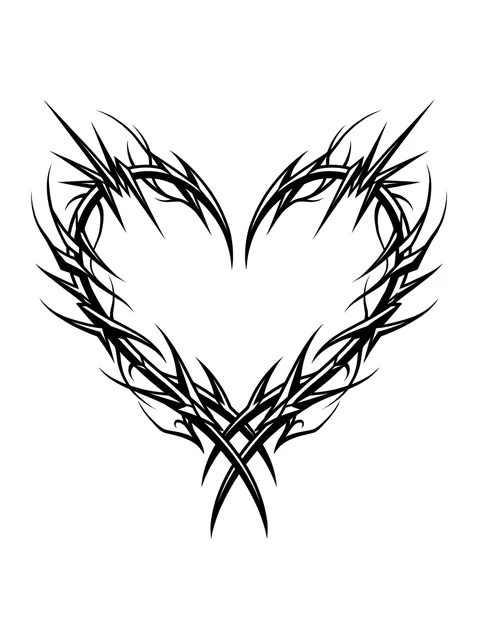
Black and grey cybersigilism heart tattoo design Try it on — Black and grey cybersigilism heart tattoo design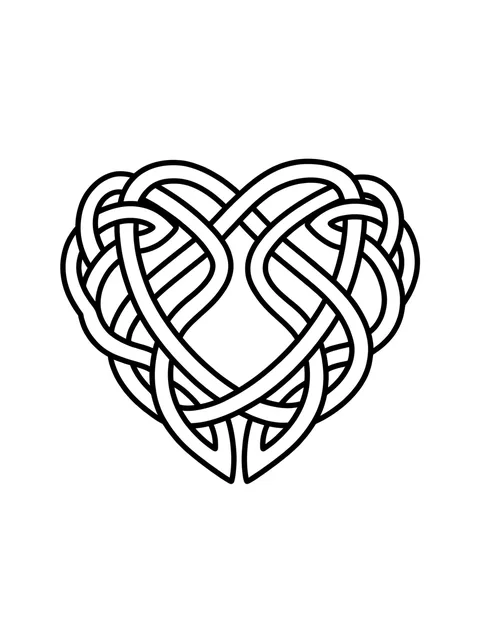
Black and grey celtic heart tattoo design: a single unbroken knotwork band Try it on — Black and grey celtic heart tattoo design: a single unbroken knotwork band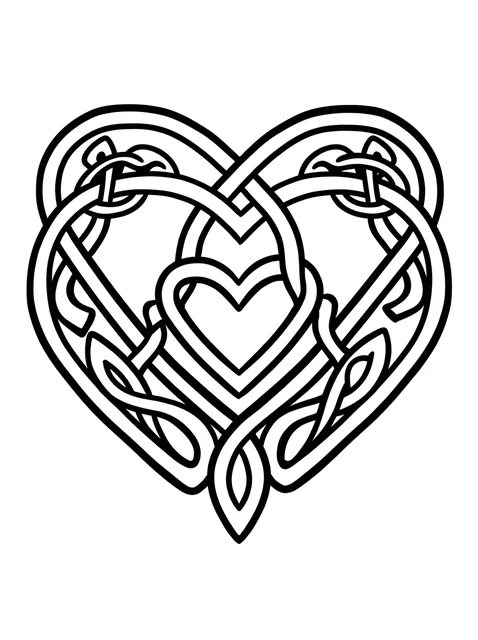
Black and grey celtic heart tattoo design Try it on — Black and grey celtic heart tattoo design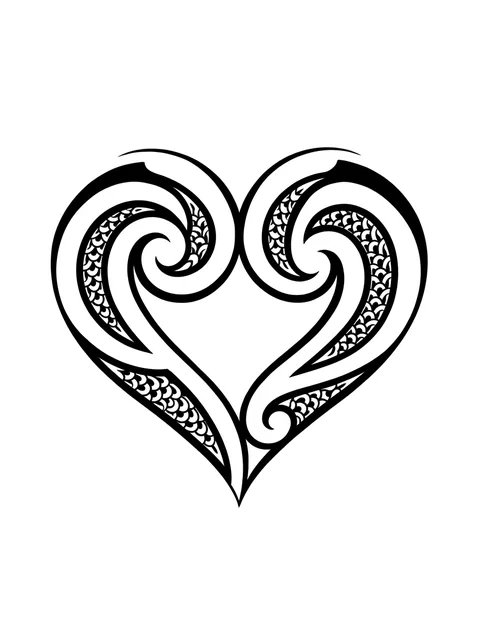
Black and grey polynesian heart tattoo design Try it on — Black and grey polynesian heart tattoo design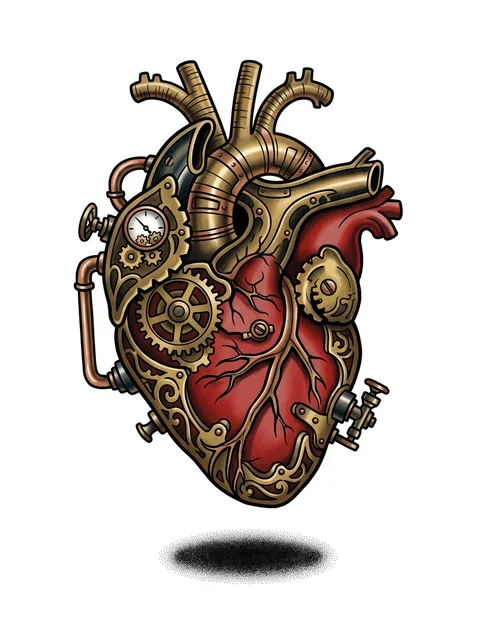
Color 3D heart tattoo design Try it on — Color 3D heart tattoo design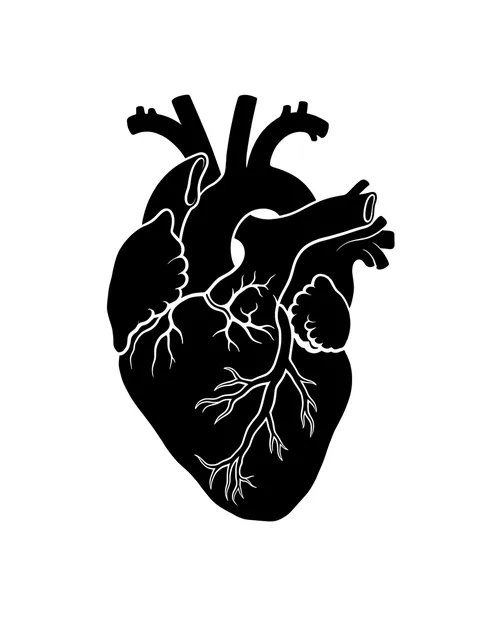
Black and white blackout heart tattoo design Try it on — Black and white blackout heart tattoo design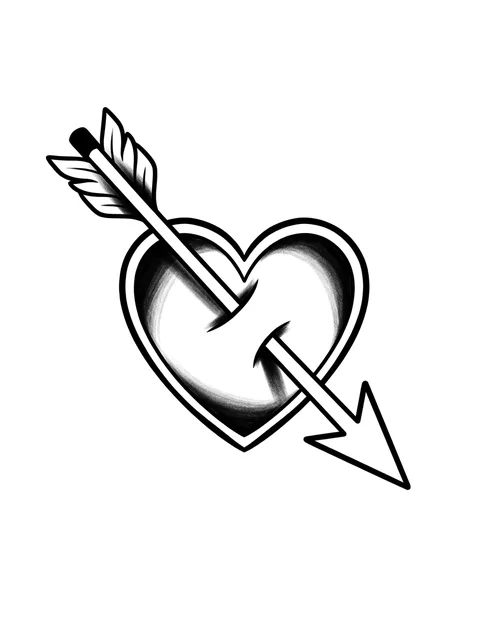
Black and grey traditional heart and arrow tattoo design: a heart pierced by an arrow (1 of 2) Try it on — Black and grey traditional heart and arrow tattoo design: a heart pierced by an arrow (1 of 2)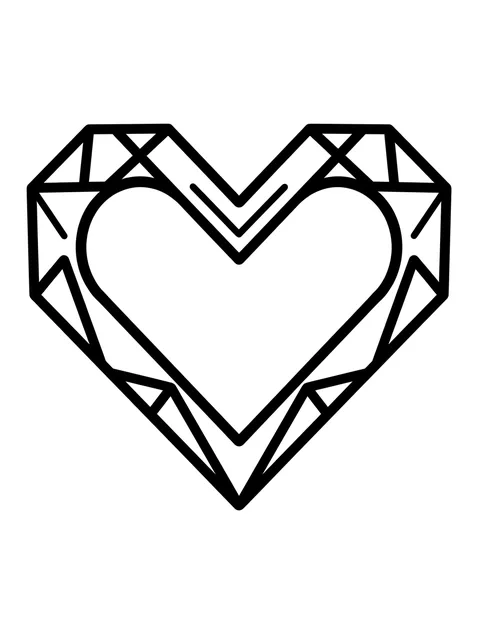
Black and white geometric heart and diamond tattoo design, outline stencil Try it on — Black and white geometric heart and diamond tattoo design, outline stencil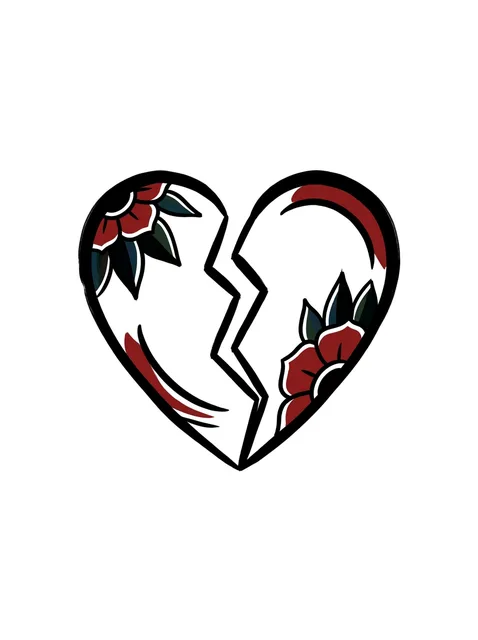
Color traditional heart and flower tattoo design Try it on — Color traditional heart and flower tattoo design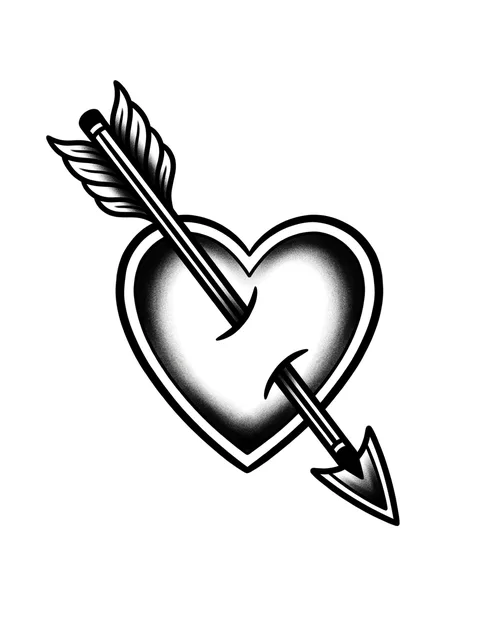
Black and grey traditional heart and arrow tattoo design: a heart pierced by an arrow (2 of 2) Try it on — Black and grey traditional heart and arrow tattoo design: a heart pierced by an arrow (2 of 2)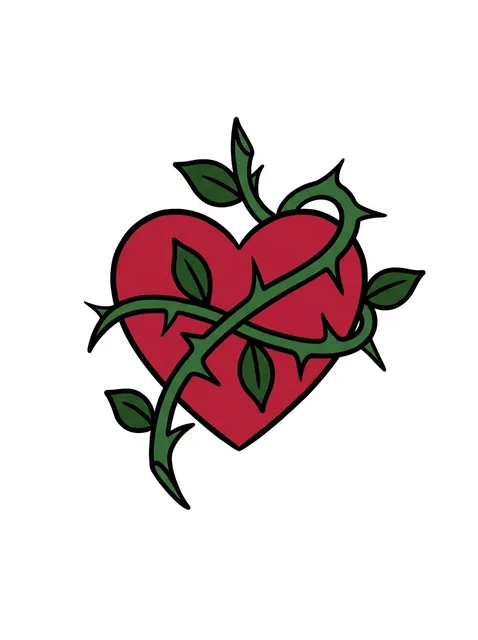
Color traditional heart and vine tattoo design: a vibrant red heart entwined Try it on — Color traditional heart and vine tattoo design: a vibrant red heart entwined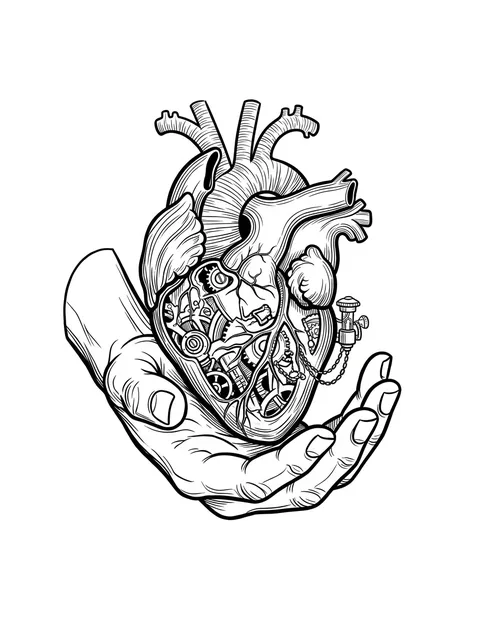
Black and grey illustrative heart and hand tattoo design: a human hand cradling an anatomical heart Try it on — Black and grey illustrative heart and hand tattoo design: a human hand cradling an anatomical heart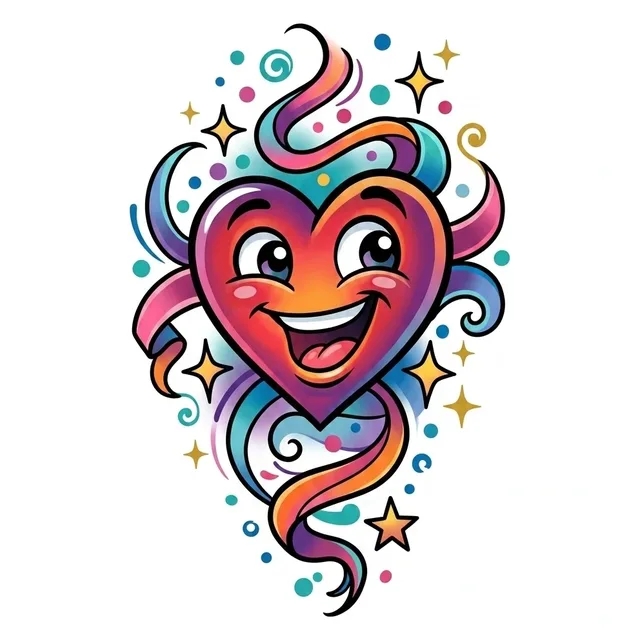
Color new school heart and star tattoo design: a cartoonish heart Try it on — Color new school heart and star tattoo design: a cartoonish heart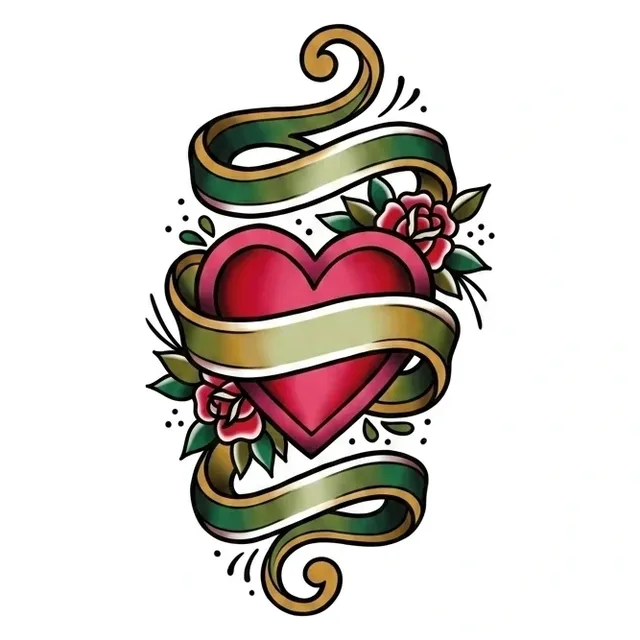
Color traditional heart and rose tattoo design Try it on — Color traditional heart and rose tattoo design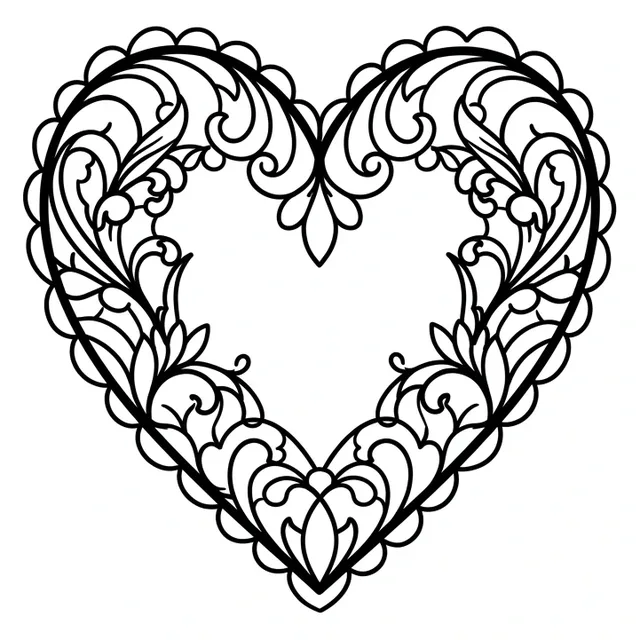
Black and grey ornamental heart and vine tattoo design (1 of 3) Try it on — Black and grey ornamental heart and vine tattoo design (1 of 3)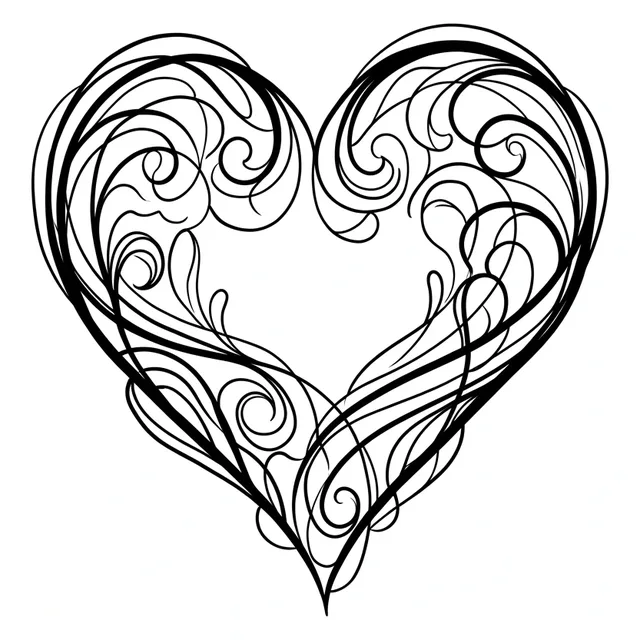
Black and grey ornamental heart and vine tattoo design (2 of 3) Try it on — Black and grey ornamental heart and vine tattoo design (2 of 3)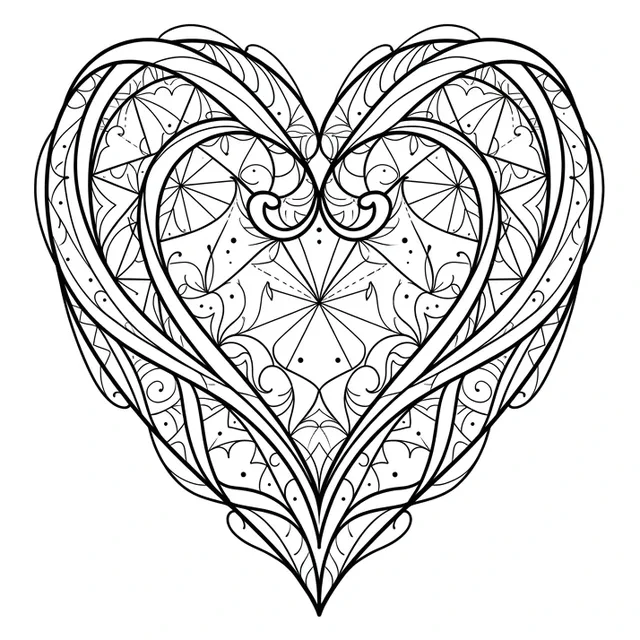
Black and grey ornamental heart and mandala tattoo design Try it on — Black and grey ornamental heart and mandala tattoo design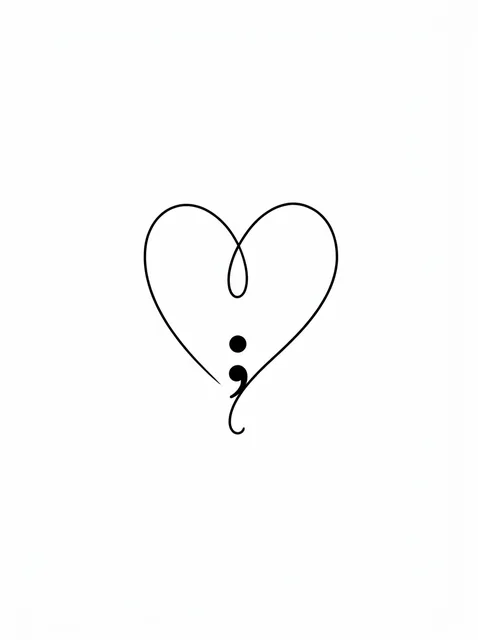
Black and white fine line heart and semicolon tattoo design, outline stencil: a heart outline Try it on — Black and white fine line heart and semicolon tattoo design, outline stencil: a heart outline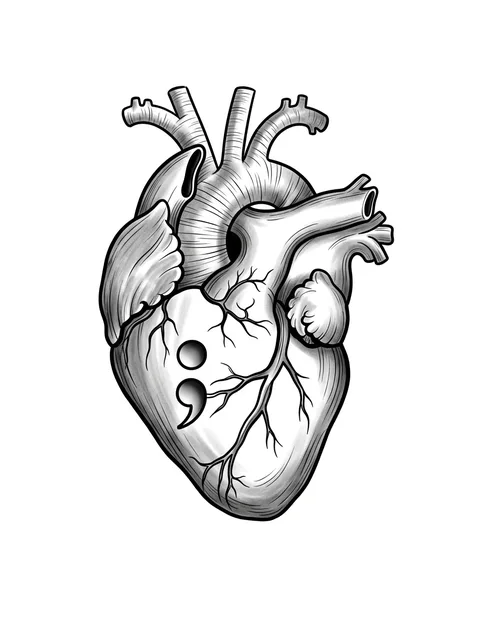
Black and grey illustrative heart and semicolon tattoo design: an anatomical heart Try it on — Black and grey illustrative heart and semicolon tattoo design: an anatomical heart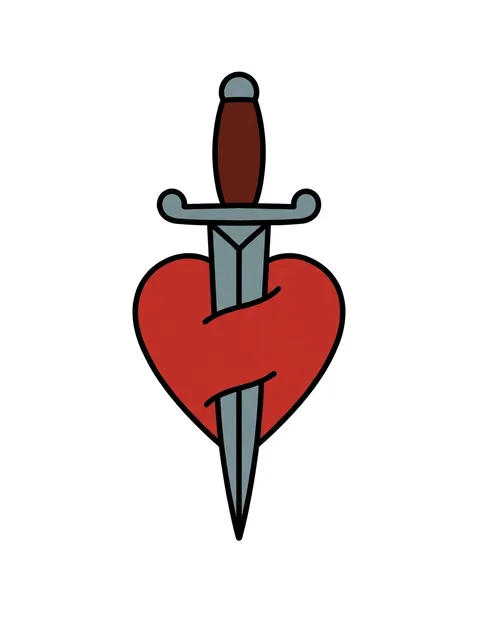
Color traditional heart and dagger tattoo design: a red heart pierced by a grey dagger Try it on — Color traditional heart and dagger tattoo design: a red heart pierced by a grey dagger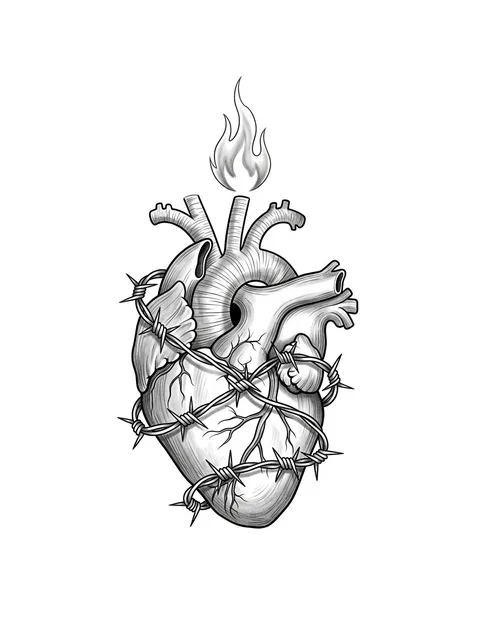
Black and grey illustrative heart and fire tattoo design: an anatomical heart wrapped in barbed wire Try it on — Black and grey illustrative heart and fire tattoo design: an anatomical heart wrapped in barbed wire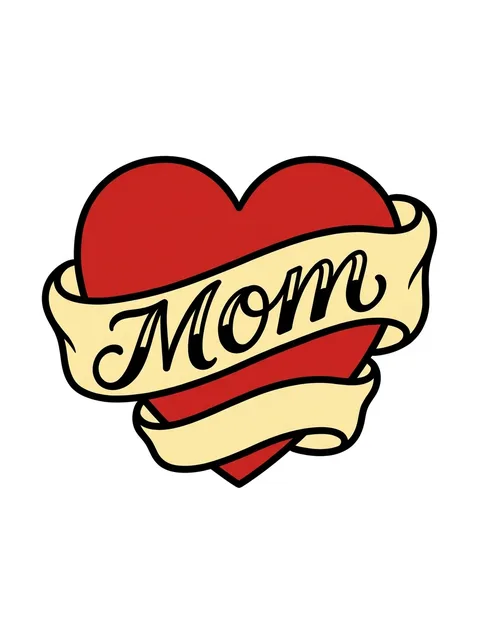
Color lettering heart and name tattoo design Try it on — Color lettering heart and name tattoo design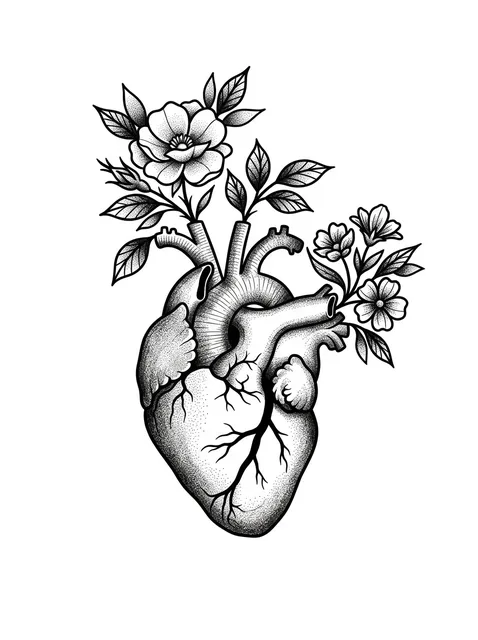
Black and grey dotwork heart and flower tattoo design: an anatomical heart (1 of 2) Try it on — Black and grey dotwork heart and flower tattoo design: an anatomical heart (1 of 2)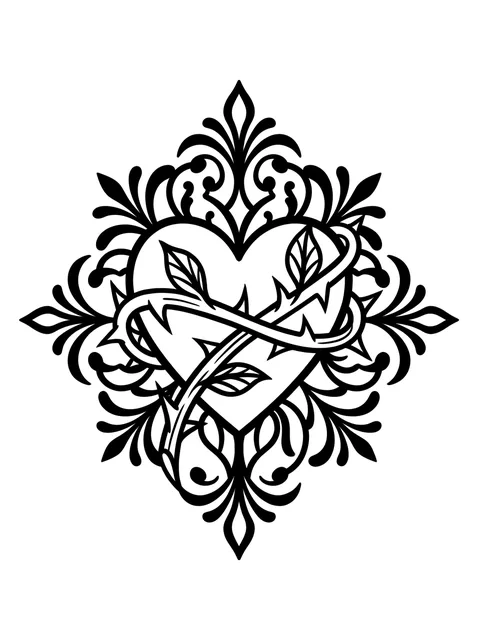
Black and grey ornamental heart and vine tattoo design (3 of 3) Try it on — Black and grey ornamental heart and vine tattoo design (3 of 3)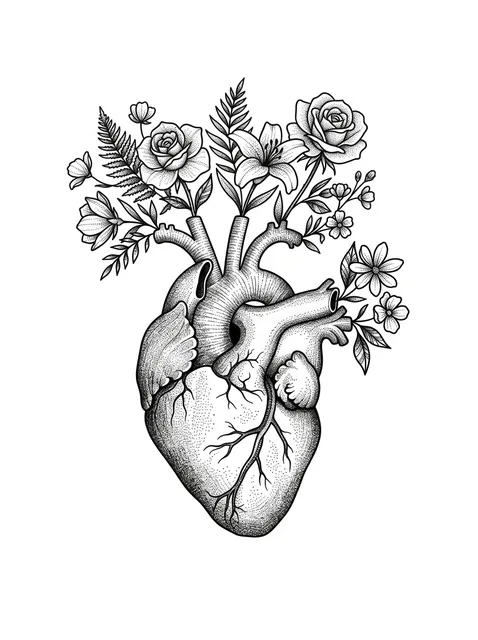
Black and grey dotwork heart and flower tattoo design: an anatomical heart (2 of 2) Try it on — Black and grey dotwork heart and flower tattoo design: an anatomical heart (2 of 2)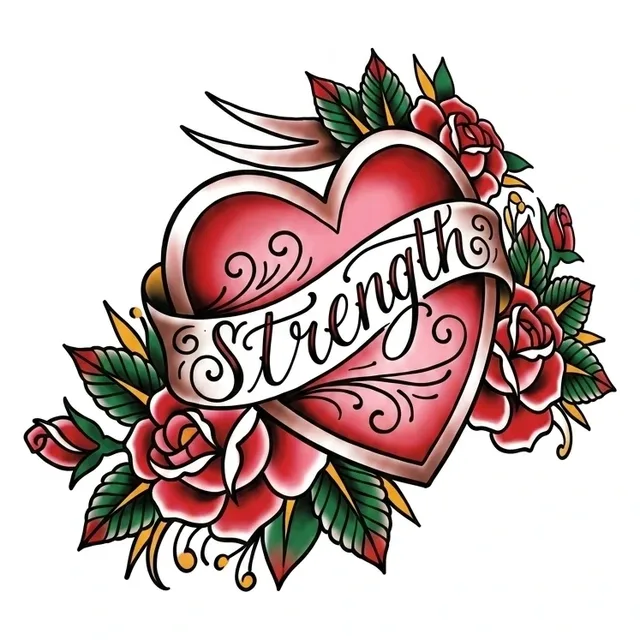
Color traditional heart and rose tattoo design: a red heart with a banner across it Try it on — Color traditional heart and rose tattoo design: a red heart with a banner across it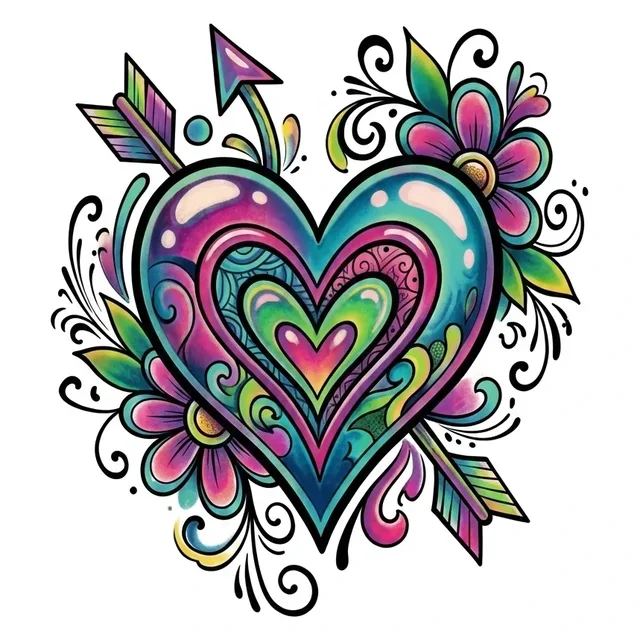
Color new school heart and flower tattoo design: a glossy, layered heart pierced by a colorful arrow Try it on — Color new school heart and flower tattoo design: a glossy, layered heart pierced by a colorful arrow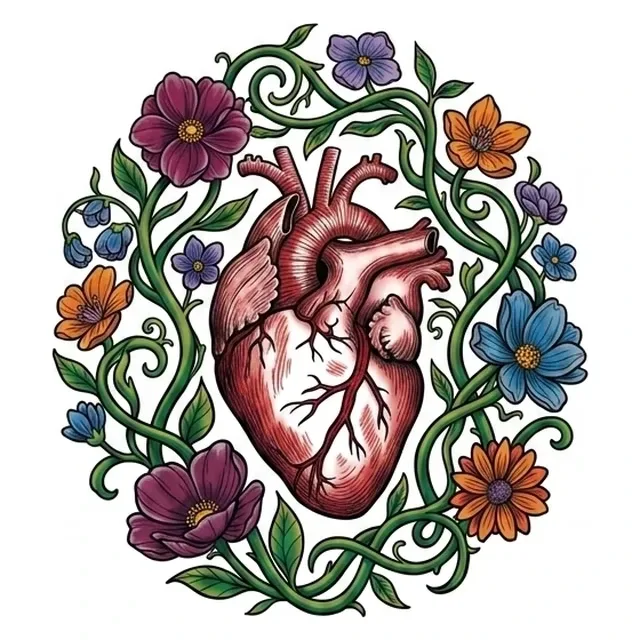
Color illustrative heart and flower tattoo design Try it on — Color illustrative heart and flower tattoo design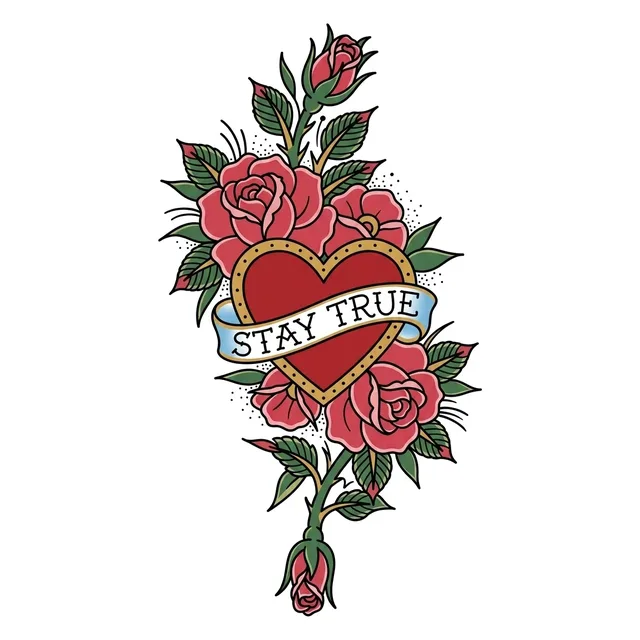
Color traditional heart and rose tattoo design: a red heart with a gold border, emblazoned Try it on — Color traditional heart and rose tattoo design: a red heart with a gold border, emblazoned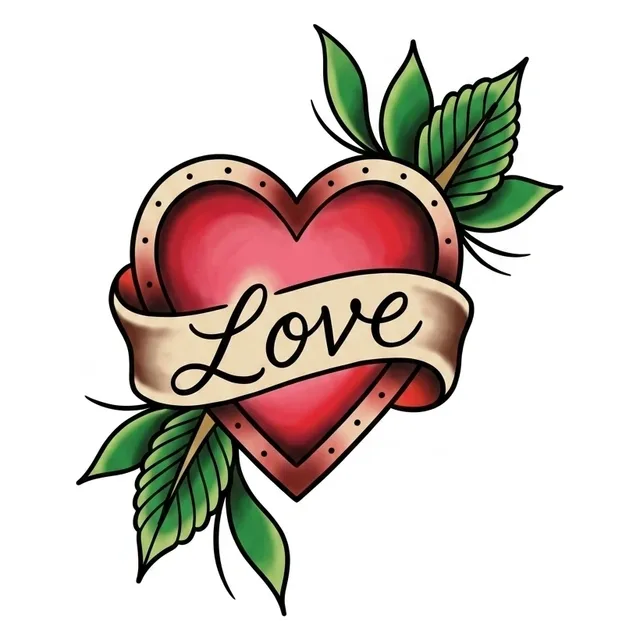
Color traditional heart and script quote tattoo design: a red heart with a banner across it Try it on — Color traditional heart and script quote tattoo design: a red heart with a banner across it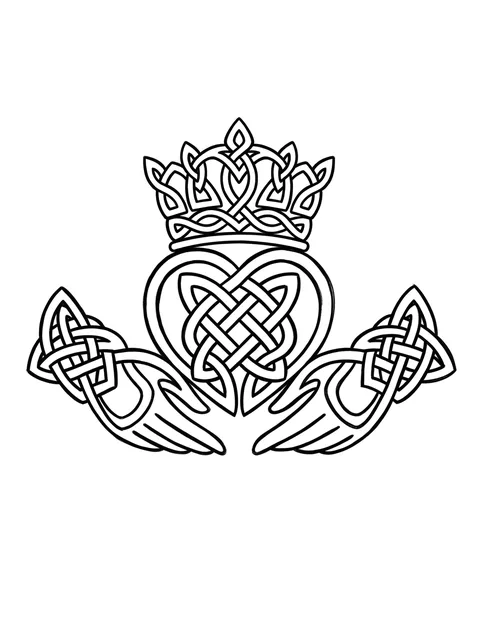
Black and grey celtic heart and hand tattoo design Try it on — Black and grey celtic heart and hand tattoo design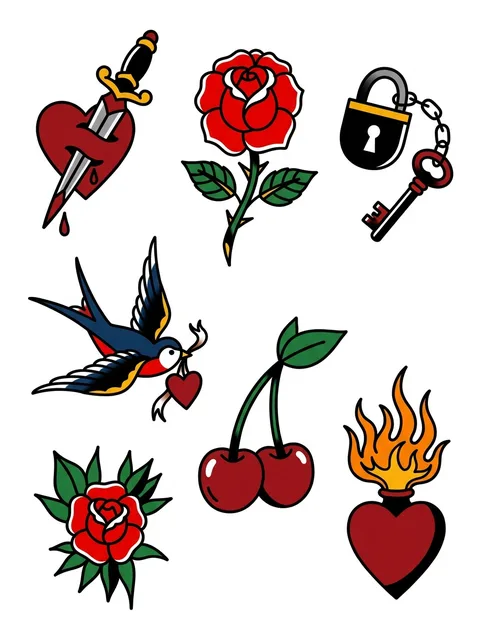
Color flash heart and rose tattoo design Try it on — Color flash heart and rose tattoo design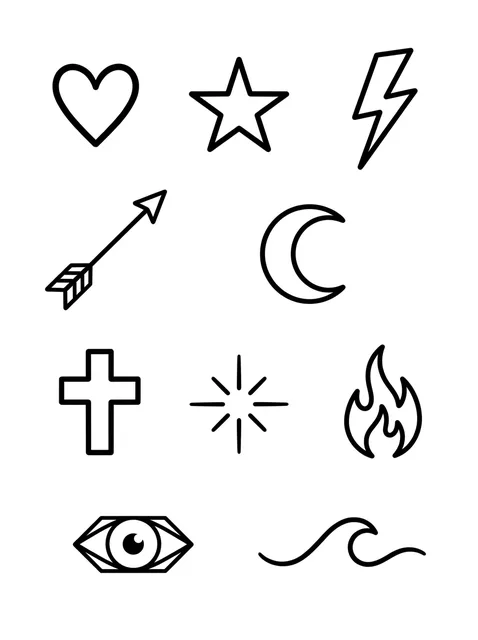
Black and grey flash heart and star tattoo design Try it on — Black and grey flash heart and star tattoo design
Color patchwork heart and sword tattoo design Try it on — Color patchwork heart and sword tattoo design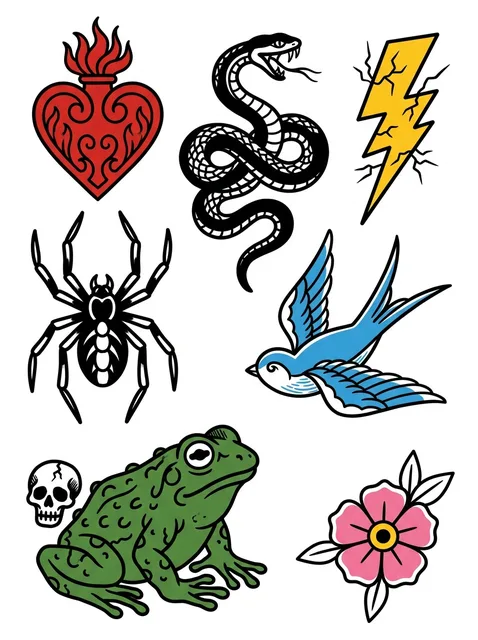
Color patchwork heart and swallow tattoo design Try it on — Color patchwork heart and swallow tattoo design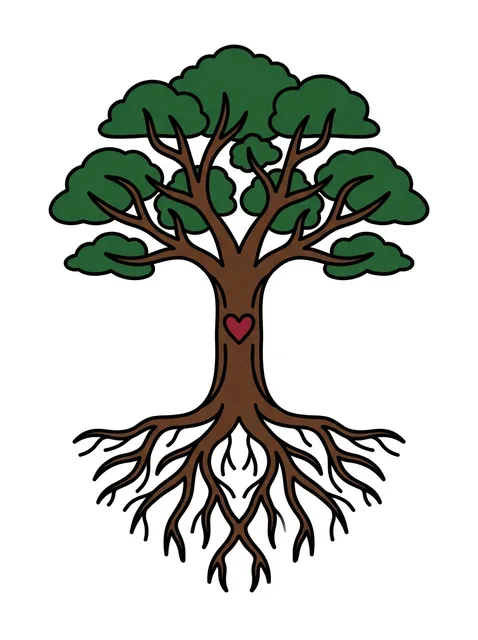
Color illustrative heart and tree tattoo design: a tree with a heart carved into its trunk Try it on — Color illustrative heart and tree tattoo design: a tree with a heart carved into its trunk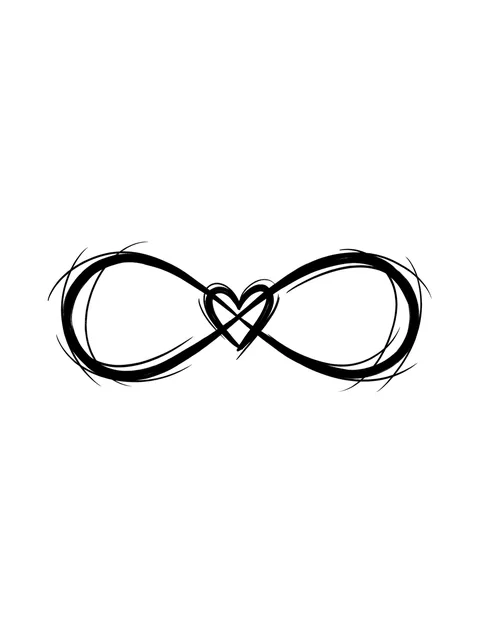
Black and white minimalist heart and infinity tattoo design, outline stencil (1 of 2) Try it on — Black and white minimalist heart and infinity tattoo design, outline stencil (1 of 2)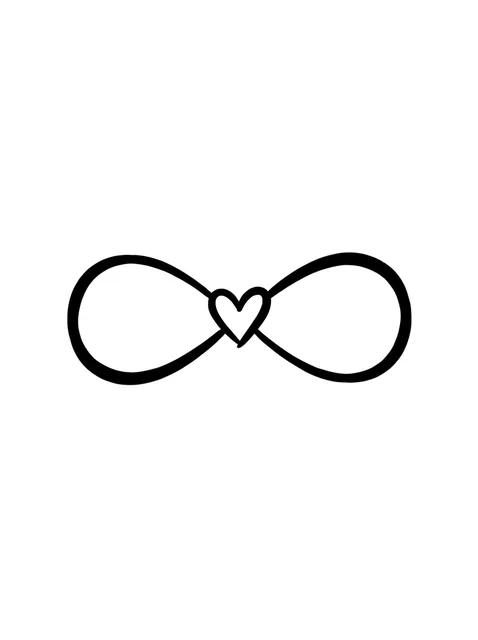
Black and white minimalist heart and infinity tattoo design, outline stencil (2 of 2) Try it on — Black and white minimalist heart and infinity tattoo design, outline stencil (2 of 2)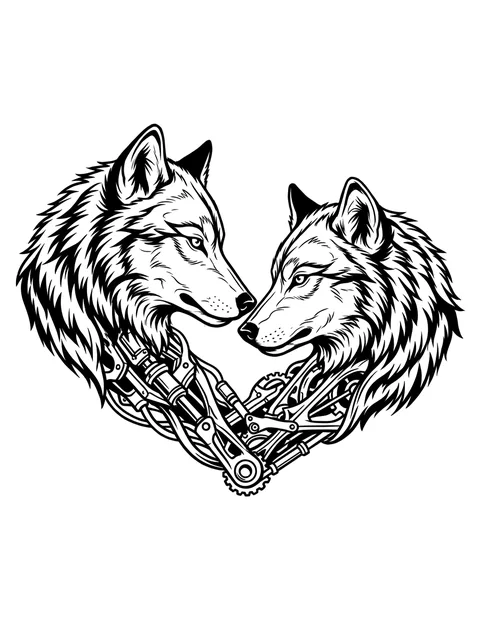
Black and white illustrative heart and wolf tattoo design: two wolf heads facing each other Try it on — Black and white illustrative heart and wolf tattoo design: two wolf heads facing each other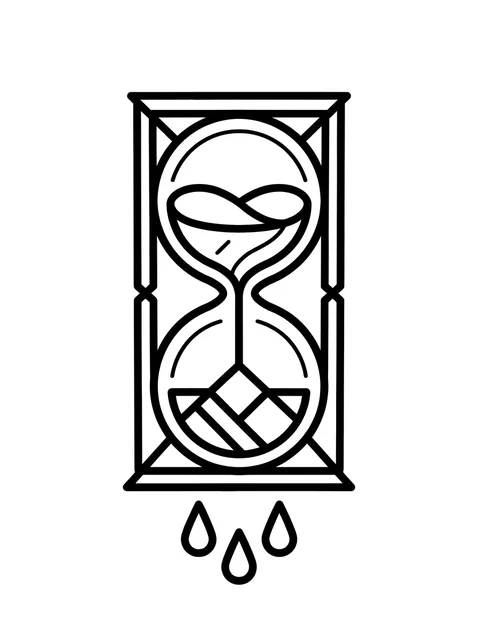
Black and white linework heart and hourglass tattoo design, outline stencil Try it on — Black and white linework heart and hourglass tattoo design, outline stencil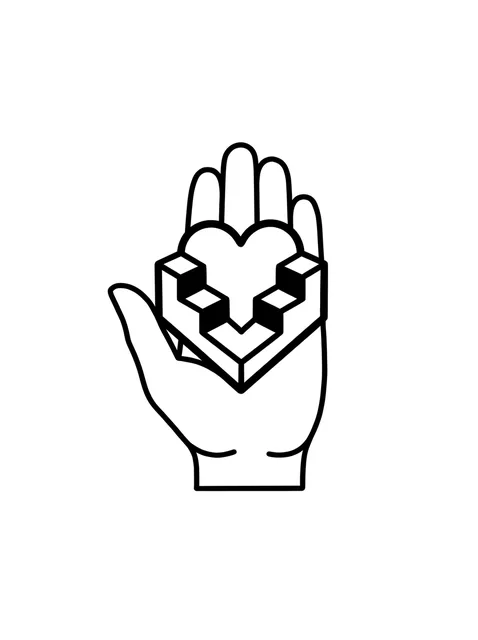
Black and white linework heart and hand tattoo design, outline stencil Try it on — Black and white linework heart and hand tattoo design, outline stencil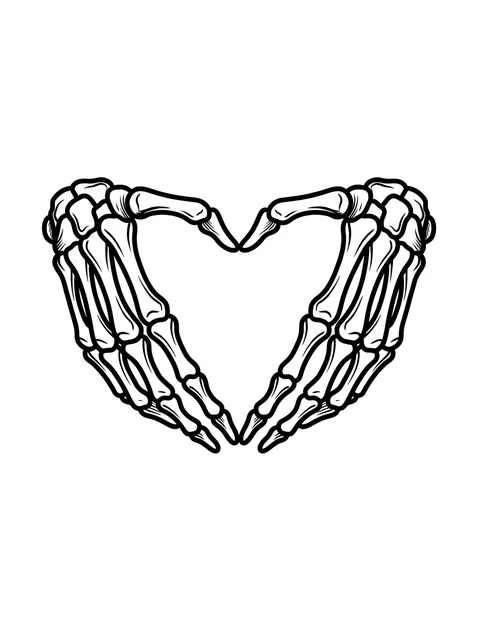
Black and grey traditional heart and skeleton hand tattoo design Try it on — Black and grey traditional heart and skeleton hand tattoo design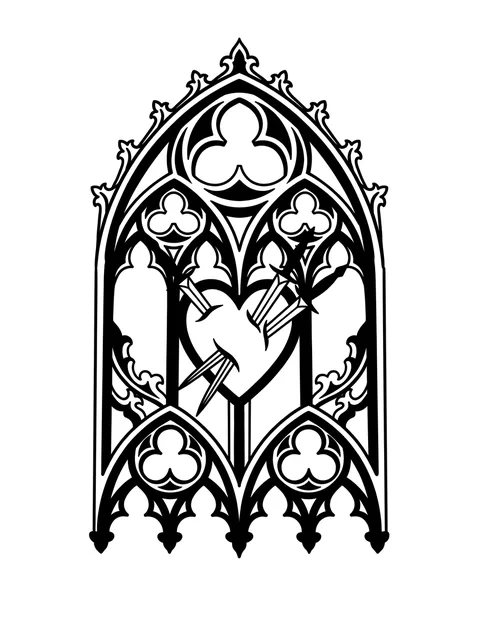
Black and grey gothic heart and rose window tattoo design: a heart pierced by three nails Try it on — Black and grey gothic heart and rose window tattoo design: a heart pierced by three nails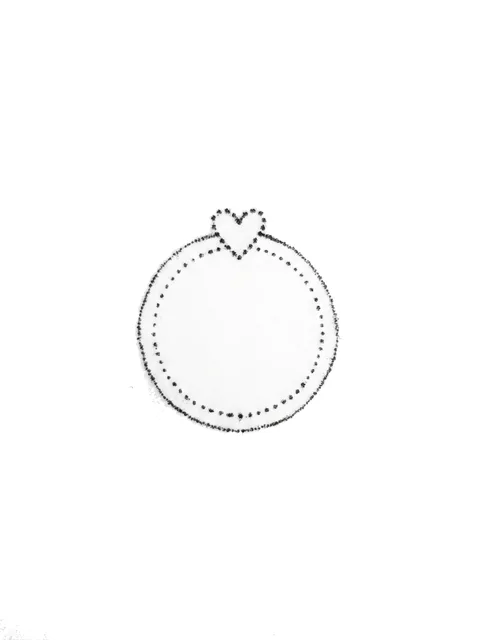
Black and grey stick and poke heart and ring tattoo design Try it on — Black and grey stick and poke heart and ring tattoo design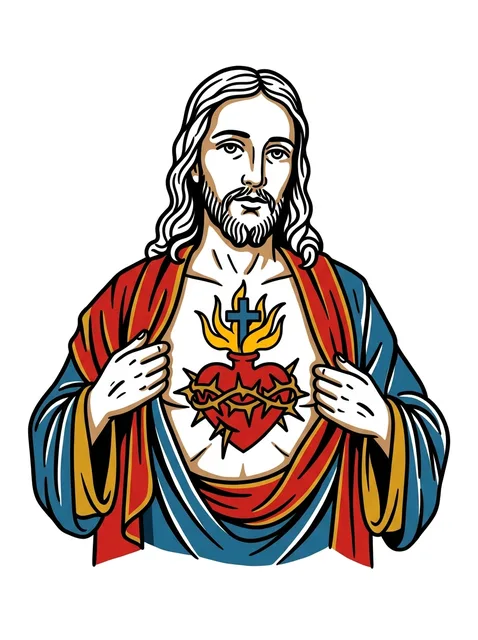
Color traditional heart and jesus tattoo design Try it on — Color traditional heart and jesus tattoo design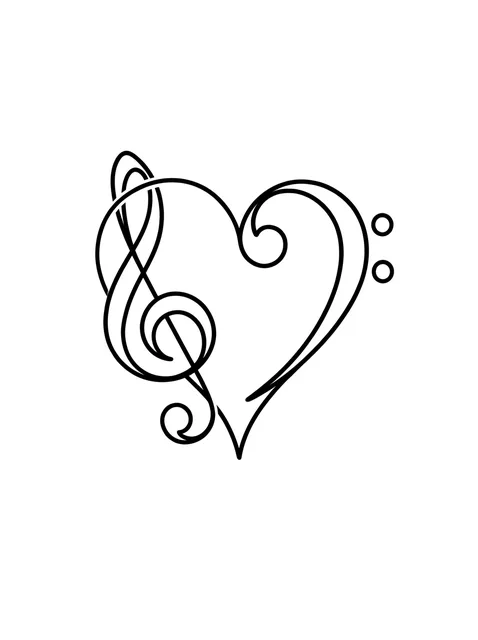
Black and white fine line heart and music note tattoo design, outline stencil Try it on — Black and white fine line heart and music note tattoo design, outline stencil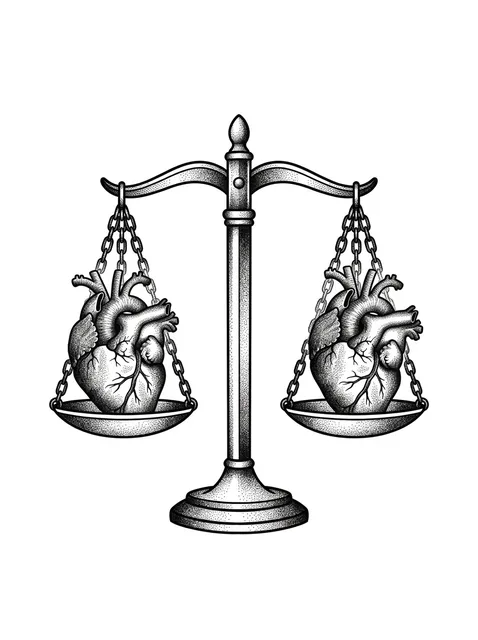
Black and grey illustrative heart and libra tattoo design Try it on — Black and grey illustrative heart and libra tattoo design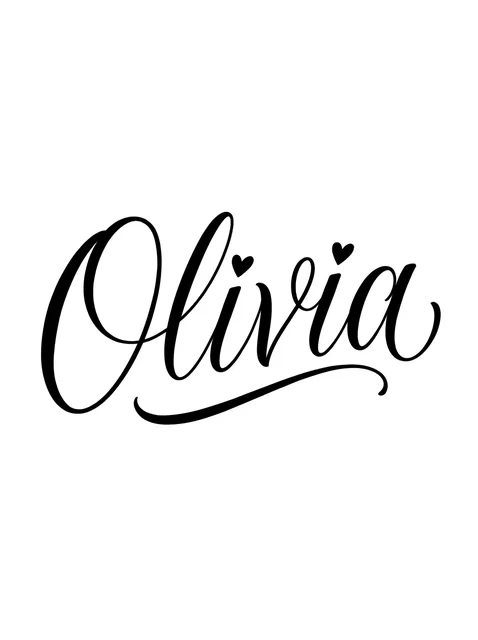
Black and grey lettering heart and name tattoo design Try it on — Black and grey lettering heart and name tattoo design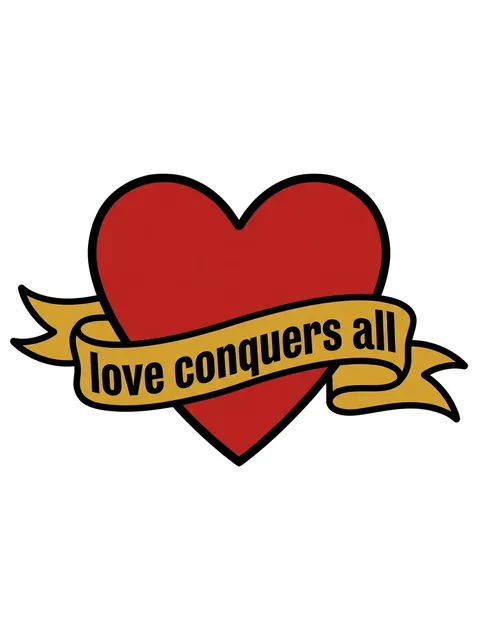
Color lettering heart and quote tattoo design Try it on — Color lettering heart and quote tattoo design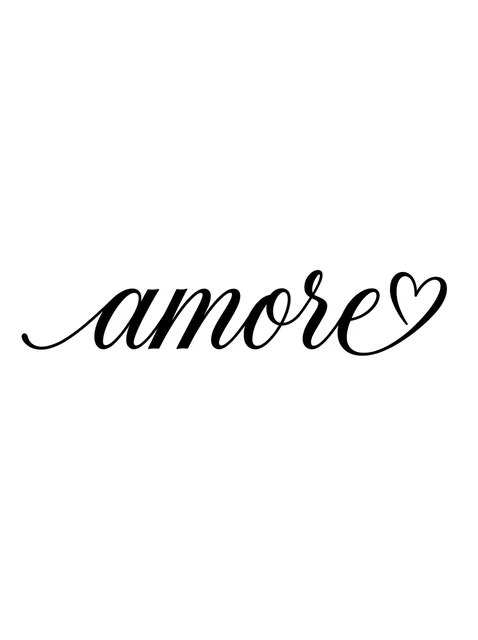
Black and grey lettering heart and script tattoo design Try it on — Black and grey lettering heart and script tattoo design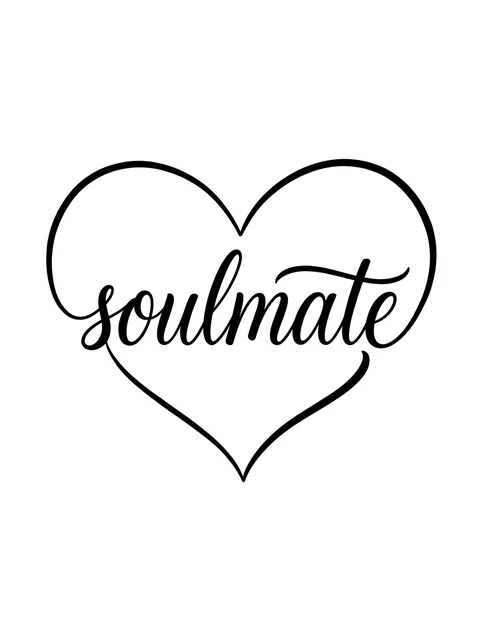
Black and grey lettering heart and script tattoo design: the word curving up to form the heart Try it on — Black and grey lettering heart and script tattoo design: the word curving up to form the heart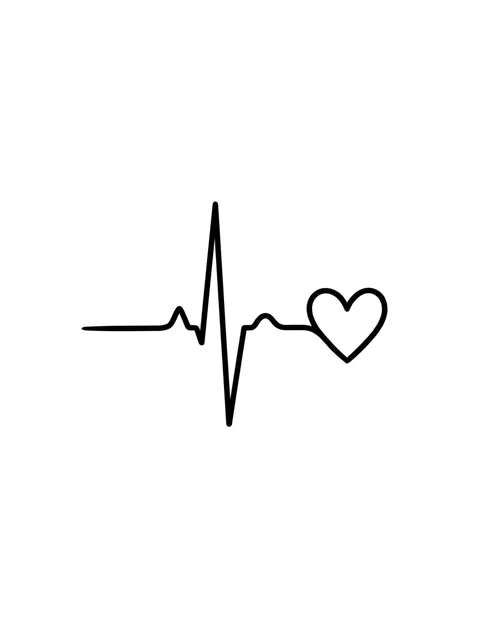
Black and white minimalist heart and heartbeat tattoo design, outline stencil Try it on — Black and white minimalist heart and heartbeat tattoo design, outline stencil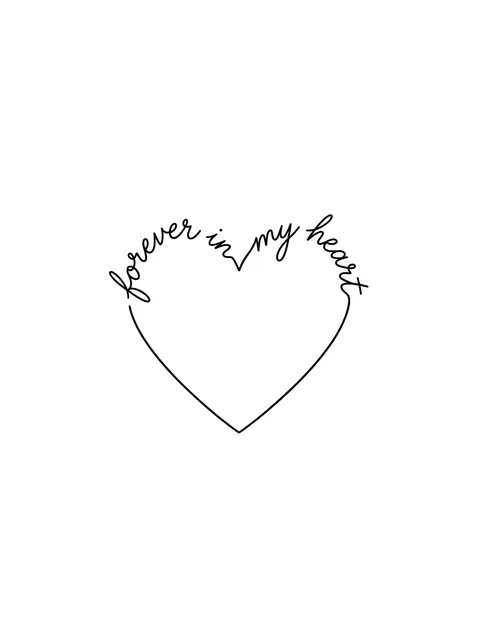
Black and grey lettering heart and rip tattoo design: a small heart outline that it joins into Try it on — Black and grey lettering heart and rip tattoo design: a small heart outline that it joins into
Color traditional heart and paw tattoo design Try it on — Color traditional heart and paw tattoo design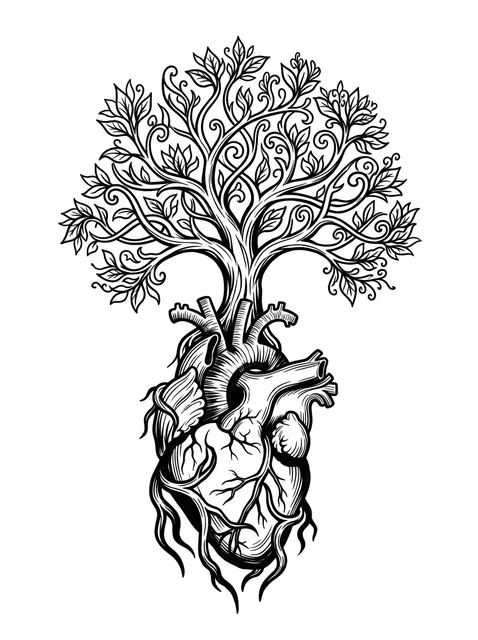
Black and grey illustrative heart and tree of life tattoo design Try it on — Black and grey illustrative heart and tree of life tattoo design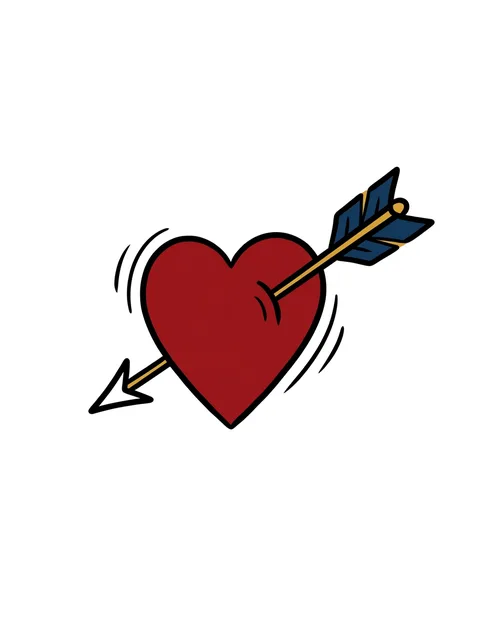
Color traditional heart and arrow tattoo design: a gold shaft Try it on — Color traditional heart and arrow tattoo design: a gold shaft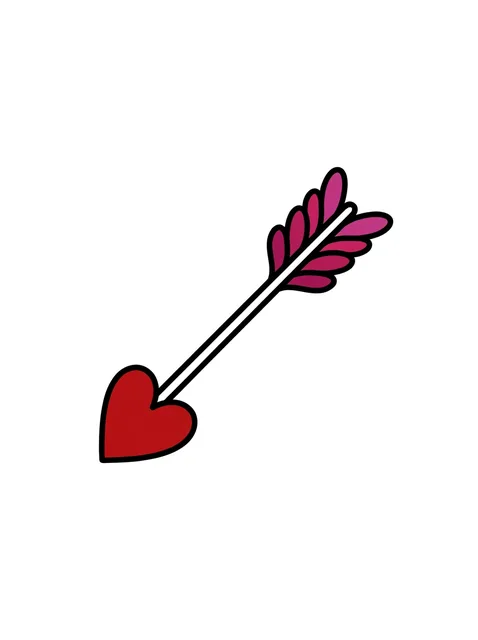
Color traditional heart and arrow tattoo design Try it on — Color traditional heart and arrow tattoo design


Tap any design to see it on your own skin in the try-on — no signup.
This set of 80 heart designs, by the numbers
- Styles represented
- traditional (17), illustrative (14), linework (6), lettering (6), ornamental (5), minimalist (4)
- Black-and-grey vs colour
- 66% black-and-grey, 34% colour
- Most often drawn with
- arrow, flower, vine, rose
Counted from the 80 designs shown on this page. Every one was drawn for InkCraft — none are scraped or reposted. Free to reference with a link to this page.
What a heart tattoo means
The heart is the most-tattooed symbol in the world and the one that most rewards a specific version. A plain heart says love and nothing more; every meaningful heart tattoo is made specific by what is done to it — a banner, a dagger, a flame, a break, an anatomical rendering.
The Sacred Heart is a defined Catholic image, not a decorative one: a heart crowned with thorns, pierced, aflame, sometimes bleeding, representing Christ's love and suffering together. It is widely worn by people outside the faith who like the imagery, and it is worth knowing it is legible as devotional to anyone raised in it.
The anatomical heart is a deliberate correction of the symbolic one, and it has become the more common choice among people who find the classic shape sentimental. It says love is a working organ rather than an idea — messier, more physical, and dependent on maintenance. The two versions read as almost opposite in tone.
A broken heart, a stitched heart or a heart with a lock all say something more precise than love: loss, repair, or something guarded. The stitched heart in particular has become a quiet standard for surviving grief, and it is a better image for that than most people expect.
Where the design comes from
The symmetrical heart shape has no clear origin — the silphium seedpod and stylised ivy leaves are both proposed and neither is settled — but it was fixed as the symbol for love by European heraldry and playing cards by the fifteenth century. The Sacred Heart devotion was formalised in the seventeenth century following Margaret Mary Alacoque's visions in France, which is why its iconography is so specific. In tattooing, the banner-and-heart is one of the oldest American traditional compositions there is, and predates almost everything else in a flash sheet.
Choosing yours
- A plain heart works at almost any size, which is a real advantage — it is a simple closed shape with no fine internal detail, so it survives ink spread better than nearly anything else. An anatomical heart is the opposite: vessels, chambers and texture are exactly what merges, and it wants 10 cm or more.
- Banners are the thing to plan rather than add. A heart drawn to carry a name has a different shape and proportion from one drawn alone, and squeezing lettering into an existing heart afterwards is the most common reason one has to be reworked.
- It is a symmetrical shape, so a flat field keeps it honest — chest, inner forearm, the flat of the shoulder. On a strongly curved placement one lobe foreshortens and the shape reads slightly off in every photograph.
Size, cost and placement
How big, and what it costs
A small traditional heart is a shop-minimum piece, often under an hour. Add a banner with a name and it becomes a lettering job, typically two hours. An anatomical heart with full vessel detail wants 10-15 cm and a half day, since the texture is what carries it.
Where it sits, and how much it hurts
Inner forearm, chest, shoulder and the outside of the upper arm all suit it. The chest is the traditional home for a banner-and-heart. Fingers and the side of the hand are common for tiny hearts and are the fastest-blurring skin on the body — expect a touch-up within a couple of years.
What to ask your artist
- What makes yours specific — a banner, a break, an anatomical rendering. A plain heart is the one that ages anonymously.
- If a name is going in, to letter it first and shape the heart around the text.
- For an anatomical heart, how much vessel detail survives at your size in a decade.
Prices vary widely by city and artist — treat these as session lengths rather than quotes, and expect a shop minimum on anything small. The cost guide turns hours into money by size, placement and style.
Common questions
Symbolic or anatomical heart?
They read as opposites in tone. The classic shape says love as an idea; the anatomical one says love as a working organ that needs maintenance. Choose the tone, not the look.
What does a Sacred Heart tattoo mean?
It is a specific Catholic image — thorns, flame, pierced — representing love and suffering together. Legible as devotional to anyone raised in the faith, whether or not you intend that.
Why does a small heart survive when other small tattoos do not?
Better than almost any small design. It is a simple closed shape with no fine internal detail, which is exactly what survives decades of ink spread.
What a heart tattoo can mean
The meanings this motif carries on the pages that argue them. Each line is that page's own reason for including it.
- Mother and daughter tattoos
- The one motif that genuinely halves: two pieces that each read as a whole heart apart, and interlock when the arms are held together. It is the most-asked-for mother-daughter pair for that reason and no other.
- Love tattoos
- Works as an object, not as a symbol. A traditional or anatomical heart is a drawing; a plain outline heart is a pictogram, and pictograms age into wallpaper.
- Christian tattoos
- A heart with a crown of thorns, flame and a wound is a specific devotion rather than a valentine, and the three attributes are what make it legible. Drop them and it is an anatomical heart.
- Father and daughter tattoos
- The fallback, and it earns its place because it survives being tiny. A 2 cm heart is still a heart, which matters when one of the two pieces has to be discreet enough for a workplace.
- Matching tattoos
- The default, and the one to think hardest about — it reads as romantic on almost any body, which is not always what a pair of friends intended.
- Family tattoos
- Direct and unambiguous, and it accepts a name or a date inside it without the composition changing shape.
- Couples tattoos
- The obvious choice, and the one most likely to be regretted in its literal form. It works when it is drawn as an object — anatomical, traditional, with something else going on — rather than as a symbol.
- Siblings tattoos
- Works between siblings when it is drawn as an object rather than a symbol — traditional or anatomical, with a banner or a date, not a plain outline.
See it on your skin before you commit
InkCraft places any of these designs on a photo of you — scaled, wrapped and shaded to the placement you pick.