 InkCraft
80 Moon Tattoo Ideas, Stencils and Meaning
80 original moon designs drawn for InkCraftBy Uladzimir TumanauUpdated
Opens in your browser. No signup. Or tap any design below.
Crescents, full discs and phase rows, where the direction it faces changes the meaning. A crescent is one of the few designs that genuinely works small — 3-4 cm will still read cleanly in twenty years.
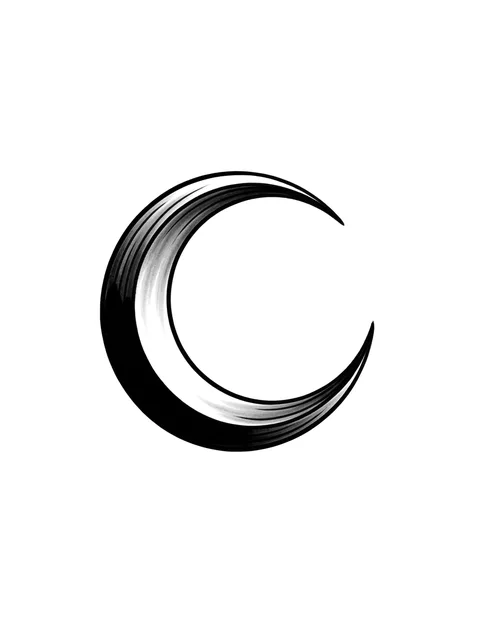
Black and grey illustrative moon tattoo design Try it on — Black and grey illustrative moon tattoo design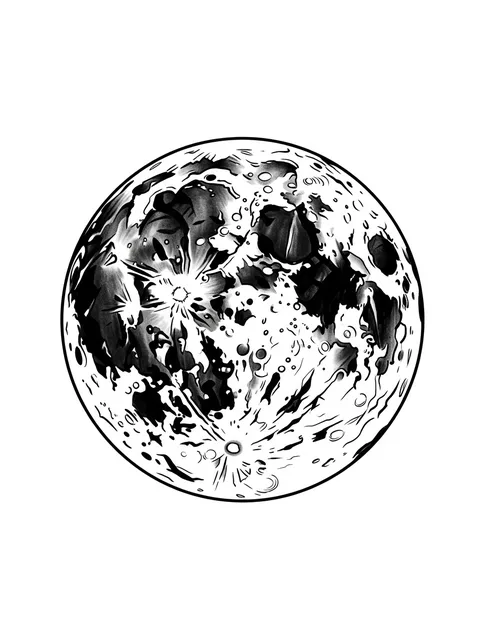
Black and white illustrative moon tattoo design Try it on — Black and white illustrative moon tattoo design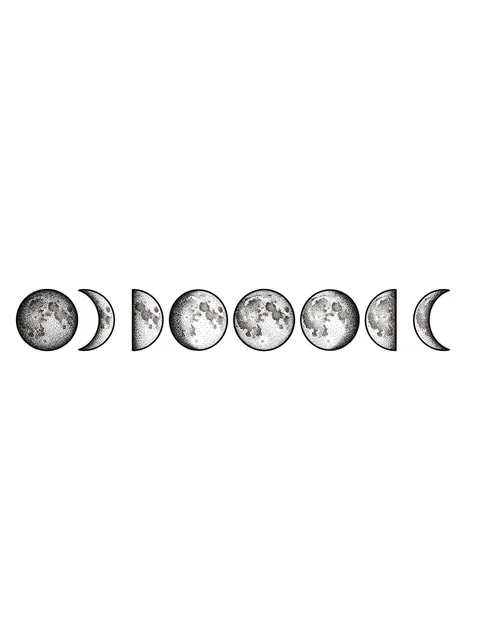
Black and grey dotwork moon tattoo design: the moon in a horizontal alignment Try it on — Black and grey dotwork moon tattoo design: the moon in a horizontal alignment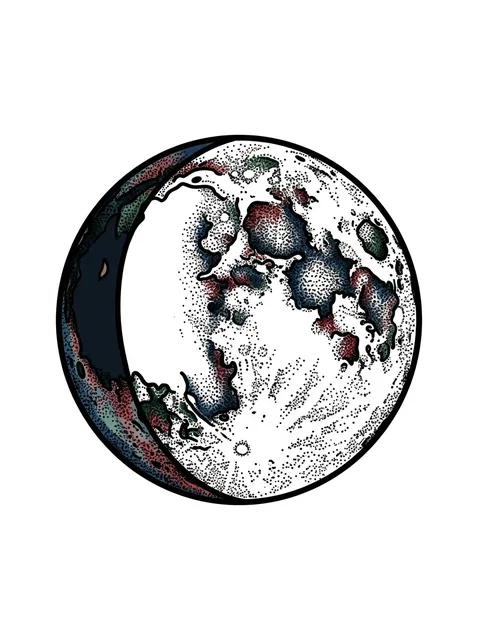
Color dotwork moon tattoo design: a moon in a crescent phase Try it on — Color dotwork moon tattoo design: a moon in a crescent phase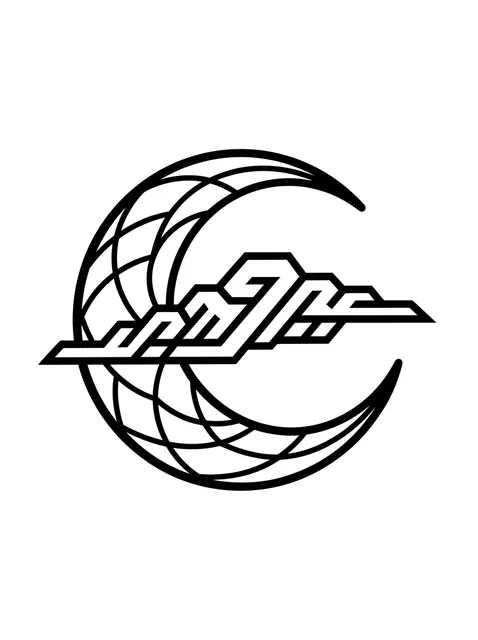
Black and white geometric moon tattoo design, outline stencil: a crescent moon Try it on — Black and white geometric moon tattoo design, outline stencil: a crescent moon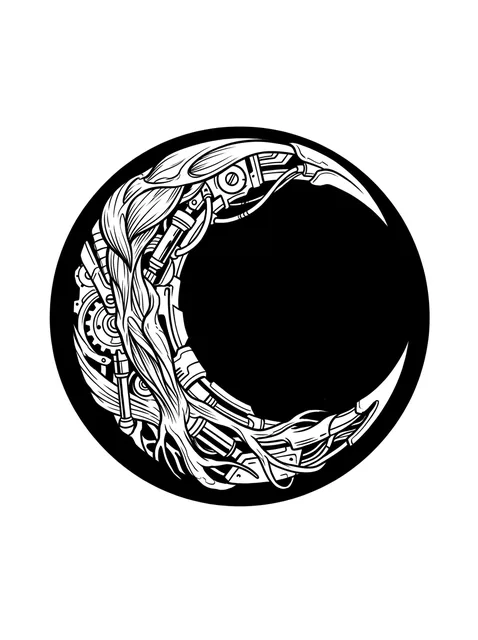
Black and grey biomechanical moon tattoo design: a crescent moon (1 of 2) Try it on — Black and grey biomechanical moon tattoo design: a crescent moon (1 of 2)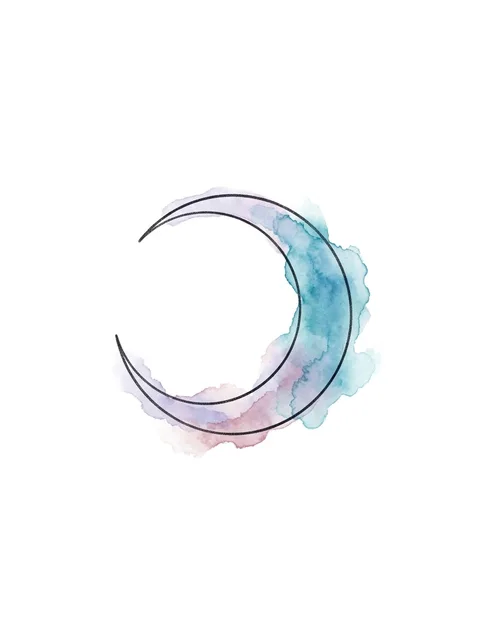
Color watercolor moon tattoo design: a crescent moon outline Try it on — Color watercolor moon tattoo design: a crescent moon outline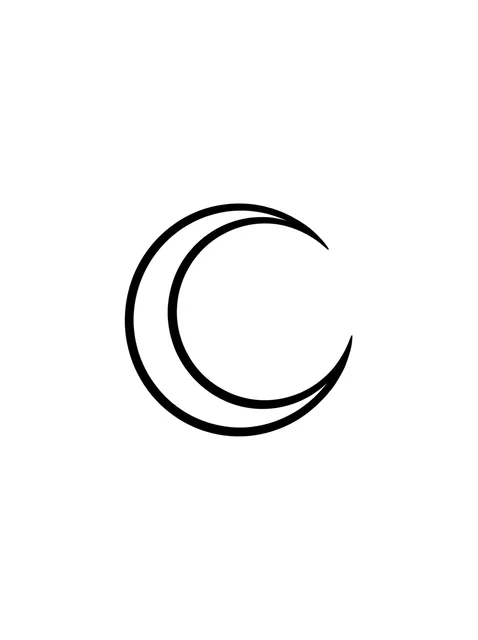
Black and white minimalist moon tattoo design, outline stencil: a crescent moon (1 of 2) Try it on — Black and white minimalist moon tattoo design, outline stencil: a crescent moon (1 of 2)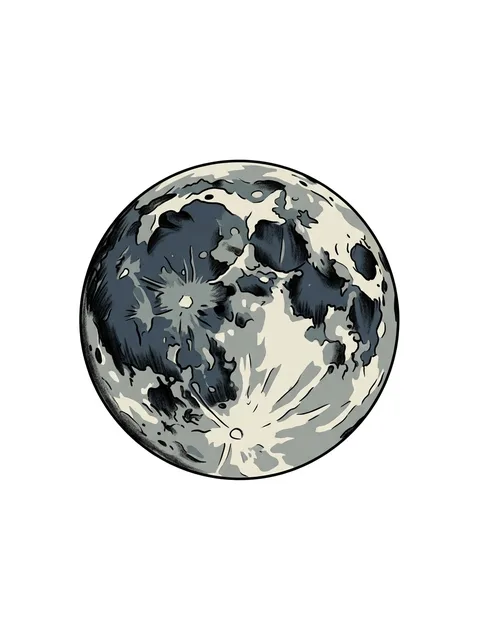
Black and grey illustrative moon tattoo design: the full moon Try it on — Black and grey illustrative moon tattoo design: the full moon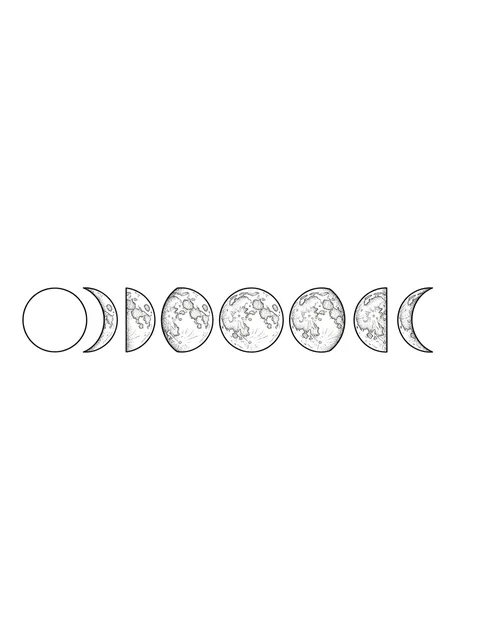
Black and grey dotwork moon tattoo design: the moon in a linear arrangement Try it on — Black and grey dotwork moon tattoo design: the moon in a linear arrangement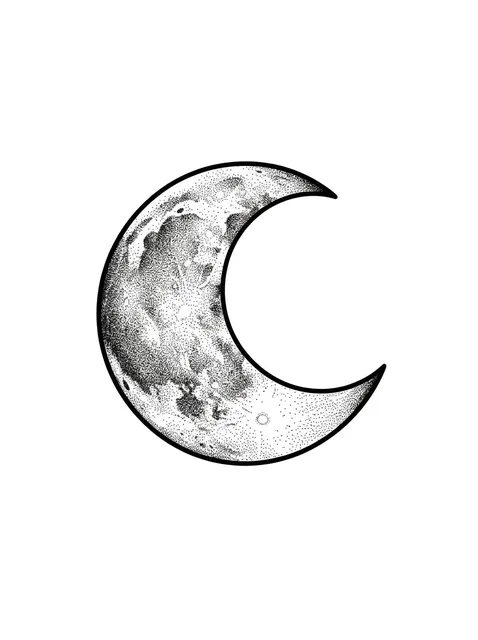
Black and grey dotwork moon tattoo design Try it on — Black and grey dotwork moon tattoo design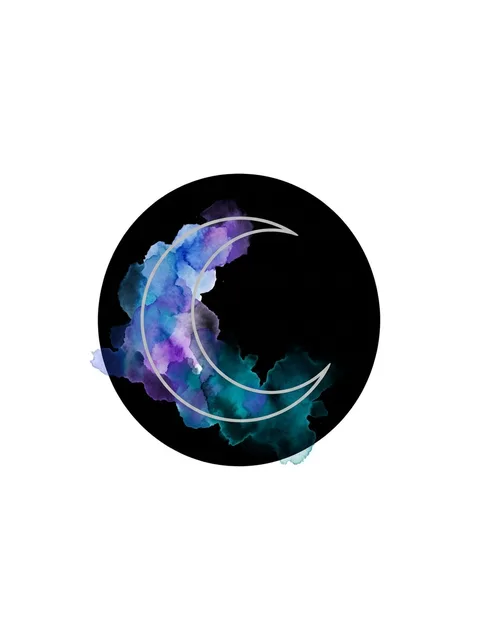
Color watercolor moon tattoo design: a crescent moon Try it on — Color watercolor moon tattoo design: a crescent moon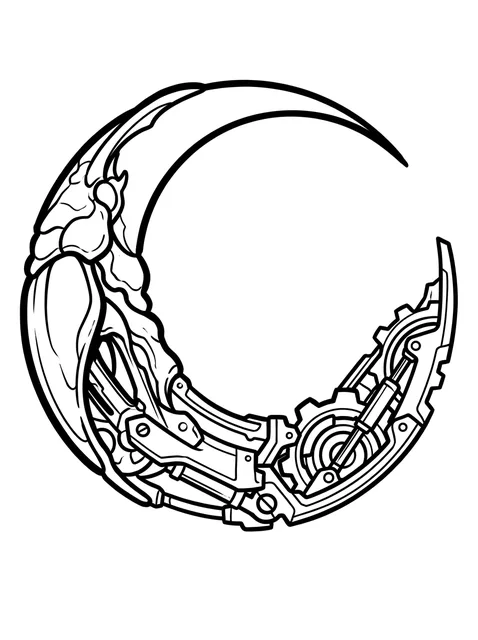
Black and grey biomechanical moon tattoo design: a crescent moon (2 of 2) Try it on — Black and grey biomechanical moon tattoo design: a crescent moon (2 of 2)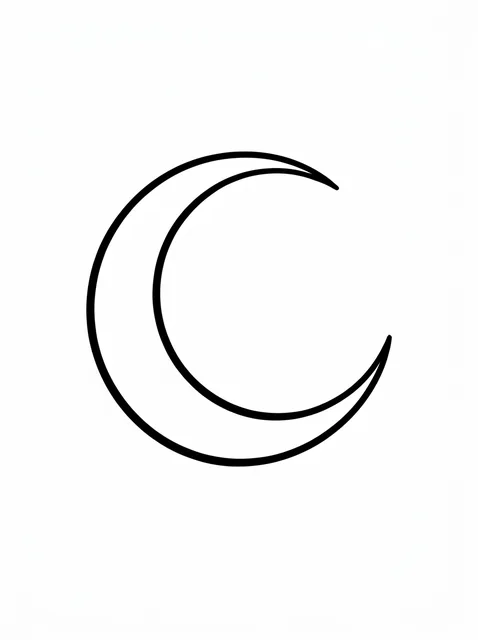
Black and white minimalist moon tattoo design, outline stencil: a crescent moon (2 of 2) Try it on — Black and white minimalist moon tattoo design, outline stencil: a crescent moon (2 of 2)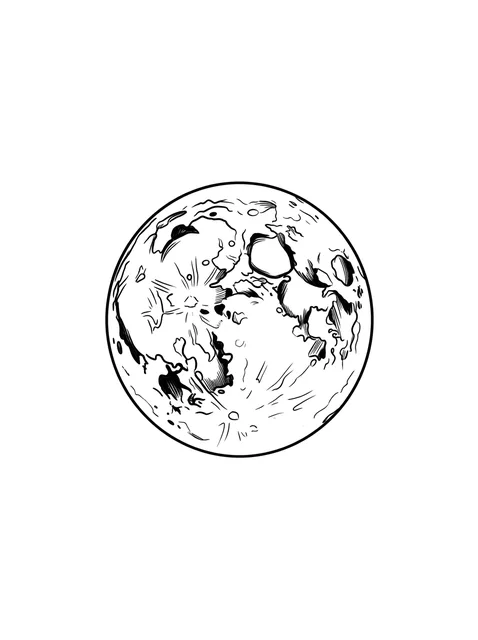
Black and white illustrative moon tattoo design: the full moon Try it on — Black and white illustrative moon tattoo design: the full moon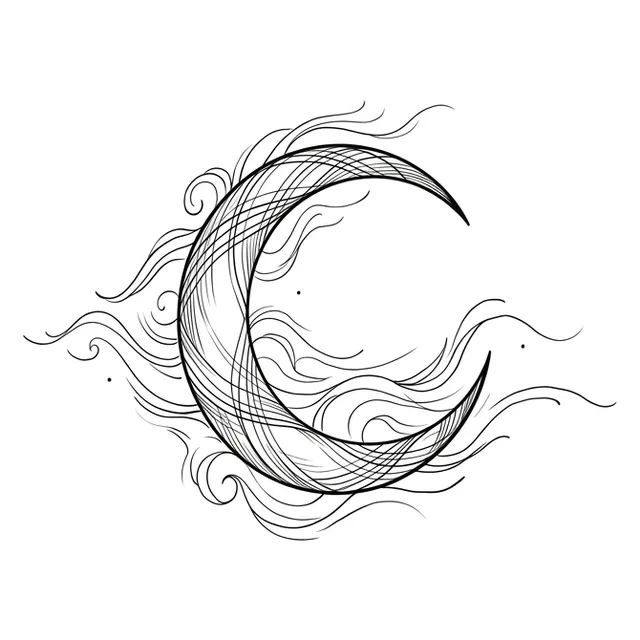
Black and white linework moon tattoo design, outline stencil Try it on — Black and white linework moon tattoo design, outline stencil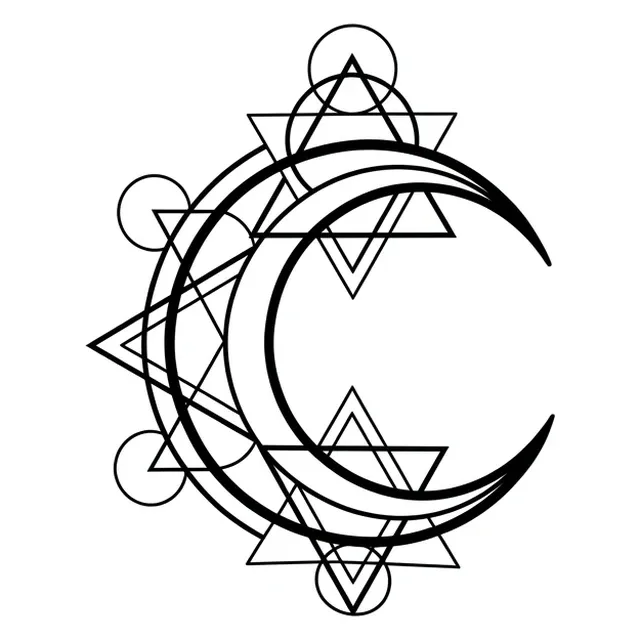
Black and white geometric moon tattoo design, outline stencil: a crescent moon at its center Try it on — Black and white geometric moon tattoo design, outline stencil: a crescent moon at its center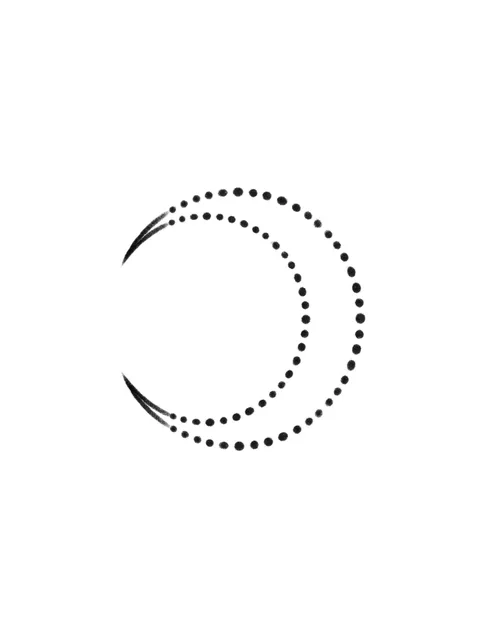
Black and grey stick and poke moon tattoo design: a delicate, textured look Try it on — Black and grey stick and poke moon tattoo design: a delicate, textured look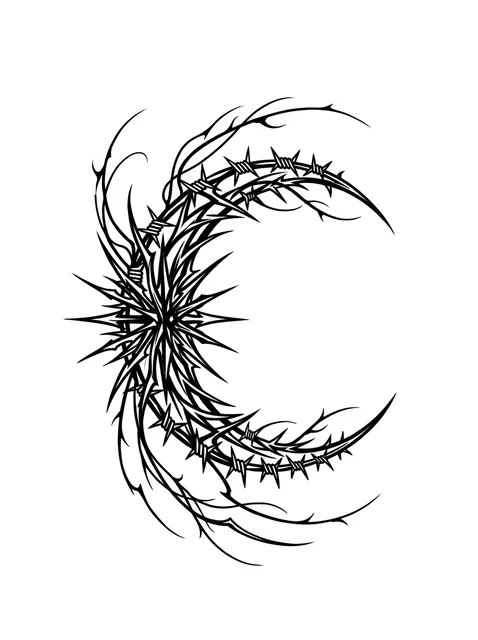
Black and grey cybersigilism moon tattoo design Try it on — Black and grey cybersigilism moon tattoo design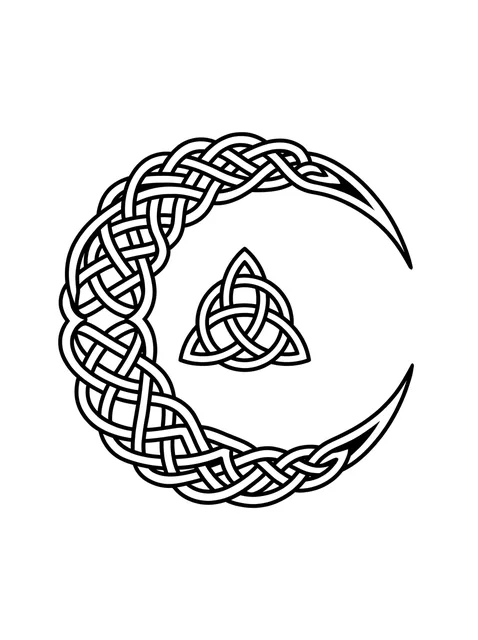
Black and grey celtic moon tattoo design Try it on — Black and grey celtic moon tattoo design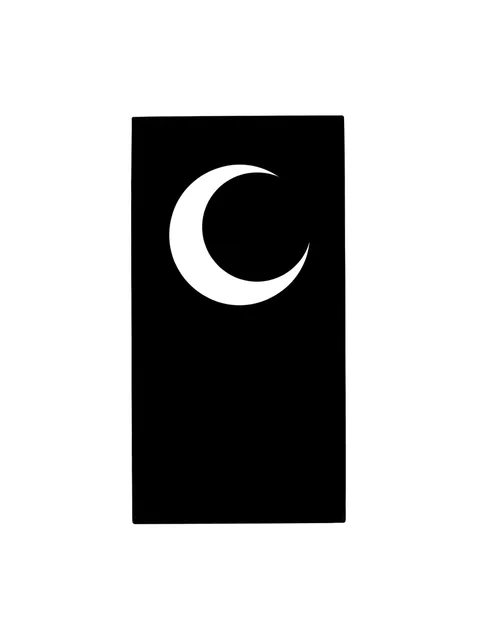
Black and white blackout moon tattoo design: the upper half of a tall solid black vertical panel Try it on — Black and white blackout moon tattoo design: the upper half of a tall solid black vertical panel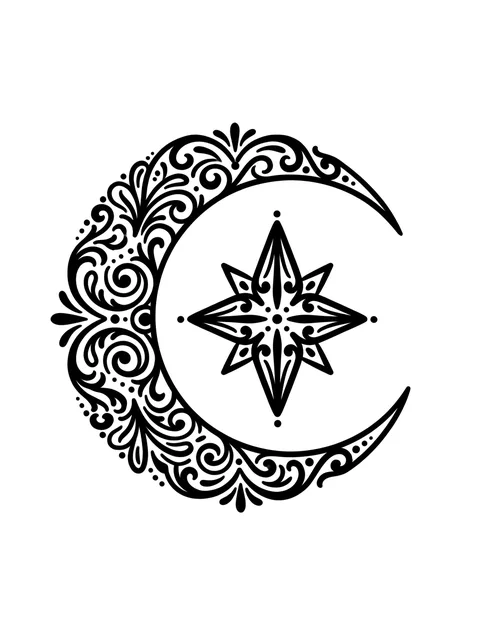
Black and grey ornamental moon and star tattoo design (1 of 2) Try it on — Black and grey ornamental moon and star tattoo design (1 of 2)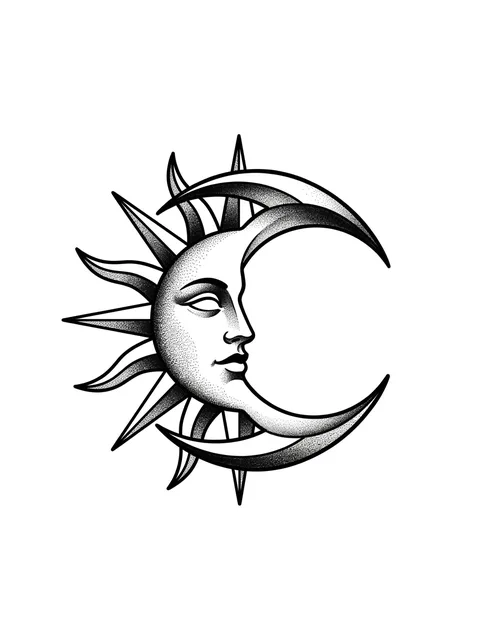
Black and grey dotwork moon and sun tattoo design: a crescent moon Try it on — Black and grey dotwork moon and sun tattoo design: a crescent moon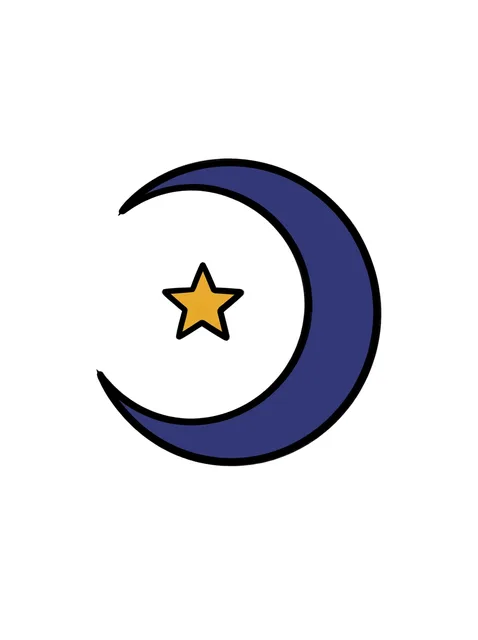
Color illustrative moon and star tattoo design: a dark blue crescent moon Try it on — Color illustrative moon and star tattoo design: a dark blue crescent moon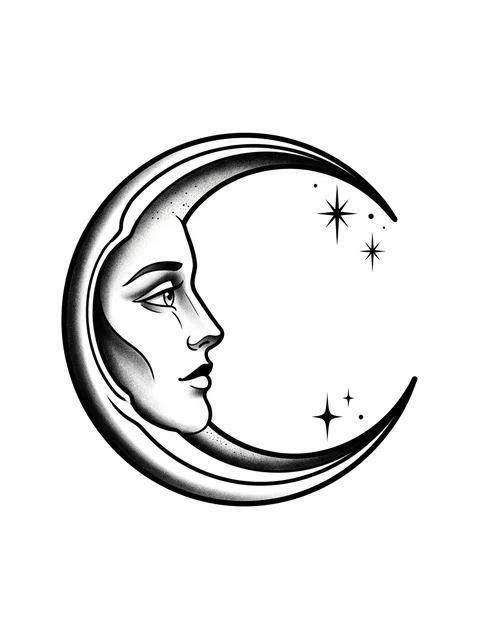
Black and grey neo traditional moon and star tattoo design: a crescent moon Try it on — Black and grey neo traditional moon and star tattoo design: a crescent moon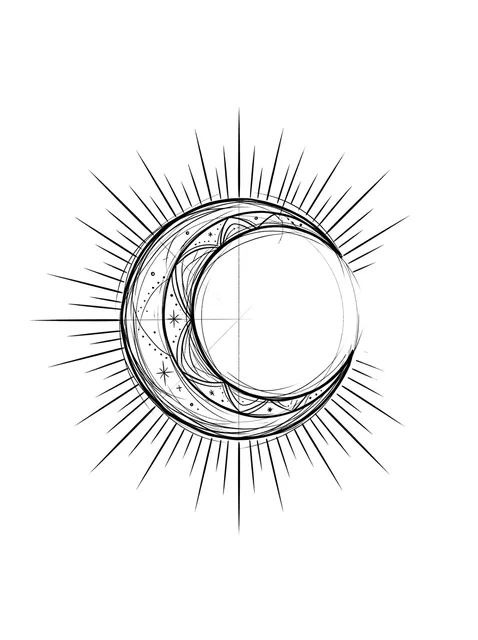
Black and grey illustrative moon and sun tattoo design Try it on — Black and grey illustrative moon and sun tattoo design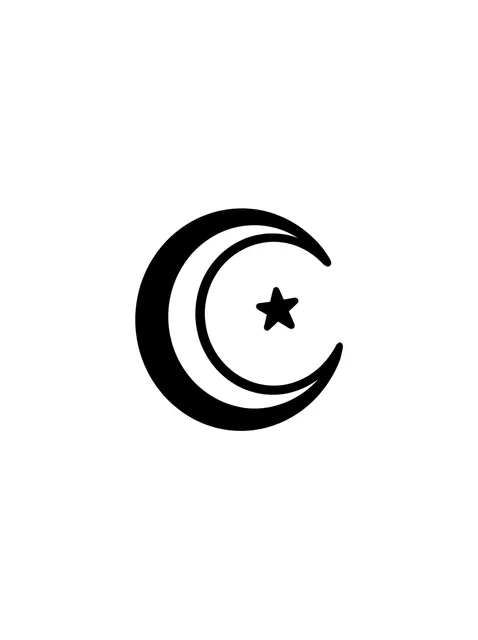
Black and white minimalist moon and star tattoo design, outline stencil: a small black star inside Try it on — Black and white minimalist moon and star tattoo design, outline stencil: a small black star inside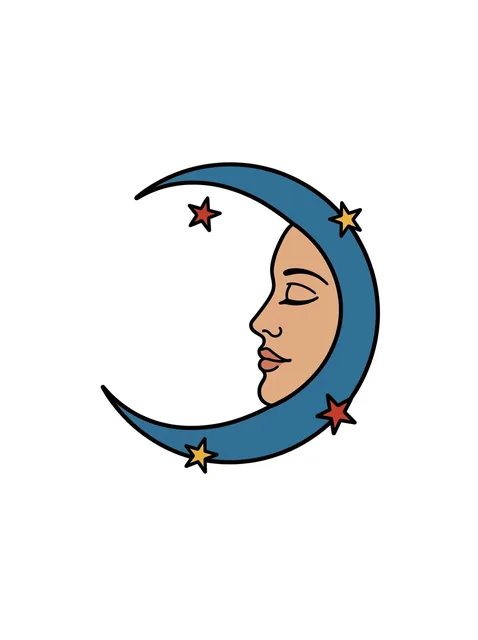
Color traditional moon and star tattoo design: a crescent moon with a serene woman's face in profile Try it on — Color traditional moon and star tattoo design: a crescent moon with a serene woman's face in profile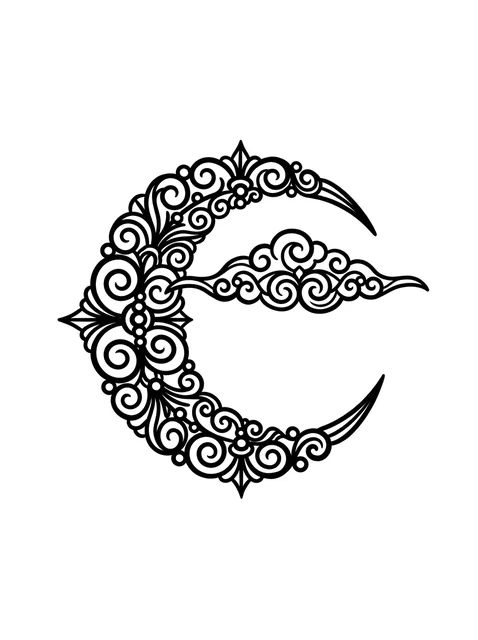
Black and grey ornamental moon and cloud tattoo design Try it on — Black and grey ornamental moon and cloud tattoo design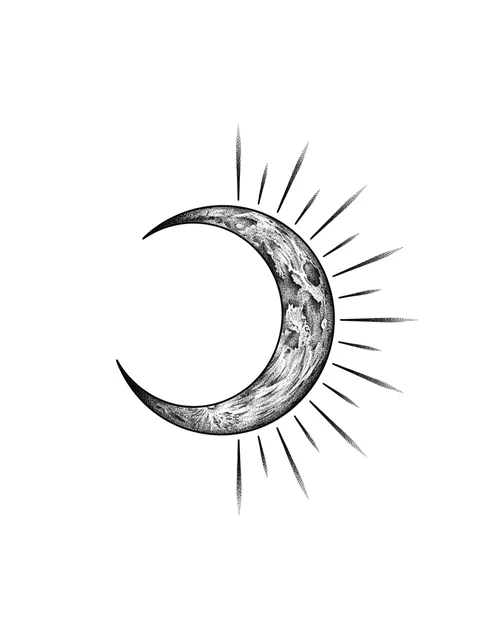
Black and grey dotwork moon and sun tattoo design: a detailed, cratered surface Try it on — Black and grey dotwork moon and sun tattoo design: a detailed, cratered surface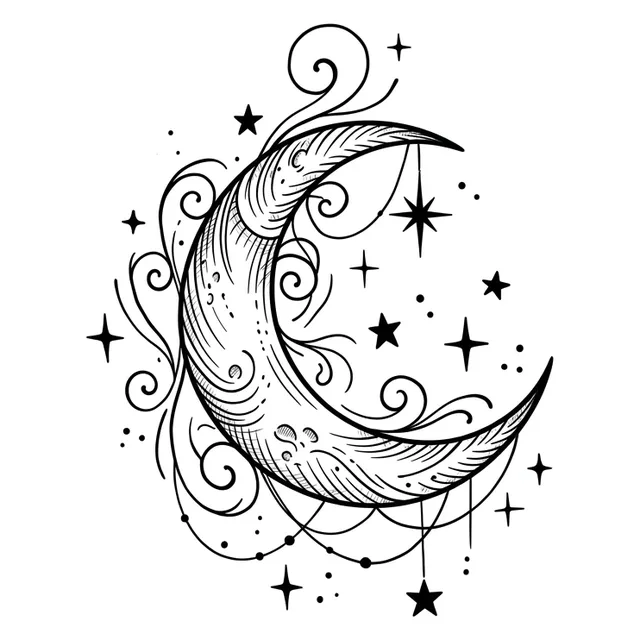
Black and grey illustrative moon and star tattoo design: a crescent moon adorned Try it on — Black and grey illustrative moon and star tattoo design: a crescent moon adorned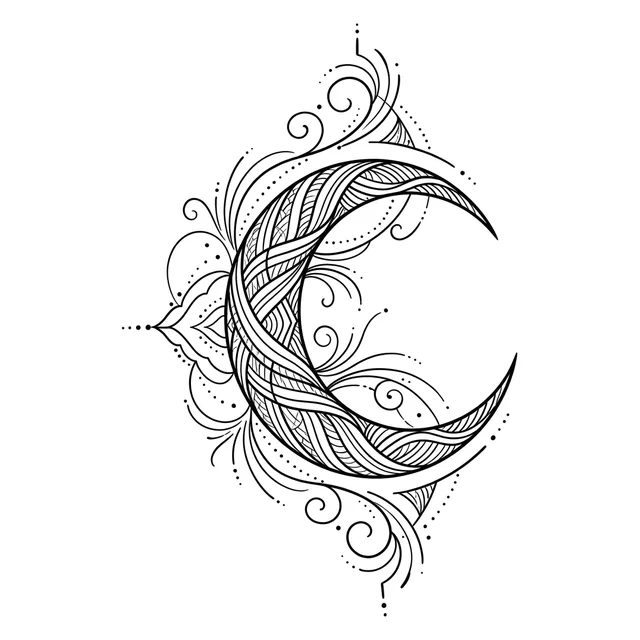
Black and grey illustrative moon and mandala tattoo design Try it on — Black and grey illustrative moon and mandala tattoo design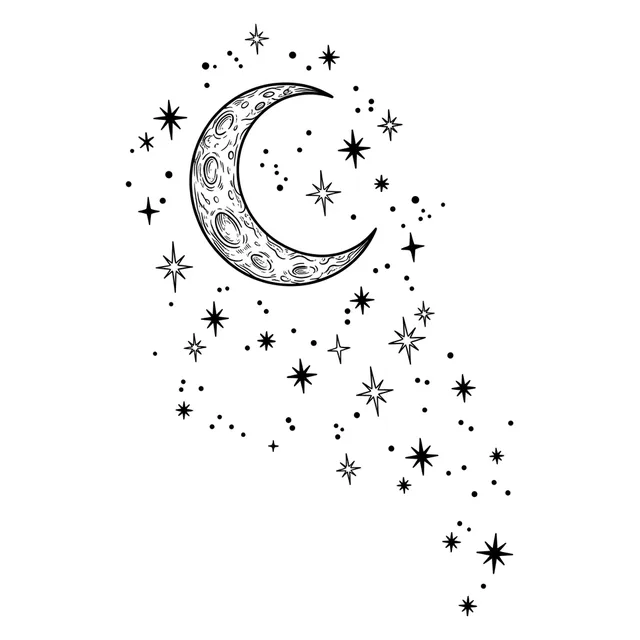
Black and white illustrative moon and star tattoo design: a crescent moon with textured details Try it on — Black and white illustrative moon and star tattoo design: a crescent moon with textured details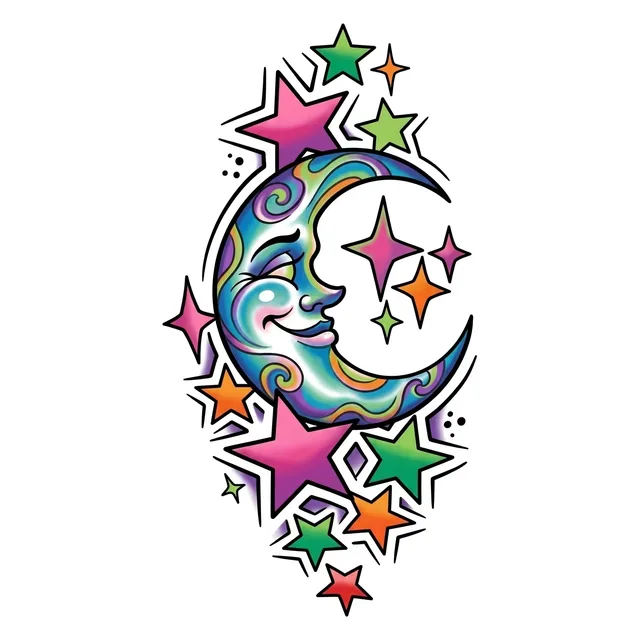
Color new school moon and star tattoo design: a smiling crescent moon with a stylized face, adorned Try it on — Color new school moon and star tattoo design: a smiling crescent moon with a stylized face, adorned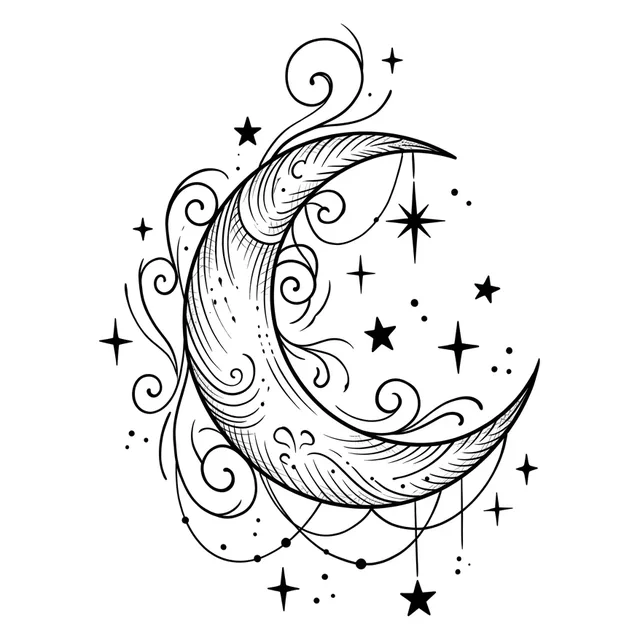
Black and grey illustrative moon and star tattoo design Try it on — Black and grey illustrative moon and star tattoo design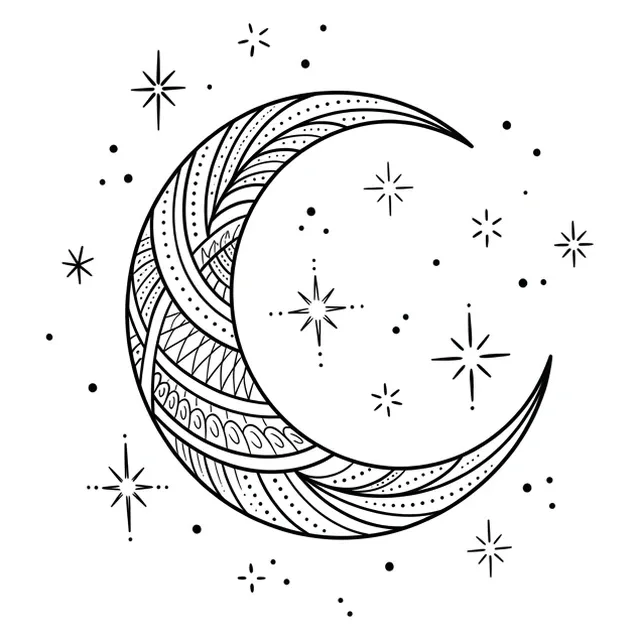
Black and grey ornamental moon and star tattoo design (2 of 2) Try it on — Black and grey ornamental moon and star tattoo design (2 of 2)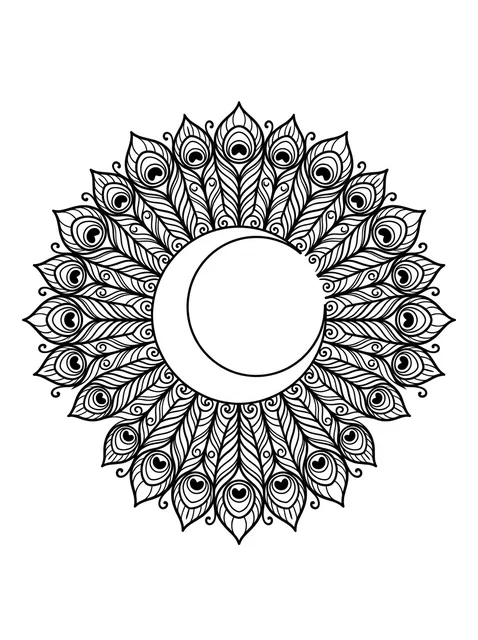
Black and grey ornamental moon and feather tattoo design Try it on — Black and grey ornamental moon and feather tattoo design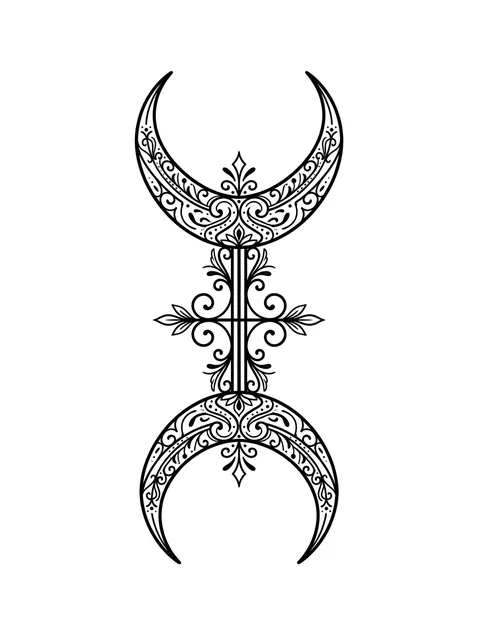
Black and grey ornamental moon and mandala tattoo design: two crescent moons adorned Try it on — Black and grey ornamental moon and mandala tattoo design: two crescent moons adorned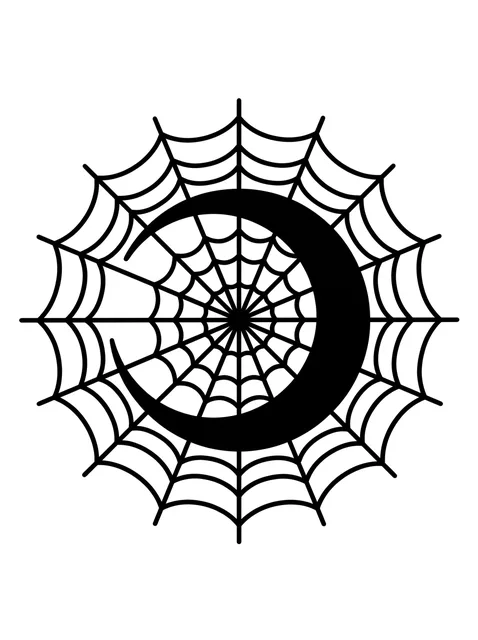
Black and white blackwork moon and web tattoo design: a crescent moon nestled within a spider web Try it on — Black and white blackwork moon and web tattoo design: a crescent moon nestled within a spider web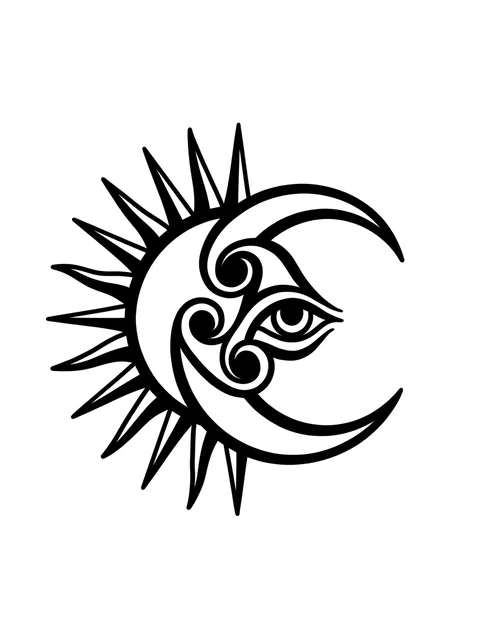
Black and white tribal moon and sun tattoo design: a crescent moon and a sun with sharp rays Try it on — Black and white tribal moon and sun tattoo design: a crescent moon and a sun with sharp rays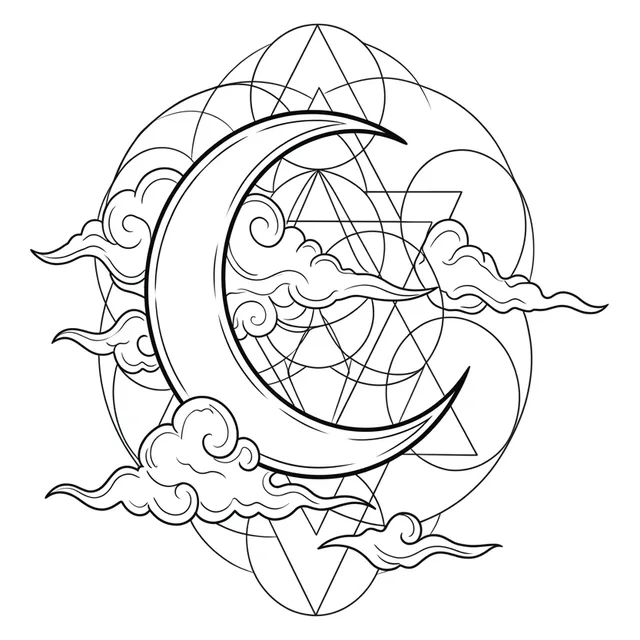
Black and grey illustrative moon and cloud tattoo design (1 of 2) Try it on — Black and grey illustrative moon and cloud tattoo design (1 of 2)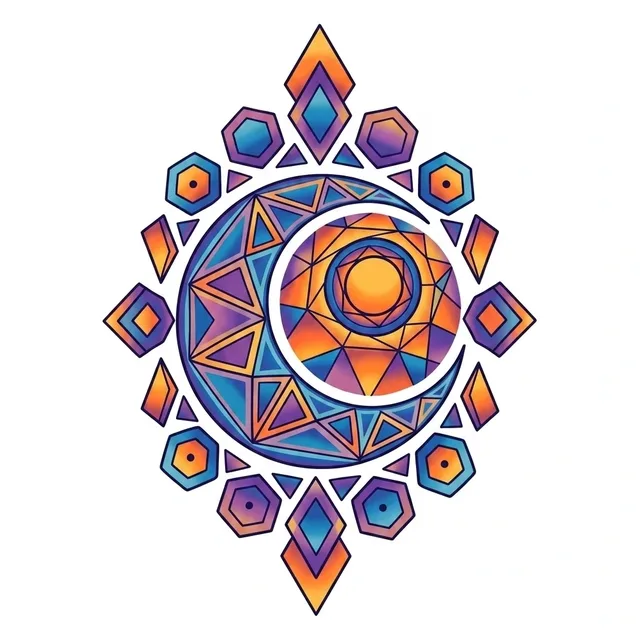
Color geometric moon and sun tattoo design, outline stencil: a crescent moon and sun motif Try it on — Color geometric moon and sun tattoo design, outline stencil: a crescent moon and sun motif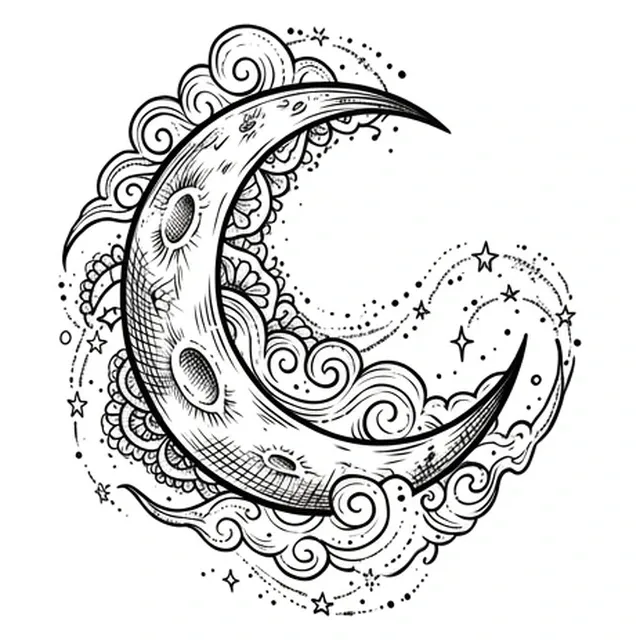
Black and grey illustrative moon and cloud tattoo design (2 of 2) Try it on — Black and grey illustrative moon and cloud tattoo design (2 of 2)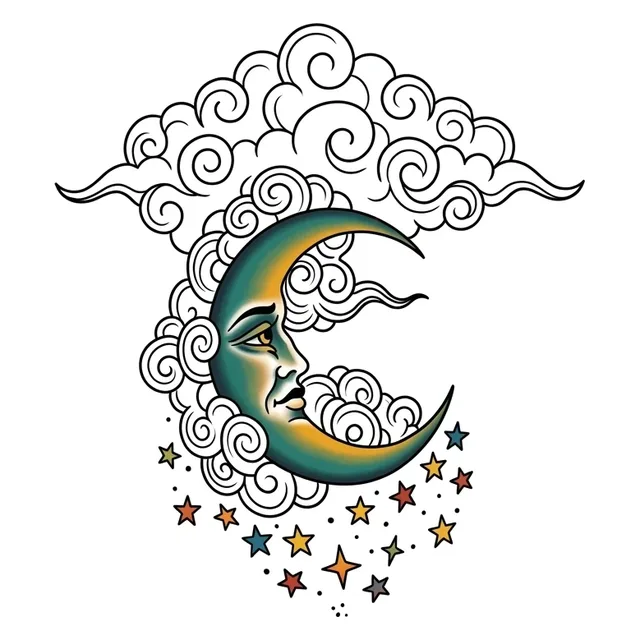
Color traditional moon and star tattoo design: a crescent moon with a melancholic face Try it on — Color traditional moon and star tattoo design: a crescent moon with a melancholic face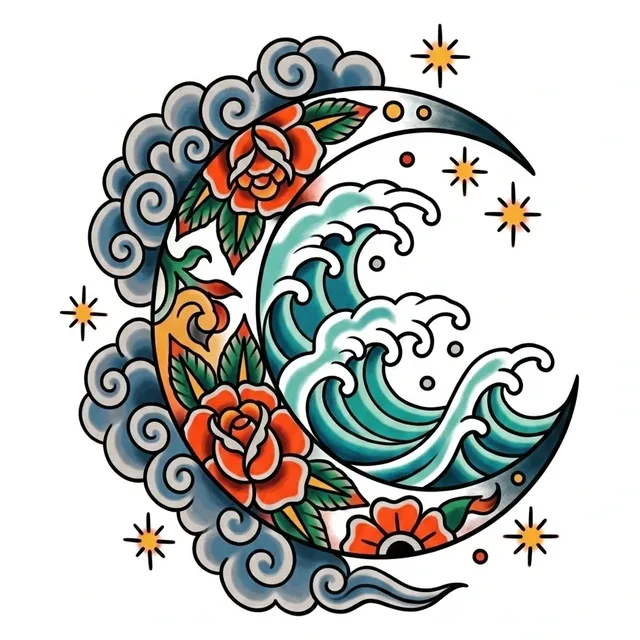
Color traditional moon and wave tattoo design: a crescent moon adorned Try it on — Color traditional moon and wave tattoo design: a crescent moon adorned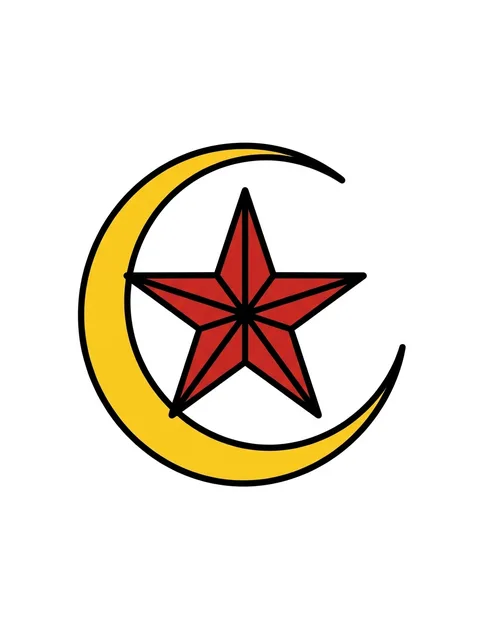
Color traditional moon and star tattoo design Try it on — Color traditional moon and star tattoo design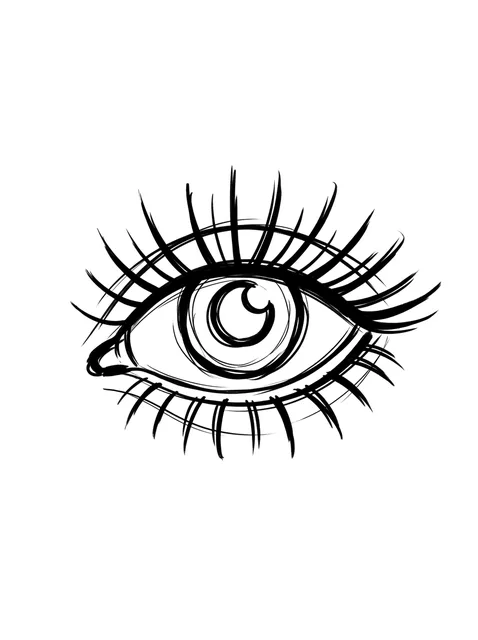
Black and grey sketch moon and eye tattoo design: an eye with long, spiky lashes Try it on — Black and grey sketch moon and eye tattoo design: an eye with long, spiky lashes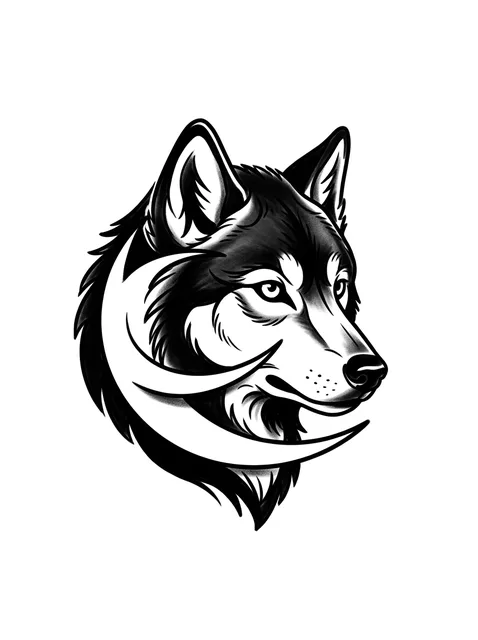
Black and grey illustrative moon and wolf tattoo design: a wolf's head in profile Try it on — Black and grey illustrative moon and wolf tattoo design: a wolf's head in profile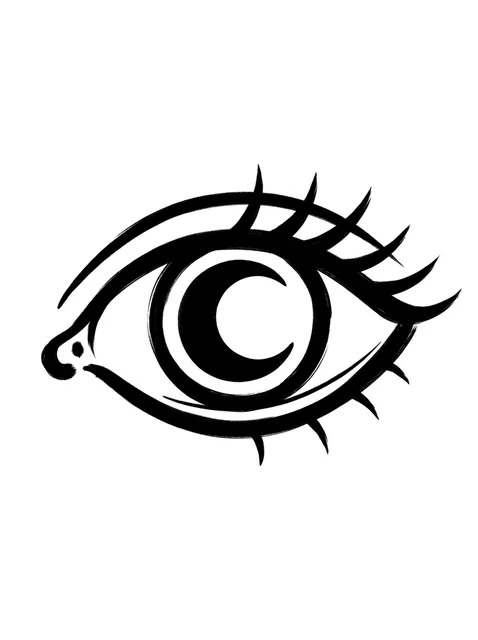
Black and white illustrative moon and eye tattoo design: an eye with a crescent moon as its pupil Try it on — Black and white illustrative moon and eye tattoo design: an eye with a crescent moon as its pupil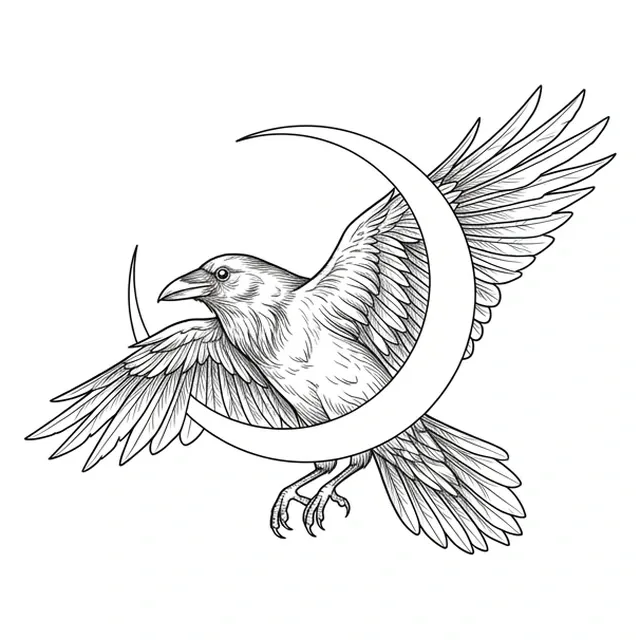
Black and grey illustrative moon and raven tattoo design: a raven in flight, its wings spread wide Try it on — Black and grey illustrative moon and raven tattoo design: a raven in flight, its wings spread wide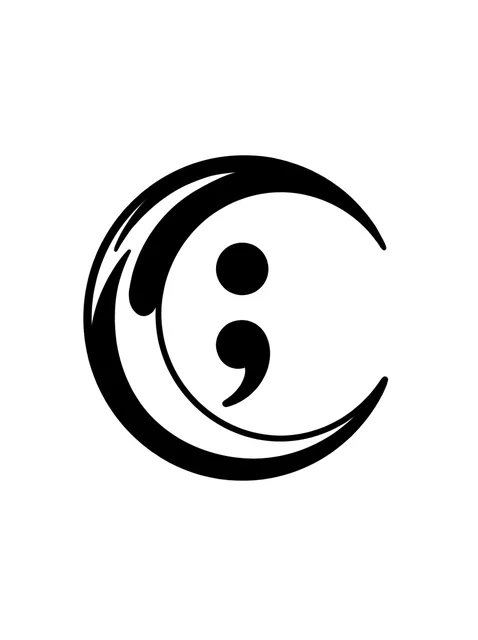
Black and white minimalist moon and semicolon tattoo design, outline stencil Try it on — Black and white minimalist moon and semicolon tattoo design, outline stencil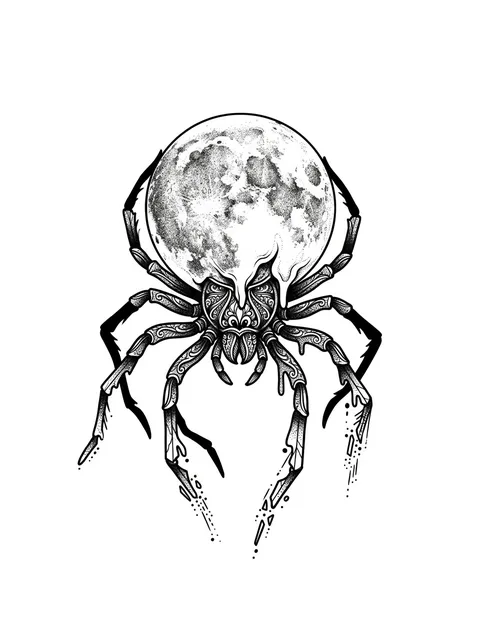
Black and grey dotwork moon and spider tattoo design Try it on — Black and grey dotwork moon and spider tattoo design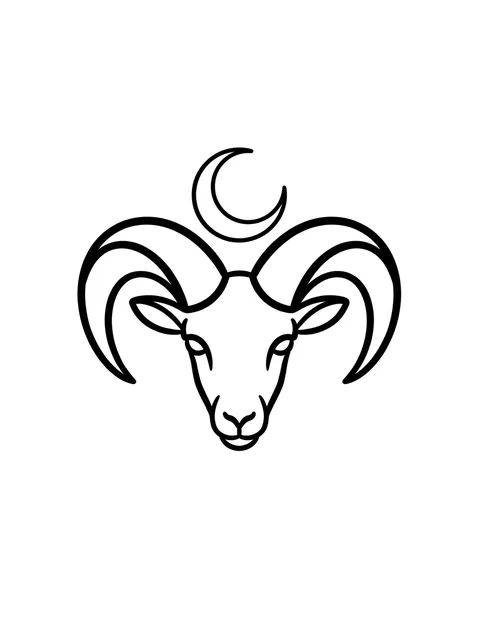
Black and white linework moon and aries tattoo design, outline stencil: the head of an Aries ram Try it on — Black and white linework moon and aries tattoo design, outline stencil: the head of an Aries ram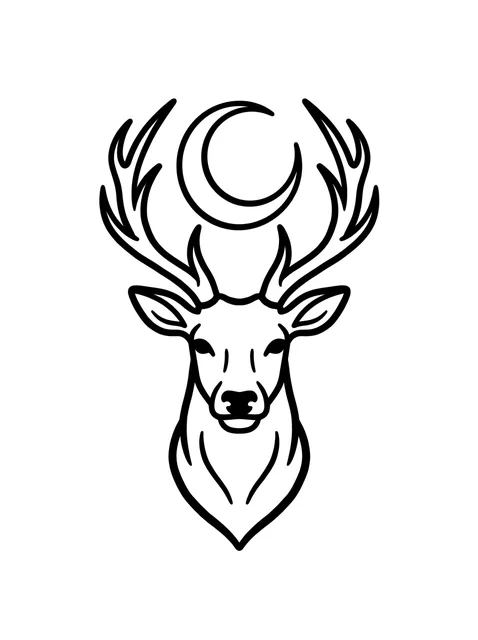
Black and white linework moon and deer tattoo design, outline stencil: a deer head Try it on — Black and white linework moon and deer tattoo design, outline stencil: a deer head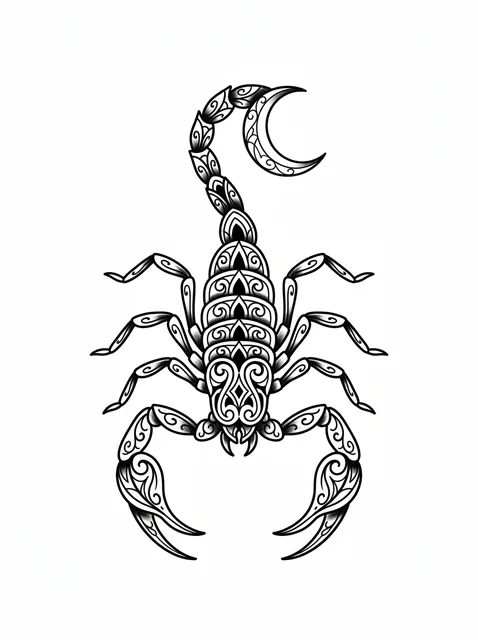
Black and grey neo traditional moon and scorpion tattoo design Try it on — Black and grey neo traditional moon and scorpion tattoo design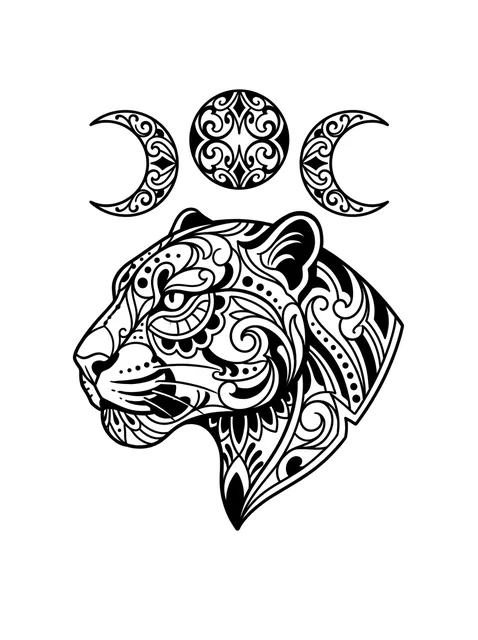
Black and grey ornamental moon and panther tattoo design: a panther head in profile, adorned Try it on — Black and grey ornamental moon and panther tattoo design: a panther head in profile, adorned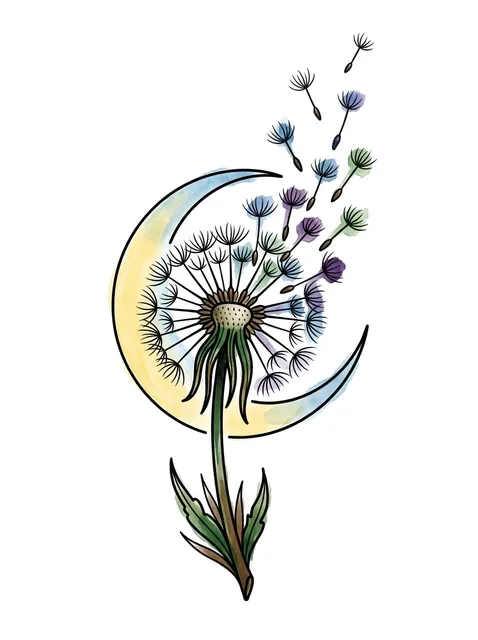
Color watercolor moon and dandelion tattoo design: a dandelion with its seeds blowing away Try it on — Color watercolor moon and dandelion tattoo design: a dandelion with its seeds blowing away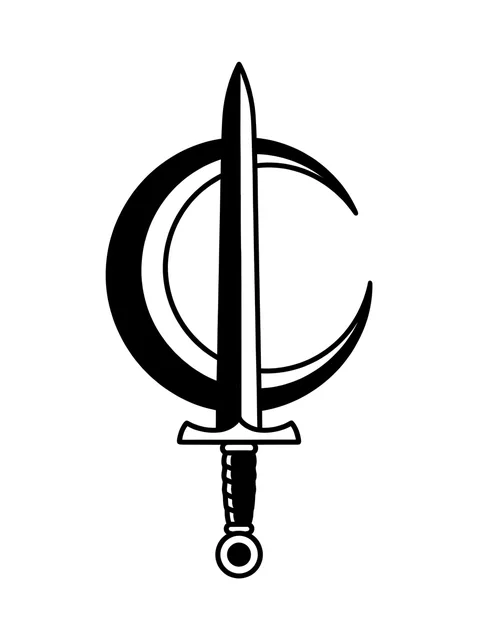
Black and white traditional moon and sword tattoo design: a sword piercing through a crescent moon Try it on — Black and white traditional moon and sword tattoo design: a sword piercing through a crescent moon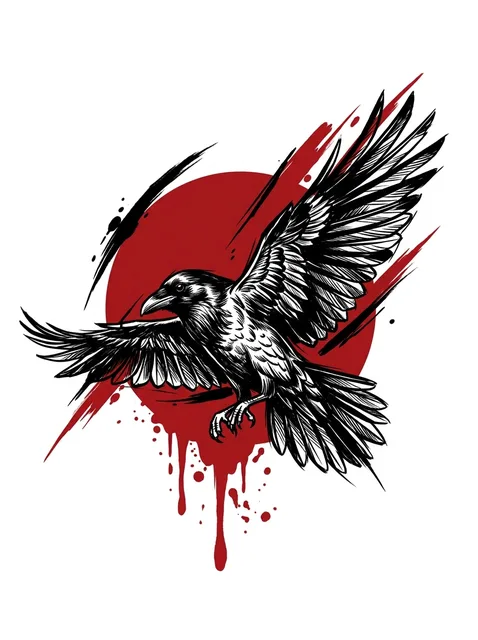
Color trash polka moon and raven tattoo design: a black raven in flight with outstretched wings Try it on — Color trash polka moon and raven tattoo design: a black raven in flight with outstretched wings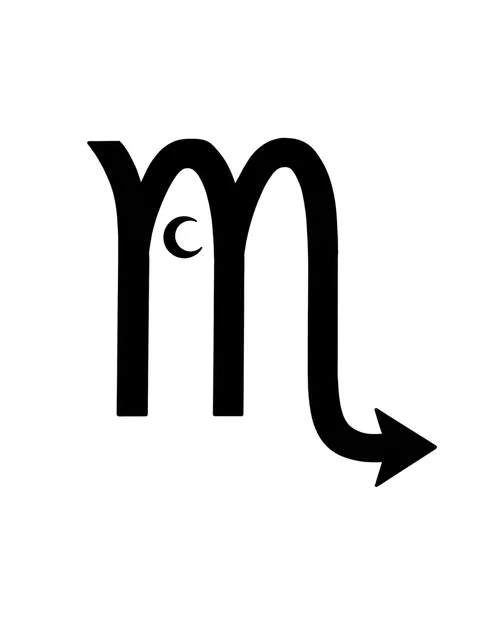
Black and white blackwork moon and scorpio tattoo design Try it on — Black and white blackwork moon and scorpio tattoo design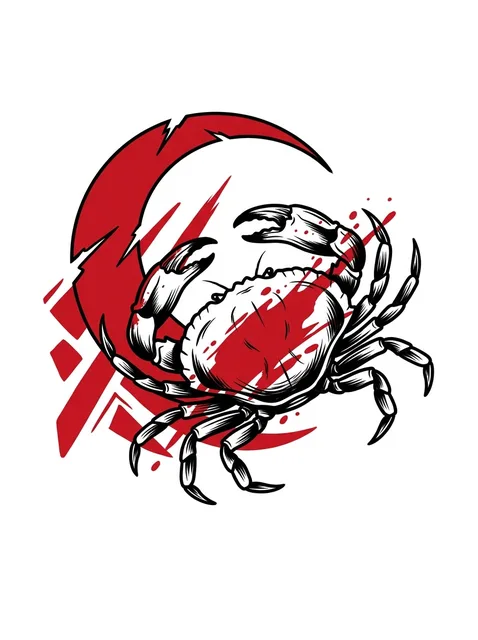
Color trash polka moon and cancer sign tattoo design: a red splash across its shell Try it on — Color trash polka moon and cancer sign tattoo design: a red splash across its shell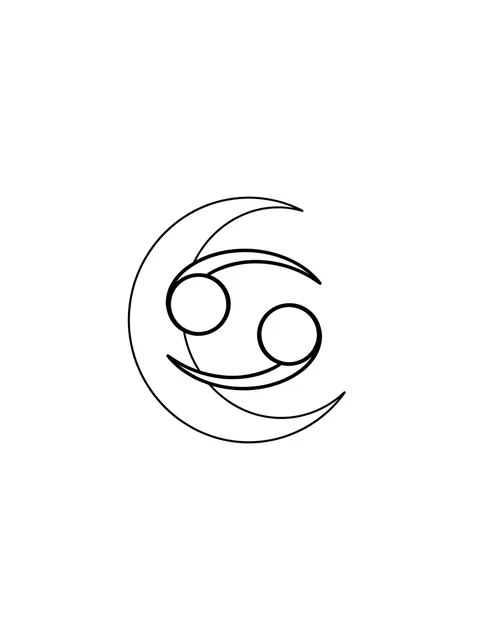
Black and white fine line moon and cancer sign tattoo design, outline stencil: a thin crescent moon Try it on — Black and white fine line moon and cancer sign tattoo design, outline stencil: a thin crescent moon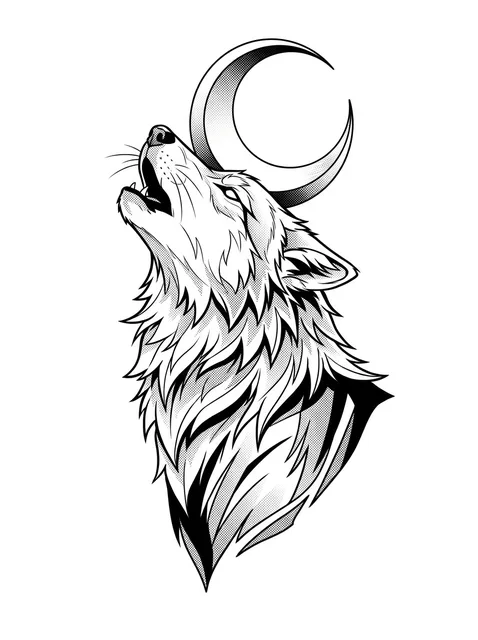
Black and grey anime moon and wolf tattoo design: its head thrown back and a crescent moon behind it Try it on — Black and grey anime moon and wolf tattoo design: its head thrown back and a crescent moon behind it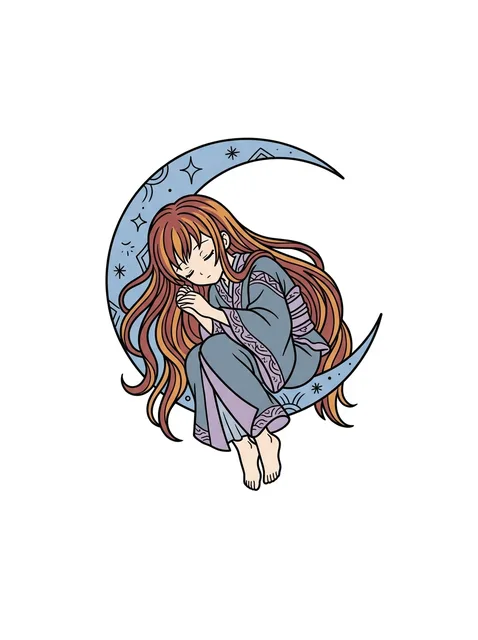
Color anime moon and woman portrait tattoo design Try it on — Color anime moon and woman portrait tattoo design
Black and grey lettering moon and name tattoo design Try it on — Black and grey lettering moon and name tattoo design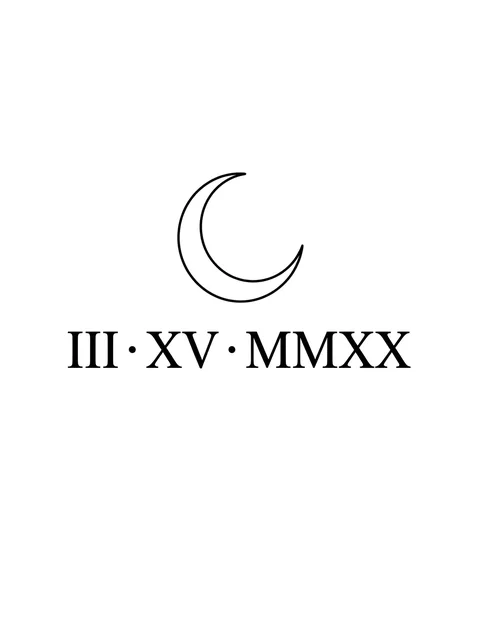
Black and grey lettering moon and roman numerals tattoo design Try it on — Black and grey lettering moon and roman numerals tattoo design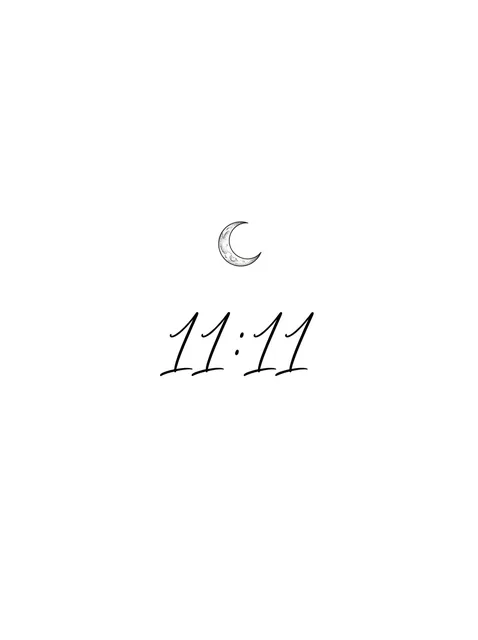
Black and grey lettering moon and number tattoo design Try it on — Black and grey lettering moon and number tattoo design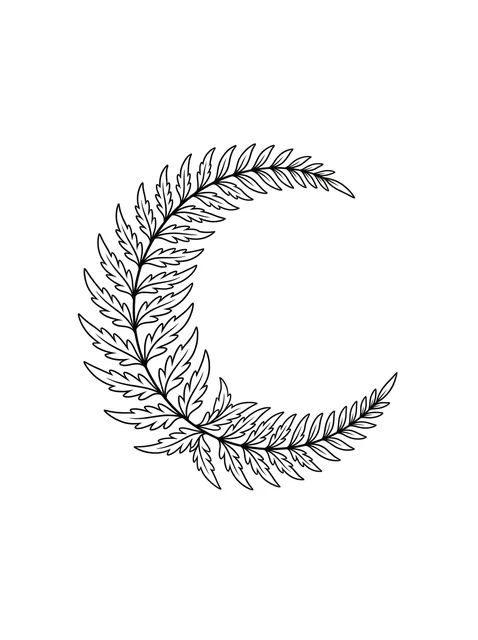
Black and white fine line moon and fern tattoo design, outline stencil: a crescent moon Try it on — Black and white fine line moon and fern tattoo design, outline stencil: a crescent moon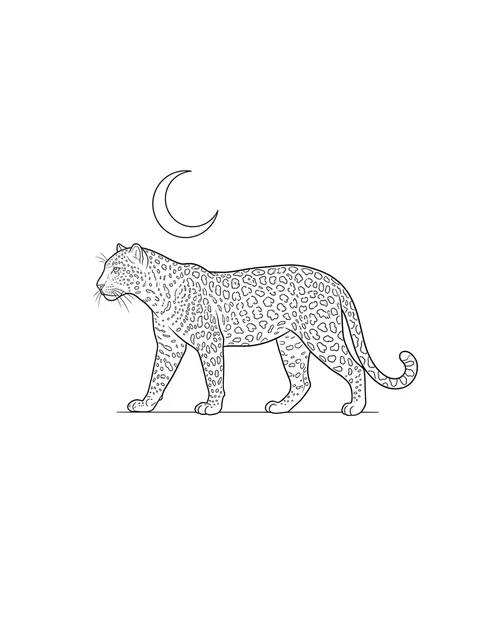
Black and white fine line moon and leopard tattoo design, outline stencil Try it on — Black and white fine line moon and leopard tattoo design, outline stencil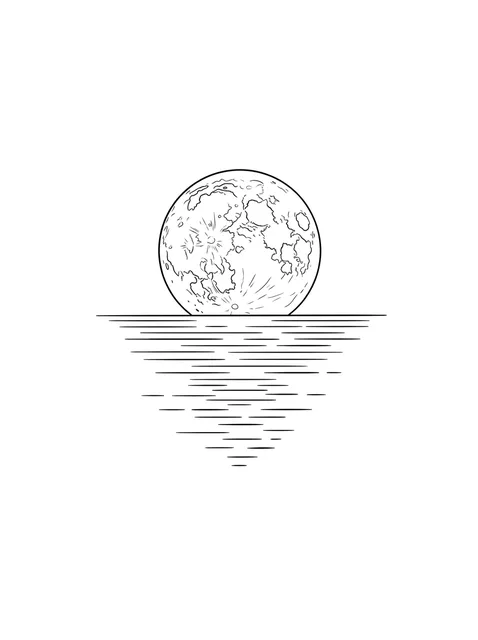
Black and white fine line moon and ocean tattoo design, outline stencil: a full moon Try it on — Black and white fine line moon and ocean tattoo design, outline stencil: a full moon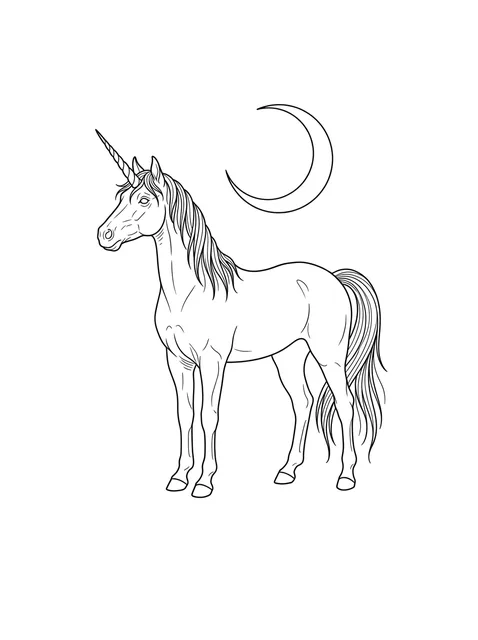
Black and white fine line moon and unicorn tattoo design, outline stencil Try it on — Black and white fine line moon and unicorn tattoo design, outline stencil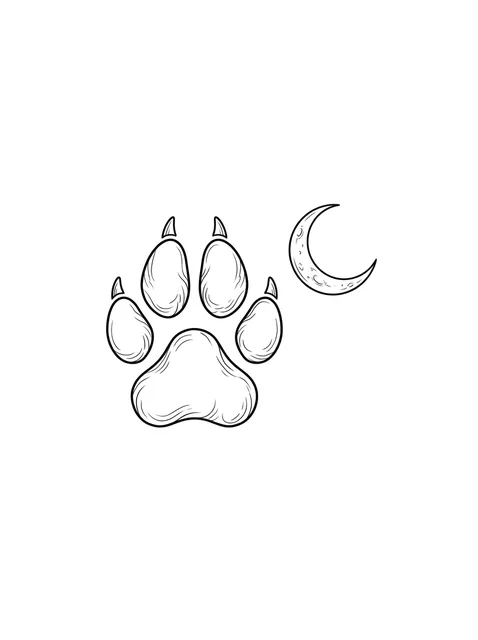
Black and white fine line moon and paw tattoo design, outline stencil Try it on — Black and white fine line moon and paw tattoo design, outline stencil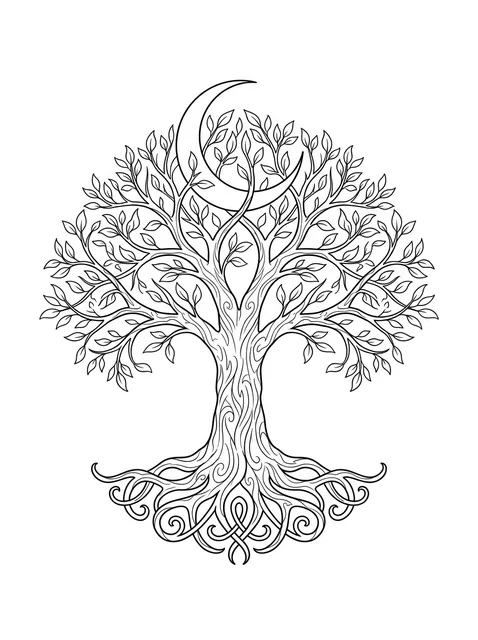
Black and white fine line moon and tree of life tattoo design, outline stencil Try it on — Black and white fine line moon and tree of life tattoo design, outline stencil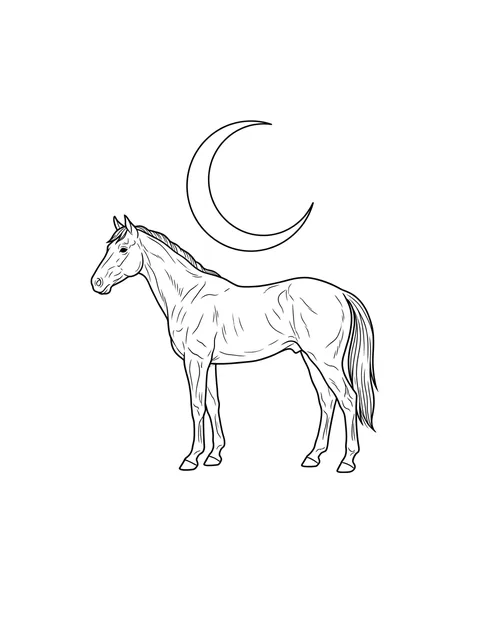
Black and white fine line moon and horse tattoo design, outline stencil Try it on — Black and white fine line moon and horse tattoo design, outline stencil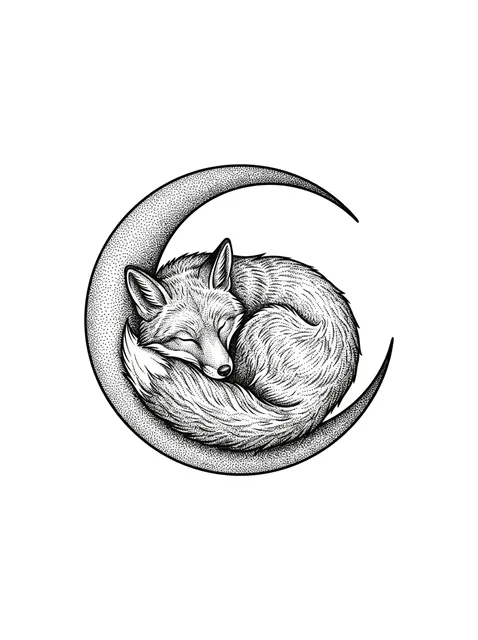
Black and grey dotwork moon and fox tattoo design Try it on — Black and grey dotwork moon and fox tattoo design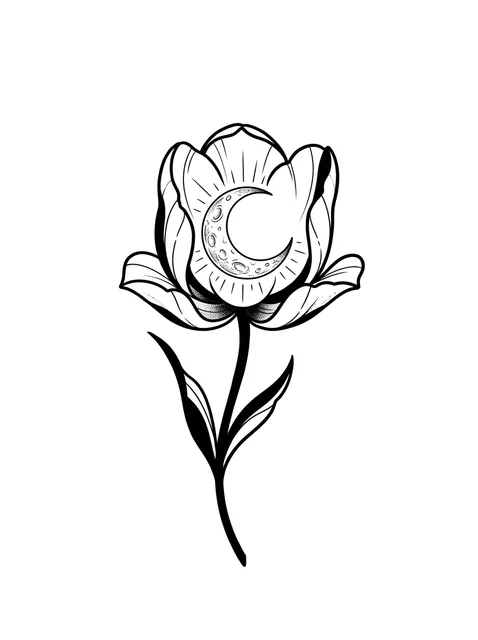
Black and grey illustrative moon and tulip tattoo design Try it on — Black and grey illustrative moon and tulip tattoo design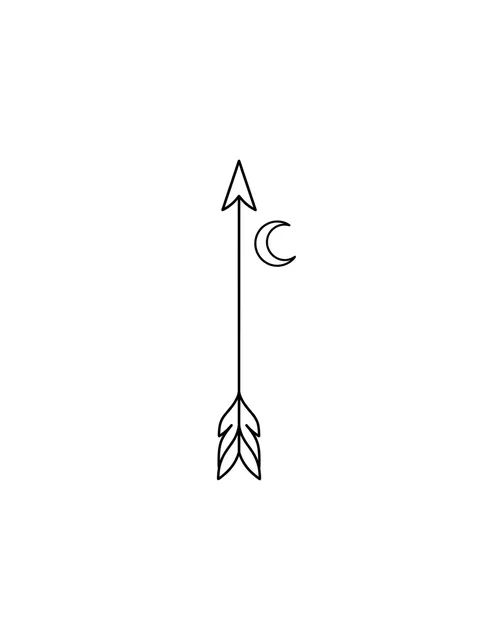
Black and white minimalist moon and arrow tattoo design, outline stencil Try it on — Black and white minimalist moon and arrow tattoo design, outline stencil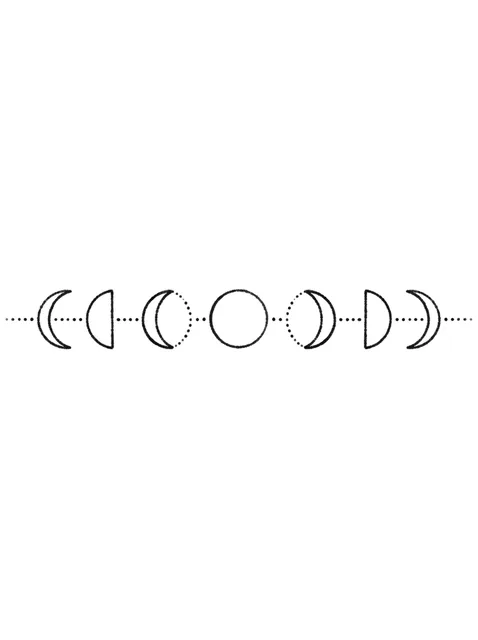
Black and white fine line moon and armband tattoo design, outline stencil Try it on — Black and white fine line moon and armband tattoo design, outline stencil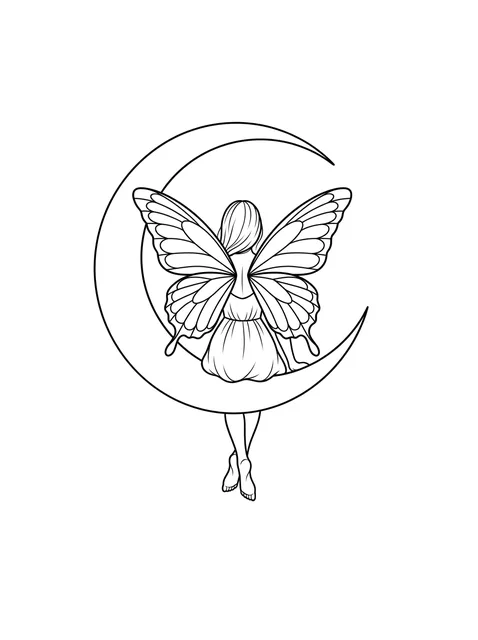
Black and white fine line moon and fairy tattoo design, outline stencil: a crescent moon Try it on — Black and white fine line moon and fairy tattoo design, outline stencil: a crescent moon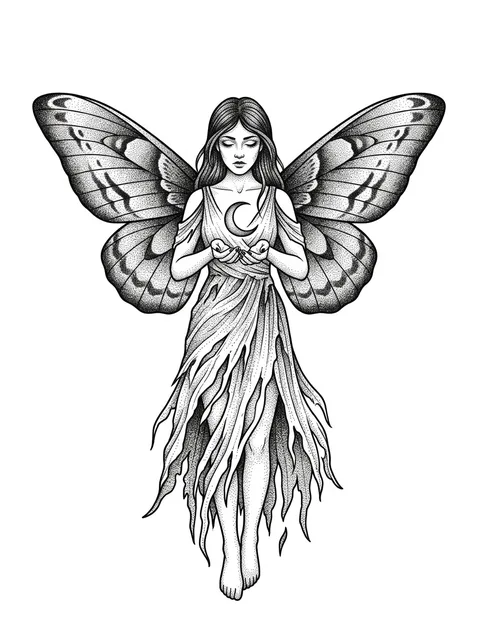
Black and grey dotwork moon and fairy tattoo design Try it on — Black and grey dotwork moon and fairy tattoo design


Tap any design to see it on your own skin in the try-on — no signup.
This set of 80 moon designs, by the numbers
- Styles represented
- illustrative (16), fine line (10), dotwork (9), ornamental (6), minimalist (5), traditional (5)
- Black-and-grey vs colour
- 83% black-and-grey, 18% colour
- Most often drawn with
- star, sun, cloud, mandala
Counted from the 80 designs shown on this page. Every one was drawn for InkCraft — none are scraped or reposted. Free to reference with a link to this page.
What a moon tattoo means
The moon means change on a schedule, which is what separates it from every other transformation motif. A butterfly changes once. The moon changes constantly and returns to where it started every 29.5 days, so it is the natural image for anything cyclical — moods that come and go, recovery that is not linear, a life measured in returns rather than in progress.
Which phase you choose is the entire decision, and it is the one most often left to the artist. A waxing crescent is growth and beginning. A full moon is completion, and in most traditions also exposure — everything visible, nothing hidden. A waning crescent is release and letting go. A new moon is a deliberate near-absence, chosen by people marking a reset rather than an achievement.
The direction a crescent faces is not decorative either, though almost everyone treats it as such. From the northern hemisphere a waxing moon is lit on the right and a waning moon on the left. So a crescent drawn facing the wrong way says the opposite of what its wearer usually intends, and no artist will flag it unless asked.
The moon-and-sun pairing is the most common composition and says something specific: two opposites that need each other. Worn between partners or siblings it is a statement about difference rather than similarity, and the moon half is conventionally the one who works at night, thinks at night, or simply is not the loud one.
Where the design comes from
The moon is one of the oldest measured things in human culture — the Lascaux cave paintings are argued to include lunar tallies, and most early calendars are lunar before they are solar. Greek and Roman tradition split it across Selene and Luna as the moon itself, and Artemis and Diana as the huntress associated with it, which is where the connection to independence rather than domesticity comes from. The photographic full moon, craters and all, only became a tattooable image after Apollo-era imagery made the surface familiar; before that the moon in Western art is a crescent or a face, almost never a landscape.
Choosing yours
- A crescent is one of the few designs that genuinely works small. It is a simple closed shape with no internal detail, so it survives ink spread better than almost anything else, and a 3-4 cm crescent will still read cleanly in twenty years.
- A full moon is the opposite and is the version people underestimate. Craters are subtle value changes across a circle, and subtle value is the first thing lost as ink settles — below roughly 8 cm a detailed full moon greys into a flat disc. If you want small, take a crescent.
- A phases row is a horizontal composition and needs a horizontal field: across the inner forearm, along the collarbone, under the ribs, across the shoulders. Curved around a limb the end phases foreshorten and the sequence stops reading as evenly spaced, which is the whole visual point of it.
Size, cost and placement
How big, and what it costs
A small crescent is a shop-minimum piece, often under an hour. A detailed full moon with rendered craters wants 8-12 cm and two to three hours, since it is all careful value work. A full phases row is priced by count — eight small moons is eight separate drawings and a half day.
Where it sits, and how much it hurts
Crescents suit almost anywhere: behind the ear, the inner wrist, the ankle, the collarbone. Phases rows need a horizontal run — inner forearm, collarbone, under the ribs, across the shoulders. Full moons want a flat field so the circle stays a circle.
What to ask your artist
- Which phase, and which way the crescent faces — say it explicitly, because it will otherwise be decided by composition rather than meaning.
- For a full moon at your size, whether crater detail will survive or whether a cleaner disc would age better.
- If it is a phases row, to lay out the spacing on your skin first — even spacing is the entire effect and curved placements break it.
Prices vary widely by city and artist — treat these as session lengths rather than quotes, and expect a shop minimum on anything small. The cost guide turns hours into money by size, placement and style.
Common questions
Which moon phase should I get?
Waxing crescent for growth, full for completion or exposure, waning for release, new for a reset. It is the main decision this motif offers, and it is the one most often left to the artist by default.
Does the direction of a crescent matter?
Yes, and it is routinely got wrong. In the northern hemisphere a waxing moon is lit on the right, a waning moon on the left — so a reversed crescent means the opposite of what was intended.
Does a small crescent hold its shape over time?
A crescent does, better than almost any small design, because it is a closed shape with no internal detail. A detailed full moon does not — craters are subtle value and merge below about 8 cm.
What a moon tattoo can mean
The meanings this motif carries on the pages that argue them. Each line is that page's own reason for including it.
- Mother and daughter tattoos
- Phases are already a sequence. Crescent and full, or waxing and waning, gives you a pair with an order to it rather than a duplicate.
- Meaningful tattoos
- Change on a reliable cycle. The phases are the only common motif that visually contains the passage of time without a clock in it.
- Love tattoos
- The "I love you to the moon" reading is recent and sentimental; the older one is constancy through change, which is the better tattoo.
- Forever tattoos
- A cycle that has run unbroken for as long as anyone has looked. Permanence as reliability rather than as stillness.
- Father and daughter tattoos
- Complementary rather than matching, which suits pairs who would find identical tattoos uncomfortable. It also scales in both directions without either element looking incomplete.
- Spiritual tattoos
- The only cycle in this set visible without instruments or belief, which is why it crosses every tradition that has ever looked up. Worn for the idea that a diminished thing is not a finished one.
- Matching tattoos
- Phases give you a sequence rather than a copy, so three or four people each get a different piece that is obviously part of one set.
- Couples tattoos
- The other half. Phases also let you pick two different moments rather than one shape twice, which reads as chosen rather than as matched.
See it on your skin before you commit
InkCraft places any of these designs on a photo of you — scaled, wrapped and shaded to the placement you pick.