 InkCraft
79 Sun Tattoo Ideas, Stencils and Meaning
79 original sun designs drawn for InkCraftBy Uladzimir TumanauUpdated
Opens in your browser. No signup. Or tap any design below.
Rayed and heraldic, minimal and quiet, or faced and knowing. The outer bicep looks appealing and is the placement most likely to leave you with a subtly oval sun.
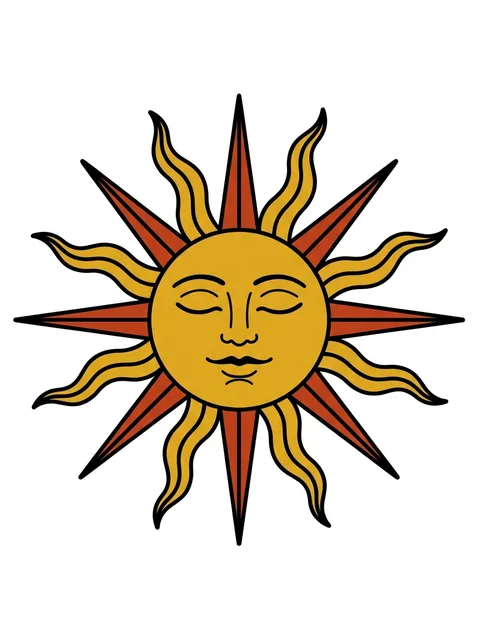
Color traditional sun tattoo design: a stylized sun with a serene face Try it on — Color traditional sun tattoo design: a stylized sun with a serene face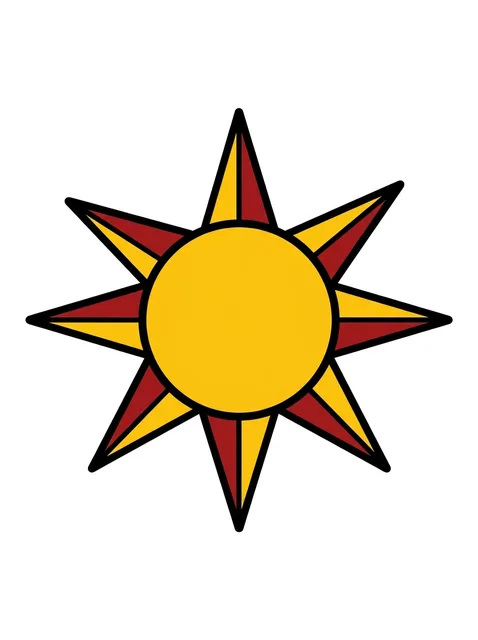
Color traditional sun tattoo design: a stylized sun Try it on — Color traditional sun tattoo design: a stylized sun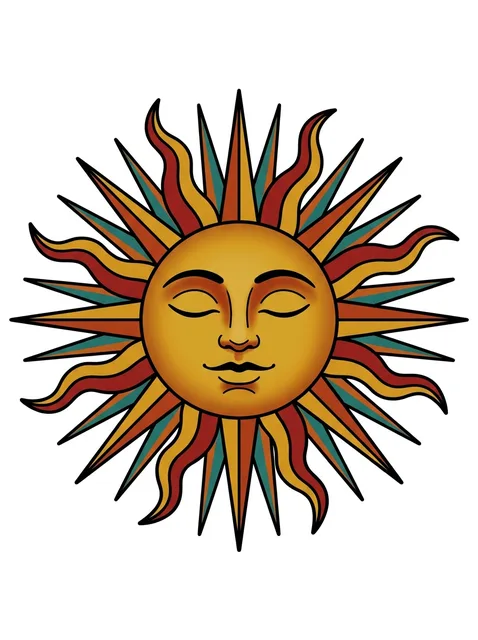
Color traditional sun tattoo design: a serene, sleeping face Try it on — Color traditional sun tattoo design: a serene, sleeping face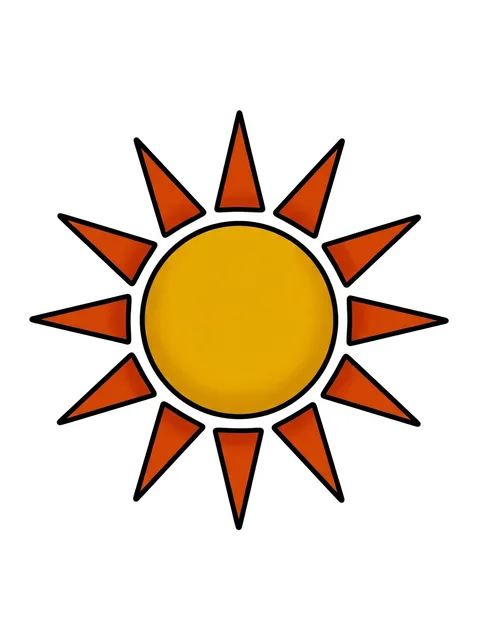
Color illustrative sun tattoo design: a stylized sun Try it on — Color illustrative sun tattoo design: a stylized sun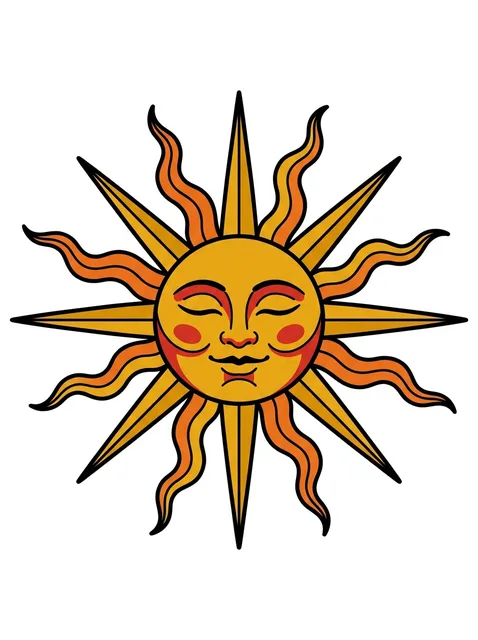
Color traditional sun tattoo design: a smiling face Try it on — Color traditional sun tattoo design: a smiling face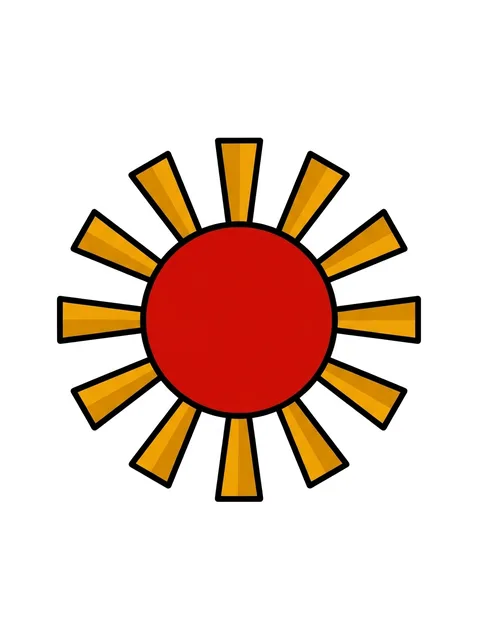
Color illustrative sun tattoo design: a stylized red sun with bold yellow rays Try it on — Color illustrative sun tattoo design: a stylized red sun with bold yellow rays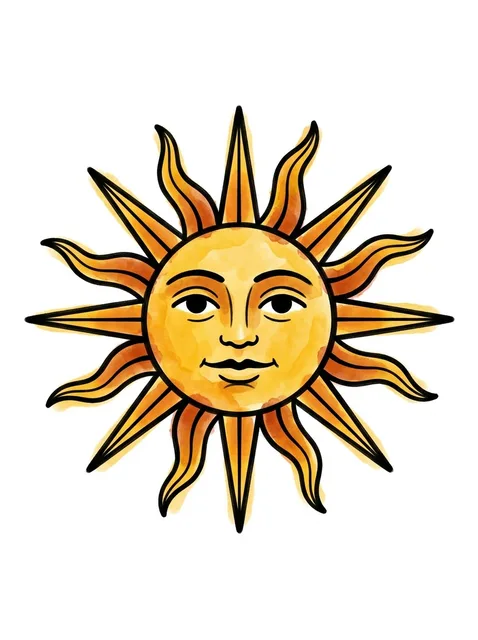
Color watercolor sun tattoo design: a stylized face Try it on — Color watercolor sun tattoo design: a stylized face
Color watercolor sun tattoo design: a bold black outline of a circular sun with triangular rays Try it on — Color watercolor sun tattoo design: a bold black outline of a circular sun with triangular rays
Color neo traditional sun tattoo design Try it on — Color neo traditional sun tattoo design
Color illustrative sun tattoo design: a bright yellow circle with bold orange triangular rays Try it on — Color illustrative sun tattoo design: a bright yellow circle with bold orange triangular rays
Black and grey traditional sun tattoo design: a sun with a human face Try it on — Black and grey traditional sun tattoo design: a sun with a human face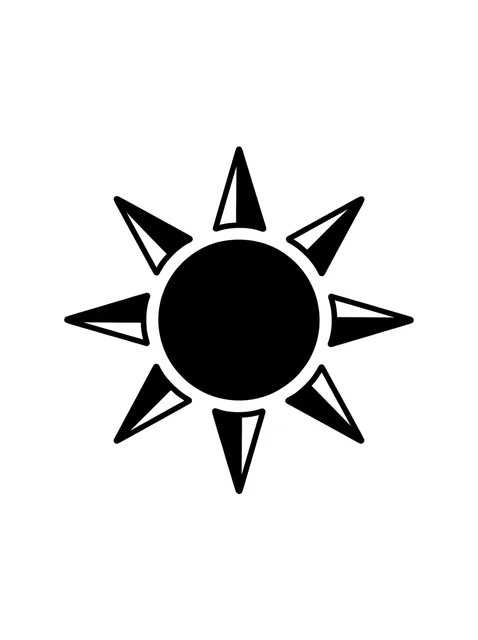
Black and white minimalist sun tattoo design, outline stencil: a stylized sun Try it on — Black and white minimalist sun tattoo design, outline stencil: a stylized sun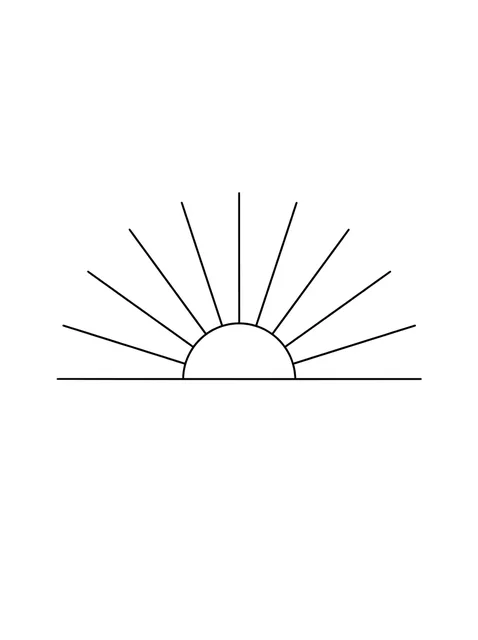
Black and white minimalist sun tattoo design, outline stencil: a rising sun Try it on — Black and white minimalist sun tattoo design, outline stencil: a rising sun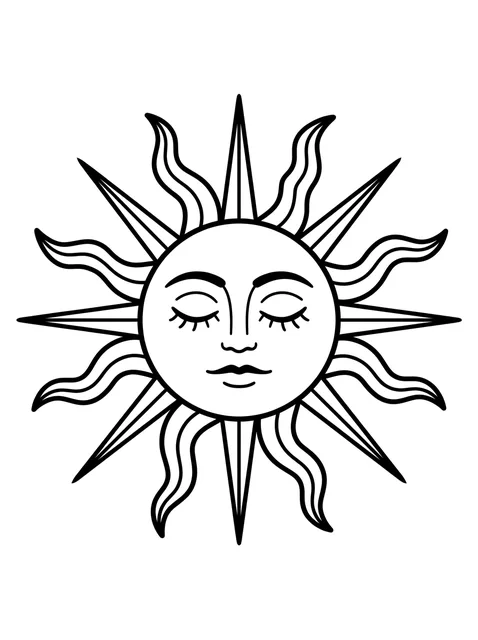
Black and white linework sun tattoo design, outline stencil: a stylized sun (1 of 2) Try it on — Black and white linework sun tattoo design, outline stencil: a stylized sun (1 of 2)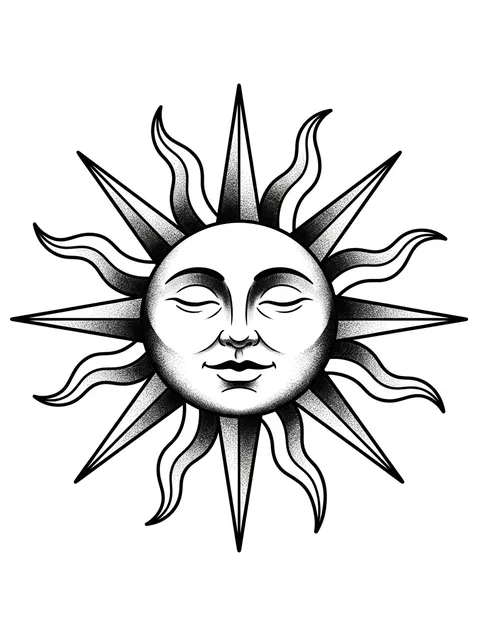
Black and grey traditional sun tattoo design: a calm human face at its center Try it on — Black and grey traditional sun tattoo design: a calm human face at its center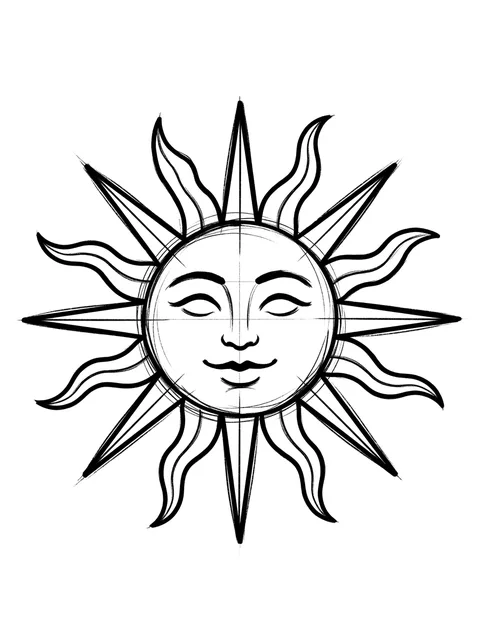
Black and white illustrative sun tattoo design: a serene human face at its center Try it on — Black and white illustrative sun tattoo design: a serene human face at its center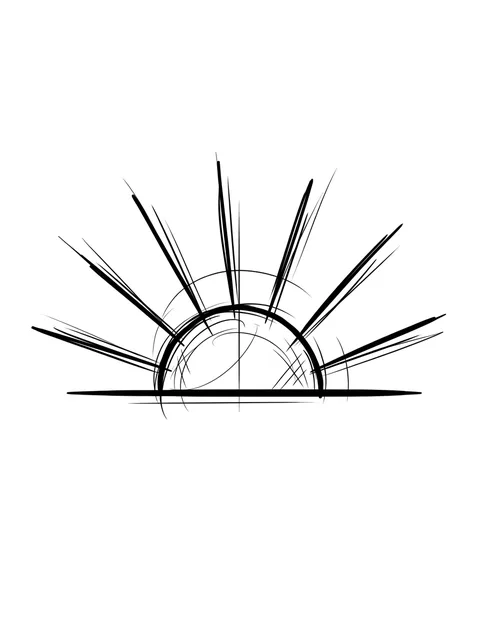
Black and white sketch sun tattoo design: a rising or setting sun Try it on — Black and white sketch sun tattoo design: a rising or setting sun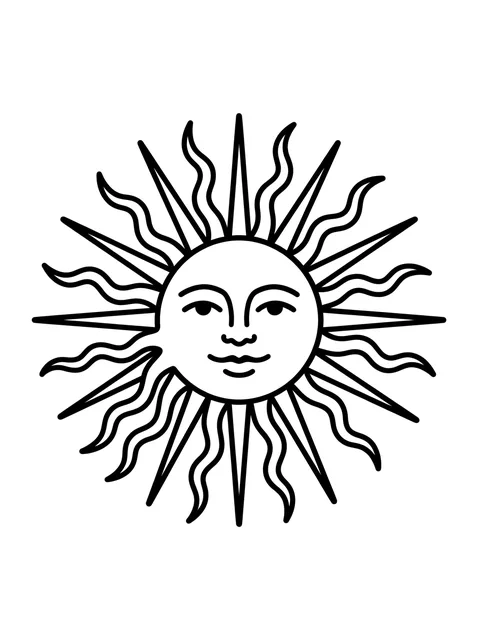
Black and white linework sun tattoo design, outline stencil: a stylized sun (2 of 2) Try it on — Black and white linework sun tattoo design, outline stencil: a stylized sun (2 of 2)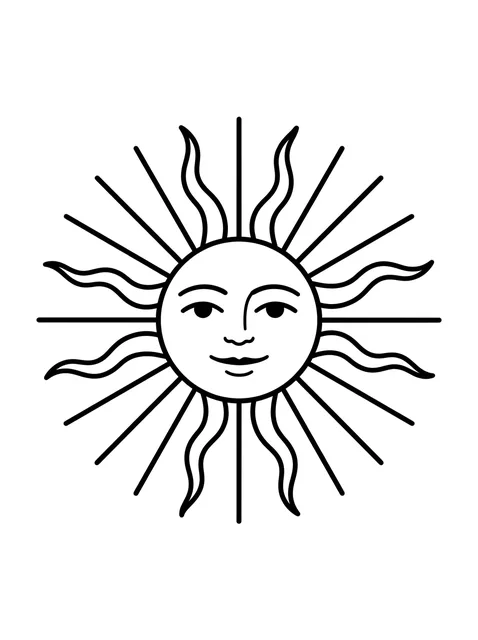
Black and white linework sun tattoo design, outline stencil: a stylized sun with a human-like face Try it on — Black and white linework sun tattoo design, outline stencil: a stylized sun with a human-like face
Black and white minimalist sun tattoo design, outline stencil: a rising or setting sun Try it on — Black and white minimalist sun tattoo design, outline stencil: a rising or setting sun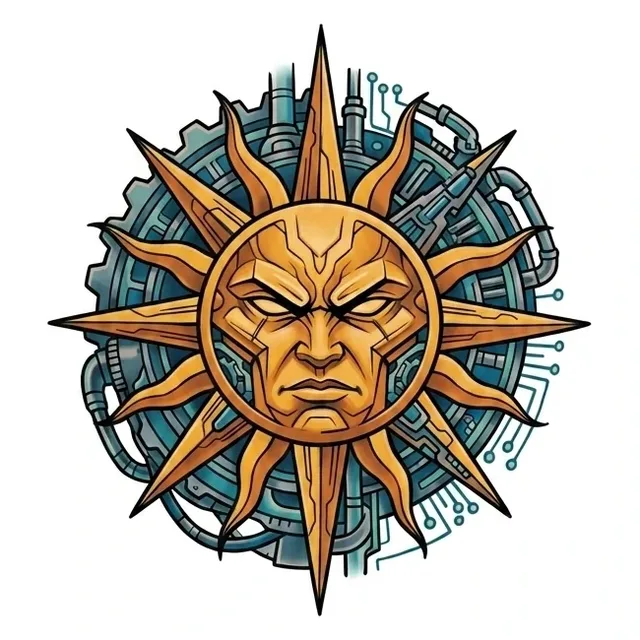
Color new school sun tattoo design: a stylized sun with an angry, robotic face at its center Try it on — Color new school sun tattoo design: a stylized sun with an angry, robotic face at its center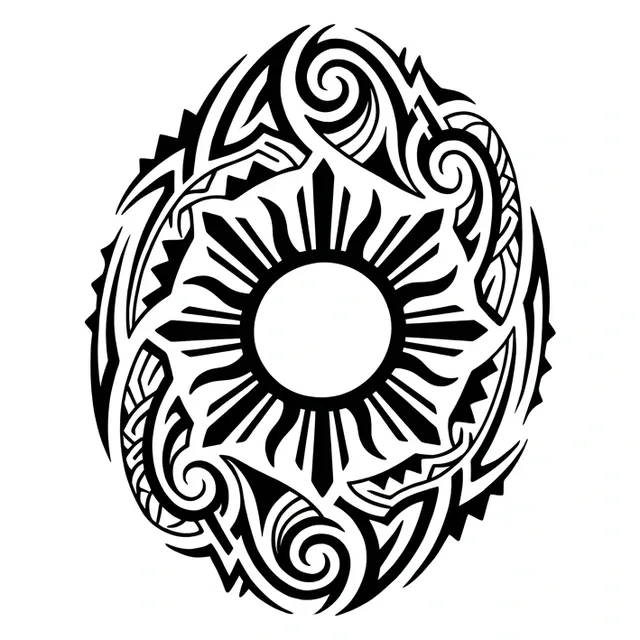
Black and white tribal sun tattoo design Try it on — Black and white tribal sun tattoo design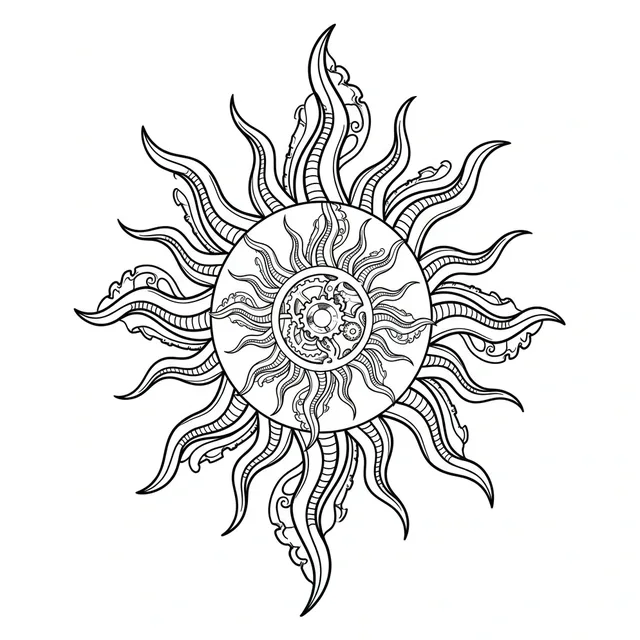
Black and white ornamental sun tattoo design Try it on — Black and white ornamental sun tattoo design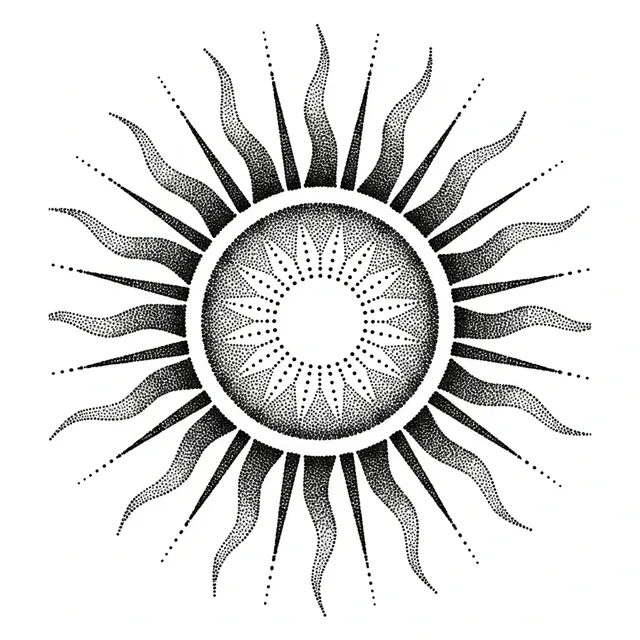
Black and grey dotwork sun tattoo design: a detailed stippled core Try it on — Black and grey dotwork sun tattoo design: a detailed stippled core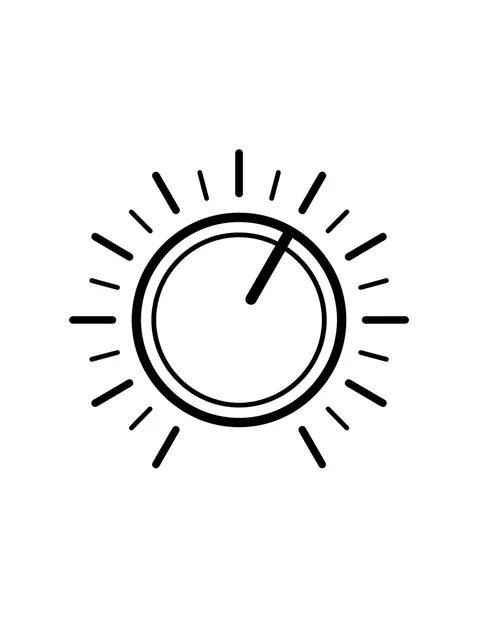
Black and white minimalist sun tattoo design, outline stencil: a sun-like dial Try it on — Black and white minimalist sun tattoo design, outline stencil: a sun-like dial
Black and white fine line sun tattoo design, outline stencil Try it on — Black and white fine line sun tattoo design, outline stencil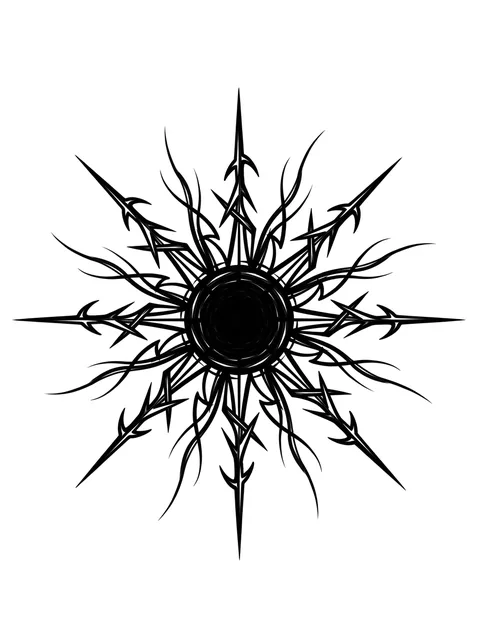
Black and grey cybersigilism sun tattoo design: a dense dark disc sends out rays Try it on — Black and grey cybersigilism sun tattoo design: a dense dark disc sends out rays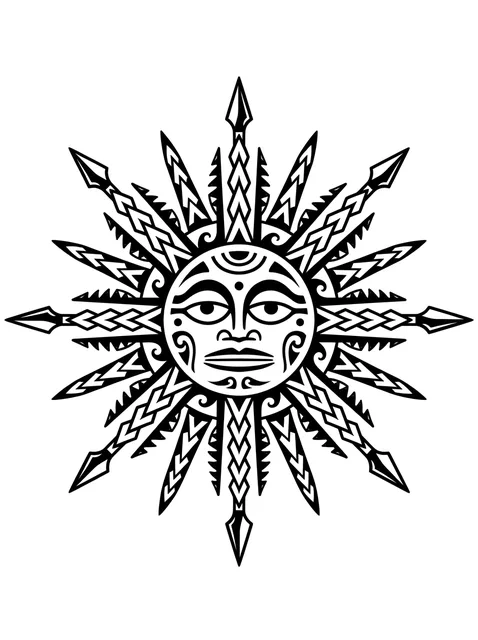
Black and grey polynesian sun tattoo design Try it on — Black and grey polynesian sun tattoo design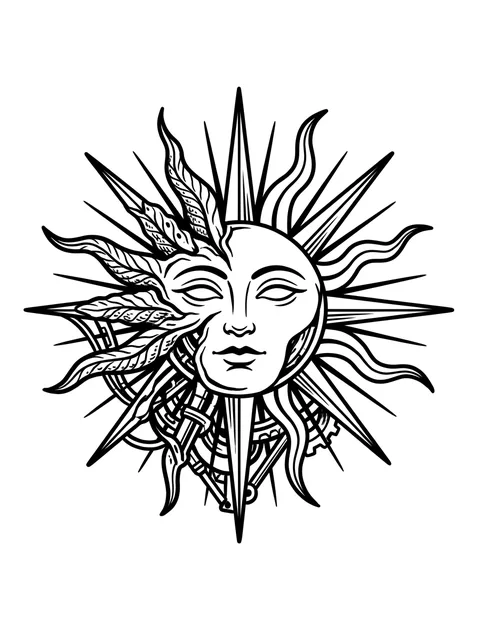
Black and white illustrative sun and mandala tattoo design Try it on — Black and white illustrative sun and mandala tattoo design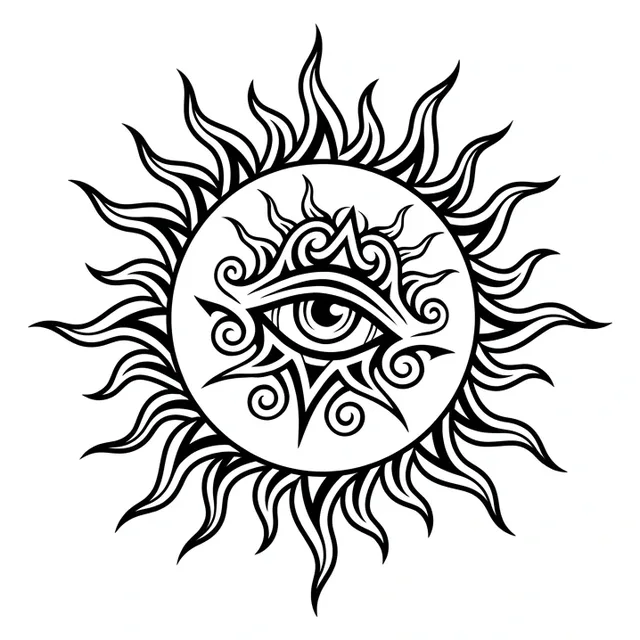
Black and white tribal sun and eye tattoo design: a stylized sun Try it on — Black and white tribal sun and eye tattoo design: a stylized sun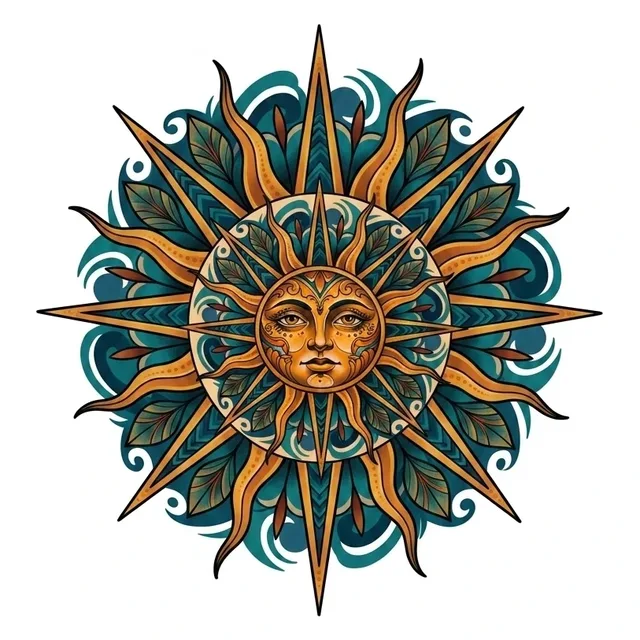
Color neo traditional sun and mandala tattoo design: a stylized sun Try it on — Color neo traditional sun and mandala tattoo design: a stylized sun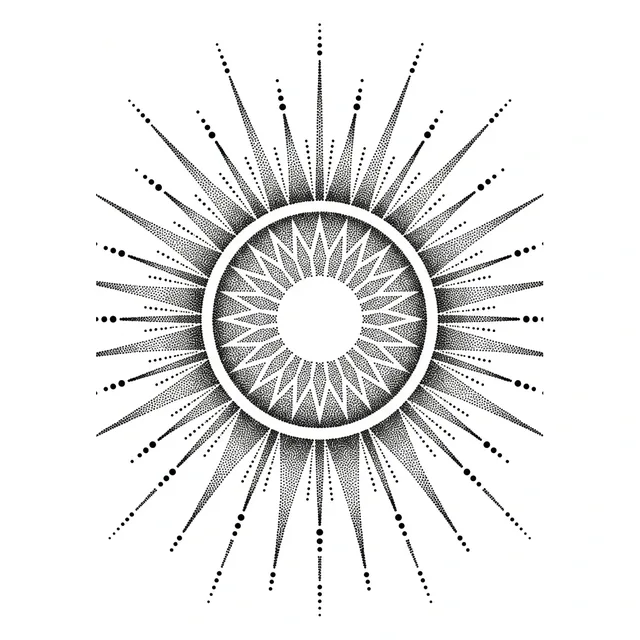
Black and grey dotwork sun and mandala tattoo design: a stylized sun or mandala Try it on — Black and grey dotwork sun and mandala tattoo design: a stylized sun or mandala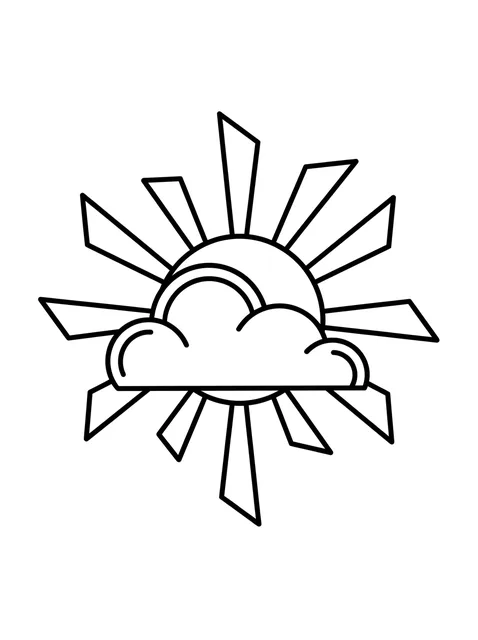
Black and white linework sun and cloud tattoo design, outline stencil Try it on — Black and white linework sun and cloud tattoo design, outline stencil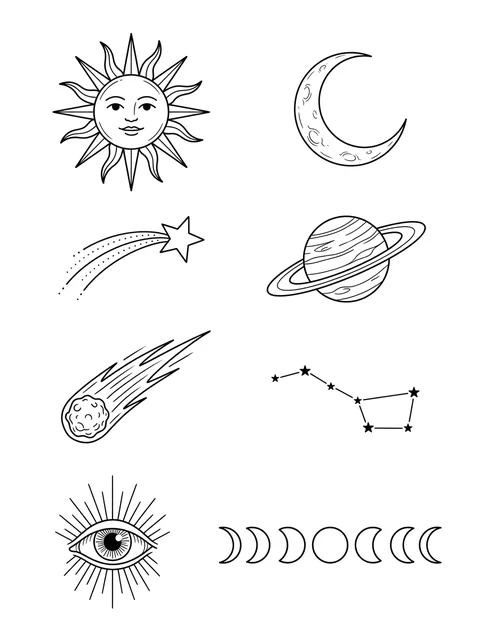
Black and grey flash sun and moon tattoo design Try it on — Black and grey flash sun and moon tattoo design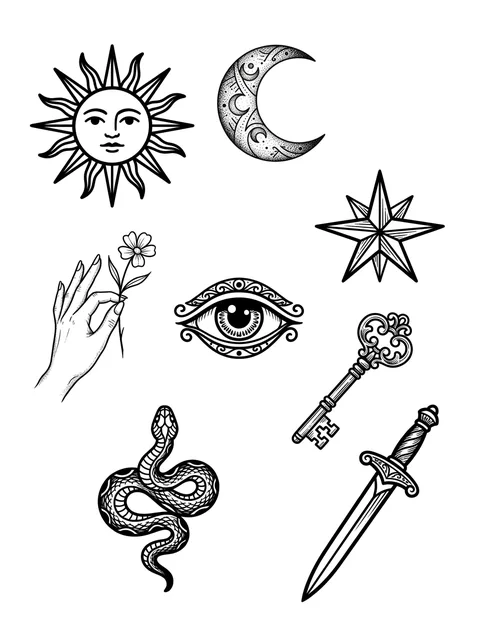
Black and grey patchwork sun and moon tattoo design Try it on — Black and grey patchwork sun and moon tattoo design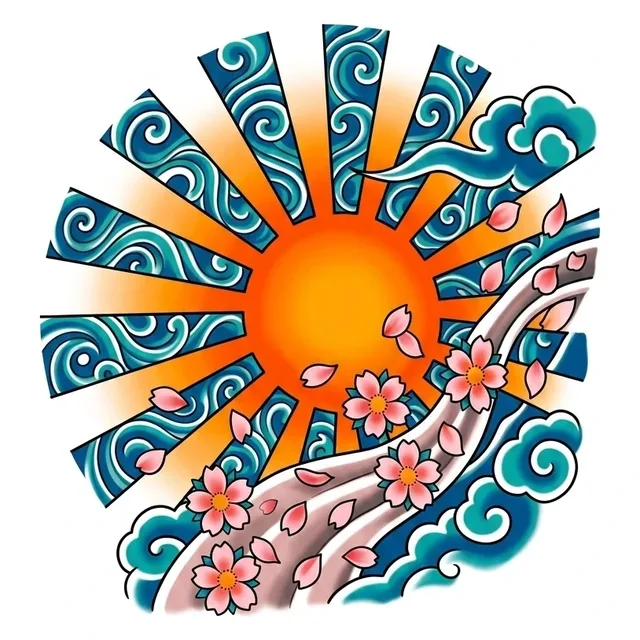
Color Japanese sun and cherry blossom tattoo design: a rising sun with stylized rays filled Try it on — Color Japanese sun and cherry blossom tattoo design: a rising sun with stylized rays filled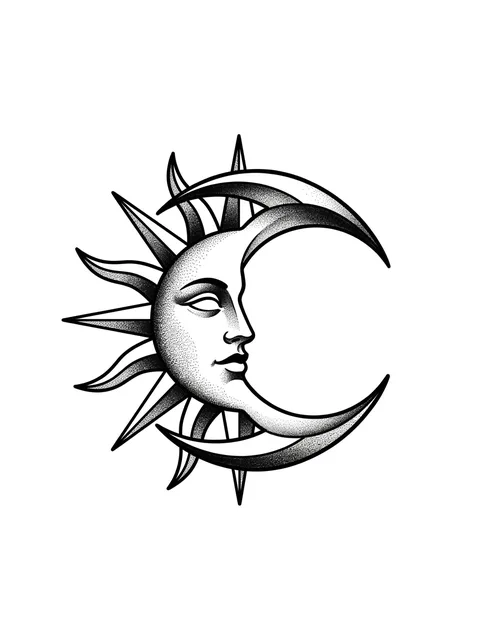
Black and grey dotwork sun and moon tattoo design: a crescent moon Try it on — Black and grey dotwork sun and moon tattoo design: a crescent moon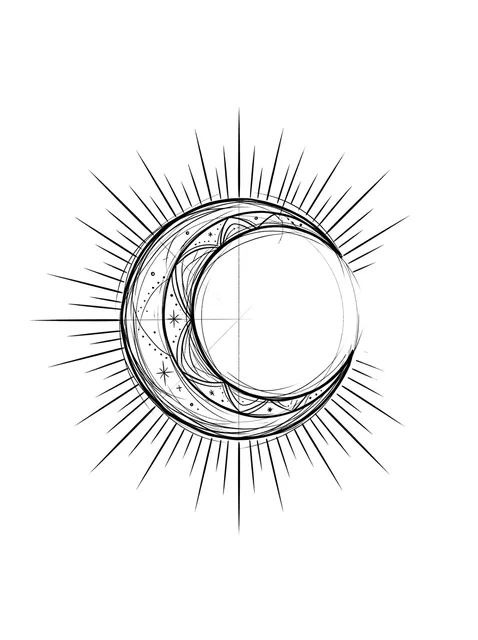
Black and grey illustrative sun and moon tattoo design Try it on — Black and grey illustrative sun and moon tattoo design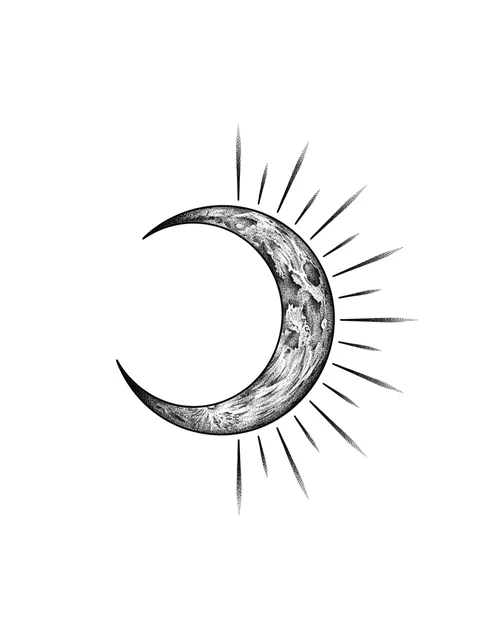
Black and grey dotwork sun and moon tattoo design: a detailed, cratered surface Try it on — Black and grey dotwork sun and moon tattoo design: a detailed, cratered surface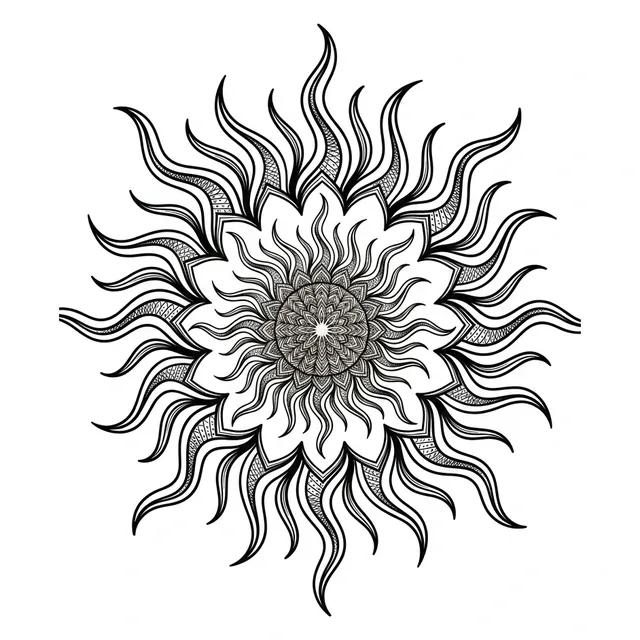
Black and grey dotwork sun and mandala tattoo design Try it on — Black and grey dotwork sun and mandala tattoo design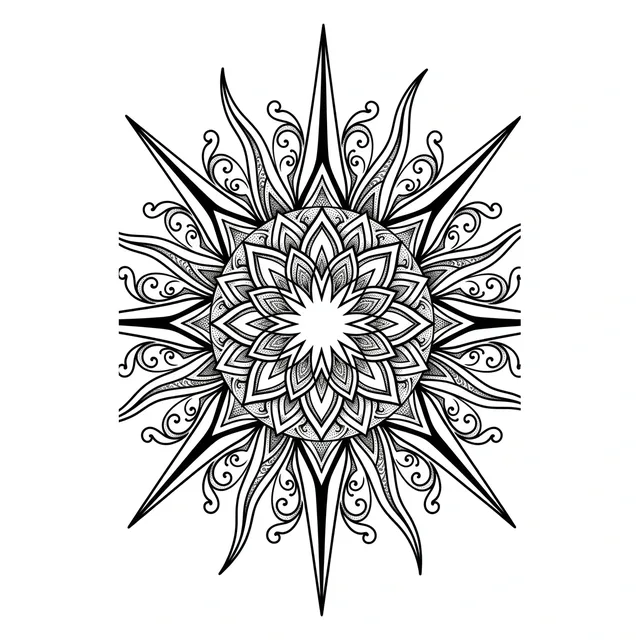
Black and white geometric sun and mandala tattoo design, outline stencil Try it on — Black and white geometric sun and mandala tattoo design, outline stencil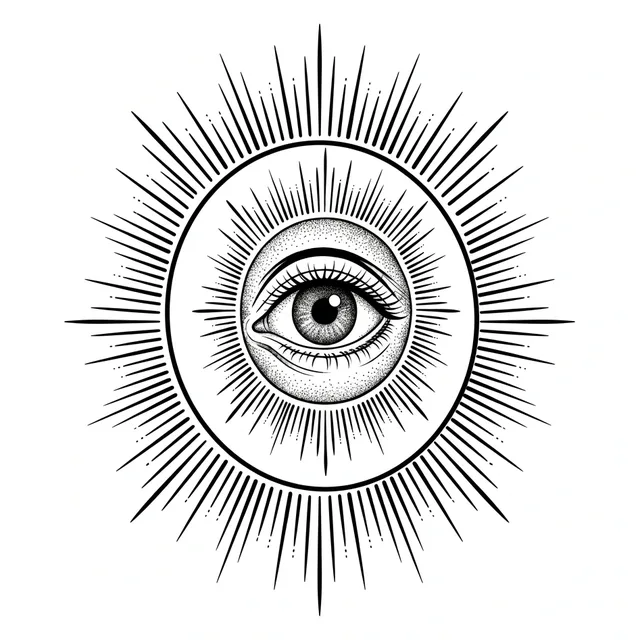
Black and grey dotwork sun and eye tattoo design: a detailed eye within a circular frame Try it on — Black and grey dotwork sun and eye tattoo design: a detailed eye within a circular frame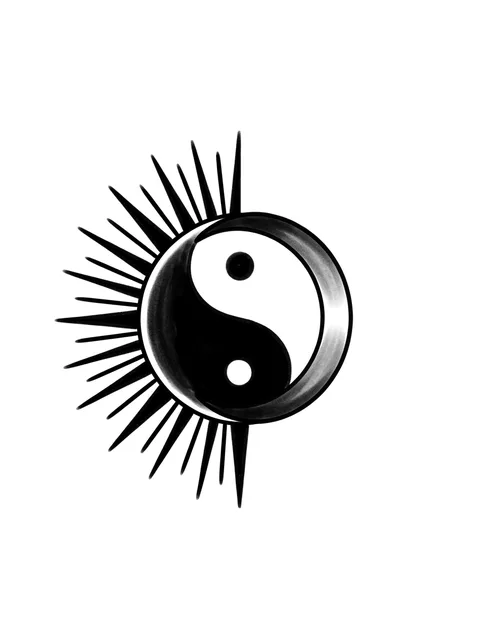
Black and white illustrative sun and yin yang tattoo design Try it on — Black and white illustrative sun and yin yang tattoo design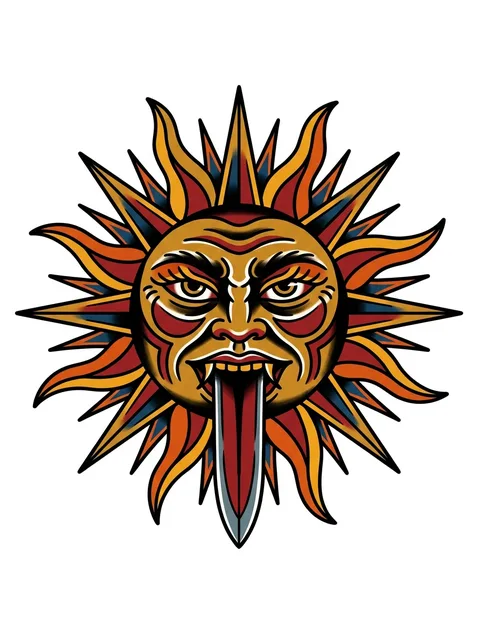
Color traditional sun and aztec tattoo design: a fierce stylized face, its tongue Try it on — Color traditional sun and aztec tattoo design: a fierce stylized face, its tongue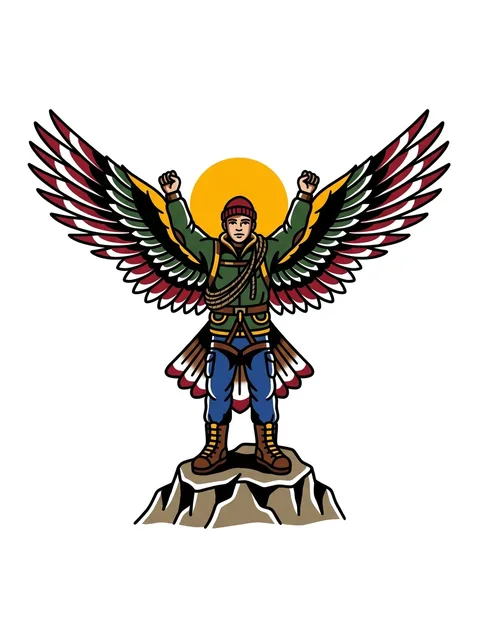
Color traditional sun and icarus tattoo design Try it on — Color traditional sun and icarus tattoo design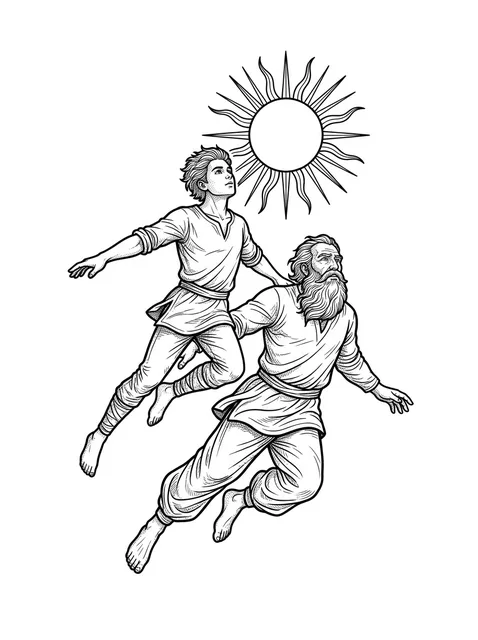
Black and white illustrative sun and icarus tattoo design Try it on — Black and white illustrative sun and icarus tattoo design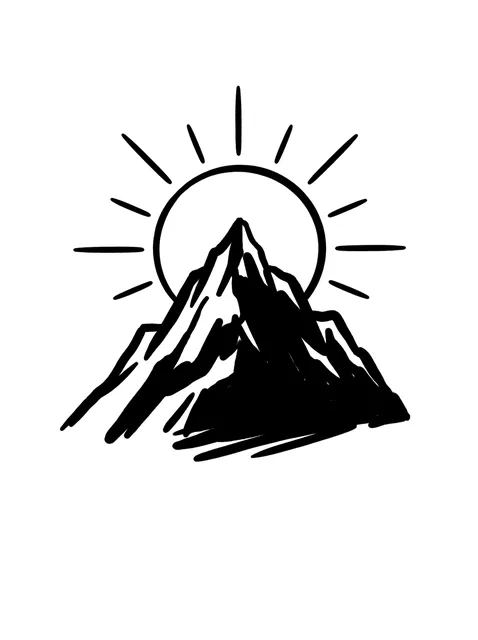
Black and white blackwork sun and mountain tattoo design: a mountain range Try it on — Black and white blackwork sun and mountain tattoo design: a mountain range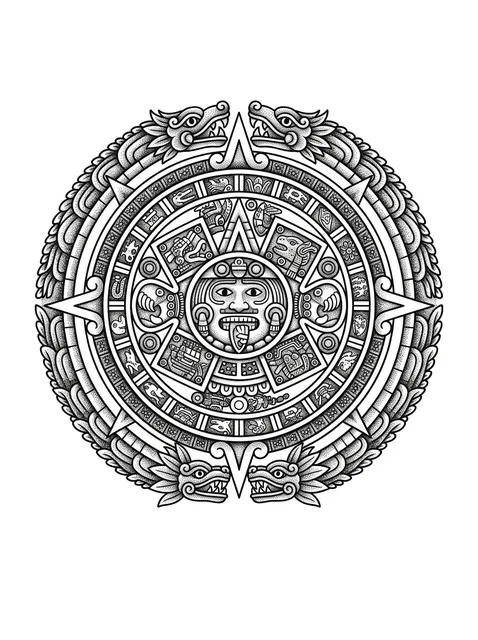
Black and grey dotwork sun and aztec tattoo design Try it on — Black and grey dotwork sun and aztec tattoo design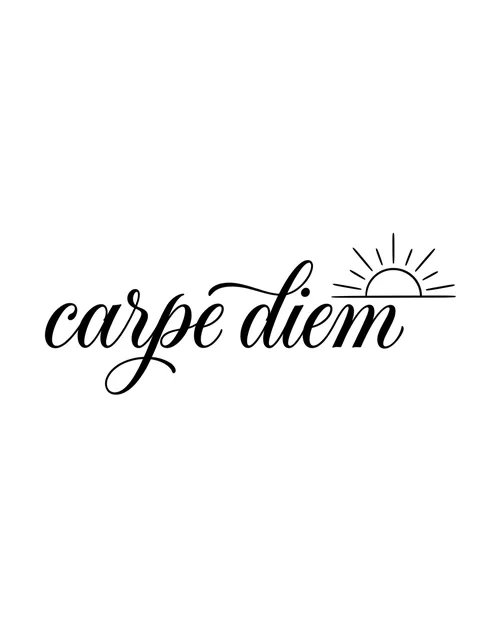
Black and grey lettering sun and quote tattoo design Try it on — Black and grey lettering sun and quote tattoo design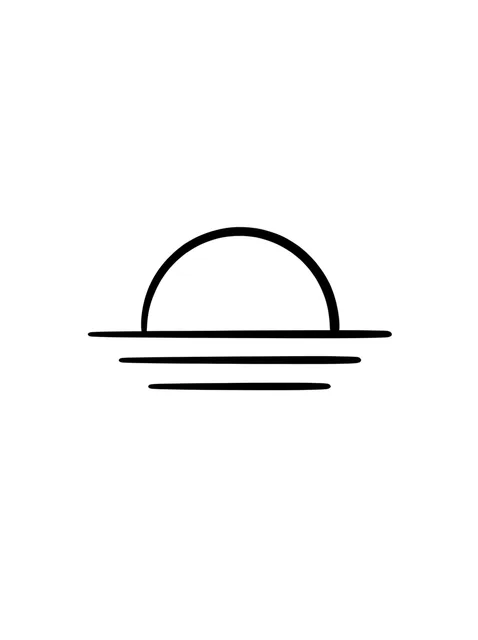
Black and white minimalist sun and ocean tattoo design, outline stencil Try it on — Black and white minimalist sun and ocean tattoo design, outline stencil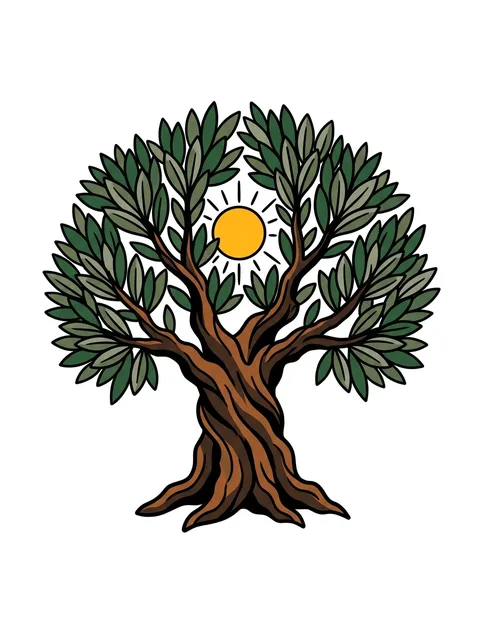
Color illustrative sun and tree of life tattoo design Try it on — Color illustrative sun and tree of life tattoo design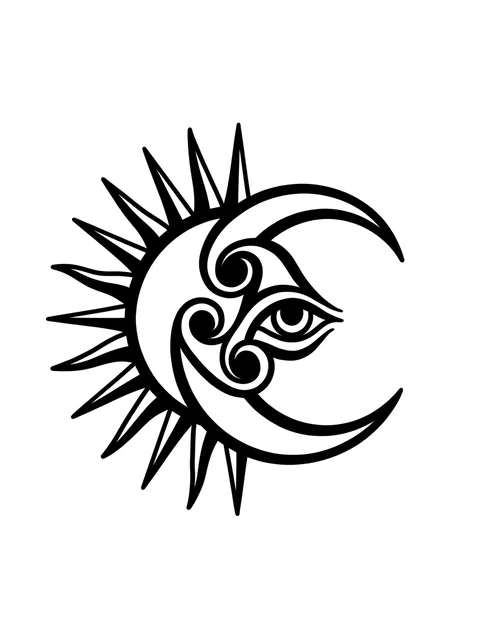
Black and white tribal sun and moon tattoo design: a crescent moon and a sun with sharp rays Try it on — Black and white tribal sun and moon tattoo design: a crescent moon and a sun with sharp rays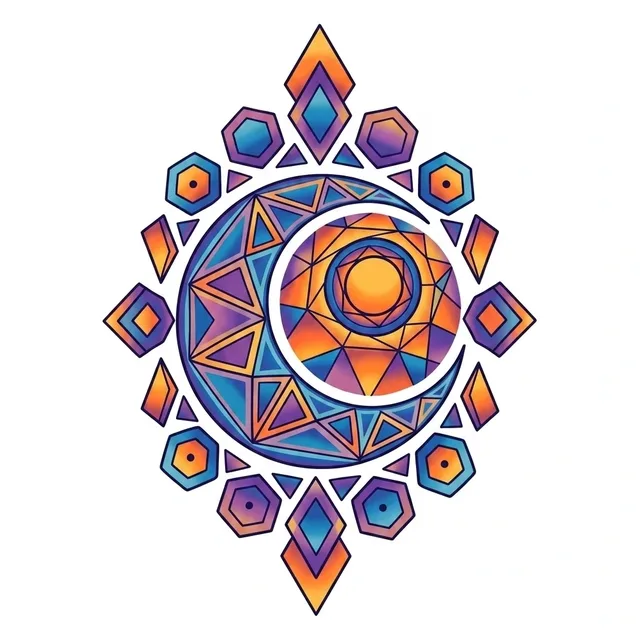
Color geometric sun and moon tattoo design, outline stencil: a crescent moon and sun motif Try it on — Color geometric sun and moon tattoo design, outline stencil: a crescent moon and sun motif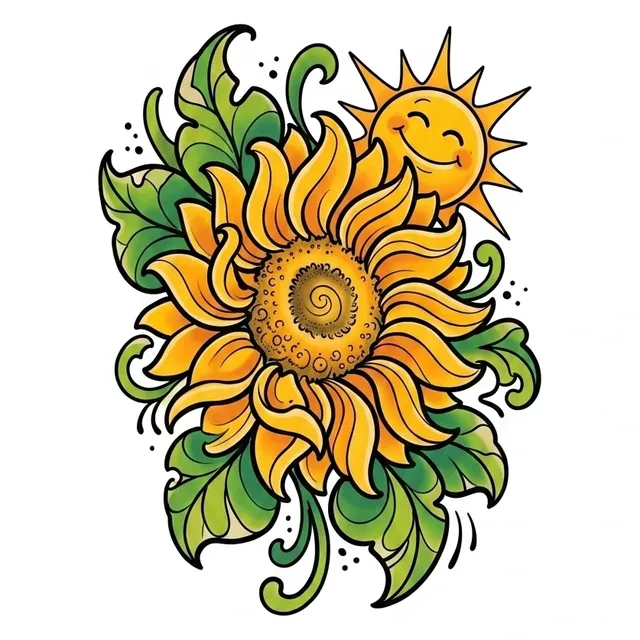
Color illustrative sun and sunflower tattoo design: a large sunflower Try it on — Color illustrative sun and sunflower tattoo design: a large sunflower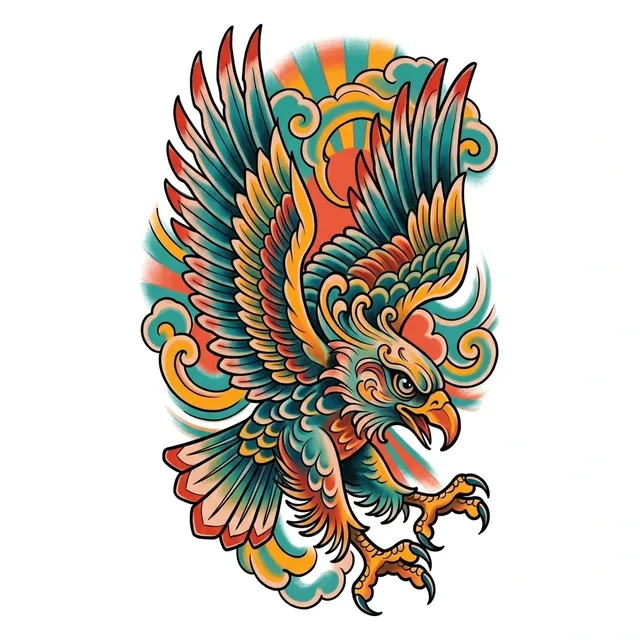
Color neo traditional sun and eagle tattoo design Try it on — Color neo traditional sun and eagle tattoo design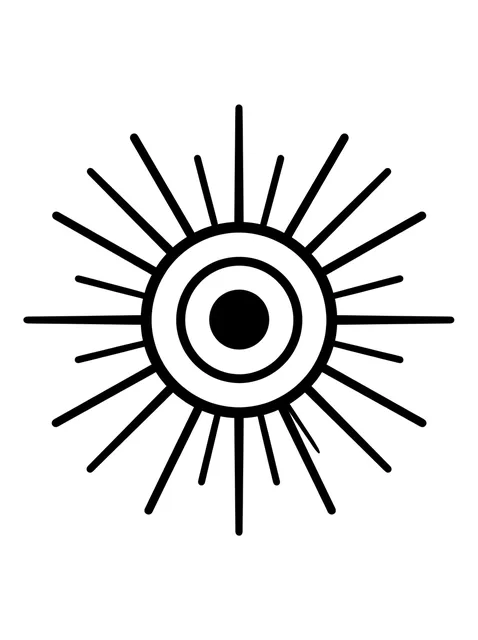
Black and white minimalist sun and evil eye tattoo design, outline stencil Try it on — Black and white minimalist sun and evil eye tattoo design, outline stencil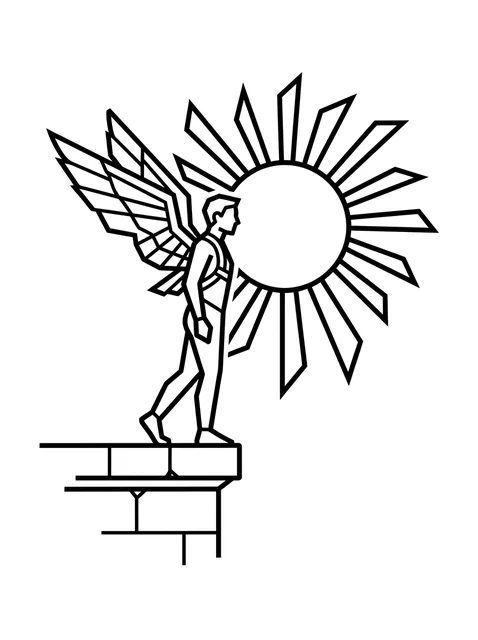
Black and white linework sun and icarus tattoo design, outline stencil Try it on — Black and white linework sun and icarus tattoo design, outline stencil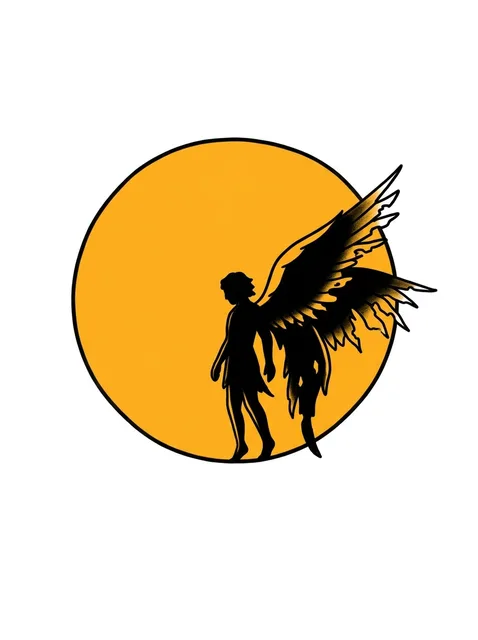
Color neo traditional sun and icarus tattoo design: a silhouetted angel with large, detailed wings Try it on — Color neo traditional sun and icarus tattoo design: a silhouetted angel with large, detailed wings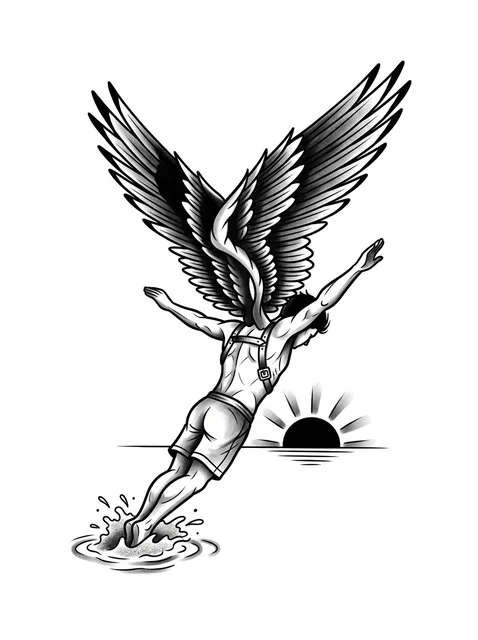
Black and grey neo traditional sun and icarus tattoo design (1 of 2) Try it on — Black and grey neo traditional sun and icarus tattoo design (1 of 2)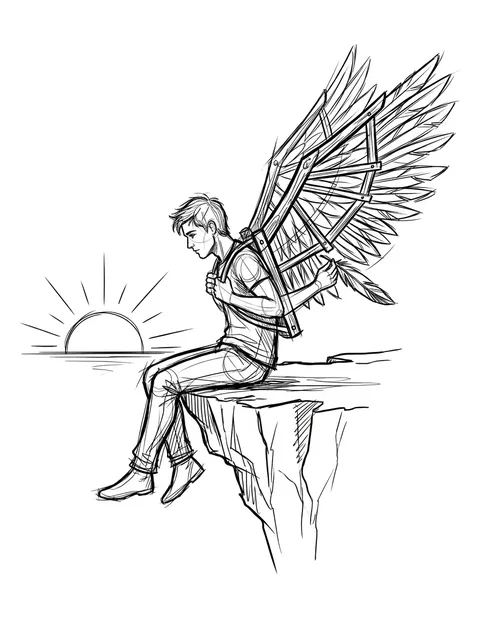
Black and grey illustrative sun and icarus tattoo design Try it on — Black and grey illustrative sun and icarus tattoo design
Black and grey traditional sun and icarus tattoo design (1 of 2) Try it on — Black and grey traditional sun and icarus tattoo design (1 of 2)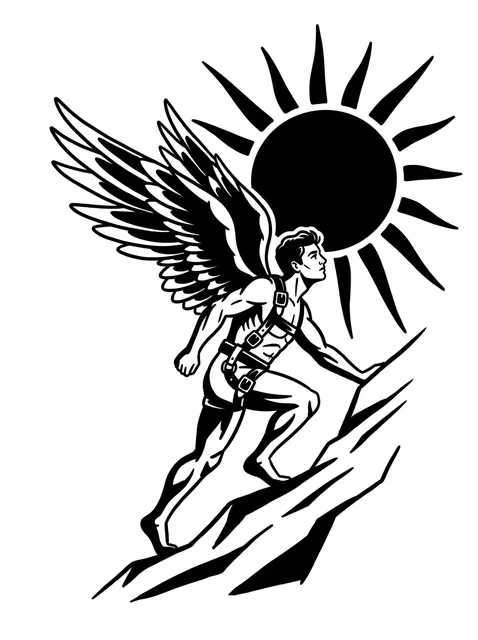
Black and grey traditional sun and icarus tattoo design (2 of 2) Try it on — Black and grey traditional sun and icarus tattoo design (2 of 2)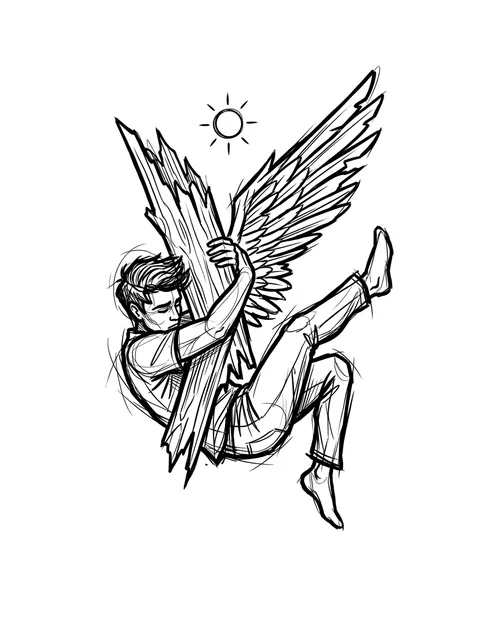
Black and white sketch sun and icarus tattoo design: a figure, reminiscent of Icarus Try it on — Black and white sketch sun and icarus tattoo design: a figure, reminiscent of Icarus
Color illustrative sun and leo tattoo design Try it on — Color illustrative sun and leo tattoo design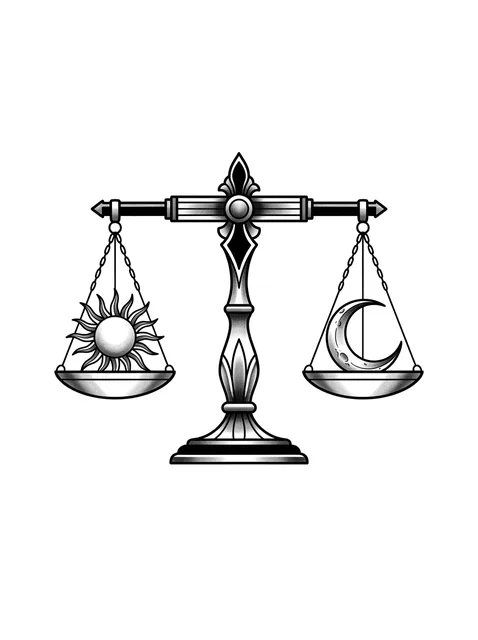
Black and grey illustrative sun and libra tattoo design Try it on — Black and grey illustrative sun and libra tattoo design
Black and grey flash sun and skull tattoo design Try it on — Black and grey flash sun and skull tattoo design
Black and grey patchwork sun and skull tattoo design: a daisy, a scratchy Try it on — Black and grey patchwork sun and skull tattoo design: a daisy, a scratchy
Black and grey stick and poke sun and ocean tattoo design Try it on — Black and grey stick and poke sun and ocean tattoo design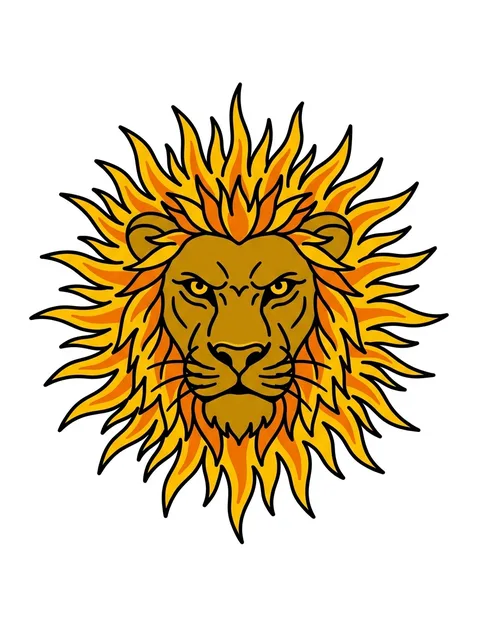
Color neo traditional sun and leo tattoo design Try it on — Color neo traditional sun and leo tattoo design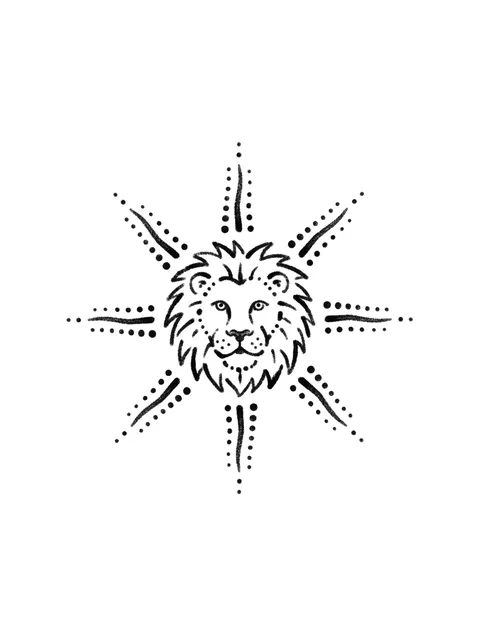
Black and grey dotwork sun and leo tattoo design: a tapered stroke flanked by rows of dots Try it on — Black and grey dotwork sun and leo tattoo design: a tapered stroke flanked by rows of dots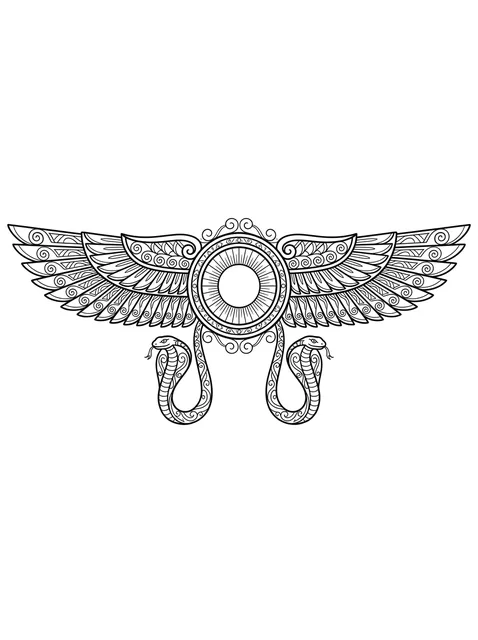
Black and grey ornamental sun and egyptian tattoo design Try it on — Black and grey ornamental sun and egyptian tattoo design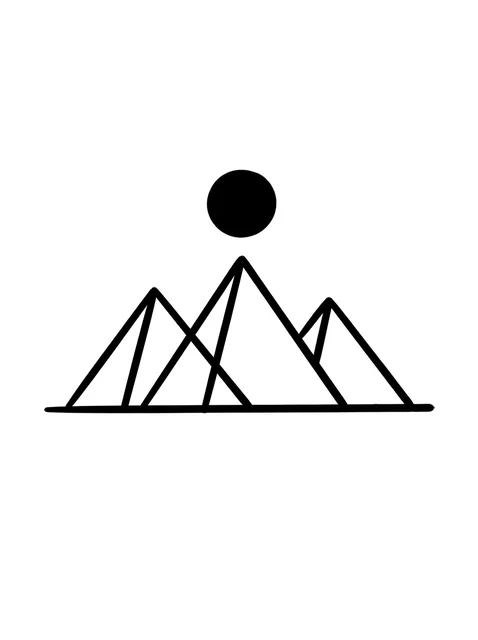
Black and white minimalist sun and egyptian tattoo design, outline stencil Try it on — Black and white minimalist sun and egyptian tattoo design, outline stencil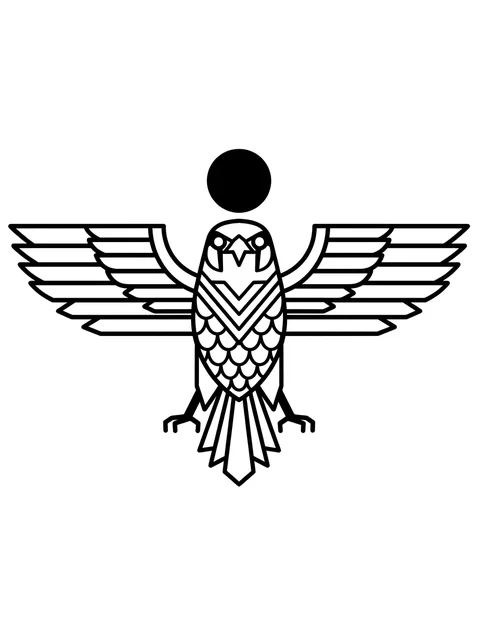
Black and white geometric sun and egyptian tattoo design, outline stencil Try it on — Black and white geometric sun and egyptian tattoo design, outline stencil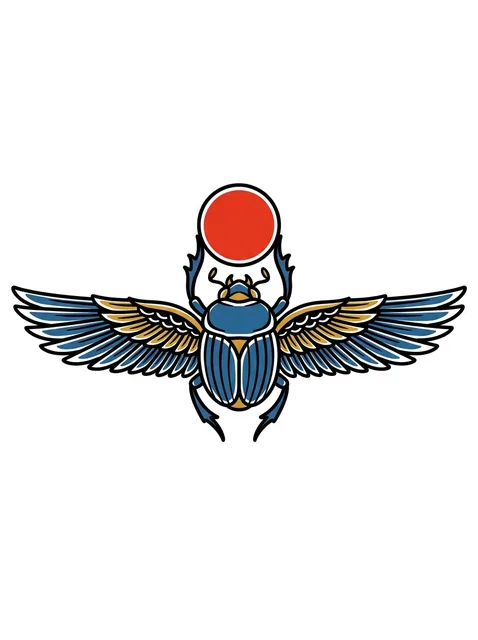
Color traditional sun and egyptian tattoo design Try it on — Color traditional sun and egyptian tattoo design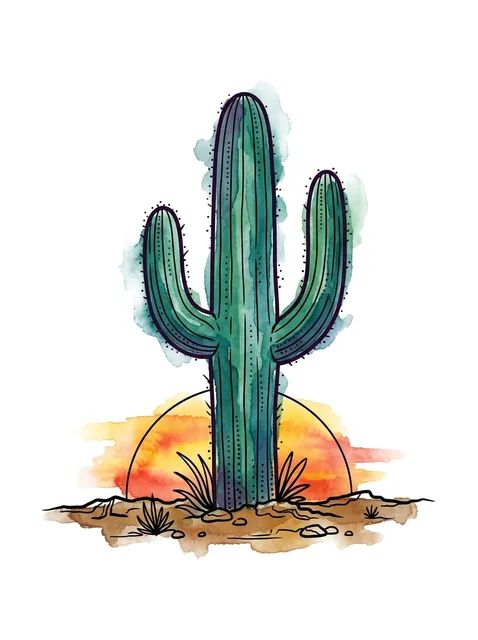
Color watercolor sun and western tattoo design Try it on — Color watercolor sun and western tattoo design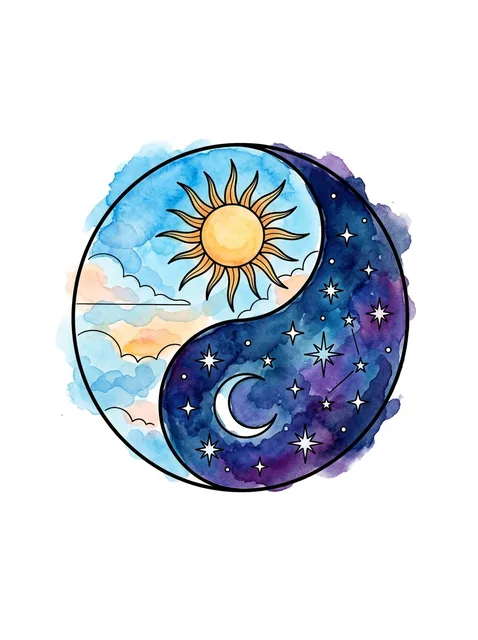
Color watercolor sun and yin yang tattoo design: a yin-yang symbol Try it on — Color watercolor sun and yin yang tattoo design: a yin-yang symbol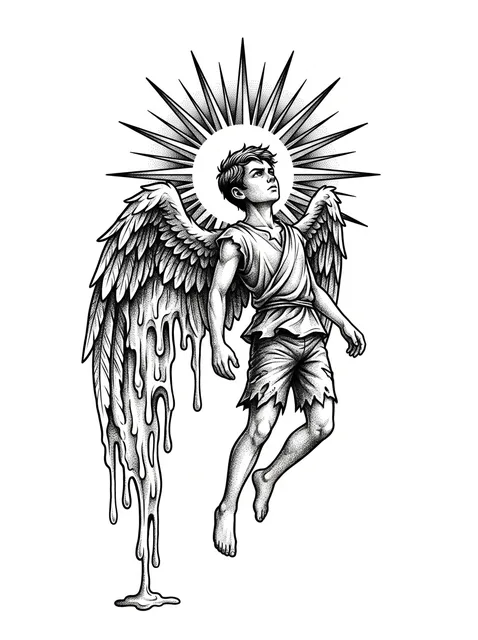
Black and grey dotwork sun and icarus tattoo design: a young angel with large, detailed wings, one Try it on — Black and grey dotwork sun and icarus tattoo design: a young angel with large, detailed wings, one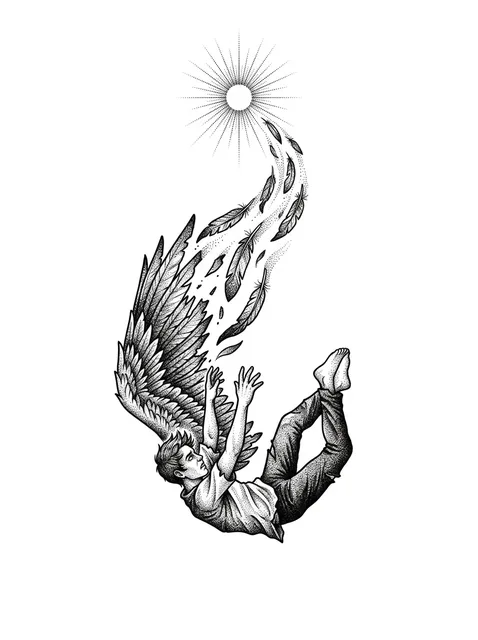
Black and grey dotwork sun and icarus tattoo design: the myth of Icarus Try it on — Black and grey dotwork sun and icarus tattoo design: the myth of Icarus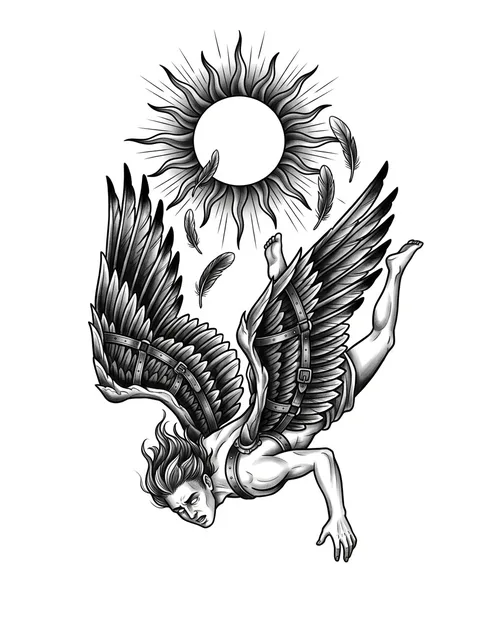
Black and grey neo traditional sun and icarus tattoo design (2 of 2) Try it on — Black and grey neo traditional sun and icarus tattoo design (2 of 2)


Tap any design to see it on your own skin in the try-on — no signup.
This set of 79 sun designs, by the numbers
- Styles represented
- illustrative (13), traditional (11), dotwork (10), neo traditional (7), minimalist (7), linework (5)
- Black-and-grey vs colour
- 68% black-and-grey, 32% colour
- Most often drawn with
- icarus, moon, angel wings, mandala
Counted from the 79 designs shown on this page. Every one was drawn for InkCraft — none are scraped or reposted. Free to reference with a link to this page.
What a sun tattoo means
The sun is the oldest symbol in tattooing that still means roughly what it always meant: life, renewal, and the thing everything else is measured against. It is one of very few motifs with no meaningfully negative reading anywhere, which is part of why it survives across cultures that share almost nothing else.
The sun-and-moon pairing is the most common version and says something more precise than either alone. It is about opposites that need each other — day and night, but by extension two people, or two halves of one person. Worn as a matching pair between partners or siblings it is a statement about difference rather than similarity, which is the part people usually mean and rarely say.
Style changes the reading here more than for most subjects. A rayed traditional sun is a heraldic, declarative thing. A minimal line-drawn sun is quiet and personal. A sun with a face — borrowed from medieval and alchemical illustration — is knowing rather than sincere, and reads as a decision about tone.
It is also the most common cover-up and rework subject we see, because a radiating shape can absorb an existing tattoo into its rays more gracefully than almost any other design.
Tribal and Polynesian sun designs are a distinct tradition rather than a style choice. Their rays and internal patterning carry specific meaning in Samoan and Marquesan work, where marks are earned and placed by rule. A sun drawn in that visual language is borrowing from a living practice, which is worth understanding before choosing it over a heraldic or minimal version.
Where the design comes from
Solar imagery runs through Egyptian, Aztec, Norse and Japanese iconography independently, and the specific rayed disc most tattoo suns descend from is a European heraldic form — the "sun in splendour", used as a badge by Edward IV after a parhelion was reported before the battle of Mortimer Cross in 1461. The face-in-the-sun variant comes from alchemical woodcuts, and reached tattooing through the same nineteenth-century engraving tradition that supplied much of American traditional flash.
Choosing yours
- Radial symmetry decides the placement. A rayed sun only stays true on a flat field — shoulder blade, sternum, the flat of the upper arm or the nape. On a curved surface the far rays foreshorten and the disc reads as an oval from every angle but one.
- Ray count matters more than diameter. Many thin rays are many narrow triangles, and those close first as ink spreads; eight to twelve solid rays will still read cleanly in twenty years where twenty-four fine ones will not.
- If it is going to pair with a moon later, plan both now. A sun designed alone and a moon added afterwards almost never balance, because the second artist is solving a problem the first one did not know existed.
Size, cost and placement
How big, and what it costs
A simple linework or minimal sun at 5-8 cm is often a shop minimum. A traditional rayed sun with solid black fill runs 10-15 cm and two to three hours. A sun-and-moon composition roughly doubles it, since the two have to be balanced against each other rather than drawn in sequence.
Where it sits, and how much it hurts
Sternum, shoulder blade, nape and inner forearm all keep the symmetry honest. Sternum is the most striking and among the most painful. The outer bicep looks appealing and is the placement most likely to leave you with a subtly oval sun.
What to ask your artist
- How many rays, and whether they will still be separate at your size in a decade — thin rays are the first thing to close.
- If a moon is coming later, to design both now even if only one is tattooed today.
- Whether the sun has a face, since that changes the tone from sincere to knowing and is hard to walk back.
Prices vary widely by city and artist — treat these as session lengths rather than quotes, and expect a shop minimum on anything small. The cost guide turns hours into money by size, placement and style.
Common questions
What does a sun and moon tattoo mean?
Opposites that depend on each other. Between two people it is usually a statement about being different rather than alike, which is the part that goes unsaid.
Why does a sun need a flat placement?
Anywhere flat — shoulder blade, sternum, nape, the flat of the arm. Radial symmetry buckles visibly on a curved placement.
Do sun tattoos work as cover-ups?
Better than most designs. Rays can absorb an existing tattoo into the pattern, which is why it is one of the most common rework subjects.
What a sun tattoo can mean
The meanings this motif carries on the pages that argue them. Each line is that page's own reason for including it.
- Mother and daughter tattoos
- The sun-and-moon pair is the oldest matching tattoo there is. It reads as complementary rather than identical, which some mothers and daughters prefer to a copy.
- Matching tattoos
- Paired with the moon it is the classic complementary match: two different drawings that only make sense together, without either being half of something.
- Couples tattoos
- Half of the oldest complementary pair there is. Each piece is a complete drawing, and the pairing is obvious to anyone without being explained.
- Best friend tattoos
- Warm without being romantic, and it pairs with the moon if two of you want complementary rather than matching.
- Siblings tattoos
- Pairs with the moon for two siblings, and works as an identical repeat for more. Neutral, warm, and not read as romantic.
- Mental health tattoos
- Returns daily without being asked. Simple, warm and completely unreadable as a mental-health piece, which is why people who want privacy choose it.
- Peace tattoos
- Warmth and reliability. Paired with a moon it becomes balance rather than peace, which is a good example of how the pairing changes the claim.
- Wedding tattoos
- The oldest complementary pair in the vocabulary, and the version couples choose when identical tattoos feel like too much. Neither half is subordinate to the other, which is more than can be said for most paired designs.
See it on your skin before you commit
InkCraft places any of these designs on a photo of you — scaled, wrapped and shaded to the placement you pick.