 InkCraft
80 Star Tattoo Ideas, Stencils and Meaning
80 original star designs drawn for InkCraftBy Uladzimir TumanauUpdated
Opens in your browser. No signup. Or tap any design below.
Nautical, geometric, dotwork and clustered — with point counts that carry meanings people rarely check. The most regretted tattoo of the 2000s, almost entirely because stars were chosen as filler — which is an argument for one that means something specific.
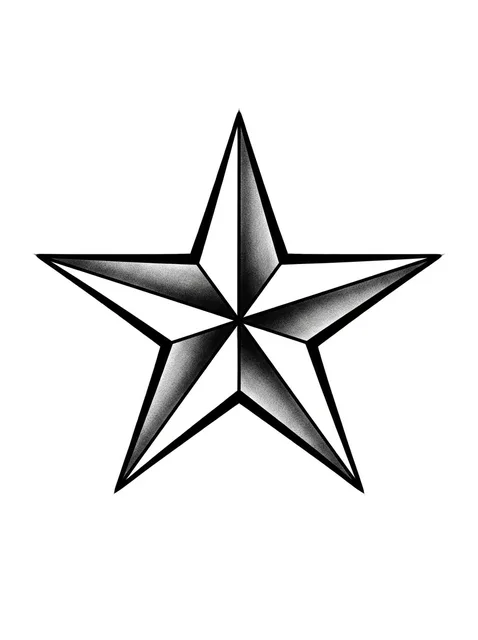
Black and grey traditional star tattoo design (1 of 2) Try it on — Black and grey traditional star tattoo design (1 of 2)
Black and white traditional star tattoo design (1 of 2) Try it on — Black and white traditional star tattoo design (1 of 2)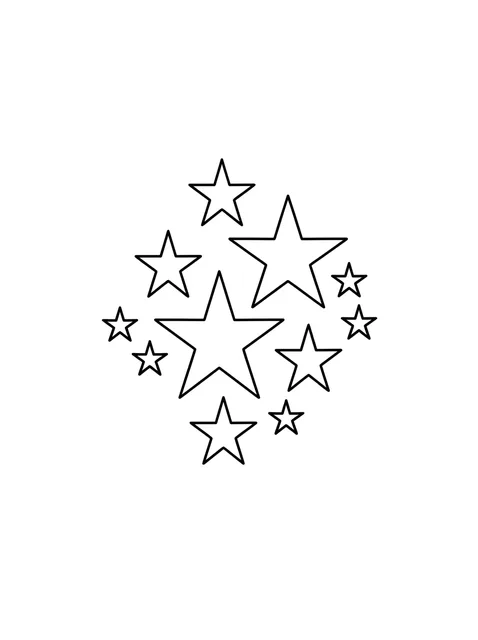
Black and white linework star tattoo design, outline stencil Try it on — Black and white linework star tattoo design, outline stencil
Black and grey dotwork star tattoo design: a stylized star with a trailing comet-like effect Try it on — Black and grey dotwork star tattoo design: a stylized star with a trailing comet-like effect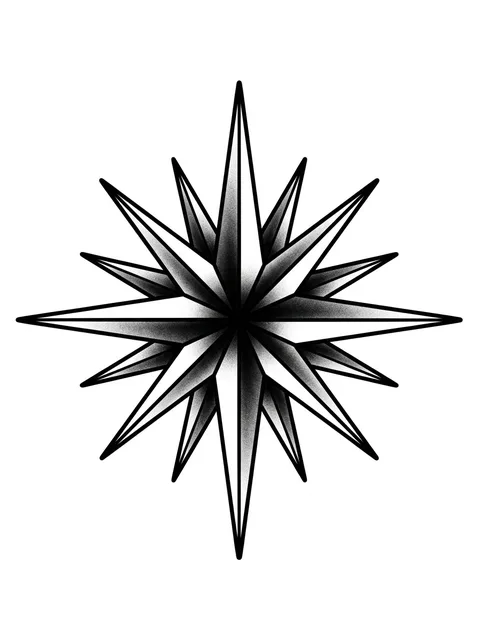
Black and grey traditional star tattoo design: a compass rose or nautical star Try it on — Black and grey traditional star tattoo design: a compass rose or nautical star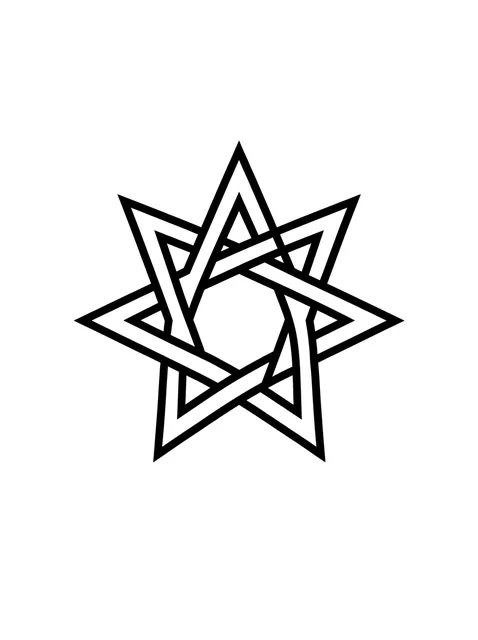
Black and white geometric star tattoo design, outline stencil: an interwoven, knot-like appearance Try it on — Black and white geometric star tattoo design, outline stencil: an interwoven, knot-like appearance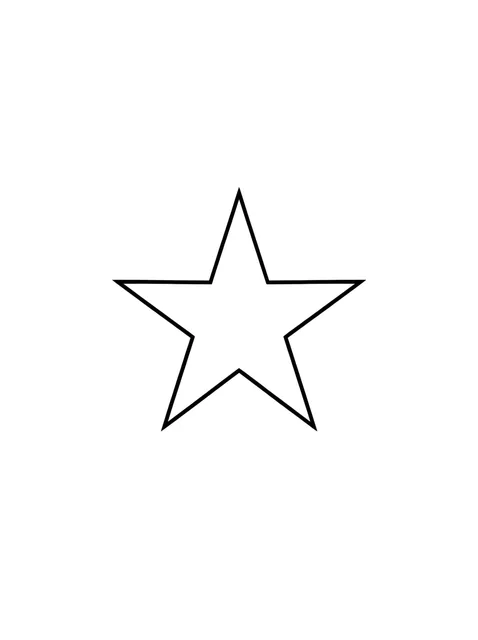
Black and white minimalist star tattoo design, outline stencil: a five-pointed star (1 of 2) Try it on — Black and white minimalist star tattoo design, outline stencil: a five-pointed star (1 of 2)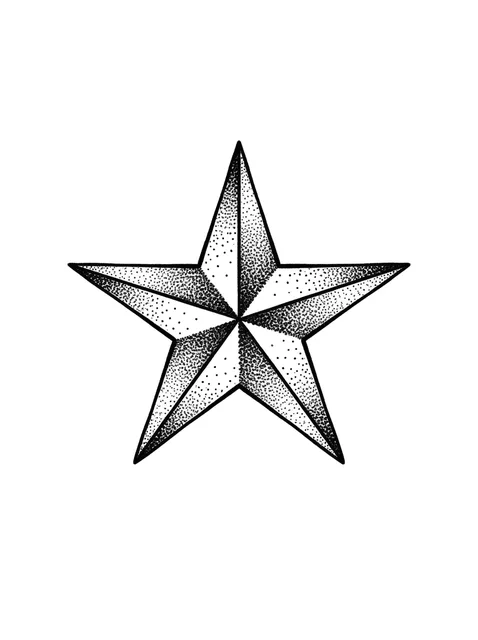
Black and grey dotwork star tattoo design (1 of 4) Try it on — Black and grey dotwork star tattoo design (1 of 4)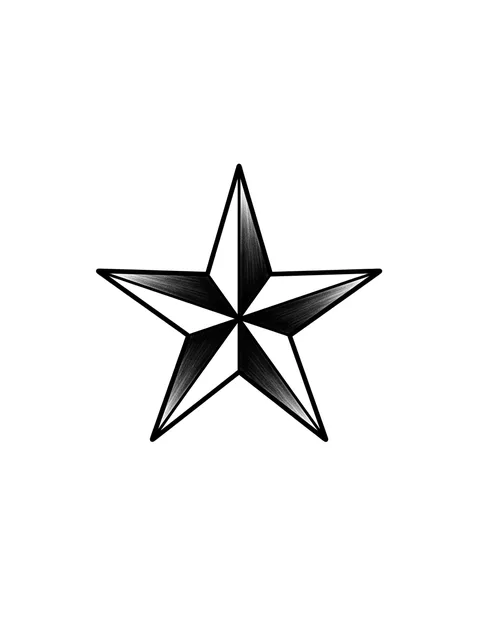
Black and grey traditional star tattoo design (2 of 2) Try it on — Black and grey traditional star tattoo design (2 of 2)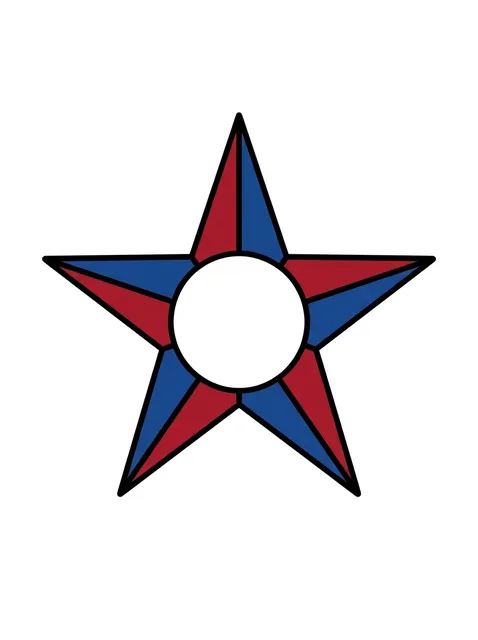
Color traditional star tattoo design: a prominent white circular void in its center Try it on — Color traditional star tattoo design: a prominent white circular void in its center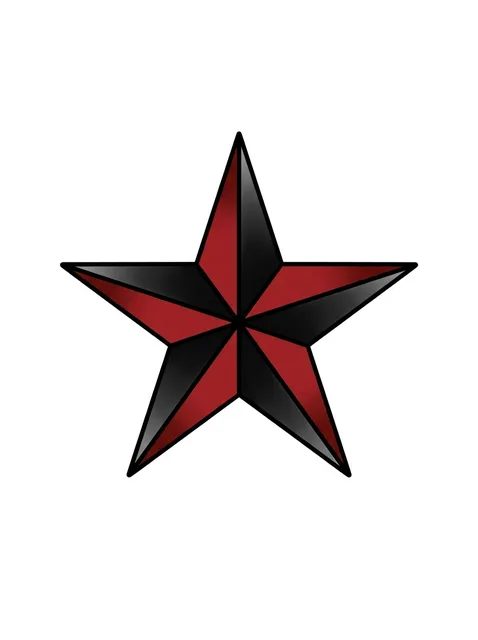
Color traditional star tattoo design Try it on — Color traditional star tattoo design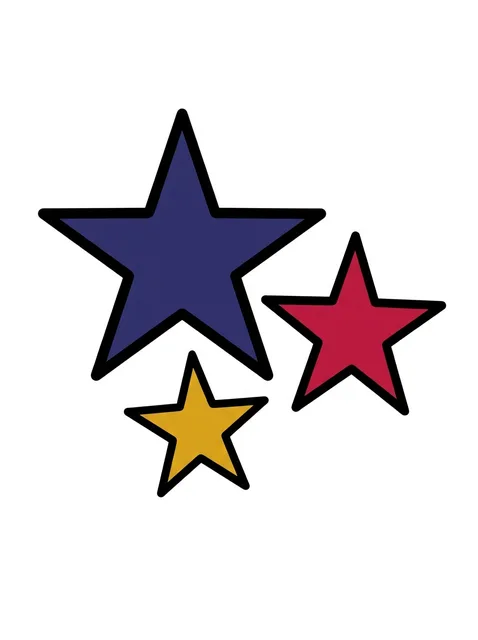
Color new school star tattoo design: three stars of varying sizes Try it on — Color new school star tattoo design: three stars of varying sizes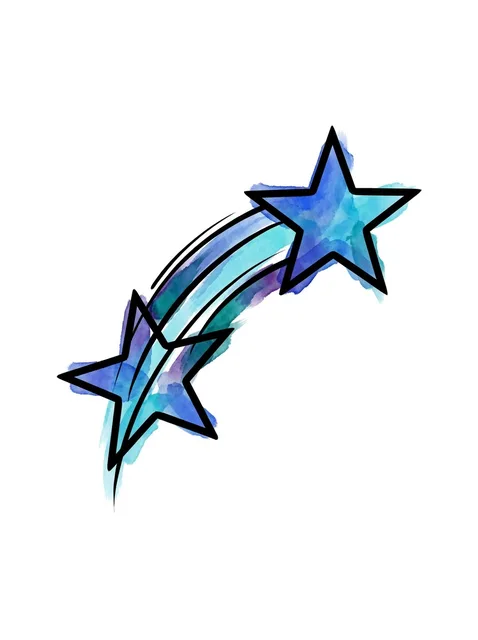
Color watercolor star tattoo design: two stylized stars with a trailing arc Try it on — Color watercolor star tattoo design: two stylized stars with a trailing arc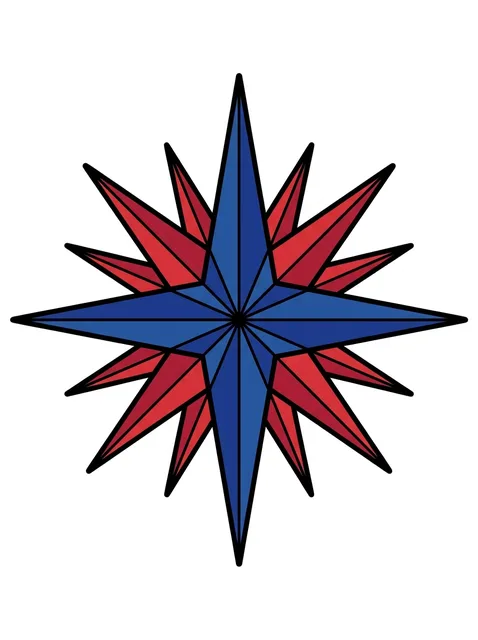
Color illustrative star tattoo design: a compass rose or nautical star Try it on — Color illustrative star tattoo design: a compass rose or nautical star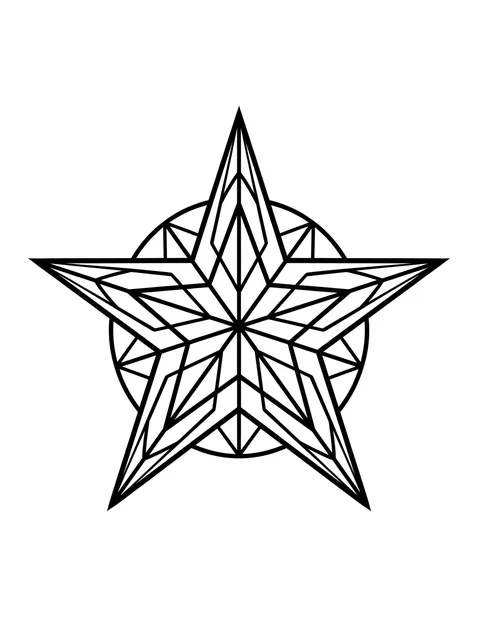
Black and white geometric star tattoo design, outline stencil Try it on — Black and white geometric star tattoo design, outline stencil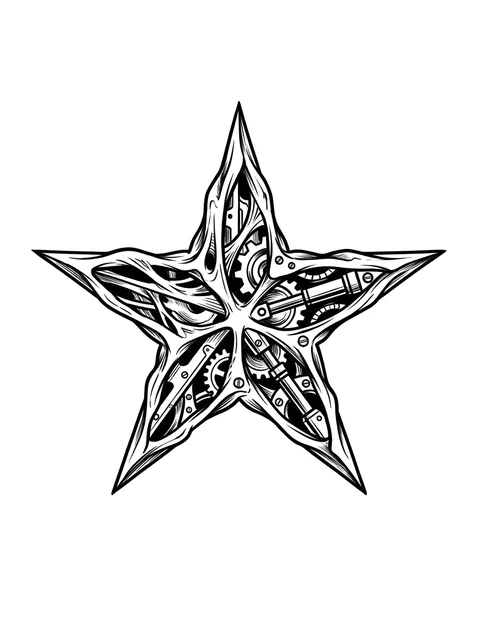
Black and white biomechanical star tattoo design Try it on — Black and white biomechanical star tattoo design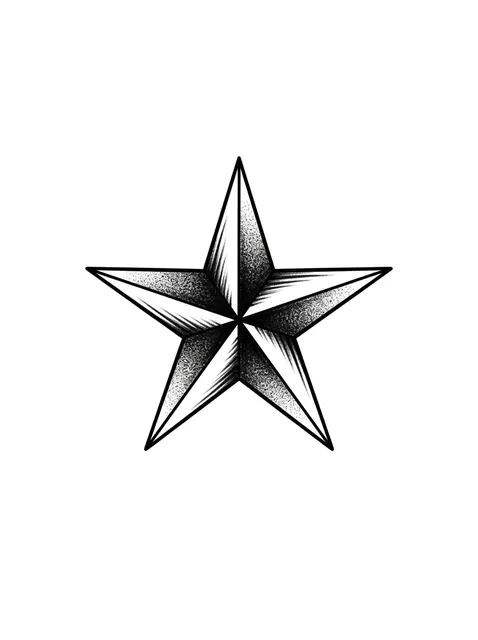
Black and white traditional star tattoo design (2 of 2) Try it on — Black and white traditional star tattoo design (2 of 2)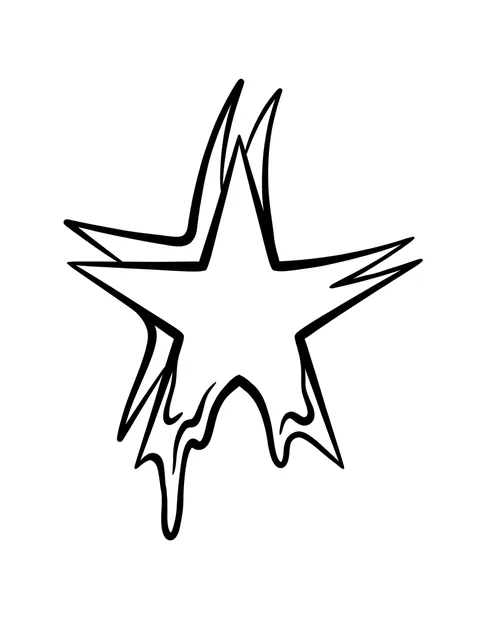
Black and white linework star tattoo design, outline stencil: a dripping effect at the bottom Try it on — Black and white linework star tattoo design, outline stencil: a dripping effect at the bottom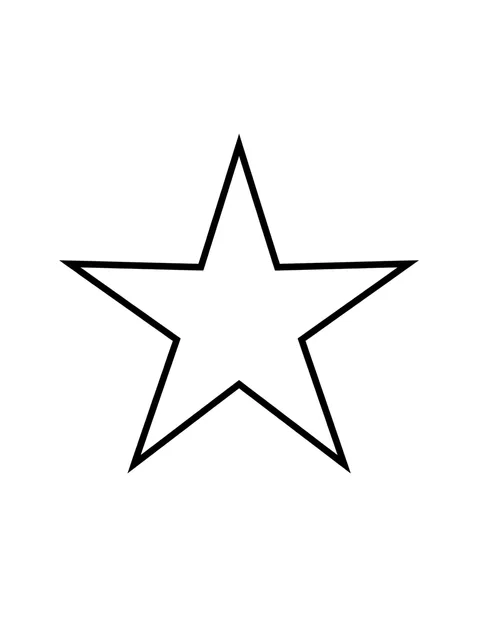
Black and white minimalist star tattoo design, outline stencil: a five-pointed star (2 of 2) Try it on — Black and white minimalist star tattoo design, outline stencil: a five-pointed star (2 of 2)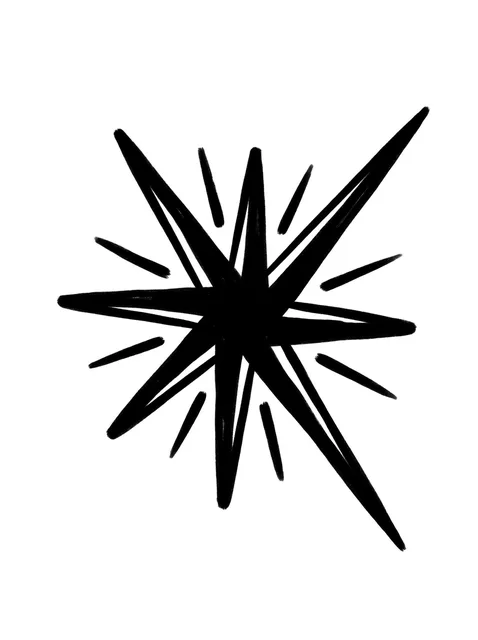
Black and white blackwork star tattoo design: a stylized starburst Try it on — Black and white blackwork star tattoo design: a stylized starburst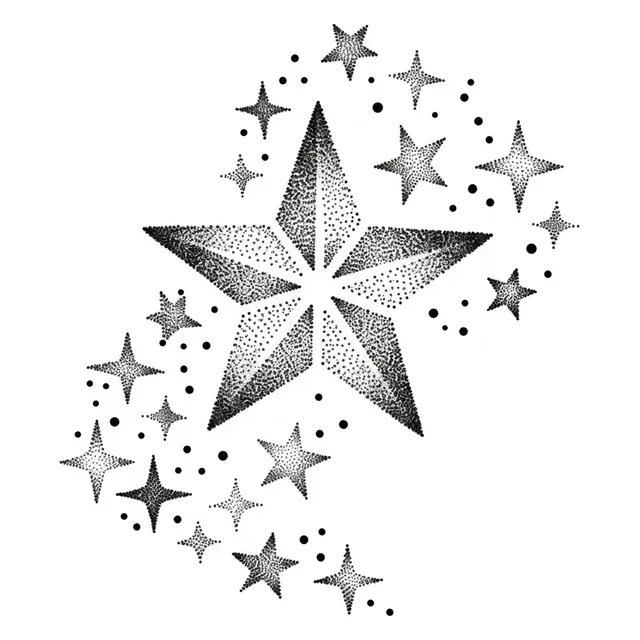
Black and grey dotwork star tattoo design (2 of 4) Try it on — Black and grey dotwork star tattoo design (2 of 4)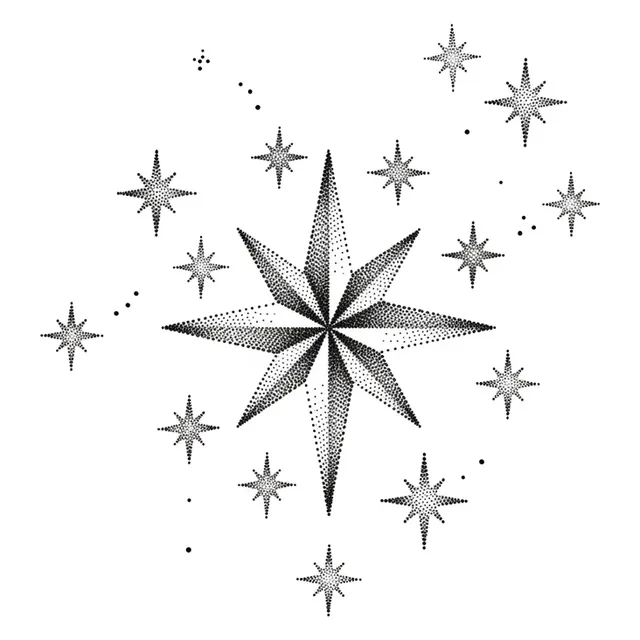
Black and grey dotwork star tattoo design: a large central star surrounded by smaller stars and dots Try it on — Black and grey dotwork star tattoo design: a large central star surrounded by smaller stars and dots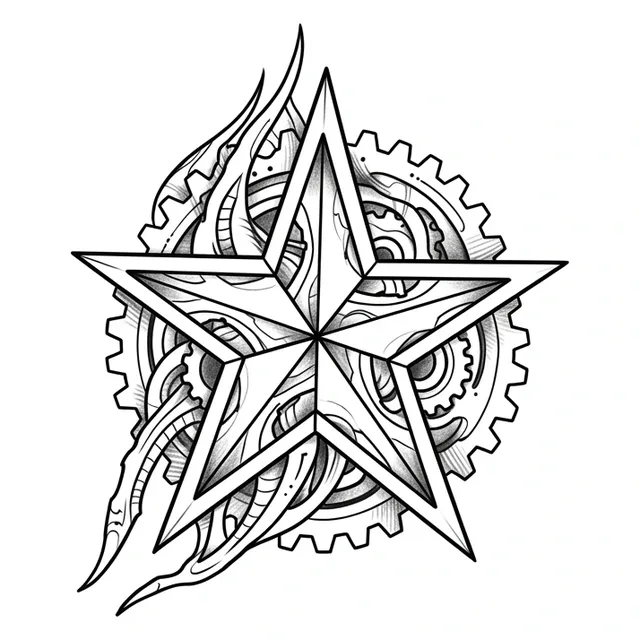
Black and grey biomechanical star tattoo design Try it on — Black and grey biomechanical star tattoo design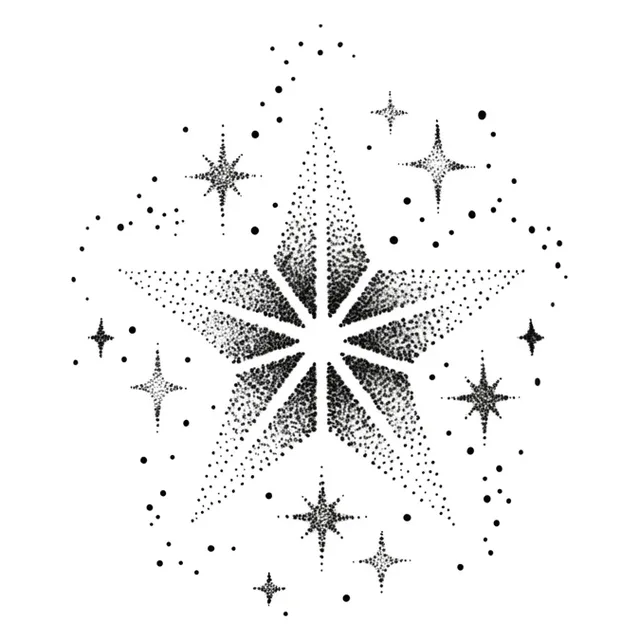
Black and grey dotwork star tattoo design (3 of 4) Try it on — Black and grey dotwork star tattoo design (3 of 4)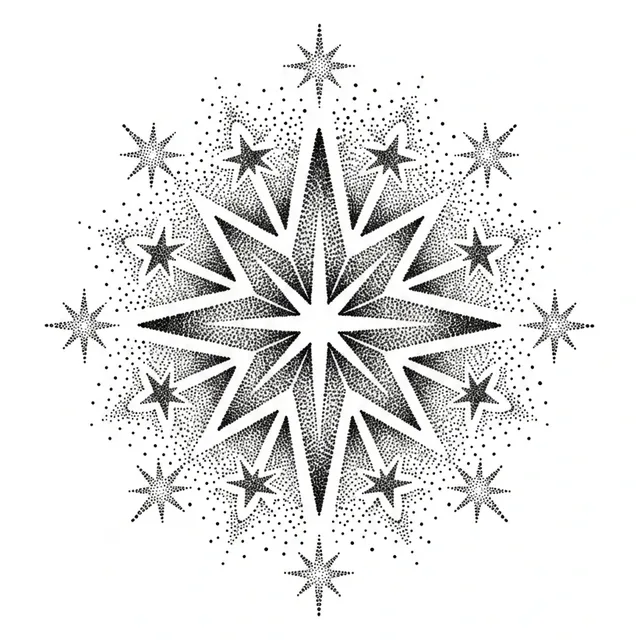
Black and grey dotwork star tattoo design: a large central star Try it on — Black and grey dotwork star tattoo design: a large central star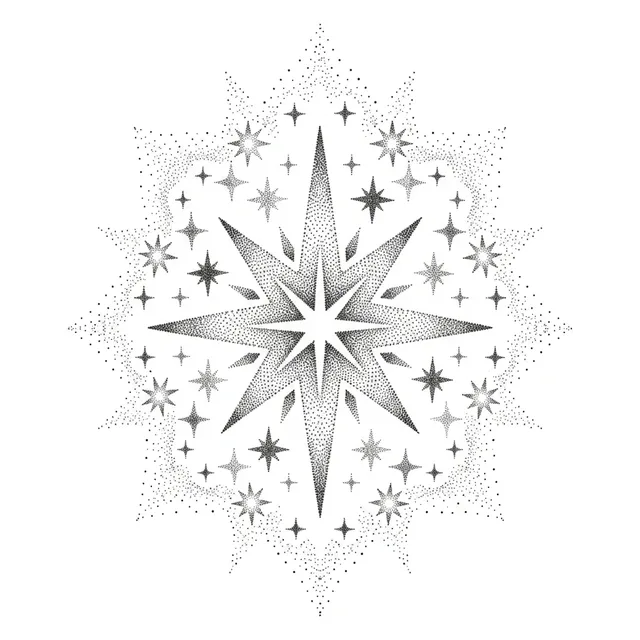
Black and grey dotwork star tattoo design (4 of 4) Try it on — Black and grey dotwork star tattoo design (4 of 4)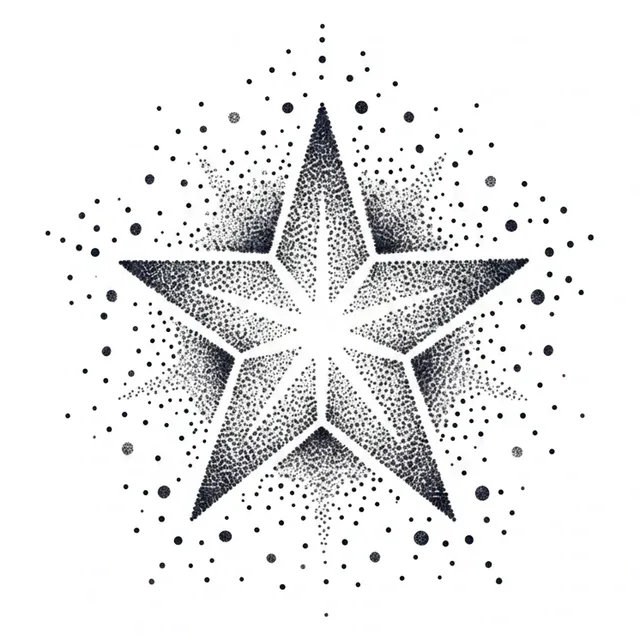
Black and grey dotwork star tattoo design: a five-pointed star Try it on — Black and grey dotwork star tattoo design: a five-pointed star
Black and grey stick and poke star tattoo design: a five-pointed star Try it on — Black and grey stick and poke star tattoo design: a five-pointed star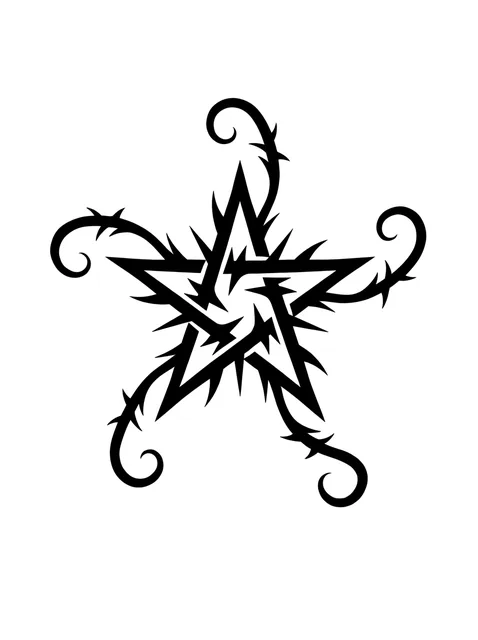
Black and grey cybersigilism star tattoo design Try it on — Black and grey cybersigilism star tattoo design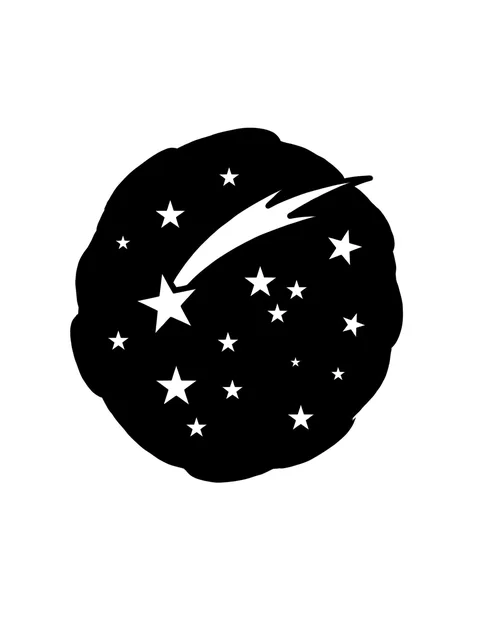
Black and white blackout star tattoo design: a slightly uneven edge Try it on — Black and white blackout star tattoo design: a slightly uneven edge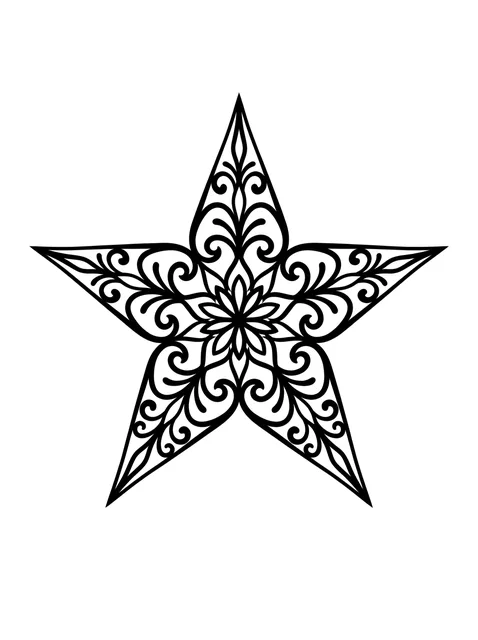
Black and grey ornamental star and mandala tattoo design: the star is adorned Try it on — Black and grey ornamental star and mandala tattoo design: the star is adorned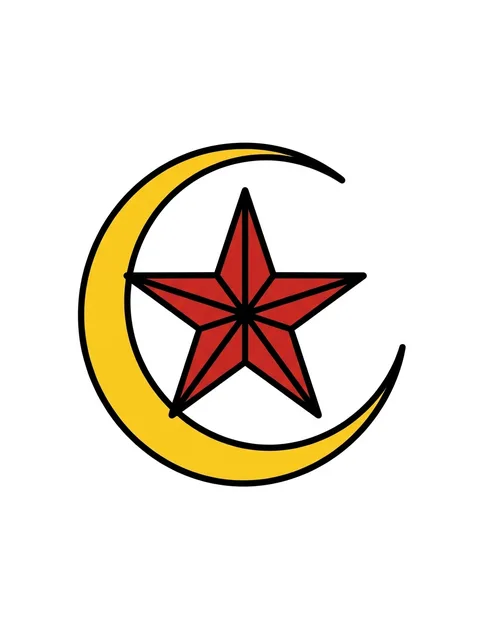
Color traditional star and moon tattoo design Try it on — Color traditional star and moon tattoo design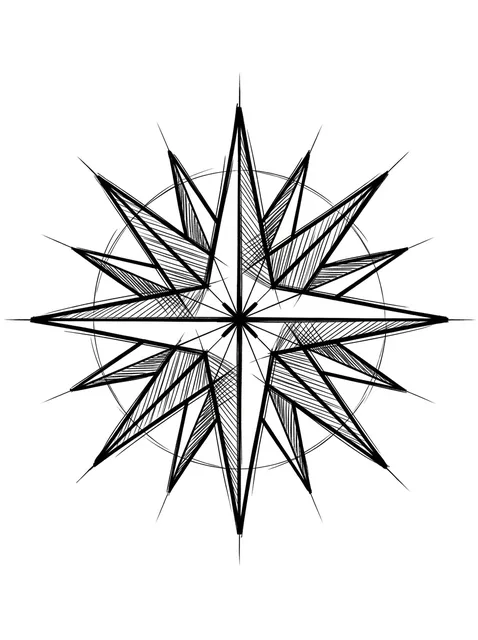
Black and grey geometric star and abstract tattoo design, outline stencil Try it on — Black and grey geometric star and abstract tattoo design, outline stencil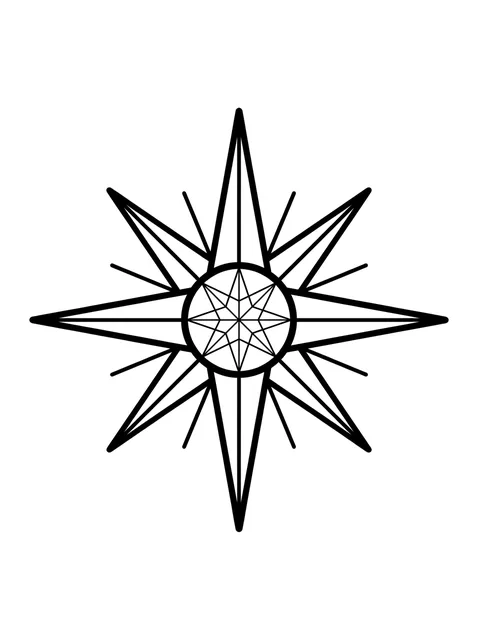
Black and white geometric star and mandala tattoo design, outline stencil Try it on — Black and white geometric star and mandala tattoo design, outline stencil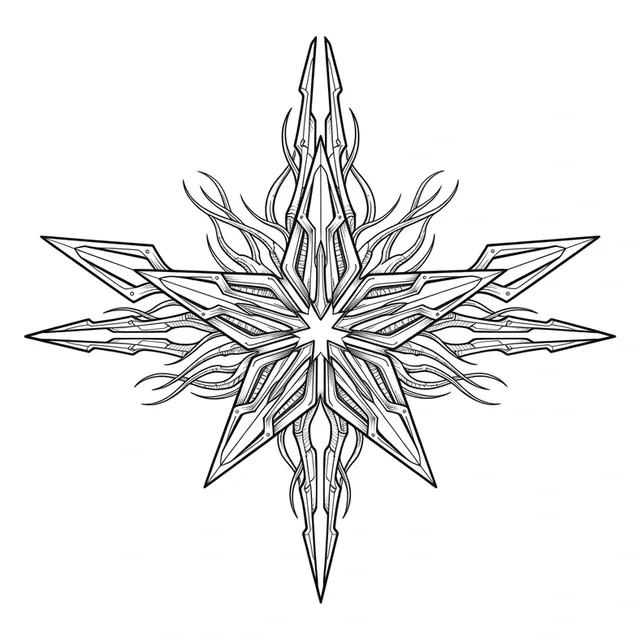
Black and grey cybersigilism star and abstract tattoo design Try it on — Black and grey cybersigilism star and abstract tattoo design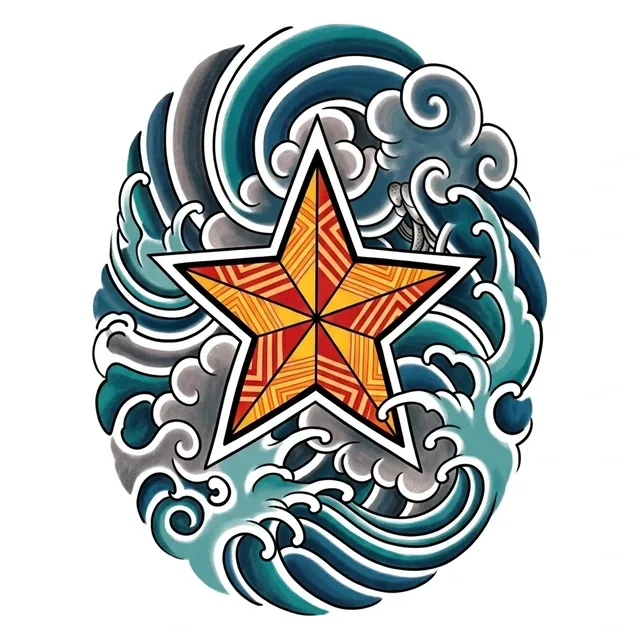
Color Japanese star and wave tattoo design: a bold, patterned star at its center Try it on — Color Japanese star and wave tattoo design: a bold, patterned star at its center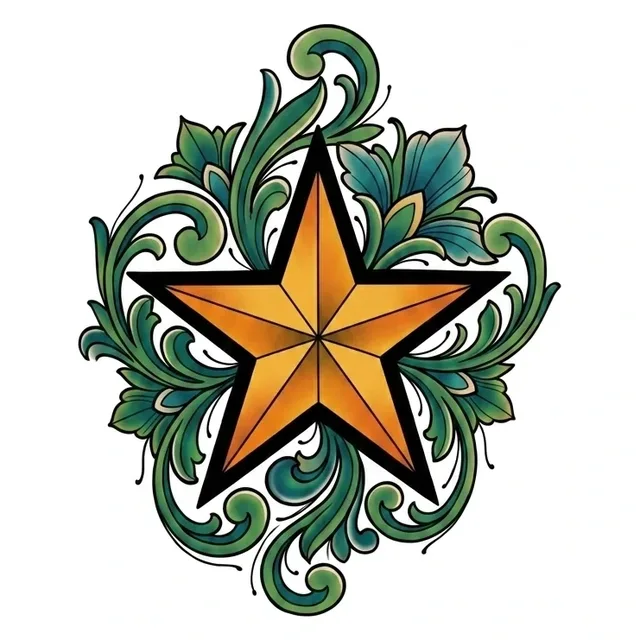
Color traditional star and leaf tattoo design: a bold yellow and orange star at its center Try it on — Color traditional star and leaf tattoo design: a bold yellow and orange star at its center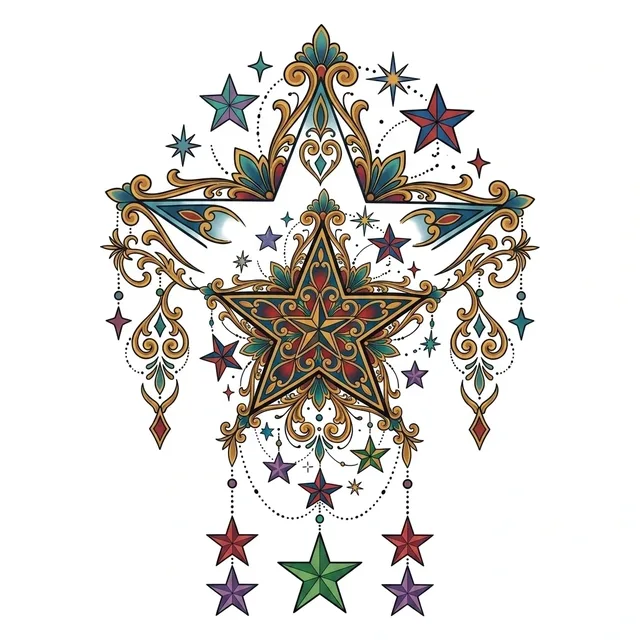
Color ornamental star and mandala tattoo design: a large central star Try it on — Color ornamental star and mandala tattoo design: a large central star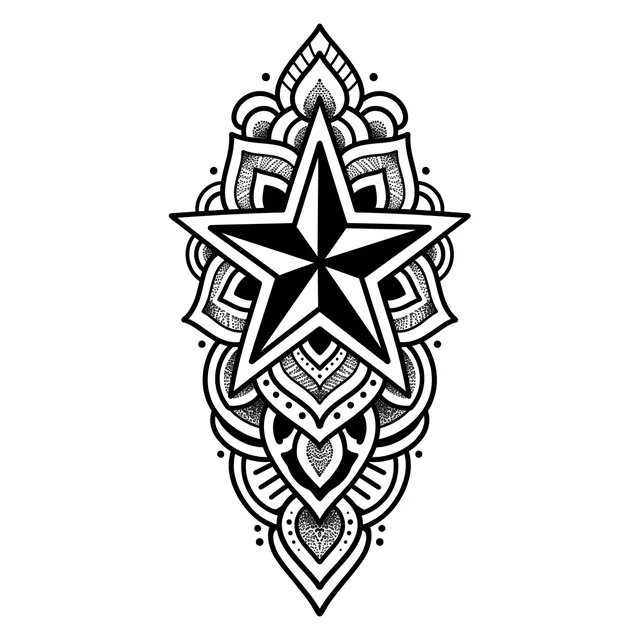
Black and grey ornamental star and mandala tattoo design Try it on — Black and grey ornamental star and mandala tattoo design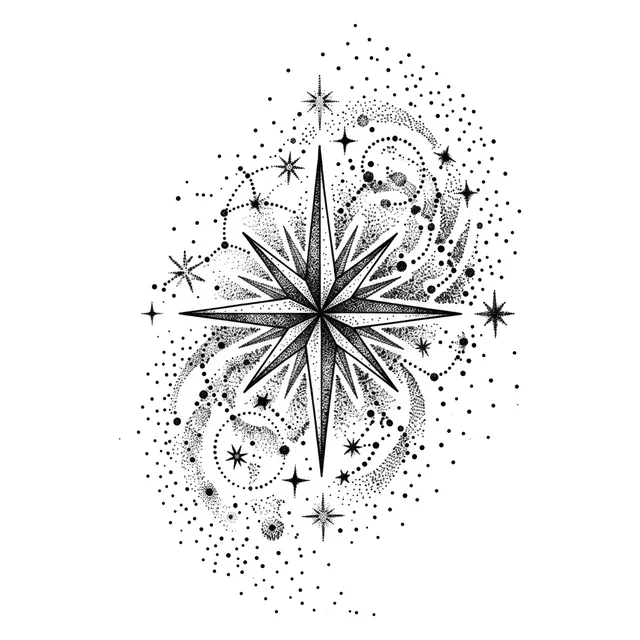
Black and grey dotwork star and constellation tattoo design Try it on — Black and grey dotwork star and constellation tattoo design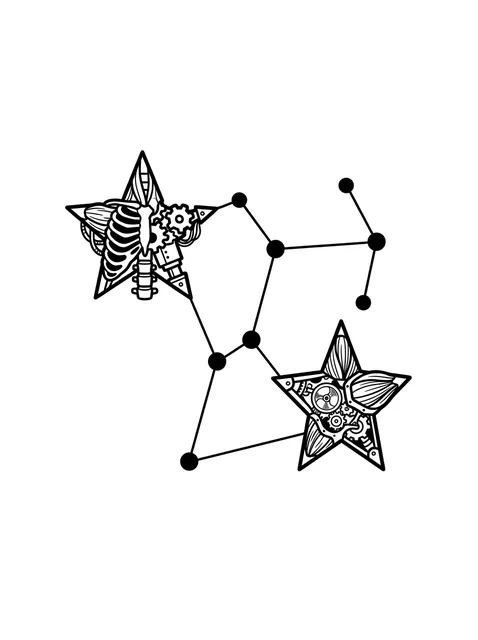
Black and white illustrative star and skeleton tattoo design: a constellation of stars Try it on — Black and white illustrative star and skeleton tattoo design: a constellation of stars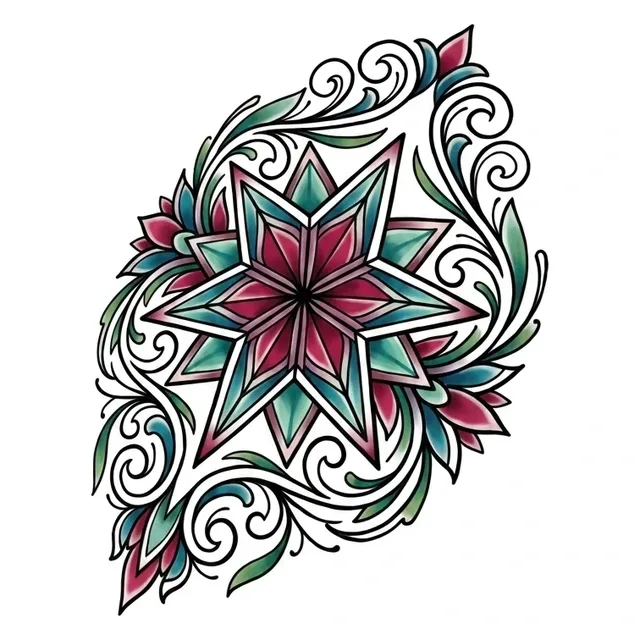
Color neo traditional star and vine tattoo design Try it on — Color neo traditional star and vine tattoo design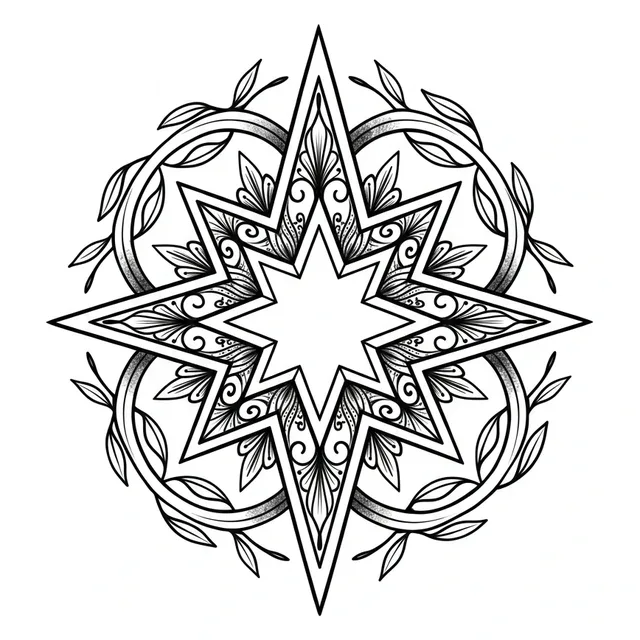
Black and grey ornamental star and leaf tattoo design Try it on — Black and grey ornamental star and leaf tattoo design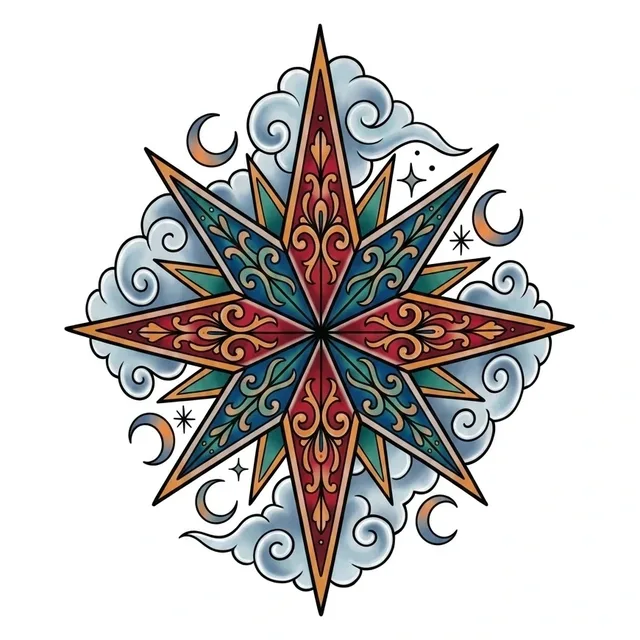
Color neo traditional star and cloud tattoo design Try it on — Color neo traditional star and cloud tattoo design
Black and grey patchwork star and heart tattoo design Try it on — Black and grey patchwork star and heart tattoo design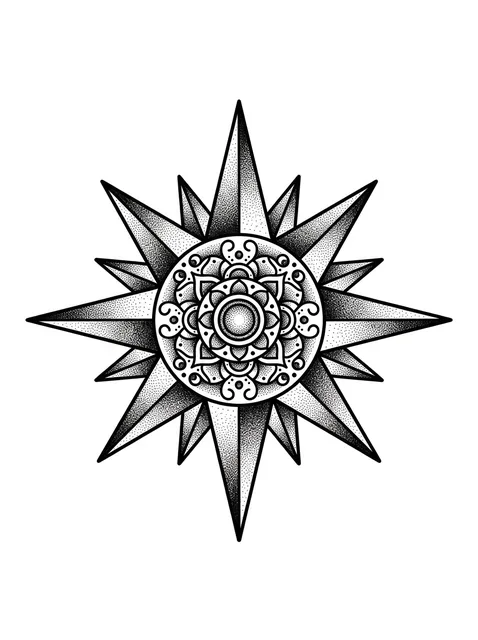
Black and grey dotwork star and mandala tattoo design Try it on — Black and grey dotwork star and mandala tattoo design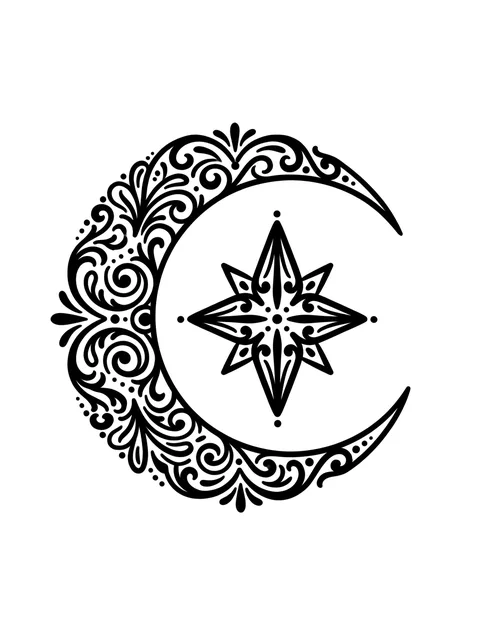
Black and grey ornamental star and moon tattoo design (1 of 2) Try it on — Black and grey ornamental star and moon tattoo design (1 of 2)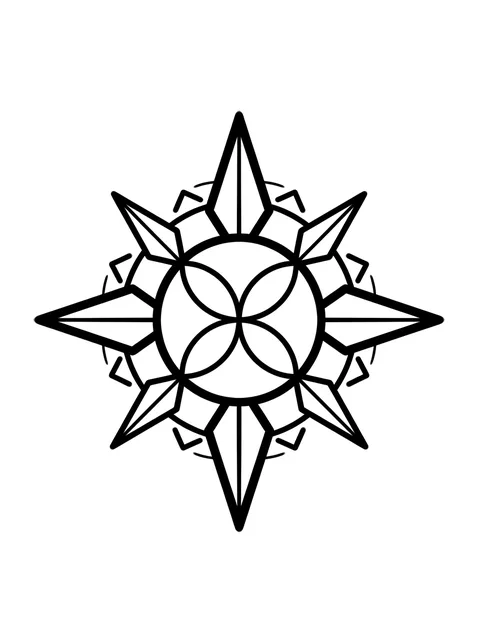
Black and white geometric star and mandala tattoo design, outline stencil: a central circular motif Try it on — Black and white geometric star and mandala tattoo design, outline stencil: a central circular motif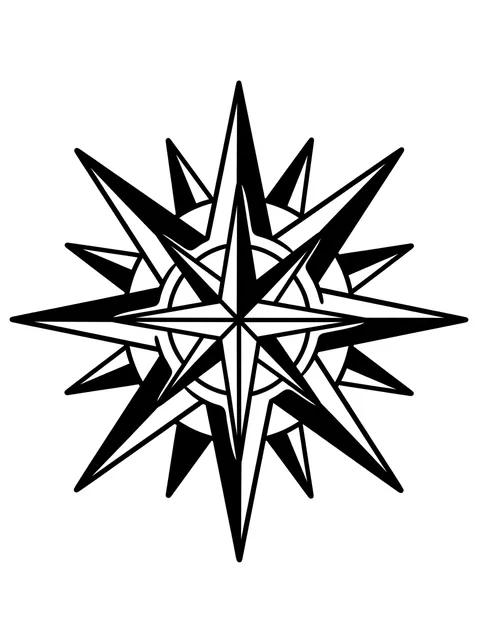
Black and white geometric star and compass tattoo design, outline stencil Try it on — Black and white geometric star and compass tattoo design, outline stencil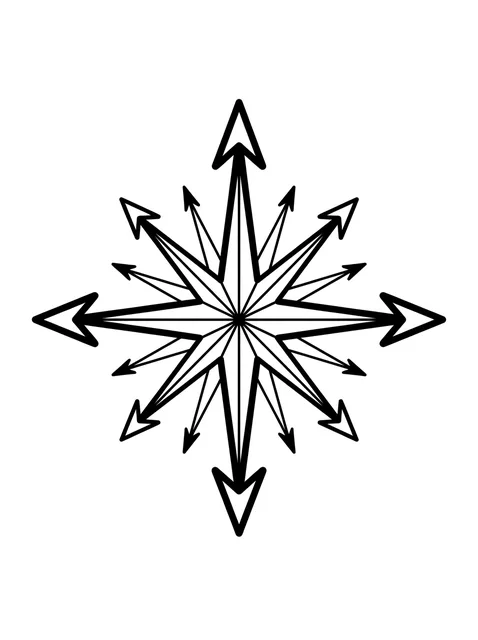
Black and white linework star and compass tattoo design, outline stencil: a compass rose Try it on — Black and white linework star and compass tattoo design, outline stencil: a compass rose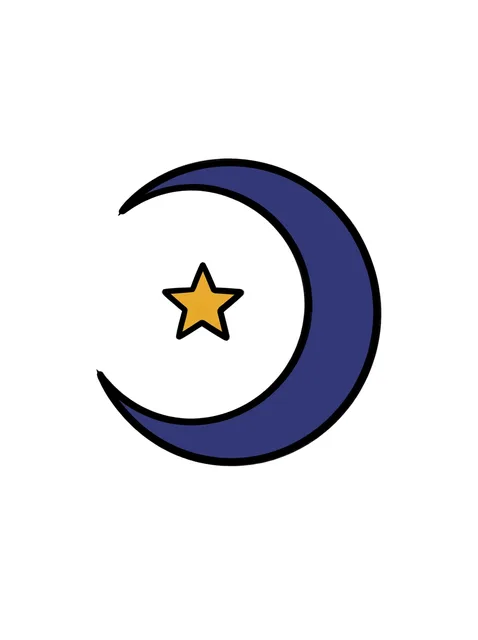
Color illustrative star and moon tattoo design: a dark blue crescent moon Try it on — Color illustrative star and moon tattoo design: a dark blue crescent moon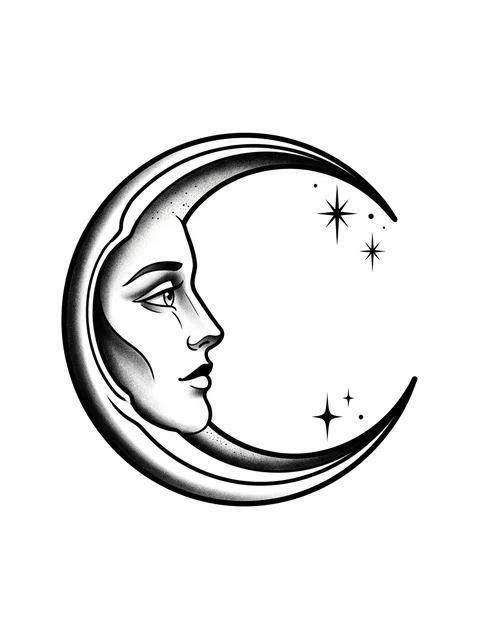
Black and grey neo traditional star and moon tattoo design: a crescent moon Try it on — Black and grey neo traditional star and moon tattoo design: a crescent moon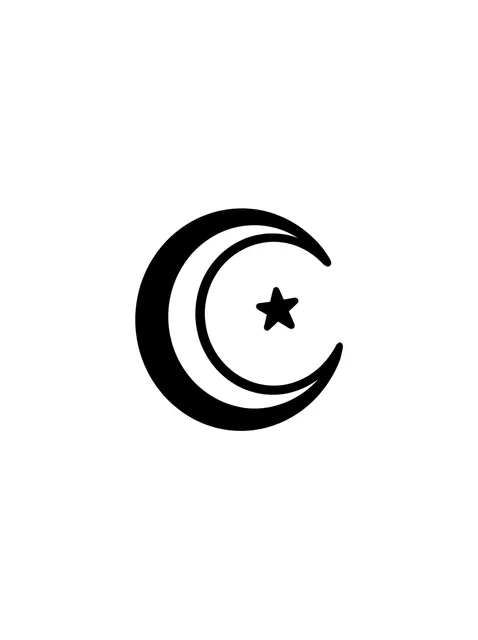
Black and white minimalist star and moon tattoo design, outline stencil: a small black star inside Try it on — Black and white minimalist star and moon tattoo design, outline stencil: a small black star inside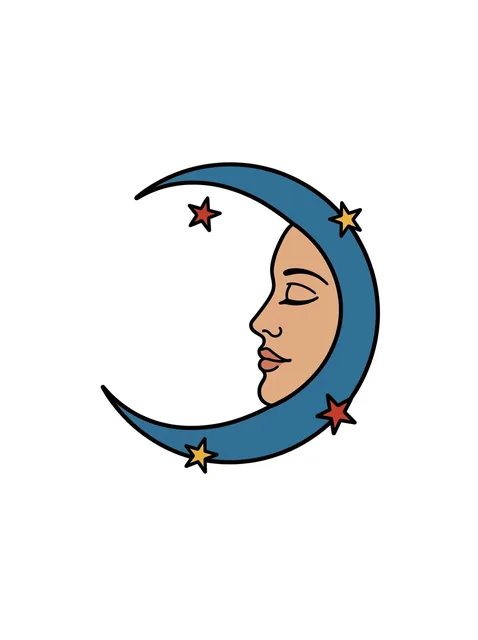
Color traditional star and moon tattoo design: a crescent moon with a serene woman's face in profile Try it on — Color traditional star and moon tattoo design: a crescent moon with a serene woman's face in profile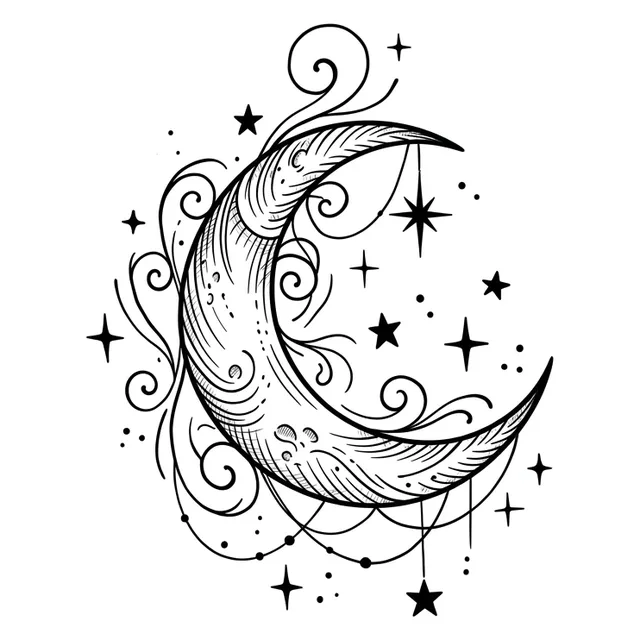
Black and grey illustrative star and moon tattoo design: a crescent moon adorned Try it on — Black and grey illustrative star and moon tattoo design: a crescent moon adorned
Color new school star and heart tattoo design: a cartoonish heart Try it on — Color new school star and heart tattoo design: a cartoonish heart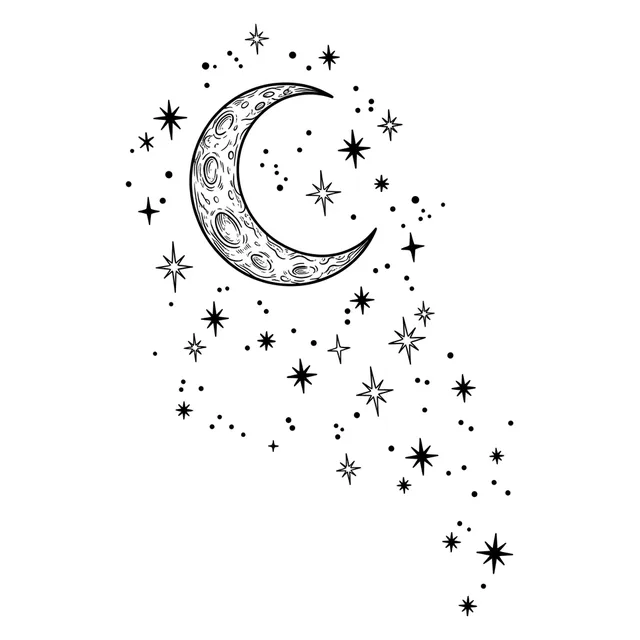
Black and white illustrative star and moon tattoo design: a crescent moon with textured details Try it on — Black and white illustrative star and moon tattoo design: a crescent moon with textured details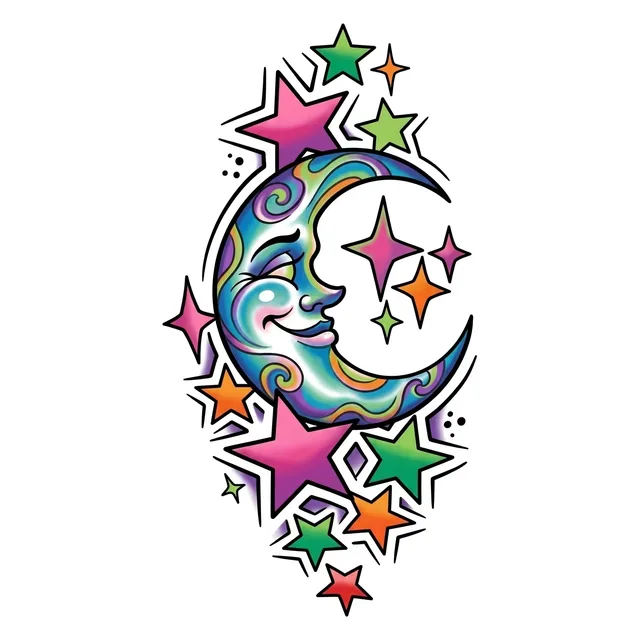
Color new school star and moon tattoo design: a smiling crescent moon with a stylized face, adorned Try it on — Color new school star and moon tattoo design: a smiling crescent moon with a stylized face, adorned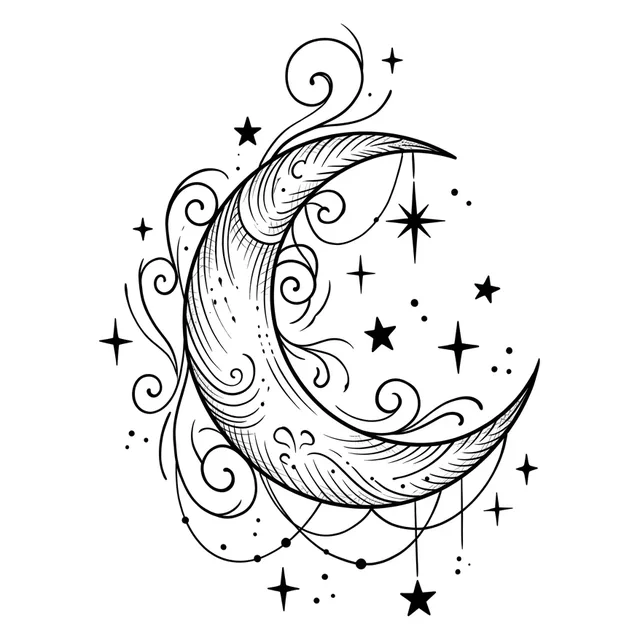
Black and grey illustrative star and moon tattoo design Try it on — Black and grey illustrative star and moon tattoo design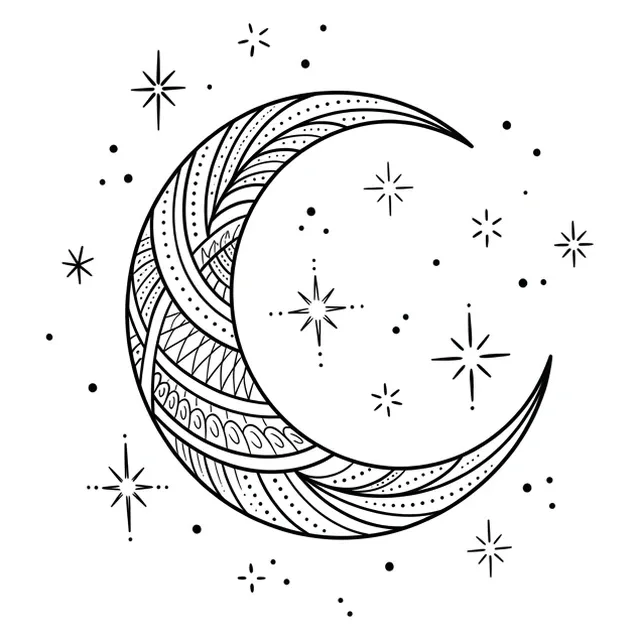
Black and grey ornamental star and moon tattoo design (2 of 2) Try it on — Black and grey ornamental star and moon tattoo design (2 of 2)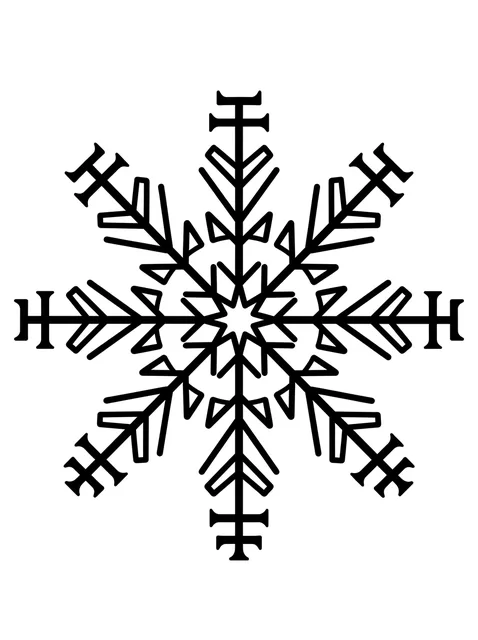
Black and white geometric star and viking tattoo design, outline stencil Try it on — Black and white geometric star and viking tattoo design, outline stencil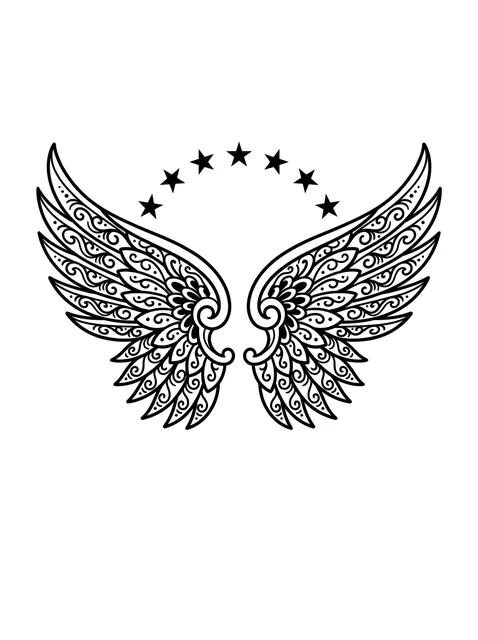
Black and grey ornamental star and angel wings tattoo design Try it on — Black and grey ornamental star and angel wings tattoo design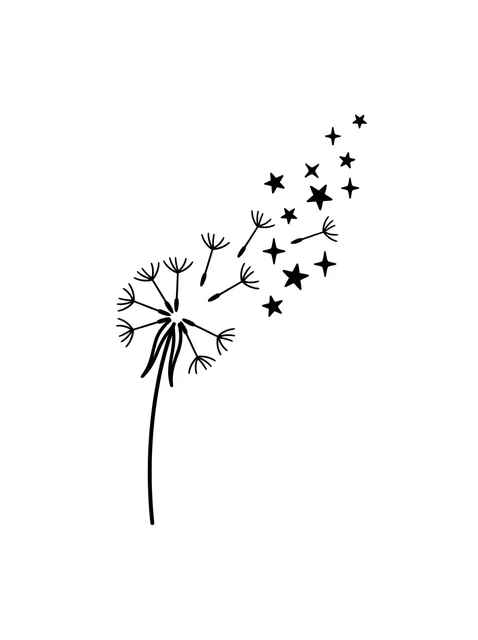
Black and white minimalist star and dandelion tattoo design, outline stencil Try it on — Black and white minimalist star and dandelion tattoo design, outline stencil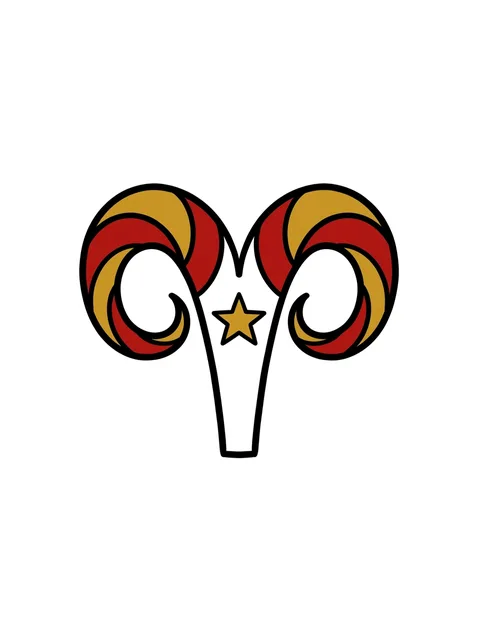
Color traditional star and aries tattoo design Try it on — Color traditional star and aries tattoo design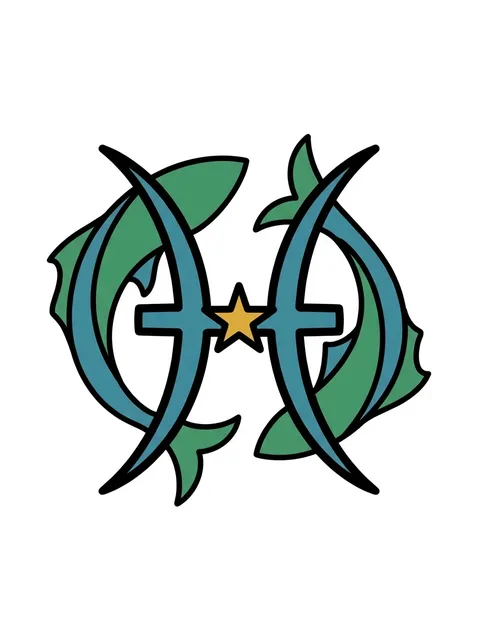
Color traditional star and pisces tattoo design Try it on — Color traditional star and pisces tattoo design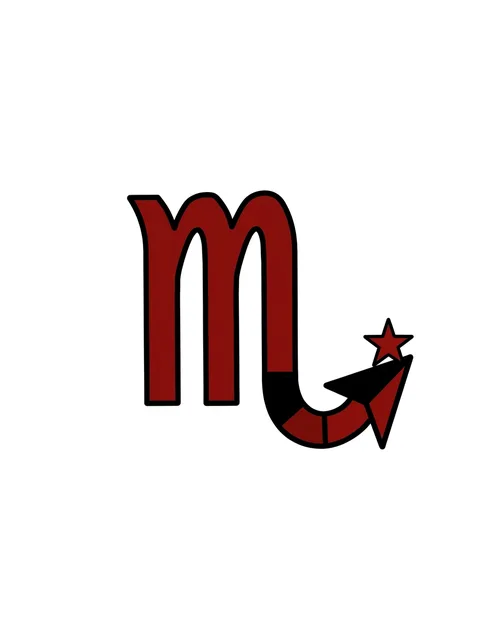
Color traditional star and scorpio tattoo design Try it on — Color traditional star and scorpio tattoo design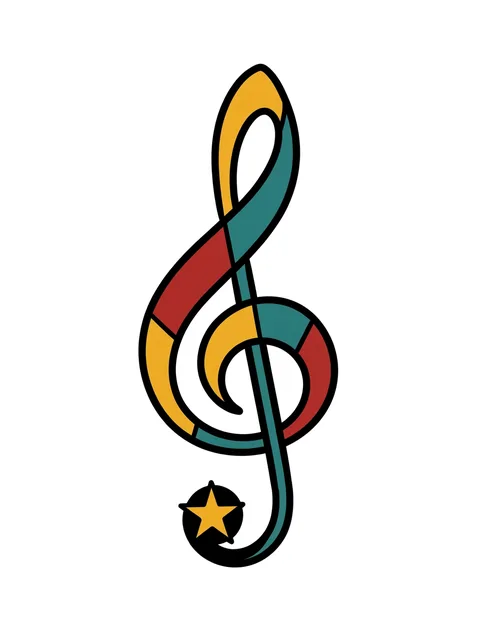
Color traditional star and music note tattoo design Try it on — Color traditional star and music note tattoo design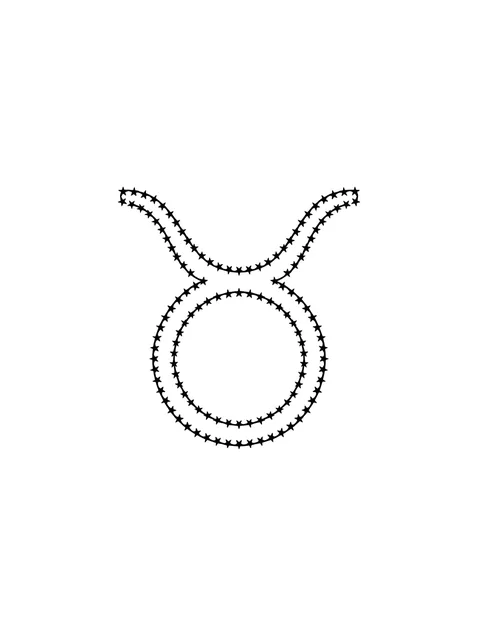
Black and white fine line star and taurus tattoo design, outline stencil (1 of 2) Try it on — Black and white fine line star and taurus tattoo design, outline stencil (1 of 2)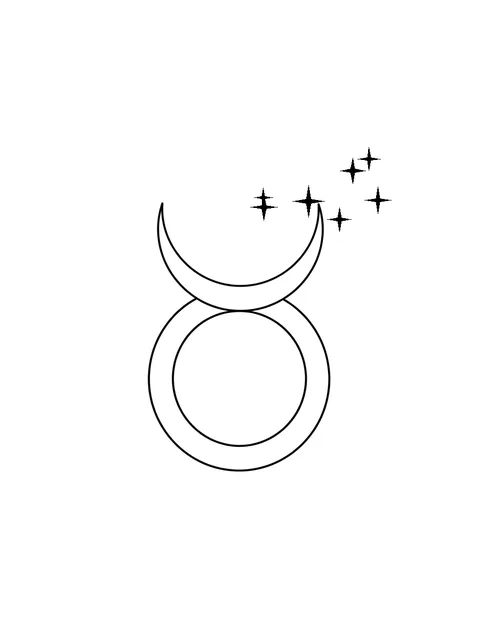
Black and white fine line star and taurus tattoo design, outline stencil (2 of 2) Try it on — Black and white fine line star and taurus tattoo design, outline stencil (2 of 2)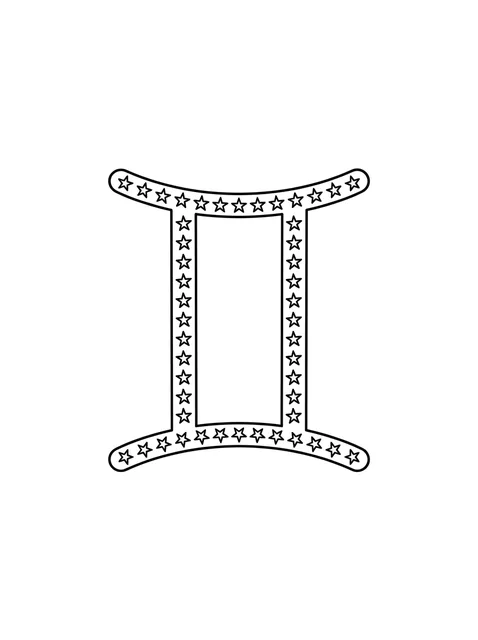
Black and white fine line star and gemini tattoo design, outline stencil: a row of small Try it on — Black and white fine line star and gemini tattoo design, outline stencil: a row of small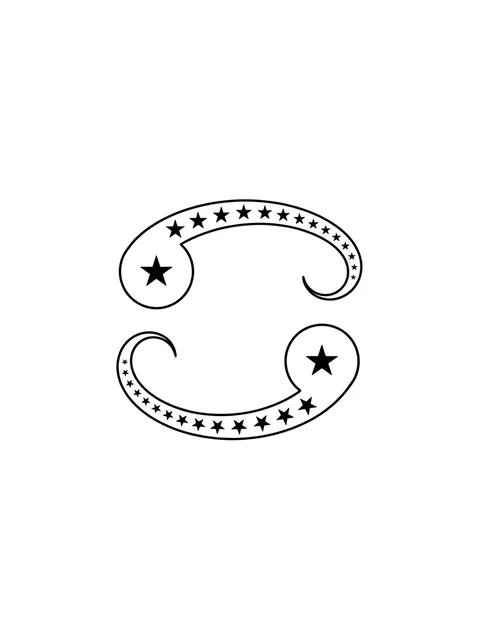
Black and white fine line star and cancer sign tattoo design, outline stencil Try it on — Black and white fine line star and cancer sign tattoo design, outline stencil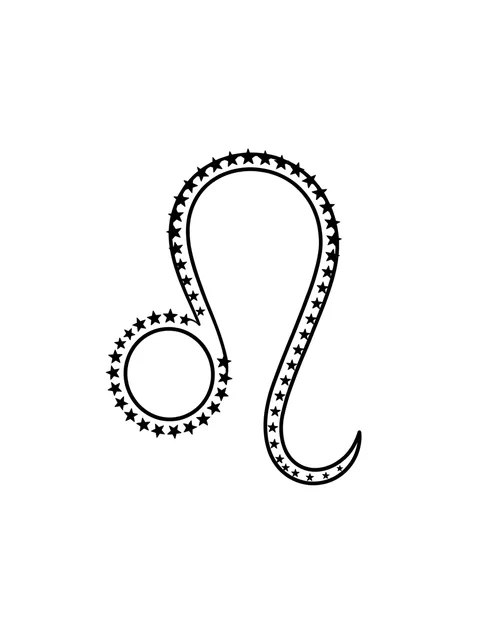
Black and white fine line star and leo tattoo design, outline stencil Try it on — Black and white fine line star and leo tattoo design, outline stencil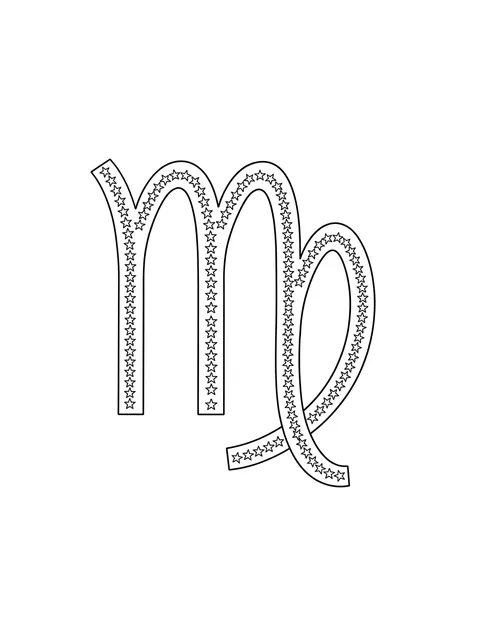
Black and white fine line star and virgo tattoo design, outline stencil Try it on — Black and white fine line star and virgo tattoo design, outline stencil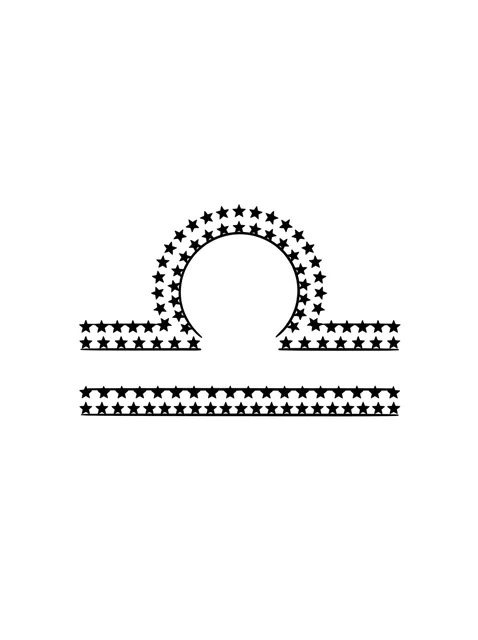
Black and white minimalist star and libra tattoo design, outline stencil Try it on — Black and white minimalist star and libra tattoo design, outline stencil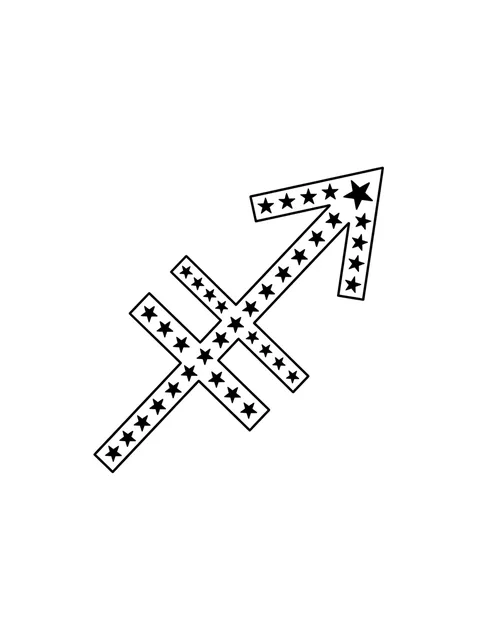
Black and white linework star and sagittarius tattoo design, outline stencil Try it on — Black and white linework star and sagittarius tattoo design, outline stencil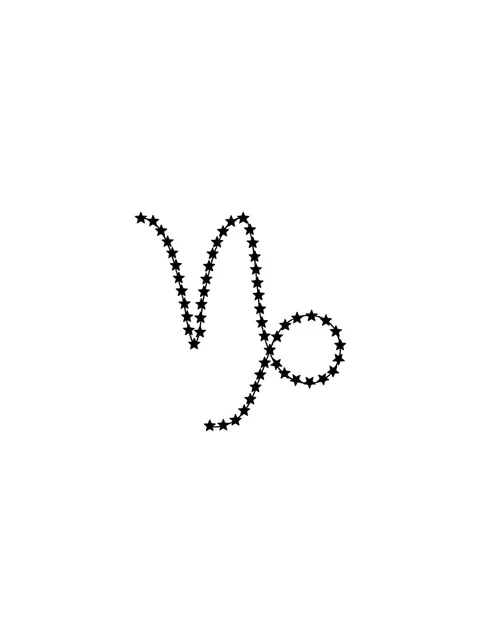
Black and white minimalist star and capricorn tattoo design, outline stencil Try it on — Black and white minimalist star and capricorn tattoo design, outline stencil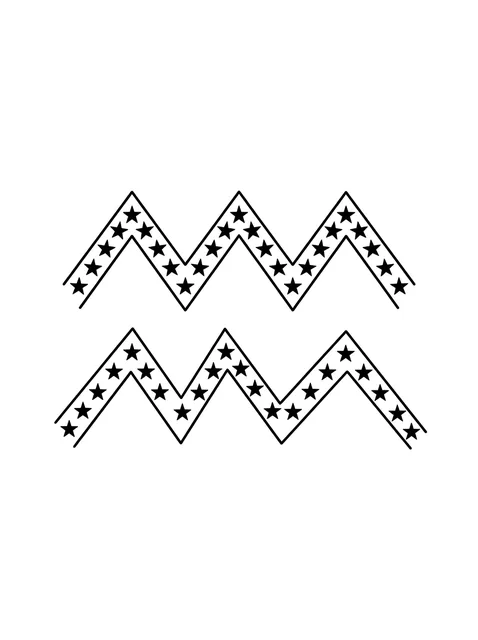
Black and white minimalist star and aquarius tattoo design, outline stencil (1 of 2) Try it on — Black and white minimalist star and aquarius tattoo design, outline stencil (1 of 2)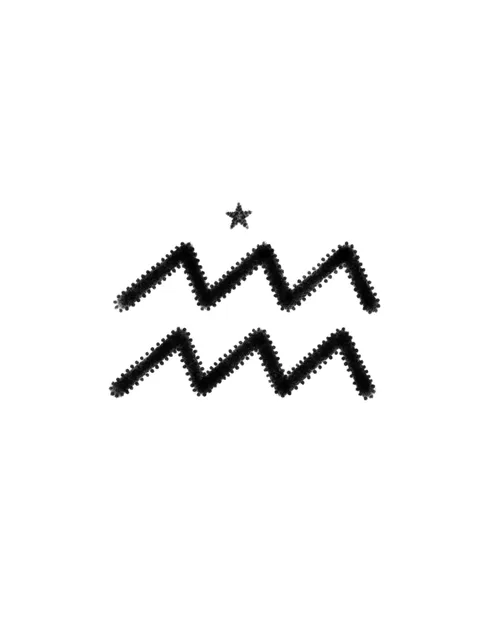
Black and white minimalist star and aquarius tattoo design, outline stencil (2 of 2) Try it on — Black and white minimalist star and aquarius tattoo design, outline stencil (2 of 2)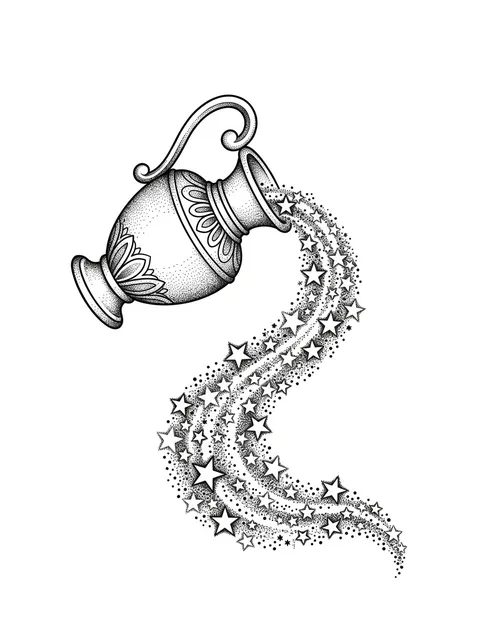
Black and grey dotwork star and aquarius tattoo design Try it on — Black and grey dotwork star and aquarius tattoo design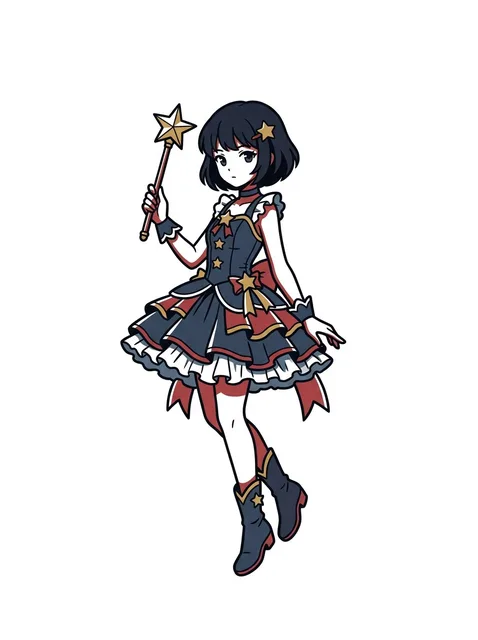
Color anime star and woman portrait tattoo design: a short dark bob and a star hair clip Try it on — Color anime star and woman portrait tattoo design: a short dark bob and a star hair clip


Tap any design to see it on your own skin in the try-on — no signup.
This set of 80 star designs, by the numbers
- Styles represented
- traditional (14), dotwork (11), minimalist (8), geometric (7), ornamental (7), illustrative (6)
- Black-and-grey vs colour
- 75% black-and-grey, 25% colour
- Most often drawn with
- moon, mandala, aquarius, abstract
Counted from the 80 designs shown on this page. Every one was drawn for InkCraft — none are scraped or reposted. Free to reference with a link to this page.
What a star tattoo means
A star is guidance, and specifically guidance for someone who is somewhere unfamiliar. Before instruments, stars were how you knew where you were, and every later meaning — direction, hope, a person who steadies you — descends from that practical fact rather than from anything decorative.
The nautical star is the most loaded version and the most misunderstood. In sailor tradition it was a five-pointed star in alternating light and dark halves, worn so the wearer would always find the way home, and it belongs to the same grammar of earned marks as the swallow and the anchor. It also carried other readings in the mid-twentieth century, including as a quiet identifier in queer subcultures, and that history is part of the design rather than a footnote to it.
Point count is not decorative. Five points is the nautical and general-purpose star. Six points is the Star of David and reads as explicitly Jewish. Eight points appears across Islamic and Eastern Orthodox art and in compass roses. Choosing on appearance alone is the most common way people end up wearing a statement they did not intend.
Star clusters — a scatter of small stars trailing up a forearm or across a collarbone — mean something different again. They are about accumulation rather than direction, and are the usual choice for marking several people or several events in one piece.
Where the design comes from
The nautical star was fixed in its modern form by American traditional flash in the first half of the twentieth century, in the same Honolulu and East Coast shops that produced the anchor and the swallow. The eight-pointed compass star is older and comes from portolan charts. The scattered-cluster style is much newer and belongs to the fine-line boom of the 2000s, which is also when star tattoos briefly became so common that the trend is still remembered — a useful thing to know before choosing one.
Choosing yours
- Stars are the single most common regretted tattoo of the 2000s, almost entirely because they were chosen as filler rather than as a subject. That is not an argument against getting one; it is an argument for it meaning something specific to you, because a generic small star has been done a great many times.
- A five-pointed star is mostly negative space between narrow points, and narrow points are the first thing to close as ink spreads. Below roughly 4 cm a shaded nautical star tends toward a solid blob within a decade; a simple outline holds smaller.
- Clusters need planning as one composition. Adding stars over several years almost never produces the drifting effect people picture — spacing and size relationships have to be decided at the start, even if the work is staged.
Size, cost and placement
How big, and what it costs
A single small star is a shop-minimum piece. A properly shaded nautical star at 7-10 cm is one to two hours. A cluster is priced by count and spread rather than by size — a trail of nine stars up a forearm is a half-day, because each one is a separate small drawing.
Where it sits, and how much it hurts
Nautical stars traditionally go on the hand web, elbow or shoulder; the elbow is among the more painful spots on the body and the hand web is one of the fastest to blur. Forearm and shoulder blade are the low-regret options. Clusters follow a line — collarbone, ribs, the outside of a forearm.
What to ask your artist
- Point count, and whether it carries a meaning you did not intend — six points in particular.
- At your size, whether the shaded halves will stay distinct or merge into a solid shape.
- If it is a cluster, to lay out every star now even if you tattoo them in stages.
Prices vary widely by city and artist — treat these as session lengths rather than quotes, and expect a shop minimum on anything small. The cost guide turns hours into money by size, placement and style.
Common questions
What does a nautical star mean?
Finding the way home. It sits in the same sailor tradition as the anchor and the swallow, and also carried use as a quiet identifier in mid-century queer subcultures.
How many points should my star have?
Five is the general and nautical star. Six reads as the Star of David. Eight appears in Islamic and Orthodox art and in compass roses. Choose the meaning, not the shape.
Are star tattoos dated?
The 2000s filler-star trend is still remembered, which is a reason to make yours specific rather than a reason to avoid one. A nautical star or a deliberate cluster reads quite differently from a random small star.
What a star tattoo can mean
The meanings this motif carries on the pages that argue them. Each line is that page's own reason for including it.
- Faith tattoos
- Guidance. The number of points is the whole meaning: five, six and eight are different faiths, and this is the most common place people get it accidentally wrong.
- Forever tattoos
- Light that arrives from something that may no longer exist. A quietly melancholy reading of permanence, and a good one.
- Spiritual tattoos
- Guidance stripped of doctrine — the one fixed point while everything else rotates. It is the most secular thing on this page and frequently the honest answer for someone who wants meaning without a religion attached.
- Matching tattoos
- Small, fast, cheap and identical every time — the practical choice when several people are getting matched in one sitting and the budget is a shop minimum each.
- Best friend tattoos
- Small, cheap, identical every time, and completely neutral — the most-used friendship match for exactly those reasons.
- Siblings tattoos
- Identical at any number, and small enough that three or four people can all get one in a single afternoon.
- Luck tattoos
- A nautical star was a sailor’s charm for finding the way home — luck as safe return rather than as fortune. The five-pointed form is the traditional one.
See it on your skin before you commit
InkCraft places any of these designs on a photo of you — scaled, wrapped and shaded to the placement you pick.