 InkCraft
Griffin Tattoo Ideas, Designs and Meaning
23 original griffin designs drawn for InkCraftBy Uladzimir TumanauUpdated
Neither eagle nor lion but a guard built from both, set beside thrones, over gold and on tombs since the Bronze Age. Pointed ears and the line where feathers turn to fur are what stop the drawing reading as a winged lion or a plain eagle.
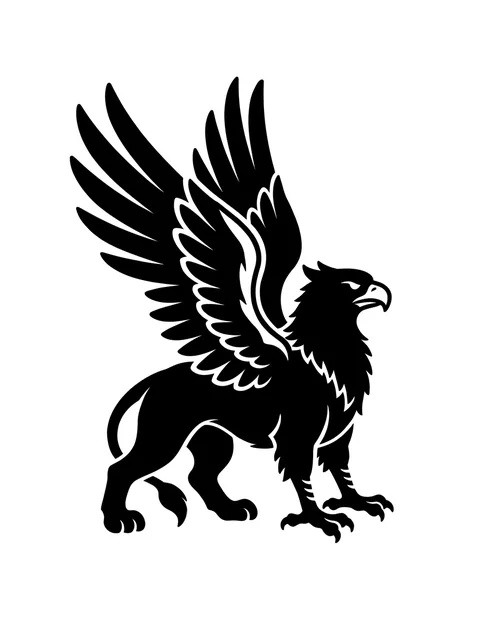
Black and white blackwork griffin tattoo design Try it on — Black and white blackwork griffin tattoo design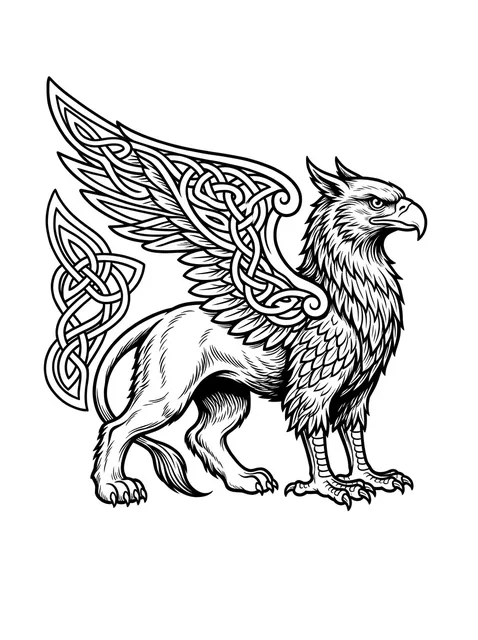
Black and grey celtic griffin tattoo design Try it on — Black and grey celtic griffin tattoo design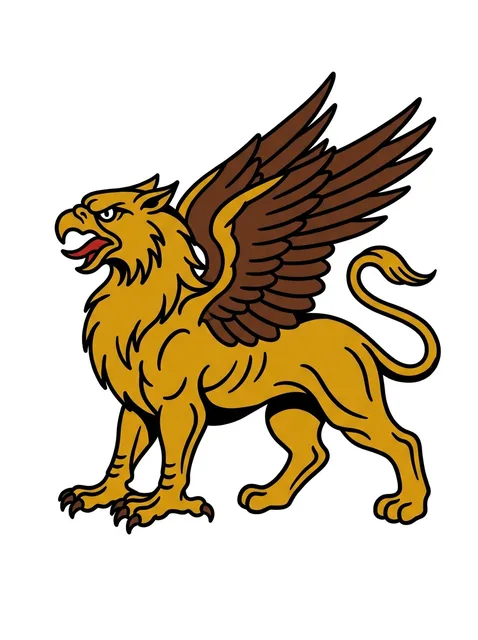
Color traditional griffin tattoo design Try it on — Color traditional griffin tattoo design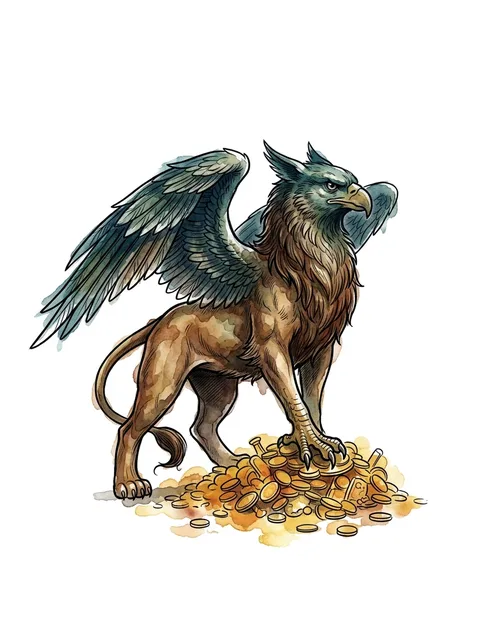
Color watercolor griffin tattoo design Try it on — Color watercolor griffin tattoo design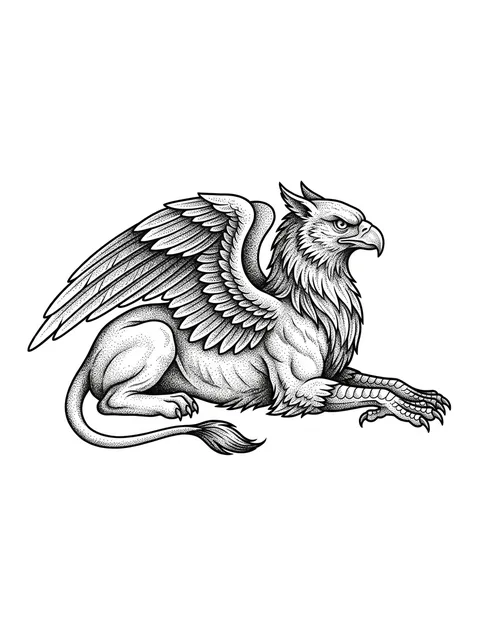
Black and grey dotwork griffin tattoo design Try it on — Black and grey dotwork griffin tattoo design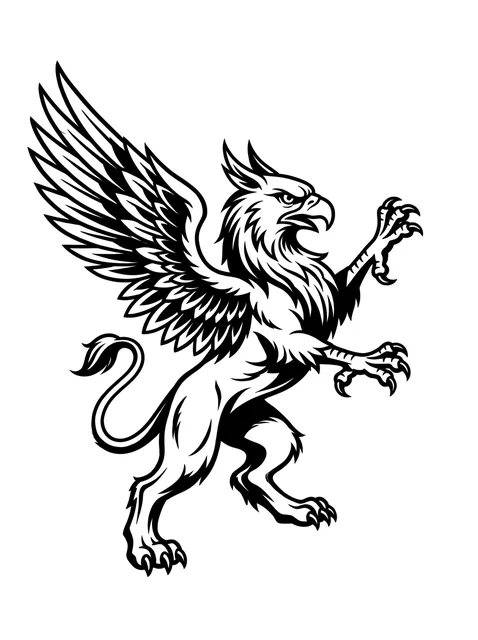
Black and white blackwork griffin tattoo design Try it on — Black and white blackwork griffin tattoo design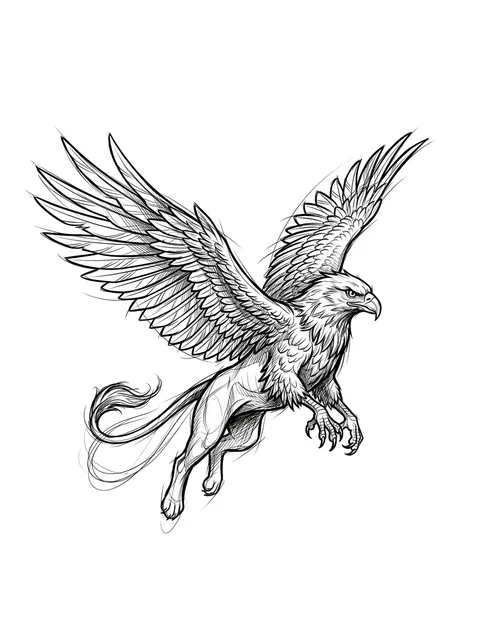
Black and grey sketch griffin tattoo design Try it on — Black and grey sketch griffin tattoo design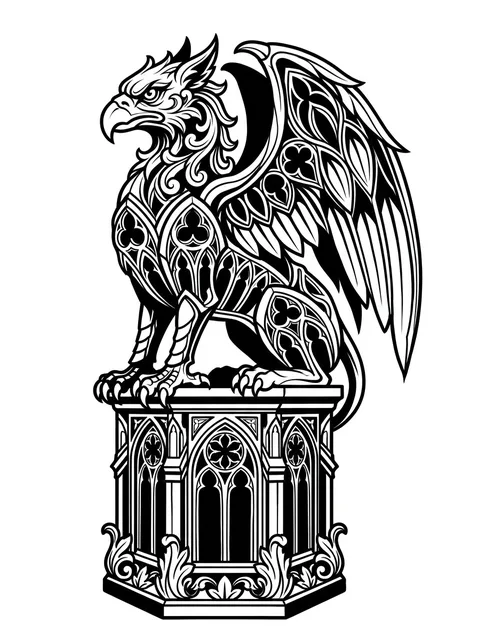
Black and white gothic griffin tattoo design Try it on — Black and white gothic griffin tattoo design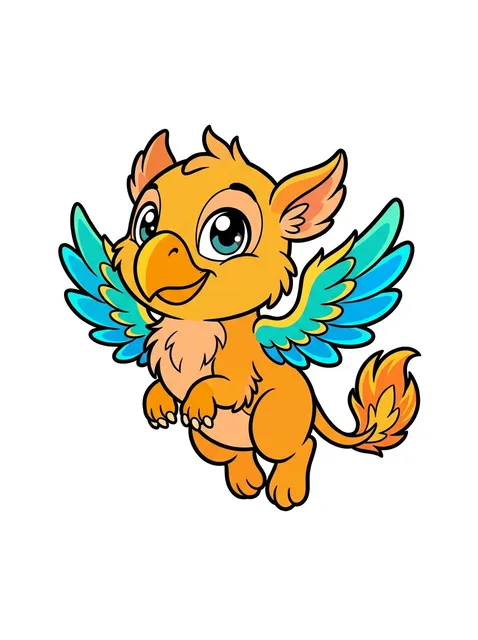
Color new school griffin tattoo design Try it on — Color new school griffin tattoo design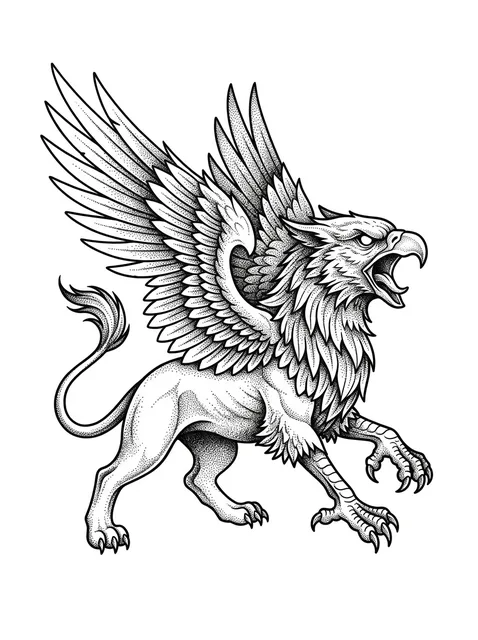
Black and grey dotwork griffin tattoo design Try it on — Black and grey dotwork griffin tattoo design
Color neo traditional griffin tattoo design Try it on — Color neo traditional griffin tattoo design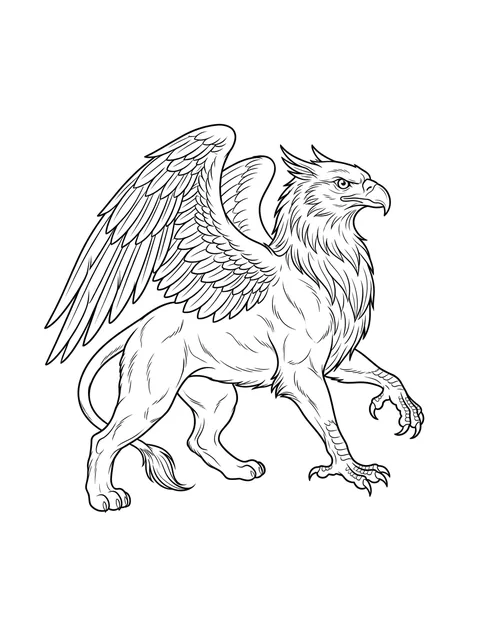
Black and white fine line griffin tattoo design, outline stencil Try it on — Black and white fine line griffin tattoo design, outline stencil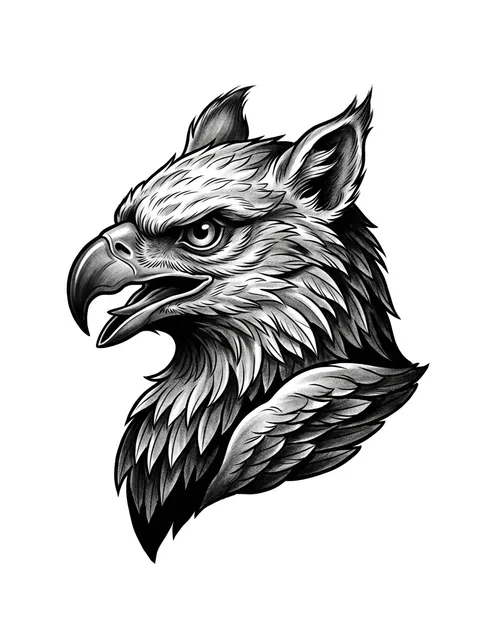
Black and grey illustrative griffin tattoo design Try it on — Black and grey illustrative griffin tattoo design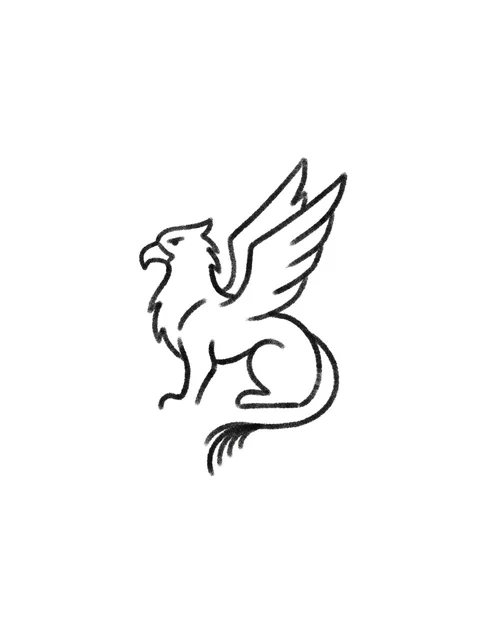
Black and grey stick and poke griffin tattoo design Try it on — Black and grey stick and poke griffin tattoo design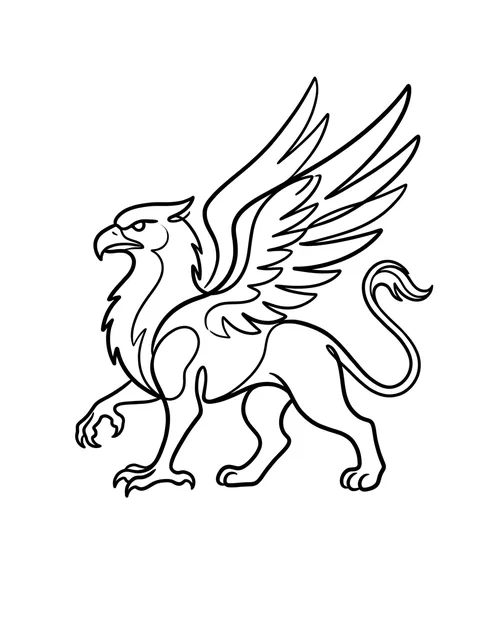
Black and white minimalist griffin tattoo design, outline stencil Try it on — Black and white minimalist griffin tattoo design, outline stencil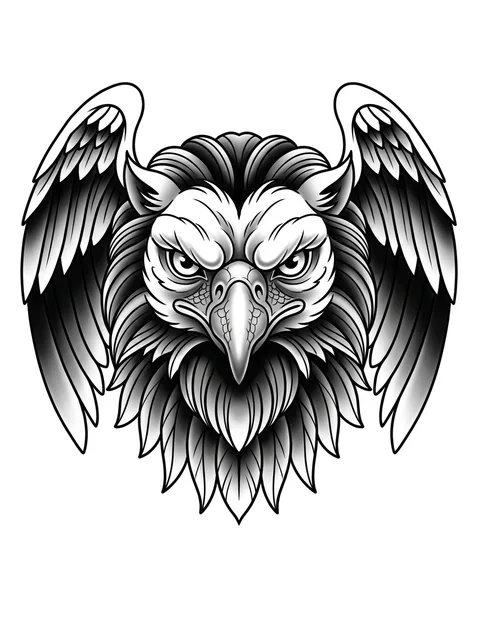
Black and grey neo traditional griffin tattoo design Try it on — Black and grey neo traditional griffin tattoo design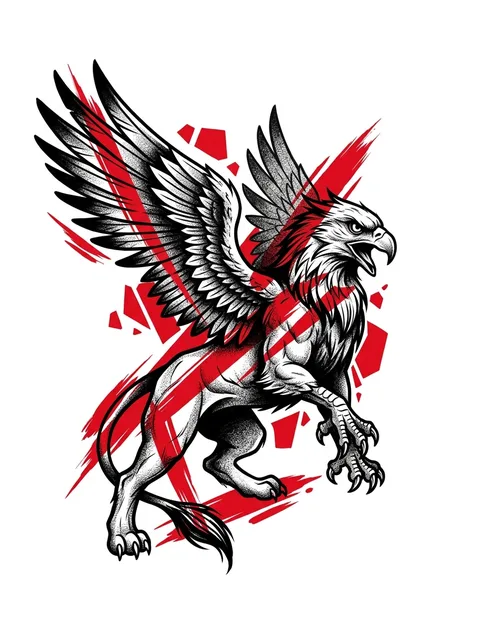
Color trash polka griffin tattoo design Try it on — Color trash polka griffin tattoo design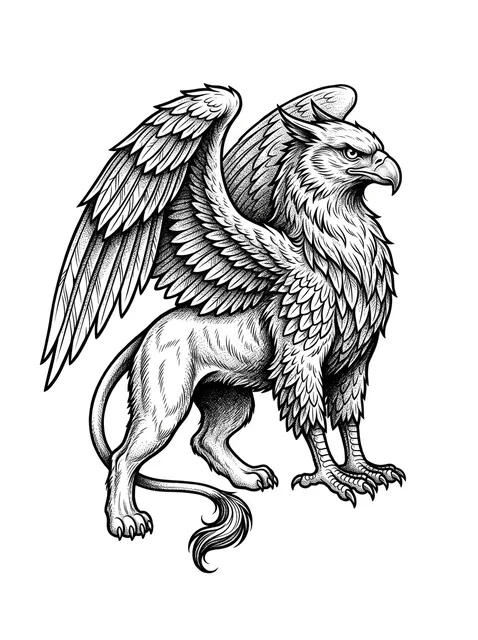
Black and grey realism griffin tattoo design Try it on — Black and grey realism griffin tattoo design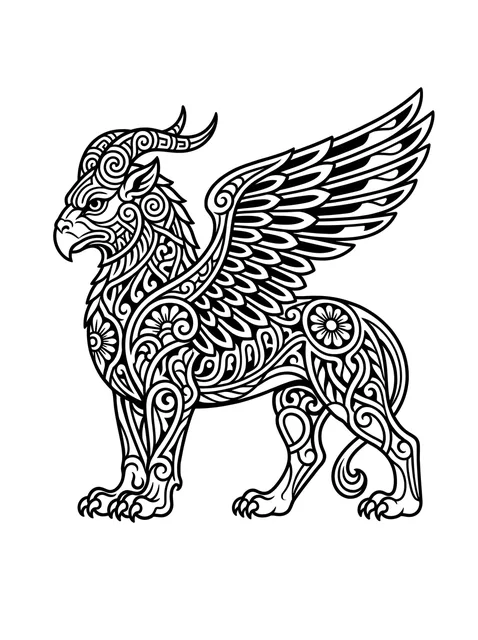
Black and grey ornamental griffin tattoo design Try it on — Black and grey ornamental griffin tattoo design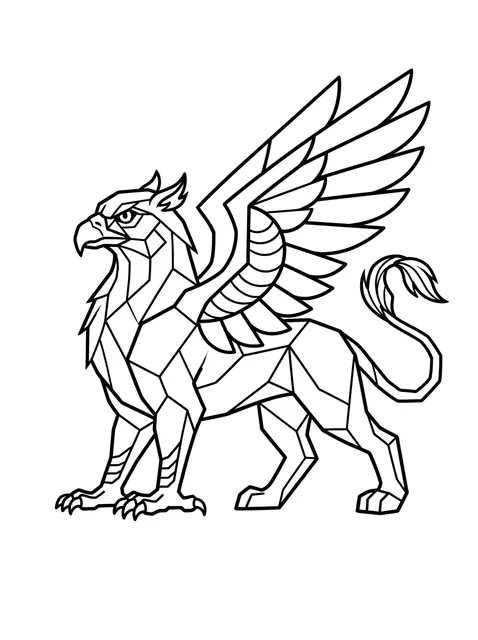
Black and white geometric griffin tattoo design, outline stencil Try it on — Black and white geometric griffin tattoo design, outline stencil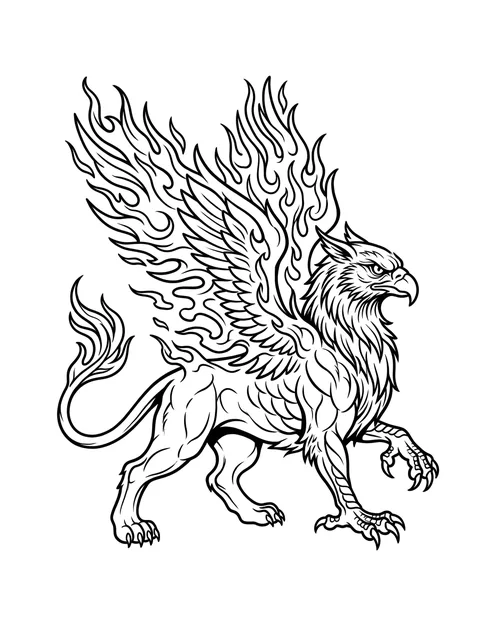
Black and grey surreal griffin and fire tattoo design Try it on — Black and grey surreal griffin and fire tattoo design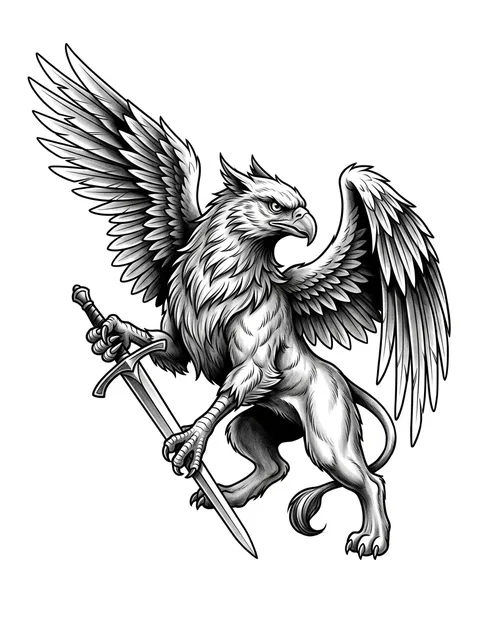
Black and grey illustrative griffin and sword tattoo design Try it on — Black and grey illustrative griffin and sword tattoo design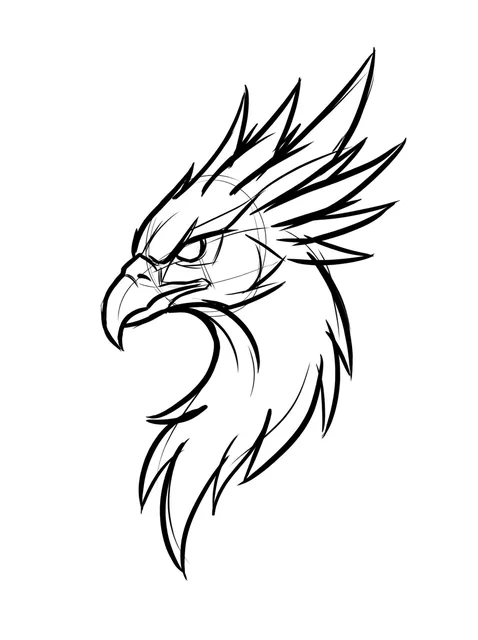
Black and white linework griffin and eagle tattoo design, outline stencil Try it on — Black and white linework griffin and eagle tattoo design, outline stencil


Tap any design to see it on your own skin in the try-on — no signup.
This set of 23 griffin designs, by the numbers
- Styles represented
- blackwork (2), dotwork (2), neo traditional (2), illustrative (2), celtic (1), traditional (1)
- Black-and-grey vs colour
- 78% black-and-grey, 22% colour
- Most often drawn with
- fire, sword, eagle
Counted from the 23 designs shown on this page. Every one was drawn for InkCraft — none are scraped or reposted. Free to reference with a link to this page.
What a griffin tattoo means
A griffin is a guardian before it is anything else. Almost every ancient source puts it beside something valuable: a throne, a tomb, a hoard of gold, a temple door. It joins the lion, strongest on the ground, to the eagle, strongest in the air, and the point of the combination is vigilance in both directions at once. People who wear one usually mean the protection of something specific, a family, a home, a promise, rather than strength in general.
That is what separates it from its two halves. An eagle on skin is the emblem of a state and a lion is a claim about character; a griffin is a job. It stands guard, and its pose carries the meaning. Rearing with talons out is a guard issuing a challenge, lying like a sphinx with folded wings is a guard at rest, and a forefoot on a heap of coins is the old story of the gold it keeps.
Against the phoenix it is the opposite kind of mythical creature. A phoenix is about one life ending and coming back. A griffin never changes; it is permanence and watchfulness, the thing still standing after the story has moved on, which is why it suits a vow or a family crest better than a recovery.
Christian writers gave it a second meaning. Because it joined the king of birds to the king of beasts, medieval readers took it for the two natures of Christ, and in Dante's Purgatorio a griffin draws the chariot through the Earthly Paradise. The bestiaries of the same centuries also describe it tearing apart horses and men, so a religious griffin needs its context to be read that way.
Heraldry keeps it busiest. A rearing griffin is blazoned segreant, a word heralds keep almost entirely for this one creature, and English heraldry also recognises a male griffin, wingless and bristling with spikes. Towns and families across Europe carry one, and the dukes of Pomerania were known simply as the House of Griffins.
Where the design comes from
The griffin is far older than Greece. Eagle-headed lions appear in Elam and Egypt by around 3000 BC, and in Bronze Age Crete a pair of painted griffins flanks the stone throne at Knossos. The Achaemenid Persians carved horned griffins on the column capitals and reliefs of Persepolis, which is the source of the stiff, patterned version with curling horns. Herodotus, writing in the fifth century BC, repeated with some doubt a story from the steppe of one-eyed Arimaspians stealing gold from the griffins that guarded it, and that is where the heap of coins comes from. The historian Adrienne Mayor has argued that nomad prospectors in the Gobi may have been looking at skeletons of Protoceratops, a beaked, four-legged dinosaur whose bones lie in the same deserts; it is a hypothesis rather than a settled fact, but it would explain why the story comes from that region.
Choosing yours
- The ears make it a griffin. Pointed, upright ears behind the eye, often tufted, are the ancient griffin's signature, and without them a head-only design stops reading as a griffin and becomes an eagle. The same test works for the whole animal. With no beak and no feathers it is a winged lion, and anything scaled rather than feathered is a dragon, which is why the famous boundary creatures of the City of London, so often called griffins, are dragons.
- Work out the join before the stencil. Feathers have to turn into fur somewhere across the chest and shoulders, the forelegs are an eagle's, scaled and taloned, and the hind legs are a lion's with pads and a tufted tail. A drawing that blurs those lines reads as a costume rather than a creature, and in realism the join is where most of the hours go.
- Pick the posture by its heraldic name, which artists who work on crests will understand exactly: segreant is rearing with wings raised, passant walking with a foreleg lifted, sejant sitting upright, couchant lying down. A segreant griffin is tall and suits the arm or the ribs; a couchant one is long and low and suits the forearm or a line across the upper back.
Size, cost and placement
How big, and what it costs
A griffin is two animals and three textures, feathers, fur and scaled legs, so it needs more room than either half on its own: 15 to 20 cm for a full body, and a realistic one is a full day. A head with its ears at 8 to 10 cm is about two hours. A blackwork silhouette or a linework griffin is the economical version, because the outline alone carries the combination.
Where it sits, and how much it hurts
A rearing griffin with raised wings is tall and fits the outer arm, the calf or the side of the ribs. A couchant griffin lying like a sphinx is long and low and suits the forearm or a band across the upper back. A symmetrical frontal head belongs on the sternum or between the shoulder blades. The ribs and sternum hurt; the arm and calf are moderate.
What to ask your artist
- That the ears are drawn, since without them the head is an eagle.
- Where the feathers turn into fur, and whether the forelegs will be taloned and the hind legs a lion's.
- For a heraldic griffin, which posture by name, and if it is copied from a real coat of arms, whose arms they are.
Prices vary widely by city and artist — treat these as session lengths rather than quotes, and expect a shop minimum on anything small. The cost guide turns hours into money by size, placement and style.
Common questions
What is a griffin supposed to guard?
Guardianship. It joins the strongest animal on the ground to the strongest in the air, and it was placed beside thrones, tombs and treasure to watch over them. Worn today it usually means protecting something particular, a family, a home or a promise, and in a Christian reading it can stand for the two natures of Christ.
Griffin, gryphon or griffon: which is right?
All three name the same creature, and heraldry uses griffin and gryphon interchangeably. Griffon is also the name of a vulture and of several dog breeds, which makes it the spelling least likely to turn up the right pictures.
What is the difference between a griffin and a hippogriff?
The back half. A griffin is eagle in front and lion behind; a hippogriff is eagle in front and horse behind. The hippogriff was made famous by Ariosto in Orlando Furioso, first published in 1516, and it is the gentler of the two, a creature that can be tamed and ridden.
How do I stop a griffin looking like an eagle?
Give it ears. Pointed, upright ears behind the eye are the oldest mark of a griffin, and on a head-only design they are the only one. On a full body, show the lion hindquarters and tufted tail clearly, and let the change from feathers to fur be visible across the chest.
See it on your skin before you commit
InkCraft places any of these designs on a photo of you — scaled, wrapped and shaded to the placement you pick.