 InkCraft
Sword Tattoo Ideas, Designs and Meaning
60 original sword designs drawn for InkCraftBy Uladzimir TumanauUpdated
A sword is the only weapon with no second use: an axe splits wood, a bow feeds you, a knife is a tool. That single purpose is why it reads as commitment rather than violence, a decision already taken.
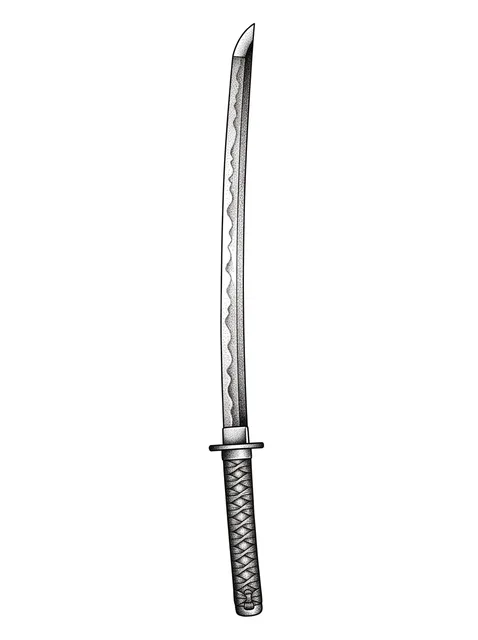
Black and grey dotwork sword tattoo design Try it on — Black and grey dotwork sword tattoo design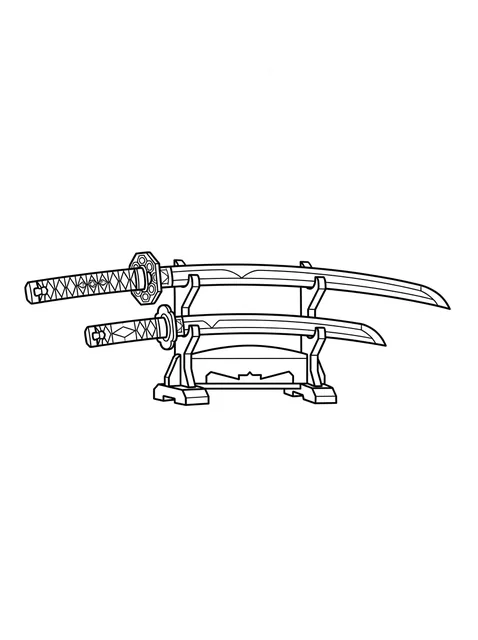
Black and white linework sword tattoo design, outline stencil Try it on — Black and white linework sword tattoo design, outline stencil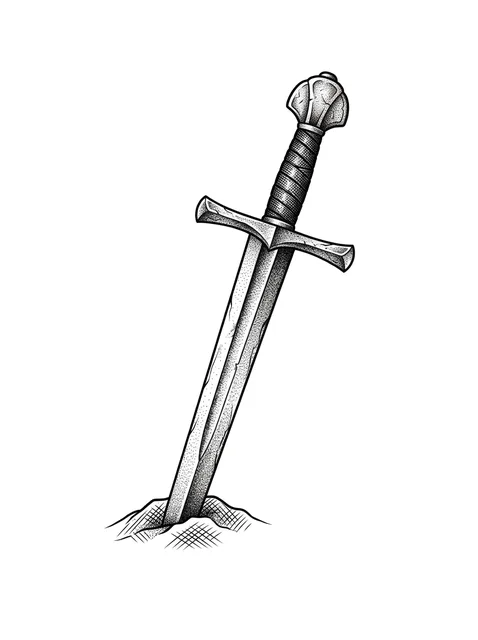
Black and grey illustrative sword tattoo design: a sword plunged into the ground Try it on — Black and grey illustrative sword tattoo design: a sword plunged into the ground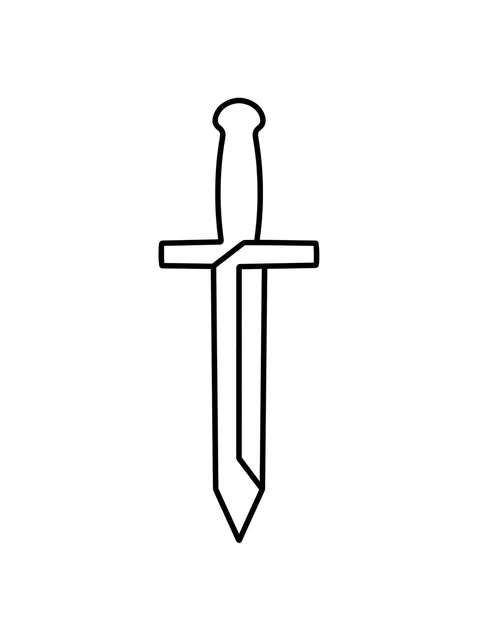
Black and white linework sword tattoo design, outline stencil: a simple sword with a crossguard Try it on — Black and white linework sword tattoo design, outline stencil: a simple sword with a crossguard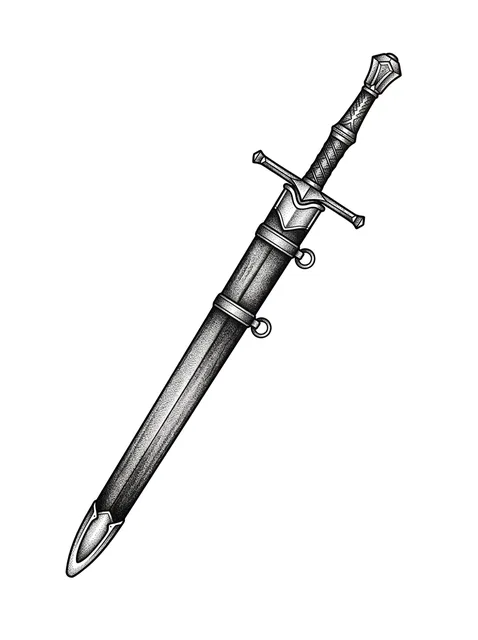
Black and grey dotwork sword tattoo design: a medieval sword in its scabbard Try it on — Black and grey dotwork sword tattoo design: a medieval sword in its scabbard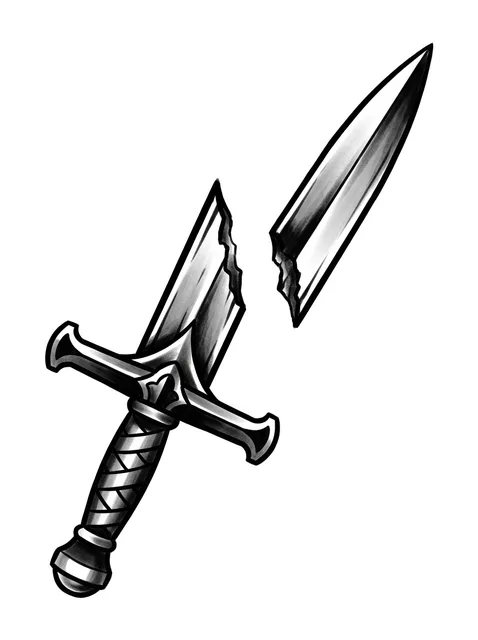
Black and grey traditional sword tattoo design Try it on — Black and grey traditional sword tattoo design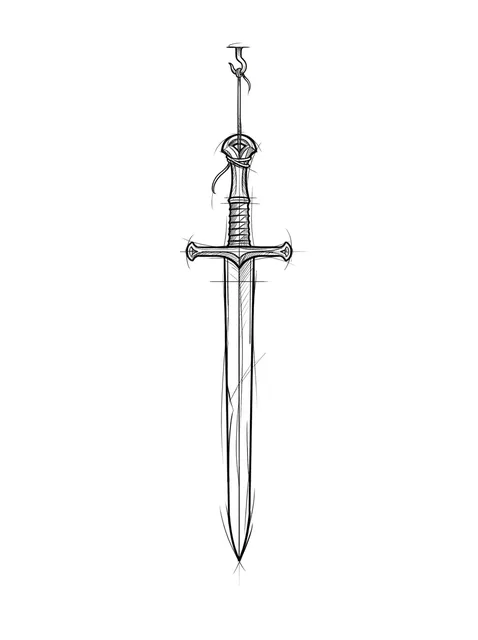
Black and grey sketch sword tattoo design: a medieval sword, hanging from a hook by a thin rope Try it on — Black and grey sketch sword tattoo design: a medieval sword, hanging from a hook by a thin rope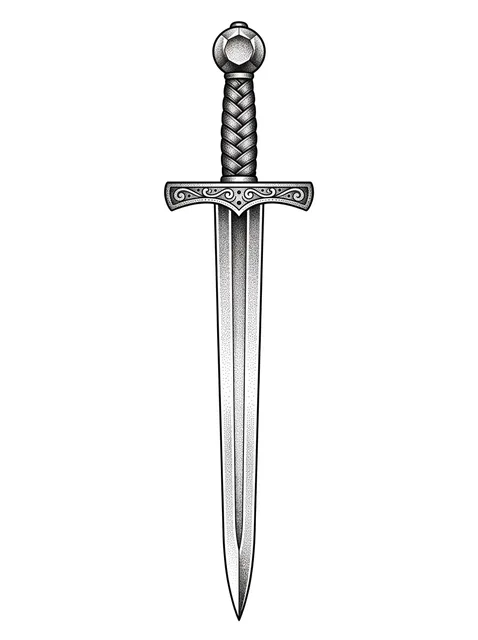
Black and grey dotwork sword tattoo design: a medieval sword Try it on — Black and grey dotwork sword tattoo design: a medieval sword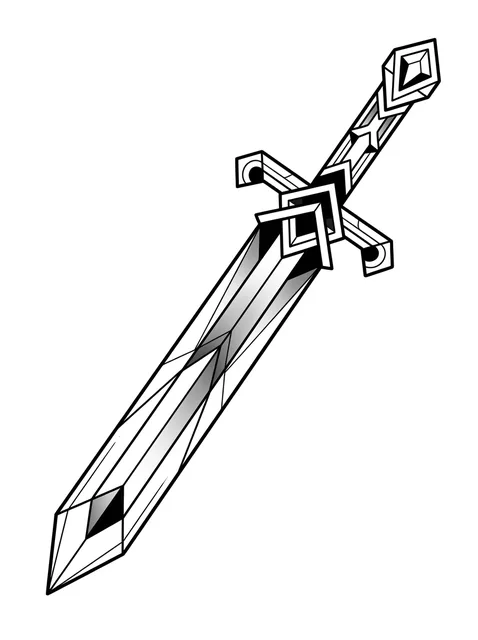
Black and grey geometric sword tattoo design, outline stencil Try it on — Black and grey geometric sword tattoo design, outline stencil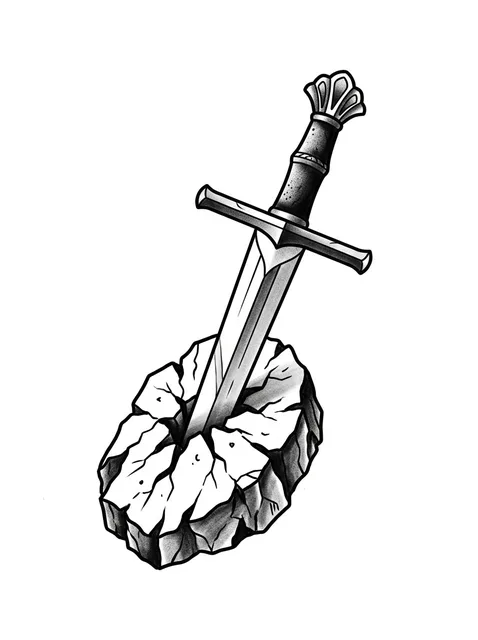
Black and grey traditional sword tattoo design Try it on — Black and grey traditional sword tattoo design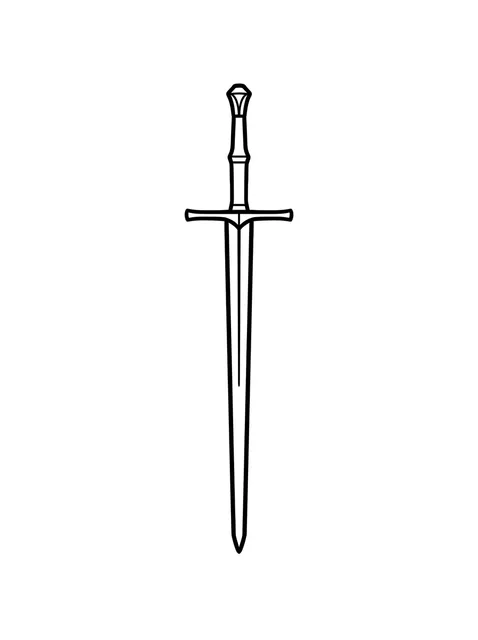
Black and white linework sword tattoo design, outline stencil: a classic sword Try it on — Black and white linework sword tattoo design, outline stencil: a classic sword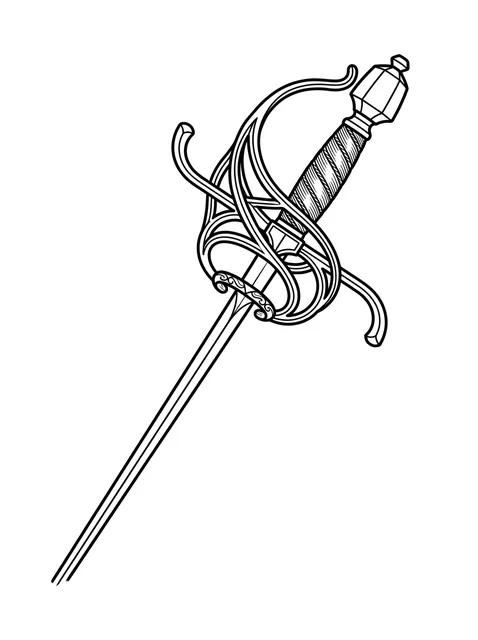
Black and white linework sword tattoo design, outline stencil Try it on — Black and white linework sword tattoo design, outline stencil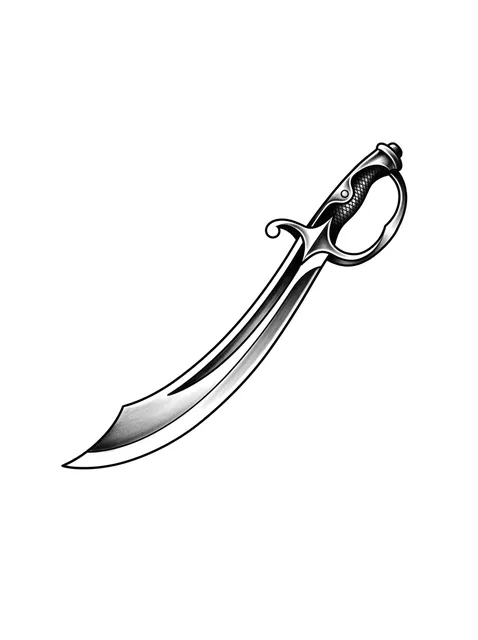
Black and grey traditional sword tattoo design: a curved sword or scimitar Try it on — Black and grey traditional sword tattoo design: a curved sword or scimitar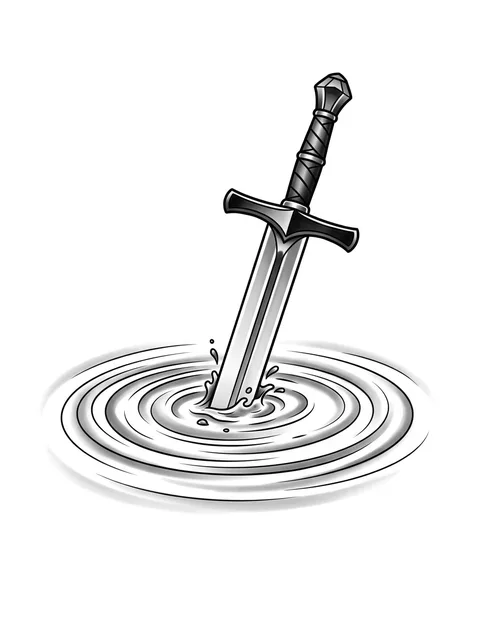
Black and grey illustrative sword tattoo design Try it on — Black and grey illustrative sword tattoo design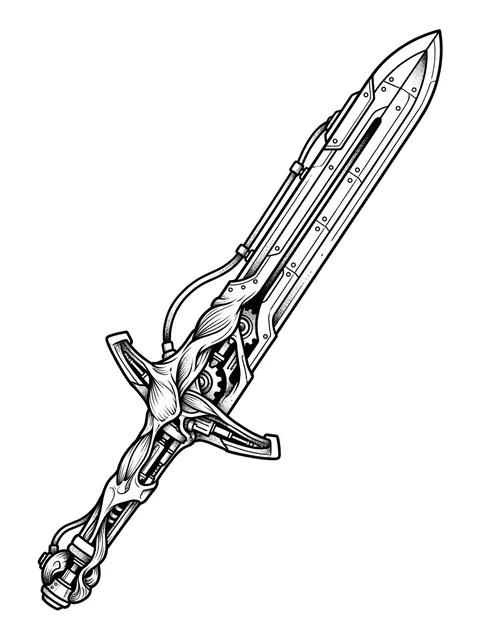
Black and grey biomechanical sword tattoo design Try it on — Black and grey biomechanical sword tattoo design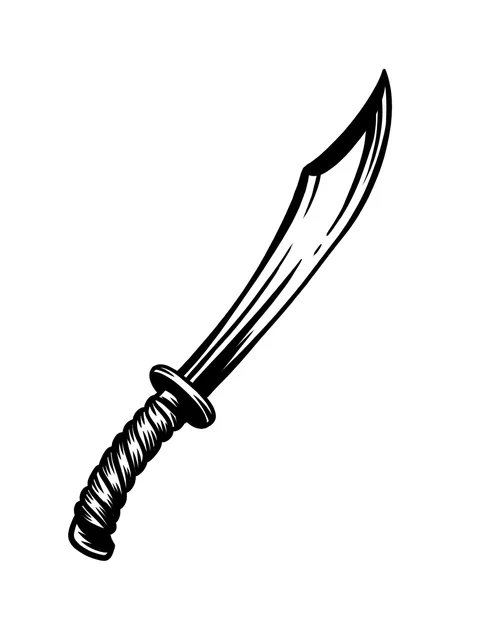
Black and white traditional sword tattoo design: a curved sword Try it on — Black and white traditional sword tattoo design: a curved sword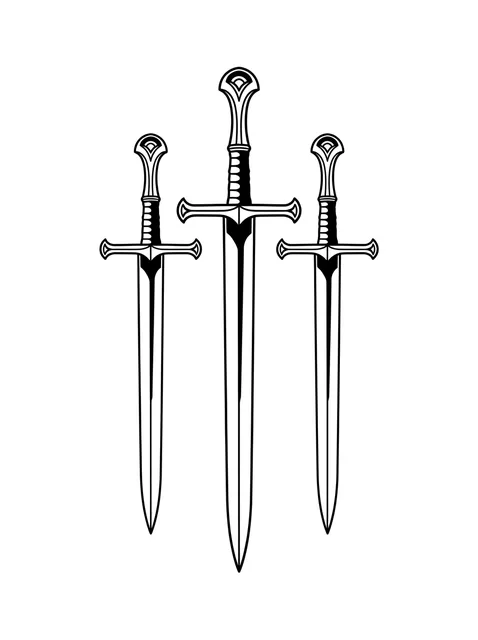
Black and white linework sword tattoo design, outline stencil Try it on — Black and white linework sword tattoo design, outline stencil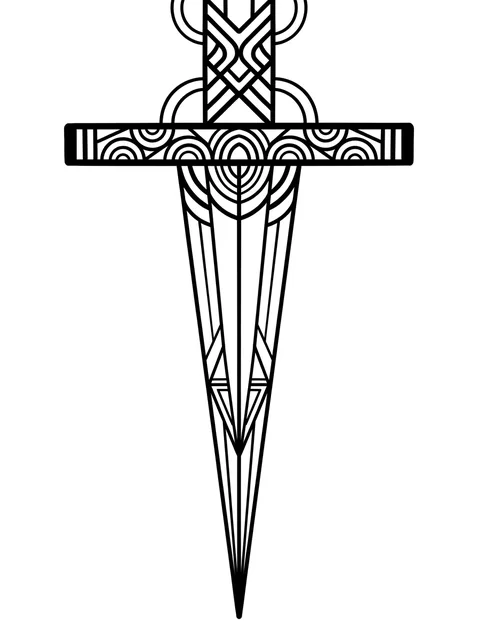
Black and white geometric sword tattoo design, outline stencil Try it on — Black and white geometric sword tattoo design, outline stencil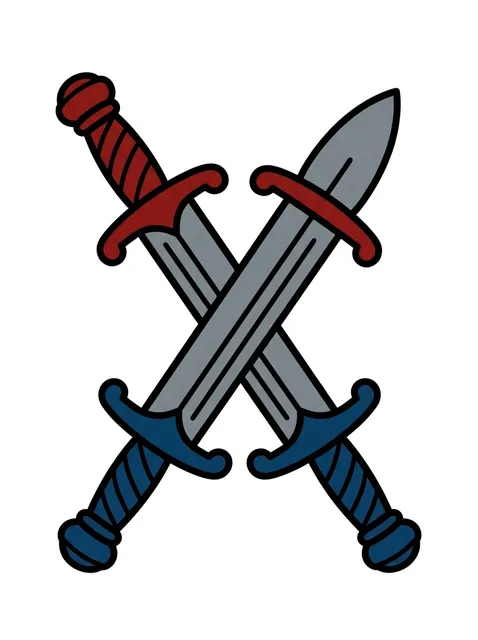
Color traditional sword tattoo design: two crossed daggers with red and blue handles Try it on — Color traditional sword tattoo design: two crossed daggers with red and blue handles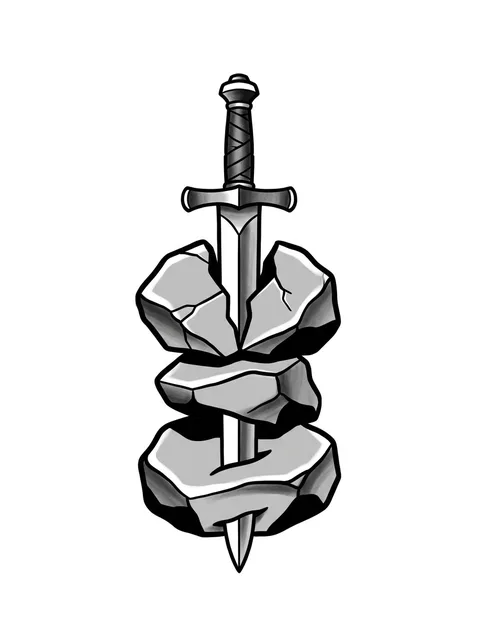
Black and grey traditional sword tattoo design: a sword piercing through three stacked rocks Try it on — Black and grey traditional sword tattoo design: a sword piercing through three stacked rocks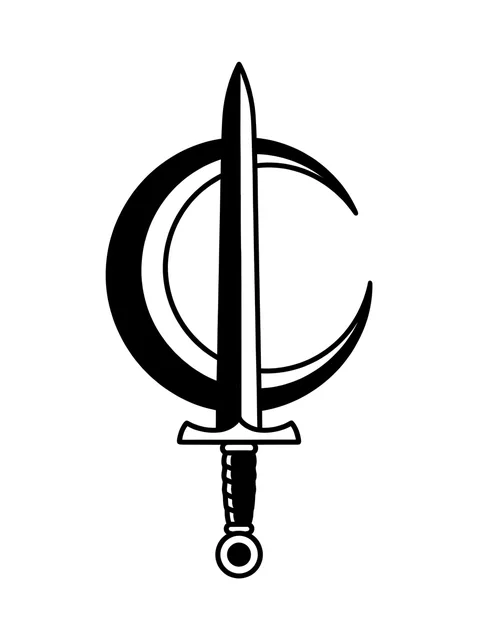
Black and white traditional sword and moon tattoo design: a sword piercing through a crescent moon Try it on — Black and white traditional sword and moon tattoo design: a sword piercing through a crescent moon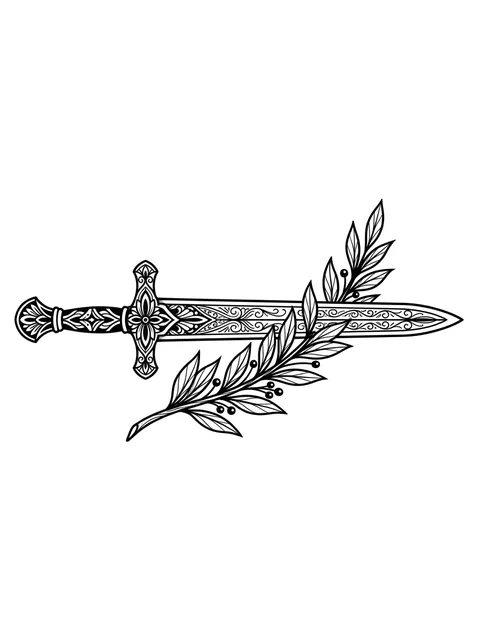
Black and white illustrative sword and leaf tattoo design Try it on — Black and white illustrative sword and leaf tattoo design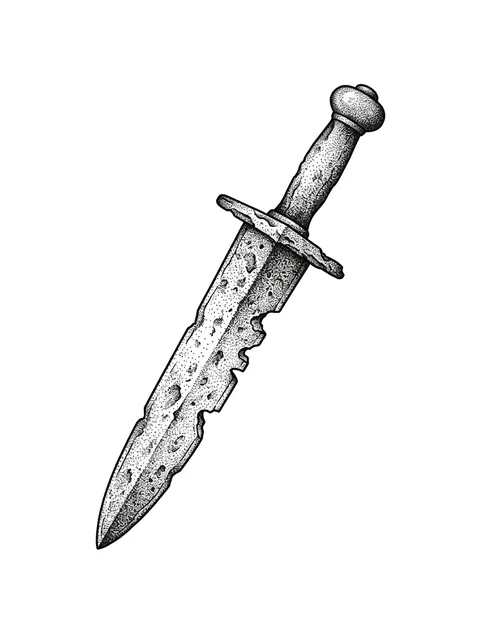
Black and grey dotwork sword and dagger tattoo design: a weathered and ancient-looking dagger Try it on — Black and grey dotwork sword and dagger tattoo design: a weathered and ancient-looking dagger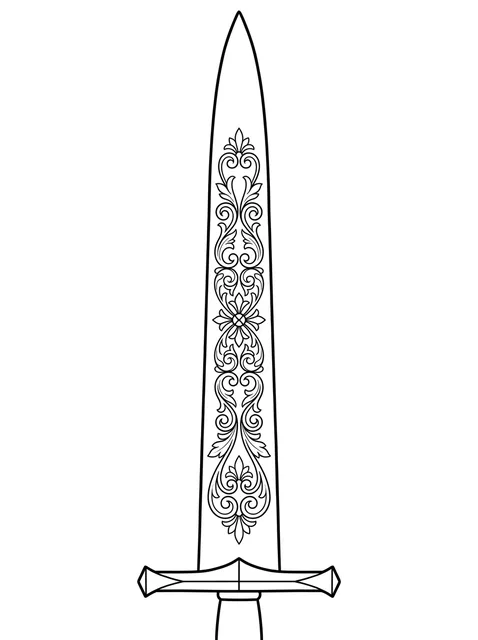
Black and white linework sword and leaf tattoo design, outline stencil: a sword with an ornate blade Try it on — Black and white linework sword and leaf tattoo design, outline stencil: a sword with an ornate blade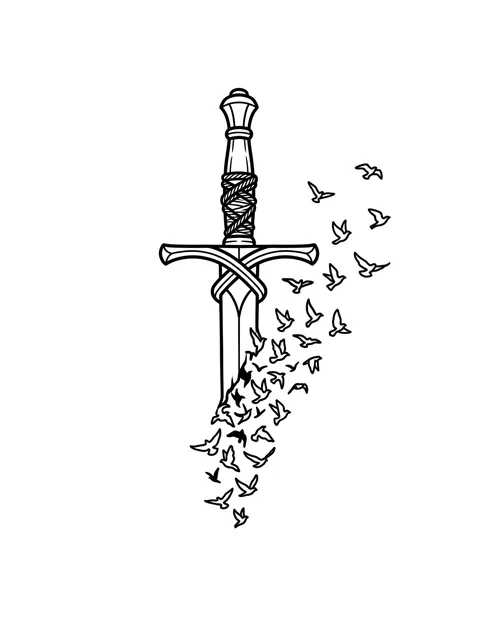
Black and white linework sword and bird tattoo design, outline stencil Try it on — Black and white linework sword and bird tattoo design, outline stencil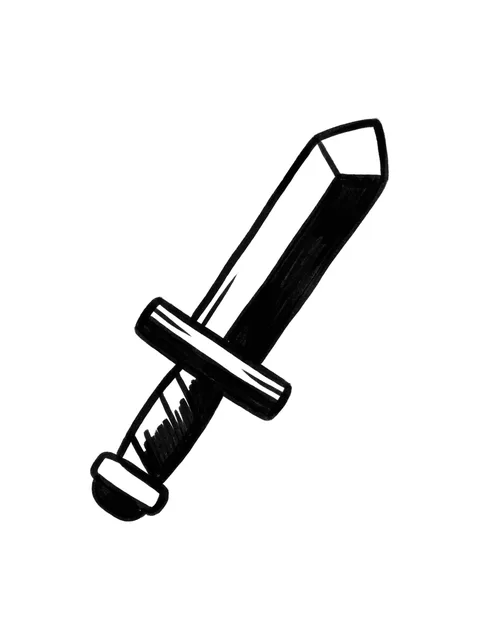
Black and white blackwork sword and dagger tattoo design Try it on — Black and white blackwork sword and dagger tattoo design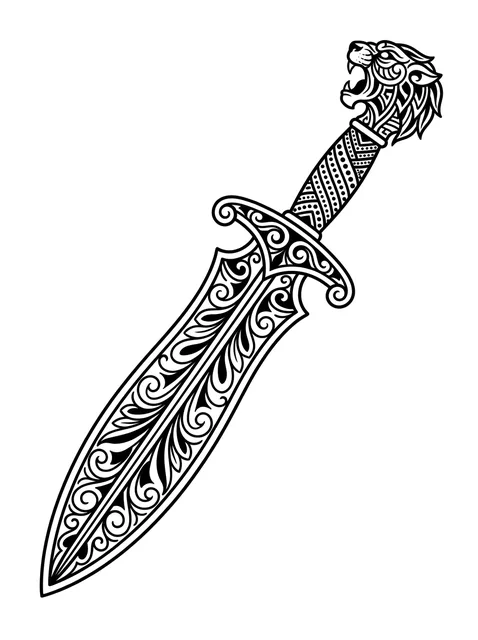
Black and grey illustrative sword and lion tattoo design: an ornate sword with a lion's head pommel Try it on — Black and grey illustrative sword and lion tattoo design: an ornate sword with a lion's head pommel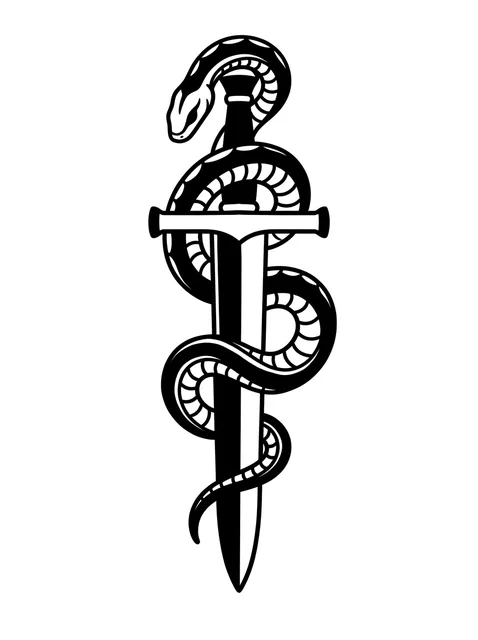
Black and grey traditional sword and snake tattoo design: a snake wrapped around a dagger Try it on — Black and grey traditional sword and snake tattoo design: a snake wrapped around a dagger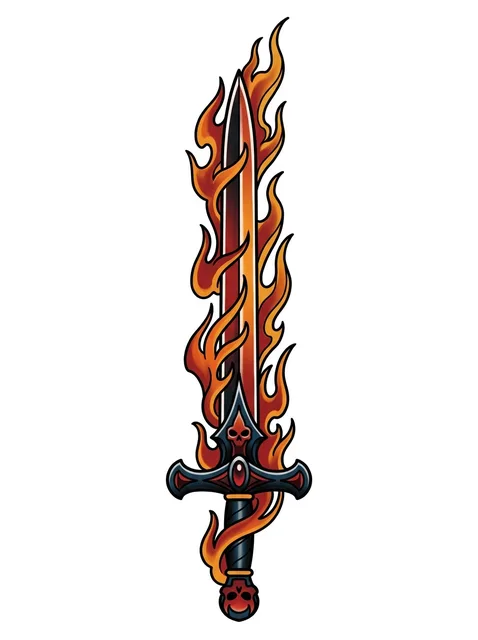
Color neo traditional sword and fire tattoo design Try it on — Color neo traditional sword and fire tattoo design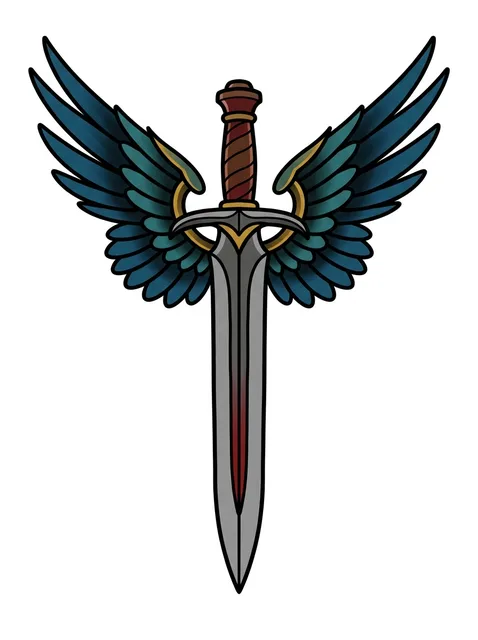
Color traditional sword and angel wings tattoo design: a winged dagger Try it on — Color traditional sword and angel wings tattoo design: a winged dagger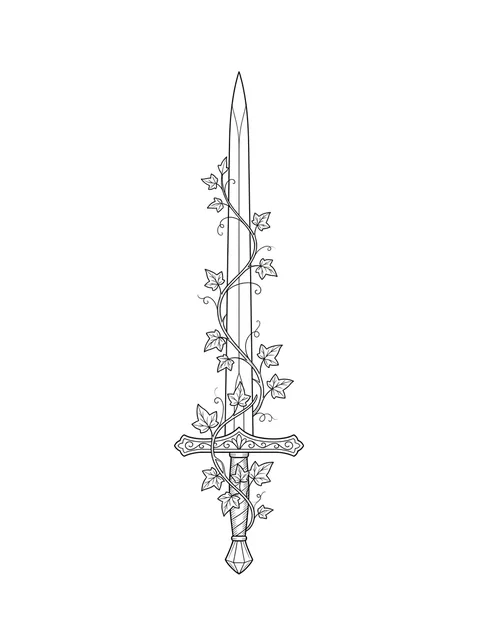
Black and white linework sword and vine tattoo design, outline stencil Try it on — Black and white linework sword and vine tattoo design, outline stencil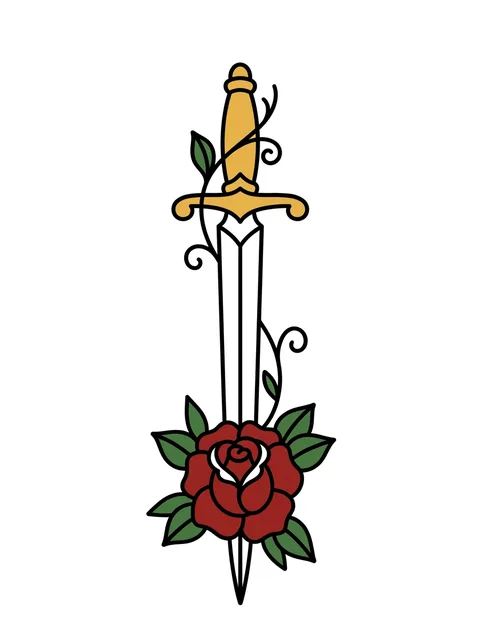
Color traditional sword and dagger tattoo design Try it on — Color traditional sword and dagger tattoo design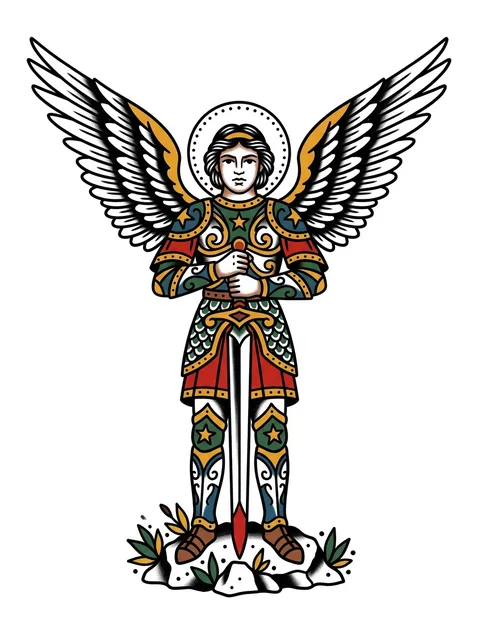
Color traditional sword and angel tattoo design: an angel in full armor, holding a sword Try it on — Color traditional sword and angel tattoo design: an angel in full armor, holding a sword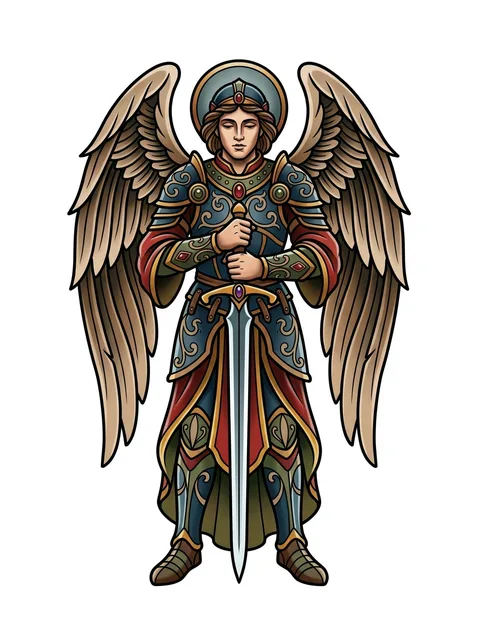
Color neo traditional sword and angel tattoo design Try it on — Color neo traditional sword and angel tattoo design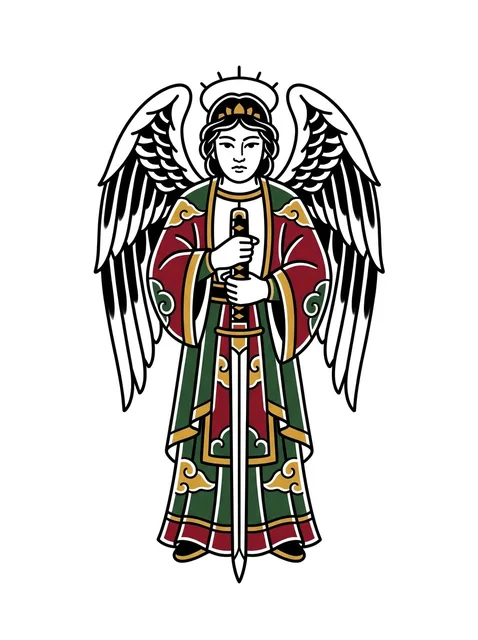
Color traditional sword and angel tattoo design Try it on — Color traditional sword and angel tattoo design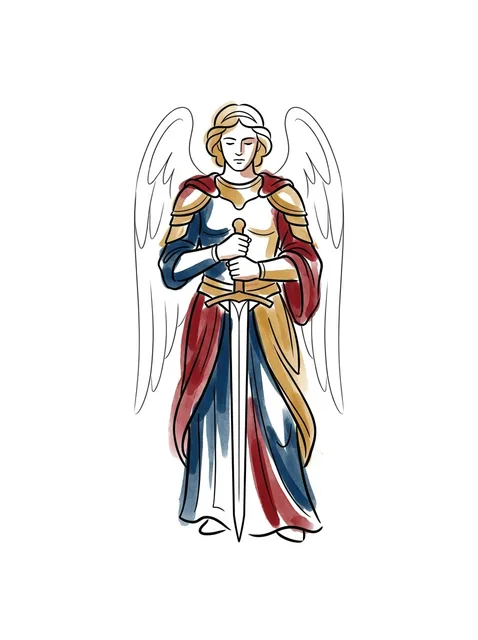
Color illustrative sword and angel tattoo design Try it on — Color illustrative sword and angel tattoo design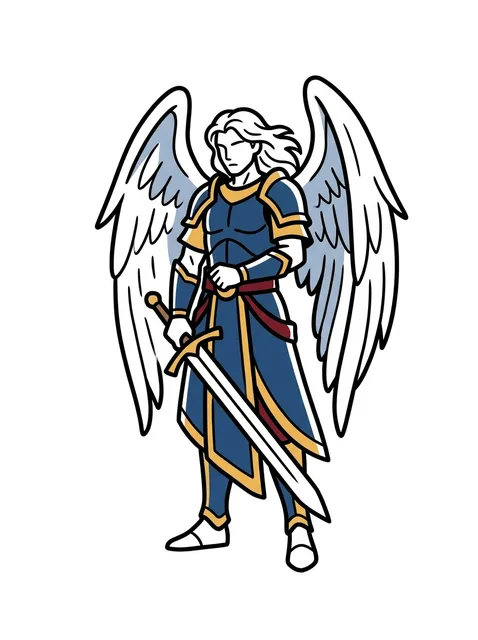
Color illustrative sword and angel tattoo design: an angel in blue and gold armor, holding a sword Try it on — Color illustrative sword and angel tattoo design: an angel in blue and gold armor, holding a sword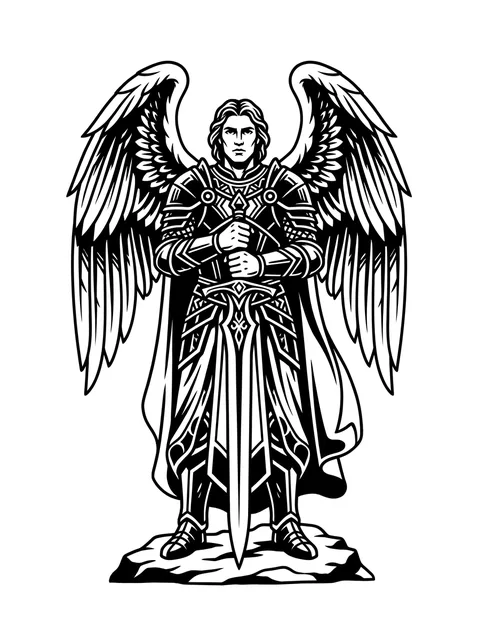
Black and grey illustrative sword and angel tattoo design: an angel in full armor, holding a sword Try it on — Black and grey illustrative sword and angel tattoo design: an angel in full armor, holding a sword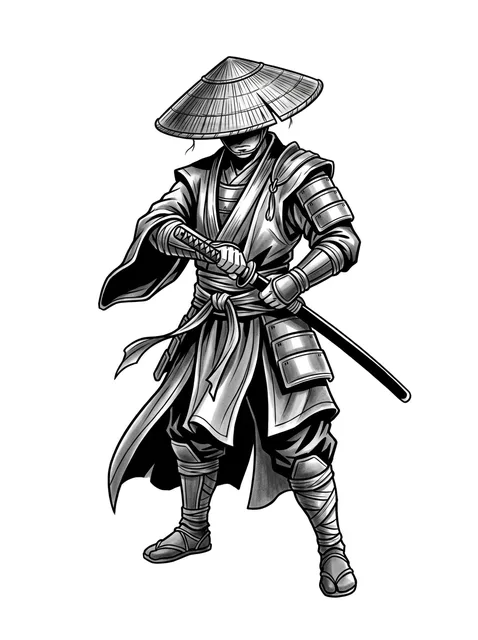
Black and grey illustrative sword and samurai tattoo design: a samurai warrior Try it on — Black and grey illustrative sword and samurai tattoo design: a samurai warrior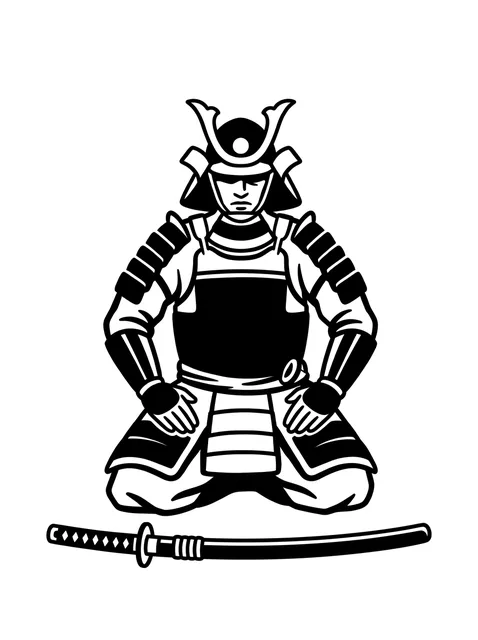
Black and white illustrative sword and samurai tattoo design: a kneeling samurai in full armor Try it on — Black and white illustrative sword and samurai tattoo design: a kneeling samurai in full armor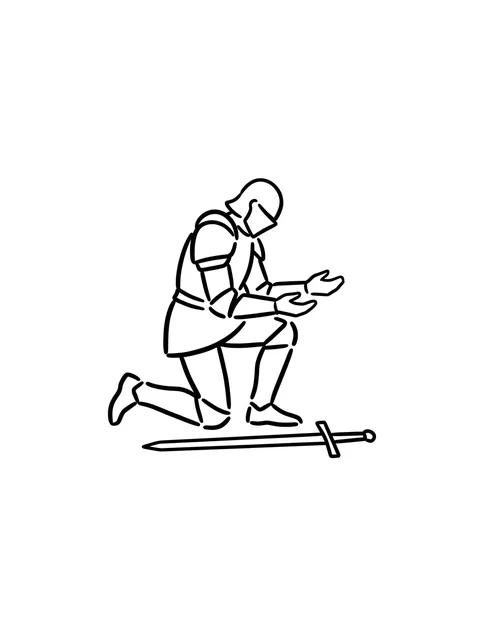
Black and white linework sword and knight tattoo design, outline stencil Try it on — Black and white linework sword and knight tattoo design, outline stencil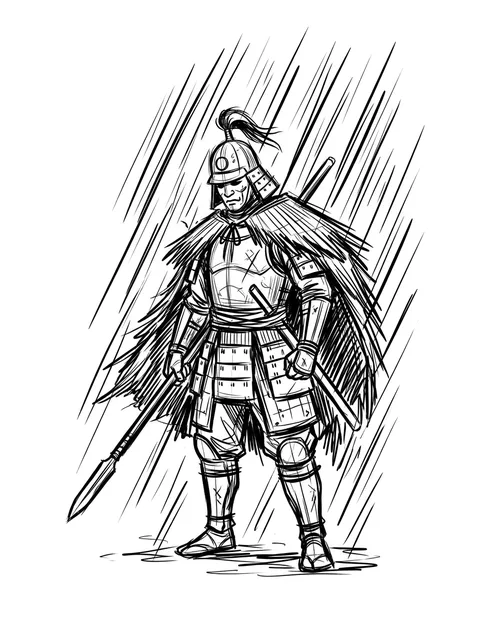
Black and white illustrative sword and samurai tattoo design Try it on — Black and white illustrative sword and samurai tattoo design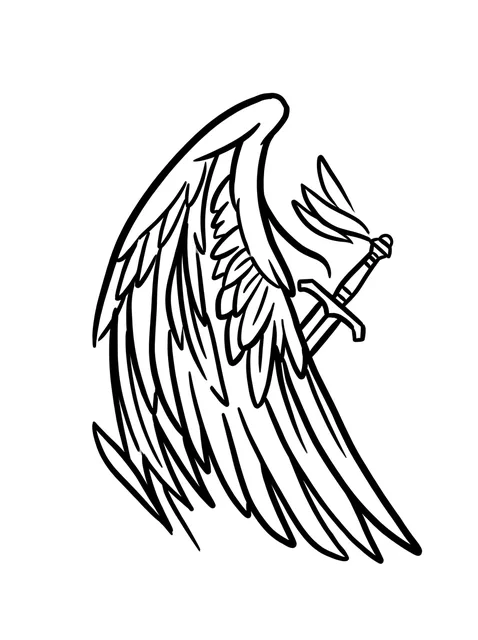
Black and white linework sword and angel wings tattoo design, outline stencil Try it on — Black and white linework sword and angel wings tattoo design, outline stencil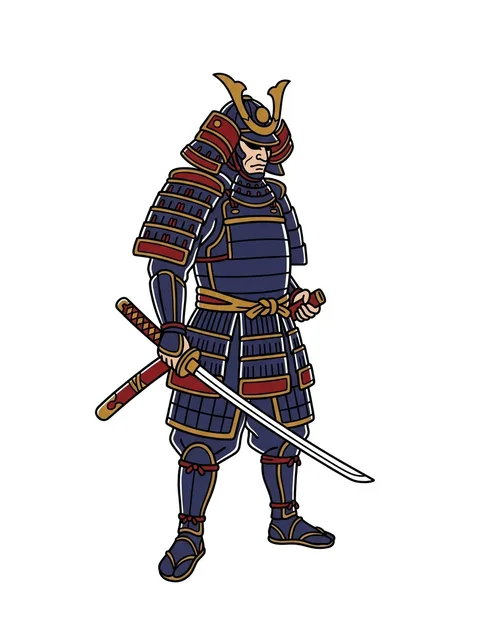
Color Japanese sword and samurai tattoo design Try it on — Color Japanese sword and samurai tattoo design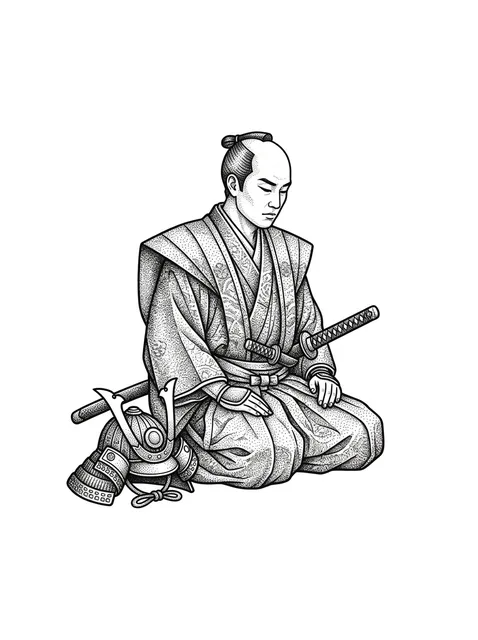
Black and grey illustrative sword and samurai tattoo design Try it on — Black and grey illustrative sword and samurai tattoo design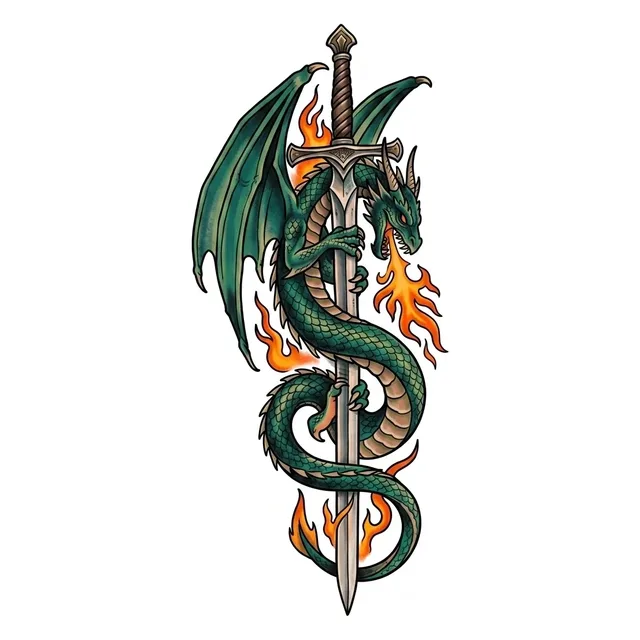
Color neo traditional sword and dragon tattoo design Try it on — Color neo traditional sword and dragon tattoo design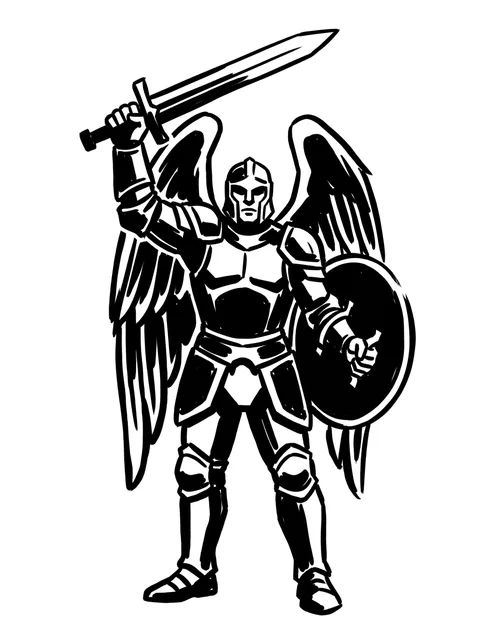
Black and white blackwork sword and archangel tattoo design Try it on — Black and white blackwork sword and archangel tattoo design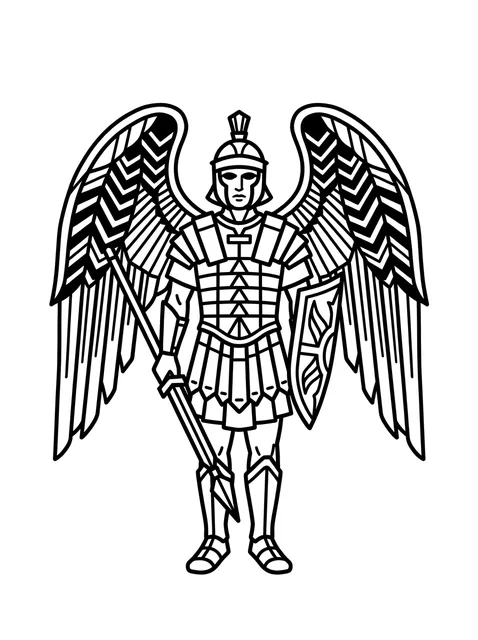
Black and white linework sword and archangel tattoo design, outline stencil Try it on — Black and white linework sword and archangel tattoo design, outline stencil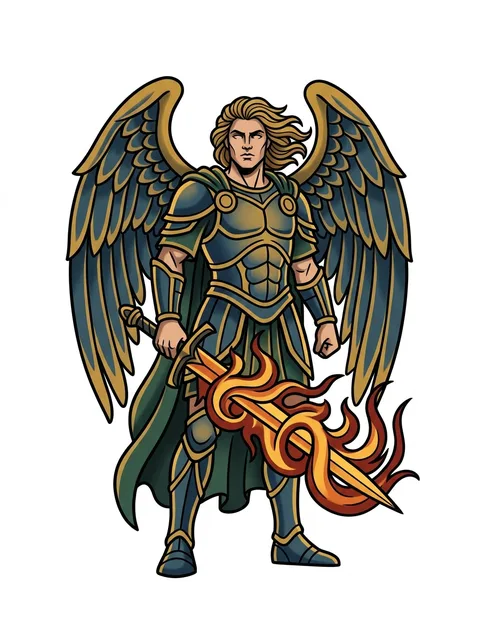
Color illustrative sword and archangel tattoo design Try it on — Color illustrative sword and archangel tattoo design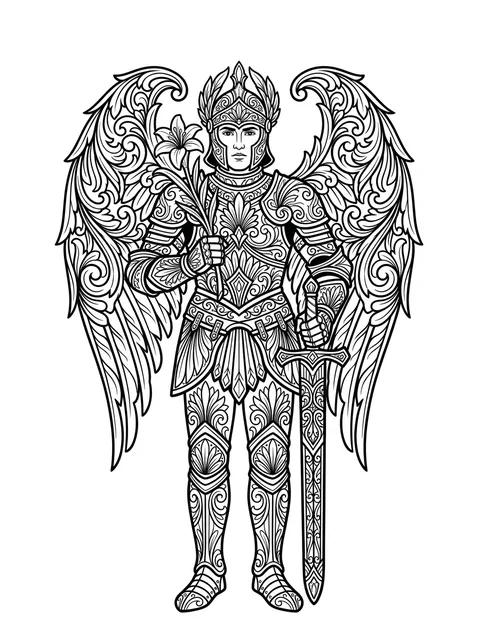
Black and grey illustrative sword and archangel tattoo design Try it on — Black and grey illustrative sword and archangel tattoo design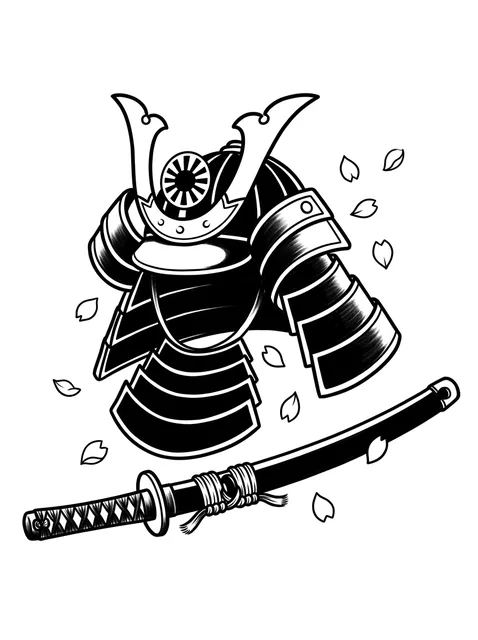
Black and grey neo traditional sword and samurai tattoo design Try it on — Black and grey neo traditional sword and samurai tattoo design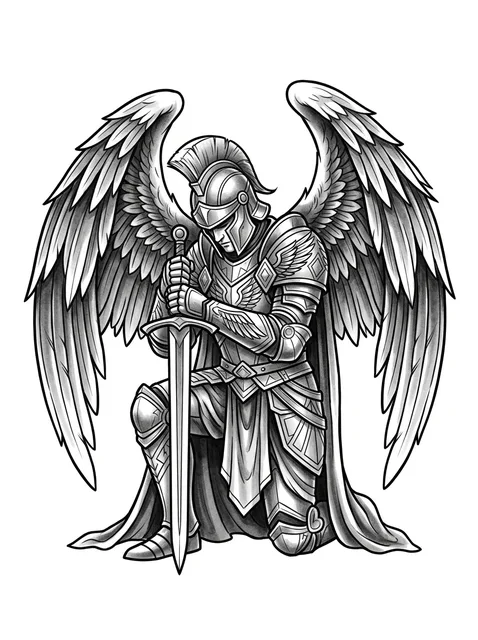
Black and grey illustrative sword and archangel tattoo design Try it on — Black and grey illustrative sword and archangel tattoo design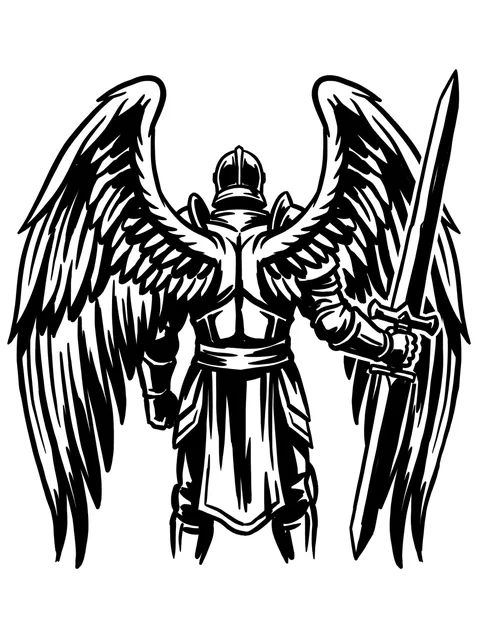
Black and white blackwork sword and archangel tattoo design Try it on — Black and white blackwork sword and archangel tattoo design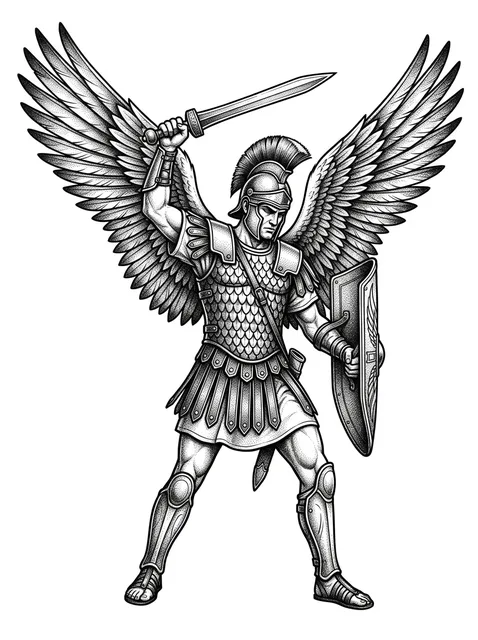
Black and grey illustrative sword and archangel tattoo design Try it on — Black and grey illustrative sword and archangel tattoo design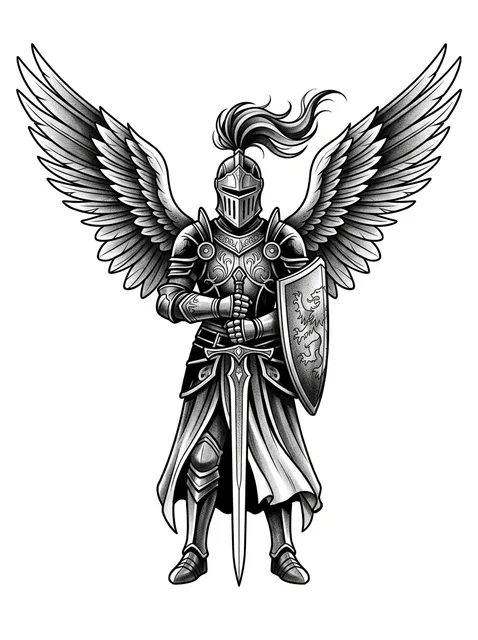
Black and grey illustrative sword and archangel tattoo design Try it on — Black and grey illustrative sword and archangel tattoo design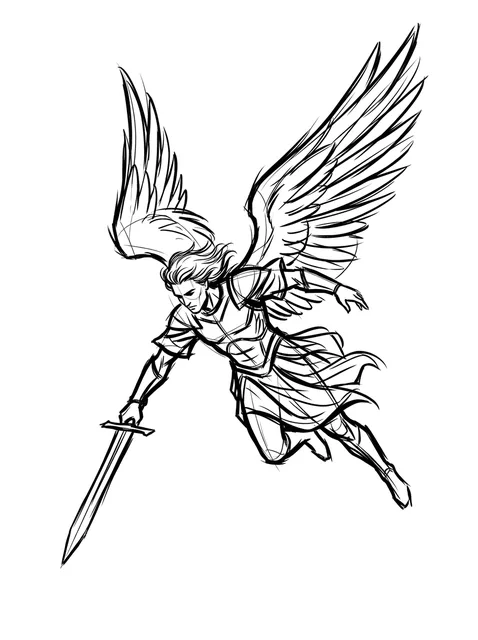
Black and grey illustrative sword and archangel tattoo design: an angel in flight, holding a sword Try it on — Black and grey illustrative sword and archangel tattoo design: an angel in flight, holding a sword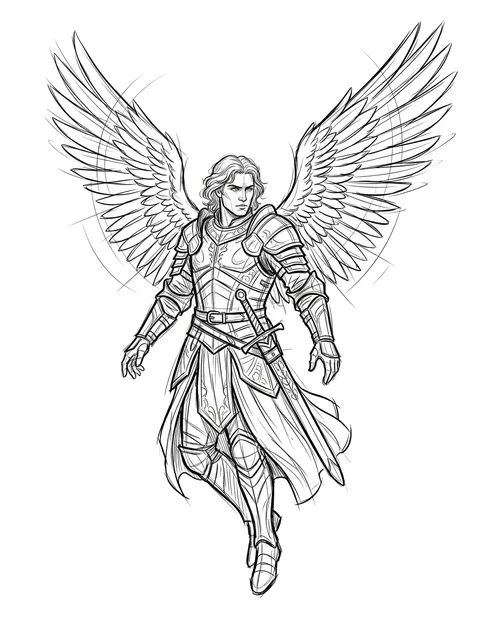
Black and grey illustrative sword and archangel tattoo design Try it on — Black and grey illustrative sword and archangel tattoo design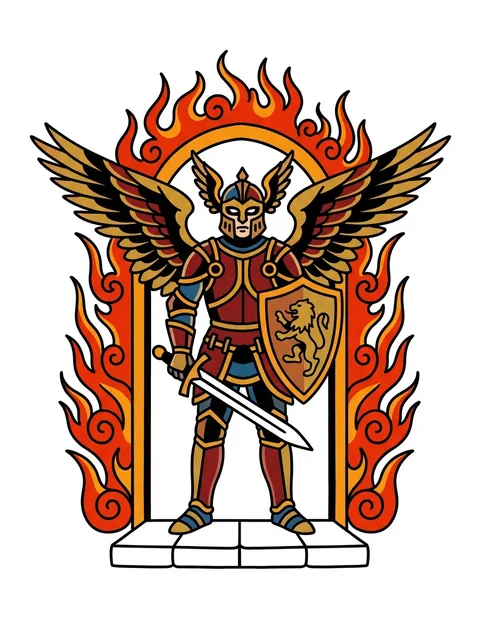
Color traditional sword and archangel tattoo design Try it on — Color traditional sword and archangel tattoo design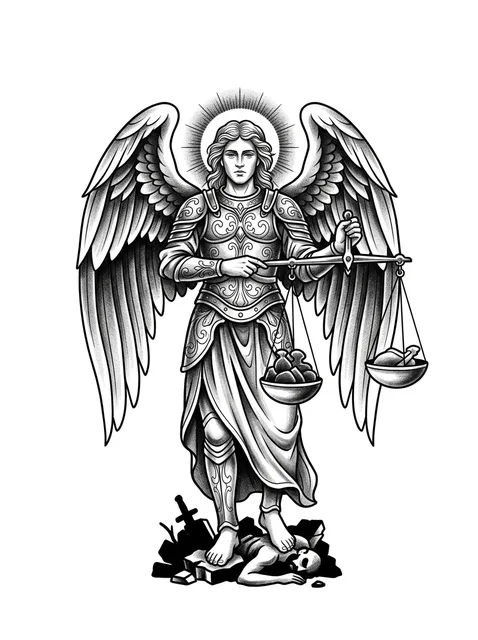
Black and grey neo traditional sword and archangel tattoo design Try it on — Black and grey neo traditional sword and archangel tattoo design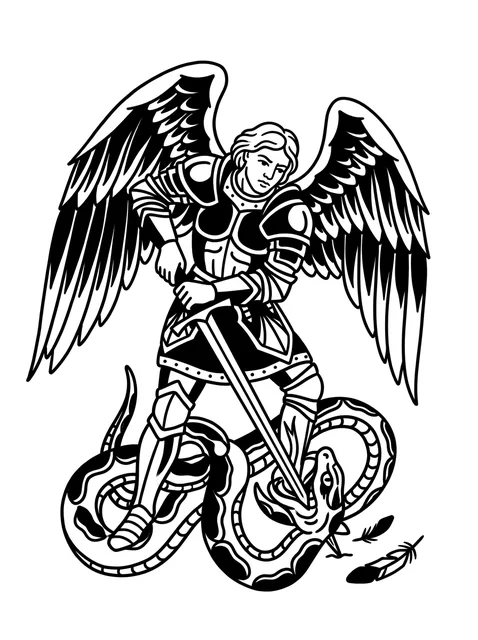
Black and white traditional sword and archangel tattoo design Try it on — Black and white traditional sword and archangel tattoo design


Tap any design to see it on your own skin in the try-on — no signup.
This set of 60 sword designs, by the numbers
- Styles represented
- illustrative (18), traditional (14), linework (11), neo traditional (5), dotwork (4), blackwork (3)
- Black-and-grey vs colour
- 78% black-and-grey, 22% colour
- Most often drawn with
- angel, angel wings, archangel, samurai
Counted from the 60 designs shown on this page. Every one was drawn for InkCraft — none are scraped or reposted. Free to reference with a link to this page.
What a sword tattoo means
Everything else in an armoury doubles as something. A spear hunts, an axe works timber, a bow puts food on a table, and a knife spends most of its life cutting rope. A sword has one purpose and no other, which is why it reads as commitment rather than as violence — it is the picture of a decision already taken.
Justice is the second and more specific meaning, and the detail people miss is that the figure of Justice carries both scales and a sword. The scales weigh and the sword enforces; judgement without the power to act on it is only an opinion. A sword worn for that reason is about consequence rather than about fairness.
The oath is the third. A medieval hilt is a cross — crossguard, grip and pommel — and knights swore on it because it was the cross nearest to hand. That accident of shape is the reason an upright sword still reads as a vow rather than as a threat, and it is why so many of these are worn point up.
Point down says something else entirely. Reversed arms, a blade driven into the ground, is the military sign of mourning and of a fight that has finished. Two designs identical in every other respect mean opposite things depending on which way the point is facing, and it is worth settling that before the stencil goes on.
Where the design comes from
The shape dates itself, which is unusual among tattoo subjects. A broad straight blade with a wide crossguard and a lobed pommel is European and roughly eleventh to thirteenth century; a slim blade inside a cage of curving steel bars is a sixteenth-century rapier; a curved single edge with a small round guard is a Japanese tachi or katana. Tokugawa-era Japan restricted sword-wearing to the samurai class, which is how the object stopped being equipment and became identity. The gladius a Roman legionary carried was under 60 cm, far shorter than most drawings of one. And the West has a single universal sword image because of Malory, whose Morte d'Arthur was printed by Caxton in 1485 — though the sword in the stone and the sword from the lake are two different weapons in that telling, which almost every retelling since has merged into one.
Choosing yours
- It is a long vertical and wants a field to match. The inner forearm, the spine and the calf all take a full-length blade without compressing it; a short field forces the artist to shrink the blade toward the grip, and a sword with a stubby blade is a dagger.
- Decide the period before the consultation. The pommel and the guard are what date the object, and if you do not choose, the default is a generic fantasy sword that belongs to no century — which is exactly what happens when a brief just says the word.
- Settle which way the point faces. Up is the oath and the readiness; down is mourning and the end of something. It is the cheapest decision in the whole design and the one that changes the meaning most.
Size, cost and placement
How big, and what it costs
Roughly 15 to 30 cm, and the cost sits in the hilt rather than the blade. A blade is two long lines and a gradient; a swept hilt, a bound grip or an engraved guard is fine, slow work. Two swords of the same length can differ by a factor of three in a quote depending entirely on what is happening between the crossguard and the pommel.
Where it sits, and how much it hurts
The inner forearm and the spine are the natural fields, both giving the length a blade wants with no compression. The calf and the outer upper arm take shorter versions well. All are moderate for pain except the spine, which is among the sharpest places on the body and worth knowing about before committing to a long vertical there.
What to ask your artist
- Which century and which tradition, so the pommel and guard are a choice rather than a default.
- Which way the point faces, and whether the meaning you want is the oath or the mourning.
- How the blade will be shaded — a flat blade ages more predictably than one carrying a bright highlight down its length.
Prices vary widely by city and artist — treat these as session lengths rather than quotes, and expect a shop minimum on anything small. The cost guide turns hours into money by size, placement and style.
Common questions
Why is a sword read as commitment rather than violence?
Commitment more than violence. It is the one weapon with no secondary use — an axe works timber, a bow feeds you — so it reads as a decision already made. Justice and the sworn oath are the other two common readings, the second because a medieval hilt is shaped like a cross.
Does pointing the sword up or down change the meaning?
Completely. Point up is readiness and the oath sworn on the hilt. Point down, with the blade driven into the ground, is reversed arms — the military sign of mourning and of a fight that has ended. It is the cheapest decision in the design and the one that changes most.
How do I stop it looking like a generic fantasy sword?
Choose the period, because the pommel and guard are what date it. A lobed pommel above a wide crossguard is medieval European, a cage of curving bars is a sixteenth-century rapier, a small round guard under a curved single edge is Japanese. Left unspecified, the default is no century at all.
What size does a sword tattoo need?
Long rather than large. Around 15 cm is a working minimum and 20 to 30 cm suits most placements, because the blade has to stay long relative to the grip. Compress it into a short field and the proportions turn it into a dagger, which is a different subject with a different meaning.
What a sword tattoo can mean
The meanings this motif carries on the pages that argue them. Each line is that page's own reason for including it.
- Greek mythology tattoos
- The whole story is a prop: a sword hung by a single hair over a throne, to show a courtier what the king's life was actually like. It is the one image here that is entirely about anxiety and is rarely drawn as such.
See it on your skin before you commit
InkCraft places any of these designs on a photo of you — scaled, wrapped and shaded to the placement you pick.