 InkCraft
25 Eagle Tattoo Ideas, Stencils and Meaning
25 original eagle designs drawn for InkCraftBy Uladzimir TumanauUpdated
An eagle is drawn two ways and they say opposite things: wings spread is an emblem at rest, wings swept back is a bird committing to a dive. The spread version reads as belonging and the stoop reads as intent.
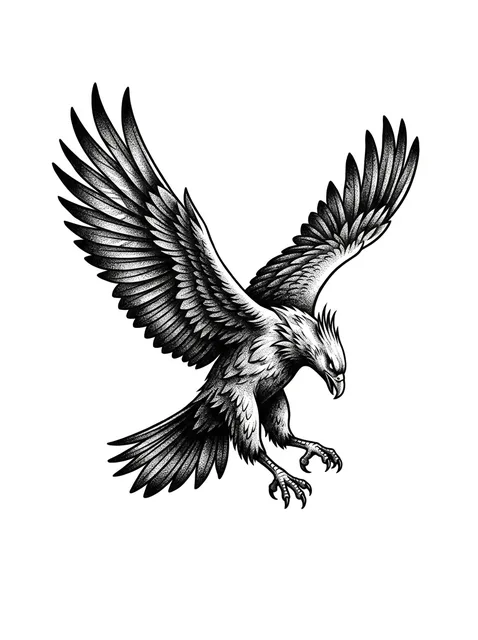
Black and grey dotwork eagle tattoo design Try it on — Black and grey dotwork eagle tattoo design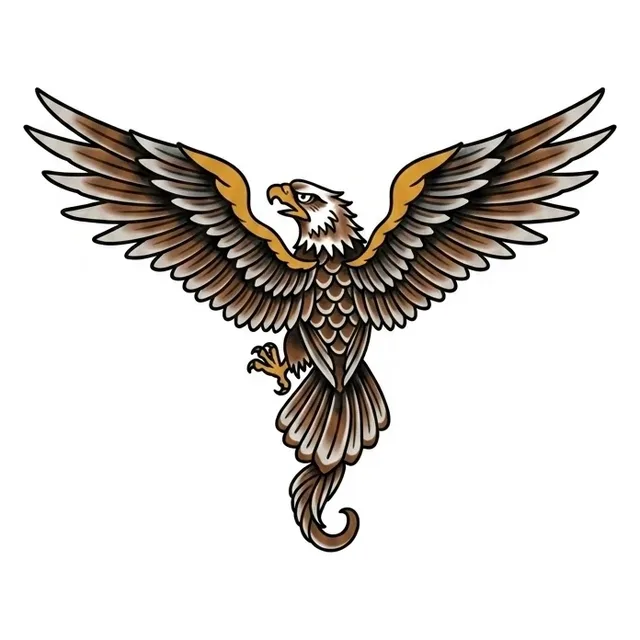
Color traditional eagle tattoo design: a majestic eagle with outstretched wings Try it on — Color traditional eagle tattoo design: a majestic eagle with outstretched wings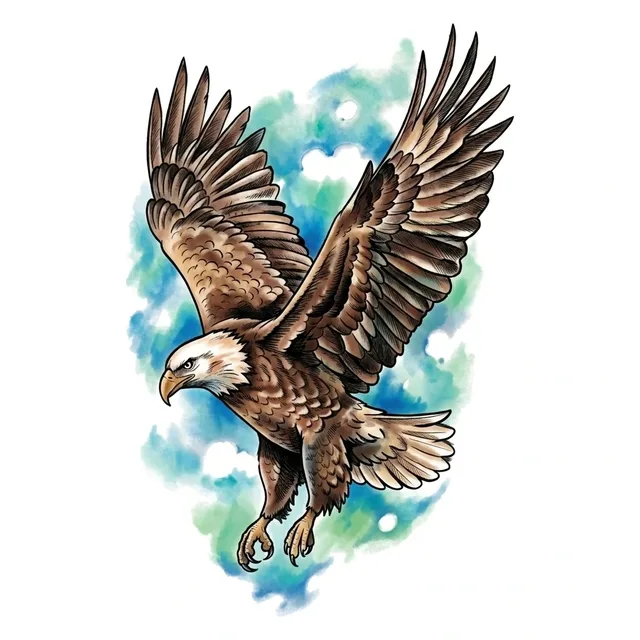
Color illustrative eagle tattoo design Try it on — Color illustrative eagle tattoo design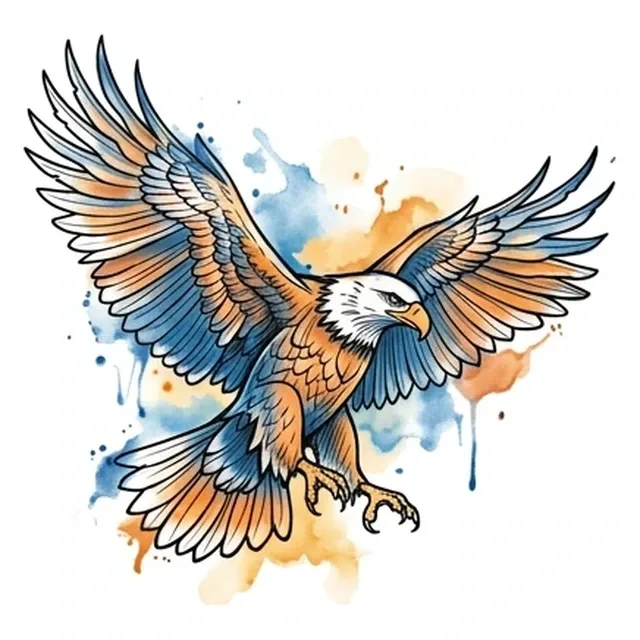
Color watercolor eagle tattoo design: an eagle in flight Try it on — Color watercolor eagle tattoo design: an eagle in flight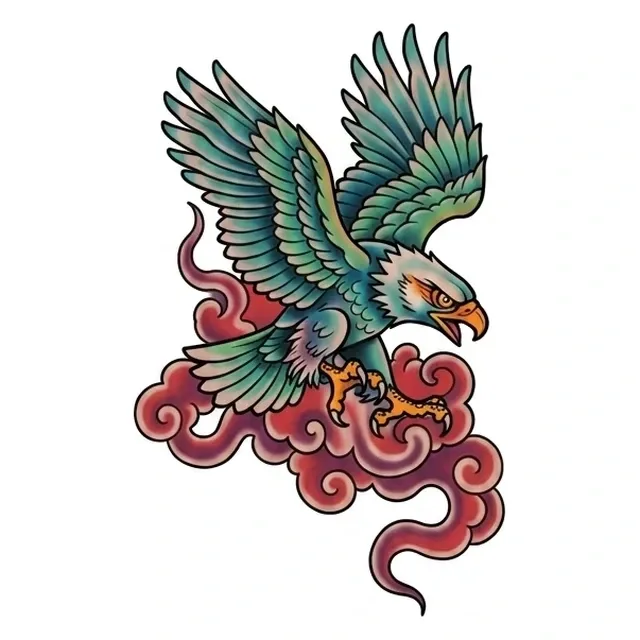
Color neo traditional eagle tattoo design: an eagle with outstretched wings, perched on red clouds Try it on — Color neo traditional eagle tattoo design: an eagle with outstretched wings, perched on red clouds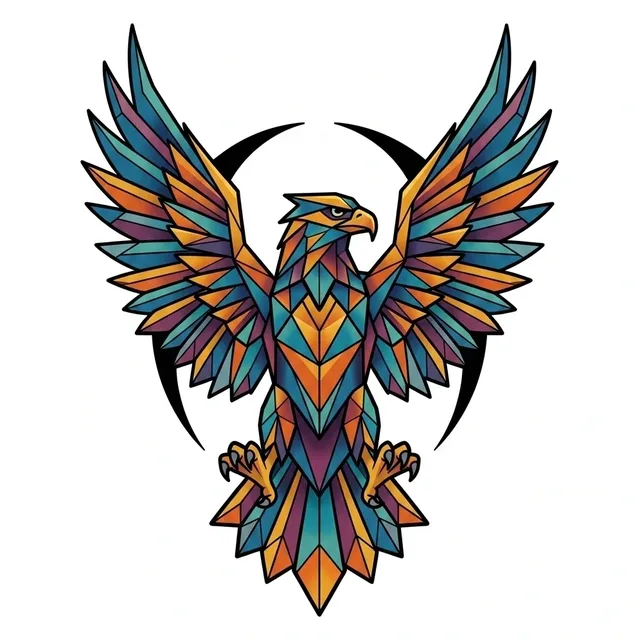
Color geometric eagle tattoo design, outline stencil Try it on — Color geometric eagle tattoo design, outline stencil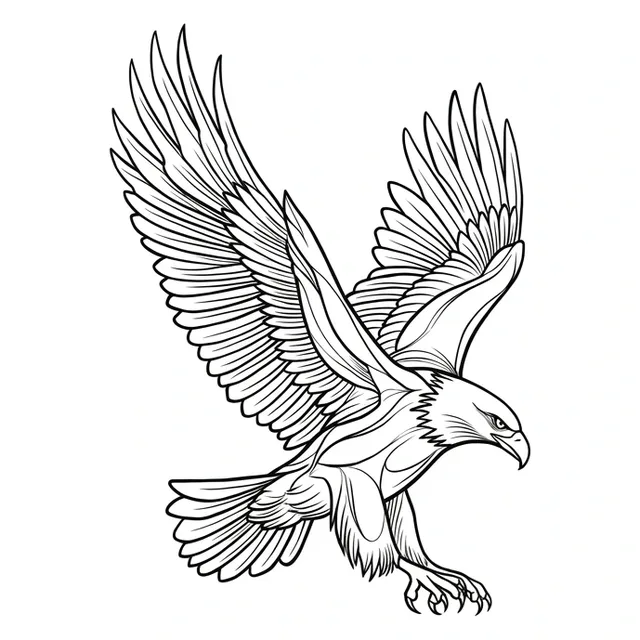
Black and grey illustrative eagle tattoo design Try it on — Black and grey illustrative eagle tattoo design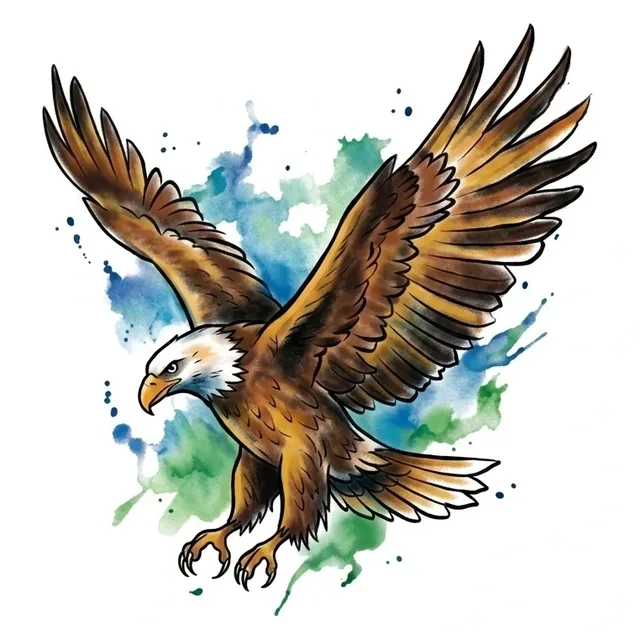
Color watercolor eagle tattoo design: an eagle in flight with outstretched wings Try it on — Color watercolor eagle tattoo design: an eagle in flight with outstretched wings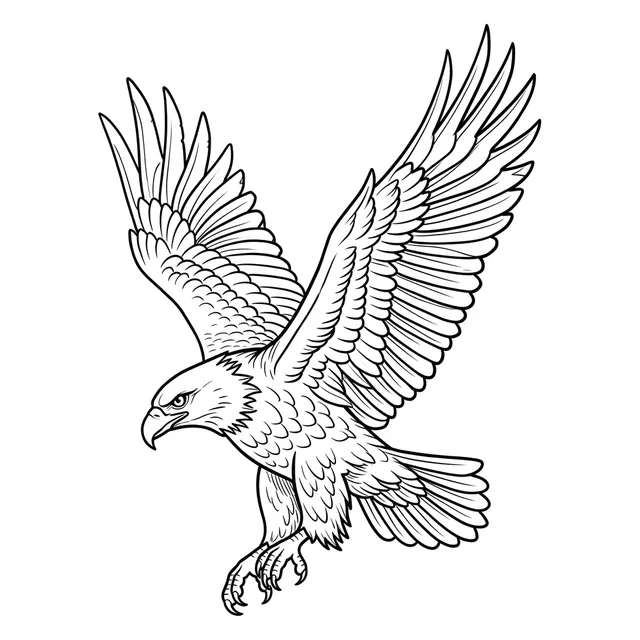
Black and grey illustrative eagle tattoo design Try it on — Black and grey illustrative eagle tattoo design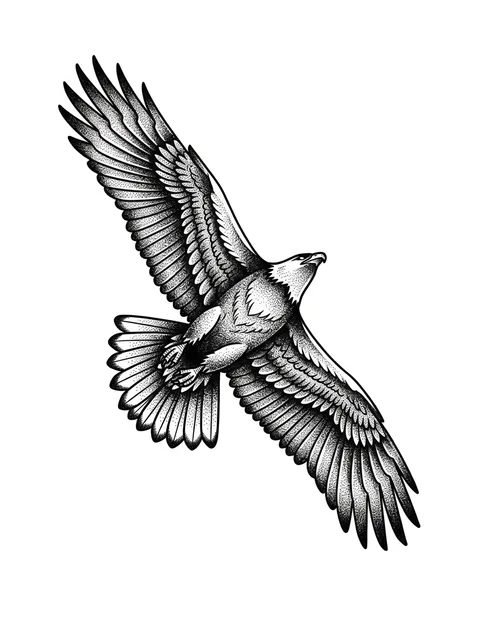
Black and grey dotwork eagle tattoo design Try it on — Black and grey dotwork eagle tattoo design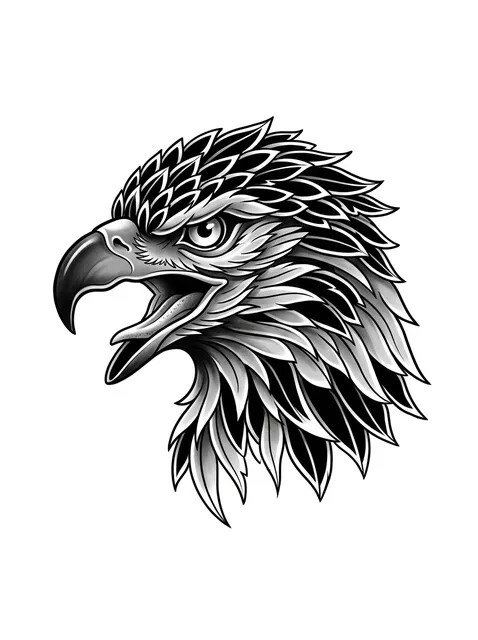
Black and grey neo traditional eagle tattoo design Try it on — Black and grey neo traditional eagle tattoo design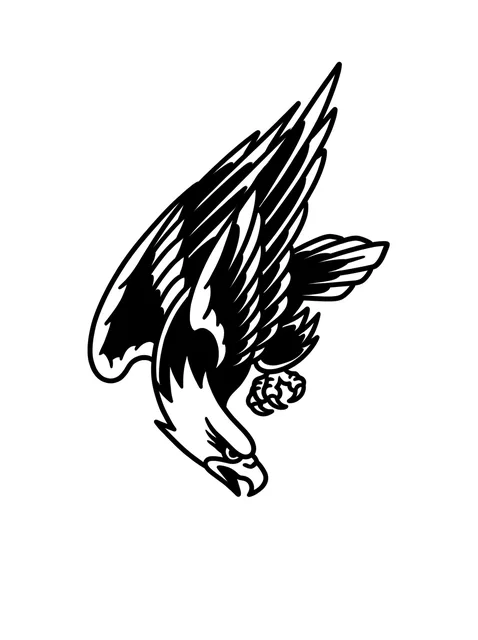
Black and white traditional eagle tattoo design Try it on — Black and white traditional eagle tattoo design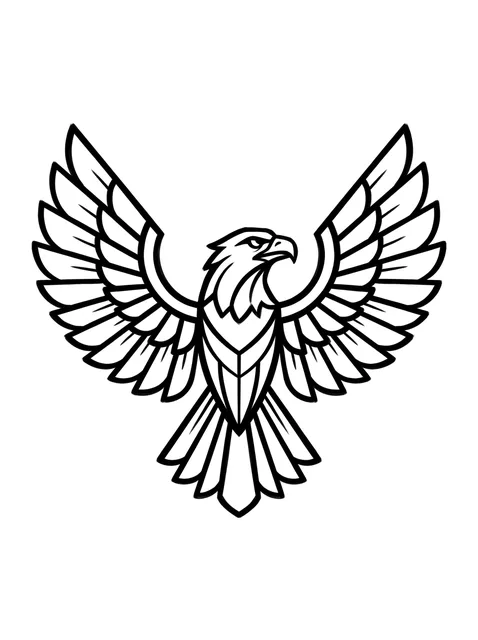
Black and white geometric eagle tattoo design, outline stencil Try it on — Black and white geometric eagle tattoo design, outline stencil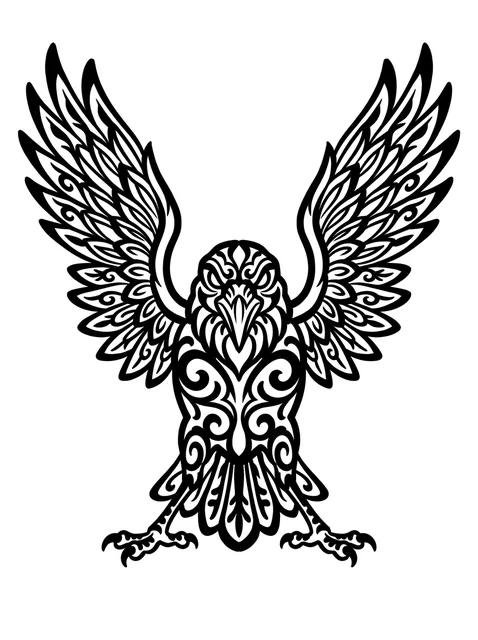
Black and white tribal eagle and bird tattoo design Try it on — Black and white tribal eagle and bird tattoo design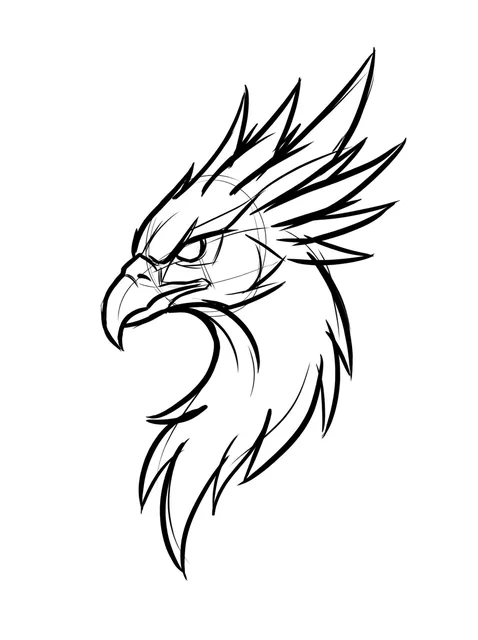
Black and white linework eagle and griffin tattoo design, outline stencil Try it on — Black and white linework eagle and griffin tattoo design, outline stencil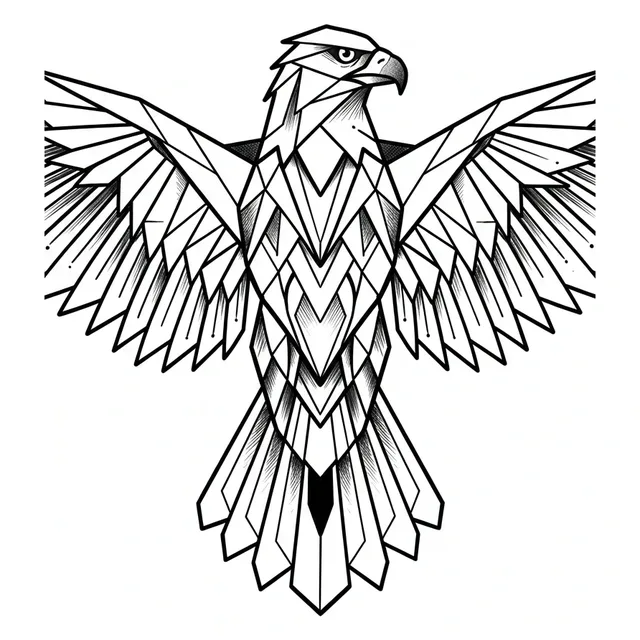
Black and grey illustrative eagle and bird tattoo design: the majestic bird Try it on — Black and grey illustrative eagle and bird tattoo design: the majestic bird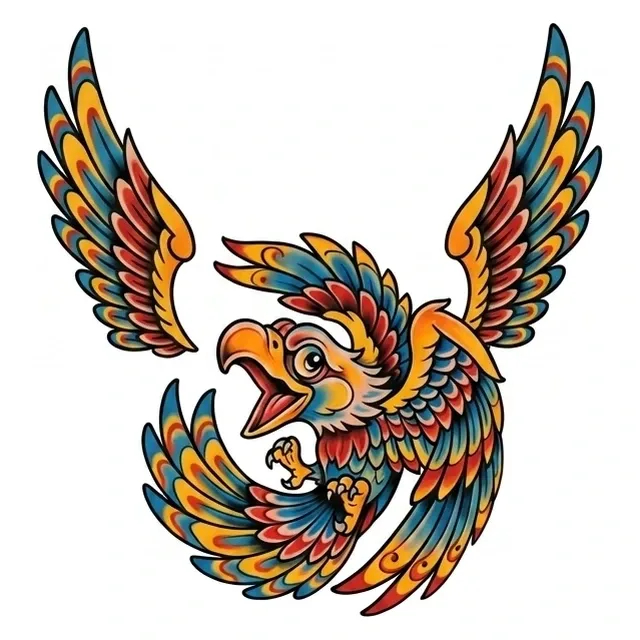
Color neo traditional eagle and bird tattoo design Try it on — Color neo traditional eagle and bird tattoo design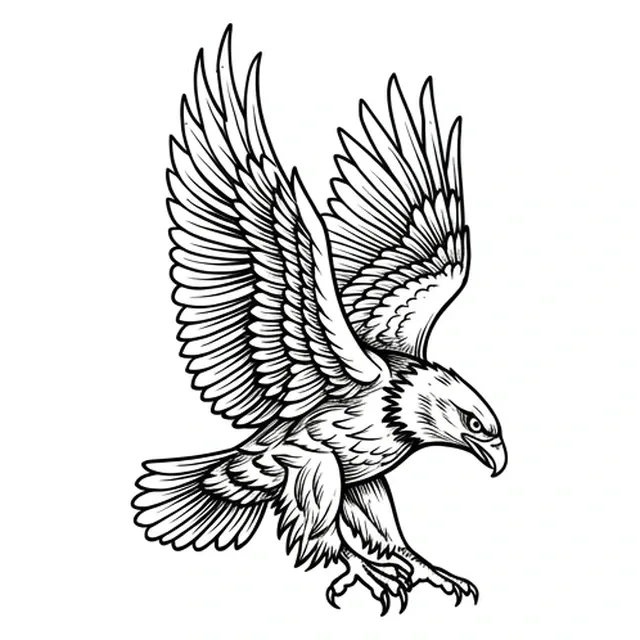
Black and white illustrative eagle and bird tattoo design Try it on — Black and white illustrative eagle and bird tattoo design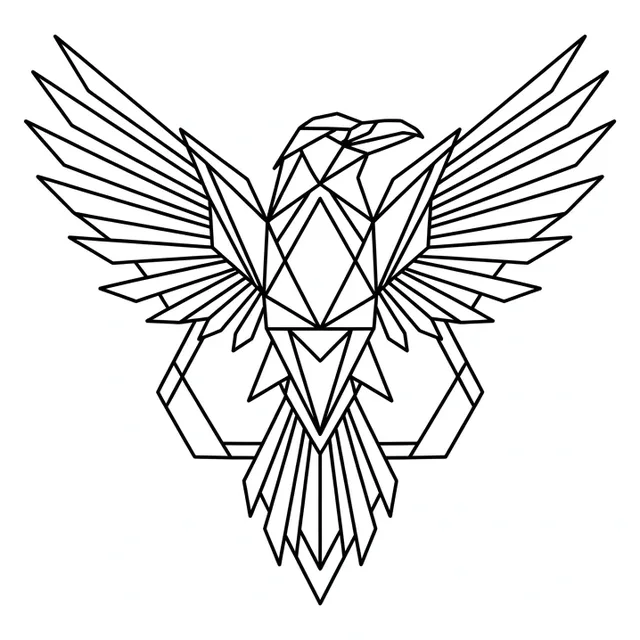
Black and white geometric eagle and bird tattoo design, outline stencil Try it on — Black and white geometric eagle and bird tattoo design, outline stencil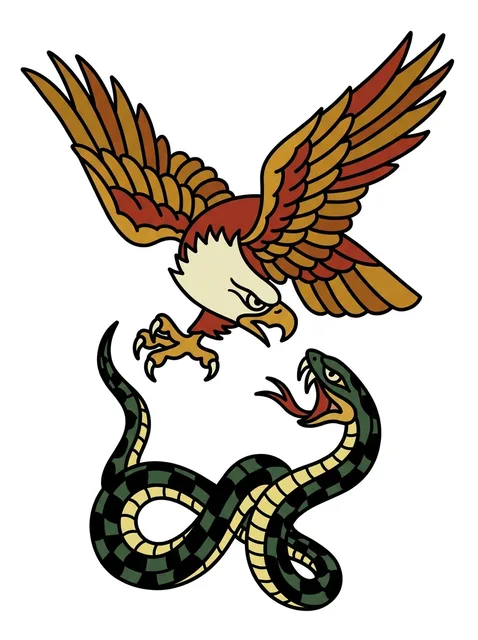
Color traditional eagle and snake tattoo design Try it on — Color traditional eagle and snake tattoo design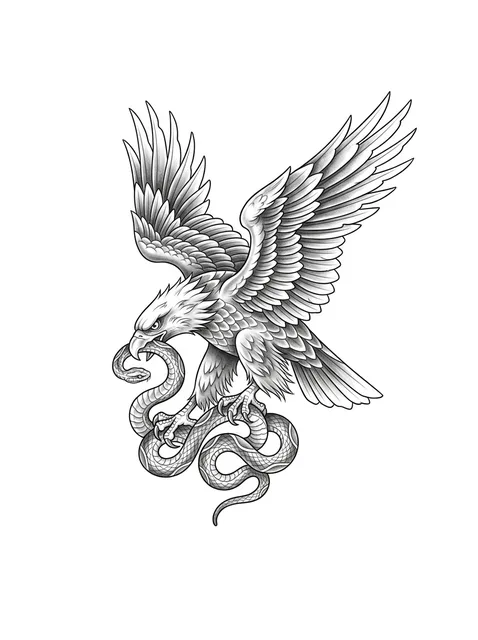
Black and grey neo traditional eagle and snake tattoo design Try it on — Black and grey neo traditional eagle and snake tattoo design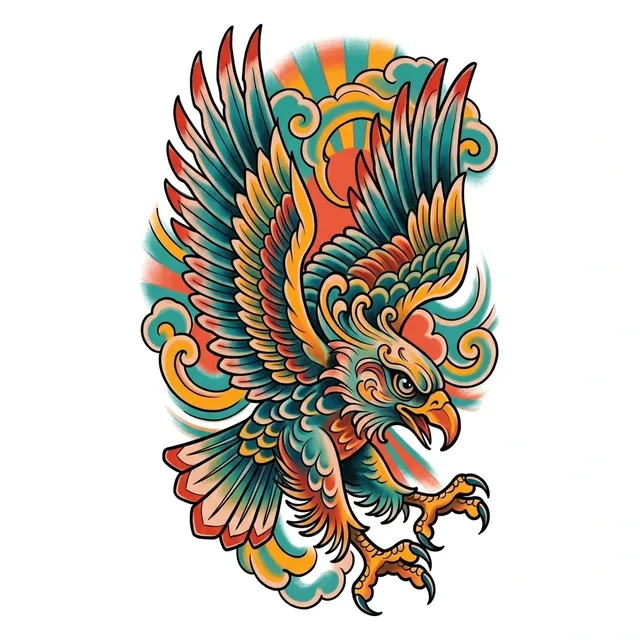
Color neo traditional eagle and cloud tattoo design Try it on — Color neo traditional eagle and cloud tattoo design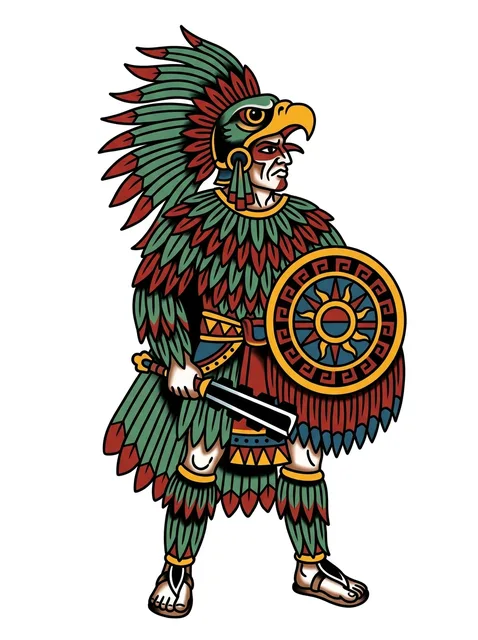
Color traditional eagle and aztec tattoo design Try it on — Color traditional eagle and aztec tattoo design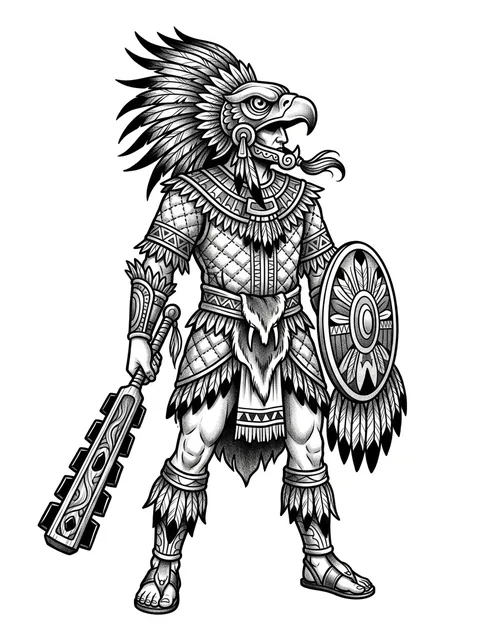
Black and grey illustrative eagle and aztec tattoo design: an Aztec eagle warrior in full regalia Try it on — Black and grey illustrative eagle and aztec tattoo design: an Aztec eagle warrior in full regalia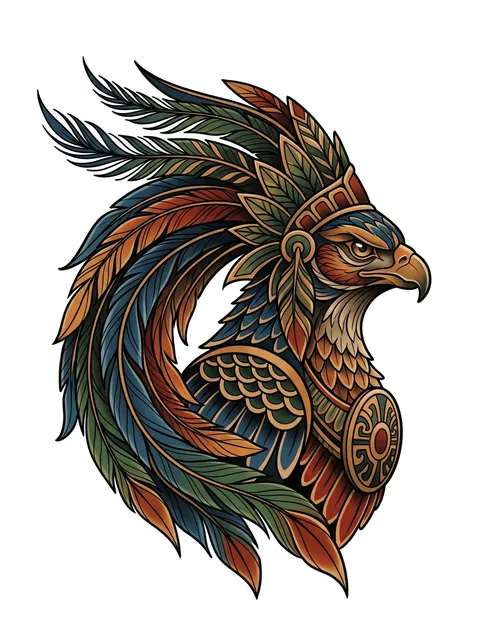
Color neo traditional eagle and aztec tattoo design Try it on — Color neo traditional eagle and aztec tattoo design


Tap any design to see it on your own skin in the try-on — no signup.
This set of 25 eagle designs, by the numbers
- Styles represented
- illustrative (6), neo traditional (6), traditional (4), geometric (3), dotwork (2), watercolor (2)
- Black-and-grey vs colour
- 56% black-and-grey, 44% colour
- Most often drawn with
- bird, aztec, snake, feather
Counted from the 25 designs shown on this page. Every one was drawn for InkCraft — none are scraped or reposted. Free to reference with a link to this page.
What a eagle tattoo means
The eagle is the oldest state symbol still in use, and that is most of what it carries. Rome put it on the standards, the Holy Roman Empire inherited it, and the United States adopted it in 1782 — so an eagle on skin is rarely just a bird. It is a claim of belonging to something, and the person wearing it usually knows exactly what.
In American tattooing specifically it is a service mark. The eagle-and-flag and the eagle-over-anchor are military pieces with settled meanings, and wearing one without the service behind it is noticed in a way most tattoo borrowing is not. This is one of the few subjects where provenance still matters to other people.
Stripped of the politics there is a plainer reading, and it is about vision rather than power. An eagle sees several times further than a person and hunts by spotting something small from very high up, which is why the bird attaches to clarity and to patience more naturally than to aggression.
The stoop is the part worth knowing. A diving eagle folds its wings back and drops at over a hundred miles an hour — the fastest committed movement it makes, and irreversible once begun. Drawn that way the bird stops being an emblem and becomes a statement of intent.
Where the design comes from
The eagle reached tattooing through the navy rather than through heraldry. American sailors wore it from the nineteenth century onward, and by the time Sailor Jerry was working in Honolulu in the 1940s the eagle-and-anchor and the eagle-and-flag were fixed designs with fixed meanings, drawn essentially the same way by every shop on the strip. The spread-wing pose those flash sheets used came from the Great Seal, not from life, which is why traditional eagles have that flat heraldic symmetry no living bird holds. Realistic eagles are a much later development and belong to the black-and-grey portrait tradition that came out of Chicano work in California.
Choosing yours
- Decide between the emblem and the animal. A heraldic spread-wing eagle is flat, symmetrical and reads at a distance, and it belongs in traditional colour. A realistic eagle is a rendering problem carried by the feathers and the eye, and it wants black and grey and a lot more room.
- The head is the recognisable part, and a head-only design is a genuinely strong piece rather than a compromise. The hooked beak and the brow ridge over the eye are what say eagle; the wings mostly say bird.
- Feathers are where these age. Drawn as separate carved shapes with real edges they hold up; drawn as texture they turn to grey haze within a decade. Ask which approach you are getting, because it is invisible on the day and obvious later.
Size, cost and placement
How big, and what it costs
An eagle head at 10-12 cm in black and grey is two to three hours. A traditional spread-wing eagle across the chest is a day's work, often 6-8 hours, because the symmetry has to be right and symmetry is slow. A realistic full bird with individually rendered feathers is the most expensive version of this subject there is.
Where it sits, and how much it hurts
Spread wings want a wide flat field: the chest, the upper back, the shoulder blades. A stooping eagle suits a vertical run — the outer arm, the calf, the ribs — because the folded shape is long rather than wide. Head studies go almost anywhere and are the only version that works below the elbow.
What to ask your artist
- Whether the feathers will be drawn as individual shapes or shaded as texture, and to show you a healed example of each.
- For a spread-wing design, how they handle the symmetry, since a bird that is a few degrees off reads as wrong without anyone being able to say why.
- If you want the bird without the service reading, to leave out the flag, the anchor and the banner entirely rather than shrinking them.
Prices vary widely by city and artist — treat these as session lengths rather than quotes, and expect a shop minimum on anything small. The cost guide turns hours into money by size, placement and style.
Common questions
Is an eagle tattoo only appropriate for military service?
The bird is not, but specific compositions effectively are. An eagle with a flag, or an eagle over an anchor, reads as a service piece and other people will read it that way. A bird alone, or a head study, carries no such claim.
What is the difference between an eagle and a hawk in a design?
Size and the brow. An eagle has a heavy bony ridge above the eye that gives it the permanent scowl people recognise, and a much deeper beak. Without the brow ridge a design reads as a hawk or a falcon, whatever it is labelled.
Does the spread-wing pose work at a small size?
Not well. Spread wings need width, and squeezing them into a narrow field produces a bird that looks folded rather than flying. Below about 10 cm a head or a single feather is a far better use of the space.
What a eagle tattoo can mean
The meanings this motif carries on the pages that argue them. Each line is that page's own reason for including it.
- Strength tattoos
- Strength with distance — seeing the whole thing from above. In American traditional work it is also explicitly patriotic, so it carries that whether you intend it or not.
See it on your skin before you commit
InkCraft places any of these designs on a photo of you — scaled, wrapped and shaded to the placement you pick.