 InkCraft
29 Dragon Tattoo Ideas, Stencils and Meaning
29 original dragon designs drawn for InkCraftBy Uladzimir TumanauUpdated
Two unrelated animals share the name: the eastern dragon is a length of body with no wings, the western one a winged beast with a silhouette. Deciding which you mean settles the placement and the composition before any drawing starts.
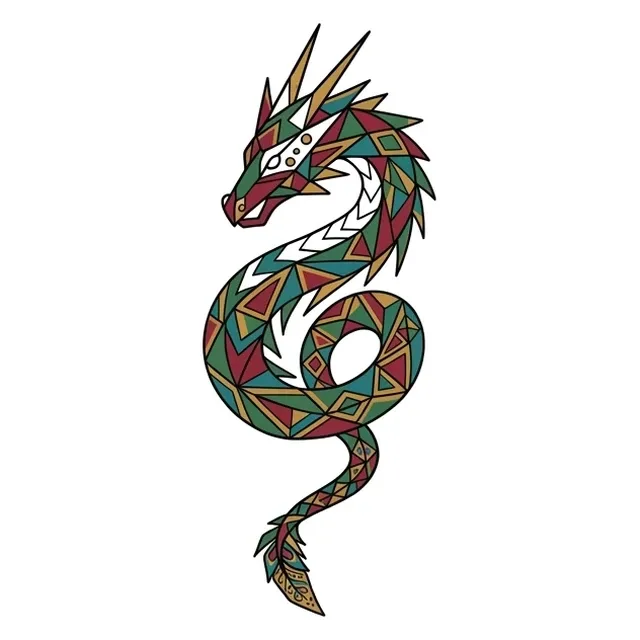
Color geometric dragon tattoo design, outline stencil Try it on — Color geometric dragon tattoo design, outline stencil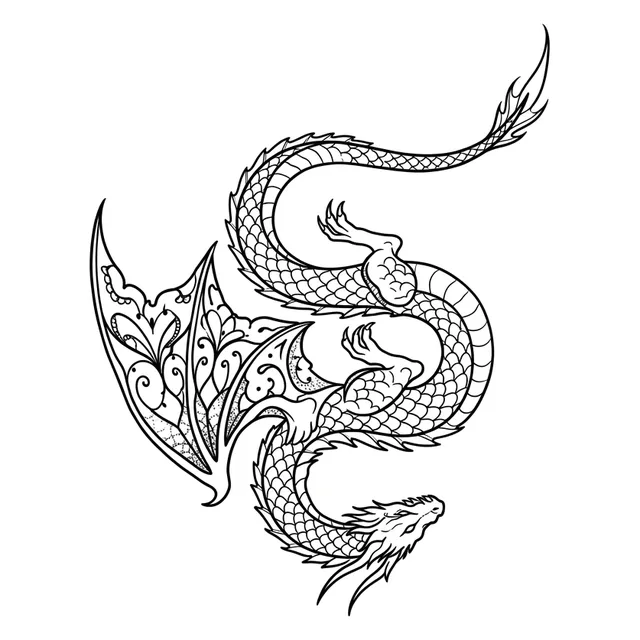
Black and grey ornamental dragon tattoo design Try it on — Black and grey ornamental dragon tattoo design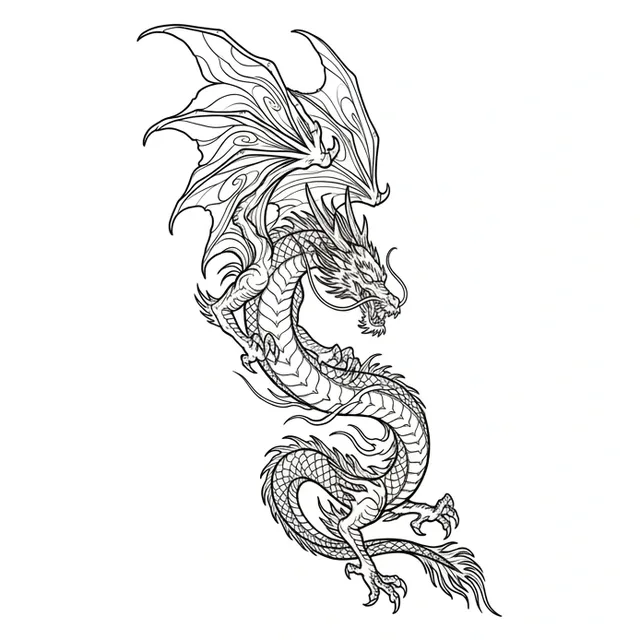
Black and white Japanese dragon tattoo design: a fierce Japanese dragon with large, intricate wings Try it on — Black and white Japanese dragon tattoo design: a fierce Japanese dragon with large, intricate wings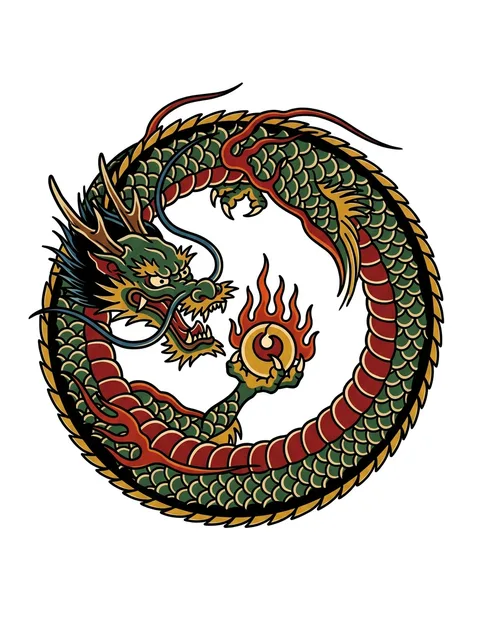
Color Japanese dragon tattoo design Try it on — Color Japanese dragon tattoo design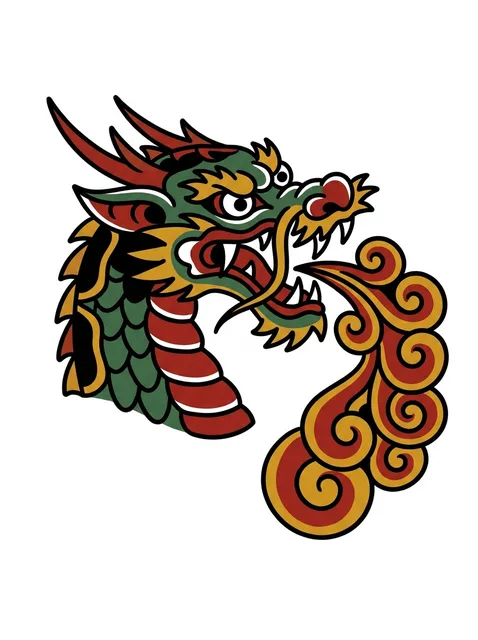
Color Japanese dragon tattoo design Try it on — Color Japanese dragon tattoo design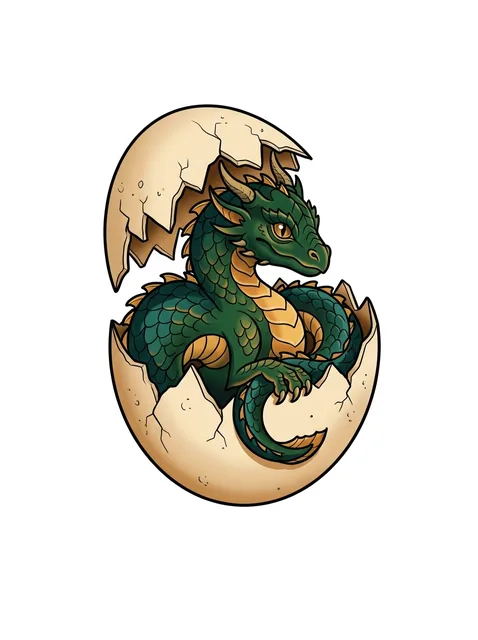
Color new school dragon tattoo design: a baby dragon hatching from an egg Try it on — Color new school dragon tattoo design: a baby dragon hatching from an egg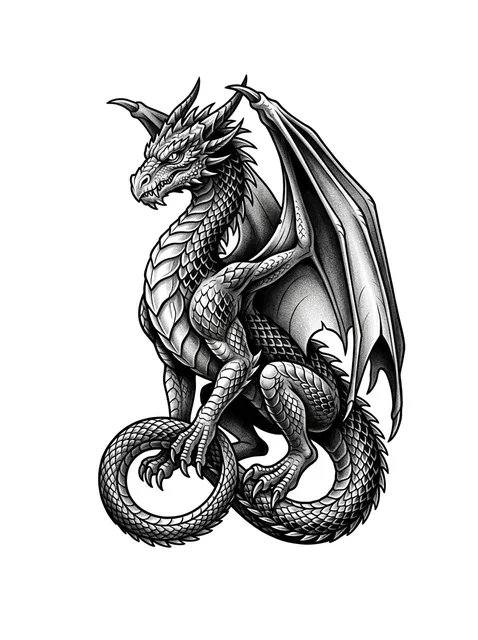
Black and grey illustrative dragon tattoo design Try it on — Black and grey illustrative dragon tattoo design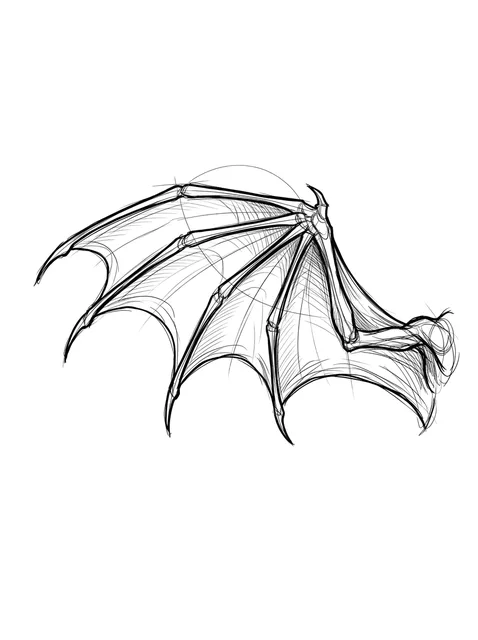
Black and grey sketch dragon tattoo design: a single dragon wing Try it on — Black and grey sketch dragon tattoo design: a single dragon wing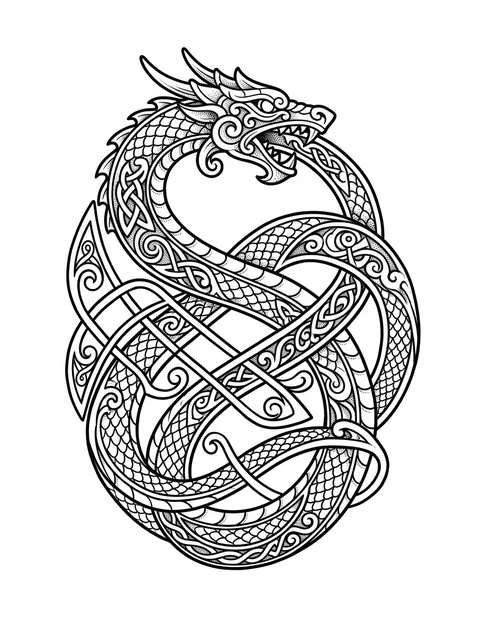
Black and white tribal dragon tattoo design: a Celtic knot dragon Try it on — Black and white tribal dragon tattoo design: a Celtic knot dragon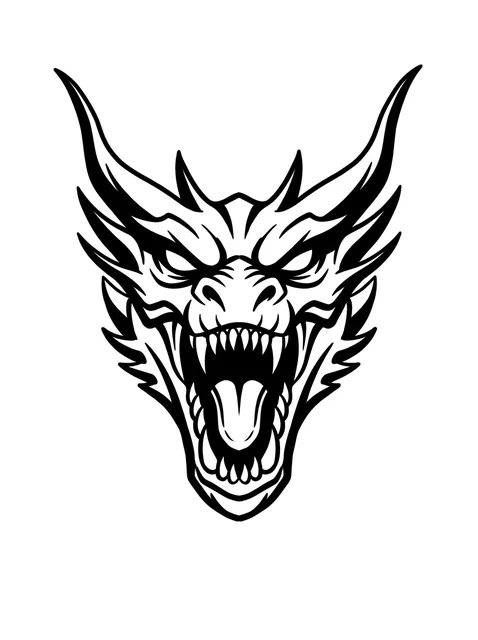
Black and grey illustrative dragon tattoo design: the mythical creature Try it on — Black and grey illustrative dragon tattoo design: the mythical creature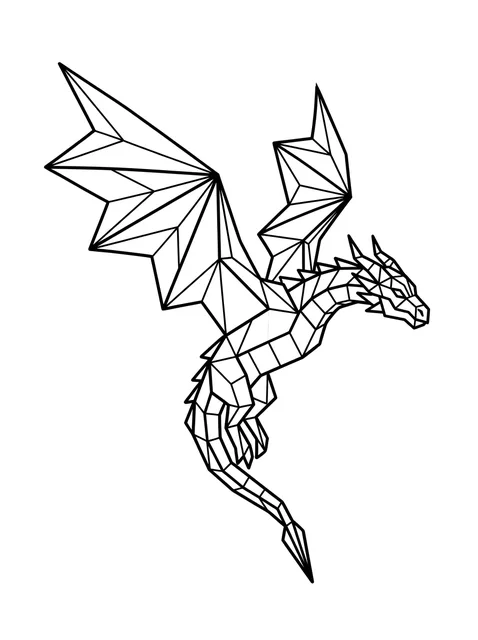
Black and white geometric dragon tattoo design, outline stencil Try it on — Black and white geometric dragon tattoo design, outline stencil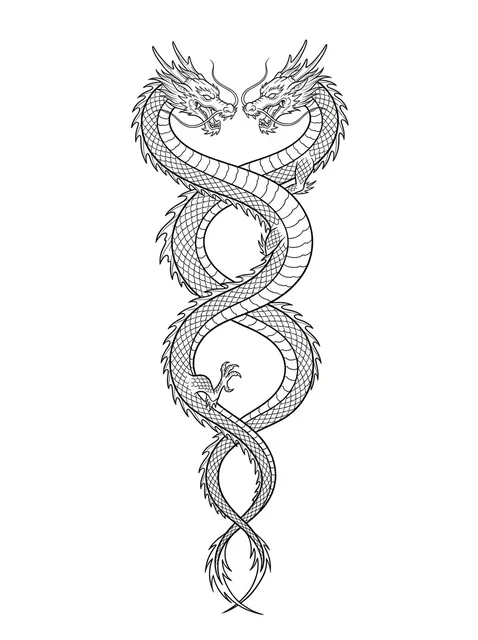
Black and white Japanese dragon tattoo design Try it on — Black and white Japanese dragon tattoo design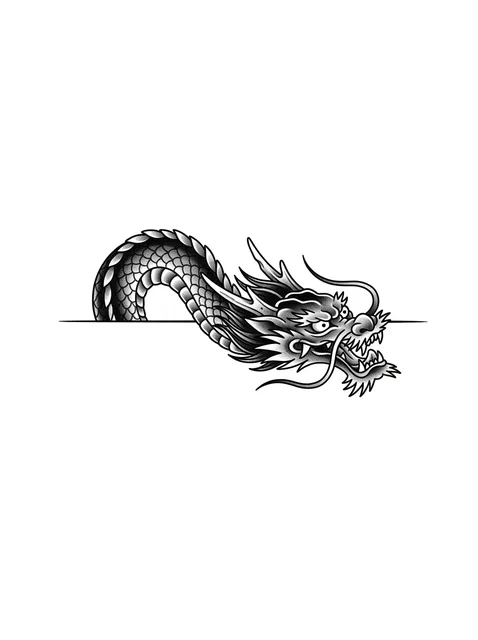
Black and grey traditional dragon tattoo design Try it on — Black and grey traditional dragon tattoo design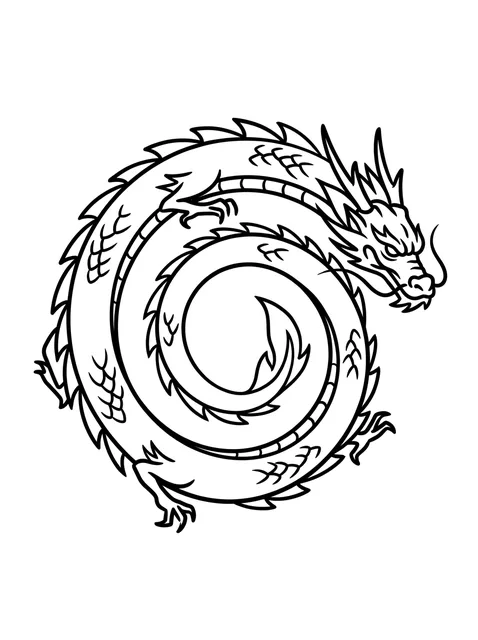
Black and grey Japanese dragon tattoo design Try it on — Black and grey Japanese dragon tattoo design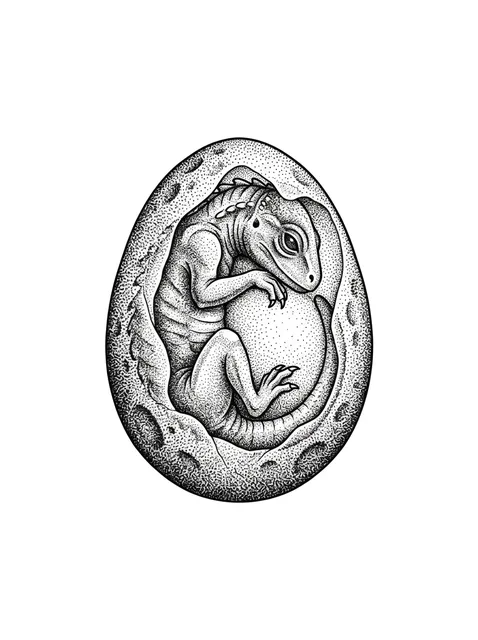
Black and grey dotwork dragon tattoo design: a baby dragon curled up inside a cracked egg Try it on — Black and grey dotwork dragon tattoo design: a baby dragon curled up inside a cracked egg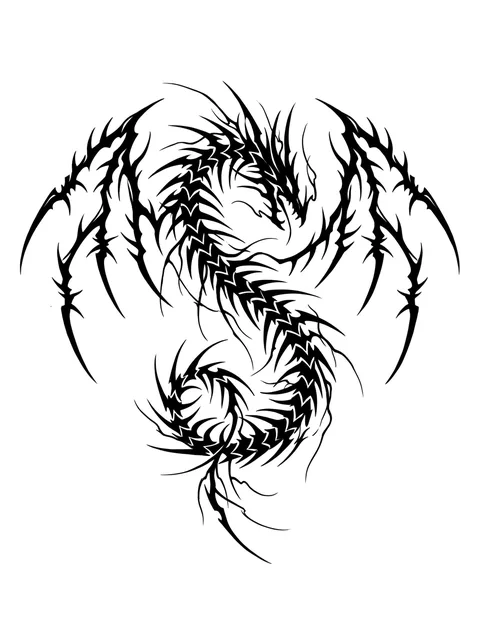
Black and white tribal dragon tattoo design Try it on — Black and white tribal dragon tattoo design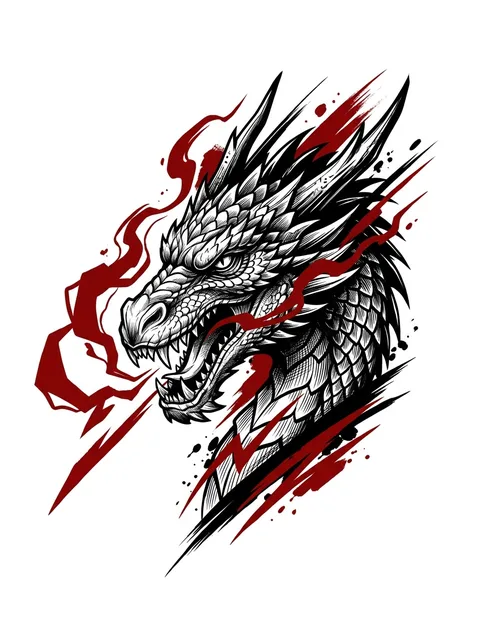
Color trash polka dragon tattoo design Try it on — Color trash polka dragon tattoo design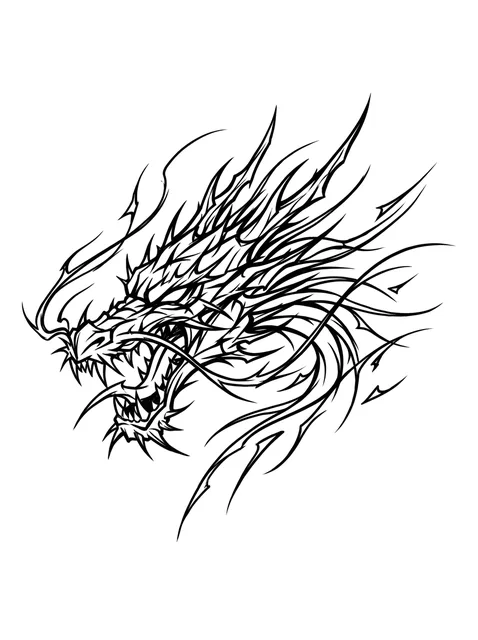
Black and grey cybersigilism dragon tattoo design Try it on — Black and grey cybersigilism dragon tattoo design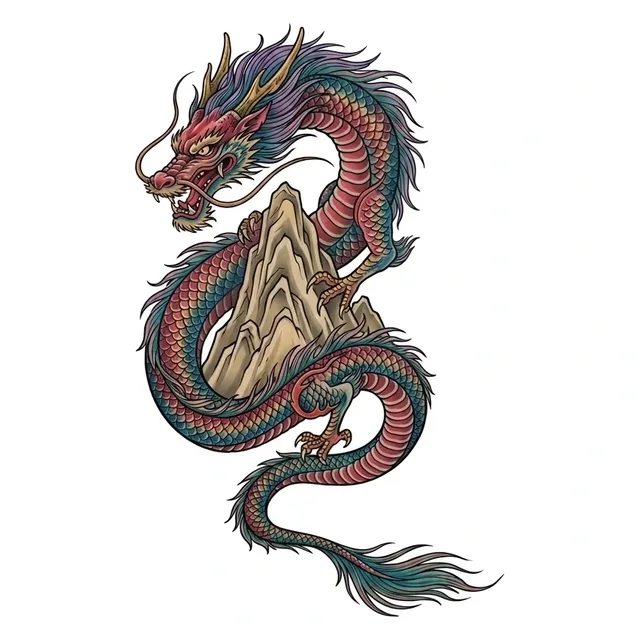
Color Japanese dragon and mountain tattoo design Try it on — Color Japanese dragon and mountain tattoo design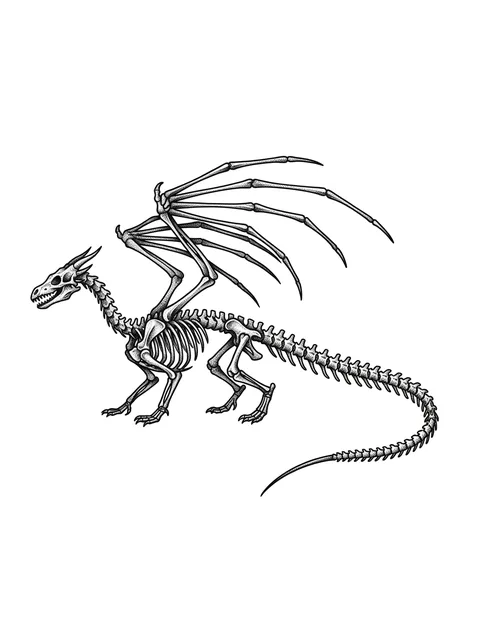
Black and white linework dragon and skeleton tattoo design, outline stencil Try it on — Black and white linework dragon and skeleton tattoo design, outline stencil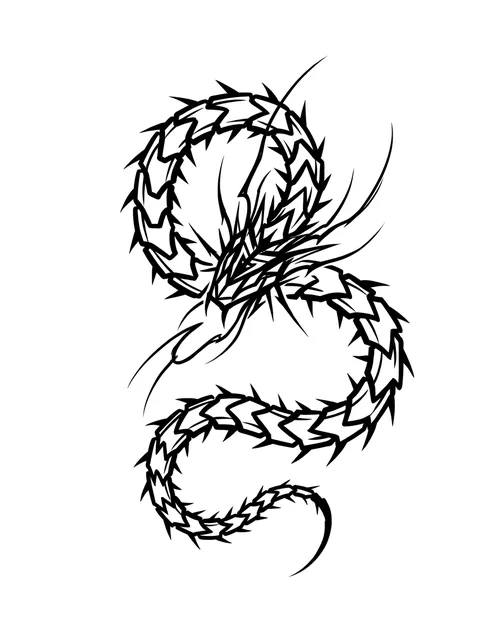
Black and white tribal dragon and snake tattoo design Try it on — Black and white tribal dragon and snake tattoo design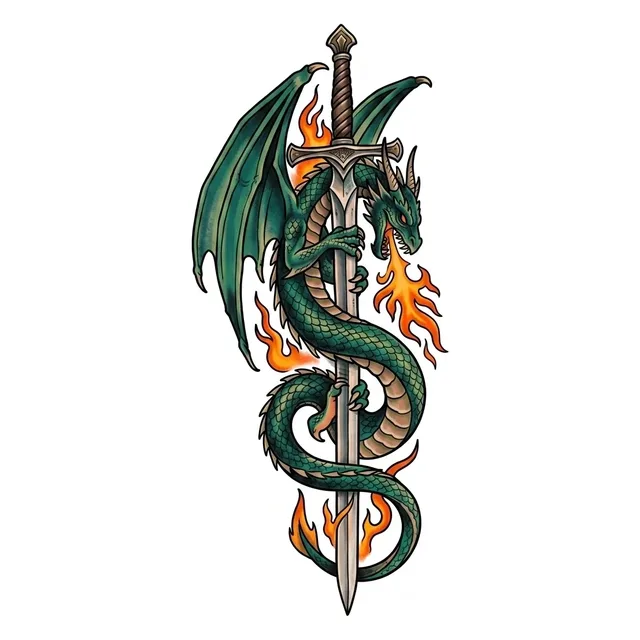
Color neo traditional dragon and sword tattoo design Try it on — Color neo traditional dragon and sword tattoo design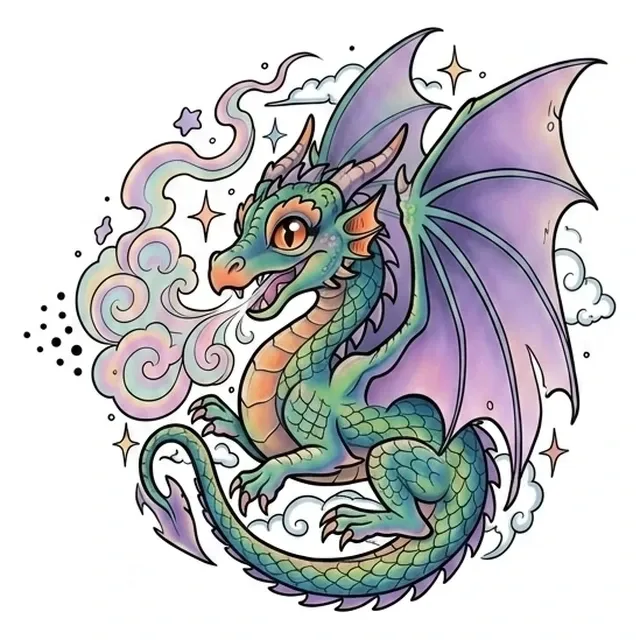
Color illustrative dragon and cloud tattoo design Try it on — Color illustrative dragon and cloud tattoo design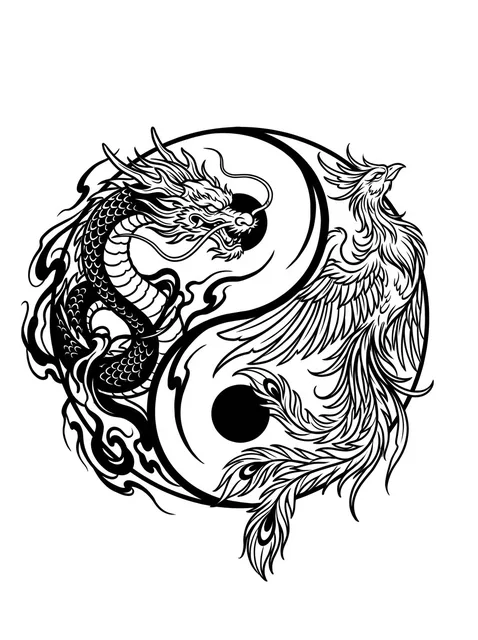
Black and grey Japanese dragon and phoenix tattoo design Try it on — Black and grey Japanese dragon and phoenix tattoo design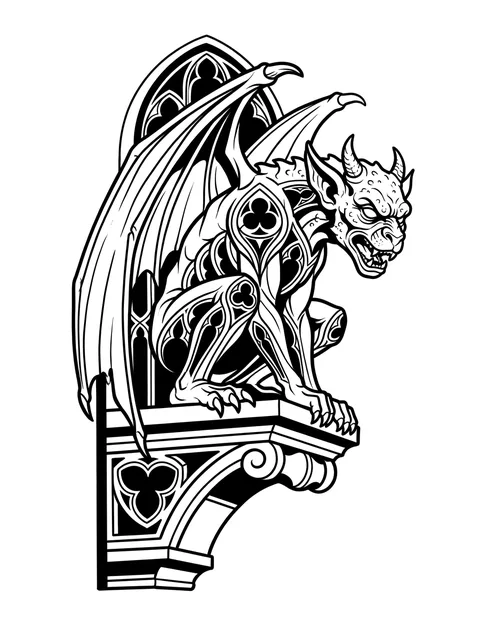
Black and grey gothic dragon and demon tattoo design Try it on — Black and grey gothic dragon and demon tattoo design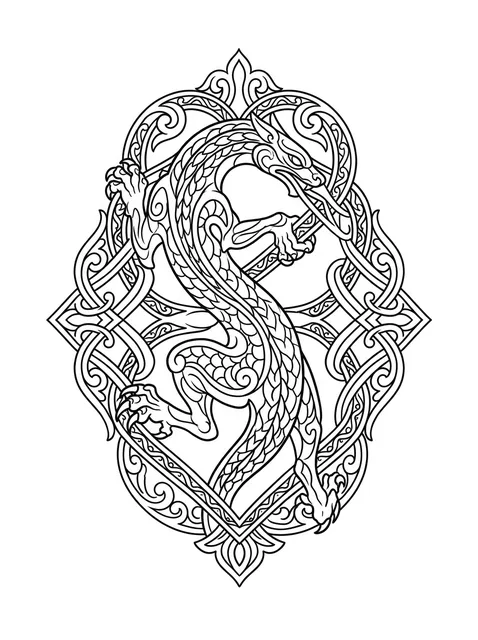
Black and grey ornamental dragon and viking tattoo design Try it on — Black and grey ornamental dragon and viking tattoo design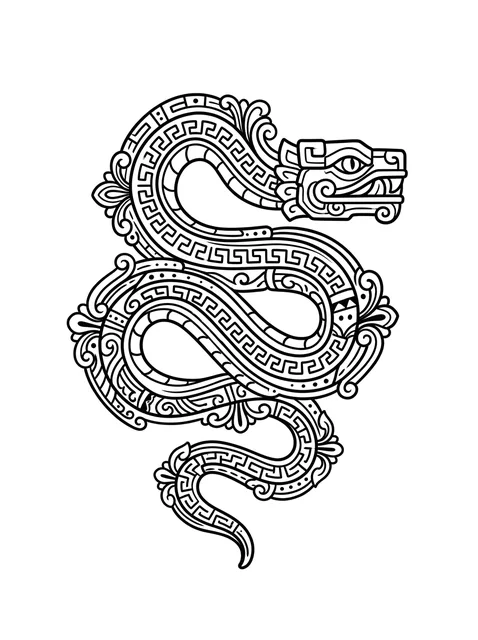
Black and white geometric dragon and snake tattoo design, outline stencil Try it on — Black and white geometric dragon and snake tattoo design, outline stencil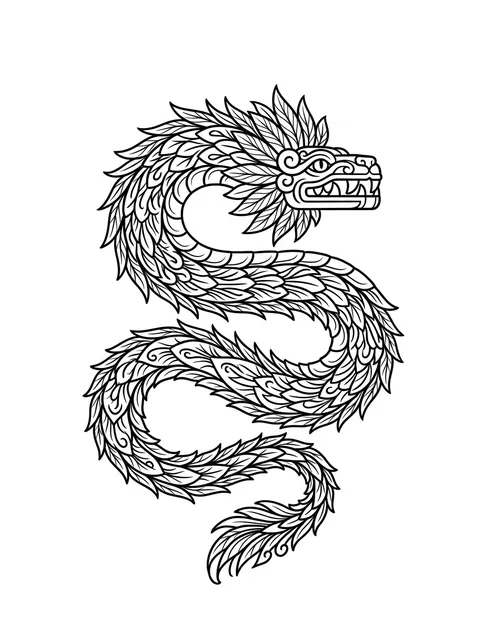
Black and grey illustrative dragon and aztec tattoo design Try it on — Black and grey illustrative dragon and aztec tattoo design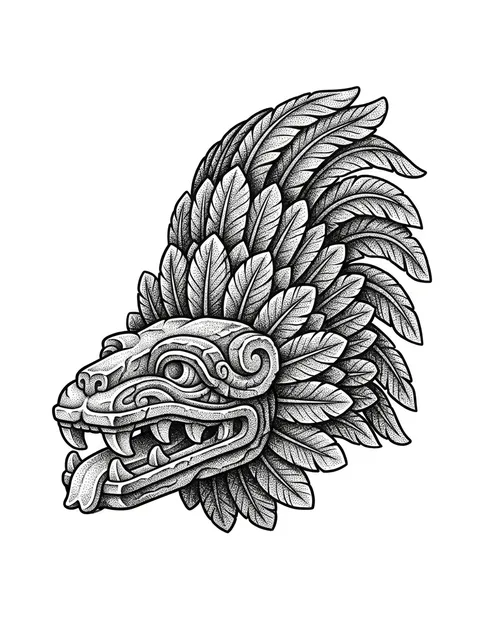
Black and grey illustrative dragon and aztec tattoo design Try it on — Black and grey illustrative dragon and aztec tattoo design


Tap any design to see it on your own skin in the try-on — no signup.
This set of 29 dragon designs, by the numbers
- Styles represented
- japanese asian (7), illustrative (5), geometric (3), tribal (3), ornamental (2), new school (1)
- Black-and-grey vs colour
- 72% black-and-grey, 28% colour
- Most often drawn with
- snake, aztec, mountain, skeleton
Counted from the 29 designs shown on this page. Every one was drawn for InkCraft — none are scraped or reposted. Free to reference with a link to this page.
What a dragon tattoo means
The eastern dragon is a water creature and a benevolent one. It brings rain, governs rivers and seas, and in Chinese and Japanese usage stands for authority that is earned rather than seized — which is why it was an imperial emblem rather than a monster to be killed. Nothing about it is hostile by default, and drawing one snarling is a western habit imported onto an eastern form.
The western dragon is the opposite in almost every respect. It hoards, it burns, it is guarded against, and its entire narrative role is to be confronted. Worn deliberately, that is the appeal: it is the obstacle rather than the hero, and people choose it to mark something they had to face down rather than something they aspire to.
The number of claws carries meaning in the eastern tradition and is worth knowing before it is decided for you. Five claws was imperial and restricted; four was noble; three is the common Japanese form. An artist drawing from western reference will usually give you four without thinking about it, and you can ask.
Both versions share one reading: a dragon is power that does not answer to you. That is a different statement from a lion or a wolf, which are animals you might imagine an alliance with. A dragon is not on anyone's side, and the people who wear one usually like that about it.
Where the design comes from
Dragons arrived in western tattooing through two separate doors. The first was the sailor route: Chinese and Japanese ports in the nineteenth century, where crews were tattooed by local artists and carried the eastern dragon home as a mark of having been there. The second was the Japanese tradition itself, which reached the west properly in the 1970s through Sailor Jerry's correspondence with Horihide and the wave of interest that followed. The European dragon has a much thinner tattoo history than its presence in heraldry suggests — it entered the repertoire late, largely through fantasy illustration in the 1980s, which is why western dragons still look more like book covers than like flash.
Choosing yours
- Settle east or west first, because that one decision settles the placement and the scale before any drawing starts. An eastern dragon is a long serpentine body that wants a long field and can wrap; a western dragon is a compact silhouette with wings that wants a flat panel and a clear outline. Asking for "a dragon" without saying which usually produces a hybrid that satisfies neither.
- The head is where the money goes. A dragon head carries the whole design — horns, whiskers, teeth, the eye — and a piece that is mostly body with a small head will look cheap however well the scales are rendered. If the budget is tight, a head-only design is a far better outcome than a full body drawn thin.
- Scales are a trap at small sizes. Individually drawn scales below about 15 cm merge into grey within a decade, so a smaller dragon should be drawn with suggested scaling on the ridges only, and left clean elsewhere. This is the single most common thing that ages badly on a dragon.
Size, cost and placement
How big, and what it costs
A dragon head at 12-15 cm is three to four hours. A half-sleeve eastern dragon is 12-20 hours across several sessions and priced by the day rather than the piece. The gap is not detail but coverage: a long serpentine body is a lot of skin, and background water or clouds usually doubles the figure again.
Where it sits, and how much it hurts
Eastern dragons want length and tolerate curvature, so the outside of a forearm, the calf, the ribs and the full back all work. Western dragons want a flat panel where the wing silhouette stays readable: the shoulder blade, the chest, the outer thigh. A wrapped western dragon loses its outline, which is the only thing holding it together.
What to ask your artist
- Whether they draw eastern or western dragons regularly, and to show you both from their own portfolio rather than from reference.
- At your size, how the scales will be handled and whether individual scaling will still read in fifteen years.
- If it is a long body, where the head will sit when your arm is at rest, because that is the angle you and everyone else will see it from.
Prices vary widely by city and artist — treat these as session lengths rather than quotes, and expect a shop minimum on anything small. The cost guide turns hours into money by size, placement and style.
Common questions
Does an eastern dragon mean something different from a western one?
Almost the opposite thing. The eastern dragon is a water spirit associated with rain, rivers and legitimate authority, and is not hostile. The western dragon exists to be fought. Wearing one while meaning the other is the most common mistake on this subject.
How many claws should my dragon have?
Three is the standard Japanese form and the safe default. Four was noble in Chinese usage and five was reserved for the emperor. Nobody will challenge you on it, but it is a real distinction and worth deciding rather than inheriting from whatever reference your artist happens to open.
Is a dragon a realistic first tattoo?
A dragon head is. A full-body eastern dragon is a multi-session project measured in tens of hours, and starting there means committing a large field to an artist you have not worked with. A head-only piece at 12-15 cm is the same subject at a tenth of the risk.
Do dragon tattoos have to be in colour?
No, and black and grey suits the eastern form particularly well because the composition is carried by the line of the body rather than by hue. Colour earns its place on the flames, the pearl and the belly scales, which is where the traditional palettes put it.
See it on your skin before you commit
InkCraft places any of these designs on a photo of you — scaled, wrapped and shaded to the placement you pick.