 InkCraft
73 Lion Tattoo Ideas, Stencils and Meaning
73 original lion designs drawn for InkCraftBy Uladzimir TumanauUpdated
Opens in your browser. No signup. Or tap any design below.
Portrait, geometric, crowned or calm — a lion says quite different things depending on how it is drawn. The mane sets the minimum: much under 12 cm those fine strands merge into a solid grey halo within a decade.
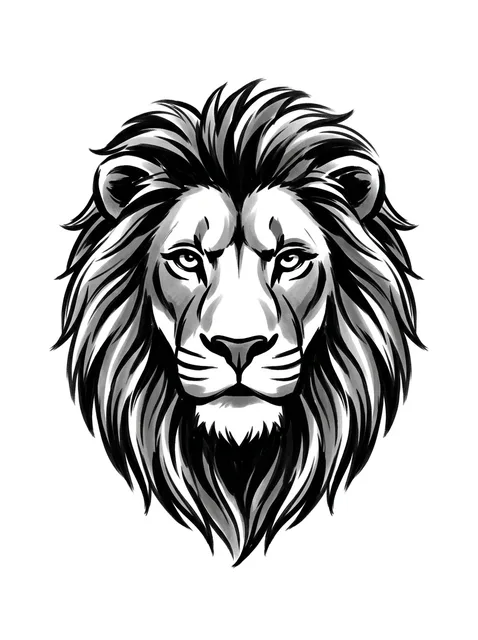
Black and grey illustrative lion tattoo design: a lion's head (1 of 2) Try it on — Black and grey illustrative lion tattoo design: a lion's head (1 of 2)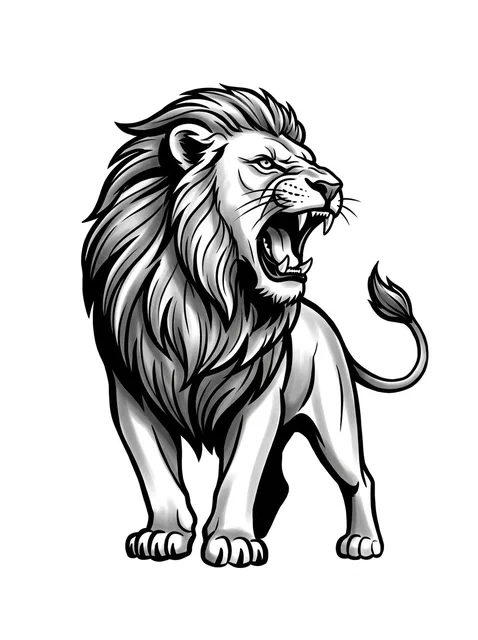
Black and grey illustrative lion tattoo design: a roaring lion, standing proudly Try it on — Black and grey illustrative lion tattoo design: a roaring lion, standing proudly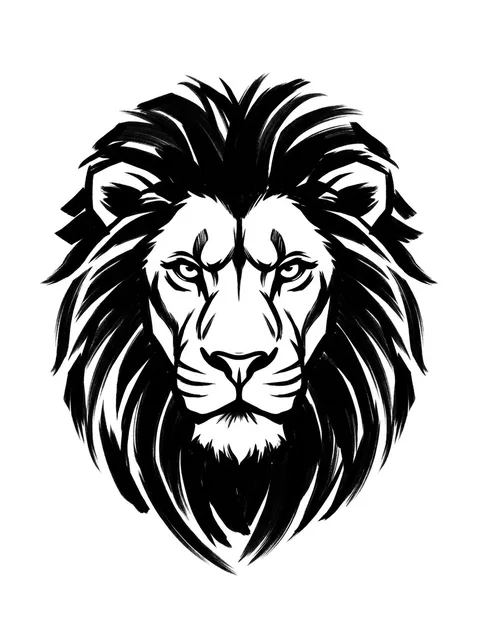
Black and white illustrative lion tattoo design: a lion's head, facing forward with an intense gaze Try it on — Black and white illustrative lion tattoo design: a lion's head, facing forward with an intense gaze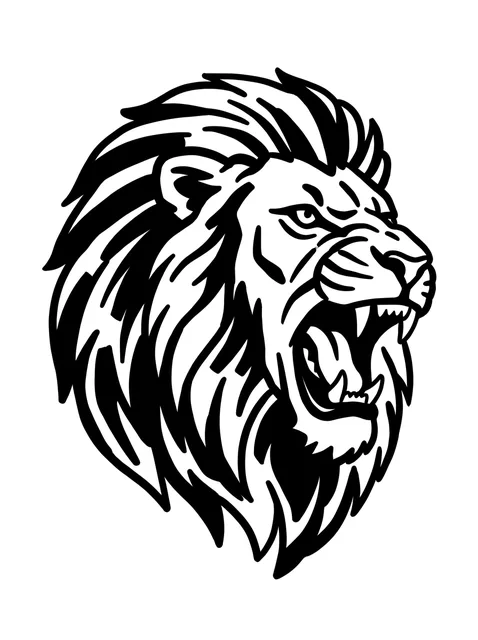
Black and white blackwork lion tattoo design: a roaring lion's head in profile Try it on — Black and white blackwork lion tattoo design: a roaring lion's head in profile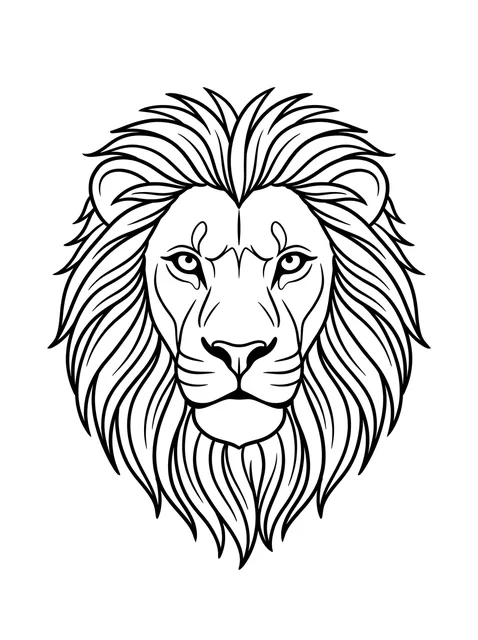
Black and white linework lion tattoo design, outline stencil: the head of a majestic lion Try it on — Black and white linework lion tattoo design, outline stencil: the head of a majestic lion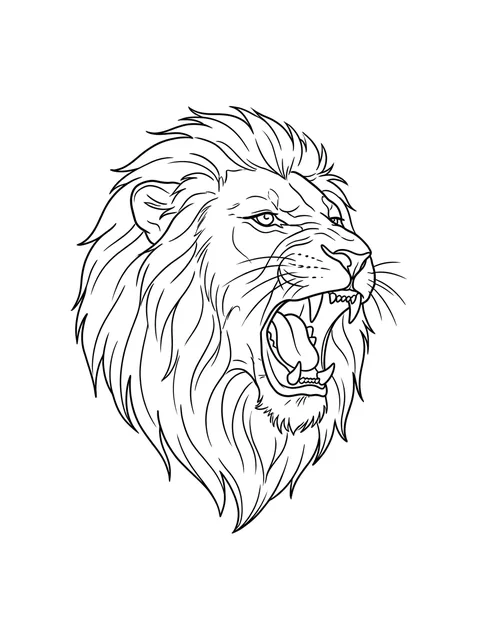
Black and white linework lion tattoo design, outline stencil Try it on — Black and white linework lion tattoo design, outline stencil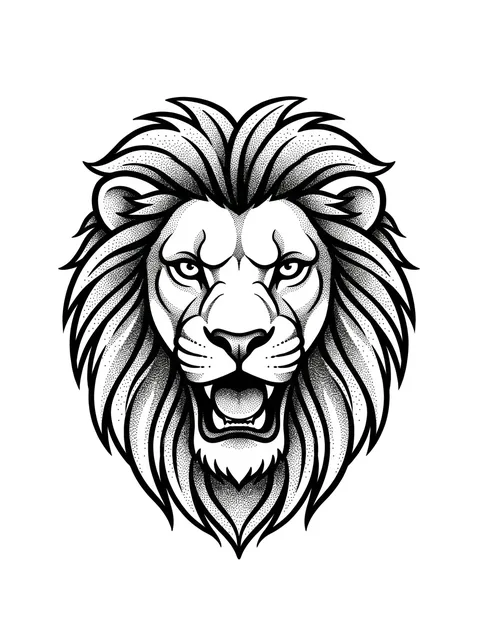
Black and grey dotwork lion tattoo design: a roaring lion's head Try it on — Black and grey dotwork lion tattoo design: a roaring lion's head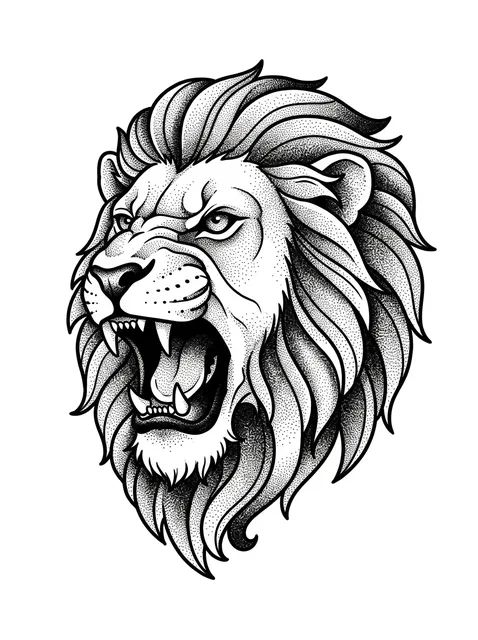
Black and grey dotwork lion tattoo design (1 of 2) Try it on — Black and grey dotwork lion tattoo design (1 of 2)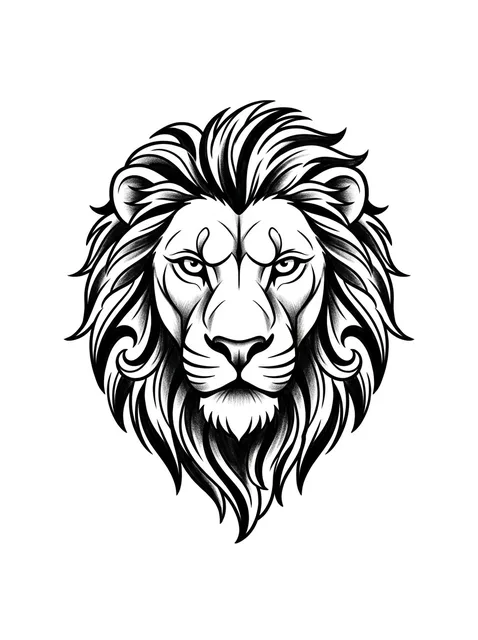
Black and grey illustrative lion tattoo design: a majestic lion's head Try it on — Black and grey illustrative lion tattoo design: a majestic lion's head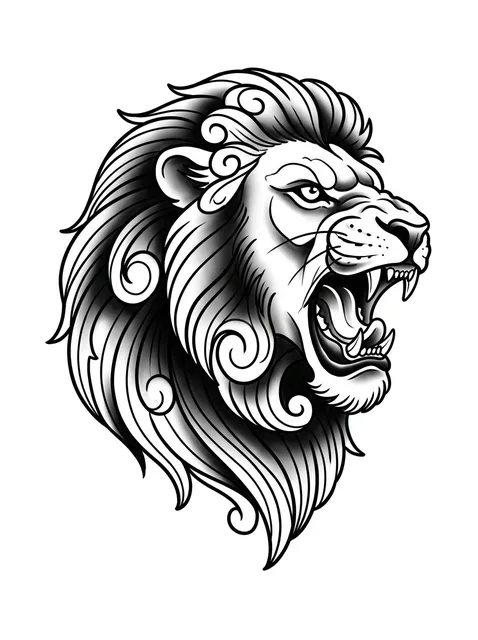
Black and grey neo traditional lion tattoo design: a roaring lion's head Try it on — Black and grey neo traditional lion tattoo design: a roaring lion's head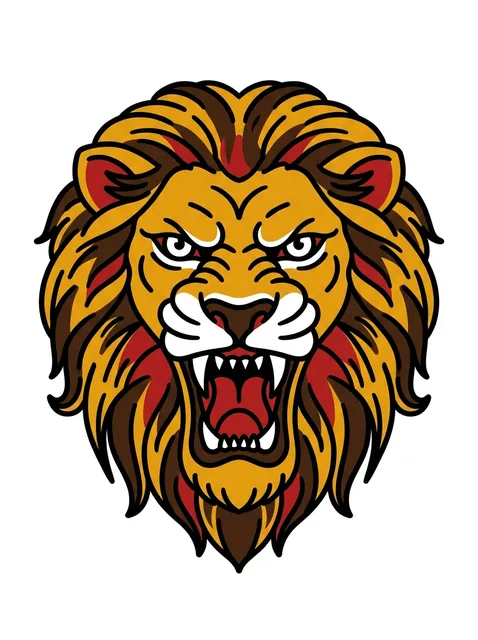
Color traditional lion tattoo design: a roaring lion's head Try it on — Color traditional lion tattoo design: a roaring lion's head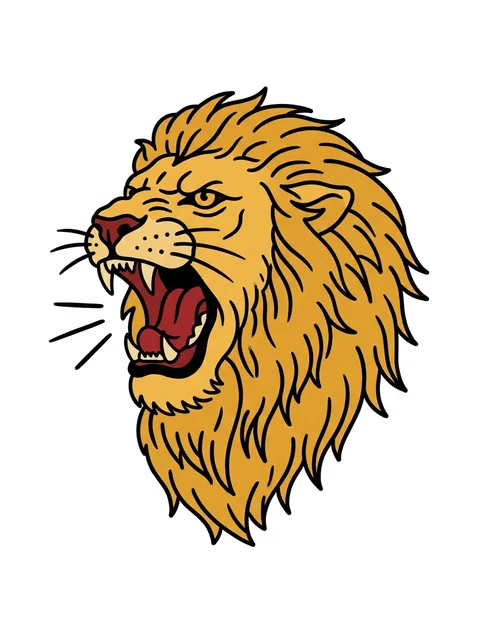
Color traditional lion tattoo design: a golden mane and a vibrant red mouth Try it on — Color traditional lion tattoo design: a golden mane and a vibrant red mouth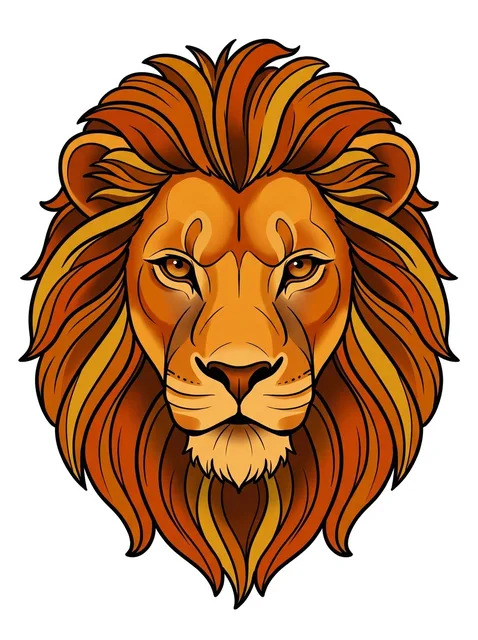
Color illustrative lion tattoo design: a lion's head with a full, flowing mane Try it on — Color illustrative lion tattoo design: a lion's head with a full, flowing mane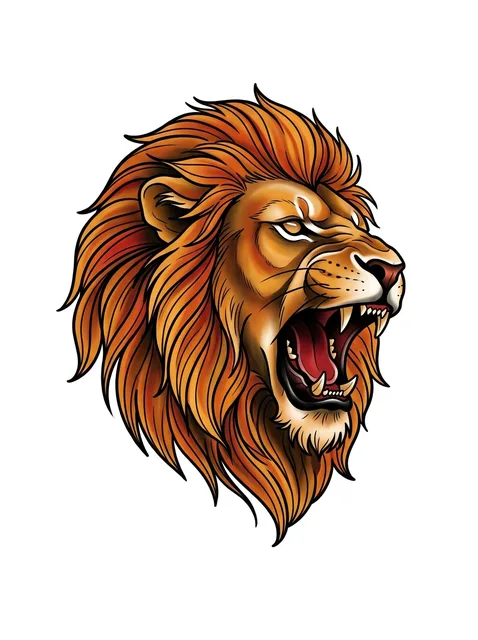
Color neo traditional lion tattoo design: a roaring lion's head (1 of 2) Try it on — Color neo traditional lion tattoo design: a roaring lion's head (1 of 2)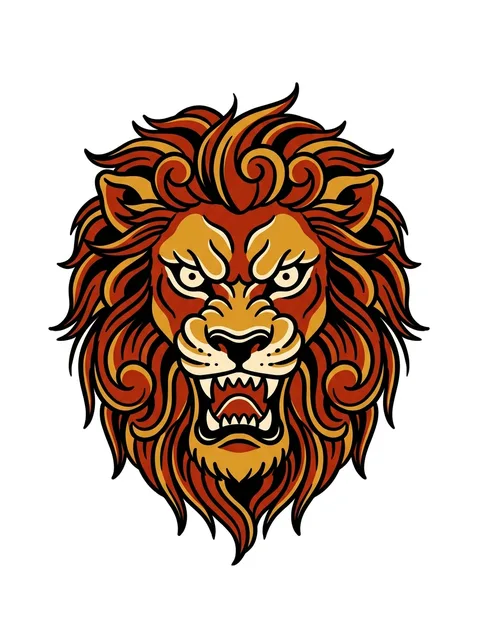
Color neo traditional lion tattoo design: a roaring lion's head (2 of 2) Try it on — Color neo traditional lion tattoo design: a roaring lion's head (2 of 2)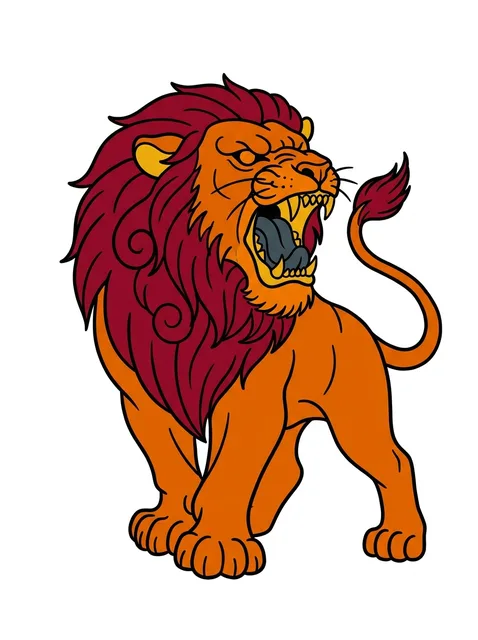
Color traditional lion tattoo design: its mouth open, baring sharp teeth Try it on — Color traditional lion tattoo design: its mouth open, baring sharp teeth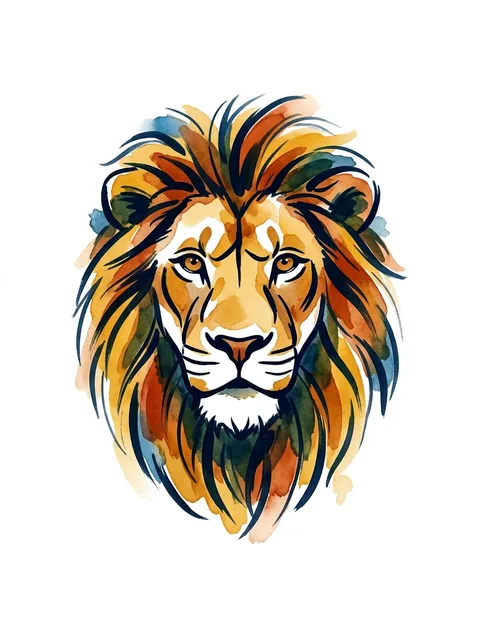
Color watercolor lion tattoo design: a lion's head Try it on — Color watercolor lion tattoo design: a lion's head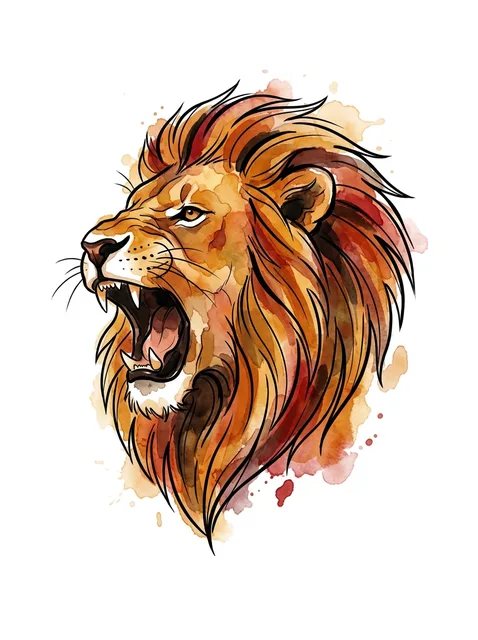
Color watercolor lion tattoo design: a roaring lion's head Try it on — Color watercolor lion tattoo design: a roaring lion's head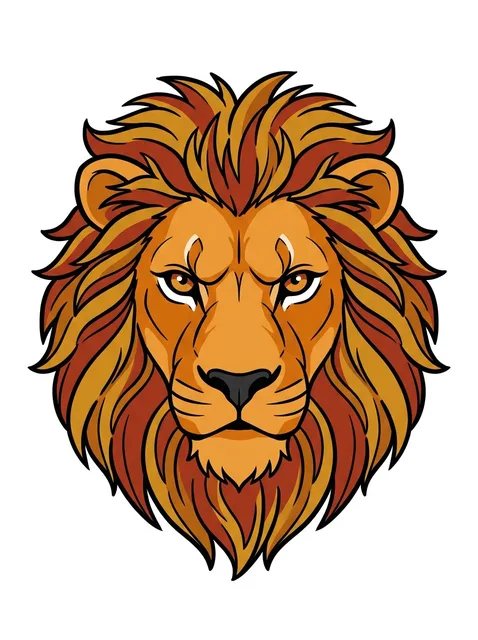
Color illustrative lion tattoo design Try it on — Color illustrative lion tattoo design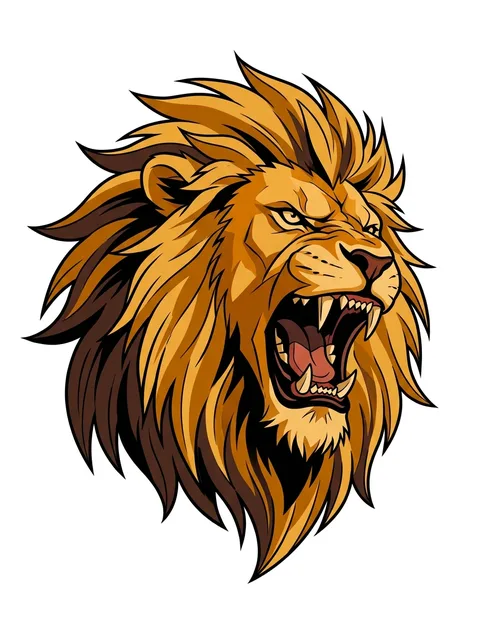
Color new school lion tattoo design Try it on — Color new school lion tattoo design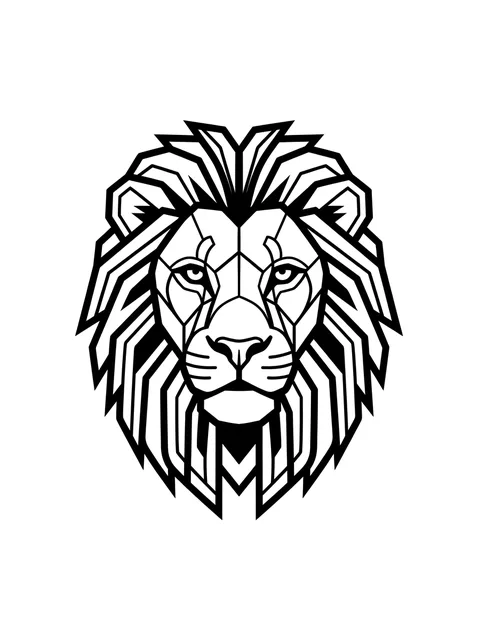
Black and white geometric lion tattoo design, outline stencil (1 of 2) Try it on — Black and white geometric lion tattoo design, outline stencil (1 of 2)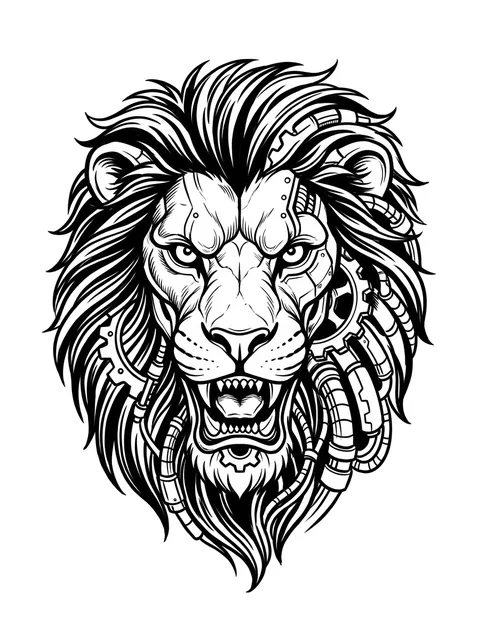
Black and white biomechanical lion tattoo design Try it on — Black and white biomechanical lion tattoo design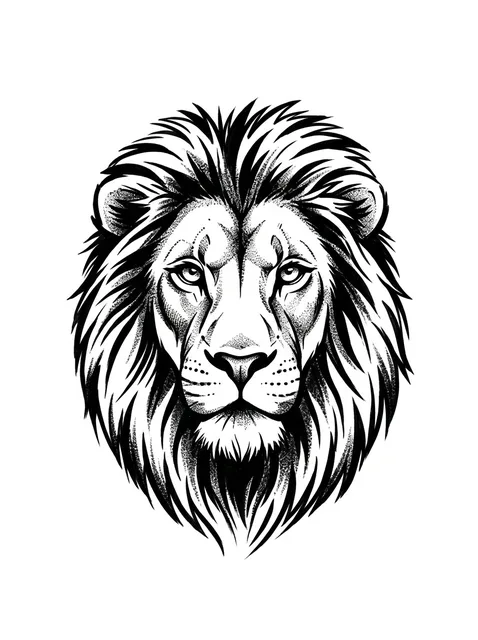
Black and grey illustrative lion tattoo design: a lion's head (2 of 2) Try it on — Black and grey illustrative lion tattoo design: a lion's head (2 of 2)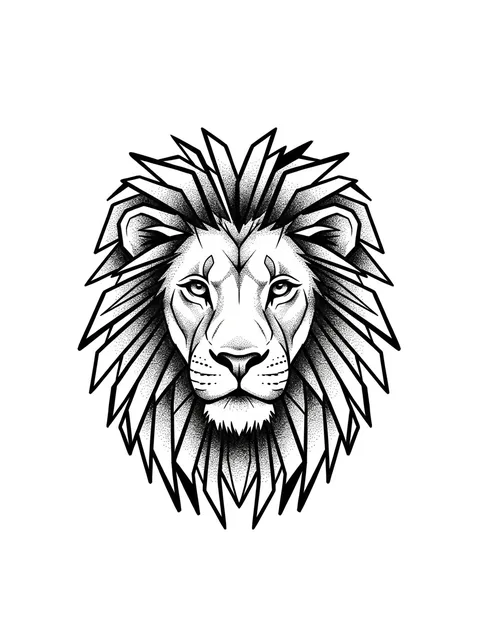
Black and grey dotwork lion tattoo design (2 of 2) Try it on — Black and grey dotwork lion tattoo design (2 of 2)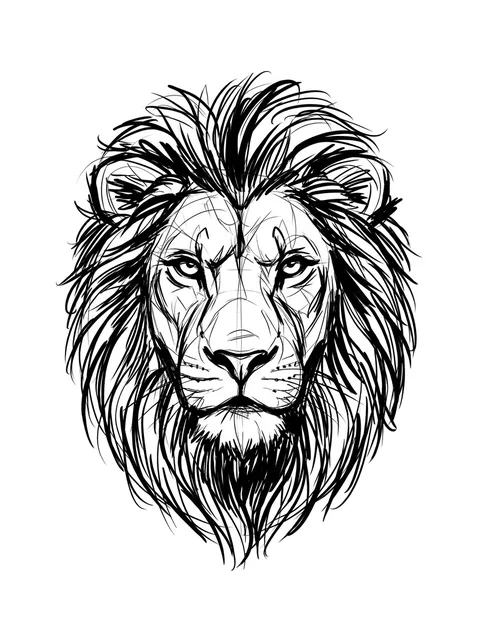
Black and grey sketch lion tattoo design: a lion's head Try it on — Black and grey sketch lion tattoo design: a lion's head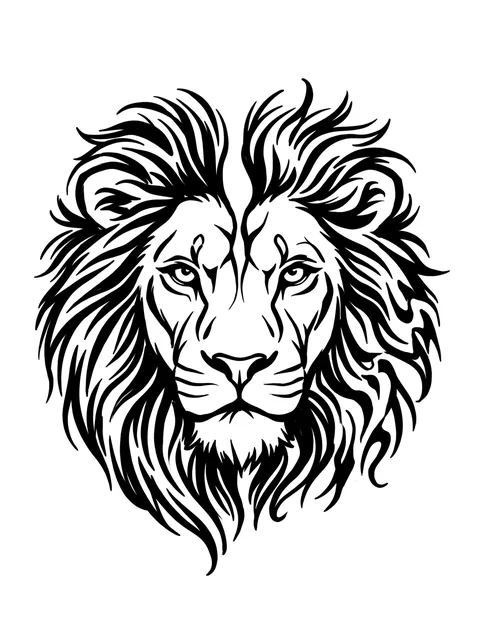
Black and white blackwork lion tattoo design: the head of a lion Try it on — Black and white blackwork lion tattoo design: the head of a lion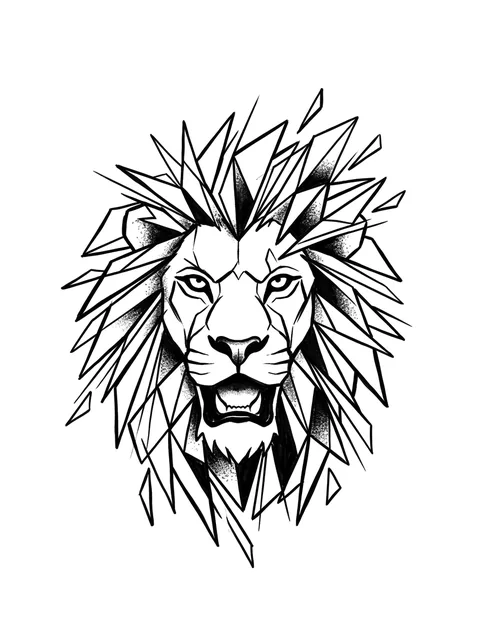
Black and white geometric lion tattoo design, outline stencil (2 of 2) Try it on — Black and white geometric lion tattoo design, outline stencil (2 of 2)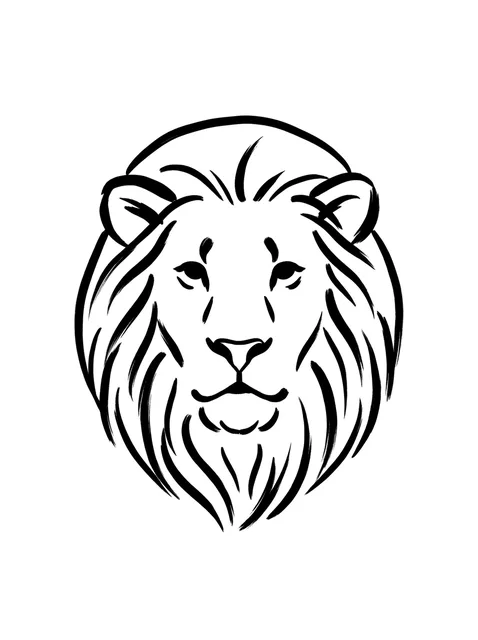
Black and white traditional lion tattoo design: a lion's head Try it on — Black and white traditional lion tattoo design: a lion's head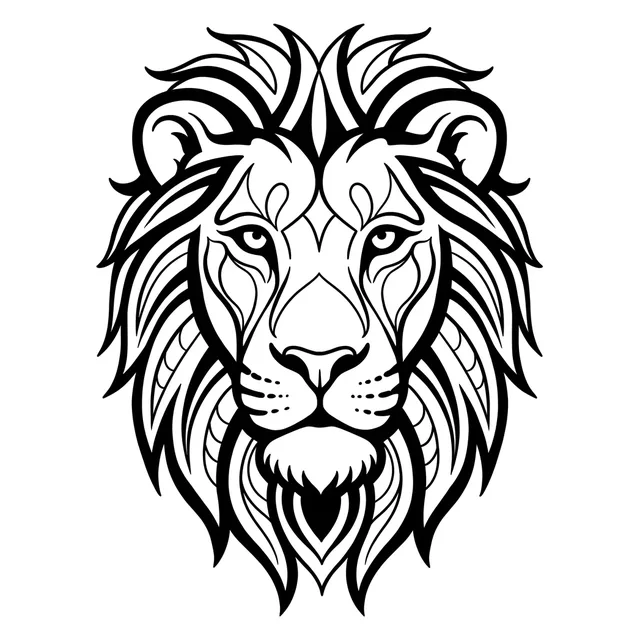
Black and grey ornamental lion tattoo design: a lion's head (1 of 2) Try it on — Black and grey ornamental lion tattoo design: a lion's head (1 of 2)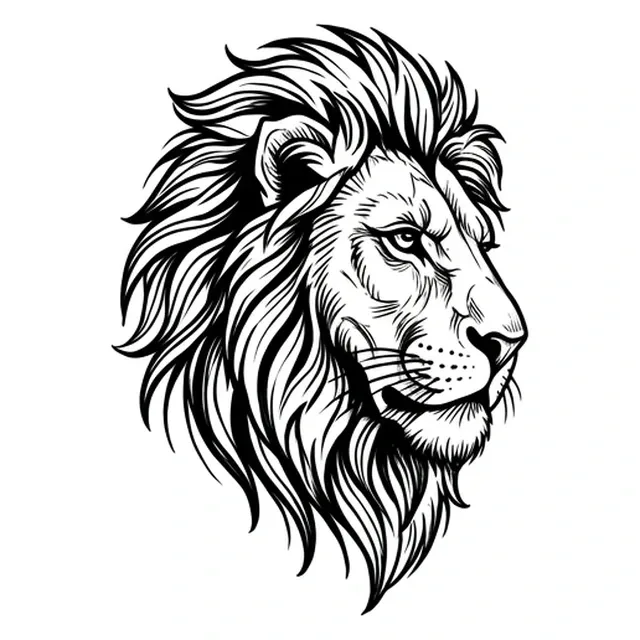
Black and grey illustrative lion tattoo design: a lion's head in profile Try it on — Black and grey illustrative lion tattoo design: a lion's head in profile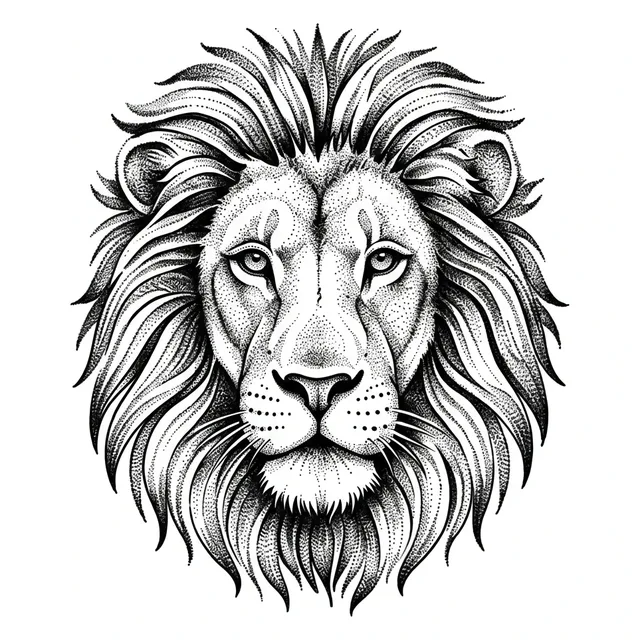
Black and grey dotwork lion tattoo design: the head of a majestic lion Try it on — Black and grey dotwork lion tattoo design: the head of a majestic lion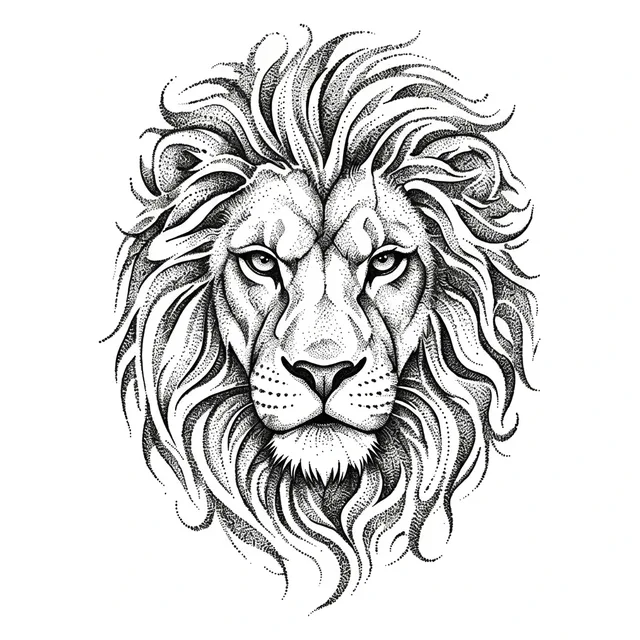
Black and grey dotwork lion tattoo design: a majestic lion's head with a flowing mane Try it on — Black and grey dotwork lion tattoo design: a majestic lion's head with a flowing mane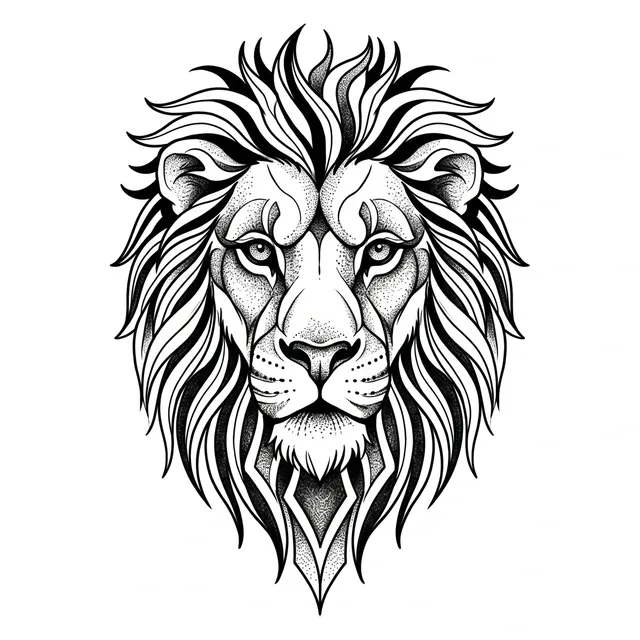
Black and grey dotwork lion tattoo design: a lion's head (1 of 2) Try it on — Black and grey dotwork lion tattoo design: a lion's head (1 of 2)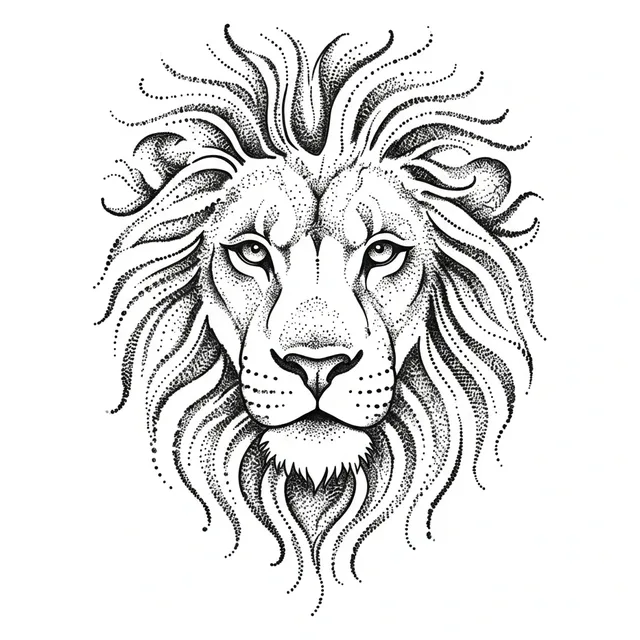
Black and grey dotwork lion tattoo design: a lion's head (2 of 2) Try it on — Black and grey dotwork lion tattoo design: a lion's head (2 of 2)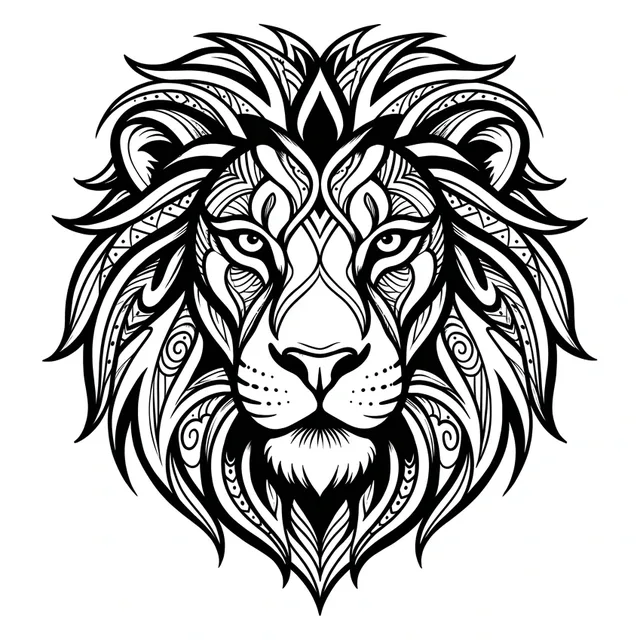
Black and grey ornamental lion tattoo design: a lion's head (2 of 2) Try it on — Black and grey ornamental lion tattoo design: a lion's head (2 of 2)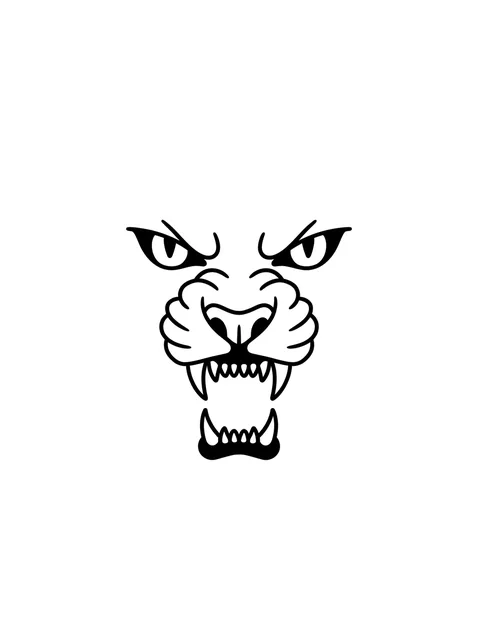
Black and grey traditional lion tattoo design Try it on — Black and grey traditional lion tattoo design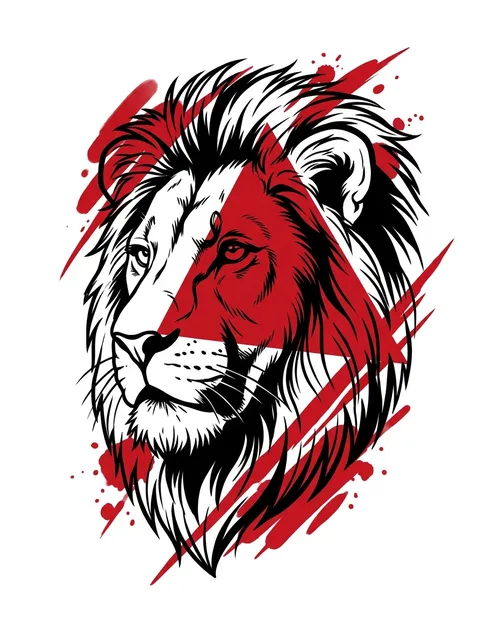
Color trash polka lion tattoo design Try it on — Color trash polka lion tattoo design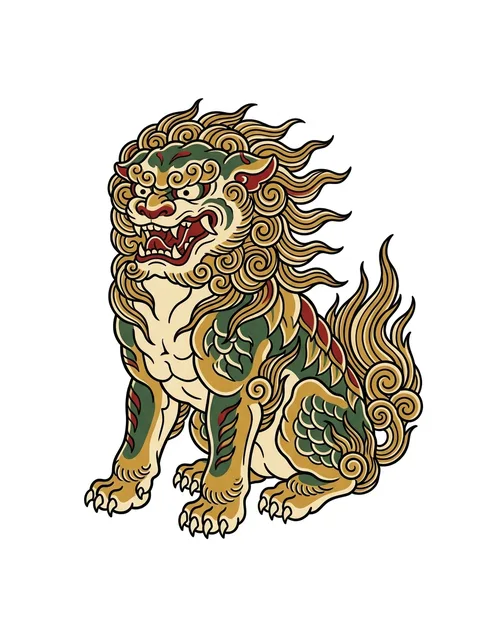
Color irezumi lion tattoo design: an open fanged mouth and a curling mane and tail, its body gold Try it on — Color irezumi lion tattoo design: an open fanged mouth and a curling mane and tail, its body gold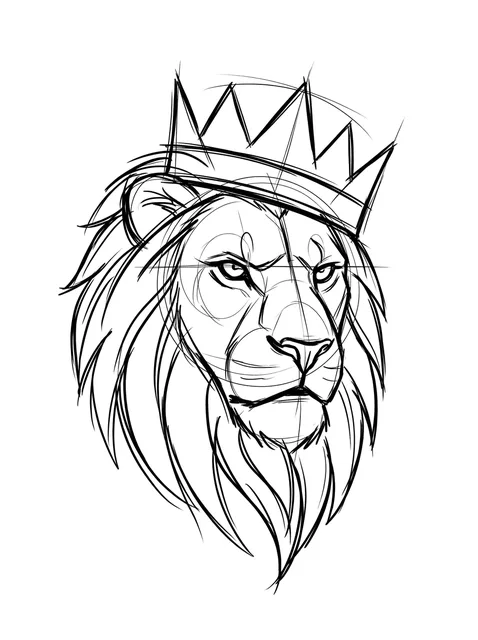
Black and grey sketch lion and crown tattoo design: a lion's head wearing a crown Try it on — Black and grey sketch lion and crown tattoo design: a lion's head wearing a crown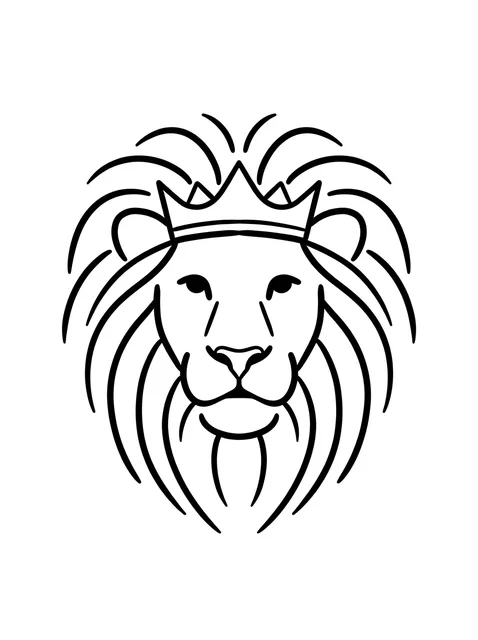
Black and white linework lion and crown tattoo design, outline stencil Try it on — Black and white linework lion and crown tattoo design, outline stencil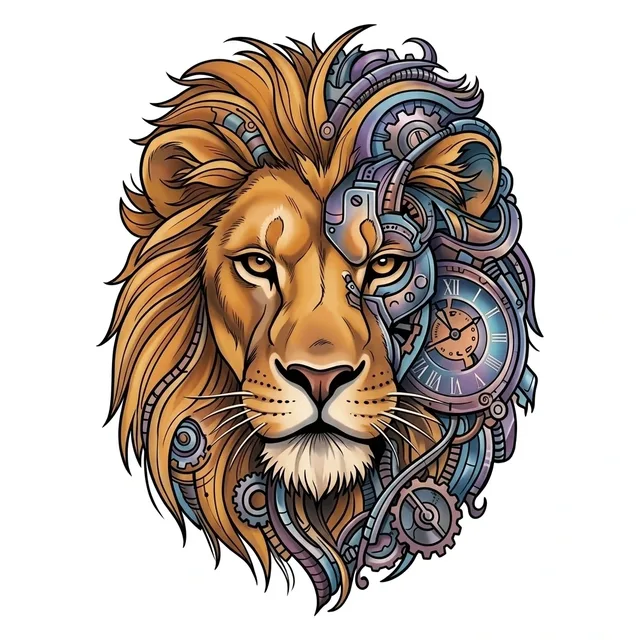
Color illustrative lion and clock tattoo design: a lion's head, half organic and half mechanical Try it on — Color illustrative lion and clock tattoo design: a lion's head, half organic and half mechanical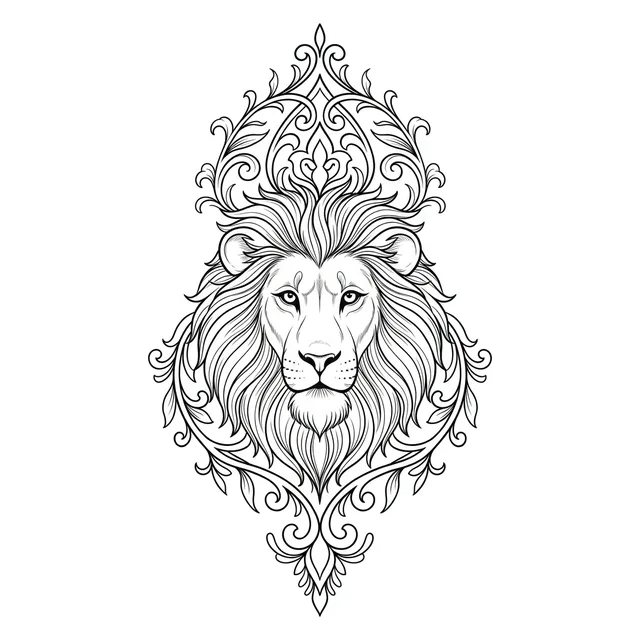
Black and grey illustrative lion and leaf tattoo design: a majestic lion's head with a flowing mane Try it on — Black and grey illustrative lion and leaf tattoo design: a majestic lion's head with a flowing mane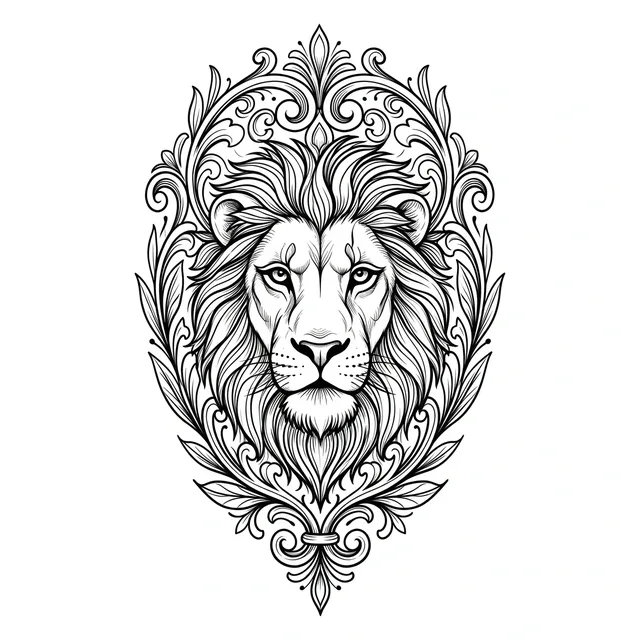
Black and white illustrative lion and leaf tattoo design: a lion's head with a detailed mane Try it on — Black and white illustrative lion and leaf tattoo design: a lion's head with a detailed mane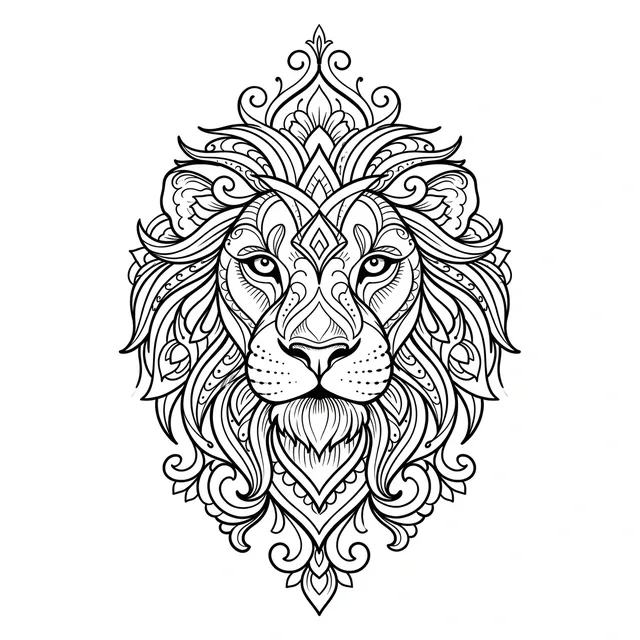
Black and grey ornamental lion and mandala tattoo design Try it on — Black and grey ornamental lion and mandala tattoo design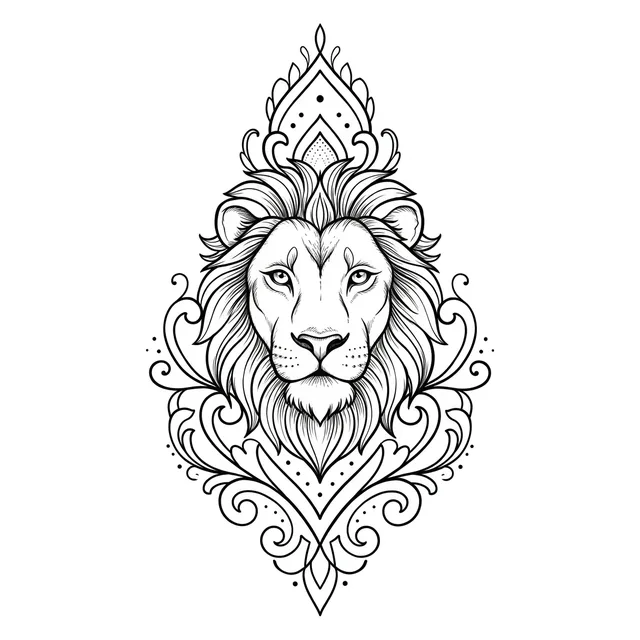
Black and white illustrative lion and mandala tattoo design: a majestic lion's head at its center Try it on — Black and white illustrative lion and mandala tattoo design: a majestic lion's head at its center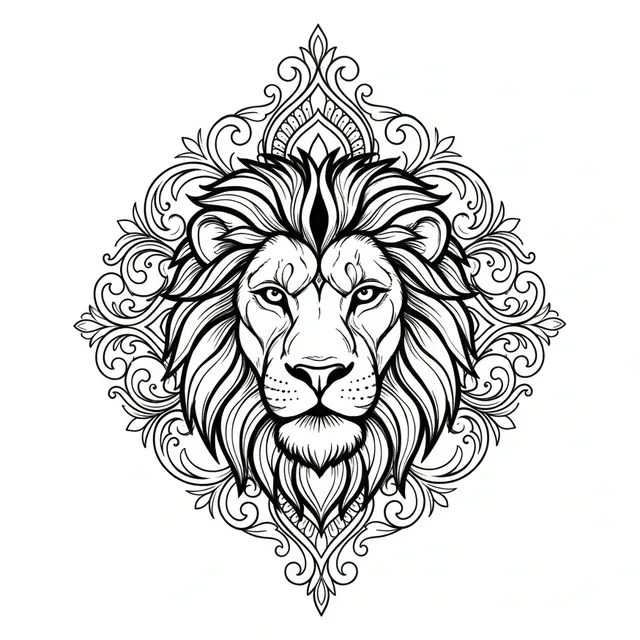
Black and white illustrative lion and mandala tattoo design: a majestic lion's head Try it on — Black and white illustrative lion and mandala tattoo design: a majestic lion's head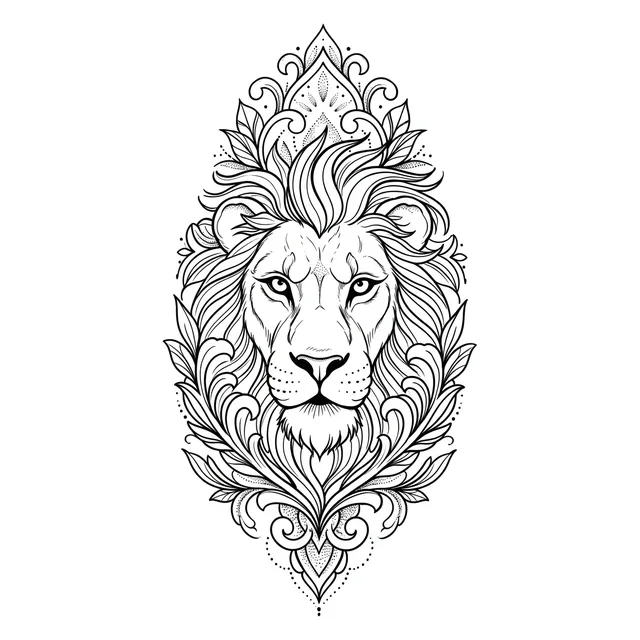
Black and grey illustrative lion and mandala tattoo design Try it on — Black and grey illustrative lion and mandala tattoo design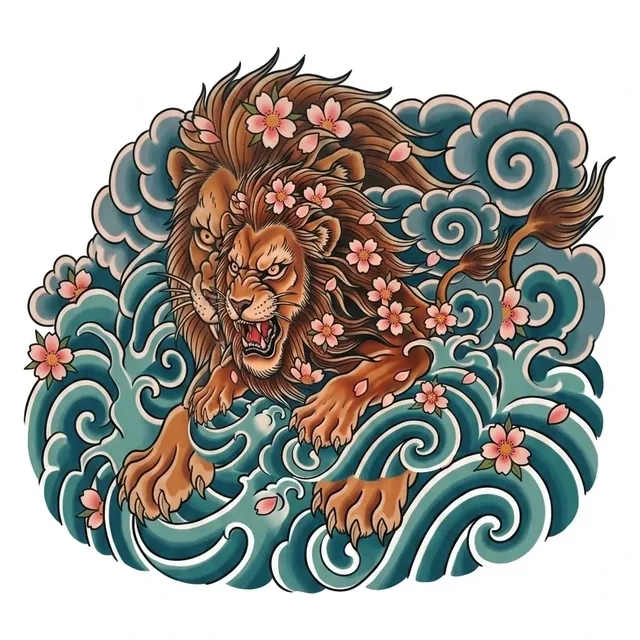
Color Japanese lion and cherry blossom tattoo design Try it on — Color Japanese lion and cherry blossom tattoo design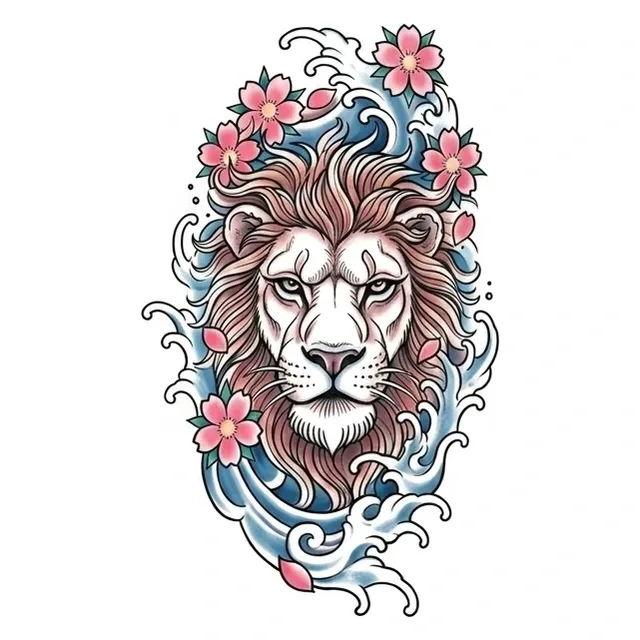
Color Japanese lion and cherry blossom tattoo design: a pale white and grey mane Try it on — Color Japanese lion and cherry blossom tattoo design: a pale white and grey mane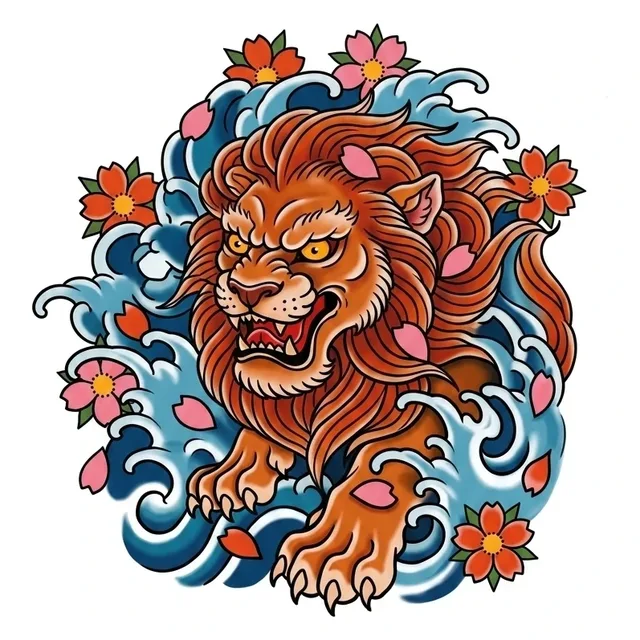
Color Japanese lion and wave tattoo design: a fierce orange lion with a flowing mane Try it on — Color Japanese lion and wave tattoo design: a fierce orange lion with a flowing mane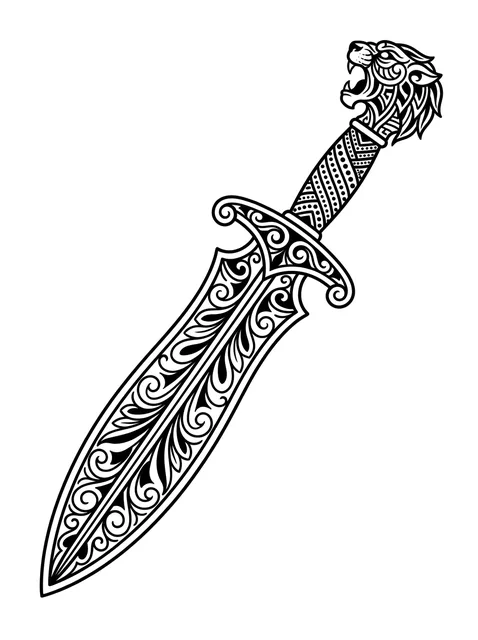
Black and grey illustrative lion and sword tattoo design: an ornate sword with a lion's head pommel Try it on — Black and grey illustrative lion and sword tattoo design: an ornate sword with a lion's head pommel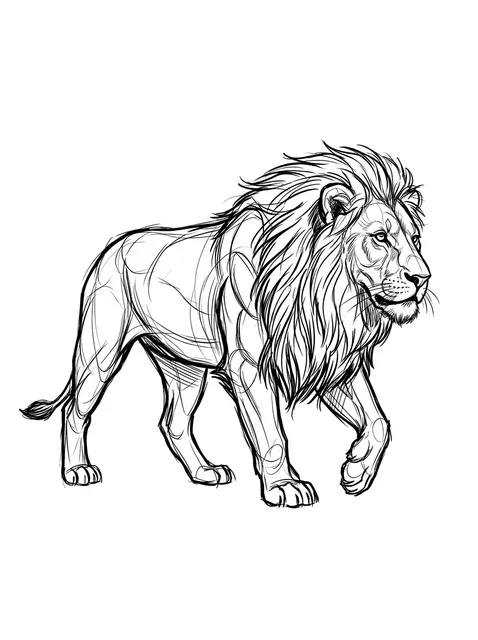
Black and grey sketch lion and leo tattoo design Try it on — Black and grey sketch lion and leo tattoo design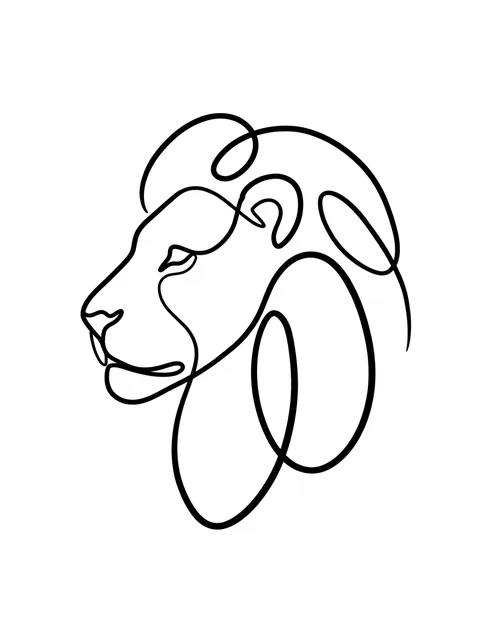
Black and white linework lion and leo tattoo design, outline stencil (1 of 2) Try it on — Black and white linework lion and leo tattoo design, outline stencil (1 of 2)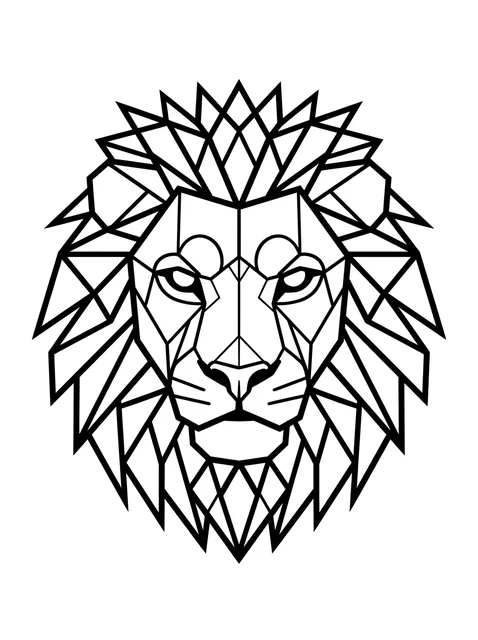
Black and white geometric lion and leo tattoo design, outline stencil (1 of 2) Try it on — Black and white geometric lion and leo tattoo design, outline stencil (1 of 2)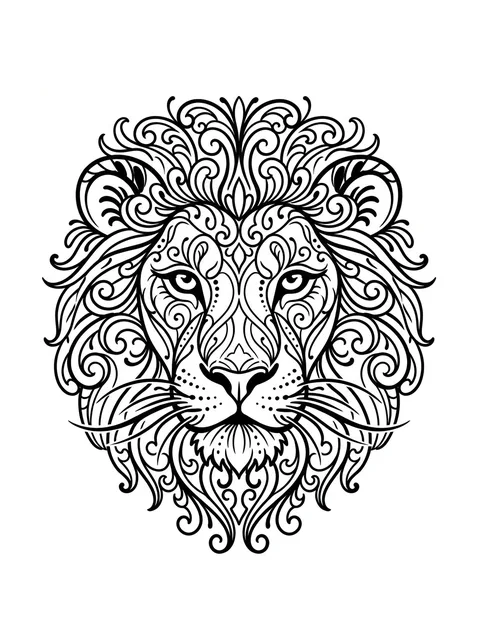
Black and grey ornamental lion and leo tattoo design Try it on — Black and grey ornamental lion and leo tattoo design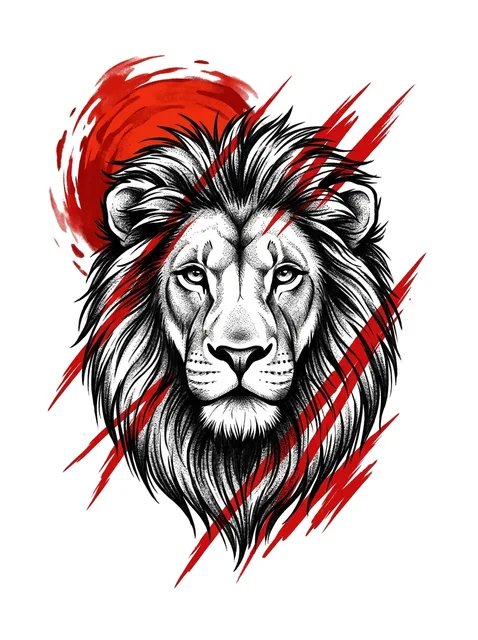
Color trash polka lion and leo tattoo design Try it on — Color trash polka lion and leo tattoo design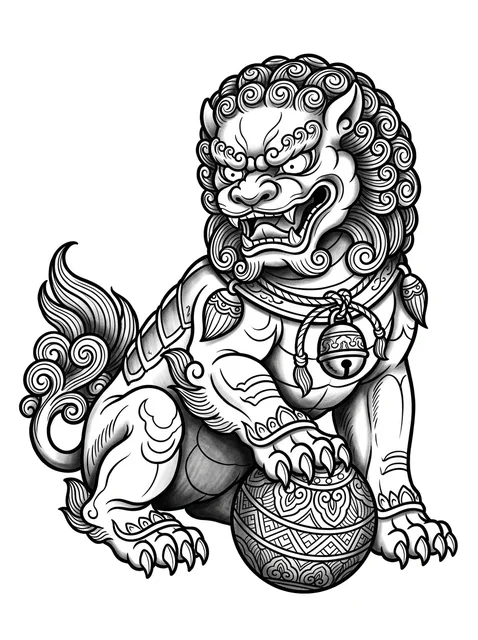
Black and grey Japanese lion and leo tattoo design Try it on — Black and grey Japanese lion and leo tattoo design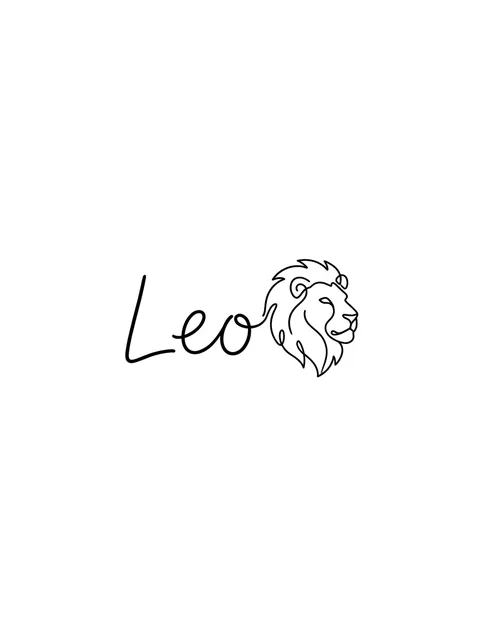
Black and grey lettering lion and name tattoo design: a lion's head with a curling mane Try it on — Black and grey lettering lion and name tattoo design: a lion's head with a curling mane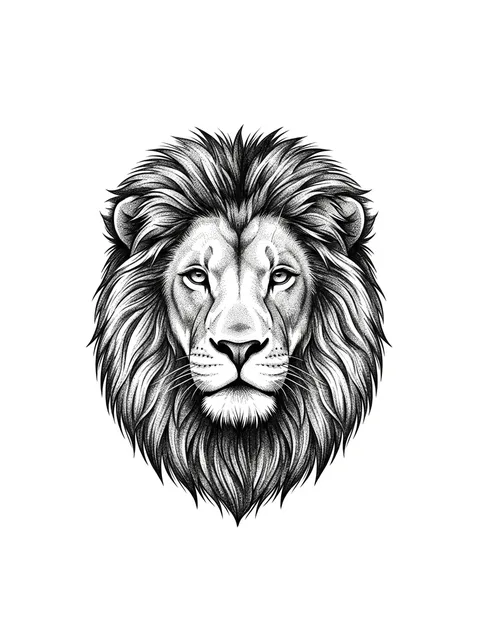
Black and grey realism lion and leo tattoo design Try it on — Black and grey realism lion and leo tattoo design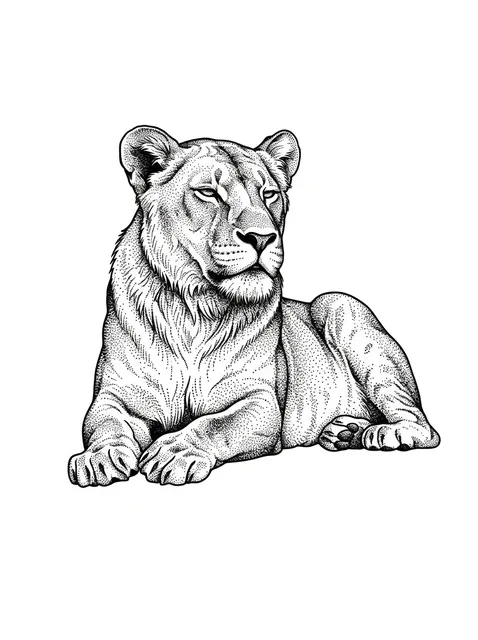
Black and grey illustrative lion and leo tattoo design (1 of 3) Try it on — Black and grey illustrative lion and leo tattoo design (1 of 3)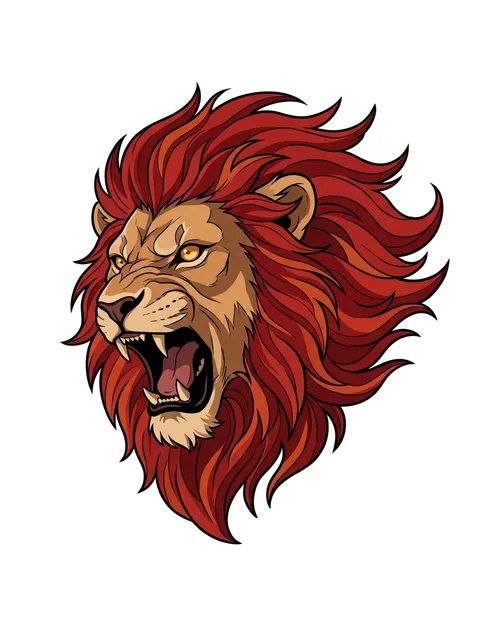
Color illustrative lion and leo tattoo design Try it on — Color illustrative lion and leo tattoo design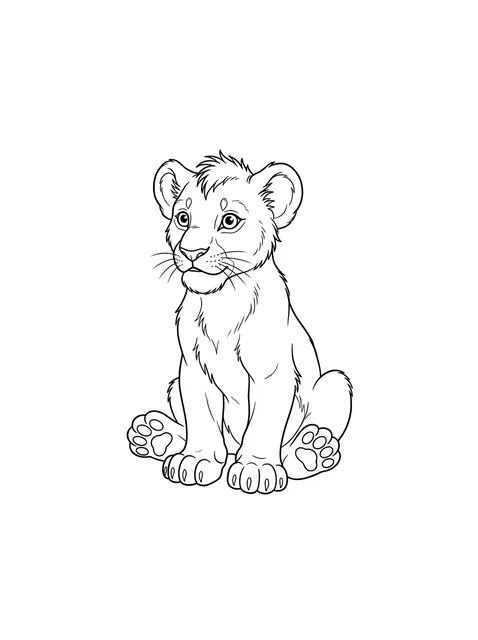
Black and white linework lion and leo tattoo design, outline stencil (2 of 2) Try it on — Black and white linework lion and leo tattoo design, outline stencil (2 of 2)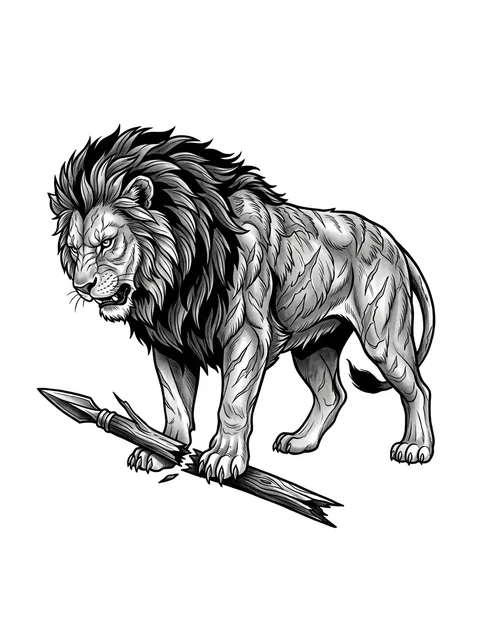
Black and grey illustrative lion and leo tattoo design: its head lowered in a snarl, its pelt Try it on — Black and grey illustrative lion and leo tattoo design: its head lowered in a snarl, its pelt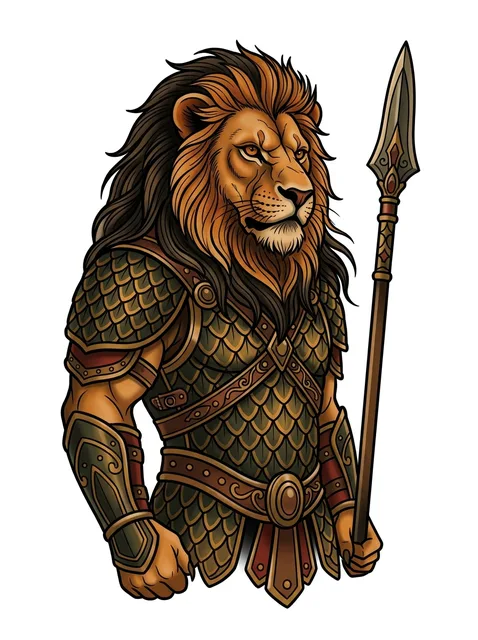
Color neo traditional lion and warrior tattoo design Try it on — Color neo traditional lion and warrior tattoo design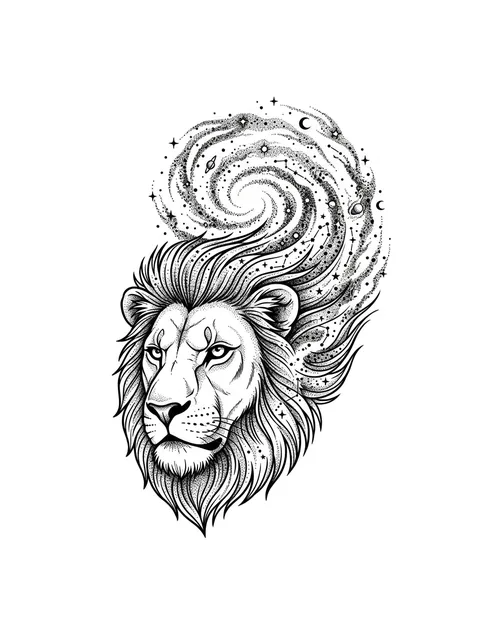
Black and grey illustrative lion and leo tattoo design (2 of 3) Try it on — Black and grey illustrative lion and leo tattoo design (2 of 3)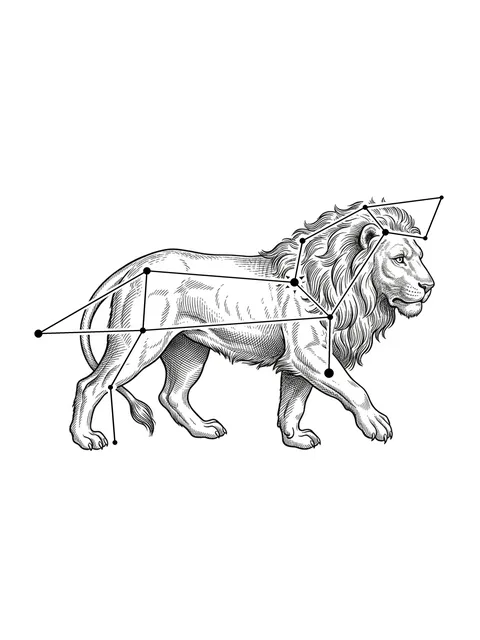
Black and grey illustrative lion and leo tattoo design (3 of 3) Try it on — Black and grey illustrative lion and leo tattoo design (3 of 3)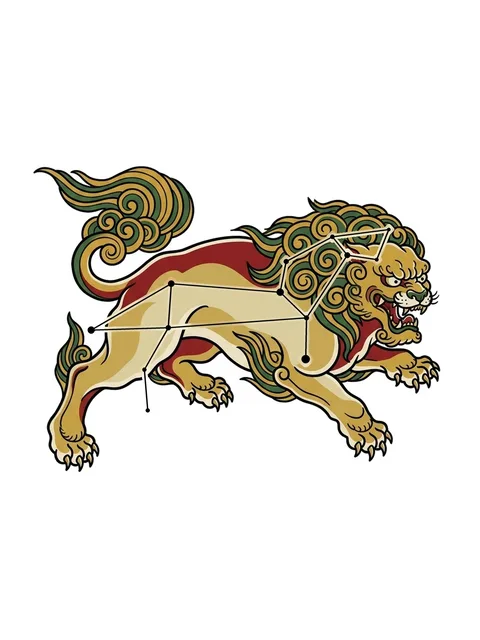
Color Japanese lion and leo tattoo design Try it on — Color Japanese lion and leo tattoo design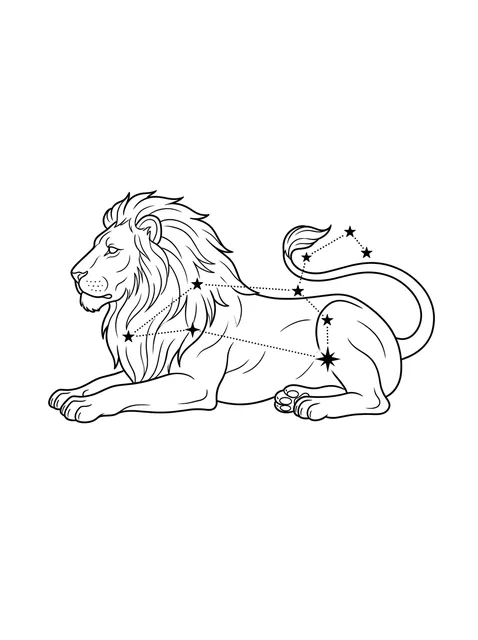
Black and white fine line lion and leo tattoo design, outline stencil: the Leo constellation Try it on — Black and white fine line lion and leo tattoo design, outline stencil: the Leo constellation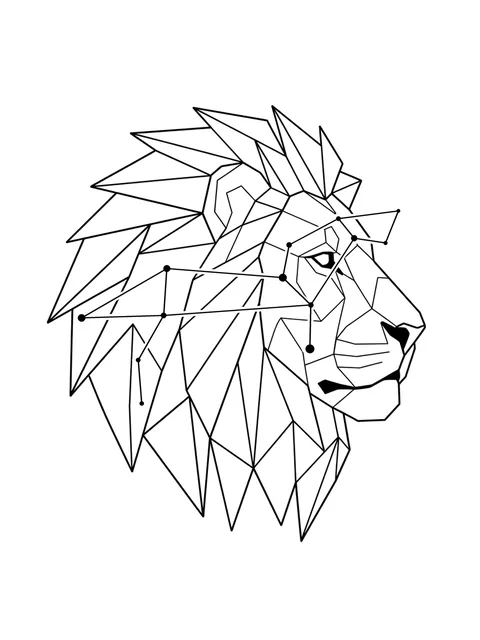
Black and white geometric lion and leo tattoo design, outline stencil (2 of 2) Try it on — Black and white geometric lion and leo tattoo design, outline stencil (2 of 2)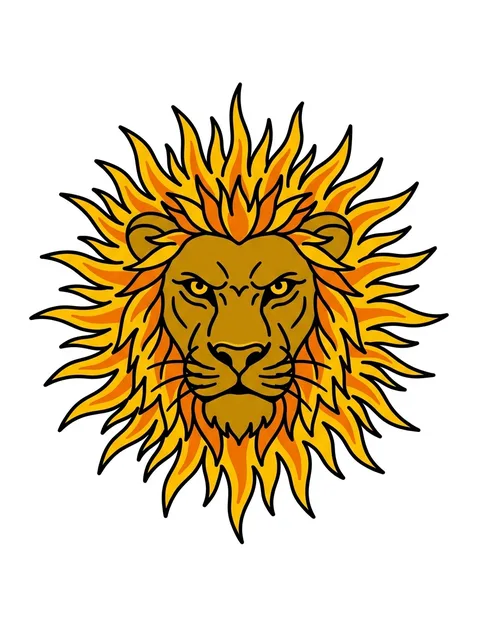
Color neo traditional lion and leo tattoo design Try it on — Color neo traditional lion and leo tattoo design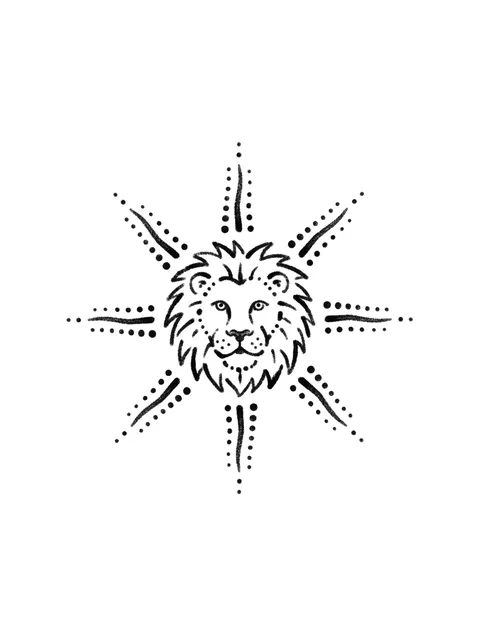
Black and grey dotwork lion and leo tattoo design: a tapered stroke flanked by rows of dots Try it on — Black and grey dotwork lion and leo tattoo design: a tapered stroke flanked by rows of dots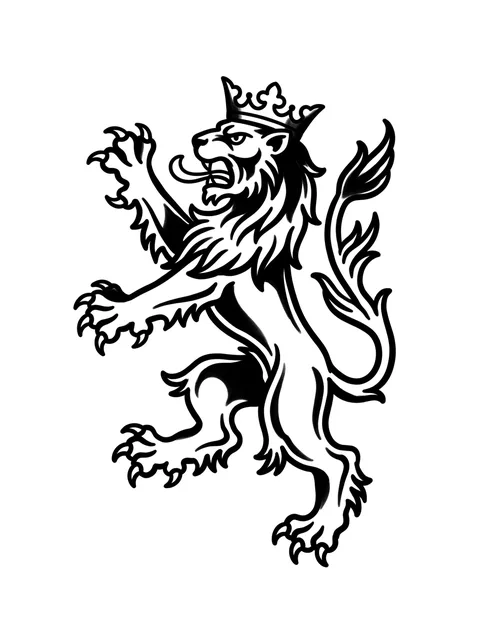
Black and white blackwork lion and leo tattoo design Try it on — Black and white blackwork lion and leo tattoo design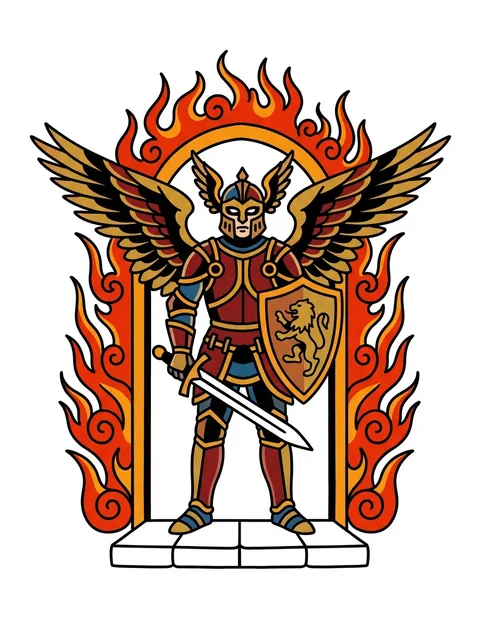
Color traditional lion and archangel tattoo design: a winged angel in full armor Try it on — Color traditional lion and archangel tattoo design: a winged angel in full armor


Tap any design to see it on your own skin in the try-on — no signup.
This set of 73 lion designs, by the numbers
- Styles represented
- illustrative (20), dotwork (8), traditional (6), linework (5), neo traditional (5), japanese asian (5)
- Black-and-grey vs colour
- 70% black-and-grey, 30% colour
- Most often drawn with
- leo, mandala, constellation, crown
Counted from the 73 designs shown on this page. Every one was drawn for InkCraft — none are scraped or reposted. Free to reference with a link to this page.
What a lion tattoo means
The lion is a status animal, and it has been one for longer than almost any other tattoo subject. It reads as courage, authority and protection — not aggression. That distinction matters when choosing a design: a snarling lion and a calm one say close to opposite things, and most people who ask for a lion actually want the second and are shown the first.
The crown is the single most common addition, and it changes the sentence. A lion alone is a claim about character; a crowned lion is a claim about rank — self-mastery, or leadership of a family. In our own set it is by far the most frequent pairing, which tracks with how the motif is used in practice rather than how it is described.
Gender reading is genuinely split. A maned lion is conventionally masculine, and a lioness — no mane, longer face, drawn in profile — is chosen deliberately by people who want the same qualities without that association. A lion and lioness pair is common between partners, and a lioness with cubs is almost always a motherhood piece.
The zodiac layer sits underneath all of this. Leo runs late July to late August, and a meaningful share of lion tattoos are birth-sign pieces where the animal is doing double duty. If that is the intent, it is worth saying so at the consultation, because it changes whether the artist adds the constellation or the glyph.
Where the design comes from
Lions were carved on Mesopotamian gates as guardians thousands of years before they reached skin, and the guardian role is the one that persisted: the lion on a coat of arms, the pair outside a public building, the lion of Judah. European heraldry fixed the rampant, front-facing pose that most traditional lion tattoos still borrow. The photorealistic lion portrait is far newer — it belongs to the black-and-grey portrait schools that came out of Chicano work in Los Angeles in the 1970s and 80s, and it is why so many modern lions are rendered as a photograph rather than a symbol.
Choosing yours
- A mane is a detail problem, not a size problem. It is drawn as many fine strands, and fine strands are the first thing to merge as ink spreads. A realistic lion portrait below roughly 12 cm will lose its mane to a solid grey halo within a decade — which is why forearm and chest are the standard fields for one, and why the wrist is not.
- A geometric or linework lion behaves in the opposite way and holds at small sizes, because it is built from deliberate separated lines rather than texture. If you want a lion under 8 cm, this is the version that survives.
- Front-facing lions want a symmetrical field — centre chest, spine, the flat of the back. A profile or three-quarter lion suits the outer arm, where the shape can follow the limb. Putting a front-facing portrait on a curved outer bicep is the usual reason a lion looks subtly wrong in photographs.
Size, cost and placement
How big, and what it costs
A realistic lion portrait is a large-piece commitment: 12-20 cm and typically a full day, sometimes two, because the mane is hundreds of individual strokes. A geometric or linework lion at 8-10 cm is a two-to-three-hour piece and a fraction of the cost — the difference is technique, not size.
Where it sits, and how much it hurts
Outer arm and thigh suit a profile or three-quarter lion. A front-facing lion wants a symmetrical field: centre chest, upper back, or the flat of the forearm. Chest work over the sternum is among the more painful placements and a full-day session there is a genuine endurance test.
What to ask your artist
- Whether the expression is calm or snarling, because they say close to opposite things and the reference you liked may not be the one you mean.
- At your size, how the mane will hold — ask specifically whether it will still read as strands in ten years.
- If it is a Leo piece, whether the constellation or glyph is worked in now or left out entirely.
Prices vary widely by city and artist — treat these as session lengths rather than quotes, and expect a shop minimum on anything small. The cost guide turns hours into money by size, placement and style.
Common questions
Lion or lioness?
A maned lion reads as authority and is conventionally masculine; a lioness reads as protectiveness and is the usual choice for a motherhood or family piece. They are drawn quite differently, so decide before the stencil rather than after.
Does a lion tattoo have to be huge?
A realistic one effectively does — the mane needs room. A geometric, linework or traditional lion does not, because none of them depend on fine texture to read.
Is a crowned lion a cliché?
It is common, which is not the same thing. It is common because it says something specific that a plain lion does not, and the crown can be drawn many ways — heraldic, simple band, broken.
What a lion tattoo can mean
The meanings this motif carries on the pages that argue them. Each line is that page's own reason for including it.
- Father and daughter tattoos
- The one pairing where the size difference is the content rather than a compromise: a maned adult and a cub are clearly two different animals, so his being four times larger reads as the point instead of as a budget decision.
- Protection tattoos
- Guardian lions flank doorways from Assyria to China to the front steps of public libraries, always in pairs and always facing outward. What is being protected is behind them, which is a useful thing to decide before choosing where it sits.
- Strength tattoos
- Strength as authority rather than violence — the lion is the animal that does not need to prove it. The most-asked-for strength motif by a wide margin, and the most generic.
See it on your skin before you commit
InkCraft places any of these designs on a photo of you — scaled, wrapped and shaded to the placement you pick.