 InkCraft
Unicorn Tattoo Ideas, Designs and Meaning
22 original unicorn designs drawn for InkCraftBy Uladzimir TumanauUpdated
The unicorn has been three animals: a real beast in Greek natural history, an emblem of Christ and of Scotland, and since the 1980s a rainbow toy. The spiralled horn carries the whole identification, so its grooves need spacing wide enough to survive twenty years of ink spread.
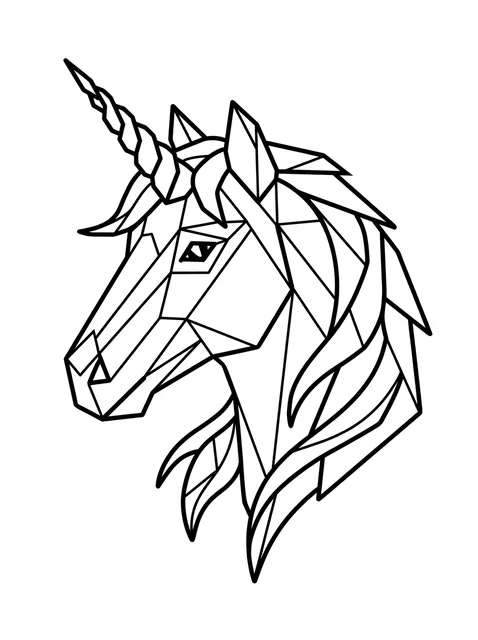
Black and white geometric unicorn tattoo design, outline stencil Try it on — Black and white geometric unicorn tattoo design, outline stencil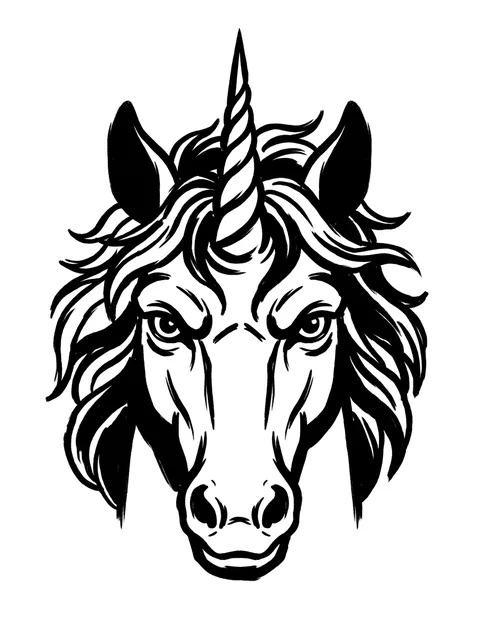
Black and white blackwork unicorn tattoo design Try it on — Black and white blackwork unicorn tattoo design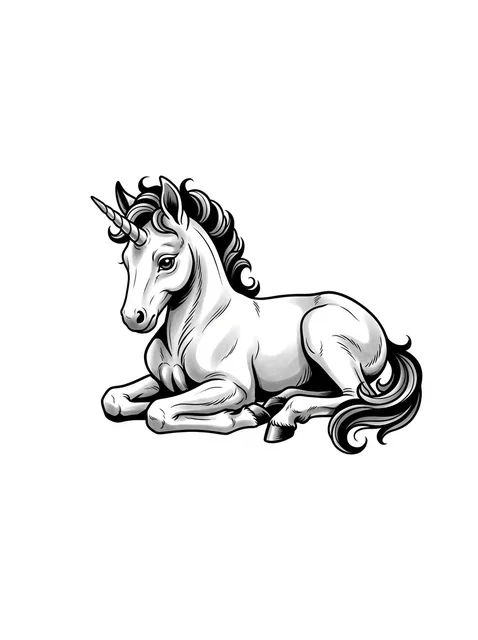
Black and grey illustrative unicorn tattoo design Try it on — Black and grey illustrative unicorn tattoo design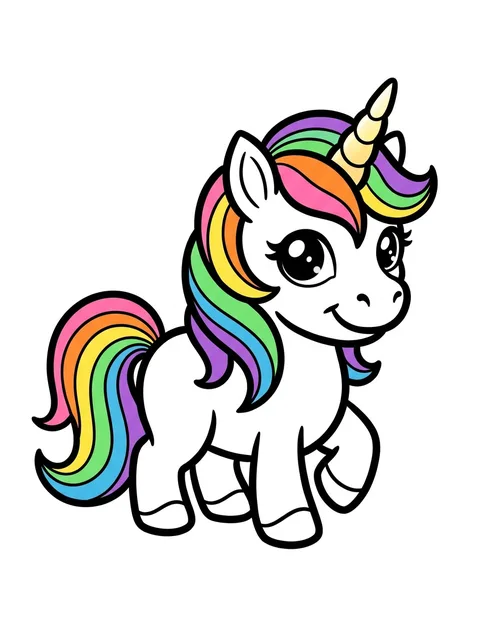
Color new school unicorn tattoo design Try it on — Color new school unicorn tattoo design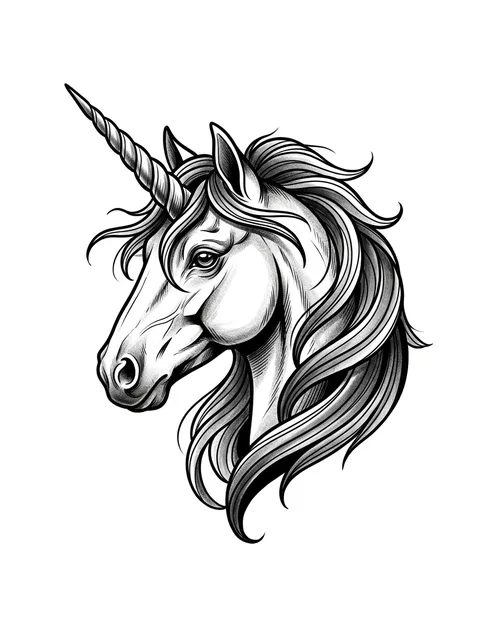
Black and grey illustrative unicorn tattoo design Try it on — Black and grey illustrative unicorn tattoo design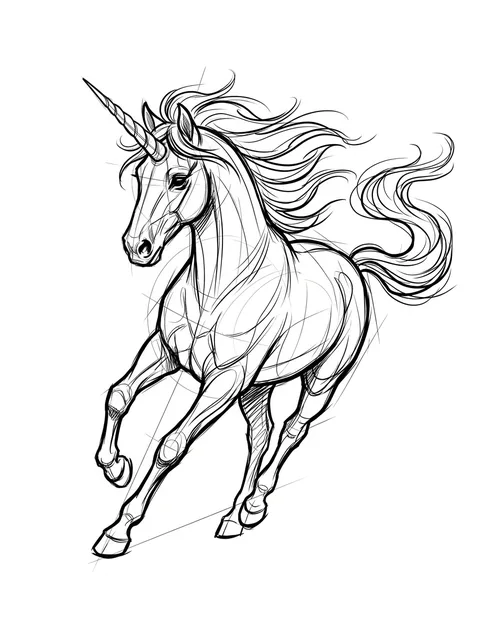
Black and grey sketch unicorn tattoo design Try it on — Black and grey sketch unicorn tattoo design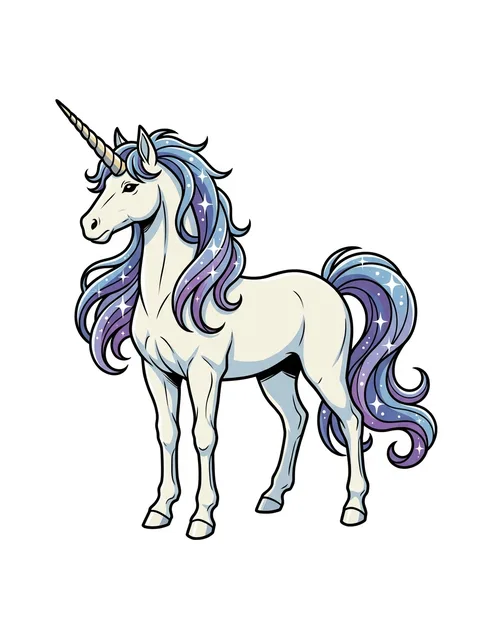
Color anime unicorn tattoo design Try it on — Color anime unicorn tattoo design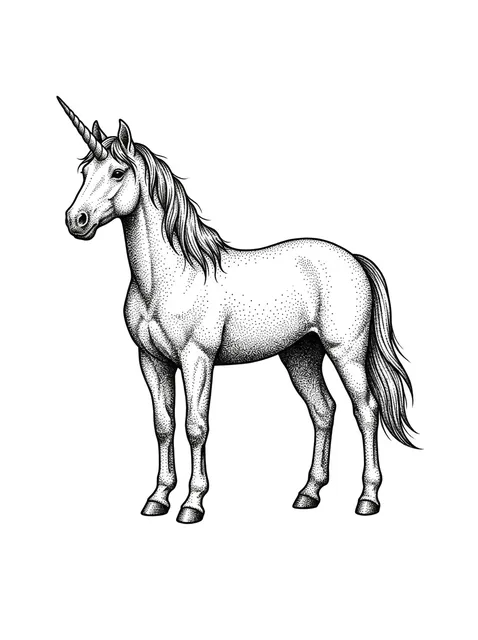
Black and grey dotwork unicorn tattoo design Try it on — Black and grey dotwork unicorn tattoo design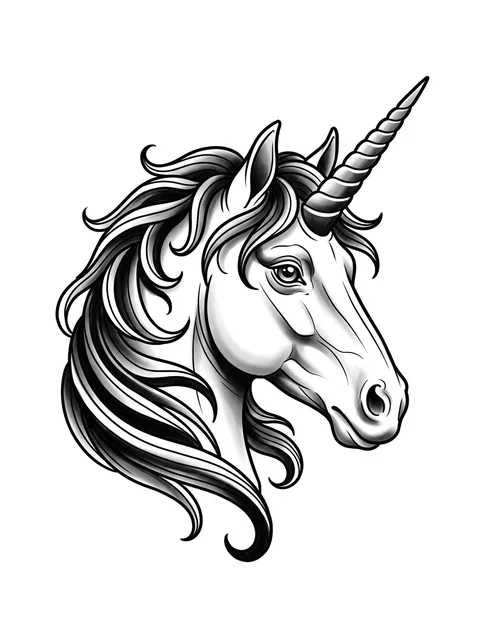
Black and grey neo traditional unicorn tattoo design Try it on — Black and grey neo traditional unicorn tattoo design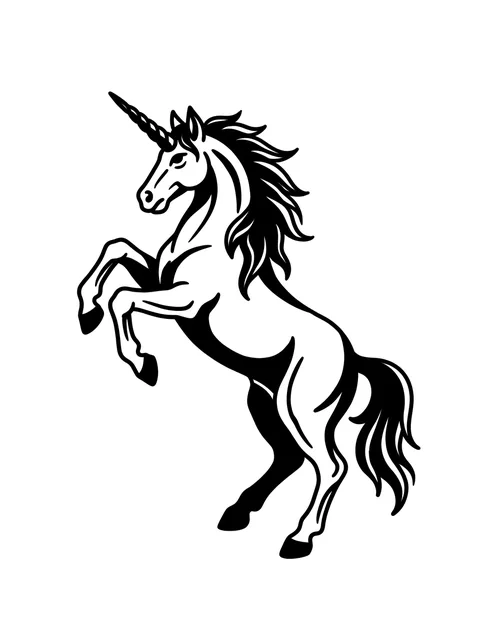
Black and white blackwork unicorn tattoo design Try it on — Black and white blackwork unicorn tattoo design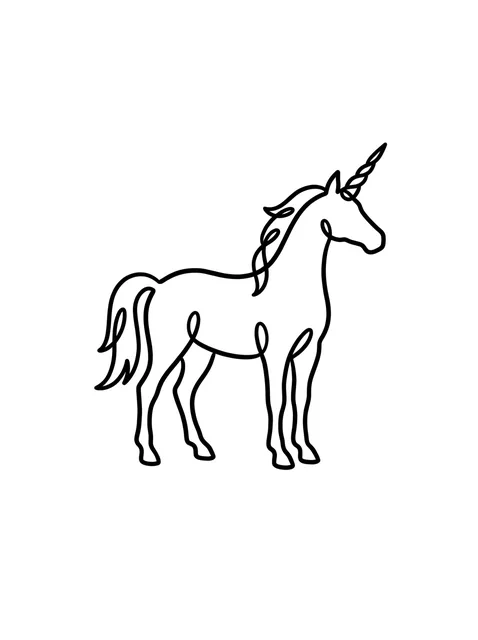
Black and white minimalist unicorn tattoo design, outline stencil Try it on — Black and white minimalist unicorn tattoo design, outline stencil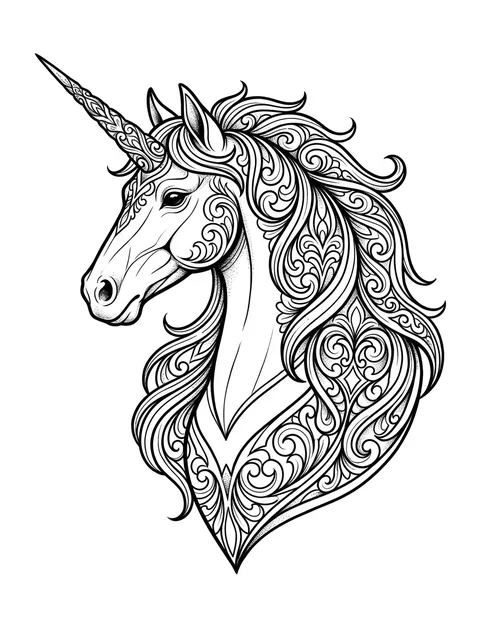
Black and grey ornamental unicorn tattoo design Try it on — Black and grey ornamental unicorn tattoo design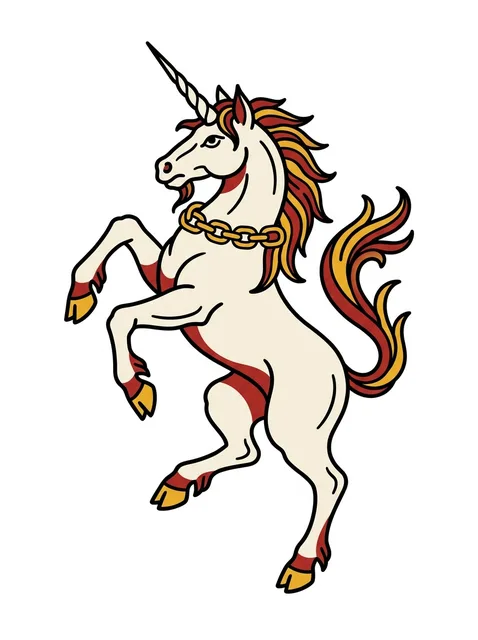
Color traditional unicorn tattoo design Try it on — Color traditional unicorn tattoo design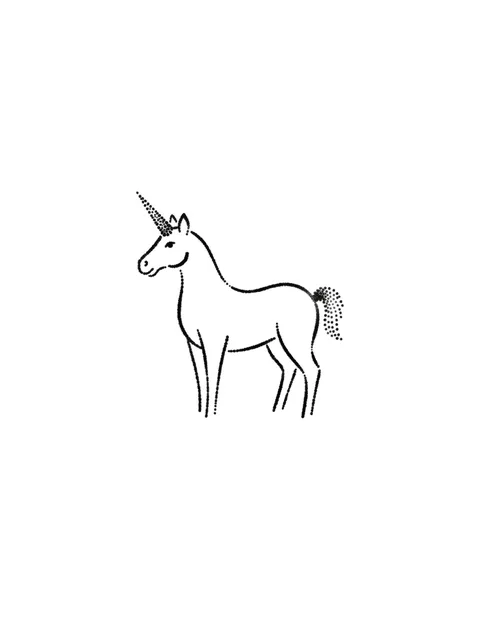
Black and grey stick and poke unicorn tattoo design: a dotted cone horn and a dotted tail, its body Try it on — Black and grey stick and poke unicorn tattoo design: a dotted cone horn and a dotted tail, its body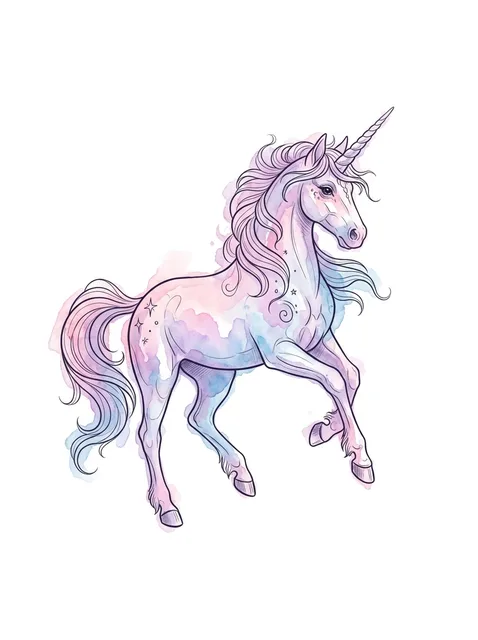
Color watercolor unicorn tattoo design Try it on — Color watercolor unicorn tattoo design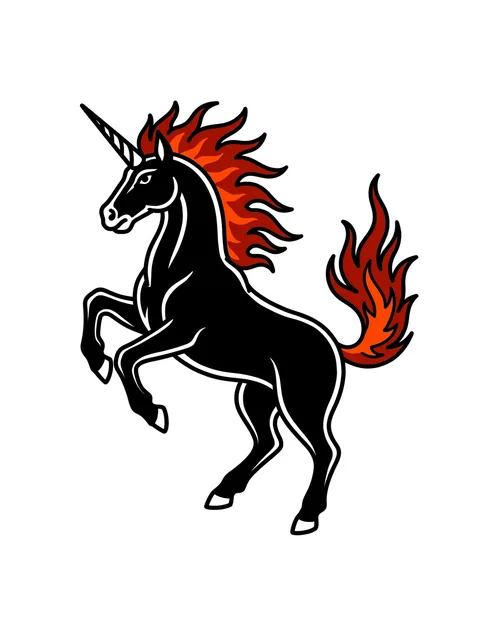
Color traditional unicorn and fire tattoo design Try it on — Color traditional unicorn and fire tattoo design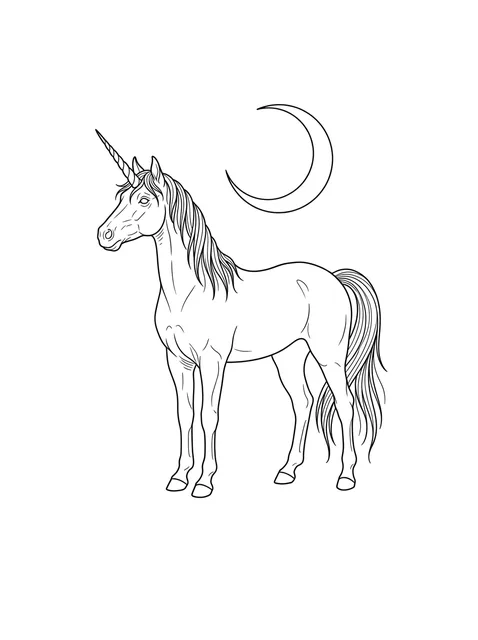
Black and white fine line unicorn and moon tattoo design, outline stencil Try it on — Black and white fine line unicorn and moon tattoo design, outline stencil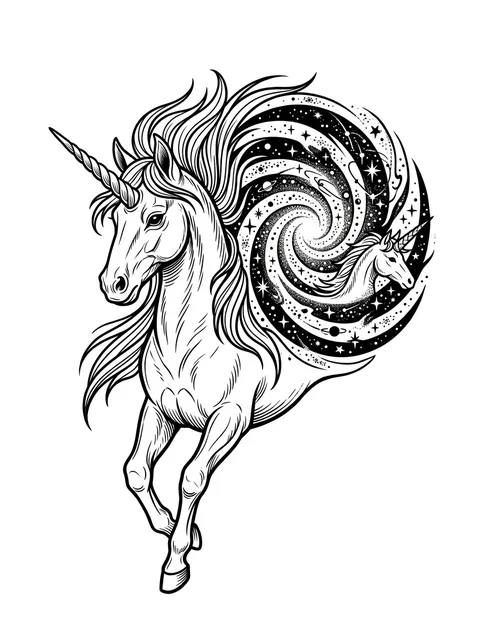
Black and grey surreal unicorn and galaxy tattoo design Try it on — Black and grey surreal unicorn and galaxy tattoo design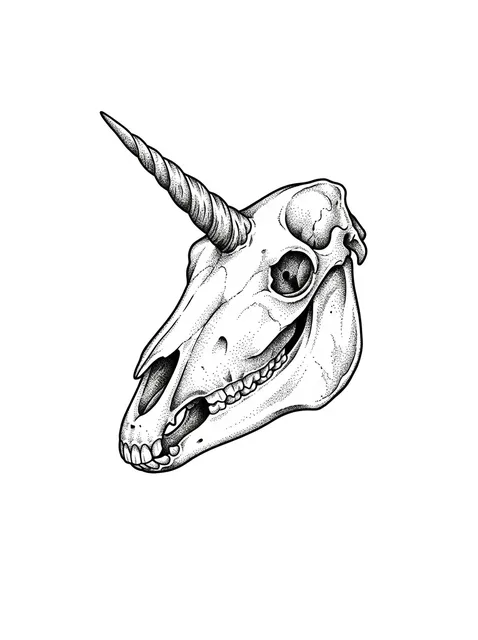
Black and grey realism unicorn and skull tattoo design Try it on — Black and grey realism unicorn and skull tattoo design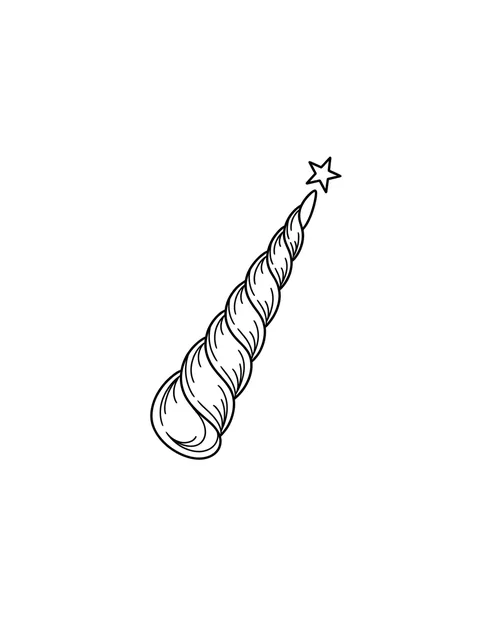
Black and white fine line unicorn and star tattoo design, outline stencil Try it on — Black and white fine line unicorn and star tattoo design, outline stencil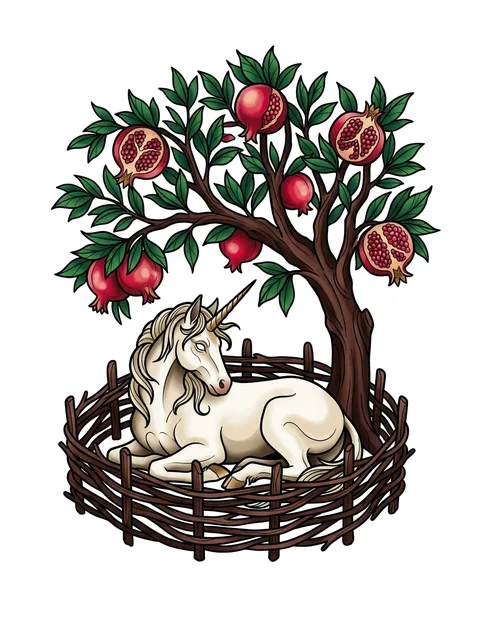
Color neo traditional unicorn and tree tattoo design Try it on — Color neo traditional unicorn and tree tattoo design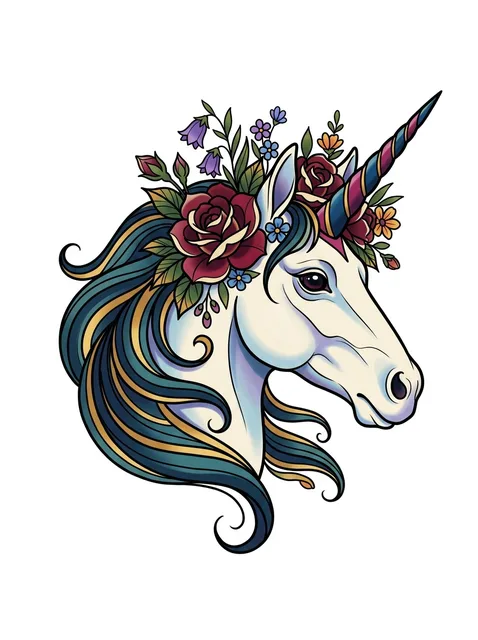
Color neo traditional unicorn and rose tattoo design: a striped horn and a teal and gold mane Try it on — Color neo traditional unicorn and rose tattoo design: a striped horn and a teal and gold mane


Tap any design to see it on your own skin in the try-on — no signup.
This set of 22 unicorn designs, by the numbers
- Styles represented
- neo traditional (3), blackwork (2), illustrative (2), traditional (2), fine line (2), geometric (1)
- Black-and-grey vs colour
- 68% black-and-grey, 32% colour
- Most often drawn with
- fire, moon, galaxy, skull
Counted from the 22 designs shown on this page. Every one was drawn for InkCraft — none are scraped or reposted. Free to reference with a link to this page.
What a unicorn tattoo means
A unicorn is a horse with one change, and everything it means lives in that change. Without the horn the animal stands for strength, work and freedom, the ordinary meanings of a horse. With it, it becomes the thing that cannot be caught, owned or found twice, and people who choose a unicorn over a horse are nearly always choosing rarity over power: a person, or a part of themselves, they think of as one of a kind.
The medieval reading is purity, and it grew from a single story. The Physiologus, a Greek book of animal lore from the early Christian centuries, says the unicorn is too fierce for any hunter and will lay its head only in the lap of a virgin. Christian writers read that as the Incarnation, and late medieval painters went as far as staging the Annunciation as a unicorn hunt, with the angel Gabriel blowing the huntsman's horn. For a thousand years the animal was an image of Christ, and the purity reading still clings to the most cartoonish versions.
Scotland gives it a harder edge. The unicorn has supported the Scottish royal arms since the Middle Ages, and since James VI took the English throne in 1603 it has faced the English lion across the royal coat of arms, still wearing its gold chain. Worn by Scots it is heritage first, and the pleasure of a national animal that does not exist.
The modern reading is joy, and a softness chosen on purpose. The rainbow and pastel unicorn came out of the toys and films of the 1980s, the 1982 film of Peter S. Beagle's The Last Unicorn among them, and has since been taken up as a queer emblem, a birthday motif and, in the business slang the investor Aileen Lee coined in 2013, a start-up worth a billion dollars. A rainbow mane now reads as playful before it reads as anything else, which is exactly why some people want one.
Then there is the inversion. The black unicorn with a burning mane and the bare skull with its horn still attached take the purest animal in the bestiary and spoil it deliberately, a comment on innocence lost or refused. They suit people who like the creature and not the pastel.
Where the design comes from
The unicorn entered Western writing as zoology, not legend. Ctesias, a Greek physician at the Persian court around 400 BC, described wild asses in India with a single horn, and wrote that drinking from a cup made of it protected against poison; Pliny the Elder repeated a version in his Natural History. Trade supplied the evidence. Narwhal tusks carried south from the Arctic were sold across Europe as unicorn horn at enormous prices, until the Danish physician Ole Worm showed in 1638 where they came from, and the Danish coronation throne at Rosenborg Castle is faced with them. The best-known images, the Unicorn Tapestries at the Cloisters in New York and The Lady and the Unicorn in Paris, were woven around 1500. The design on this page of a unicorn fenced in beneath a pomegranate tree is drawn after The Unicorn in Captivity, the most reproduced of the New York panels.
Choosing yours
- The horn carries the whole identification. Without it the animal is a horse, and a horn drawn too short, too thin or at a stray angle turns it into a horse with something stuck to its forehead. Ask for it long and rising cleanly from between the ears, with its spiralled grooves given spacing wide enough to survive twenty years of ink spread; a tightly wound spiral is the first detail on this page to close into a plain grey cone.
- Choose the tradition before the style, because each one draws a different animal. The heraldic unicorn rears on its hind legs with a goat's beard, cloven hooves and a lion's tail, and heavy traditional line suits it. The unicorn of the New York Tapestries is white, bearded and slight, and wants botanical detail around it. The modern one is a horse with a rainbow and belongs to new-school or anime colour. A cartoon face on a heraldic body usually looks like an error rather than a joke.
- A rainbow mane is six colours in bands, and each band needs room to hold its own hue. At small sizes neighbouring colours crowd one another and the mane reads as a smear, so either give it space or keep the mane to two or three colours, as the anime and neo-traditional unicorns here do.
Size, cost and placement
How big, and what it costs
The lone horn with its star, or the continuous-line unicorn, is shop-minimum work at 4 to 6 cm. A shaded head in profile is 10 to 14 cm and two to three hours. The full rearing figures and the captive unicorn with its fence and fruit tree want 15 cm or more and most of a day, and colour lengthens the sitting again because every lock of the mane is filled on its own.
Where it sits, and how much it hurts
A rearing unicorn is a tall shape: the outer forearm, the calf, the outer thigh and the side of the ribs give the raised forelegs room above the head. A head in profile looks one way, so settle which way before choosing a side; most artists turn it towards the front of the body. The ribs are among the more painful of those spots, and the outer thigh and outer forearm among the gentlest.
What to ask your artist
- How long and how wide the horn will be, and whether its spiral will still read as a spiral once the lines have spread.
- For a Scottish unicorn, which heraldic details stay in: the chain and crown, the beard, the cloven hooves and the tufted lion's tail.
- For a rainbow or pastel mane, how their pale colours have held up on healed clients, and whether a black line runs under them.
Prices vary widely by city and artist — treat these as session lengths rather than quotes, and expect a shop minimum on anything small. The cost guide turns hours into money by size, placement and style.
Common questions
What separates a unicorn tattoo from a horse tattoo?
The horn, and with it the meaning. A horse is strength, labour and freedom, an animal people have worked beside for thousands of years; a unicorn is the one that could never be caught, so it means rarity and purity instead. Heraldic unicorns add a goat's beard, cloven hooves and a lion's tail, which tell them apart from a horse even with the horn hidden.
Why is the Scottish unicorn chained?
The chain is a fixed part of the heraldic unicorn, running from a crown worn around its neck, and the explanation usually given is that only a king could restrain an animal that wild. Keep the chain if you want the Scottish reading: without it the design is a unicorn, and with it the design is Scotland's.
Does a unicorn tattoo carry an LGBTQ meaning?
The rainbow version is widely read that way, and many people choose it for exactly that. A white heraldic, medieval or line-drawn unicorn is not, so the colour of the mane is what carries the reading.
What does a black unicorn or a unicorn skull mean?
The same purity turned inside out: innocence lost, refused or outgrown. The realism skull on this page keeps its horn so the animal is still recognisable in bone, and the black unicorn with a mane of fire is the traditional-style answer to the pastel version.
What is the smallest size a unicorn will hold at?
The horn on its own or the single-line unicorn hold at 4 to 5 cm. A shaded head in profile needs 8 cm or more for the spiral and the eye to stay clear, and a whole rearing animal with a flowing mane wants at least 12 cm.
See it on your skin before you commit
InkCraft places any of these designs on a photo of you — scaled, wrapped and shaded to the placement you pick.