 InkCraft
Leg Tattoo Ideas by Part, Photographed on Skin
30 leg tattoos tattoos photographed on skin for InkCraftBy Uladzimir TumanauUpdated
Esta página en españolEsta página em português
The leg has the biggest flat surface on the body and some of the smallest, hardest ones, a hand apart. The outer thigh and the calf take large work easily; the shin, the knee, the ankle and the foot each push back. These are all of them, photographed, with what each one is for.
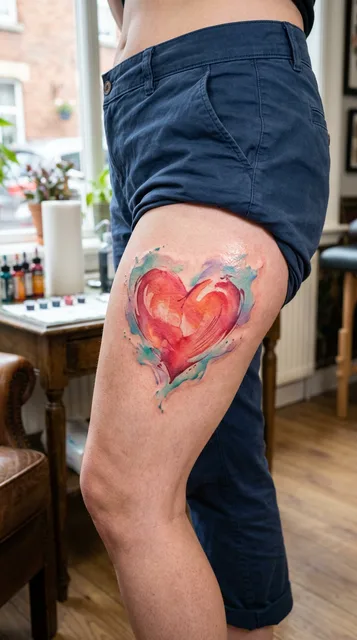
- watercolor · colourTry it on — Color watercolor heart tattoo on a woman's thigh

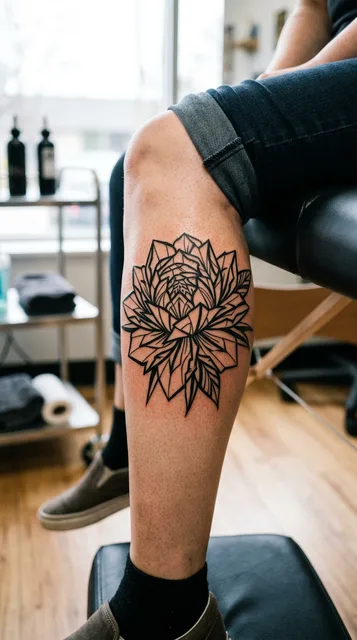
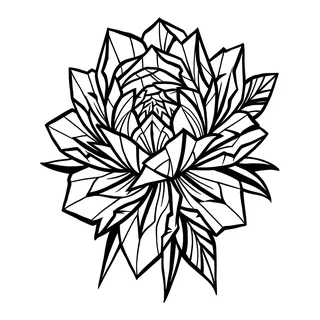
- tribal · black and whiteTry it on — Black and white tribal flower tattoo on a woman's calf
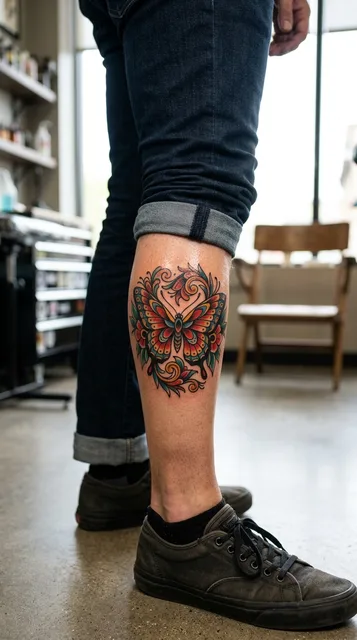
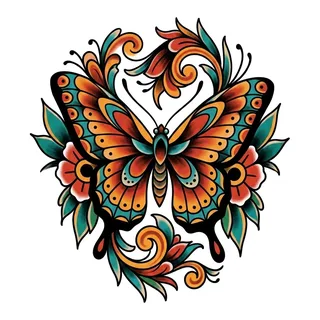
- neo traditional · colourTry it on — Color neo traditional butterfly tattoo on a man's shin
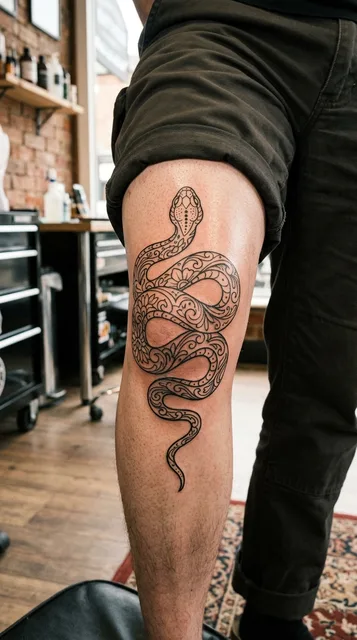
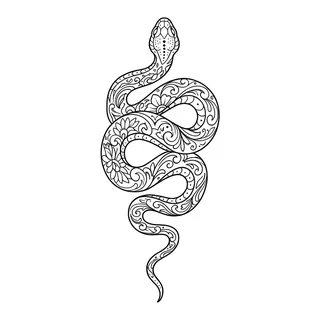
- ornamental · black and greyTry it on — Black and grey ornamental snake tattoo on a man's knee
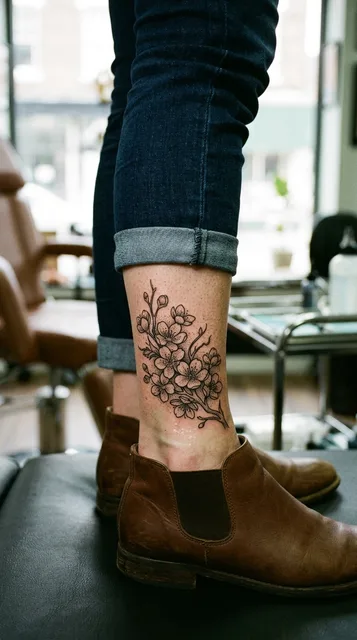
- ornamental · black and greyTry it on — Black and grey ornamental cherry blossom tattoo on a woman's ankle

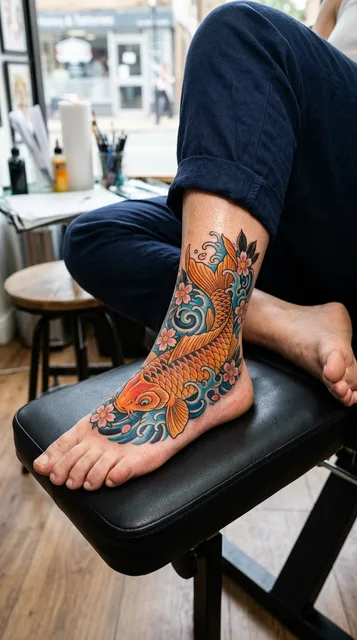
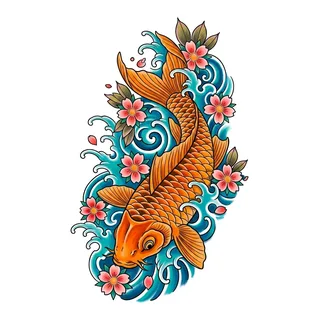
- Japanese · colourTry it on — Color Japanese koi fish tattoo on a woman's foot
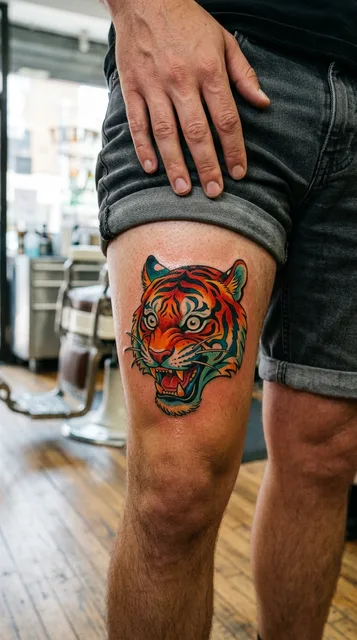
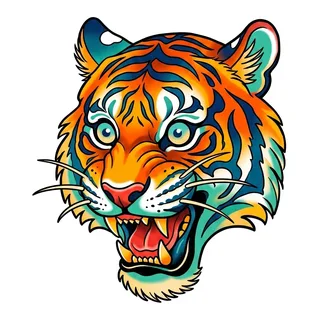
- new school · colourTry it on — Color new school tiger tattoo on a man's thigh
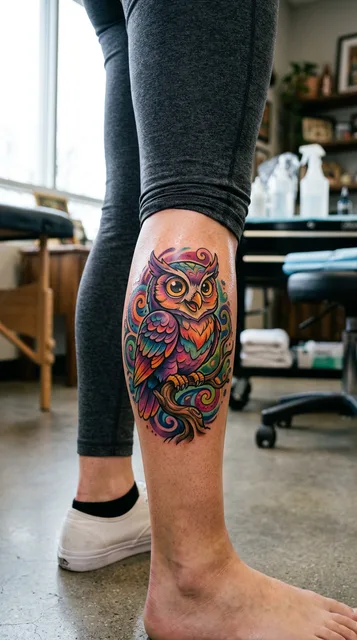
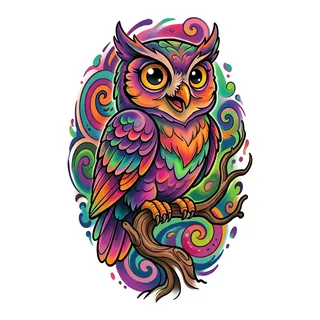
- new school · colourTry it on — Color new school owl tattoo on a woman's calf
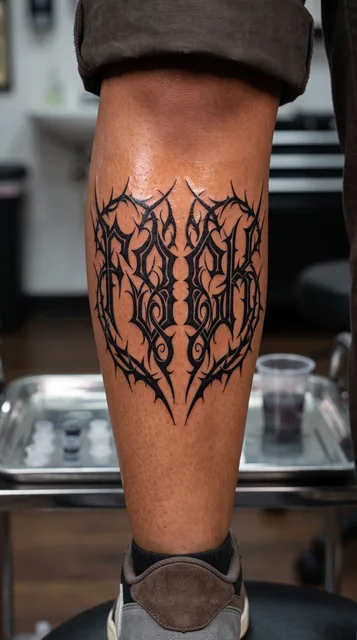
- blackwork · black and whiteTry it on — Black and white blackwork ornament tattoo on a man's shin

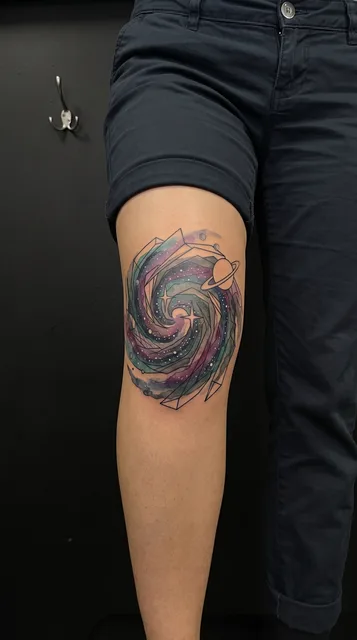
- watercolor · colourTry it on — Color watercolor galaxy tattoo on a woman's knee

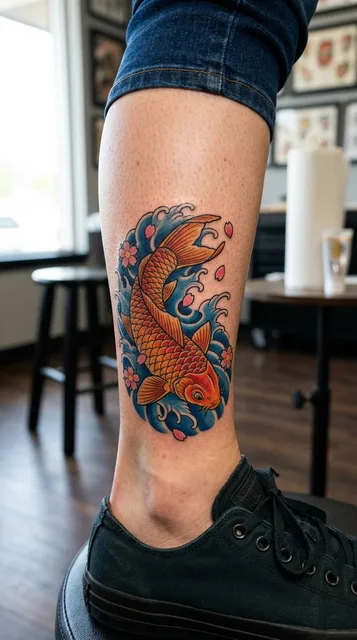
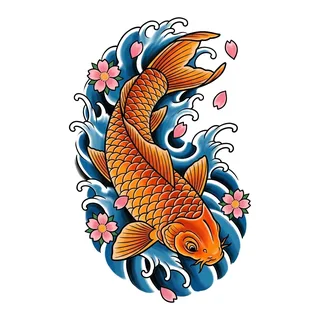
- Japanese · colourTry it on — Color Japanese koi tattoo on a woman's ankle
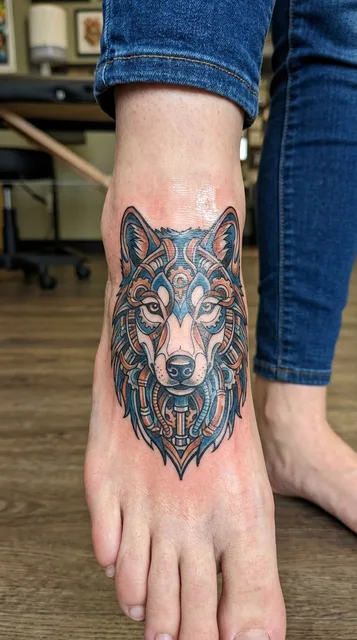
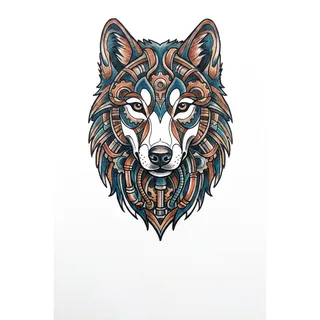
- biomechanical · colourTry it on — Color biomechanical wolf tattoo on a woman's foot
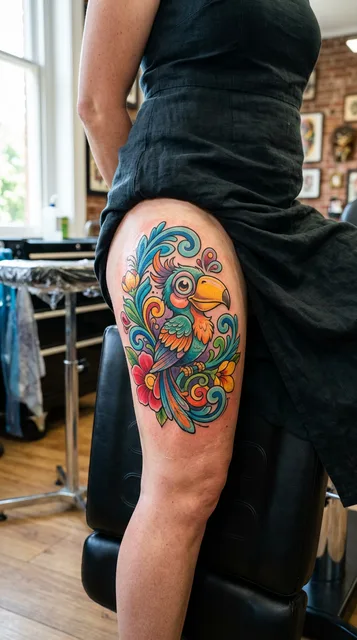
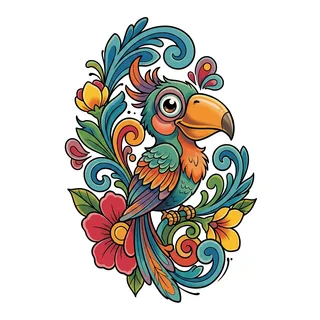
- new school · colourTry it on — Color new school parrot tattoo on a woman's thigh
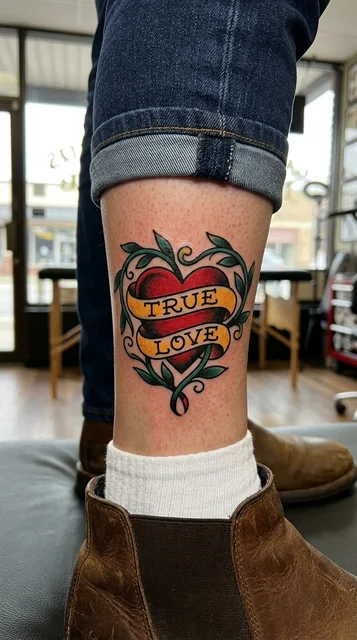
- traditional · colourTry it on — Color traditional heart tattoo on a man's calf

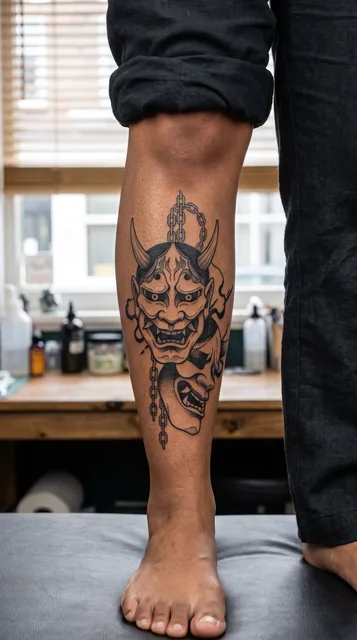
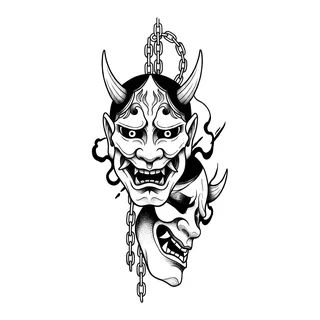
- Japanese · black and greyTry it on — Black and grey Japanese masks tattoo on a woman's shin
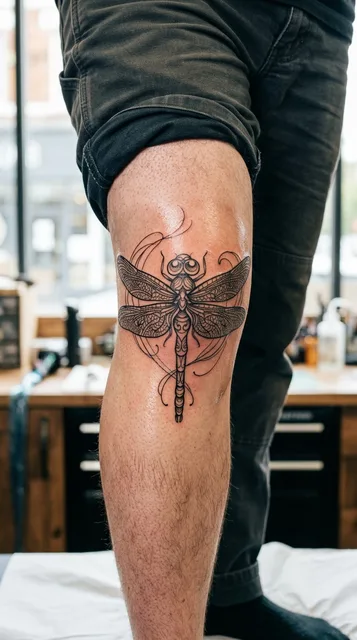
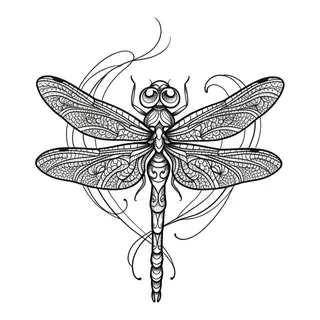
- illustrative · black and greyTry it on — Black and grey illustrative dragonfly tattoo on a man's knee
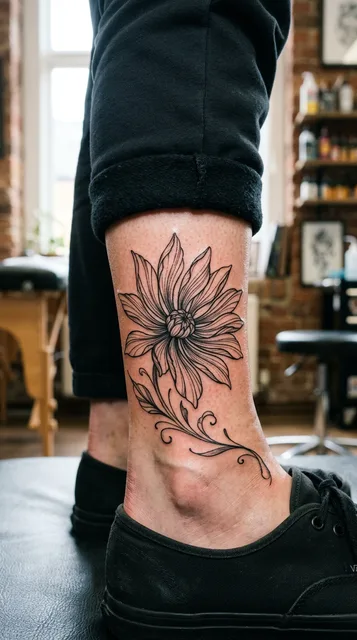
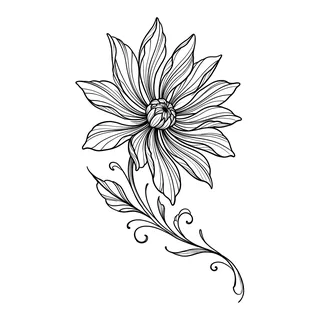
- linework · black and whiteTry it on — Black and white linework flower tattoo on a woman's ankle
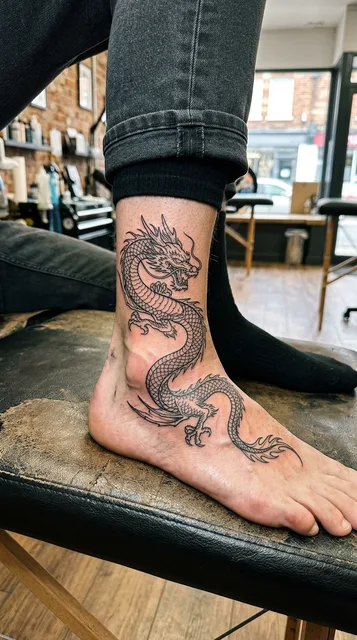
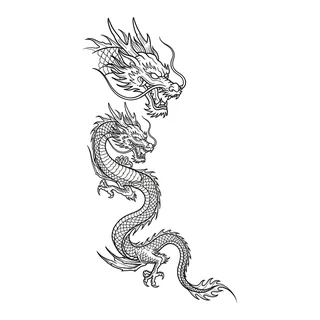
- illustrative · black and greyTry it on — Black and grey illustrative dragon tattoo on a man's foot
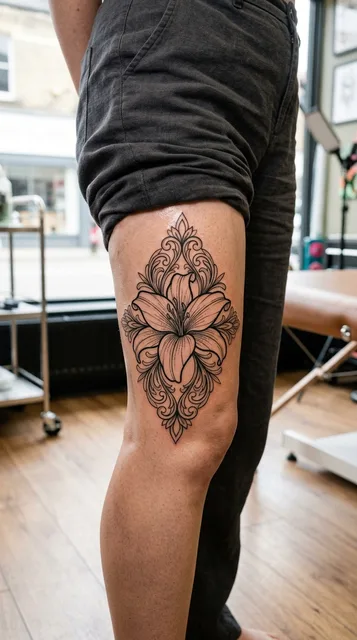
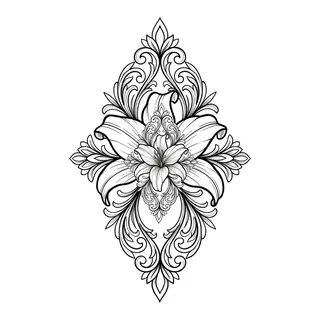
- ornamental · black and greyTry it on — Black and grey ornamental flower tattoo on a woman's thigh
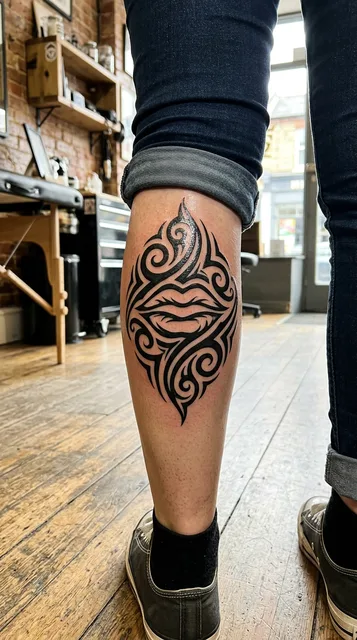
- tribal · black and whiteTry it on — Black and white tribal lips tattoo on a woman's calf

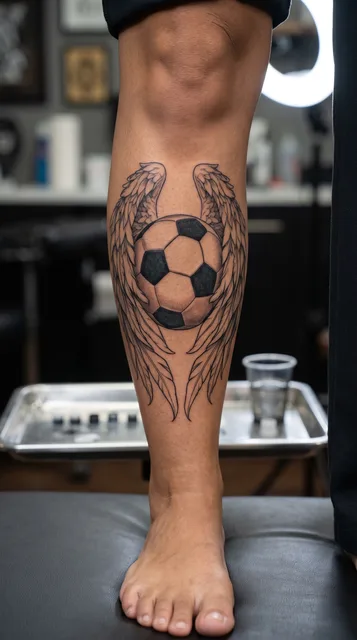
- illustrative · black and greyTry it on — Black and grey illustrative soccer ball tattoo on a woman's shin

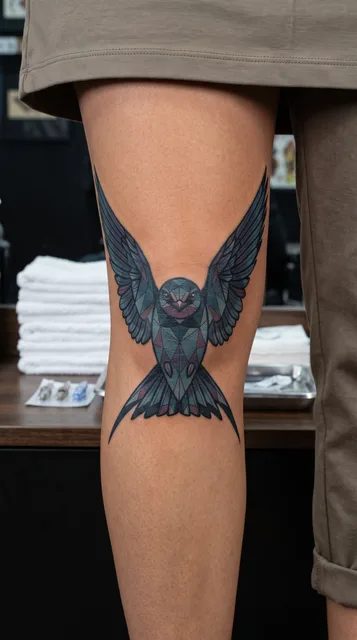
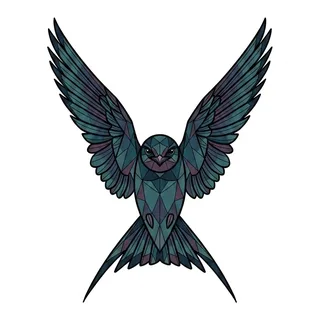
- geometric · colourTry it on — Color geometric bird tattoo on a woman's knee
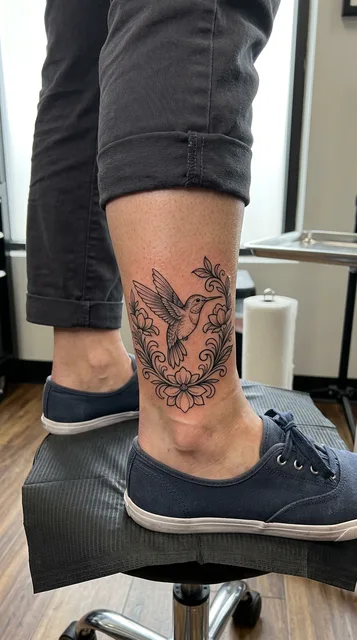
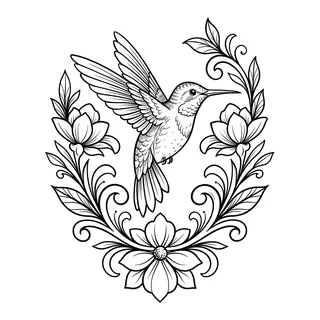
- ornamental · black and greyTry it on — Black and grey ornamental hummingbird tattoo on a woman's ankle
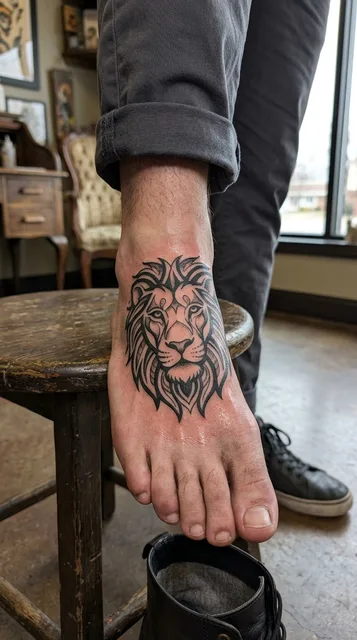
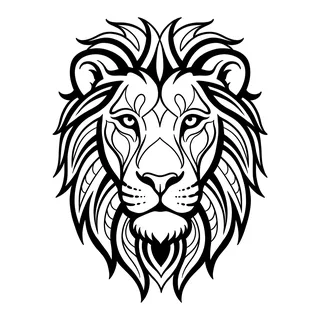
- tribal · black and whiteTry it on — Black and white tribal lion tattoo on a man's foot
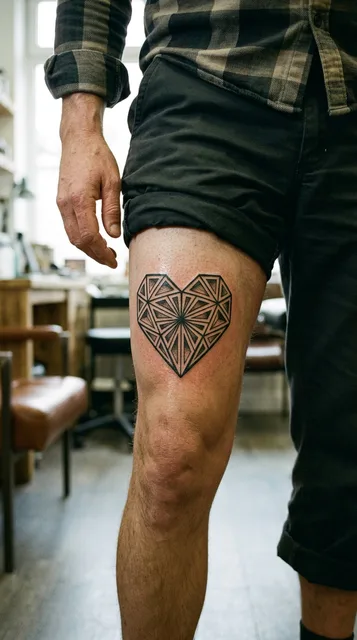
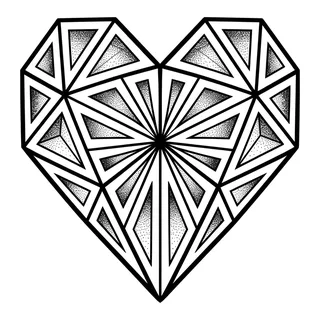
- geometric · black and whiteTry it on — Black and white geometric heart tattoo on a man's thigh
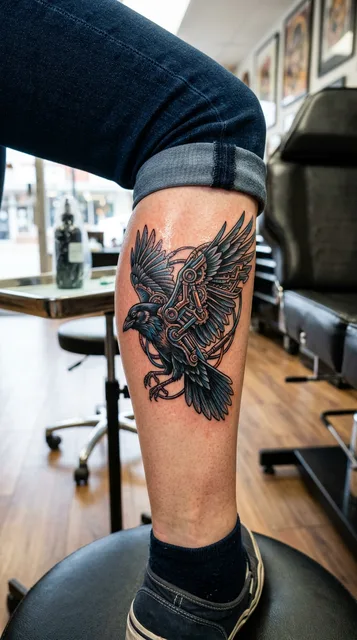
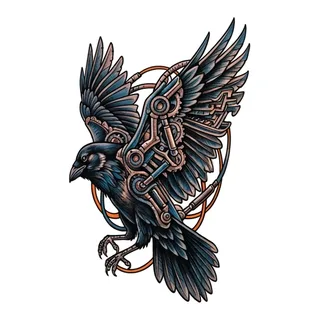
- biomechanical · colourTry it on — Color biomechanical raven tattoo on a woman's calf
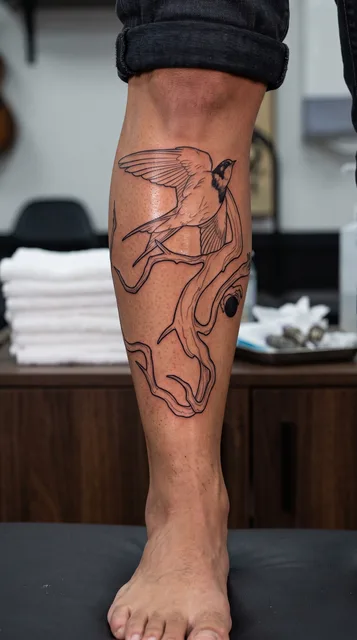
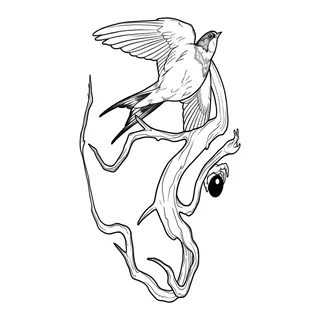
- linework · black and whiteTry it on — Black and white linework bird tattoo on a man's shin
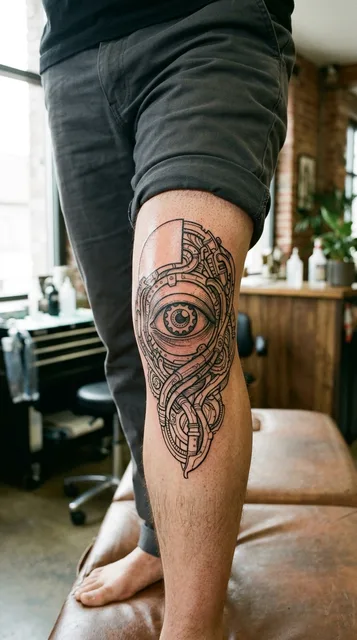
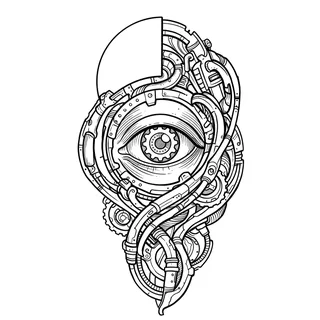
- biomechanical · black and greyTry it on — Black and grey biomechanical eye tattoo on a man's knee
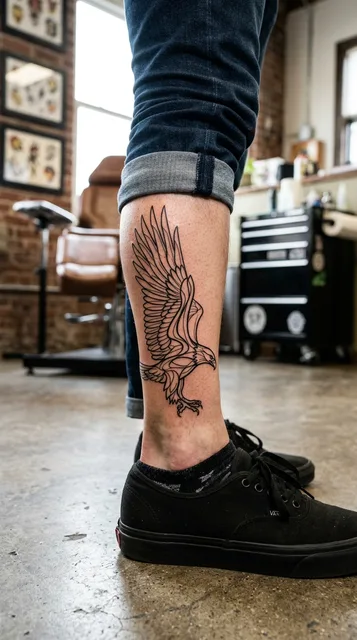
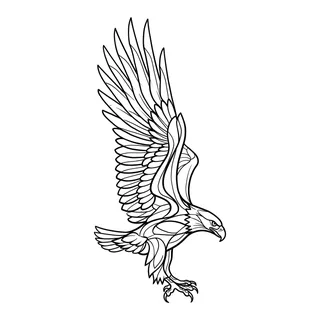
- linework · black and whiteTry it on — Black and white linework eagle tattoo on a man's ankle
- fine line · black and whiteTry it on — Black and white fine line moon tattoo on a man's foot
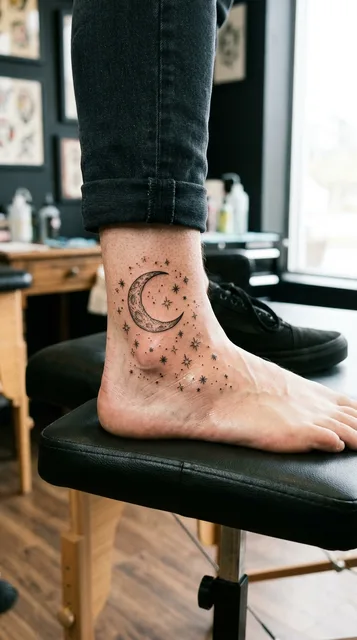



Every pair is one tattoo: the design as it was drawn, and a photograph of that same design on the body.
These 30 tattoos on the leg, in numbers
- Body parts
- 6
- Black and grey
- 18
- Colour
- 12
- Most common style
- ornamental
The largest canvas, and the joints that interrupt it
The leg is where large work is easiest and least often done. The outer thigh is the widest, flattest, least painful surface most people have, and it is covered by ordinary clothes for most of the year. The calf is its smaller twin, a rounded panel that wraps well and shows in shorts. Between and around them sit the shin, the knee, the ankle and the foot, which are bone under thin skin and behave like different body parts entirely, because for a tattoo they are.
That split decides the plan. Large compositions belong on the thigh and the calf, where the skin is stable and the muscle takes the vibration of the machine. Small, bold pieces belong on the ankle and the foot, where anything fine closes up and anything large is interrupted by the joint. The shin holds a long, narrow piece well and hurts doing it. The knee is the one part of the leg most artists will steer a first-timer away from.
The photographs here deal one pair from each part in turn, thigh first, so the page reads as a leg and not as a thigh page under another title. Each pair is a design and that design on the part, and the part pages below say what each spot costs in pain, healing and visibility.
Planning a leg: top down, outside first
Legs are planned from the thigh down. A thigh piece sets the scale and the direction of everything below it, and a leg sleeve, which is rarer than an arm sleeve and takes longer, is built from the thigh and the calf with the knee left as the join. Starting at the ankle and working up produces the same problem as starting at the wrist on an arm: the small early piece sits where the large later piece needed to resolve.
The outer surfaces are the safe first choices for the same reasons they are on the arm. The outer thigh and the outer calf are gentle, flat and easy to absorb into a larger piece later; the inner thigh and the back of the knee are among the most painful spots on the body and are best left for people who already know how they sit. A first leg tattoo on the outer thigh at fifteen to twenty centimetres is a normal, comfortable session.
Direction matters on a leg more than on an arm. Legs are seen from the front and the side by other people, and from above by you. A piece drawn to be read from your own viewpoint, looking down at your thigh, is upside down to everyone else. Decide who the tattoo is for, place the stencil, and look at it in a full-length mirror from across the room before it is inked, or place it on a photograph of your leg taken from where other people stand.
Shorts, socks and the swelling
A leg tattoo is hidden for most of the year in most climates, which is why people who cannot show tattoos at work end up with their largest and best pieces there. The exceptions are the ankle and the foot, which show in every shoe below a boot, and the lower calf, which shows in shorts and skirts. Decide which of those two lives you want the piece to have before deciding where it goes.
Healing on the leg has one problem the arm does not: gravity. Blood pools in the lower leg, so fresh tattoos on the shin, the ankle and the foot swell more, weep more and take longer to settle than the same work higher up. Keep the leg raised when you can for the first few days, skip the gym and long walks for a week, and do not plan a foot tattoo two days before anything that involves shoes and standing. A calf or thigh piece is easier on every count.
Sun and friction are the long-term costs. The calf and the shin take sun in summer and sock elastic all year; the foot takes both plus the inside of a shoe. Bold work with clear outlines survives all of that; fine detail on the foot and ankle needs a touch-up within a few years and everybody who has one knows it. For the leg above the knee, none of this applies, which is one more reason the thigh is where the large, detailed pieces belong.
Common questions
- Which part of the leg hurts least to tattoo?
- The outer thigh, then the calf. Both are padded with muscle and covered by thicker skin, and the outer thigh is often the gentlest spot on the whole body. The shin, the knee, the ankle and the foot are bone under thin skin and are the parts of the leg that hurt.
- Where should a first leg tattoo go?
- The outer thigh for anything large or detailed, the outer calf for something mid-sized that shows in shorts. Both heal easily and leave room to build a larger piece later. Leave the knee, the ankle and the foot for when you know how your body handles a tattoo.
- Do leg tattoos fade faster?
- Above the knee, no; the thigh is covered and stable and ages as well as anywhere. Below the knee, the shin and calf take summer sun and the ankle and foot take shoe friction and constant use, so those fade sooner and fine detail there needs touching up within a few years.
- How long does a leg tattoo take to heal?
- Two to three weeks for the skin to close on the thigh and calf, longer on the lower leg because swelling pools there. Expect the ankle and foot to weep and swell more than anywhere else, and to need the leg raised and out of shoes for the first days.
See it on your own skin first
InkCraft places a design on a photo of you — scaled, wrapped and shaded to the spot you pick, so you can judge the size against your own body before it is permanent.