 InkCraft
Shin Tattoo Ideas, Designs and Placement Guide
39 shin tattoos photographed on skin for InkCraftBy Uladzimir TumanauUpdated

Opens in your browser. No signup. Or tap any design below.
Long, flat and highly visible, the shin is a panel with almost nothing between skin and bone. It takes detail beautifully and it is one of the sharper places on the body to sit.
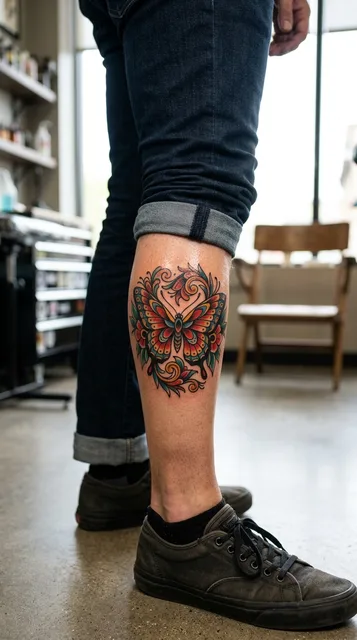
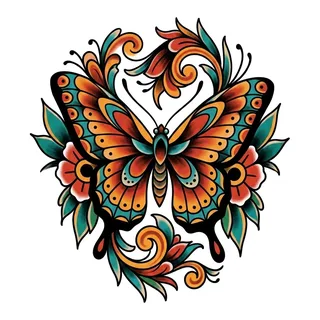
- neo traditional · colourTry it on — Color neo traditional butterfly tattoo on a man's shin
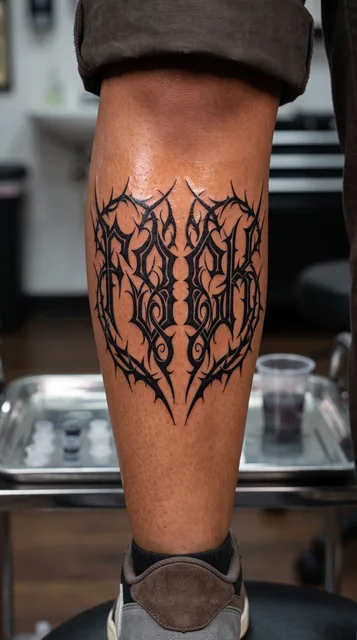
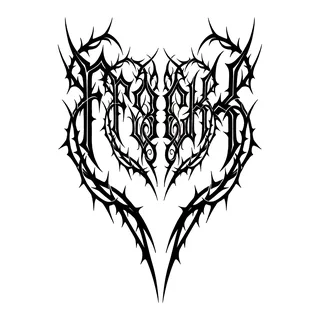
- blackwork · black and whiteTry it on — Black and white blackwork ornament tattoo on a man's shin
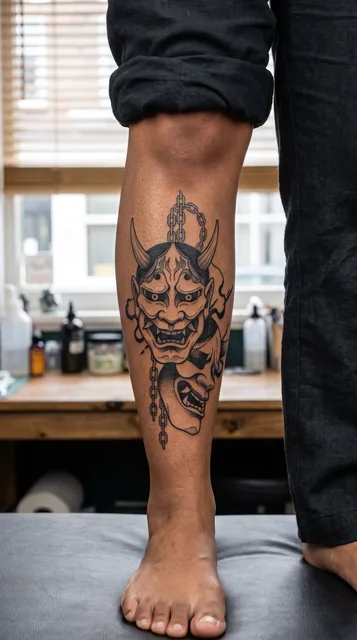
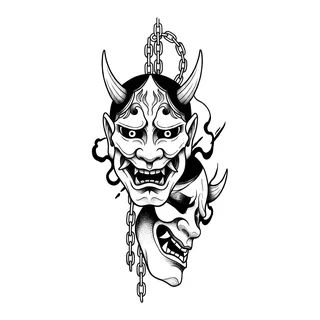
- Japanese · black and greyTry it on — Black and grey Japanese masks tattoo on a woman's shin
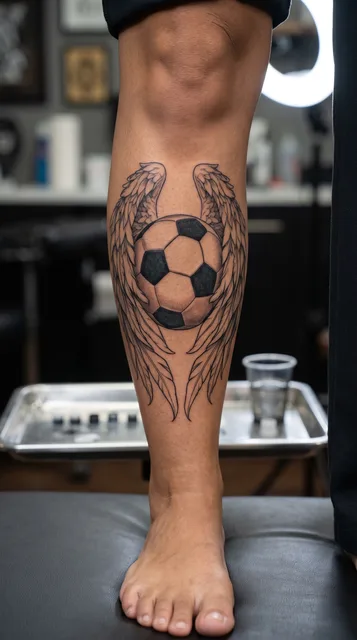
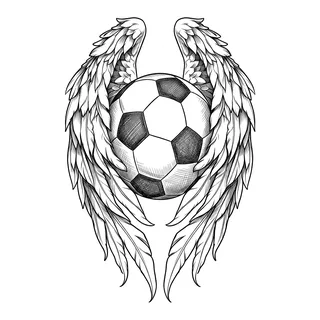
- illustrative · black and greyTry it on — Black and grey illustrative soccer ball tattoo on a woman's shin
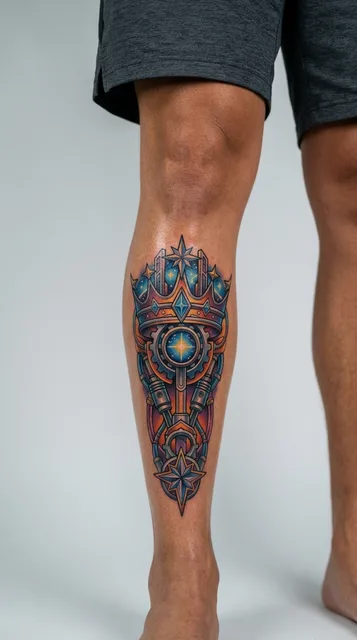
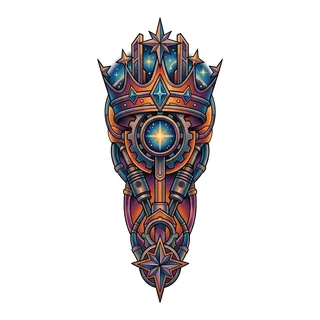
- neo traditional · colourTry it on — Color neo traditional crown tattoo on a man's shin
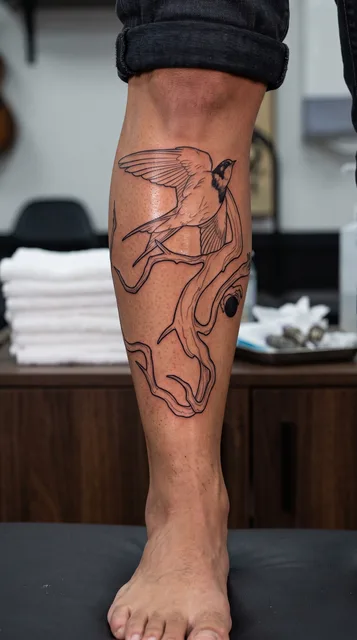
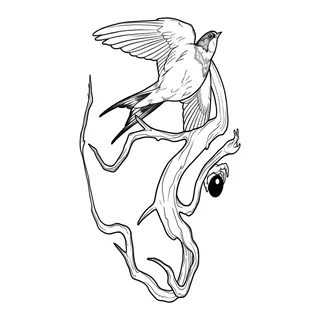
- linework · black and whiteTry it on — Black and white linework bird tattoo on a man's shin
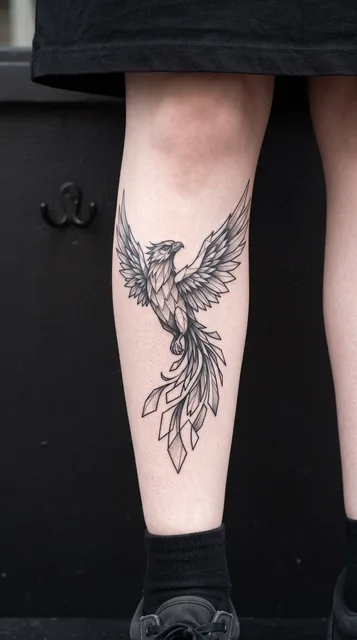
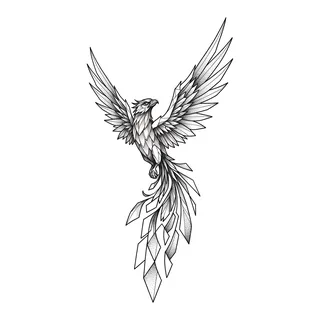
- dotwork · black and greyTry it on — Black and grey dotwork phoenix tattoo on a woman's shin
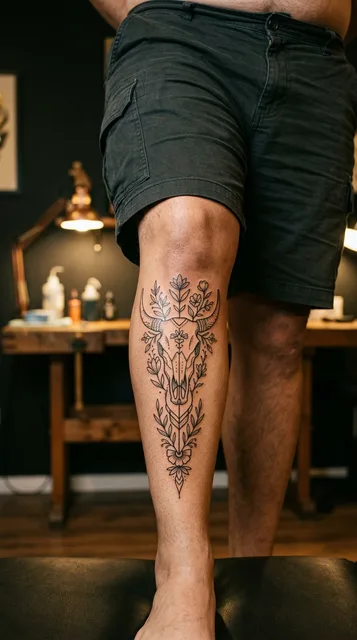
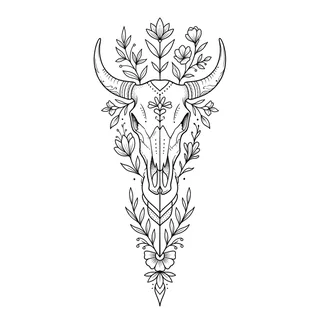
- linework · black and whiteTry it on — Black and white linework skull tattoo on a man's shin
- dotwork · black and greyTry it on — Black and grey dotwork snake dagger tattoo on a man's shin
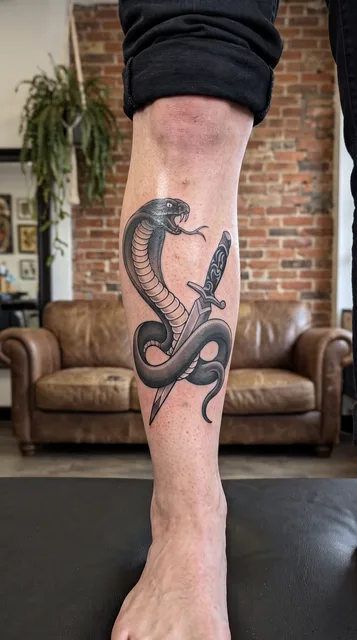
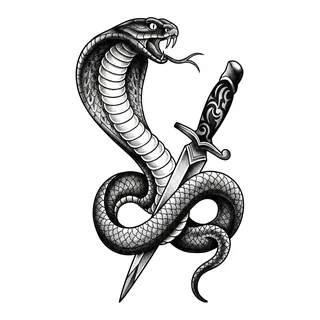
- illustrative · black and greyTry it on — Black and grey illustrative spider eye tattoo on a man's shin
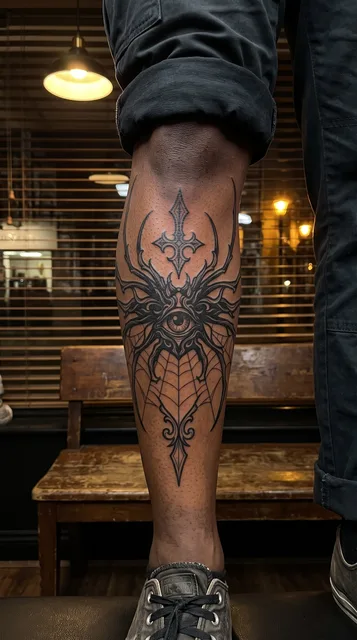
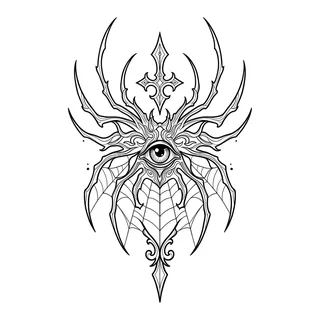
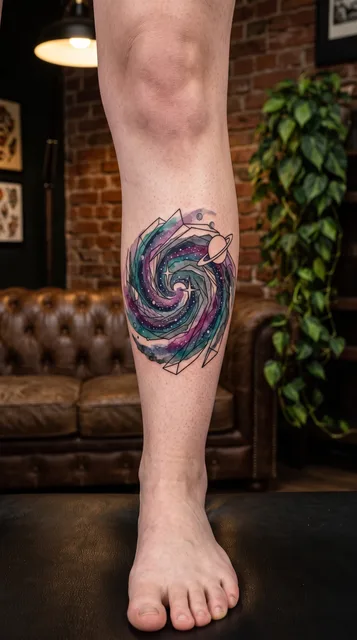
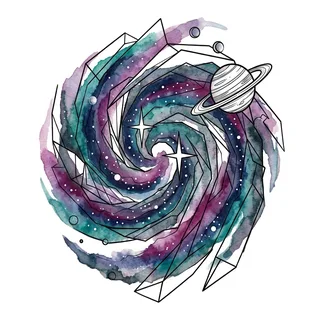
- watercolor · colourTry it on — Color watercolor galaxy tattoo on a woman's shin
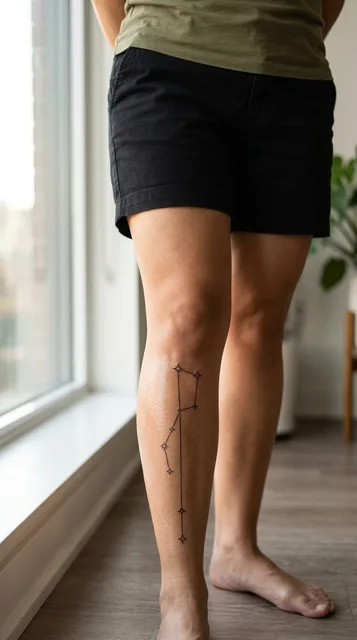
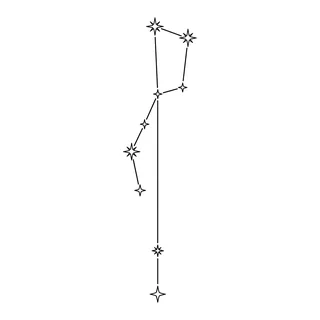
- linework · black and whiteTry it on — Black and white linework constellation tattoo on a woman's shin
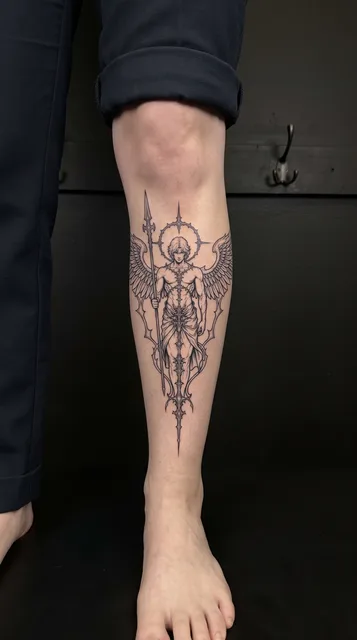
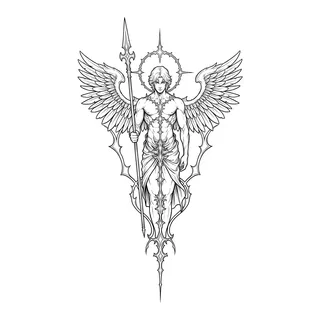
- illustrative · black and greyTry it on — Black and grey illustrative angel tattoo on a woman's shin
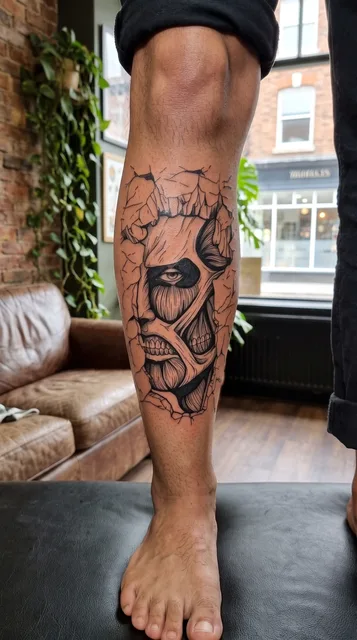
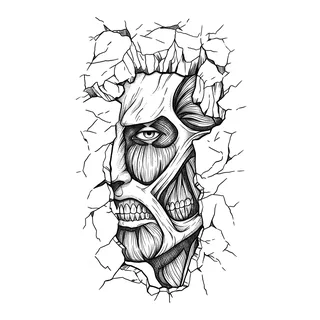
- illustrative · black and greyTry it on — Black and grey illustrative face tattoo on a man's shin
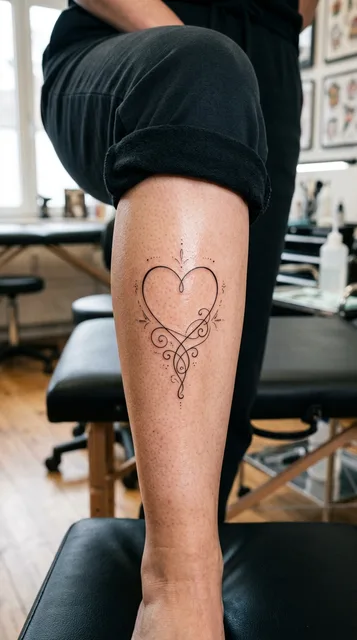
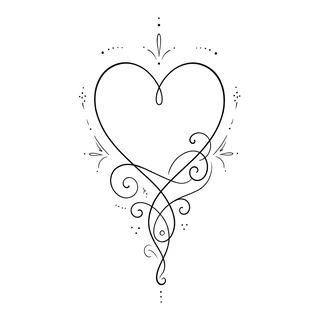
- fine line · black and whiteTry it on — Black and white fine line heart tattoo on a woman's shin
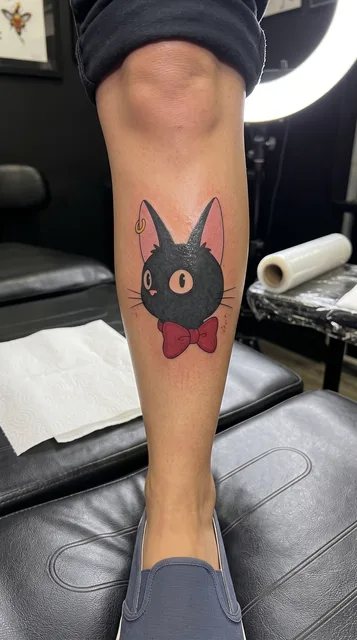
- new school · colourTry it on — Color new school cat tattoo on a woman's shin

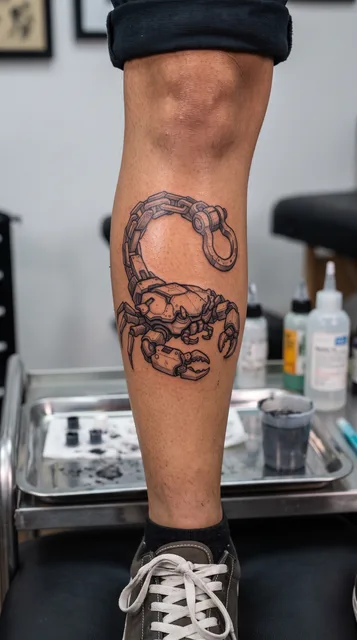
- illustrative · black and greyTry it on — Black and grey illustrative scorpion tattoo on a man's shin
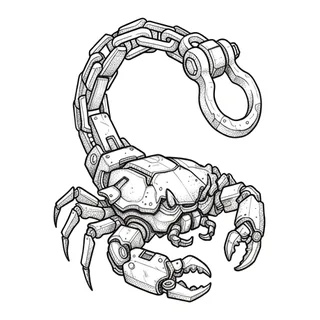
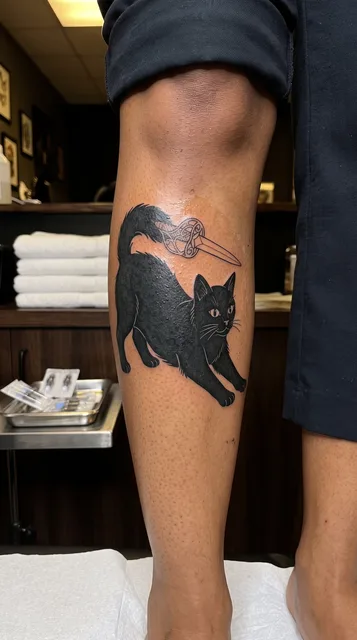
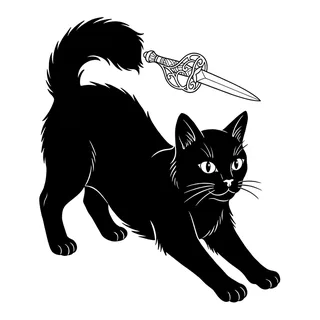
- blackwork · black and whiteTry it on — Black and white blackwork cat tattoo on a woman's shin
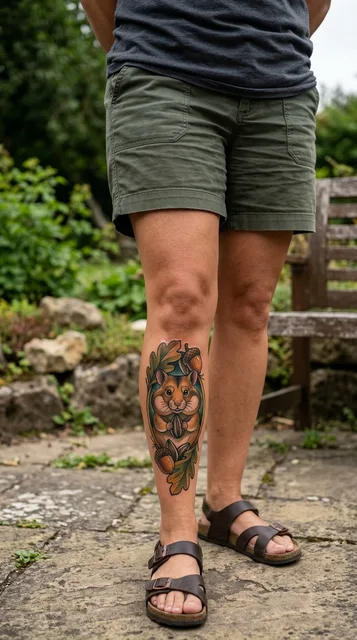
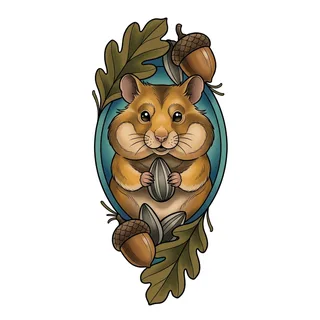
- neo traditional · colourTry it on — Color neo traditional hamster tattoo on a woman's shin
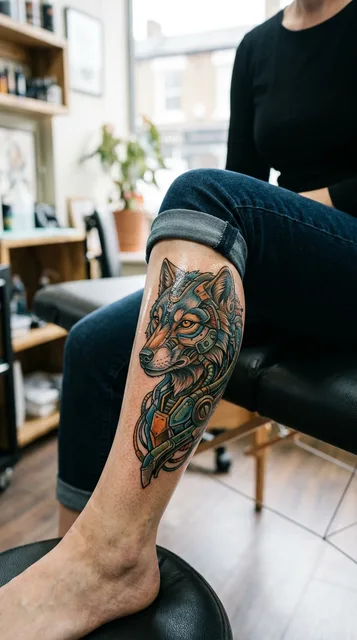
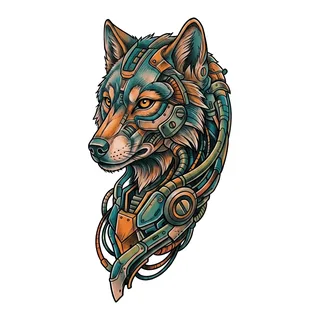
- biomechanical · colourTry it on — Color biomechanical wolf tattoo on a woman's shin
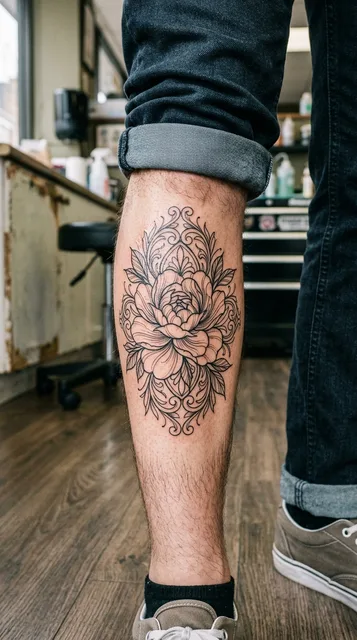
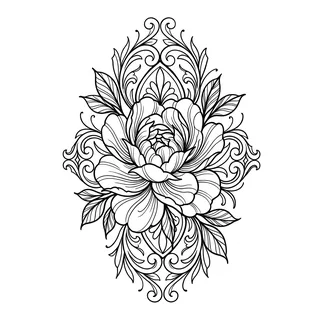
- ornamental · black and greyTry it on — Black and grey ornamental flower tattoo on a man's shin
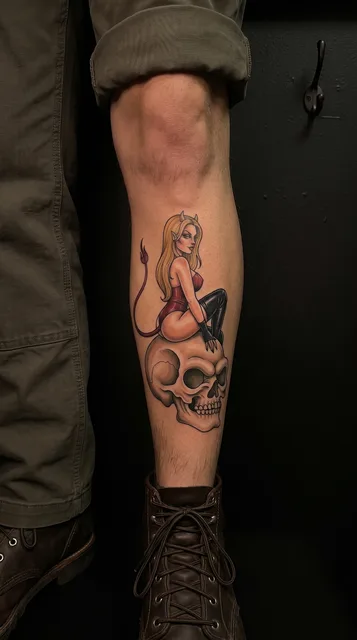
- neo traditional · colourTry it on — Color neo traditional skull tattoo on a man's shin

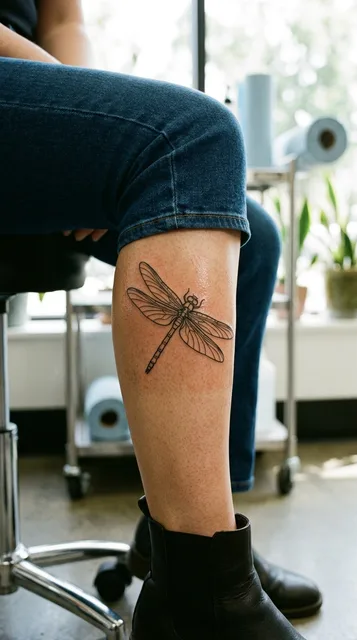
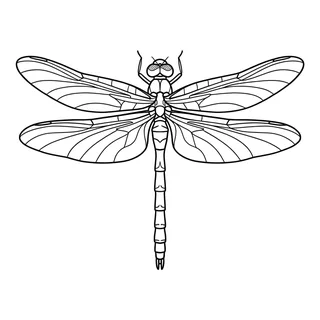
- linework · black and whiteTry it on — Black and white linework dragonfly tattoo on a woman's shin
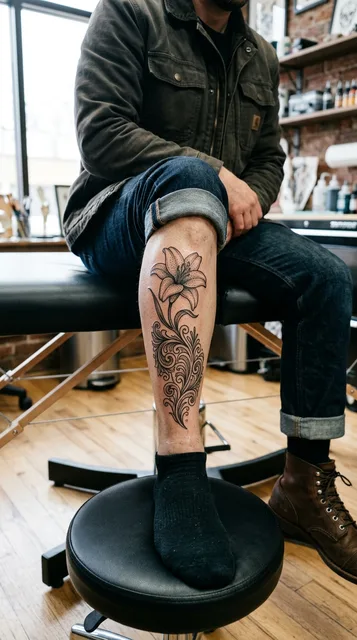
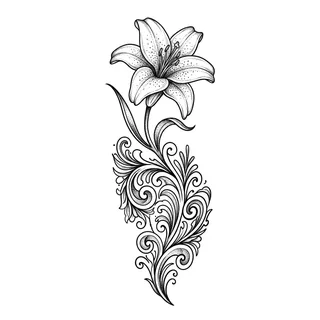
- ornamental · black and greyTry it on — Black and grey ornamental lily tattoo on a man's shin
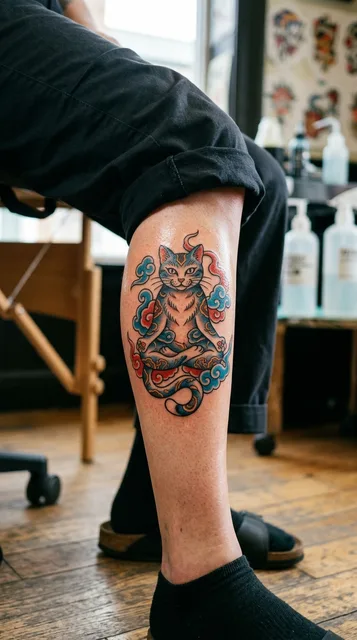
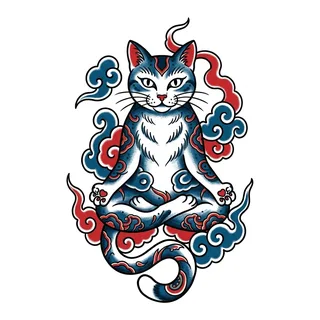
- Japanese · colourTry it on — Color Japanese cat tattoo on a woman's shin
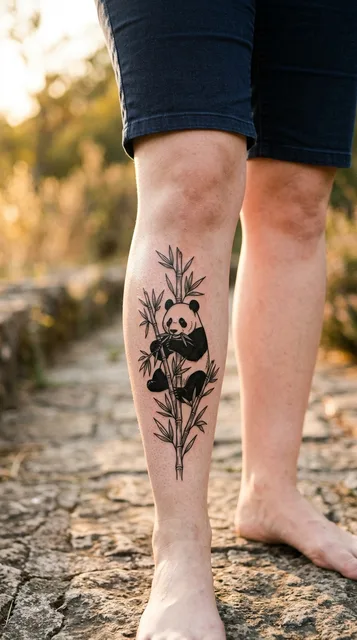
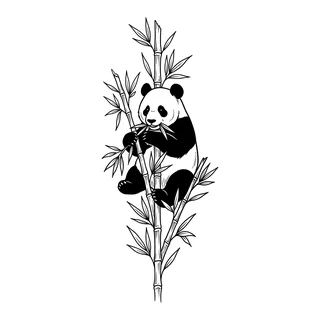
- blackwork · black and whiteTry it on — Black and white blackwork panda tattoo on a woman's shin
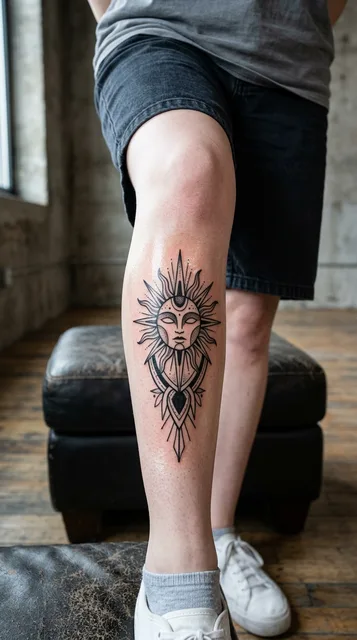
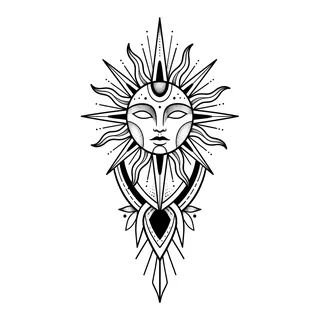
- illustrative · black and greyTry it on — Black and grey illustrative sun tattoo on a woman's shin
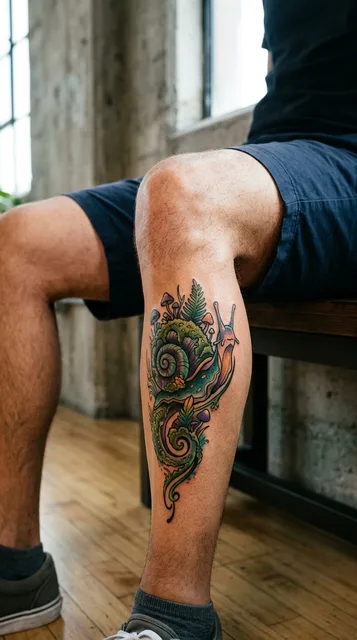
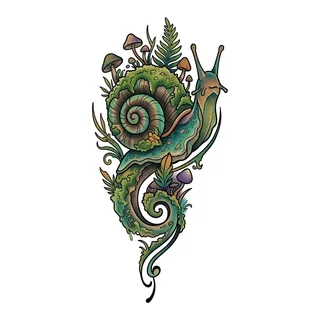
- neo traditional · colourTry it on — Color neo traditional snail tattoo on a man's shin
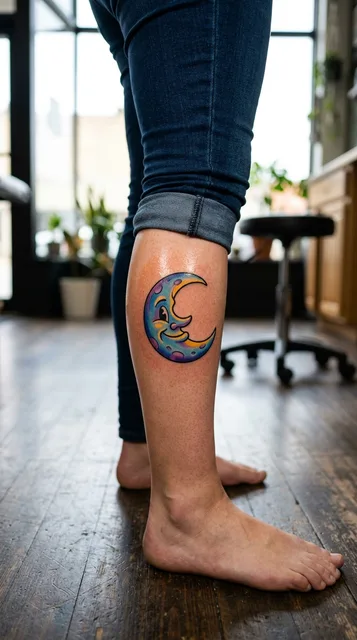
- new school · colourTry it on — Color new school moon tattoo on a woman's shin

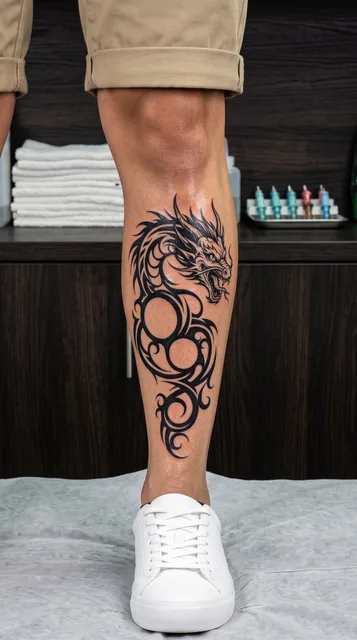
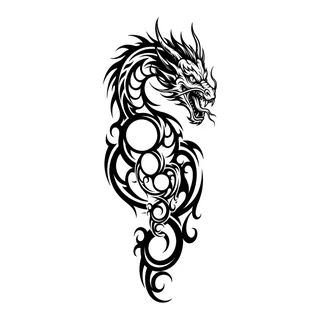
- tribal · black and whiteTry it on — Black and white tribal dragon tattoo on a woman's shin
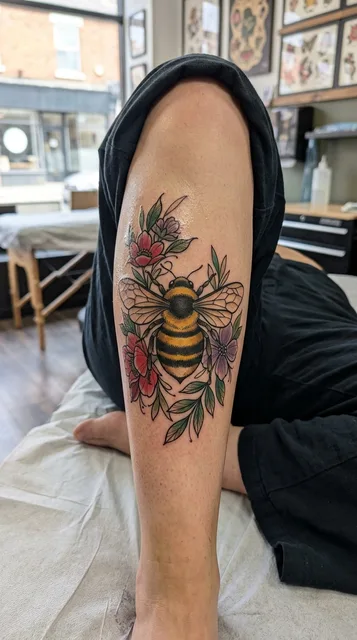
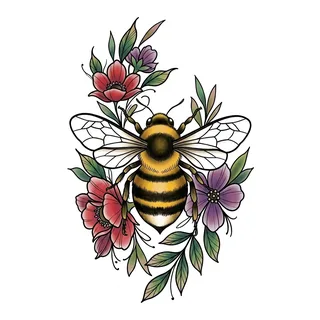
- neo traditional · colourTry it on — Color neo traditional bee tattoo on a woman's shin
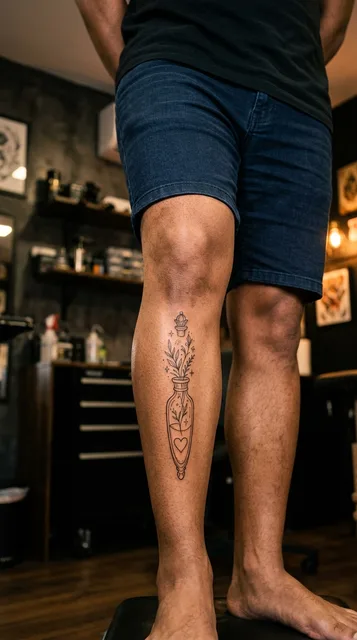
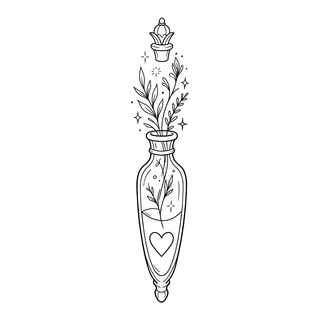
- fine line · black and whiteTry it on — Black and white fine line potion bottle tattoo on a man's shin
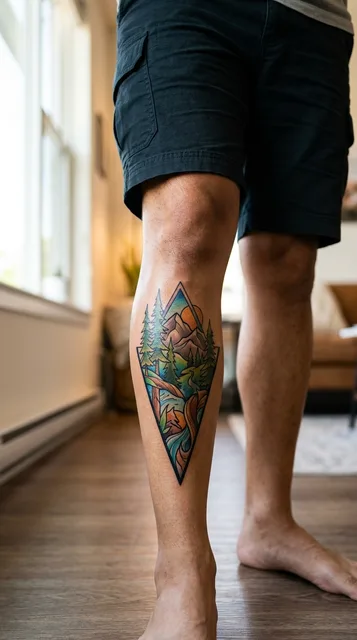
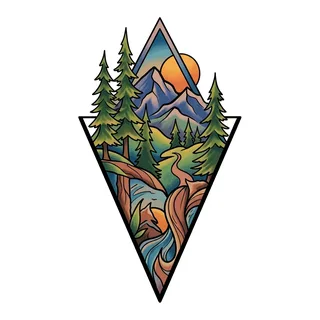
- illustrative · colourTry it on — Color illustrative mountain tattoo on a man's shin
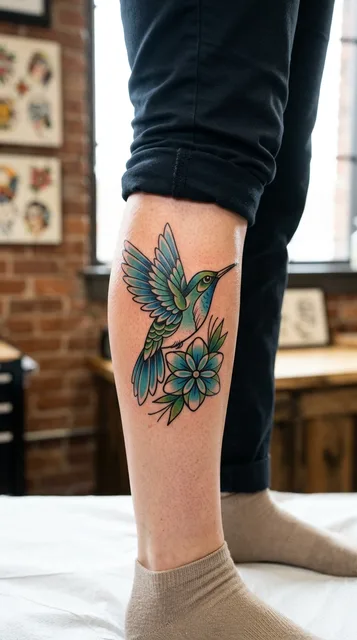
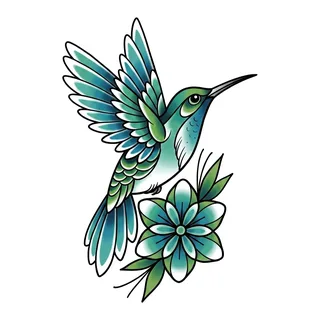
- neo traditional · colourTry it on — Color neo traditional hummingbird tattoo on a woman's shin
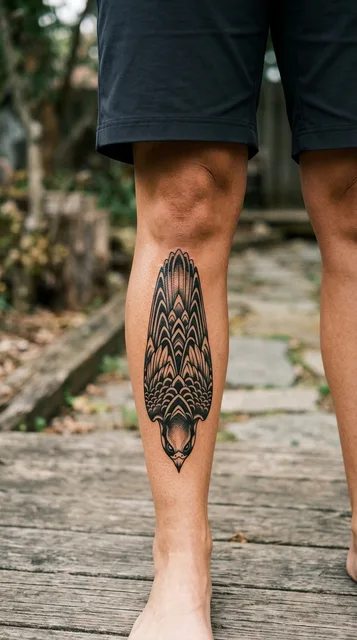
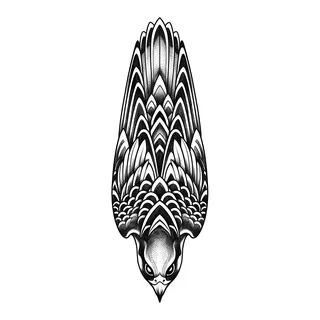
- blackwork · black and whiteTry it on — Black and white blackwork bird tattoo on a woman's shin
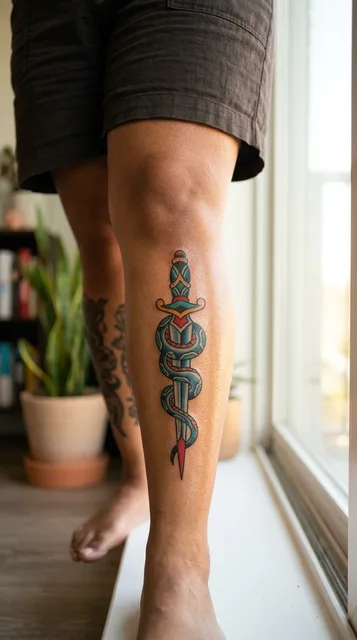
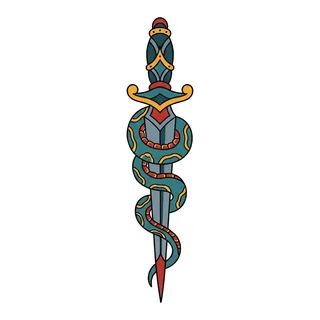
- traditional · colourTry it on — Color traditional snake and dagger tattoo on a woman's shin
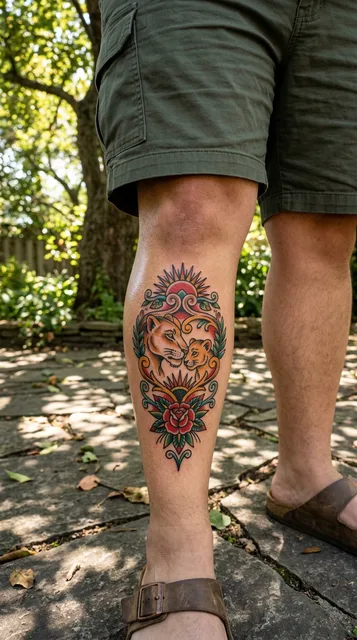
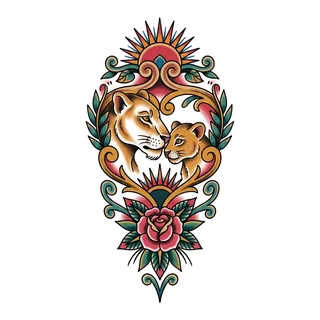
- traditional · colourTry it on — Color traditional lion tattoo on a man's shin
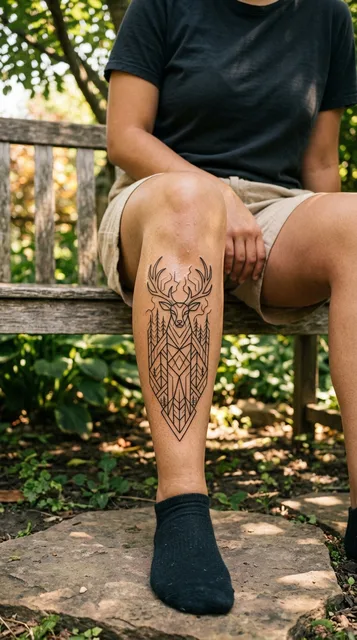
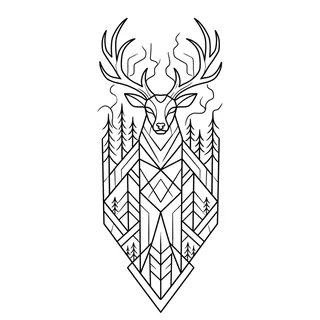
- geometric · black and whiteTry it on — Black and white geometric deer tattoo on a woman's shin
- neo traditional · colourTry it on — Color neo traditional volcano tattoo on a woman's shin
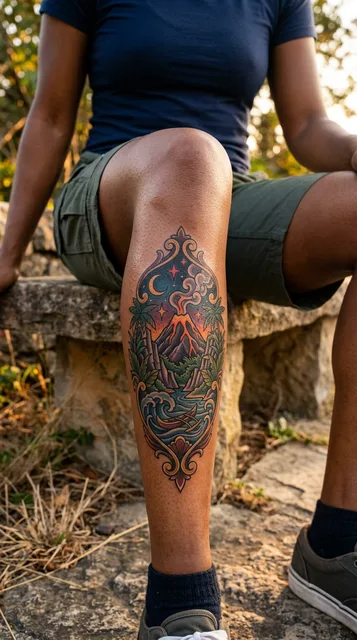
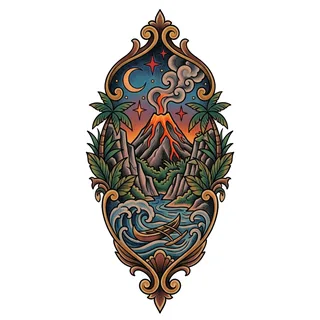


Every pair is one tattoo: the design as it was drawn, and a photograph of that same design on the shin.
These 39 shin tattoos, by the numbers
- Styles represented
- neo traditional (8), illustrative (7), blackwork (4), linework (4), dotwork (2), fine line (2)
- Black-and-grey vs colour
- 59% black-and-grey, 41% colour
- Shown on
- 23 feminine, 16 masculine presentation
Counted from the 39 tattoos shown on this page. Every design was drawn for InkCraft and photographed on this placement — none are scraped or reposted. Free to reference with a link to this page.
How a shin tattoo wears
The tibia runs directly beneath the skin for the whole length of the shin, with barely any fat or muscle over it. That has one large advantage and one large cost. The advantage is a flat, stable, almost tabletop surface: lines stay straight, symmetrical designs stay symmetrical, and the area barely moves in normal use, so what is drawn is very close to what stays. The cost is felt during the session.
Because the shin is essentially a vertical panel, it suits long compositions that would be awkward almost anywhere else — botanical work, columns of ornament, narrative pieces read top to bottom. There is no joint interrupting it between knee and ankle, which is unusual on a limb.
Ink holds well here over time. The skin is thin but not fragile, sun exposure is seasonal rather than constant, and nothing rubs it the way a sleeve rubs a forearm. The main long-term consideration is that thin skin over bone shows ageing a little more plainly than a padded area does, which nudges the choice toward slightly bolder work than you might pick for a thigh.
Pain and healing
This is the placement people warn each other about, and the warning is fair. Working directly over the tibia produces a hard, resonant, vibrating pain rather than a hot scratching one, and there is no padding anywhere along it to take the edge off. It is not the worst placement on the body — most people rank ribs, spine and the top of the foot alongside or above it — but it is genuinely demanding and it does not ease as the session goes on. Healing, by contrast, is easy: the area is stable, uncreased, and simple to keep clean.
The tattoo pain chart ranks the shin against the other twenty-five body parts on this site, and says why. The aftercare guide has a row for healing a shin tattoo specifically: what gets in the way here, and the one thing to do about it.
Choosing a design that suits it
- Use the length. A tall narrow composition is what this placement is uniquely good for, and squeezing a square design onto it wastes the shape.
- Favour slightly bolder linework than you would choose for a padded area — thin skin over bone shows softening sooner.
- Straight lines and symmetry are safe here in a way they are not on a curved surface; if a design depends on precision, the shin will keep it.
- Plan for breaks. Book with an artist who is relaxed about pausing, because sitting through this one is the hard part, not healing it.
Size, cost and who sees it
How big, and what it costs
Two or three shorter sittings rather than one long one is how most shin pieces get done, and that is a comfort decision rather than a technical one. The hourly cost is ordinary; the practical cost is that you will probably want less time per visit than you would on a thigh. Factor that into the schedule rather than into the budget.
Who will see it
Visible any time you wear shorts and completely hidden by trousers, which makes it seasonal in most climates. It is also one of the placements you see easily on yourself, sitting down — which sounds trivial and matters more than people expect for a piece you chose to look at.
What to ask your artist
- Can we split this across sessions, and where would the natural break be?
- Would you thicken anything given how thin the skin is over the bone here?
- How do we use the full length rather than centring the design?
- What is your approach to breaks during a shin session?
Prices vary widely by city and artist — treat these as session lengths rather than quotes, and expect a shop minimum on anything small. The cost guide puts the shin in a table with the other twenty-five placements.
Common questions
Is a shin tattoo really that painful?
It is genuinely one of the sharper placements, because there is essentially nothing between the needle and the tibia. The sensation is a deep vibration rather than a surface scratch. Most people manage it in shorter sessions.
Does the shin hold detail well?
Very well. It is flat, stable and barely moves, so fine work stays where it was put. It is one of the better placements on the body for anything that depends on straight lines or symmetry.
Shin or calf, if I cannot decide?
Calf if comfort matters most and you want a rounded, muscular surface. Shin if the design is tall and precise and you want it flat. They are the two faces of the same section of leg and suit genuinely different work.
See it on your own shin
InkCraft places a design on a photo of you — scaled, wrapped and shaded to the placement you pick, so you can judge it before it is permanent.