 InkCraft
Knee Tattoo Ideas, Designs and Placement Guide
40 knee tattoos photographed on skin for InkCraftBy Uladzimir TumanauUpdated

Opens in your browser. No signup. Or tap any design below.
The knee is a joint that folds almost double, and that single fact governs everything: what suits it, how it heals, and why symmetrical designs are the traditional answer.
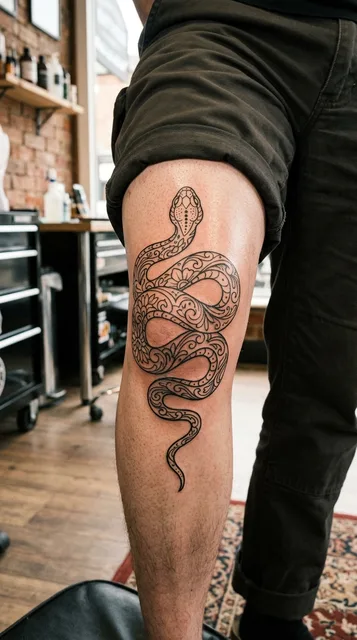
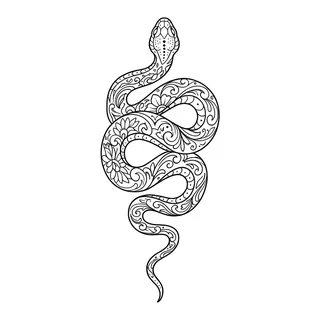
- ornamental · black and greyTry it on — Black and grey ornamental snake tattoo on a man's knee
- ornamental · black and greyTry it on — Black and grey ornamental abstract tattoo on a woman's knee
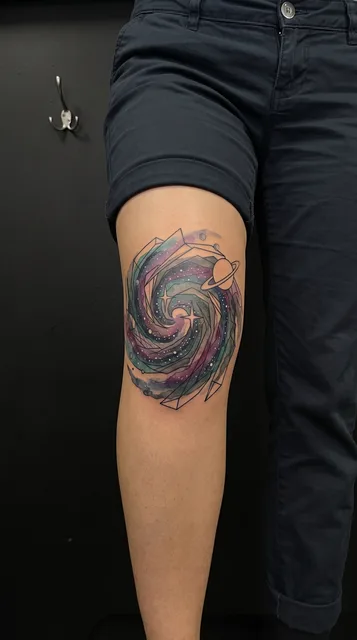
- watercolor · colourTry it on — Color watercolor galaxy tattoo on a woman's knee

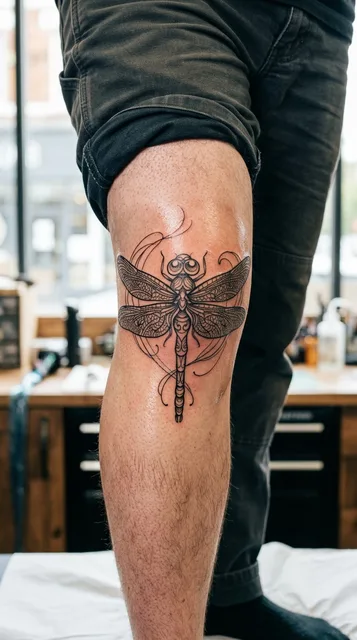
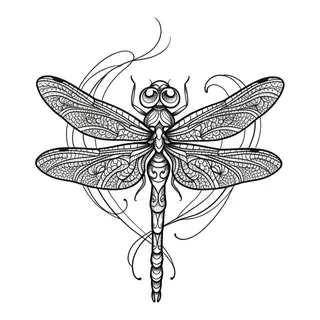
- illustrative · black and greyTry it on — Black and grey illustrative dragonfly tattoo on a man's knee
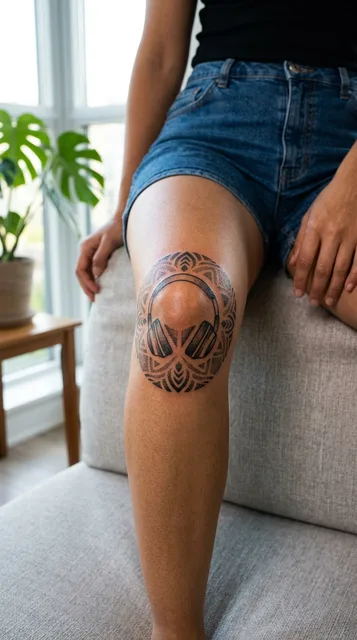
- dotwork · black and greyTry it on — Black and grey dotwork headphones tattoo on a woman's knee

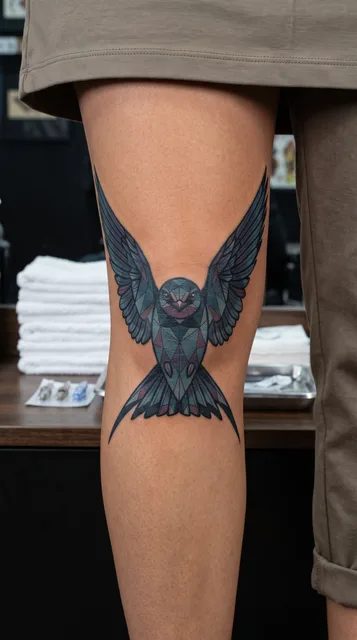
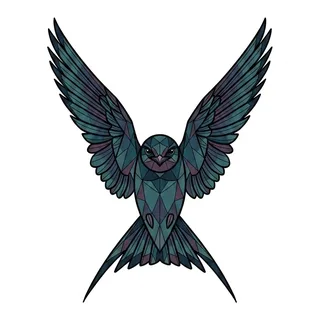
- geometric · colourTry it on — Color geometric bird tattoo on a woman's knee
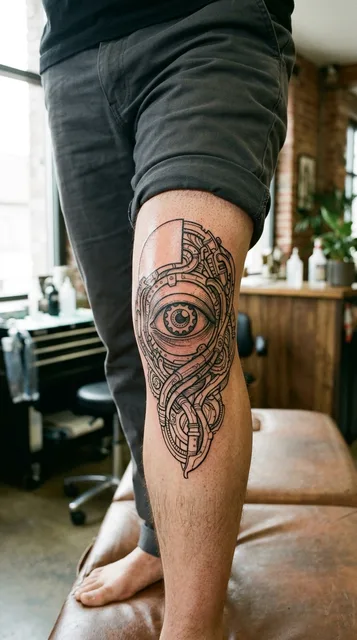
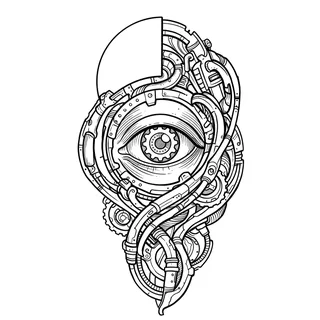
- biomechanical · black and greyTry it on — Black and grey biomechanical eye tattoo on a man's knee
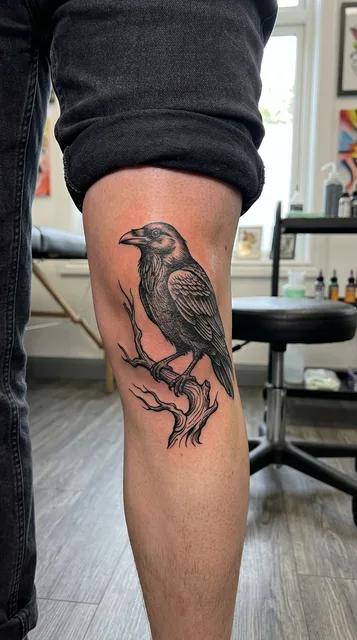
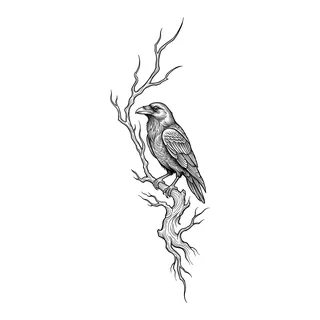
- illustrative · black and greyTry it on — Black and grey illustrative raven tattoo on a man's knee
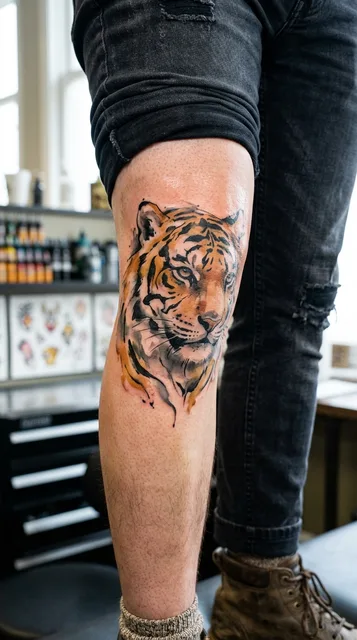
- watercolor · colourTry it on — Color watercolor tiger tattoo on a man's knee

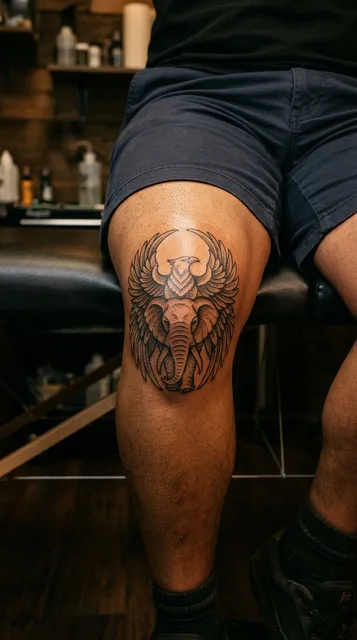
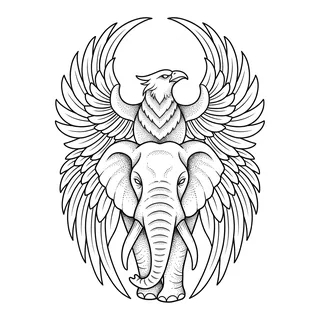
- dotwork · black and greyTry it on — Black and grey dotwork elephant tattoo on a man's knee
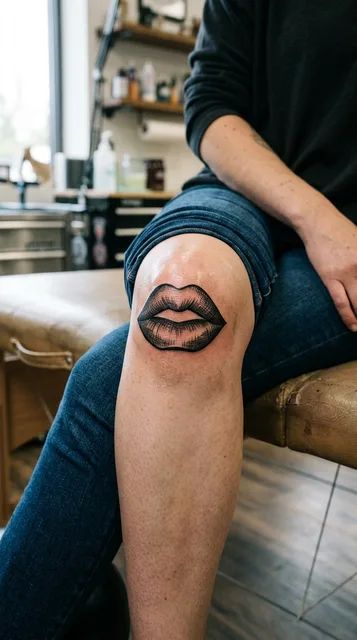
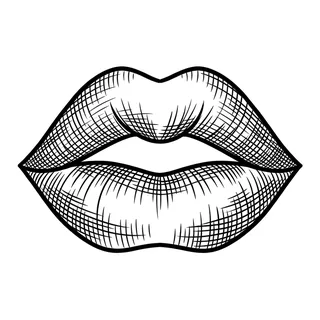
- illustrative · black and greyTry it on — Black and grey illustrative lips tattoo on a woman's knee
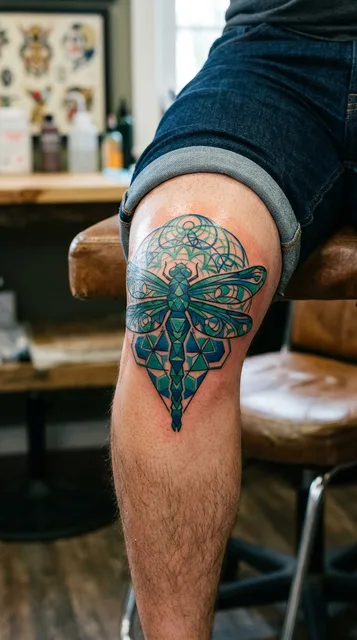
- geometric · colourTry it on — Color geometric dragonfly tattoo on a man's knee

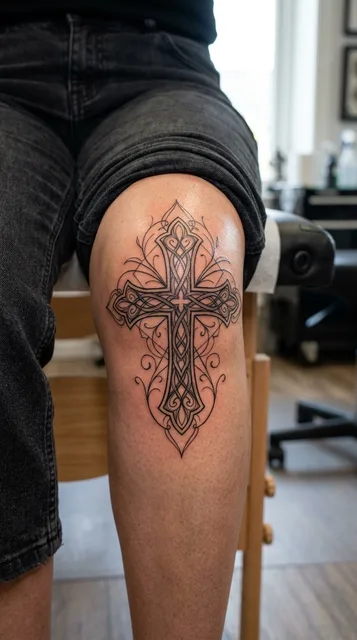
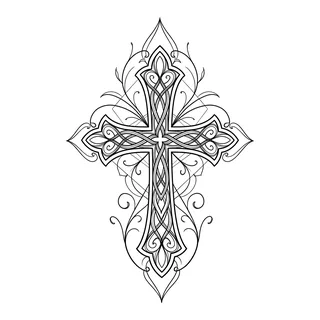
- linework · black and whiteTry it on — Black and white linework cross tattoo on a woman's knee
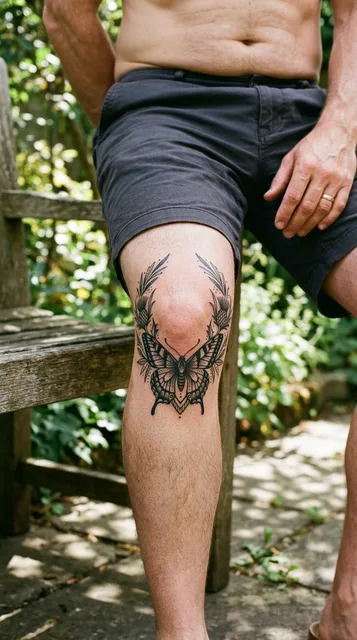
- linework · black and whiteTry it on — Black and white linework butterfly tattoo on a man's knee

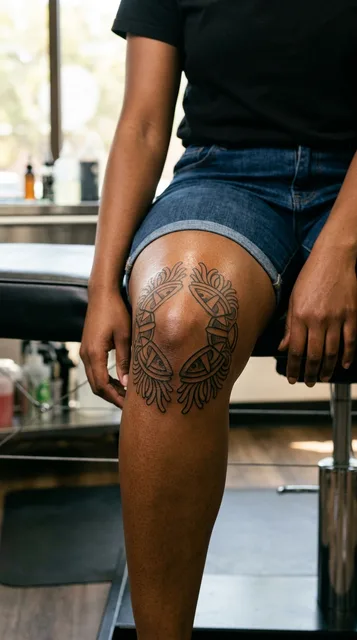
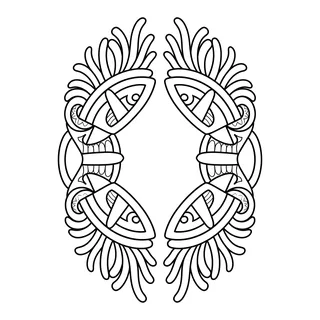
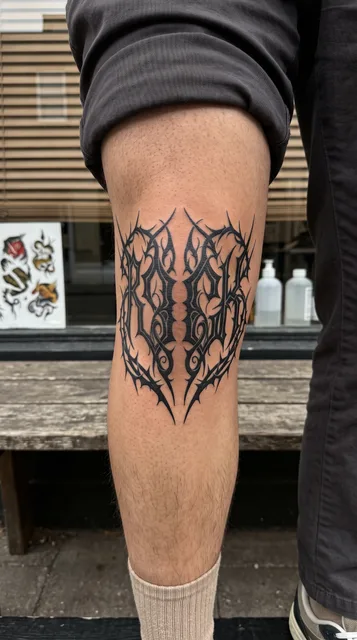
- tribal · black and whiteTry it on — Black and white tribal ornament tattoo on a man's knee

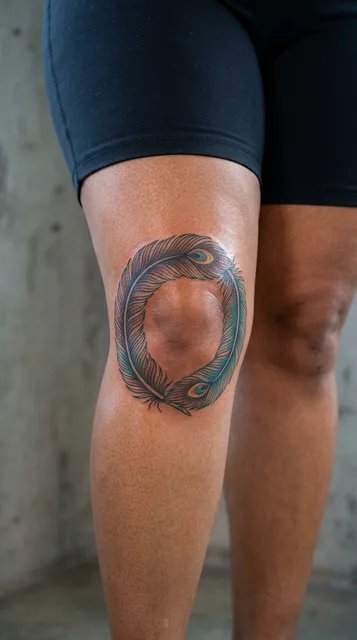
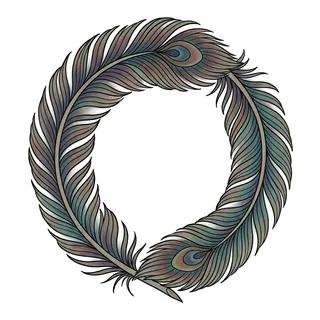
- illustrative · colourTry it on — Color illustrative feather tattoo on a woman's knee
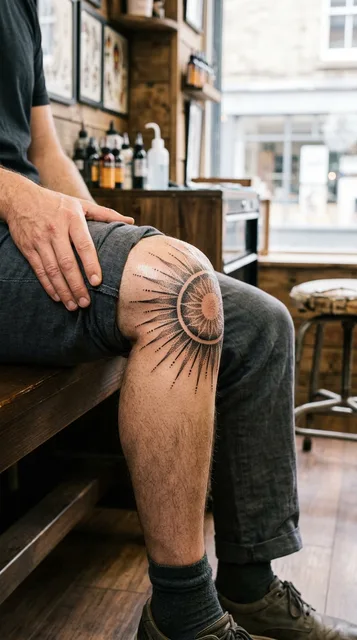
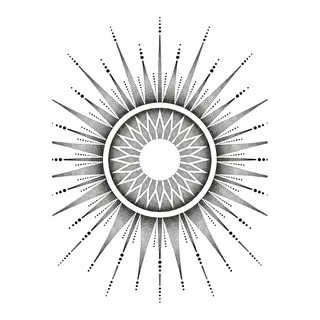
- dotwork · black and greyTry it on — Black and grey dotwork sun tattoo on a man's knee
- ornamental · black and greyTry it on — Black and grey ornamental mandala tattoo on a woman's knee
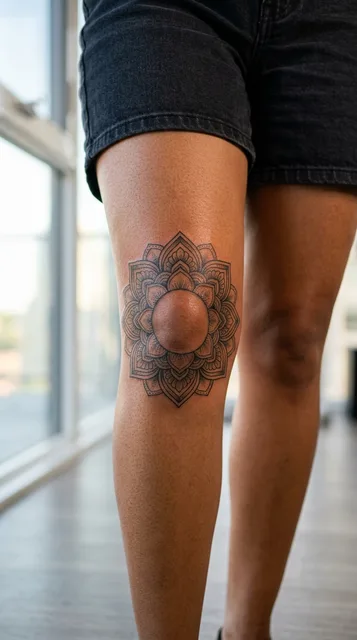
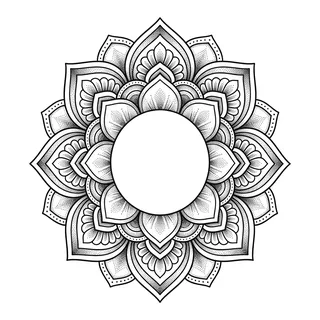
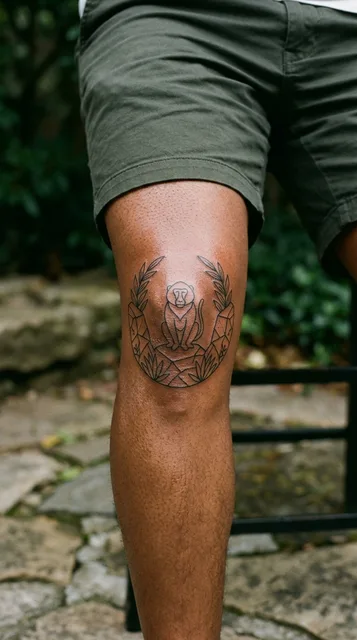
- fine line · black and whiteTry it on — Black and white fine line baboon tattoo on a man's knee

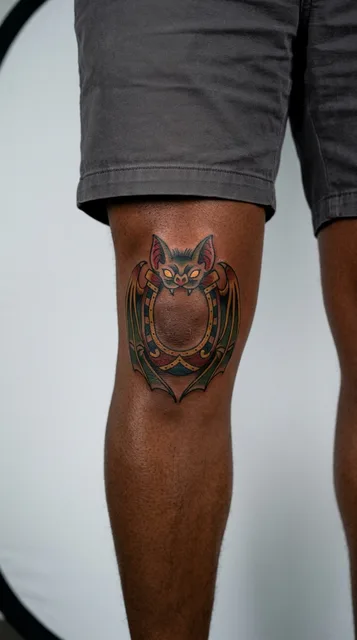
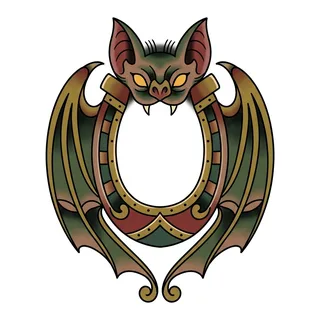
- traditional · colourTry it on — Color traditional bat tattoo on a man's knee
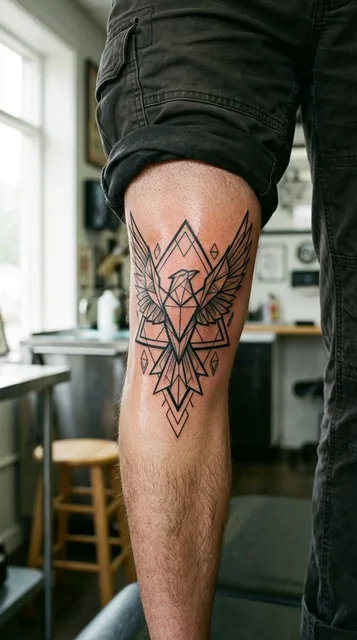
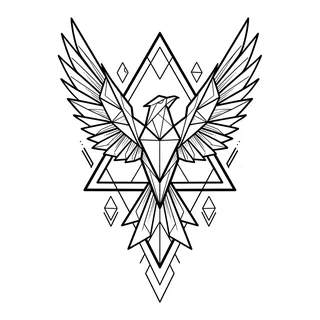
- geometric · black and whiteTry it on — Black and white geometric phoenix tattoo on a man's knee
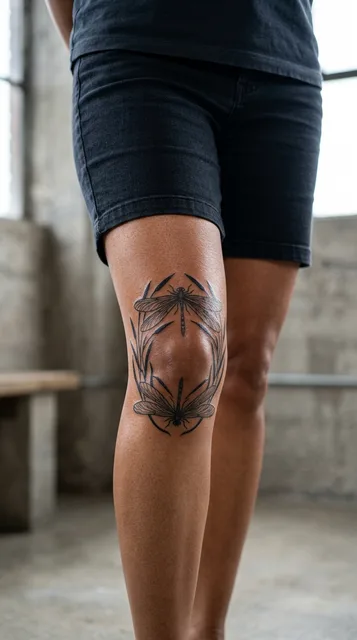
- linework · black and whiteTry it on — Black and white linework dragonfly tattoo on a woman's knee

- tribal · black and whiteTry it on — Black and white tribal ornament tattoo on a woman's knee
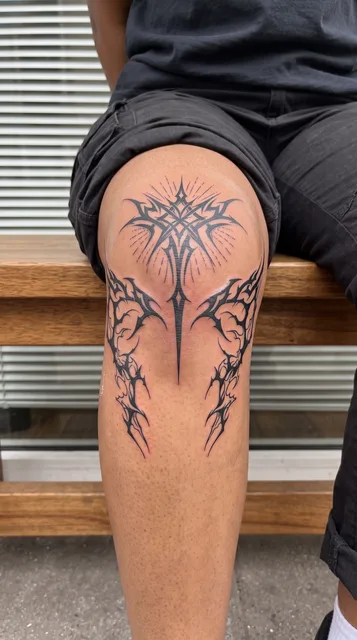
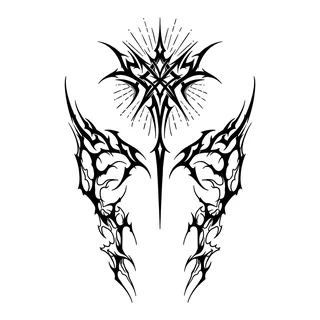
- geometric · colourTry it on — Color geometric compass tattoo on a man's knee
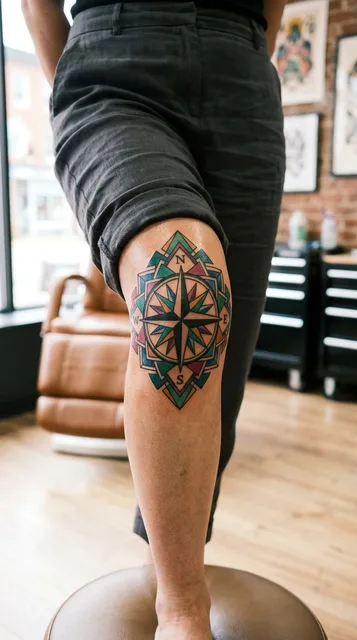
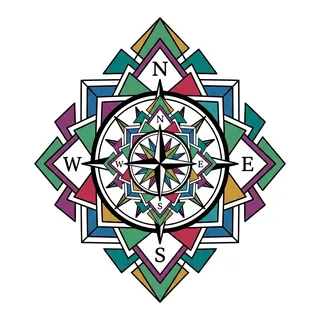
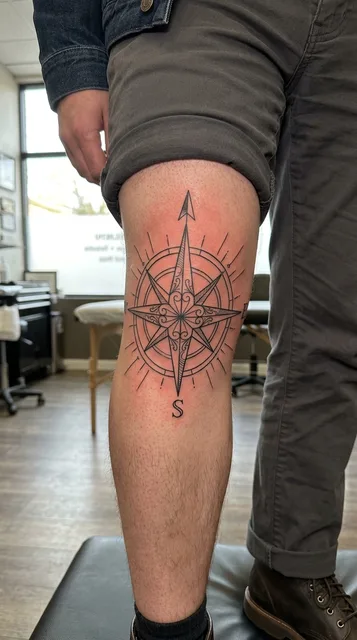
- linework · black and whiteTry it on — Black and white linework compass tattoo on a man's knee

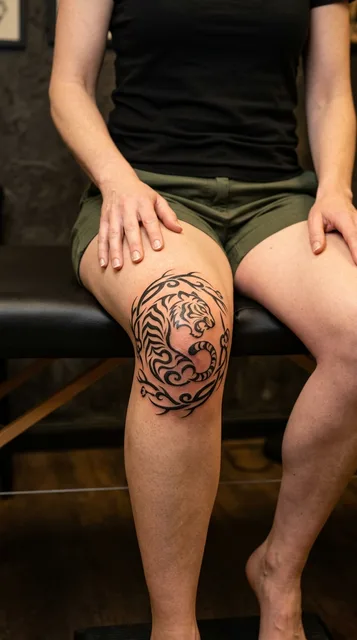
- tribal · black and whiteTry it on — Black and white tribal tiger tattoo on a woman's knee

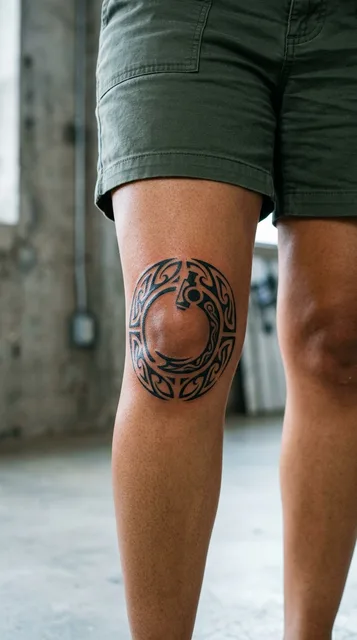
- tribal · black and whiteTry it on — Black and white tribal fish hook tattoo on a woman's knee

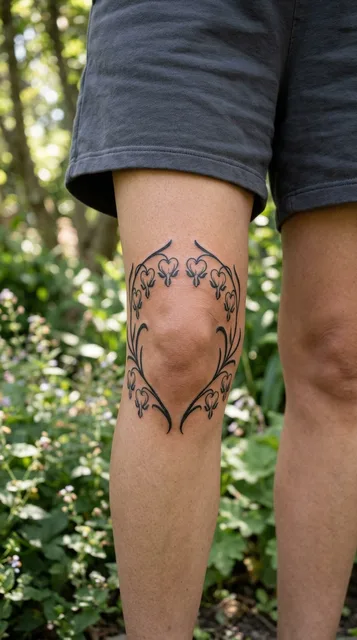
- ornamental · black and greyTry it on — Black and grey ornamental bleeding heart tattoo on a woman's knee

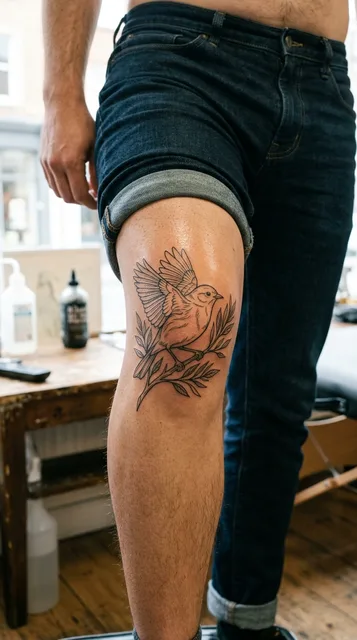
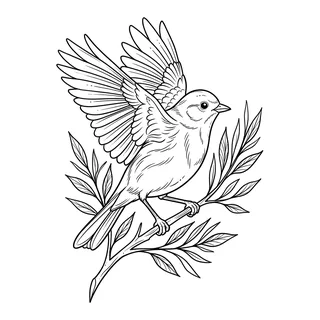
- fine line · black and whiteTry it on — Black and white fine line bird tattoo on a man's knee
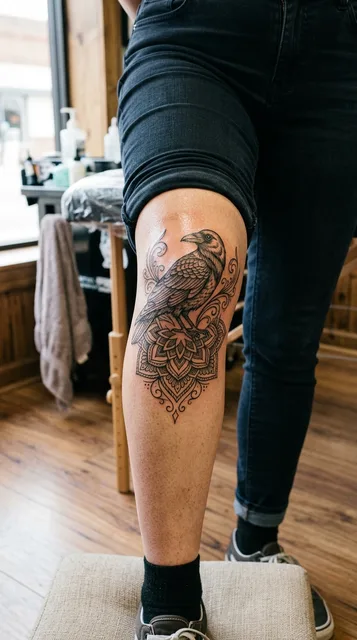
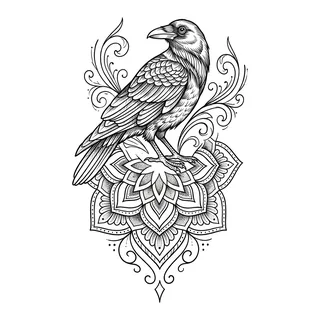
- ornamental · black and greyTry it on — Black and grey ornamental raven tattoo on a woman's knee
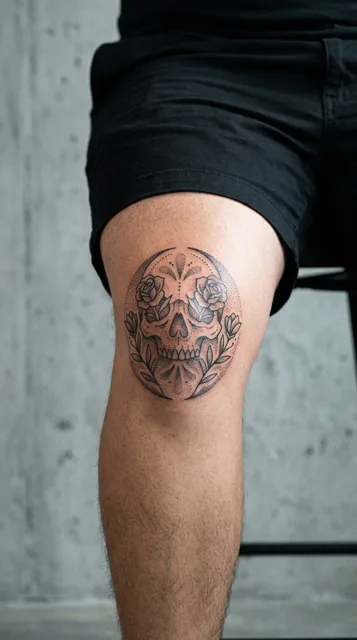
- dotwork · black and greyTry it on — Black and grey dotwork skull and roses tattoo on a man's knee

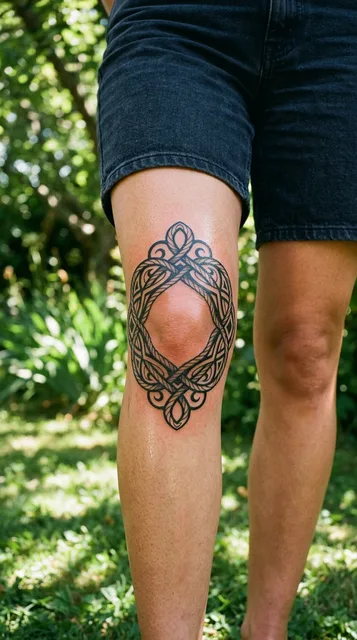
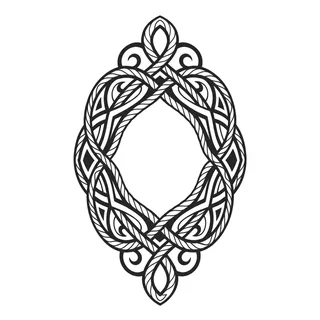
- celtic · black and greyTry it on — Black and grey celtic abstract tattoo on a woman's knee
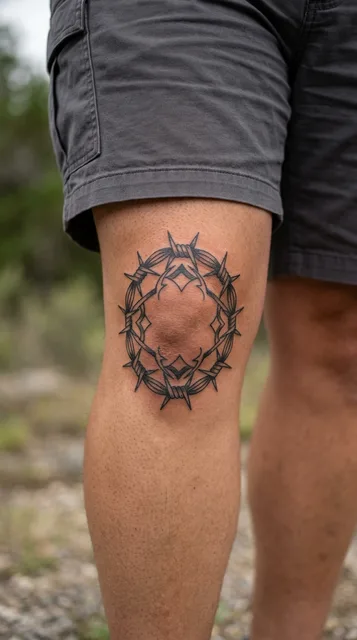
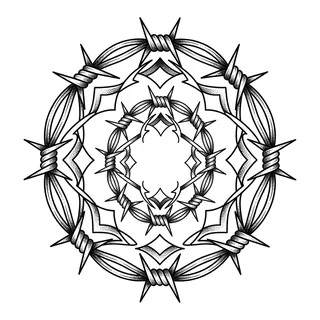
- geometric · black and whiteTry it on — Black and white geometric barbed wire tattoo on a man's knee
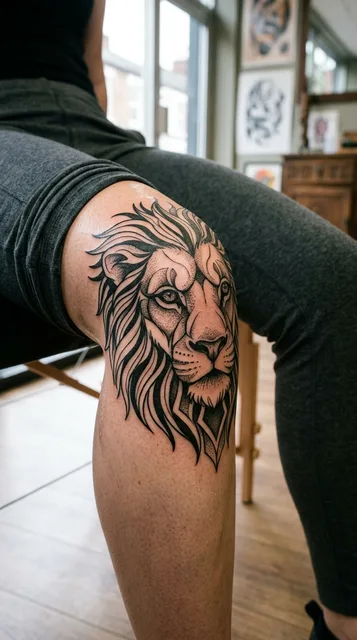
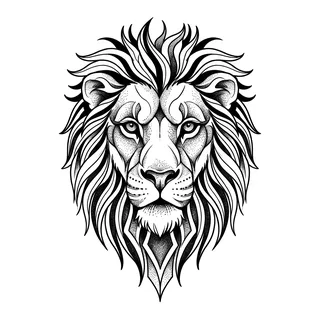
- blackwork · black and whiteTry it on — Black and white blackwork lion tattoo on a woman's knee
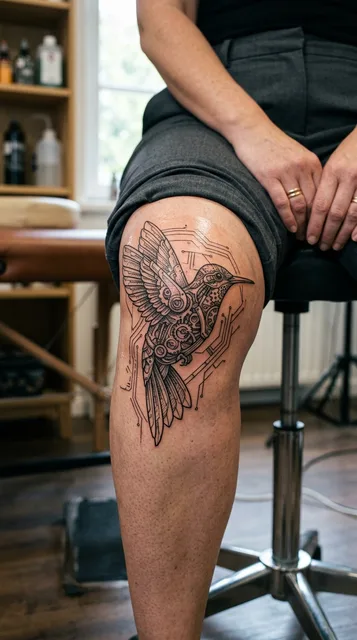
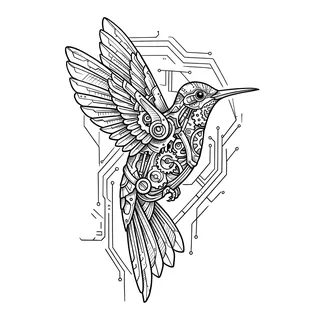
- biomechanical · black and greyTry it on — Black and grey biomechanical hummingbird tattoo on a woman's knee
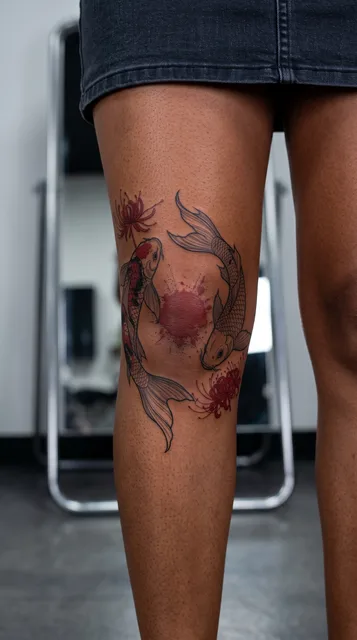
- Japanese · colourTry it on — Color Japanese koi fish tattoo on a woman's knee

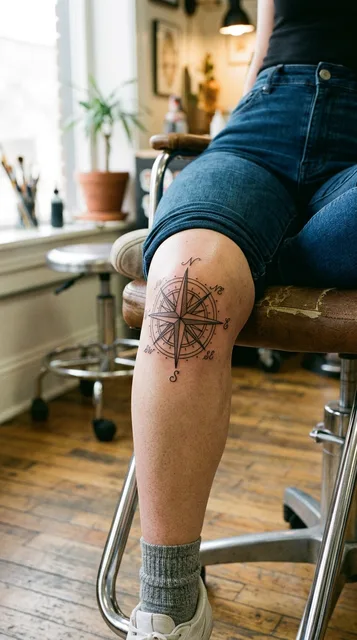
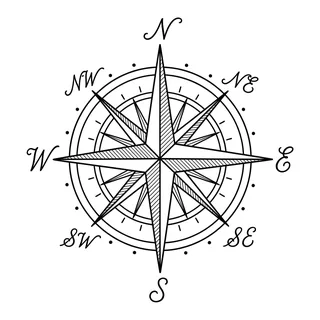
- fine line · black and whiteTry it on — Black and white fine line compass tattoo on a woman's knee
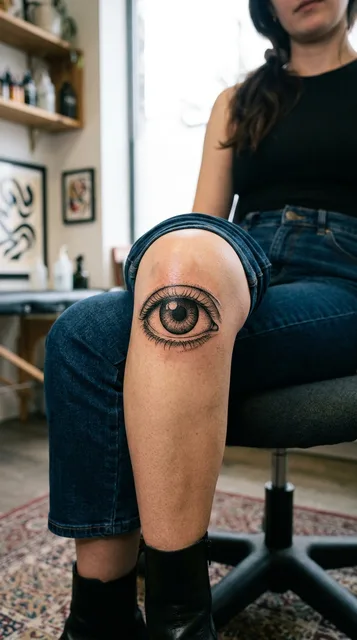
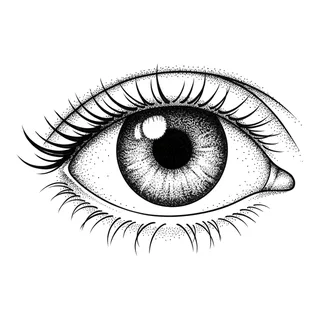
- dotwork · black and greyTry it on — Black and grey dotwork eye tattoo on a woman's knee
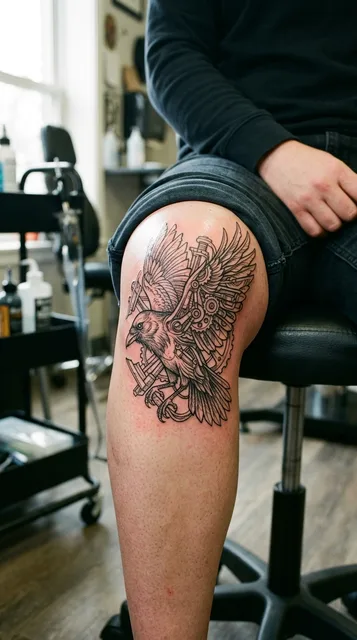
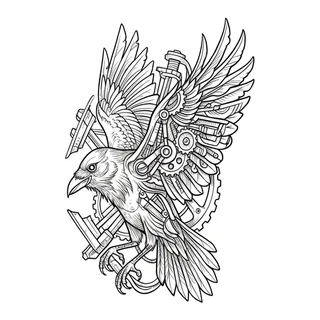
- biomechanical · black and greyTry it on — Black and grey biomechanical raven tattoo on a man's knee
- illustrative · black and greyTry it on — Black and grey illustrative eagle tattoo on a man's knee
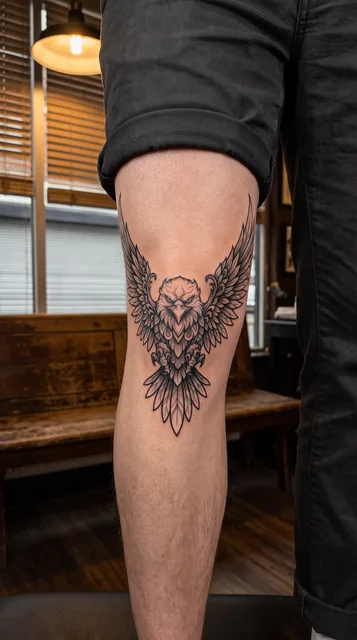
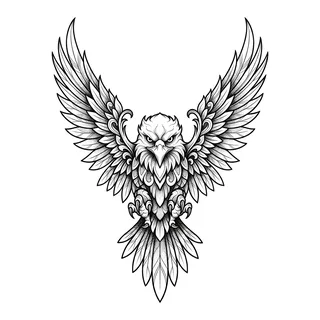


Every pair is one tattoo: the design as it was drawn, and a photograph of that same design on the knee.
These 40 knee tattoos, by the numbers
- Styles represented
- dotwork (5), geometric (5), illustrative (5), ornamental (5), linework (4), tribal (4)
- Black-and-grey vs colour
- 80% black-and-grey, 20% colour
- Shown on
- 20 feminine, 20 masculine presentation
Counted from the 40 tattoos shown on this page. Every design was drawn for InkCraft and photographed on this placement — none are scraped or reposted. Free to reference with a link to this page.
How a knee tattoo wears
Skin over the kneecap stretches enormously — a knee goes from flat to fully folded through about 140 degrees, and the skin has to cover that range. A design placed here is seen in two quite different states, extended and bent, and only one of them can be the one it was drawn for. This is why the classic knee tattoos are radial: mandalas, spiders, webs, rosettes. A radially symmetrical design expands and contracts evenly rather than skewing, so it reads correctly in both states.
The kneecap itself sits over bone with very little between, while the area immediately around it is softer. Many knee pieces deliberately centre on the patella and let the surrounding work sit on the more forgiving tissue, which is both a compositional and a practical decision.
The back of the knee — the popliteal — is a separate proposition entirely and one most artists will steer you away from: it is among the most sensitive areas on the body, it creases constantly, and it heals poorly. When people talk about knee tattoos they almost always mean the front.
Pain and healing
Sharp over the kneecap, more moderate around it. The bigger story here is healing, which is genuinely more demanding than most placements: you cannot avoid bending your knee, and every bend flexes healing skin. Expect more cracking and flaking than usual, and take the aftercare seriously rather than assuming it will settle — a knee that is kept moisturised and not over-bent in the first week heals cleanly, while one that is ignored can heal patchily and need touching up.
The tattoo pain chart ranks the knee against the other twenty-five body parts on this site, and says why. The aftercare guide has a row for healing a knee tattoo specifically: what gets in the way here, and the one thing to do about it.
Choosing a design that suits it
- Radial symmetry is the traditional answer for a reason: it distorts evenly as the joint bends instead of skewing to one side.
- Centre deliberately on the kneecap or deliberately around it. A design that sits half on and half off tends to look accidental.
- Avoid fine parallel lines across the joint — they are the first thing to show distortion when the knee is bent.
- Treat the back of the knee as a different, much harder placement, not as an extension of this one.
Size, cost and who sees it
How big, and what it costs
A knee piece is usually a single session of two to four hours; the area is well defined and does not sprawl. Where cost creeps up is in touch-ups, which are more common here than elsewhere because of how the joint heals — worth asking upfront whether one is included.
Who will see it
Shorts and skirts show it, trousers hide it entirely. Because the knee is at eye level when you are seated, a knee piece is more noticeable in a room than a calf or thigh piece of the same size.
What to ask your artist
- How will this design look with my knee bent, not just straight?
- Should this centre on the kneecap or sit around it?
- How much movement should I avoid in the first week, realistically?
- Do you expect this to need a touch-up, and is that included?
Prices vary widely by city and artist — treat these as session lengths rather than quotes, and expect a shop minimum on anything small. The cost guide puts the knee in a table with the other twenty-five placements.
Common questions
Why are so many knee tattoos mandalas or spider webs?
Because they are radially symmetrical. The knee stretches in every direction as it bends, and a radial design expands evenly rather than skewing — it reads correctly whether the joint is straight or folded.
Does a knee tattoo heal badly?
It heals more awkwardly than most placements because you cannot stop bending it. Cracking and heavier flaking are normal. Diligent aftercare usually gets a clean result; neglect here shows more than it would on an arm.
What about the back of the knee?
A much harder placement — extremely sensitive, constantly creased, and slow to heal. Many artists decline it. Most knee tattoos are on the front for good reason.
See it on your own knee
InkCraft places a design on a photo of you — scaled, wrapped and shaded to the placement you pick, so you can judge it before it is permanent.