 InkCraft
Foot Tattoo Ideas, Designs and Placement Guide
39 foot tattoos photographed on skin for InkCraftBy Uladzimir TumanauUpdated

Opens in your browser. No signup. Or tap any design below.
Elegant, easy to hide and genuinely difficult: a foot tattoo is hard to sit, hard to heal, and the placement most likely to need touching up. Worth knowing before, not after.
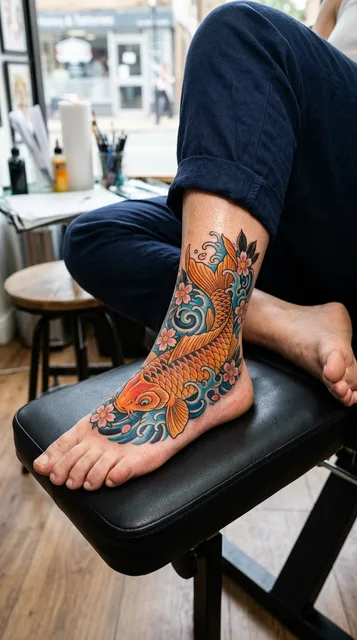
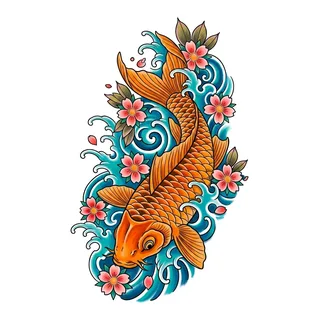
- Japanese · colourTry it on — Color Japanese koi fish tattoo on a woman's foot
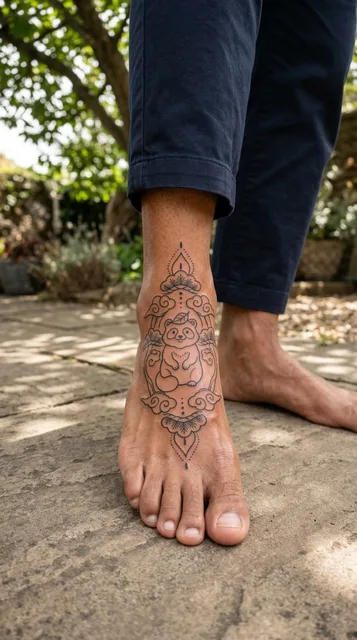
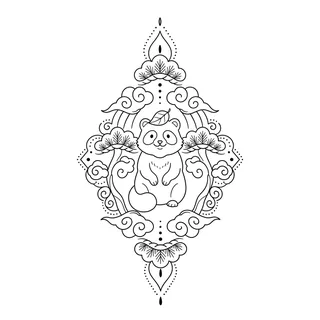
- linework · black and whiteTry it on — Black and white linework tanuki tattoo on a man's foot
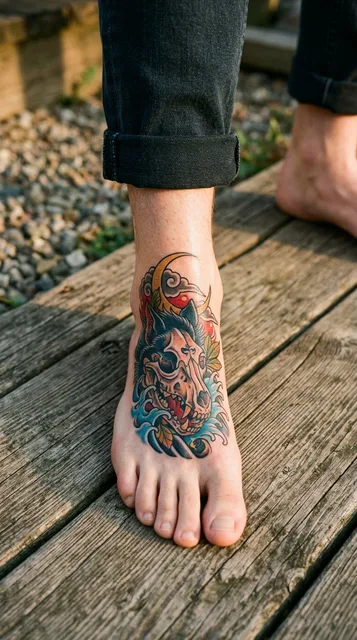
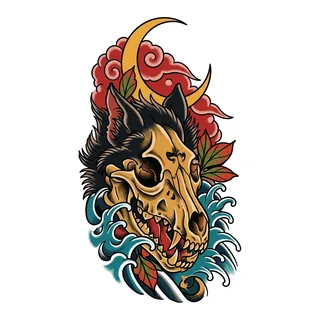
- Japanese · colourTry it on — Color Japanese wolf tattoo on a man's foot
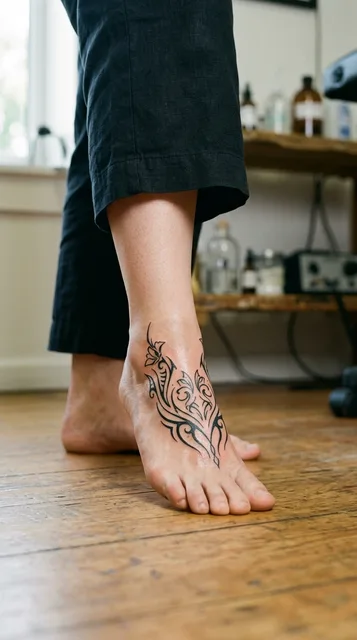
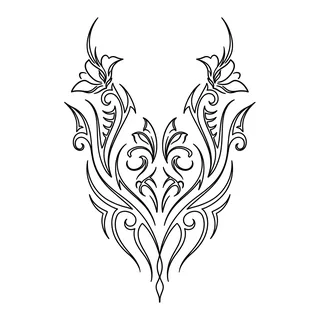
- tribal · black and whiteTry it on — Black and white tribal abstract tattoo on a woman's foot
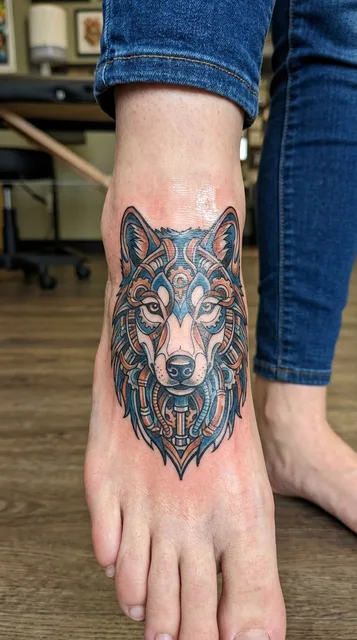
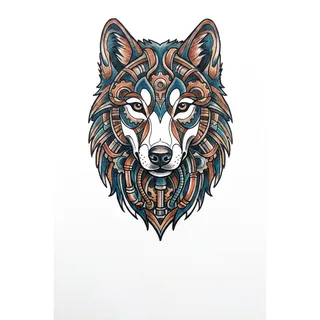
- biomechanical · colourTry it on — Color biomechanical wolf tattoo on a woman's foot
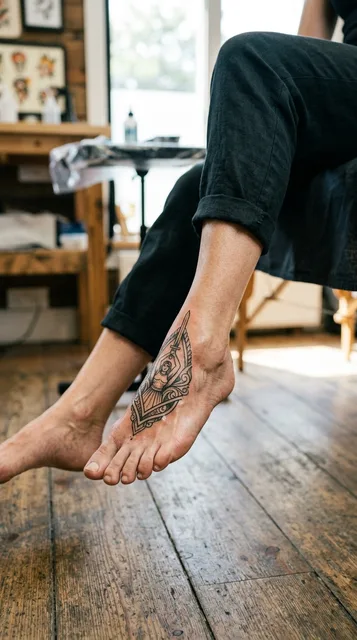
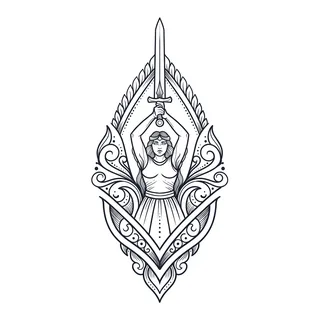
- ornamental · black and greyTry it on — Black and grey ornamental warrior woman tattoo on a woman's foot
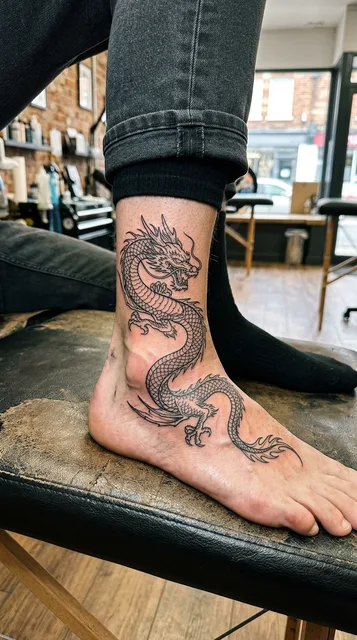
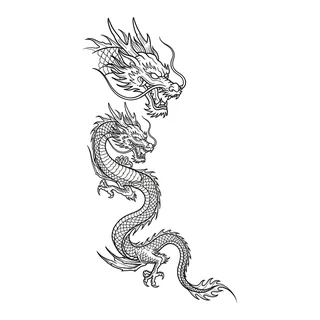
- illustrative · black and greyTry it on — Black and grey illustrative dragon tattoo on a man's foot
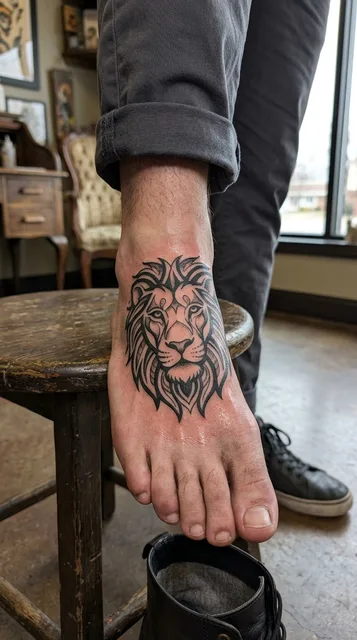
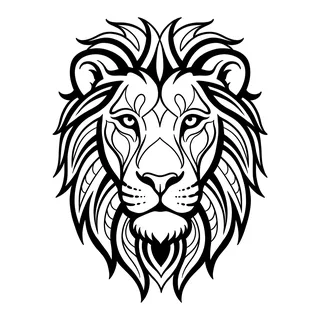
- tribal · black and whiteTry it on — Black and white tribal lion tattoo on a man's foot
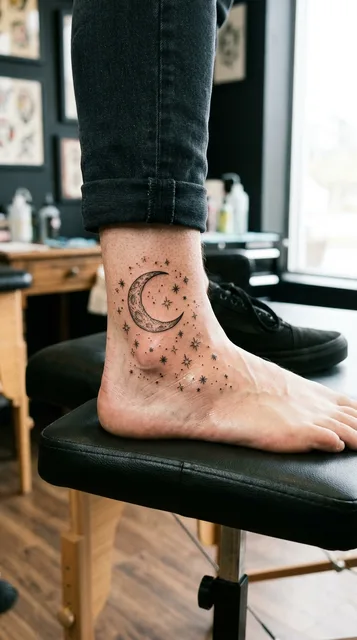
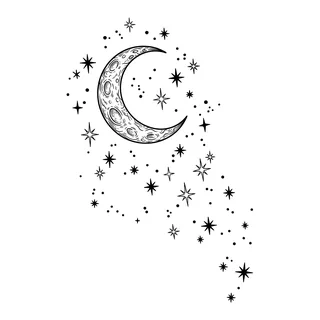
- fine line · black and whiteTry it on — Black and white fine line moon tattoo on a man's foot
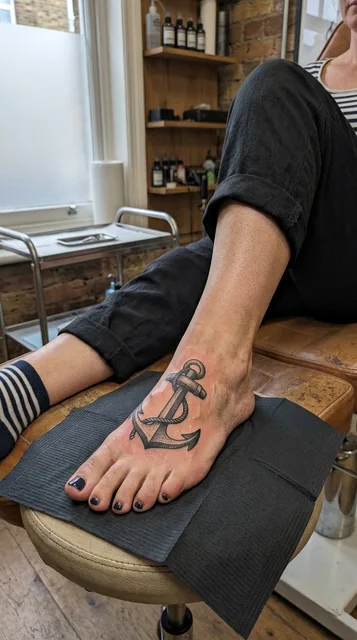
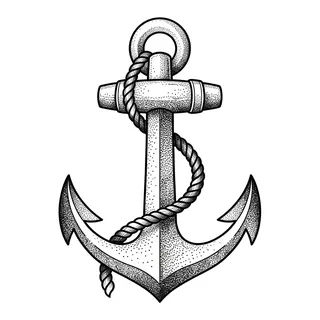
- dotwork · black and greyTry it on — Black and grey dotwork anchor tattoo on a woman's foot
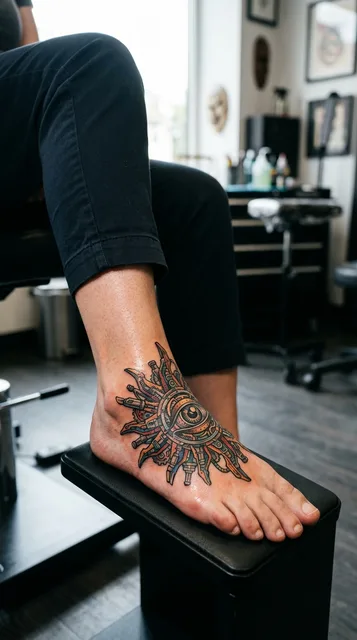
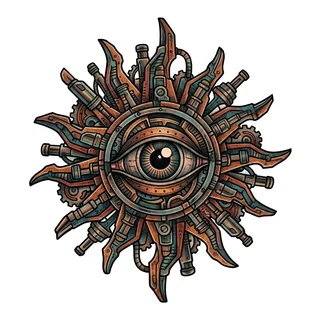
- biomechanical · colourTry it on — Color biomechanical eye tattoo on a woman's foot
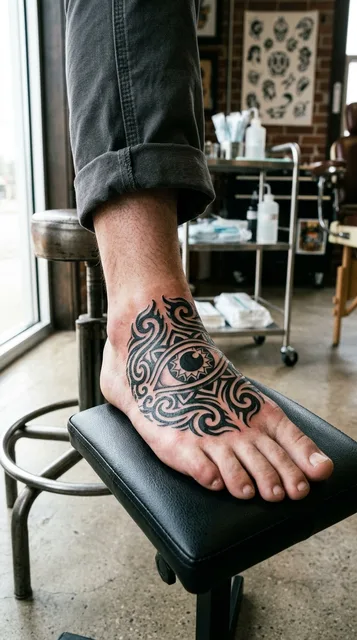
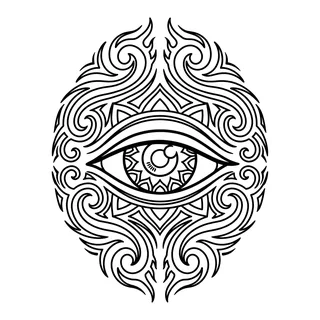
- tribal · black and whiteTry it on — Black and white tribal eye tattoo on a man's foot
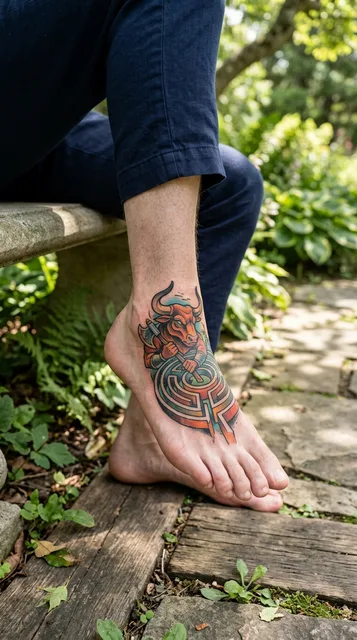
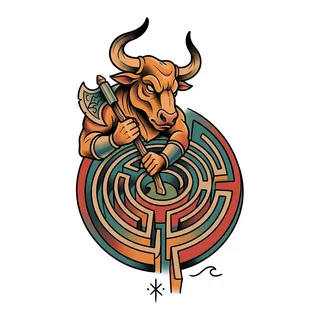
- neo traditional · colourTry it on — Color neo traditional minotaur tattoo on a man's foot
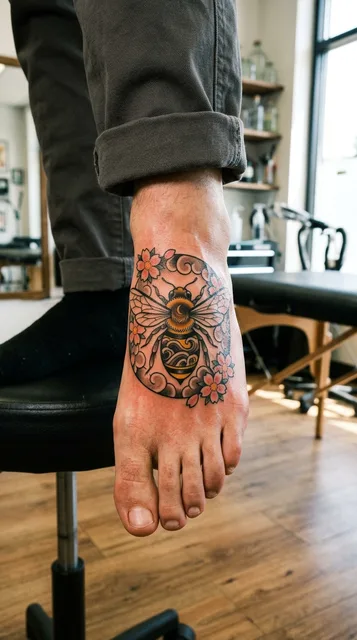
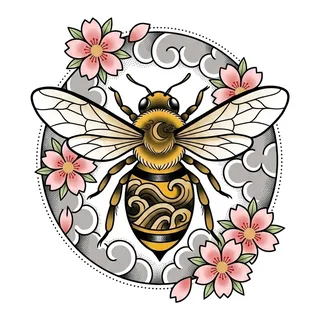
- Japanese · colourTry it on — Color Japanese bee tattoo on a man's foot
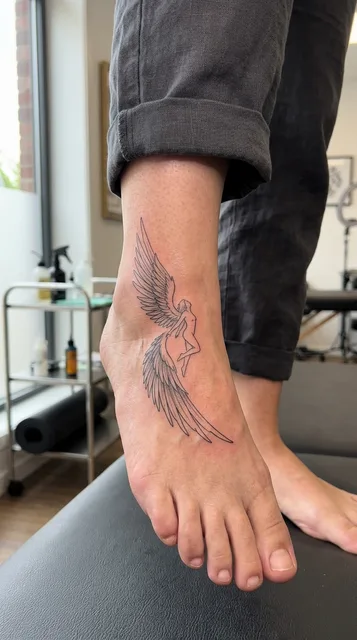
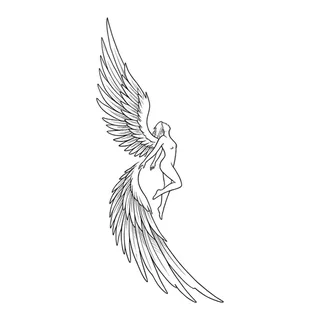
- fine line · black and whiteTry it on — Black and white fine line angel tattoo on a woman's foot
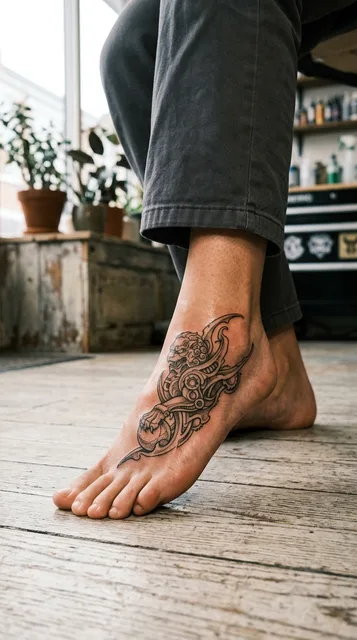
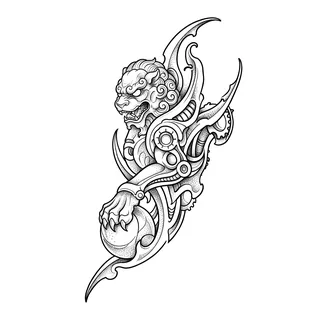
- biomechanical · black and greyTry it on — Black and grey biomechanical foo dog tattoo on a woman's foot
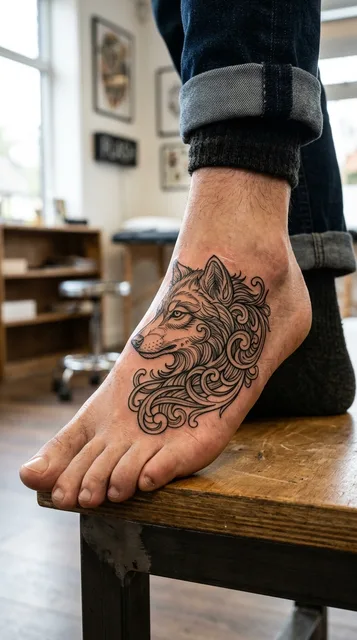
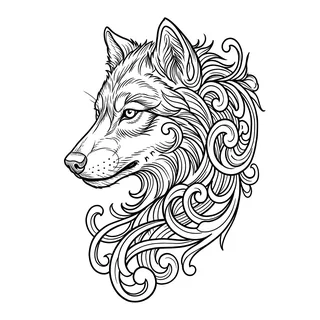
- ornamental · black and greyTry it on — Black and grey ornamental wolf tattoo on a man's foot
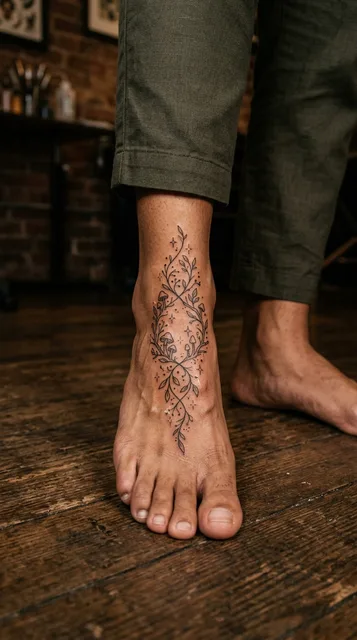
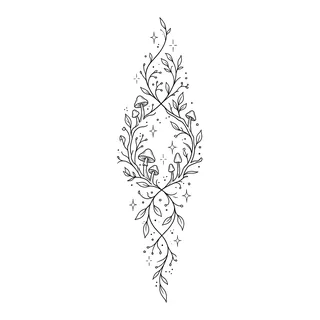
- fine line · black and whiteTry it on — Black and white fine line vine tattoo on a man's foot
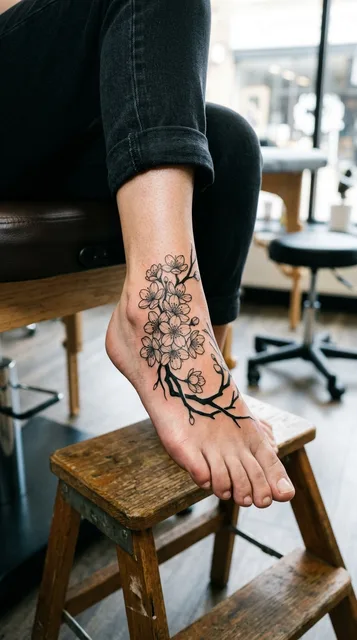
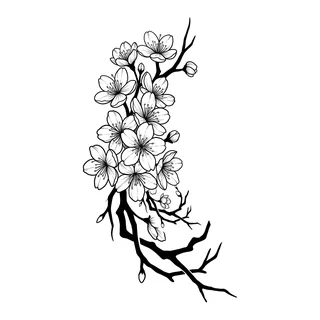
- blackwork · black and whiteTry it on — Black and white blackwork cherry blossom tattoo on a woman's foot
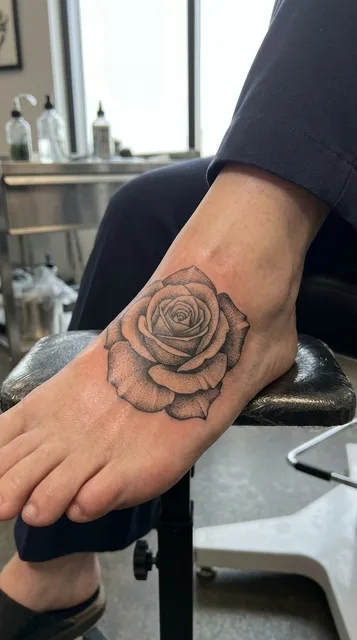
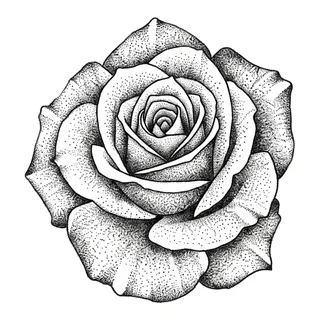
- dotwork · black and greyTry it on — Black and grey dotwork rose tattoo on a woman's foot
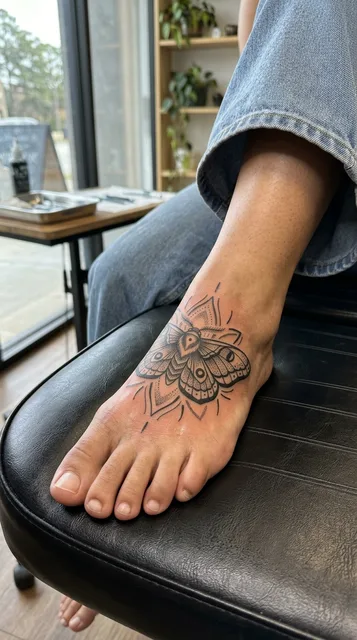
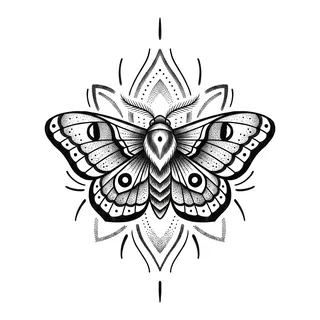
- blackwork · black and whiteTry it on — Black and white blackwork moth tattoo on a woman's foot
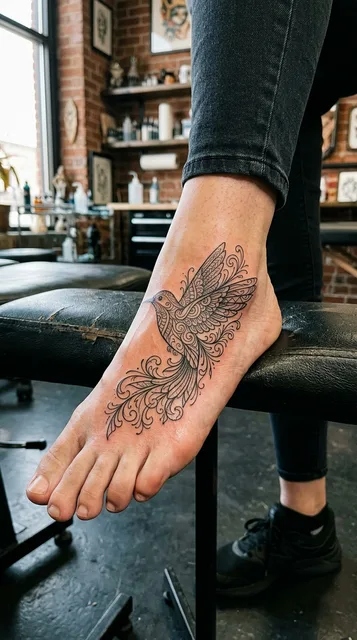
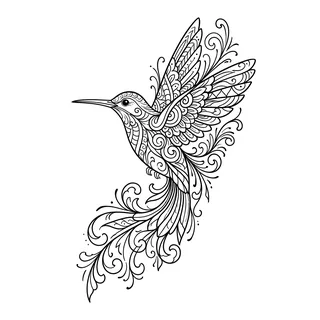
- ornamental · black and greyTry it on — Black and grey ornamental hummingbird tattoo on a woman's foot
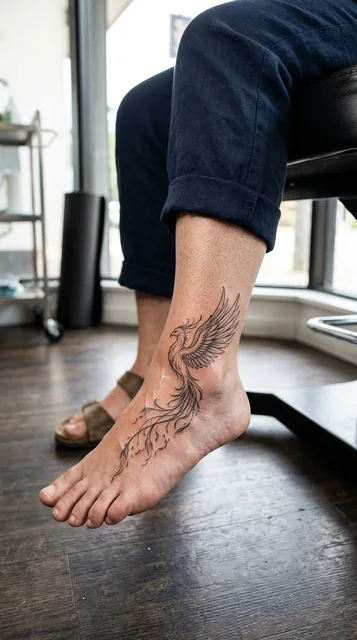
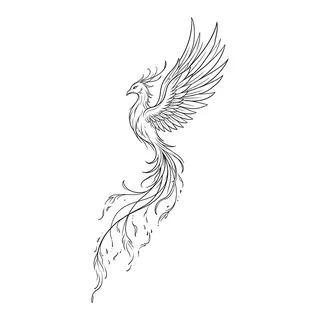
- fine line · black and whiteTry it on — Black and white fine line phoenix tattoo on a woman's foot
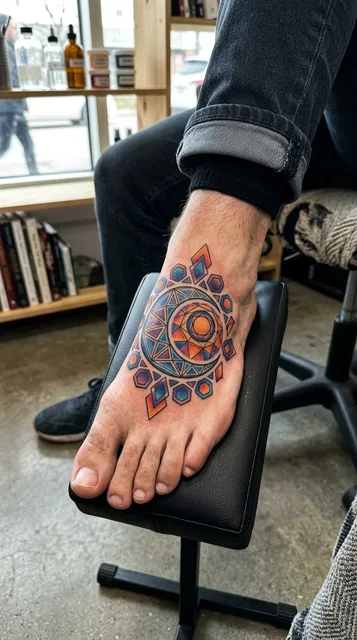
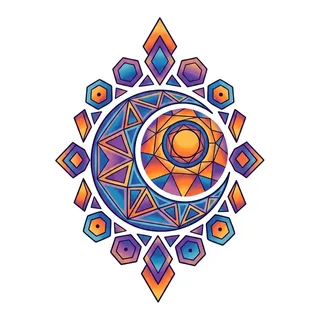
- geometric · colourTry it on — Color geometric ornament tattoo on a man's foot
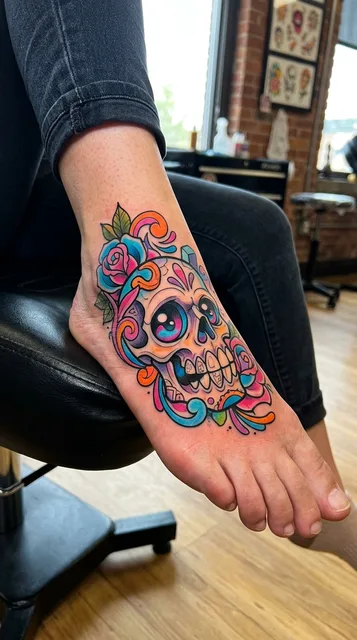
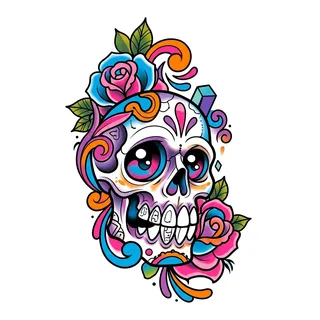
- new school · colourTry it on — Color new school skull tattoo on a woman's foot
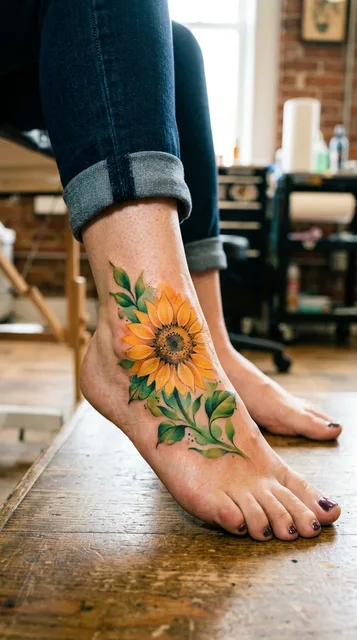
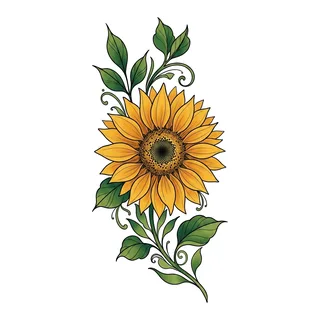
- watercolor · colourTry it on — Color watercolor sunflower tattoo on a woman's foot
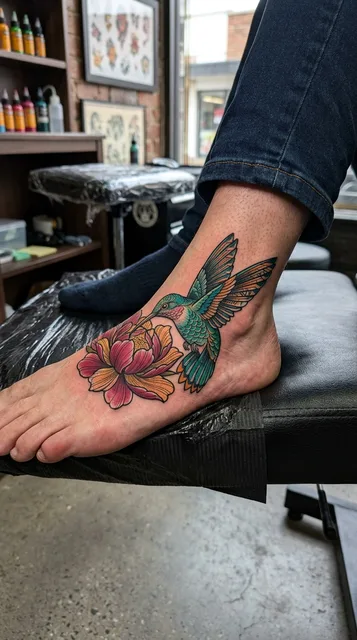
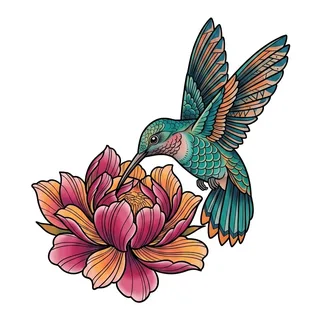
- neo traditional · colourTry it on — Color neo traditional hummingbird tattoo on a man's foot
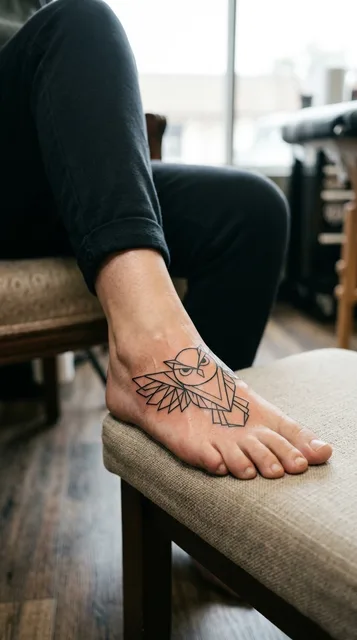
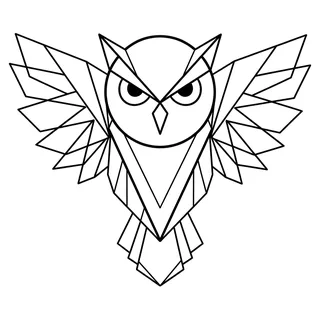
- geometric · black and whiteTry it on — Black and white geometric owl tattoo on a woman's foot
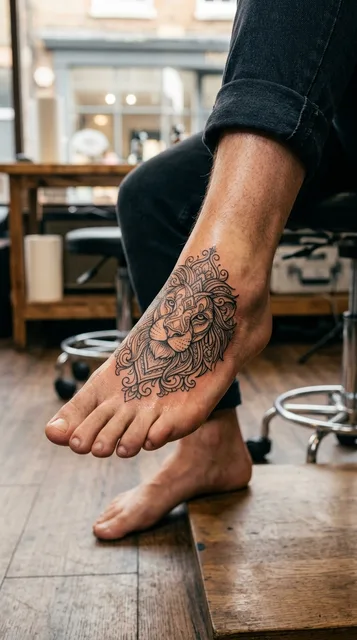
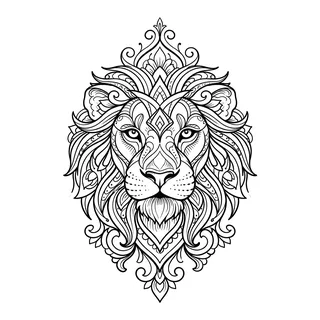
- ornamental · black and greyTry it on — Black and grey ornamental lion tattoo on a man's foot
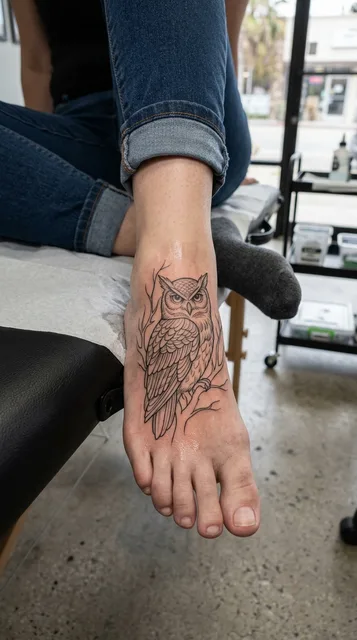
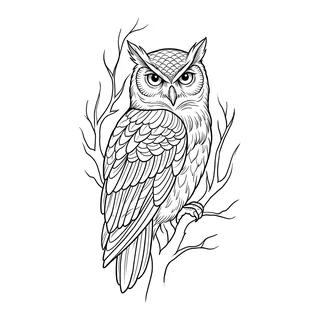
- fine line · black and whiteTry it on — Black and white fine line owl tattoo on a woman's foot
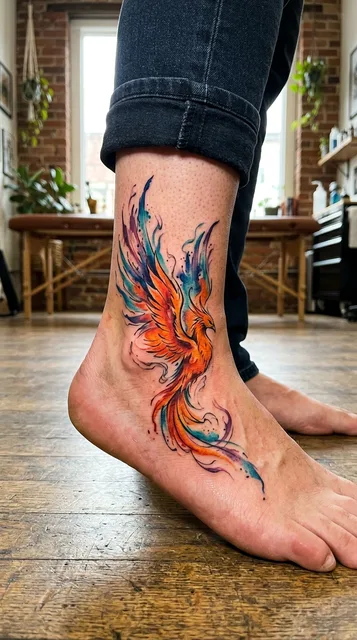
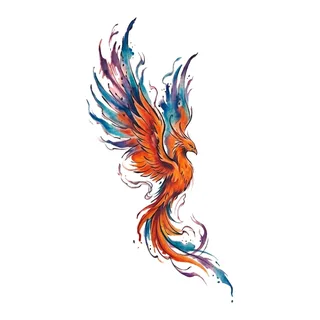
- watercolor · colourTry it on — Color watercolor phoenix tattoo on a man's foot
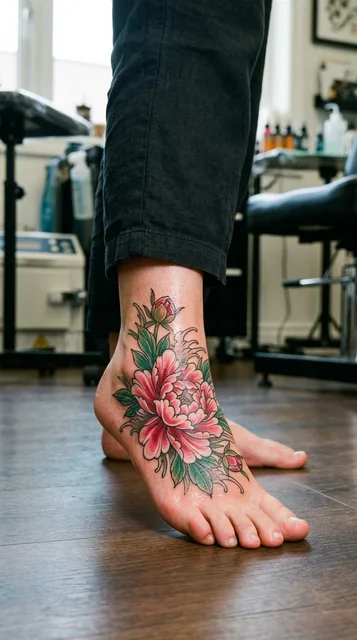
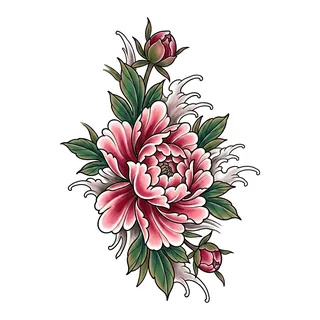
- Japanese · colourTry it on — Color Japanese peony tattoo on a woman's foot
- linework · black and whiteTry it on — Black and white linework mandala tattoo on a man's foot
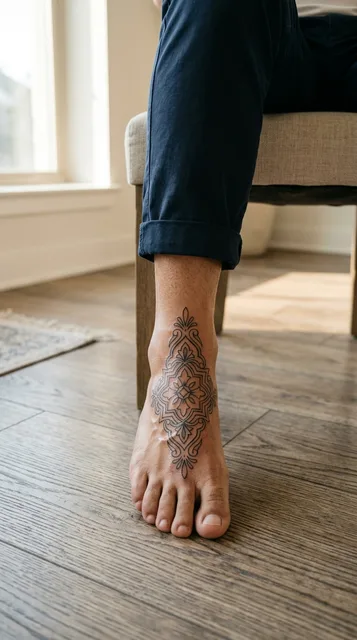
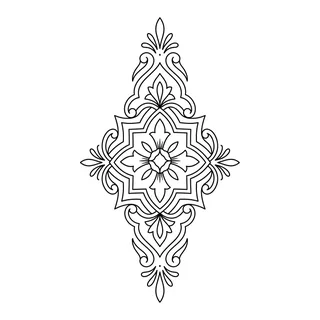
- neo traditional · colourTry it on — Color neo traditional mountain tattoo on a man's foot
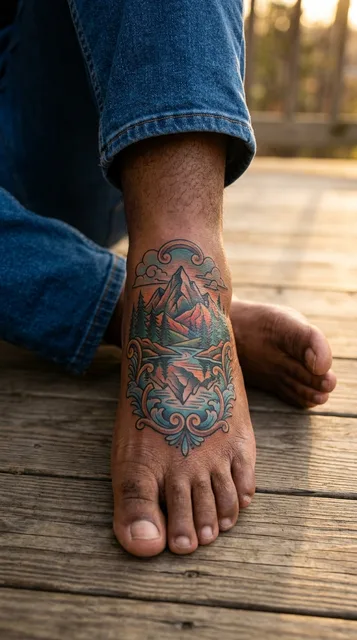
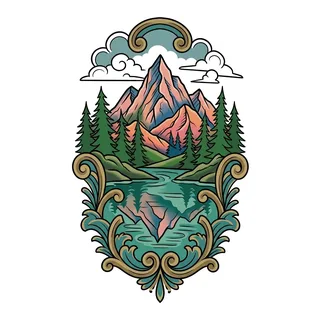
- illustrative · colourTry it on — Color illustrative skull tattoo on a man's foot
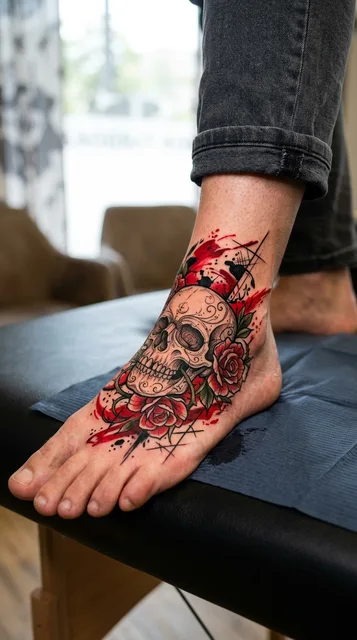

- trash polka · colourTry it on — Color trash polka skull tattoo on a woman's foot
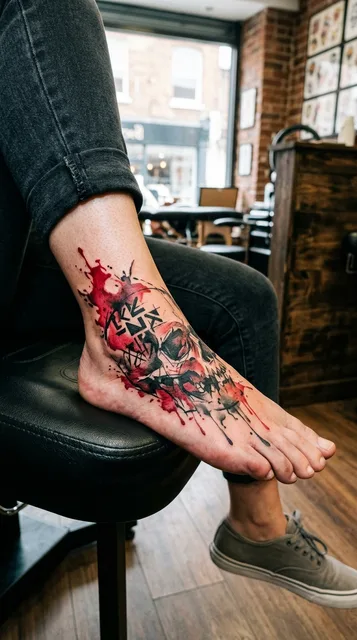
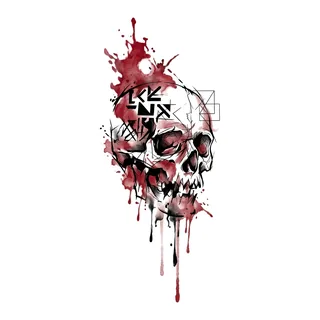
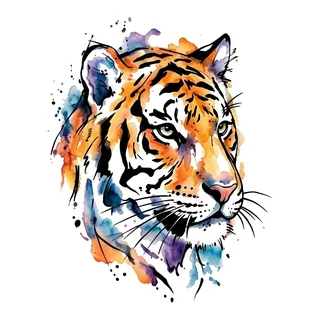
- watercolor · colourTry it on — Color watercolor tiger tattoo on a man's foot
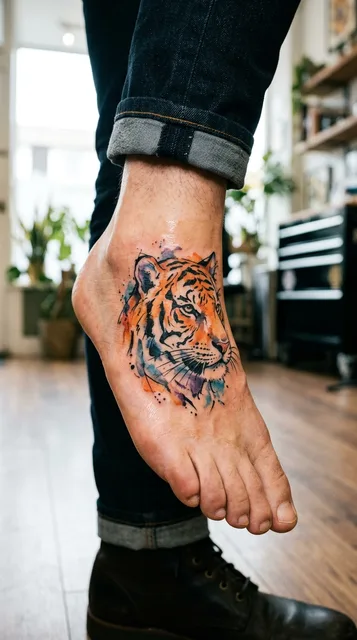
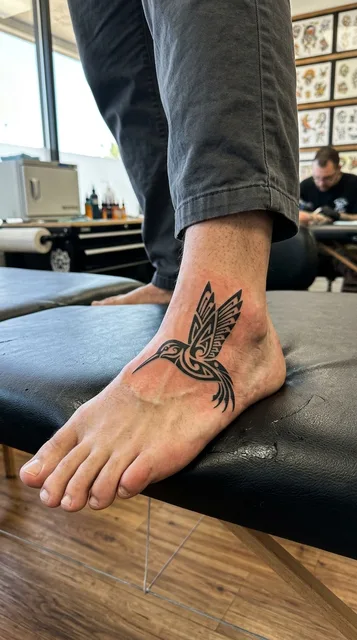
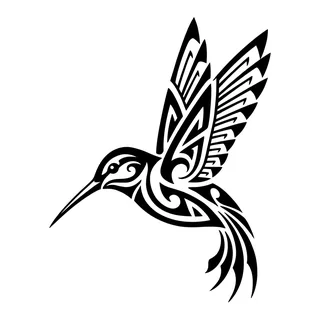
- tribal · black and whiteTry it on — Black and white tribal hummingbird tattoo on a man's foot
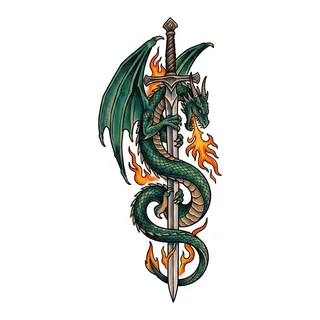
- illustrative · colourTry it on — Color illustrative dragon tattoo on a woman's foot
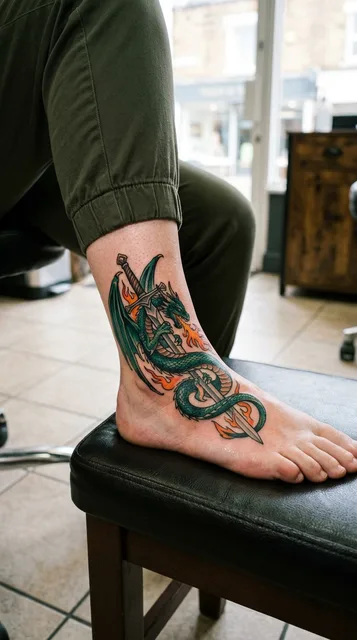


Every pair is one tattoo: the design as it was drawn, and a photograph of that same design on the foot.
These 39 foot tattoos, by the numbers
- Styles represented
- fine line (5), japanese (4), ornamental (4), tribal (4), biomechanical (3), illustrative (3)
- Black-and-grey vs colour
- 56% black-and-grey, 44% colour
- Shown on
- 20 feminine, 19 masculine presentation
Counted from the 39 tattoos shown on this page. Every design was drawn for InkCraft and photographed on this placement — none are scraped or reposted. Free to reference with a link to this page.
How a foot tattoo wears
The top of the foot is a thin sheet of skin over tendons and bone, with almost nothing in between. That gives a delicate, flat surface that suits fine ornamental work, script and botanical designs — and it is also why the placement is demanding in every other respect. The tendons themselves move visibly under the skin when you flex your toes, which is a real compositional factor rather than a curiosity.
The shape is a long, narrowing wedge running from ankle to toes, and designs that follow that taper look settled where designs placed square across the foot look stuck on. Pieces that begin at the ankle and flow forward tend to be the most successful, because they use the geometry rather than ignoring it.
Fading is the honest headline. The foot is at the far end of the circulatory system, it is enclosed in shoes for most of the day, and the top of the foot is rubbed by every laced shoe you own. Even well-executed foot tattoos commonly soften faster than the same design on a calf. That is not a reason to avoid the placement — it is a reason to choose bolder work and to accept touch-ups as part of the plan.
Pain and healing
Among the sharpest placements on the body, on both counts. Tattooing over the metatarsals with no padding is intense, and many people find the sensation over the tendons distinctly unpleasant rather than merely painful. Healing is the harder half: feet swell, shoes rub, and you cannot elevate a foot indefinitely. Expect to need sandals or bare feet for a week or more, expect some swelling after the session, and take the artist seriously if they tell you to keep it uncovered and elevated more than you would elsewhere.
The tattoo pain chart ranks the foot against the other twenty-five body parts on this site, and says why. The aftercare guide has a row for healing a foot tattoo specifically: what gets in the way here, and the one thing to do about it.
Choosing a design that suits it
- Follow the taper from ankle to toes. Designs that run with the shape of the foot look placed; ones drawn square across it do not.
- Choose bolder than feels necessary. This is the placement where fine detail is least likely to survive a decade.
- Keep clear of the exact line where your shoes lace or rub, if the design allows it.
- Plan the timing. Do not book a foot tattoo the week before a holiday, a wedding, or anything requiring closed shoes.
Size, cost and who sees it
How big, and what it costs
Usually one to three hours, and rarely longer — few people want to sit for more here. The cost of the tattoo is ordinary; the cost worth planning for is touch-ups, which are more common on feet than almost anywhere. Ask directly whether the artist expects one and what they charge for it.
Who will see it
Completely hidden by any closed shoe and fully visible in sandals or barefoot, which makes it seasonal and highly controllable. It is also, along with the ankle, the placement most often chosen precisely because it can disappear entirely at work.
What to ask your artist
- How fast do you expect this to fade here, and what would you change to slow that?
- How long before I can wear closed shoes?
- Does this design follow the shape of my foot, or is it being fitted to it?
- What does a touch-up on this cost, and when would you want to see it?
Prices vary widely by city and artist — treat these as session lengths rather than quotes, and expect a shop minimum on anything small. The cost guide puts the foot in a table with the other twenty-five placements.
Common questions
Do foot tattoos fade quickly?
Faster than most placements, yes. Shoes rub the top of the foot constantly and circulation is weakest at the extremities. Bolder designs hold up considerably better, and periodic touch-ups keep a foot piece looking sharp indefinitely.
How long until I can wear shoes again?
Usually about a week to ten days, and closed shoes are the last thing to come back. Plan the booking around that — it is the single most common regret people report about the placement, and it is entirely avoidable.
Is the top of the foot worse than the ankle?
Generally yes, on both pain and healing. The ankle is sharp but short; the foot is sharp, longer, swells more and takes more care afterwards.
See it on your own foot
InkCraft places a design on a photo of you — scaled, wrapped and shaded to the placement you pick, so you can judge it before it is permanent.