 InkCraft
Awareness Ribbon Tattoo Ideas and Colour Meanings
22 original awareness ribbon designs drawn for InkCraftBy Uladzimir TumanauUpdated
The looped ribbon says support, and only its colour says for what, though several colours answer for more than one cause. Drawn in black and grey it keeps the cause private; in colour, match the exact shade and ask for a firm outline that holds once pale pigment fades.
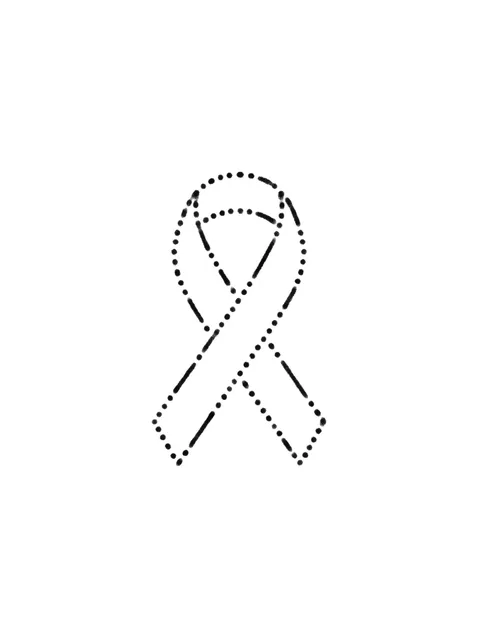
Black and grey stick and poke ribbon tattoo design Try it on — Black and grey stick and poke ribbon tattoo design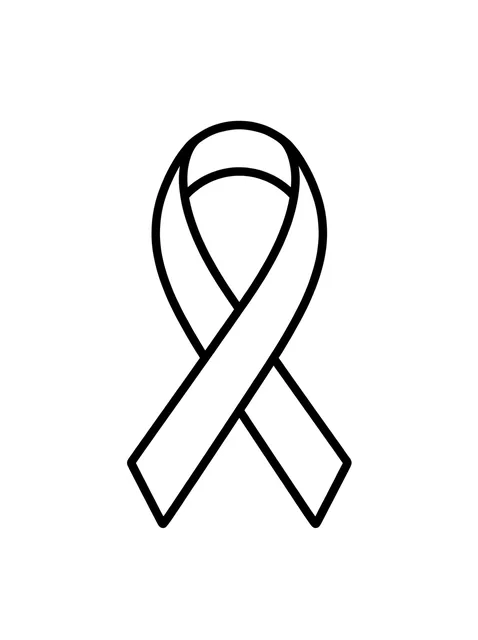
Black and white linework ribbon tattoo design, outline stencil: its tails crossing Try it on — Black and white linework ribbon tattoo design, outline stencil: its tails crossing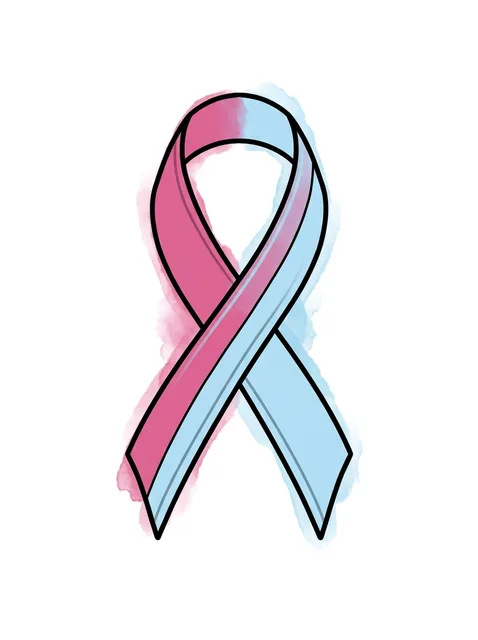
Color watercolor ribbon tattoo design Try it on — Color watercolor ribbon tattoo design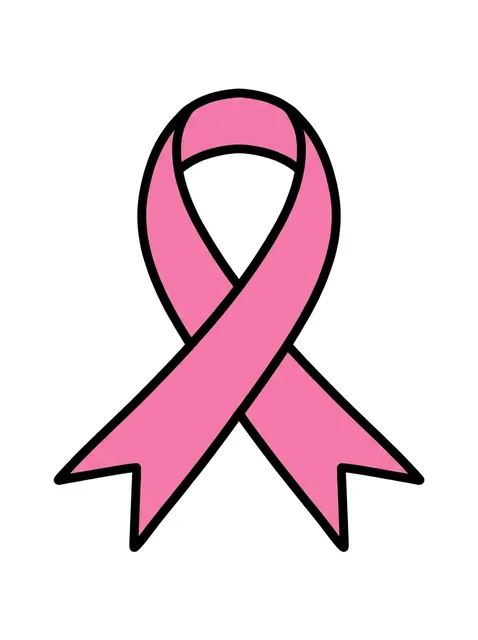
Color traditional ribbon tattoo design: a neat notch cut in each end Try it on — Color traditional ribbon tattoo design: a neat notch cut in each end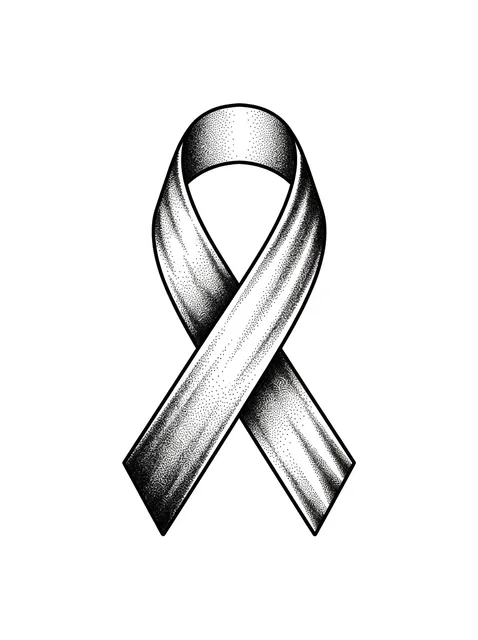
Black and grey realism ribbon tattoo design Try it on — Black and grey realism ribbon tattoo design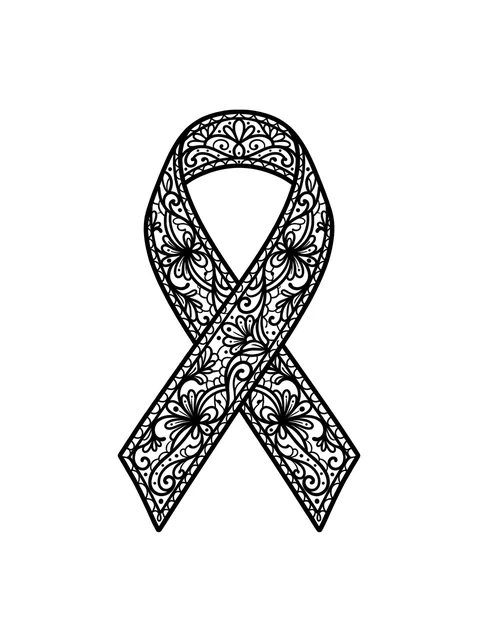
Black and grey ornamental ribbon tattoo design Try it on — Black and grey ornamental ribbon tattoo design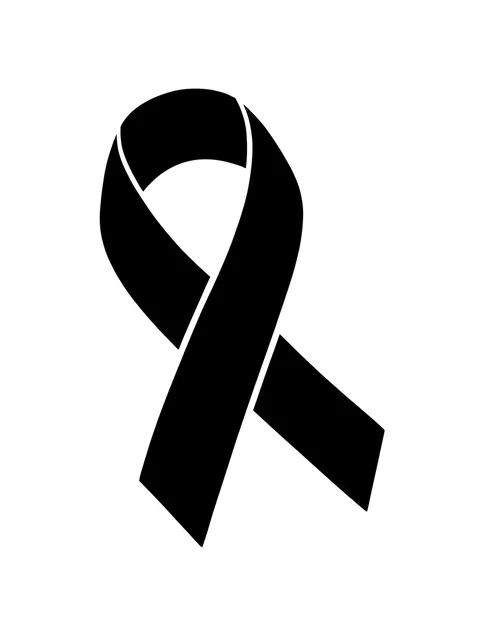
Black and white blackwork ribbon tattoo design (1 of 2) Try it on — Black and white blackwork ribbon tattoo design (1 of 2)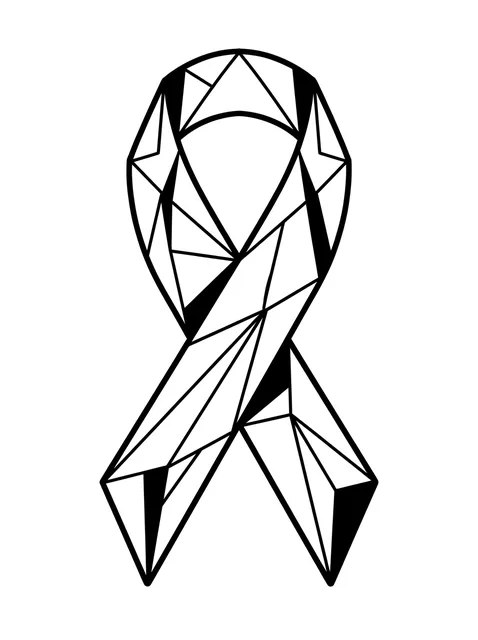
Black and white geometric ribbon tattoo design, outline stencil Try it on — Black and white geometric ribbon tattoo design, outline stencil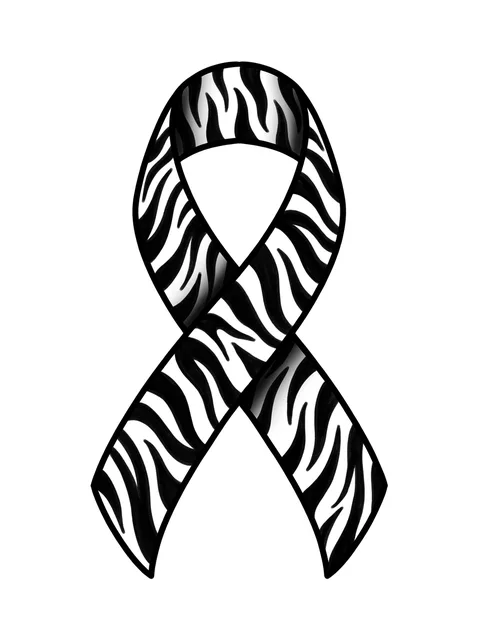
Black and white blackwork ribbon tattoo design (2 of 2) Try it on — Black and white blackwork ribbon tattoo design (2 of 2)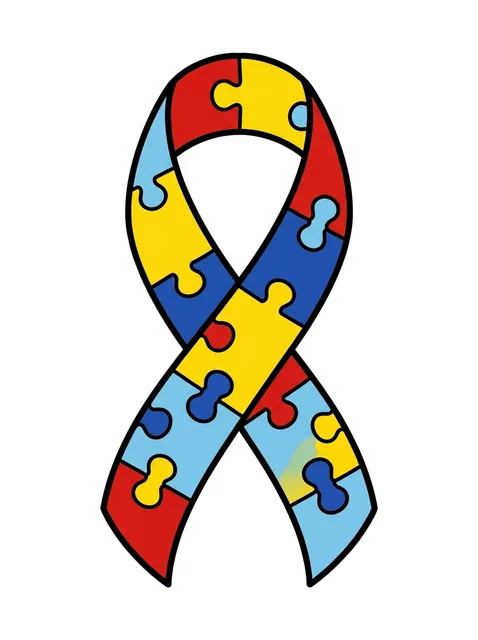
Color illustrative ribbon tattoo design Try it on — Color illustrative ribbon tattoo design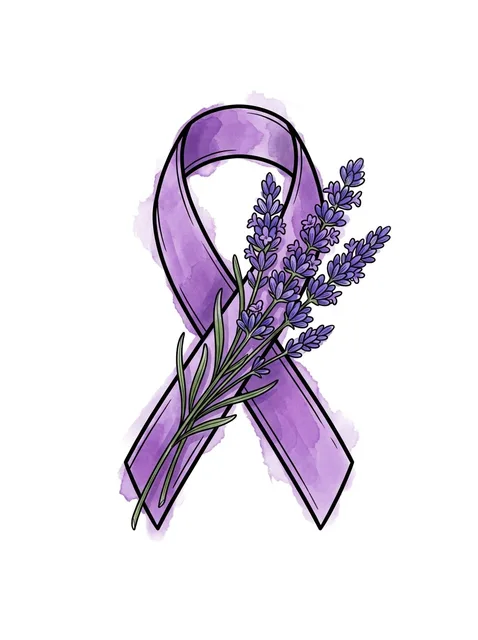
Color watercolor ribbon and lavender tattoo design Try it on — Color watercolor ribbon and lavender tattoo design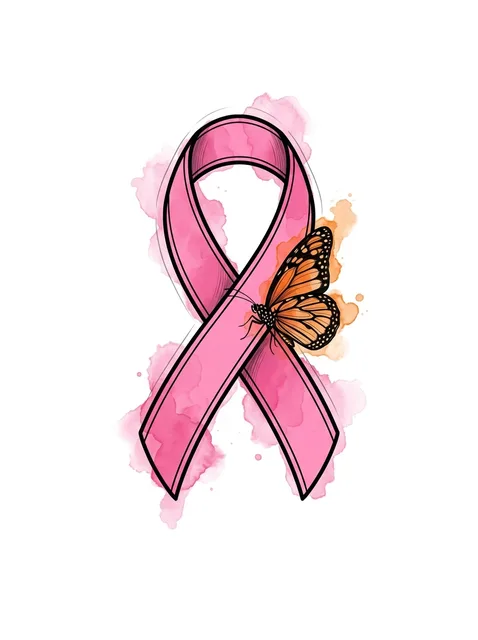
Color watercolor ribbon and butterfly tattoo design: its wings half open Try it on — Color watercolor ribbon and butterfly tattoo design: its wings half open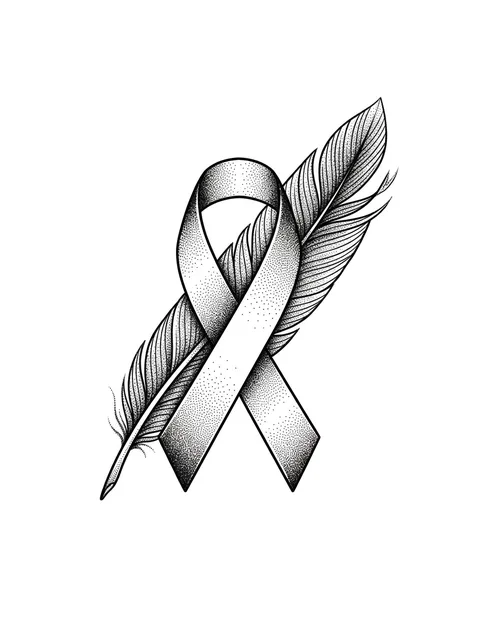
Black and grey dotwork ribbon and feather tattoo design Try it on — Black and grey dotwork ribbon and feather tattoo design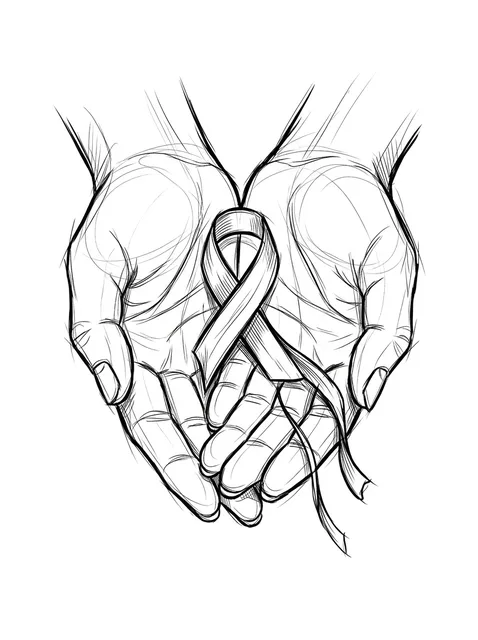
Black and grey sketch ribbon and hand tattoo design Try it on — Black and grey sketch ribbon and hand tattoo design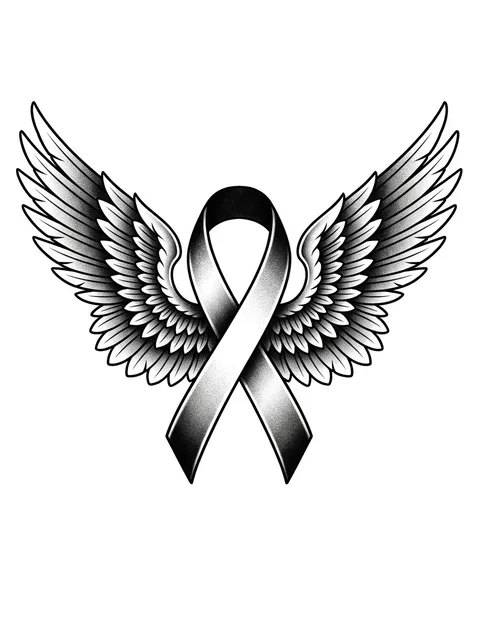
Black and grey illustrative ribbon and angel wings tattoo design Try it on — Black and grey illustrative ribbon and angel wings tattoo design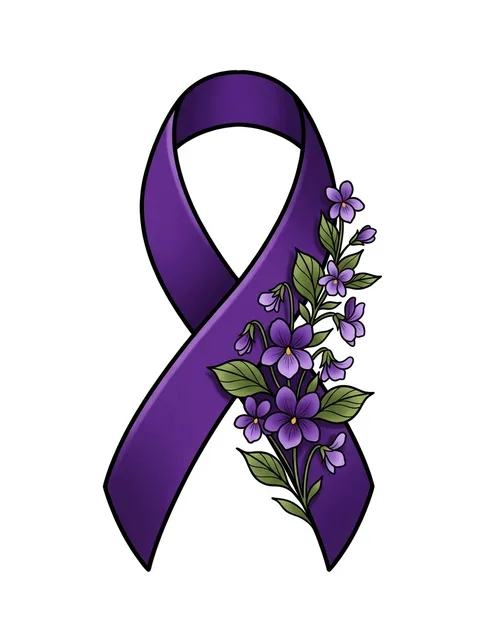
Color illustrative ribbon and violet tattoo design Try it on — Color illustrative ribbon and violet tattoo design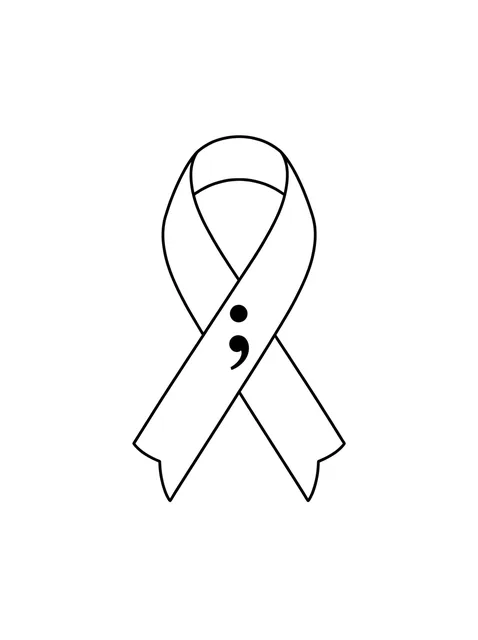
Black and white minimalist ribbon and semicolon tattoo design, outline stencil Try it on — Black and white minimalist ribbon and semicolon tattoo design, outline stencil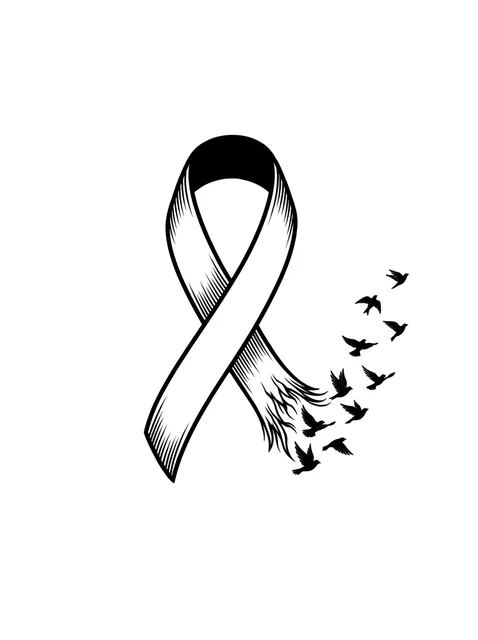
Black and grey illustrative ribbon and bird tattoo design Try it on — Black and grey illustrative ribbon and bird tattoo design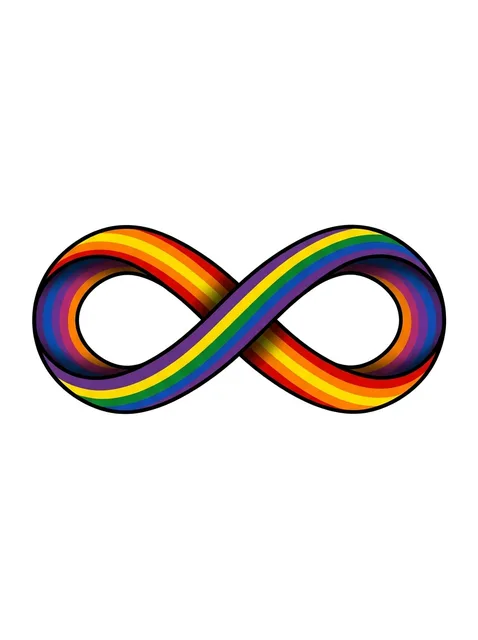
Color illustrative ribbon and infinity tattoo design Try it on — Color illustrative ribbon and infinity tattoo design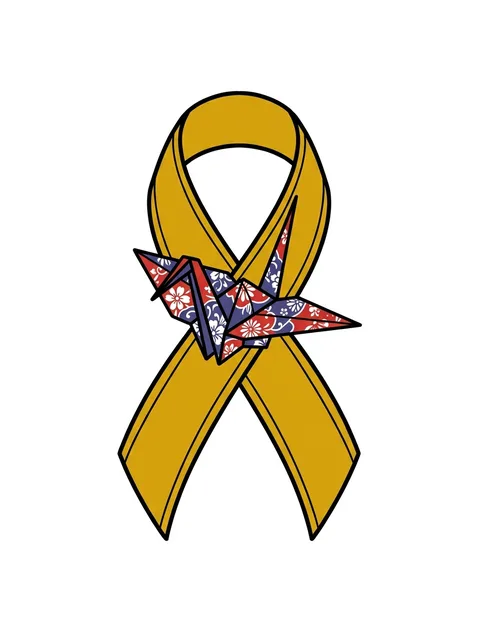
Color illustrative ribbon and paper crane tattoo design Try it on — Color illustrative ribbon and paper crane tattoo design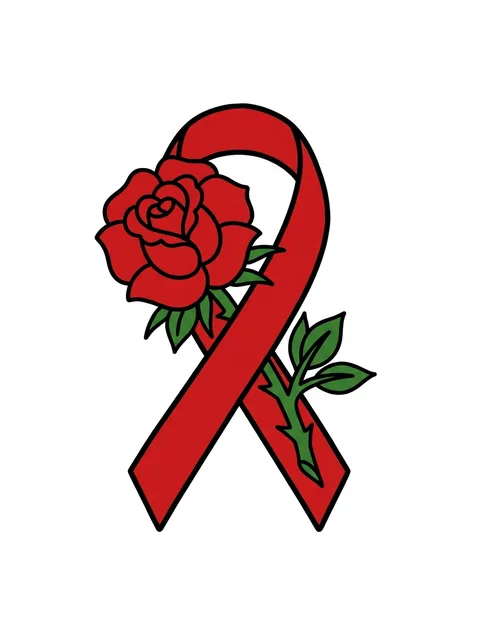
Color traditional ribbon and rose tattoo design Try it on — Color traditional ribbon and rose tattoo design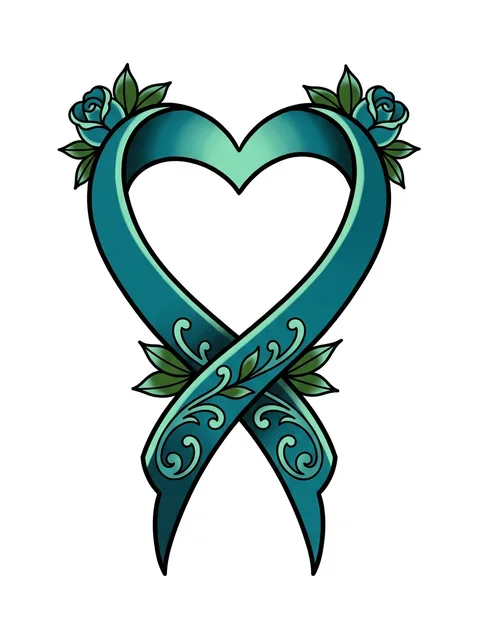
Color neo traditional ribbon and rose tattoo design Try it on — Color neo traditional ribbon and rose tattoo design


Tap any design to see it on your own skin in the try-on — no signup.
This set of 22 awareness ribbon designs, by the numbers
- Styles represented
- illustrative (6), watercolor (3), traditional (2), blackwork (2), stick and poke (1), linework (1)
- Black-and-grey vs colour
- 55% black-and-grey, 45% colour
- Most often drawn with
- rose, lavender, butterfly, feather
Counted from the 22 designs shown on this page. Every one was drawn for InkCraft — none are scraped or reposted. Free to reference with a link to this page.
What a awareness ribbon tattoo means
An awareness ribbon is a pledge of attention rather than a symbol with a meaning of its own. The loop says the wearer stands with somebody, and everything specific is carried by the colour. Leave the colour out and it still reads as support, but for a cause only the wearer knows, which is exactly why some people choose black and grey and keep it private.
The colours are not a registry, and nobody owns them. Purple is claimed at once by Alzheimer's disease, pancreatic cancer, epilepsy and domestic violence; teal marks sexual assault awareness as well as ovarian cancer; red carries Red Ribbon Week, the anti-drug campaign in American schools, besides HIV. The ribbon split lengthwise into pink and pale blue on this page is most often read as pregnancy and infant loss, remembered on 15 October. A stranger will guess and may guess wrong, so a flower, a date or a word beside the loop settles it.
Who wears it changes what it says. A survivor wears the colour of an illness beaten or still being fought; a carer, a partner or a grown child wears it for the person they sat beside; after a death the same loop becomes a memorial, which is where the feathered wings and the tail fraying into a flight of small birds on this page belong.
Two designs here speak to autism, and they disagree. The ribbon built from red, yellow and blue jigsaw pieces is the emblem the Autism Society of America adopted in 1999, but many autistic people dislike the puzzle piece, which to them suggests something missing or a problem to be solved. Many prefer the rainbow infinity loop on this page, a sign for neurodiversity that autistic people chose for themselves. If the tattoo is for an autistic person, ask them which they would want.
Where the design comes from
The ribbon as a public sign began in yellow. After the 1973 hit Tie a Yellow Ribbon Round the Ole Oak Tree, Penne Laingen tied one round a tree in her garden while her husband Bruce was held hostage in Tehran from 1979, and yellow ribbons spread nationwide until the hostages came home. The looped shape came in 1991 from the Visual AIDS Artists Caucus in New York, who pinned a folded red loop to the chest; Jeremy Irons wore one at the Tony Awards that June. Pink followed in 1992 through Alexandra Penney of Self magazine and Evelyn Lauder of Estée Lauder, after Charlotte Haley, a Californian handing out peach ribbons for breast cancer, declined to lend them hers.
Choosing yours
- Settle the shade first, because the colour is the whole message and tattoo pigment drifts. Lavender, light blue, soft pink and yellow weaken in sunlight within a few years, so a pale ribbon needs a firm black outline to stay a ribbon as the colour thins.
- Keep the window in the loop open. That patch of bare skin above the crossing makes the shape a ribbon rather than a bent stroke, and under about 3 cm it fills as the ink settles; the lace, zebra stripes and faceted paper fold here need 7 or 8 cm.
- Survivors have medical questions first. Most artists will not tattoo during chemotherapy, and if lymph nodes were removed, ask the breast-care team before tattooing that arm, since lymphoedema advice usually covers needles. P.ink, an American charity founded in 2013, connects survivors with artists who work over mastectomy scars.
Size, cost and placement
How big, and what it costs
A plain outlined or solid ribbon of 3 to 5 cm is shop-minimum work. The price follows what is added: with a rose, violets or a butterfly it becomes an hour or two at 8 to 10 cm, and the satin ribbon in realism, its folds built from stippling, runs nearer two.
Where it sits, and how much it hurts
The inner wrist is the classic spot, seen by the wearer every day; the ankle and behind the ear are quieter, and over the heart suits a memorial. The wrist is mild for pain, the ankle bone and the sternum sharper.
What to ask your artist
- Whether they can match the cause's exact shade from a real ribbon you bring, not a phone screen.
- How heavy the outline must be for a pale colour to read as a ribbon after five years.
- For survivors, whether they work near scars or radiotherapy skin, and what medical clearance they need.
Prices vary widely by city and artist — treat these as session lengths rather than quotes, and expect a shop minimum on anything small. The cost guide turns hours into money by size, placement and style.
Common questions
Which cause does each ribbon colour stand for?
Widely recognised: pink for breast cancer, red for HIV and AIDS, teal for ovarian cancer, gold for childhood cancer, purple for Alzheimer's disease and epilepsy, zebra stripes for rare diseases. Most colours serve several causes, so strangers may read yours differently.
Why is a zebra-striped ribbon a rare-disease symbol?
From a maxim credited to the American physician Theodore Woodward and taught to medical students: when you hear hoofbeats, think horses, not zebras. People with Ehlers-Danlos syndromes and other rare conditions took the zebra, since theirs is the diagnosis doctors are taught not to expect.
Is the puzzle-piece ribbon offensive to autistic people?
Many find it so. The puzzle piece first appeared in 1963 as the logo of Britain's National Autistic Society, drawn around a weeping child, and many autistic adults read it as calling them incomplete; a rainbow or gold infinity loop is the sign many would rather see.
What does the gold ribbon with a paper crane mean?
Gold is for childhood cancer, and the crane recalls Sadako Sasaki, a Hiroshima girl who folded paper cranes through her leukaemia and died in 1955 aged twelve; her statue in the Peace Memorial Park is hung with children's cranes.
See it on your skin before you commit
InkCraft places any of these designs on a photo of you — scaled, wrapped and shaded to the placement you pick.