 InkCraft
Illustrative tattoo designs, drawn like a plate
48 original illustrative tattoos designs drawn for InkCraftBy Uladzimir TumanauUpdated
Drawn the way a book plate is drawn: a clear light source, full shading, and a subject that reads as a picture of a thing rather than as a symbol for it. It is the largest set in this library.
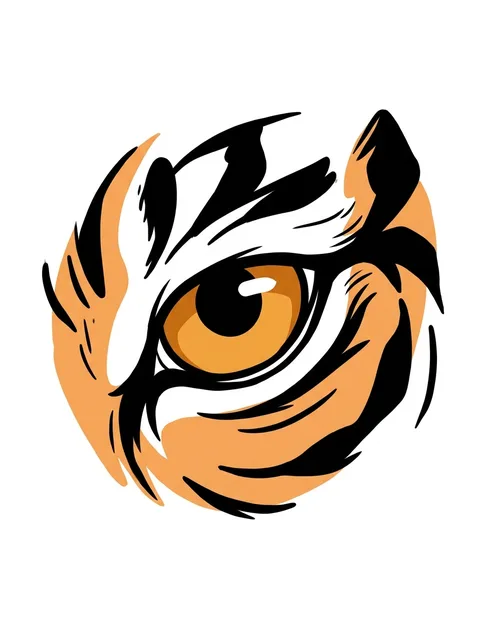
Color illustrative tiger and eye tattoo design: a tiger's eye Try it on — Color illustrative tiger and eye tattoo design: a tiger's eye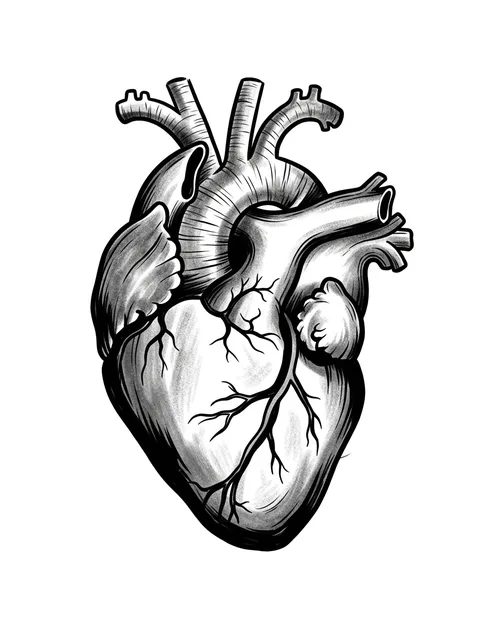
Black and grey illustrative heart tattoo design: an anatomical heart Try it on — Black and grey illustrative heart tattoo design: an anatomical heart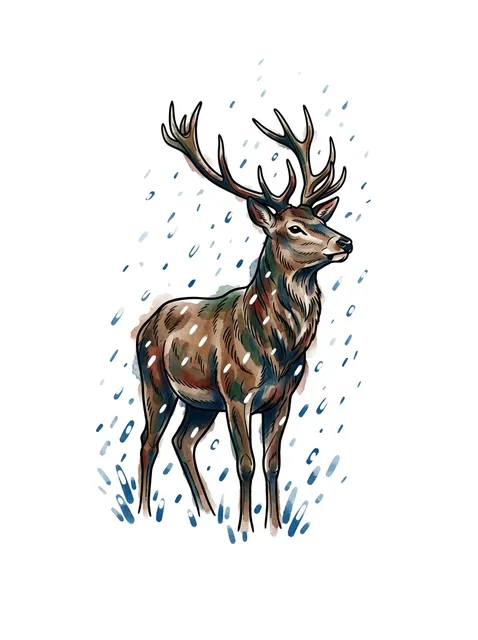
Color illustrative deer tattoo design: a majestic deer with large antlers Try it on — Color illustrative deer tattoo design: a majestic deer with large antlers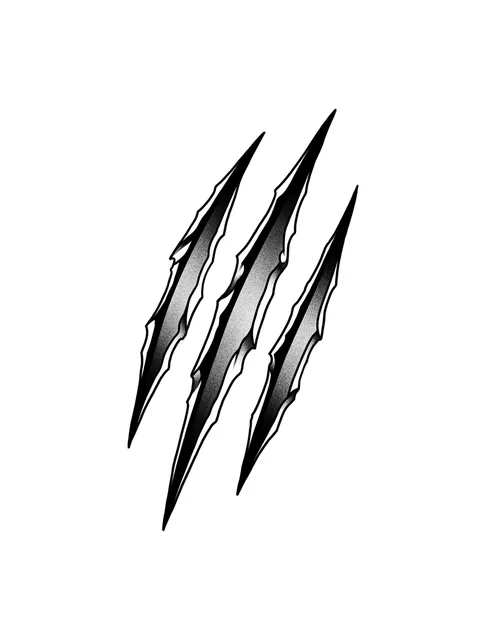
Black and grey illustrative claw tattoo design: three sharp, jagged claw marks Try it on — Black and grey illustrative claw tattoo design: three sharp, jagged claw marks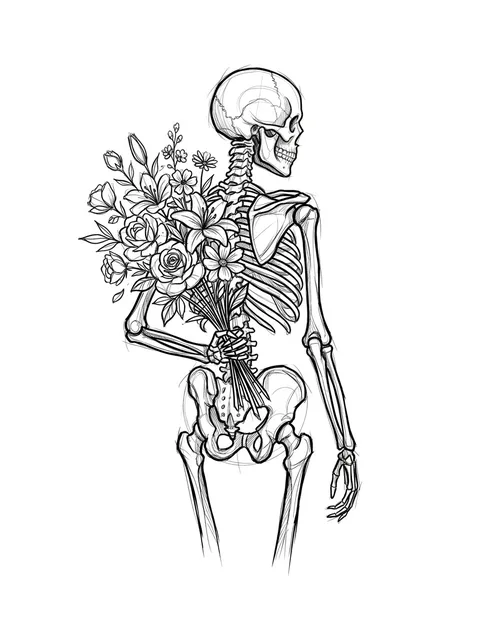
Black and grey illustrative skeleton and flower tattoo design Try it on — Black and grey illustrative skeleton and flower tattoo design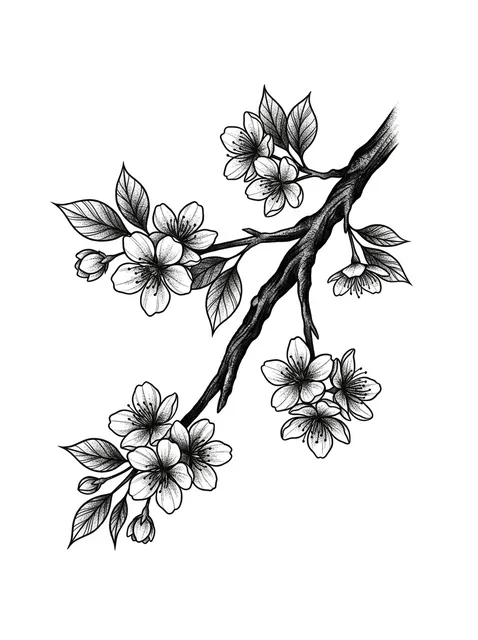
Black and grey illustrative cherry blossom and flower tattoo design: a branch of cherry blossoms Try it on — Black and grey illustrative cherry blossom and flower tattoo design: a branch of cherry blossoms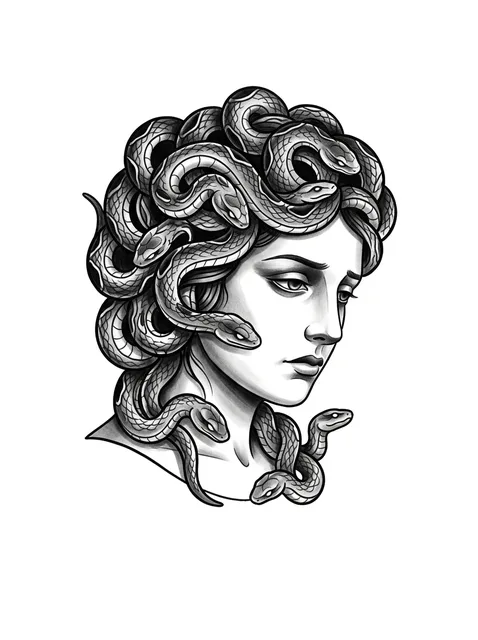
Black and grey illustrative medusa and snake tattoo design: a serene yet melancholic expression Try it on — Black and grey illustrative medusa and snake tattoo design: a serene yet melancholic expression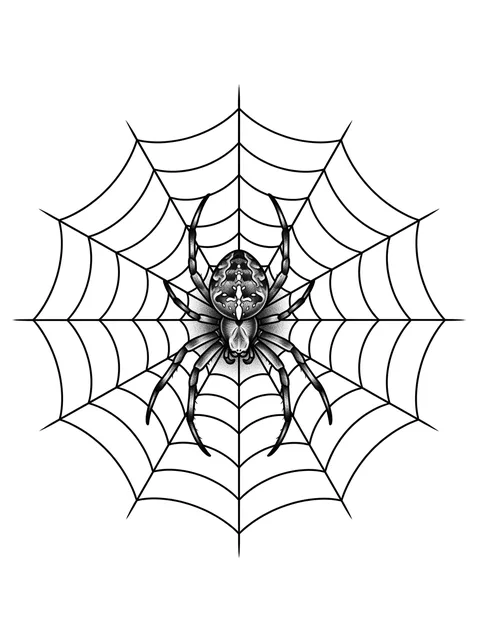
Black and grey illustrative spider tattoo design: a spider centered on a spiderweb Try it on — Black and grey illustrative spider tattoo design: a spider centered on a spiderweb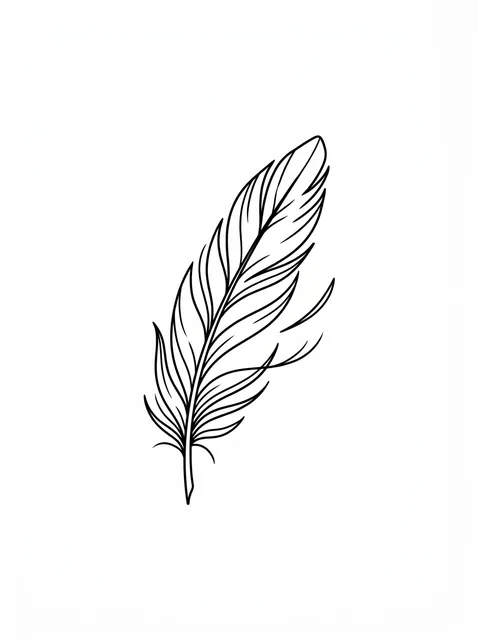
Black and grey illustrative feather tattoo design: a single feather Try it on — Black and grey illustrative feather tattoo design: a single feather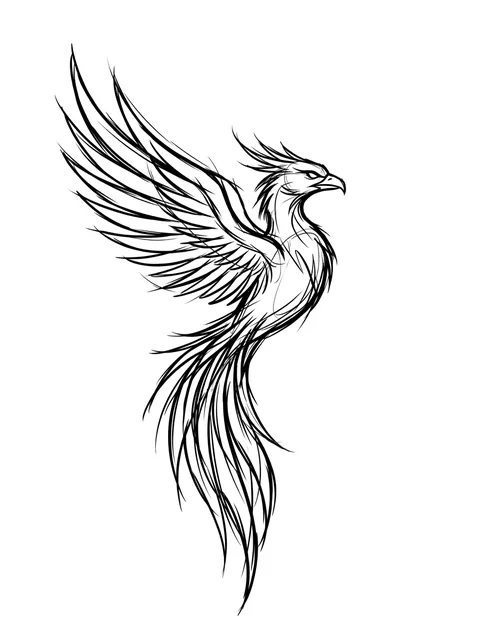
Black and grey illustrative phoenix tattoo design: a phoenix in flight Try it on — Black and grey illustrative phoenix tattoo design: a phoenix in flight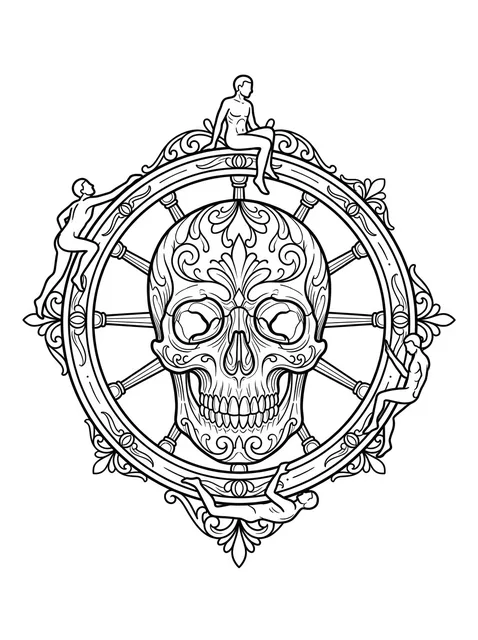
Black and grey illustrative memento mori and skull tattoo design Try it on — Black and grey illustrative memento mori and skull tattoo design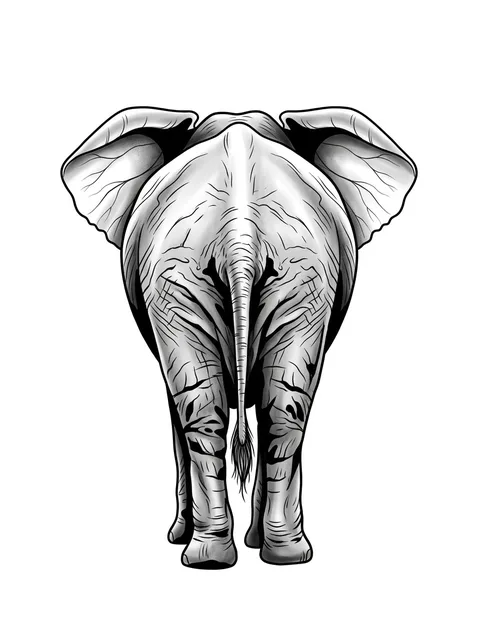
Black and grey illustrative elephant tattoo design: an elephant, viewed from behind Try it on — Black and grey illustrative elephant tattoo design: an elephant, viewed from behind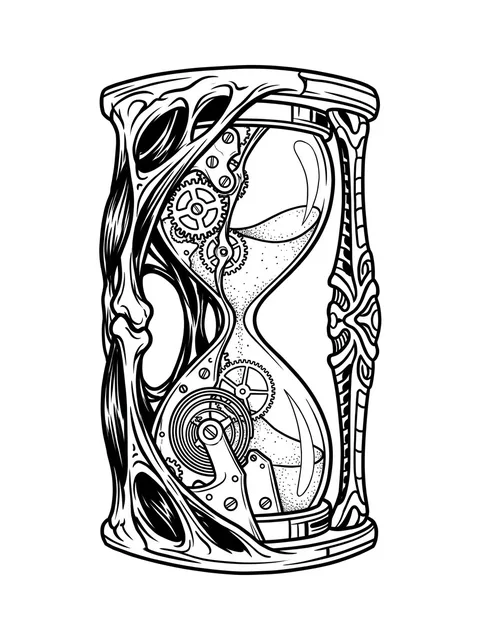
Black and grey illustrative hourglass tattoo design Try it on — Black and grey illustrative hourglass tattoo design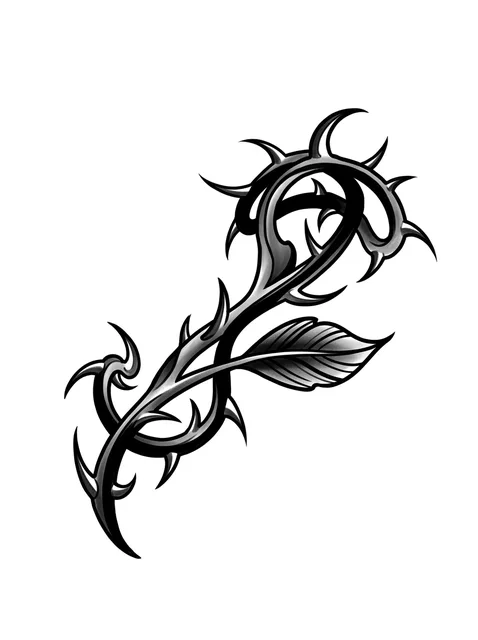
Black and grey illustrative vine and leaf tattoo design: a thorny vine with a single leaf Try it on — Black and grey illustrative vine and leaf tattoo design: a thorny vine with a single leaf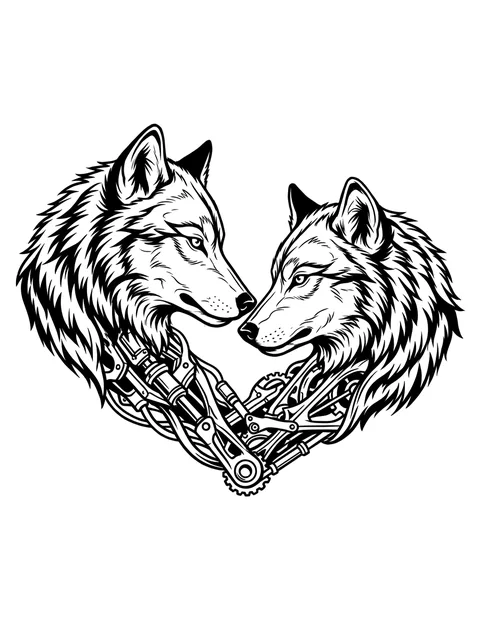
Black and white illustrative wolf and heart tattoo design Try it on — Black and white illustrative wolf and heart tattoo design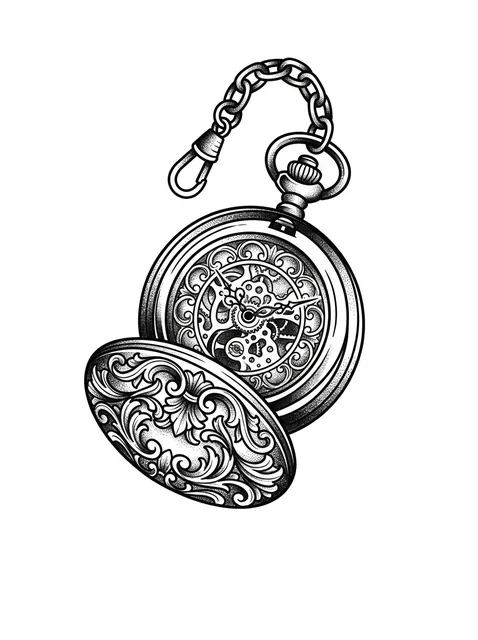
Black and grey illustrative clock tattoo design: an open pocket watch with an ornate cover Try it on — Black and grey illustrative clock tattoo design: an open pocket watch with an ornate cover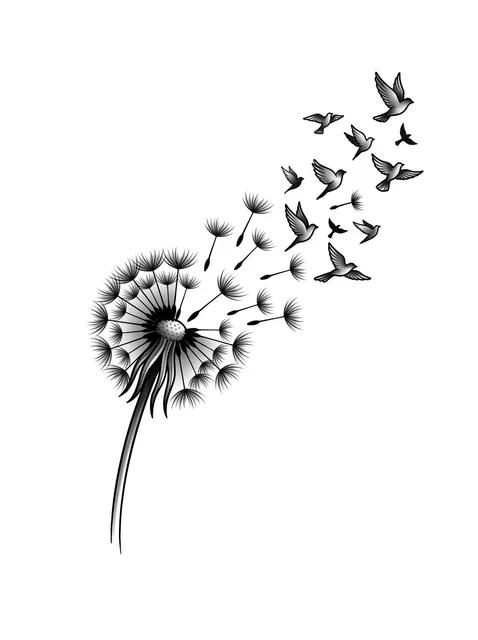
Black and grey illustrative dandelion and bird tattoo design Try it on — Black and grey illustrative dandelion and bird tattoo design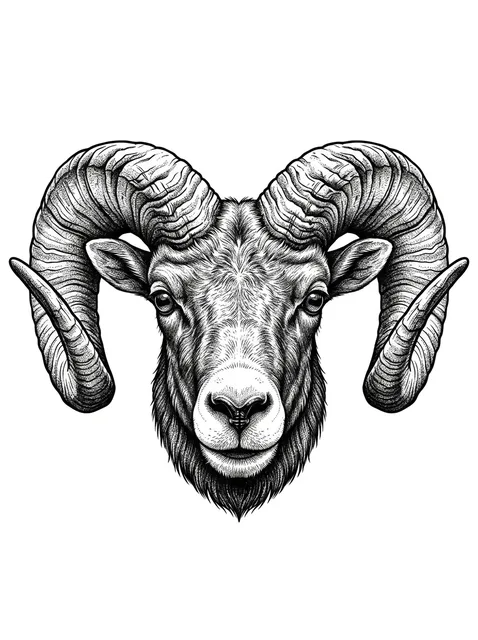
Black and white illustrative goat tattoo design: the head of a ram Try it on — Black and white illustrative goat tattoo design: the head of a ram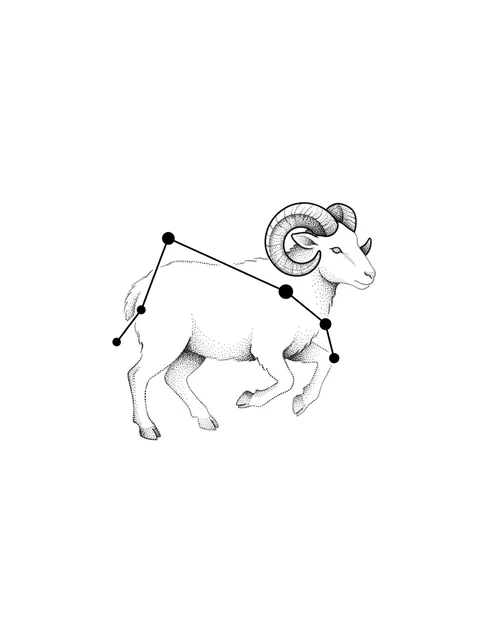
Black and grey illustrative aries and constellation tattoo design: the Aries zodiac sign Try it on — Black and grey illustrative aries and constellation tattoo design: the Aries zodiac sign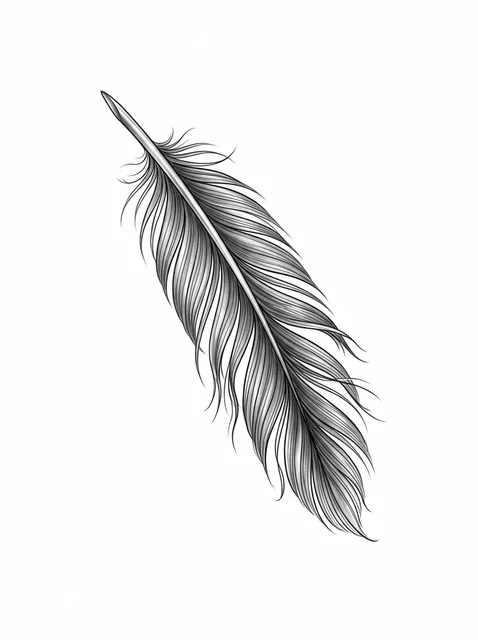
Black and grey illustrative feather tattoo design: a single feather Try it on — Black and grey illustrative feather tattoo design: a single feather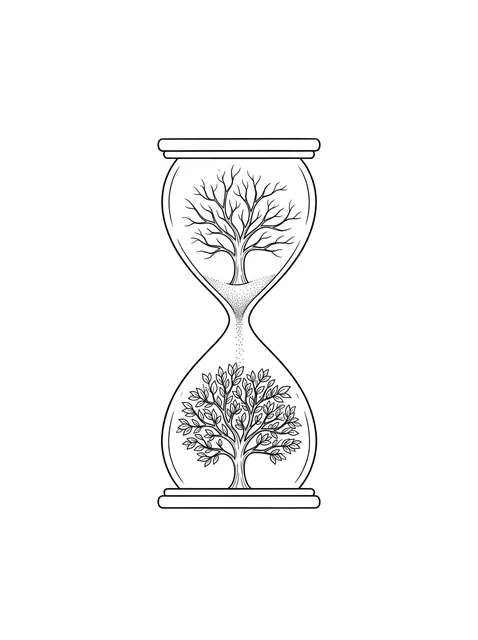
Black and grey illustrative tree and hourglass tattoo design: an hourglass with two trees inside Try it on — Black and grey illustrative tree and hourglass tattoo design: an hourglass with two trees inside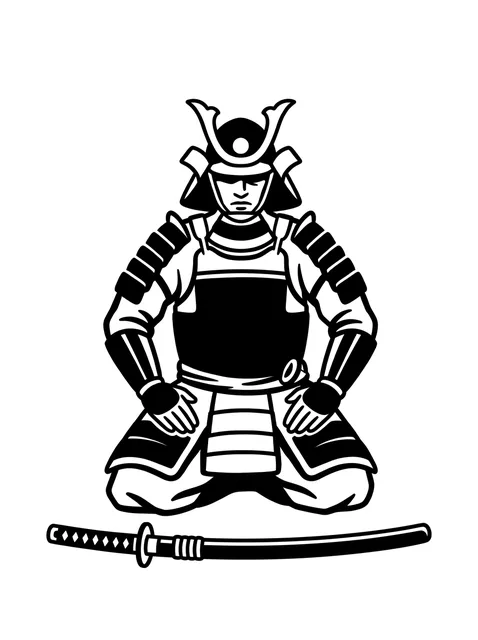
Black and white illustrative samurai and sword tattoo design: a kneeling samurai in full armor Try it on — Black and white illustrative samurai and sword tattoo design: a kneeling samurai in full armor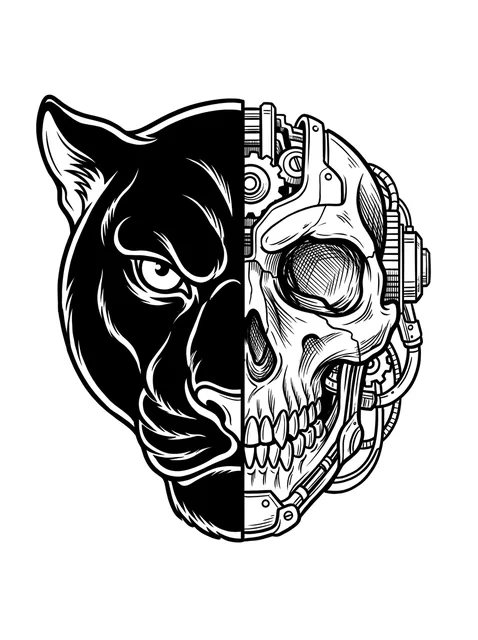
Black and white illustrative panther and skull tattoo design Try it on — Black and white illustrative panther and skull tattoo design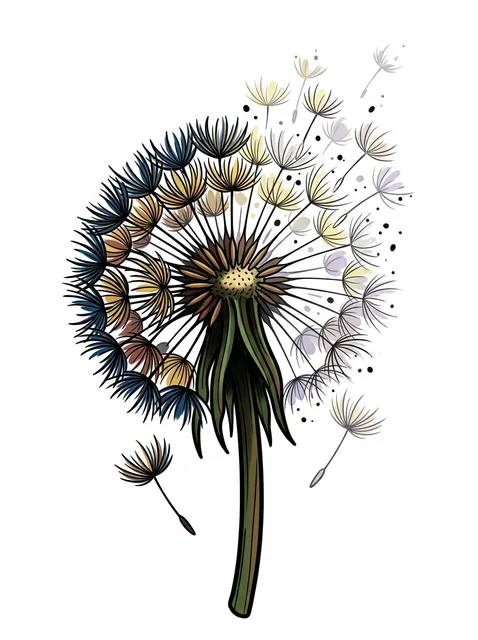
Color illustrative dandelion and flower tattoo design Try it on — Color illustrative dandelion and flower tattoo design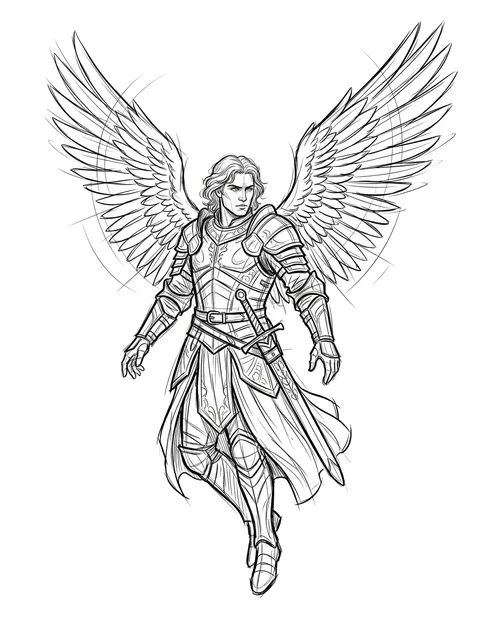
Black and grey illustrative archangel and angel tattoo design Try it on — Black and grey illustrative archangel and angel tattoo design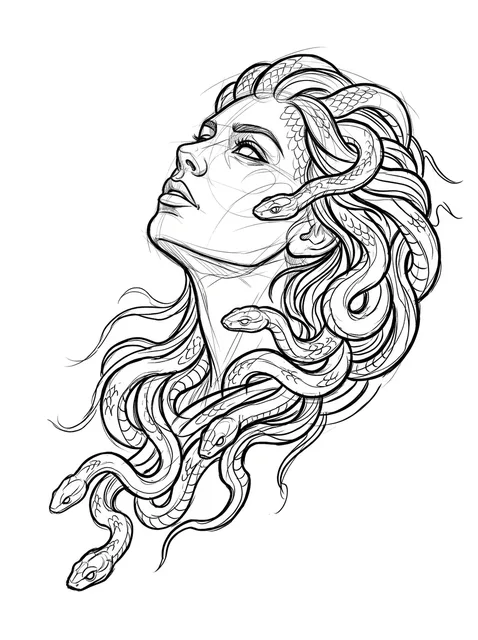
Black and grey illustrative medusa and woman portrait tattoo design Try it on — Black and grey illustrative medusa and woman portrait tattoo design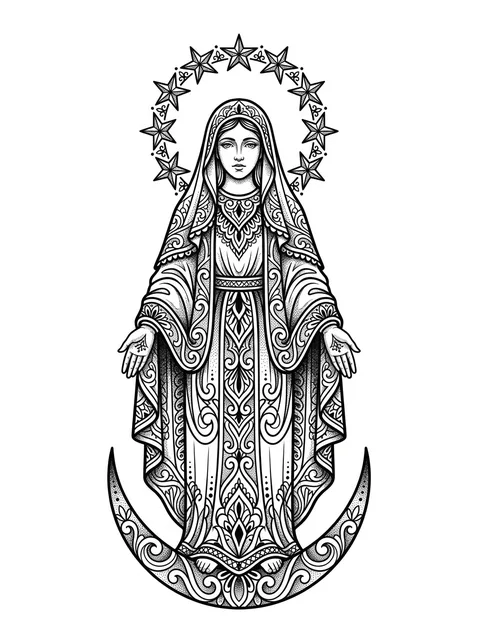
Black and white illustrative virgin mary and star tattoo design Try it on — Black and white illustrative virgin mary and star tattoo design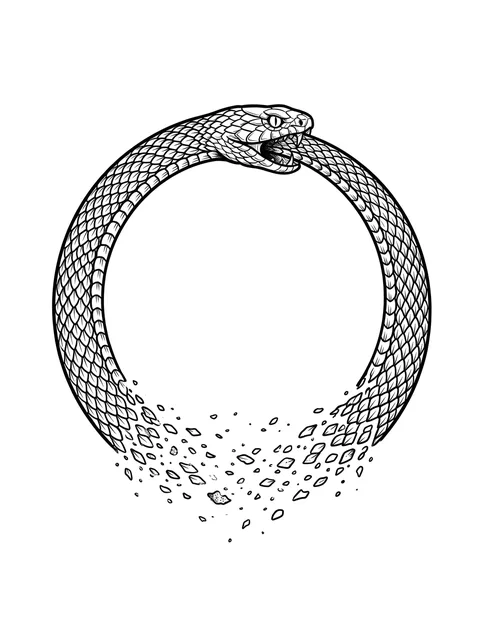
Black and white illustrative ouroboros and snake tattoo design Try it on — Black and white illustrative ouroboros and snake tattoo design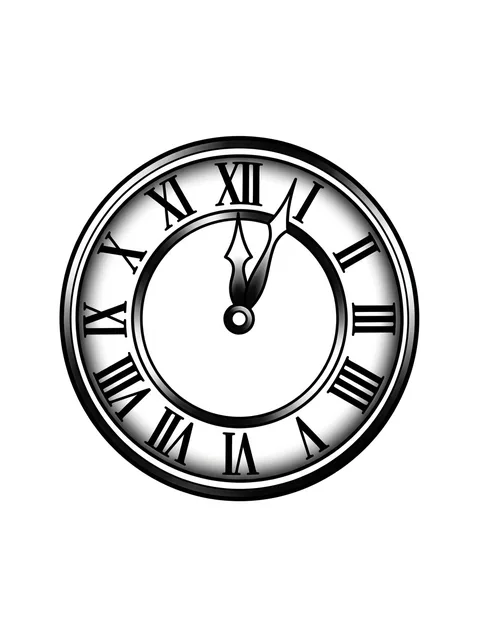
Black and grey illustrative clock tattoo design: a clock face with Roman numerals Try it on — Black and grey illustrative clock tattoo design: a clock face with Roman numerals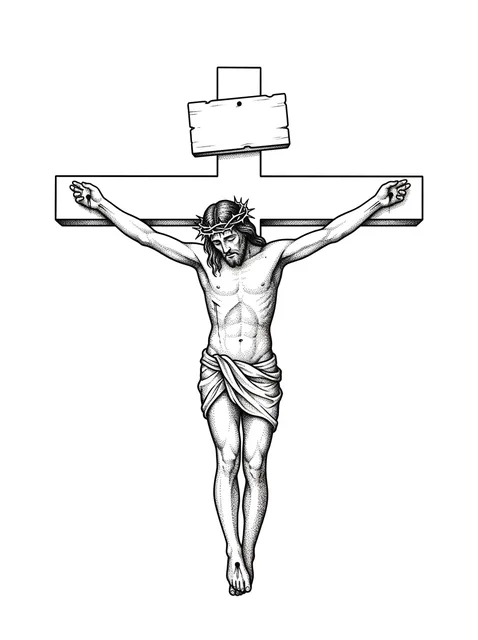
Black and grey illustrative jesus and crucifix tattoo design Try it on — Black and grey illustrative jesus and crucifix tattoo design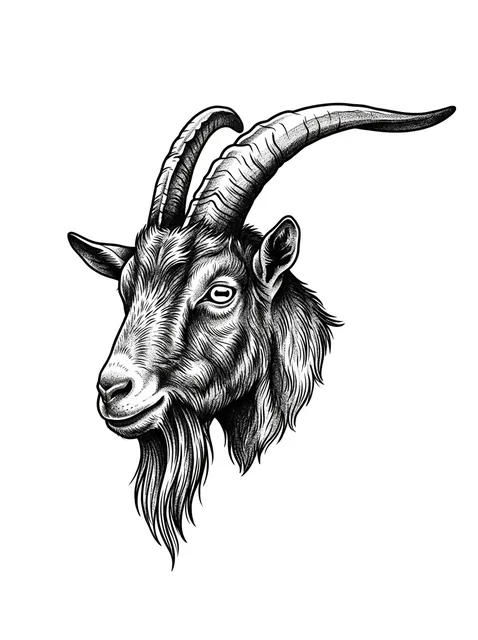
Black and grey illustrative goat tattoo design: the head of a goat Try it on — Black and grey illustrative goat tattoo design: the head of a goat
Black and grey illustrative music note and swallow tattoo design: their wings open Try it on — Black and grey illustrative music note and swallow tattoo design: their wings open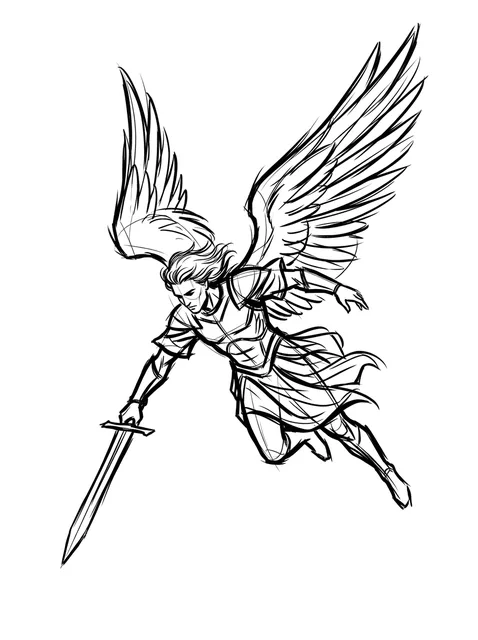
Black and grey illustrative archangel and angel tattoo design: an angel in flight, holding a sword Try it on — Black and grey illustrative archangel and angel tattoo design: an angel in flight, holding a sword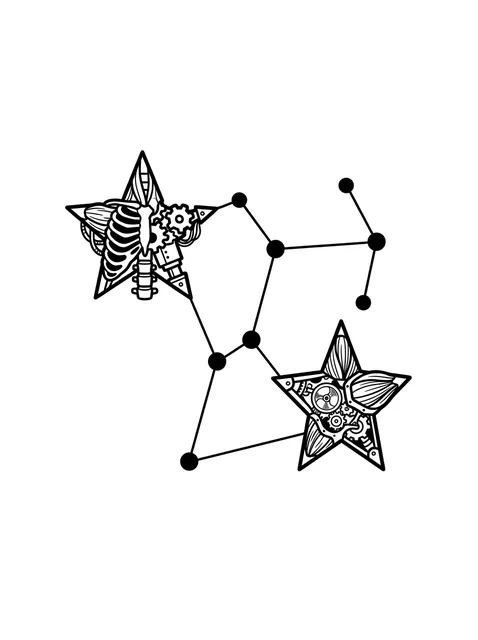
Black and white illustrative star and skeleton tattoo design: a constellation of stars Try it on — Black and white illustrative star and skeleton tattoo design: a constellation of stars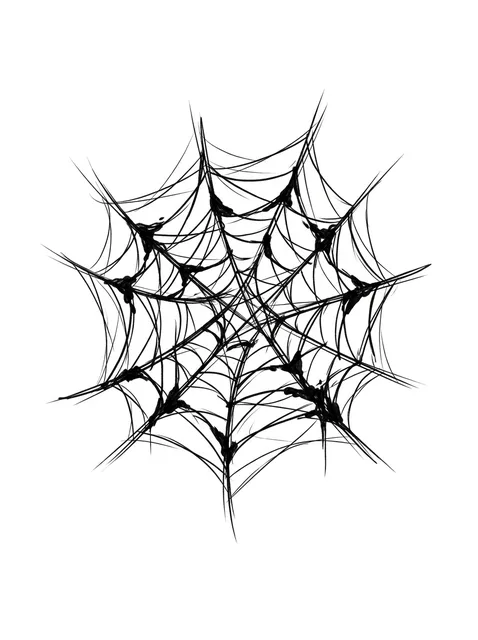
Black and grey illustrative web tattoo design Try it on — Black and grey illustrative web tattoo design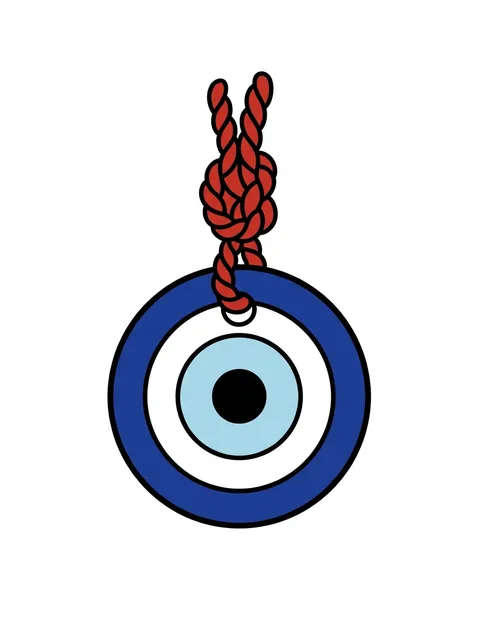
Color illustrative evil eye tattoo design: a classic evil eye symbol Try it on — Color illustrative evil eye tattoo design: a classic evil eye symbol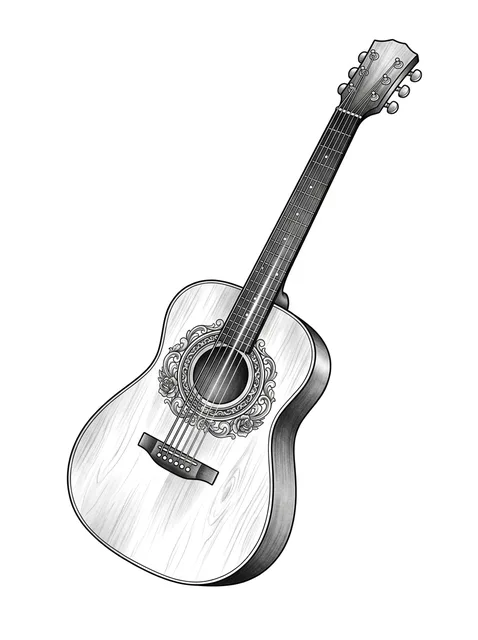
Black and grey illustrative guitar and rose tattoo design: an acoustic guitar Try it on — Black and grey illustrative guitar and rose tattoo design: an acoustic guitar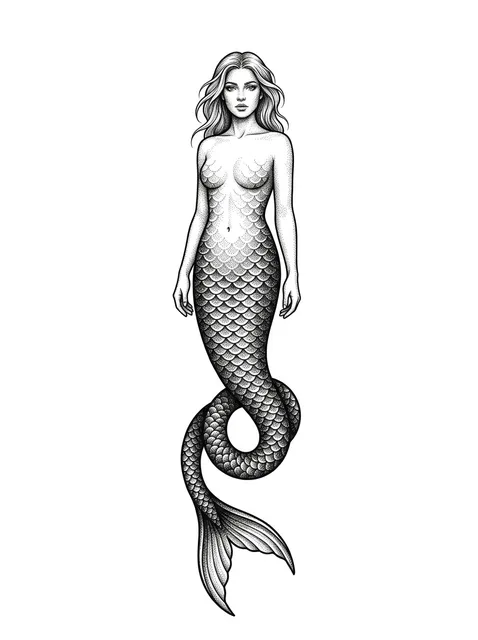
Black and grey illustrative mermaid tattoo design Try it on — Black and grey illustrative mermaid tattoo design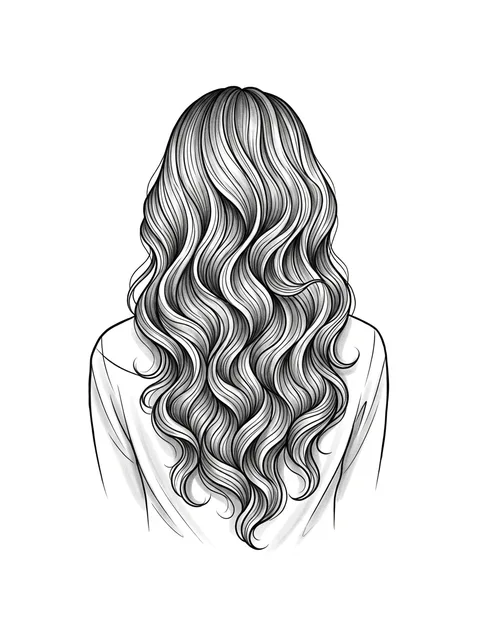
Black and grey illustrative woman portrait tattoo design Try it on — Black and grey illustrative woman portrait tattoo design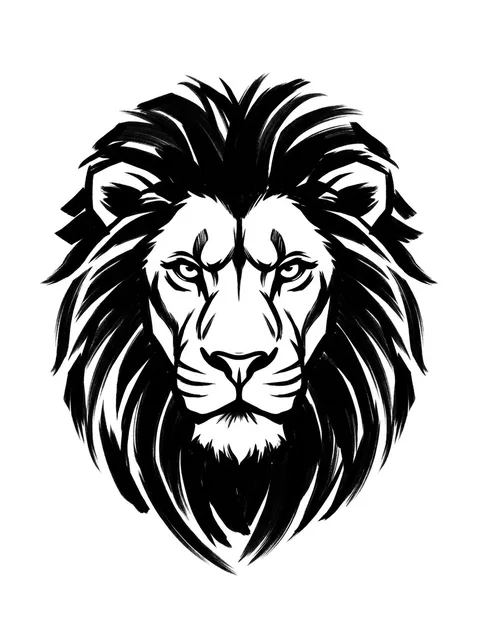
Black and white illustrative lion tattoo design: a lion's head, facing forward with an intense gaze Try it on — Black and white illustrative lion tattoo design: a lion's head, facing forward with an intense gaze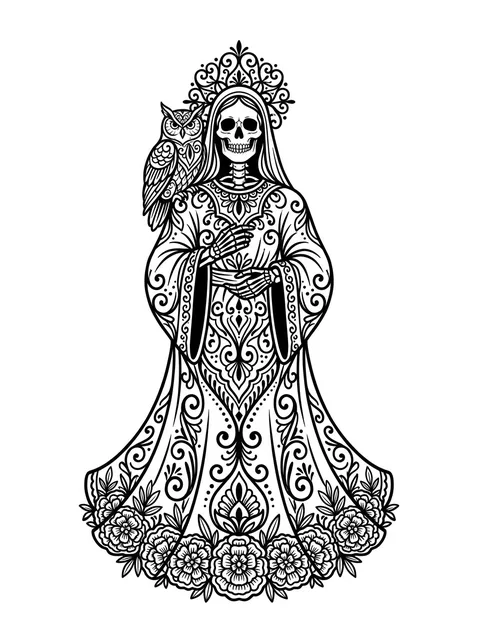
Black and grey illustrative santa muerte and grim reaper tattoo design Try it on — Black and grey illustrative santa muerte and grim reaper tattoo design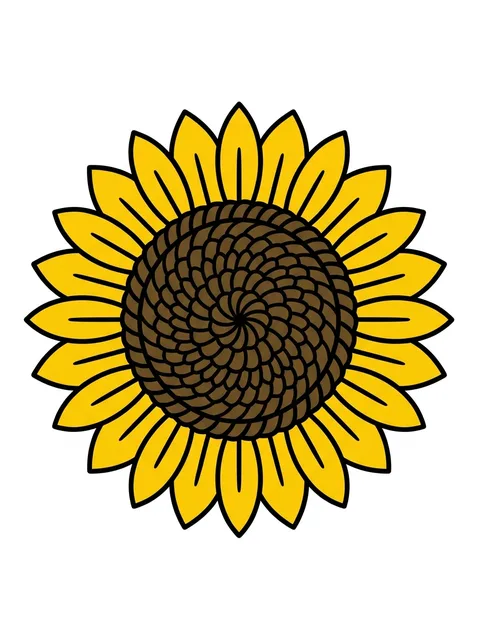
Color illustrative sunflower and flower tattoo design Try it on — Color illustrative sunflower and flower tattoo design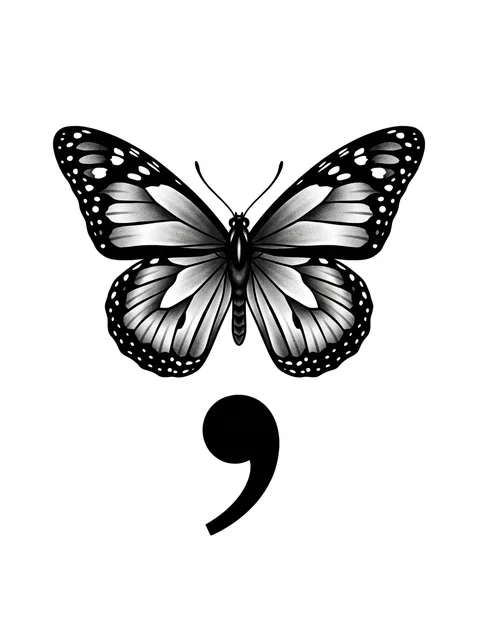
Black and grey illustrative butterfly and semicolon tattoo design: a monarch butterfly in flight Try it on — Black and grey illustrative butterfly and semicolon tattoo design: a monarch butterfly in flight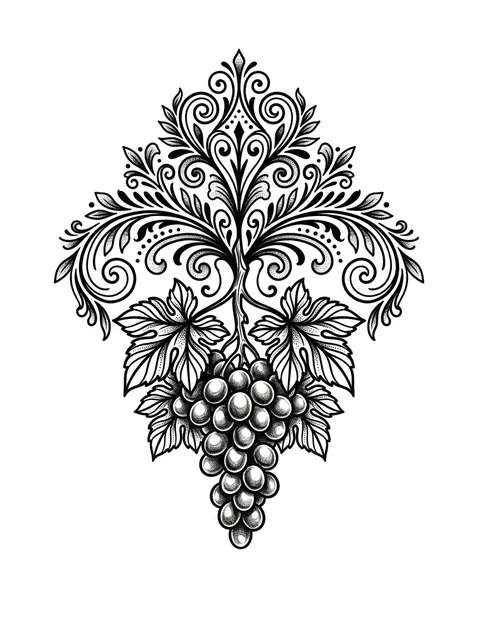
Black and grey illustrative vine and leaf tattoo design: an ornate vine with a cluster of grapes Try it on — Black and grey illustrative vine and leaf tattoo design: an ornate vine with a cluster of grapes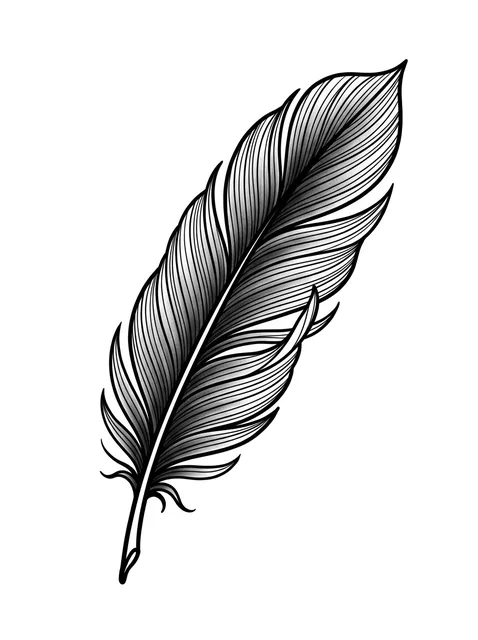
Black and grey illustrative feather tattoo design Try it on — Black and grey illustrative feather tattoo design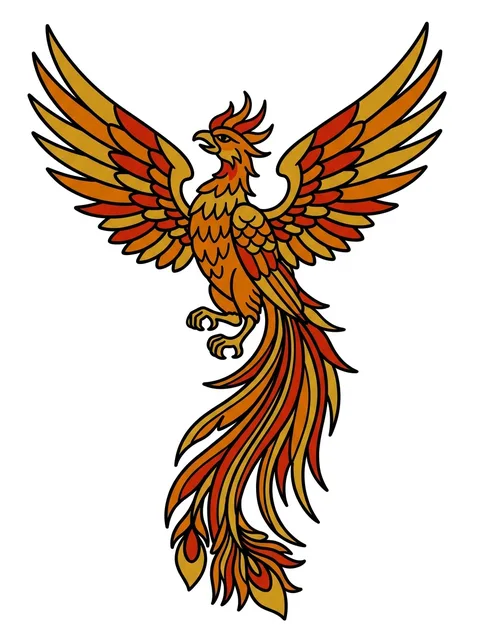
Color illustrative phoenix tattoo design Try it on — Color illustrative phoenix tattoo design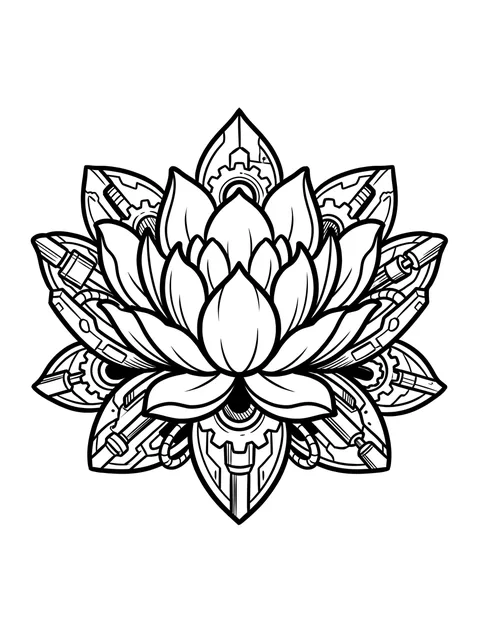
Black and white illustrative lotus and mandala tattoo design Try it on — Black and white illustrative lotus and mandala tattoo design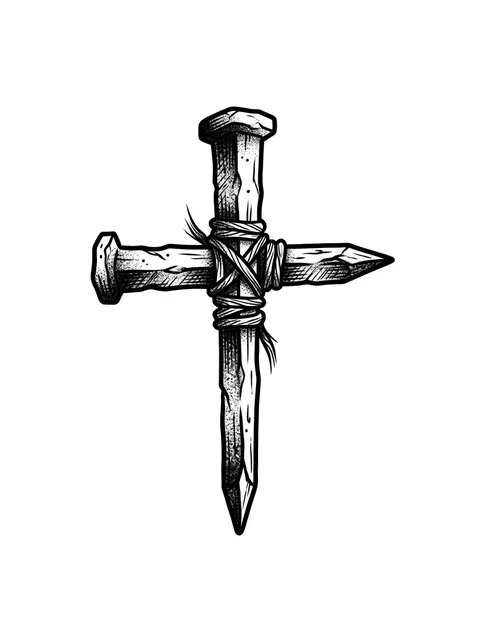
Black and grey illustrative cross tattoo design Try it on — Black and grey illustrative cross tattoo design


48 designs drawn for InkCraft in this style. Tap any one to place it on a photo of your own skin.
These 48 designs, in numbers
- Black and grey
- 42
- Colour
- 6
- Subjects covered
- 57
A light source is the whole difference
Most tattoo styles are flat by design — a traditional rose is a symbol of a rose, lit from nowhere in particular. An illustrative piece commits to a direction the light is coming from, and then everything in the drawing obeys it: the shadow under a jaw, the highlight along a stem, the way a form turns away and darkens.
That single decision is what makes the subject read as an object occupying space. It is also the thing most likely to be got wrong, because it has to be consistent across the entire piece — one element lit from the other side and the illusion collapses, in a way that no flat style can suffer from.
The style takes its vocabulary from engraving, etching and printed book illustration rather than from tattoo flash, which is why the results often look like a plate from a natural history volume. Cross-hatching, stippling and fine parallel shading all come from that tradition.
Why it fits almost any subject
Because it is a way of drawing rather than a set of motifs, there is very little it cannot take on. Animals, plants, objects, architecture, figures — all sit inside the same approach, which is why it accounts for the largest share of this library by a wide margin.
That breadth has a consequence worth naming: two illustrative pieces are related by technique rather than by subject, so an arm built in this style holds together far better than one assembled from unrelated styles, without every piece having to be about the same thing.
It is also the most straightforward style to commission from a reference. If you can show what you want a picture of, an illustrative artist can draw it as an illustration — which is not true of traditional work, where a subject outside the vocabulary has to be invented into it.
What it needs to hold up
Room, mainly. Shading needs space to be a gradient, so 12 cm is a sensible floor and most pieces want more. Shrink an illustrative design and the tonal range compresses into a single mid-grey, which is the most common way this style disappoints people over time.
It also needs clean line discipline underneath. The pieces that still read at twenty years are the ones where a defined line describes the subject and the shading sits inside it; the ones that go soft are the ones built from tone alone, where spread has nothing to hold on to.
Given the size, the forearm, thigh, upper back, calf and chest are the natural homes. All are large enough to carry a gradient and stable enough that the light logic of the drawing is not distorted by the shape of the body beneath it.
What an hour of this work costs, and how many hours illustrative tattoos takes at each size, is in the cost guide. How it behaves later — under a laser, and as the thing doing the covering — is in the removal and cover-up guide.
Common questions
- What makes a tattoo illustrative rather than traditional?
- A committed light source. Traditional work is flat and symbolic; an illustrative piece decides where the light comes from and shades every element consistently with it, so the subject reads as an object in space rather than as a sign for one.
- What size does an illustrative tattoo need?
- Around 12 cm as a floor, and most pieces want more. The tonal range is the point, and shading needs room to be a gradient — reduce it too far and the shadows and highlights compress into one flat mid-grey.
- Does it age well?
- It does when there is a defined line describing the subject with shading inside it. Pieces built from tone alone lose definition as ink spreads, because nothing is holding the edges. Ask to see healed work rather than fresh photographs.
- Can I bring my own reference?
- This is the style where that works best. It is a way of drawing rather than a fixed set of motifs, so an artist can render almost any subject as an illustration — where a traditional artist would have to translate it into an existing visual vocabulary first.
See this style on your own skin
InkCraft places a design on a photo of you — scaled, wrapped and shaded to the spot you pick, so you can judge how the style reads on your body before it is permanent.