 InkCraft
80 Rose Tattoo Ideas, Stencils and Meaning
80 original rose designs drawn for InkCraftBy Uladzimir TumanauUpdated
Opens in your browser. No signup. Or tap any design below.
The most-tattooed flower in the West, and the one with the most versions worth telling apart. Whether it keeps its stem decides where it can go: a stemmed rose needs a long field like a forearm, a bloom on its own sits better on broad skin.
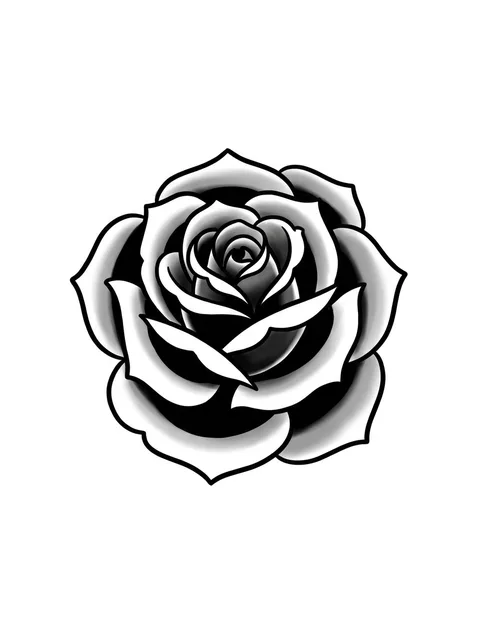
Black and grey traditional rose tattoo design (1 of 2) Try it on — Black and grey traditional rose tattoo design (1 of 2)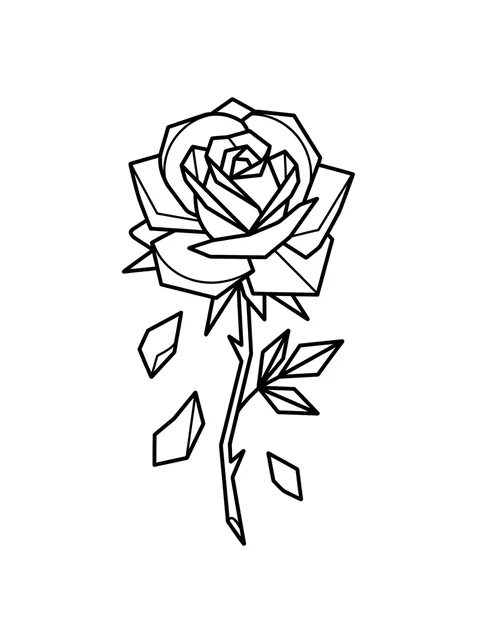
Black and white geometric rose tattoo design, outline stencil Try it on — Black and white geometric rose tattoo design, outline stencil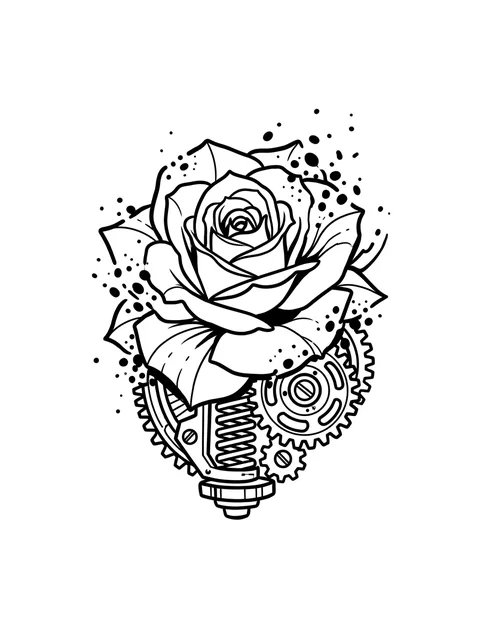
Black and white illustrative rose tattoo design: a detailed rose Try it on — Black and white illustrative rose tattoo design: a detailed rose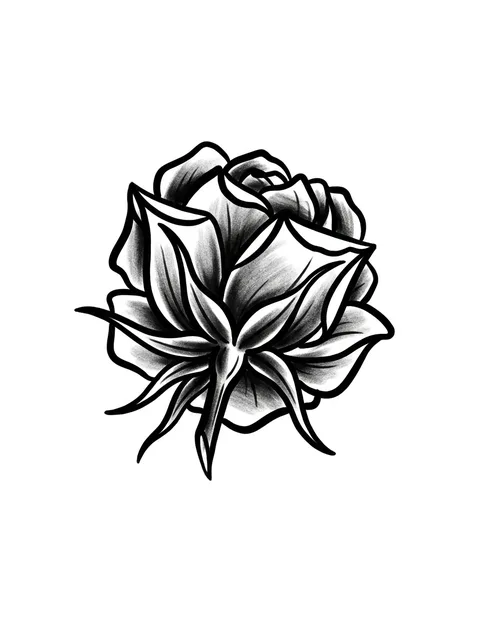
Black and grey traditional rose tattoo design (2 of 2) Try it on — Black and grey traditional rose tattoo design (2 of 2)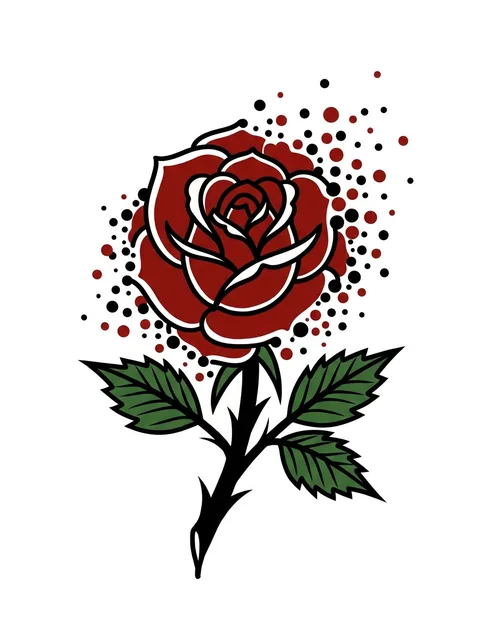
Color neo traditional rose tattoo design: a deep red bloom Try it on — Color neo traditional rose tattoo design: a deep red bloom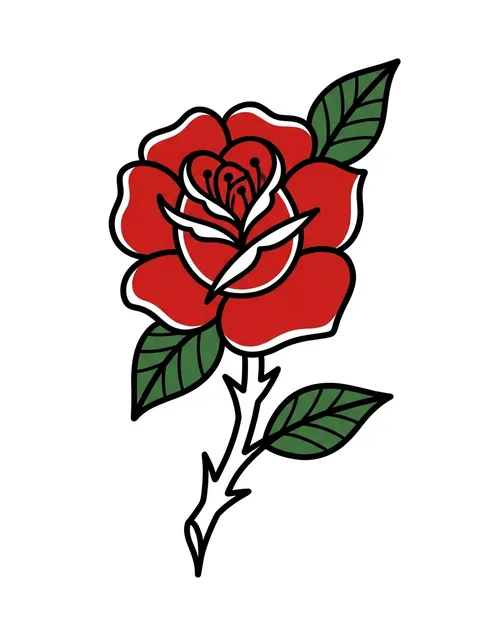
Color traditional rose tattoo design: a single red rose with green leaves and a thorny stem Try it on — Color traditional rose tattoo design: a single red rose with green leaves and a thorny stem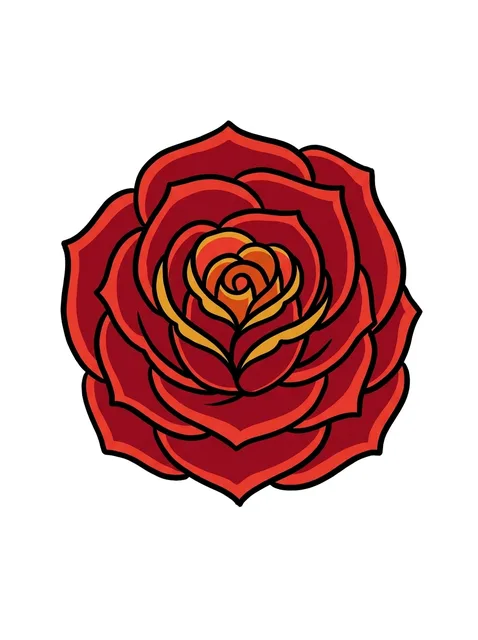
Color traditional rose tattoo design Try it on — Color traditional rose tattoo design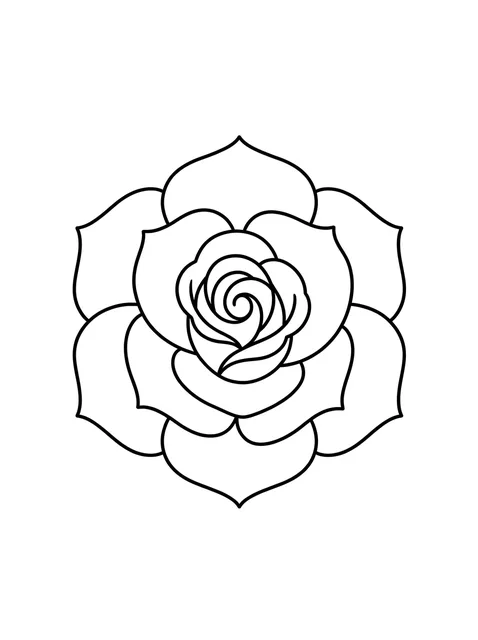
Black and white linework rose tattoo design, outline stencil: a single rose in full bloom (1 of 2) Try it on — Black and white linework rose tattoo design, outline stencil: a single rose in full bloom (1 of 2)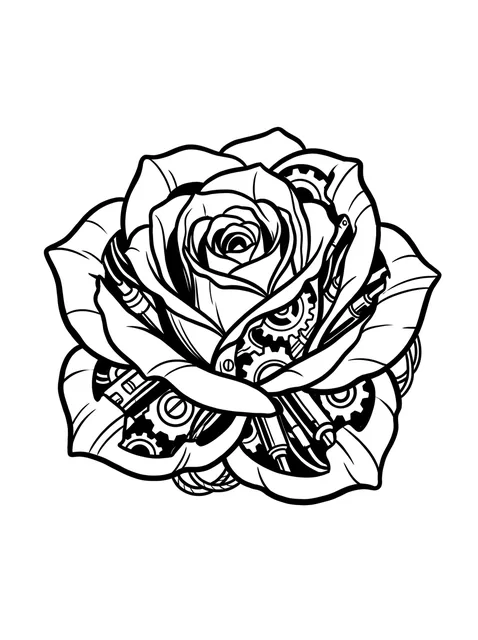
Black and white illustrative rose tattoo design Try it on — Black and white illustrative rose tattoo design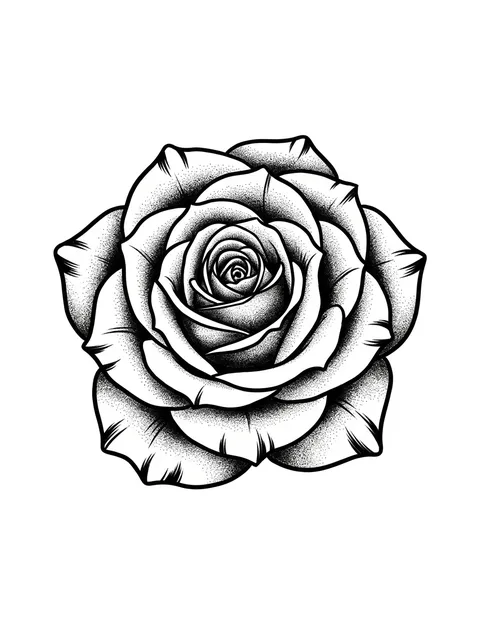
Black and white dotwork rose tattoo design: the rose is prominent Try it on — Black and white dotwork rose tattoo design: the rose is prominent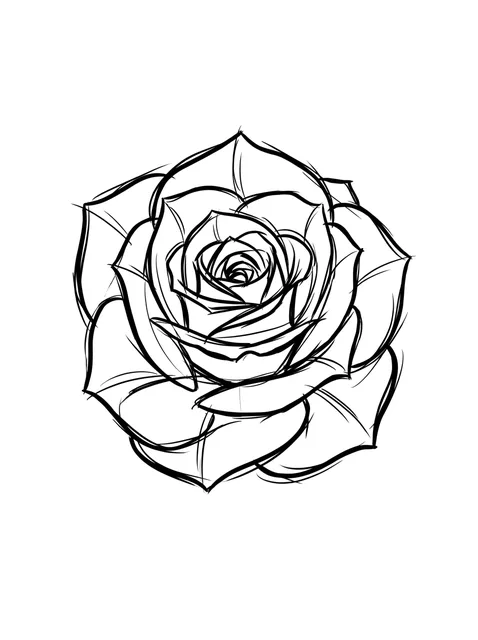
Black and grey sketch rose tattoo design: a single rose Try it on — Black and grey sketch rose tattoo design: a single rose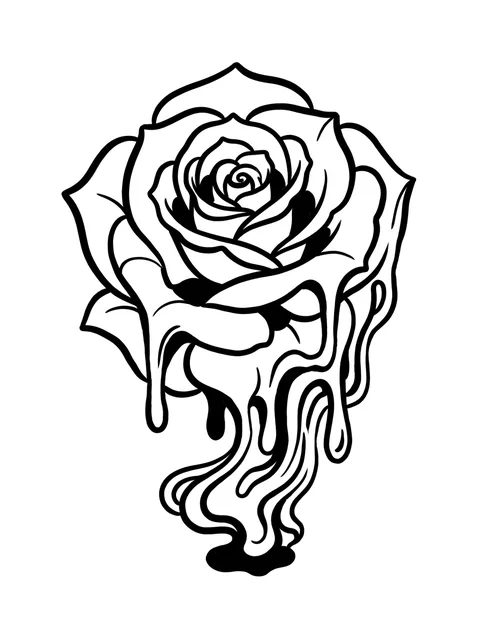
Black and white illustrative rose tattoo design: a single rose with stylized dripping elements Try it on — Black and white illustrative rose tattoo design: a single rose with stylized dripping elements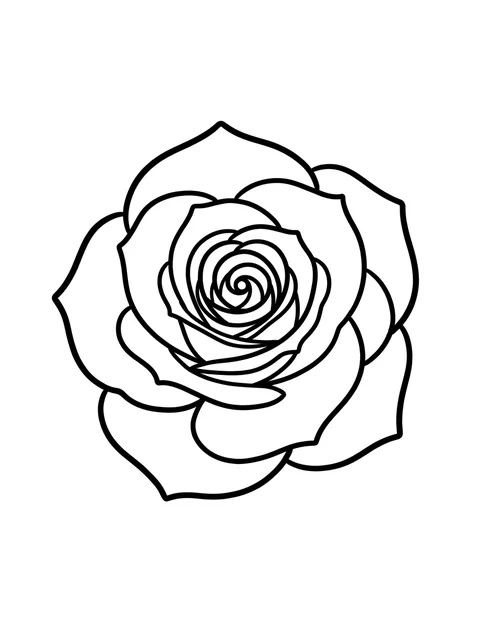
Black and white linework rose tattoo design, outline stencil: a single rose in full bloom (2 of 2) Try it on — Black and white linework rose tattoo design, outline stencil: a single rose in full bloom (2 of 2)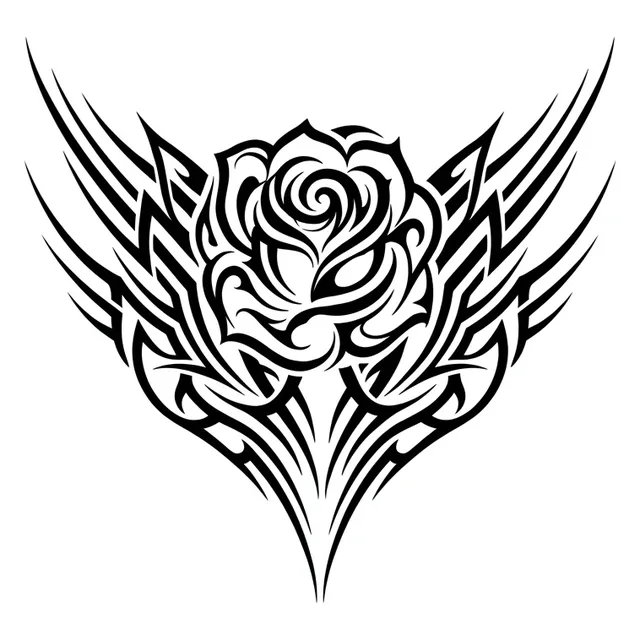
Black and white tribal rose tattoo design Try it on — Black and white tribal rose tattoo design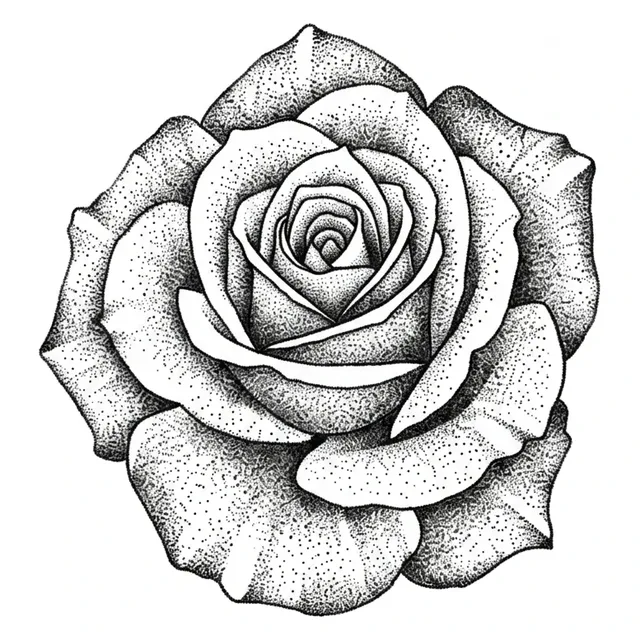
Black and grey dotwork rose tattoo design Try it on — Black and grey dotwork rose tattoo design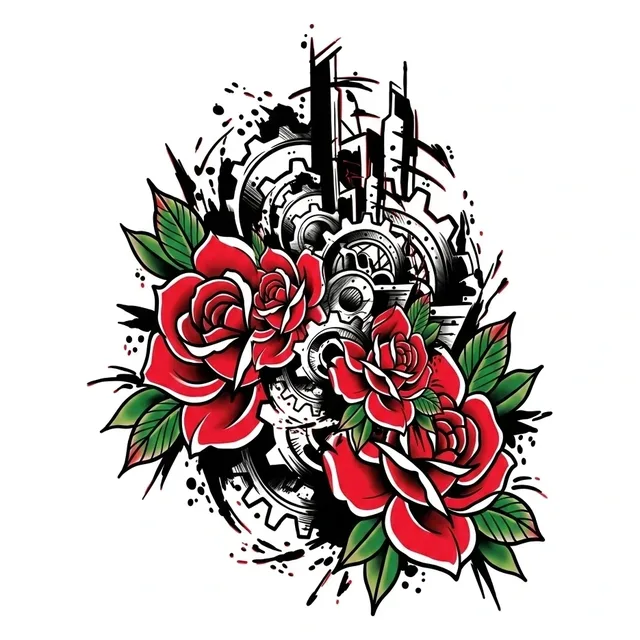
Color neo traditional rose tattoo design: three bold red roses with green leaves Try it on — Color neo traditional rose tattoo design: three bold red roses with green leaves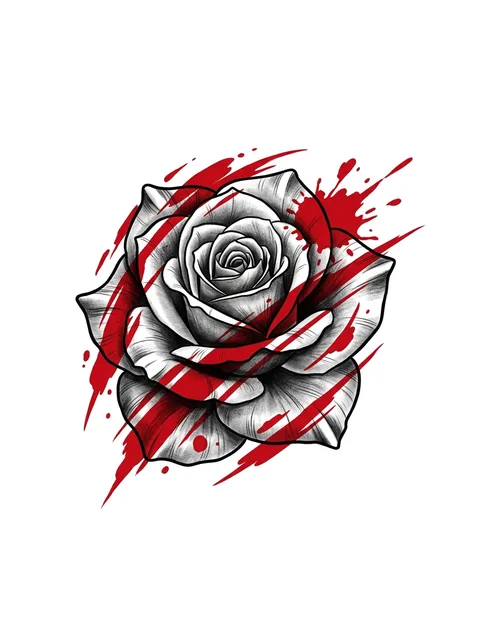
Color trash polka rose tattoo design: a black and grey rose with bold red paint splatters Try it on — Color trash polka rose tattoo design: a black and grey rose with bold red paint splatters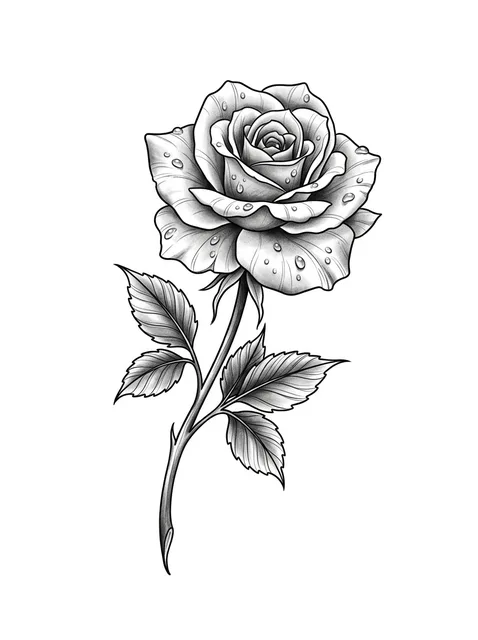
Black and grey chicano rose tattoo design Try it on — Black and grey chicano rose tattoo design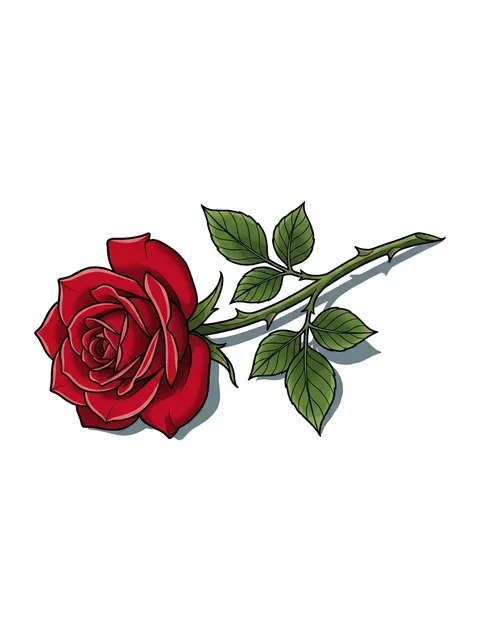
Color 3D rose tattoo design: a thorny stem and green leaves, a grey cast shadow Try it on — Color 3D rose tattoo design: a thorny stem and green leaves, a grey cast shadow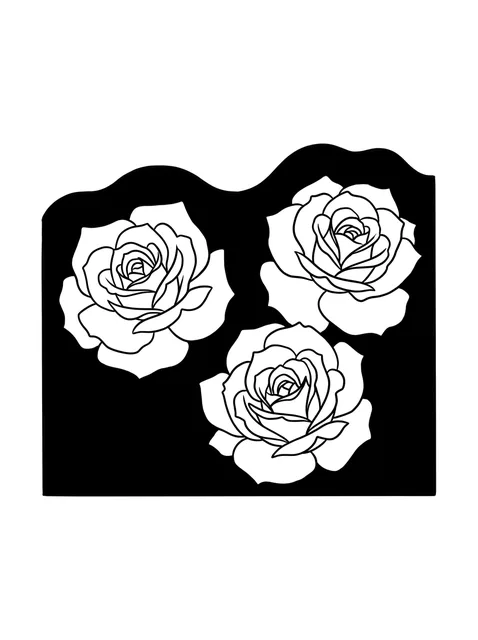
Black and white blackout rose tattoo design Try it on — Black and white blackout rose tattoo design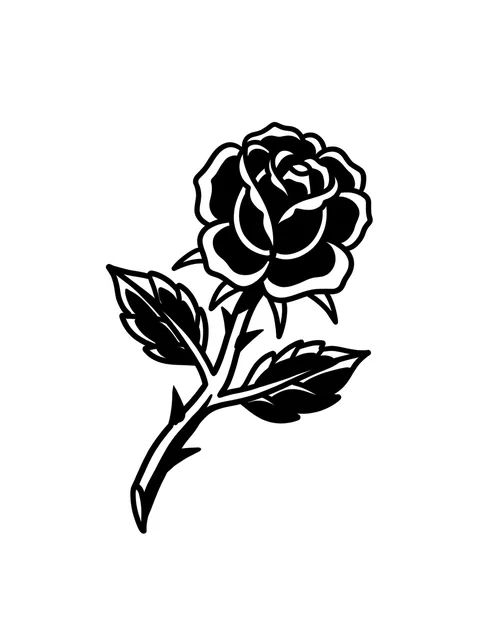
Black and grey traditional rose and leaf tattoo design: a single rose Try it on — Black and grey traditional rose and leaf tattoo design: a single rose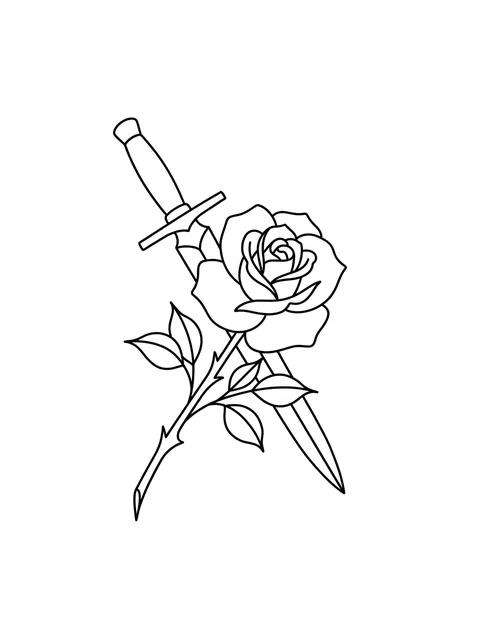
Black and grey traditional rose and dagger tattoo design (1 of 2) Try it on — Black and grey traditional rose and dagger tattoo design (1 of 2)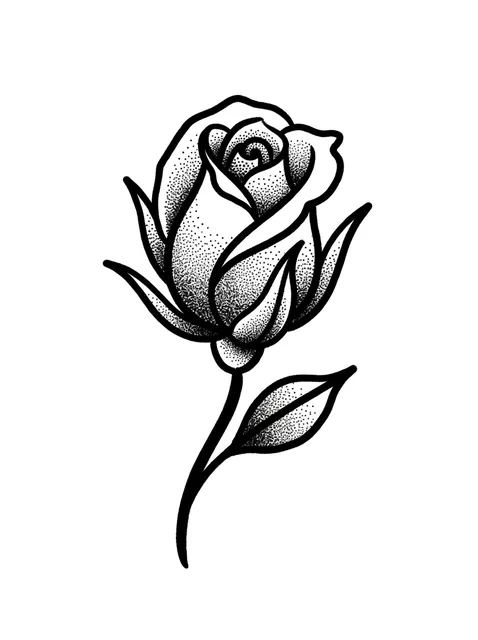
Black and grey traditional rose and flower tattoo design Try it on — Black and grey traditional rose and flower tattoo design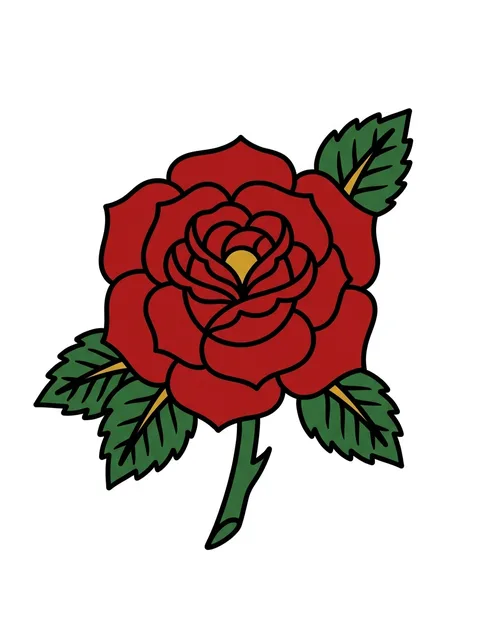
Color traditional rose and leaf tattoo design: a single red rose Try it on — Color traditional rose and leaf tattoo design: a single red rose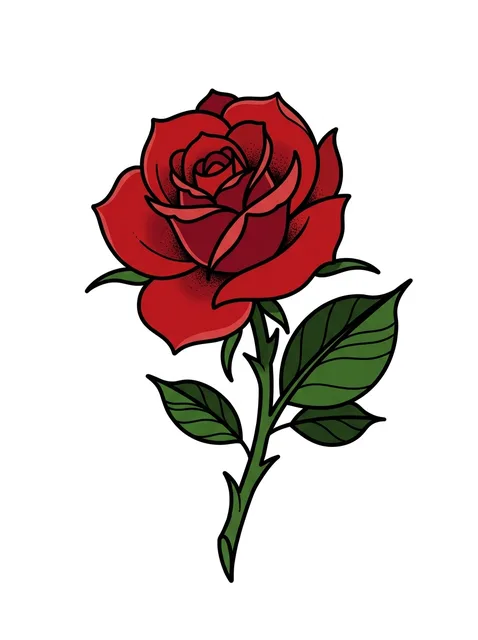
Color traditional rose and flower tattoo design: a single red rose (1 of 2) Try it on — Color traditional rose and flower tattoo design: a single red rose (1 of 2)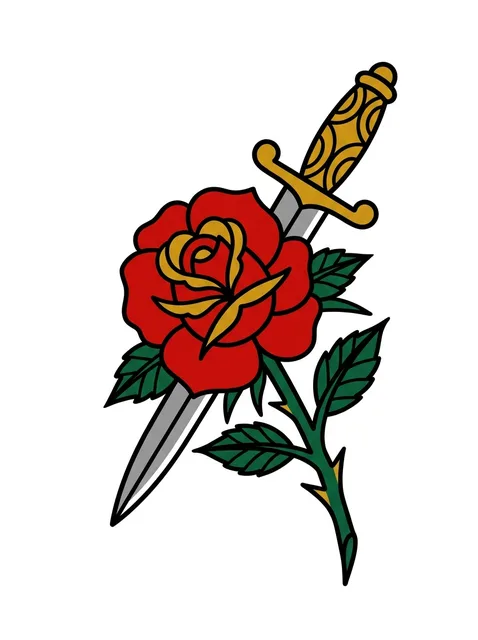
Color traditional rose and dagger tattoo design: a red rose Try it on — Color traditional rose and dagger tattoo design: a red rose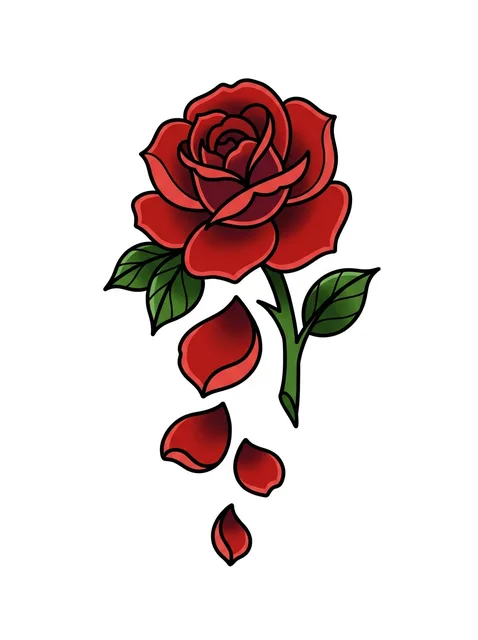
Color traditional rose and flower tattoo design: a red rose with falling petals Try it on — Color traditional rose and flower tattoo design: a red rose with falling petals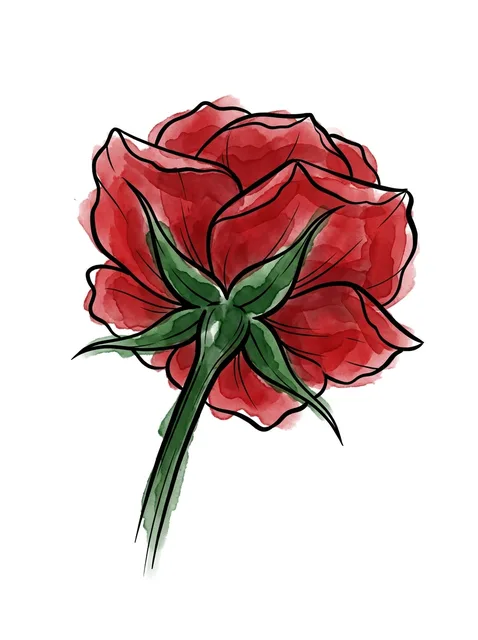
Color watercolor rose and flower tattoo design Try it on — Color watercolor rose and flower tattoo design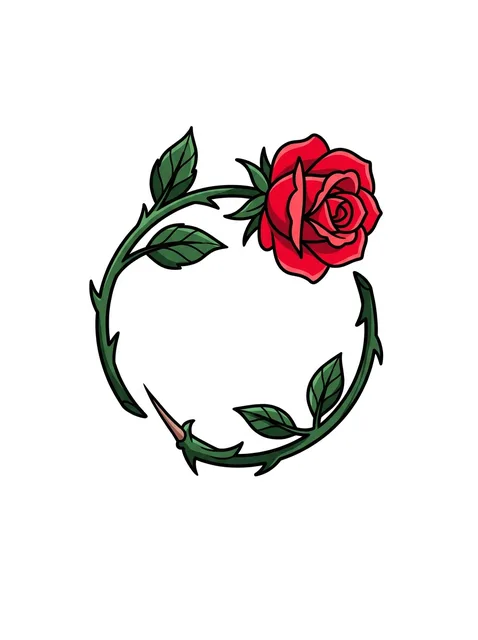
Color traditional rose and vine tattoo design Try it on — Color traditional rose and vine tattoo design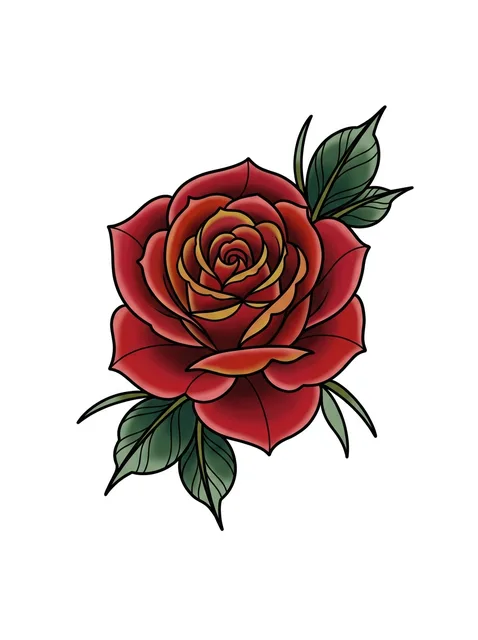
Color traditional rose and leaf tattoo design: a fully bloomed red rose Try it on — Color traditional rose and leaf tattoo design: a fully bloomed red rose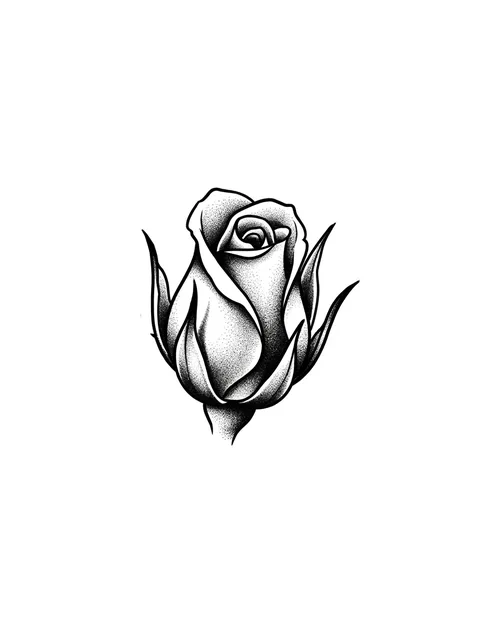
Black and grey dotwork rose and flower tattoo design: a tightly closed bud Try it on — Black and grey dotwork rose and flower tattoo design: a tightly closed bud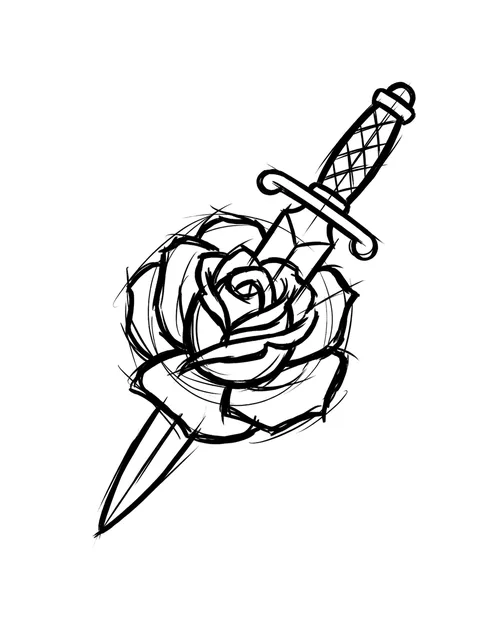
Black and grey illustrative rose and dagger tattoo design: a rose pierced by a dagger Try it on — Black and grey illustrative rose and dagger tattoo design: a rose pierced by a dagger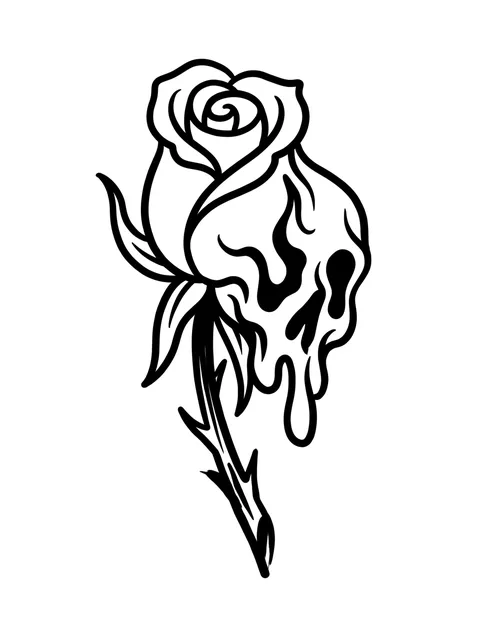
Black and grey illustrative rose and skull tattoo design Try it on — Black and grey illustrative rose and skull tattoo design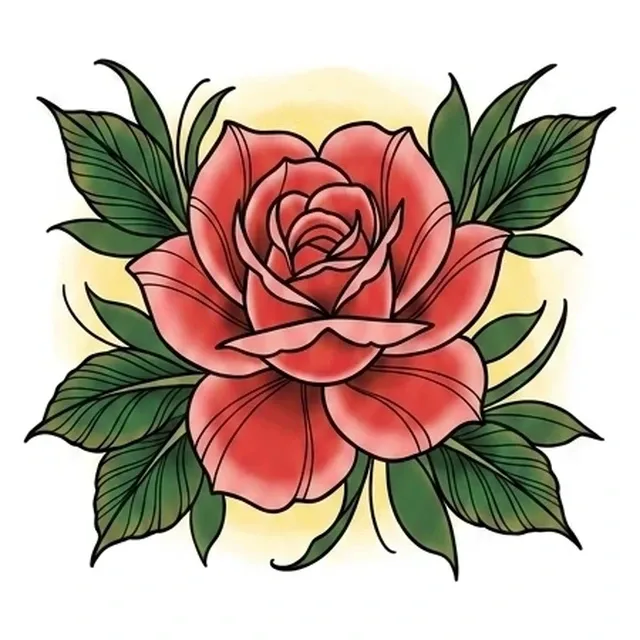
Color traditional rose and leaf tattoo design Try it on — Color traditional rose and leaf tattoo design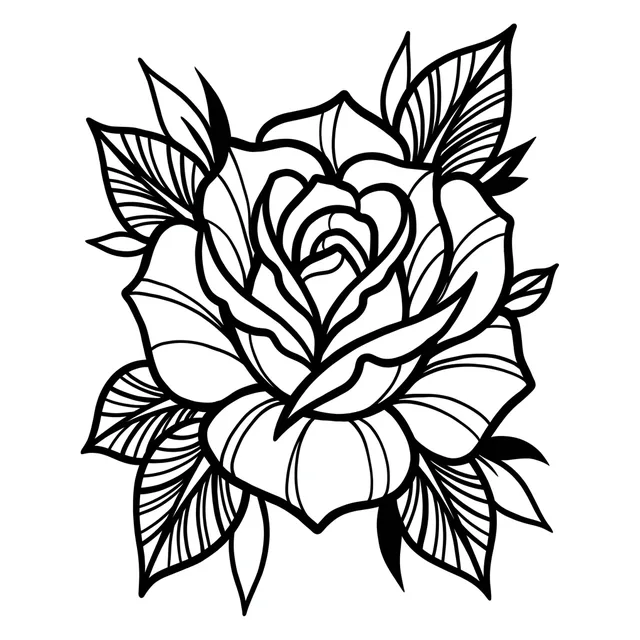
Black and white traditional rose and leaf tattoo design Try it on — Black and white traditional rose and leaf tattoo design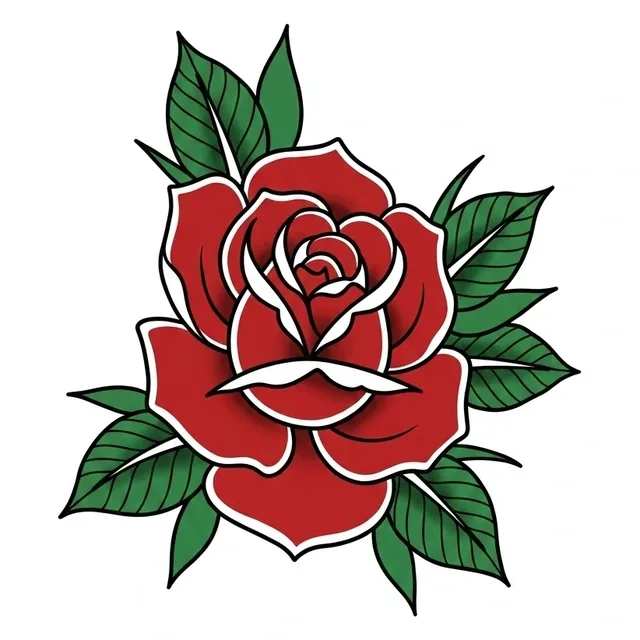
Color traditional rose and leaf tattoo design: a single red rose with green leaves Try it on — Color traditional rose and leaf tattoo design: a single red rose with green leaves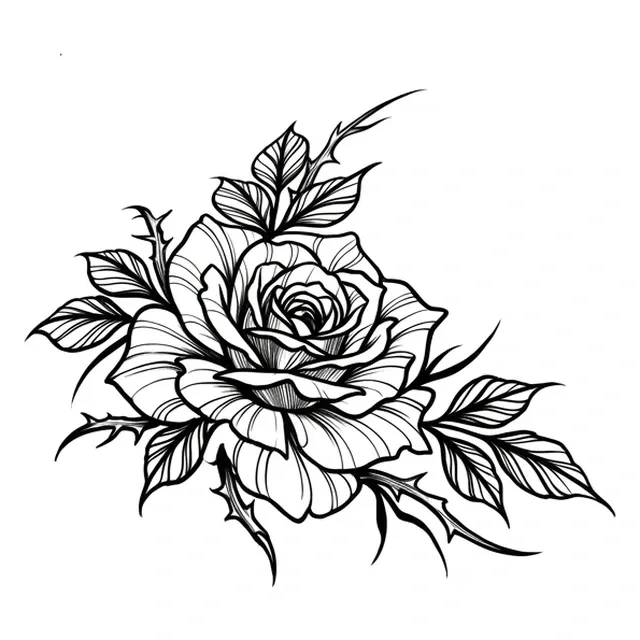
Black and white illustrative rose and leaf tattoo design: a single rose in full bloom Try it on — Black and white illustrative rose and leaf tattoo design: a single rose in full bloom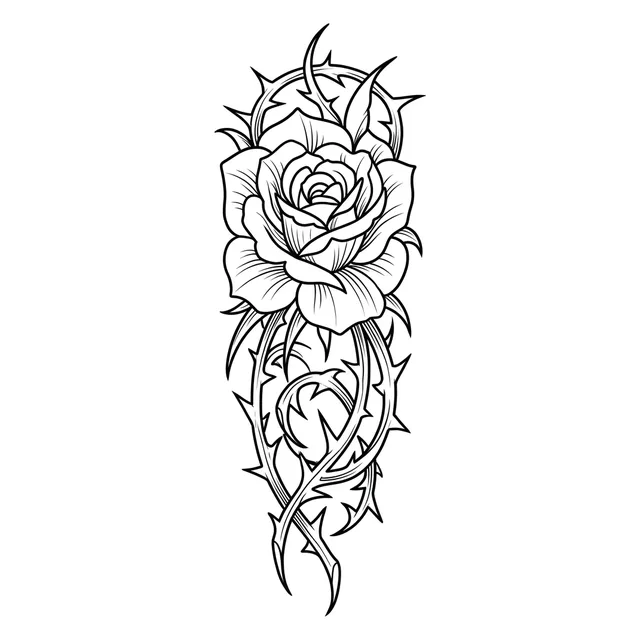
Black and white illustrative rose and vine tattoo design Try it on — Black and white illustrative rose and vine tattoo design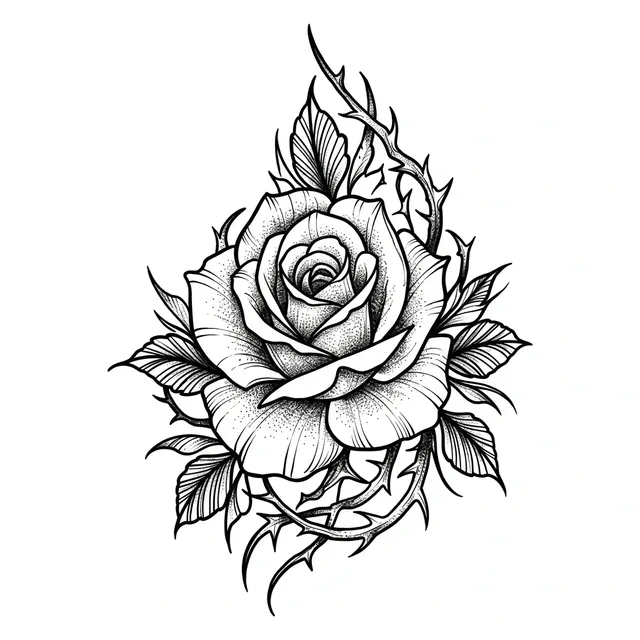
Black and grey dotwork rose and leaf tattoo design: a detailed rose with thorny vines and leaves Try it on — Black and grey dotwork rose and leaf tattoo design: a detailed rose with thorny vines and leaves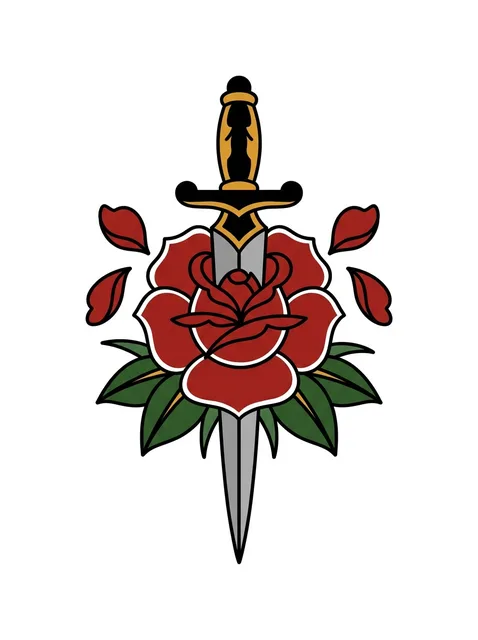
Color traditional rose and dagger tattoo design: a red rose pierced by a dagger Try it on — Color traditional rose and dagger tattoo design: a red rose pierced by a dagger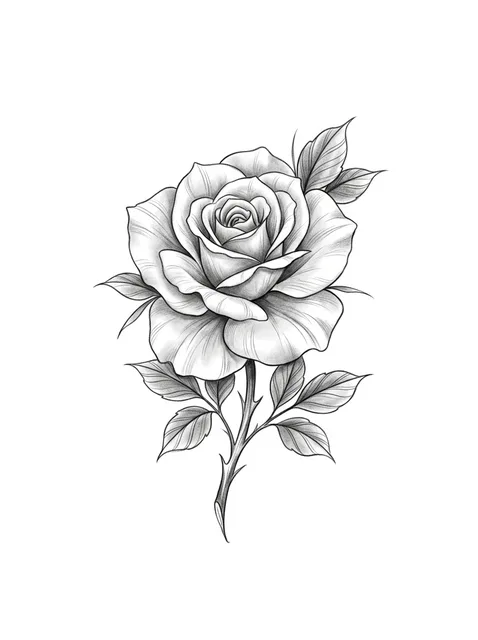
Black and grey illustrative rose and leaf tattoo design: a single rose Try it on — Black and grey illustrative rose and leaf tattoo design: a single rose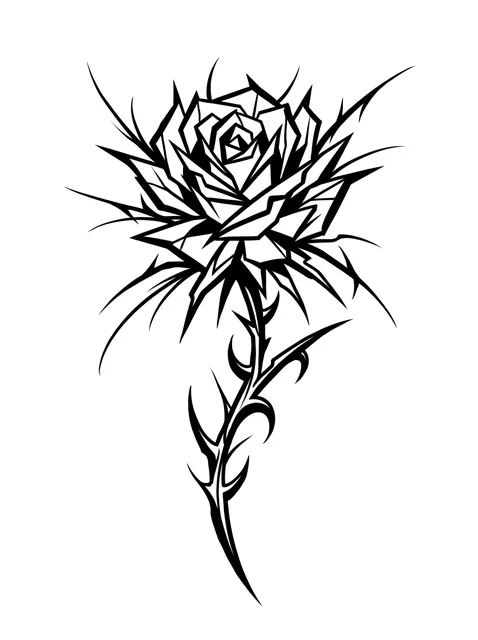
Black and white tribal rose and leaf tattoo design Try it on — Black and white tribal rose and leaf tattoo design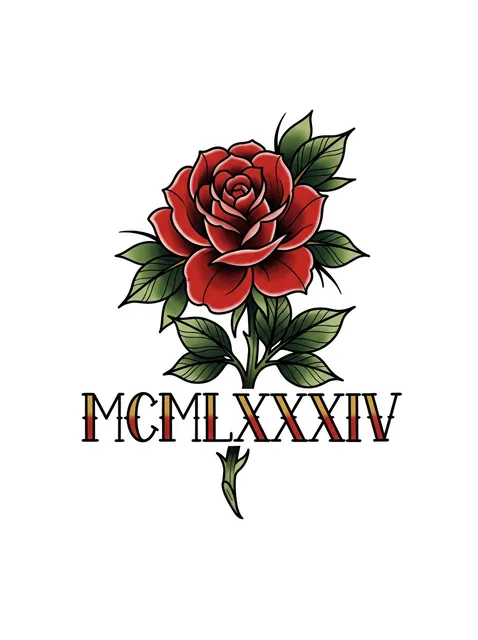
Color lettering rose and roman numerals tattoo design Try it on — Color lettering rose and roman numerals tattoo design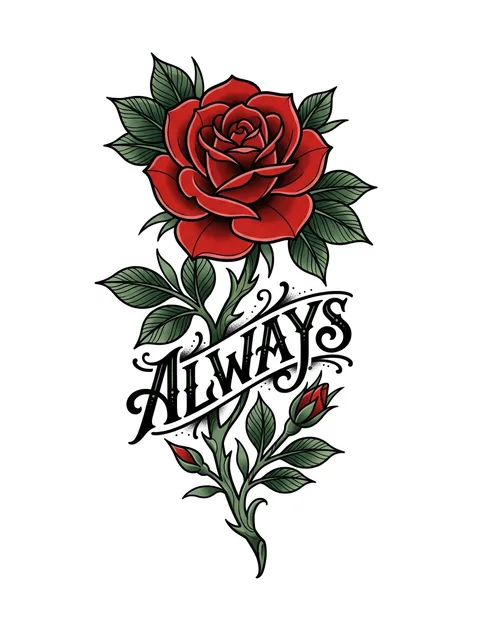
Color lettering rose and lettering tattoo design Try it on — Color lettering rose and lettering tattoo design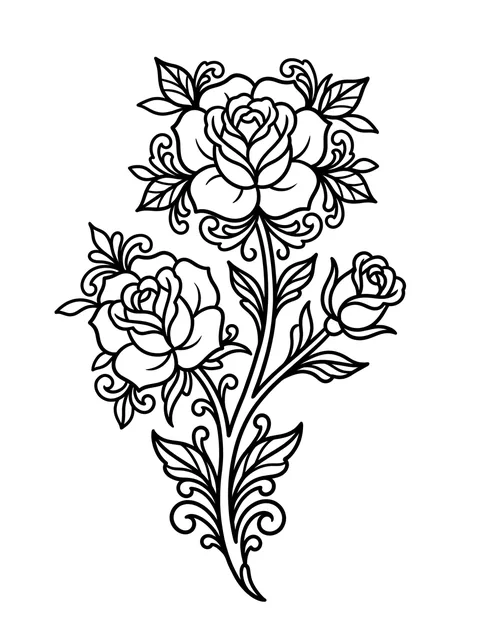
Black and grey illustrative rose and flower tattoo design Try it on — Black and grey illustrative rose and flower tattoo design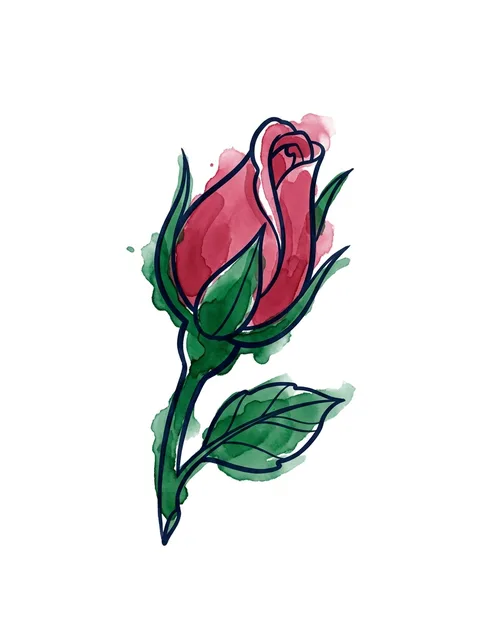
Color watercolor rose and flower tattoo design: a single red rosebud with green leaves Try it on — Color watercolor rose and flower tattoo design: a single red rosebud with green leaves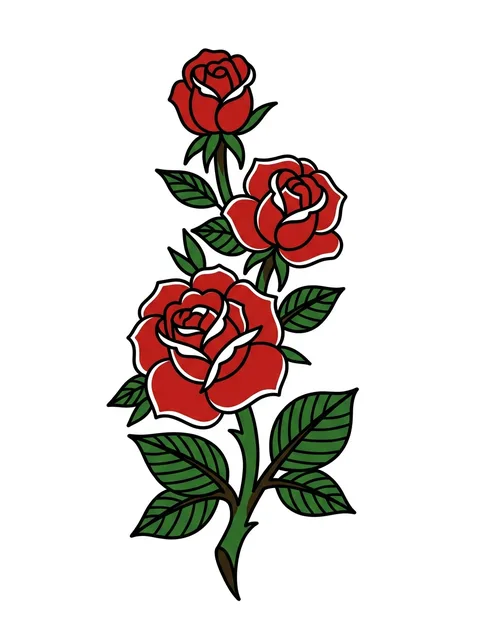
Color traditional rose and flower tattoo design: three red roses with green leaves on a thorny stem Try it on — Color traditional rose and flower tattoo design: three red roses with green leaves on a thorny stem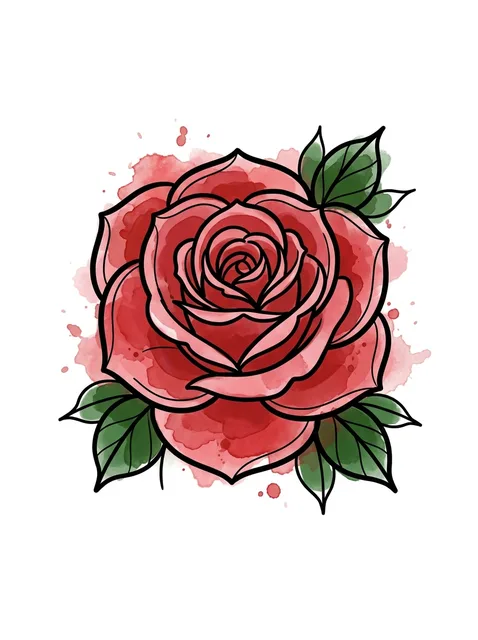
Color watercolor rose and flower tattoo design: a red rose with green leaves Try it on — Color watercolor rose and flower tattoo design: a red rose with green leaves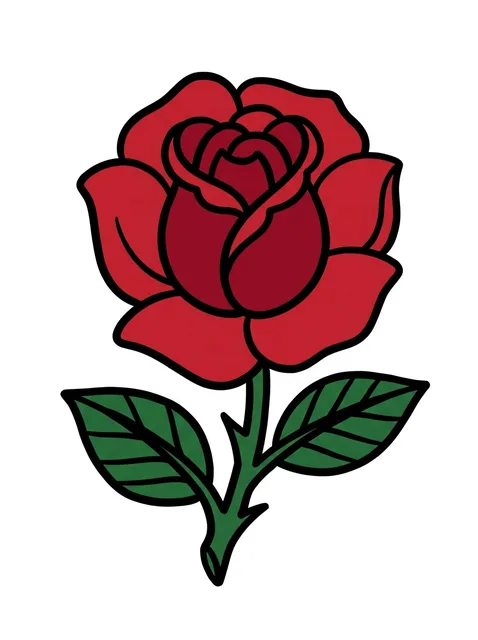
Color traditional rose and flower tattoo design: a single red rose (2 of 2) Try it on — Color traditional rose and flower tattoo design: a single red rose (2 of 2)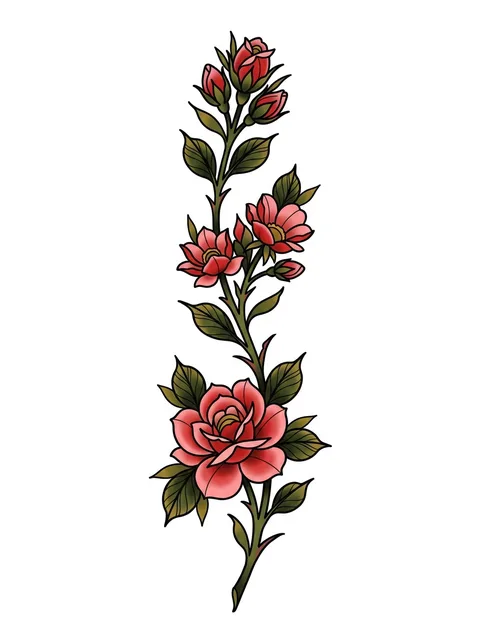
Color traditional rose and flower tattoo design: a vertical rose vine Try it on — Color traditional rose and flower tattoo design: a vertical rose vine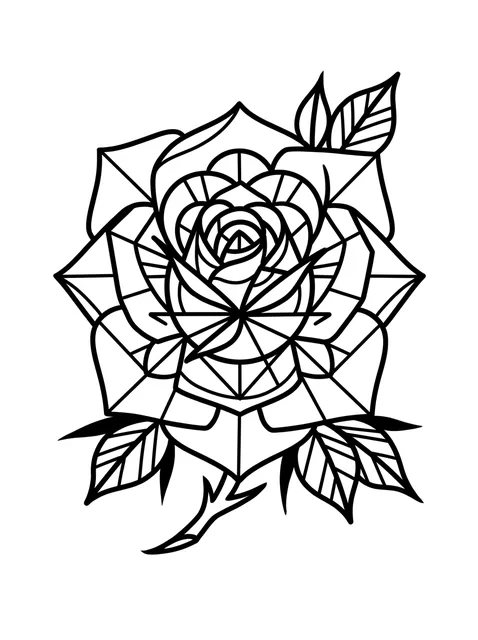
Black and white geometric rose and flower tattoo design, outline stencil Try it on — Black and white geometric rose and flower tattoo design, outline stencil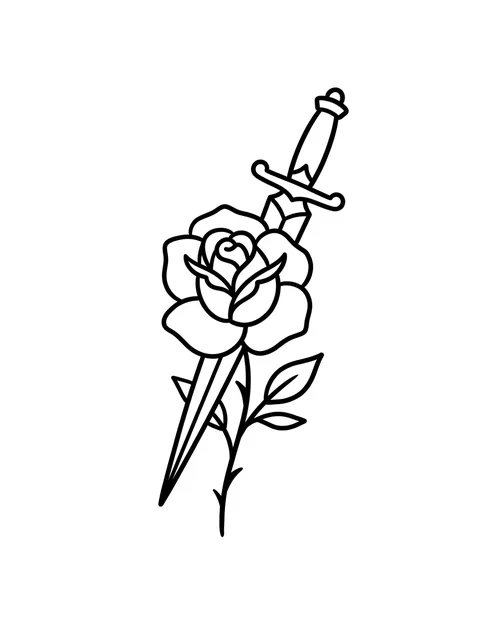
Black and grey traditional rose and dagger tattoo design (2 of 2) Try it on — Black and grey traditional rose and dagger tattoo design (2 of 2)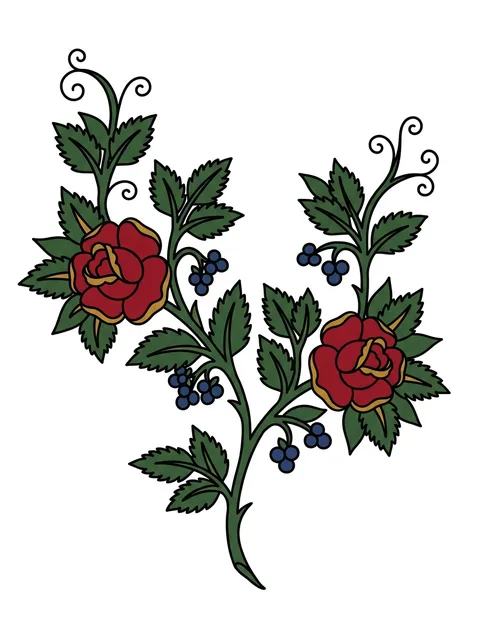
Color traditional rose and leaf tattoo design: two bold red roses with golden outlines, intertwined Try it on — Color traditional rose and leaf tattoo design: two bold red roses with golden outlines, intertwined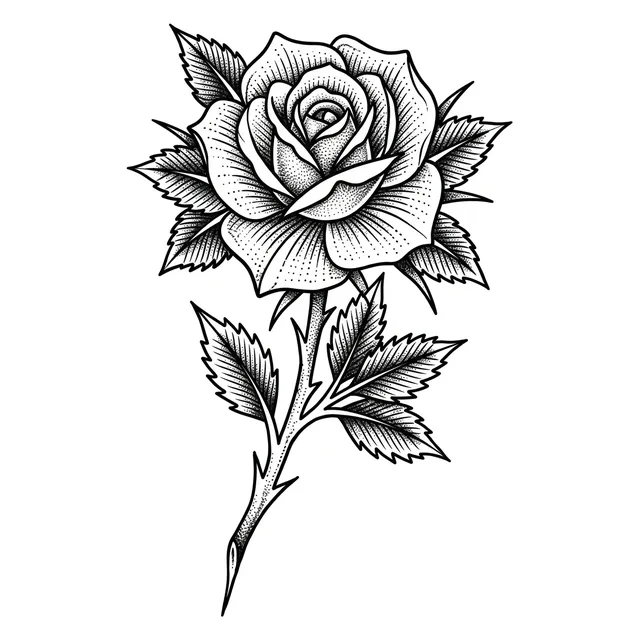
Black and white traditional rose and flower tattoo design Try it on — Black and white traditional rose and flower tattoo design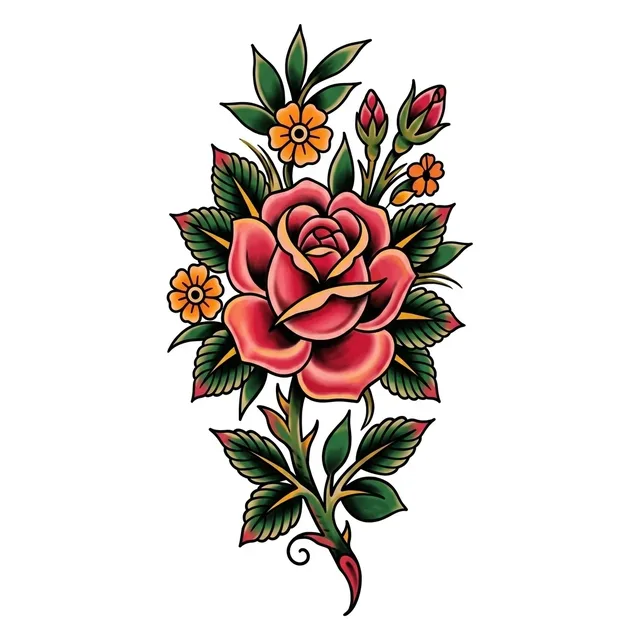
Color traditional rose and flower tattoo design: a large red rose as the central element Try it on — Color traditional rose and flower tattoo design: a large red rose as the central element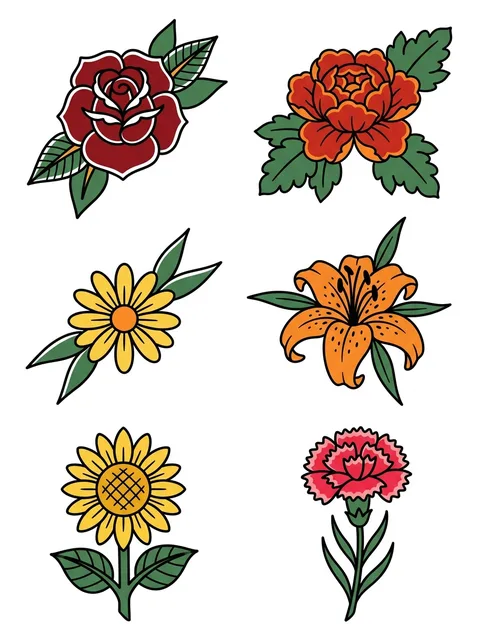
Color flash rose and peony tattoo design: a daisy, an orange spotted lily and a carnation, each Try it on — Color flash rose and peony tattoo design: a daisy, an orange spotted lily and a carnation, each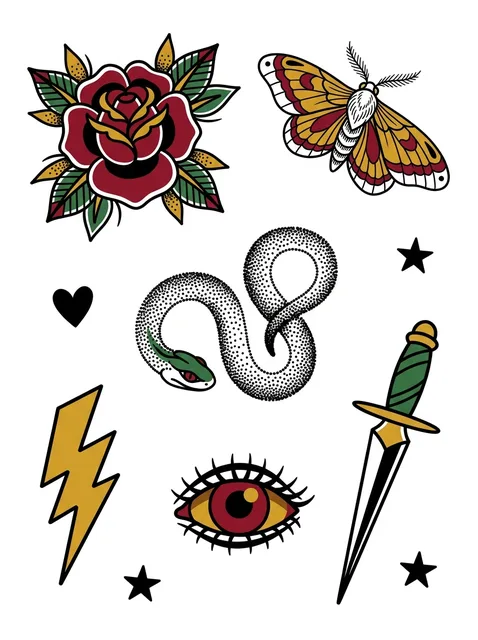
Color patchwork rose and moth tattoo design Try it on — Color patchwork rose and moth tattoo design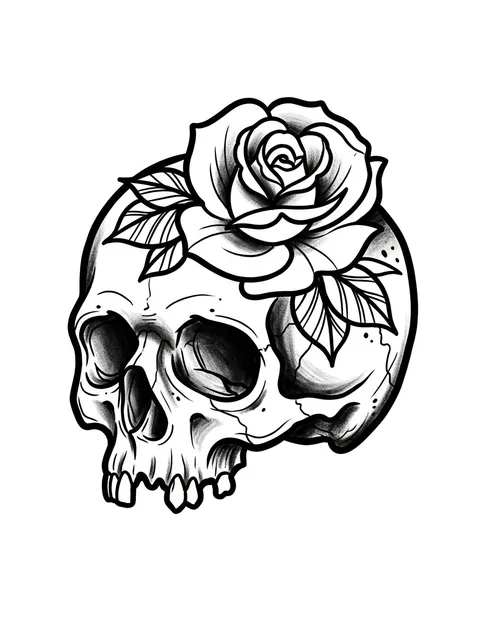
Black and grey neo traditional rose and skull tattoo design: a skull adorned Try it on — Black and grey neo traditional rose and skull tattoo design: a skull adorned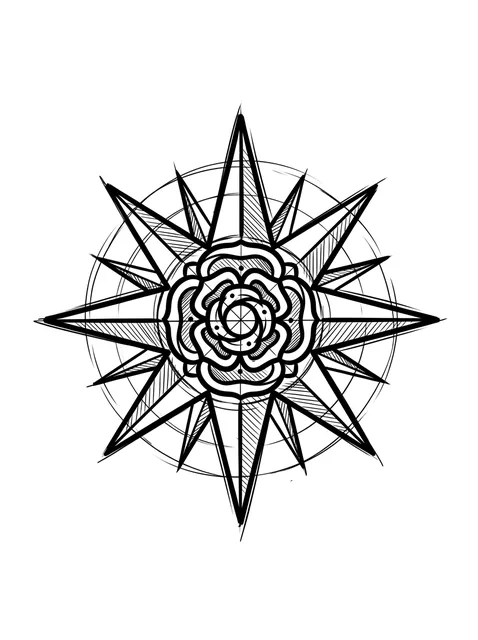
Black and grey illustrative rose and compass tattoo design: a compass rose Try it on — Black and grey illustrative rose and compass tattoo design: a compass rose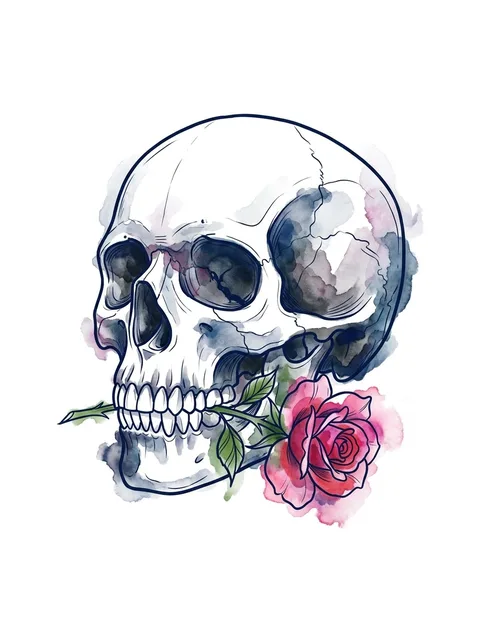
Color watercolor rose and skull tattoo design: a detailed skull Try it on — Color watercolor rose and skull tattoo design: a detailed skull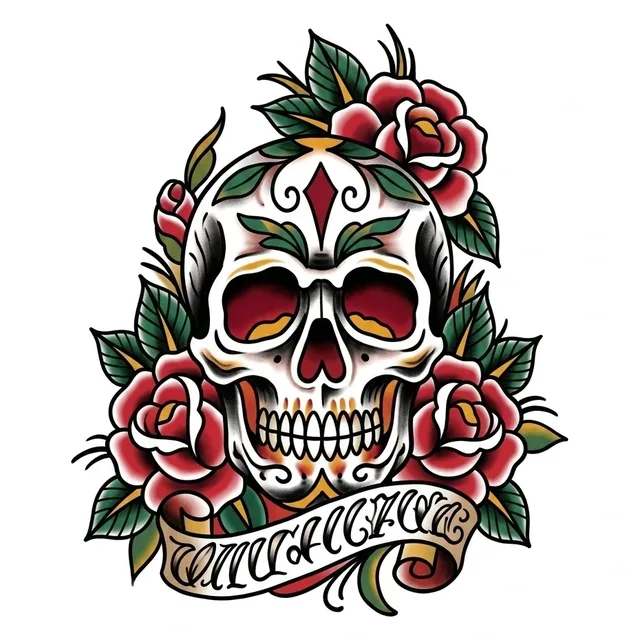
Color traditional rose and skull tattoo design: a sugar skull adorned Try it on — Color traditional rose and skull tattoo design: a sugar skull adorned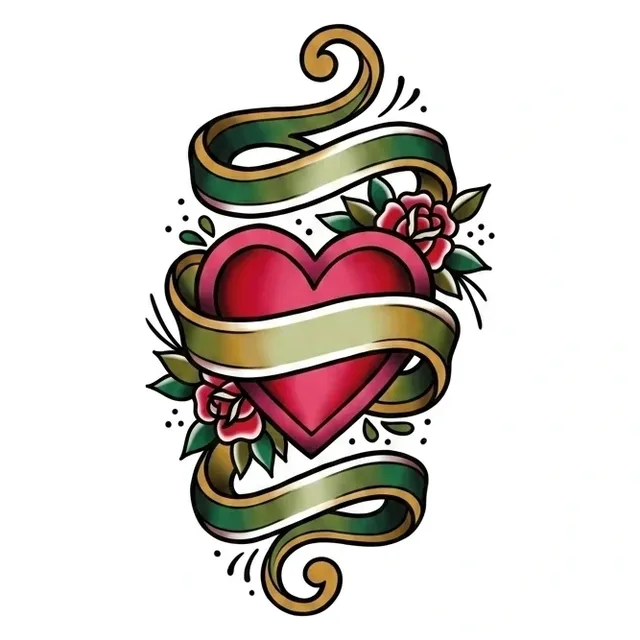
Color traditional rose and heart tattoo design Try it on — Color traditional rose and heart tattoo design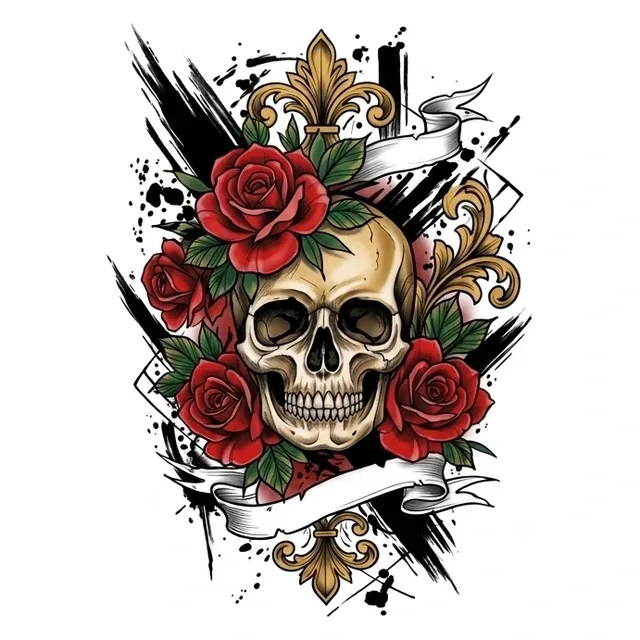
Color neo traditional rose and skull tattoo design: a central human skull adorned Try it on — Color neo traditional rose and skull tattoo design: a central human skull adorned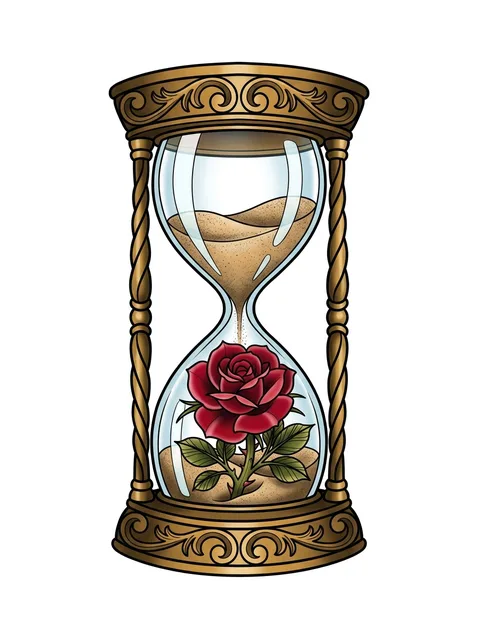
Color neo traditional rose and hourglass tattoo design Try it on — Color neo traditional rose and hourglass tattoo design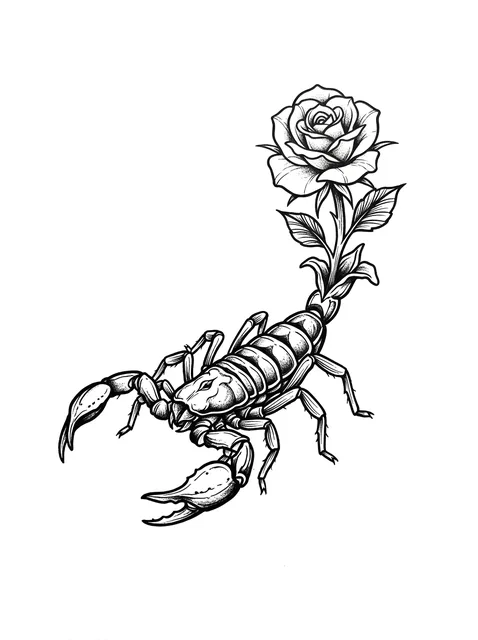
Black and grey illustrative rose and scorpion tattoo design Try it on — Black and grey illustrative rose and scorpion tattoo design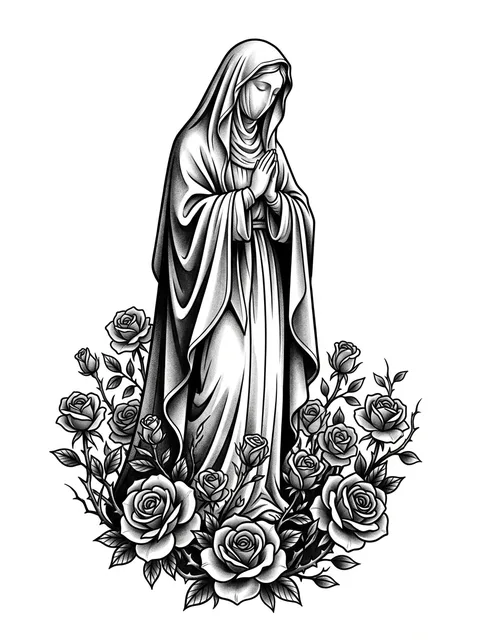
Black and grey neo traditional rose and virgin mary tattoo design: the Virgin Mary in a praying pose Try it on — Black and grey neo traditional rose and virgin mary tattoo design: the Virgin Mary in a praying pose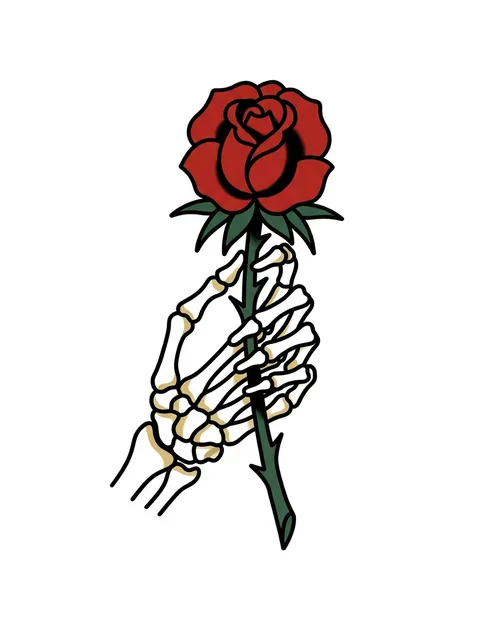
Color traditional rose and skeleton hand tattoo design: a skeleton hand holding a vibrant red rose Try it on — Color traditional rose and skeleton hand tattoo design: a skeleton hand holding a vibrant red rose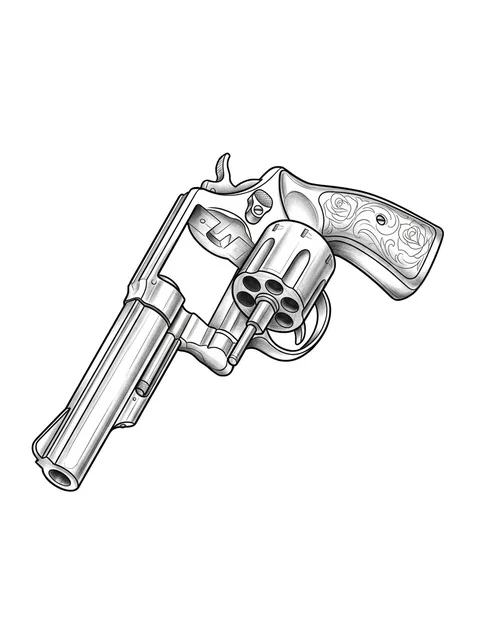
Black and grey illustrative rose and gun tattoo design: a revolver, with the cylinder swung out Try it on — Black and grey illustrative rose and gun tattoo design: a revolver, with the cylinder swung out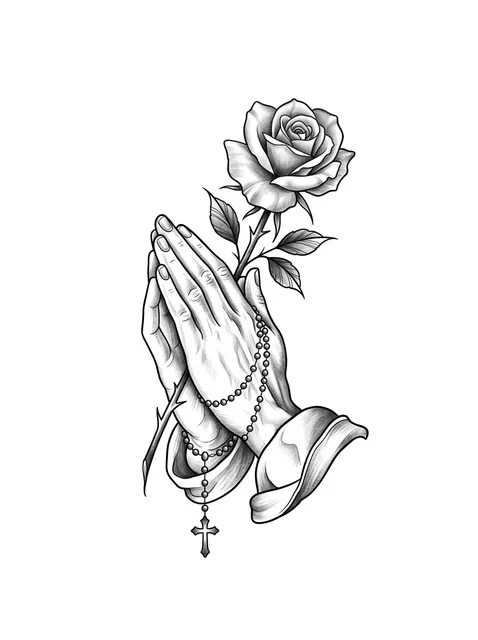
Black and grey illustrative rose and praying hands tattoo design: a cross, intertwined Try it on — Black and grey illustrative rose and praying hands tattoo design: a cross, intertwined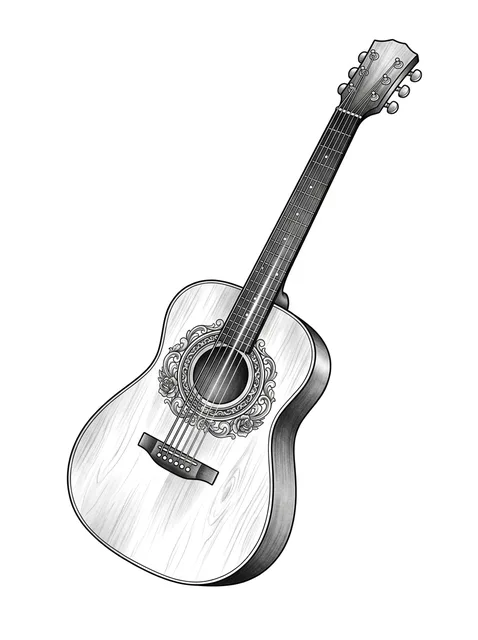
Black and grey illustrative rose and guitar tattoo design: an acoustic guitar Try it on — Black and grey illustrative rose and guitar tattoo design: an acoustic guitar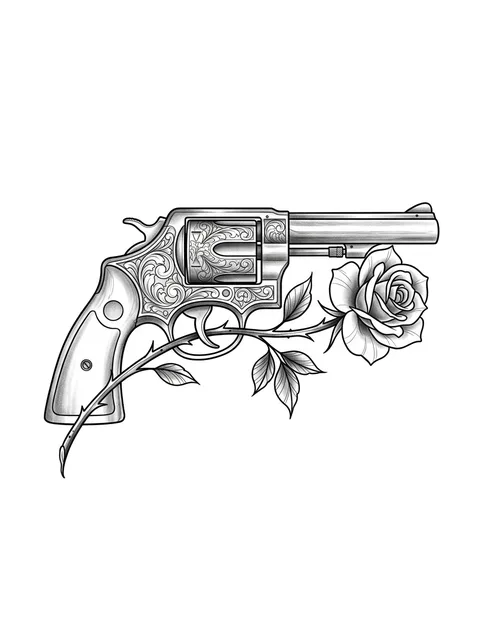
Black and grey chicano rose and gun tattoo design: an engraved cylinder rests Try it on — Black and grey chicano rose and gun tattoo design: an engraved cylinder rests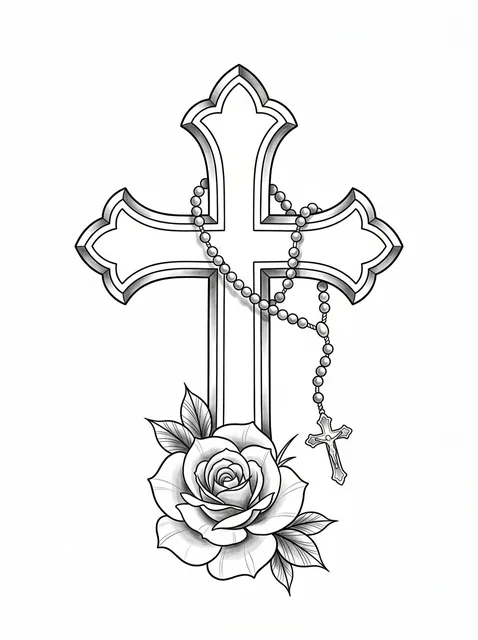
Black and grey chicano rose and cross tattoo design Try it on — Black and grey chicano rose and cross tattoo design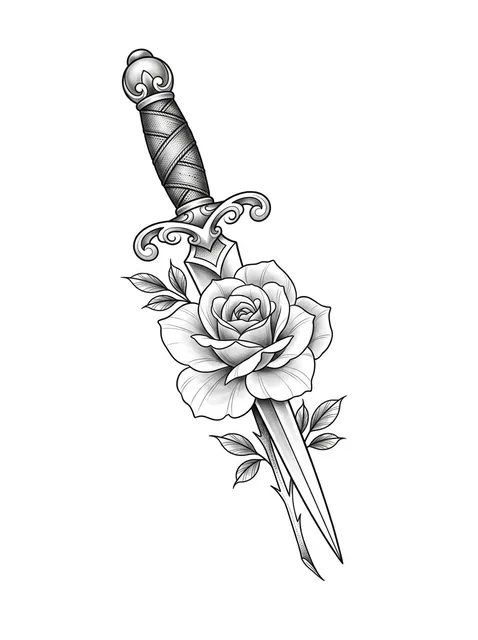
Black and grey chicano rose and dagger tattoo design Try it on — Black and grey chicano rose and dagger tattoo design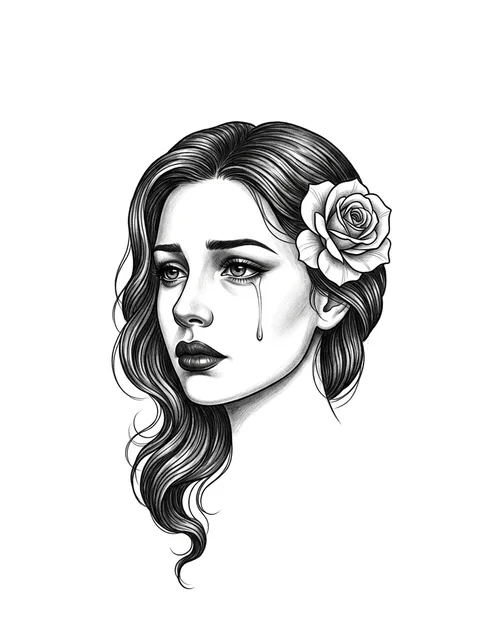
Black and grey chicano rose and woman portrait tattoo design Try it on — Black and grey chicano rose and woman portrait tattoo design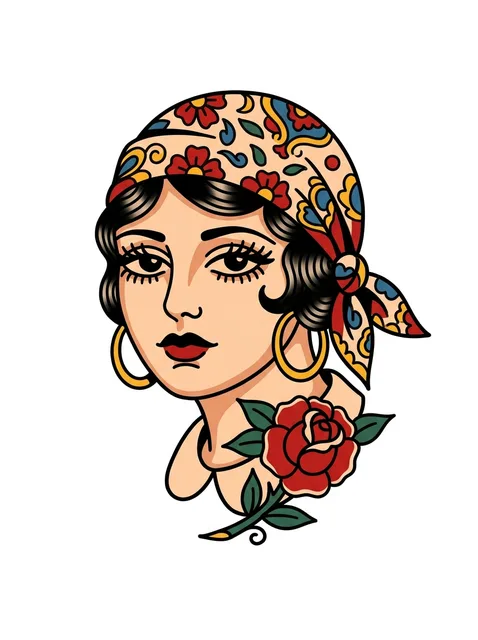
Color traditional rose and woman portrait tattoo design Try it on — Color traditional rose and woman portrait tattoo design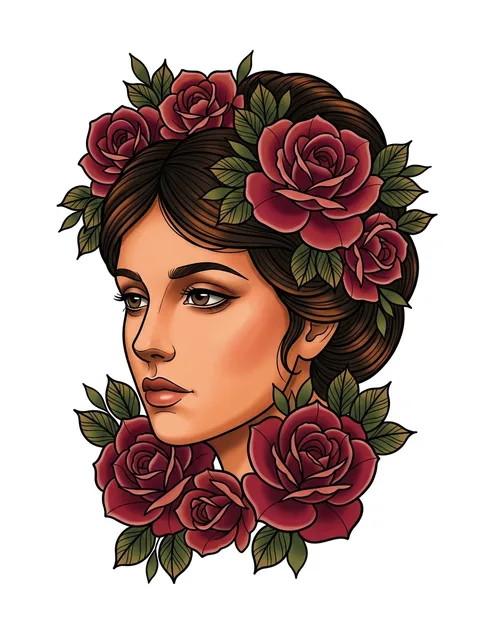
Color neo traditional rose and woman portrait tattoo design Try it on — Color neo traditional rose and woman portrait tattoo design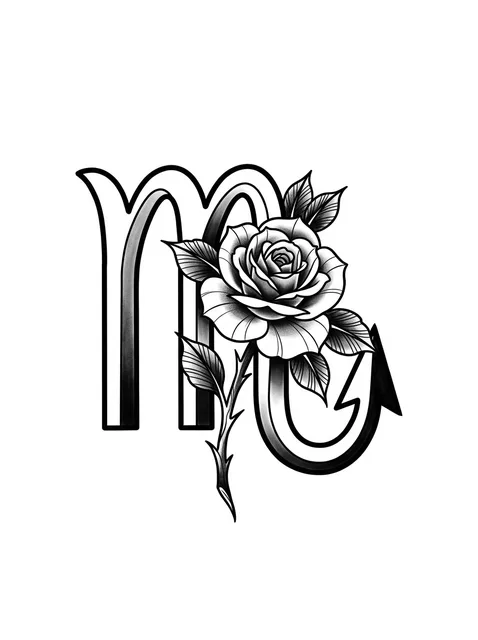
Black and grey neo traditional rose and scorpio tattoo design Try it on — Black and grey neo traditional rose and scorpio tattoo design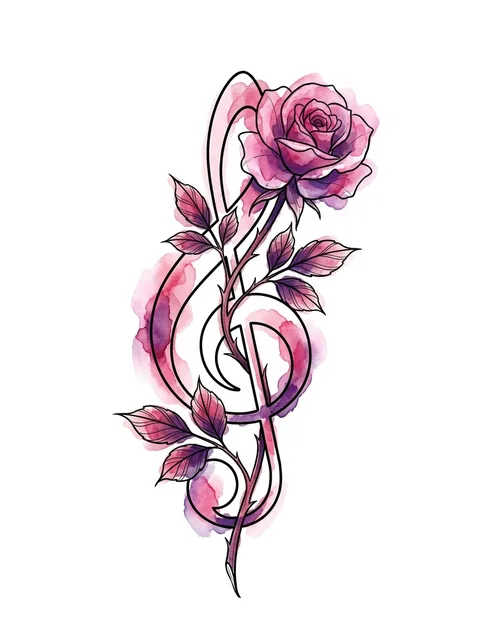
Color watercolor rose and music note tattoo design Try it on — Color watercolor rose and music note tattoo design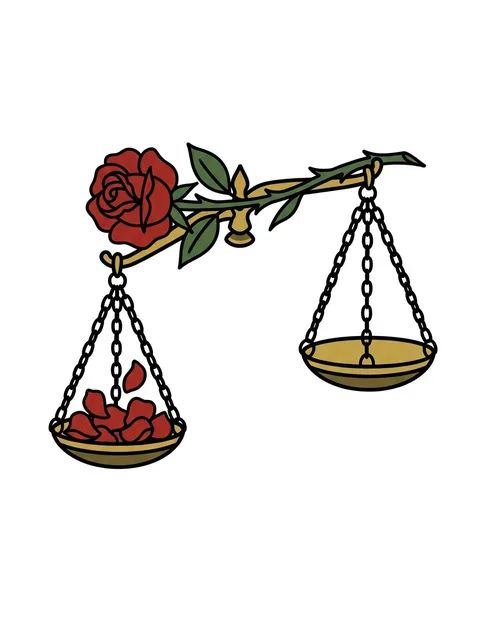
Color neo traditional rose and libra tattoo design Try it on — Color neo traditional rose and libra tattoo design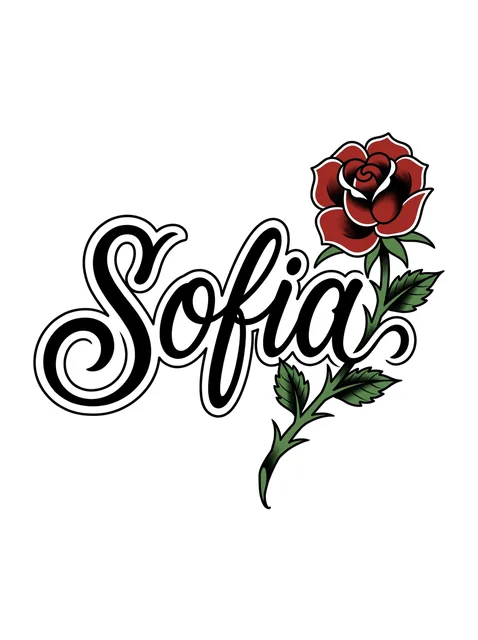
Color lettering rose and name tattoo design Try it on — Color lettering rose and name tattoo design


Tap any design to see it on your own skin in the try-on — no signup.
This set of 80 rose designs, by the numbers
- Styles represented
- traditional (28), illustrative (14), neo traditional (9), chicano (5), watercolor (5), dotwork (4)
- Black-and-grey vs colour
- 53% black-and-grey, 48% colour
- Most often drawn with
- leaf, flower, dagger, skull
Counted from the 80 designs shown on this page. Every one was drawn for InkCraft — none are scraped or reposted. Free to reference with a link to this page.
What a rose tattoo means
The rose is the most-tattooed flower in the Western tradition, and it carries more than one meaning at once. In American traditional work it stands for love, but the thorns are never removed, because the point of the image is that love and injury arrive together. That duality is why the rose survives on skin: it can mark a marriage, a loss, or a survival, and the wearer decides which without changing the drawing.
Colour changes the reading more than style does. A red rose is the romantic one. A black rose — which in practice means a black-and-grey rose — reads as mourning or remembrance, and is the usual choice for a memorial piece. A white or unshaded rose suggests something unfinished or newly begun.
What the rose is paired with does most of the interpretive work. A rose with a dagger through it is the traditional betrayal image. A rose held by or growing from a skull is memento mori, beauty and death in one frame. A rose with a name or a date is almost always a memorial. A rose alone, small and fine-lined, tends to be exactly what it looks like: a flower somebody liked.
Where the design comes from
Sailors carried roses out of European folk art in the nineteenth century, and Norman Collins — Sailor Jerry — fixed the modern shape of it in mid-century Honolulu: heavy outline, five or six petals, minimal internal shading, built so it would still read from across a room in thirty years. Almost every rose tattooed since is either that drawing or an argument with it.
Choosing yours
- A rose with a stem wants a long, narrow field. A bloom drawn without one is round, and rounds sit better where the skin is broad. Forcing a stemmed rose into a round space is the most common reason a design gets redrawn at the shop.
- Line weight sets the floor on size. Fine-line and dotwork roses need room, because detail closes up as ink spreads over the years — below roughly 5 cm they tend to grey into a smudge. A bold traditional rose survives small, which is precisely what the heavy outline was invented for.
Size, cost and placement
How big, and what it costs
A single traditional rose runs 6-10 cm and is usually a one-to-two-hour sitting — the most common small-tattoo booking there is, and often priced at a shop minimum. A fine-line or dotwork rose needs 8 cm or more to survive ink spread, and a rose-and-skull or rose-with-banner composition is a half-day once shading and lettering are counted.
Where it sits, and how much it hurts
Forearm and outer upper arm take a stemmed rose naturally because both are long fields that follow the stem. The sternum and shoulder blade suit a stemless bloom. Ribs and inner bicep are the painful options and are worth choosing only if the composition genuinely needs that field — a rose does not.
What to ask your artist
- Whether the thorns stay in — they carry the meaning, and artists often simplify them out at small sizes without mentioning it.
- How the shading will look in ten years, specifically whether the petal separations are wide enough to stay distinct.
- If it is a memorial, whether lettering goes on now or the design leaves room for it later.
Prices vary widely by city and artist — treat these as session lengths rather than quotes, and expect a shop minimum on anything small. The cost guide turns hours into money by size, placement and style.
Common questions
Does a black rose mean death?
It usually means remembrance rather than death — most black roses are memorial pieces for someone still being thought about. It is also simply what a rose looks like in black-and-grey, which is how the large majority are tattooed, so do not over-read it.
How small can a rose go?
A bold-outline rose holds down to about 3–4 cm. A fine-line or dotwork one needs 5–6 cm or more, because thin lines spread and detail closes over time.
Can I combine a rose with a name?
Yes, and it is one of the most common memorial forms. Give the lettering its own clear space rather than laying it over petals — script on top of shading is the combination that ages worst.
Where does a rose tattoo hurt least?
The outer arm and calf are the forgiving fields. Ribs, sternum and the top of the foot are where roses are most often placed and most often regretted mid-session.
What a rose tattoo can mean
The meanings this motif carries on the pages that argue them. Each line is that page's own reason for including it.
- Mother and daughter tattoos
- Works at two scales. A full bloom on her, a bud on you, is the version that carries the age difference without either piece looking unfinished.
- Meaningful tattoos
- Love and injury together, which is why traditional work never removes the thorns. A black rose reads as remembrance rather than death, and is usually a memorial piece.
- Love tattoos
- Love with the cost included — traditional work never removes the thorns, because the point is that both arrive together. The most honest love motif there is.
- Family tattoos
- Birth-flower stacks — one bloom per person — are the current standard, and a stem takes another bloom without redrawing the first.
- Couples tattoos
- Carries love and injury in the same image — the thorns are never removed in traditional work, and that is the point. A more honest romantic motif than a heart.
- Memorial tattoos
- A black rose — which in practice means black-and-grey — reads as remembrance rather than death. It is the most common memorial piece there is, and it stays a rose to anyone who does not know.
- Wedding tattoos
- The alternative when the finger has been ruled out. A single bloom on the inner forearm or the ribs holds the same anniversary date and will still be a rose in thirty years, which the finger version will not.
See it on your skin before you commit
InkCraft places any of these designs on a photo of you — scaled, wrapped and shaded to the placement you pick.