 InkCraft
Watercolor tattoo designs and their trade-offs
48 original watercolor tattoos designs drawn for InkCraftBy Uladzimir TumanauUpdated
Soft edges, colour that bleeds past its own shape, often no outline at all. It is the most painterly thing you can put on skin and the style that asks the most of both the artist and the aftercare.
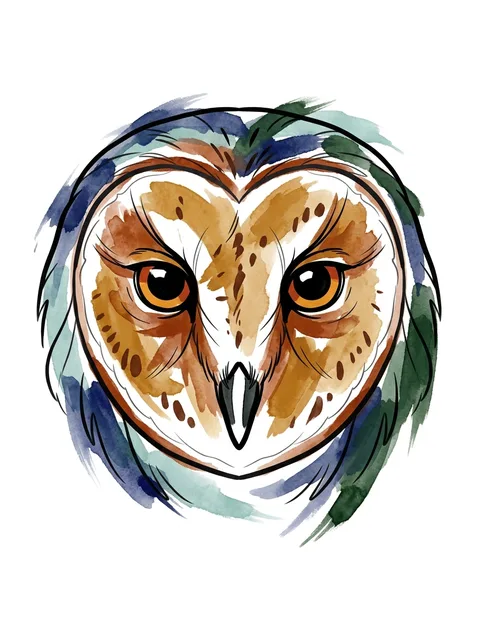
Color watercolor owl tattoo design: the head of an owl Try it on — Color watercolor owl tattoo design: the head of an owl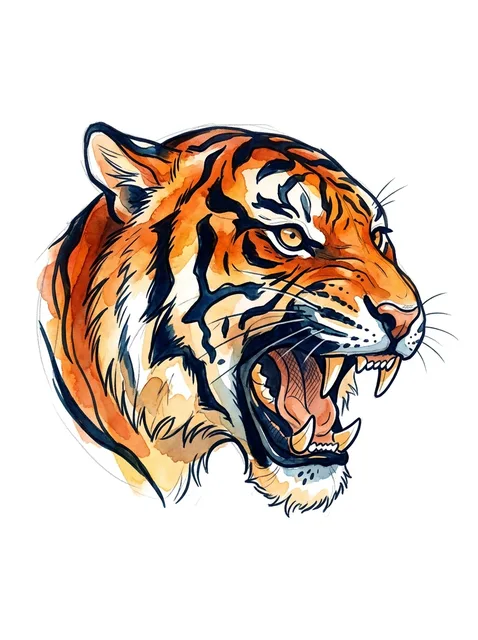
Color watercolor tiger tattoo design: a roaring tiger's head Try it on — Color watercolor tiger tattoo design: a roaring tiger's head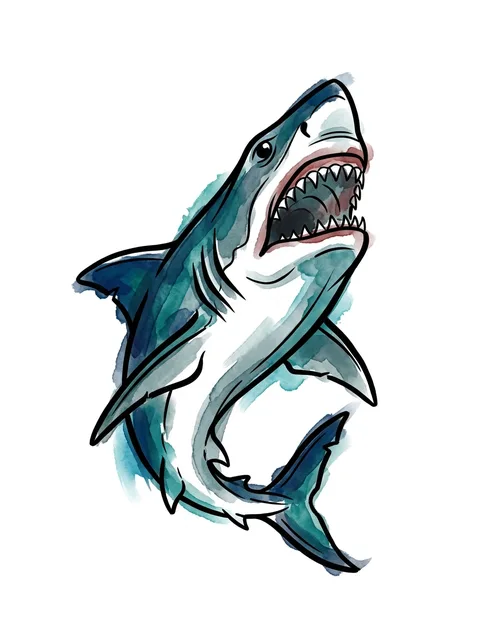
Color watercolor shark tattoo design: a great white shark, mouth agape to reveal rows of sharp teeth Try it on — Color watercolor shark tattoo design: a great white shark, mouth agape to reveal rows of sharp teeth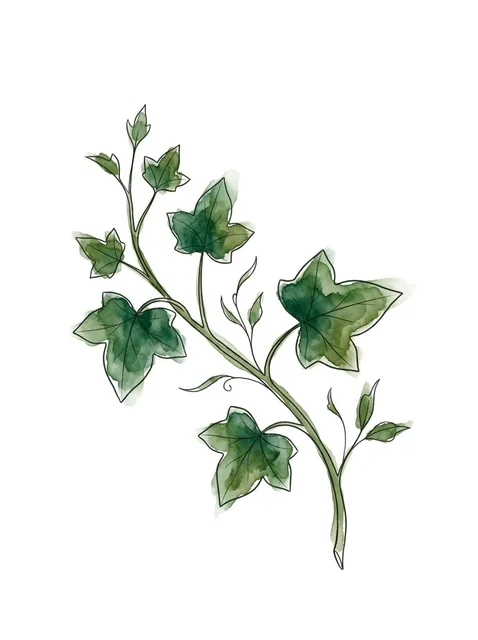
Color watercolor leaf and vine tattoo design: a winding ivy vine with several green leaves Try it on — Color watercolor leaf and vine tattoo design: a winding ivy vine with several green leaves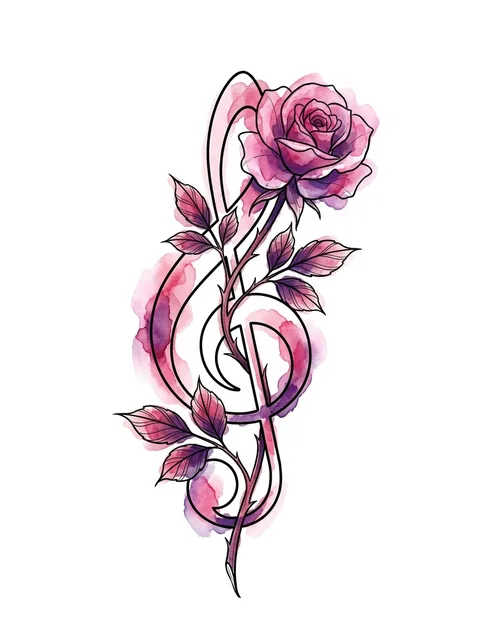
Color watercolor music note and rose tattoo design Try it on — Color watercolor music note and rose tattoo design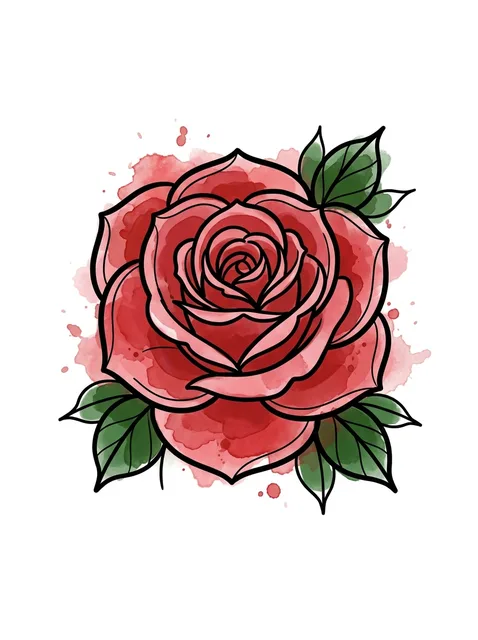
Color watercolor rose and flower tattoo design: a red rose with green leaves Try it on — Color watercolor rose and flower tattoo design: a red rose with green leaves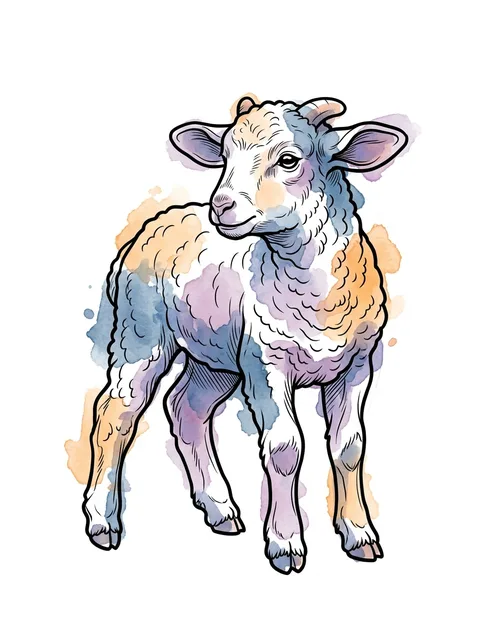
Color watercolor goat tattoo design: a baby goat Try it on — Color watercolor goat tattoo design: a baby goat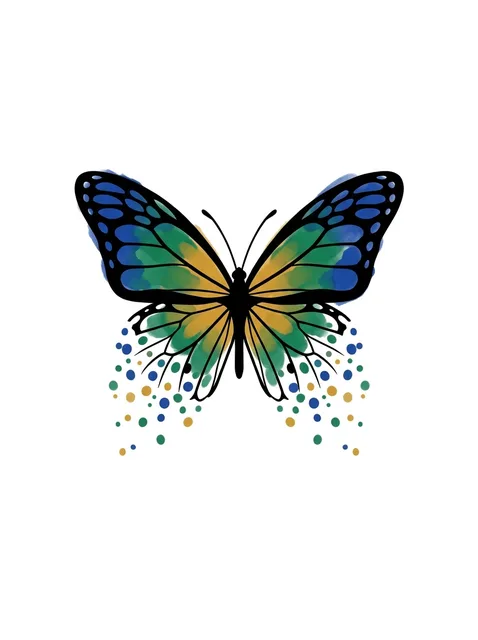
Color watercolor butterfly tattoo design Try it on — Color watercolor butterfly tattoo design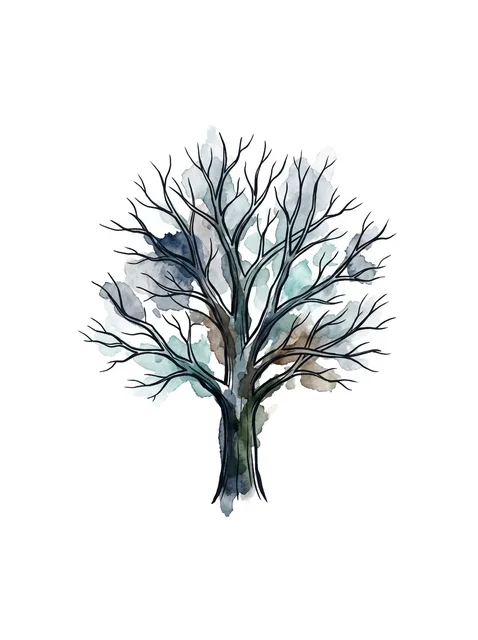
Color watercolor tree tattoo design: a bare tree with intricate branches Try it on — Color watercolor tree tattoo design: a bare tree with intricate branches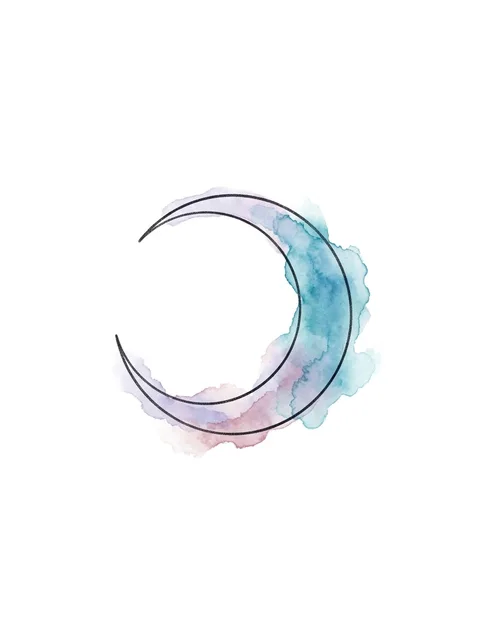
Color watercolor moon tattoo design: a crescent moon outline Try it on — Color watercolor moon tattoo design: a crescent moon outline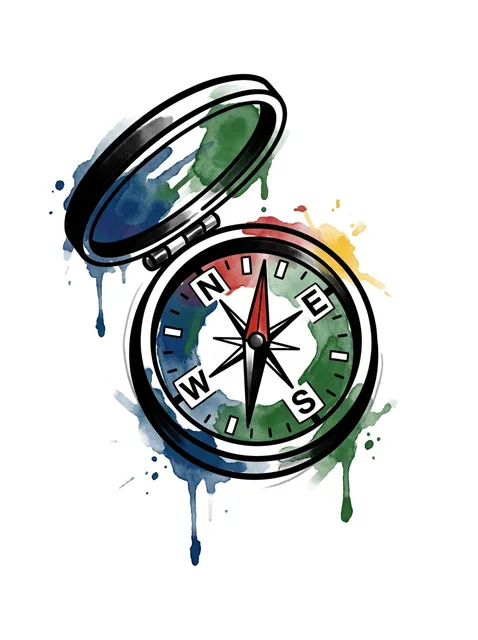
Color watercolor compass tattoo design: an open compass with a prominent red needle Try it on — Color watercolor compass tattoo design: an open compass with a prominent red needle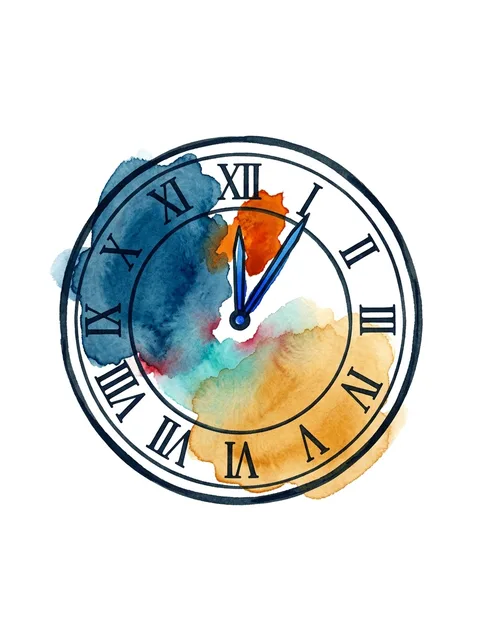
Color watercolor clock tattoo design: a clock face with Roman numerals Try it on — Color watercolor clock tattoo design: a clock face with Roman numerals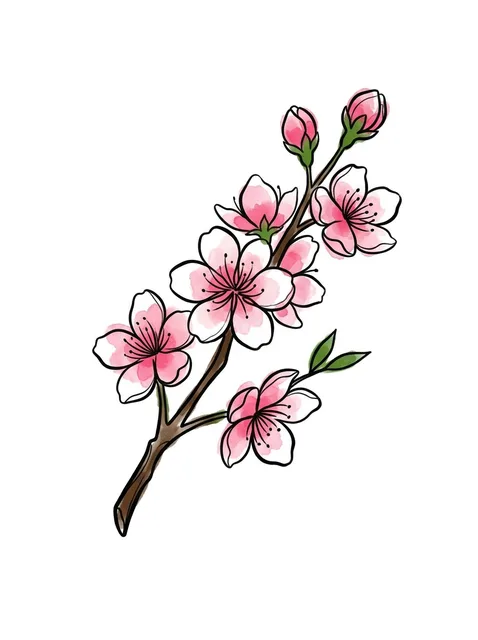
Color watercolor cherry blossom and flower tattoo design Try it on — Color watercolor cherry blossom and flower tattoo design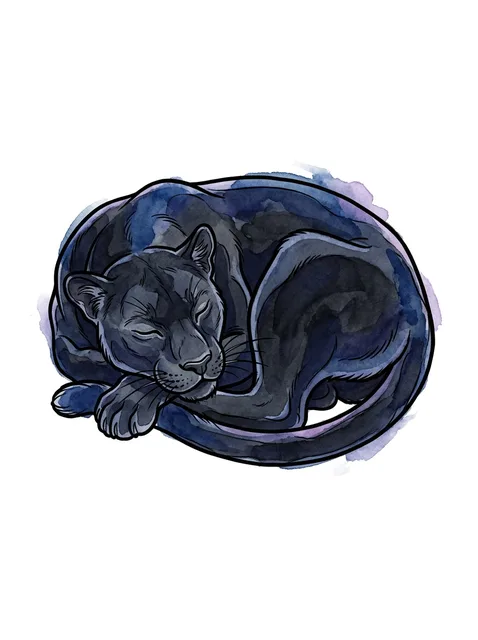
Color watercolor panther tattoo design: a sleeping black panther, curled up with its eyes closed Try it on — Color watercolor panther tattoo design: a sleeping black panther, curled up with its eyes closed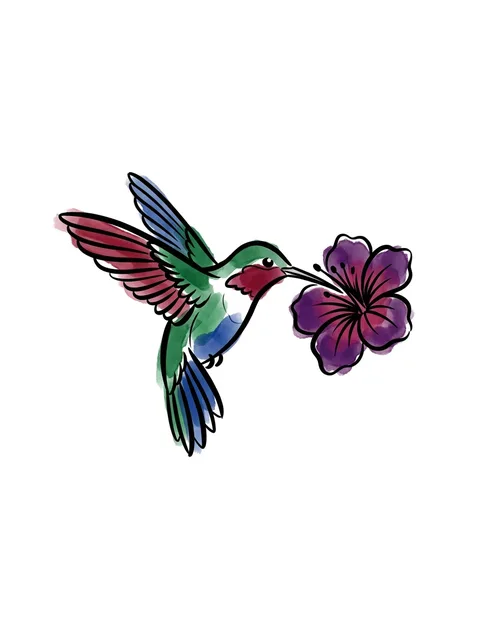
Color watercolor hummingbird and flower tattoo design Try it on — Color watercolor hummingbird and flower tattoo design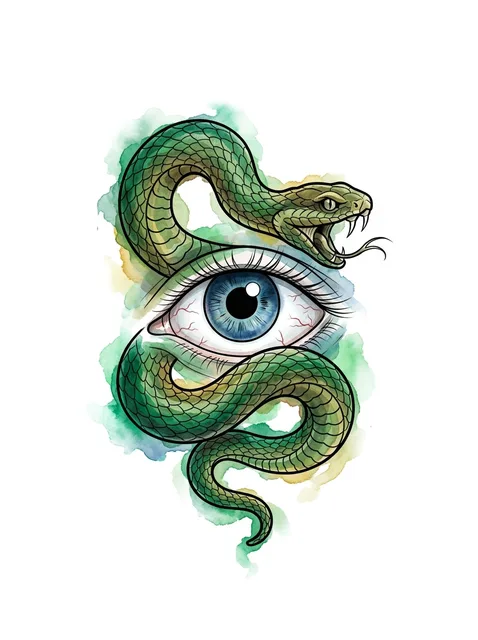
Color watercolor eye and snake tattoo design: an open mouth and exposed fangs poised above it Try it on — Color watercolor eye and snake tattoo design: an open mouth and exposed fangs poised above it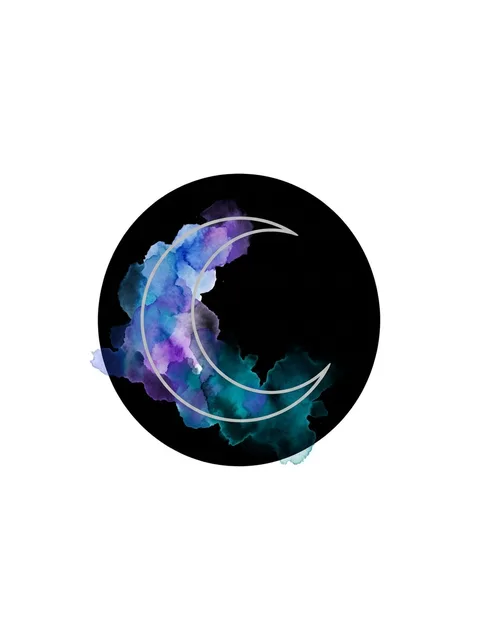
Color watercolor moon tattoo design: a crescent moon Try it on — Color watercolor moon tattoo design: a crescent moon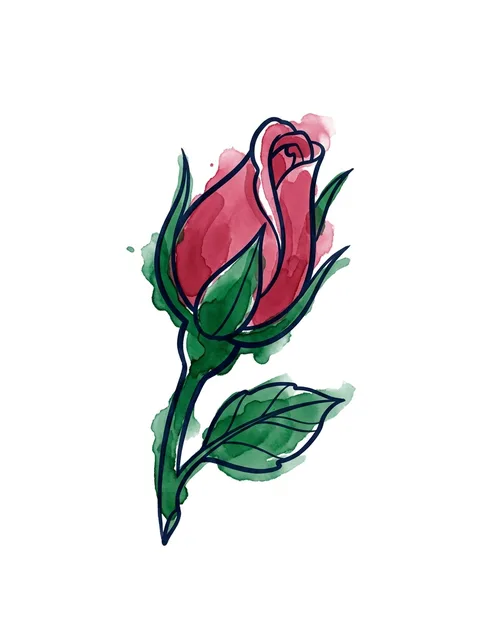
Color watercolor rose and flower tattoo design: a single red rosebud with green leaves Try it on — Color watercolor rose and flower tattoo design: a single red rosebud with green leaves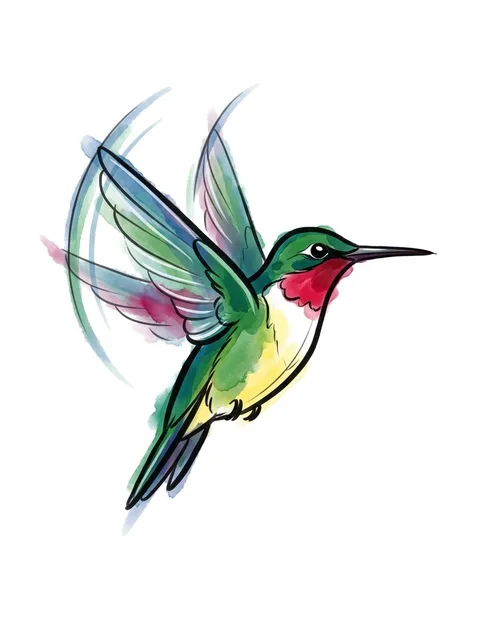
Color watercolor hummingbird tattoo design: a hummingbird in flight Try it on — Color watercolor hummingbird tattoo design: a hummingbird in flight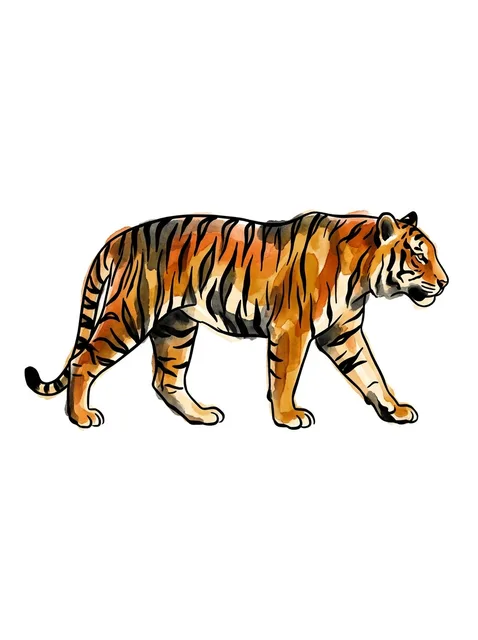
Color watercolor tiger tattoo design: a tiger in profile, walking with a powerful stride Try it on — Color watercolor tiger tattoo design: a tiger in profile, walking with a powerful stride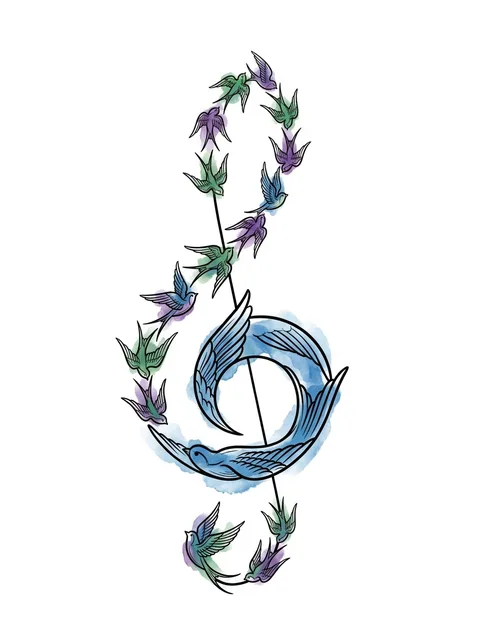
Color watercolor bird and music note tattoo design: a treble clef formed by a flock of swallows Try it on — Color watercolor bird and music note tattoo design: a treble clef formed by a flock of swallows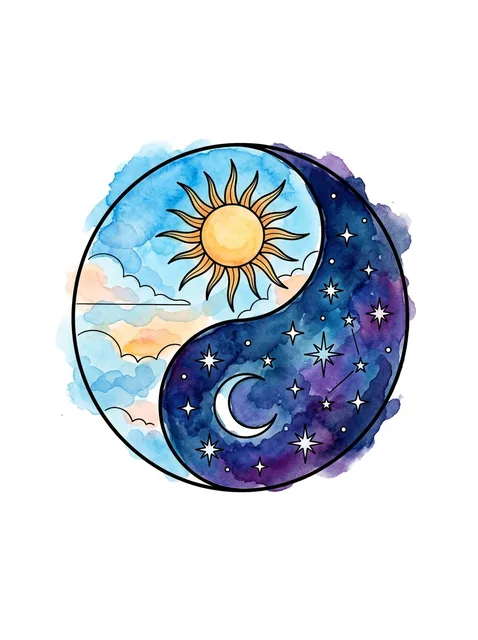
Color watercolor yin yang and sun tattoo design Try it on — Color watercolor yin yang and sun tattoo design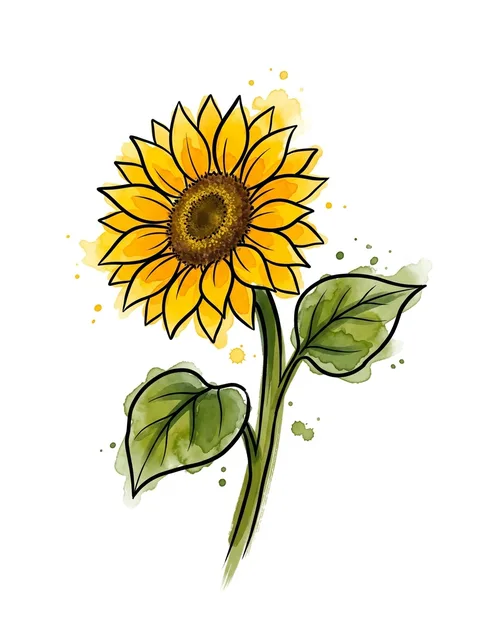
Color watercolor sunflower and flower tattoo design Try it on — Color watercolor sunflower and flower tattoo design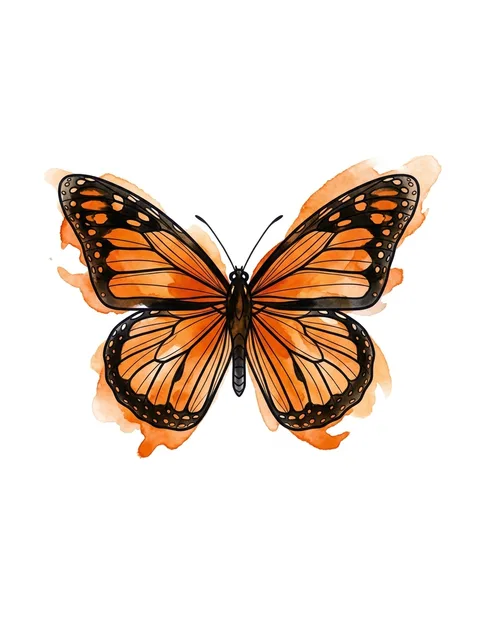
Color watercolor butterfly tattoo design Try it on — Color watercolor butterfly tattoo design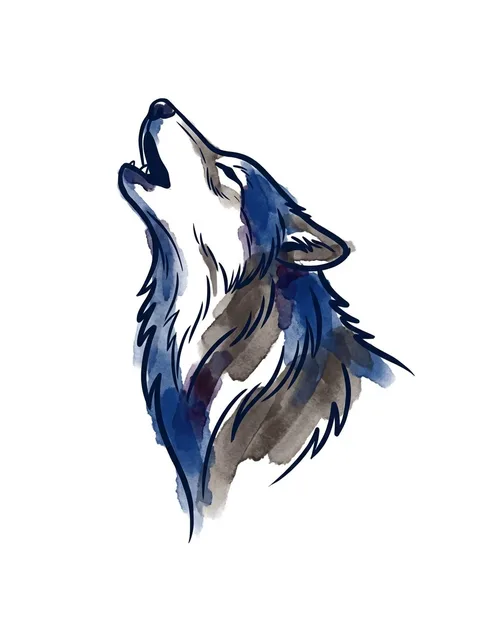
Color watercolor wolf tattoo design Try it on — Color watercolor wolf tattoo design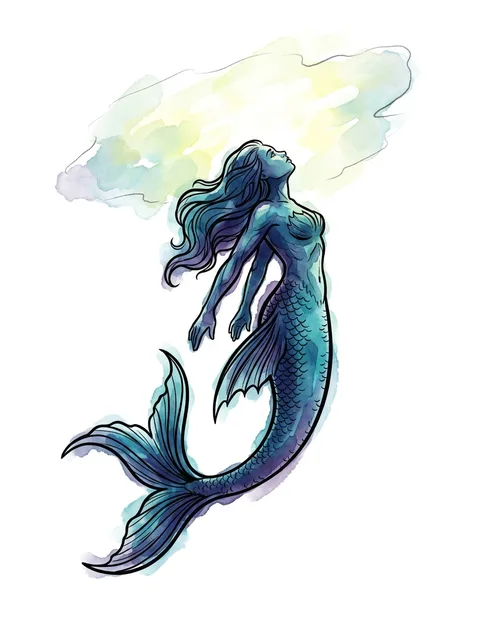
Color watercolor mermaid tattoo design: a mermaid gracefully ascending, looking upwards Try it on — Color watercolor mermaid tattoo design: a mermaid gracefully ascending, looking upwards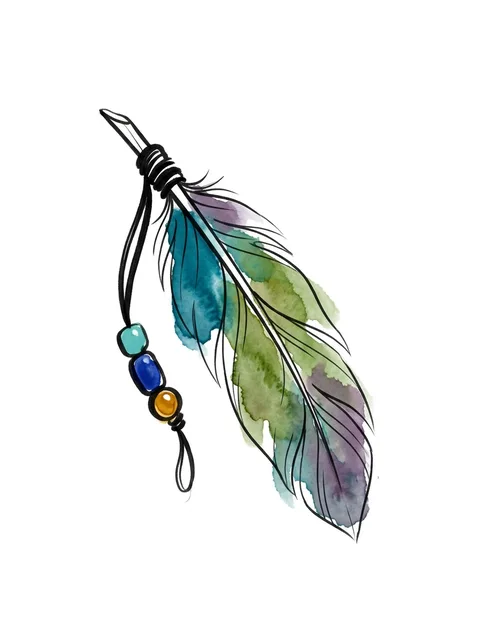
Color watercolor feather tattoo design Try it on — Color watercolor feather tattoo design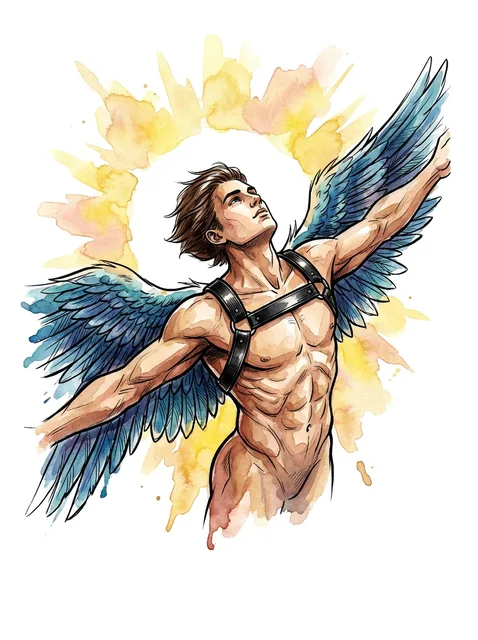
Color watercolor angel wings and icarus tattoo design Try it on — Color watercolor angel wings and icarus tattoo design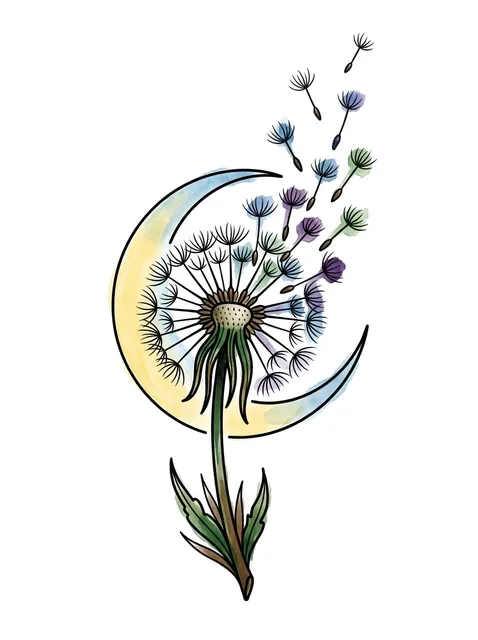
Color watercolor dandelion and moon tattoo design: a dandelion with its seeds blowing away Try it on — Color watercolor dandelion and moon tattoo design: a dandelion with its seeds blowing away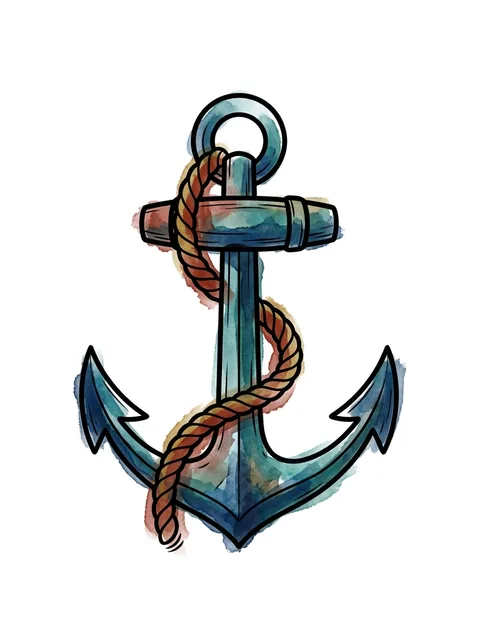
Color watercolor anchor tattoo design: an anchor, featuring a rope wrapped around its shaft Try it on — Color watercolor anchor tattoo design: an anchor, featuring a rope wrapped around its shaft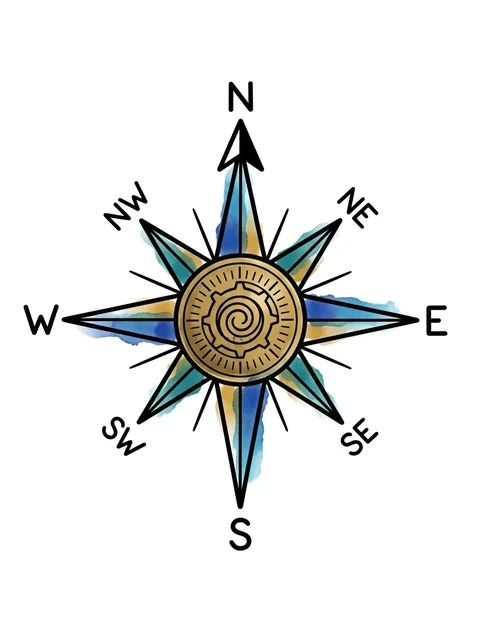
Color watercolor compass tattoo design: a golden central medallion with a spiral pattern Try it on — Color watercolor compass tattoo design: a golden central medallion with a spiral pattern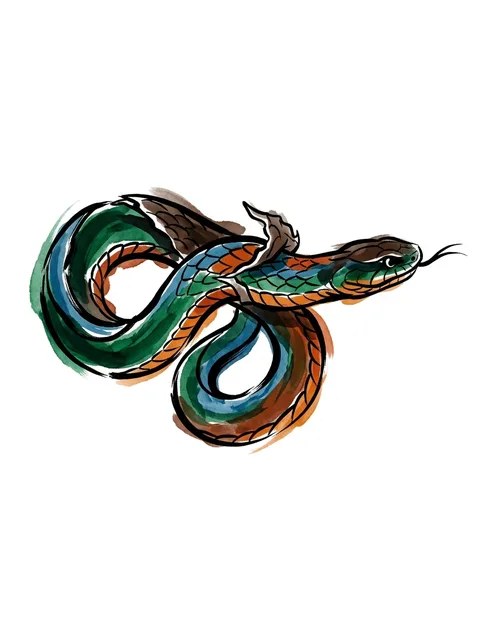
Color watercolor snake tattoo design Try it on — Color watercolor snake tattoo design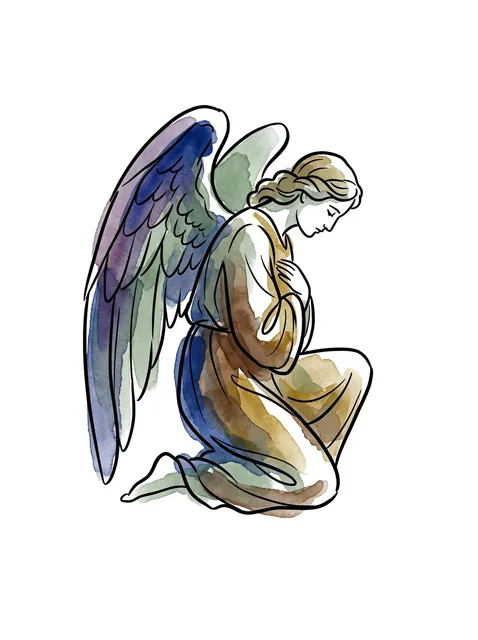
Color watercolor angel tattoo design Try it on — Color watercolor angel tattoo design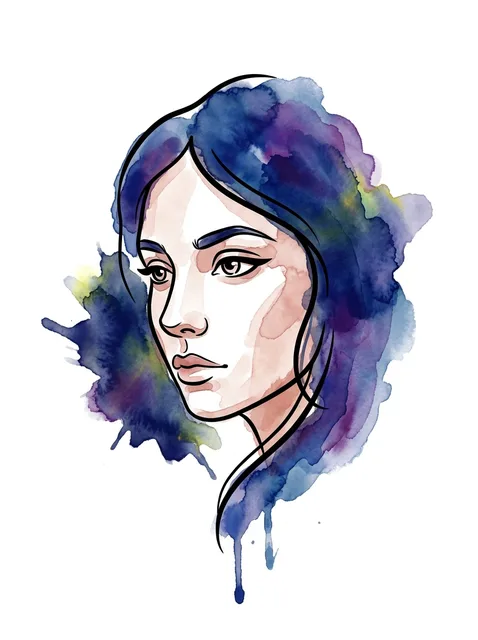
Color watercolor woman portrait tattoo design Try it on — Color watercolor woman portrait tattoo design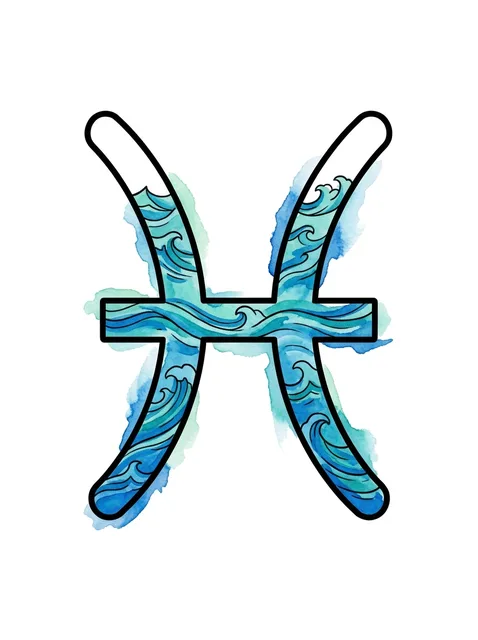
Color watercolor pisces and wave tattoo design: the Pisces zodiac symbol Try it on — Color watercolor pisces and wave tattoo design: the Pisces zodiac symbol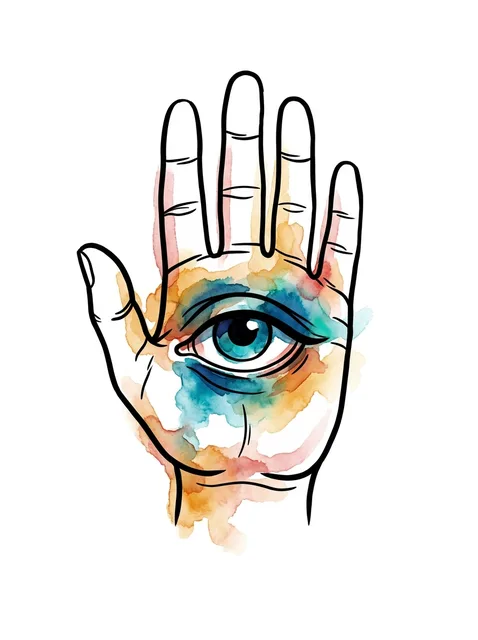
Color watercolor hand and eye tattoo design: an open hand with an eye in the palm Try it on — Color watercolor hand and eye tattoo design: an open hand with an eye in the palm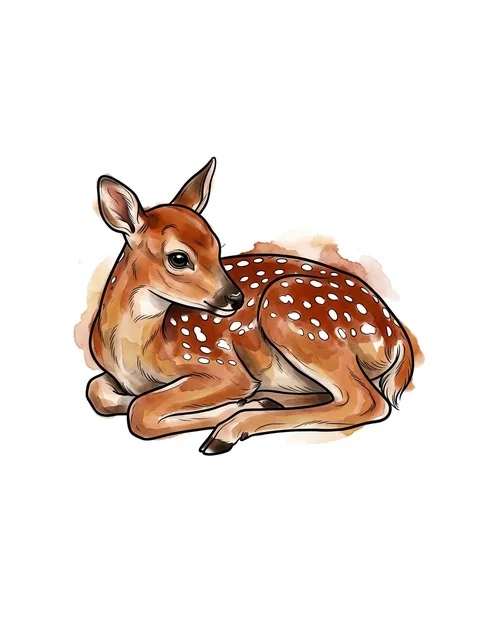
Color watercolor deer tattoo design Try it on — Color watercolor deer tattoo design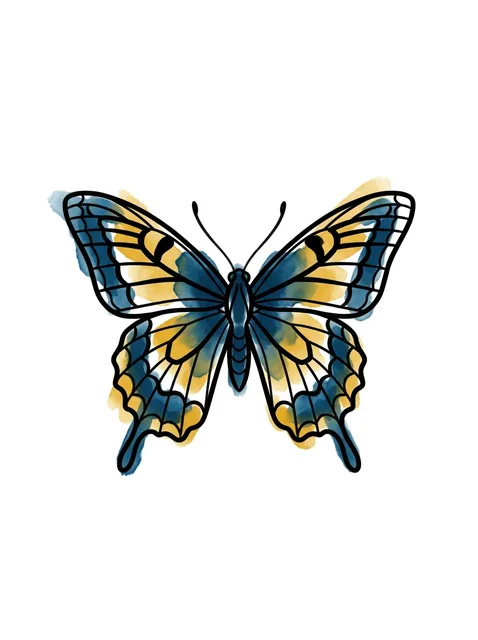
Color watercolor butterfly tattoo design Try it on — Color watercolor butterfly tattoo design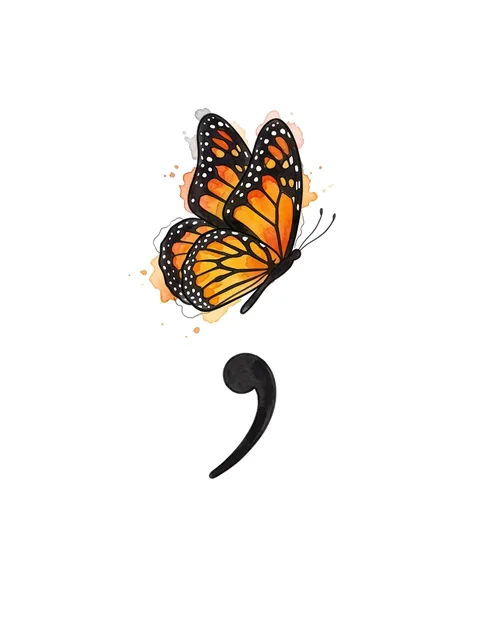
Color watercolor butterfly and semicolon tattoo design Try it on — Color watercolor butterfly and semicolon tattoo design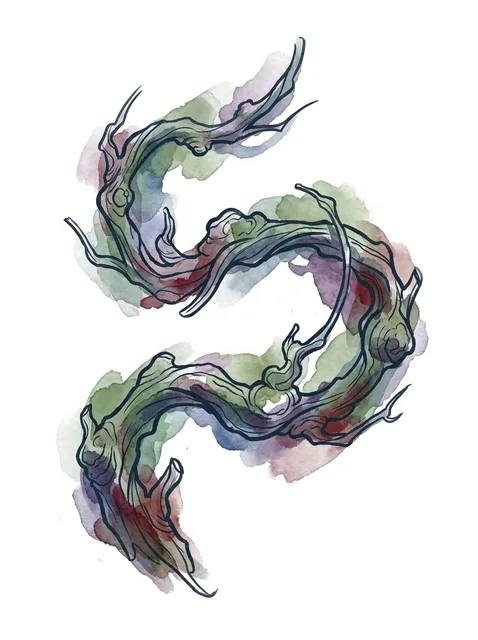
Color watercolor vine tattoo design: a winding vine or branch Try it on — Color watercolor vine tattoo design: a winding vine or branch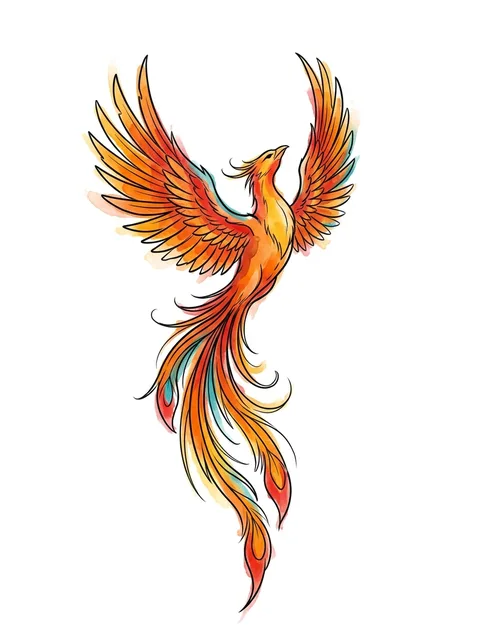
Color watercolor phoenix tattoo design Try it on — Color watercolor phoenix tattoo design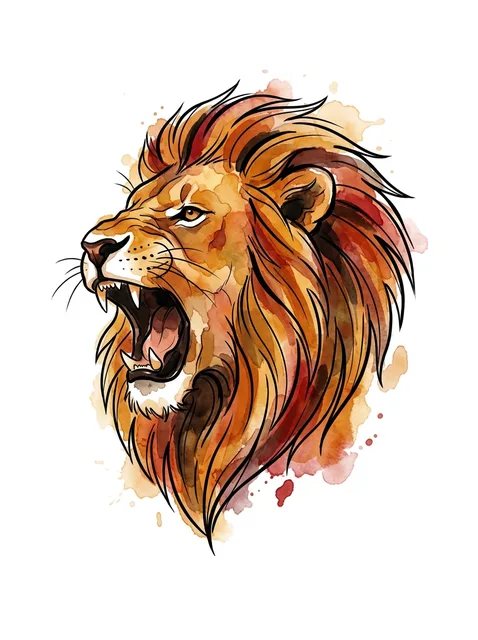
Color watercolor lion tattoo design: a roaring lion's head Try it on — Color watercolor lion tattoo design: a roaring lion's head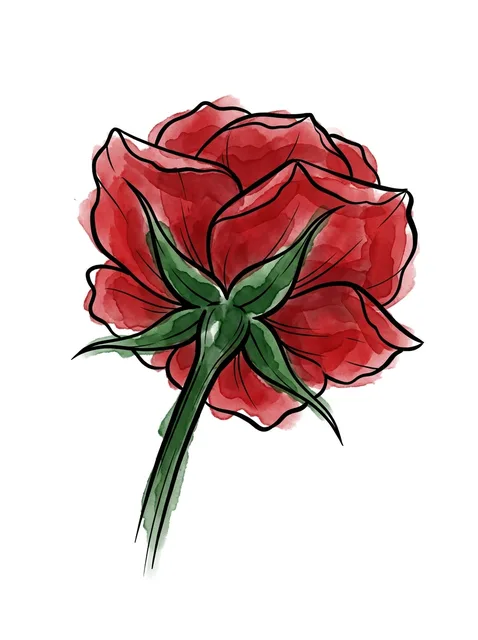
Color watercolor rose and flower tattoo design Try it on — Color watercolor rose and flower tattoo design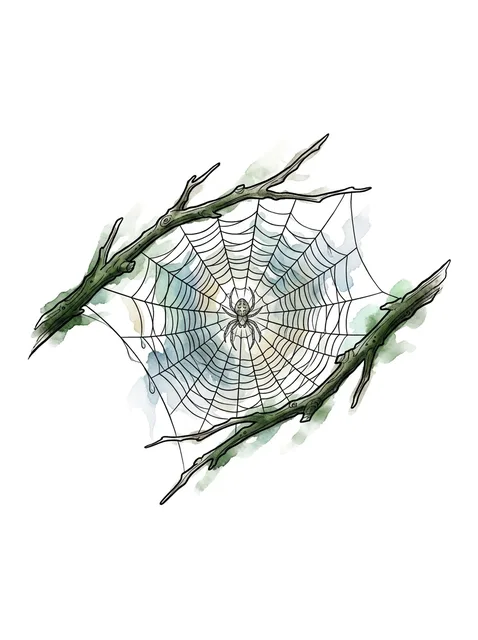
Color watercolor web and branch tattoo design Try it on — Color watercolor web and branch tattoo design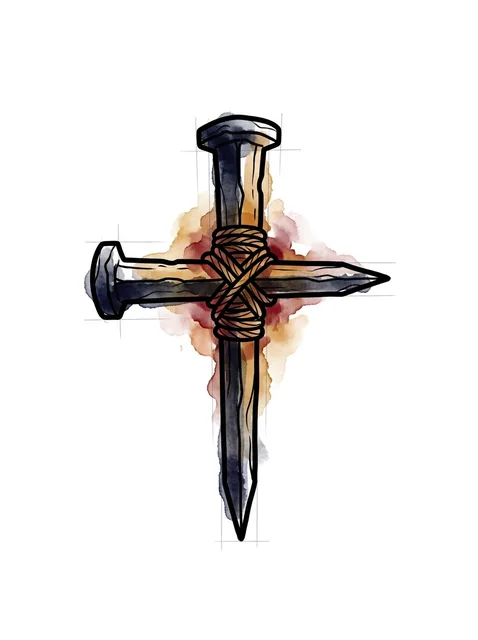
Color watercolor cross tattoo design: two nails forming a cross, bound together by rope Try it on — Color watercolor cross tattoo design: two nails forming a cross, bound together by rope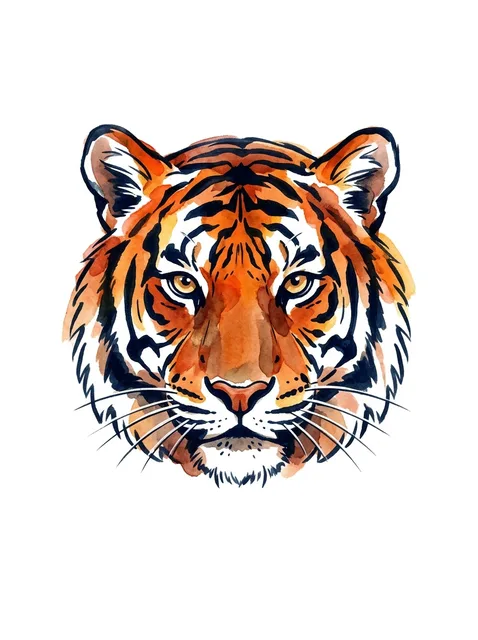
Color watercolor tiger tattoo design: a tiger's head, facing forward with intense yellow eyes Try it on — Color watercolor tiger tattoo design: a tiger's head, facing forward with intense yellow eyes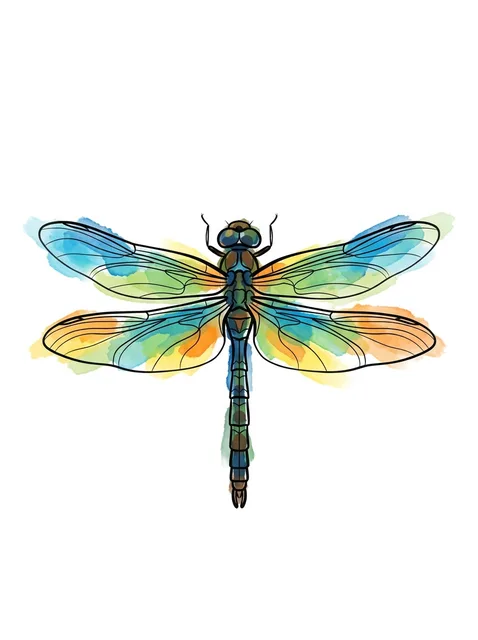
Color watercolor dragonfly tattoo design Try it on — Color watercolor dragonfly tattoo design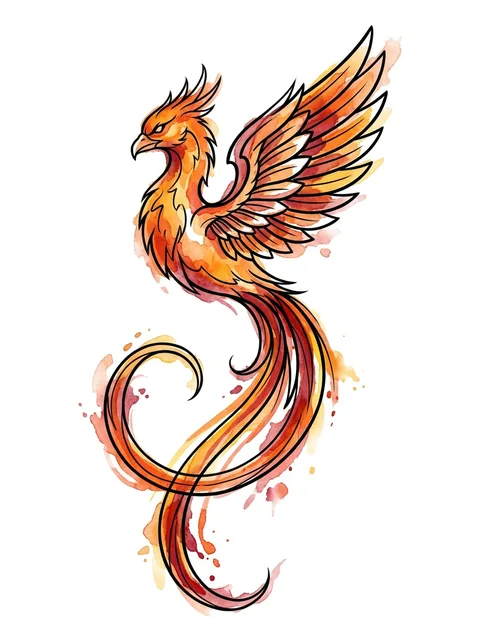
Color watercolor phoenix tattoo design Try it on — Color watercolor phoenix tattoo design


48 designs drawn for InkCraft in this style. Tap any one to place it on a photo of your own skin.
These 48 designs, in numbers
- Black and grey
- 0
- Colour
- 48
- Subjects covered
- 44
Imitating a medium skin does not do
Watercolour on paper works because pigment moves through wet fibre and settles unevenly. Skin does nothing of the sort — the effect has to be constructed by hand, with washes built from diluted pigment, splatters placed deliberately, and edges softened by feathering the needle rather than by letting anything flow.
That is why the quality gap between artists is so wide here. A convincing piece is a technical performance dressed up as an accident: every "spontaneous" run of colour was a decision. An unconvincing one reads exactly as what it is, which is a blurry tattoo.
The other consequence is that the style depends on colour to carry the whole image, because there is often no line underneath doing structural work. That single fact determines everything about how it ages.
What actually happens over ten years
Colour fades faster than black. That is true of every style, but elsewhere a black outline is holding the drawing together while the colour softens, so the piece remains legible. Remove the outline and fading colour means a fading image — the shape itself goes soft, not just the hue.
There are two honest ways to deal with this. Ask for a subtle structural line, in black or in a dark tone of the palette, doing quiet work underneath — most experienced artists in this style include one, and it is why their older pieces still read. Or accept the piece as something that will want reworking in five to ten years and plan for it.
Sun is the accelerant, and it is not a small effect. Daily sunscreen on a healed watercolour piece is the single highest-return thing you can do for it, and placing it somewhere clothing usually covers is the second.
Choosing one that holds
Look at an artist's healed work at five years, not their fresh photographs. Fresh watercolour photographs beautifully and tells you almost nothing about whether the technique was sound; the healed set tells you everything.
Favour pieces with some internal structure — a subject with a recognisable silhouette, rather than an abstract wash. A hummingbird, a flower, a mountain range under colour will still be a hummingbird, a flower or a mountain range when the colour has softened by a third. A pure colour field will just be paler.
Give it room, too. Splatter and bleed need space outside the subject to read as deliberate rather than as a mistake, which makes this a poor style for small pieces and a good one for a shoulder, a thigh or an upper back.
What an hour of this work costs, and how many hours watercolor tattoos takes at each size, is in the cost guide. How it behaves later — under a laser, and as the thing doing the covering — is in the removal and cover-up guide.
Common questions
- Do watercolor tattoos fade faster?
- The colour fades at the same rate as colour in any style, but the effect is more visible because there is often no black outline holding the shape. A piece with a subtle structural line underneath ages far better than one built from colour alone.
- Do they need an outline?
- Not visually, but most durable examples have one — thin, in black or a dark tone of the palette, doing structural work without reading as a traditional outline. It is worth asking an artist directly whether they include one and why.
- How do I keep one looking good?
- Sunscreen daily once healed, and place it somewhere clothing usually covers. Sun is the main cause of colour loss by a wide margin. Plan on a refresh at five to ten years rather than treating one as needed only if something goes wrong.
- What size works best?
- Medium to large — roughly 15 cm and up. The bleeds and splatter need space outside the subject to read as intentional, so small watercolour pieces tend to look like a smudge around a shape rather than like paint.
See this style on your own skin
InkCraft places a design on a photo of you — scaled, wrapped and shaded to the spot you pick, so you can judge how the style reads on your body before it is permanent.