 InkCraft
80 Flower Tattoo Ideas, Stencils and Meaning
80 original flower designs drawn for InkCraftBy Uladzimir TumanauUpdated
Opens in your browser. No signup. Or tap any design below.
Rose, lotus, peony, sunflower — the species decides the meaning, not the style. Most regret with floral work comes from choosing a shape and later learning what that flower meant — chrysanthemum in a European context being the usual example.
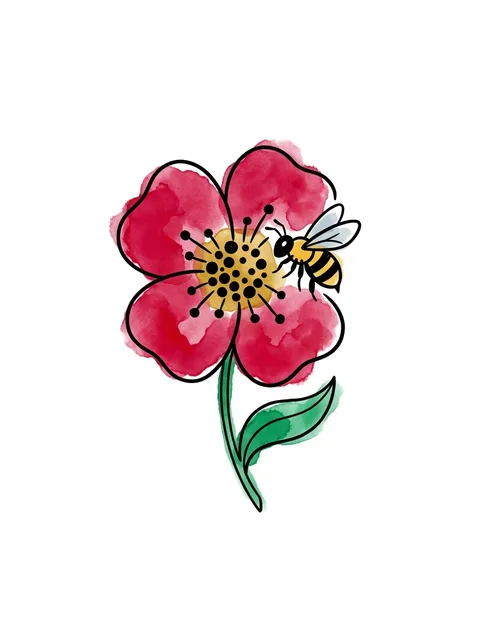
Color illustrative flower tattoo design: a red flower Try it on — Color illustrative flower tattoo design: a red flower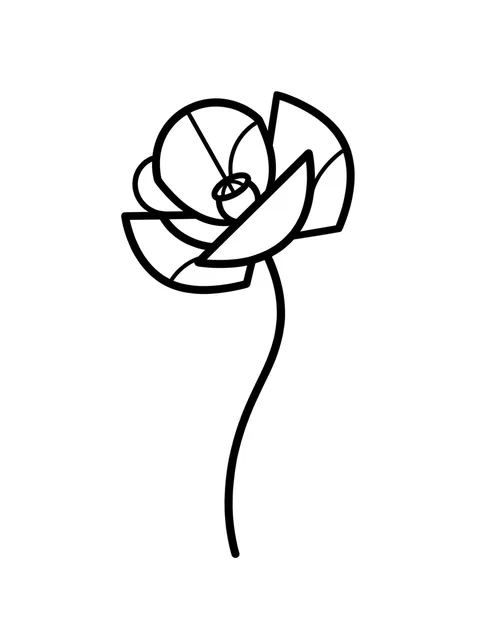
Black and grey fine line flower tattoo design, outline stencil Try it on — Black and grey fine line flower tattoo design, outline stencil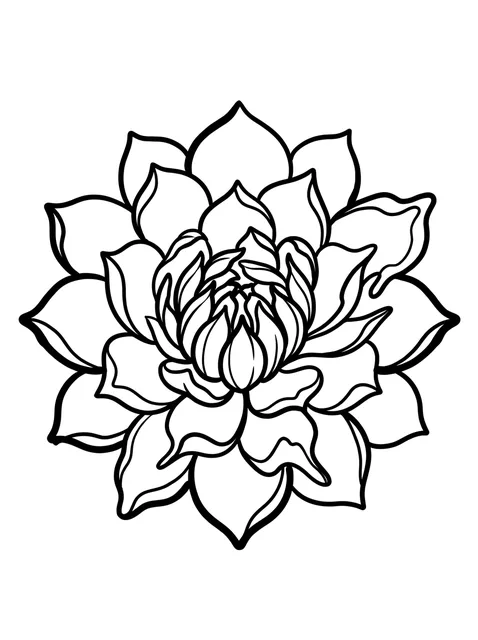
Black and white linework flower tattoo design, outline stencil: a single, detailed flower Try it on — Black and white linework flower tattoo design, outline stencil: a single, detailed flower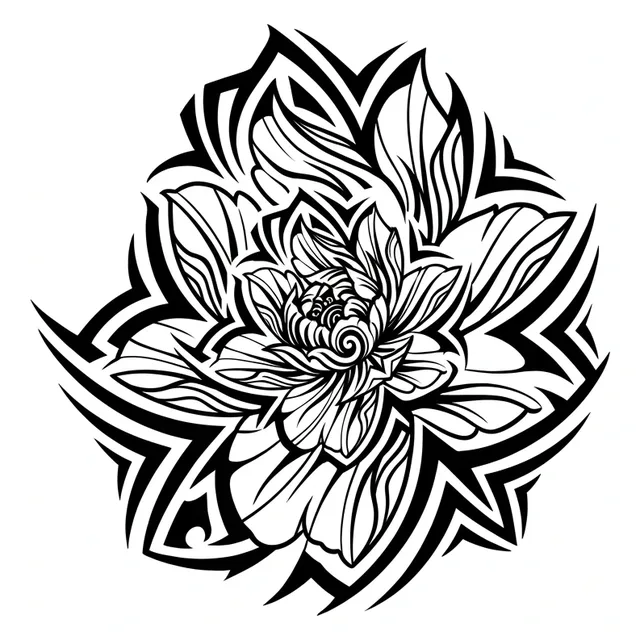
Black and white tribal flower tattoo design Try it on — Black and white tribal flower tattoo design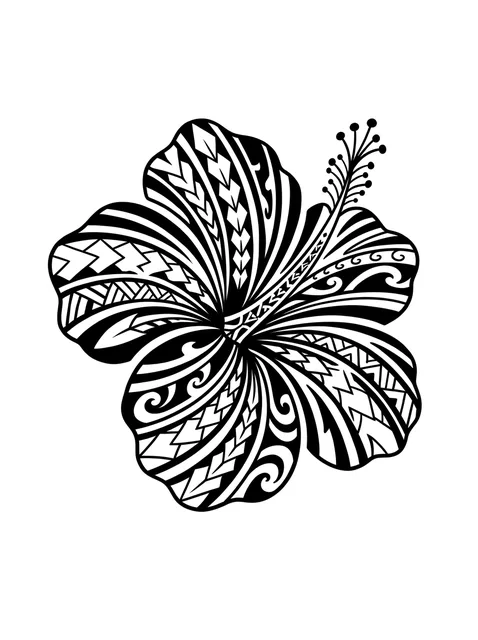
Black and grey polynesian flower tattoo design Try it on — Black and grey polynesian flower tattoo design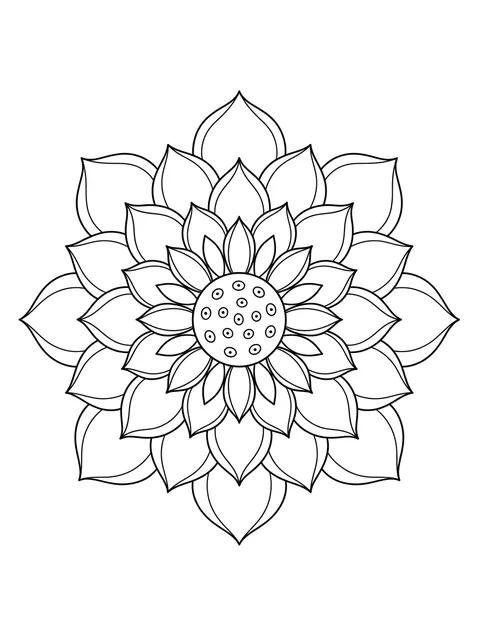
Black and white linework flower and mandala tattoo design, outline stencil Try it on — Black and white linework flower and mandala tattoo design, outline stencil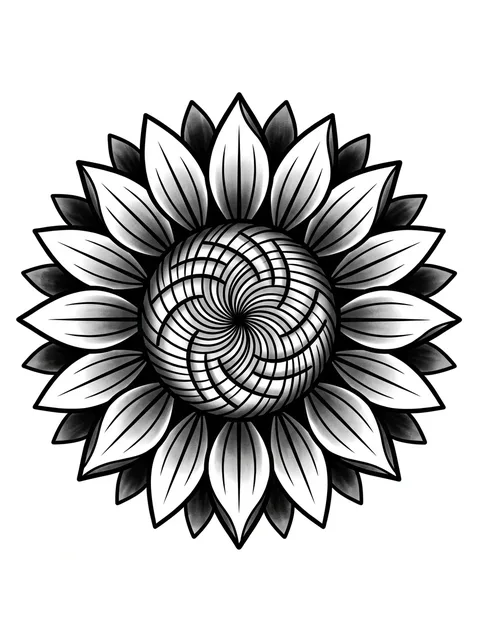
Black and grey illustrative flower and mandala tattoo design Try it on — Black and grey illustrative flower and mandala tattoo design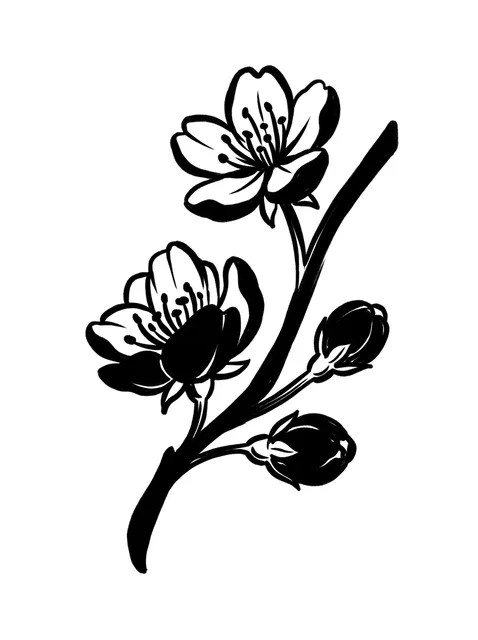
Black and grey illustrative flower and cherry blossom tattoo design: a branch of cherry blossoms Try it on — Black and grey illustrative flower and cherry blossom tattoo design: a branch of cherry blossoms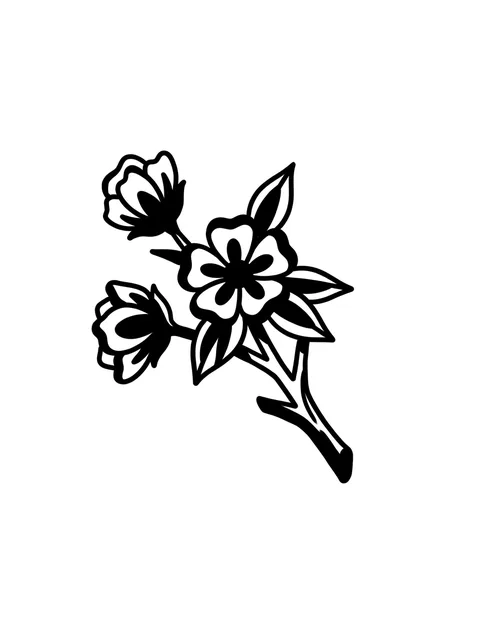
Black and grey traditional flower and leaf tattoo design: a cluster of three flowers Try it on — Black and grey traditional flower and leaf tattoo design: a cluster of three flowers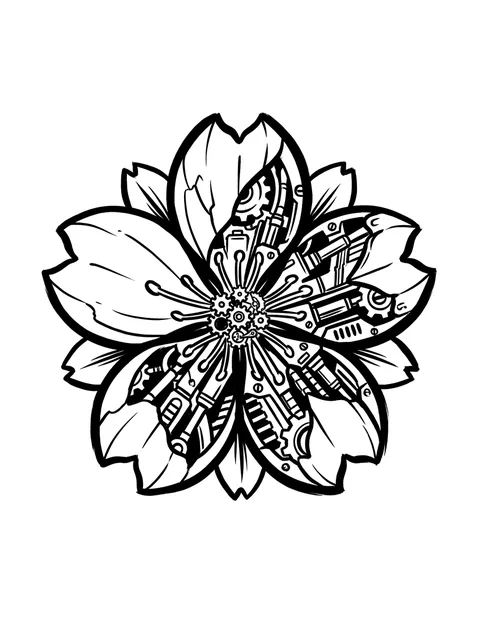
Black and white illustrative flower and cherry blossom tattoo design: a cherry blossom flower Try it on — Black and white illustrative flower and cherry blossom tattoo design: a cherry blossom flower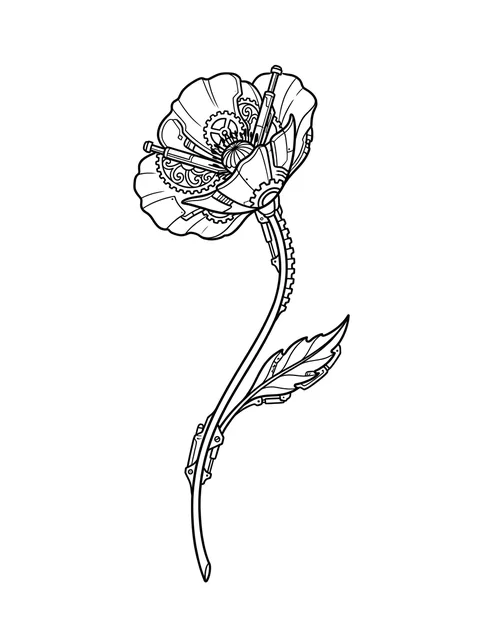
Black and grey illustrative flower and poppy tattoo design Try it on — Black and grey illustrative flower and poppy tattoo design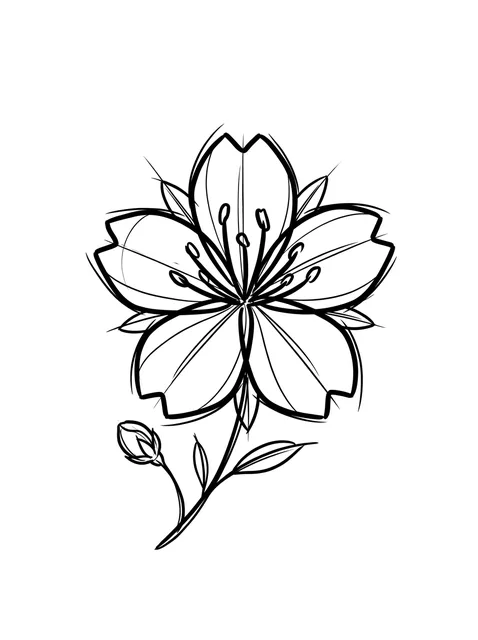
Black and white linework flower and cherry blossom tattoo design, outline stencil (1 of 3) Try it on — Black and white linework flower and cherry blossom tattoo design, outline stencil (1 of 3)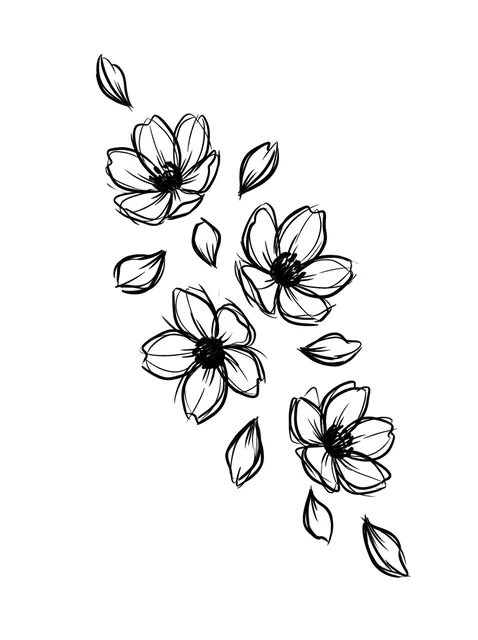
Black and grey sketch flower and leaf tattoo design: a cascade of four blooming flowers Try it on — Black and grey sketch flower and leaf tattoo design: a cascade of four blooming flowers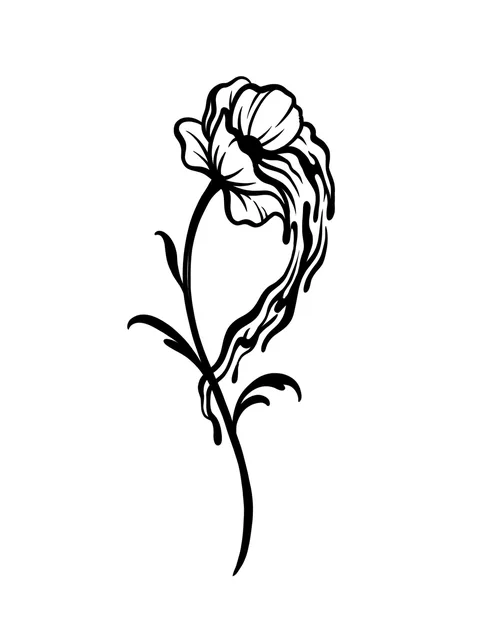
Black and grey illustrative flower and leaf tattoo design: a stylized flower Try it on — Black and grey illustrative flower and leaf tattoo design: a stylized flower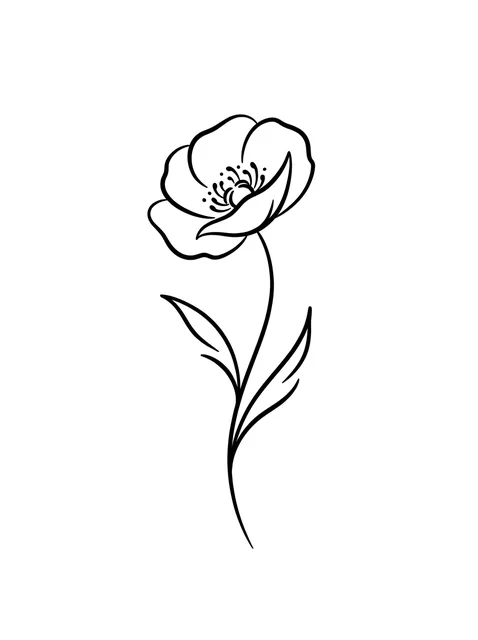
Black and white fine line flower and poppy tattoo design, outline stencil: a single poppy flower Try it on — Black and white fine line flower and poppy tattoo design, outline stencil: a single poppy flower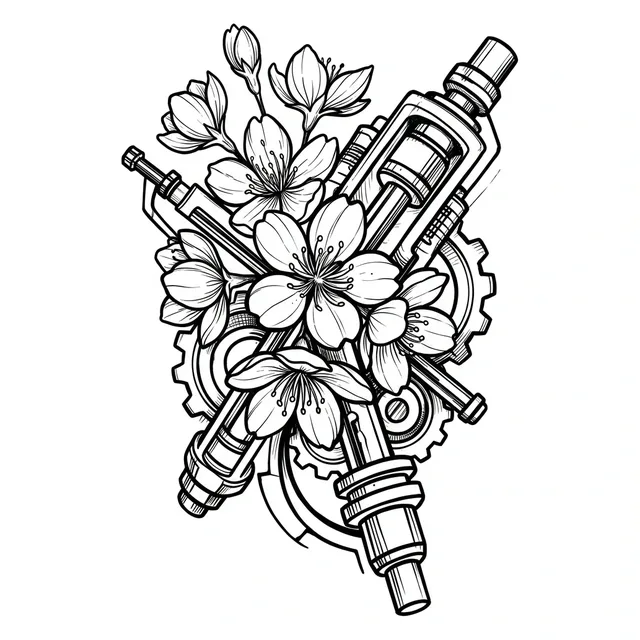
Black and white illustrative flower and cherry blossom tattoo design Try it on — Black and white illustrative flower and cherry blossom tattoo design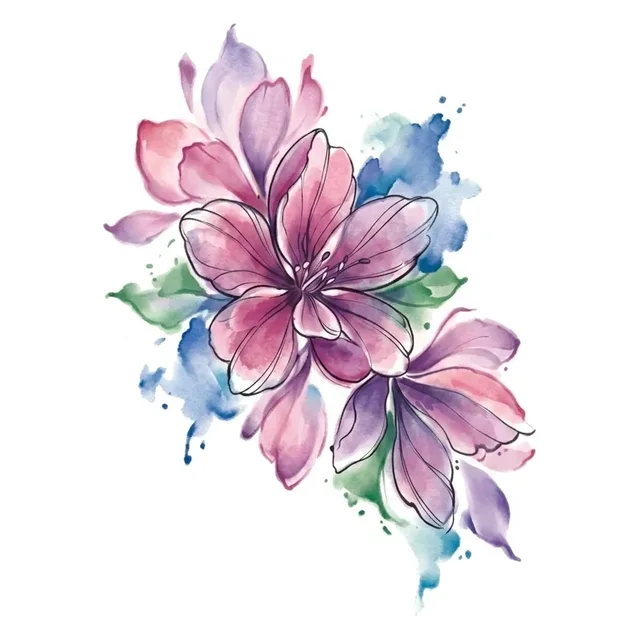
Color watercolor flower and leaf tattoo design: a cluster of pink and purple flowers Try it on — Color watercolor flower and leaf tattoo design: a cluster of pink and purple flowers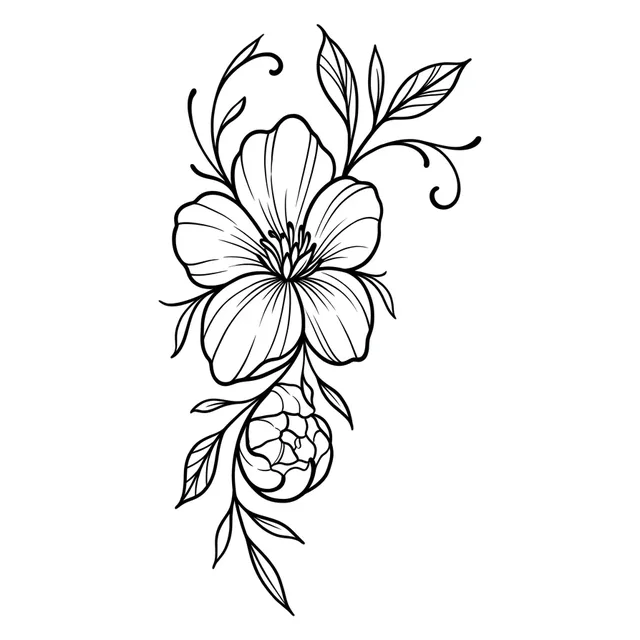
Black and white linework flower and leaf tattoo design, outline stencil: a blooming flower Try it on — Black and white linework flower and leaf tattoo design, outline stencil: a blooming flower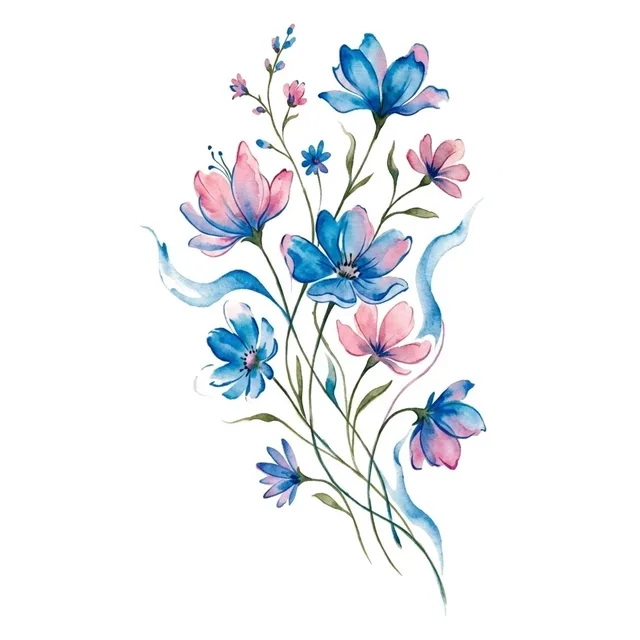
Color watercolor flower and leaf tattoo design Try it on — Color watercolor flower and leaf tattoo design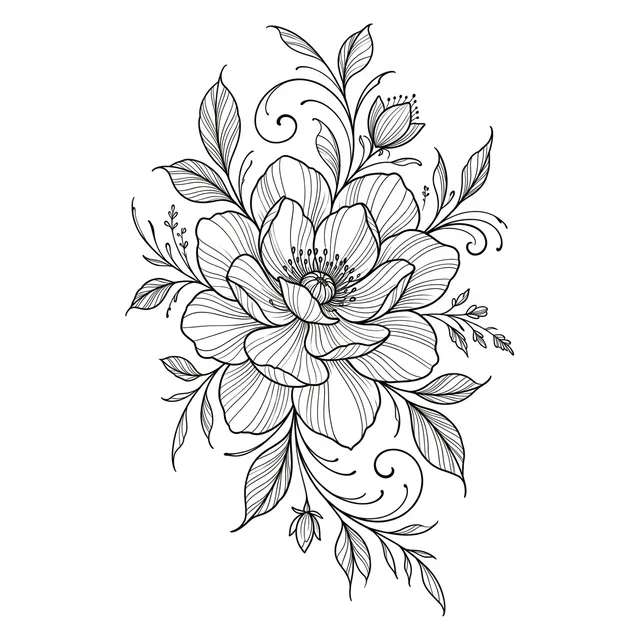
Black and white fine line flower and leaf tattoo design, outline stencil Try it on — Black and white fine line flower and leaf tattoo design, outline stencil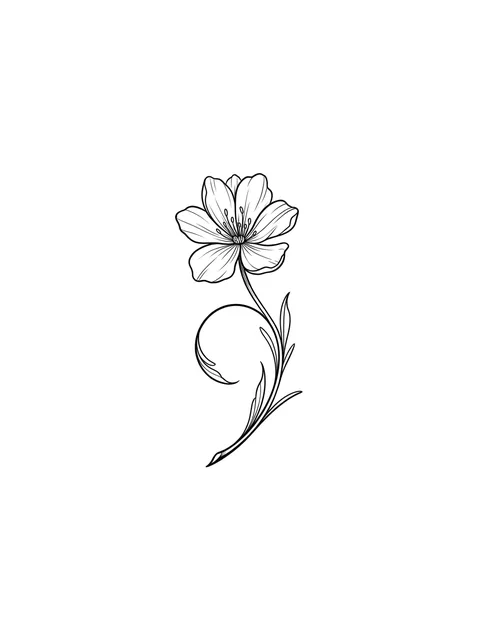
Black and white fine line flower and leaf tattoo design, outline stencil: a single flower Try it on — Black and white fine line flower and leaf tattoo design, outline stencil: a single flower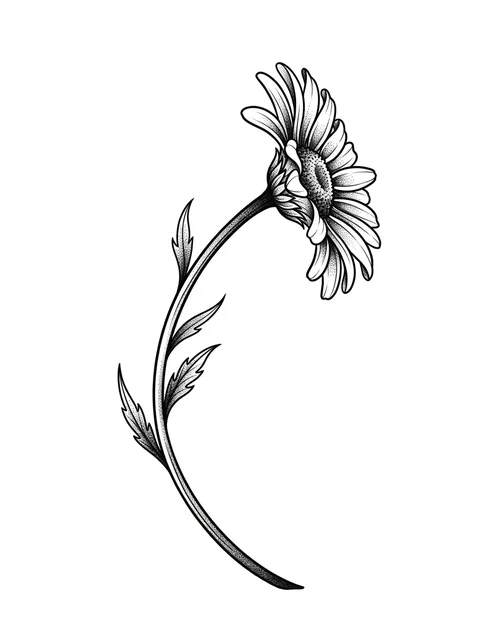
Black and grey dotwork flower and daisy tattoo design: a single daisy Try it on — Black and grey dotwork flower and daisy tattoo design: a single daisy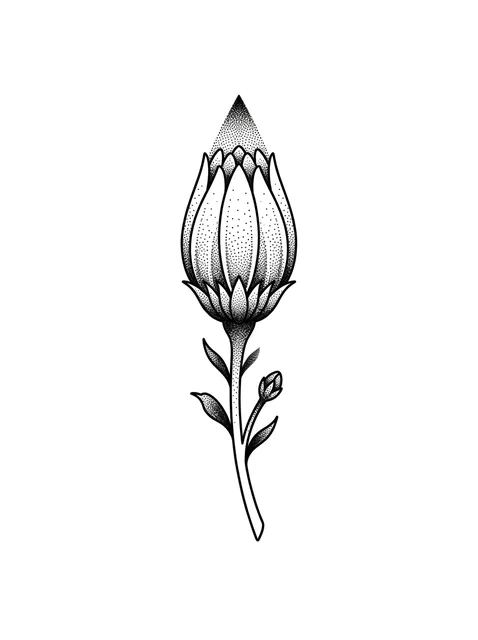
Black and grey dotwork flower and leaf tattoo design: a pointed tip, its petals Try it on — Black and grey dotwork flower and leaf tattoo design: a pointed tip, its petals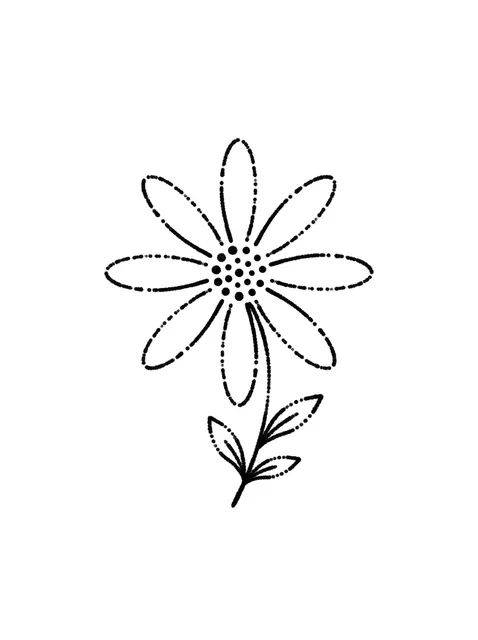
Black and grey stick and poke flower and leaf tattoo design: a simple flower Try it on — Black and grey stick and poke flower and leaf tattoo design: a simple flower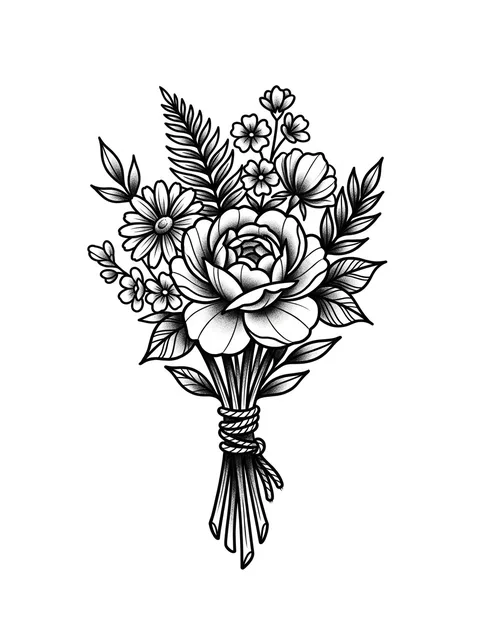
Black and grey neo traditional flower and rose tattoo design Try it on — Black and grey neo traditional flower and rose tattoo design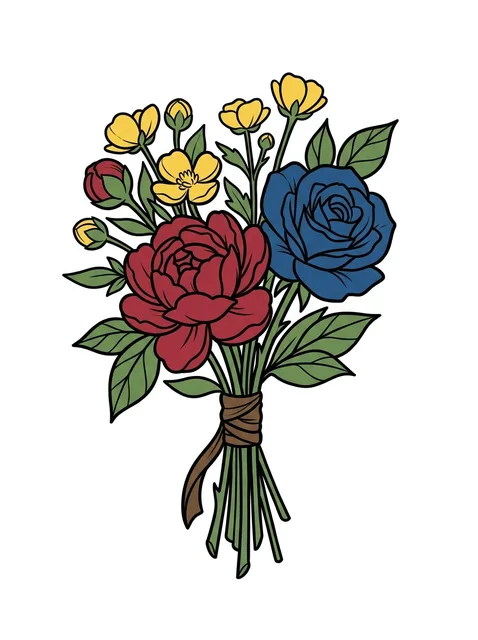
Color neo traditional flower and rose tattoo design: a bouquet of flowers Try it on — Color neo traditional flower and rose tattoo design: a bouquet of flowers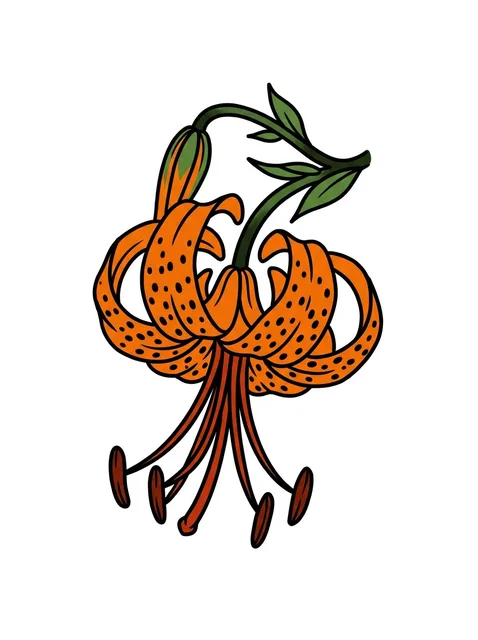
Color traditional flower and lily tattoo design Try it on — Color traditional flower and lily tattoo design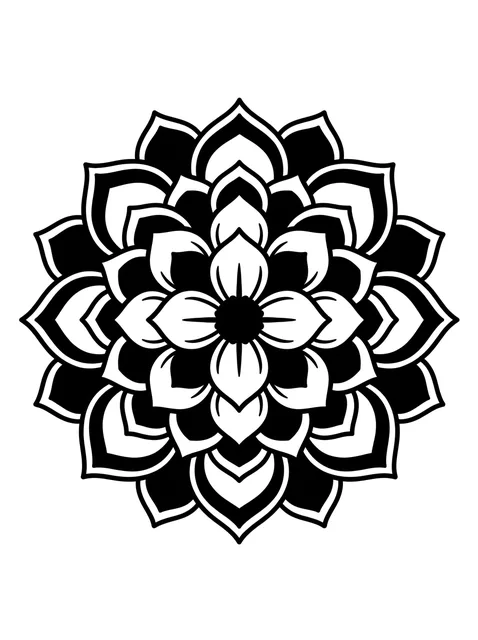
Black and white blackwork flower and mandala tattoo design Try it on — Black and white blackwork flower and mandala tattoo design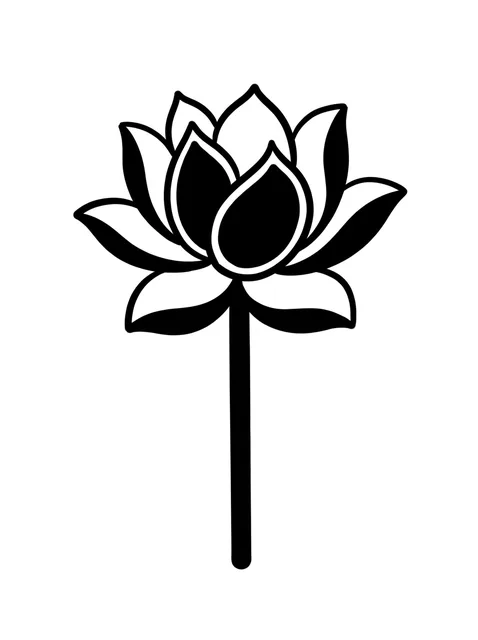
Black and white blackwork flower and lotus tattoo design: a stylized lotus flower Try it on — Black and white blackwork flower and lotus tattoo design: a stylized lotus flower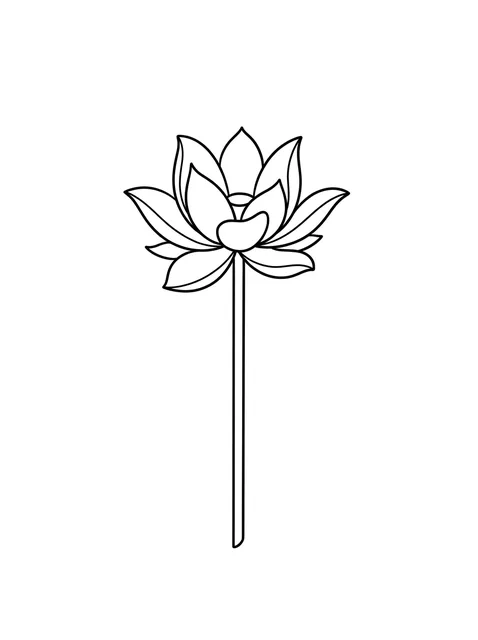
Black and white linework flower and lotus tattoo design, outline stencil: a single lotus flower Try it on — Black and white linework flower and lotus tattoo design, outline stencil: a single lotus flower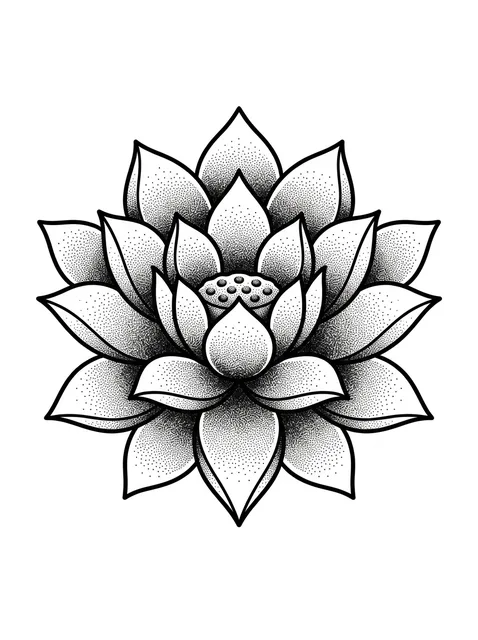
Black and grey dotwork flower and lotus tattoo design: a detailed stamen at the center Try it on — Black and grey dotwork flower and lotus tattoo design: a detailed stamen at the center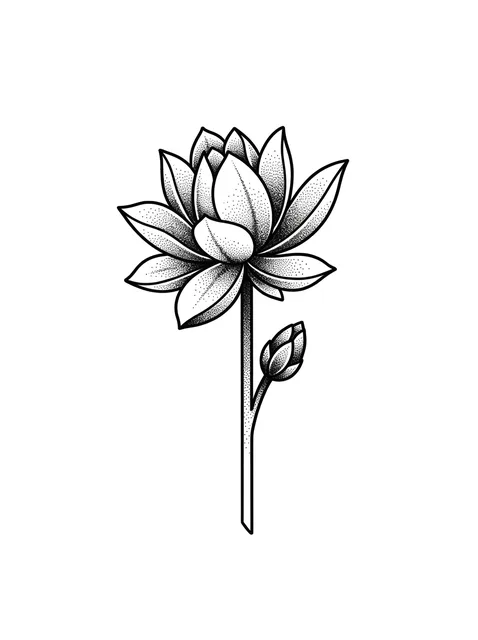
Black and grey dotwork flower and lotus tattoo design: a fully bloomed lotus Try it on — Black and grey dotwork flower and lotus tattoo design: a fully bloomed lotus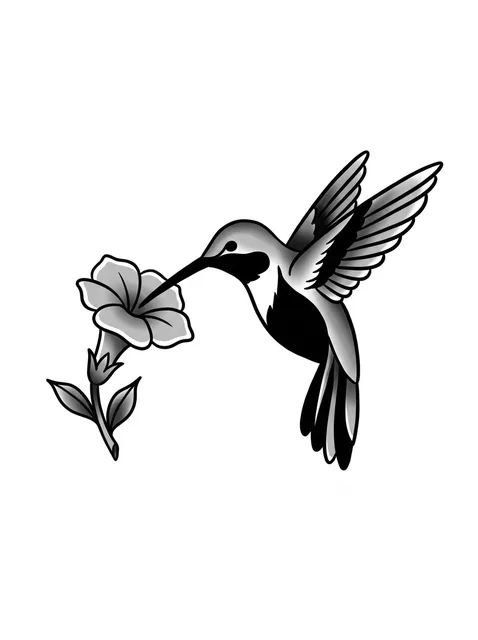
Black and grey traditional flower and hummingbird tattoo design: a hummingbird in flight (1 of 2) Try it on — Black and grey traditional flower and hummingbird tattoo design: a hummingbird in flight (1 of 2)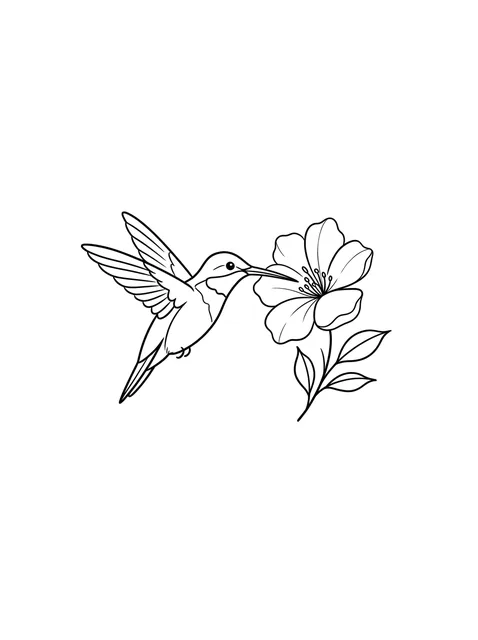
Black and white linework flower and hummingbird tattoo design, outline stencil Try it on — Black and white linework flower and hummingbird tattoo design, outline stencil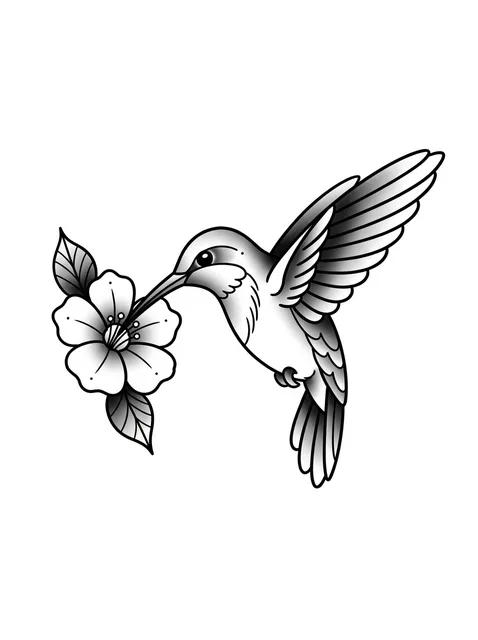
Black and grey traditional flower and hummingbird tattoo design: a hummingbird in flight (2 of 2) Try it on — Black and grey traditional flower and hummingbird tattoo design: a hummingbird in flight (2 of 2)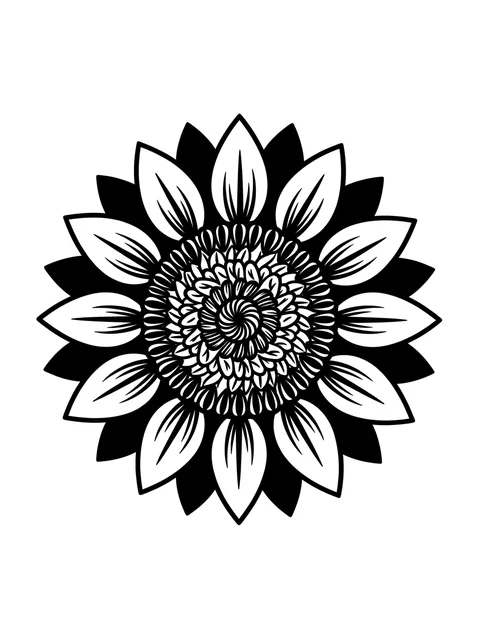
Black and white blackwork flower and sunflower tattoo design Try it on — Black and white blackwork flower and sunflower tattoo design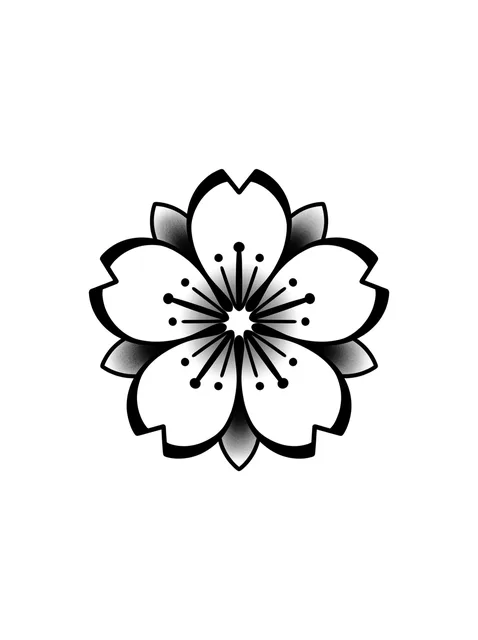
Black and grey traditional flower and cherry blossom tattoo design (1 of 2) Try it on — Black and grey traditional flower and cherry blossom tattoo design (1 of 2)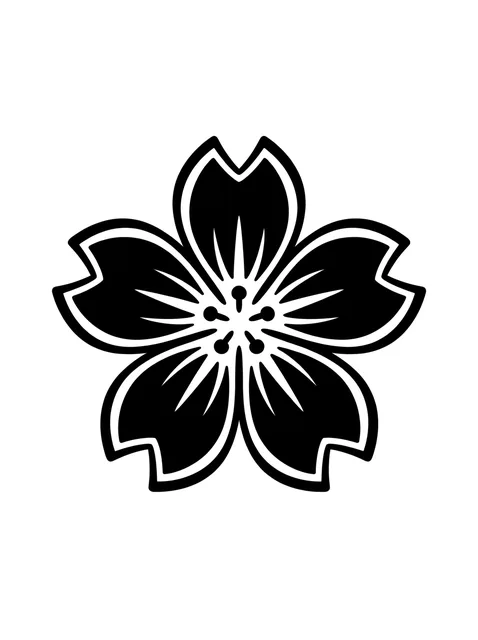
Black and white blackwork flower and cherry blossom tattoo design: a cherry blossom flower Try it on — Black and white blackwork flower and cherry blossom tattoo design: a cherry blossom flower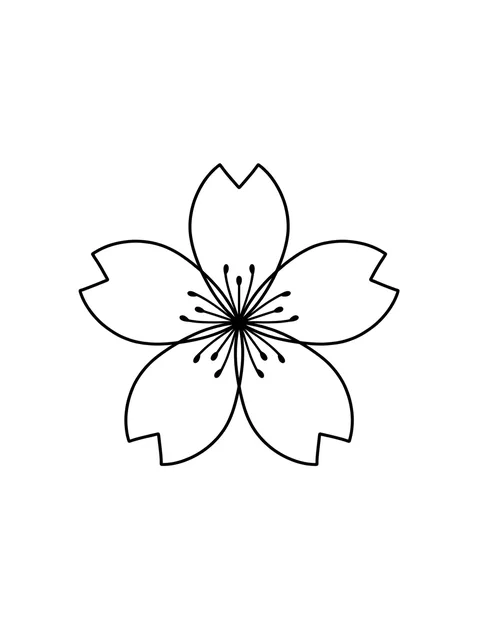
Black and white linework flower and cherry blossom tattoo design, outline stencil (2 of 3) Try it on — Black and white linework flower and cherry blossom tattoo design, outline stencil (2 of 3)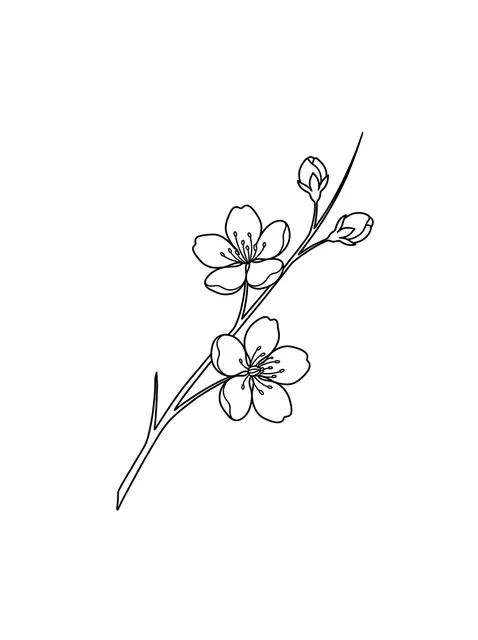
Black and white linework flower and cherry blossom tattoo design, outline stencil (3 of 3) Try it on — Black and white linework flower and cherry blossom tattoo design, outline stencil (3 of 3)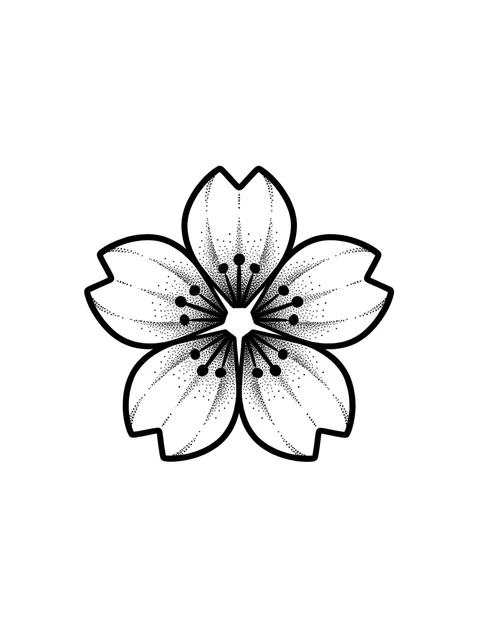
Black and grey dotwork flower and cherry blossom tattoo design (1 of 2) Try it on — Black and grey dotwork flower and cherry blossom tattoo design (1 of 2)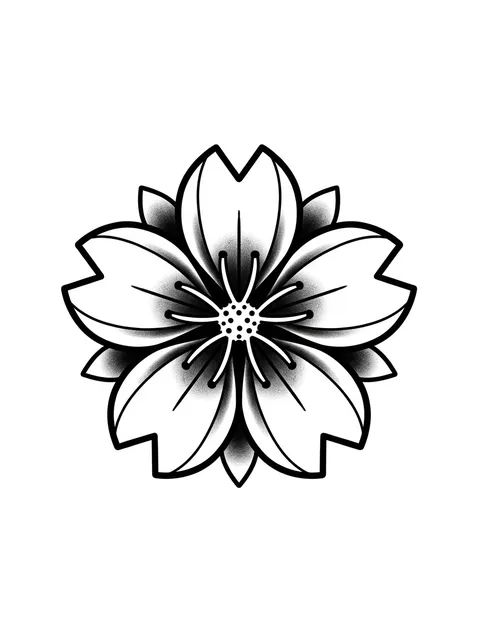
Black and grey traditional flower and cherry blossom tattoo design (2 of 2) Try it on — Black and grey traditional flower and cherry blossom tattoo design (2 of 2)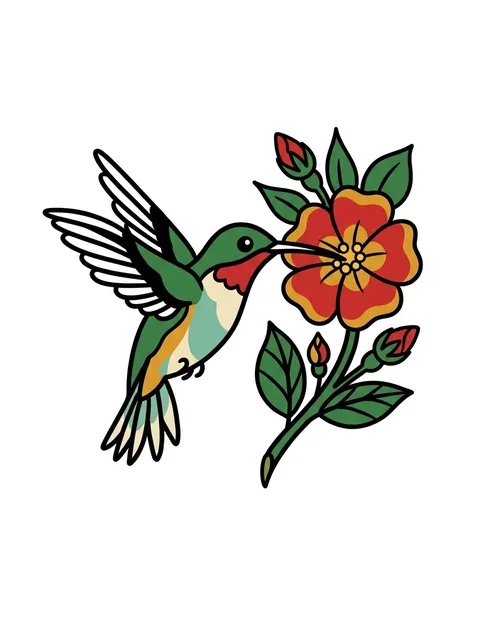
Color traditional flower and hummingbird tattoo design: a hummingbird in flight Try it on — Color traditional flower and hummingbird tattoo design: a hummingbird in flight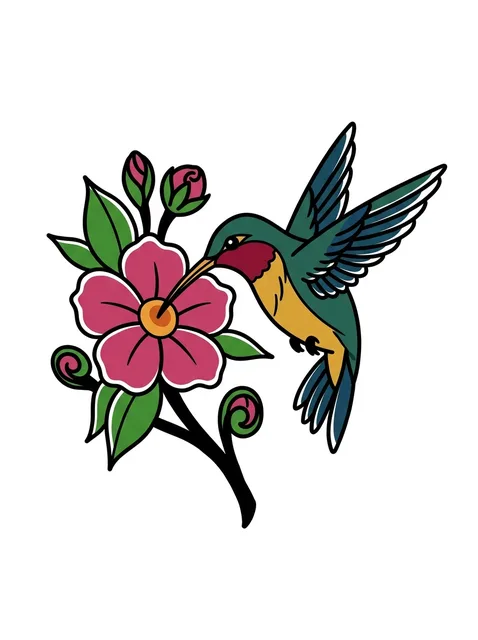
Color traditional flower and hummingbird tattoo design Try it on — Color traditional flower and hummingbird tattoo design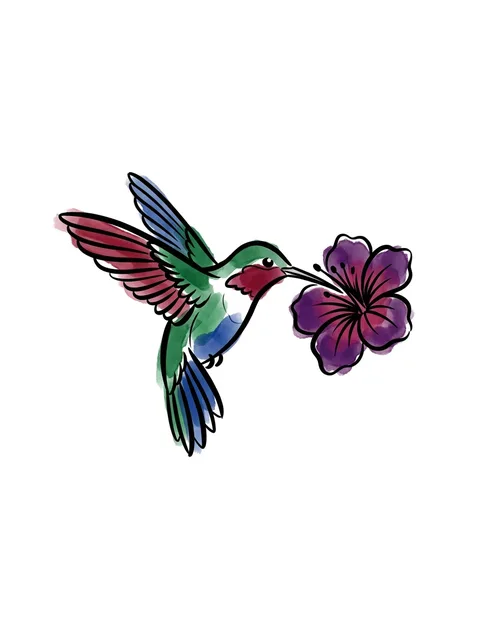
Color watercolor flower and hummingbird tattoo design Try it on — Color watercolor flower and hummingbird tattoo design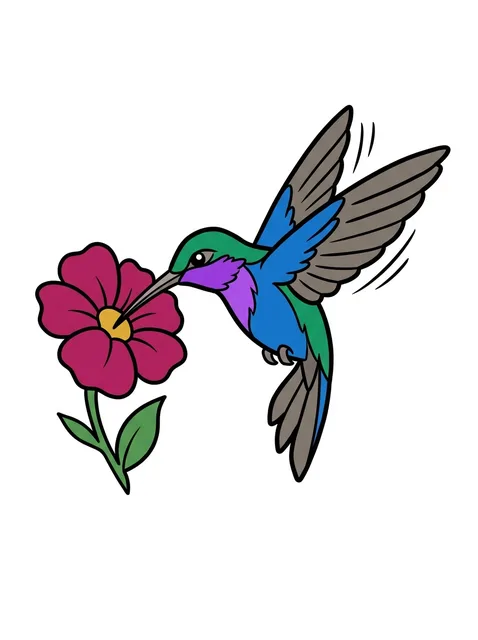
Color illustrative flower and hummingbird tattoo design Try it on — Color illustrative flower and hummingbird tattoo design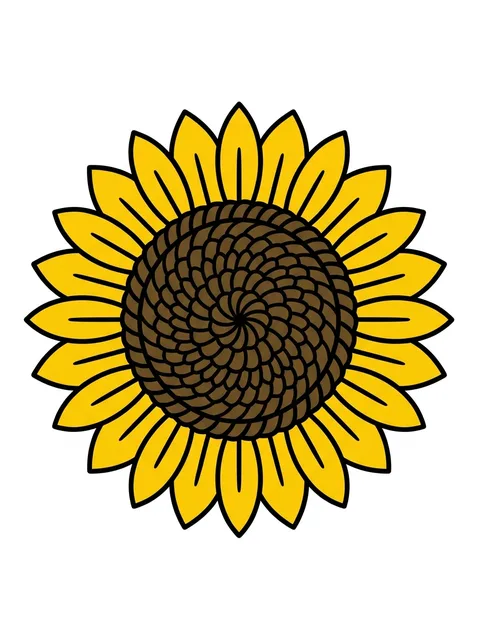
Color illustrative flower and sunflower tattoo design: a spiral pattern in brown Try it on — Color illustrative flower and sunflower tattoo design: a spiral pattern in brown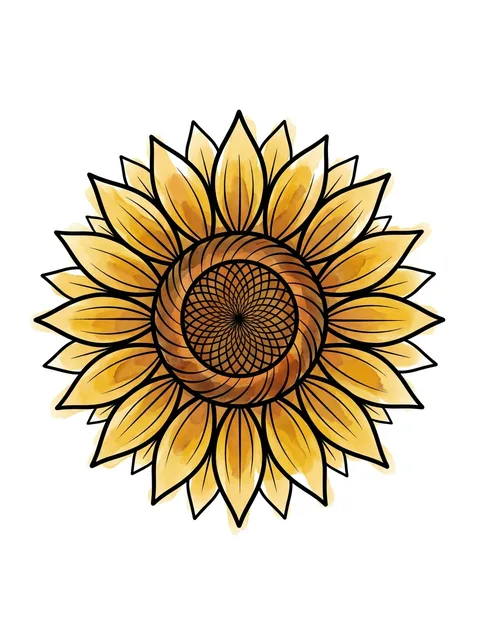
Color watercolor flower and sunflower tattoo design Try it on — Color watercolor flower and sunflower tattoo design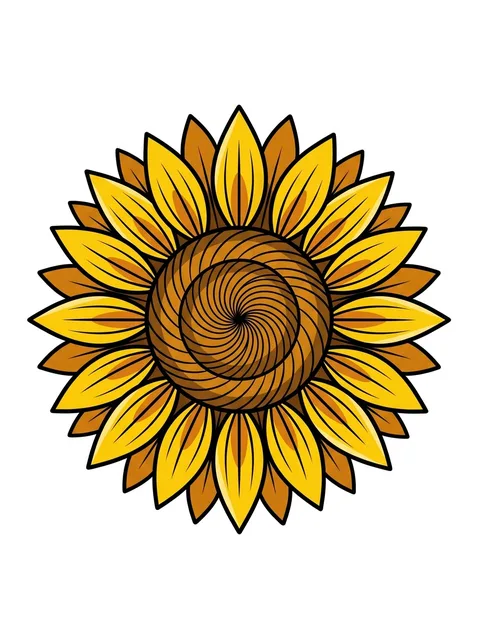
Color illustrative flower and sunflower tattoo design Try it on — Color illustrative flower and sunflower tattoo design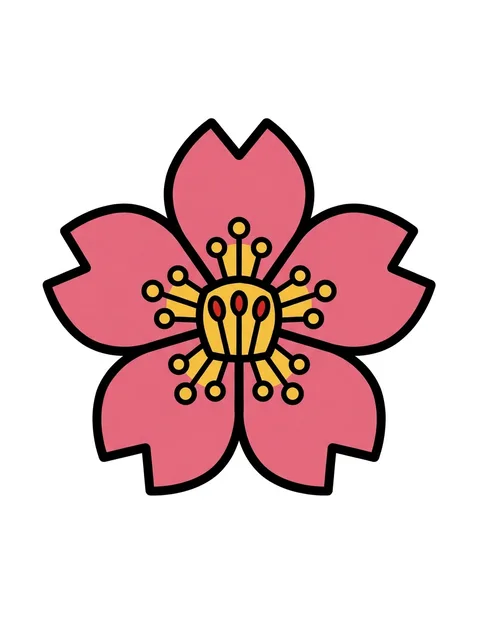
Color Japanese flower and cherry blossom tattoo design (1 of 2) Try it on — Color Japanese flower and cherry blossom tattoo design (1 of 2)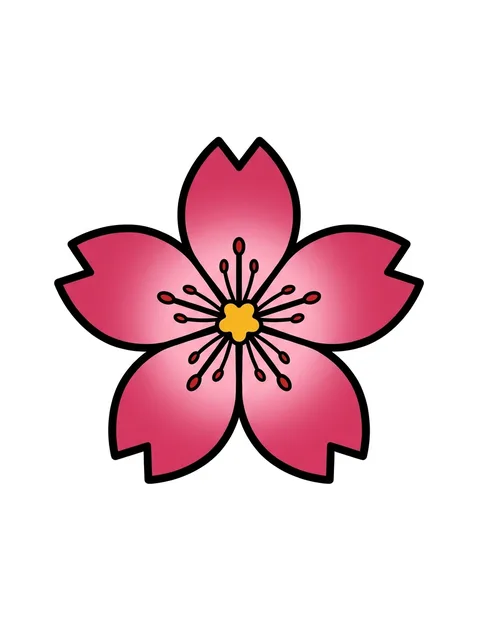
Color Japanese flower and cherry blossom tattoo design (2 of 2) Try it on — Color Japanese flower and cherry blossom tattoo design (2 of 2)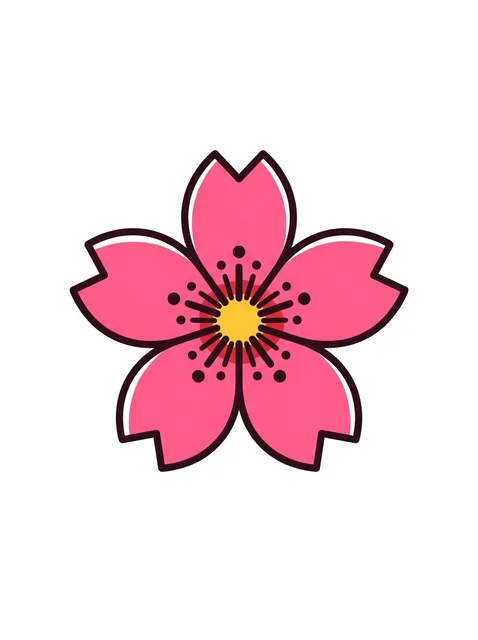
Color illustrative flower and cherry blossom tattoo design (1 of 2) Try it on — Color illustrative flower and cherry blossom tattoo design (1 of 2)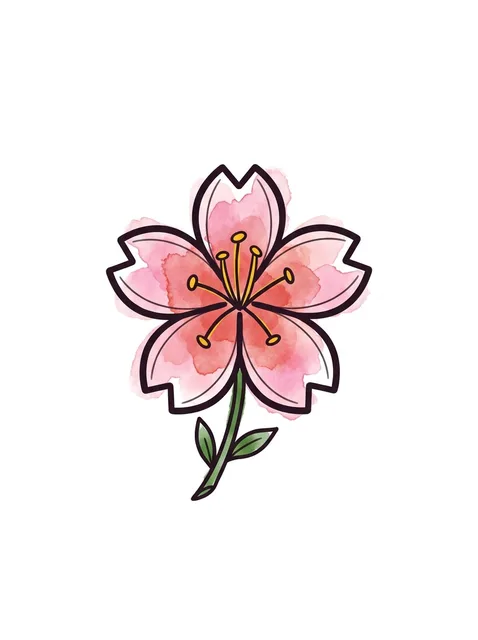
Color watercolor flower and cherry blossom tattoo design: a dark outline and a green stem Try it on — Color watercolor flower and cherry blossom tattoo design: a dark outline and a green stem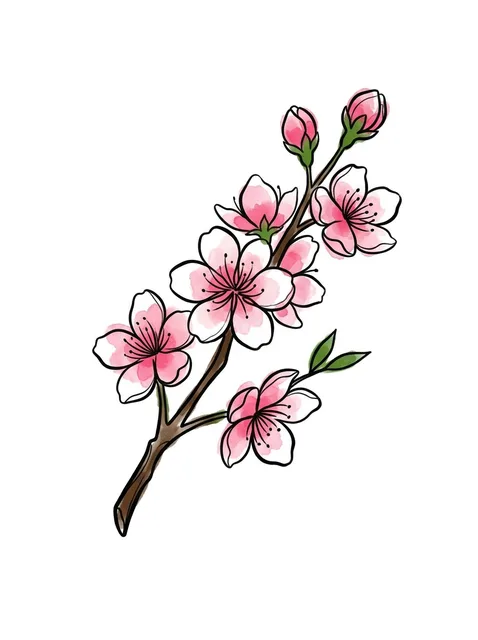
Color watercolor flower and cherry blossom tattoo design Try it on — Color watercolor flower and cherry blossom tattoo design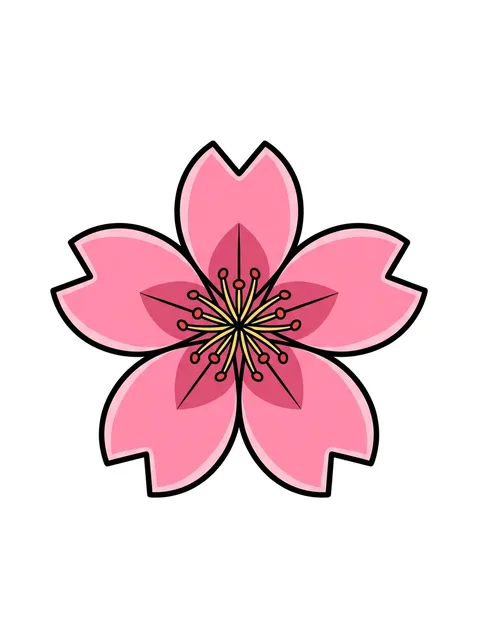
Color illustrative flower and cherry blossom tattoo design (2 of 2) Try it on — Color illustrative flower and cherry blossom tattoo design (2 of 2)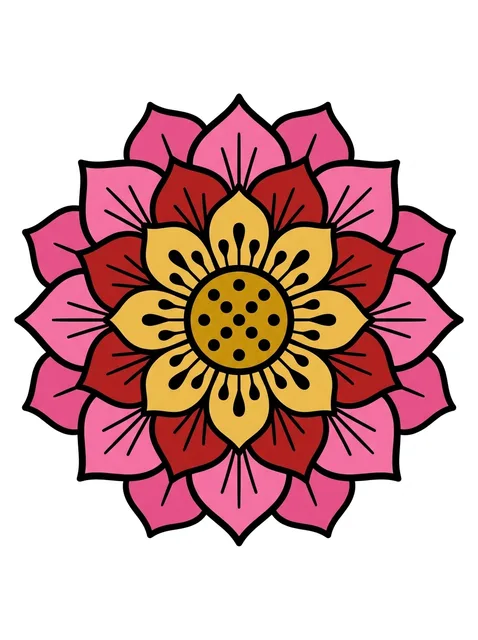
Color illustrative flower and mandala tattoo design: a central yellow core featuring black dots Try it on — Color illustrative flower and mandala tattoo design: a central yellow core featuring black dots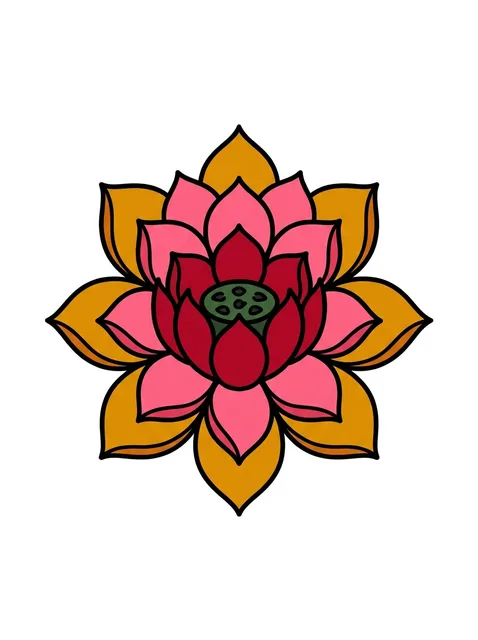
Color illustrative flower and lotus tattoo design: a green seed pod at its core Try it on — Color illustrative flower and lotus tattoo design: a green seed pod at its core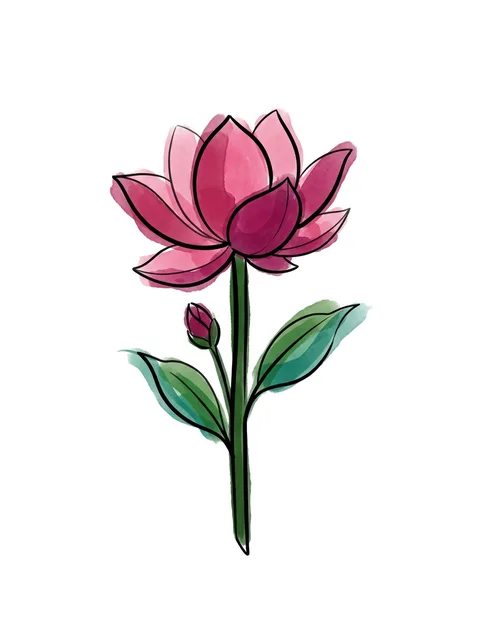
Color illustrative flower and lotus tattoo design: a bud and leaves Try it on — Color illustrative flower and lotus tattoo design: a bud and leaves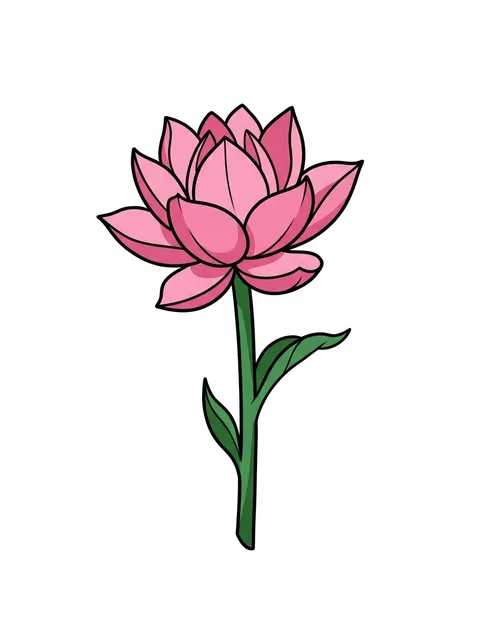
Color illustrative flower and lotus tattoo design: a pink lotus flower with a green stem and leaves Try it on — Color illustrative flower and lotus tattoo design: a pink lotus flower with a green stem and leaves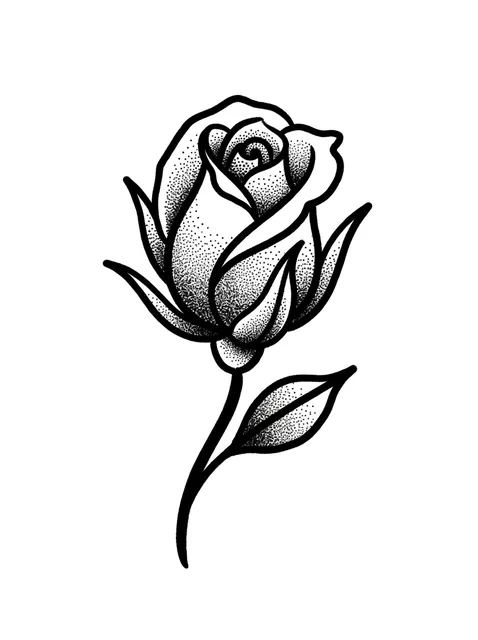
Black and grey traditional flower and rose tattoo design Try it on — Black and grey traditional flower and rose tattoo design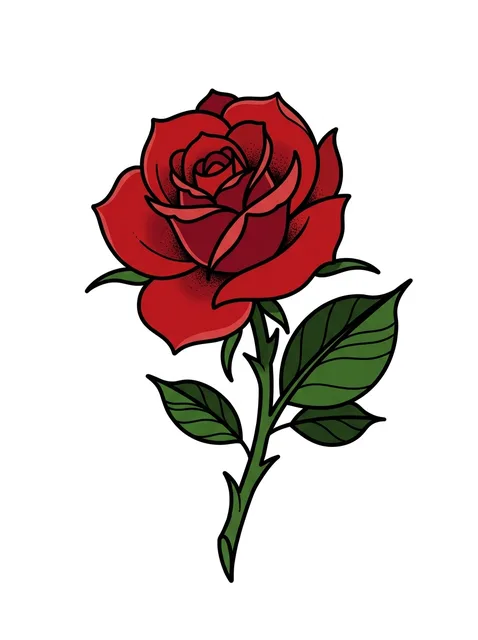
Color traditional flower and rose tattoo design: a single red rose Try it on — Color traditional flower and rose tattoo design: a single red rose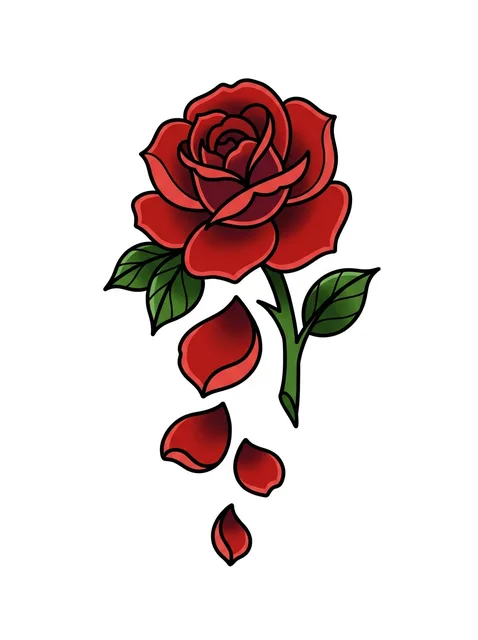
Color traditional flower and rose tattoo design: a red rose with falling petals Try it on — Color traditional flower and rose tattoo design: a red rose with falling petals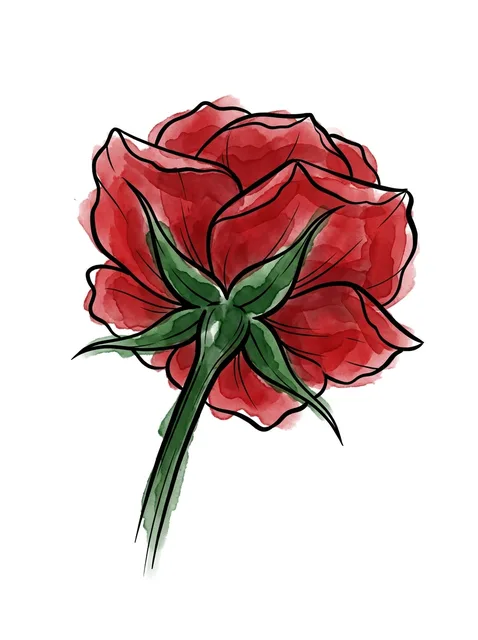
Color watercolor flower and rose tattoo design Try it on — Color watercolor flower and rose tattoo design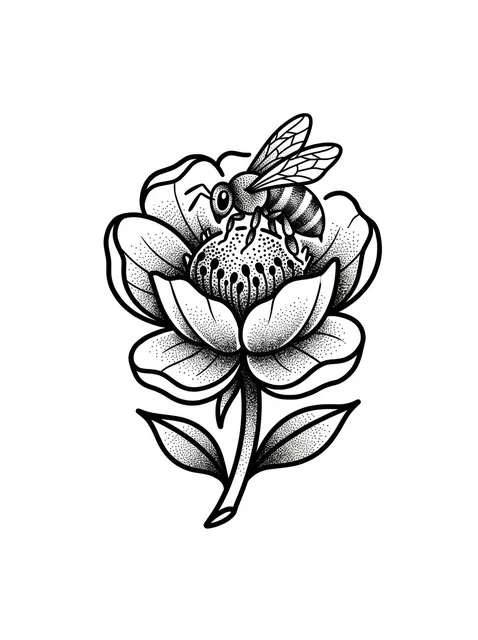
Black and grey dotwork flower and bee tattoo design Try it on — Black and grey dotwork flower and bee tattoo design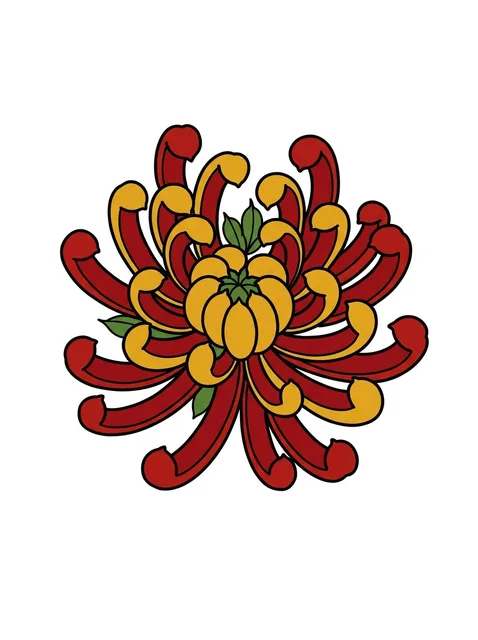
Color Japanese flower and chrysanthemum tattoo design Try it on — Color Japanese flower and chrysanthemum tattoo design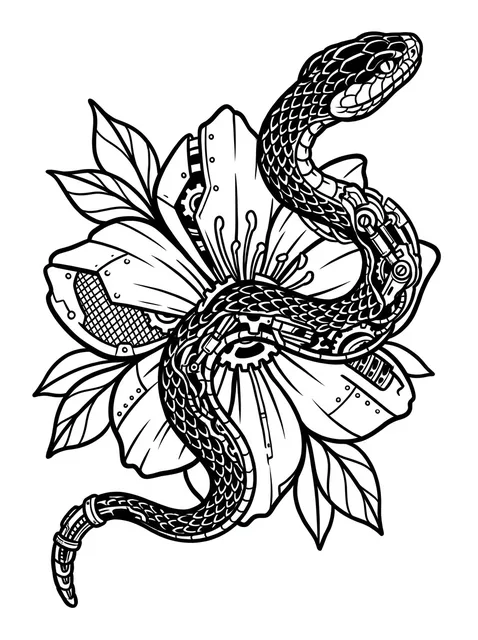
Black and grey biomechanical flower and snake tattoo design: a snake intertwined with a flower Try it on — Black and grey biomechanical flower and snake tattoo design: a snake intertwined with a flower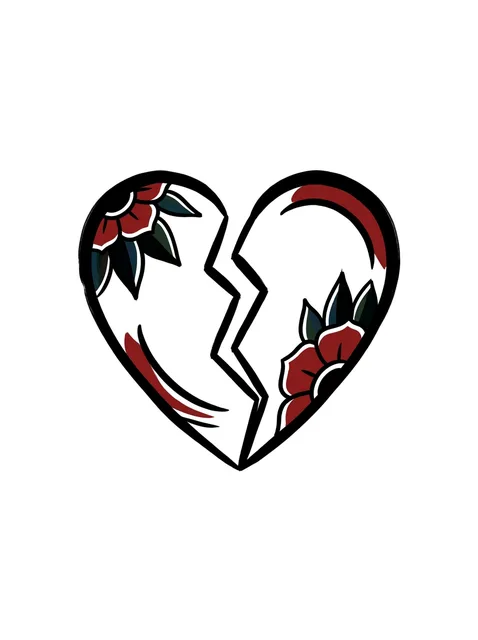
Color traditional flower and heart tattoo design Try it on — Color traditional flower and heart tattoo design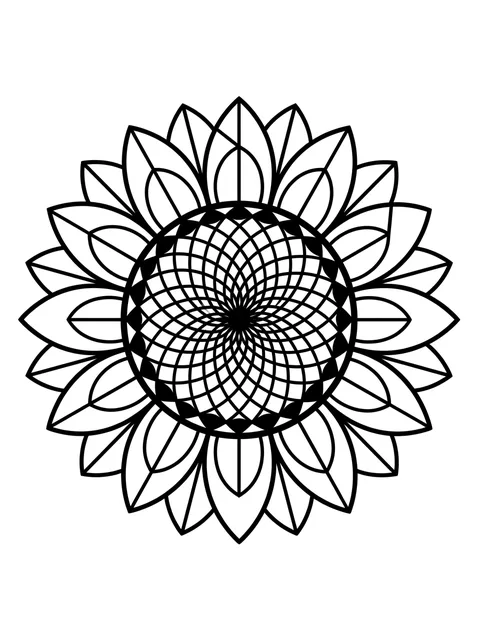
Black and white geometric flower and mandala tattoo design, outline stencil Try it on — Black and white geometric flower and mandala tattoo design, outline stencil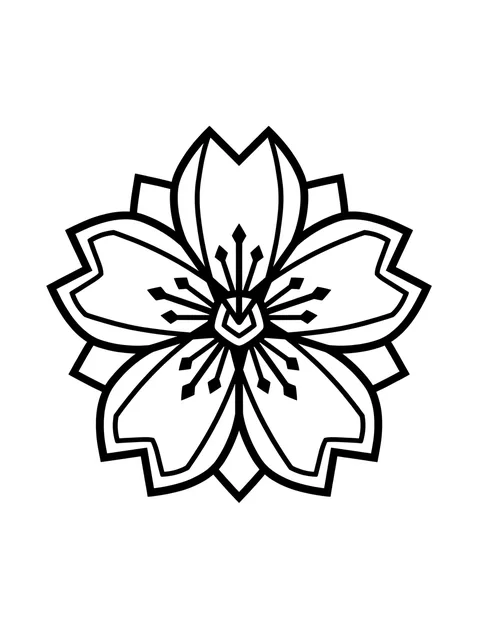
Black and white geometric flower and cherry blossom tattoo design, outline stencil Try it on — Black and white geometric flower and cherry blossom tattoo design, outline stencil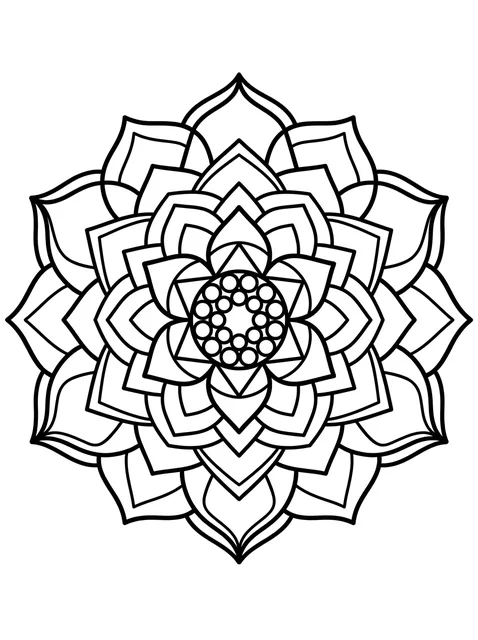
Black and white ornamental flower and mandala tattoo design Try it on — Black and white ornamental flower and mandala tattoo design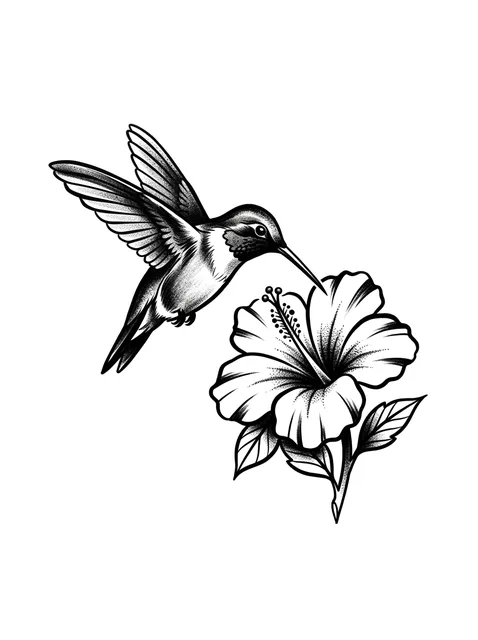
Black and white illustrative flower and hummingbird tattoo design: a hummingbird in flight Try it on — Black and white illustrative flower and hummingbird tattoo design: a hummingbird in flight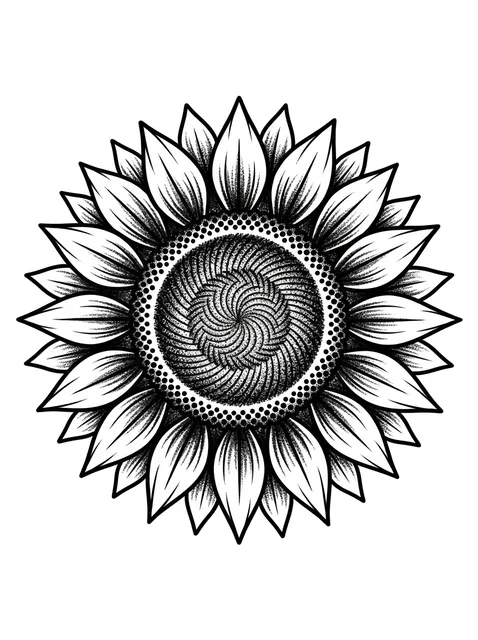
Black and white dotwork flower and sunflower tattoo design Try it on — Black and white dotwork flower and sunflower tattoo design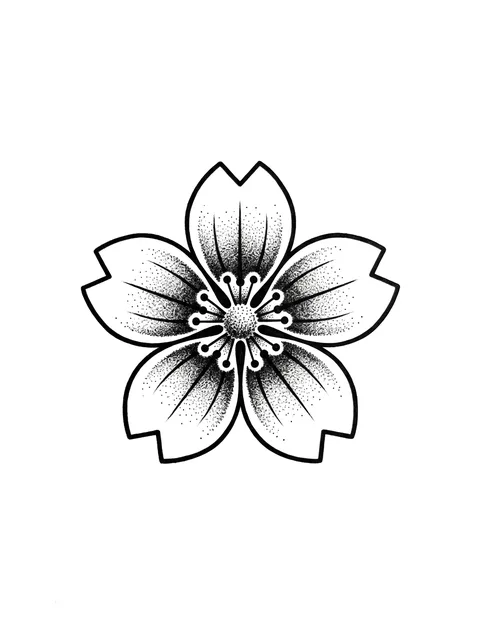
Black and grey dotwork flower and cherry blossom tattoo design (2 of 2) Try it on — Black and grey dotwork flower and cherry blossom tattoo design (2 of 2)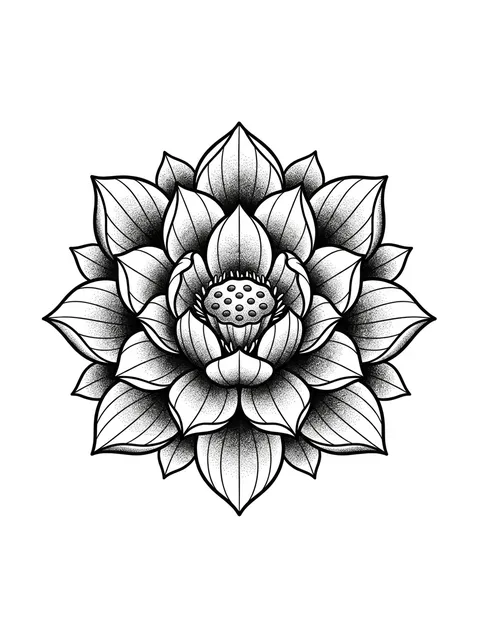
Black and grey dotwork flower and lotus tattoo design Try it on — Black and grey dotwork flower and lotus tattoo design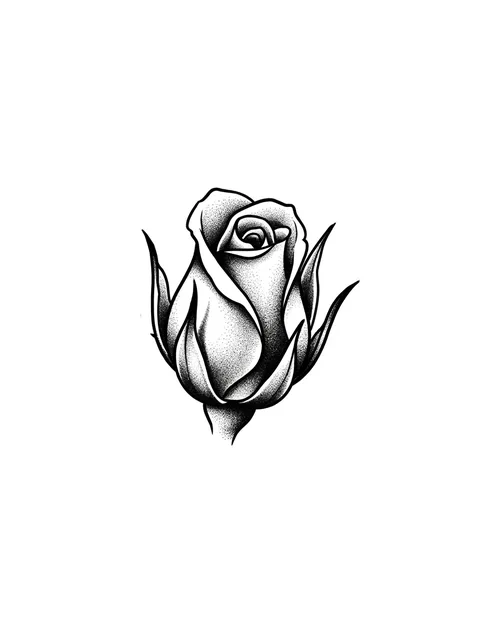
Black and grey dotwork flower and rose tattoo design: a tightly closed bud Try it on — Black and grey dotwork flower and rose tattoo design: a tightly closed bud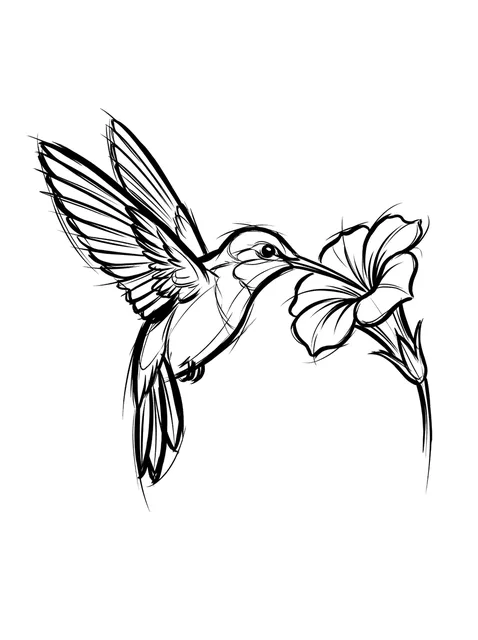
Black and grey illustrative flower and hummingbird tattoo design: a hummingbird in flight Try it on — Black and grey illustrative flower and hummingbird tattoo design: a hummingbird in flight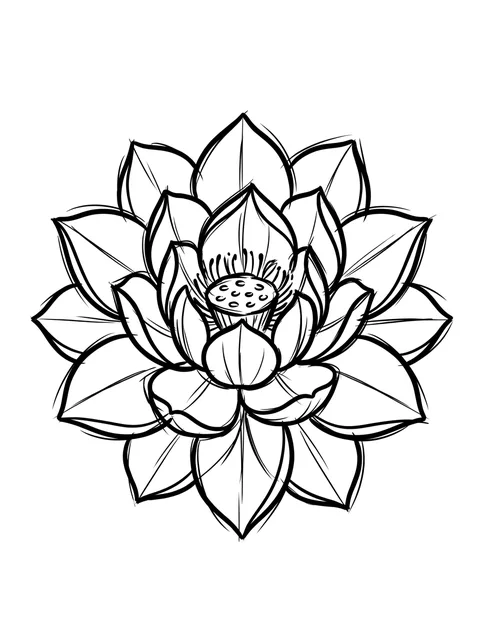
Black and grey linework flower and lotus tattoo design, outline stencil Try it on — Black and grey linework flower and lotus tattoo design, outline stencil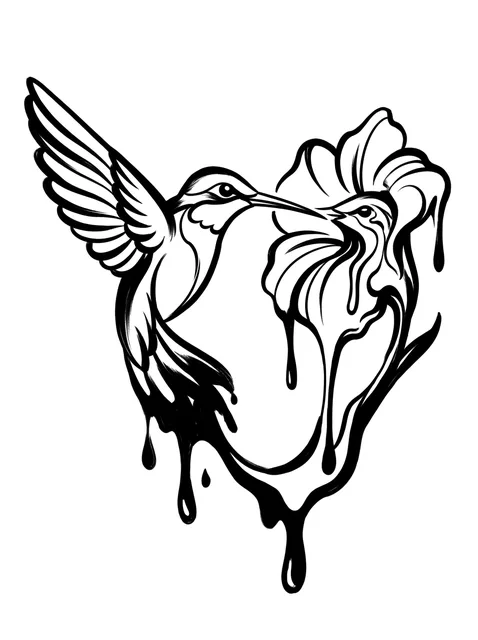
Black and grey illustrative flower and hummingbird tattoo design Try it on — Black and grey illustrative flower and hummingbird tattoo design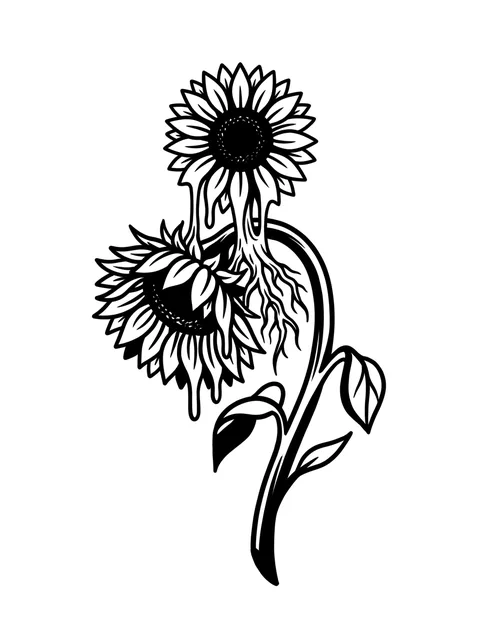
Black and white illustrative flower and sunflower tattoo design Try it on — Black and white illustrative flower and sunflower tattoo design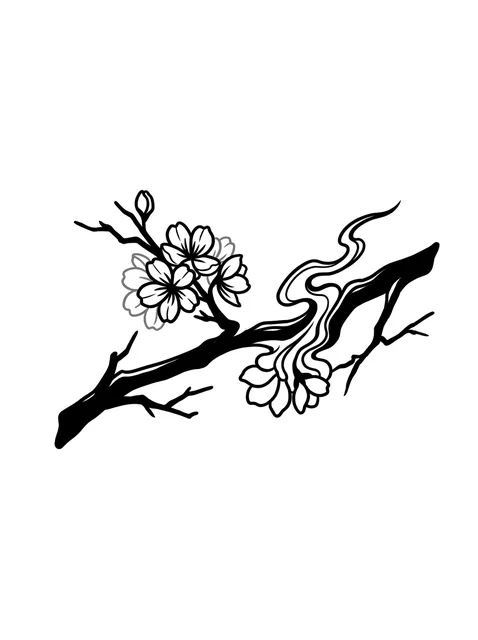
Black and grey Japanese flower and cherry blossom tattoo design: a branch of cherry blossoms Try it on — Black and grey Japanese flower and cherry blossom tattoo design: a branch of cherry blossoms


Tap any design to see it on your own skin in the try-on — no signup.
This set of 80 flower designs, by the numbers
- Styles represented
- illustrative (20), traditional (12), dotwork (10), linework (9), watercolor (7), fine line (4)
- Black-and-grey vs colour
- 66% black-and-grey, 34% colour
- Most often drawn with
- cherry blossom, leaf, hummingbird, lotus
Counted from the 80 designs shown on this page. Every one was drawn for InkCraft — none are scraped or reposted. Free to reference with a link to this page.
What a flower tattoo means
Flowers are the largest single category in tattooing and the least specific, which is both the appeal and the problem. A flower can mean almost anything, so what a flower tattoo means depends almost entirely on which flower it is — and that is a decision many people make in the chair rather than before it.
The short version of the vocabulary: rose is love with its costs attached, lotus is what you came through, cherry blossom is how briefly things last, sunflower is loyalty and turning toward the light, peony is prosperity and courage in Japanese work, chrysanthemum is longevity in China and death in much of Europe. Those meanings are old, widely shared, and worth knowing before choosing on appearance alone.
The same flower changes meaning by state as much as by species. Budded means something beginning, fully open means something arrived, and wilting or shedding petals means something ending — and that last one is chosen far more often and far more deliberately than people outside tattooing expect.
Floral work also does structural jobs no other subject does. Flowers fill space around a portrait, soften a hard geometric piece, and connect separate tattoos into a sleeve. A large share of the flowers in our set exist as companions rather than as subjects, which is why leaf is the most common thing they appear beside.
Where the design comes from
Floriography — the Victorian language of flowers — is the source most often cited for flower meanings in the West, and it was a real if faddish nineteenth-century practice with published dictionaries that disagreed with each other. The older and more consistent traditions are elsewhere: Japanese art assigns flowers to seasons and pairs each with an animal, a system irezumi still follows, and Buddhist and Hindu iconography fixed the lotus long before either. Western tattoo flowers arrive mainly through the rose in American traditional flash, with the wider botanical vocabulary appearing much later alongside fine-line and illustrative work.
Choosing yours
- Pick the species before the style. Almost every regret we hear about floral work is about having chosen a shape that looked good and later learning the flower meant something the wearer did not intend — chrysanthemum in a European context being the usual example.
- Petals are overlapping curved shapes, which is the hardest thing to keep legible as ink spreads. A detailed botanical flower wants 8 cm or more; below that, a bold traditional flower or a simple linework one will hold its shape far longer.
- Flowers follow limbs better than almost any subject, because a stem is already a curve. If the placement is a forearm, a calf or the ribs, a stemmed arrangement will fit the body instead of fighting it — and clustered blooms without stems suit broad flat fields like the chest or shoulder blade.
Size, cost and placement
How big, and what it costs
A single bold flower is a one-hour piece at 6-8 cm. Floral work scales up faster than most subjects because arrangements grow: two flowers with leaves is a half-day, and a floral sleeve is a multi-session project priced by the day rather than the piece.
Where it sits, and how much it hurts
Stemmed arrangements follow limbs — forearm, calf, the line of the ribs. Clustered blooms without stems want a broad flat field like the chest or shoulder blade. Floral work is also the standard choice for filling gaps between existing tattoos, which is a different conversation from a standalone piece.
What to ask your artist
- Which species you are actually getting, since a generic flower is a decision nobody made on purpose.
- Whether leaves and filler are included in the quote — they usually add area and time.
- If this may grow into a sleeve later, whether the composition leaves anywhere for it to grow.
Prices vary widely by city and artist — treat these as session lengths rather than quotes, and expect a shop minimum on anything small. The cost guide turns hours into money by size, placement and style.
Common questions
Which flower should I get?
Start from meaning, not from appearance. Rose for love and its costs, lotus for what you came through, cherry blossom for impermanence, sunflower for loyalty. The shape you like is much easier to change than the meaning you did not check.
Do flower tattoos need colour?
Around 60% of our flower designs are black-and-grey. Colour helps species that are identified by it — sunflower, poppy — and matters less for roses and lotuses, which are recognised by shape.
Do small floral tattoos age well?
Only the simple ones. Overlapping petals with internal shading merge as ink spreads; a bold or linework flower at the same size keeps its structure for decades.
What a flower tattoo can mean
The meanings this motif carries on the pages that argue them. Each line is that page's own reason for including it.
- Mother and daughter tattoos
- Birth-flower pairs are the current default — her month and yours, drawn in one hand so they read as a set rather than as two unrelated plants.
- Love tattoos
- Birth blooms let you name a person without lettering — the most-used way to make a love piece specific without writing anything on the body.
- Scar cover-up tattoos
- The default for good reason: petals overlap, tone varies naturally between them, and a patch that took less ink reads as a highlight rather than a fault. A cluster also gives the artist freedom to put the densest part exactly where the scar is worst.
- Family tattoos
- The birth-month system gives every person a different plant, so the set is personal without a single word of lettering on the body.
- Best friend tattoos
- A different bloom each, drawn in one style, is the friendship version of a birth-flower set — personal per person, obviously one group.
- Mental health tattoos
- Growth that needed tending. Birth blooms also let you mark a specific date — an anniversary of recovery — without writing one.
- Peace tattoos
- The simplest possible version, and genuinely effective at small sizes where symmetric designs fail. A single bloom in a quiet hand says calm without any symbolism at all.
- Wedding tattoos
- The flowers actually carried on the day, drawn from the photographs, is the most specific version of this tattoo available and almost nobody asks for it. It dates the piece to one afternoon rather than to a category.
See it on your skin before you commit
InkCraft places any of these designs on a photo of you — scaled, wrapped and shaded to the placement you pick.