 InkCraft
Pet Portrait Tattoo Ideas for Dogs and Cats
12 original pet portrait designs drawn for InkCraftBy Uladzimir TumanauUpdated
A pet portrait has one real judge, the owner, who will spot a wrong ear at once. Work from daylight photographs taken at the animal's eye level without flash, and if the pictures are poor, a linework face or silhouette forgives what realism cannot.
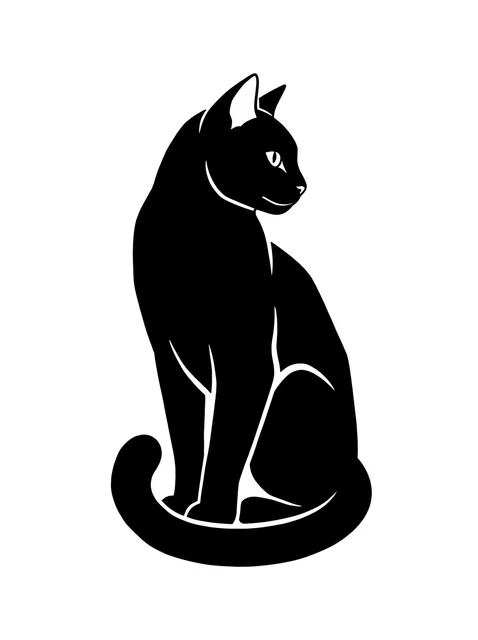
Black and white blackwork pet portrait and cat tattoo design Try it on — Black and white blackwork pet portrait and cat tattoo design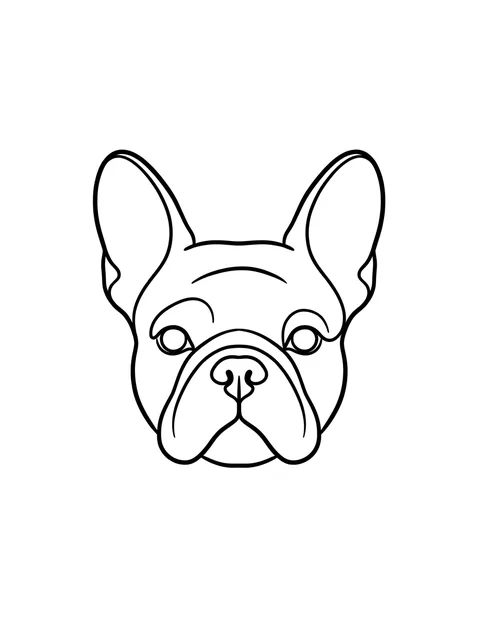
Black and white linework pet portrait and dog tattoo design, outline stencil: a French bulldog face Try it on — Black and white linework pet portrait and dog tattoo design, outline stencil: a French bulldog face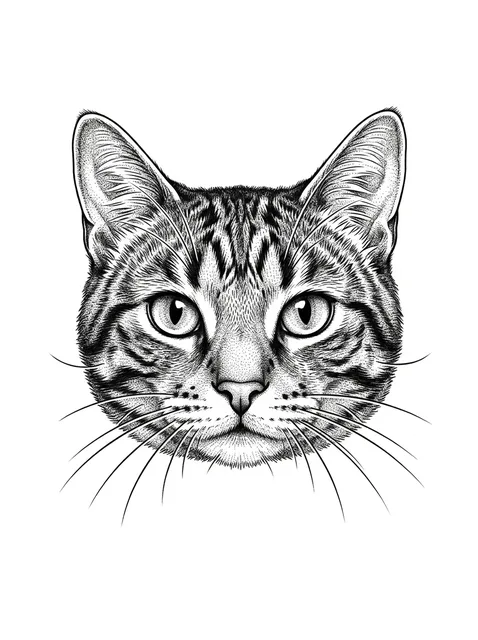
Black and grey realism pet portrait and cat tattoo design Try it on — Black and grey realism pet portrait and cat tattoo design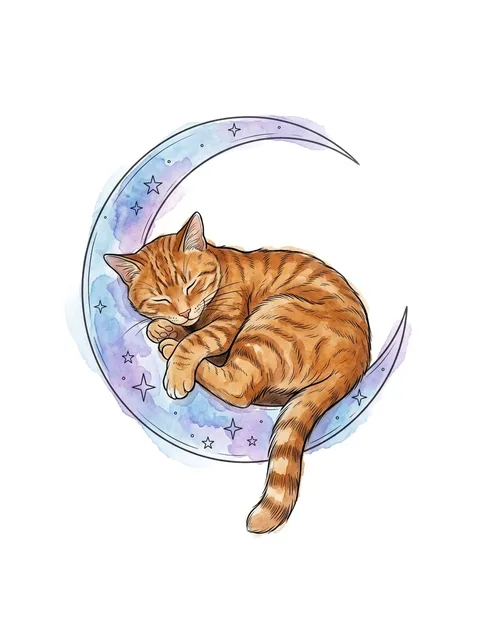
Color watercolor pet portrait and cat tattoo design Try it on — Color watercolor pet portrait and cat tattoo design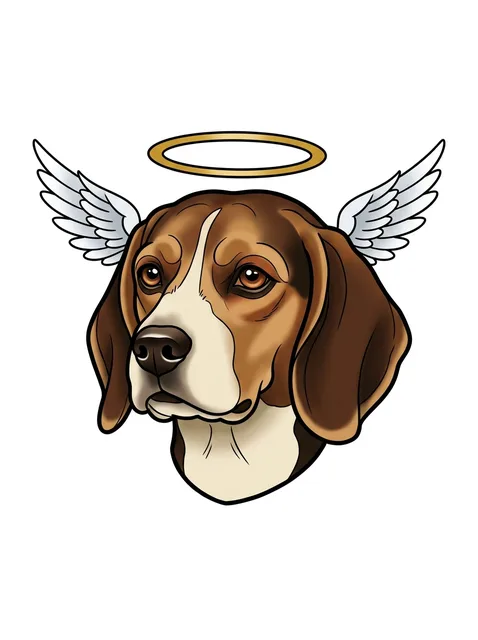
Color neo traditional pet portrait and dog tattoo design: a beagle's head in brown, tan and white Try it on — Color neo traditional pet portrait and dog tattoo design: a beagle's head in brown, tan and white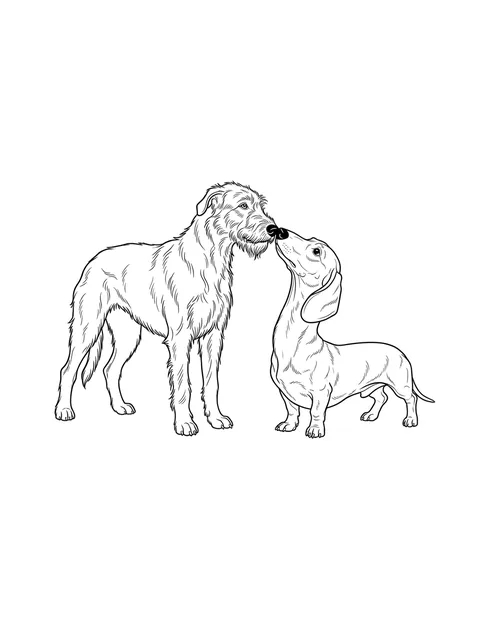
Black and white fine line pet portrait and dog tattoo design, outline stencil Try it on — Black and white fine line pet portrait and dog tattoo design, outline stencil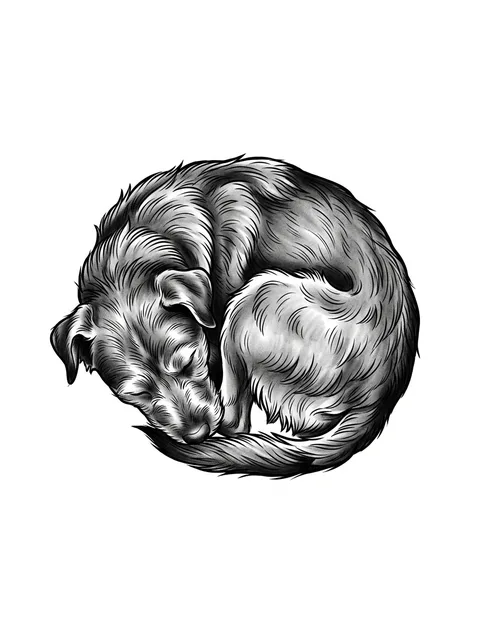
Black and grey illustrative pet portrait and dog tattoo design: a sleeping dog curled up in a ball Try it on — Black and grey illustrative pet portrait and dog tattoo design: a sleeping dog curled up in a ball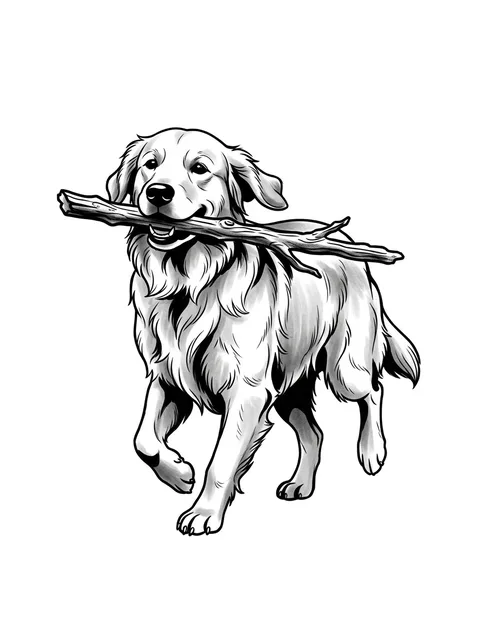
Black and grey illustrative pet portrait and dog tattoo design (1 of 2) Try it on — Black and grey illustrative pet portrait and dog tattoo design (1 of 2)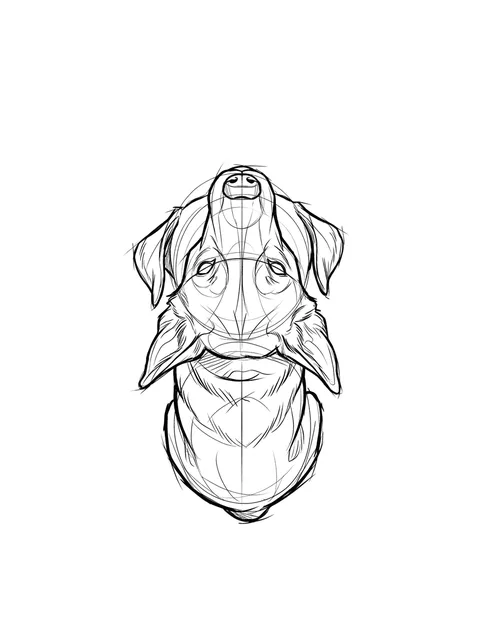
Black and grey sketch pet portrait and dog tattoo design Try it on — Black and grey sketch pet portrait and dog tattoo design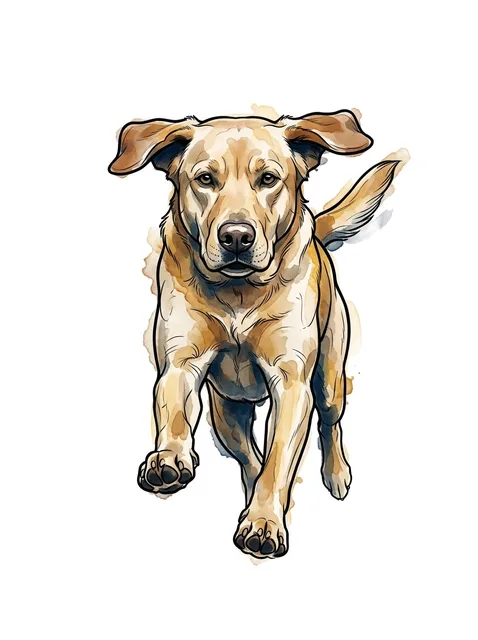
Color watercolor pet portrait and dog tattoo design: a happy golden retriever running forward Try it on — Color watercolor pet portrait and dog tattoo design: a happy golden retriever running forward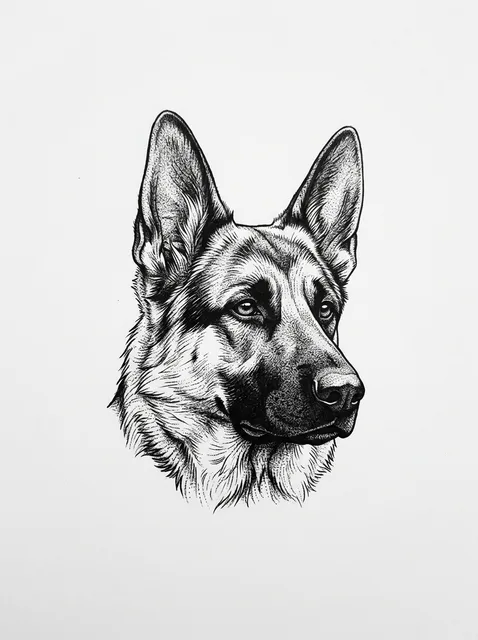
Black and grey illustrative pet portrait and dog tattoo design: the head of a German Shepherd dog Try it on — Black and grey illustrative pet portrait and dog tattoo design: the head of a German Shepherd dog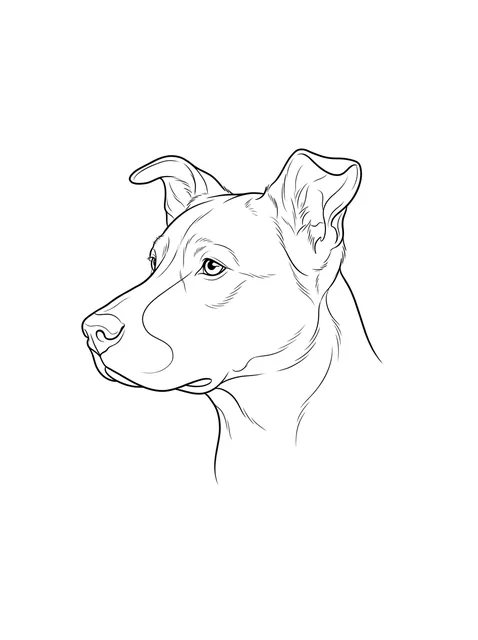
Black and grey illustrative pet portrait and dog tattoo design (2 of 2) Try it on — Black and grey illustrative pet portrait and dog tattoo design (2 of 2)


Tap any design to see it on your own skin in the try-on — no signup.
This set of 12 pet portrait designs, by the numbers
- Styles represented
- illustrative (4), watercolor (2), blackwork (1), linework (1), realism (1), neo traditional (1)
- Black-and-grey vs colour
- 75% black-and-grey, 25% colour
- Most often drawn with
- dog, cat, moon, angel wings
Counted from the 12 designs shown on this page. Every one was drawn for InkCraft — none are scraped or reposted. Free to reference with a link to this page.
What a pet portrait tattoo means
A pet portrait is a likeness of one animal that other people will never check, and that is both its freedom and its trap. Nobody in the street knows whether the ears were quite that shape; the owner knows at once. So the tattoo has to satisfy one viewer completely, and the craft lies in finding the two or three features that made that animal itself and getting those exactly right.
Those features are rarely the ones a camera flatters. A tabby carries a dark M on its forehead, which folk legend credits to the Virgin Mary or to the Prophet Muhammad stroking a favourite cat. A French bulldog's likeness sits in the bat ears and the single wrinkle across the brow, which is why the linework face here needs no shading. A white blaze, one ear that never stood up, a notch from an old fight: the owner should name these before the artist starts, because they are what turn a breed into a pet.
Many are memorials. The beagle with a thin gold halo and small white wings is the most explicit, a pet angel on the pattern of Christian memorial art. Quieter pieces show the animal on an ordinary day, the golden retriever with a stick, another at full run, a dog asleep in a curl, and many owners find those easier to live with than a halo, because they recall a life rather than a loss.
Not every one is a goodbye. People tattoo a living animal to mark the day it came home, the years it got them through, or a pair who belonged together, like the shaggy dog and the dachshund touching noses here. A ginger cat asleep inside a crescent moon says nothing about death at all; it records a habit, and a habit is often the truest likeness there is.
Where the design comes from
Owners commissioned likenesses of their animals long before tattooing. A chained dog guards the entrance of the House of the Tragic Poet at Pompeii in mosaic, above the words Cave canem. Thomas Gainsborough painted a Pomeranian and her puppy around 1777, and in 1837 Edwin Landseer made Victorian Britain weep with The Old Shepherd's Chief Mourner, a collie resting its head on its master's coffin. Edinburgh put up a statue in 1873 to Greyfriars Bobby, the Skye terrier said to have kept watch at his owner's grave for fourteen years. The linework faces and blackwork silhouettes here are the newest answer to the same wish.
Choosing yours
- Photograph for the artist, not for the album. Get down to the animal's eye level, use daylight from a window and turn the flash off: dogs and cats have a reflective layer behind the retina, the tapetum lucidum, and a flash turns their eyes into flat green or gold discs that nobody can draw from.
- Choose the format by how far you trust the photographs. Realism, like the tabby with every whisker drawn, needs a sharp, well-lit reference and 10 cm or more. If the only pictures are old or blurred, a linework face, a silhouette or a watercolour pose depends on shape rather than fur, and forgives what the camera missed.
- Ask for the fur the way it grows. Hair changes direction over the brow, around the eyes and down the muzzle, and a portrait whose strokes all run one way looks like a soft toy.
Size, cost and placement
How big, and what it costs
A linework face or blackwork silhouette, like the French bulldog and the black cat looking over its shoulder, fits 6 to 9 cm and about an hour. A realistic head needs 10 to 14 cm and three to five hours at a portrait specialist's rate; the retriever at full run and the two dogs nose to nose are 15 to 20 cm and half a day or more.
Where it sits, and how much it hurts
A head looking out suits the outer upper arm or the outer forearm. The horizontal pair of dogs runs along the forearm or across the collarbone; a curled sleeper or the cat in the moon sits on the shoulder blade or the thigh. The arm is mild; the collarbone is bony and sharper.
What to ask your artist
- To see healed animal portraits, since fur is judged after two years, not on the day.
- Which markings they will keep, and which they would leave out at your size.
- Whether they can merge several photographs into one head without the light disagreeing.
Prices vary widely by city and artist — treat these as session lengths rather than quotes, and expect a shop minimum on anything small. The cost guide turns hours into money by size, placement and style.
Common questions
My pet has died and the photos are poor. Can a portrait still work?
Usually, in a simpler format. A linework face or a solid silhouette needs only the outline, the ear set and a marking or two, which even a blurred snapshot shows; bring every picture, since an artist can take the ears from one and the eyes from another.
Should the portrait have a halo and wings?
Only if you want every viewer to read a memorial. The beagle here wears both; a sleeping curl or a favourite toy says the same to the people who knew the animal and nothing to anyone else.
Can a second pet be added later?
Plan for it now: leave space on the side the first animal faces, so the two can look at each other like the dogs touching noses here, and keep one style and scale, since a realistic dog beside a linework cat never quite belongs to one piece.
Will a ginger or tan coat hold its colour?
Warm tones soften sooner than black, and a watercolour cat fades toward a pale ghost unless something dark anchors it. Black and grey describes a ginger coat through value alone and keeps its contrast longer.
See it on your skin before you commit
InkCraft places any of these designs on a photo of you — scaled, wrapped and shaded to the placement you pick.