 InkCraft
Paw Print Tattoo Ideas, Designs and Meaning
16 original paw print designs drawn for InkCraftBy Uladzimir TumanauUpdated
A paw print is the trace an animal left rather than its picture, so as a memorial it can never be a poor likeness. Settle the species first: a dog's print carries claw marks above the toes, while a walking cat keeps its claws retracted.
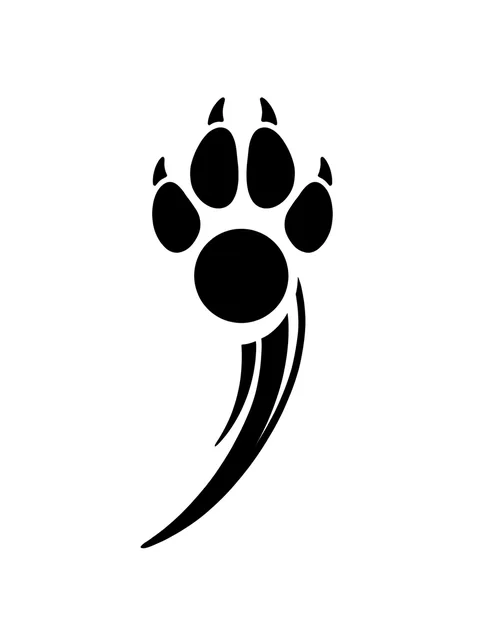
Black and white tribal paw tattoo design Try it on — Black and white tribal paw tattoo design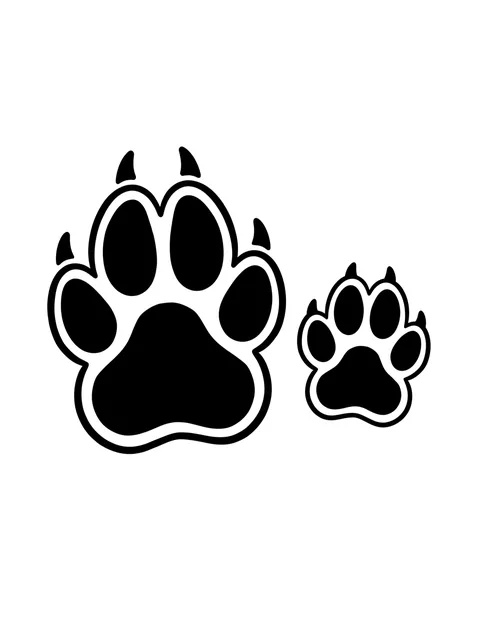
Black and white blackwork paw tattoo design Try it on — Black and white blackwork paw tattoo design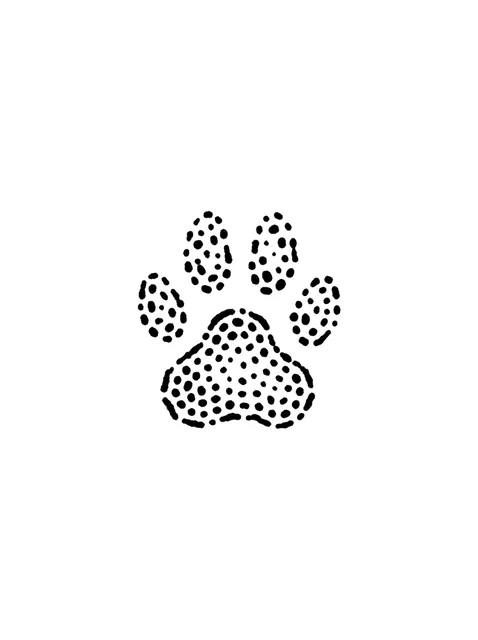
Black and grey stick and poke paw tattoo design Try it on — Black and grey stick and poke paw tattoo design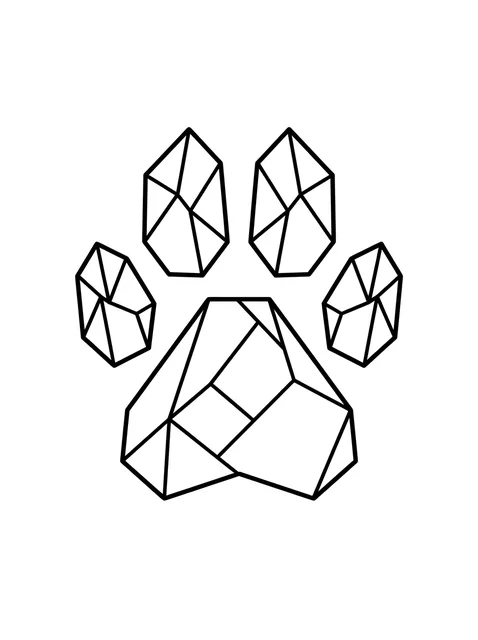
Black and white geometric paw tattoo design, outline stencil Try it on — Black and white geometric paw tattoo design, outline stencil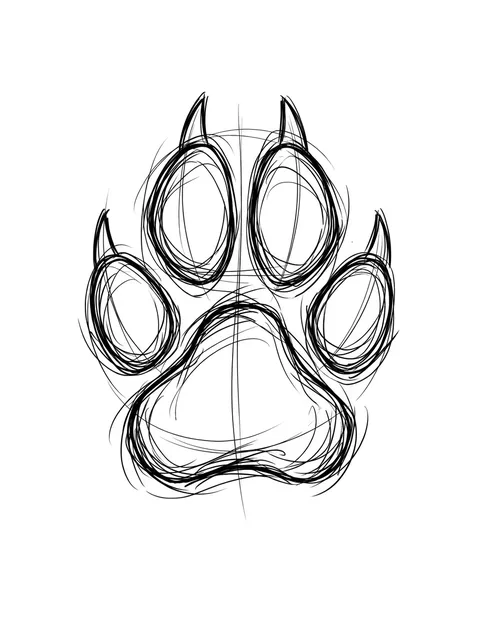
Black and grey sketch paw tattoo design Try it on — Black and grey sketch paw tattoo design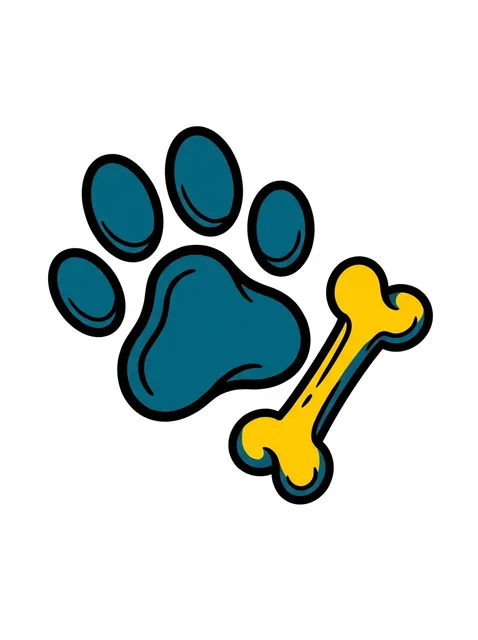
Color new school paw tattoo design Try it on — Color new school paw tattoo design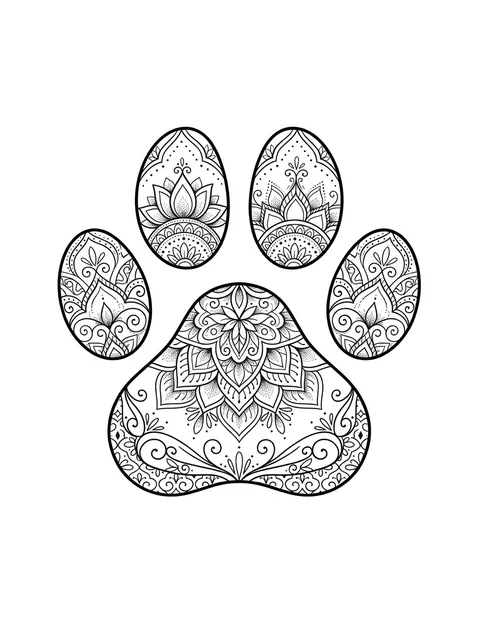
Black and grey ornamental paw and mandala tattoo design Try it on — Black and grey ornamental paw and mandala tattoo design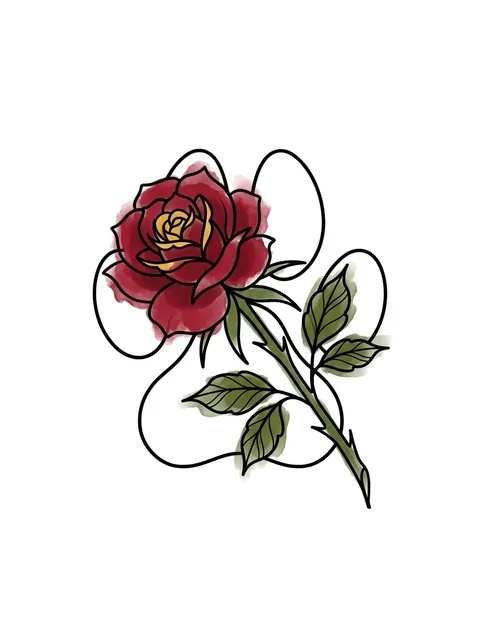
Color watercolor paw and rose tattoo design Try it on — Color watercolor paw and rose tattoo design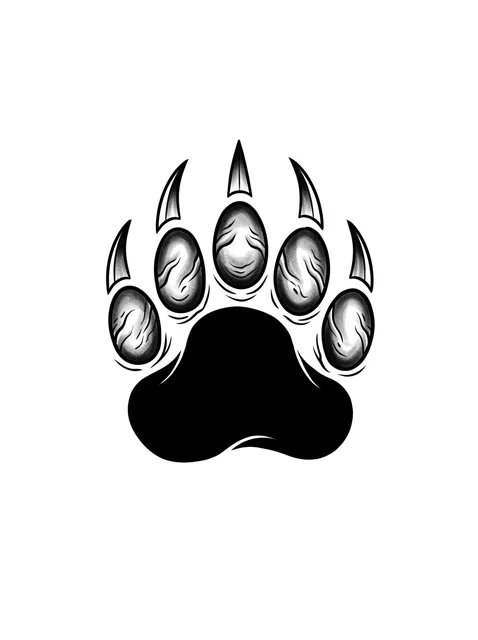
Black and grey illustrative paw and claw tattoo design Try it on — Black and grey illustrative paw and claw tattoo design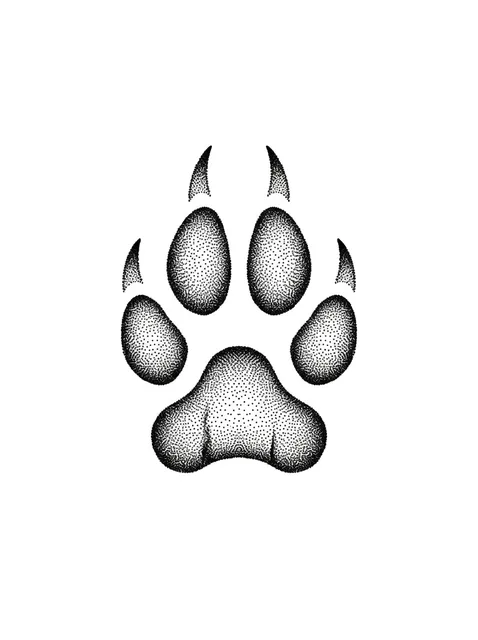
Black and grey dotwork paw and claw tattoo design Try it on — Black and grey dotwork paw and claw tattoo design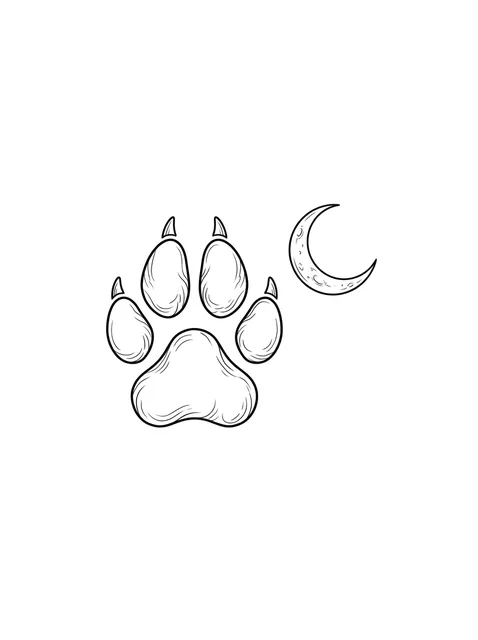
Black and white fine line paw and moon tattoo design, outline stencil Try it on — Black and white fine line paw and moon tattoo design, outline stencil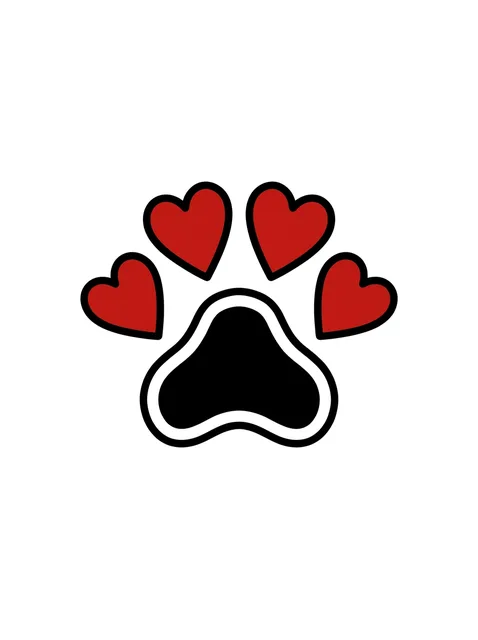
Color traditional paw and heart tattoo design Try it on — Color traditional paw and heart tattoo design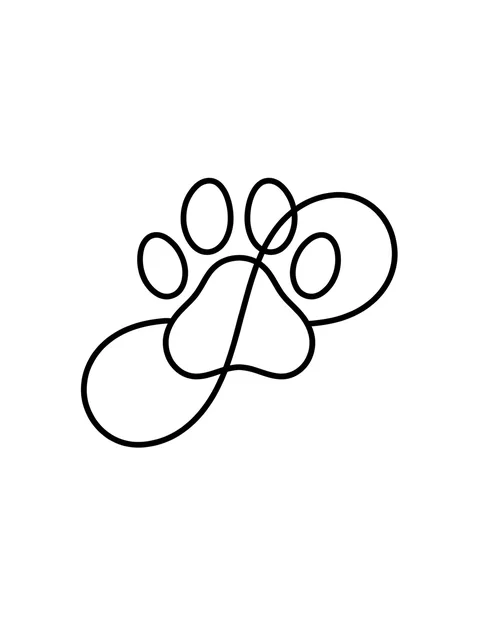
Black and white minimalist paw and infinity tattoo design, outline stencil Try it on — Black and white minimalist paw and infinity tattoo design, outline stencil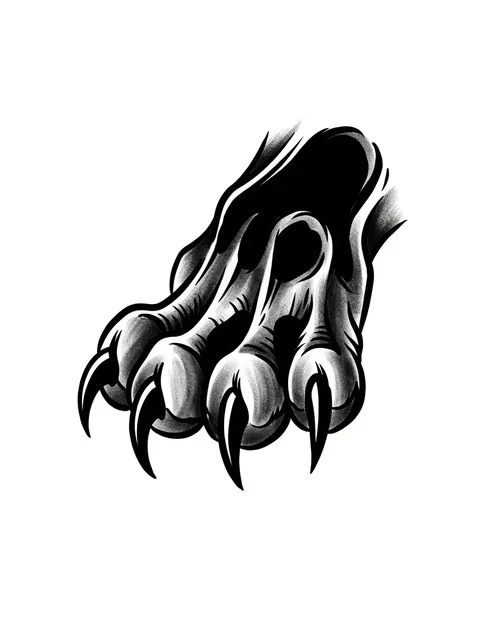
Black and grey illustrative claw and paw tattoo design: a powerful animal claw Try it on — Black and grey illustrative claw and paw tattoo design: a powerful animal claw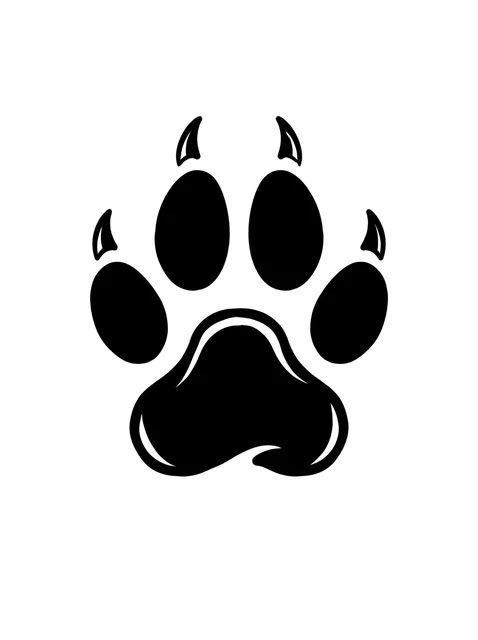
Black and white blackwork dog and paw tattoo design: a stylized animal paw print with sharp claws Try it on — Black and white blackwork dog and paw tattoo design: a stylized animal paw print with sharp claws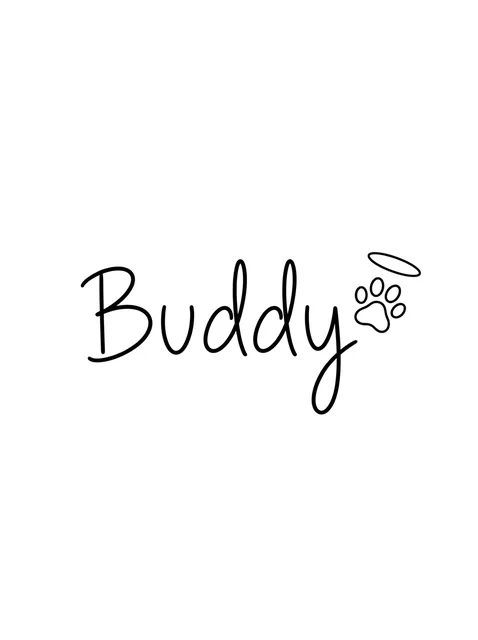
Black and grey lettering rip and paw tattoo design: a halo floating above it Try it on — Black and grey lettering rip and paw tattoo design: a halo floating above it


Tap any design to see it on your own skin in the try-on — no signup.
This set of 16 paw print designs, by the numbers
- Styles represented
- blackwork (2), illustrative (2), tribal (1), stick and poke (1), geometric (1), sketch (1)
- Black-and-grey vs colour
- 81% black-and-grey, 19% colour
- Most often drawn with
- claw, mandala, rose, moon
Counted from the 16 designs shown on this page. Every one was drawn for InkCraft — none are scraped or reposted. Free to reference with a link to this page.
What a paw print tattoo means
A paw print is the one animal tattoo that is not a picture of an animal. The dog and cat pages are about faces, poses and likeness; a print is the mark the animal left on a kitchen floor, a beach or a clay disc at the vet's, and it means presence and absence at once, something was here and has walked on. That is why it is so often a memorial, and why people who would never wear a portrait of a pet will wear its print.
It is also the most private of the pet tattoos. A portrait introduces the animal to everyone who sees it; a print is recognised as a paw by strangers, but whose paw, and why, stays with the wearer. Two prints side by side, one large and one small, can be two animals, a mother and her young, or a pet that died and one still at home, and the design never has to say which.
Not every print belongs to a pet. A bear's print, with five toes and long claws, and a wolf's, larger than most dogs', are worn for what those animals mean rather than for a companion: the bear for protection, the wolf for loyalty to a pack. Tracks are how most people ever meet a wild animal, as a mark in mud or snow left by something that passed unseen, and a print suits that kind of distant closeness.
The additions on this page each move the meaning a little. Hearts for toe pads say love plainly; an infinity line through the main pad says the bond did not end; a crescent moon, a halo over a name or a rose laid across the print lean towards remembrance; a bone beside it is simply a dog that was happy. Mandala patterns inside the pads treat the print as something sacred rather than something sad.
Outside grief there is loyalty of another kind. American college teams, Clemson University's orange tiger paw among them, have turned the print into a badge, and a paw in team colours means a place and a crowd rather than an animal.
Where the design comes from
The print came to tattooing late and from outside it. Old flash had panthers, bulldogs and eagles, animals chosen as emblems, and the paw print arrived instead through the pet-loss keepsakes that vets and pet crematoria now routinely offer grieving owners: clay impressions and inked paper, framed on a shelf long before anyone thought of putting one on skin. Its companion text is the Rainbow Bridge, a short prose poem about pets waiting for their owners in a meadow, which circulated among pet owners through the 1980s and 1990s and whose authorship is still disputed. The oldest paw prints anyone has are far older than tattooing's interest in them: Roman roof tiles and bricks, walked over by a dog while the clay was drying, turn up on sites across the former empire and sit in museum collections from Britain to the Rhine.
Choosing yours
- Settle the species first, because the prints are not interchangeable. A dog's print carries claw marks above the toes and its toe pads are oval. A walking cat keeps its claws retracted, so it leaves rounder pads with no claw marks, and its main pad is broader, with three lobes along the back edge where a dog's has two. A bear leaves five toes. People who know animals notice, and a cat memorial drawn with a dog's claws is an easy mistake and a hard one to unsee.
- The most personal version is the animal's real print. Most vets and pet crematoria will take one in clay or ink, and many owners already have one in a drawer; an artist can trace it at life size, keeping the uneven pads and the slightly splayed toes that make it one animal's print and not a stock shape. Bring the original rather than a photograph of it, so the scale is right.
- Five shapes and the gaps between them are the whole design, and the gaps are what fail. Under about 3 cm the skin between the toe pads fills as the ink spreads and the print becomes a blob with bumps, so keep the pads well apart or go a little larger than feels necessary. Solid black pads last longest; outlined pads with patterns inside them, like the mandala and faceted prints here, want 6 cm or more.
Size, cost and placement
How big, and what it costs
A single print at life size, 3 to 5 cm for a cat or a small dog, is shop-minimum work and among the quickest tattoos there are: five filled shapes and nothing else. A traced print from a large dog runs to 7 to 9 cm and takes barely longer. Patterned pads, a rose laid across the print or a name with a halo above it push the piece to an hour or two, so the price follows the decoration rather than the paw.
Where it sits, and how much it hurts
The inner wrist, the ankle, the top of the foot and the chest over the heart are the usual homes for a single print, and the shoulder blade for a pair. The top of the foot and the ankle bone are sharp, but a print this small is finished in minutes. A line of prints walking up the ribs, the foot or the collarbone is a layout rather than a separate design: the artist repeats one print, and the spacing and angle are what make it look like walking.
What to ask your artist
- Whether to trace your animal's actual print at life size, working from the original impression rather than a photograph of it.
- To check the species details: claw marks for a dog, none for a walking cat, five toes for a bear.
- How far apart the pads need to sit to stay separate as the ink settles over the years.
Prices vary widely by city and artist — treat these as session lengths rather than quotes, and expect a shop minimum on anything small. The cost guide turns hours into money by size, placement and style.
Common questions
How is a paw print tattoo different from a dog or cat tattoo?
A portrait shows the animal and has to look like it; a print shows only the mark it left, so it cannot be a poor likeness and it works at a size where a face never would. It is also more private, since strangers see a paw but not whose.
Should a cat paw print have claws?
Usually not. Cats walk with their claws drawn in, so a real cat print shows four round toe pads and a main pad and nothing above them. Claws belong on a dog, a wolf or a bear, or on a big cat's paw drawn mid-swipe, which is a different image: a strike rather than a footprint.
Can the tattoo be traced from my pet's real print?
Yes, and most artists are glad to. A clay or ink impression from the vet or a crematorium is ideal; failing that, a pet-safe ink pad and plain paper at home will do, taking several prints and keeping the clearest. Bring the original so the artist can trace it at true size.
What does a paw print with a heart or an infinity sign mean?
Both say the bond outlasts the animal. Hearts used as toe pads are love stated plainly, and an infinity line passing through the main pad says the connection did not stop at the death. Most people read either one as a memorial.
Does a paw print tattoo have to be about a pet?
No. A bear or wolf print is worn for the animal's meaning, protection or loyalty to a pack, and a paw in team colours is worn for a college or a club. The designs on this page include a bear's and a wolf's print alongside the domestic ones.
See it on your skin before you commit
InkCraft places any of these designs on a photo of you — scaled, wrapped and shaded to the placement you pick.