 InkCraft
RIP Tattoo Ideas and Memorial Lettering
22 original memorial lettering designs drawn for InkCraftBy Uladzimir TumanauUpdated
Three letters, a name or a headstone line, carried where the wearer can read it. Take the spelling of the name from a document rather than memory, and write the dates so that nobody reading them in either order can mistake the day.
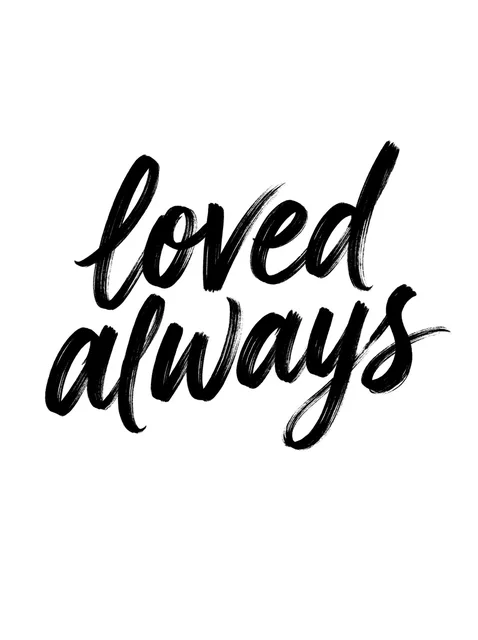
Black and grey lettering rip tattoo design Try it on — Black and grey lettering rip tattoo design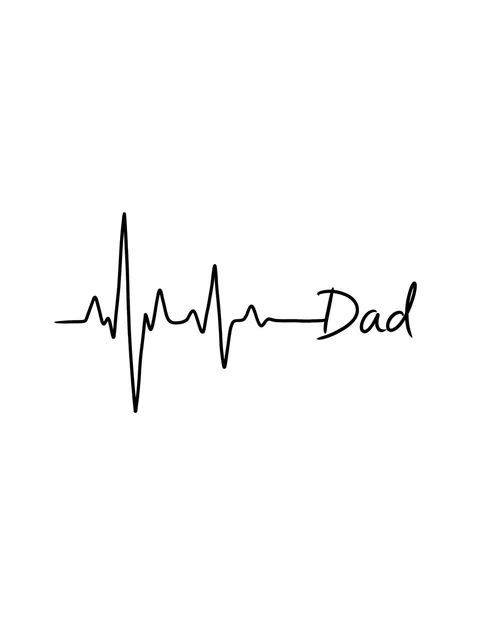
Black and grey lettering rip tattoo design Try it on — Black and grey lettering rip tattoo design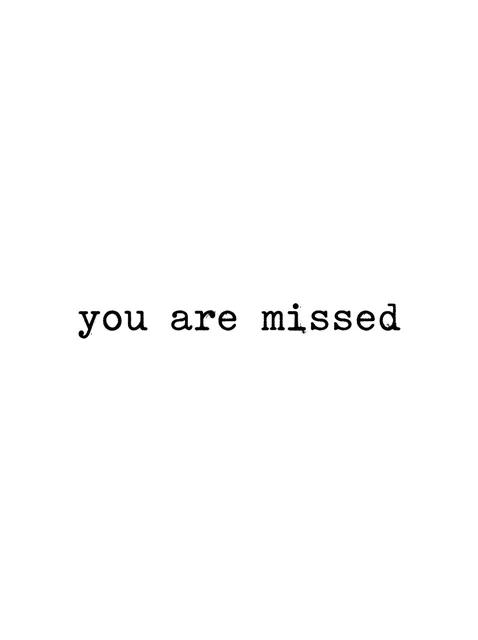
Black and grey lettering rip tattoo design Try it on — Black and grey lettering rip tattoo design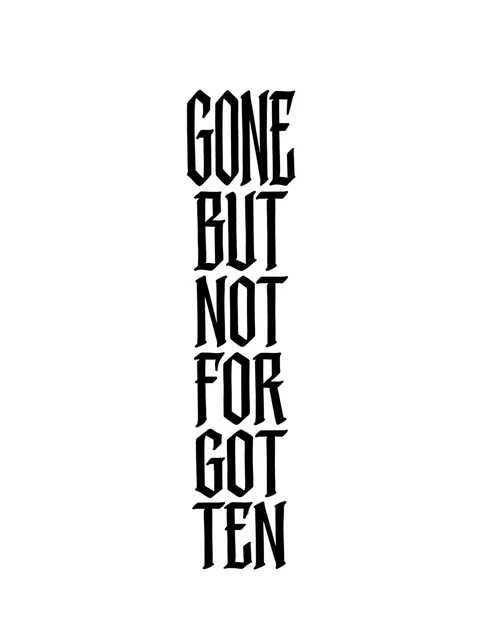
Black and grey lettering rip tattoo design Try it on — Black and grey lettering rip tattoo design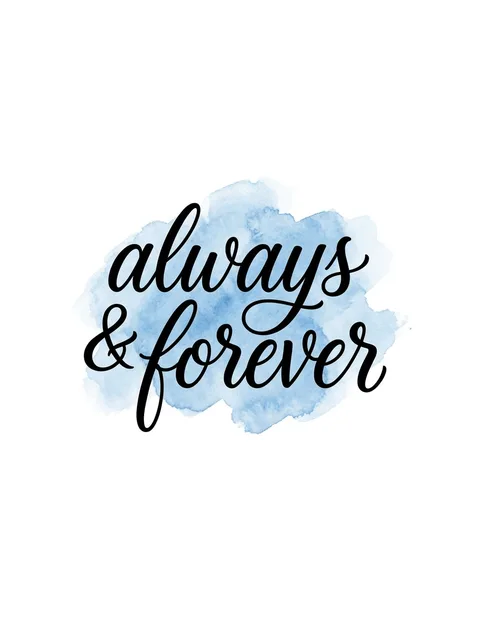
Color lettering rip tattoo design: a blue wash Try it on — Color lettering rip tattoo design: a blue wash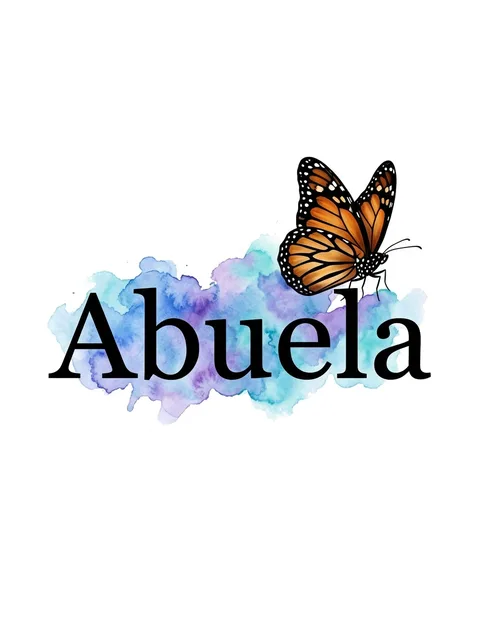
Color lettering rip and butterfly tattoo design Try it on — Color lettering rip and butterfly tattoo design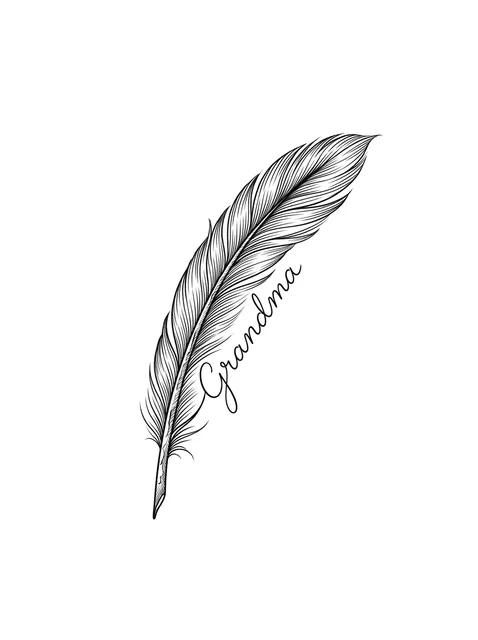
Black and grey lettering rip and feather tattoo design Try it on — Black and grey lettering rip and feather tattoo design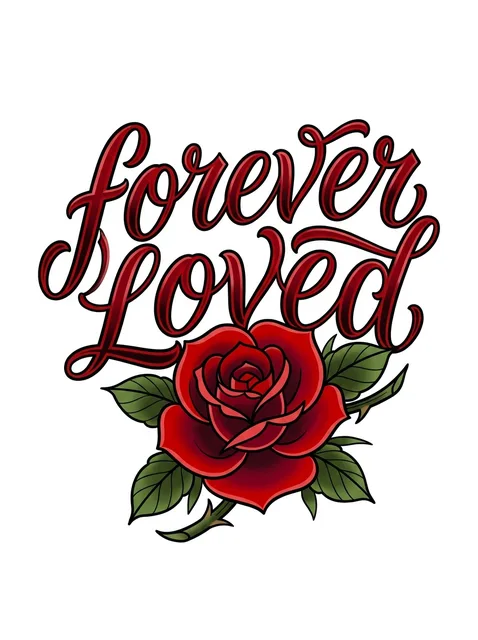
Color lettering rip and rose tattoo design Try it on — Color lettering rip and rose tattoo design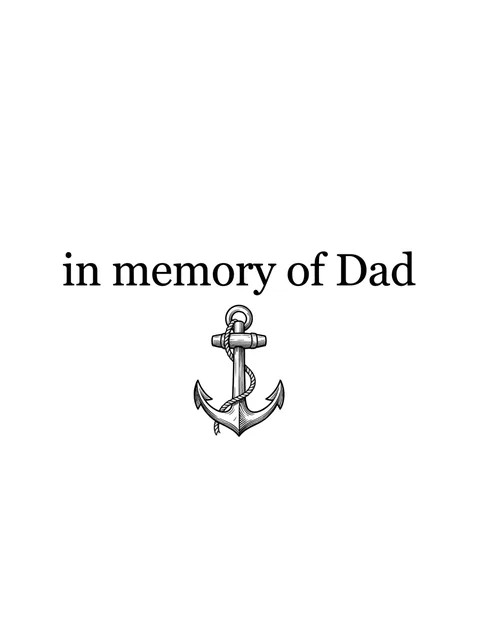
Black and grey lettering rip and anchor tattoo design Try it on — Black and grey lettering rip and anchor tattoo design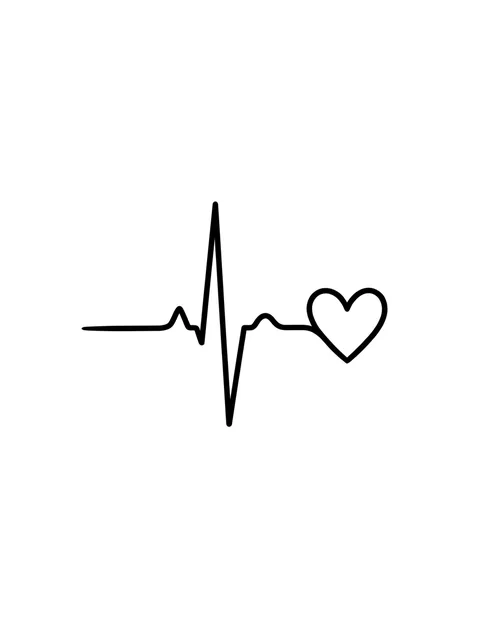
Black and grey lettering rip and heart tattoo design Try it on — Black and grey lettering rip and heart tattoo design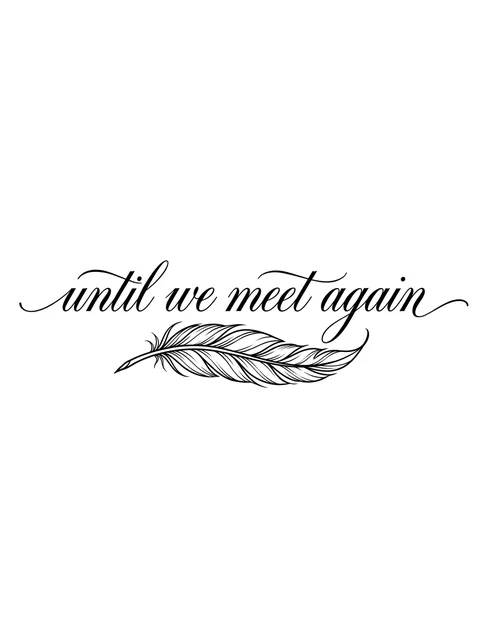
Black and grey lettering rip and feather tattoo design Try it on — Black and grey lettering rip and feather tattoo design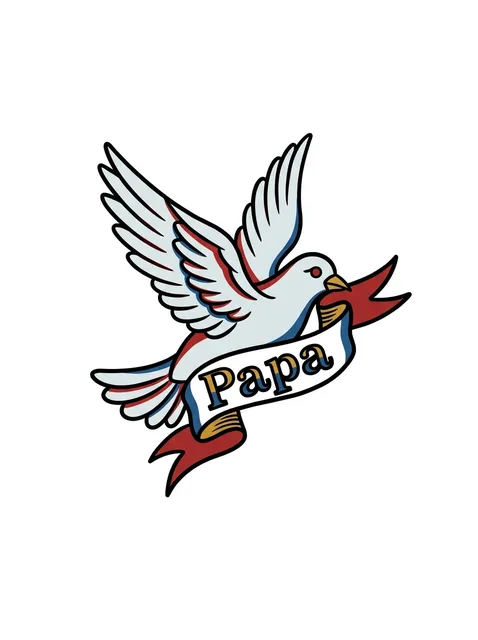
Color lettering rip and bird tattoo design Try it on — Color lettering rip and bird tattoo design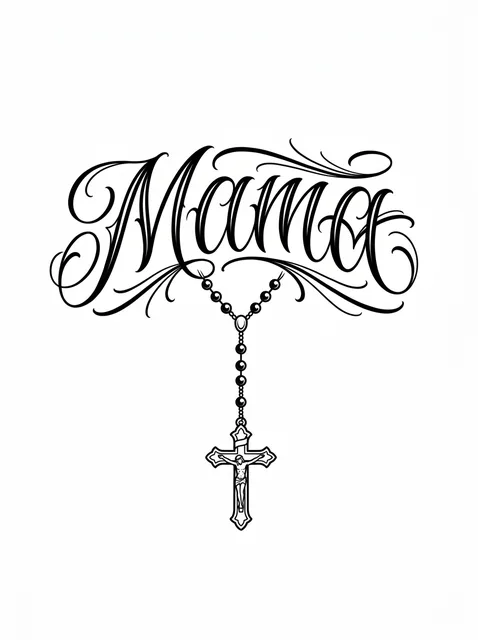
Black and grey lettering rip and crucifix tattoo design Try it on — Black and grey lettering rip and crucifix tattoo design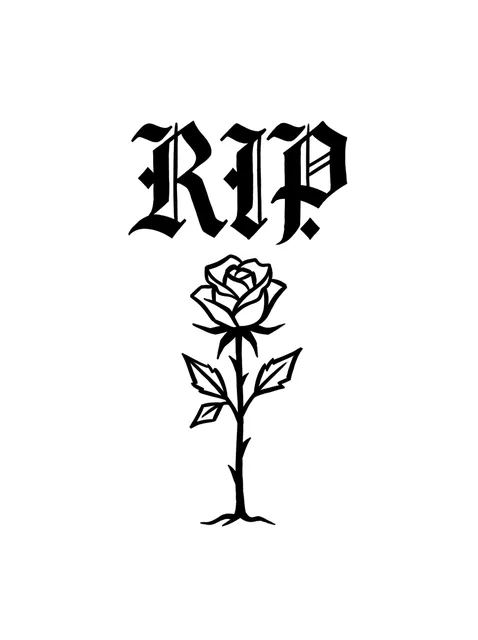
Black and grey lettering rip and rose tattoo design Try it on — Black and grey lettering rip and rose tattoo design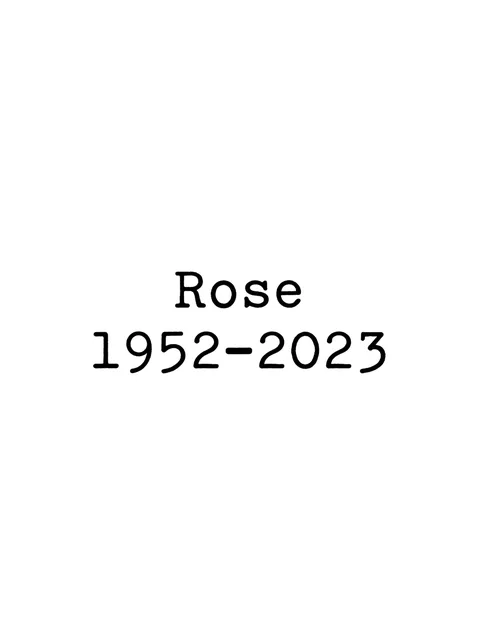
Black and grey lettering rip and name tattoo design Try it on — Black and grey lettering rip and name tattoo design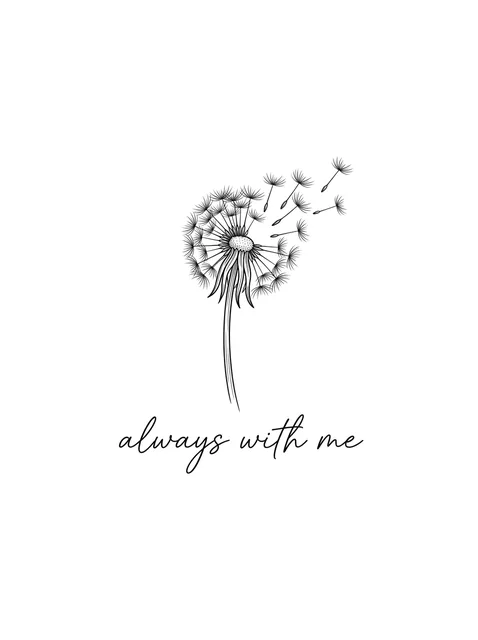
Black and grey lettering rip and dandelion tattoo design Try it on — Black and grey lettering rip and dandelion tattoo design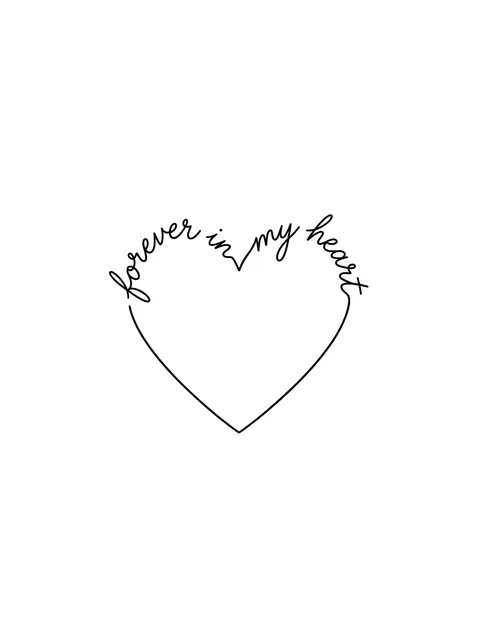
Black and grey lettering rip and heart tattoo design: a small heart outline that it joins into Try it on — Black and grey lettering rip and heart tattoo design: a small heart outline that it joins into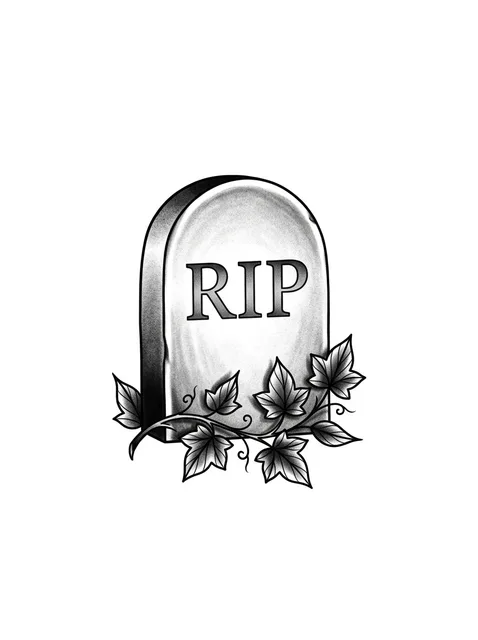
Black and grey lettering rip and vine tattoo design Try it on — Black and grey lettering rip and vine tattoo design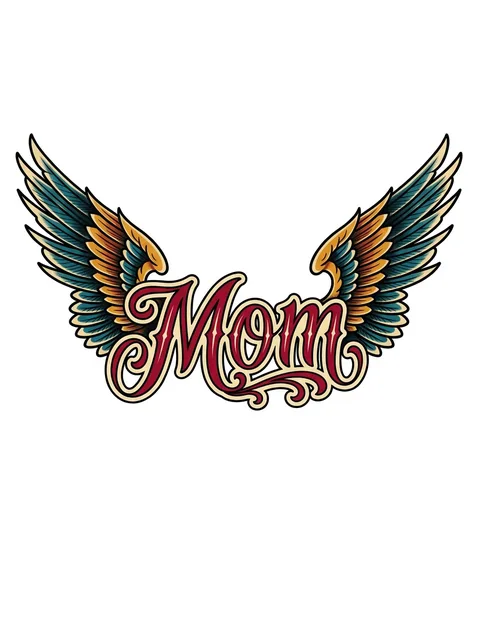
Color lettering rip and angel wings tattoo design Try it on — Color lettering rip and angel wings tattoo design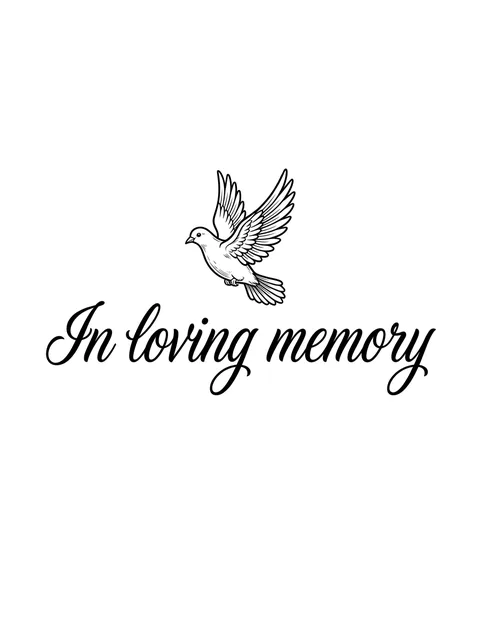
Black and grey lettering rip and bird tattoo design Try it on — Black and grey lettering rip and bird tattoo design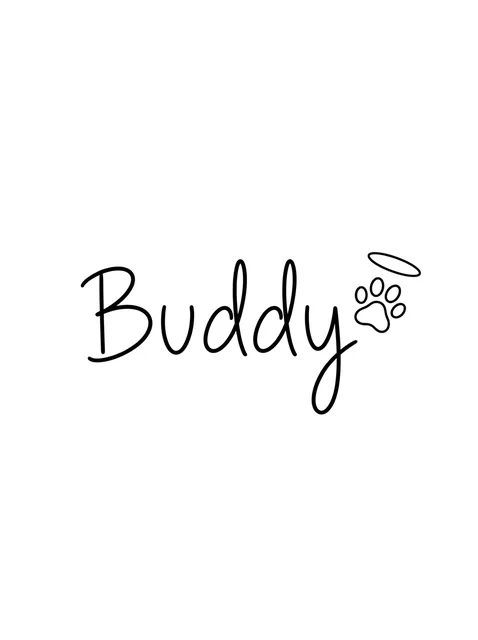
Black and grey lettering rip and paw tattoo design: a halo floating above it Try it on — Black and grey lettering rip and paw tattoo design: a halo floating above it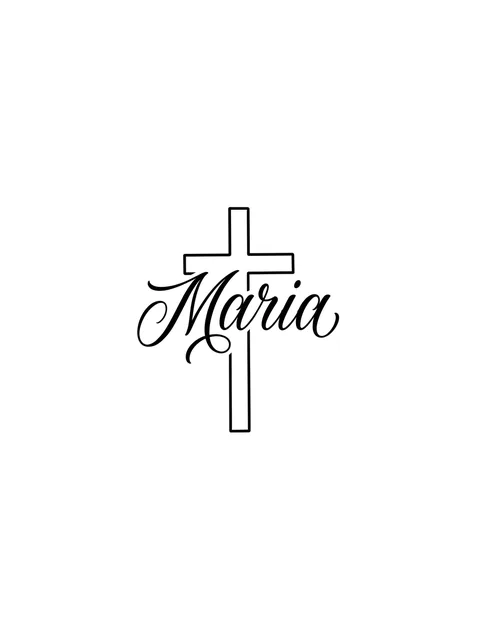
Black and grey lettering rip and cross tattoo design Try it on — Black and grey lettering rip and cross tattoo design


Tap any design to see it on your own skin in the try-on — no signup.
This set of 22 memorial lettering designs, by the numbers
- Styles represented
- lettering (22)
- Black-and-grey vs colour
- 77% black-and-grey, 23% colour
- Most often drawn with
- name, feather, rose, heart
Counted from the 22 designs shown on this page. Every one was drawn for InkCraft — none are scraped or reposted. Free to reference with a link to this page.
What a memorial lettering tattoo means
RIP is the most compressed memorial there is: three letters and no picture. It stands for requiescat in pace, may he or she rest in peace, and the English happens to fit the same three letters, so it reads correctly to people who have never met the Latin. Worn alone or over a rose it says that someone is gone. What it does not say is who, and most wearers add a name, a date or both.
The phrases people choose follow a handful of formulas, and each carries a slightly different weight. In loving memory is the headstone opening, formal and complete. Gone but not forgotten and until we meet again are older epitaphs that say something about the wearer as well as the dead, the first a promise and the second a belief. Forever in my heart, always with me and you are missed are newer and more private, written to the person rather than about them. None is more correct than another; the choice is between speaking to someone and speaking of them.
Much memorial lettering is not a phrase at all but one word, the name the person was called by. Mom, Dad, Mama, Papa, Grandma and Abuela are on this page because they are what people actually write, and the right one is the word you used, not the formal version. A mother who was Mum in London, Mam in Cardiff or Mom in Ohio should stay that way on skin. A pet memorial follows the same logic: the name the animal answered to, like the Buddy here beside a paw print.
The drawing carries less of the meaning than it does on most tattoos, and that is deliberate. A dove, a feather, a heartbeat line, a pair of wings or an anchor for a father who held things steady sets the tone, while the lettering does the naming. That division is the reason to spend the care on the letters: a slightly awkward feather is forgiven, and a misspelt name is read every day.
Where the design comes from
The words come from the churchyard. Early Christian burials in the Roman catacombs carry the short blessing in pace, in peace, and the fuller requiescat in pace grew out of the Latin prayers for the dead; by the eighteenth century it was a fixture of Christian gravestones. English headstone wording changed over the next hundred years. Georgian stones tend to open Sacred to the memory of, and by the later Victorian decades the standard opening had softened to In loving memory, in the era of mourning cards and mourning jewellery, and of Queen Victoria, who wore black for forty years after Prince Albert died in 1861. Tattooed tributes grew up alongside: the heart with a banner reading MOTHER or MOM is among the oldest designs on American traditional flash, and it began not as a memorial but as something sailors wore for the mother they had left at home.
Choosing yours
- Take the spelling from a document, not from memory: a birth certificate, an order of service, a headstone. The errors that reach skin are rarely typos in common words. They are the second n in Ann, the accent on María or José, a nickname spelt the way the family said it rather than the way it was registered. For a name in another script, Hebrew, Arabic, Greek or Cyrillic, have someone who reads that script check the final drawing the artist will stencil, not only the reference you sent.
- Write the dates so that they cannot be misread. Years alone, 1952 to 2023, mean the same thing everywhere; a date in digits does not, since 03/04 is the third of April in Britain and the fourth of March in America. Spell the month, or give only the years. The mark between the years has its own poem, Linda Ellis's The Dash, read at a great many funerals, and it deserves a little space: a typewriter face uses a plain hyphen, and a serif can take a longer dash with a space either side, closer to the look of cut stone.
- Size the words by the thinnest stroke, not the tallest letter. A fine cursive line such as forever in my heart has hairlines that soften within a few years, so three or four words in that hand want roughly 8 cm of length or more for the small letters to stay open. Blackletter RIP or block capitals survive at a fraction of that. Decide, too, who is reading: a line on the inner forearm can face you or face everyone else, and memorial words are the one case where many people choose to read them themselves.
Size, cost and placement
How big, and what it costs
Most memorial lettering is one short sitting. RIP, a single name or Mom in script is usually a shop minimum; a line such as until we meet again takes under an hour; the dove with a banner, the wings in colour and the headstone with ivy are illustrations first and take longer. Choose the artist on their lettering rather than on the quote, since in a piece this short the hand is the whole tattoo.
Where it sits, and how much it hurts
The left side of the chest, over the heart, is the traditional place and the most literal one. The inner forearm and the wrist keep a name where the wearer sees it every day; the collarbone, the ribs and behind the ear keep it private. The chest, ribs and collarbone are the painful choices. Families often add names over the years, a second parent or a sibling, and a single name placed dead centre on a forearm can leave nowhere for the next.
What to ask your artist
- To copy the name letter for letter from the document you bring, accents included, and to show you the stencil before it goes on.
- Which date order and which dash they will use, and whether years alone would read better.
- Whether the smallest letters in the phrase will stay open at your size, and how much longer the line would need to be if not.
- Whether to leave room beside the name for another one later.
Prices vary widely by city and artist — treat these as session lengths rather than quotes, and expect a shop minimum on anything small. The cost guide turns hours into money by size, placement and style.
Common questions
What does RIP stand for?
Requiescat in pace, Latin for may he or she rest in peace, from the prayers for the dead. The English rest in peace fits the same initials, which is why the abbreviation reads correctly in both languages and has become the standard three-letter memorial.
Should it say Mom, Mum or her name?
Whatever you called her. The word used every day is the one that sounds like the person when you read it back, and a formal Mother or a first name you never used can feel like someone else. The same holds for Nan, Nana, Gran, Abuela, and for a pet.
Can I use their handwriting?
Yes, and it is worth looking for. A signature on a birthday card, a shopping list or the sign-off at the end of a letter can be traced, and the artist should keep the wobbles that make it theirs. Photograph it flat, in daylight, at the highest resolution you can, because the artist is working from the pixels you send.
Should the full date go in, or only the years?
Years alone are the safest choice. If the exact day matters, spell the month, or write it in Roman numerals with the order settled first, or give it a line of its own under the name so it does not crowd the lettering above.
Can ashes be mixed into the ink?
Some artists will add a very small amount of finely sieved cremated ashes to the ink, and many will not. It makes no visible difference, it is the artist's decision under their own hygiene rules, and it should be agreed when booking rather than raised on the day.
See it on your skin before you commit
InkCraft places any of these designs on a photo of you — scaled, wrapped and shaded to the placement you pick.