 InkCraft
Finger Tattoo Ideas, Designs and What to Expect
45 finger tattoos photographed on skin for InkCraftBy Uladzimir TumanauUpdated

Opens in your browser. No signup. Or tap any design below.
Finger tattoos look excellent for about a year. Knowing that going in is the difference between a placement you enjoy and one you regret.
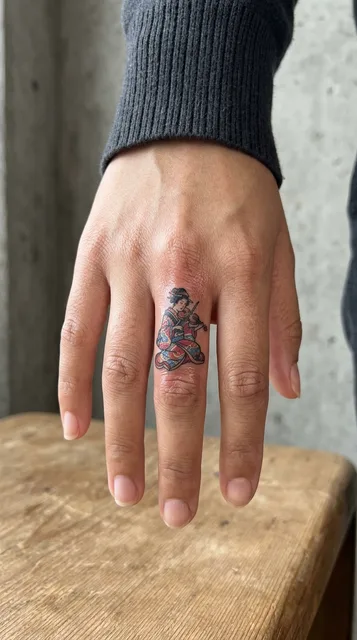
- Japanese · colourTry it on — Color Japanese geisha tattoo on a woman's finger

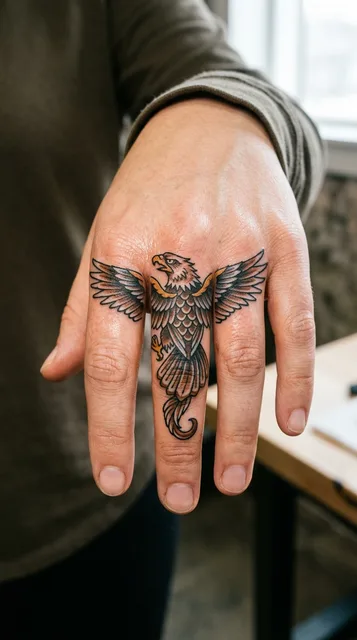
- traditional · colourTry it on — Color traditional eagle tattoo on a woman's finger

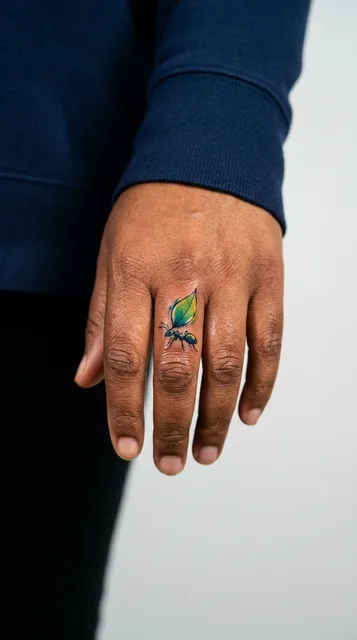
- illustrative · colourTry it on — Color illustrative ant tattoo on a man's finger

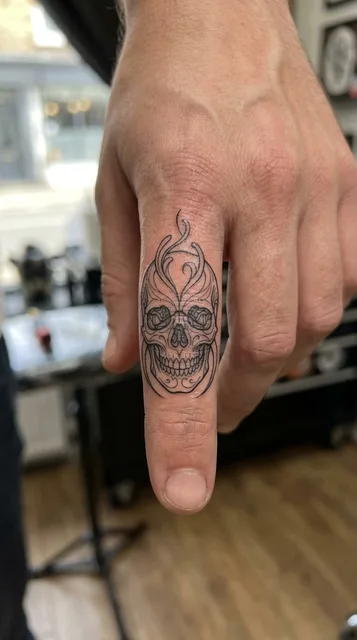
- linework · black and whiteTry it on — Black and white linework skull tattoo on a man's finger
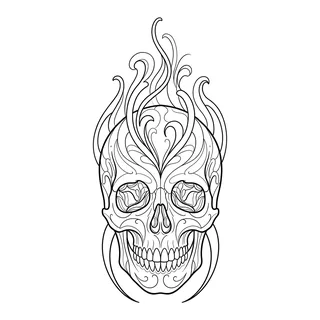
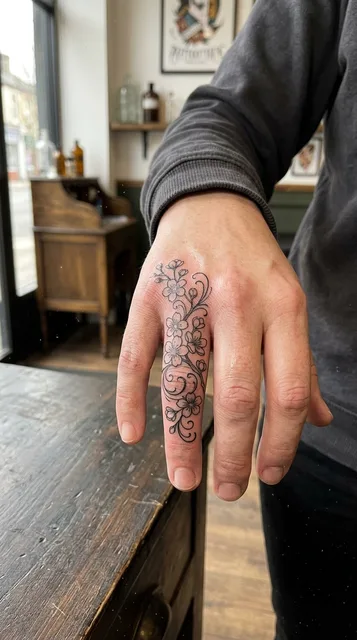
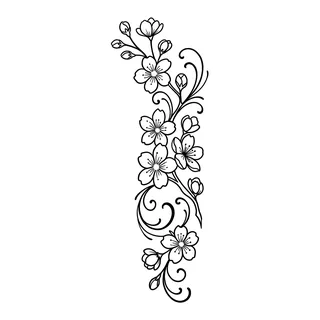
- ornamental · black and greyTry it on — Black and grey ornamental cherry blossom tattoo on a woman's finger
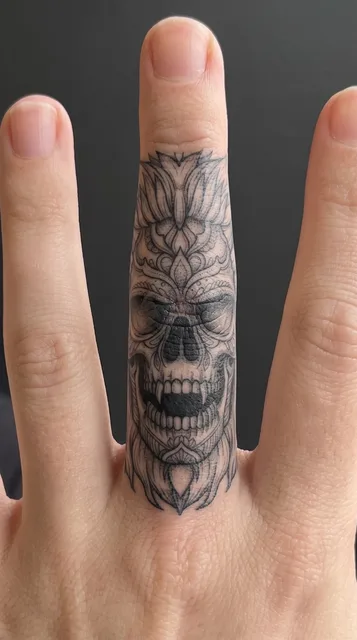
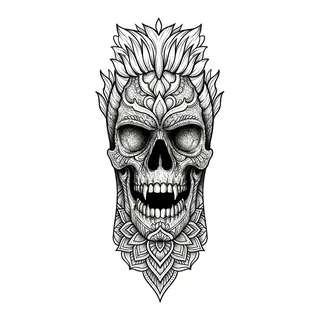
- dotwork · black and greyTry it on — Black and grey dotwork skull tattoo on a woman's finger
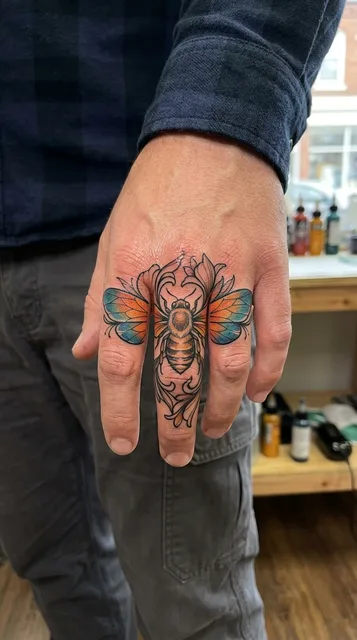
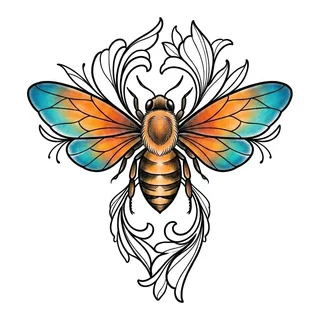
- neo traditional · colourTry it on — Color neo traditional bee tattoo on a man's finger
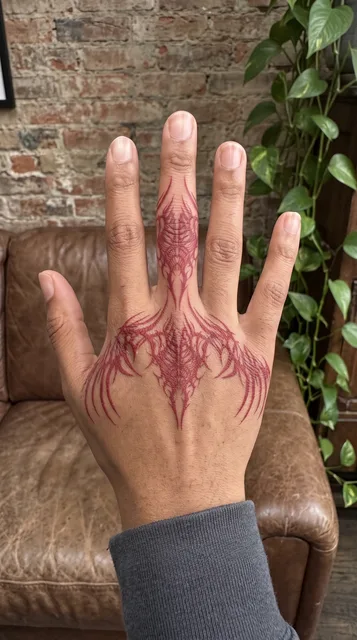
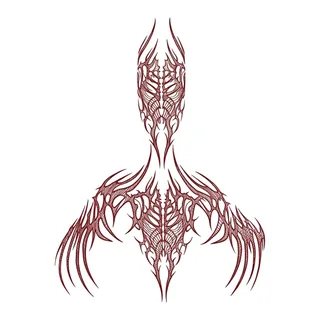
- biomechanical · black and greyTry it on — Black and grey biomechanical figure tattoo on a woman's finger
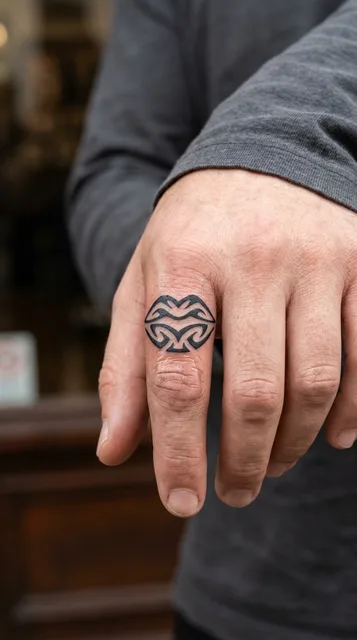
- tribal · black and whiteTry it on — Black and white tribal lips tattoo on a man's finger

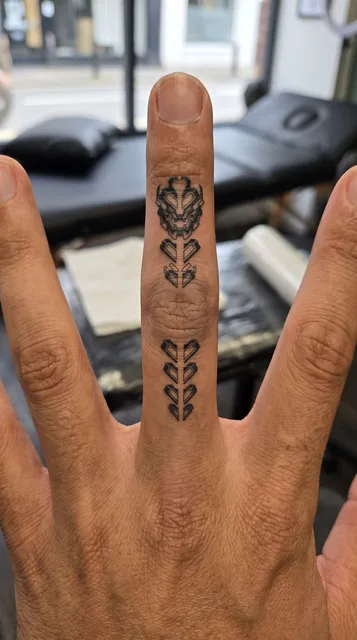
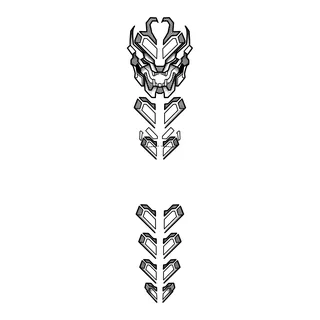
- biomechanical · black and greyTry it on — Black and grey biomechanical robot mask tattoo on a man's finger
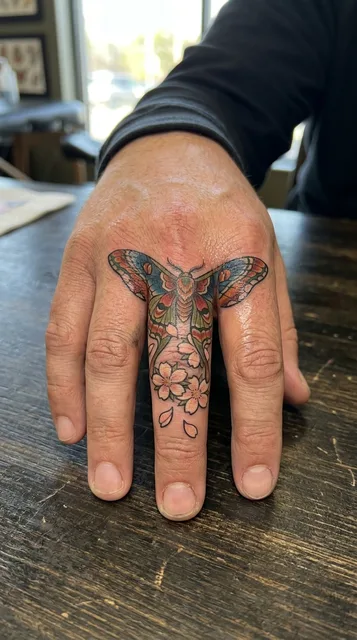
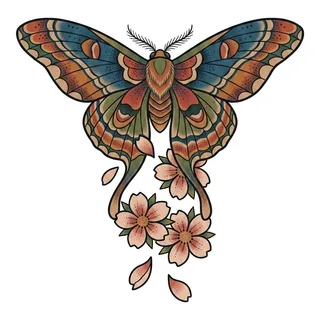
- Japanese · colourTry it on — Color Japanese moth tattoo on a man's finger
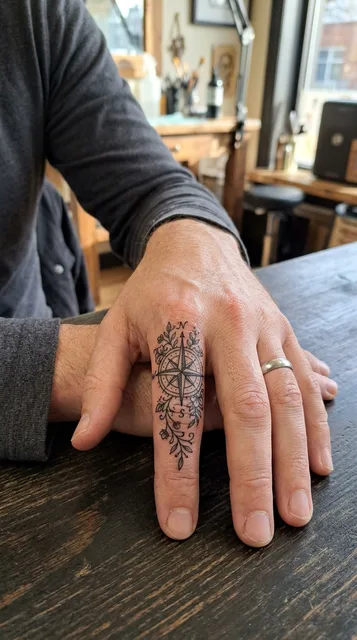
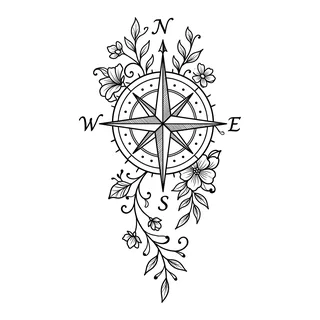
- illustrative · black and greyTry it on — Black and grey illustrative compass tattoo on a man's finger
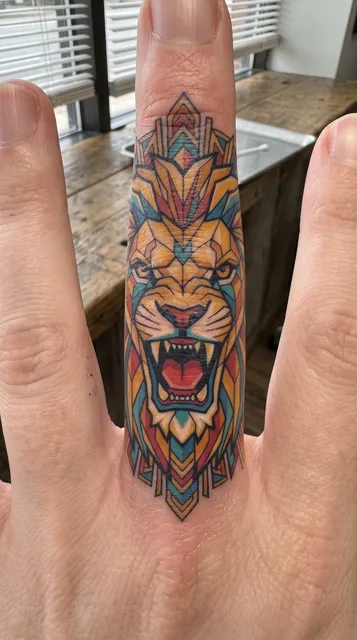
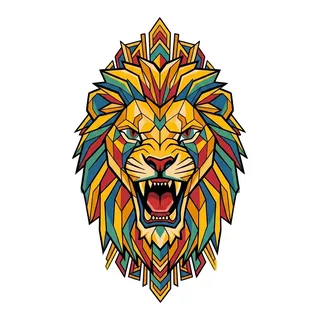
- geometric · colourTry it on — Color geometric lion tattoo on a woman's finger
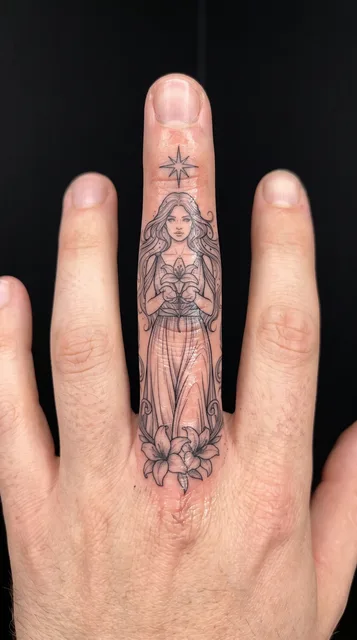
- illustrative · black and greyTry it on — Black and grey illustrative woman tattoo on a man's finger

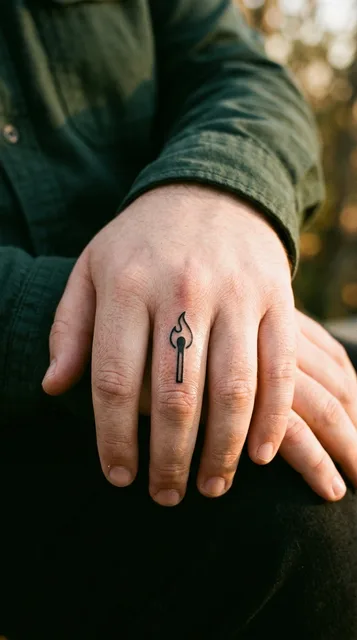
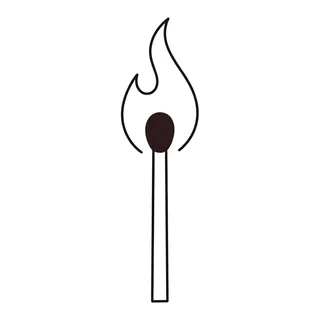
- minimalist · black and whiteTry it on — Black and white minimalist match tattoo on a man's finger
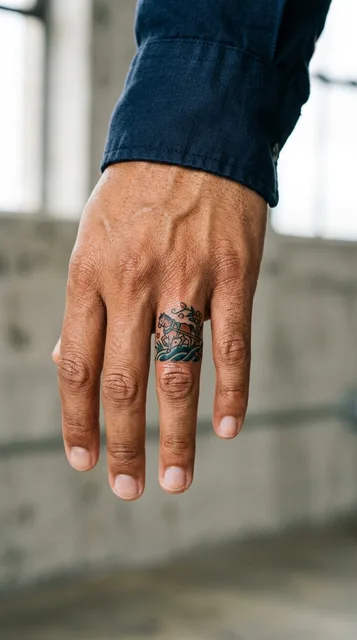
- traditional · colourTry it on — Color traditional horse tattoo on a man's finger

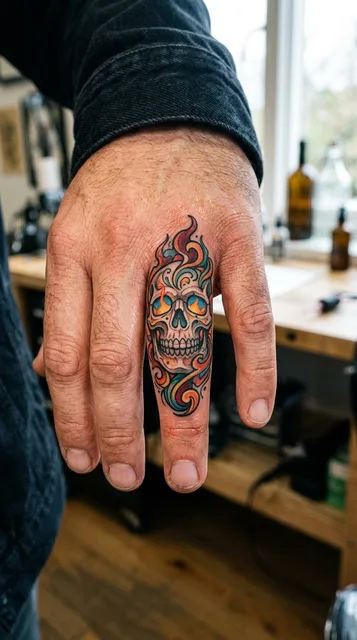
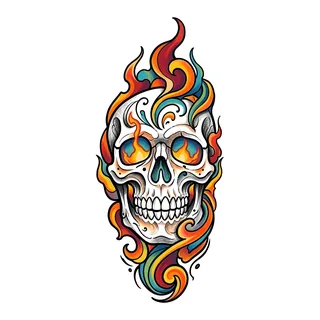
- new school · colourTry it on — Color new school skull tattoo on a man's finger
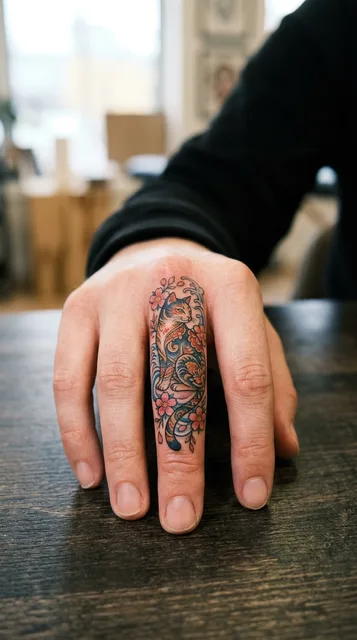
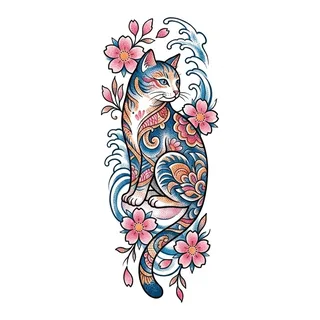
- Japanese · colourTry it on — Color Japanese cat tattoo on a woman's finger (1 of 2)
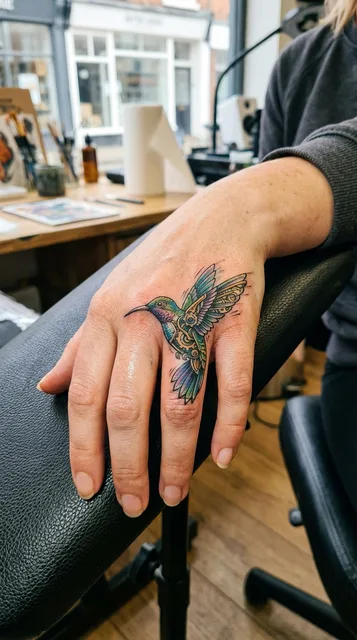
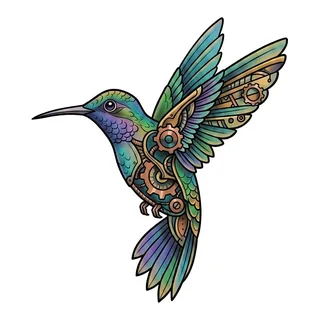
- biomechanical · colourTry it on — Color biomechanical hummingbird tattoo on a woman's finger
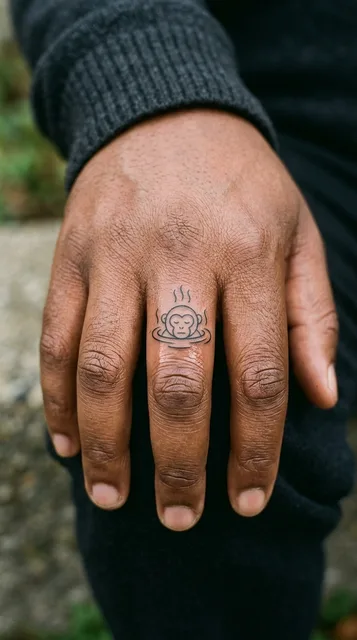
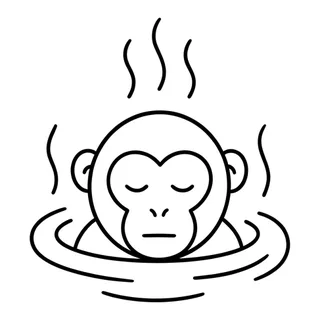
- fine line · black and whiteTry it on — Black and white fine line snow monkey tattoo on a man's finger
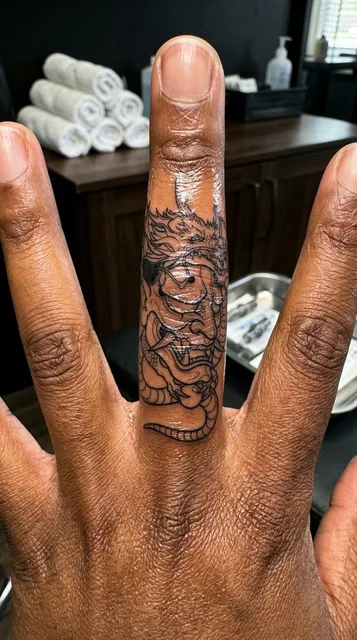
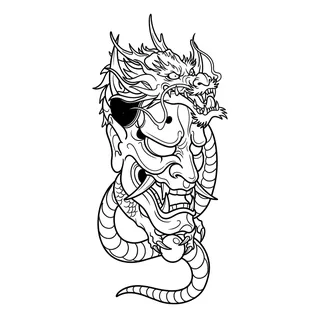
- Japanese · black and greyTry it on — Black and grey Japanese dragon mask tattoo on a woman's finger
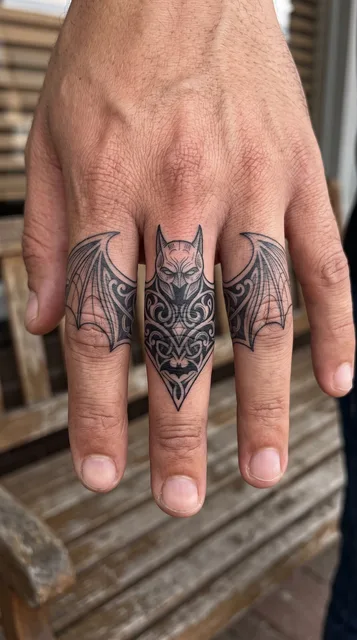
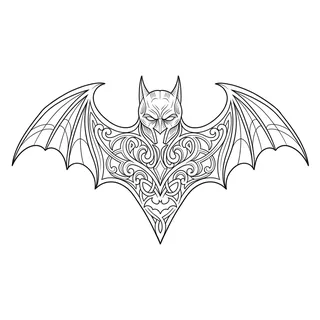
- ornamental · black and greyTry it on — Black and grey ornamental batman tattoo on a man's finger
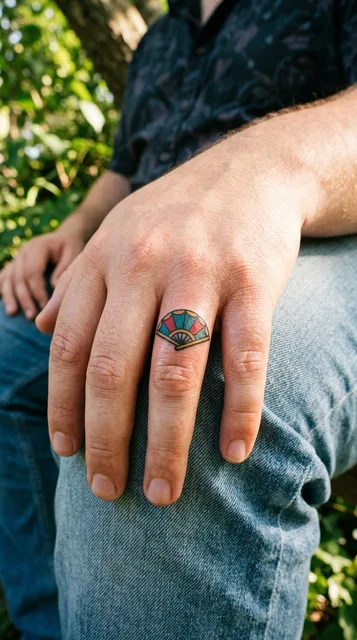
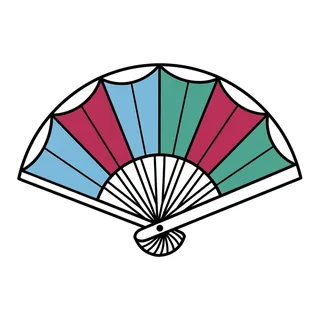
- traditional · colourTry it on — Color traditional folding fan tattoo on a man's finger
- linework · black and whiteTry it on — Black and white linework skull tattoo on a woman's finger (1 of 2)
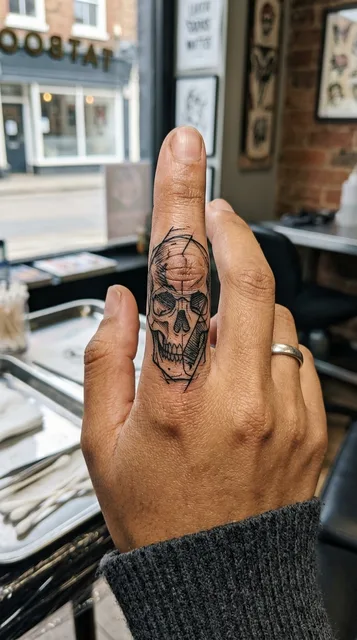
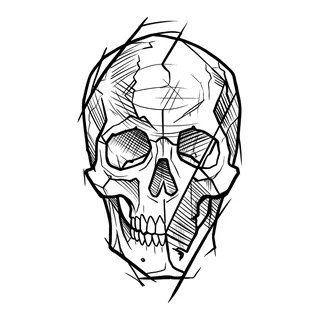
- linework · black and whiteTry it on — Black and white linework face tattoo on a woman's finger
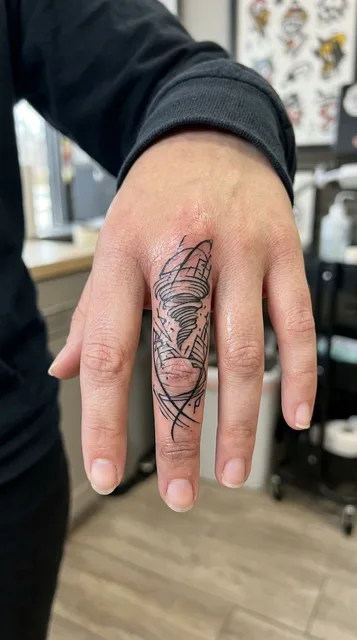
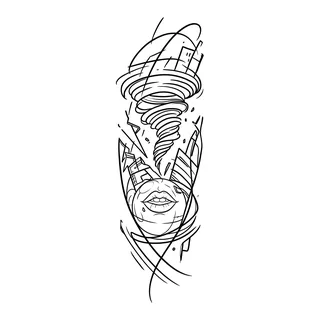
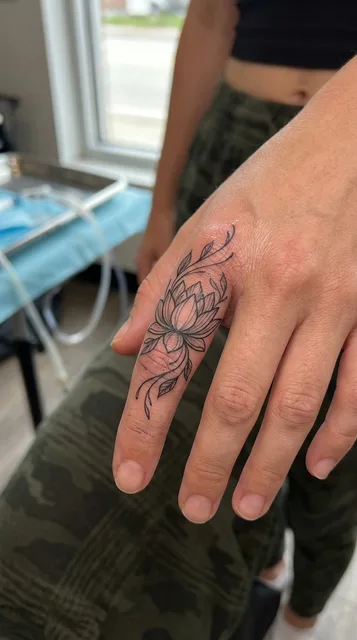
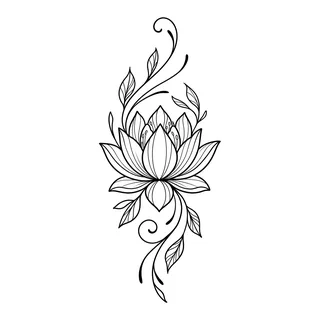
- fine line · black and whiteTry it on — Black and white fine line lotus tattoo on a woman's finger
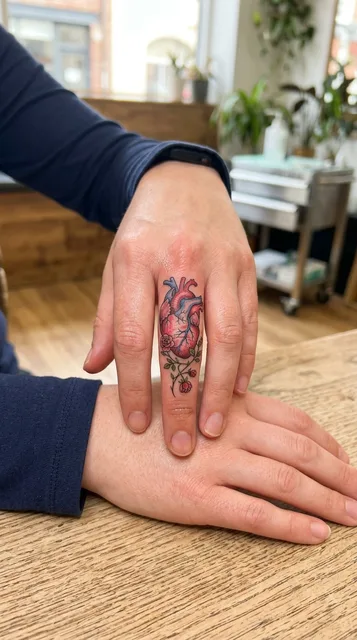
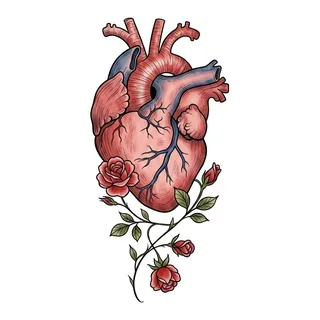
- illustrative · colourTry it on — Color illustrative heart tattoo on a woman's finger
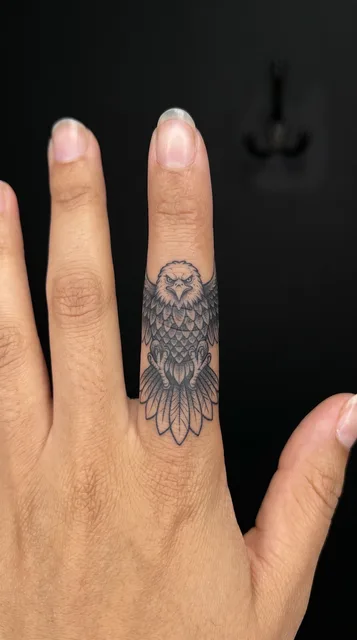
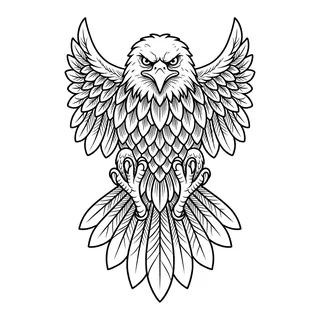
- illustrative · black and greyTry it on — Black and grey illustrative eagle tattoo on a woman's finger
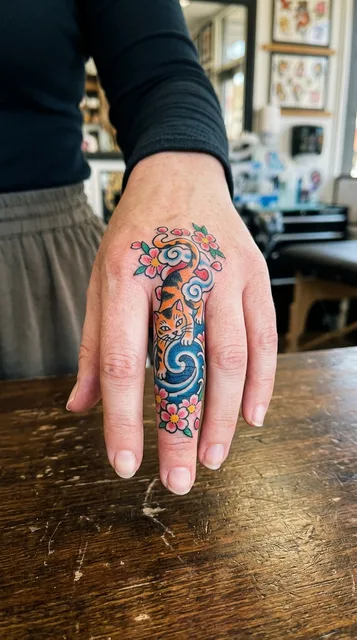
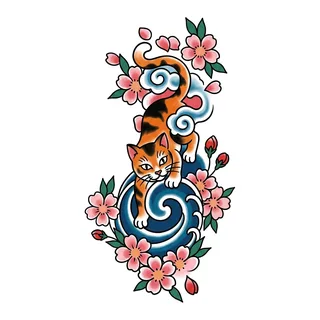
- Japanese · colourTry it on — Color Japanese cat tattoo on a woman's finger (2 of 2)
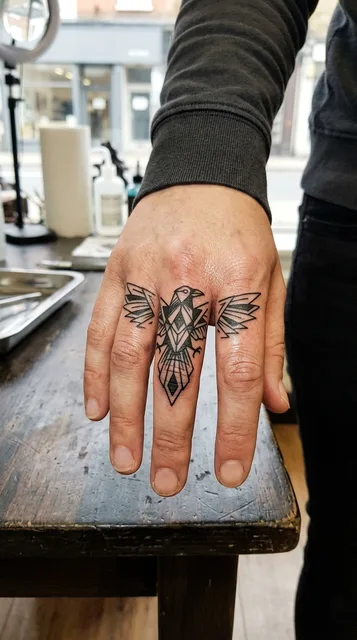
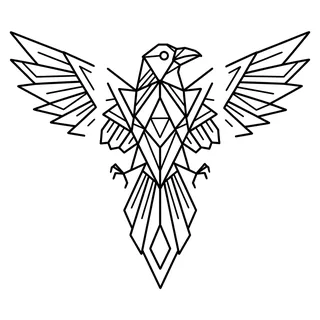
- geometric · black and whiteTry it on — Black and white geometric raven tattoo on a woman's finger
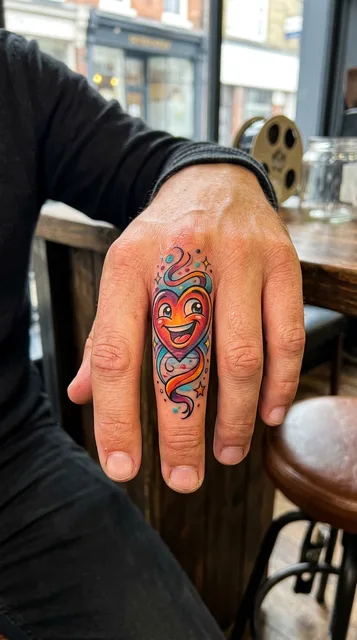
- new school · colourTry it on — Color new school heart tattoo on a man's finger

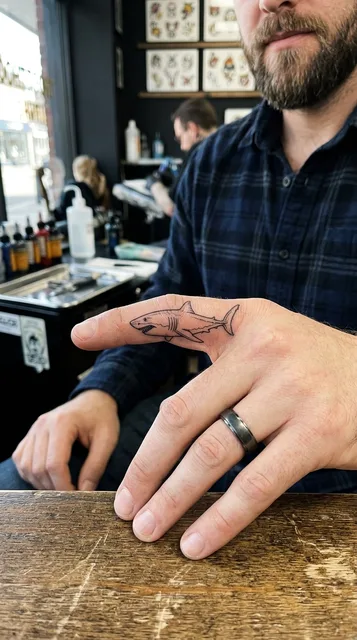
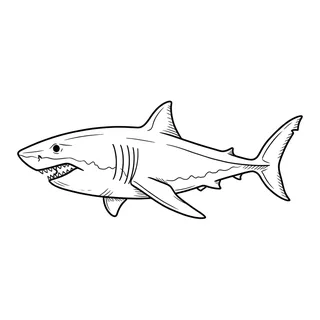
- fine line · black and whiteTry it on — Black and white fine line shark tattoo on a man's finger
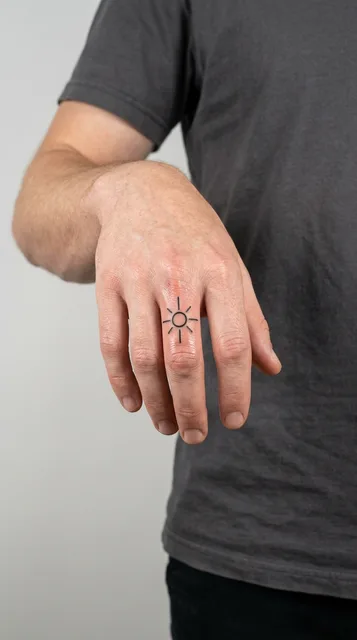
- linework · black and whiteTry it on — Black and white linework sun tattoo on a man's finger

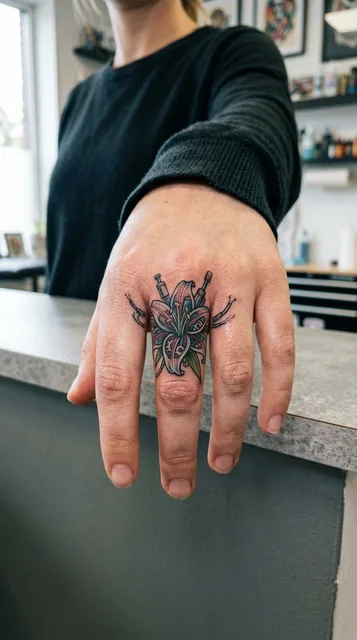
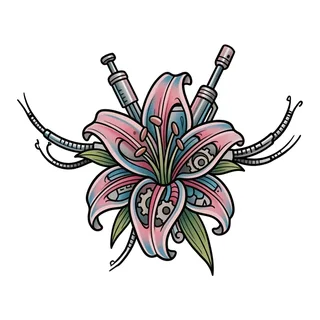
- biomechanical · colourTry it on — Color biomechanical lily tattoo on a woman's finger
- illustrative · black and greyTry it on — Black and grey illustrative flower tattoo on a woman's finger
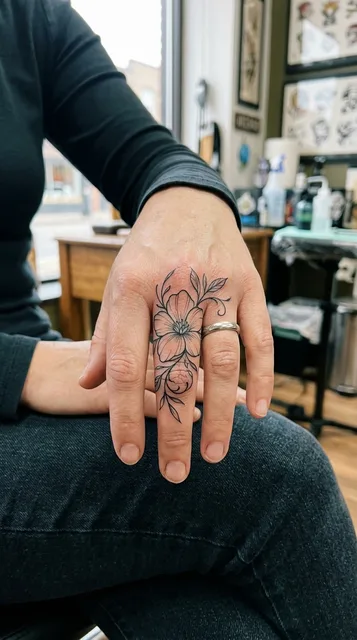
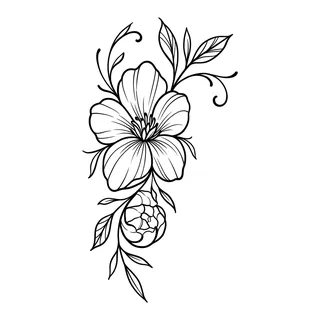
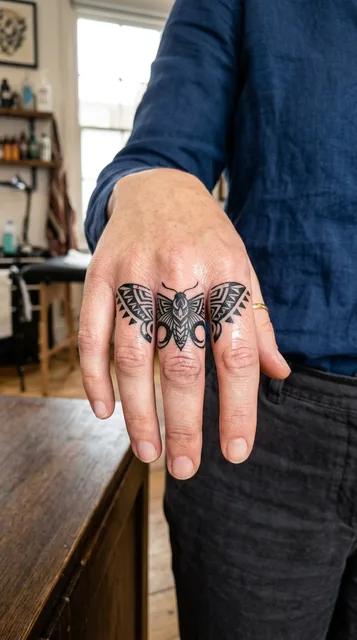
- tribal · black and whiteTry it on — Black and white tribal butterfly tattoo on a woman's finger

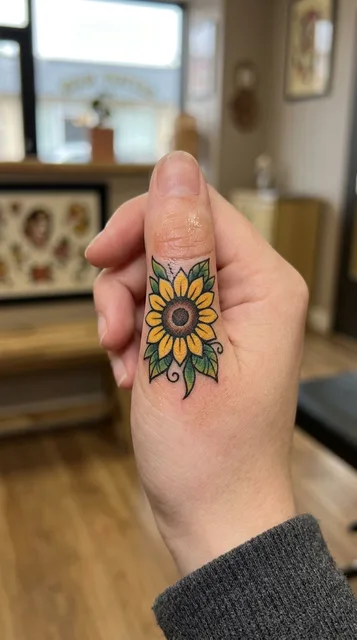
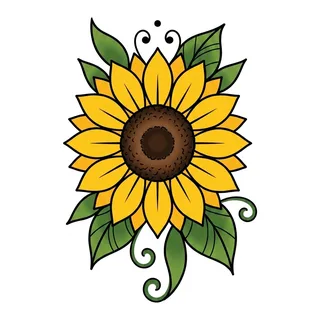
- traditional · colourTry it on — Color traditional sunflower tattoo on a woman's finger
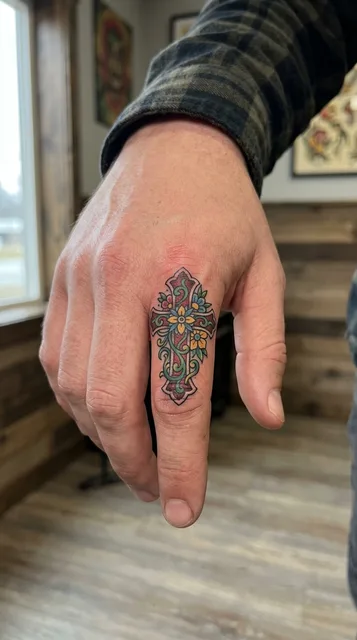
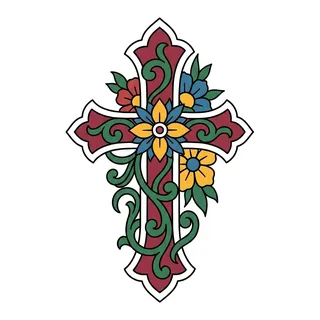
- illustrative · colourTry it on — Color illustrative cross tattoo on a man's finger
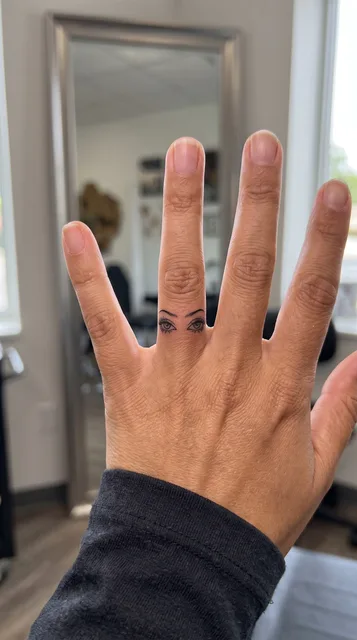
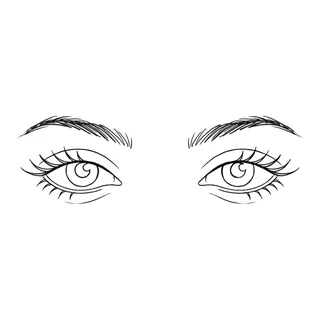
- linework · black and whiteTry it on — Black and white linework eyes tattoo on a woman's finger
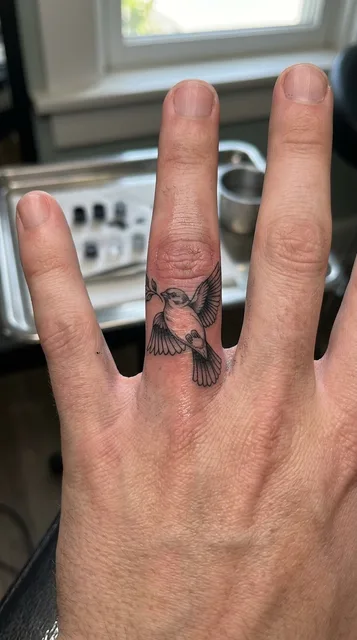
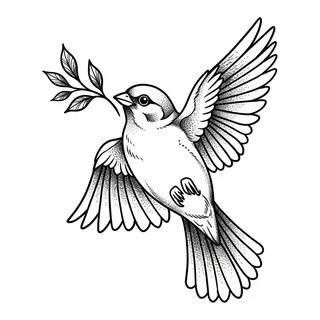
- dotwork · black and greyTry it on — Black and grey dotwork bird tattoo on a man's finger
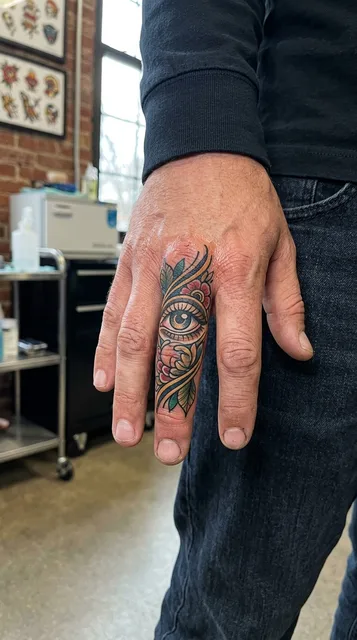
- neo traditional · colourTry it on — Color neo traditional eye tattoo on a man's finger
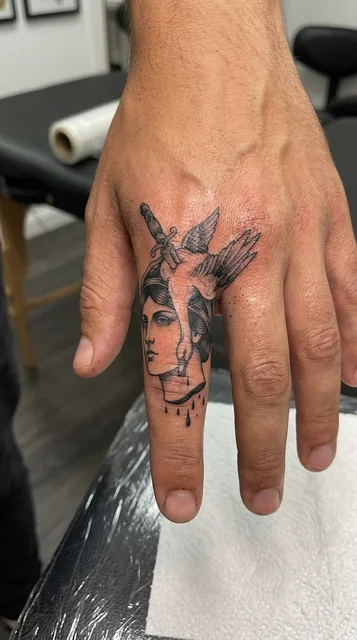
- dotwork · black and greyTry it on — Black and grey dotwork woman tattoo on a man's finger

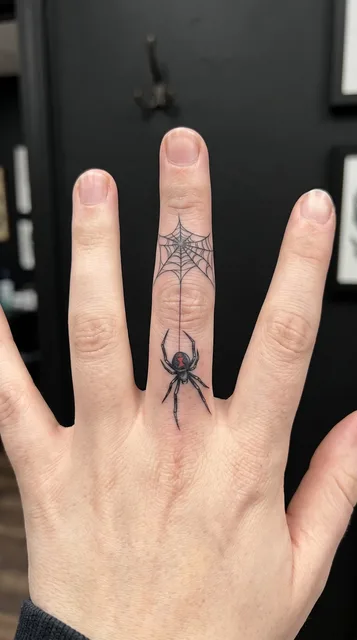
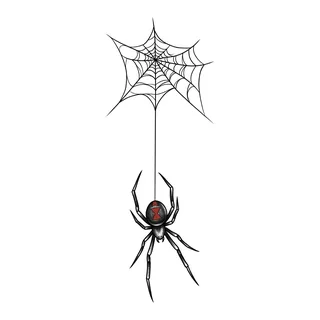
- fine line · colourTry it on — Color fine line spider tattoo on a woman's finger
- linework · black and whiteTry it on — Black and white linework skull tattoo on a woman's finger (2 of 2)
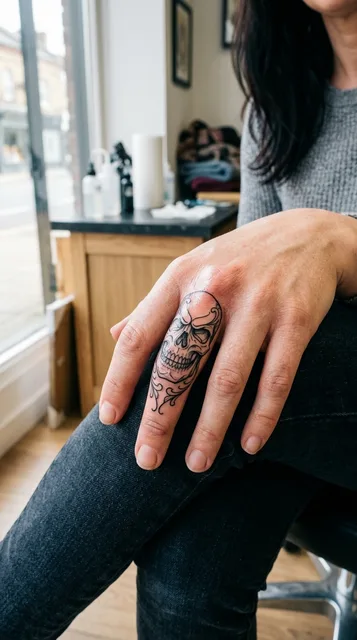
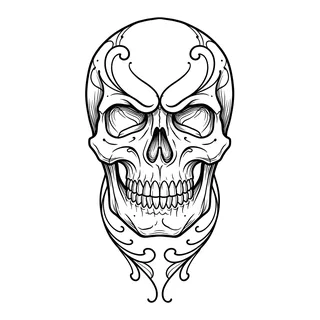
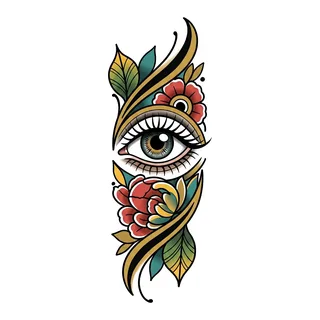
- Japanese · colourTry it on — Color Japanese eye tattoo on a woman's finger
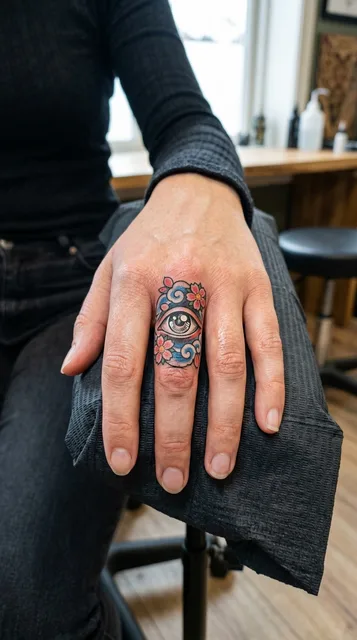
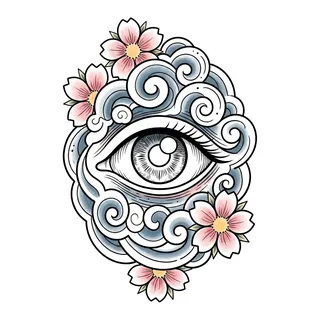


Every pair is one tattoo: the design as it was drawn, and a photograph of that same design on the finger.
These 45 finger tattoos, by the numbers
- Styles represented
- illustrative (7), japanese (6), linework (6), biomechanical (4), fine line (4), traditional (4)
- Black-and-grey vs colour
- 56% black-and-grey, 44% colour
- Shown on
- 24 feminine, 21 masculine presentation
Counted from the 45 tattoos shown on this page. Every design was drawn for InkCraft and photographed on this placement — none are scraped or reposted. Free to reference with a link to this page.
How a finger tattoo wears
Fingers are the hardest-wearing skin on the body that people choose to tattoo. They are washed dozens of times a day, gripped against everything, and the skin regenerates faster than skin elsewhere. All three push ink out. A finger tattoo that still looks crisp at two years has almost certainly been touched up, and artists who work the placement regularly say so upfront.
The sides of the fingers hold ink noticeably better than the tops, and the tops better than the inner surfaces or between the fingers. If the design allows a choice, that ordering is the single most useful thing to know about the placement.
Scale is the other constraint. A finger is roughly a centimetre and a half wide, so anything with internal detail closer than a couple of millimetres will merge as it spreads. Simple, bold, open designs — small symbols, single bands, short words in a generous hand — are what survive. Fine script on a finger looks superb for a few months and then stops being legible.
Pain and healing
Sharp. Skin over bone with essentially nothing in between, plus a high density of nerve endings — fingers are among the most sensitive parts of the body by design. Sessions are very short, which keeps it tolerable. Healing is the real difficulty: you cannot keep your hands out of use, washing is constant and unavoidable, and patchy healing here is normal rather than exceptional. Many artists ask you to come back after a month to fill in what has dropped out, and treat that as part of the job rather than a repair.
The tattoo pain chart ranks the finger against the other twenty-five body parts on this site, and says why. The aftercare guide has a row for healing a finger tattoo specifically: what gets in the way here, and the one thing to do about it.
Choosing a design that suits it
- Bold and simple, always. Fine detail on a finger is a decision to have something illegible within a year.
- The sides of the fingers hold ink best; the inner surfaces and the webbing hold it worst.
- Assume touch-ups. Budget for them and ask what the artist charges before booking.
- Think hard about visibility — fingers are, with hands, the least concealable tattoos there are.
Size, cost and who sees it
How big, and what it costs
Very short sessions and usually a shop minimum. The lifetime cost is dominated by touch-ups rather than the original piece, which is worth pricing honestly: a finger tattoo you keep sharp for a decade may be touched up three or four times.
Who will see it
Permanently on display. Fingers are in every gesture, every handshake and every photograph of your hands. Nothing covers them.
What to ask your artist
- How often will this realistically need touching up, and what do you charge?
- Would the side of the finger hold this better than the top?
- Is this design simple enough to still read in two years?
- How do I manage washing my hands during the first two weeks?
Prices vary widely by city and artist — treat these as session lengths rather than quotes, and expect a shop minimum on anything small. The cost guide puts the finger in a table with the other twenty-five placements.
Common questions
Why do finger tattoos fade so fast?
Constant washing, constant gripping and skin that regenerates faster than elsewhere. It is not poor work — it is the placement. Regular touch-ups keep a finger tattoo sharp indefinitely; without them it will soften within a year.
Will an artist refuse to do finger tattoos?
Some do, and usually because they do not want their work judged on a placement that will not hold it. If you are declined, asking what they would be willing to do — a bolder design, a different surface of the finger — is more productive than pushing.
Do finger tattoos hurt a lot?
They are sharp — bone directly under thin, nerve-dense skin. The saving grace is that the sessions are extremely short.
See it on your own finger
InkCraft places a design on a photo of you — scaled, wrapped and shaded to the placement you pick, so you can judge it before it is permanent.