 InkCraft
80 Skull Tattoo Ideas, Stencils and Meaning
80 original skull designs drawn for InkCraftBy Uladzimir TumanauUpdated
Opens in your browser. No signup. Or tap any design below.
Anatomical, stylised and calavera, which are three different traditions rather than three looks. Sockets and nasal cavity are solid black surrounded by bone, and beneath roughly 8 cm those blacks bleed into one another.
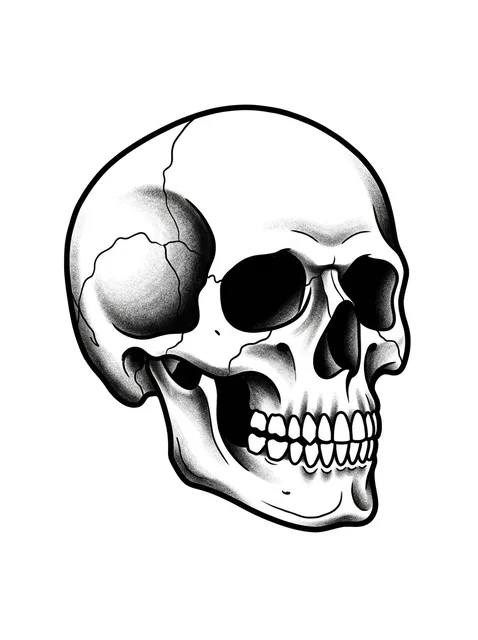
Black and grey traditional skull tattoo design: a human skull Try it on — Black and grey traditional skull tattoo design: a human skull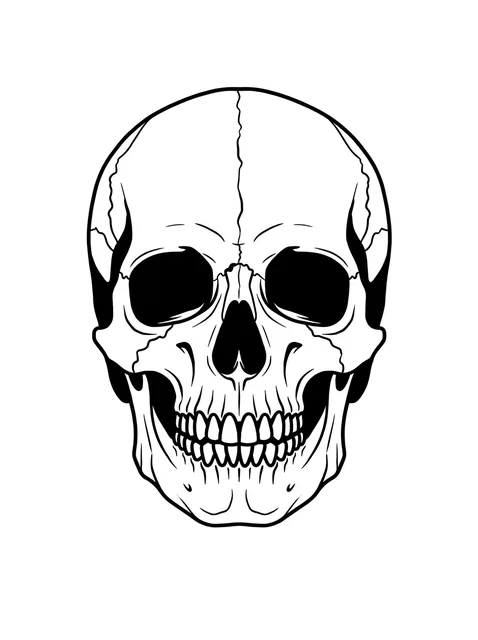
Black and white linework skull tattoo design, outline stencil: a human skull Try it on — Black and white linework skull tattoo design, outline stencil: a human skull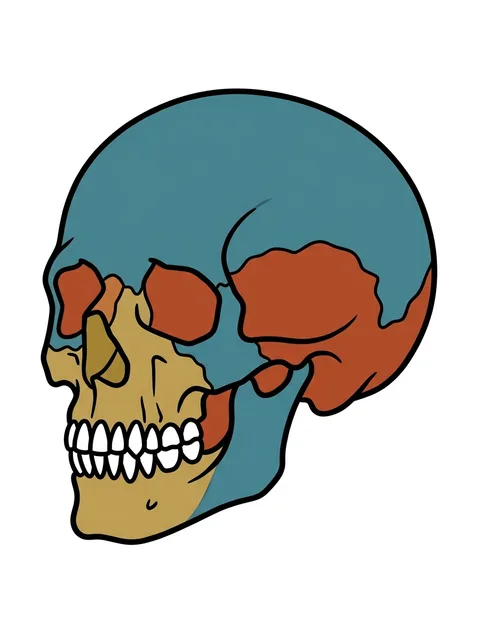
Color illustrative skull tattoo design Try it on — Color illustrative skull tattoo design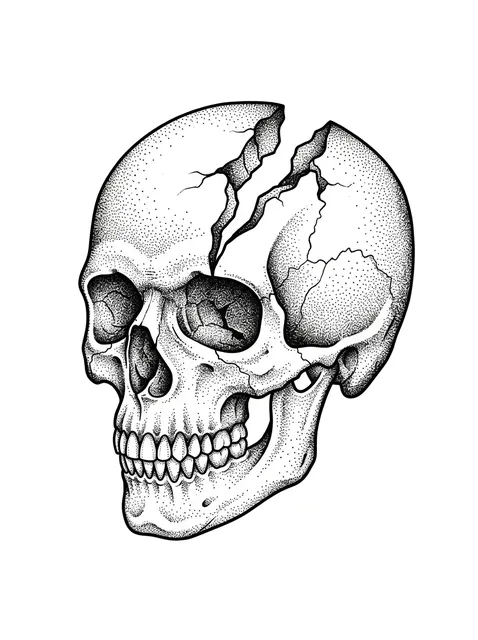
Black and grey dotwork skull tattoo design Try it on — Black and grey dotwork skull tattoo design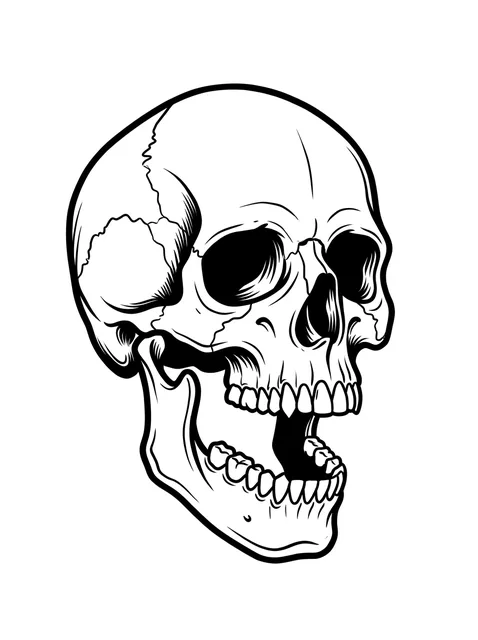
Black and grey illustrative skull tattoo design (1 of 4) Try it on — Black and grey illustrative skull tattoo design (1 of 4)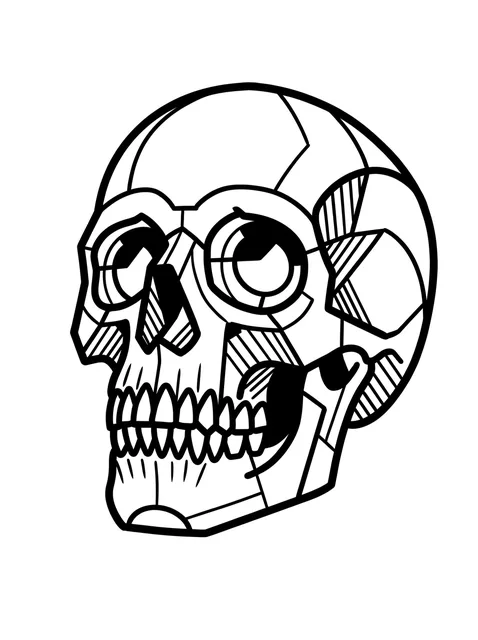
Black and white geometric skull tattoo design, outline stencil Try it on — Black and white geometric skull tattoo design, outline stencil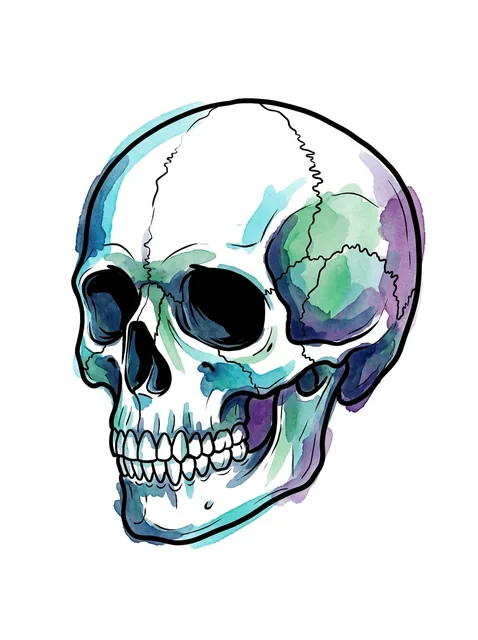
Color watercolor skull tattoo design Try it on — Color watercolor skull tattoo design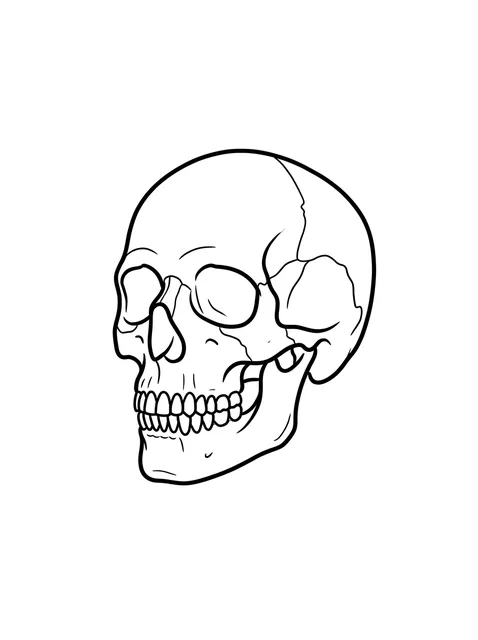
Black and white linework skull tattoo design, outline stencil: a human skull in profile Try it on — Black and white linework skull tattoo design, outline stencil: a human skull in profile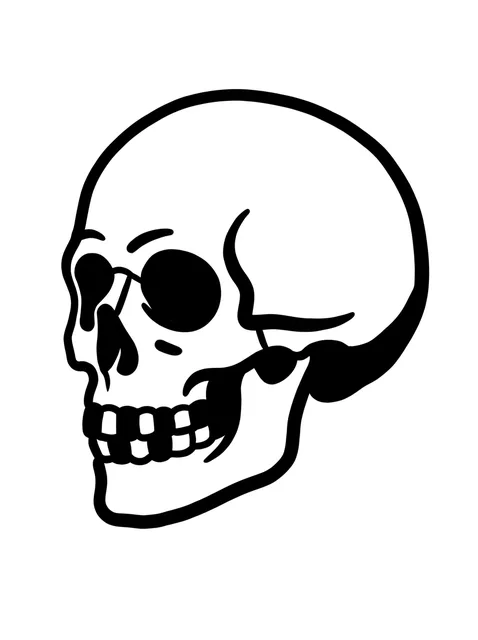
Black and grey traditional skull tattoo design Try it on — Black and grey traditional skull tattoo design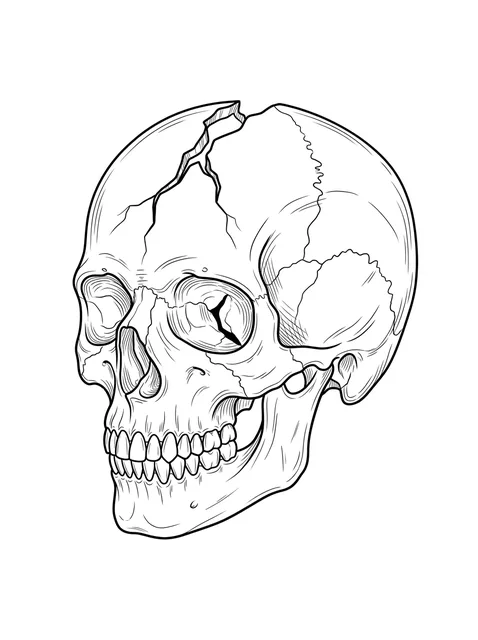
Black and grey illustrative skull tattoo design: a human skull (1 of 3) Try it on — Black and grey illustrative skull tattoo design: a human skull (1 of 3)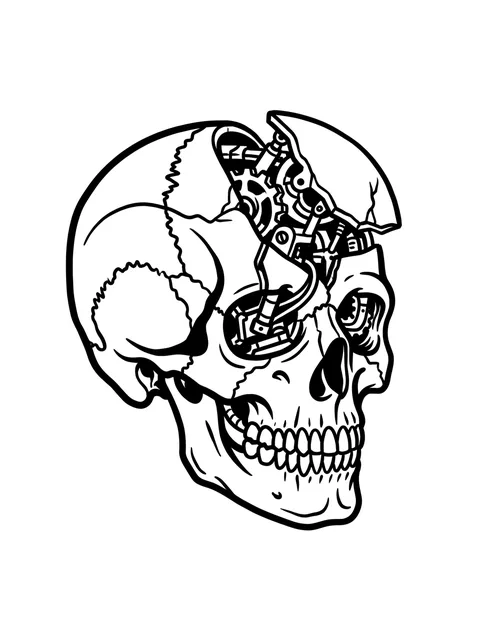
Black and white illustrative skull tattoo design: a human skull Try it on — Black and white illustrative skull tattoo design: a human skull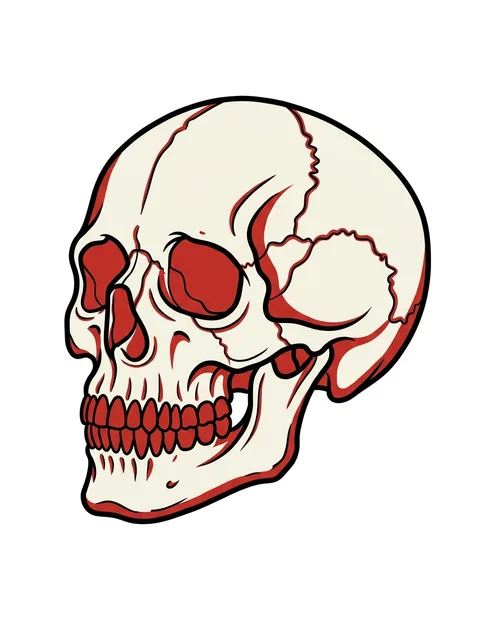
Color traditional skull tattoo design: a human skull in profile Try it on — Color traditional skull tattoo design: a human skull in profile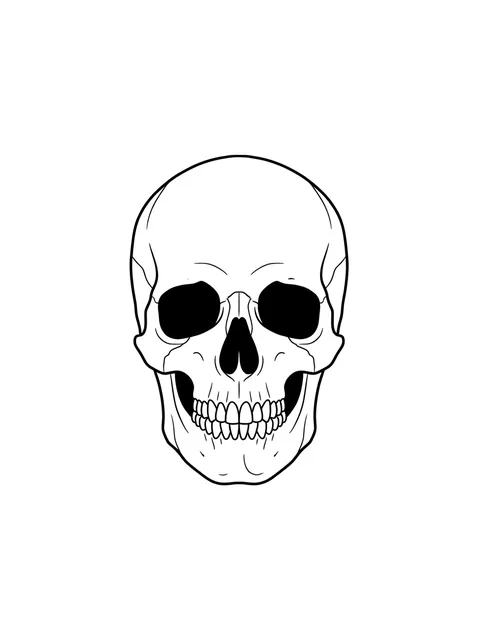
Black and white linework skull tattoo design, outline stencil: a frontal view of a human skull Try it on — Black and white linework skull tattoo design, outline stencil: a frontal view of a human skull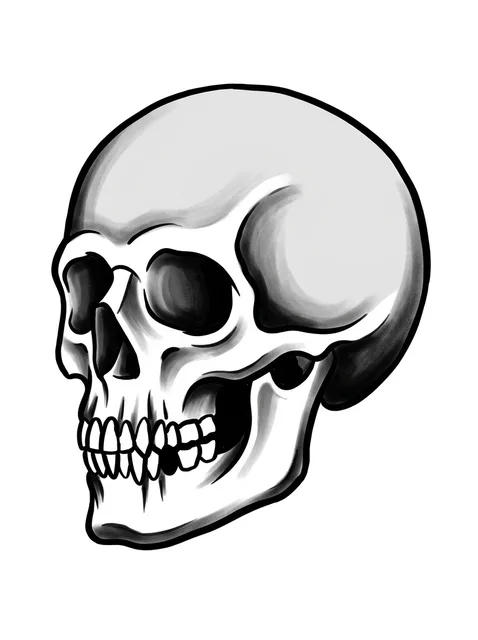
Black and grey traditional skull tattoo design: a skull in profile Try it on — Black and grey traditional skull tattoo design: a skull in profile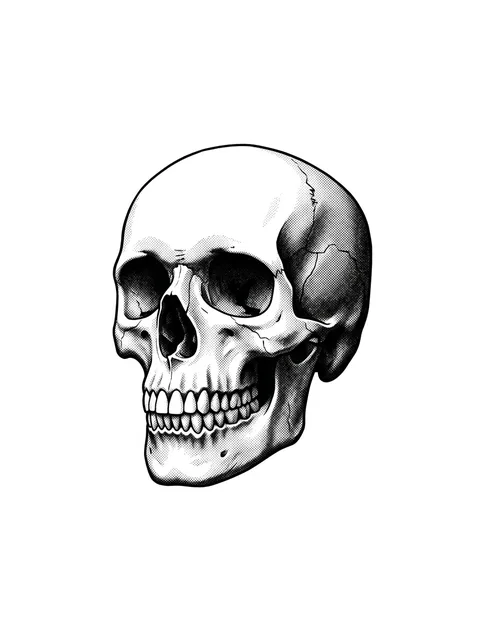
Black and grey illustrative skull tattoo design (2 of 4) Try it on — Black and grey illustrative skull tattoo design (2 of 4)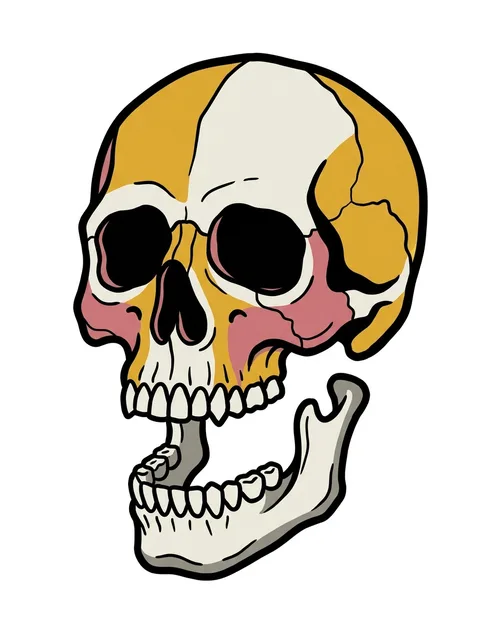
Color new school skull tattoo design: a human skull with an open jaw Try it on — Color new school skull tattoo design: a human skull with an open jaw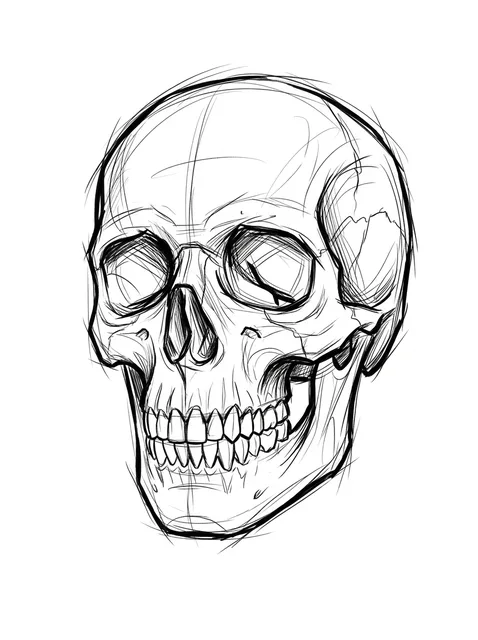
Black and grey illustrative skull tattoo design: a human skull (2 of 3) Try it on — Black and grey illustrative skull tattoo design: a human skull (2 of 3)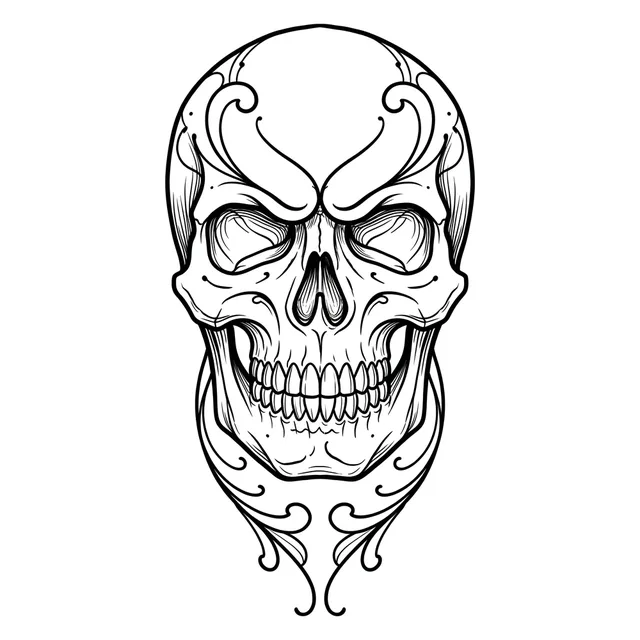
Black and grey ornamental skull tattoo design Try it on — Black and grey ornamental skull tattoo design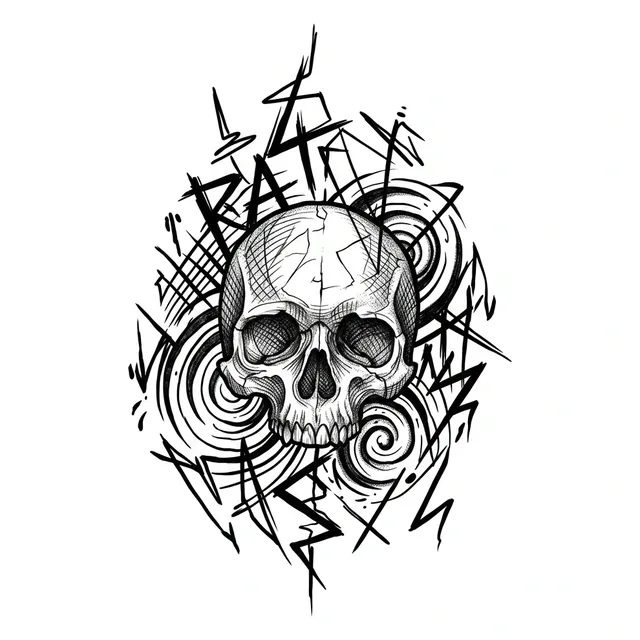
Black and white illustrative skull tattoo design Try it on — Black and white illustrative skull tattoo design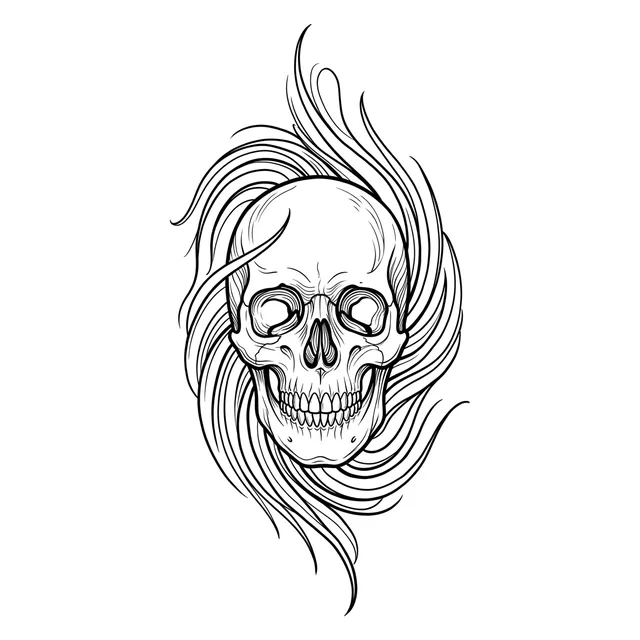
Black and grey illustrative skull tattoo design (3 of 4) Try it on — Black and grey illustrative skull tattoo design (3 of 4)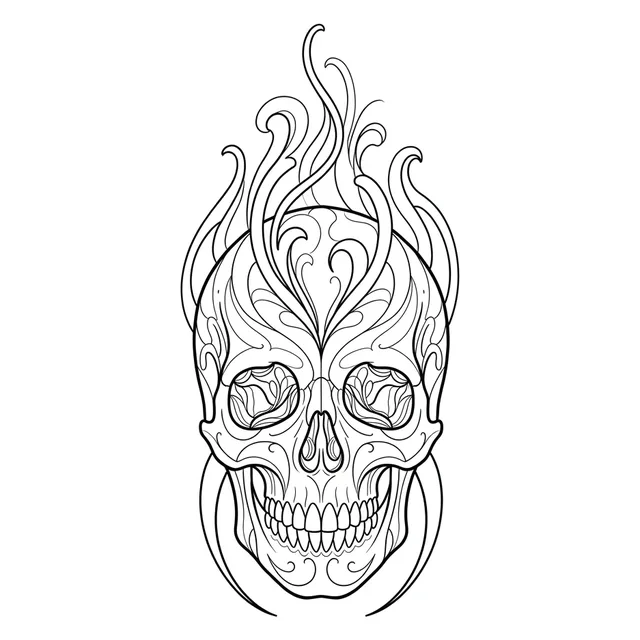
Black and grey illustrative skull tattoo design (4 of 4) Try it on — Black and grey illustrative skull tattoo design (4 of 4)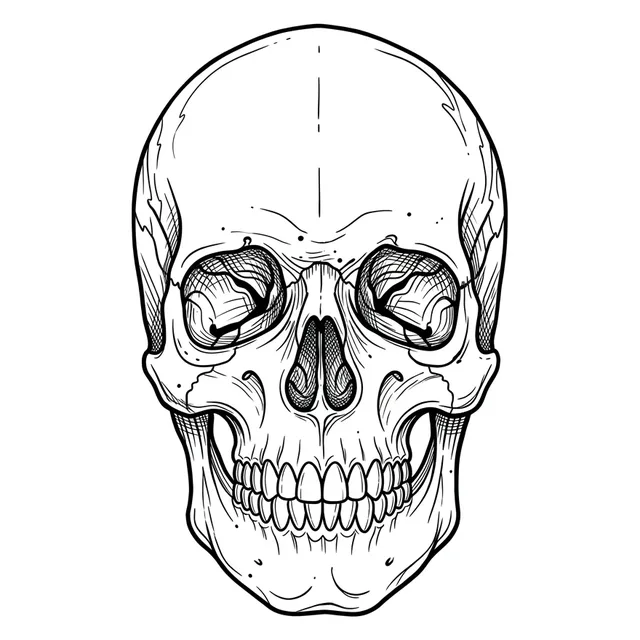
Black and grey illustrative skull tattoo design: a human skull (3 of 3) Try it on — Black and grey illustrative skull tattoo design: a human skull (3 of 3)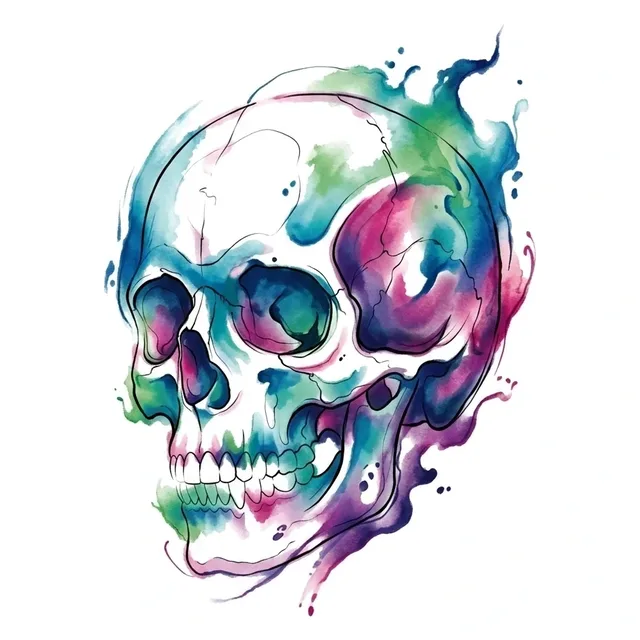
Color watercolor skull tattoo design: a human skull Try it on — Color watercolor skull tattoo design: a human skull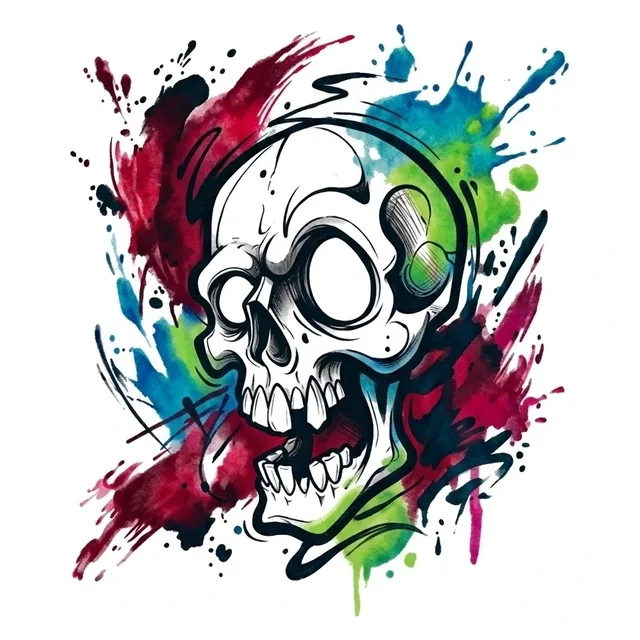
Color watercolor skull tattoo design: a stylized skull with an open jaw Try it on — Color watercolor skull tattoo design: a stylized skull with an open jaw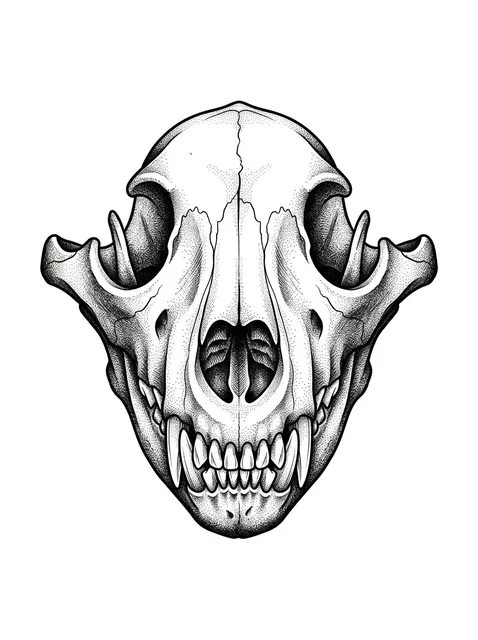
Black and grey dotwork skull tattoo design: an animal skull, possibly a bear or wolf Try it on — Black and grey dotwork skull tattoo design: an animal skull, possibly a bear or wolf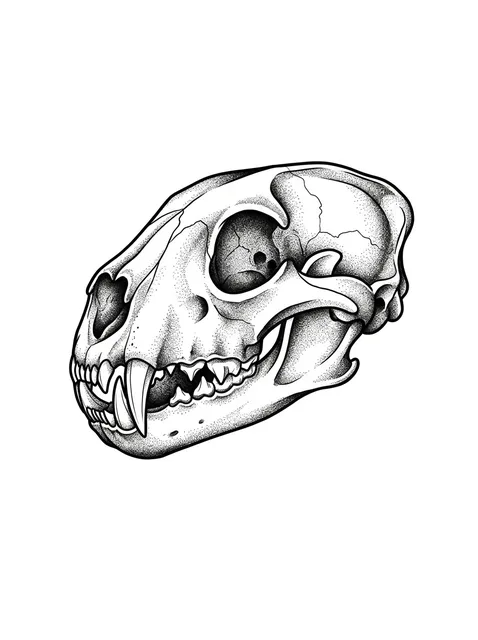
Black and grey dotwork skull tattoo design: an animal skull, possibly a feline or canine Try it on — Black and grey dotwork skull tattoo design: an animal skull, possibly a feline or canine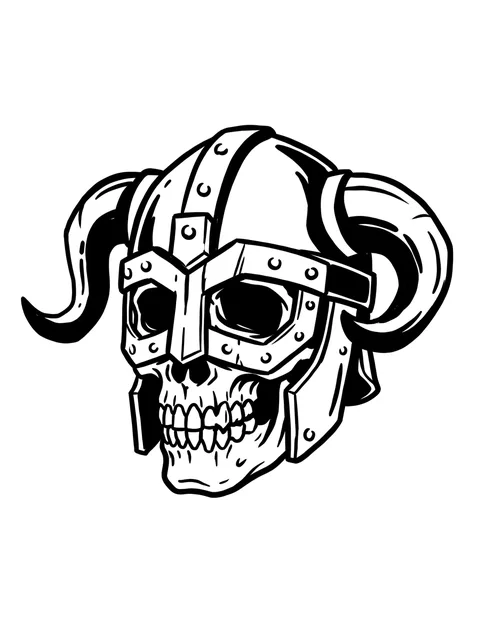
Black and white illustrative skull tattoo design: a skull wearing a horned Viking helmet Try it on — Black and white illustrative skull tattoo design: a skull wearing a horned Viking helmet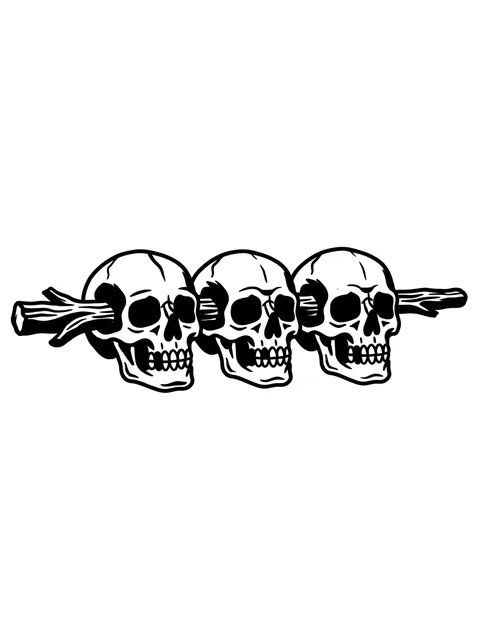
Black and grey traditional skull tattoo design: three skulls in a row, impaled by a wooden stake Try it on — Black and grey traditional skull tattoo design: three skulls in a row, impaled by a wooden stake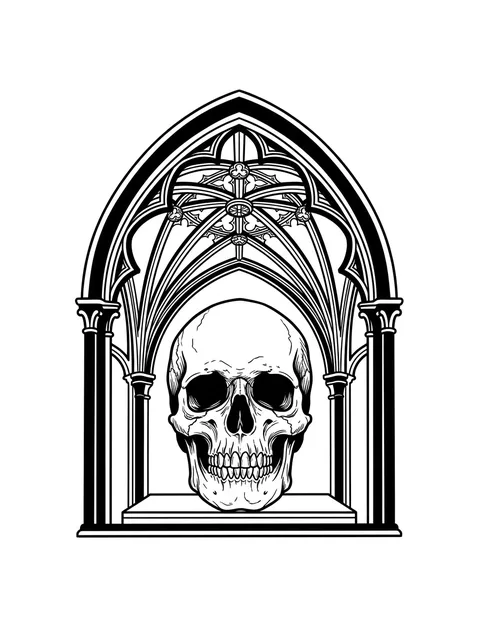
Black and grey gothic skull tattoo design Try it on — Black and grey gothic skull tattoo design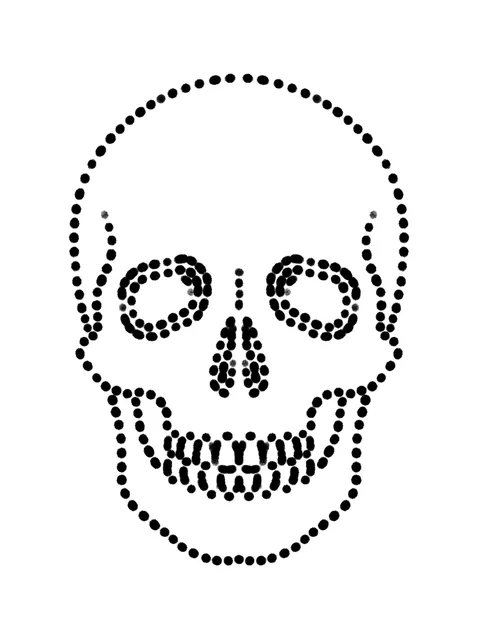
Black and grey stick and poke skull tattoo design Try it on — Black and grey stick and poke skull tattoo design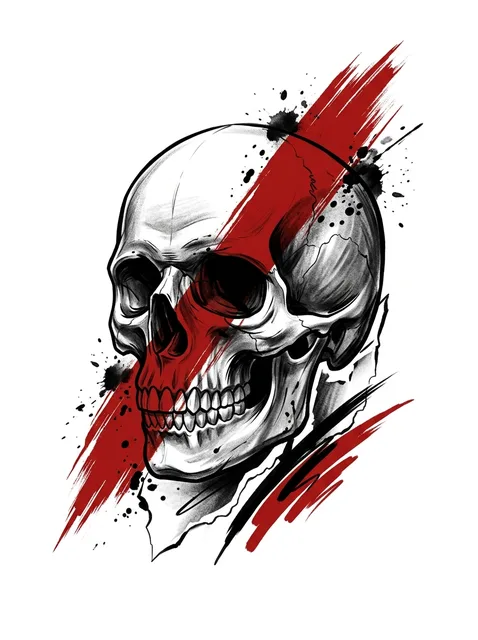
Color trash polka skull tattoo design: a detailed skull Try it on — Color trash polka skull tattoo design: a detailed skull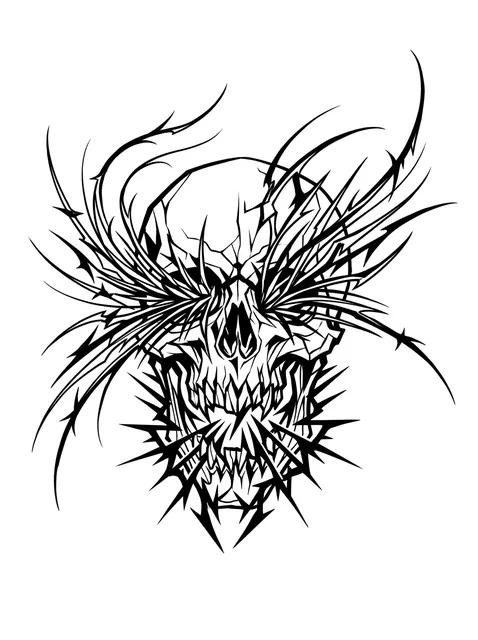
Black and grey cybersigilism skull tattoo design Try it on — Black and grey cybersigilism skull tattoo design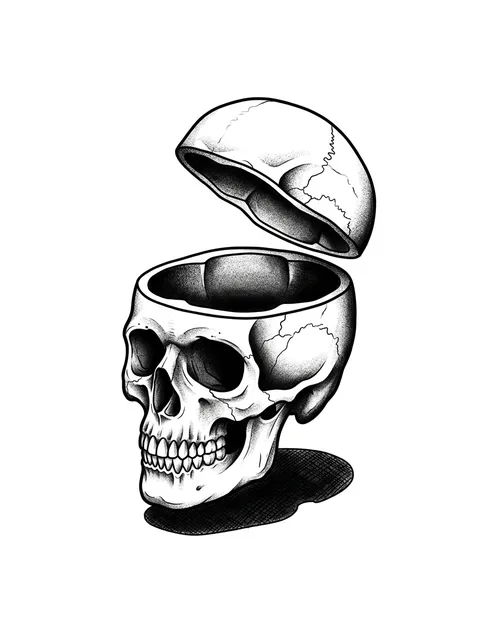
Black and grey 3D skull tattoo design Try it on — Black and grey 3D skull tattoo design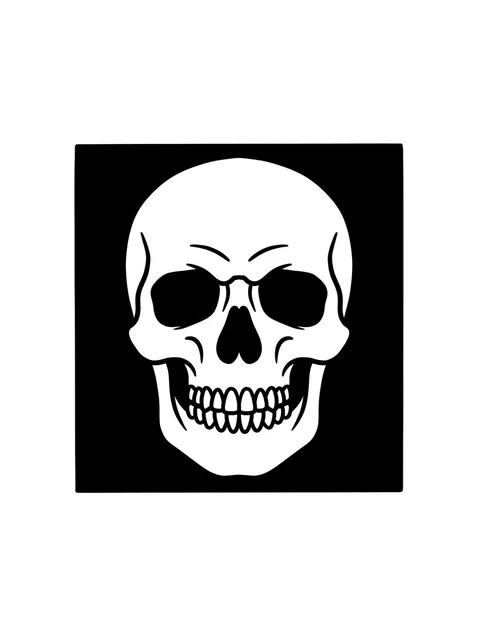
Black and white blackout skull tattoo design Try it on — Black and white blackout skull tattoo design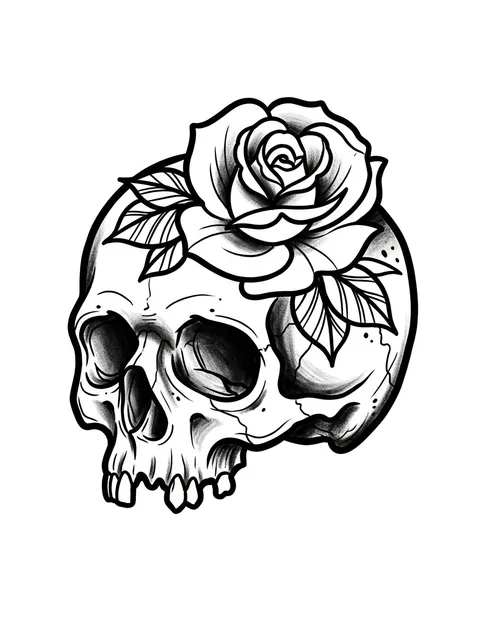
Black and grey neo traditional skull and rose tattoo design: a skull adorned Try it on — Black and grey neo traditional skull and rose tattoo design: a skull adorned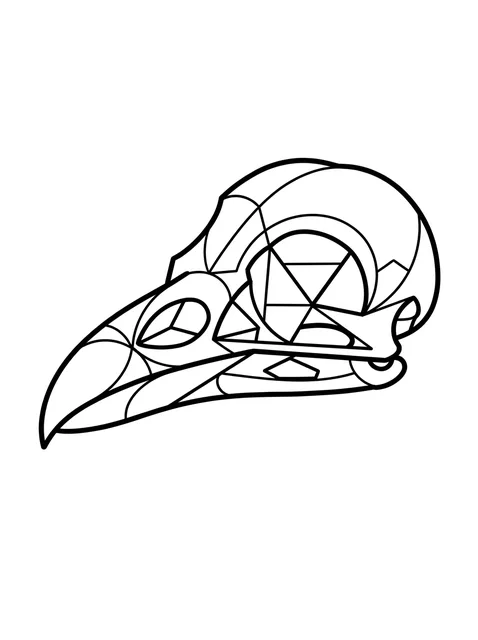
Black and white geometric skull and bird tattoo design, outline stencil Try it on — Black and white geometric skull and bird tattoo design, outline stencil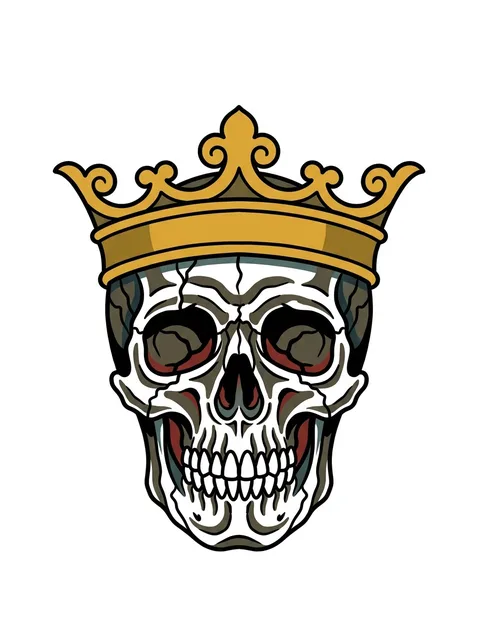
Color traditional skull and crown tattoo design: a detailed skull wearing a golden crown Try it on — Color traditional skull and crown tattoo design: a detailed skull wearing a golden crown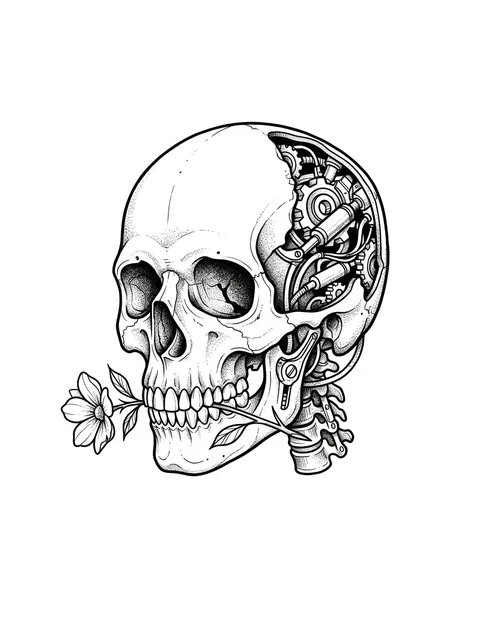
Black and white illustrative skull and flower tattoo design: a human skull Try it on — Black and white illustrative skull and flower tattoo design: a human skull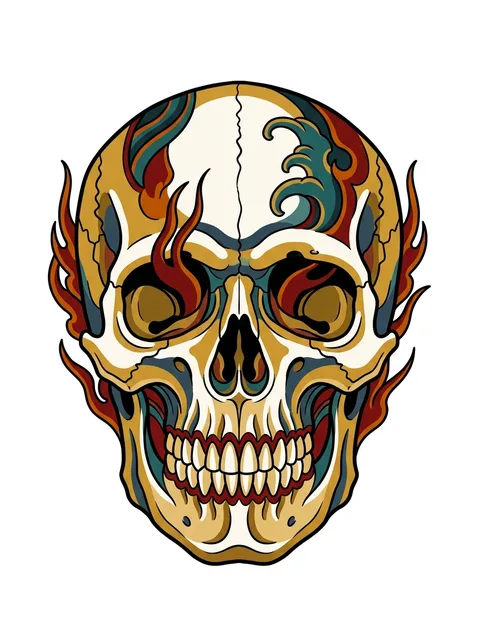
Color neo traditional skull and fire tattoo design: a stylized skull Try it on — Color neo traditional skull and fire tattoo design: a stylized skull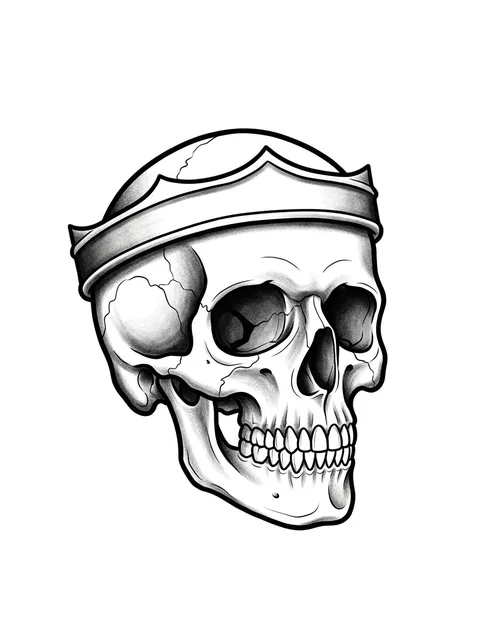
Black and grey traditional skull and crown tattoo design: a skull wearing a crown Try it on — Black and grey traditional skull and crown tattoo design: a skull wearing a crown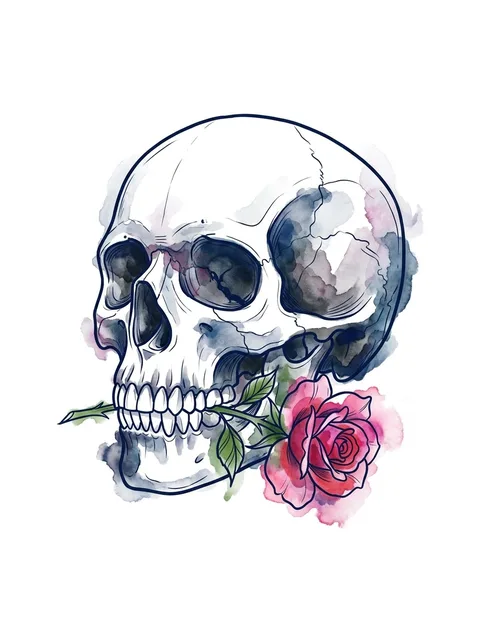
Color watercolor skull and rose tattoo design: a detailed skull Try it on — Color watercolor skull and rose tattoo design: a detailed skull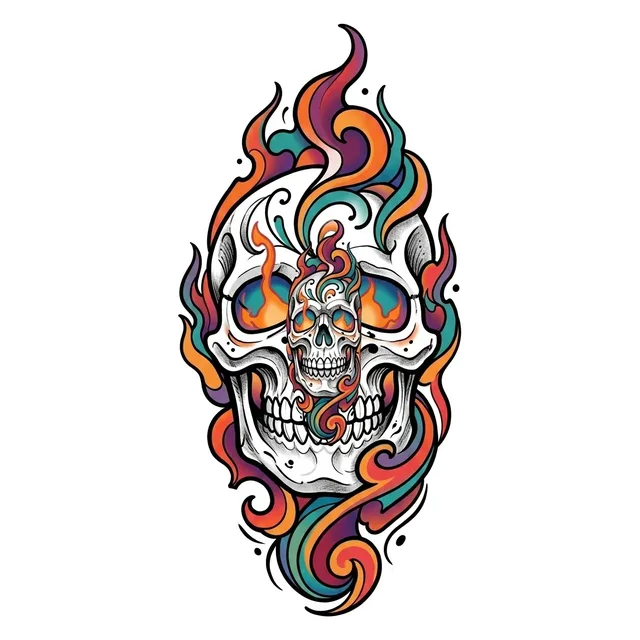
Color neo traditional skull and fire tattoo design: a large skull Try it on — Color neo traditional skull and fire tattoo design: a large skull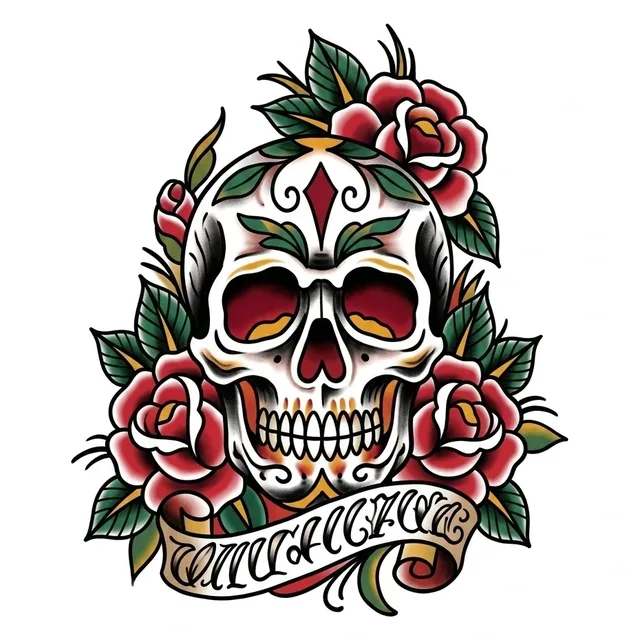
Color traditional skull and rose tattoo design: a sugar skull adorned Try it on — Color traditional skull and rose tattoo design: a sugar skull adorned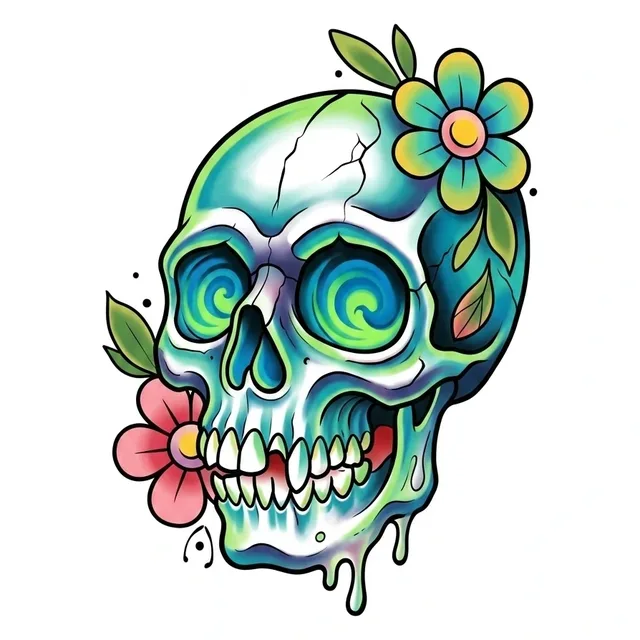
Color new school skull and flower tattoo design Try it on — Color new school skull and flower tattoo design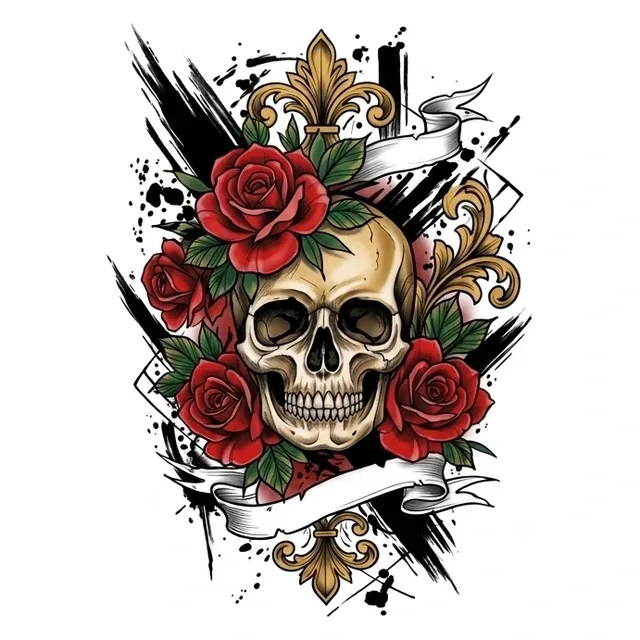
Color neo traditional skull and rose tattoo design: a central human skull adorned Try it on — Color neo traditional skull and rose tattoo design: a central human skull adorned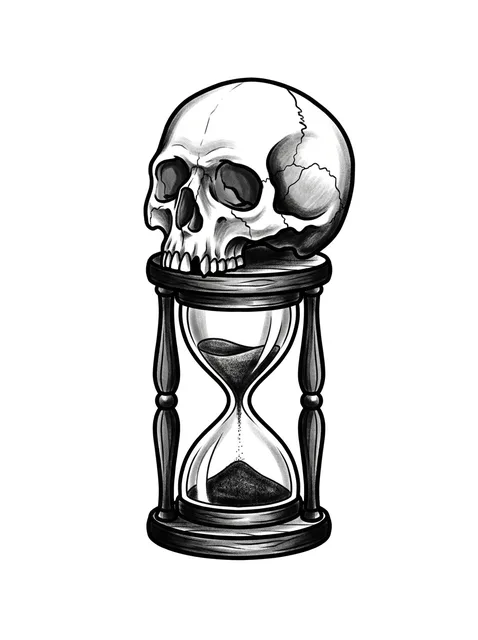
Black and grey illustrative skull and hourglass tattoo design Try it on — Black and grey illustrative skull and hourglass tattoo design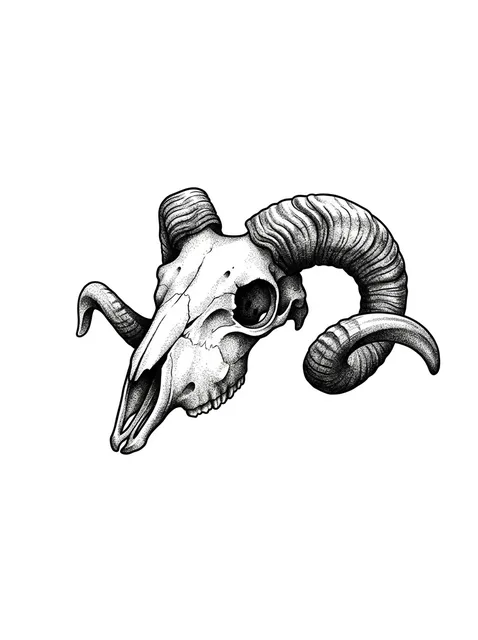
Black and grey dotwork skull and goat tattoo design: a detailed ram skull Try it on — Black and grey dotwork skull and goat tattoo design: a detailed ram skull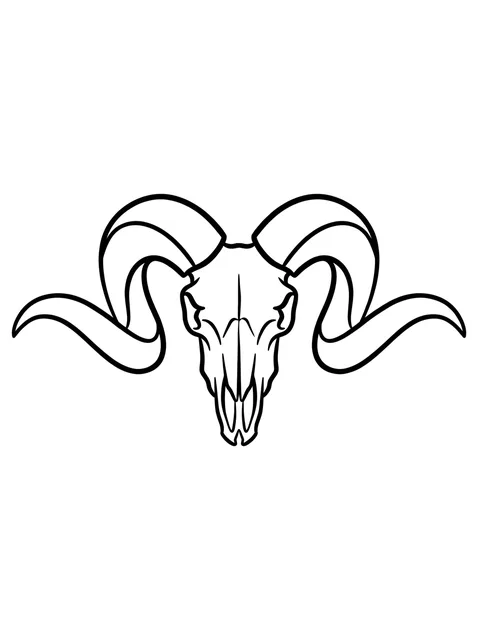
Black and white linework skull and goat tattoo design, outline stencil: a goat skull Try it on — Black and white linework skull and goat tattoo design, outline stencil: a goat skull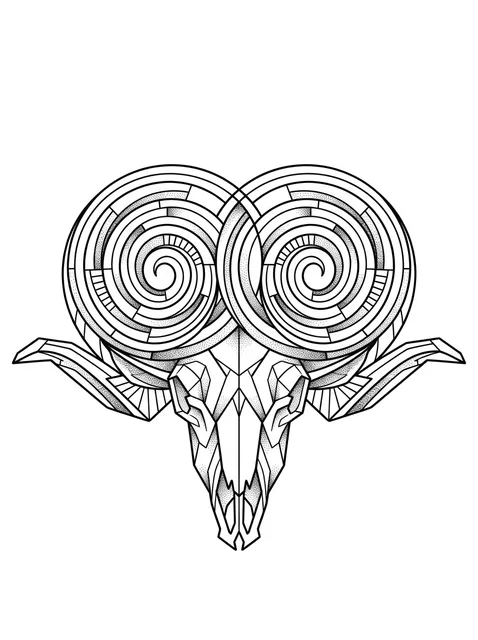
Black and white geometric skull and aries tattoo design, outline stencil Try it on — Black and white geometric skull and aries tattoo design, outline stencil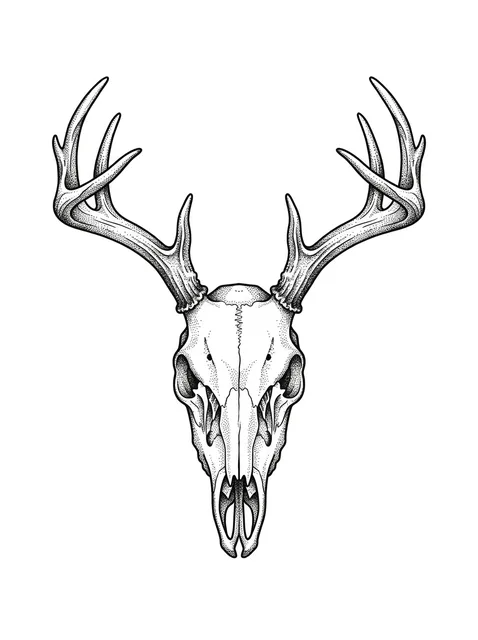
Black and grey dotwork skull and deer tattoo design: a deer skull with prominent antlers Try it on — Black and grey dotwork skull and deer tattoo design: a deer skull with prominent antlers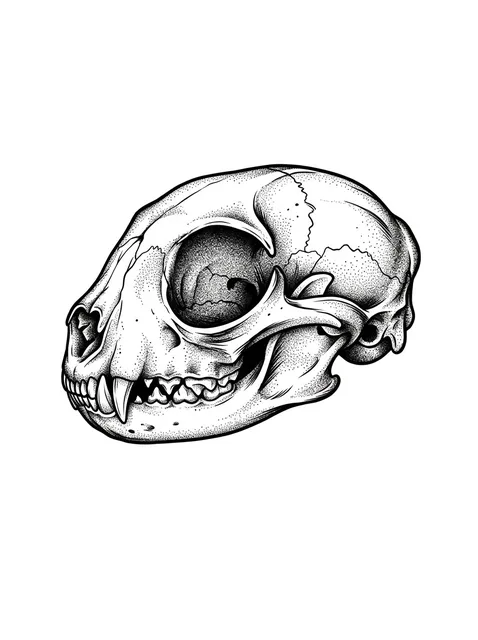
Black and grey dotwork skull and cat tattoo design: a feline skull Try it on — Black and grey dotwork skull and cat tattoo design: a feline skull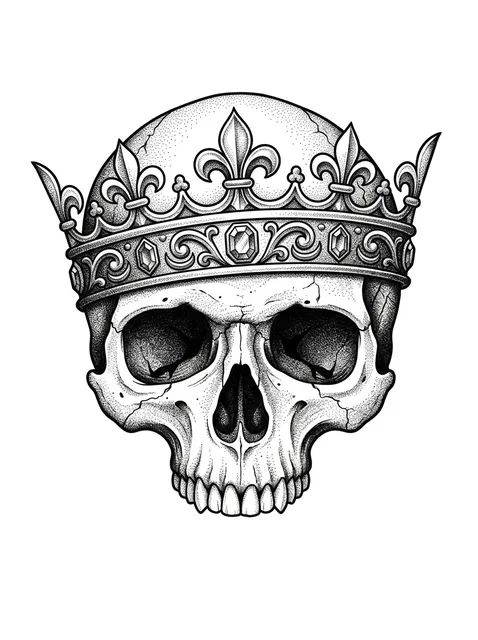
Black and grey dotwork skull and crown tattoo design Try it on — Black and grey dotwork skull and crown tattoo design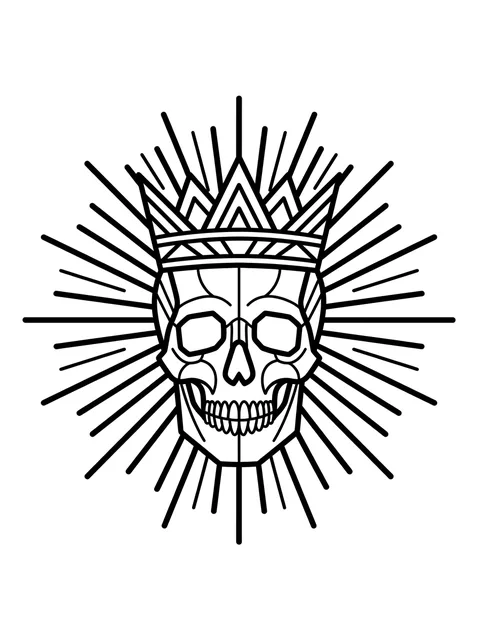
Black and white linework skull and crown tattoo design, outline stencil Try it on — Black and white linework skull and crown tattoo design, outline stencil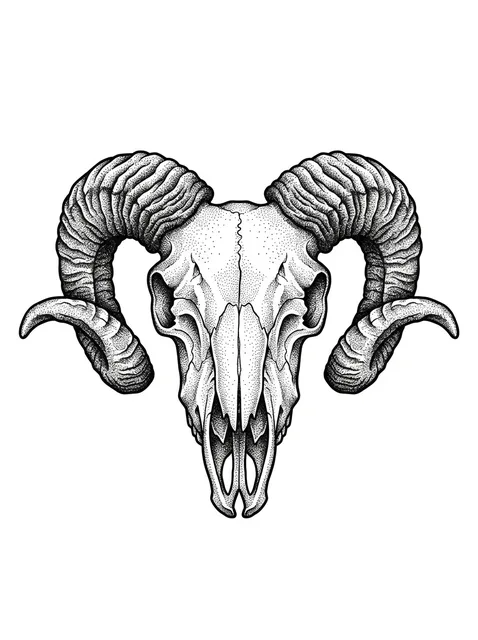
Black and grey dotwork skull and goat tattoo design: a ram skull with large, curved horns Try it on — Black and grey dotwork skull and goat tattoo design: a ram skull with large, curved horns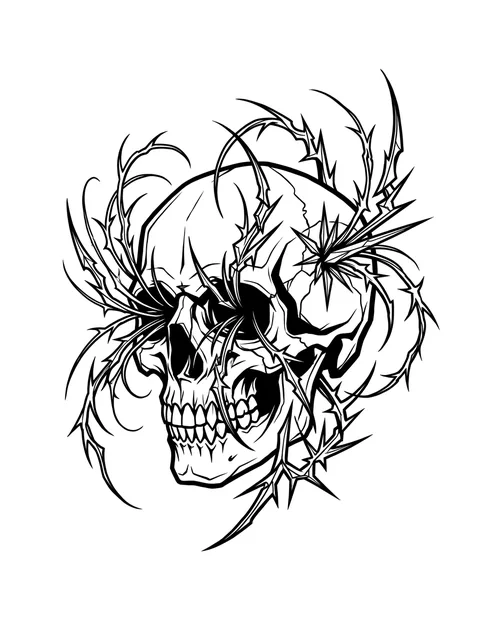
Black and grey gothic skull and vine tattoo design: a skull entangled with thorny vines Try it on — Black and grey gothic skull and vine tattoo design: a skull entangled with thorny vines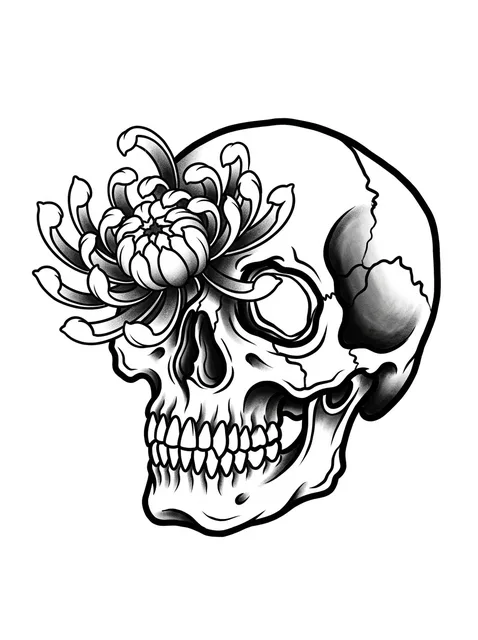
Black and grey irezumi skull and chrysanthemum tattoo design Try it on — Black and grey irezumi skull and chrysanthemum tattoo design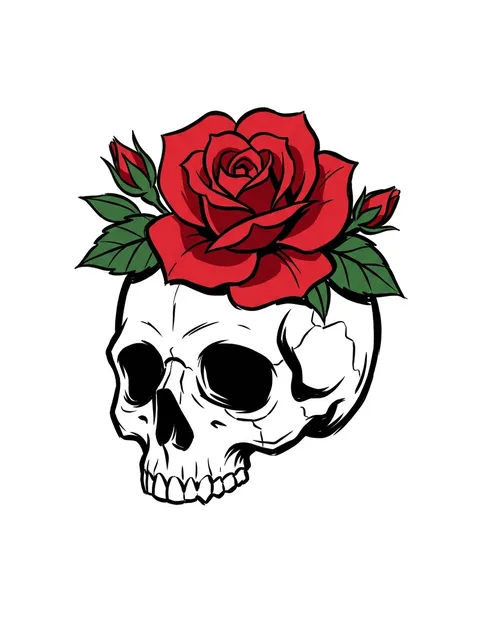
Color illustrative skull and rose tattoo design: a white skull with bold black outlines Try it on — Color illustrative skull and rose tattoo design: a white skull with bold black outlines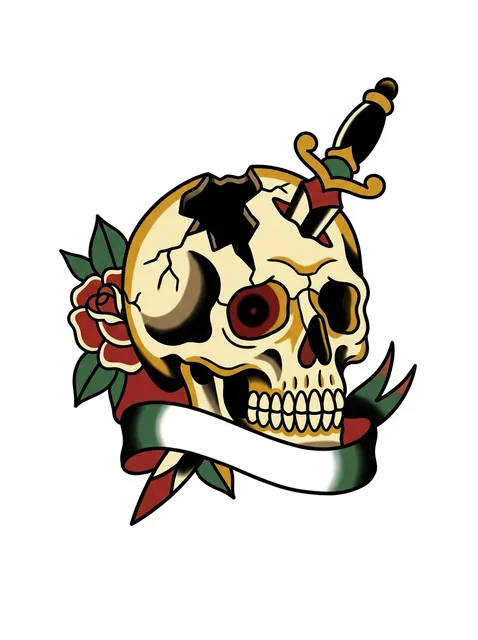
Color traditional skull and dagger tattoo design: a cracked skull with a dagger plunged into its top Try it on — Color traditional skull and dagger tattoo design: a cracked skull with a dagger plunged into its top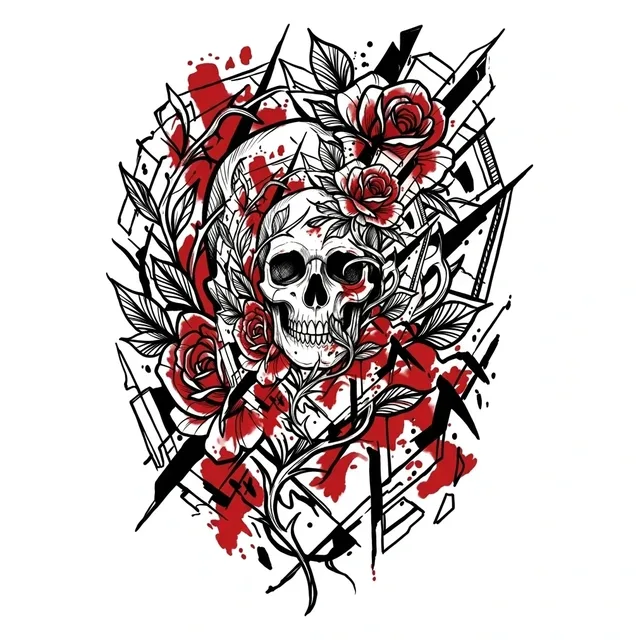
Color trash polka skull and rose tattoo design Try it on — Color trash polka skull and rose tattoo design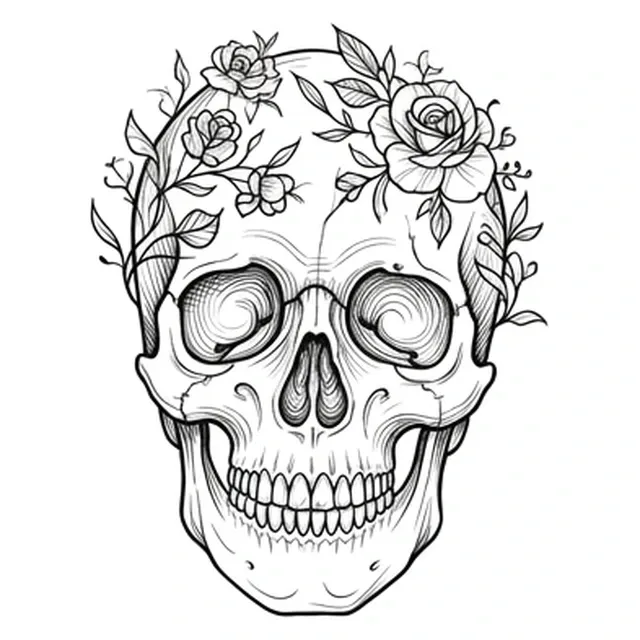
Black and white fine line skull and rose tattoo design, outline stencil: a human skull adorned Try it on — Black and white fine line skull and rose tattoo design, outline stencil: a human skull adorned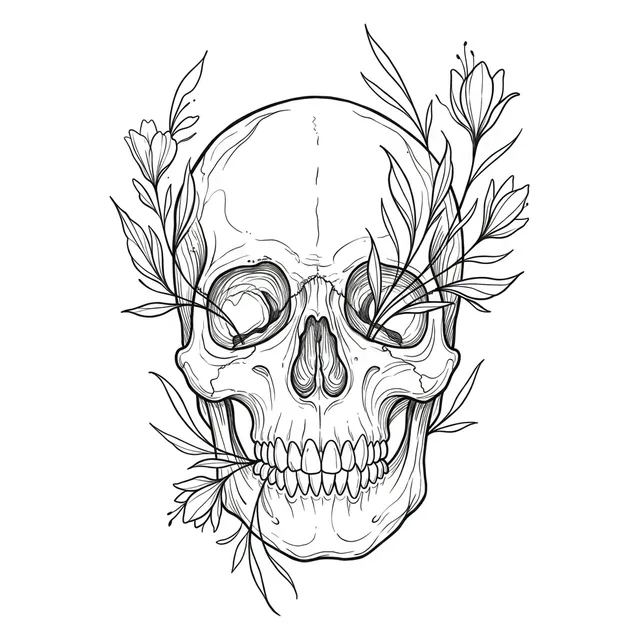
Black and white fine line skull and flower tattoo design, outline stencil: a human skull adorned Try it on — Black and white fine line skull and flower tattoo design, outline stencil: a human skull adorned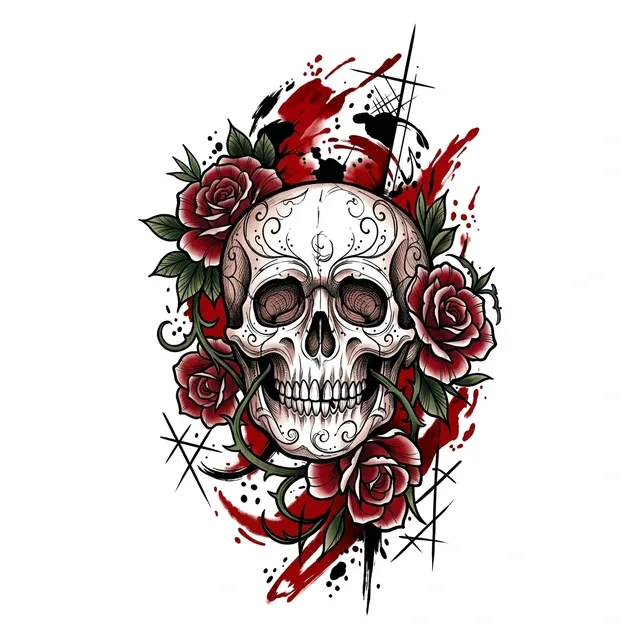
Color illustrative skull and rose tattoo design: a decorated skull entwined Try it on — Color illustrative skull and rose tattoo design: a decorated skull entwined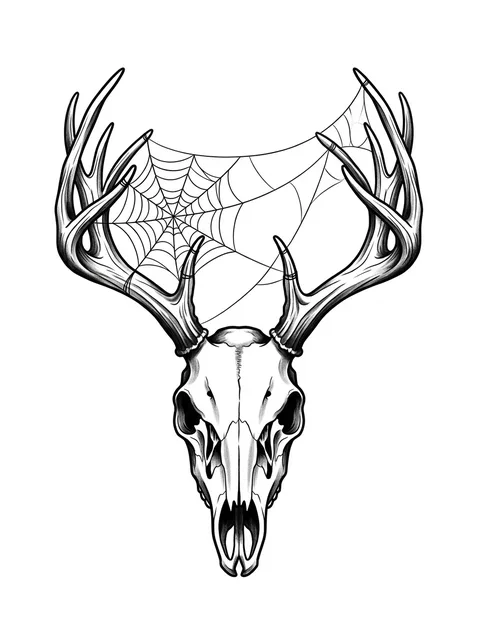
Black and grey illustrative skull and deer tattoo design: a deer skull Try it on — Black and grey illustrative skull and deer tattoo design: a deer skull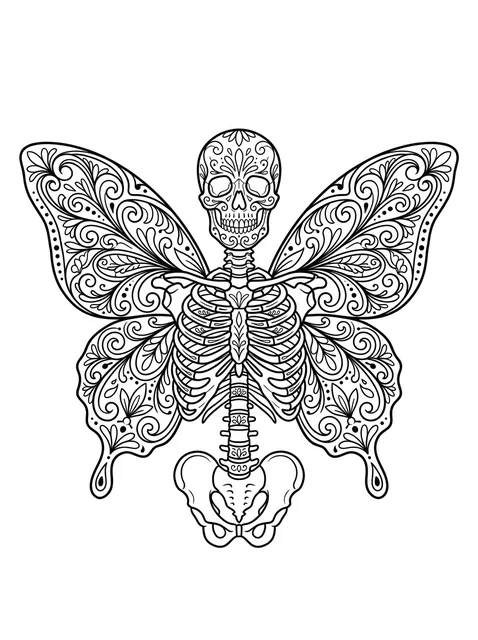
Black and white illustrative skull and butterfly tattoo design Try it on — Black and white illustrative skull and butterfly tattoo design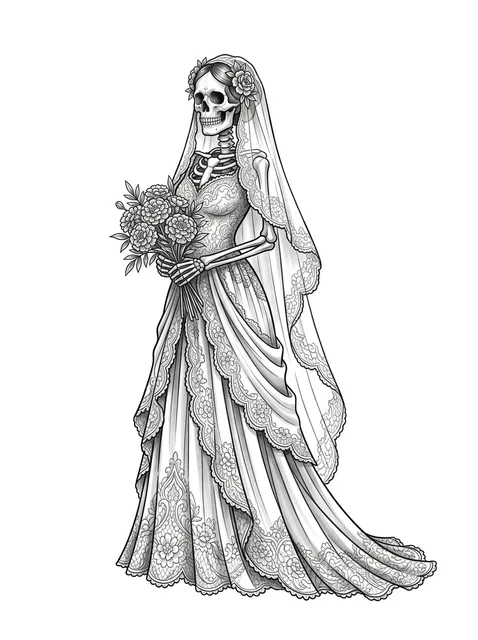
Black and grey illustrative skull and flower tattoo design Try it on — Black and grey illustrative skull and flower tattoo design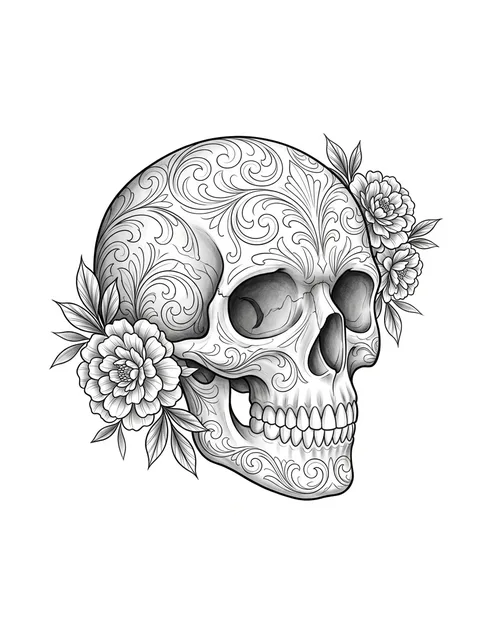
Black and grey illustrative skull and peony tattoo design: a skull adorned Try it on — Black and grey illustrative skull and peony tattoo design: a skull adorned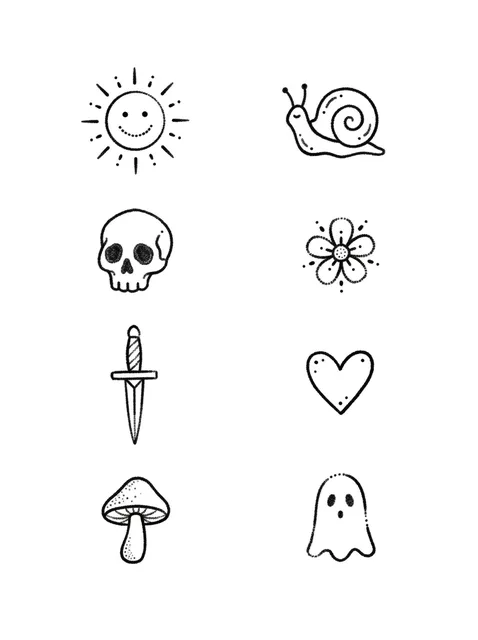
Black and grey flash skull and sun tattoo design Try it on — Black and grey flash skull and sun tattoo design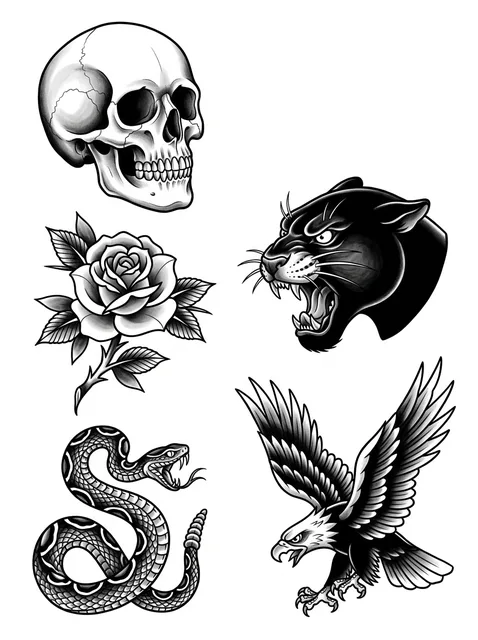
Black and grey flash skull and panther tattoo design Try it on — Black and grey flash skull and panther tattoo design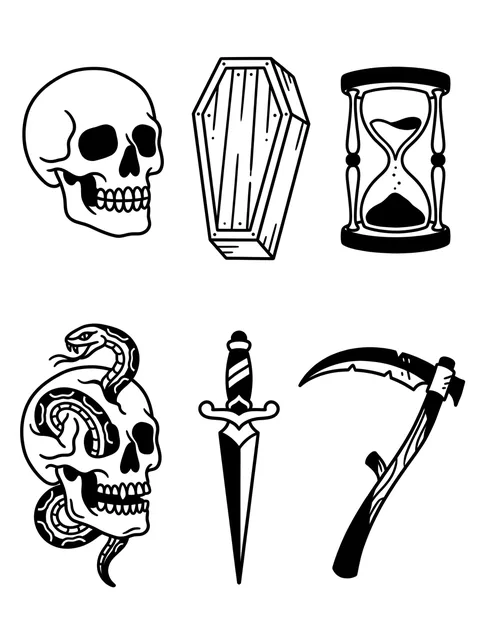
Black and grey flash skull and hourglass tattoo design: a coffin, a dagger and a reaper's scythe Try it on — Black and grey flash skull and hourglass tattoo design: a coffin, a dagger and a reaper's scythe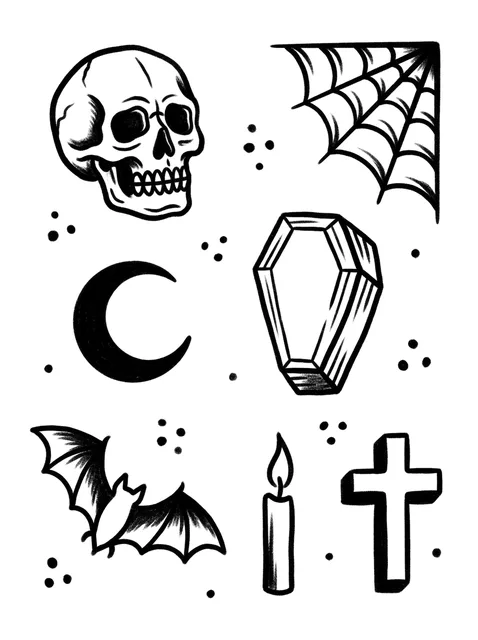
Black and grey patchwork skull and web tattoo design Try it on — Black and grey patchwork skull and web tattoo design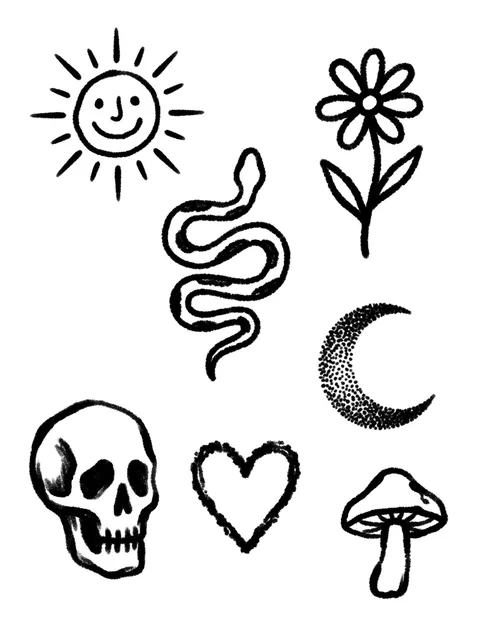
Black and grey patchwork skull and snake tattoo design: a daisy, a scratchy Try it on — Black and grey patchwork skull and snake tattoo design: a daisy, a scratchy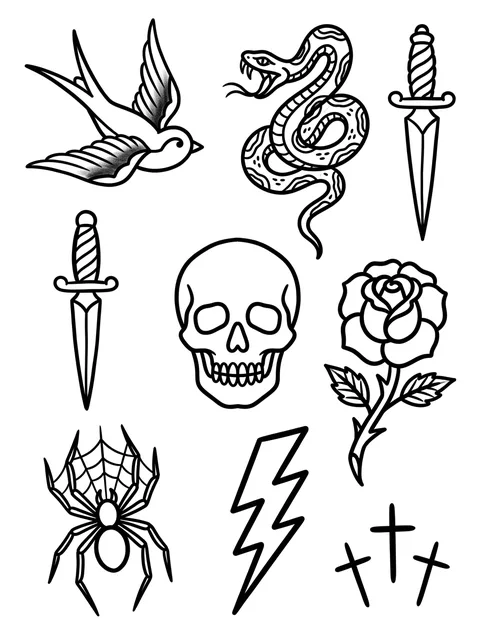
Black and grey patchwork skull and swallow tattoo design Try it on — Black and grey patchwork skull and swallow tattoo design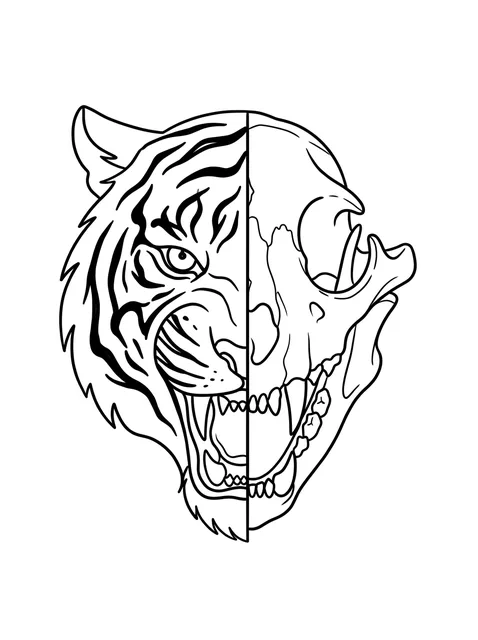
Black and white linework skull and tiger tattoo design, outline stencil Try it on — Black and white linework skull and tiger tattoo design, outline stencil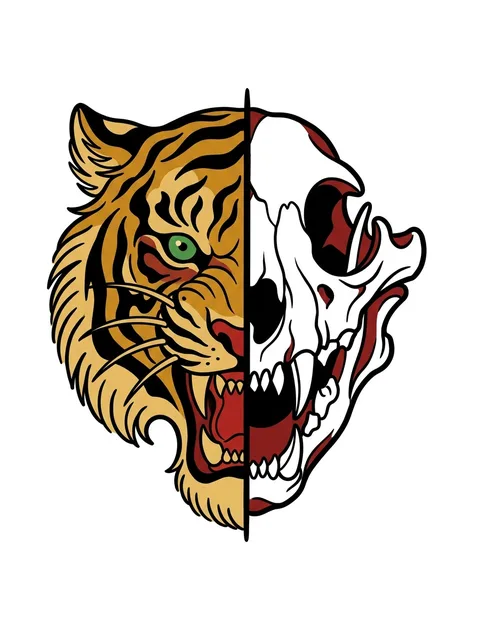
Color traditional skull and tiger tattoo design: a split image of a roaring tiger and a tiger skull Try it on — Color traditional skull and tiger tattoo design: a split image of a roaring tiger and a tiger skull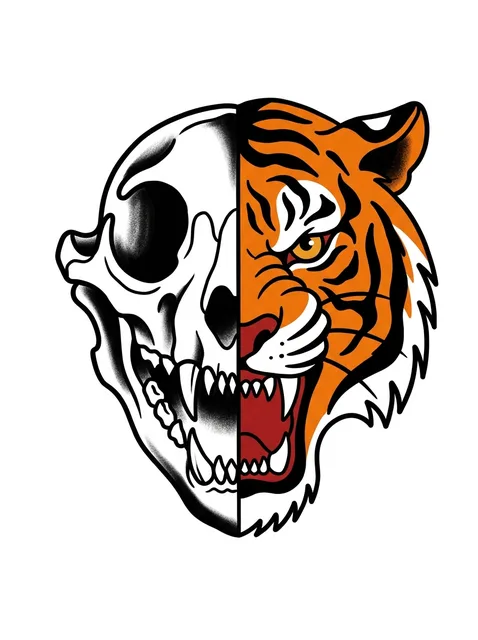
Color traditional skull and tiger tattoo design: a tiger's head split down the middle, with one half Try it on — Color traditional skull and tiger tattoo design: a tiger's head split down the middle, with one half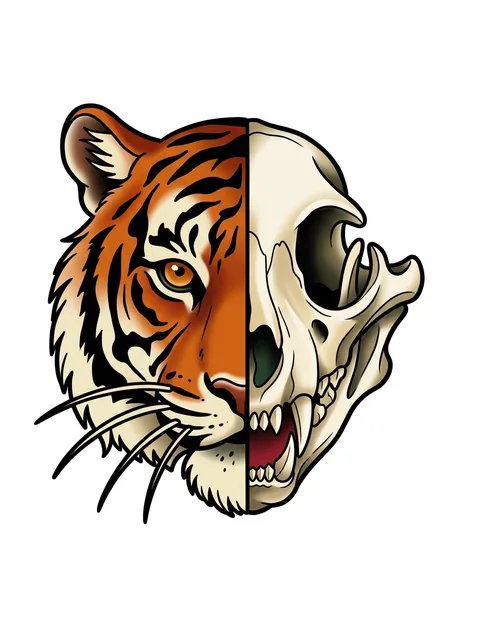
Color traditional skull and tiger tattoo design: a tiger's head split in half Try it on — Color traditional skull and tiger tattoo design: a tiger's head split in half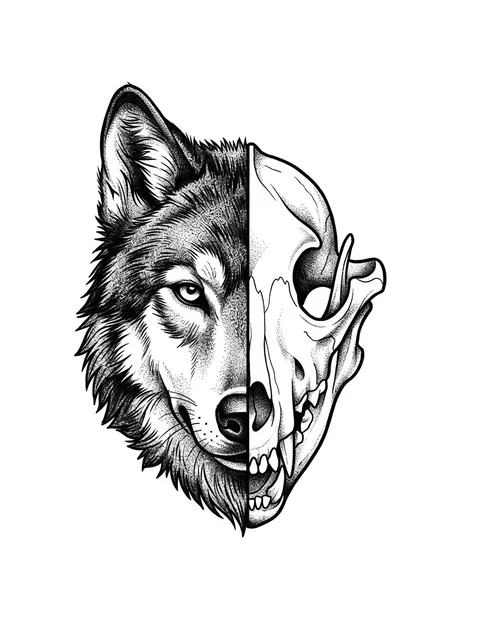
Black and grey dotwork skull and wolf tattoo design Try it on — Black and grey dotwork skull and wolf tattoo design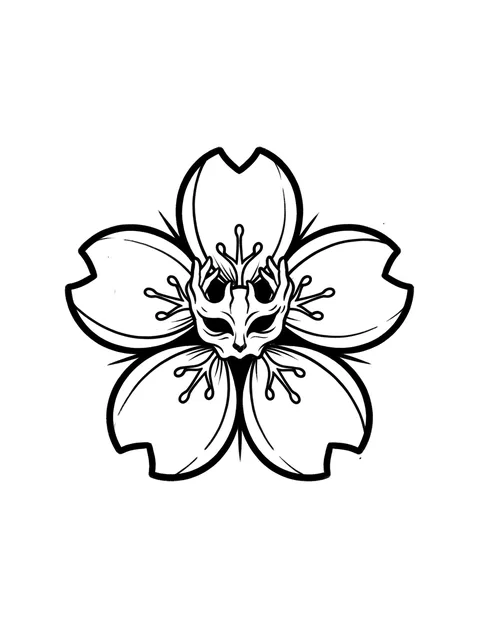
Black and white illustrative skull and cherry blossom tattoo design: a stylized cherry blossom Try it on — Black and white illustrative skull and cherry blossom tattoo design: a stylized cherry blossom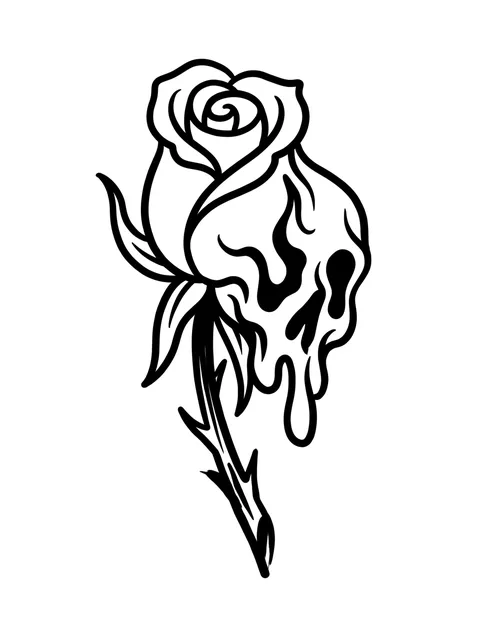
Black and grey illustrative skull and rose tattoo design Try it on — Black and grey illustrative skull and rose tattoo design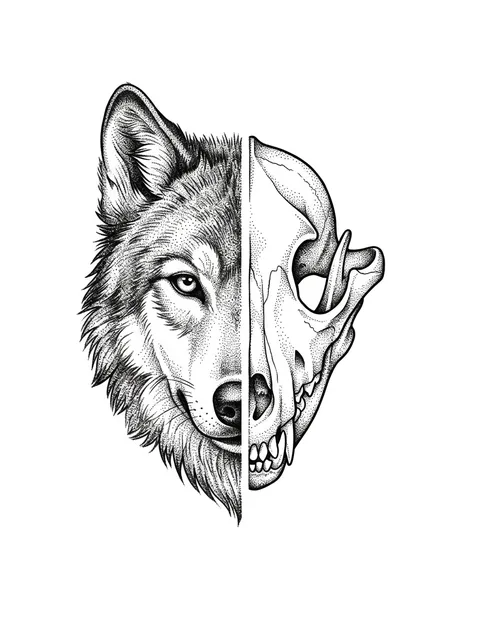
Black and grey dotwork skull and wolf tattoo design: a wolf's head split vertically Try it on — Black and grey dotwork skull and wolf tattoo design: a wolf's head split vertically


Tap any design to see it on your own skin in the try-on — no signup.
This set of 80 skull designs, by the numbers
- Styles represented
- illustrative (21), traditional (12), dotwork (10), linework (6), watercolor (4), neo traditional (4)
- Black-and-grey vs colour
- 74% black-and-grey, 26% colour
- Most often drawn with
- rose, flower, crown, tiger
Counted from the 80 designs shown on this page. Every one was drawn for InkCraft — none are scraped or reposted. Free to reference with a link to this page.
What a skull tattoo means
A skull is not about death so much as about knowing you will die, and those are different claims. The memento mori tradition — remember you must die — was a devotional instruction to live well because time is finite, and almost every serious skull tattoo is a version of that rather than a morbid one.
The Mexican calavera runs the opposite direction and is worth not confusing with it. A sugar skull is decorative, floral, often smiling, and belongs to Día de Muertos, where the dead are welcomed rather than mourned. It is a celebratory image about a specific person, usually a named relative, and wearing one as generic decoration is the most common way people get this motif wrong.
What the skull is paired with does most of the interpretive work, as it does with the rose. A skull with a rose is beauty and death in one frame. A skull with a crown is mortality outranking status. A skull with a clock is the memento mori made explicit. A skull with a snake through the sockets is the older European emblem of death and rebirth together.
Anatomical accuracy is itself a statement. A correctly drawn skull with sutures and real proportion reads as unsentimental and medical; a stylised one reads as a symbol. Neither is better, but artists draw them very differently and it is worth saying which you mean.
Where the design comes from
Skulls appear in European painting from the late medieval period as the central object of vanitas still life, alongside a guttering candle and a timepiece. The Mexican calavera is a separate lineage entirely, popularised by José Guadalupe Posada, whose etching of La Calavera Catrina around 1910 was political satire about Mexicans aspiring to European fashion — the image now used worldwide as festive decoration began as a joke about pretension. In Western tattooing the skull arrives through military and sailor work, where it was worn by men whose job made mortality a practical rather than philosophical subject.
Choosing yours
- A skull is a symmetrical, front-facing object with strong internal shadows, which means it wants a flat field and good size. Sockets and nasal cavity are areas of solid black surrounded by bone; below roughly 8 cm those blacks bleed into each other and the structure that makes it read as a skull is the first thing lost.
- Three-quarter view is more forgiving than frontal and suits curved placements like the outer arm. Strict frontal symmetry needs a flat field — chest, centre back, the flat of the forearm — for the same reason a compass rose does.
- If you want a sugar skull, decide whether it is for a specific person. The tradition is that it is, and a calavera with a name reads correctly to anyone who knows the custom, where a generic one can read as costume.
Size, cost and placement
How big, and what it costs
A linework or simplified skull at 8 cm is a one-to-two-hour piece. A realistic skull with full bone texture and correct sutures wants 12-15 cm and a half to full day — bone is deceptively slow to render because it is all subtle value change rather than line. A sugar skull with floral work is a full session.
Where it sits, and how much it hurts
Outer arm and thigh suit a three-quarter view. Frontal skulls want a symmetrical field: chest, centre back, the flat of the forearm. The chest is the traditional placement and among the more painful, particularly over the sternum where there is no padding at all.
What to ask your artist
- Anatomical or stylised — they are drawn completely differently and most artists lean one way.
- At your size, whether the sockets will stay distinct from the nasal cavity as the ink spreads.
- If it is a sugar skull, whether it is for a specific person, since that is what the tradition assumes.
Prices vary widely by city and artist — treat these as session lengths rather than quotes, and expect a shop minimum on anything small. The cost guide turns hours into money by size, placement and style.
Common questions
Does a skull tattoo mean death?
More often it means the awareness of death — the memento mori idea that time is finite, so use it. That is a statement about living, not about dying.
Is a sugar skull the same as a skull tattoo?
No. The calavera belongs to Día de Muertos, is celebratory, and is traditionally about a specific named person. It is a different tradition from the European memento mori skull.
What size does a skull need to keep its structure?
Around 8 cm for anything anatomical — the sockets and nasal cavity are solid blacks that merge below that. A simplified or linework skull works smaller.
What a skull tattoo can mean
The meanings this motif carries on the pages that argue them. Each line is that page's own reason for including it.
- Halloween tattoos
- The most common tattoo subject there is and the least seasonal, which makes it the safe centre of a gothic piece. It carries atmosphere without carrying a date, and it has done for two hundred years of flash.
- Memorial tattoos
- Memento mori — a reminder of mortality generally, not a specific death. Worn for the living more often than for the dead, and worth knowing that before choosing it as a memorial.
See it on your skin before you commit
InkCraft places any of these designs on a photo of you — scaled, wrapped and shaded to the placement you pick.