 InkCraft
Arm Tattoo Ideas by Part, Photographed on Skin
32 arm tattoos tattoos photographed on skin for InkCraftBy Uladzimir TumanauUpdated
Esta página en españolEsta página em português
An arm is eight different surfaces that happen to be joined. The outer forearm and the bicep are the easy ones; the elbow, the inner arm and the hand each change what a design can be. These are all of them, photographed, with the order that keeps your options open.
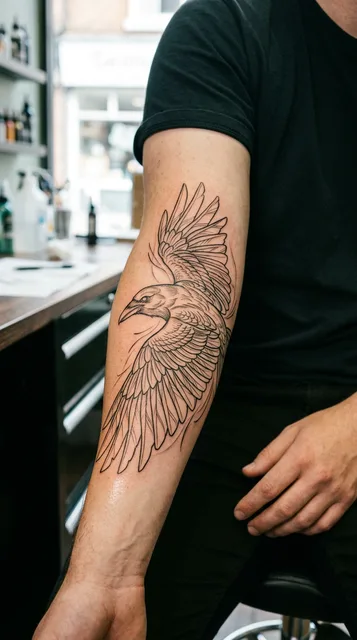
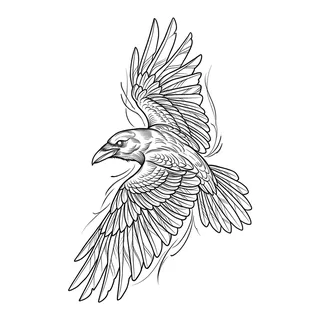
- linework · black and whiteTry it on — Black and white linework raven tattoo on a man's forearm
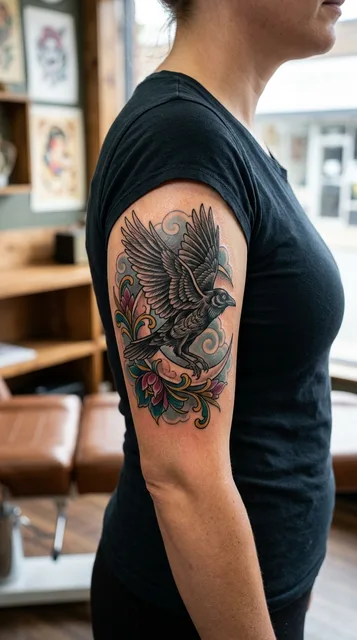
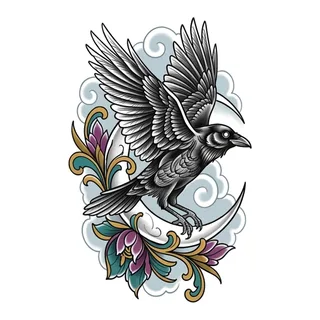
- neo traditional · colourTry it on — Color neo traditional raven tattoo on a woman's bicep
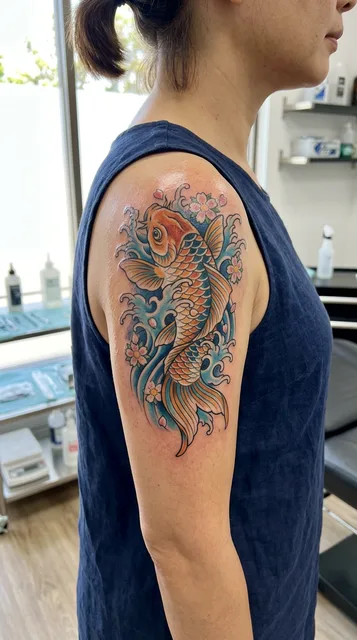
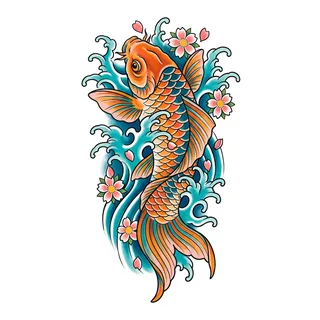
- Japanese · colourTry it on — Color Japanese koi fish tattoo on a woman's shoulder
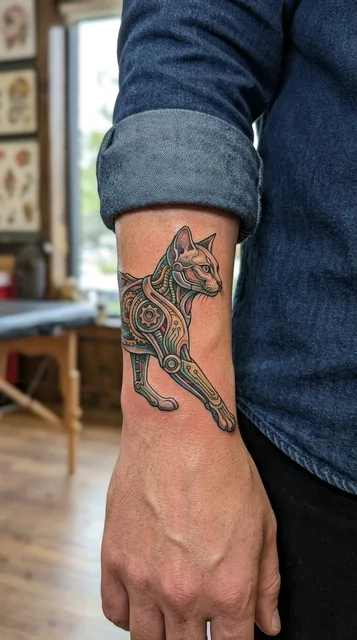
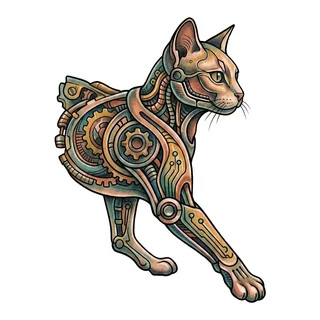
- biomechanical · colourTry it on — Color biomechanical cat tattoo on a man's wrist
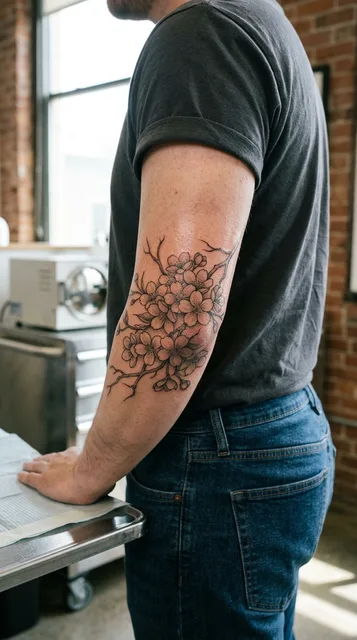
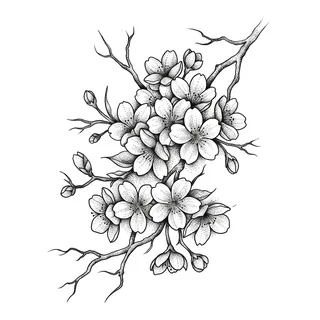
- dotwork · black and greyTry it on — Black and grey dotwork cherry blossom tattoo on a man's elbow
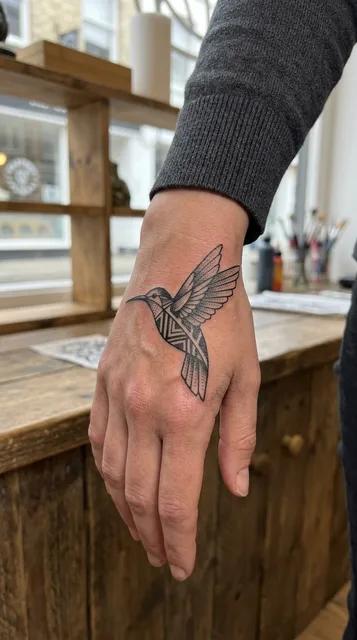
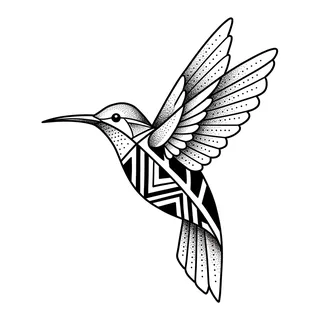
- blackwork · black and whiteTry it on — Black and white blackwork hummingbird tattoo on a woman's hand
- Japanese · colourTry it on — Color Japanese dragon tattoo as a half sleeve on a man
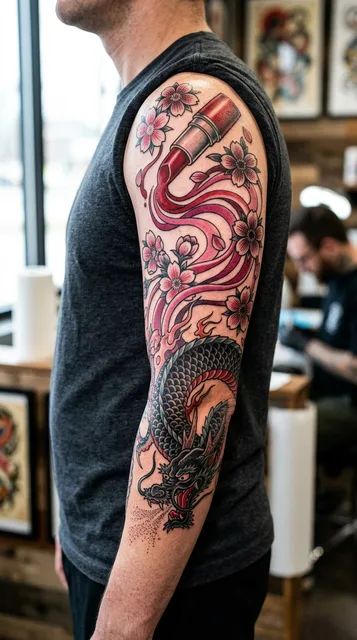
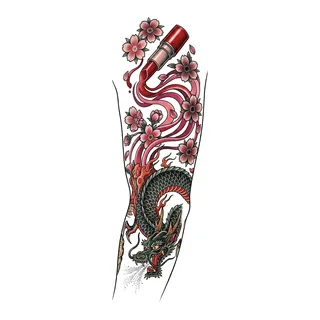
- neo traditional · colourTry it on — Color neo traditional cat tattoo as a full sleeve on a man
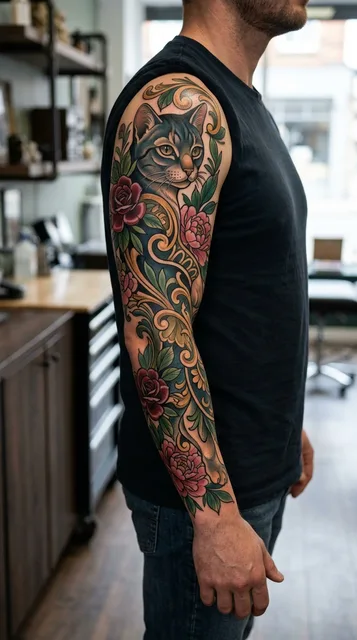
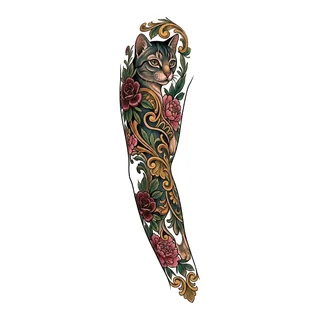
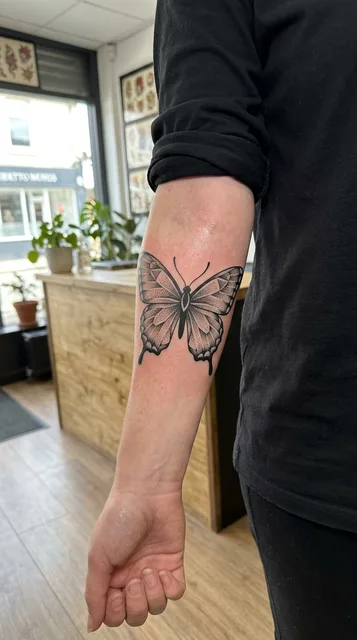
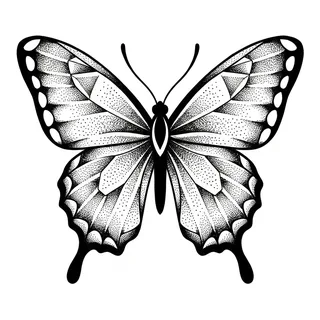
- dotwork · black and greyTry it on — Black and grey dotwork butterfly tattoo on a woman's forearm
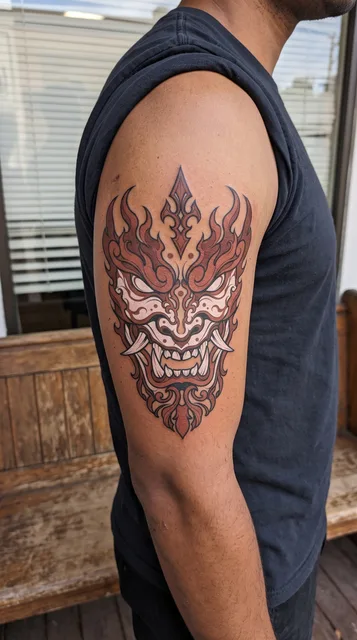
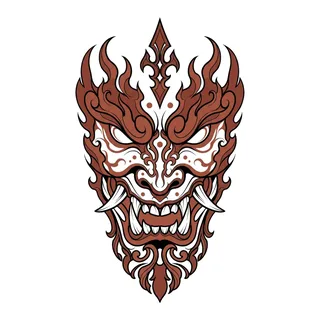
- Japanese · black and greyTry it on — Black and grey Japanese oni mask tattoo on a man's bicep
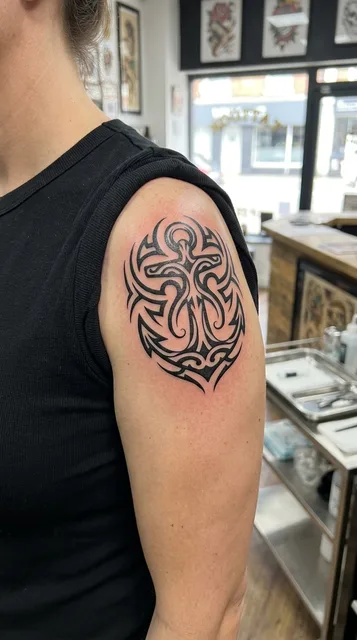
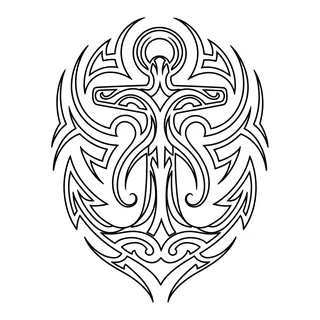
- tribal · black and whiteTry it on — Black and white tribal anchor tattoo on a woman's shoulder
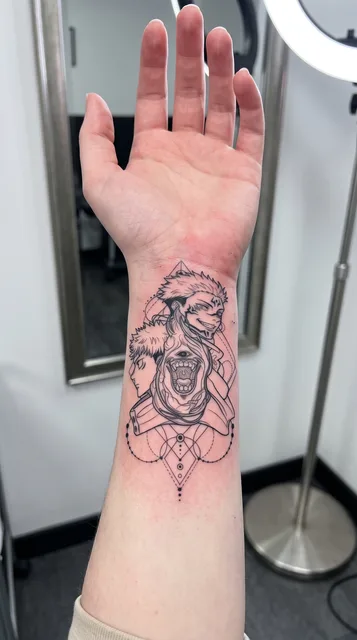
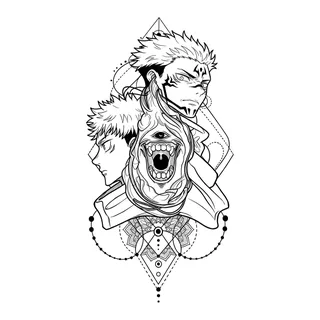
- illustrative · black and greyTry it on — Black and grey illustrative faces tattoo on a woman's wrist
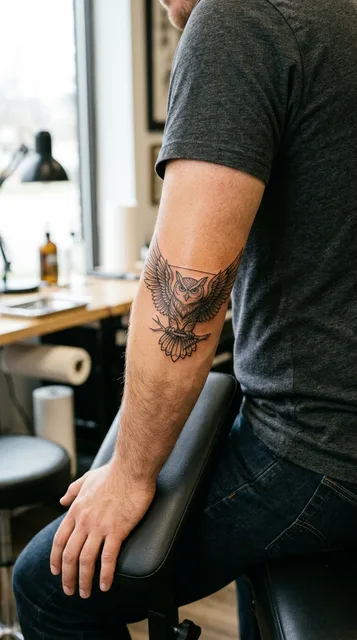
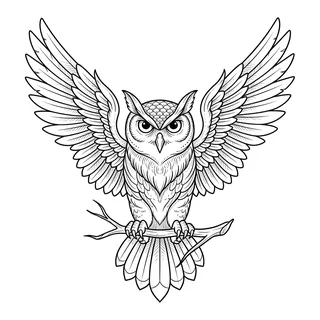
- fine line · black and whiteTry it on — Black and white fine line owl tattoo on a man's elbow
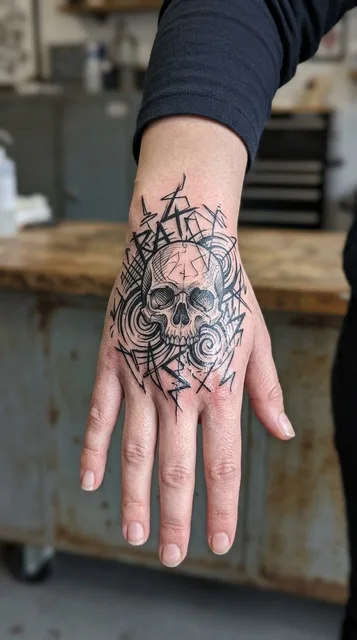
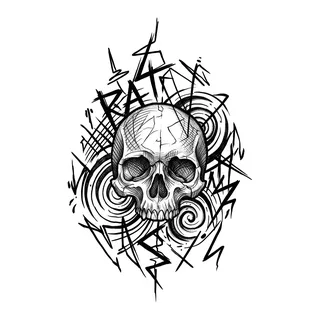
- linework · black and whiteTry it on — Black and white linework skull tattoo on a woman's hand
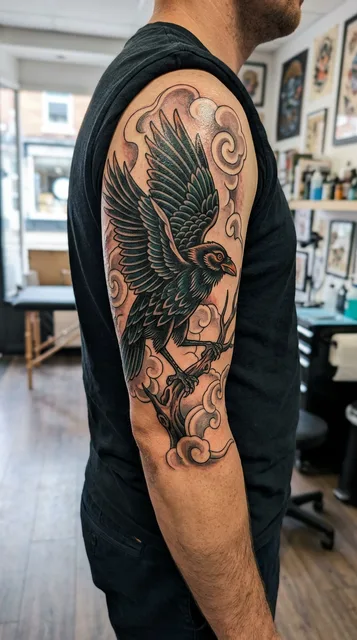
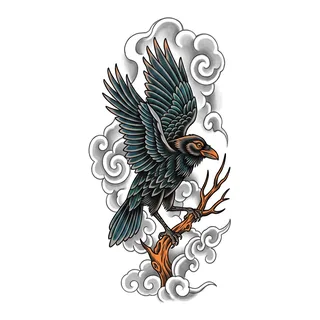
- traditional · colourTry it on — Color traditional raven tattoo as a half sleeve on a man
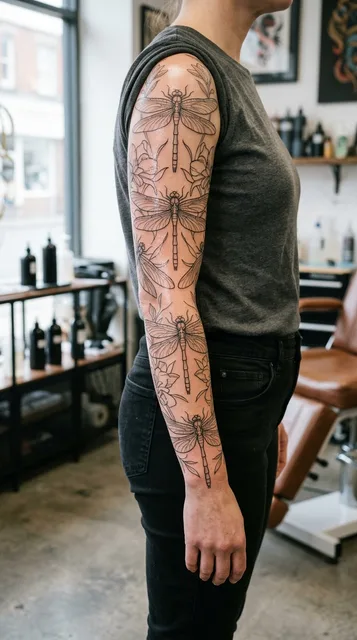
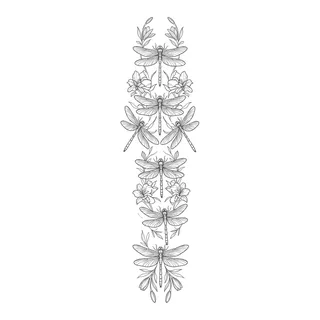
- fine line · black and whiteTry it on — Black and white fine line dragonfly tattoo as a full sleeve on a woman
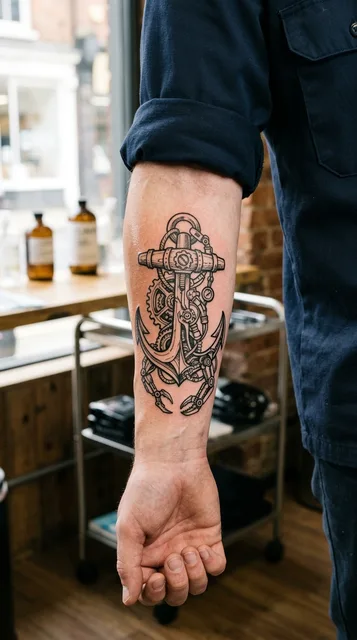
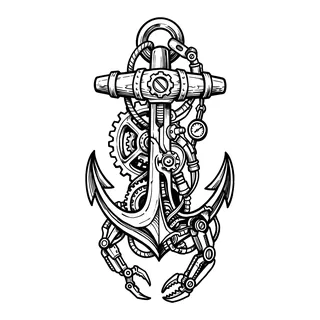
- biomechanical · black and greyTry it on — Black and grey biomechanical anchor tattoo on a man's forearm
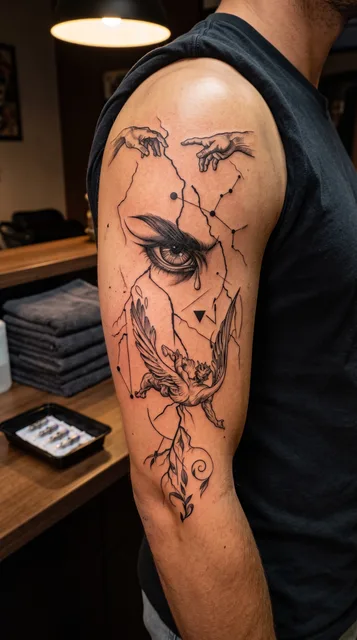
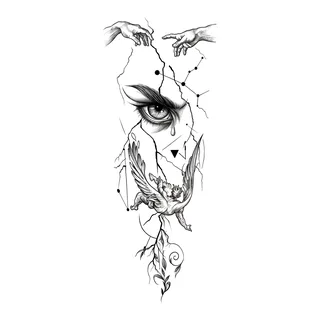
- illustrative · black and greyTry it on — Black and grey illustrative angel eye tattoo on a man's bicep
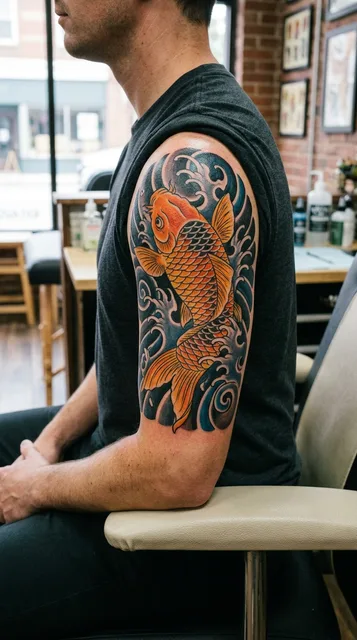
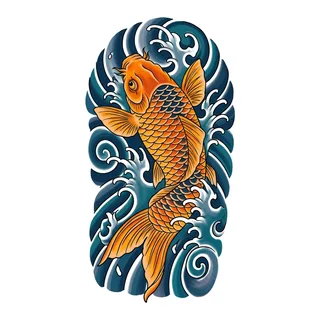
- Japanese · colourTry it on — Color Japanese koi fish tattoo on a man's shoulder
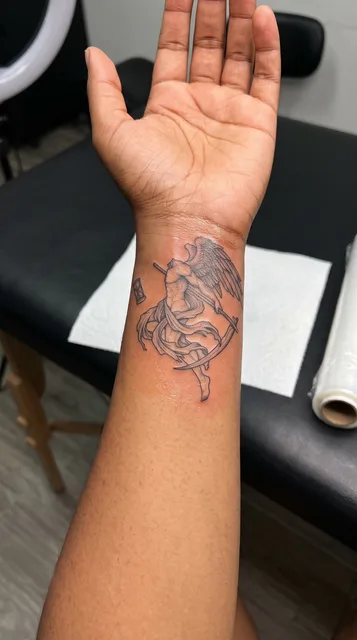
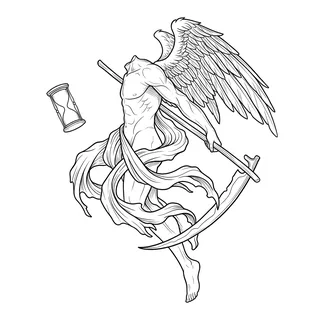
- illustrative · black and greyTry it on — Black and grey illustrative angel tattoo on a woman's wrist
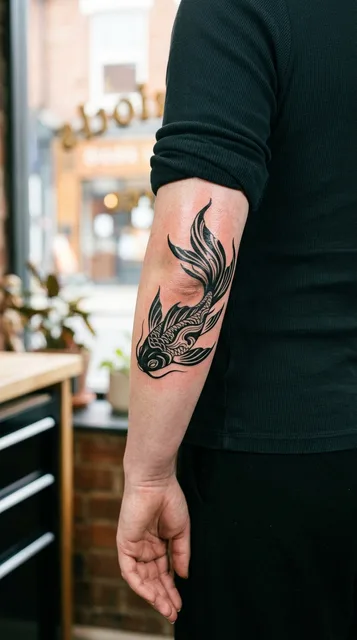
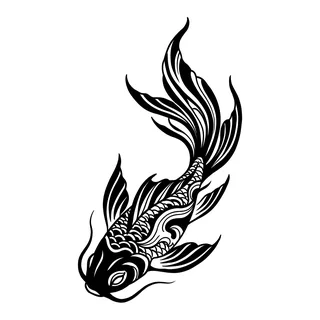
- blackwork · black and whiteTry it on — Black and white blackwork koi fish tattoo on a woman's elbow
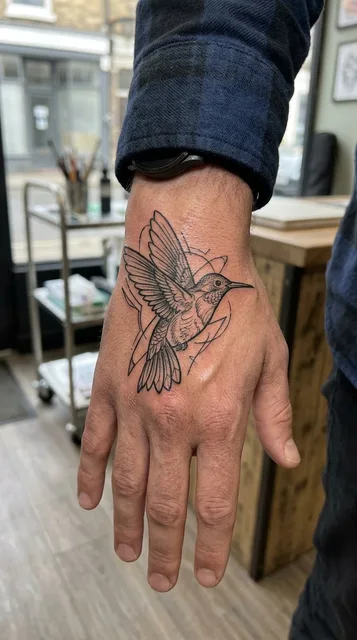
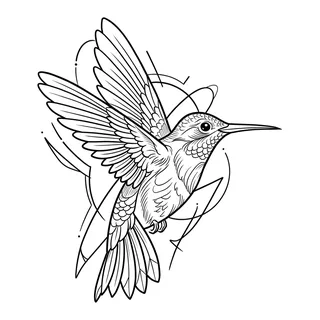
- blackwork · black and whiteTry it on — Black and white blackwork hummingbird tattoo on a man's hand
- traditional · colourTry it on — Color traditional angel tattoo as a half sleeve on a woman
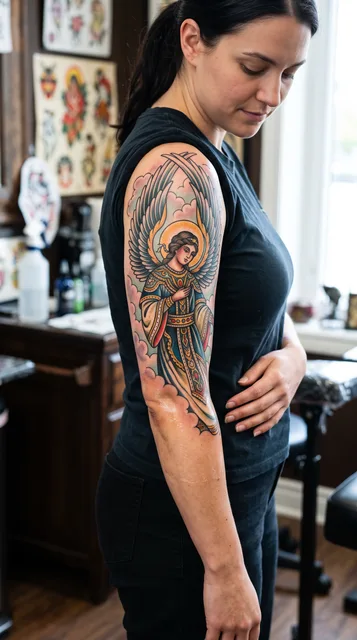

- geometric · black and whiteTry it on — Black and white geometric sharks tattoo as a full sleeve on a woman
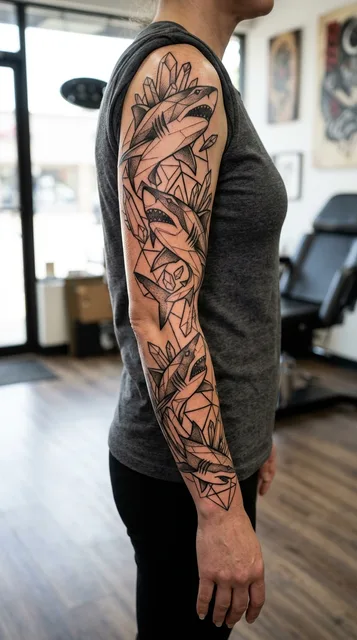
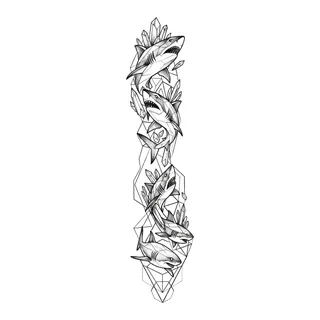
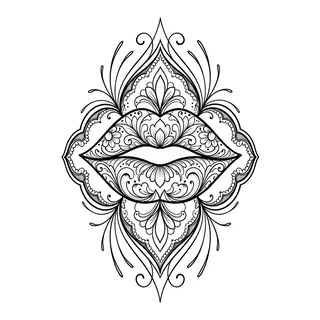
- ornamental · black and greyTry it on — Black and grey ornamental lips tattoo on a man's forearm
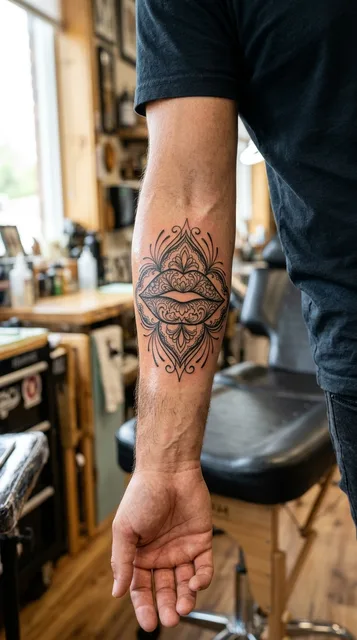
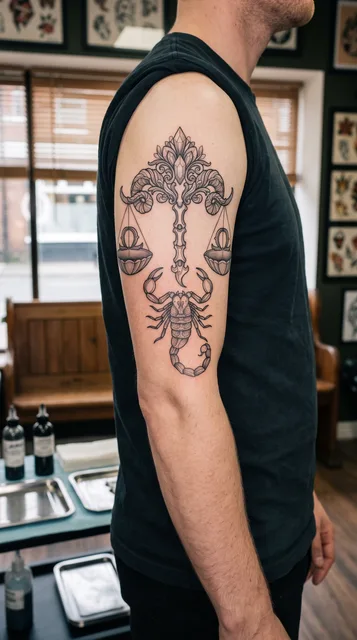
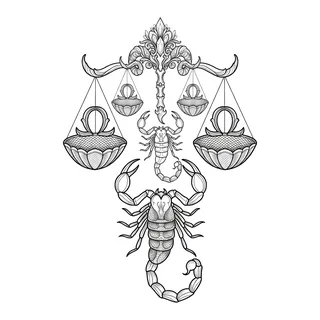
- illustrative · black and greyTry it on — Black and grey illustrative scales scorpion tattoo on a man's bicep
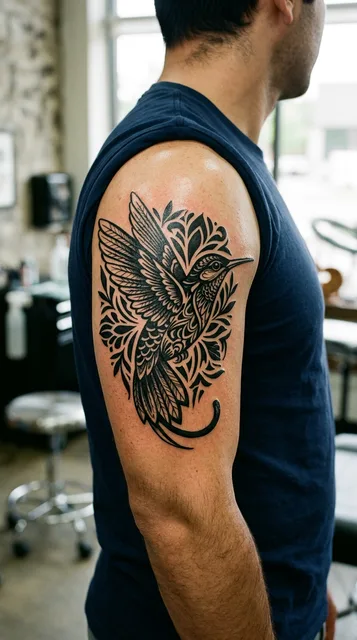
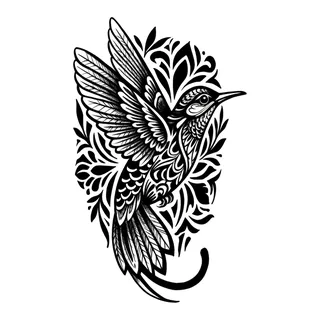
- blackwork · black and whiteTry it on — Black and white blackwork hummingbird tattoo on a man's shoulder
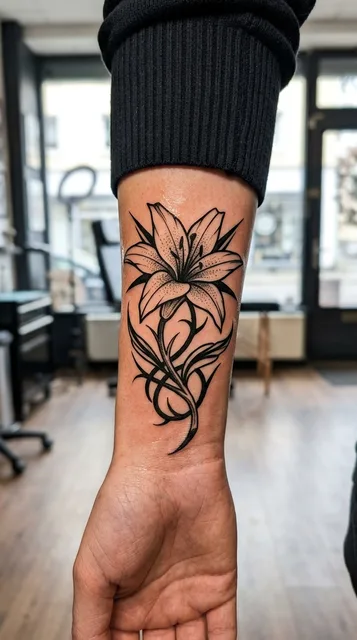
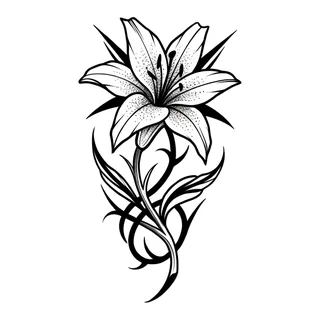
- blackwork · black and whiteTry it on — Black and white blackwork lily tattoo on a woman's wrist
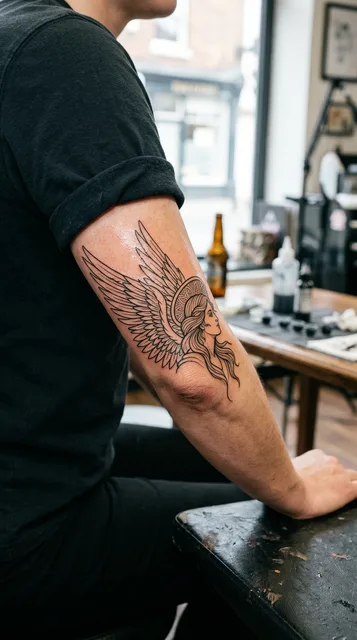
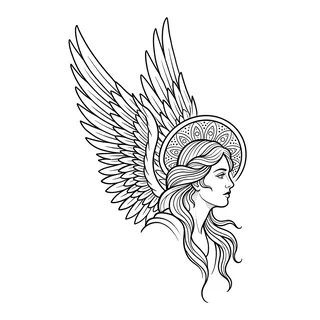
- linework · black and whiteTry it on — Black and white linework angel tattoo on a woman's elbow
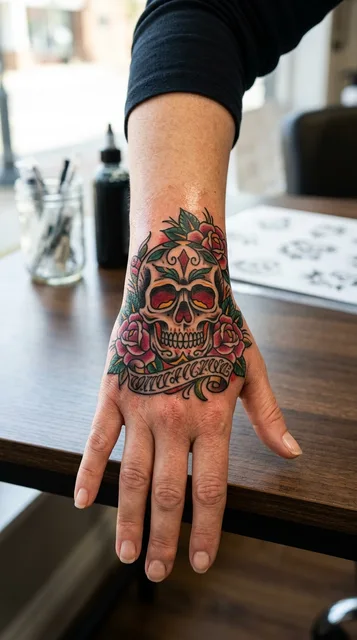
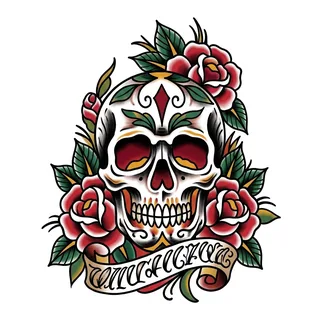
- traditional · colourTry it on — Color traditional skull tattoo on a woman's hand
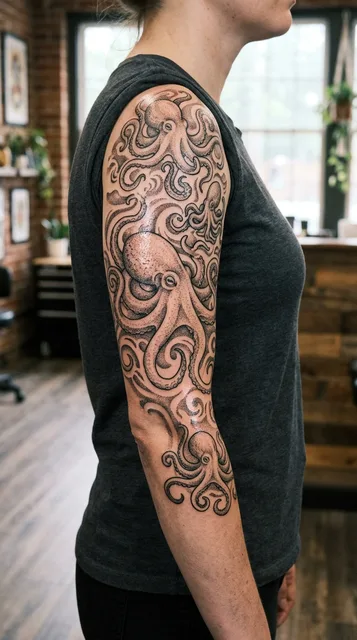
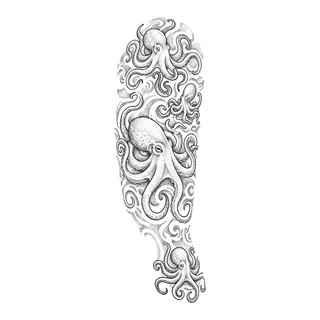
- dotwork · black and greyTry it on — Black and grey dotwork octopus tattoo as a half sleeve on a woman
- illustrative · colourTry it on — Color illustrative hearts tattoo as a full sleeve on a woman
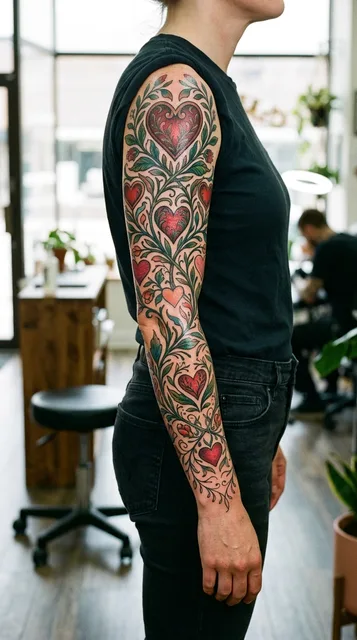
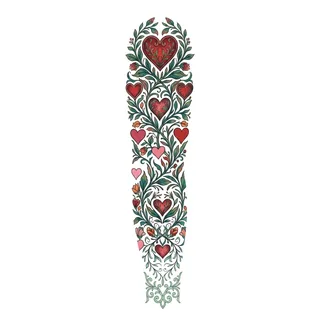


Every pair is one tattoo: the design as it was drawn, and a photograph of that same design on the body.
These 32 tattoos on the arm, in numbers
- Body parts
- 8
- Black and grey
- 22
- Colour
- 10
- Most common style
- blackwork
Eight surfaces, not one canvas
The arm is the most tattooed part of the body and the most misplanned, for the same reason: it looks like one long canvas and behaves like eight small ones. The outer forearm is a flat panel that faces the world. The inner forearm is softer, paler and turns away from it. The bicep is the widest flat surface most people own, the tricep its shaded twin. The elbow is a joint that folds a design in half every time you drink. The wrist, the hand and the shoulder each carry their own rules about pain, fading and who sees them. A design that suits one of these often looks wrong two inches away.
So the first question is not which design but which surface, and the honest answer is usually the outer forearm or the outer bicep. They are flat, they hold detail, they take the sun evenly, and they can be shown or covered with a sleeve. The pages for each part below say what that part costs in pain and healing; this page is about how the parts relate, because that is the decision nobody makes deliberately and everybody regrets by accident.
The photographs here are one pair from each part, dealt in turn, so the grid reads as an arm and not as a forearm page under another title. Every pair is a design and a photograph of that design on that part of a real arm; the try-on can put any of them on yours.
The order matters more than the first design
If there is any chance you will want a second piece on the same arm, the order you fill it in decides whether the arm ends up composed or collected. Start on the outside, high or low: the outer bicep and the outer forearm can each stand alone or be absorbed into a larger piece later. Spend the inner forearm or the upper chest first and every later piece has to route around a small unrelated tattoo in the middle of the best real estate.
Leave the joints for last, or for a plan. The elbow and the inner elbow are the connectors of a sleeve: a piece that ends cleanly at the elbow ditch leaves room to join upward; a piece that crosses it uninvited makes the whole arm harder to finish. The same is true of the wrist, which is where a forearm piece either resolves into a cuff or stops in mid-air.
Scale does not travel between parts. A design drawn at wrist size, six centimetres or so, reads as an afterthought on a bicep, where twelve to fifteen centimetres is normal. Ask for the stencil at the size you actually intend and look at it on the arm in a mirror before anything is inked, or place it on a photograph first, because the arm in a photograph is the arm as other people see it.
Sun, sleeves and the line of a t-shirt
The boundary that matters on an arm is not the elbow but the hem of a short sleeve. Everything below it is on show at work, on the beach and at the dinner table; everything above it you decide every morning. That is why the bicep and the shoulder stay the comfortable answers and why the forearm is the first real decision rather than the first tattoo.
The forearm and the back of the hand also take more sun than anywhere else you are likely to tattoo, and sun is what fades ink. A forearm piece that is never covered in summer will need a refresh years before the same piece on a bicep. That is not a reason to avoid the forearm; it is a reason to keep the design bold enough to survive some softening, and to treat sunscreen on a healed tattoo as part of owning it.
Hair is the last thing nobody mentions. On a forearm with dense growth, fine detail disappears within two or three weeks of regrowth and the piece reads only by its masses of black and its outer contour. If you are not going to shave the arm forever, choose artwork that reads at that distance, which is most of where the reputation of bold, heavy line on arms comes from. See a design on your own arm before you book, at the size you mean.
Common questions
- Where on the arm should a first tattoo go?
- The outer forearm or the outer bicep. Both are flat, hold detail well, hurt moderately and can be covered by a sleeve, and both can be absorbed into a larger composition later, which the inner forearm and the elbow cannot once they are filled.
- Does the inner arm hurt more than the outer arm?
- Yes, noticeably. The inner forearm and especially the inner bicep have thinner skin and denser nerves than their outer sides, so the same design feels sharper there. The elbow ditch is worse again. The outer surfaces are among the gentlest spots on the body.
- Can I tattoo the arm in pieces and join them later?
- Yes, and it is the normal way a sleeve is built, but only if the early pieces are placed with the joins in mind. Leave the elbow and the inner arm for the connecting work and keep the first pieces on the outer surfaces at a size that leaves skin around them.
- How much does an arm tattoo cost?
- By the session, not by the arm. A palm-sized piece on the outer forearm is typically two to three hours; a half sleeve is several sessions across months; a full sleeve is a project measured in tens of hours. Studio minimums apply to anything small, so two small pieces in one sitting beat two appointments.
See it on your own skin first
InkCraft places a design on a photo of you — scaled, wrapped and shaded to the spot you pick, so you can judge the size against your own body before it is permanent.