 InkCraft
Lucky Tattoo Ideas and What They Mean
40 InkCraft designs chosen for luck tattoosBy Uladzimir TumanauUpdated
Luck imagery is the most culturally specific category in tattooing, and the most likely to carry a meaning you did not order. A horseshoe has to point up or it is read as luck running out. Four is unlucky across much of East Asia. The number 13 is defiantly lucky in traditional tattooing and unlucky almost everywhere else — which is exactly why tattooers adopted it.
That gives a simple rule: with luck motifs, confirm the orientation and the number before the stencil goes on. These are the details that get flipped by accident, and unlike most design errors they invert the meaning rather than softening it.
Every design here carries a luck reading somewhere, and where each superstition came from is written under it.
9 designs that carry it, and why
- Star
- A nautical star was a sailor’s charm for finding the way home — luck as safe return rather than as fortune. The five-pointed form is the traditional one.
- Clover leaf
- The four-leaf clover is rare rather than magical, and that is the whole superstition: you were lucky to find it. Irish association is strong enough to read as national identity too.
- Anchor
- A sailor’s protective charm before it was anything else — worn to come back, which is the oldest form of luck there is.
- Evil eye
- Not a luck charm but a protection one: it deflects envy rather than attracting fortune. Turkish and Greek in origin and still read that way.
- Moon
- A waxing moon is the growth-and-fortune phase in most folk traditions; a waning one is the opposite. Another motif where the specific drawing inverts the meaning.
- Compass
- Finding the way, which in a sailor’s vocabulary is indistinguishable from luck. Pairs with the nautical star for the same reason.
- Clock
- Used for a lucky hour — a birth time, a moment something turned. It is the way people mark a specific piece of good fortune without a date.
- Heart
- In traditional flash the heart-and-banner was often a luck charm for a specific voyage or person rather than a romantic piece. That reading has mostly been lost.
- Spider
- A money spider on your skin means money coming, in folklore from England to Brazil, which is why a small spider is worn as a luck charm far more often than as anything sinister.
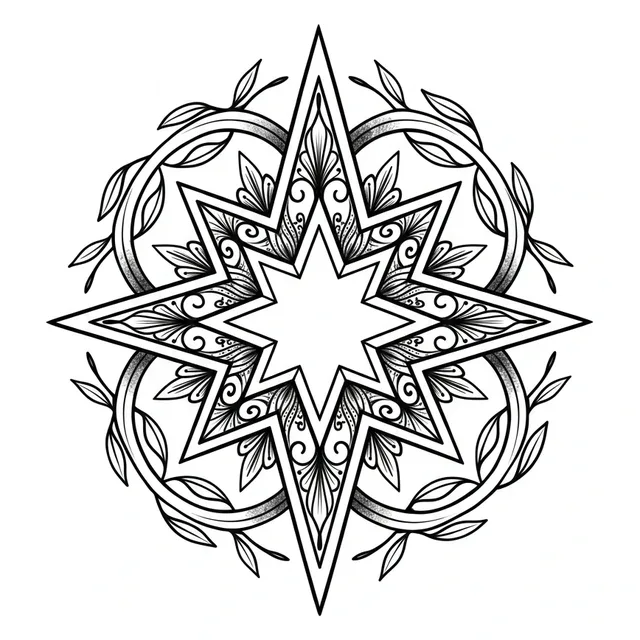
Black and grey ornamental star and leaf tattoo design Try it on — Black and grey ornamental star and leaf tattoo design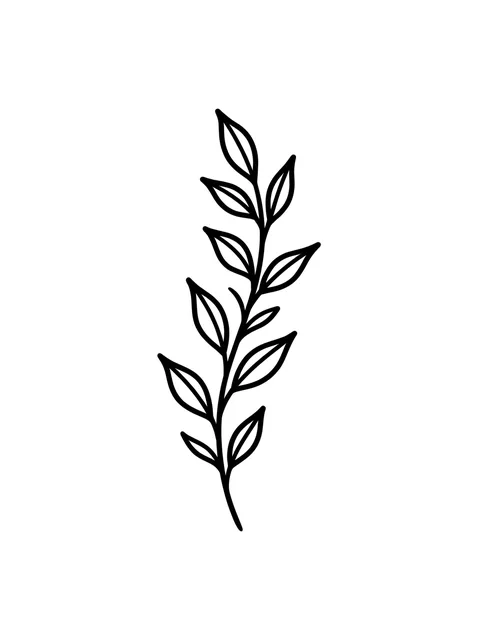
Black and white linework leaf and vine tattoo design, outline stencil Try it on — Black and white linework leaf and vine tattoo design, outline stencil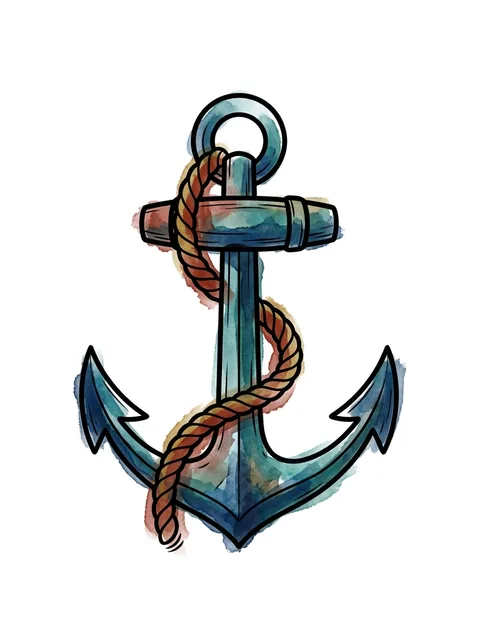
Color watercolor anchor tattoo design: an anchor, featuring a rope wrapped around its shaft Try it on — Color watercolor anchor tattoo design: an anchor, featuring a rope wrapped around its shaft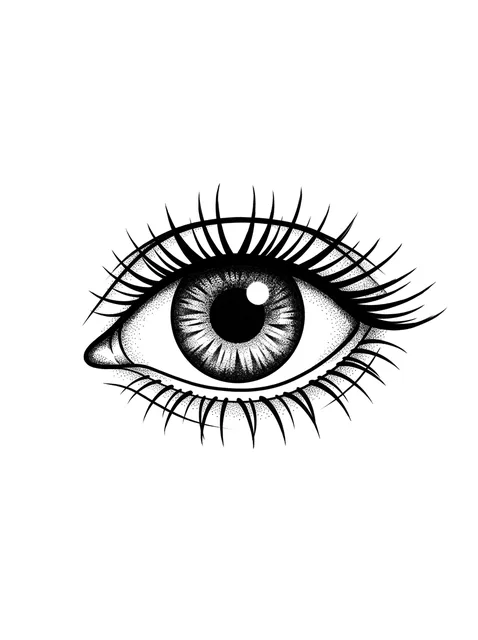
Black and grey dotwork eye tattoo design: a human eye Try it on — Black and grey dotwork eye tattoo design: a human eye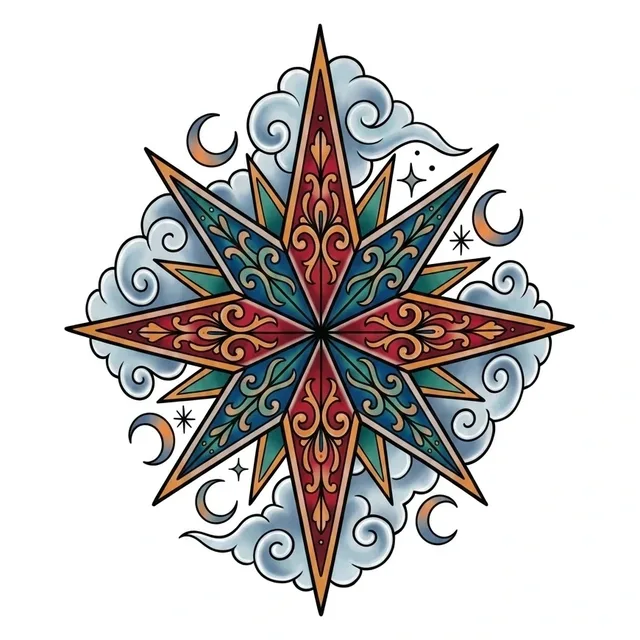
Color neo traditional star and cloud tattoo design Try it on — Color neo traditional star and cloud tattoo design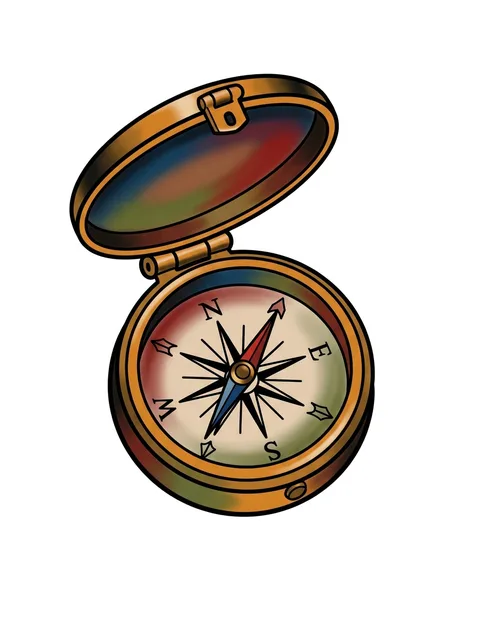
Color traditional compass tattoo design: an open golden compass Try it on — Color traditional compass tattoo design: an open golden compass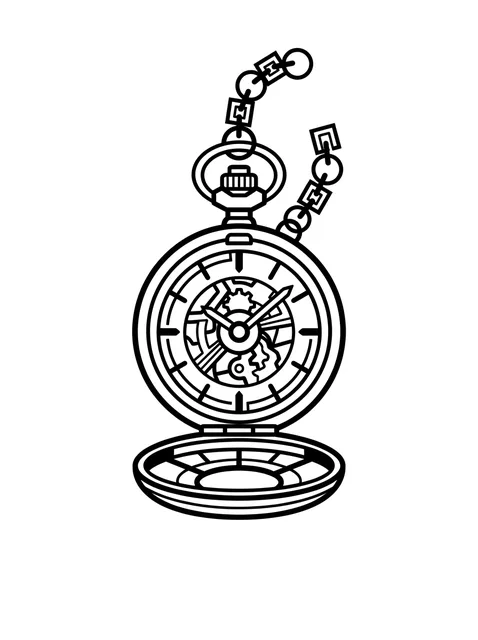
Black and white linework clock tattoo design, outline stencil Try it on — Black and white linework clock tattoo design, outline stencil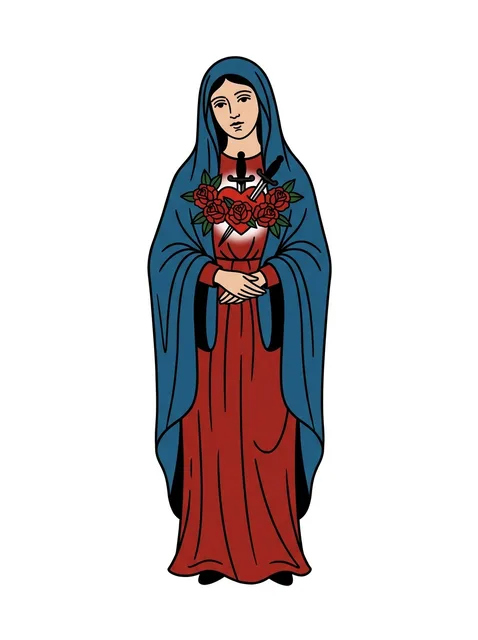
Color traditional virgin mary and heart tattoo design: the Virgin Mary Try it on — Color traditional virgin mary and heart tattoo design: the Virgin Mary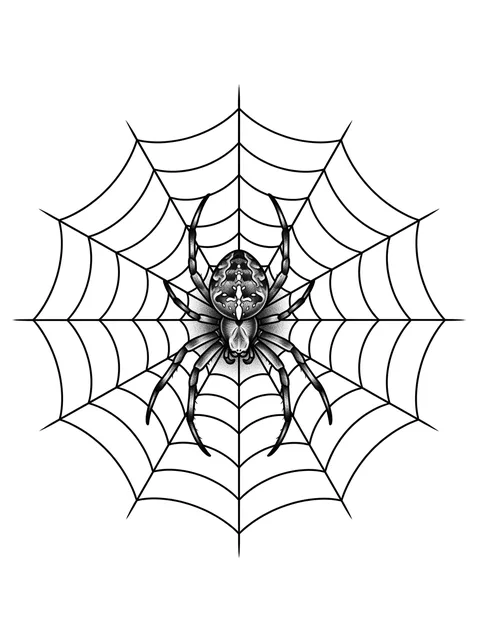
Black and grey illustrative spider tattoo design: a spider centered on a spiderweb Try it on — Black and grey illustrative spider tattoo design: a spider centered on a spiderweb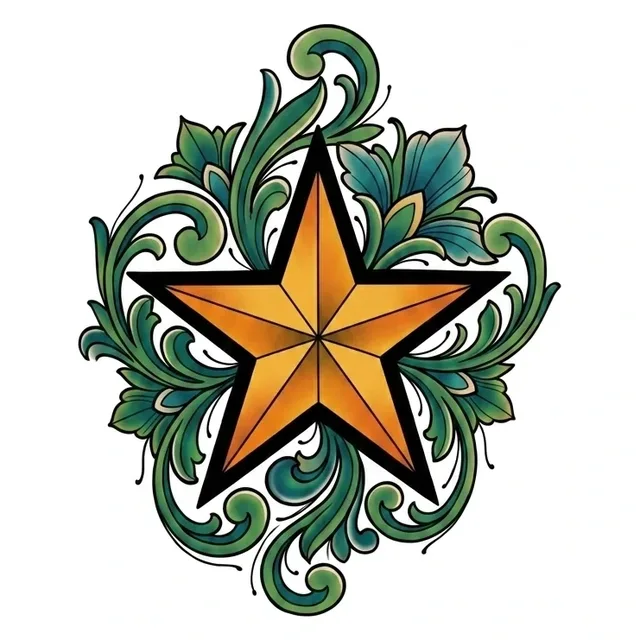
Color traditional star and leaf tattoo design: a bold yellow and orange star at its center Try it on — Color traditional star and leaf tattoo design: a bold yellow and orange star at its center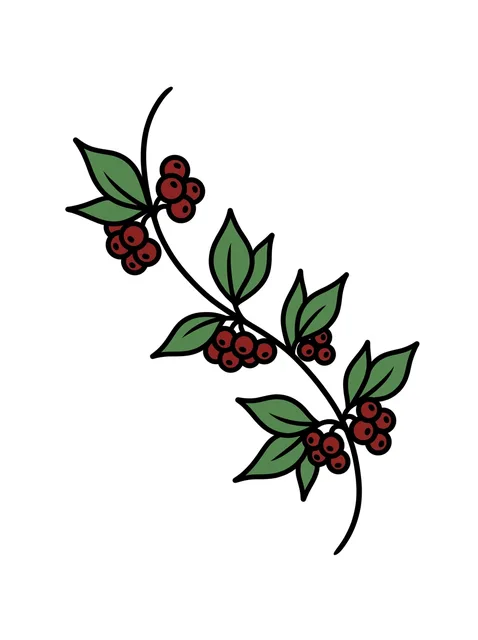
Color traditional leaf and vine tattoo design Try it on — Color traditional leaf and vine tattoo design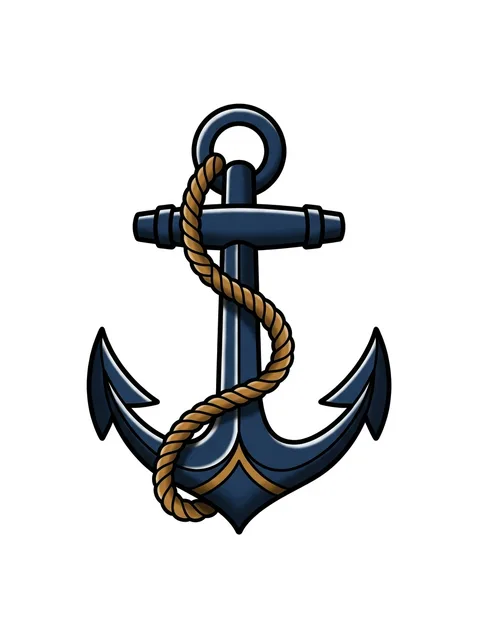
Color traditional anchor tattoo design: a dark blue anchor with a golden rope wrapped around it Try it on — Color traditional anchor tattoo design: a dark blue anchor with a golden rope wrapped around it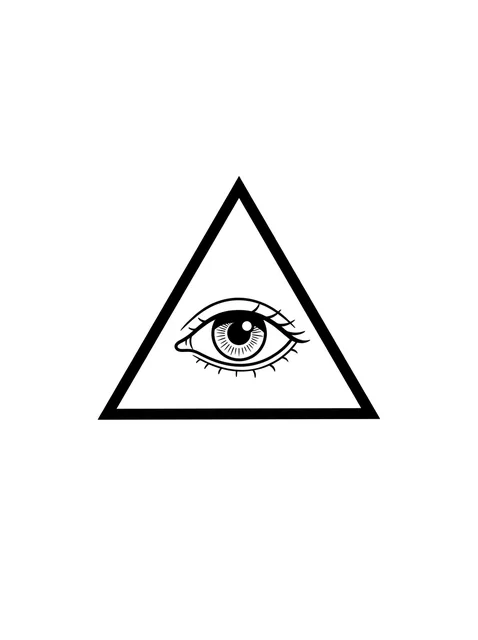
Black and white linework eye tattoo design, outline stencil: the Eye of Providence Try it on — Black and white linework eye tattoo design, outline stencil: the Eye of Providence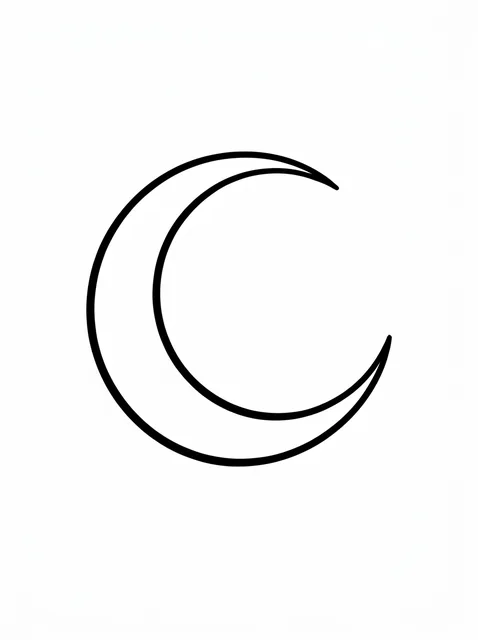
Black and white minimalist moon tattoo design, outline stencil: a crescent moon Try it on — Black and white minimalist moon tattoo design, outline stencil: a crescent moon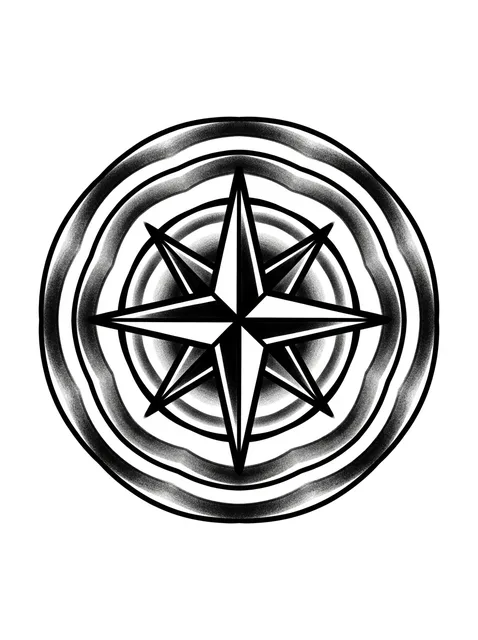
Black and white geometric compass tattoo design, outline stencil Try it on — Black and white geometric compass tattoo design, outline stencil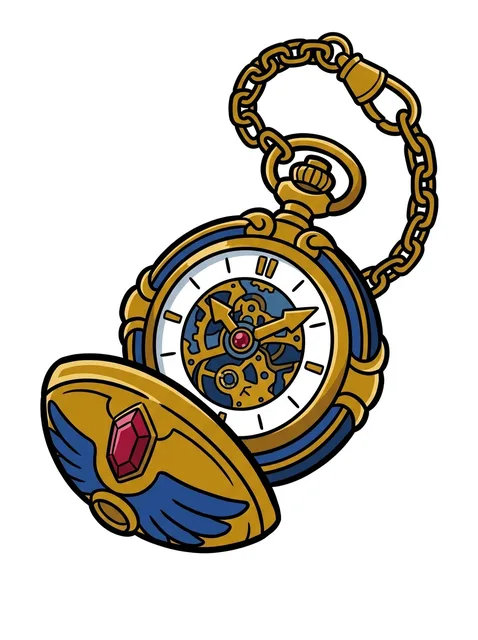
Color illustrative clock tattoo design: a golden pocket watch with a blue casing and chain Try it on — Color illustrative clock tattoo design: a golden pocket watch with a blue casing and chain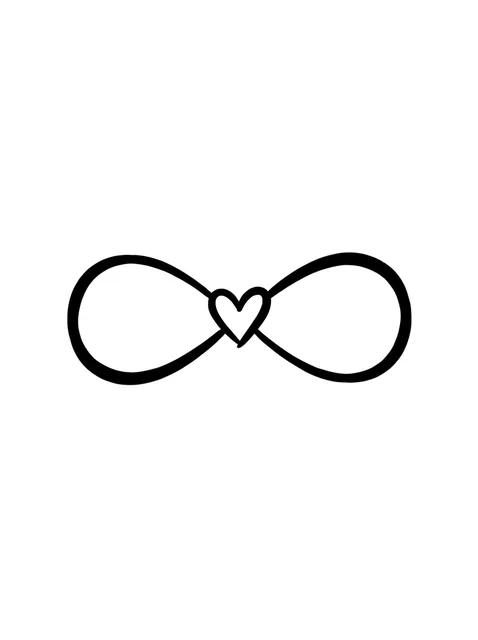
Black and white minimalist infinity and heart tattoo design, outline stencil Try it on — Black and white minimalist infinity and heart tattoo design, outline stencil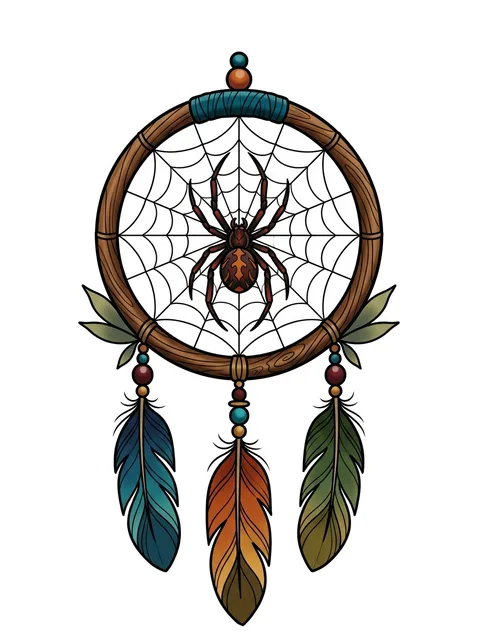
Color neo traditional spider and feather tattoo design Try it on — Color neo traditional spider and feather tattoo design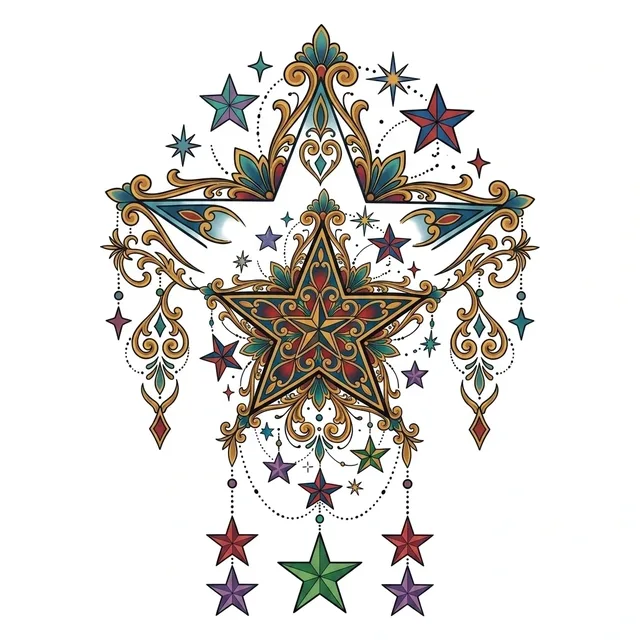
Color ornamental star and mandala tattoo design Try it on — Color ornamental star and mandala tattoo design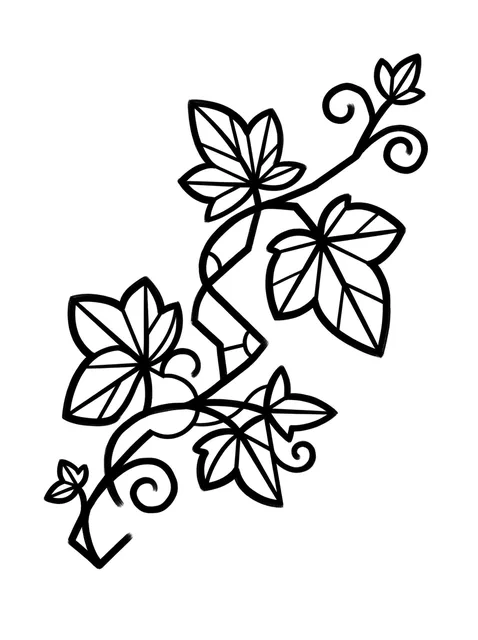
Black and white linework leaf and vine tattoo design, outline stencil Try it on — Black and white linework leaf and vine tattoo design, outline stencil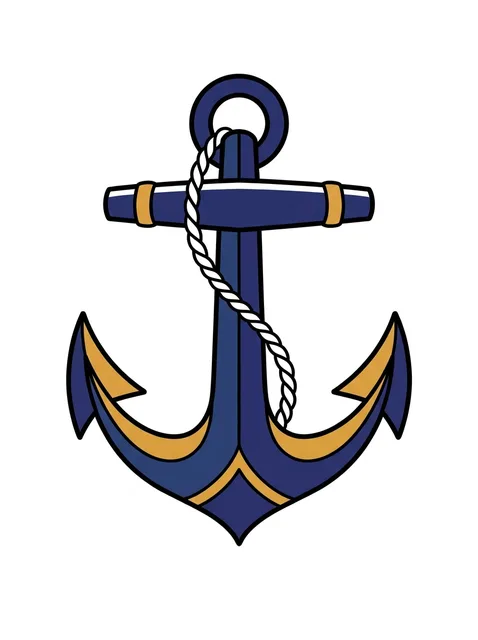
Color traditional anchor tattoo design: a white rope wrapped around its shaft Try it on — Color traditional anchor tattoo design: a white rope wrapped around its shaft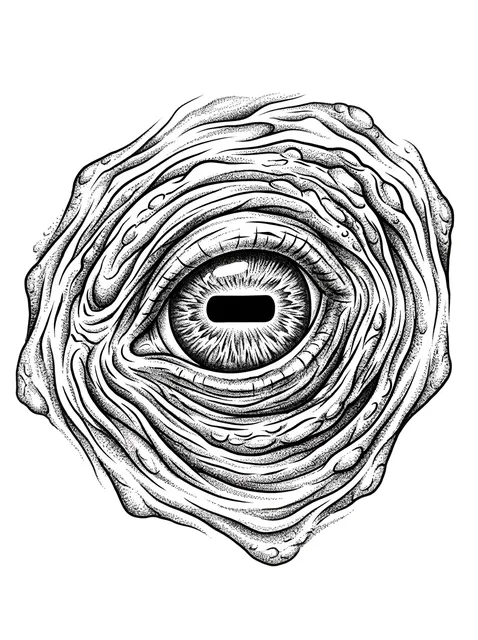
Black and grey dotwork eye tattoo design Try it on — Black and grey dotwork eye tattoo design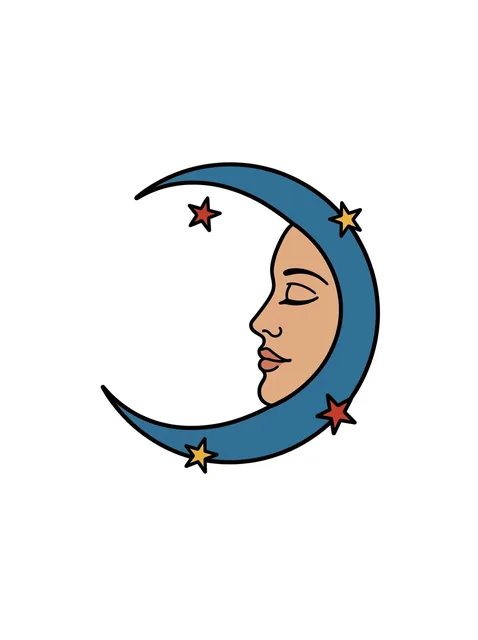
Color traditional moon and star tattoo design: a crescent moon with a serene woman's face in profile Try it on — Color traditional moon and star tattoo design: a crescent moon with a serene woman's face in profile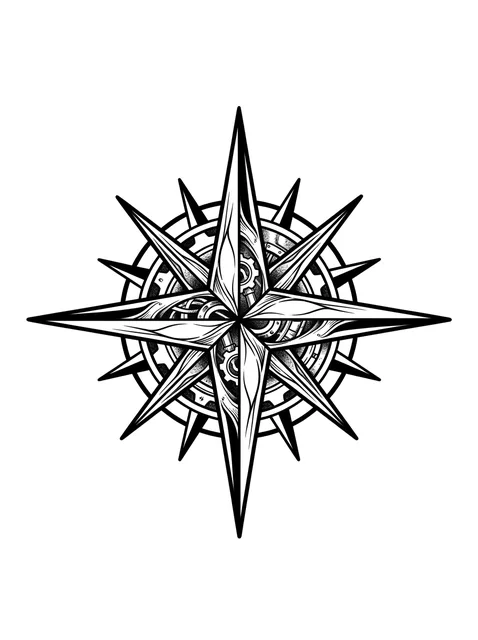
Black and grey illustrative compass tattoo design: a steampunk aesthetic Try it on — Black and grey illustrative compass tattoo design: a steampunk aesthetic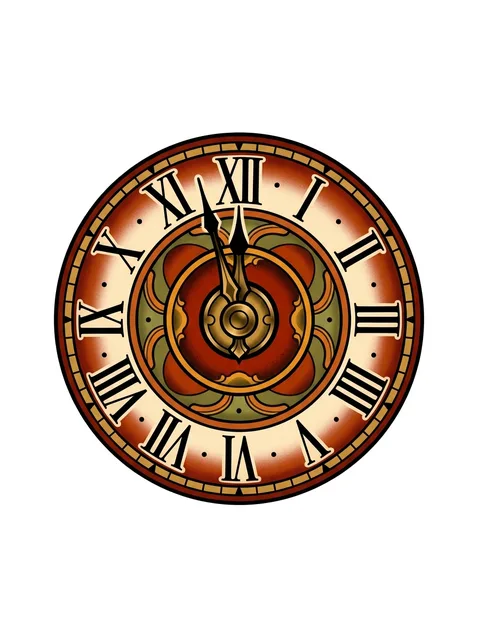
Color traditional clock tattoo design: a circular clock face with Roman numerals Try it on — Color traditional clock tattoo design: a circular clock face with Roman numerals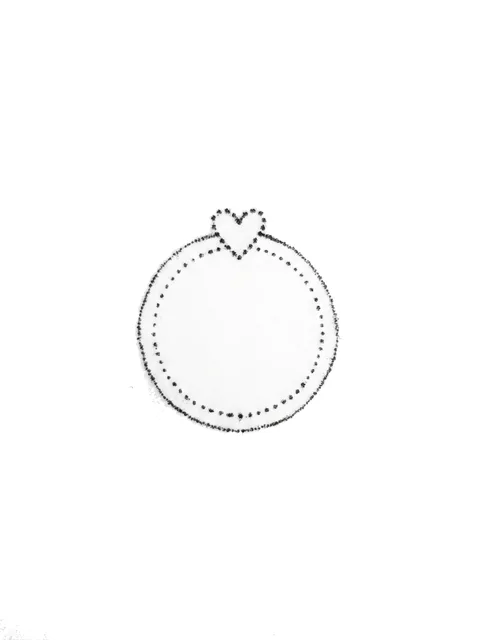
Black and grey stick and poke ring and heart tattoo design Try it on — Black and grey stick and poke ring and heart tattoo design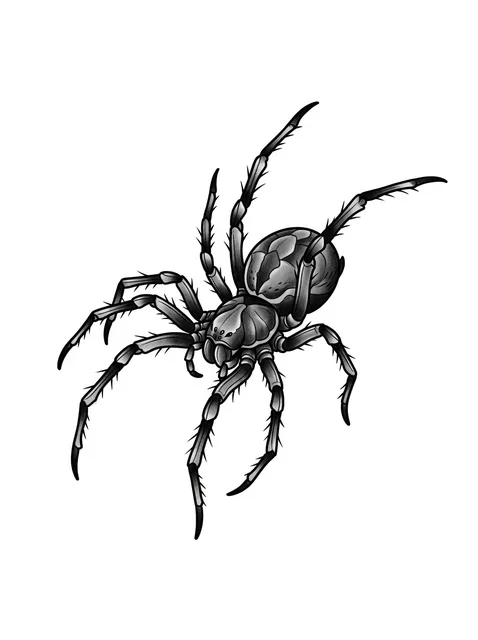
Black and grey neo traditional spider tattoo design: a sense of texture and movement Try it on — Black and grey neo traditional spider tattoo design: a sense of texture and movement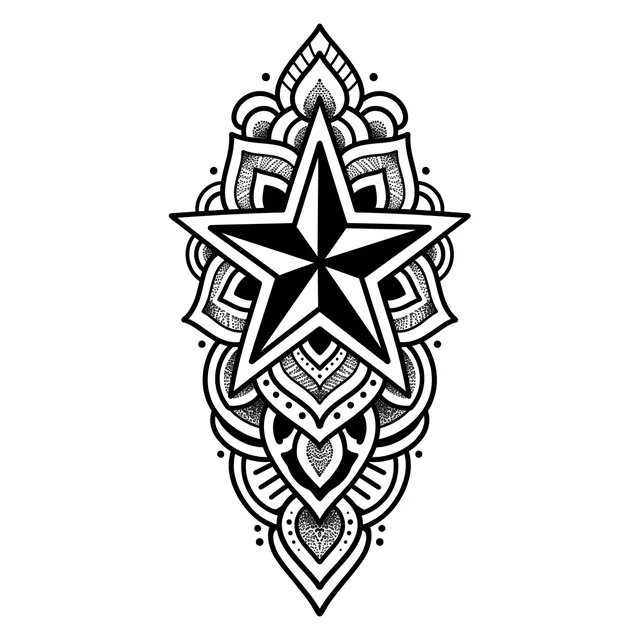
Black and grey ornamental star and mandala tattoo design Try it on — Black and grey ornamental star and mandala tattoo design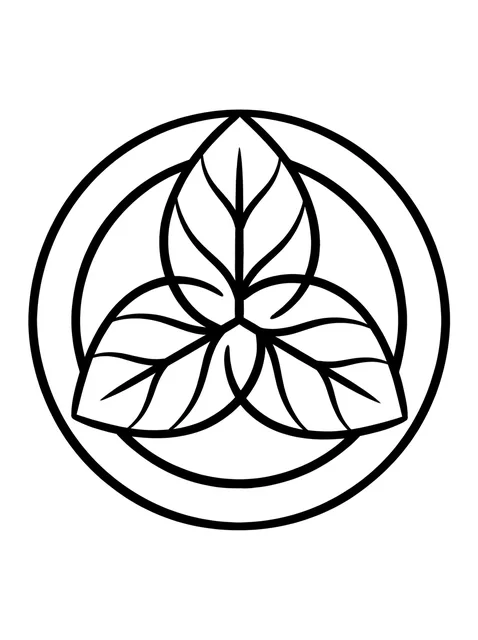
Black and white geometric leaf tattoo design, outline stencil Try it on — Black and white geometric leaf tattoo design, outline stencil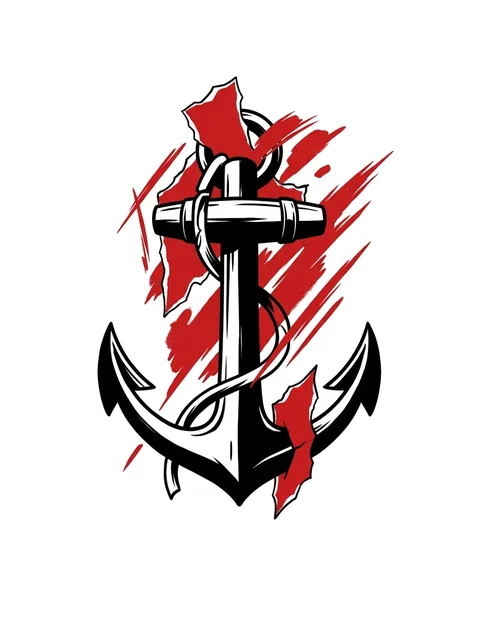
Color trash polka anchor tattoo design: a black and white anchor with a rope Try it on — Color trash polka anchor tattoo design: a black and white anchor with a rope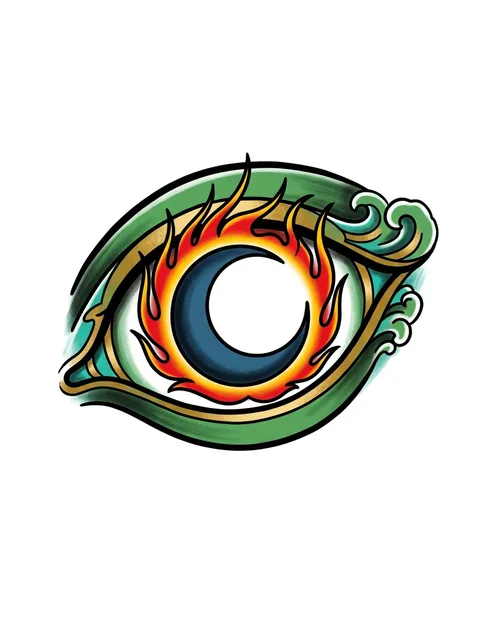
Color neo traditional eye and moon tattoo design Try it on — Color neo traditional eye and moon tattoo design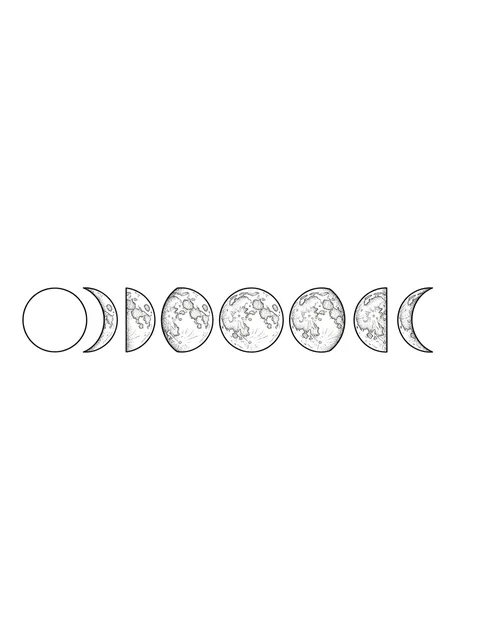
Black and grey dotwork moon tattoo design: the moon in a linear arrangement Try it on — Black and grey dotwork moon tattoo design: the moon in a linear arrangement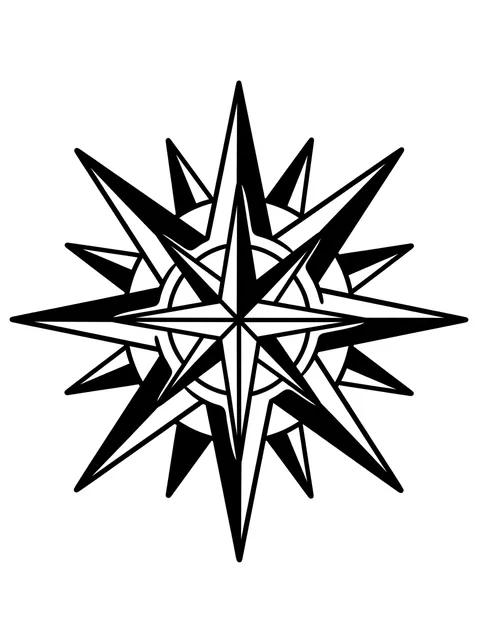
Black and white geometric compass and star tattoo design, outline stencil Try it on — Black and white geometric compass and star tattoo design, outline stencil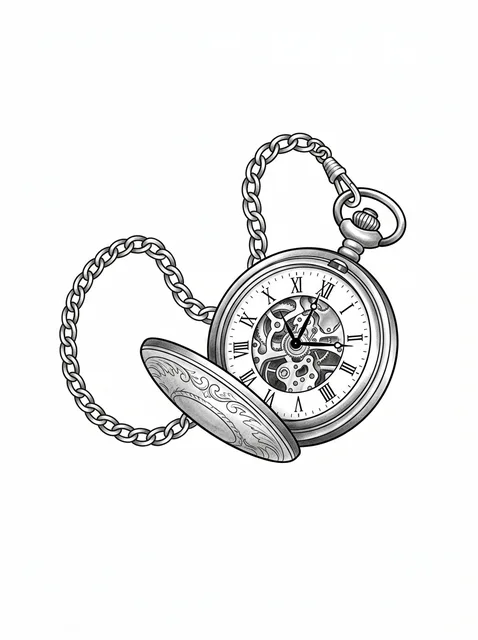
Black and grey chicano clock tattoo design Try it on — Black and grey chicano clock tattoo design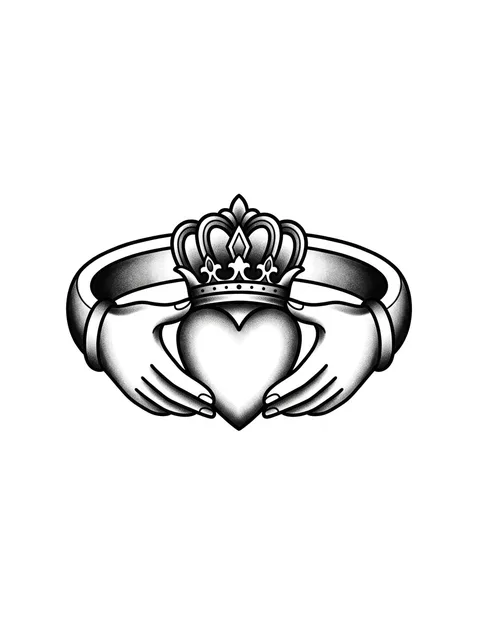
Black and grey illustrative ring and heart tattoo design Try it on — Black and grey illustrative ring and heart tattoo design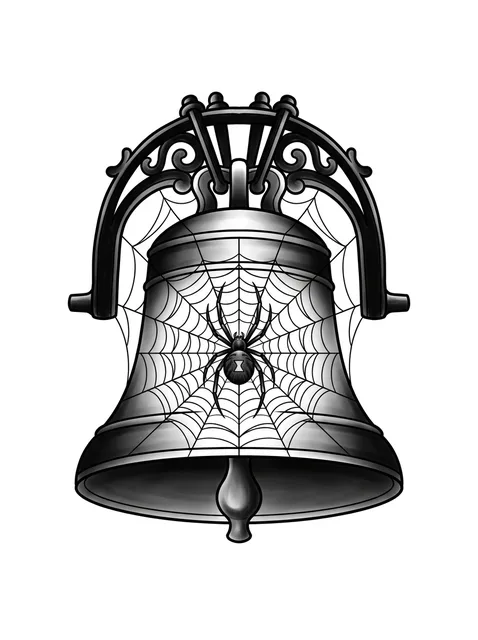
Black and grey traditional spider and web tattoo design Try it on — Black and grey traditional spider and web tattoo design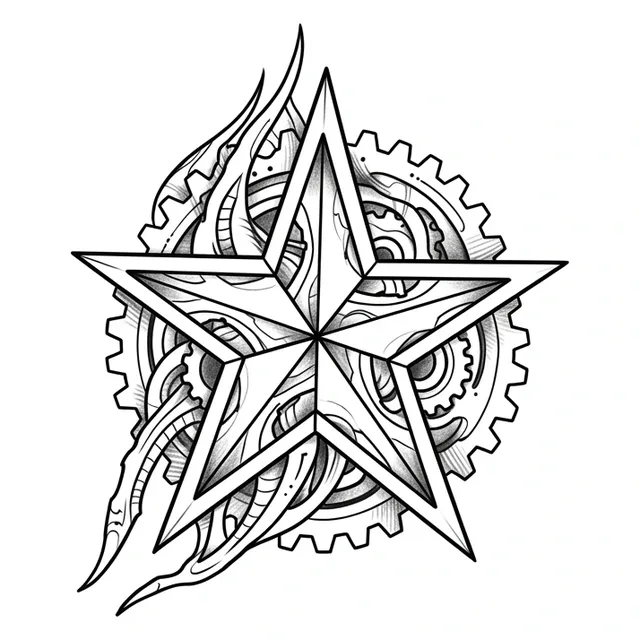
Black and grey biomechanical star tattoo design Try it on — Black and grey biomechanical star tattoo design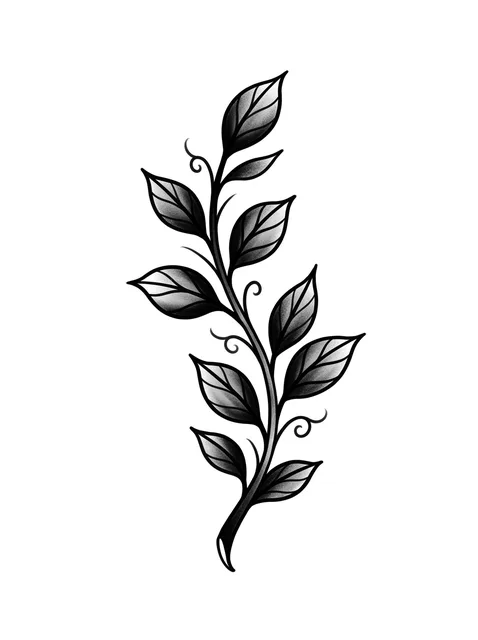
Black and grey traditional leaf and vine tattoo design Try it on — Black and grey traditional leaf and vine tattoo design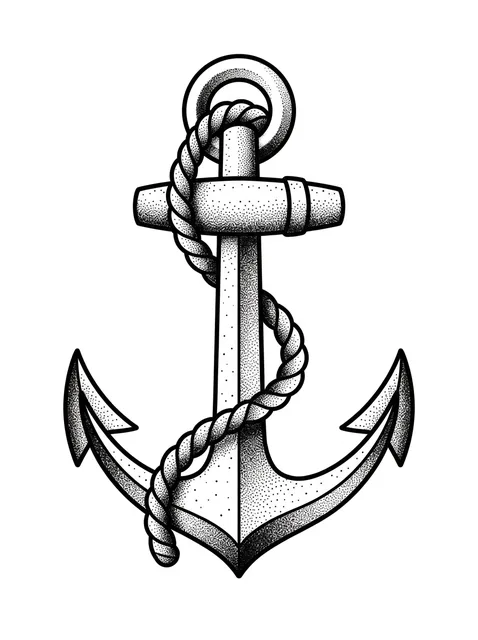
Black and grey traditional anchor tattoo design Try it on — Black and grey traditional anchor tattoo design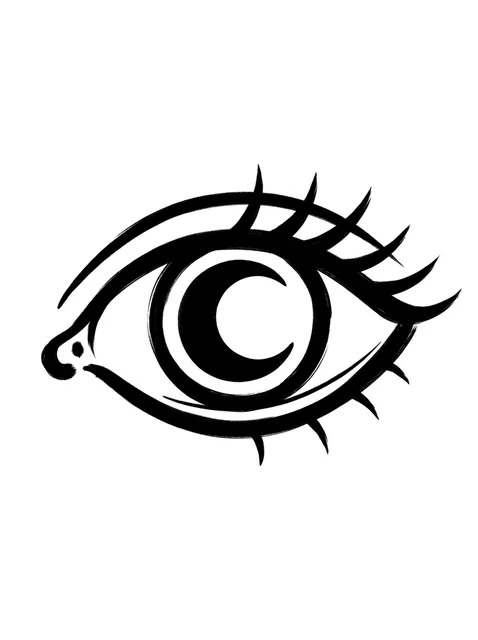
Black and white illustrative eye and moon tattoo design: an eye with a crescent moon as its pupil Try it on — Black and white illustrative eye and moon tattoo design: an eye with a crescent moon as its pupil


40 designs drawn in-house across 9 motifs. Tap any one to place it on a photo of your own skin.
Orientation and number, checked twice
A horseshoe points up to hold the luck in and down to let it out — and a stencil applied mirrored flips it without anyone noticing until it is healed. The same applies to a waxing versus waning moon and to which way a nautical star’s points fall.
Numbers are the other trap. Four is avoided across much of China, Japan and Korea because it sounds like death; if the piece will be seen in those contexts, it is worth knowing. Thirteen is the reverse case: it is deliberately lucky in traditional tattooing precisely because it is unlucky elsewhere, and a 13 in traditional flash is a statement about tattooing as much as about luck.
Small pieces, and why bold wins
Luck motifs are usually small — a clover, a star, a horseshoe, a number — and small is where line weight decides everything. A bold traditional outline at 3 cm will still read in twenty years. The same design in fine line at the same size will be a soft grey mark.
This is the reason traditional flash looks the way it does. The heavy outline and minimal internal shading were not a style choice originally; they were the engineering required to make a small tattoo survive on a body for fifty years.
If you want a fine-line version, go bigger — 6 cm or more — or accept that it will need touching up. Both are legitimate; what does not work is a small, detailed, thin-lined charm.
Common questions
- Which way should a horseshoe tattoo point?
- Up, in the usual reading — it holds the luck in, where pointing down lets it run out. It is easy to get flipped by a mirrored stencil, so check the orientation against your own body before the needle starts rather than after.
- Is a four-leaf clover the same as a shamrock?
- No. A shamrock has three leaves and is a national and religious symbol of Ireland; the four-leaf clover is the luck charm and is rare rather than symbolic. Asking for one and getting the other is a common mix-up.
- Why is 13 a lucky tattoo?
- Because it is unlucky everywhere else. Traditional tattooers adopted it deliberately as a mark of being outside ordinary superstition, and a 13 in traditional flash still reads as a statement about tattooing as much as about luck.
- What size should a small luck charm be?
- Whatever size you choose, use a bold outline. A heavy traditional line holds at 3 cm for decades; the same design in fine line at 3 cm becomes a soft grey mark within a few years. If you want fine line, go to 6 cm or more.
See it on your own skin first
InkCraft places a design on a photo of you — scaled, wrapped and shaded to the spot you pick, so you can judge how it reads on your body before it is permanent.