 InkCraft
Leaf Tattoo Ideas, Designs and Meaning
80 original leaf designs drawn for InkCraftBy Uladzimir TumanauUpdated
Opens in your browser. No signup. Or tap any design below.
Oak, maple, olive and fern, drawn as filler and as subjects in their own right. Venation is the whole size question: at less than 6 cm ask for simplified veins rather than a shrunken detailed drawing.
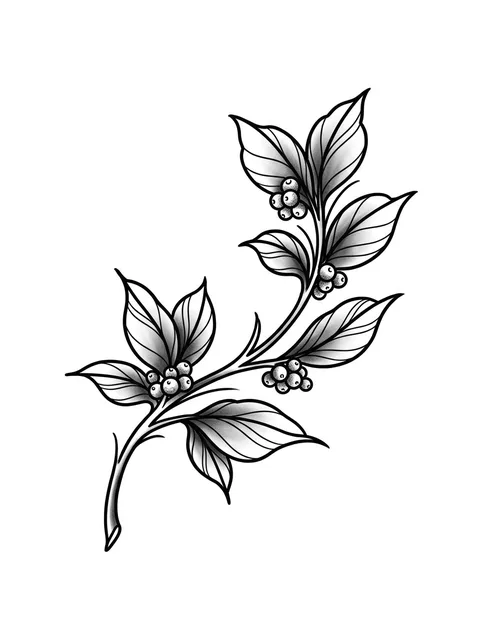
Black and grey traditional leaf tattoo design: a branch with leaves and berries Try it on — Black and grey traditional leaf tattoo design: a branch with leaves and berries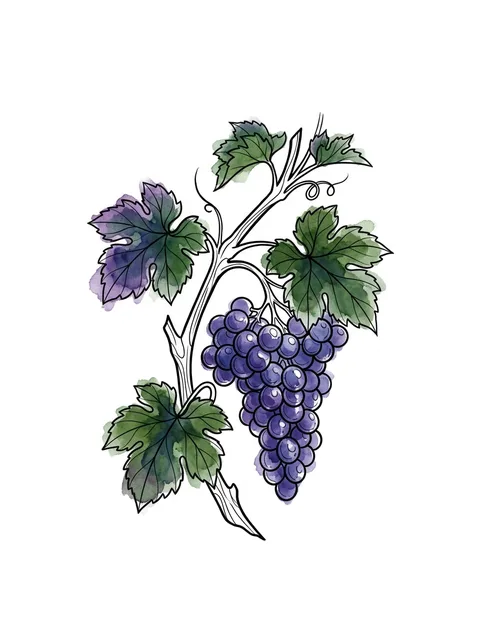
Color watercolor leaf tattoo design: a cluster of purple grapes on a vine Try it on — Color watercolor leaf tattoo design: a cluster of purple grapes on a vine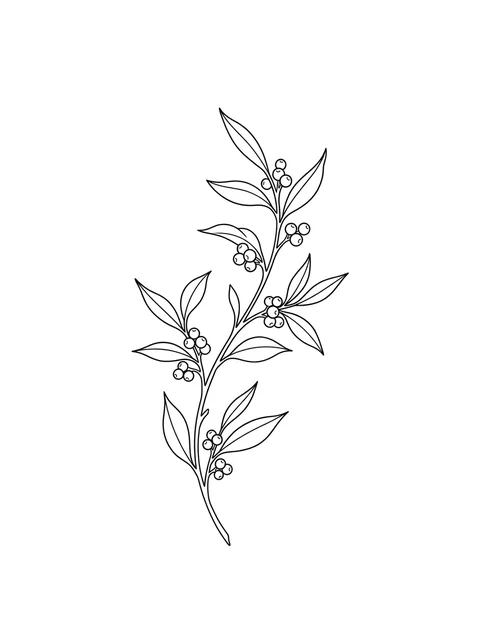
Black and white fine line leaf tattoo design, outline stencil: a botanical branch Try it on — Black and white fine line leaf tattoo design, outline stencil: a botanical branch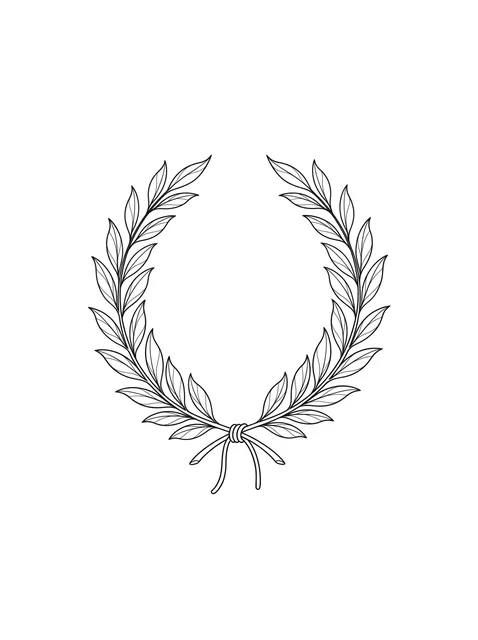
Black and white linework leaf tattoo design, outline stencil Try it on — Black and white linework leaf tattoo design, outline stencil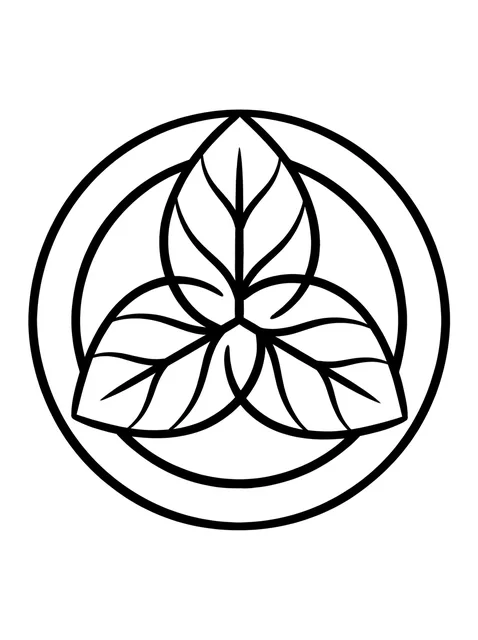
Black and white geometric leaf tattoo design, outline stencil Try it on — Black and white geometric leaf tattoo design, outline stencil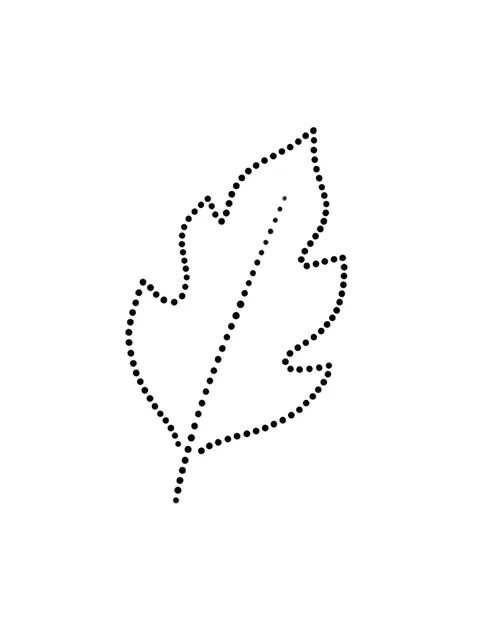
Black and grey stick and poke leaf tattoo design: a single leaf Try it on — Black and grey stick and poke leaf tattoo design: a single leaf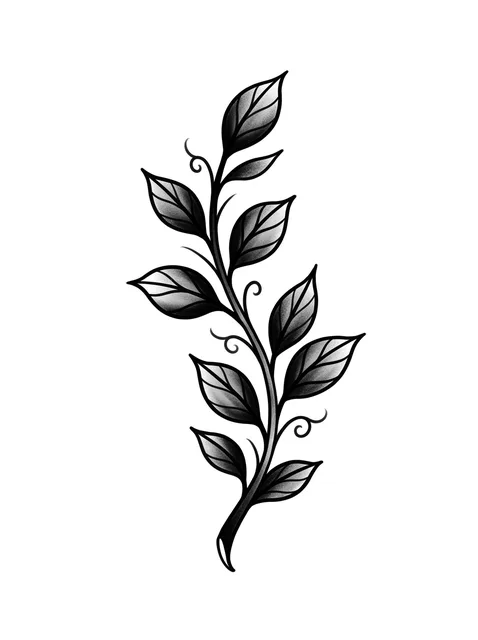
Black and grey traditional leaf and vine tattoo design Try it on — Black and grey traditional leaf and vine tattoo design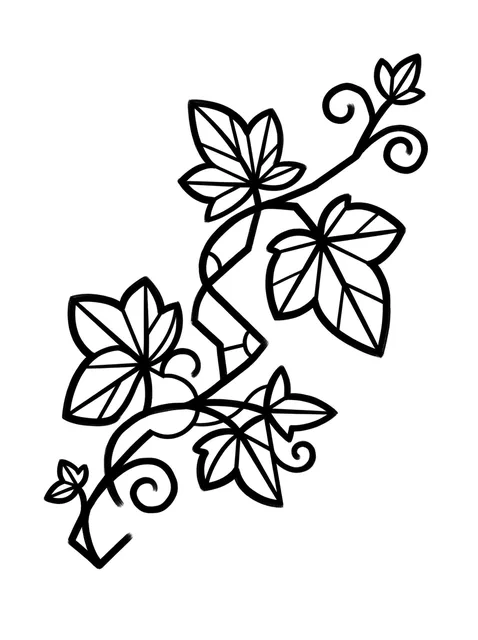
Black and white linework leaf and vine tattoo design, outline stencil (1 of 2) Try it on — Black and white linework leaf and vine tattoo design, outline stencil (1 of 2)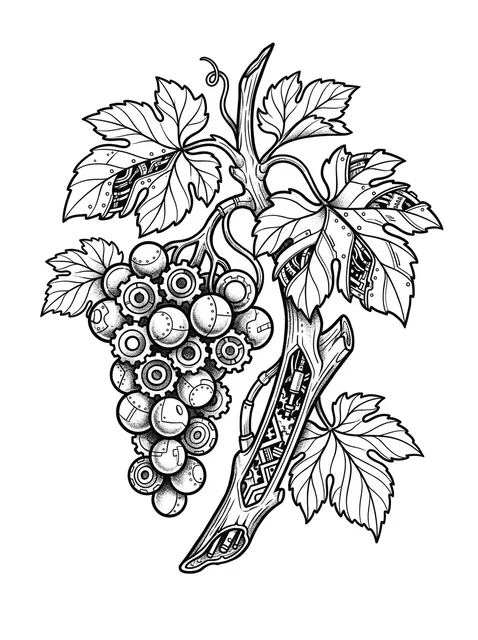
Black and grey biomechanical leaf and vine tattoo design: a cluster of grapes and vine leaves Try it on — Black and grey biomechanical leaf and vine tattoo design: a cluster of grapes and vine leaves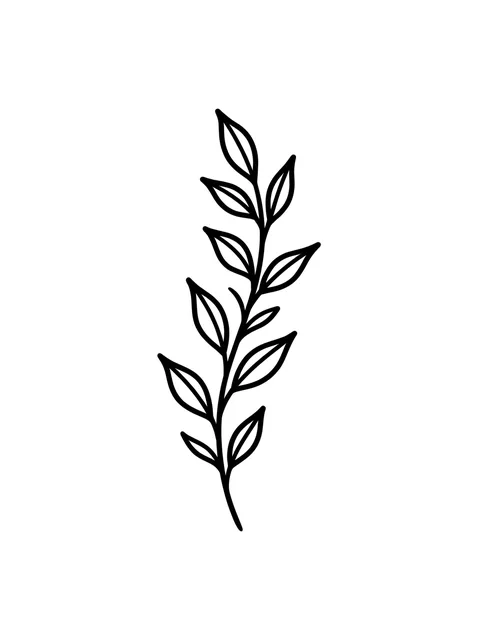
Black and white linework leaf and vine tattoo design, outline stencil: a delicate vine Try it on — Black and white linework leaf and vine tattoo design, outline stencil: a delicate vine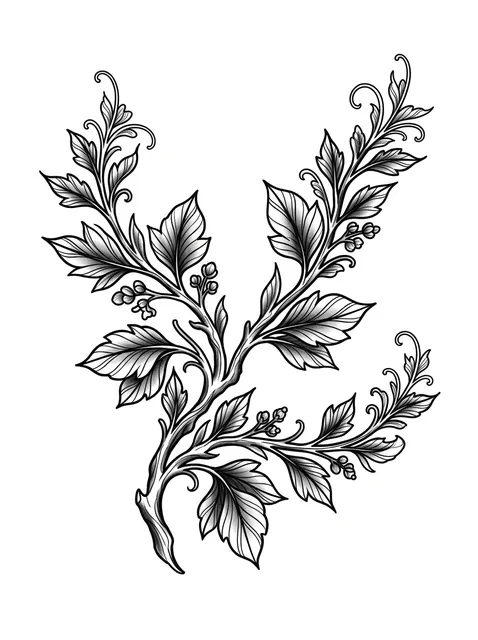
Black and grey illustrative leaf and vine tattoo design: an elegant botanical vine Try it on — Black and grey illustrative leaf and vine tattoo design: an elegant botanical vine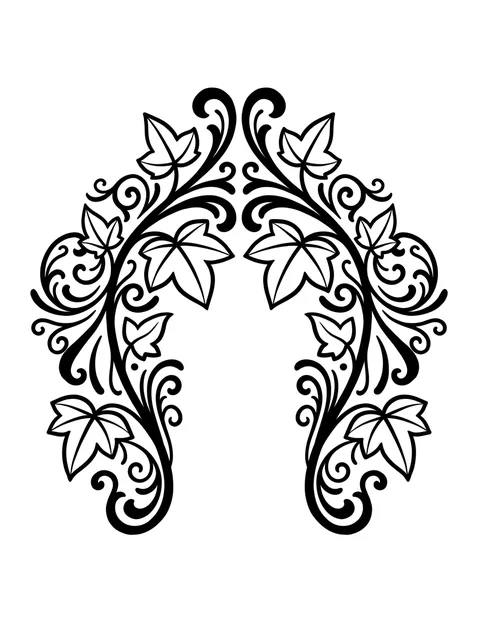
Black and grey ornamental leaf and vine tattoo design Try it on — Black and grey ornamental leaf and vine tattoo design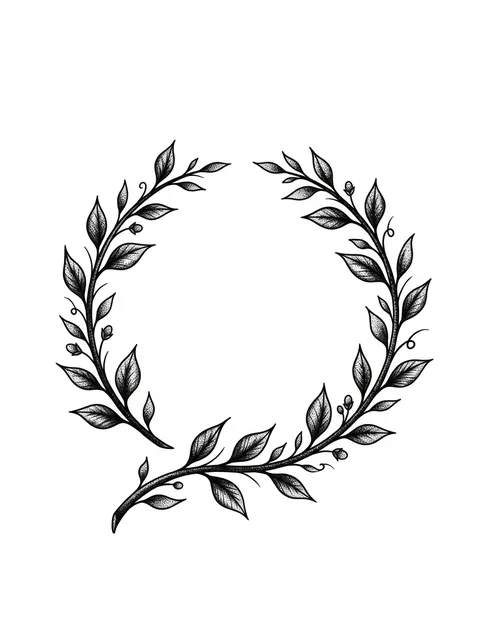
Black and grey dotwork leaf and vine tattoo design: a graceful laurel wreath Try it on — Black and grey dotwork leaf and vine tattoo design: a graceful laurel wreath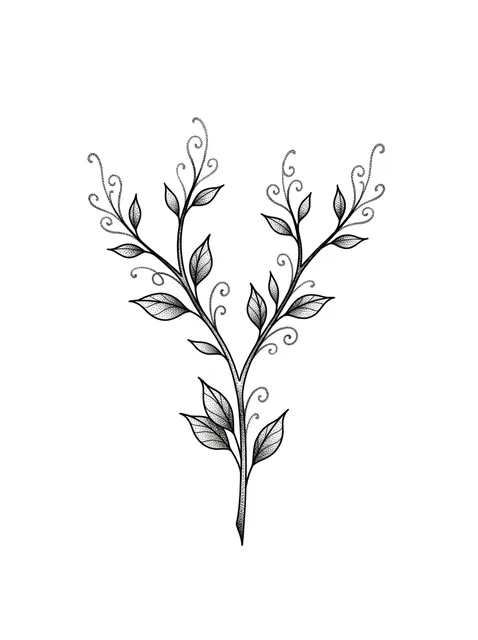
Black and grey dotwork leaf and vine tattoo design: a symmetrical vine Try it on — Black and grey dotwork leaf and vine tattoo design: a symmetrical vine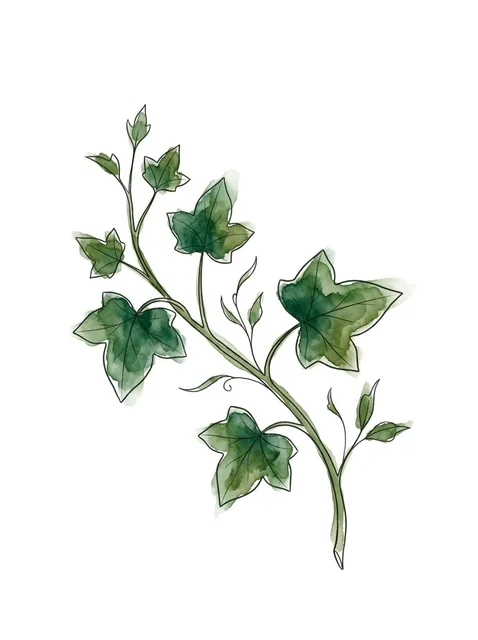
Color watercolor leaf and vine tattoo design: a winding ivy vine with several green leaves Try it on — Color watercolor leaf and vine tattoo design: a winding ivy vine with several green leaves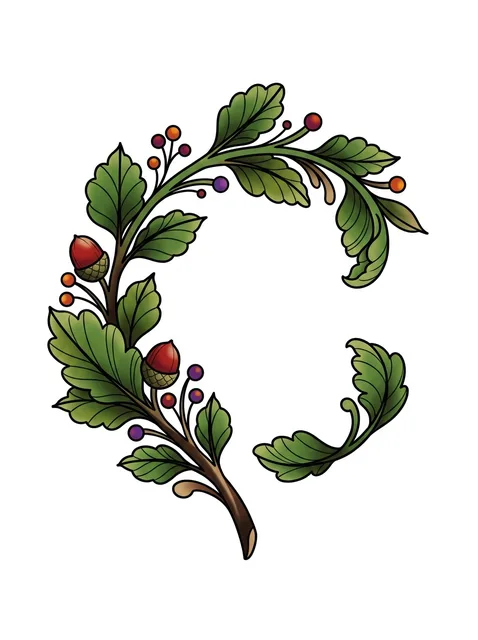
Color neo traditional leaf and vine tattoo design: a curved branch adorned Try it on — Color neo traditional leaf and vine tattoo design: a curved branch adorned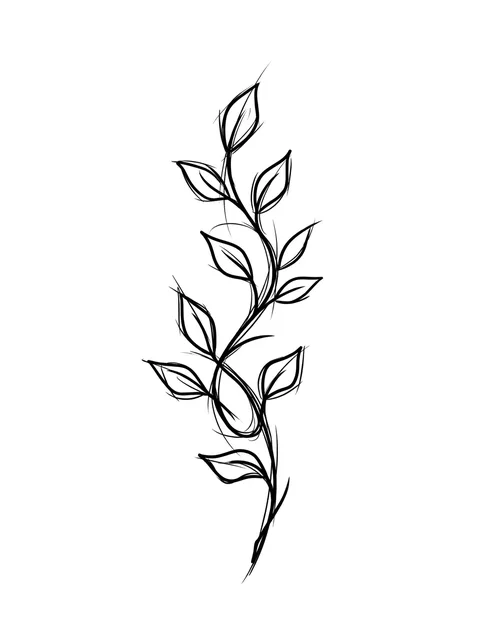
Black and grey sketch leaf and vine tattoo design: a delicate vine with several leaves Try it on — Black and grey sketch leaf and vine tattoo design: a delicate vine with several leaves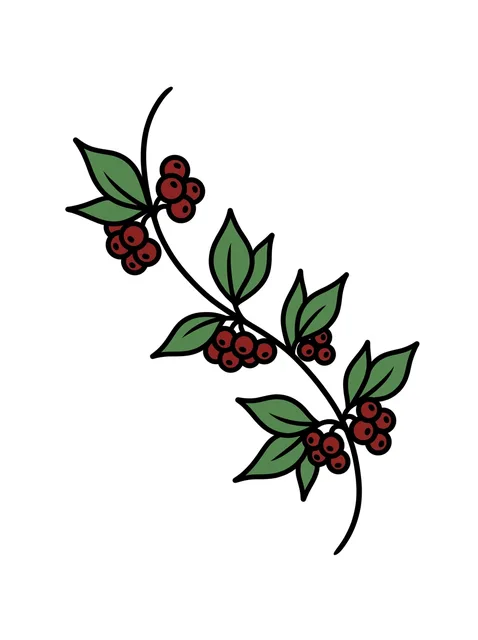
Color traditional leaf and vine tattoo design: a winding vine adorned Try it on — Color traditional leaf and vine tattoo design: a winding vine adorned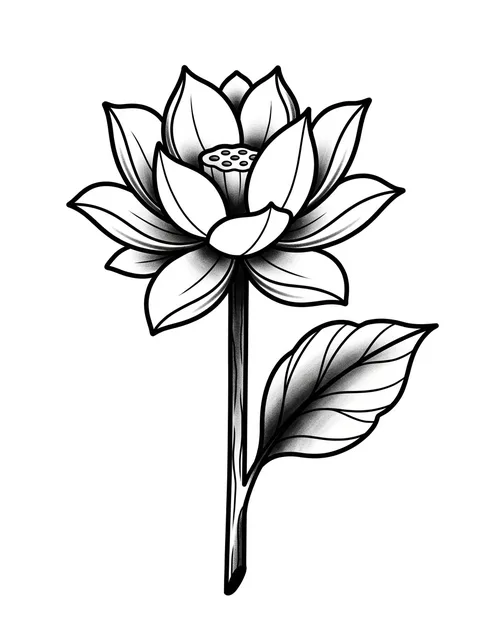
Black and grey neo traditional leaf and lotus tattoo design: a prominent lotus flower Try it on — Black and grey neo traditional leaf and lotus tattoo design: a prominent lotus flower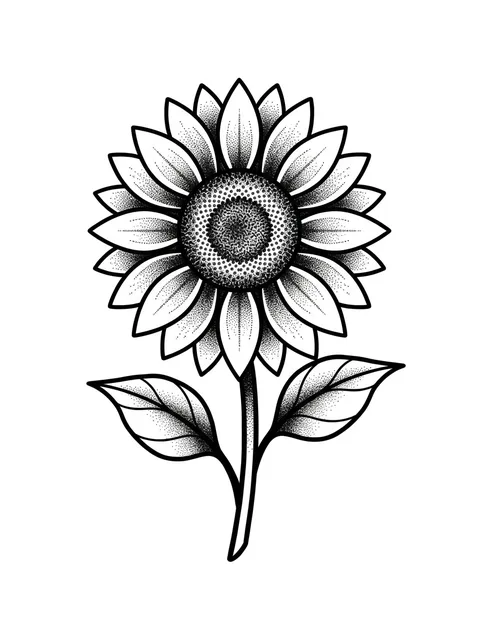
Black and white dotwork leaf and sunflower tattoo design Try it on — Black and white dotwork leaf and sunflower tattoo design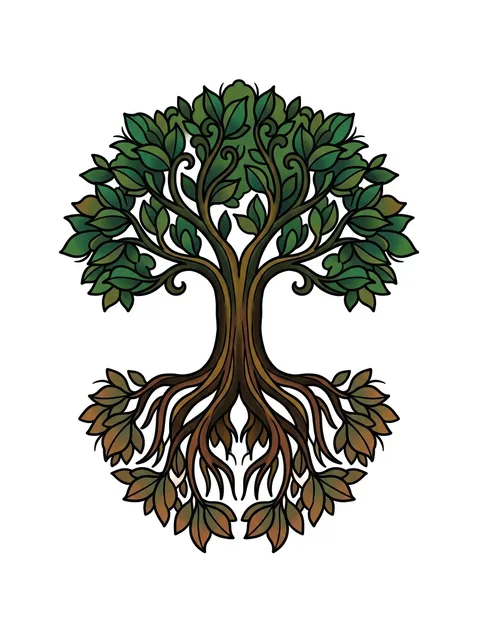
Color illustrative leaf and tree tattoo design: a tree of life Try it on — Color illustrative leaf and tree tattoo design: a tree of life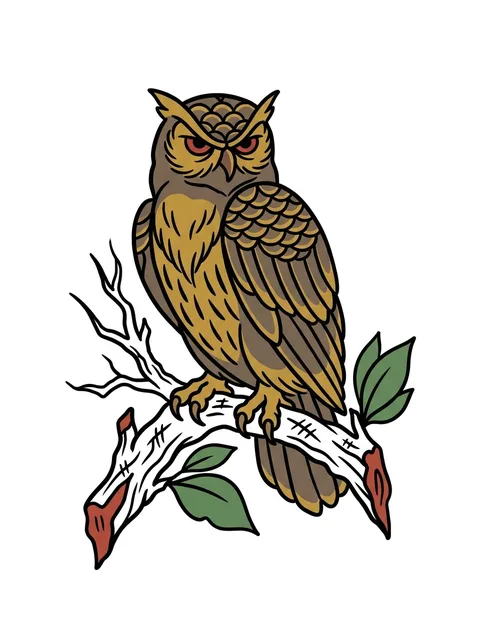
Color traditional leaf and owl tattoo design Try it on — Color traditional leaf and owl tattoo design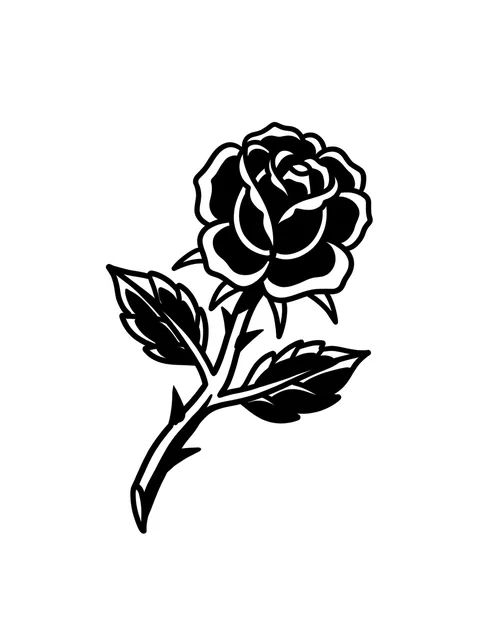
Black and grey traditional leaf and rose tattoo design: a single rose Try it on — Black and grey traditional leaf and rose tattoo design: a single rose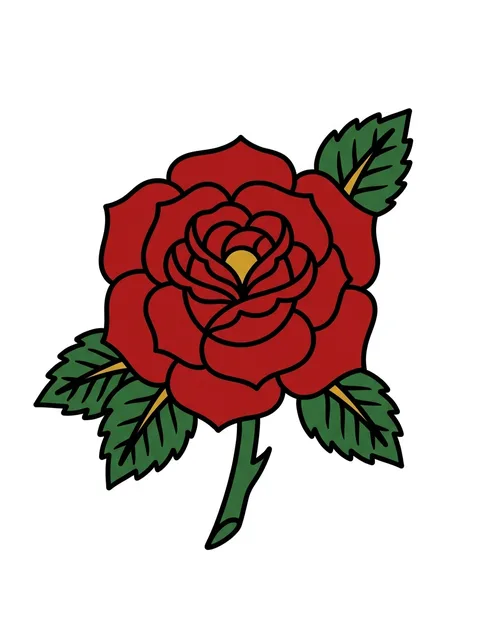
Color traditional leaf and rose tattoo design: a single red rose Try it on — Color traditional leaf and rose tattoo design: a single red rose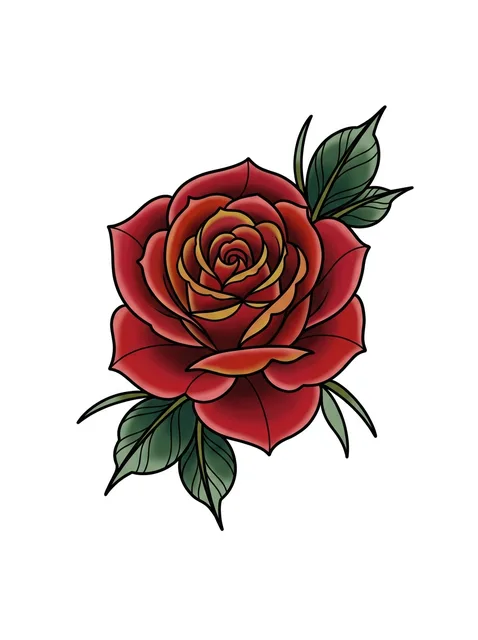
Color traditional leaf and rose tattoo design: a fully bloomed red rose Try it on — Color traditional leaf and rose tattoo design: a fully bloomed red rose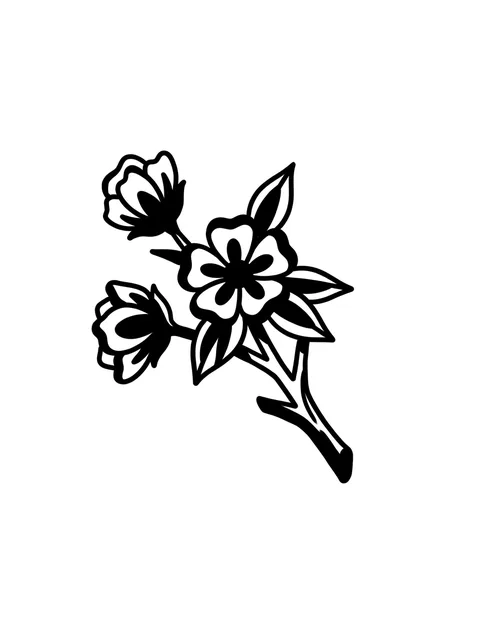
Black and grey traditional leaf and flower tattoo design: a cluster of three flowers Try it on — Black and grey traditional leaf and flower tattoo design: a cluster of three flowers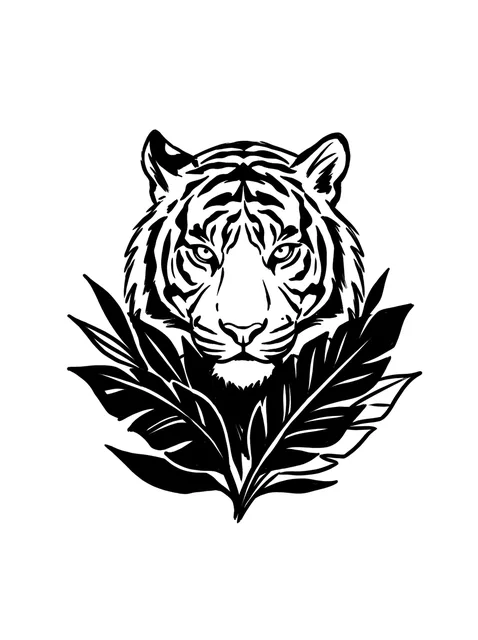
Black and white blackwork leaf and tiger tattoo design: a bold black and white tiger head Try it on — Black and white blackwork leaf and tiger tattoo design: a bold black and white tiger head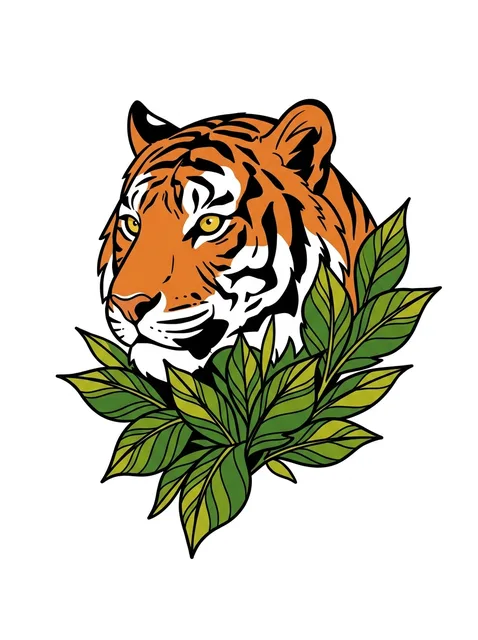
Color illustrative leaf and tiger tattoo design Try it on — Color illustrative leaf and tiger tattoo design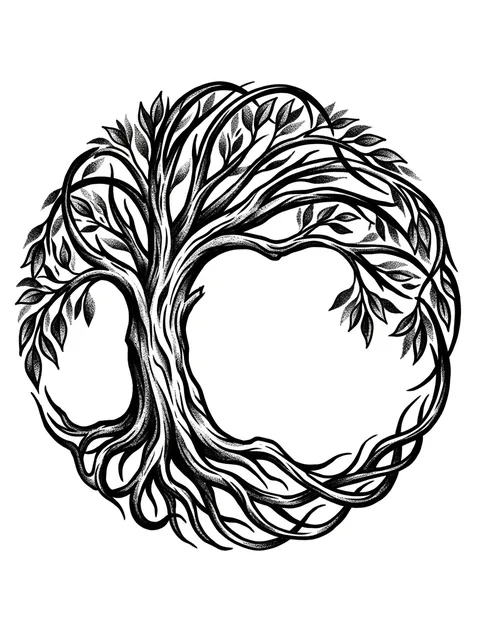
Black and grey illustrative leaf and tree tattoo design: a circular tree of life Try it on — Black and grey illustrative leaf and tree tattoo design: a circular tree of life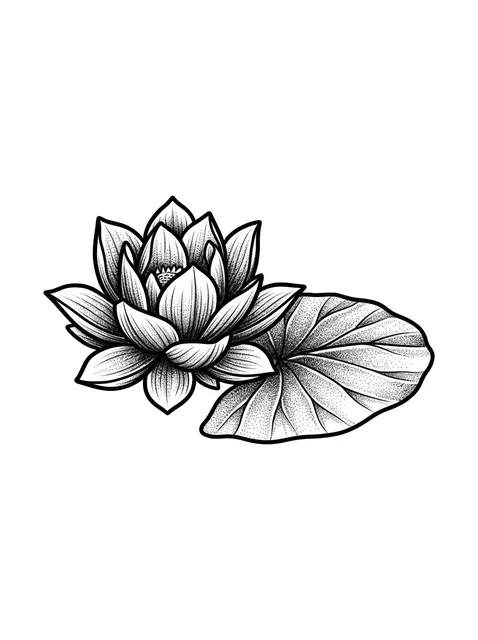
Black and grey dotwork leaf and lotus tattoo design: a prominent leaf Try it on — Black and grey dotwork leaf and lotus tattoo design: a prominent leaf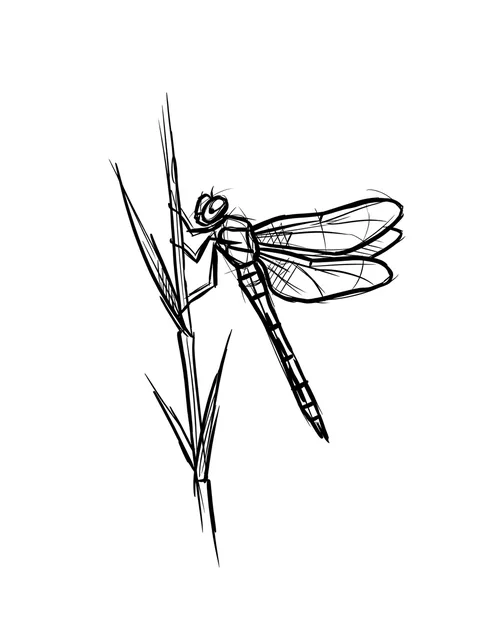
Black and grey sketch leaf and dragonfly tattoo design: a dragonfly perched on a slender leaf Try it on — Black and grey sketch leaf and dragonfly tattoo design: a dragonfly perched on a slender leaf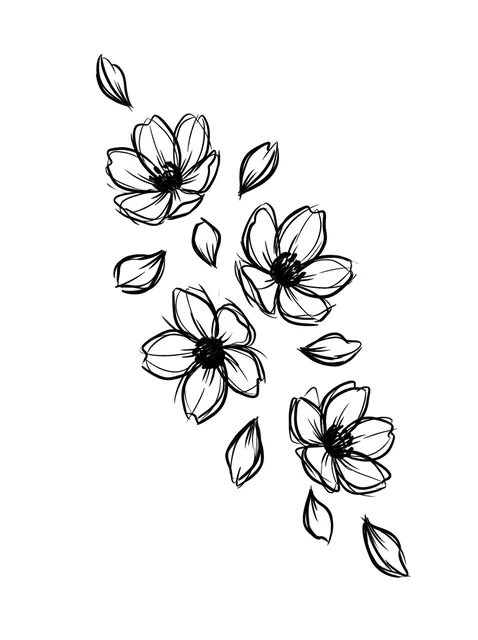
Black and grey sketch leaf and flower tattoo design: a cascade of four blooming flowers Try it on — Black and grey sketch leaf and flower tattoo design: a cascade of four blooming flowers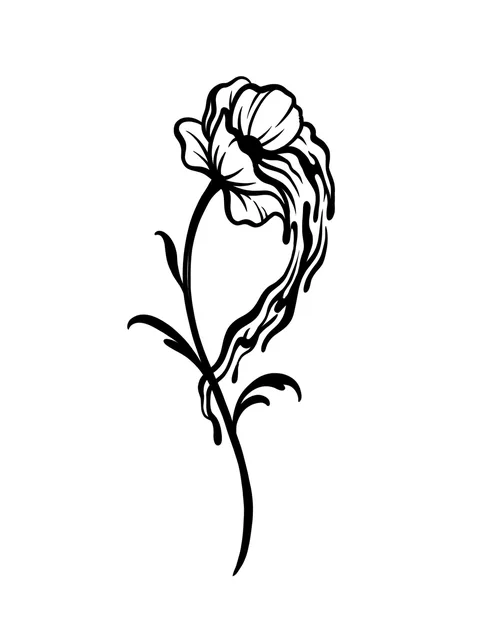
Black and grey illustrative leaf and flower tattoo design: a stylized flower Try it on — Black and grey illustrative leaf and flower tattoo design: a stylized flower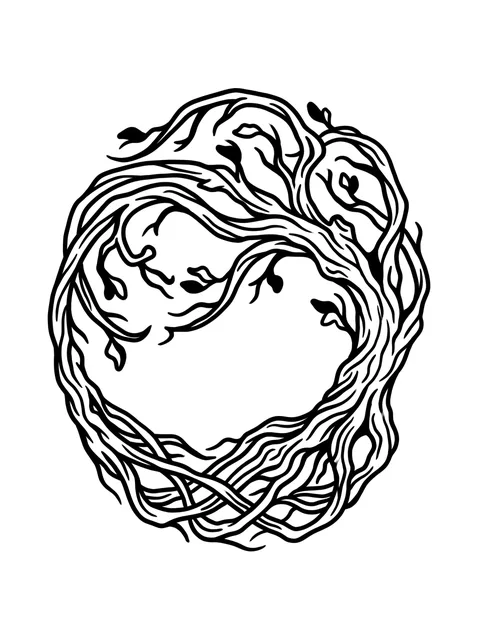
Black and white blackwork leaf and tree tattoo design: a circular tree of life Try it on — Black and white blackwork leaf and tree tattoo design: a circular tree of life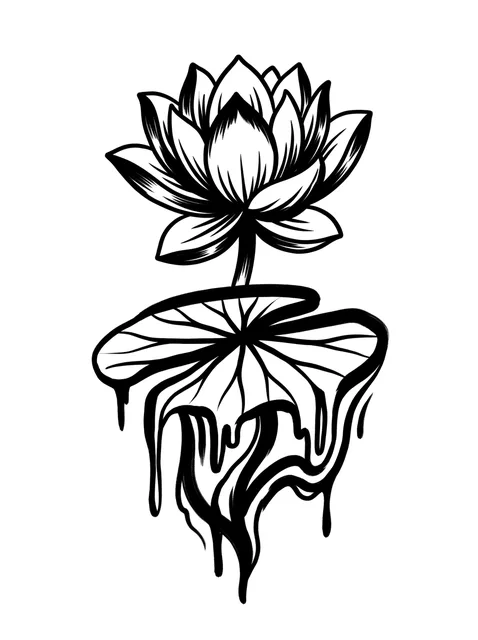
Black and white blackwork leaf and lotus tattoo design: a blooming lotus flower atop a lily pad Try it on — Black and white blackwork leaf and lotus tattoo design: a blooming lotus flower atop a lily pad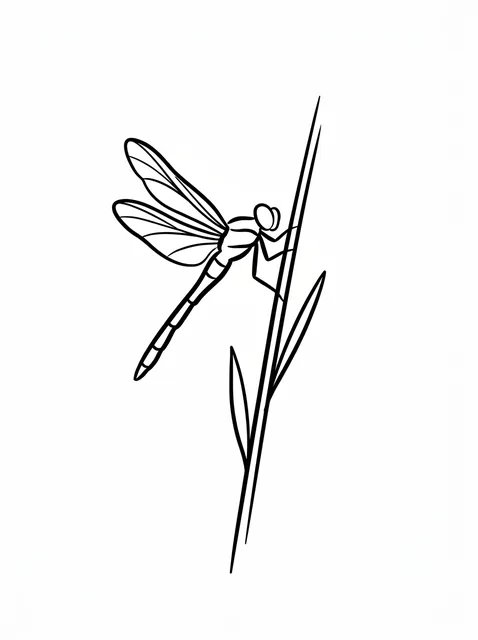
Black and white linework leaf and dragonfly tattoo design, outline stencil Try it on — Black and white linework leaf and dragonfly tattoo design, outline stencil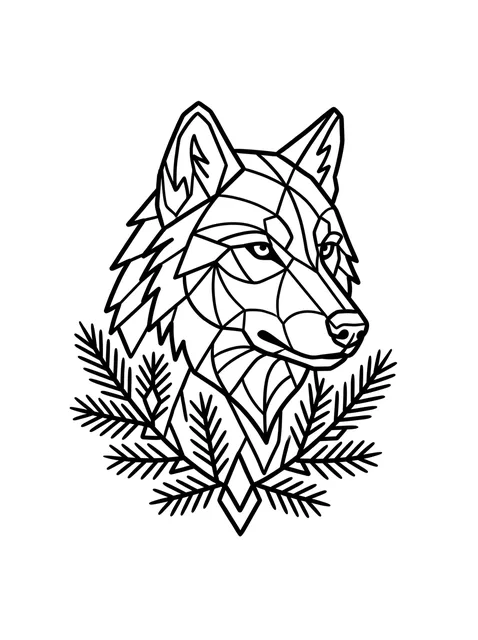
Black and white geometric leaf and wolf tattoo design, outline stencil Try it on — Black and white geometric leaf and wolf tattoo design, outline stencil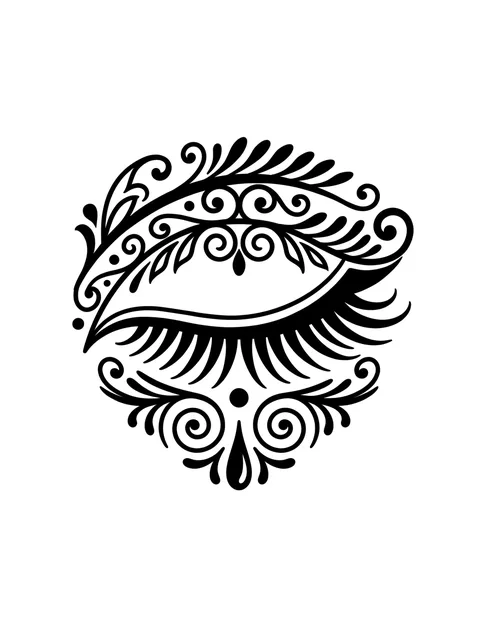
Black and grey ornamental leaf and eye tattoo design: a closed eye with long lashes Try it on — Black and grey ornamental leaf and eye tattoo design: a closed eye with long lashes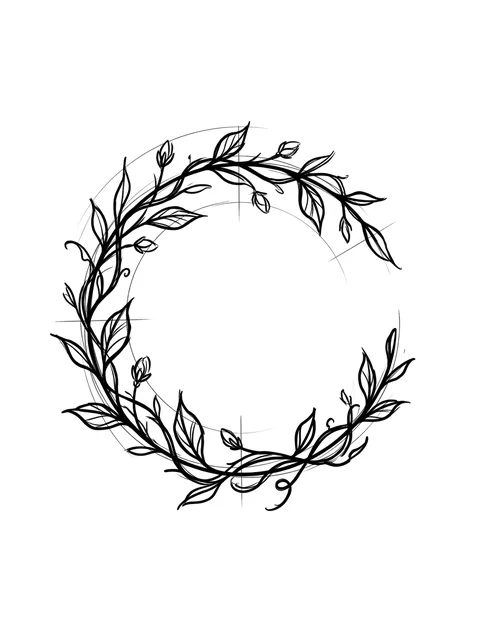
Black and grey sketch leaf and vine tattoo design Try it on — Black and grey sketch leaf and vine tattoo design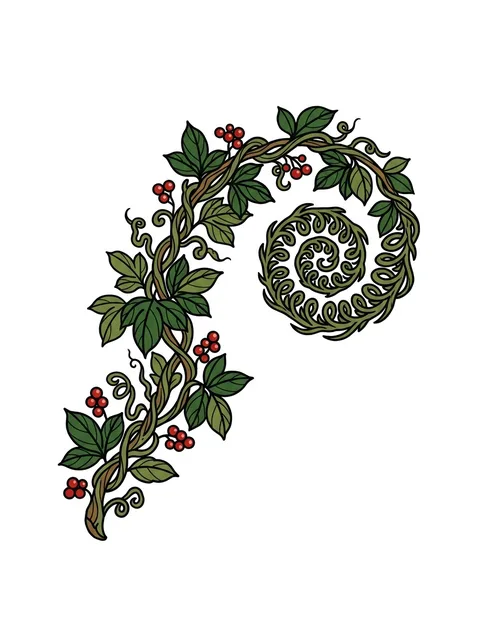
Color illustrative leaf and vine tattoo design: a winding vine with green leaves and red berries Try it on — Color illustrative leaf and vine tattoo design: a winding vine with green leaves and red berries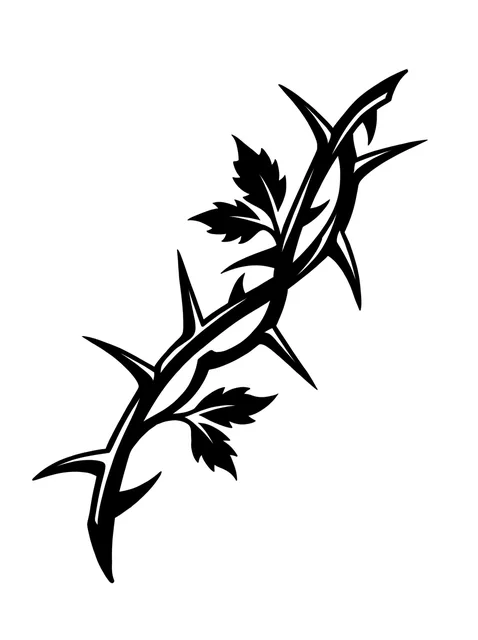
Black and white tribal leaf and vine tattoo design: a thorny vine with small leaves Try it on — Black and white tribal leaf and vine tattoo design: a thorny vine with small leaves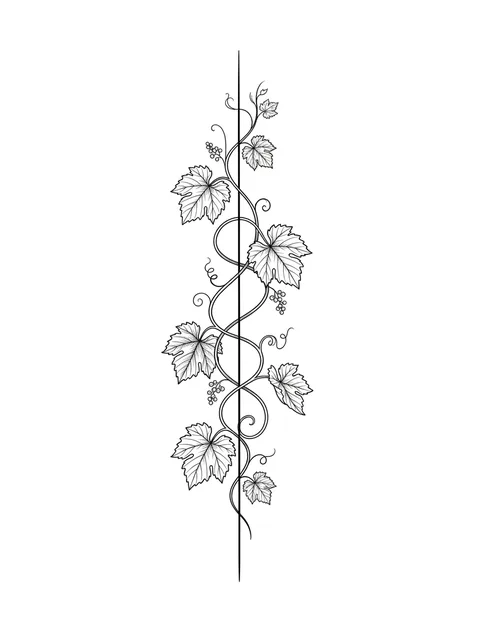
Black and white fine line leaf and vine tattoo design, outline stencil: a vertical vine Try it on — Black and white fine line leaf and vine tattoo design, outline stencil: a vertical vine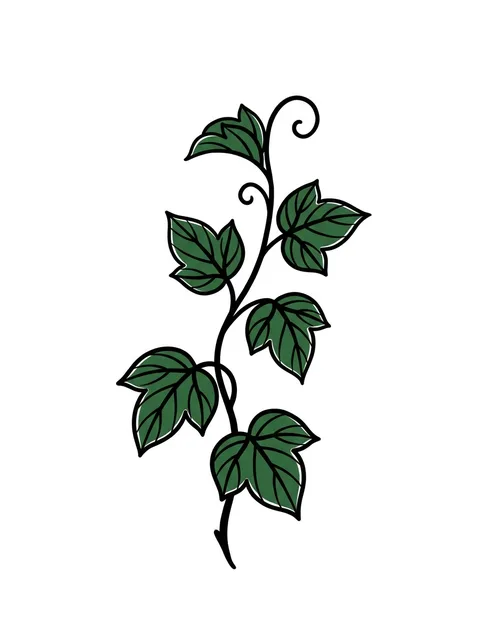
Color illustrative leaf and vine tattoo design: a green ivy vine with several leaves Try it on — Color illustrative leaf and vine tattoo design: a green ivy vine with several leaves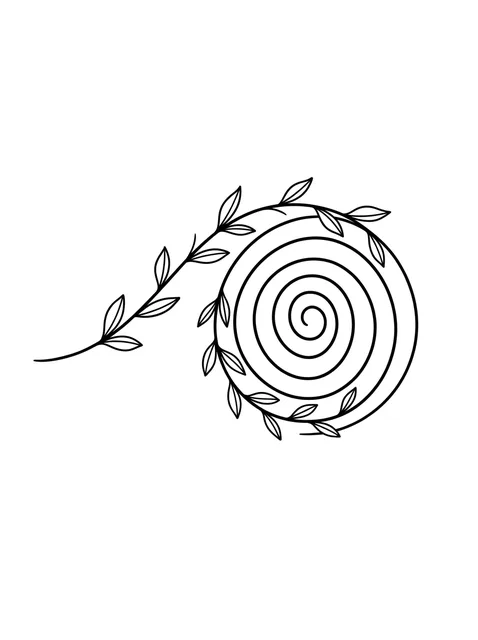
Black and white linework leaf and vine tattoo design, outline stencil (2 of 2) Try it on — Black and white linework leaf and vine tattoo design, outline stencil (2 of 2)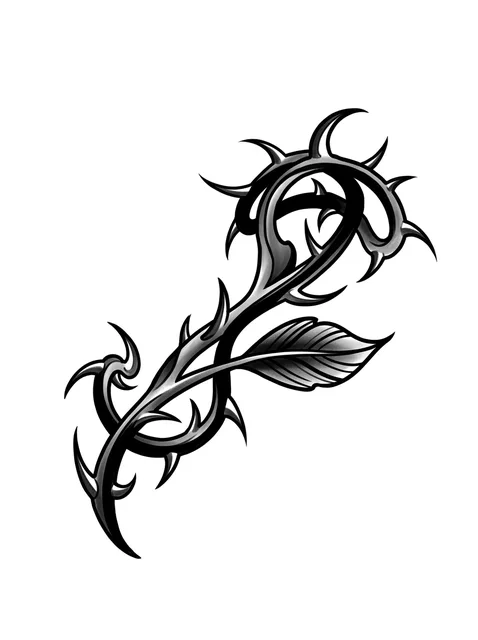
Black and grey illustrative leaf and vine tattoo design: a thorny vine with a single leaf Try it on — Black and grey illustrative leaf and vine tattoo design: a thorny vine with a single leaf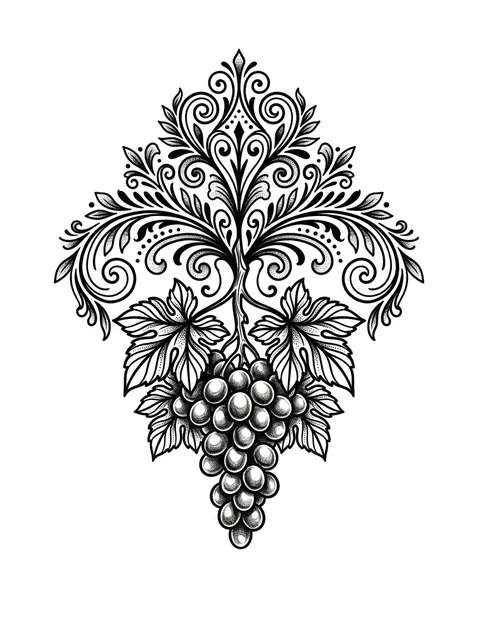
Black and grey illustrative leaf and vine tattoo design: an ornate vine with a cluster of grapes Try it on — Black and grey illustrative leaf and vine tattoo design: an ornate vine with a cluster of grapes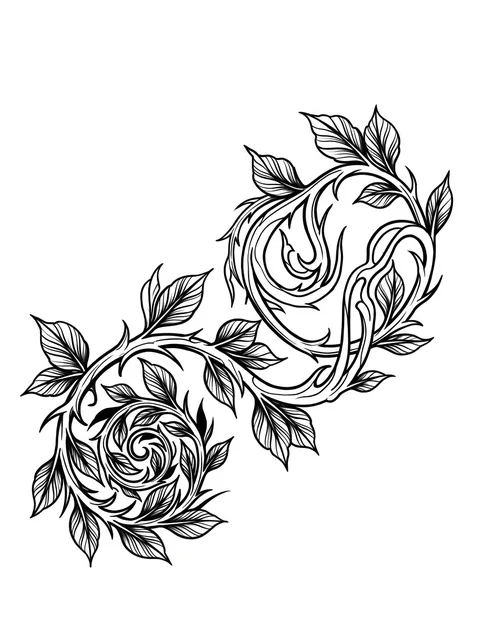
Black and grey illustrative leaf and vine tattoo design: two ornate, swirling vine elements adorned Try it on — Black and grey illustrative leaf and vine tattoo design: two ornate, swirling vine elements adorned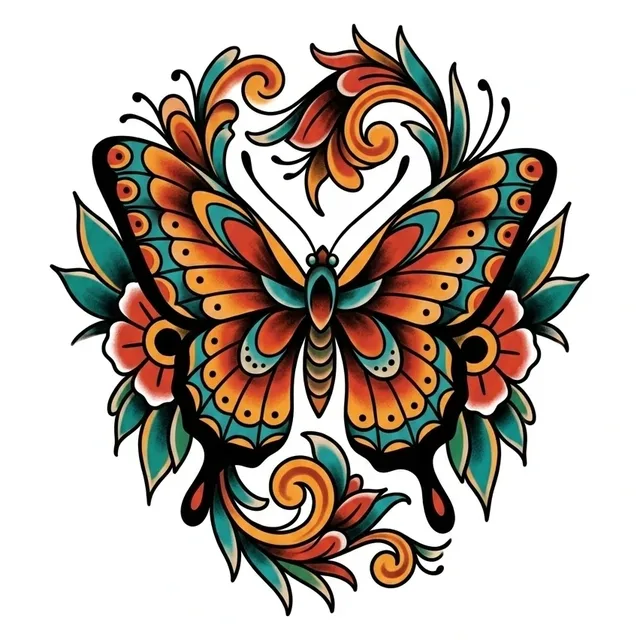
Color neo traditional leaf and butterfly tattoo design Try it on — Color neo traditional leaf and butterfly tattoo design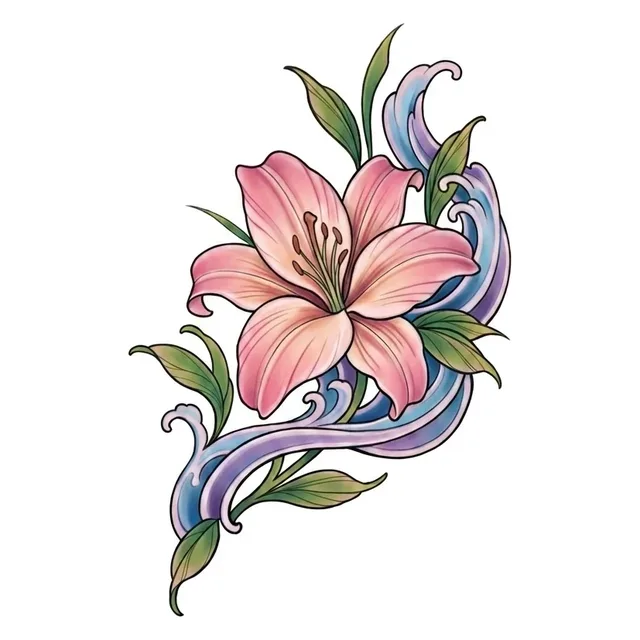
Color neo traditional leaf and lily tattoo design: a pink lily with green leaves, intertwined Try it on — Color neo traditional leaf and lily tattoo design: a pink lily with green leaves, intertwined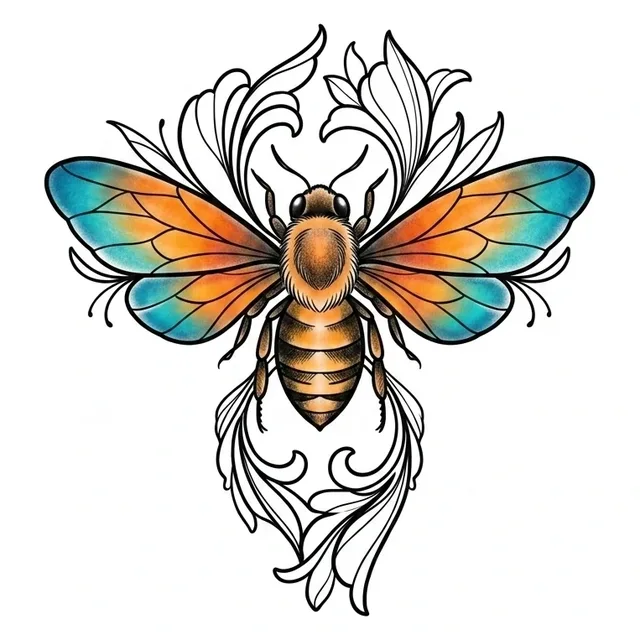
Color illustrative leaf and bee tattoo design Try it on — Color illustrative leaf and bee tattoo design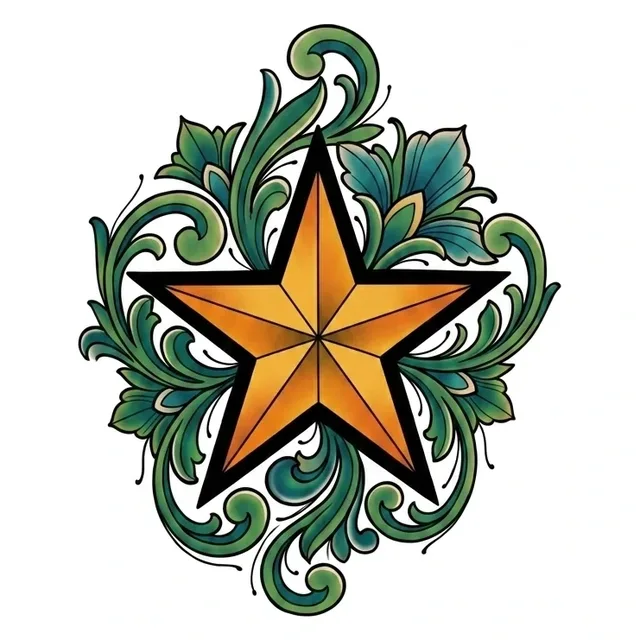
Color traditional leaf and star tattoo design: a bold yellow and orange star at its center Try it on — Color traditional leaf and star tattoo design: a bold yellow and orange star at its center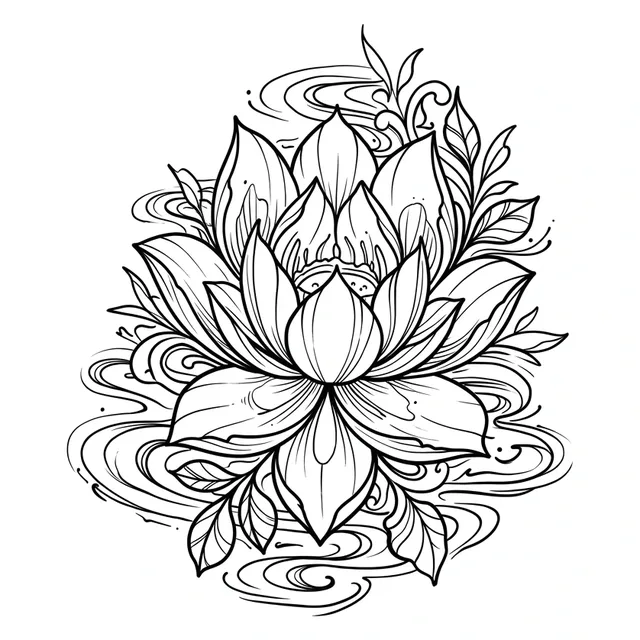
Black and white linework leaf and lotus tattoo design, outline stencil Try it on — Black and white linework leaf and lotus tattoo design, outline stencil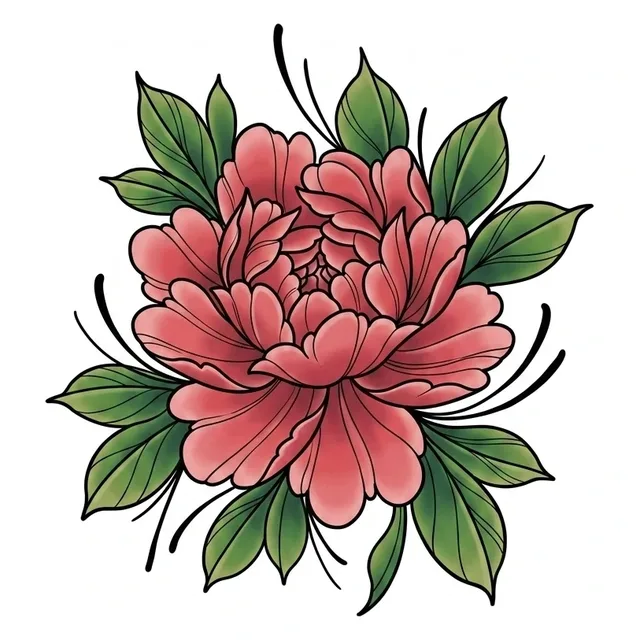
Color neo traditional leaf and peony tattoo design: a lush pink peony with green leaves Try it on — Color neo traditional leaf and peony tattoo design: a lush pink peony with green leaves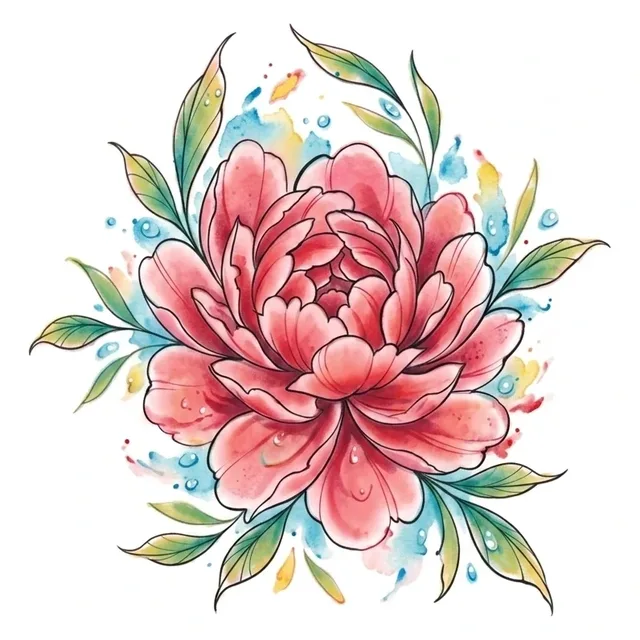
Color watercolor leaf and peony tattoo design: a large, detailed pink peony with green leaves Try it on — Color watercolor leaf and peony tattoo design: a large, detailed pink peony with green leaves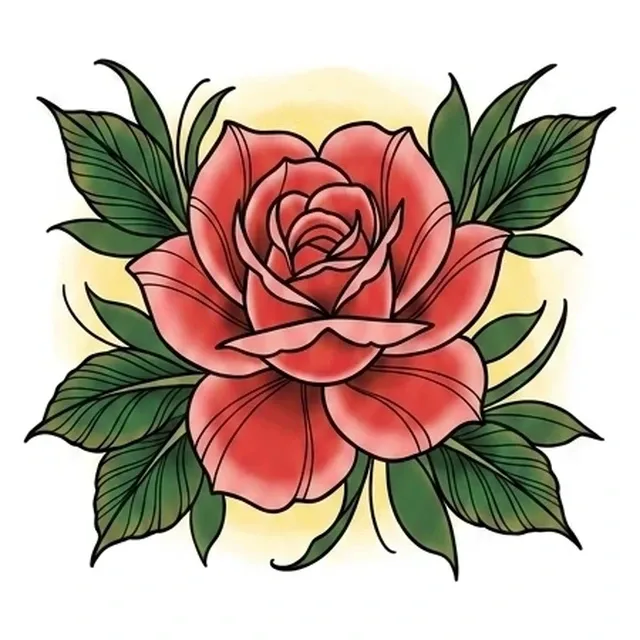
Color traditional leaf and rose tattoo design Try it on — Color traditional leaf and rose tattoo design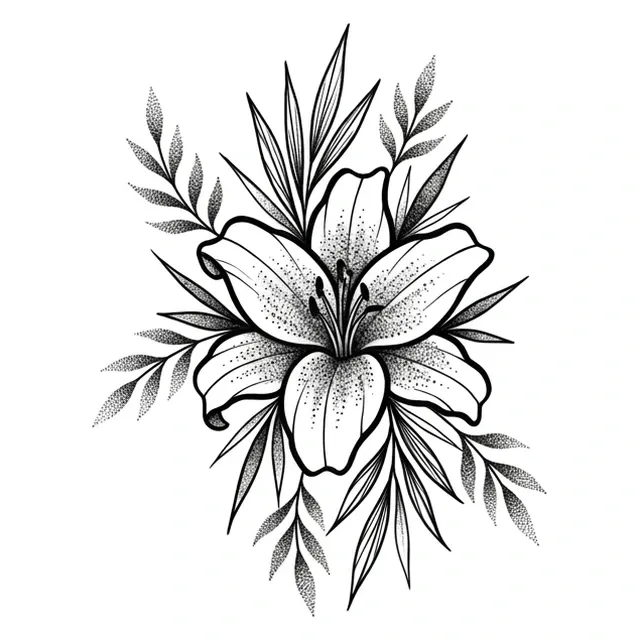
Black and white dotwork leaf and lily tattoo design: a prominent lily flower at its center Try it on — Black and white dotwork leaf and lily tattoo design: a prominent lily flower at its center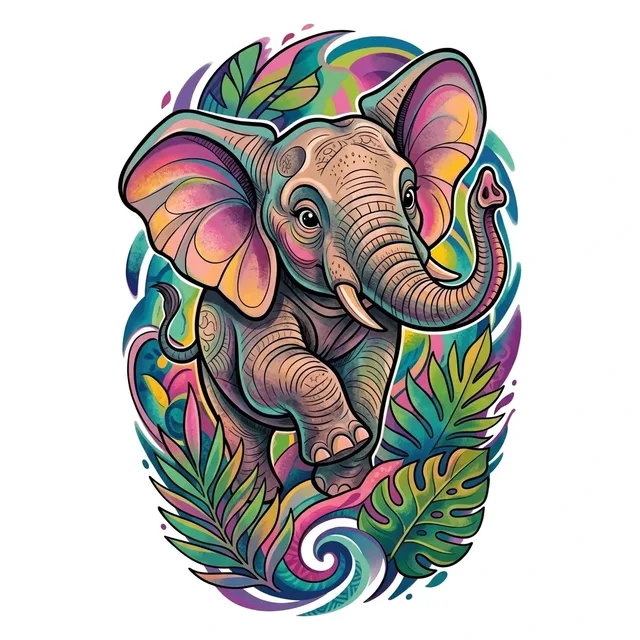
Color illustrative leaf and elephant tattoo design Try it on — Color illustrative leaf and elephant tattoo design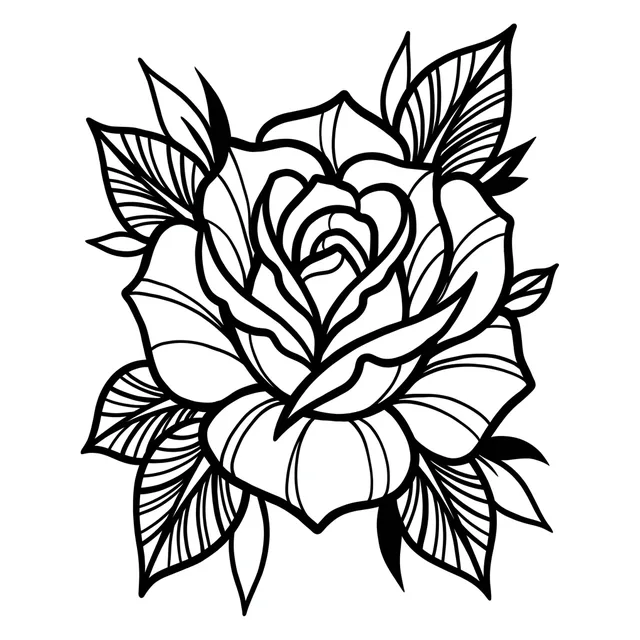
Black and white traditional leaf and rose tattoo design Try it on — Black and white traditional leaf and rose tattoo design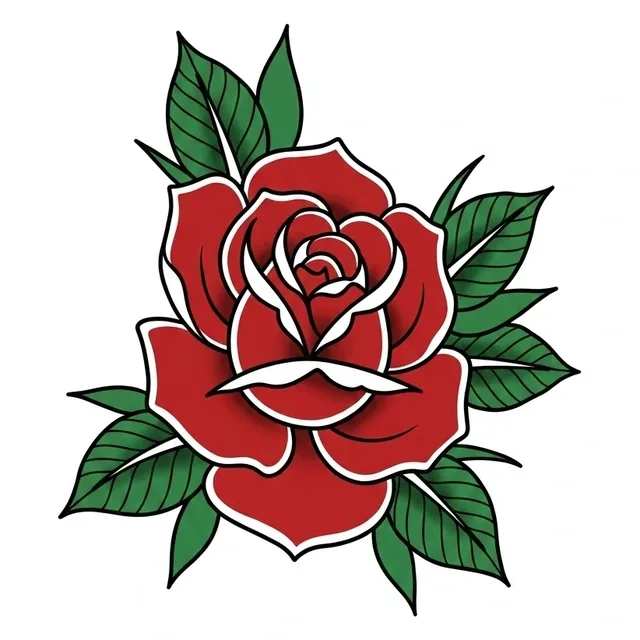
Color traditional leaf and rose tattoo design: a single red rose with green leaves Try it on — Color traditional leaf and rose tattoo design: a single red rose with green leaves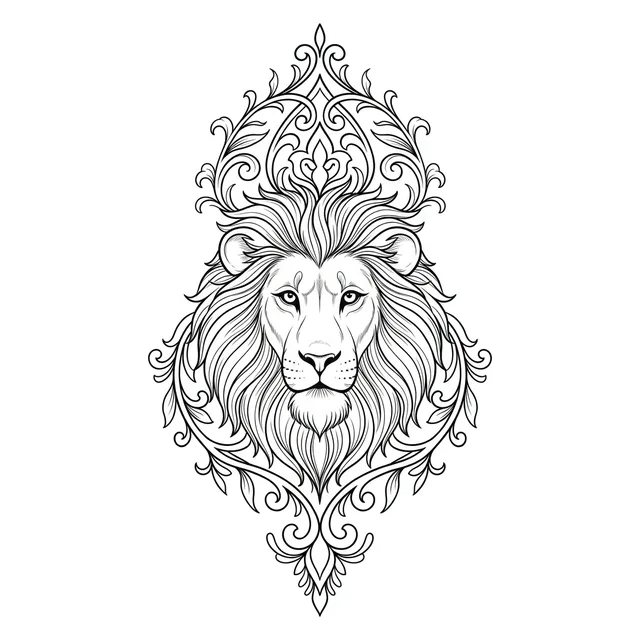
Black and grey illustrative leaf and lion tattoo design: a majestic lion's head with a flowing mane Try it on — Black and grey illustrative leaf and lion tattoo design: a majestic lion's head with a flowing mane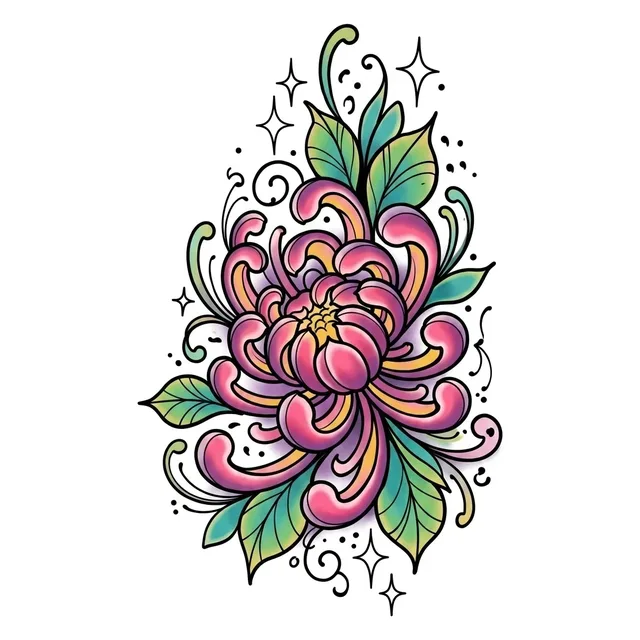
Color neo traditional leaf and chrysanthemum tattoo design: a large pink and yellow flower Try it on — Color neo traditional leaf and chrysanthemum tattoo design: a large pink and yellow flower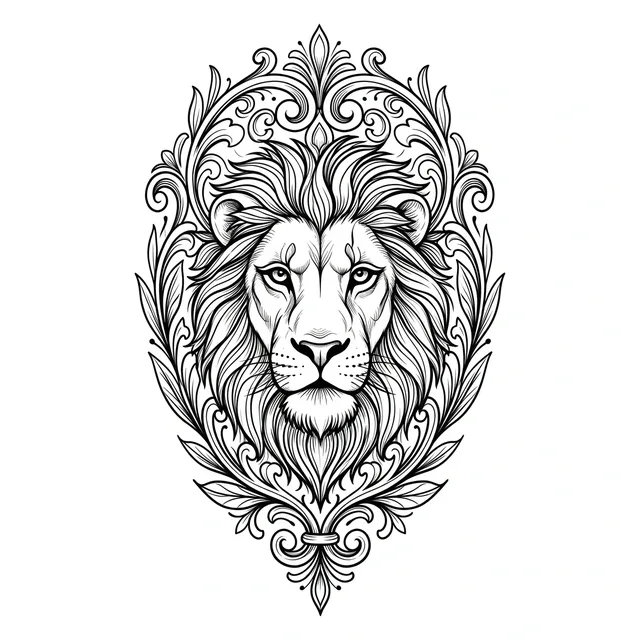
Black and white illustrative leaf and lion tattoo design: a lion's head with a detailed mane Try it on — Black and white illustrative leaf and lion tattoo design: a lion's head with a detailed mane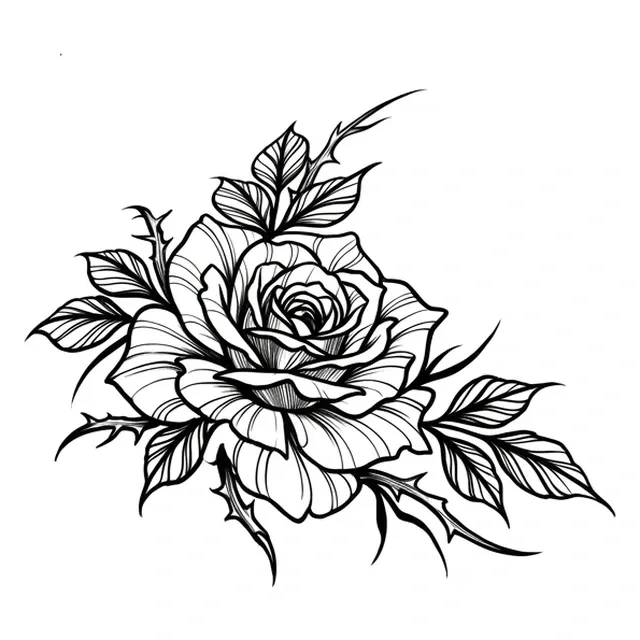
Black and white illustrative leaf and rose tattoo design: a single rose in full bloom Try it on — Black and white illustrative leaf and rose tattoo design: a single rose in full bloom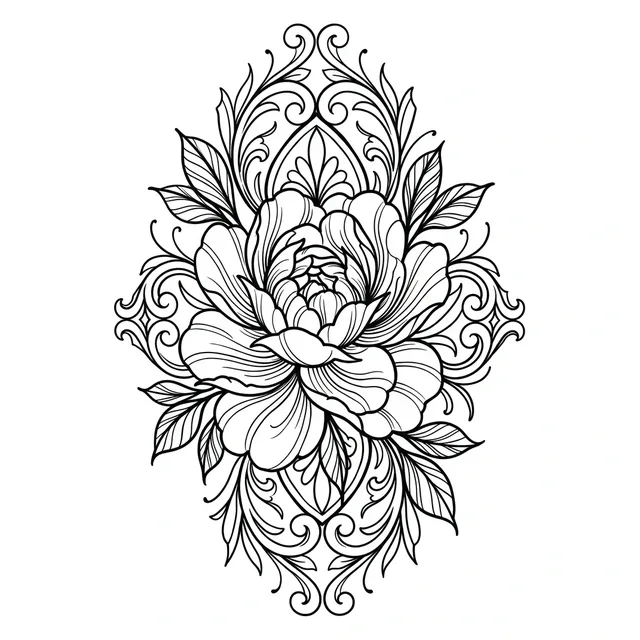
Black and white ornamental leaf and peony tattoo design: a central peony flower Try it on — Black and white ornamental leaf and peony tattoo design: a central peony flower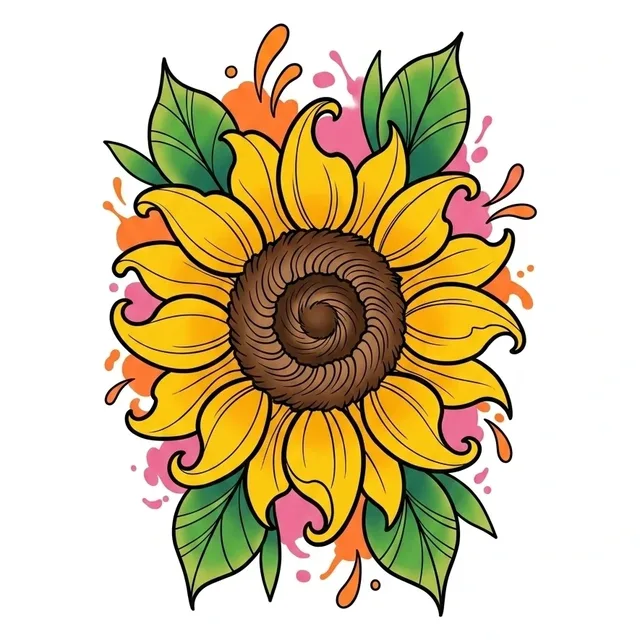
Color illustrative leaf and sunflower tattoo design (1 of 2) Try it on — Color illustrative leaf and sunflower tattoo design (1 of 2)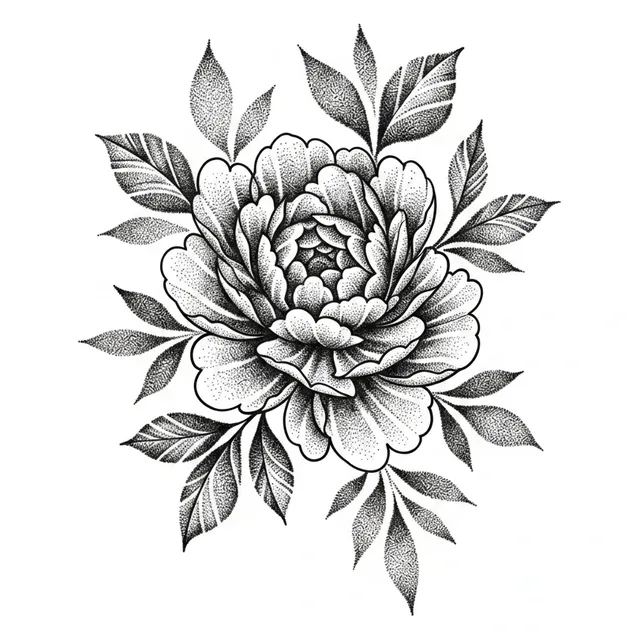
Black and grey dotwork leaf and peony tattoo design: a soft, textured appearance Try it on — Black and grey dotwork leaf and peony tattoo design: a soft, textured appearance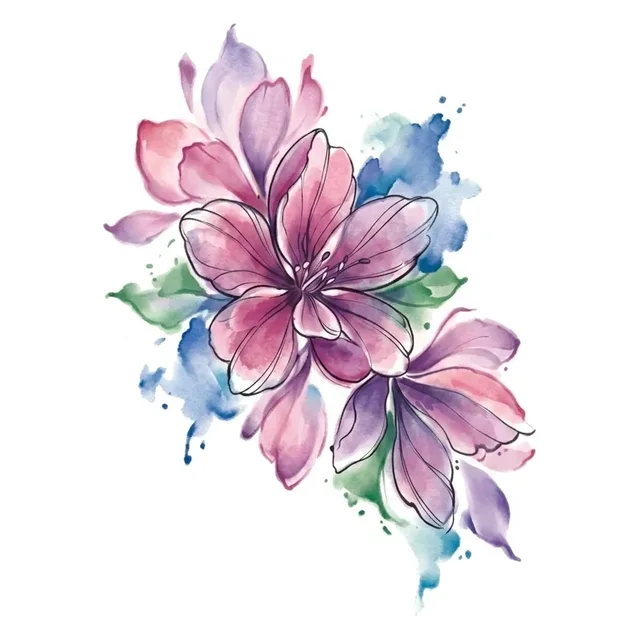
Color watercolor leaf and flower tattoo design: a cluster of pink and purple flowers Try it on — Color watercolor leaf and flower tattoo design: a cluster of pink and purple flowers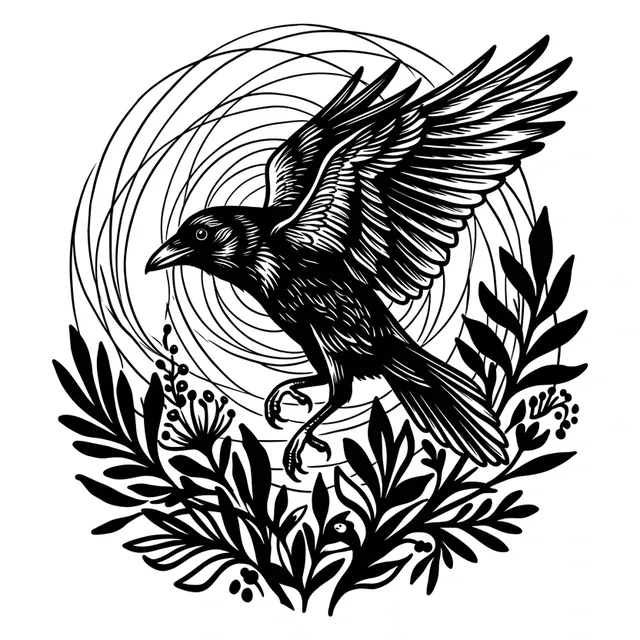
Black and grey illustrative leaf and raven tattoo design: a raven in flight Try it on — Black and grey illustrative leaf and raven tattoo design: a raven in flight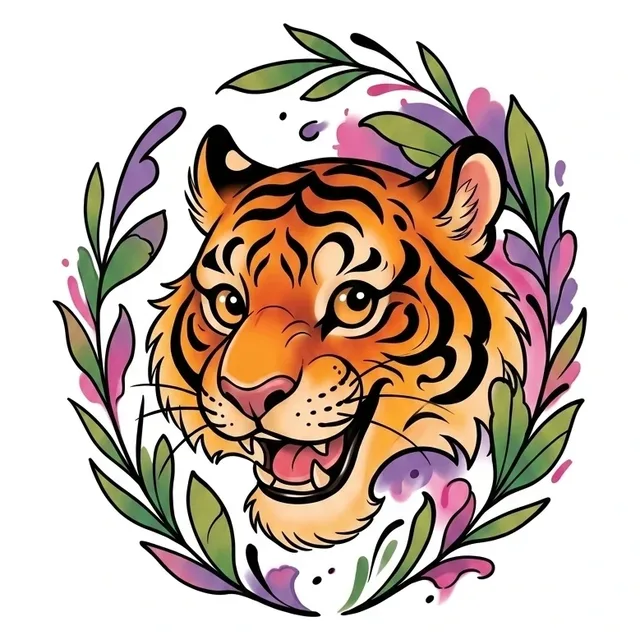
Color illustrative leaf and tiger tattoo design: a cheerful tiger head Try it on — Color illustrative leaf and tiger tattoo design: a cheerful tiger head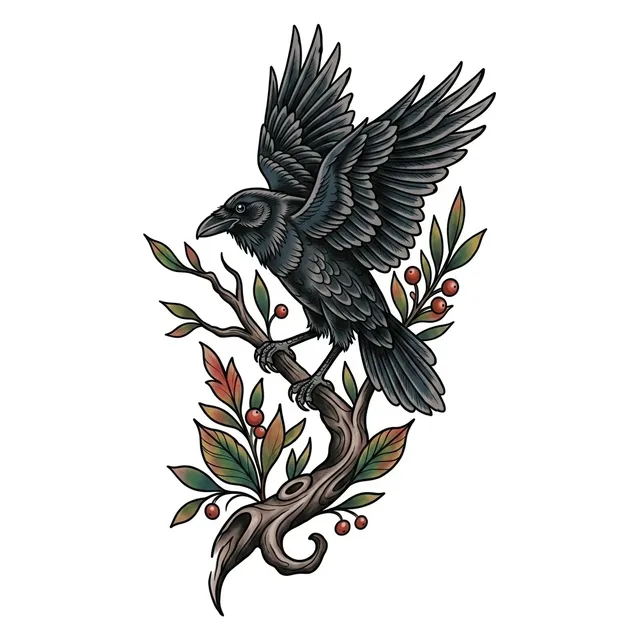
Color neo traditional leaf and raven tattoo design Try it on — Color neo traditional leaf and raven tattoo design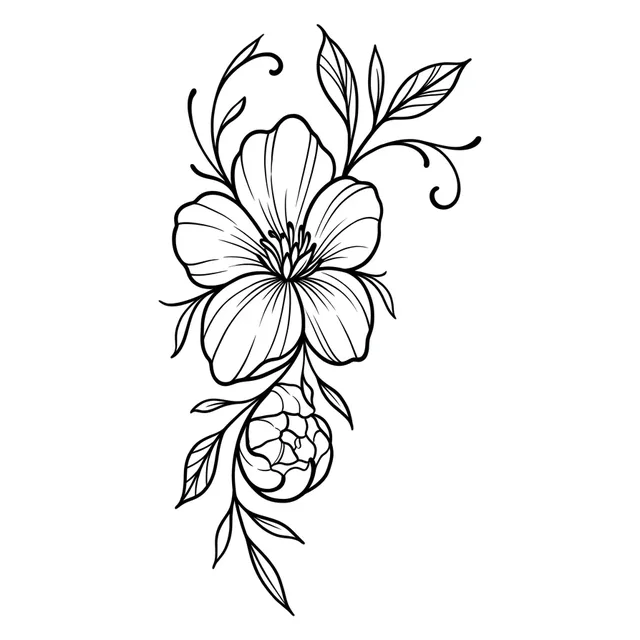
Black and white linework leaf and flower tattoo design, outline stencil: a blooming flower Try it on — Black and white linework leaf and flower tattoo design, outline stencil: a blooming flower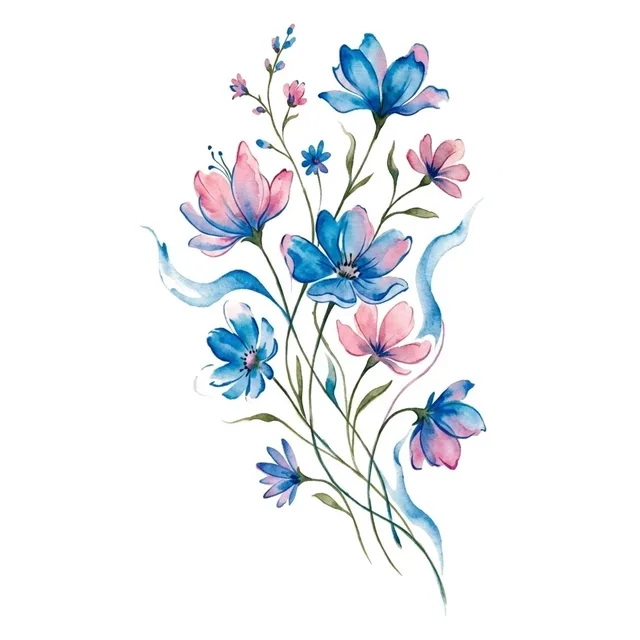
Color watercolor leaf and flower tattoo design Try it on — Color watercolor leaf and flower tattoo design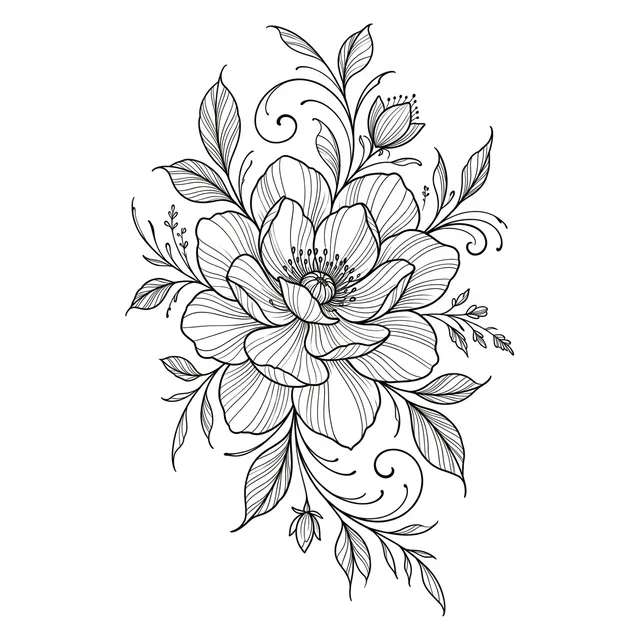
Black and white fine line leaf and flower tattoo design, outline stencil Try it on — Black and white fine line leaf and flower tattoo design, outline stencil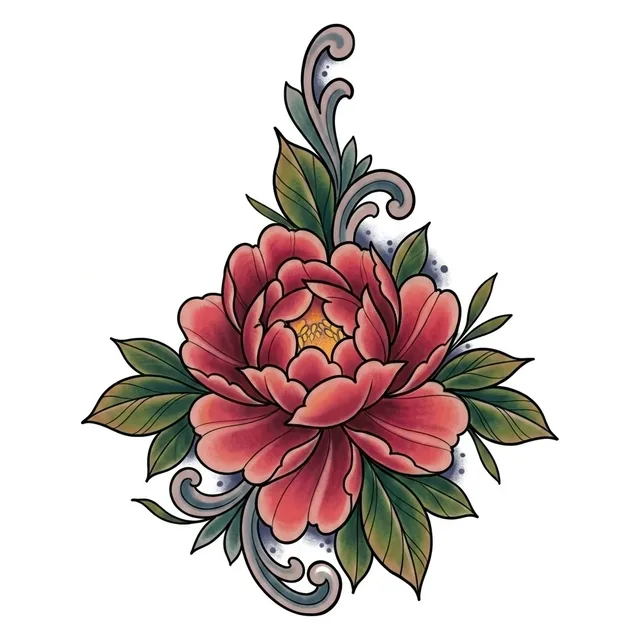
Color neo traditional leaf and peony tattoo design: a yellow center, surrounded by deep green leaves Try it on — Color neo traditional leaf and peony tattoo design: a yellow center, surrounded by deep green leaves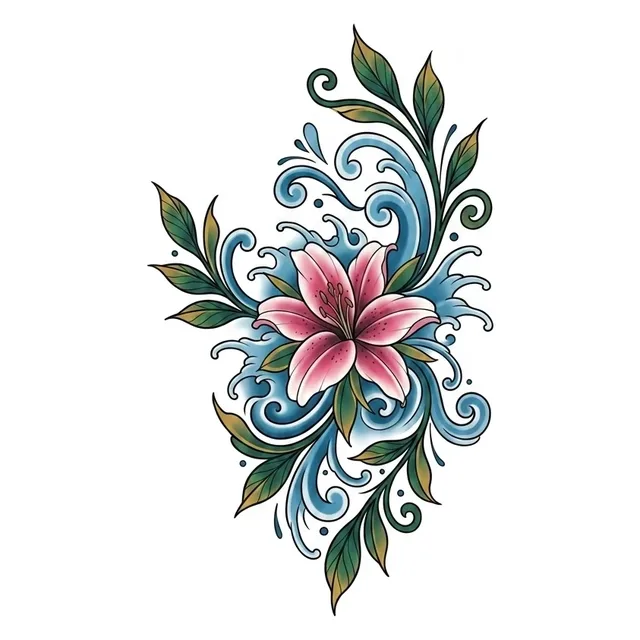
Color neo traditional leaf and lily tattoo design: a pink lily with green leaves Try it on — Color neo traditional leaf and lily tattoo design: a pink lily with green leaves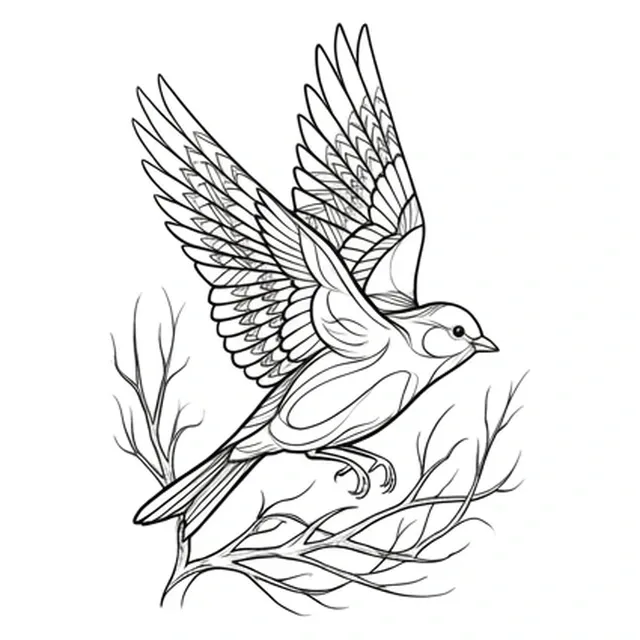
Black and grey illustrative leaf and bird tattoo design: a bird in flight Try it on — Black and grey illustrative leaf and bird tattoo design: a bird in flight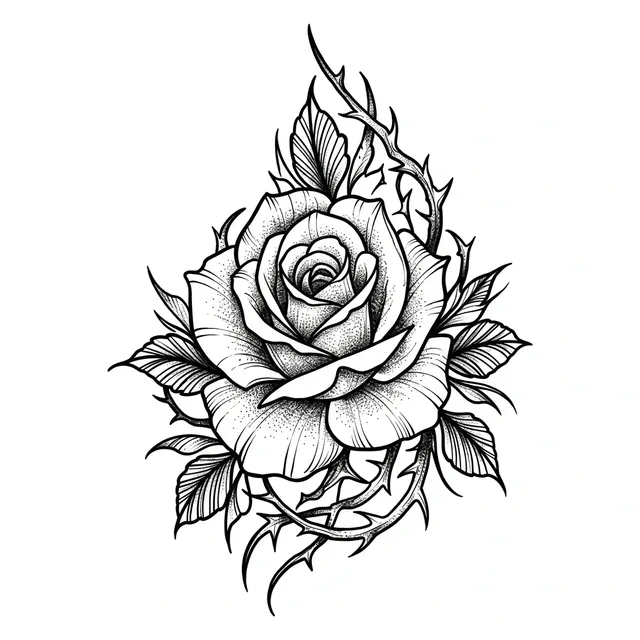
Black and grey dotwork leaf and rose tattoo design: a detailed rose with thorny vines and leaves Try it on — Black and grey dotwork leaf and rose tattoo design: a detailed rose with thorny vines and leaves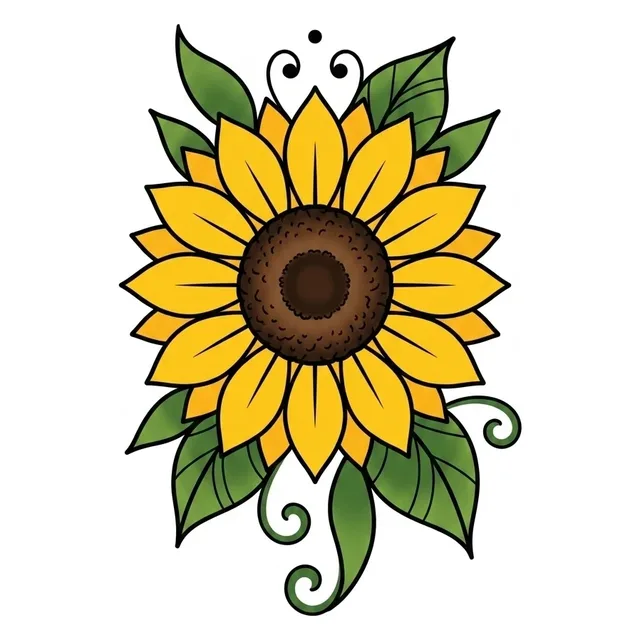
Color illustrative leaf and sunflower tattoo design (2 of 2) Try it on — Color illustrative leaf and sunflower tattoo design (2 of 2)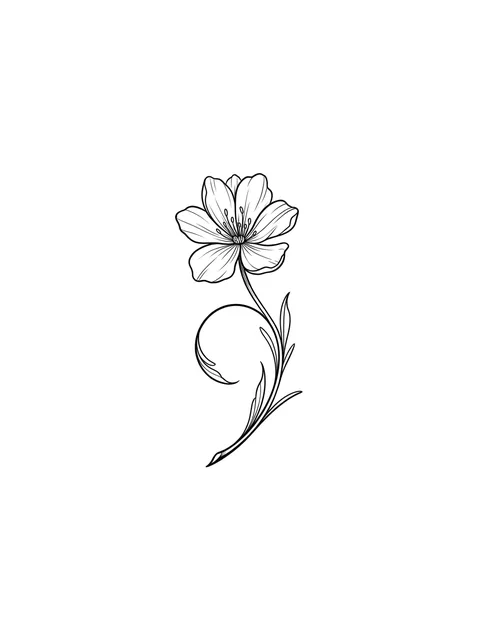
Black and white fine line leaf and flower tattoo design, outline stencil: a single flower Try it on — Black and white fine line leaf and flower tattoo design, outline stencil: a single flower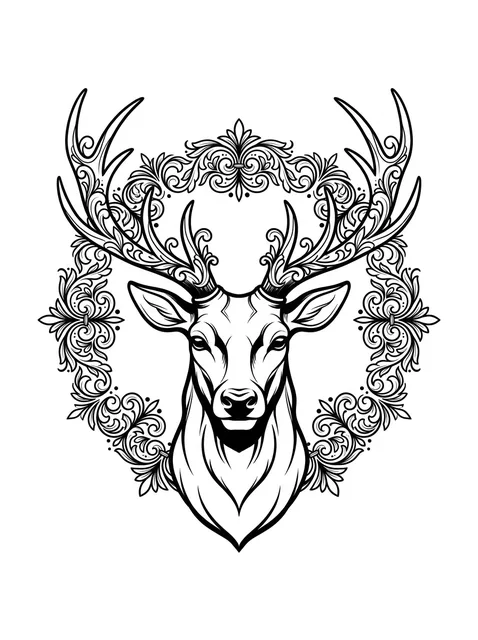
Black and white illustrative leaf and deer tattoo design: a deer head Try it on — Black and white illustrative leaf and deer tattoo design: a deer head


Tap any design to see it on your own skin in the try-on — no signup.
This set of 80 leaf designs, by the numbers
- Styles represented
- illustrative (21), traditional (12), neo traditional (9), linework (7), dotwork (7), watercolor (5)
- Black-and-grey vs colour
- 64% black-and-grey, 36% colour
- Most often drawn with
- vine, rose, flower, peony
Counted from the 80 designs shown on this page. Every one was drawn for InkCraft — none are scraped or reposted. Free to reference with a link to this page.
What a leaf tattoo means
A leaf is a season rather than a statement, and that is its appeal. It marks a phase — growth, maturity, letting go — without the weight of a flower or an animal, and it is the most common choice for people who want botanical work that does not announce a meaning to everyone who sees it.
Species does the specific work. An oak leaf is endurance and, in British and American military usage, rank. A maple leaf is Canada to most viewers before it is anything else. An olive leaf is peace, and the branch specifically so. A fern is one of the oldest plant forms on earth and reads as antiquity, while in Māori tradition the unfurling koru frond means new life and beginning.
A falling leaf is a deliberate variant and one of the quieter memorial images available. It says an ending that is part of a cycle rather than a rupture, which suits a death after a long life far better than the more dramatic motifs do.
Leaves also do more structural work in tattooing than almost any other subject. They fill space around a main piece, soften hard geometry, and join separate tattoos into a sleeve — which is why leaf is the single most common companion subject in our whole catalogue, appearing alongside flowers more often than it appears alone.
Where the design comes from
The laurel wreath is the oldest continuous use of leaf imagery in the West, marking victory in Greek and then Roman practice and surviving into modern military and heraldic insignia. The acanthus leaf has been a decorative staple since Corinthian capitals in the fifth century BC and runs through European ornament into the filigree work that fine-line tattooing borrows from. In Japanese irezumi, maple leaves — momiji — mark autumn and are used compositionally in the same way cherry blossom marks spring.
Choosing yours
- Venation is the entire size question. The vein structure is what makes a leaf read as a specific leaf rather than a green shape, and veins are fine lines close together — the first casualty of ink spread. Below roughly 6 cm ask for simplified venation rather than a shrunken detailed drawing.
- Leaves follow curves better than almost any subject, because a stem is already a curve and a frond already tapers. Forearm, calf, the line of the ribs, along the collarbone and behind the ear all suit them, which is part of why they are used so heavily as connective work.
- If the leaf is filler around an existing piece, have the same artist do it where possible. Matching line weight and black density to work someone else made is harder than drawing the leaf, and mismatched filler is more noticeable than a mismatched subject.
Size, cost and placement
How big, and what it costs
A single leaf is often a shop-minimum piece at 4-6 cm. A branch or frond running along a forearm is one to two hours. As filler around existing work it is usually priced into the larger session rather than separately, which makes it the cheapest way to tie a collection together.
Where it sits, and how much it hurts
Forearm, calf, ribs, collarbone, behind the ear, and the spaces between existing tattoos. It is the most placement-tolerant subject in the catalogue because it bends to whatever field it is given, which is exactly why it is used as connective work.
What to ask your artist
- Which species, since oak, maple, olive and fern all mean different things and are drawn differently.
- How much venation survives at your size — simplified is better than shrunken.
- If it is filler, to match line weight to the existing work, which matters more than the leaf itself.
Prices vary widely by city and artist — treat these as session lengths rather than quotes, and expect a shop minimum on anything small. The cost guide turns hours into money by size, placement and style.
Common questions
Does the species change what a leaf means?
It depends on the species — oak for endurance, olive for peace, maple for autumn or for Canada, fern for antiquity. As a general image it marks a season or phase rather than making a statement.
What does a falling leaf mean?
An ending that belongs to a cycle rather than a rupture. It is one of the quieter memorial images and suits a death after a long life.
How small can a leaf go before the veins close?
Small, if the venation is simplified. Detailed veins are fine lines close together and merge below about 6 cm, at which point it stops reading as a specific leaf.
What a leaf tattoo can mean
The meanings this motif carries on the pages that argue them. Each line is that page's own reason for including it.
- Growth tattoos
- New growth after nothing. Small and cheap enough to mark a change the week it happens, and to add another later.
- Scar cover-up tattoos
- Veins give a reason for every fine line to change direction and weight, which is exactly what scarred skin does to a line whether you plan it or not.
- Mental health tattoos
- New growth after a season of nothing. Small, cheap and quiet, which suits a first tattoo taken during recovery.
- Luck tattoos
- The four-leaf clover is rare rather than magical, and that is the whole superstition: you were lucky to find it. Irish association is strong enough to read as national identity too.
See it on your skin before you commit
InkCraft places any of these designs on a photo of you — scaled, wrapped and shaded to the placement you pick.