 InkCraft
Compass Tattoo Ideas, Designs and Meaning
45 original compass designs drawn for InkCraftBy Uladzimir TumanauUpdated
Opens in your browser. No signup. Or tap any design below.
The flat chart rose and the working instrument are different tattoos with different placements. Radial symmetry only holds on a flat field — on an outer bicep or calf the far side foreshortens and the star looks buckled from every angle but one.

Black and grey traditional compass tattoo design: a compass rose with a rope knot at its center Try it on — Black and grey traditional compass tattoo design: a compass rose with a rope knot at its center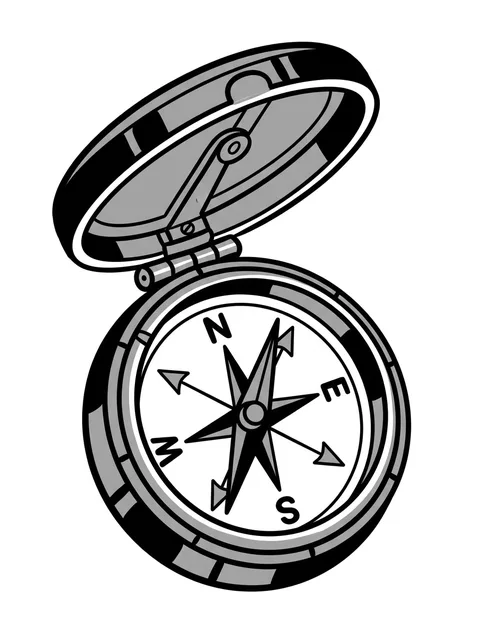
Black and grey illustrative compass tattoo design: an open pocket compass Try it on — Black and grey illustrative compass tattoo design: an open pocket compass
Black and white geometric compass tattoo design, outline stencil (1 of 3) Try it on — Black and white geometric compass tattoo design, outline stencil (1 of 3)
Black and white blackwork compass tattoo design: an open compass Try it on — Black and white blackwork compass tattoo design: an open compass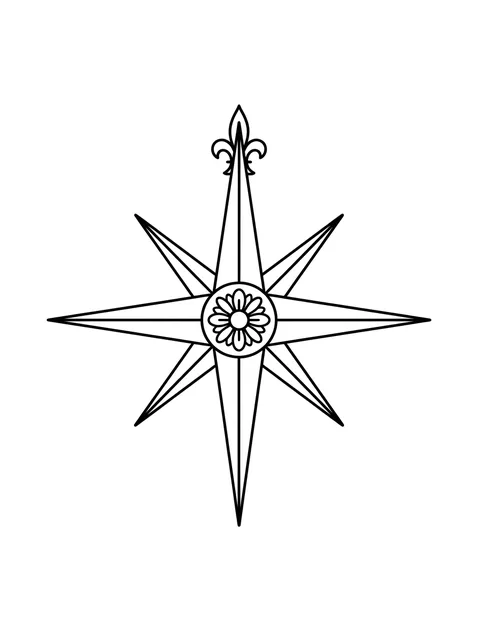
Black and white linework compass tattoo design, outline stencil: a compass rose with eight points Try it on — Black and white linework compass tattoo design, outline stencil: a compass rose with eight points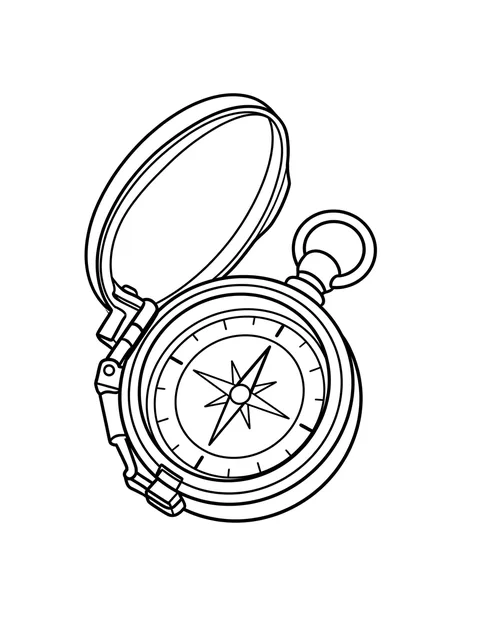
Black and white linework compass tattoo design, outline stencil: an open pocket compass Try it on — Black and white linework compass tattoo design, outline stencil: an open pocket compass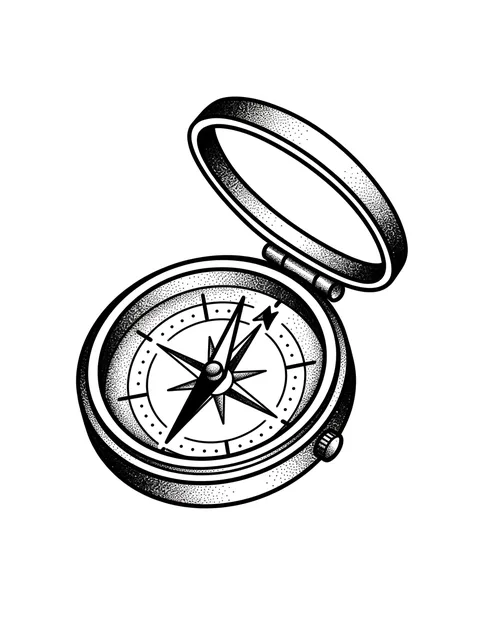
Black and grey illustrative compass tattoo design: a classic pocket compass with its lid open Try it on — Black and grey illustrative compass tattoo design: a classic pocket compass with its lid open
Black and grey traditional compass tattoo design: an open pocket compass Try it on — Black and grey traditional compass tattoo design: an open pocket compass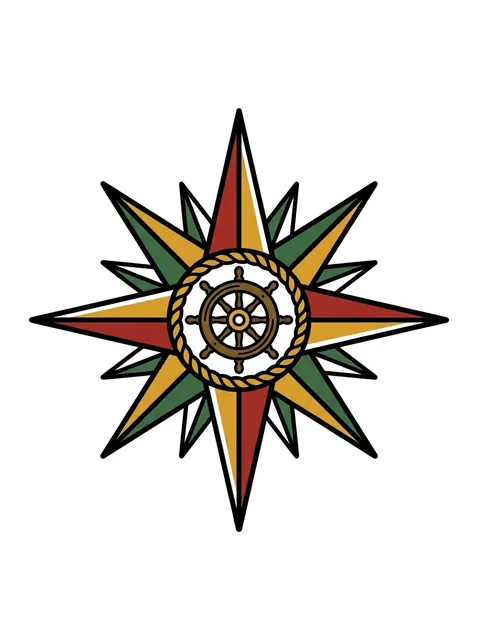
Color traditional compass tattoo design: a compass rose Try it on — Color traditional compass tattoo design: a compass rose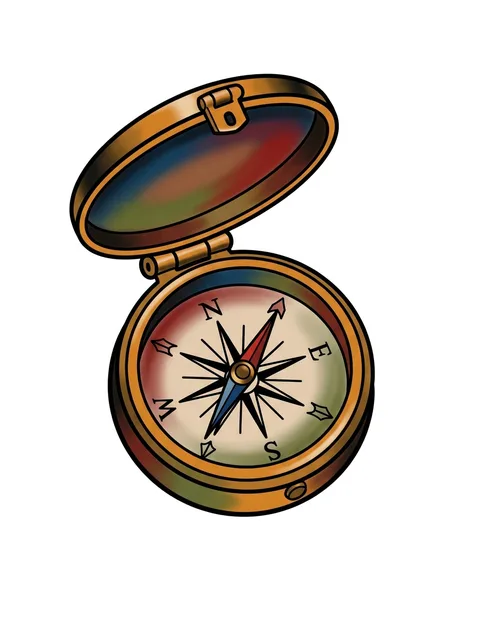
Color traditional compass tattoo design: an open golden compass Try it on — Color traditional compass tattoo design: an open golden compass
Color traditional compass tattoo design: a central medallion with a stylized sun and wave Try it on — Color traditional compass tattoo design: a central medallion with a stylized sun and wave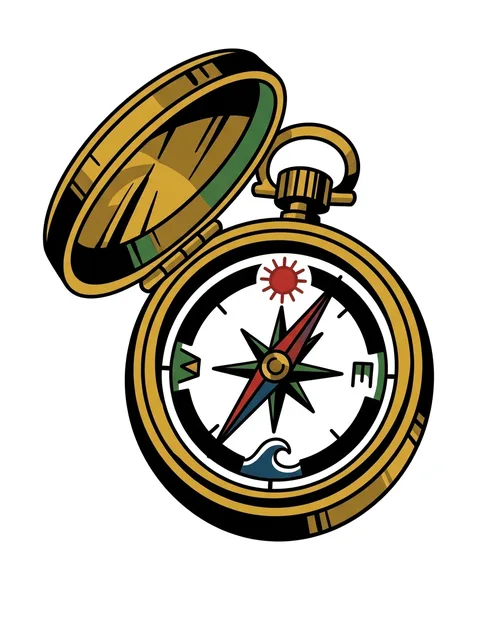
Color traditional compass tattoo design: an open pocket compass Try it on — Color traditional compass tattoo design: an open pocket compass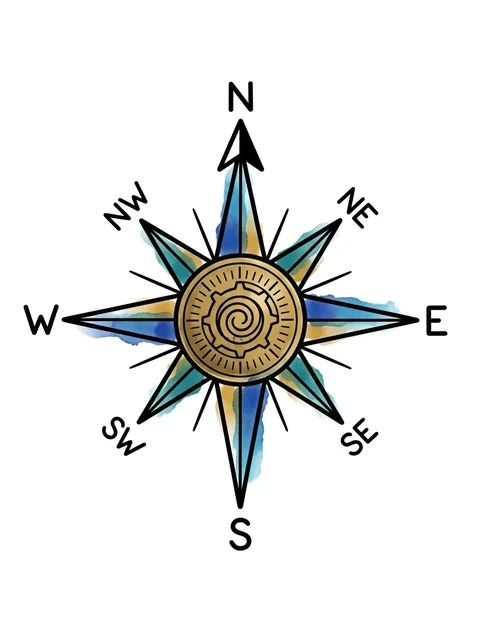
Color watercolor compass tattoo design: a golden central medallion with a spiral pattern Try it on — Color watercolor compass tattoo design: a golden central medallion with a spiral pattern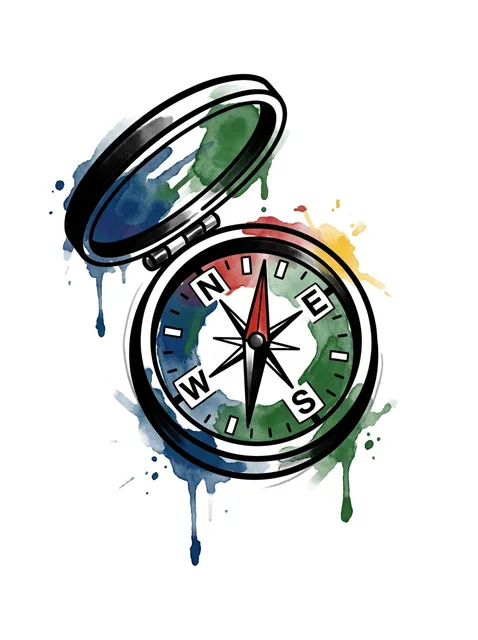
Color watercolor compass tattoo design: an open compass with a prominent red needle Try it on — Color watercolor compass tattoo design: an open compass with a prominent red needle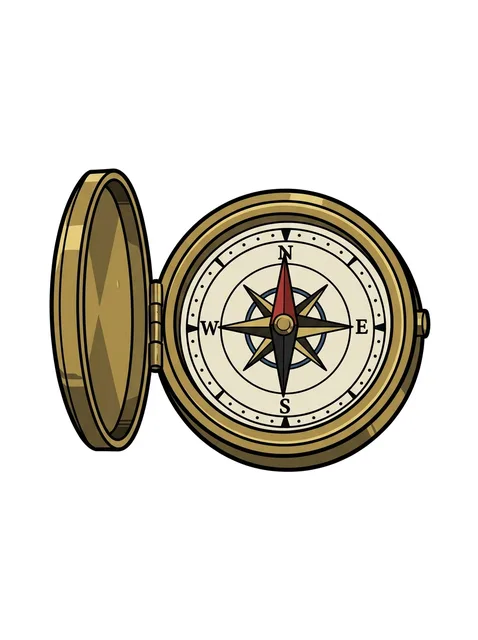
Color illustrative compass tattoo design: an open golden compass Try it on — Color illustrative compass tattoo design: an open golden compass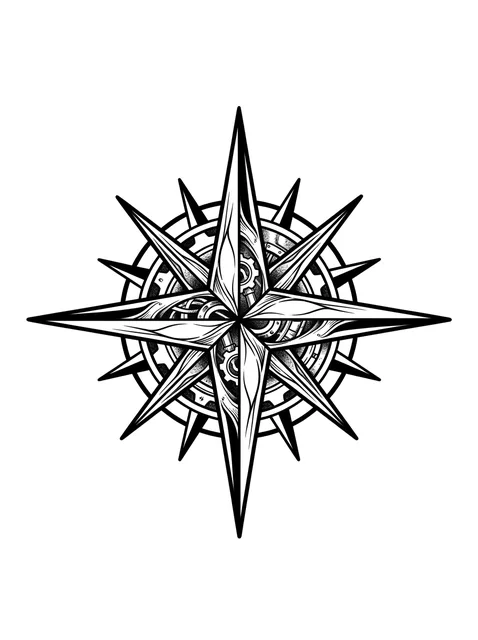
Black and grey illustrative compass tattoo design: a steampunk aesthetic Try it on — Black and grey illustrative compass tattoo design: a steampunk aesthetic
Black and grey traditional compass tattoo design Try it on — Black and grey traditional compass tattoo design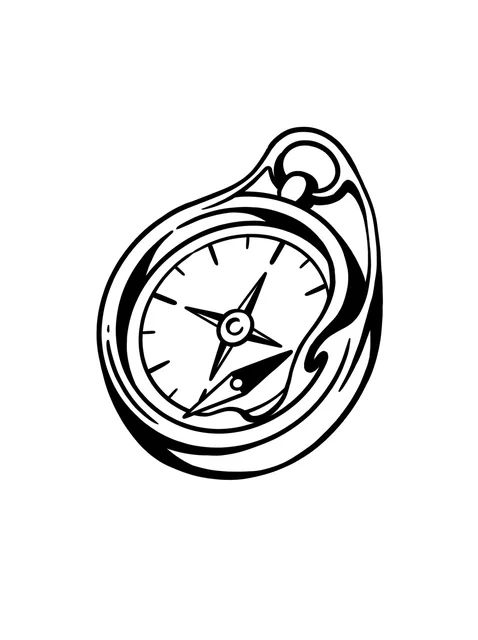
Black and white linework compass tattoo design, outline stencil Try it on — Black and white linework compass tattoo design, outline stencil
Black and white geometric compass tattoo design, outline stencil (2 of 3) Try it on — Black and white geometric compass tattoo design, outline stencil (2 of 3)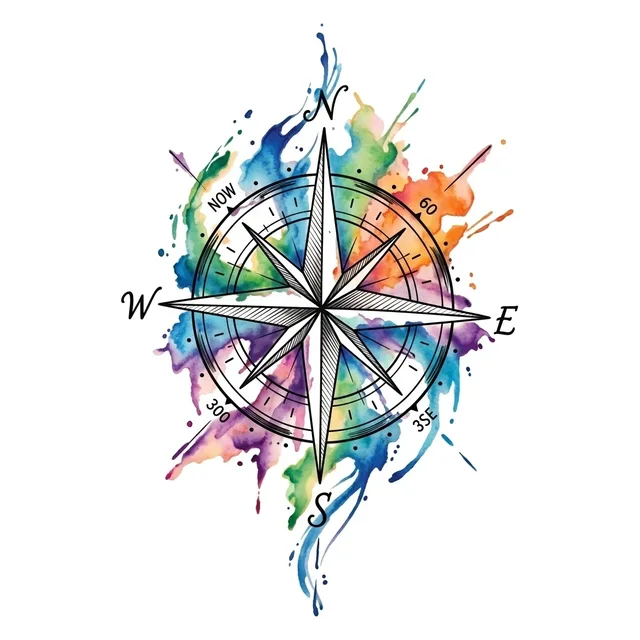
Color watercolor compass tattoo design: a classic compass rose Try it on — Color watercolor compass tattoo design: a classic compass rose
Black and white blackwork compass tattoo design: an ornate, vintage feel Try it on — Black and white blackwork compass tattoo design: an ornate, vintage feel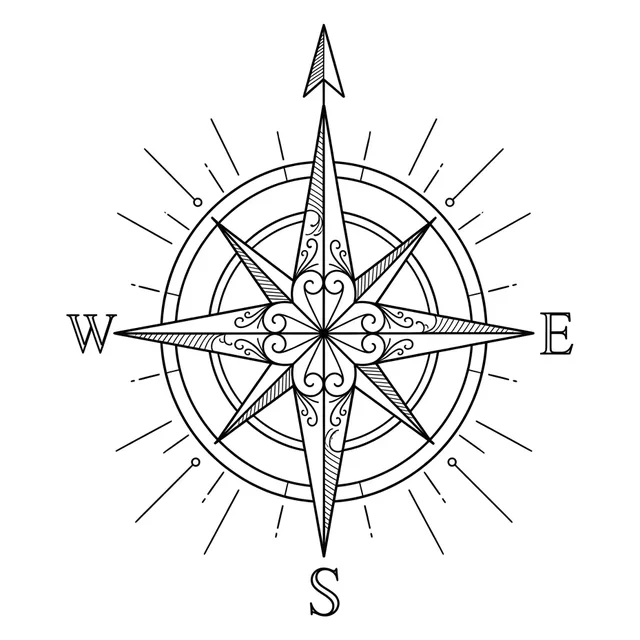
Black and white linework compass tattoo design, outline stencil: a classic compass rose Try it on — Black and white linework compass tattoo design, outline stencil: a classic compass rose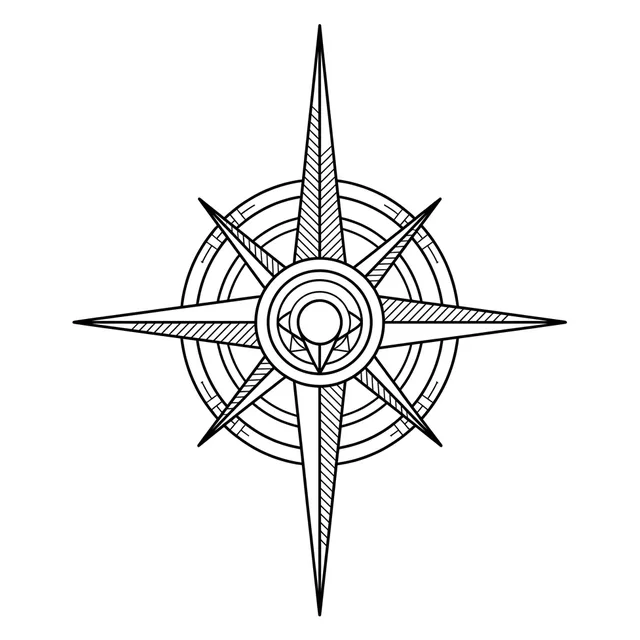
Black and white linework compass tattoo design, outline stencil: a compass rose Try it on — Black and white linework compass tattoo design, outline stencil: a compass rose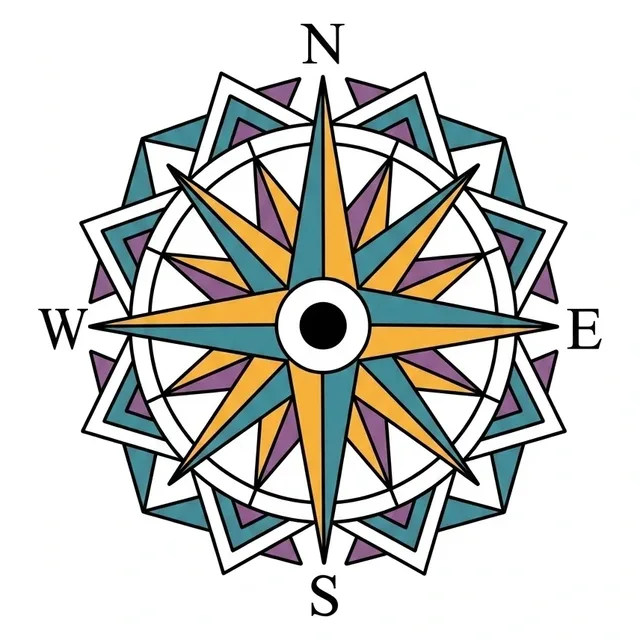
Color traditional compass tattoo design: a central starburst with teal, yellow, and purple accents Try it on — Color traditional compass tattoo design: a central starburst with teal, yellow, and purple accents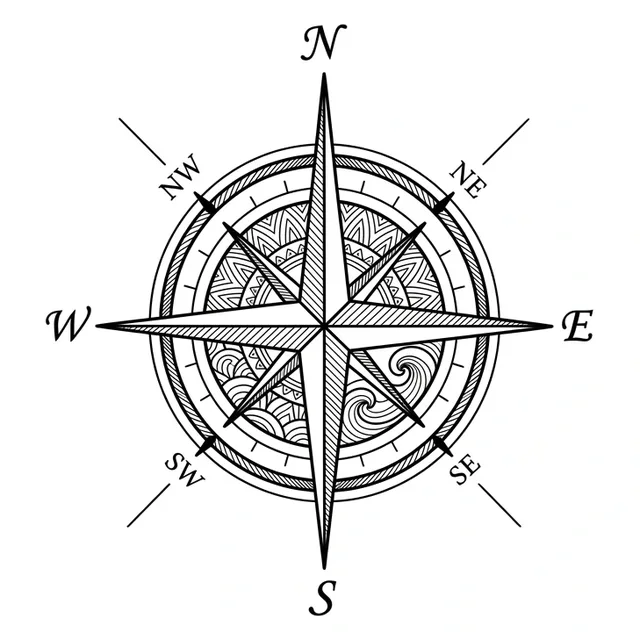
Black and white geometric compass tattoo design, outline stencil (3 of 3) Try it on — Black and white geometric compass tattoo design, outline stencil (3 of 3)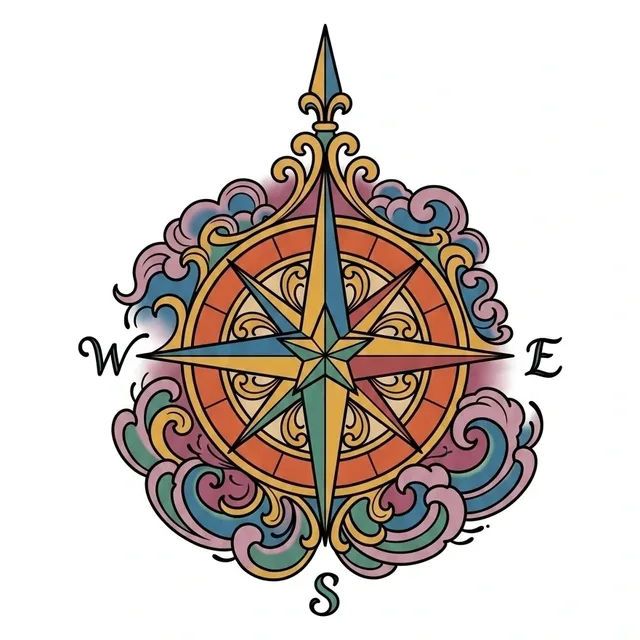
Color neo traditional compass tattoo design Try it on — Color neo traditional compass tattoo design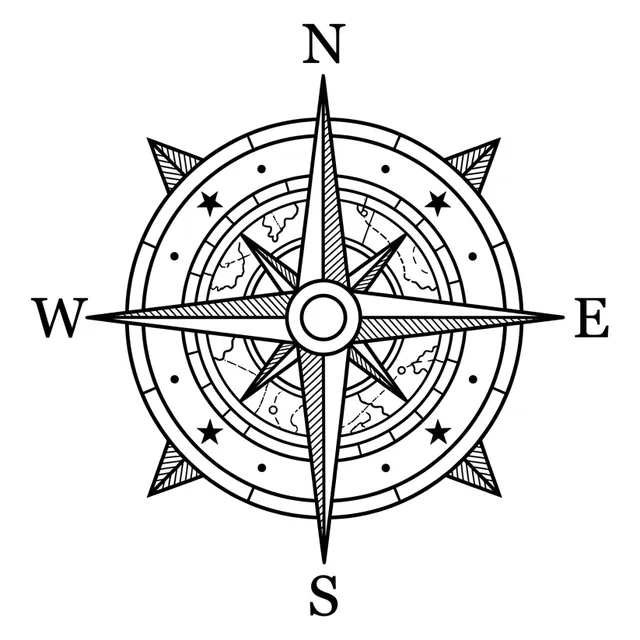
Black and grey illustrative compass tattoo design: a classic compass rose Try it on — Black and grey illustrative compass tattoo design: a classic compass rose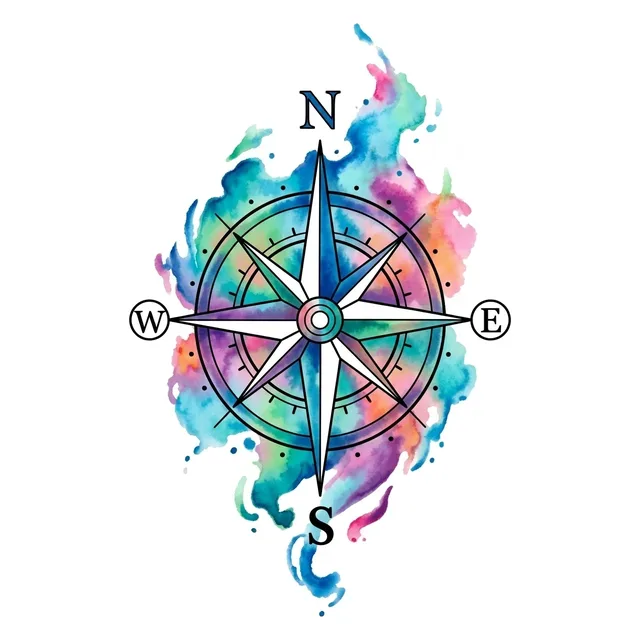
Color watercolor compass tattoo design: a black outline compass with cardinal directions Try it on — Color watercolor compass tattoo design: a black outline compass with cardinal directions
Color trash polka compass tattoo design: a detailed compass rose at its center Try it on — Color trash polka compass tattoo design: a detailed compass rose at its center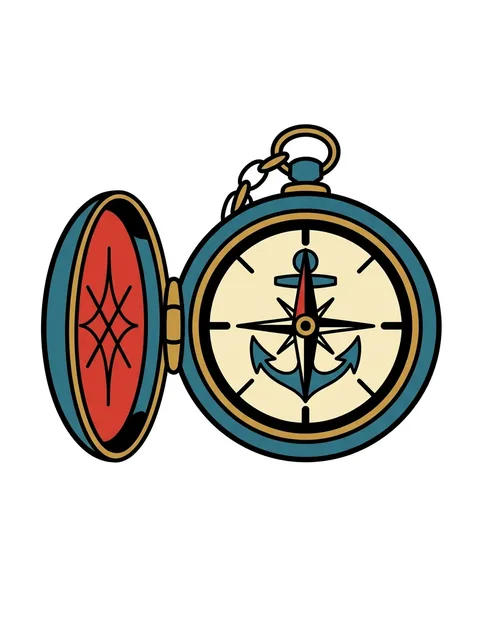
Color traditional compass and anchor tattoo design: an open pocket watch with a compass face Try it on — Color traditional compass and anchor tattoo design: an open pocket watch with a compass face
Black and grey ornamental compass and mandala tattoo design: a detailed mandala-like center Try it on — Black and grey ornamental compass and mandala tattoo design: a detailed mandala-like center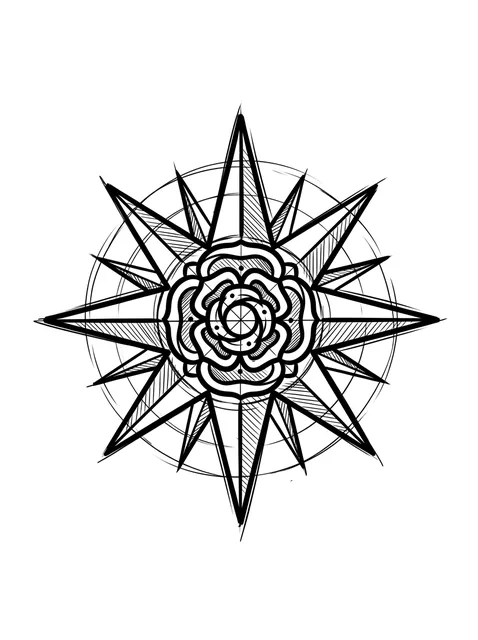
Black and grey illustrative compass and rose tattoo design: a compass rose Try it on — Black and grey illustrative compass and rose tattoo design: a compass rose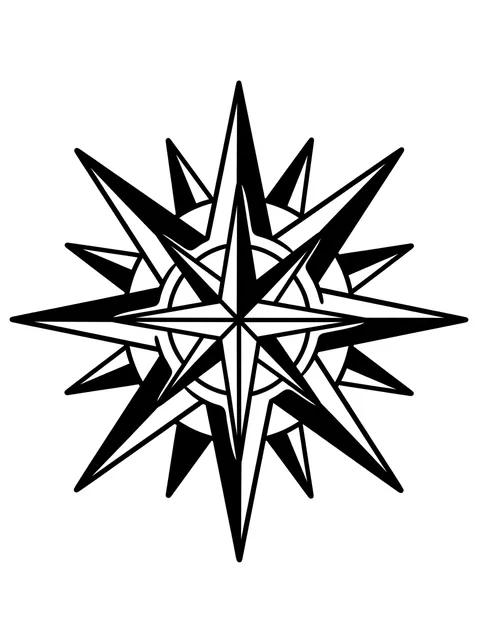
Black and white geometric compass and star tattoo design, outline stencil Try it on — Black and white geometric compass and star tattoo design, outline stencil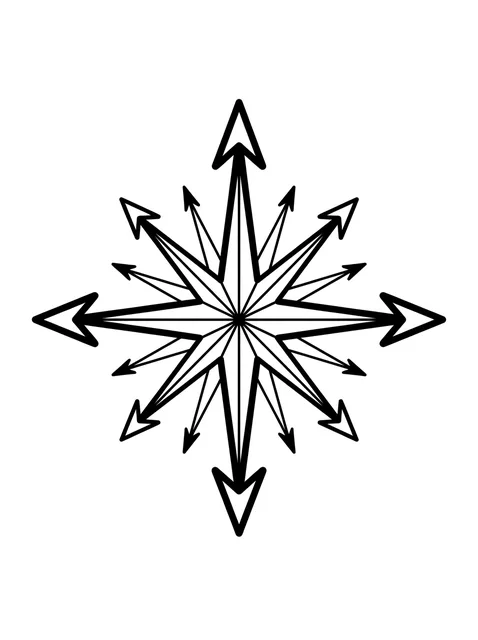
Black and white linework compass and star tattoo design, outline stencil: a compass rose Try it on — Black and white linework compass and star tattoo design, outline stencil: a compass rose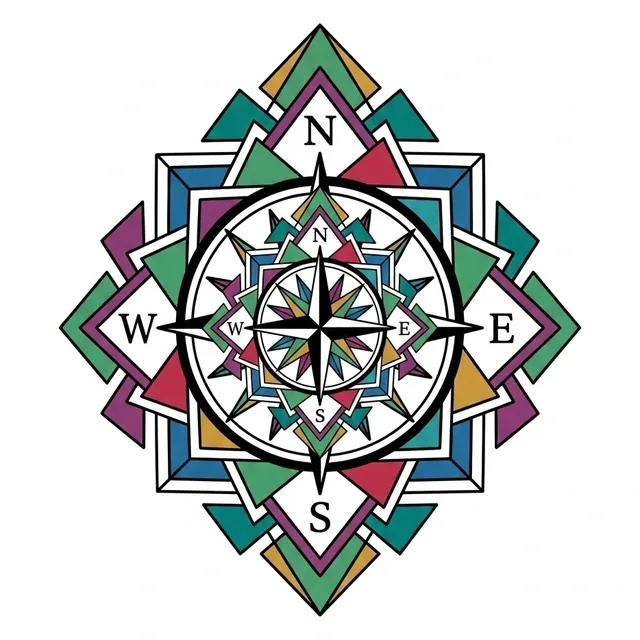
Color geometric compass and mandala tattoo design, outline stencil: a central compass Try it on — Color geometric compass and mandala tattoo design, outline stencil: a central compass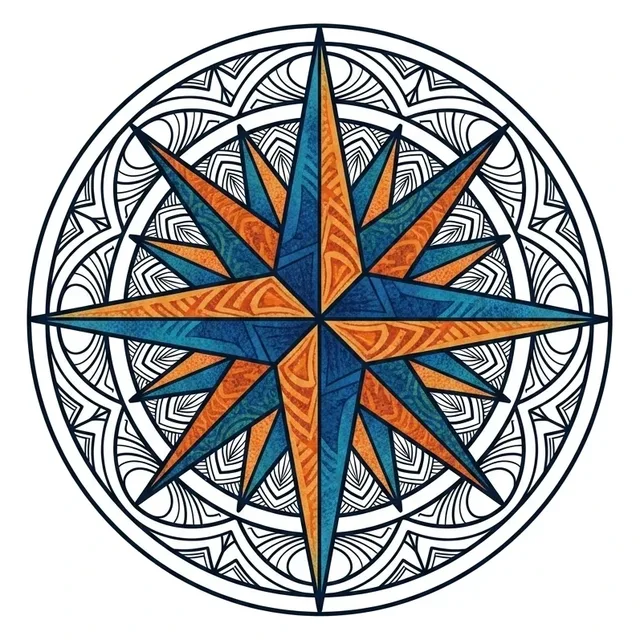
Color geometric compass and mandala tattoo design, outline stencil Try it on — Color geometric compass and mandala tattoo design, outline stencil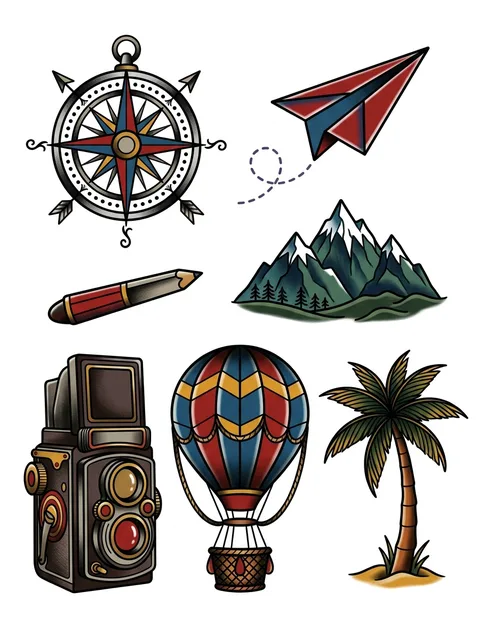
Color flash compass and mountain tattoo design Try it on — Color flash compass and mountain tattoo design
Black and white geometric compass and skull tattoo design, outline stencil: a compass rose Try it on — Black and white geometric compass and skull tattoo design, outline stencil: a compass rose
Color traditional compass and anchor tattoo design: a compass rose with a central medallion Try it on — Color traditional compass and anchor tattoo design: a compass rose with a central medallion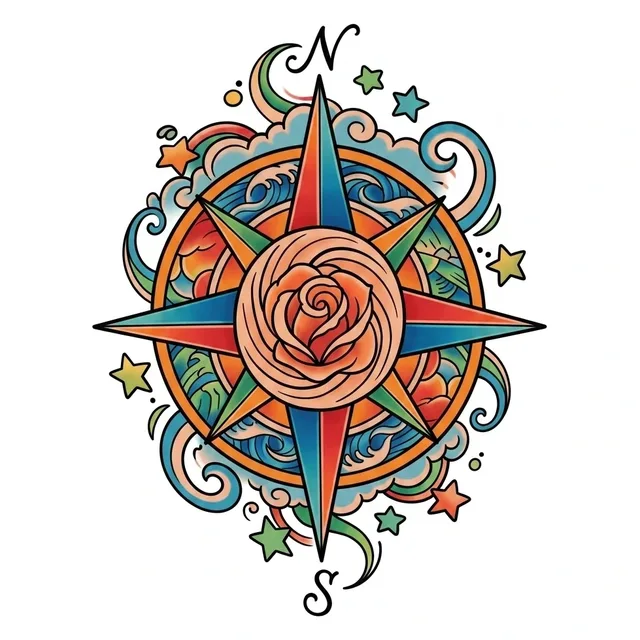
Color neo traditional compass and rose tattoo design Try it on — Color neo traditional compass and rose tattoo design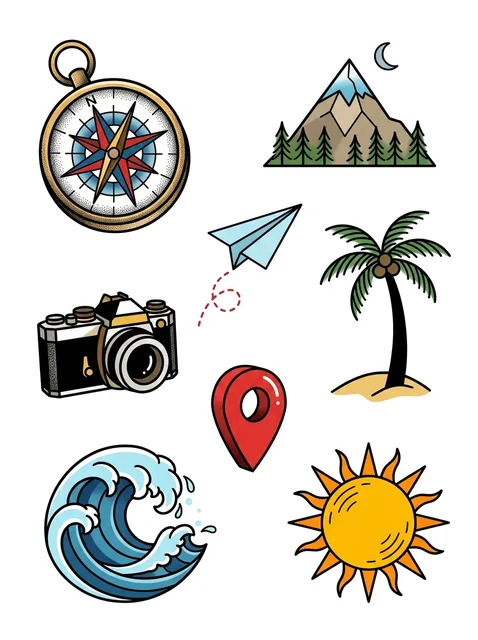
Color patchwork compass and mountain tattoo design Try it on — Color patchwork compass and mountain tattoo design
Color traditional compass and anchor tattoo design: a compass rose with an anchor at its center Try it on — Color traditional compass and anchor tattoo design: a compass rose with an anchor at its center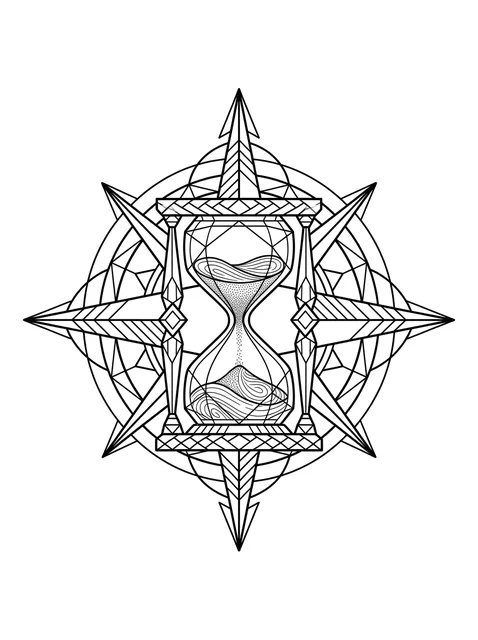
Black and white geometric compass and hourglass tattoo design, outline stencil Try it on — Black and white geometric compass and hourglass tattoo design, outline stencil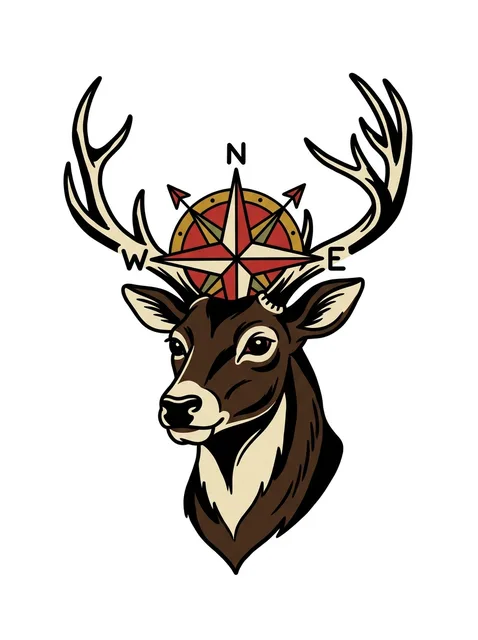
Color traditional compass and deer tattoo design: a deer head Try it on — Color traditional compass and deer tattoo design: a deer head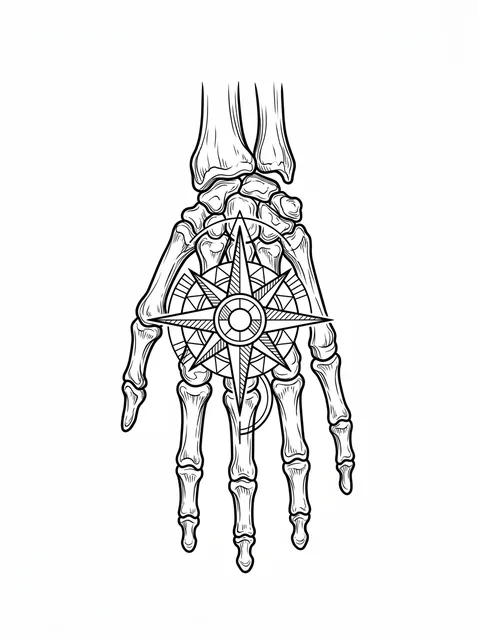
Black and white illustrative compass and skeleton hand tattoo design: a skeleton hand Try it on — Black and white illustrative compass and skeleton hand tattoo design: a skeleton hand


Tap any design to see it on your own skin in the try-on — no signup.
This set of 45 compass designs, by the numbers
- Styles represented
- traditional (12), geometric (8), illustrative (7), linework (6), watercolor (4), blackwork (2)
- Black-and-grey vs colour
- 53% black-and-grey, 47% colour
- Most often drawn with
- star, anchor, mandala, rose
Counted from the 45 designs shown on this page. Every one was drawn for InkCraft — none are scraped or reposted. Free to reference with a link to this page.
What a compass tattoo means
A compass is a direction tattoo, and it is usually worn by someone who has been without one. It means guidance, a way home, or a decision to keep moving — and unlike most symbols it is genuinely functional in origin, which gives it a plainness that people who dislike ornamental tattoos tend to appreciate.
There is a real distinction between the two things people call a compass. A compass rose is the printed figure on a chart — flat, symmetrical, a star of points. A working compass has a housing, a needle and often a lid. The rose reads as orientation in the abstract; the instrument reads as a tool someone carried. They suit different placements and are not interchangeable.
It is one of the most common travel tattoos, but the interesting versions are rarely about travel. A compass with fixed coordinates is about one place specifically. A compass with a broken or missing needle is a deliberate statement about being lost, and it is chosen far more often than the cheerful reading of the symbol would suggest.
Anchor and star are its most frequent companions in our set, which keeps it inside the nautical family where it started. A compass with a map, a mountain or a wave shifts it toward the modern travel reading instead.
Where the design comes from
The magnetic compass reached European navigation in the twelfth century, and the compass rose developed on portolan charts as the figure that oriented every other line on the page. Sailor tattooing adopted both, and in that tradition a compass was protective as much as symbolic — a mark meant to ensure the wearer found the way back. It sits in the same body of maritime work as the anchor and the nautical star, and the traditional bold-line compass tattooed today is essentially unchanged from mid-century flash.
Choosing yours
- Symmetry is the whole problem. A compass rose is radially symmetrical, and radial symmetry only survives on a flat field — inner forearm, chest, centre back, the flat of the shoulder blade. On an outer bicep or a calf, the far side foreshortens and the star looks subtly buckled from every angle except one.
- Fine points need room. A rose with sixteen or thirty-two points is a fan of narrow triangles, and narrow triangles are the first thing to close as ink spreads. Below about 7 cm, stick to eight points — the design will still be legible in twenty years.
- A working compass with a housing is much more forgiving of curved placement than a flat rose, because it is drawn as a three-dimensional object already. If the placement you want is curved, choose the instrument rather than the chart figure.
Size, cost and placement
How big, and what it costs
A simple eight-point rose at 7-9 cm is a one-to-two-hour piece. Point count drives cost more than diameter: sixteen or thirty-two points means many narrow triangles, each needing a clean edge, and that is slow work. A compass with a map background or coordinates is a half-day.
Where it sits, and how much it hurts
Radial symmetry only survives on a flat field — inner forearm, chest, centre back, the flat of the shoulder blade. On an outer bicep or calf the far side foreshortens and the star looks buckled from every angle but one. If you want a curved placement, choose a housed instrument rather than a flat chart rose.
What to ask your artist
- How many points, and whether they will still be distinct at your size in ten years.
- Whether it is a flat chart rose or a three-dimensional instrument, since that decides which placements work.
- If coordinates are included, to check the numbers with you twice — text is the most commonly corrected element in tattooing.
Prices vary widely by city and artist — treat these as session lengths rather than quotes, and expect a shop minimum on anything small. The cost guide turns hours into money by size, placement and style.
Common questions
Compass rose or an actual compass?
The rose is the flat chart figure and needs a flat placement; the instrument has a housing and handles curved placements far better. Decide by where it is going as much as by how it looks.
What does a broken compass tattoo mean?
Being without direction, deliberately said out loud. It is a common and quite intentional choice rather than a damaged version of the normal design.
Do coordinates work on a compass tattoo?
Yes, and they make it specific to one place rather than to travel generally. Check the numbers twice — text is the single most common thing corrected after the fact.
What a compass tattoo can mean
The meanings this motif carries on the pages that argue them. Each line is that page's own reason for including it.
- Meaningful tattoos
- Direction and return. Strongly associated with sailors, where it was a hope of getting home rather than a philosophy about finding yourself — the modern reading is a softening of a very literal one.
- Matching tattoos
- Points somewhere. Two compasses set to different bearings is the version people choose when the match is about going separate ways and staying oriented to each other.
- Luck tattoos
- Finding the way, which in a sailor’s vocabulary is indistinguishable from luck. Pairs with the nautical star for the same reason.
- Freedom tattoos
- Freedom to, explicitly: the ability to choose a direction. The cleanest image of agency in this category.
- Resilience tattoos
- Kept its bearing. Used for coming through a period of not knowing where you were going rather than a specific hardship.
See it on your skin before you commit
InkCraft places any of these designs on a photo of you — scaled, wrapped and shaded to the placement you pick.