 InkCraft
Clock Tattoo Ideas, Designs and Meaning
39 original clock designs drawn for InkCraftBy Uladzimir TumanauUpdated
Opens in your browser. No signup. Or tap any design below.
Pocket watches, faces and melting dials, where the hands are the decision that matters. A circle full of numerals, minute ticks and fine hands is close to the worst case for ink spread — below roughly 10 cm it is a grey disc.
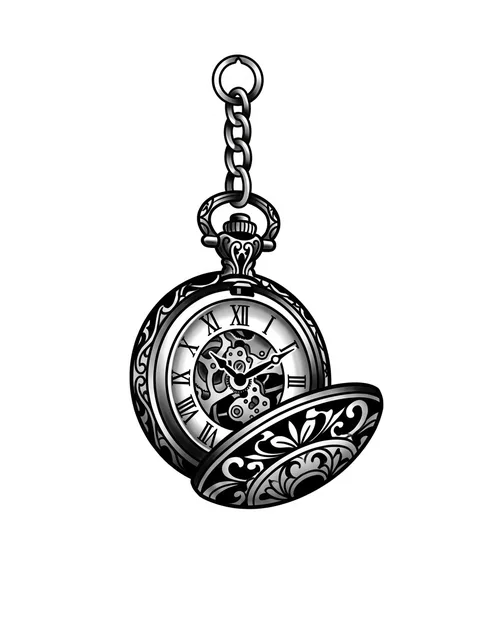
Black and grey traditional clock tattoo design: a detailed pocket watch Try it on — Black and grey traditional clock tattoo design: a detailed pocket watch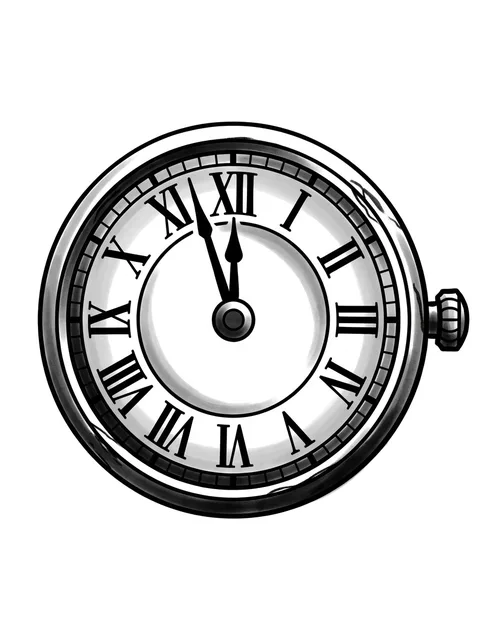
Black and grey illustrative clock tattoo design: a clean, bold outline Try it on — Black and grey illustrative clock tattoo design: a clean, bold outline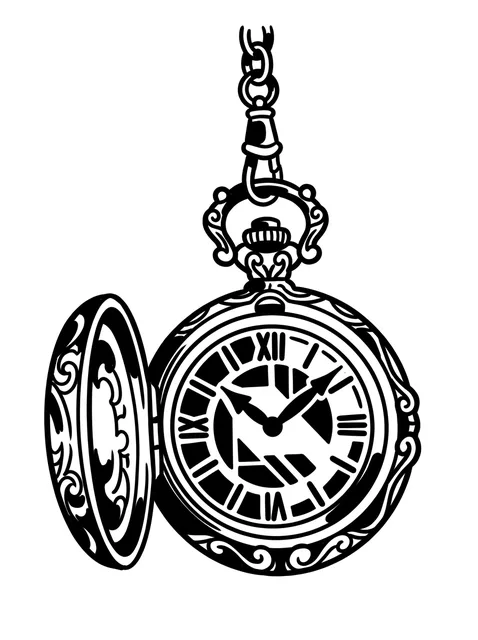
Black and white illustrative clock tattoo design: an open pocket watch, hanging from a chain Try it on — Black and white illustrative clock tattoo design: an open pocket watch, hanging from a chain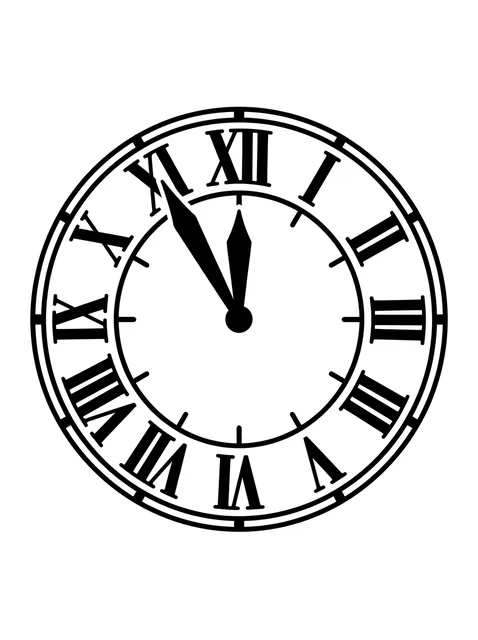
Black and white linework clock tattoo design, outline stencil: a clock face with Roman numerals Try it on — Black and white linework clock tattoo design, outline stencil: a clock face with Roman numerals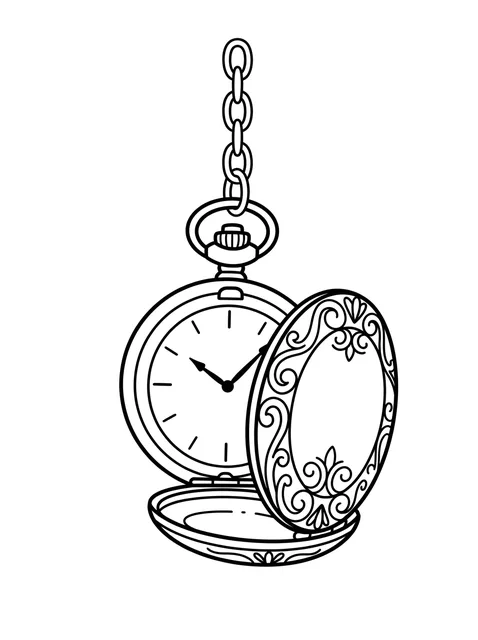
Black and white linework clock tattoo design, outline stencil: an open pocket watch (1 of 2) Try it on — Black and white linework clock tattoo design, outline stencil: an open pocket watch (1 of 2)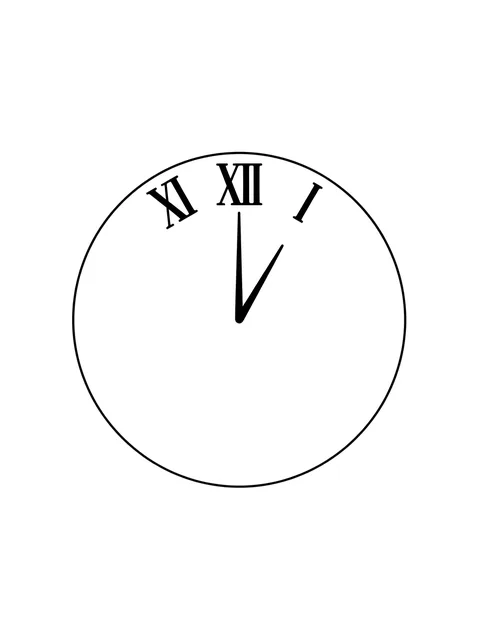
Black and white minimalist clock tattoo design, outline stencil: a clock face Try it on — Black and white minimalist clock tattoo design, outline stencil: a clock face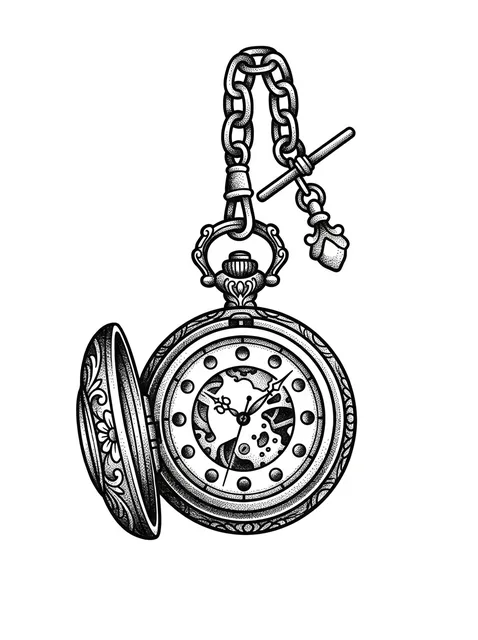
Black and grey illustrative clock tattoo design: an open pocket watch with an ornate chain Try it on — Black and grey illustrative clock tattoo design: an open pocket watch with an ornate chain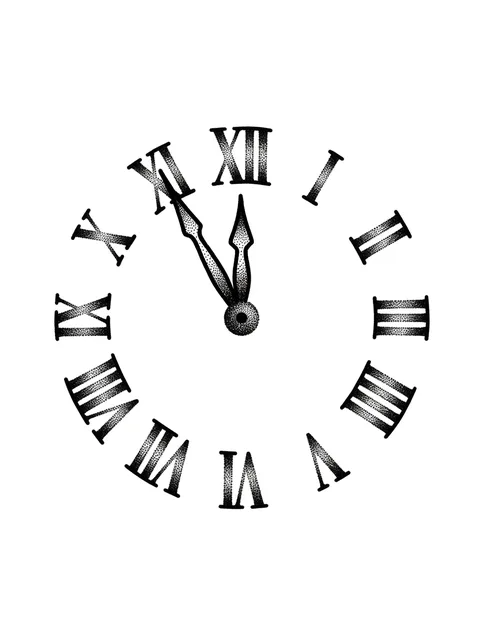
Black and grey illustrative clock tattoo design: a clock face with Roman numerals, with the hands Try it on — Black and grey illustrative clock tattoo design: a clock face with Roman numerals, with the hands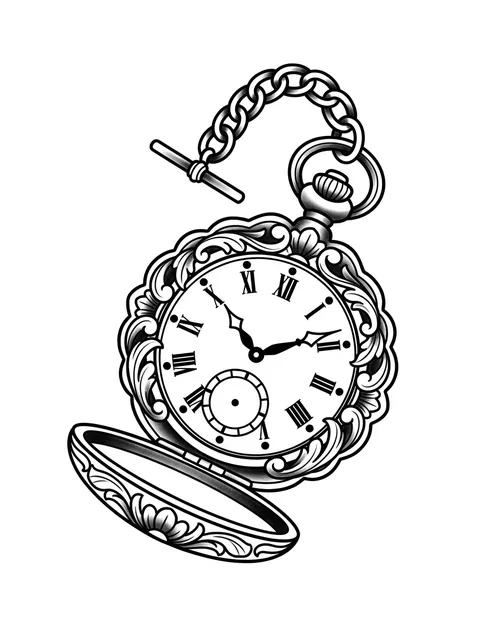
Black and grey traditional clock tattoo design: an ornate pocket watch Try it on — Black and grey traditional clock tattoo design: an ornate pocket watch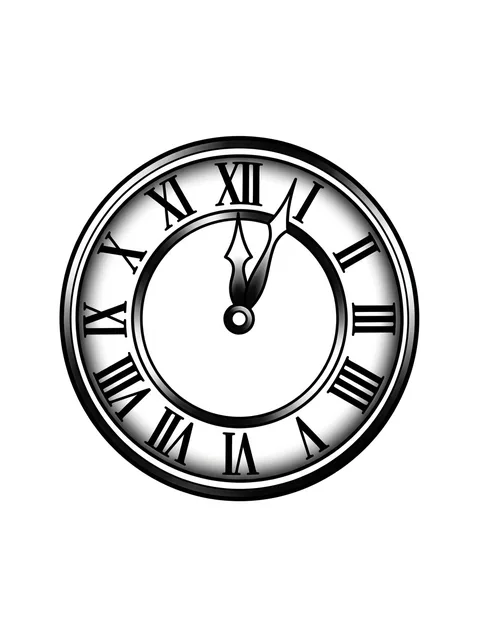
Black and grey illustrative clock tattoo design: a clock face with Roman numerals Try it on — Black and grey illustrative clock tattoo design: a clock face with Roman numerals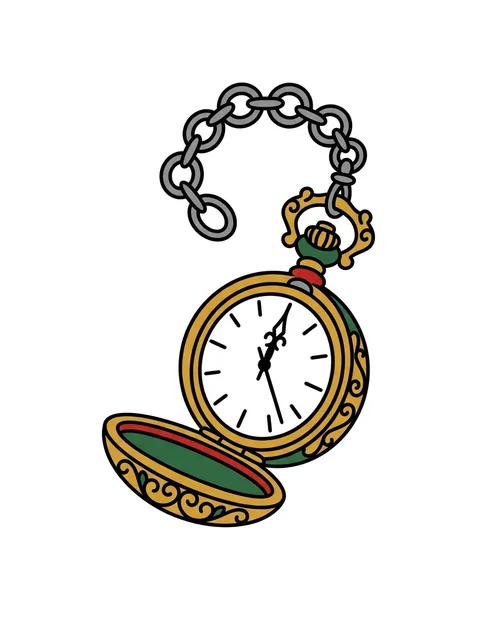
Color traditional clock tattoo design: a golden pocket watch with its cover open Try it on — Color traditional clock tattoo design: a golden pocket watch with its cover open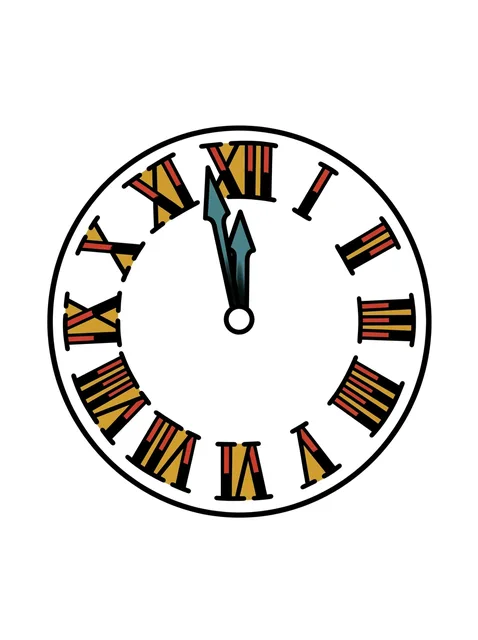
Color traditional clock tattoo design: a clock face with Roman numerals Try it on — Color traditional clock tattoo design: a clock face with Roman numerals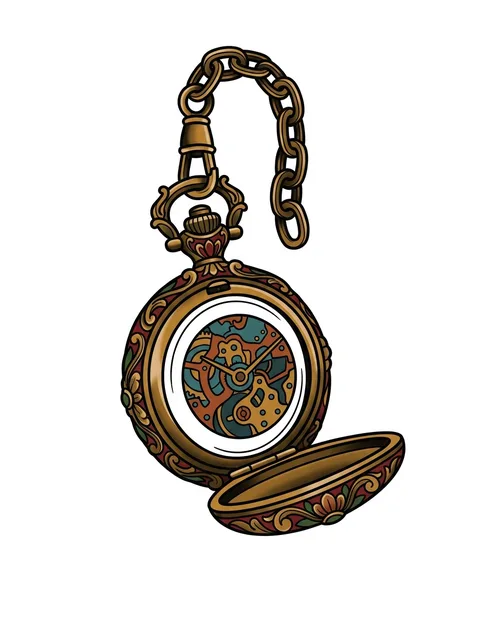
Color neo traditional clock tattoo design: an open pocket watch with exposed gears Try it on — Color neo traditional clock tattoo design: an open pocket watch with exposed gears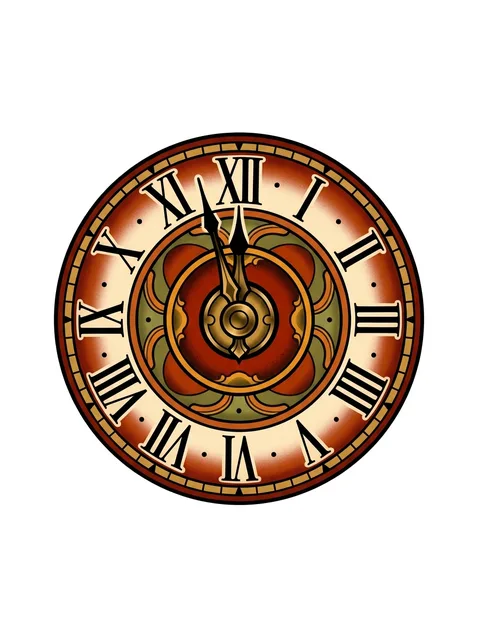
Color traditional clock tattoo design: a circular clock face with Roman numerals Try it on — Color traditional clock tattoo design: a circular clock face with Roman numerals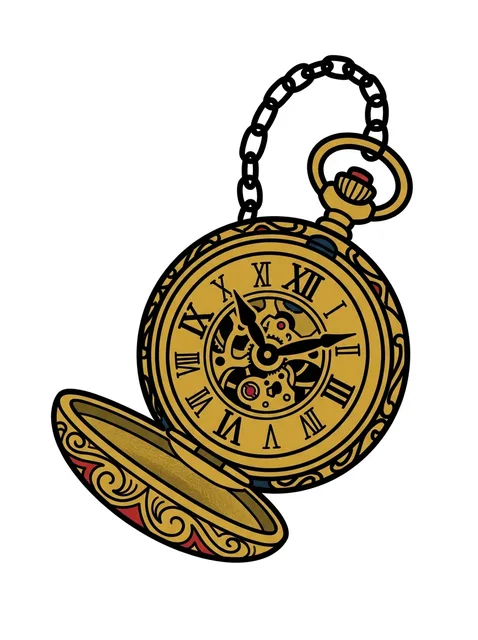
Color neo traditional clock tattoo design: a golden pocket watch Try it on — Color neo traditional clock tattoo design: a golden pocket watch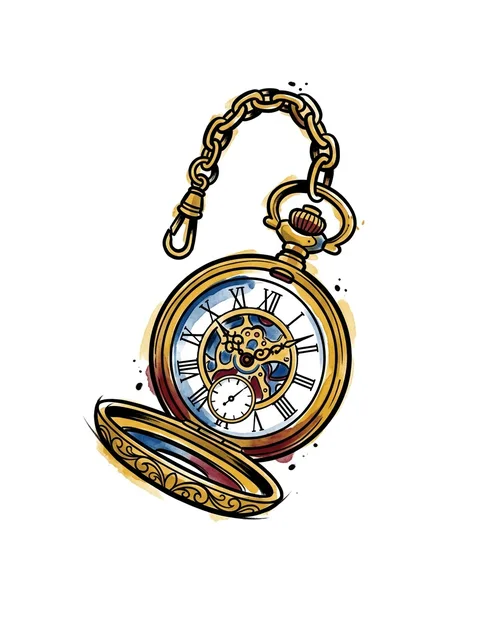
Color watercolor clock tattoo design: a golden pocket watch Try it on — Color watercolor clock tattoo design: a golden pocket watch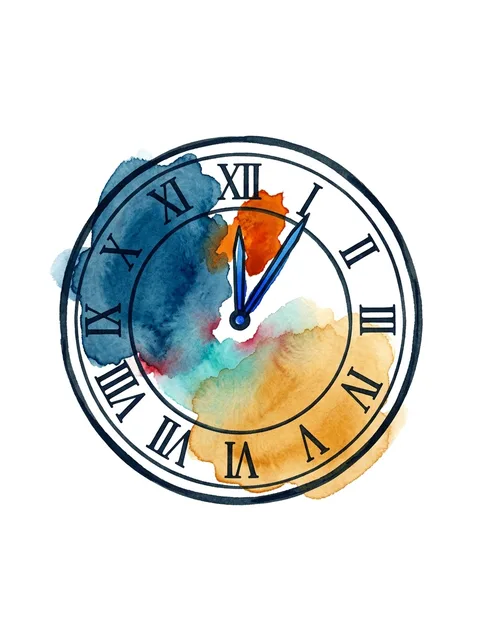
Color watercolor clock tattoo design: a clock face with Roman numerals Try it on — Color watercolor clock tattoo design: a clock face with Roman numerals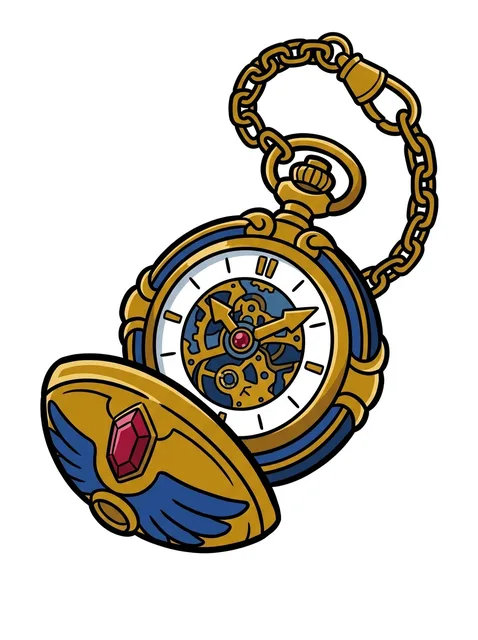
Color illustrative clock tattoo design: a golden pocket watch with a blue casing and chain Try it on — Color illustrative clock tattoo design: a golden pocket watch with a blue casing and chain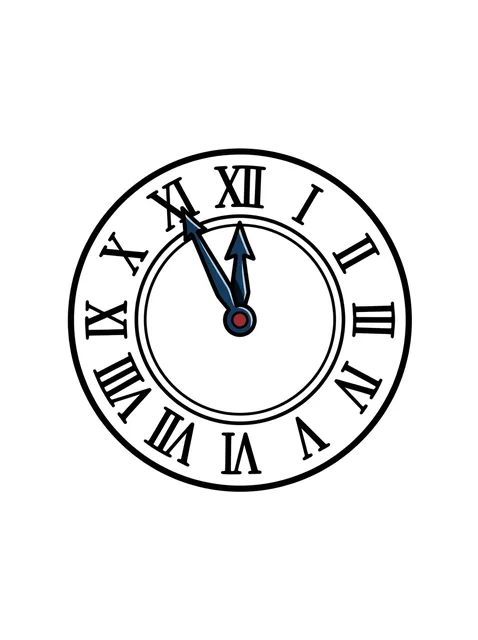
Color illustrative clock tattoo design: a clock face with Roman numerals Try it on — Color illustrative clock tattoo design: a clock face with Roman numerals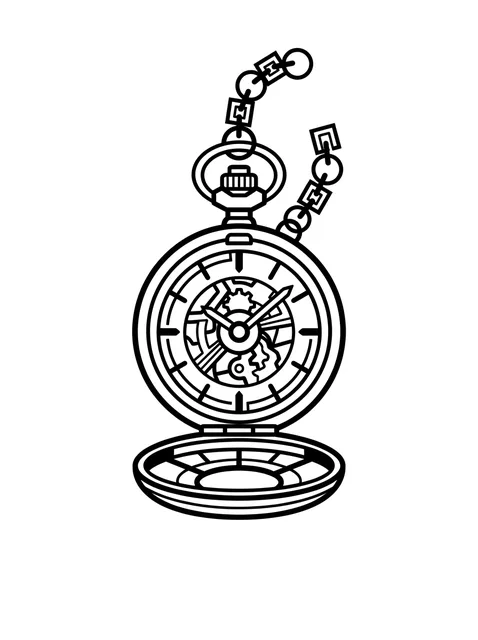
Black and white linework clock tattoo design, outline stencil: an open pocket watch (2 of 2) Try it on — Black and white linework clock tattoo design, outline stencil: an open pocket watch (2 of 2)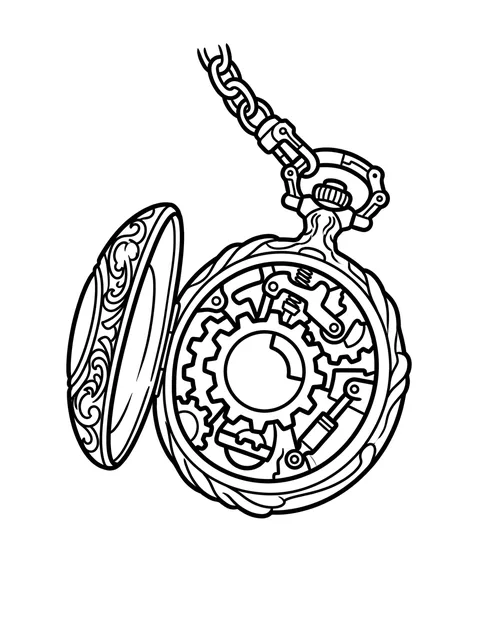
Black and white linework clock tattoo design, outline stencil Try it on — Black and white linework clock tattoo design, outline stencil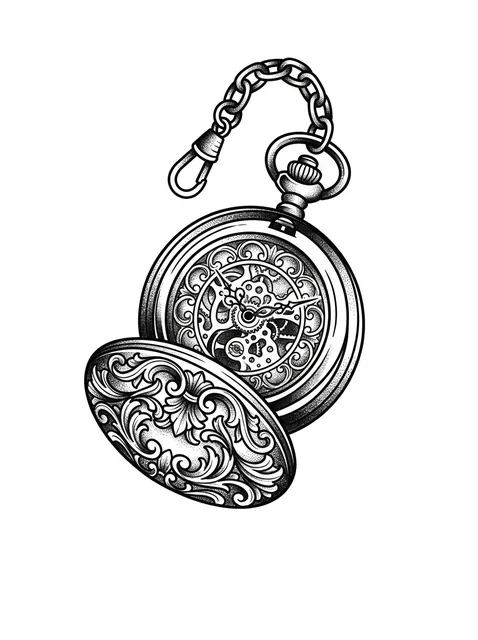
Black and grey illustrative clock tattoo design: an open pocket watch with an ornate cover Try it on — Black and grey illustrative clock tattoo design: an open pocket watch with an ornate cover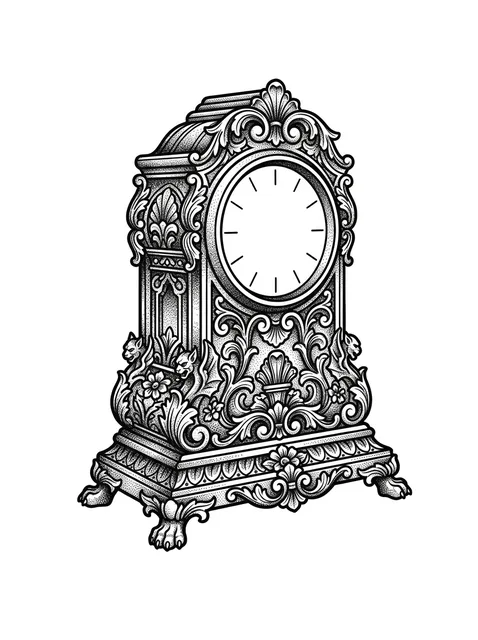
Black and grey ornamental clock tattoo design Try it on — Black and grey ornamental clock tattoo design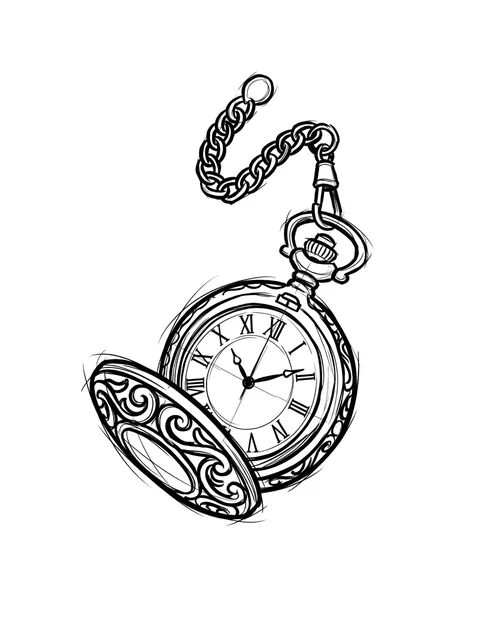
Black and white sketch clock tattoo design: an open pocket watch with Roman numerals on its face Try it on — Black and white sketch clock tattoo design: an open pocket watch with Roman numerals on its face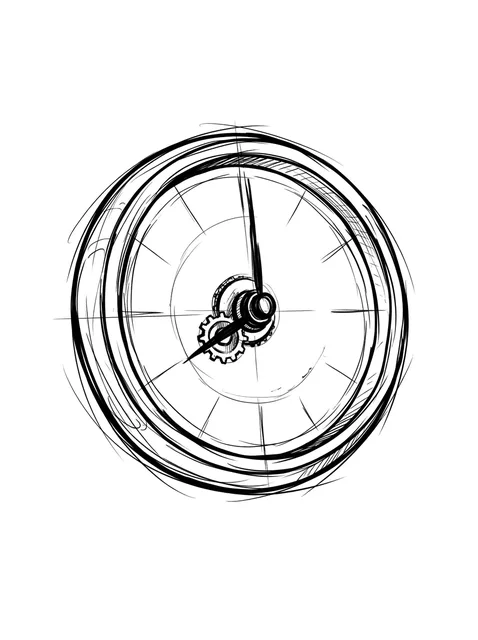
Black and grey sketch clock tattoo design: a clock face with visible gears and hands Try it on — Black and grey sketch clock tattoo design: a clock face with visible gears and hands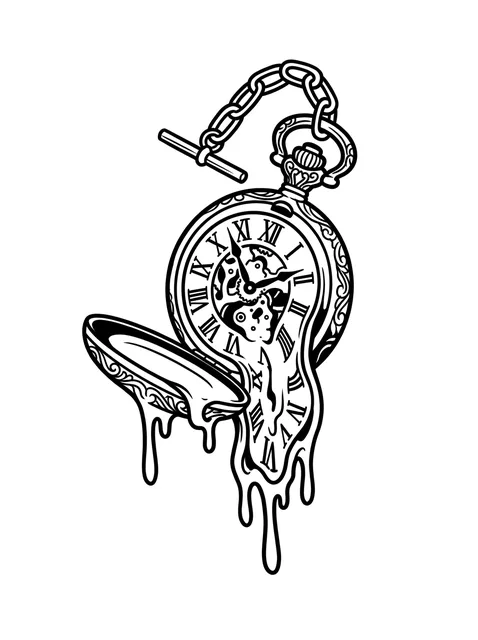
Black and white illustrative clock tattoo design: a melting pocket watch with Roman numerals Try it on — Black and white illustrative clock tattoo design: a melting pocket watch with Roman numerals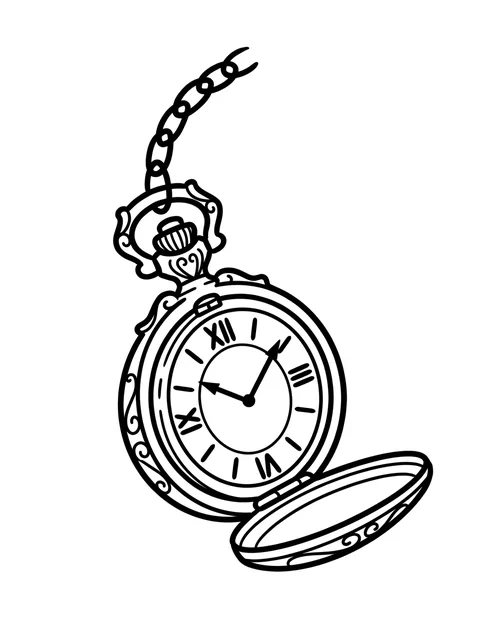
Black and white linework clock tattoo design, outline stencil: a pocket watch Try it on — Black and white linework clock tattoo design, outline stencil: a pocket watch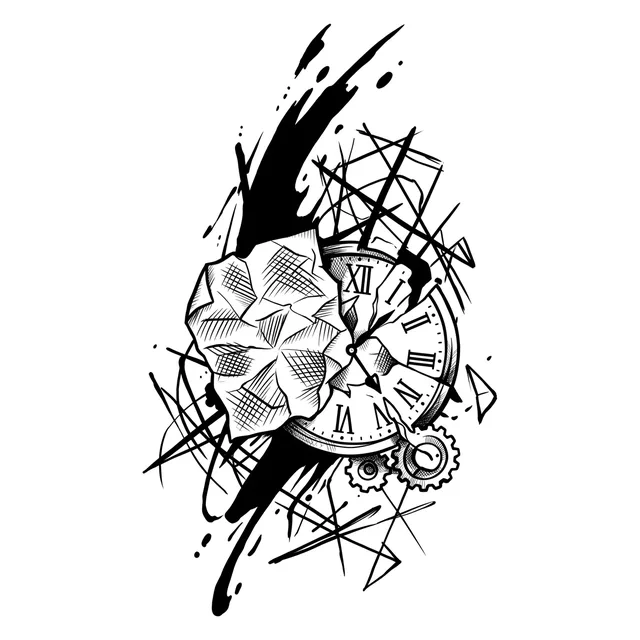
Black and white geometric clock tattoo design, outline stencil: a shattered clock face Try it on — Black and white geometric clock tattoo design, outline stencil: a shattered clock face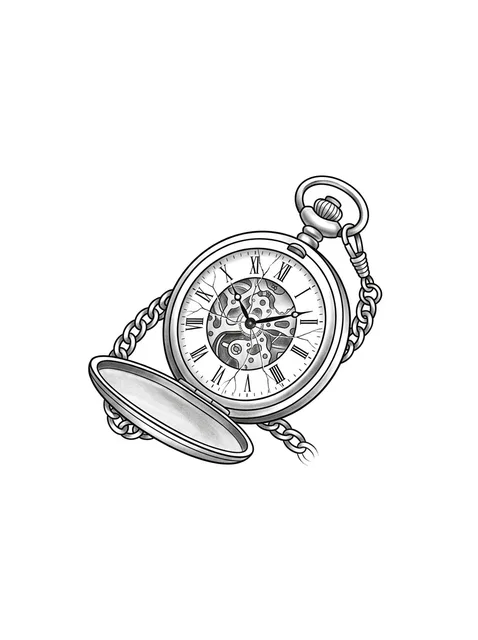
Black and grey chicano clock tattoo design: a pocket watch Try it on — Black and grey chicano clock tattoo design: a pocket watch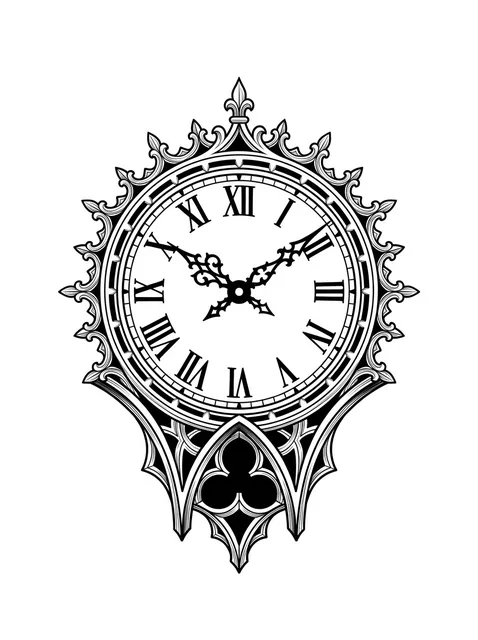
Black and grey gothic clock tattoo design Try it on — Black and grey gothic clock tattoo design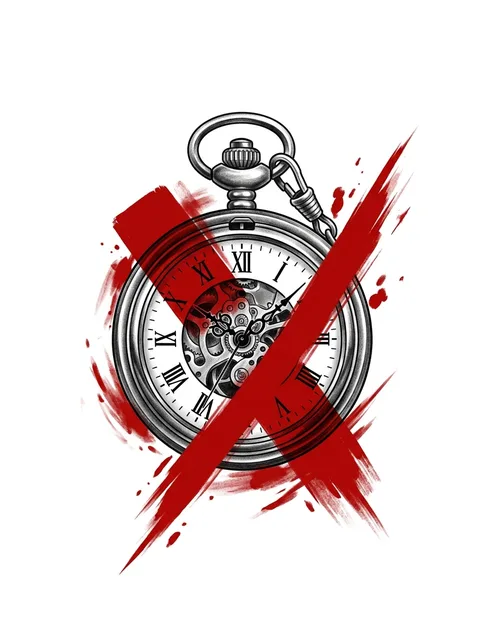
Color trash polka clock tattoo design Try it on — Color trash polka clock tattoo design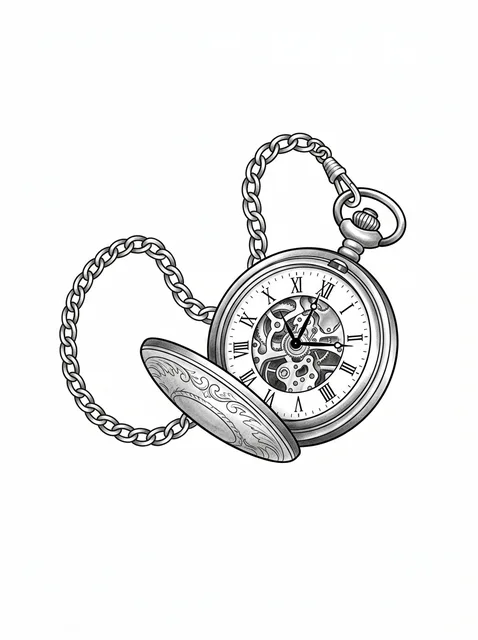
Black and grey chicano clock tattoo design Try it on — Black and grey chicano clock tattoo design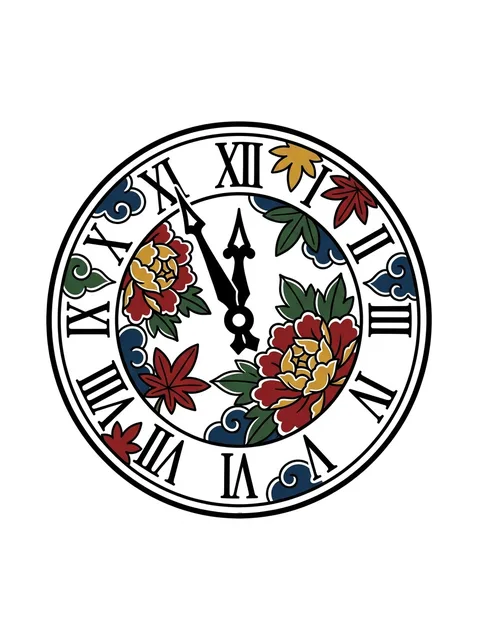
Color Japanese clock and peony tattoo design: a clock face with Roman numerals Try it on — Color Japanese clock and peony tattoo design: a clock face with Roman numerals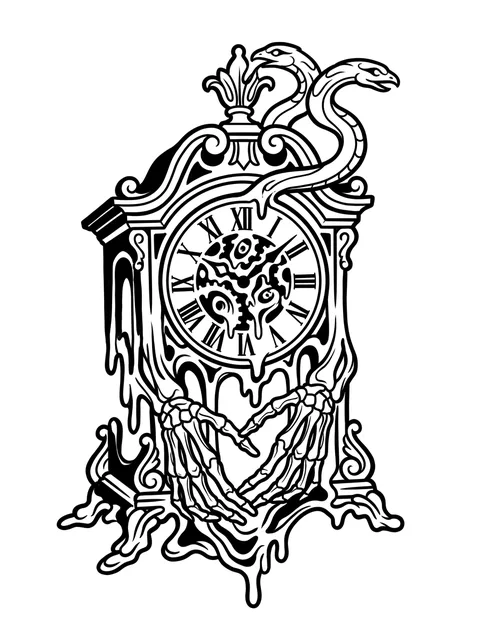
Black and white blackwork clock and snake tattoo design: an ornate grandfather clock Try it on — Black and white blackwork clock and snake tattoo design: an ornate grandfather clock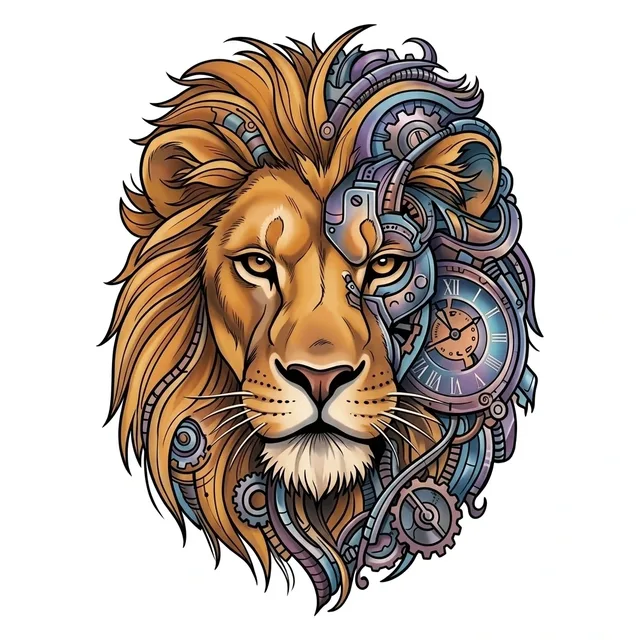
Color illustrative clock and lion tattoo design: a lion's head, half organic and half mechanical Try it on — Color illustrative clock and lion tattoo design: a lion's head, half organic and half mechanical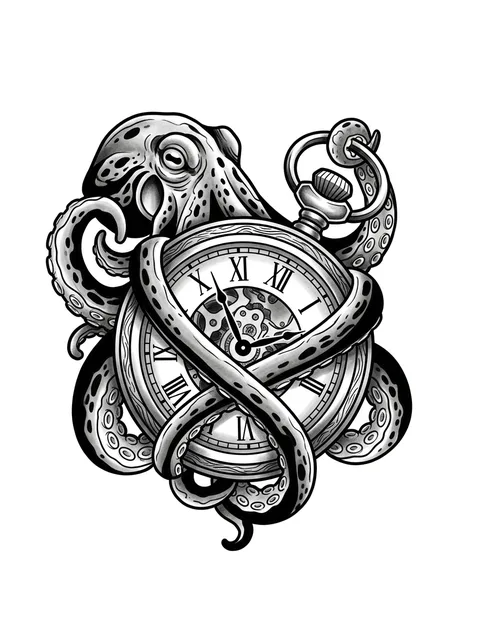
Black and grey illustrative clock and octopus tattoo design Try it on — Black and grey illustrative clock and octopus tattoo design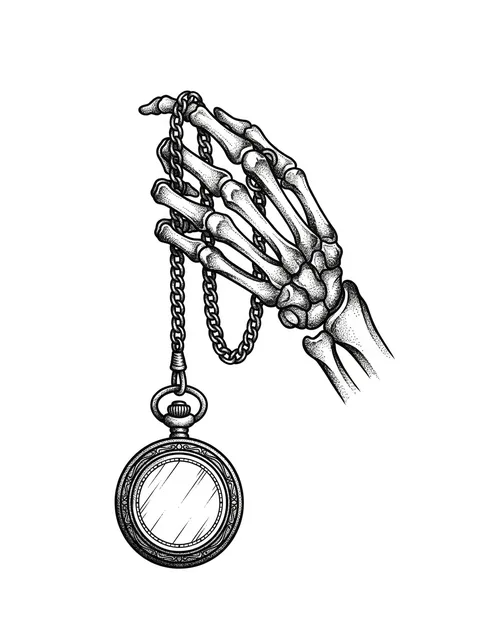
Black and grey dotwork clock and skeleton hand tattoo design Try it on — Black and grey dotwork clock and skeleton hand tattoo design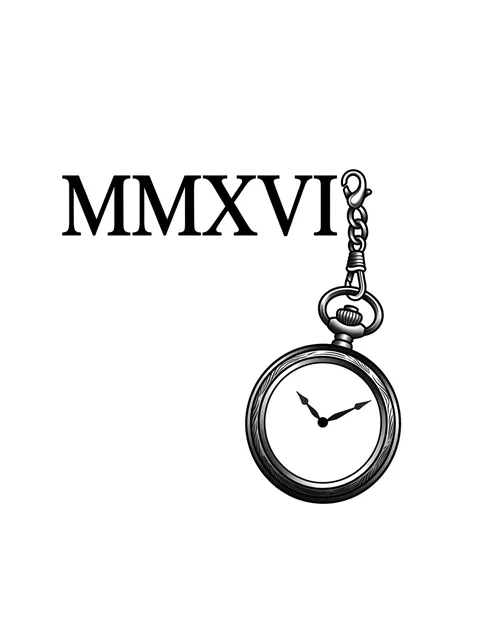
Black and grey lettering clock and roman numerals tattoo design Try it on — Black and grey lettering clock and roman numerals tattoo design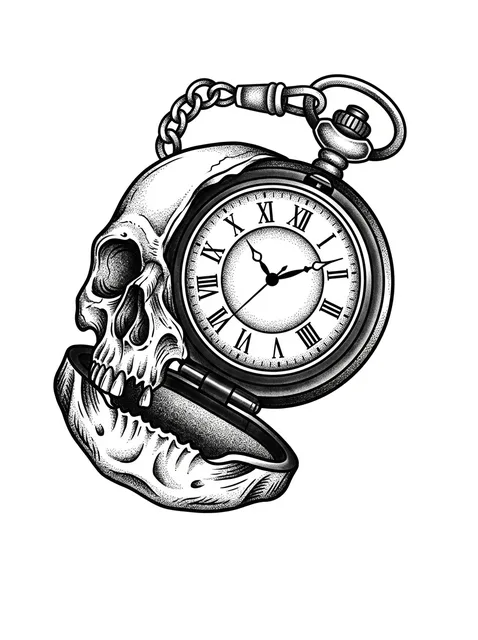
Black and grey dotwork clock and memento mori tattoo design: a skull integrated with a pocket watch Try it on — Black and grey dotwork clock and memento mori tattoo design: a skull integrated with a pocket watch


Tap any design to see it on your own skin in the try-on — no signup.
This set of 39 clock designs, by the numbers
- Styles represented
- illustrative (11), traditional (5), linework (5), neo traditional (2), watercolor (2), sketch (2)
- Black-and-grey vs colour
- 69% black-and-grey, 31% colour
- Most often drawn with
- peony, leaf, snake, skeleton
Counted from the 39 designs shown on this page. Every one was drawn for InkCraft — none are scraped or reposted. Free to reference with a link to this page.
What a clock tattoo means
A clock is about time being finite, and it is one of the few tattoo subjects that is nearly always about mortality even when the wearer describes it as something else. It belongs to the memento mori tradition — the reminder that the hour is passing — and the reason it endures is that it says this without the bluntness of a skull.
The hands are the entire design decision and the most commonly wasted one. A clock set to a specific time means a specific moment: a birth, a death, an hour someone remembers. A clock with no hands means the opposite — time that does not apply, or is not being counted. Getting to the chair without having decided is how people end up with a decorative clock that means nothing in particular.
A pocket watch reads differently from a wall clock or a face alone. It is an inherited object, so it carries family and generational meaning; a broken chain or a cracked crystal is a deliberate statement about a line ending or an inheritance interrupted, and artists will read it that way whether or not it was intended.
Melting or dissolving clocks are borrowed directly from Dalí, and they carry his meaning rather than a general one: time as unreliable and subjective. It is a specific reference, and worth making on purpose rather than because the shape looks interesting.
Where the design comes from
The clock enters tattooing through the memento mori tradition of European painting, where a timepiece sat alongside a skull and a guttering candle as a reminder of mortality. The pocket watch version arrives with nineteenth-century sailor and working-class tattooing, when a watch was the most valuable object most people owned and often the only thing inherited. Dalí painted The Persistence of Memory in 1931, and every melting clock tattooed since is a quotation of it, knowingly or otherwise.
Choosing yours
- A clock face is a circle full of small repeated marks — numerals, minute ticks, fine hands — which is close to the worst case for ink spread. Below roughly 10 cm the numerals close up and the face becomes a grey disc with two lines on it. This is a subject that genuinely needs size.
- Roman numerals age better than Arabic ones at any given size, because they are built from straight strokes rather than curves and enclosed counters. If the piece has to be small, that is the version to ask for.
- Decide the time before the stencil. Changing the hands afterwards means reworking the centre of the design, which is the most visible part of it.
Size, cost and placement
How big, and what it costs
A clock face alone at 10-12 cm is a half-day, most of it spent on numerals and the fine work at the centre. A pocket watch with a chain, or a clock built into a larger composition with roses or an eye, runs to a full session or more. This is not a subject that gets cheaper by going smaller — it just gets worse.
Where it sits, and how much it hurts
Inner forearm, outer upper arm, chest and thigh all give a circle the flat field it needs. Ribs and the inside of the bicep are the painful options. Avoid anywhere the circle would sit across a sharp curve, since a distorted clock face is immediately obvious in a way a distorted flower is not.
What to ask your artist
- What time it shows, decided before the stencil — the hands sit at the visual centre and are the hardest thing to change later.
- Roman or Arabic numerals, and which will still be legible at your size in fifteen years.
- If it is a pocket watch, whether the chain continues into other work later, because that decides where the watch sits now.
Prices vary widely by city and artist — treat these as session lengths rather than quotes, and expect a shop minimum on anything small. The cost guide turns hours into money by size, placement and style.
Common questions
What time should my clock tattoo show?
Whichever moment it is about — a birth, a loss, an hour that matters. A clock with no hands is a deliberate alternative meaning time that does not apply. The one thing to avoid is not deciding.
Do clock tattoos age well?
Only at size. Numerals and fine hands are exactly what ink spread destroys; below about 10 cm the face becomes a grey disc. Roman numerals hold better than Arabic.
What does a melting clock mean?
It quotes Dalí's 1931 painting, so it carries his idea of time as unreliable and subjective rather than a general meaning. Worth making that reference on purpose.
What a clock tattoo can mean
The meanings this motif carries on the pages that argue them. Each line is that page's own reason for including it.
- Forever tattoos
- A clock with no hands, or hands that do not move, is the traditional image of time stopped — the opposite claim to a running hourglass and worth distinguishing.
- Family tattoos
- A time set to a birth is the most-asked family piece after names, and several clocks read as a set where several names read as a list.
- Memorial tattoos
- Set to a time — of birth, of death, of the last conversation. It holds a specific moment without writing a date on the body, which is the most common way people avoid lettering.
- Luck tattoos
- Used for a lucky hour — a birth time, a moment something turned. It is the way people mark a specific piece of good fortune without a date.
See it on your skin before you commit
InkCraft places any of these designs on a photo of you — scaled, wrapped and shaded to the placement you pick.