 InkCraft
Fine line tattoo designs and what they cost later
48 original fine line tattoos designs drawn for InkCraftBy Uladzimir TumanauUpdated
A style defined by the needle rather than by the drawing. One or three needles instead of nine, laid in a slower, lighter pass, which buys detail no other style can hold and costs durability no other style gives up.
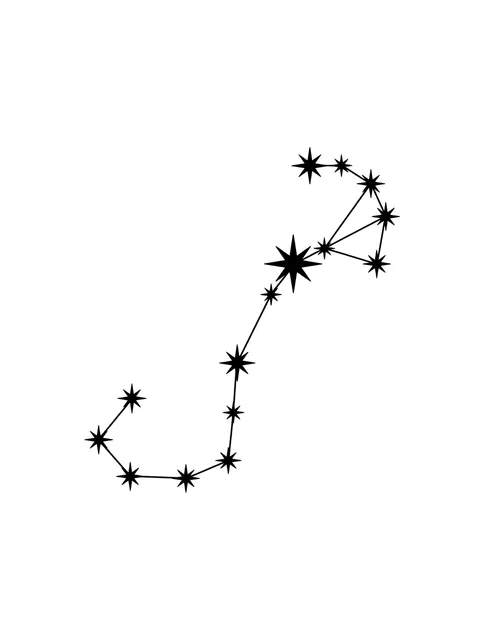
Black and white fine line scorpio and constellation tattoo design, outline stencil Try it on — Black and white fine line scorpio and constellation tattoo design, outline stencil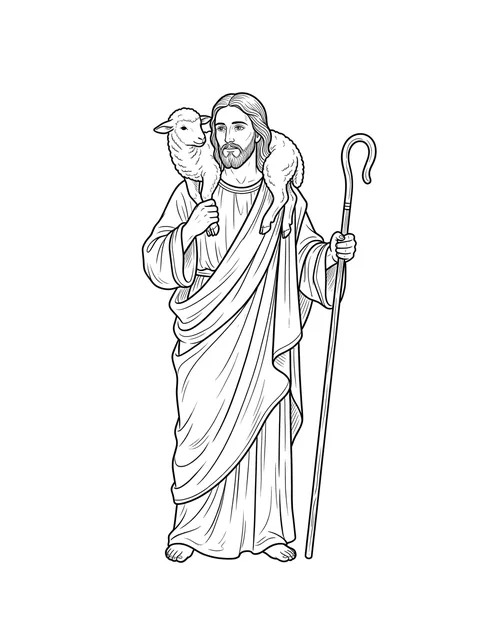
Black and white fine line jesus tattoo design, outline stencil Try it on — Black and white fine line jesus tattoo design, outline stencil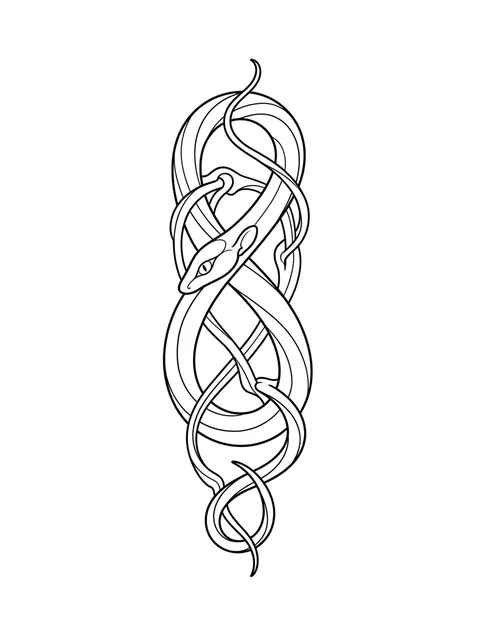
Black and white fine line viking and snake tattoo design, outline stencil Try it on — Black and white fine line viking and snake tattoo design, outline stencil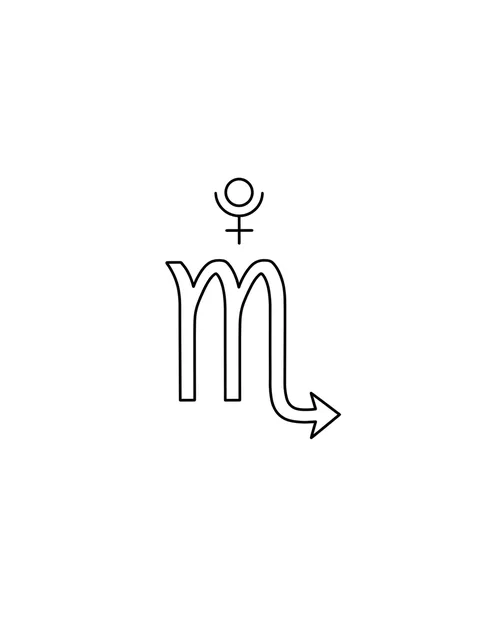
Black and white fine line scorpio and planet tattoo design, outline stencil Try it on — Black and white fine line scorpio and planet tattoo design, outline stencil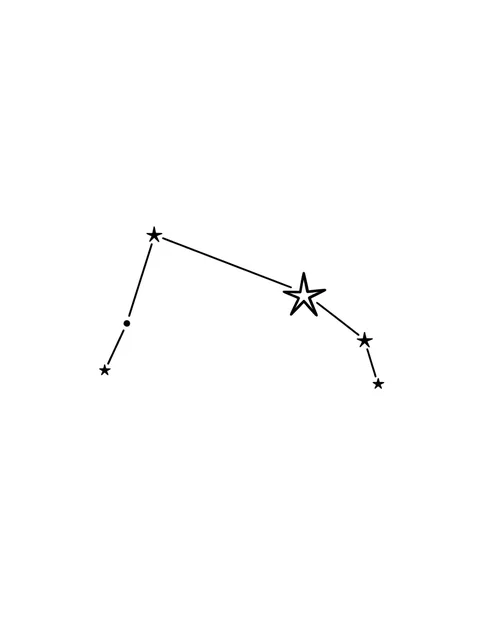
Black and white fine line aries and constellation tattoo design, outline stencil Try it on — Black and white fine line aries and constellation tattoo design, outline stencil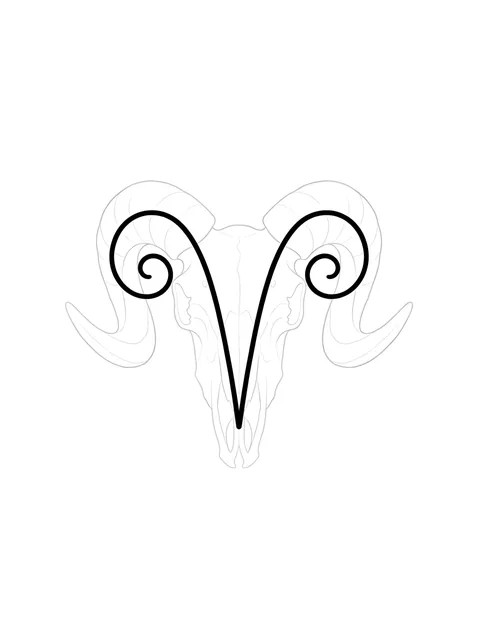
Black and white fine line aries and skull tattoo design, outline stencil: a ram's skull Try it on — Black and white fine line aries and skull tattoo design, outline stencil: a ram's skull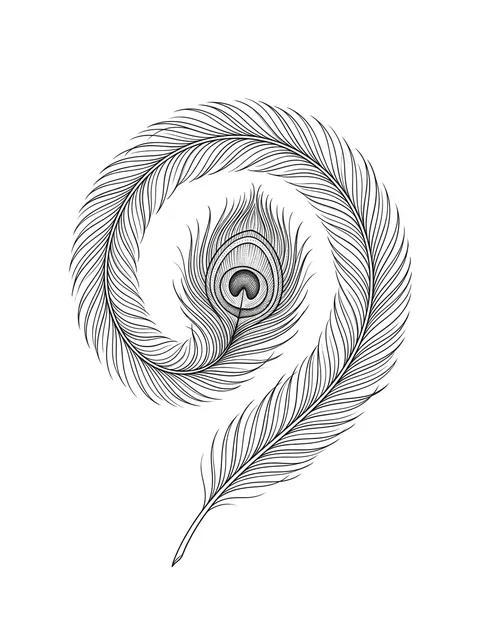
Black and white fine line feather and peacock tattoo design, outline stencil Try it on — Black and white fine line feather and peacock tattoo design, outline stencil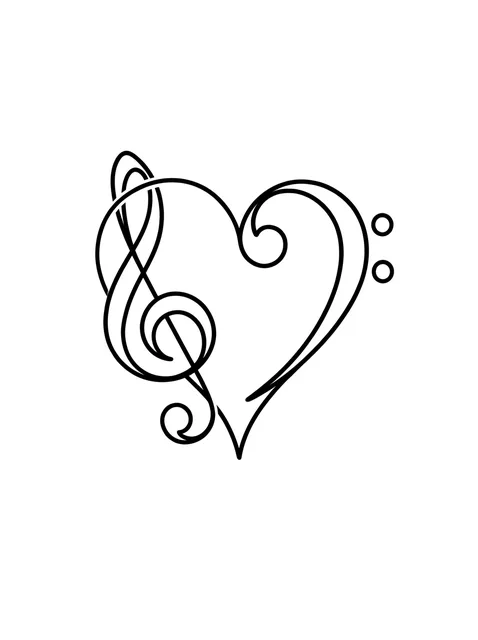
Black and white fine line music note and heart tattoo design, outline stencil Try it on — Black and white fine line music note and heart tattoo design, outline stencil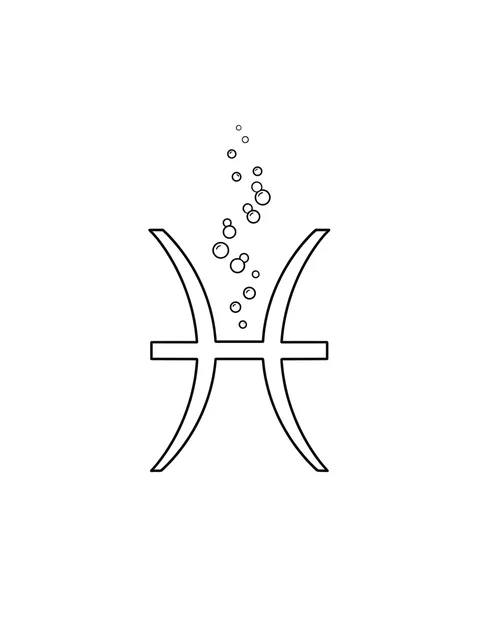
Black and white fine line pisces tattoo design, outline stencil Try it on — Black and white fine line pisces tattoo design, outline stencil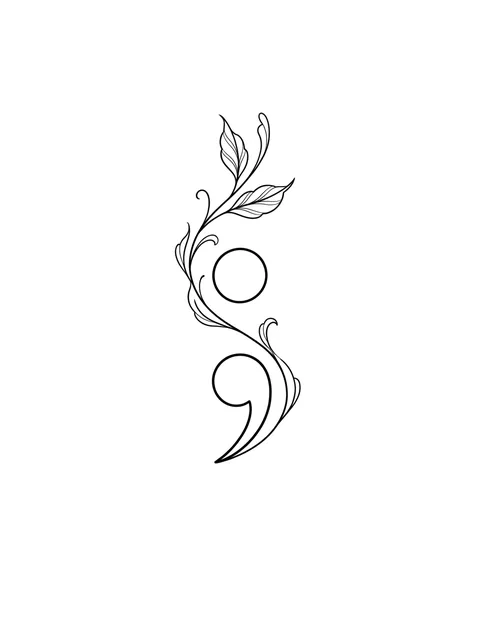
Black and white fine line semicolon and leaf tattoo design, outline stencil Try it on — Black and white fine line semicolon and leaf tattoo design, outline stencil
Black and white fine line pisces and fish tattoo design, outline stencil Try it on — Black and white fine line pisces and fish tattoo design, outline stencil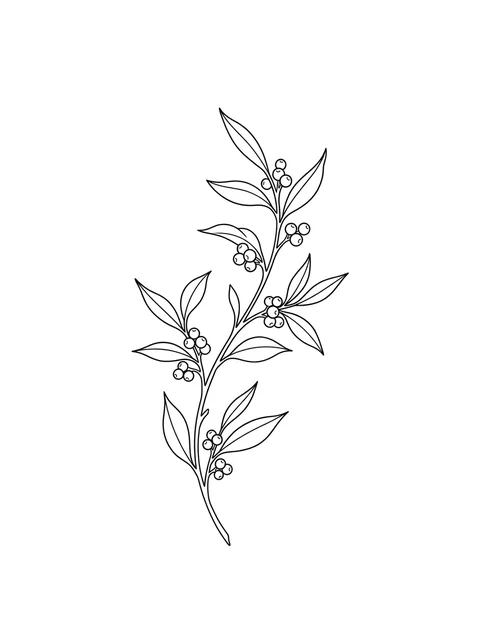
Black and white fine line leaf tattoo design, outline stencil Try it on — Black and white fine line leaf tattoo design, outline stencil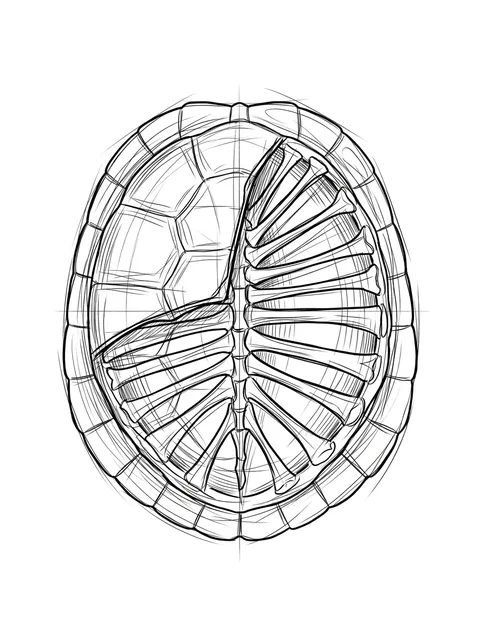
Black and white fine line turtle and skeleton tattoo design, outline stencil Try it on — Black and white fine line turtle and skeleton tattoo design, outline stencil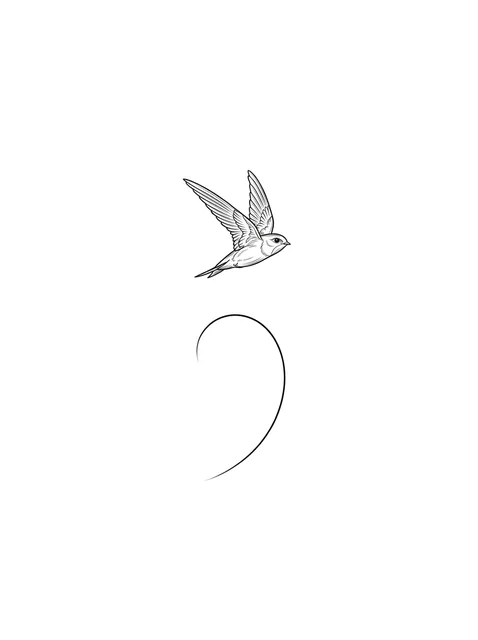
Black and grey fine line bird tattoo design, outline stencil Try it on — Black and grey fine line bird tattoo design, outline stencil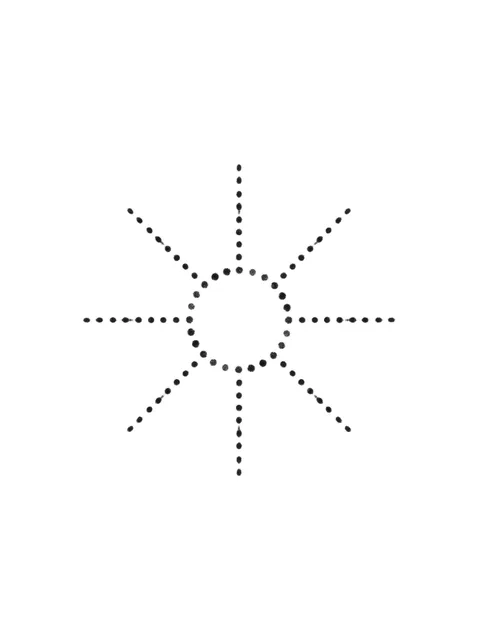
Black and white fine line sun tattoo design, outline stencil Try it on — Black and white fine line sun tattoo design, outline stencil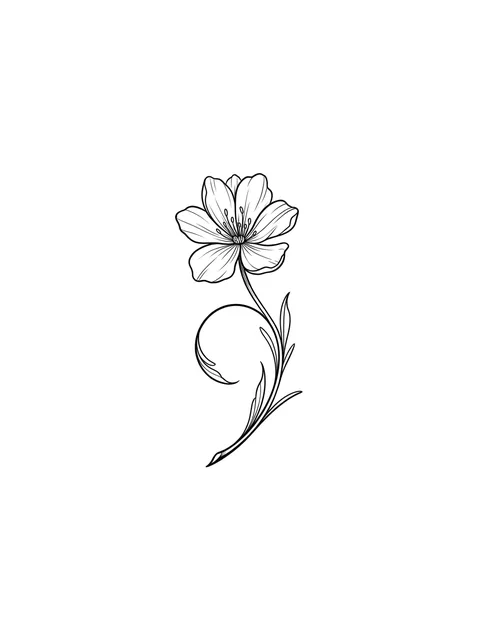
Black and white fine line flower and leaf tattoo design, outline stencil Try it on — Black and white fine line flower and leaf tattoo design, outline stencil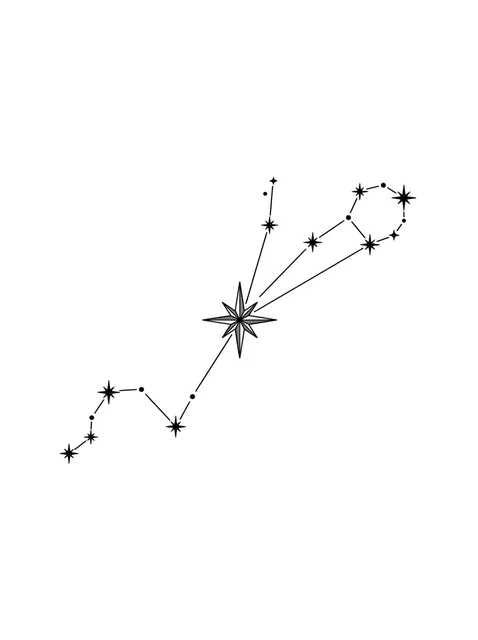
Black and white fine line pisces and constellation tattoo design, outline stencil Try it on — Black and white fine line pisces and constellation tattoo design, outline stencil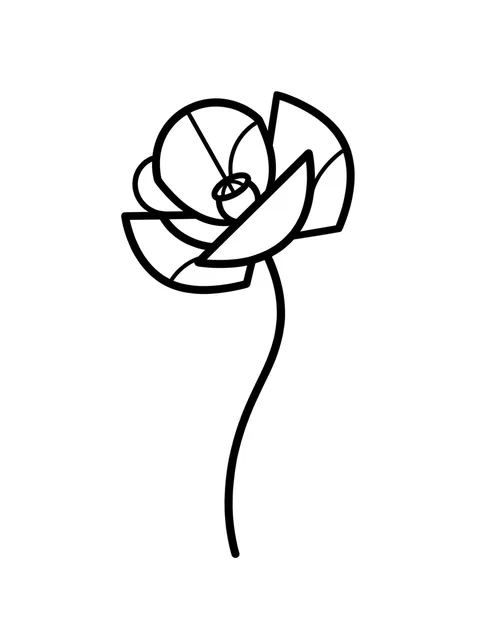
Black and grey fine line flower tattoo design, outline stencil Try it on — Black and grey fine line flower tattoo design, outline stencil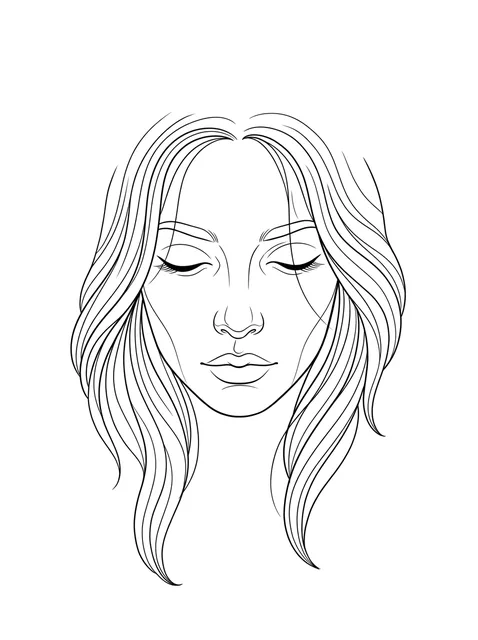
Black and white fine line woman portrait tattoo design, outline stencil Try it on — Black and white fine line woman portrait tattoo design, outline stencil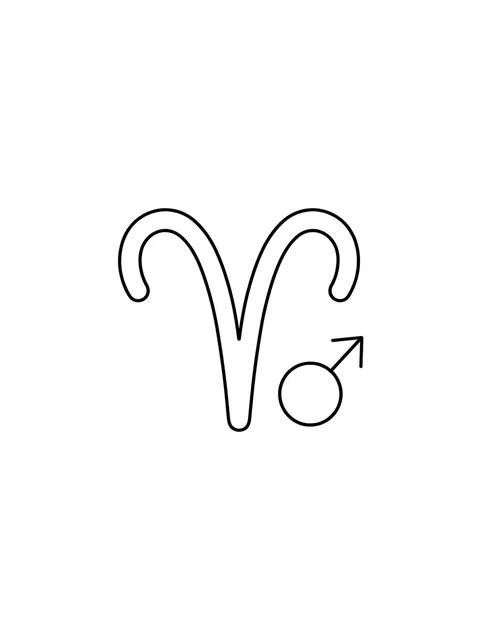
Black and white fine line aries and planet tattoo design, outline stencil Try it on — Black and white fine line aries and planet tattoo design, outline stencil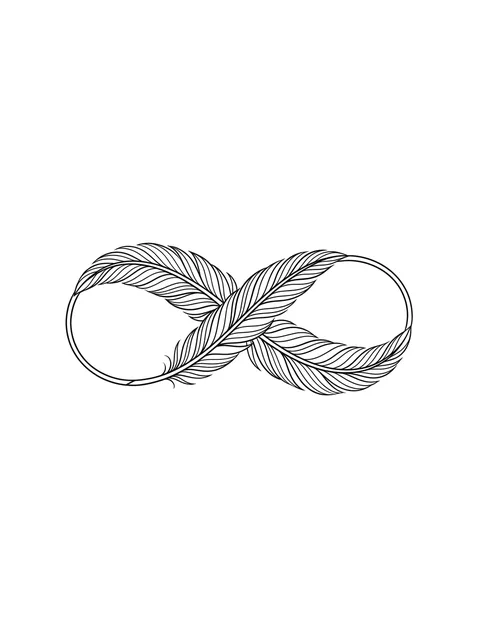
Black and white fine line infinity and feather tattoo design, outline stencil Try it on — Black and white fine line infinity and feather tattoo design, outline stencil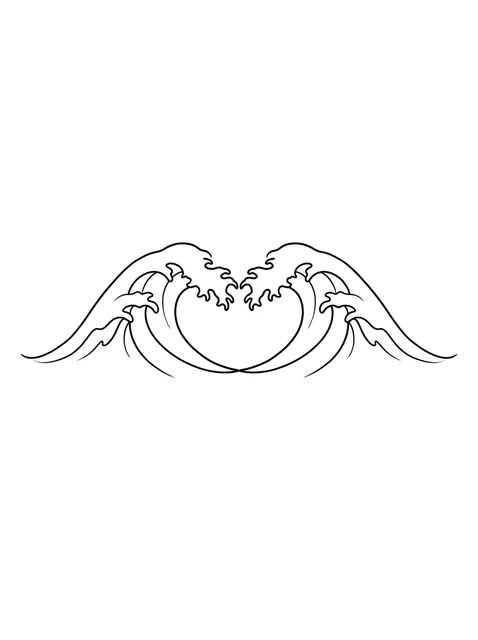
Black and white fine line wave tattoo design, outline stencil Try it on — Black and white fine line wave tattoo design, outline stencil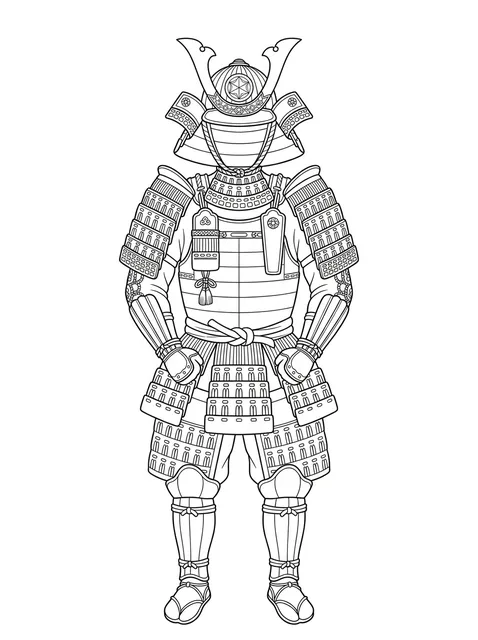
Black and white fine line samurai tattoo design, outline stencil Try it on — Black and white fine line samurai tattoo design, outline stencil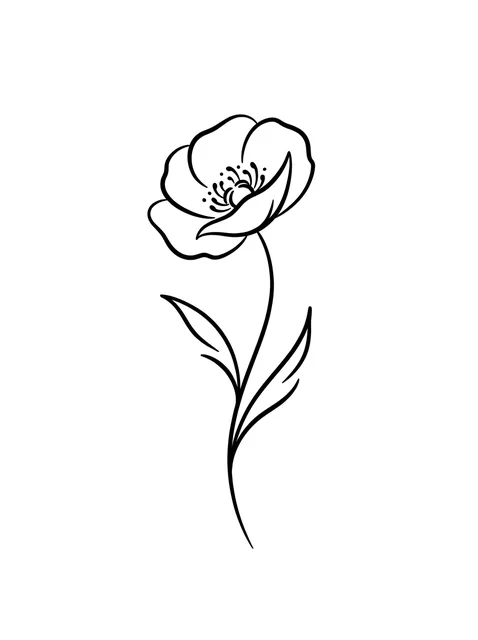
Black and white fine line flower and poppy tattoo design, outline stencil Try it on — Black and white fine line flower and poppy tattoo design, outline stencil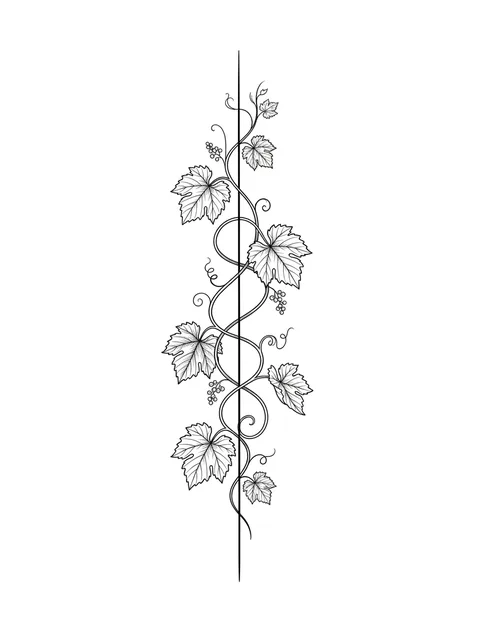
Black and white fine line vine and leaf tattoo design, outline stencil Try it on — Black and white fine line vine and leaf tattoo design, outline stencil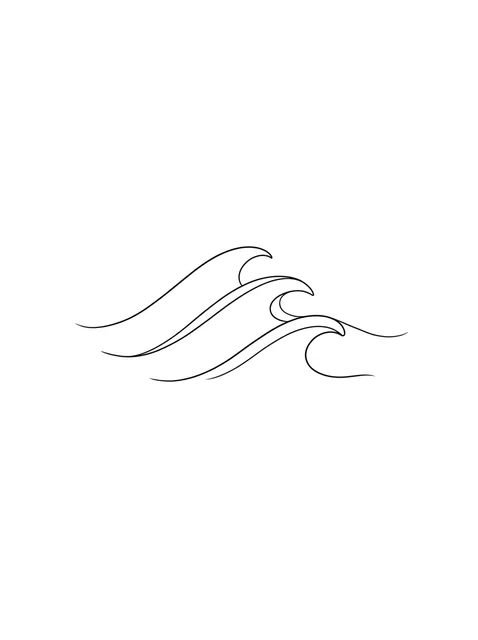
Black and white fine line wave tattoo design, outline stencil Try it on — Black and white fine line wave tattoo design, outline stencil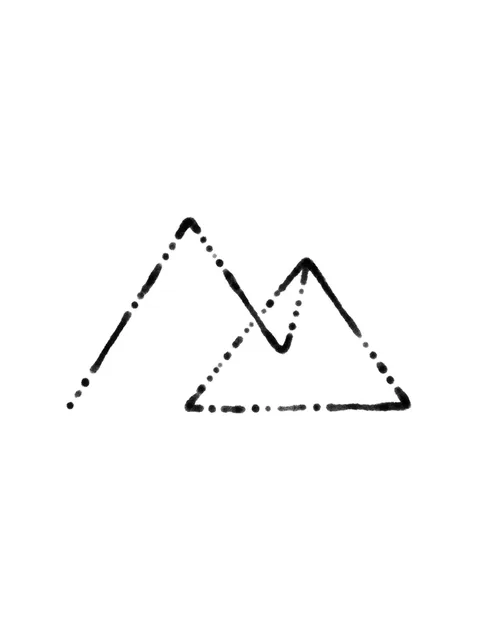
Black and white fine line mountain tattoo design, outline stencil: two overlapping mountain peaks Try it on — Black and white fine line mountain tattoo design, outline stencil: two overlapping mountain peaks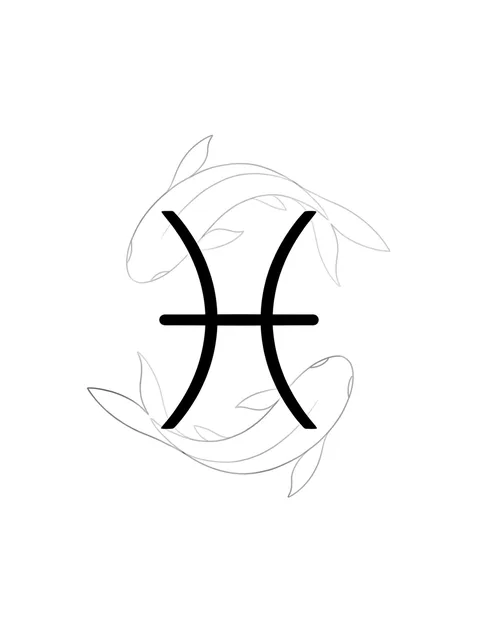
Black and white fine line pisces and fish tattoo design, outline stencil Try it on — Black and white fine line pisces and fish tattoo design, outline stencil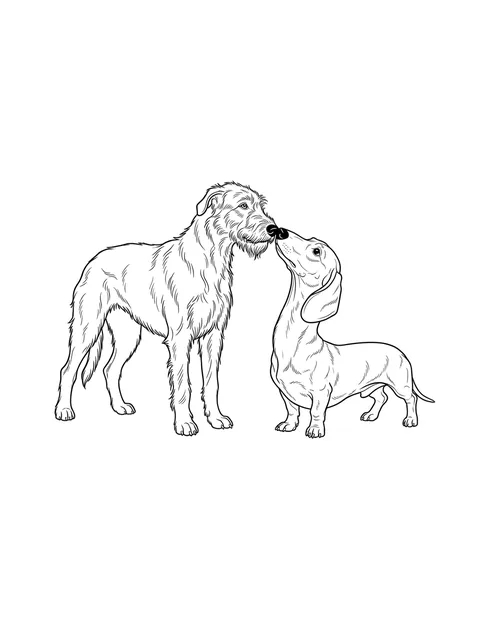
Black and white fine line dog and pet portrait tattoo design, outline stencil Try it on — Black and white fine line dog and pet portrait tattoo design, outline stencil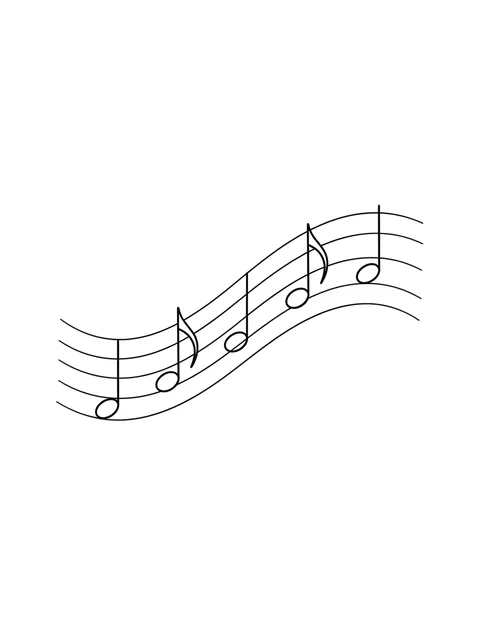
Black and white fine line music note tattoo design, outline stencil Try it on — Black and white fine line music note tattoo design, outline stencil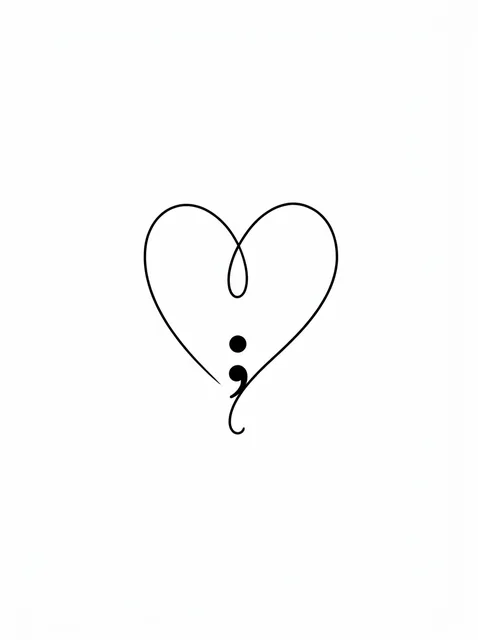
Black and white fine line heart and semicolon tattoo design, outline stencil Try it on — Black and white fine line heart and semicolon tattoo design, outline stencil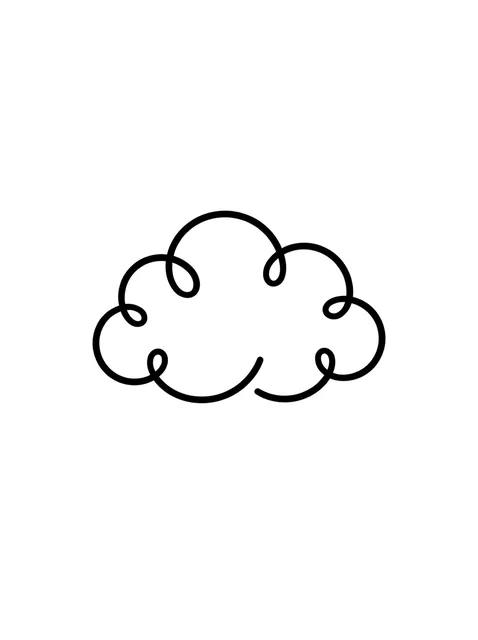
Black and white fine line cloud tattoo design, outline stencil Try it on — Black and white fine line cloud tattoo design, outline stencil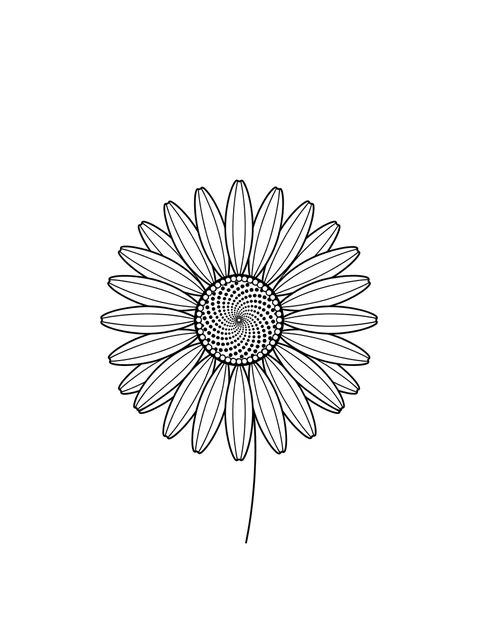
Black and white fine line daisy tattoo design, outline stencil Try it on — Black and white fine line daisy tattoo design, outline stencil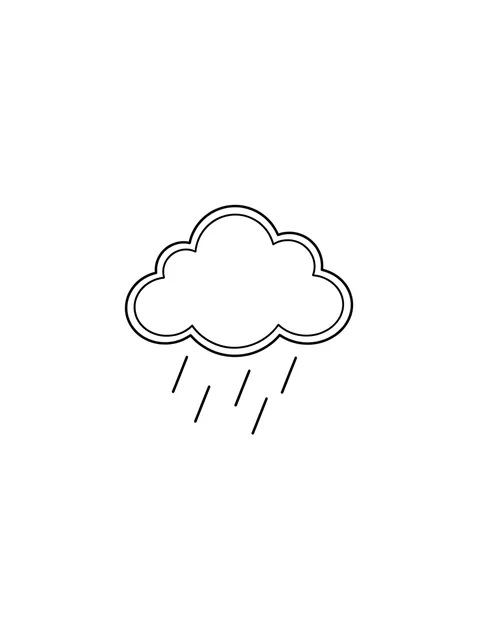
Black and white fine line cloud tattoo design, outline stencil Try it on — Black and white fine line cloud tattoo design, outline stencil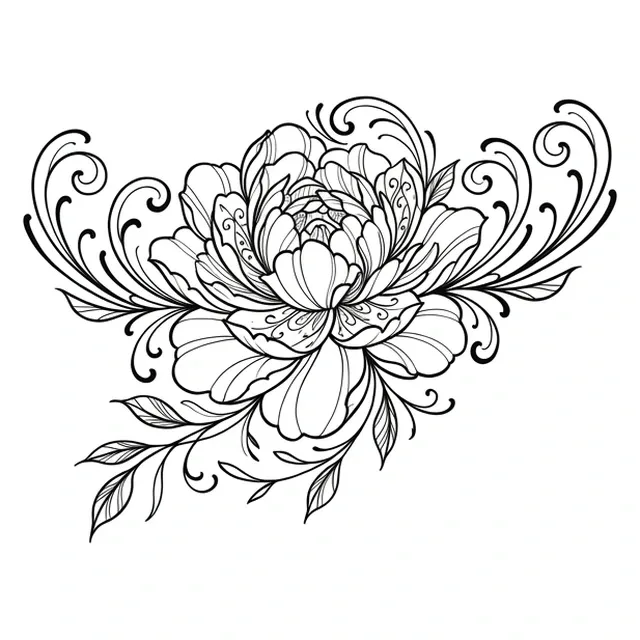
Black and white fine line peony and leaf tattoo design, outline stencil Try it on — Black and white fine line peony and leaf tattoo design, outline stencil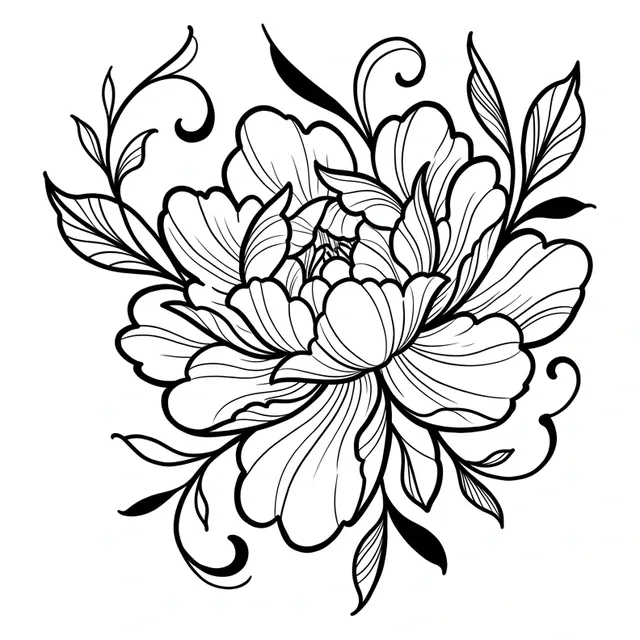
Black and white fine line peony and leaf tattoo design, outline stencil Try it on — Black and white fine line peony and leaf tattoo design, outline stencil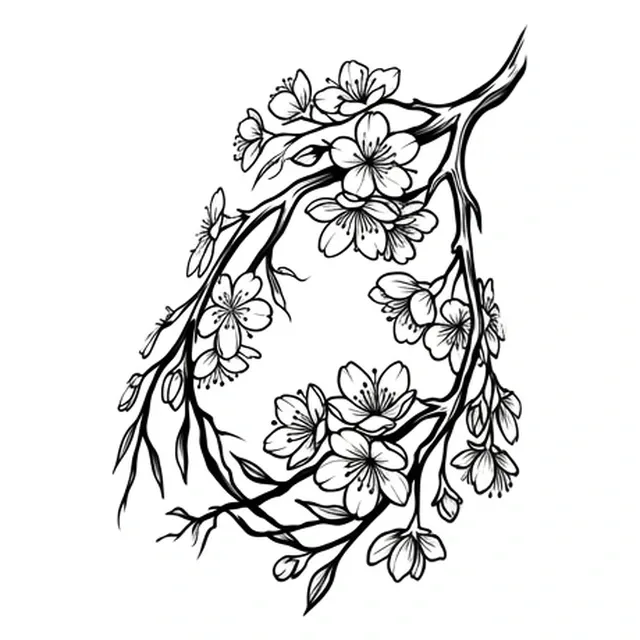
Black and white fine line cherry blossom and flower tattoo design, outline stencil Try it on — Black and white fine line cherry blossom and flower tattoo design, outline stencil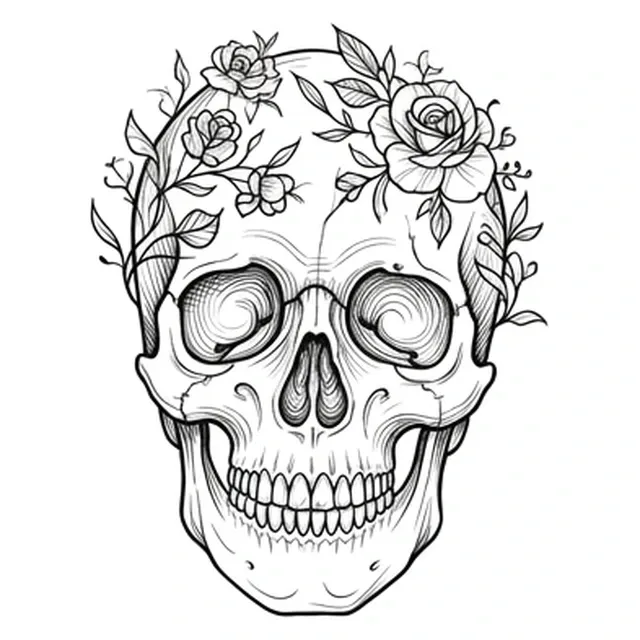
Black and white fine line skull and rose tattoo design, outline stencil Try it on — Black and white fine line skull and rose tattoo design, outline stencil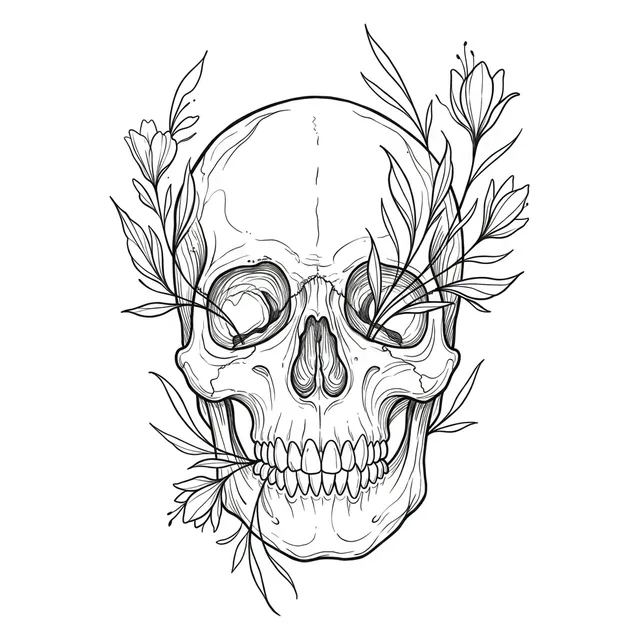
Black and white fine line skull and flower tattoo design, outline stencil Try it on — Black and white fine line skull and flower tattoo design, outline stencil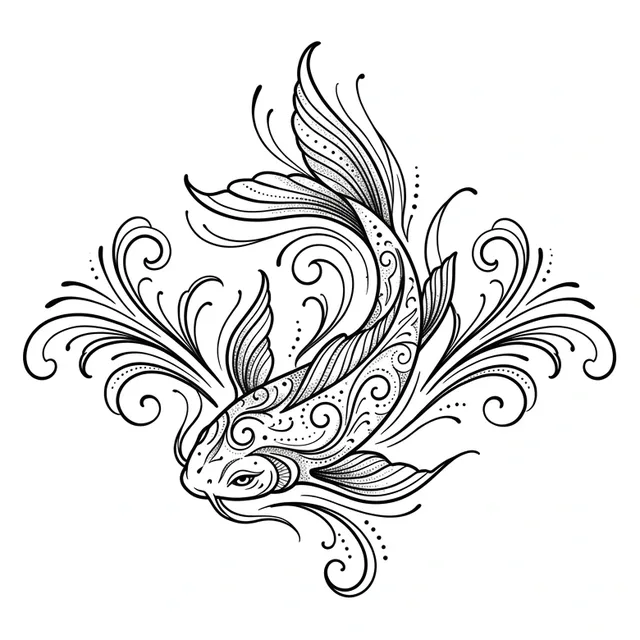
Black and white fine line koi tattoo design, outline stencil Try it on — Black and white fine line koi tattoo design, outline stencil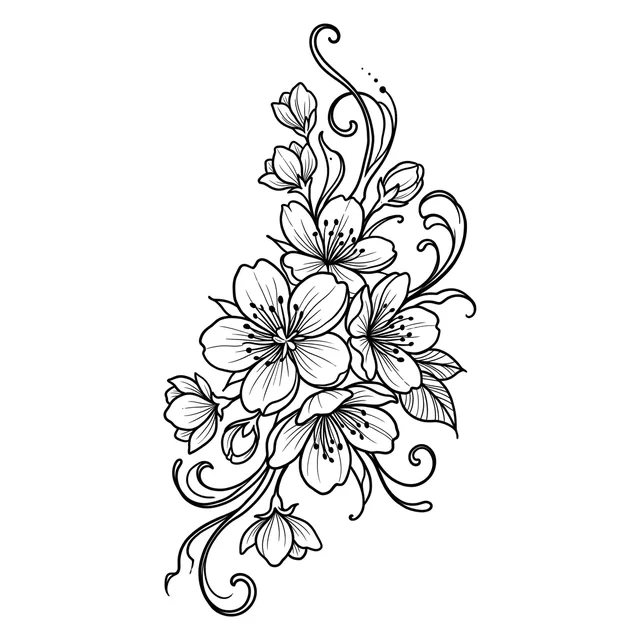
Black and white fine line cherry blossom and flower tattoo design, outline stencil Try it on — Black and white fine line cherry blossom and flower tattoo design, outline stencil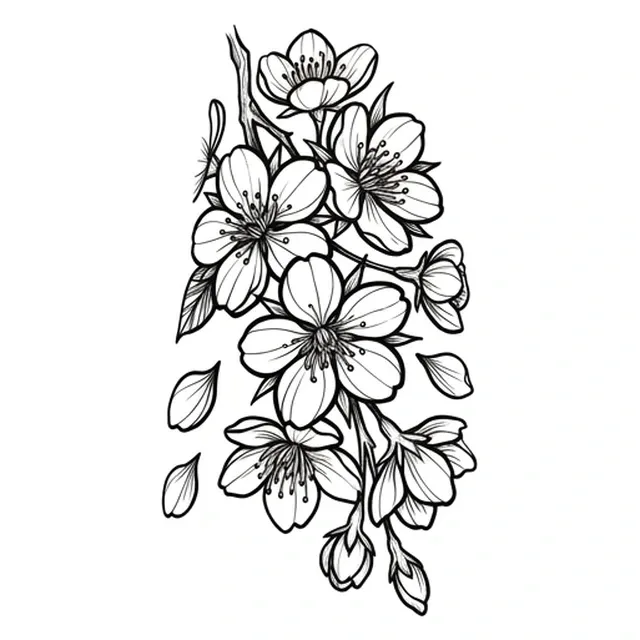
Black and grey fine line cherry blossom and flower tattoo design, outline stencil Try it on — Black and grey fine line cherry blossom and flower tattoo design, outline stencil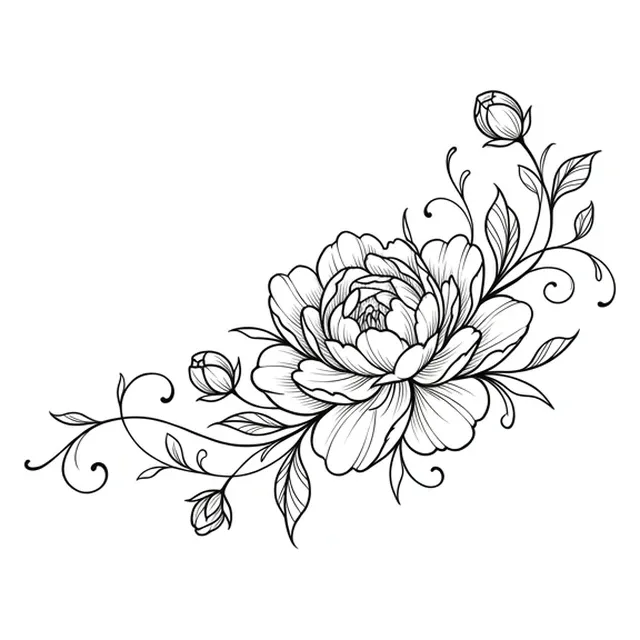
Black and white fine line peony and flower tattoo design, outline stencil Try it on — Black and white fine line peony and flower tattoo design, outline stencil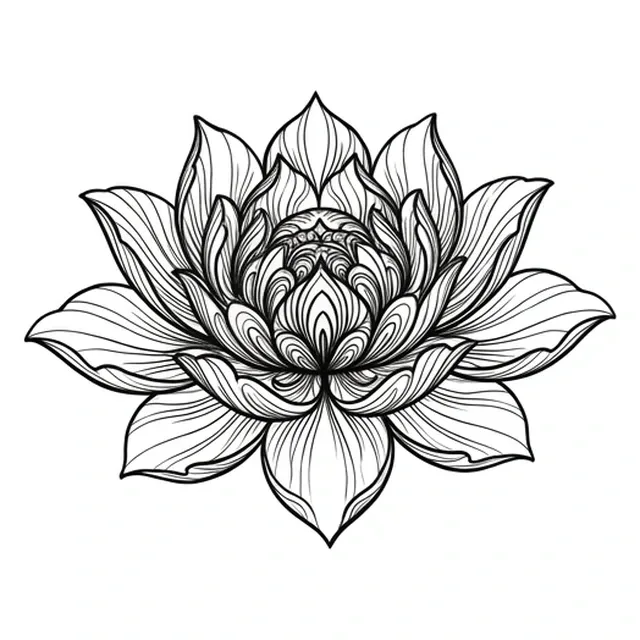
Black and white fine line lotus and flower tattoo design, outline stencil Try it on — Black and white fine line lotus and flower tattoo design, outline stencil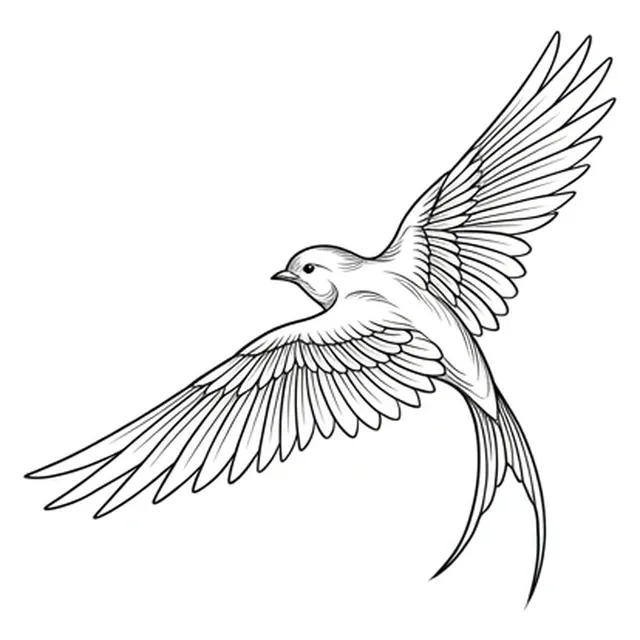
Black and white fine line bird tattoo design, outline stencil: a swallow in flight Try it on — Black and white fine line bird tattoo design, outline stencil: a swallow in flight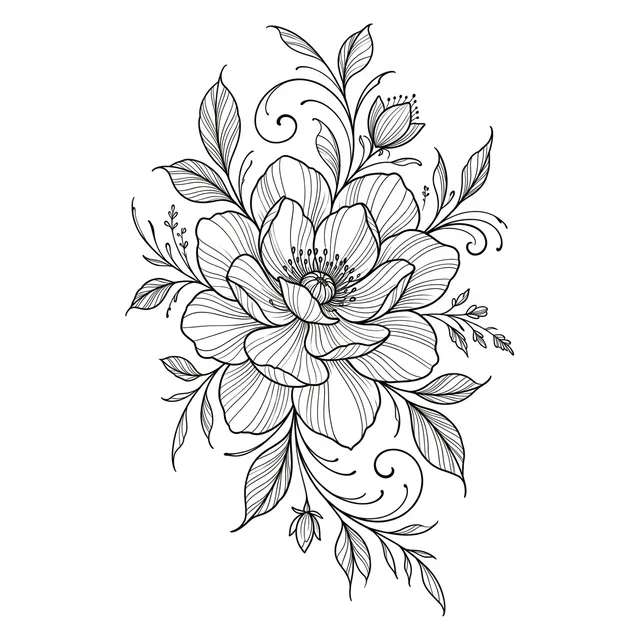
Black and white fine line flower and leaf tattoo design, outline stencil Try it on — Black and white fine line flower and leaf tattoo design, outline stencil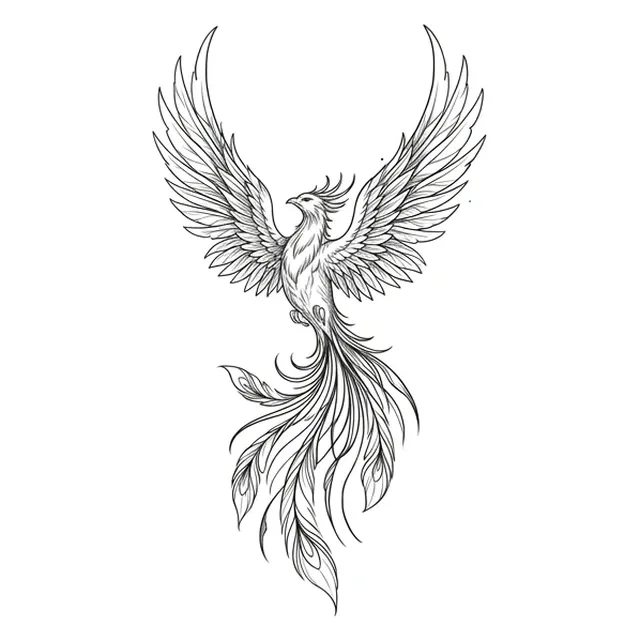
Black and white fine line phoenix tattoo design, outline stencil Try it on — Black and white fine line phoenix tattoo design, outline stencil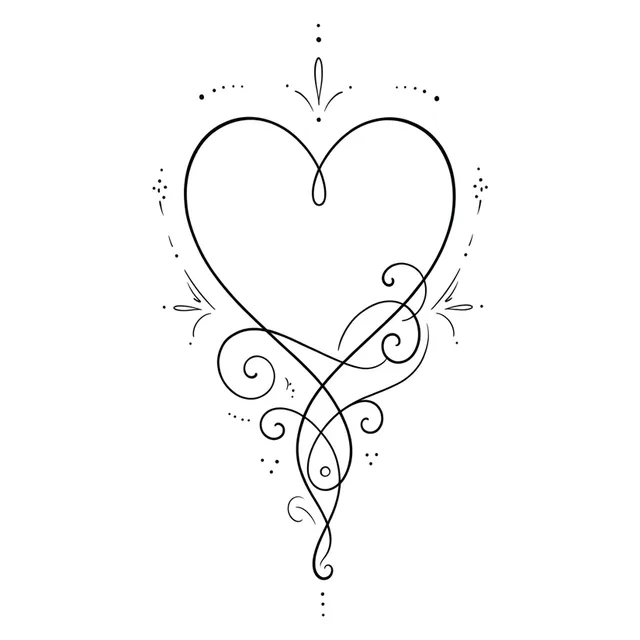
Black and white fine line heart tattoo design, outline stencil Try it on — Black and white fine line heart tattoo design, outline stencil


48 designs drawn for InkCraft in this style. Tap any one to place it on a photo of your own skin.
These 48 designs, in numbers
- Black and grey
- 48
- Colour
- 0
- Subjects covered
- 40
It is not minimalism, and confusing the two costs money
Minimalist work reduces a subject to the fewest marks that still carry it. Fine line does the opposite: it keeps every detail and draws each one thinner. A fine line portrait, a fine line bouquet with forty distinct petals, a fine line map of a city — these are dense drawings, and the density is the point. What is fine is the line weight, not the design.
The practical difference is what happens when you ask for either one small. A minimalist piece shrinks well, because there was never much in it. A fine line piece at half size still contains forty petals, now with half the space between them, and it is the space that decides whether you can still see forty petals in ten years.
So the question to ask your artist is never "how small can this go". It is "how close are the nearest two lines at this size". Under about 1.5 mm apart at the time of tattooing, plan for them to touch.
Why it needs maintenance and no one tells you
A single needle carries less ink and is worked shallower and with less trauma than a liner group. Less ink in the skin is exactly why the result looks delicate on day one, and it is also why more of it is lost during healing. A fine line tattoo commonly heals 10 to 20 per cent lighter than it looked when it was finished, and patchy sections are ordinary rather than a sign of bad work.
Most reputable artists price a touch-up into the first piece or offer one free within a few months, and you should expect to use it. Beyond that, fine line is the one style where a refresh every five to eight years is a normal part of owning it rather than an admission that something went wrong. If that sounds like a burden, it is the honest trade for detail the rest of tattooing cannot reach.
It is also slower than it looks, which surprises people at the quote. Covering an area one needle at a time takes longer than covering it with nine, so a small fine line piece can cost more than a larger bold one. You are buying hours, not square centimetres.
Where it survives and where it does not
The inner forearm, the upper arm, the shoulder blade and the upper back are the places fine line lasts: stable skin, low friction, limited sun unless you choose otherwise. Give the piece room there and it will still be a drawing in fifteen years.
The hands, the fingers, the feet and the outer wrist are where it goes wrong, and they are also where it is most requested. Those areas shed and replace skin fastest, they take constant friction, and the ink sits in tissue that turns over. A fine line finger tattoo is a six-month to two-year design, and an artist who tells you otherwise is selling rather than advising.
Sun is the other half. UV breaks down pigment, and a style that started with less pigment has less to lose — a summer of unprotected forearm is visible on fine line work and invisible on a bold piece. Sunscreen on a healed tattoo is not aftercare theatre here; it is the difference between one refresh and three.
What an hour of this work costs, and how many hours fine line tattoos takes at each size, is in the cost guide. How it behaves later — under a laser, and as the thing doing the covering — is in the removal and cover-up guide.
Common questions
- What is the difference between fine line and minimalist tattoos?
- Minimalist describes the drawing — a subject reduced to the fewest marks that still carry it. Fine line describes the needle — one or three instead of nine, so every line is thinner. A fine line piece can be extremely detailed; a minimalist one cannot, by definition.
- Do fine line tattoos fade faster?
- They show change sooner, for two reasons that compound: less ink goes into the skin, and the lines start closer together. Expect to heal 10 to 20 per cent lighter than the finished piece looked, budget for the touch-up, and plan on a refresh every five to eight years.
- Why does a small fine line tattoo cost so much?
- Because it is priced in hours rather than area. Covering ground one needle at a time takes far longer than with a liner group, and the slower, lighter pass the style depends on cannot be rushed. A small fine line piece regularly costs more than a larger bold one.
- Do fine line tattoos hurt less?
- A little, and not for the reason people expect. The needle goes to the same depth; what changes is that a single needle or a three-needle group has far less surface than a nine-needle liner, so each pass feels like a scratch rather than a drag, and the sitting is usually shorter. Over bone the difference disappears: a fine line rib or ankle piece hurts like any other rib or ankle piece. Where the style genuinely helps is later, because the touch-up most fine line work needs is quicker than the original session was.
- Are fine line tattoos good on fingers and hands?
- No, and it is the most common request. Those areas shed and replace skin constantly and take daily friction, so a fine line piece there is realistically a six-month to two-year design. The same drawing on the inner forearm will still read in fifteen years.
See this style on your own skin
InkCraft places a design on a photo of you — scaled, wrapped and shaded to the spot you pick, so you can judge how the style reads on your body before it is permanent.