 InkCraft
Geometric tattoo designs: symmetry on a body
48 original geometric tattoos designs drawn for InkCraftBy Uladzimir TumanauUpdated
Built from repeated shapes and exact symmetry, which is the one thing a human body does not offer. Getting the placement right matters more here than the drawing does.
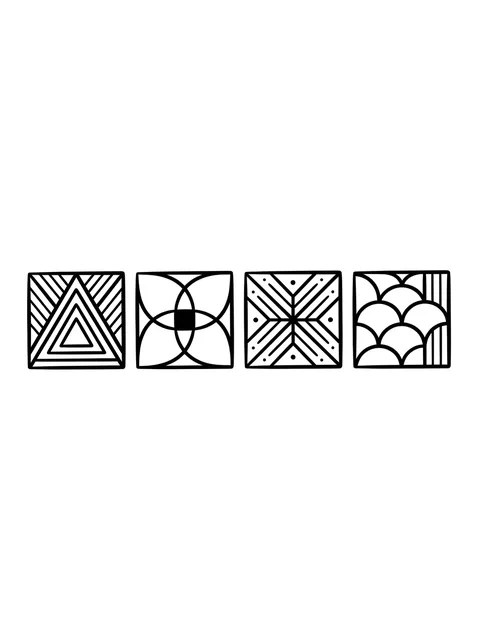
Black and white geometric abstract tattoo design, outline stencil Try it on — Black and white geometric abstract tattoo design, outline stencil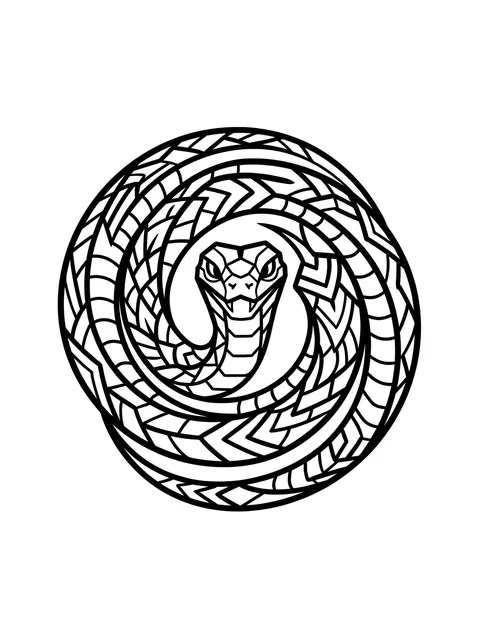
Black and white geometric snake tattoo design, outline stencil: its head prominently centered Try it on — Black and white geometric snake tattoo design, outline stencil: its head prominently centered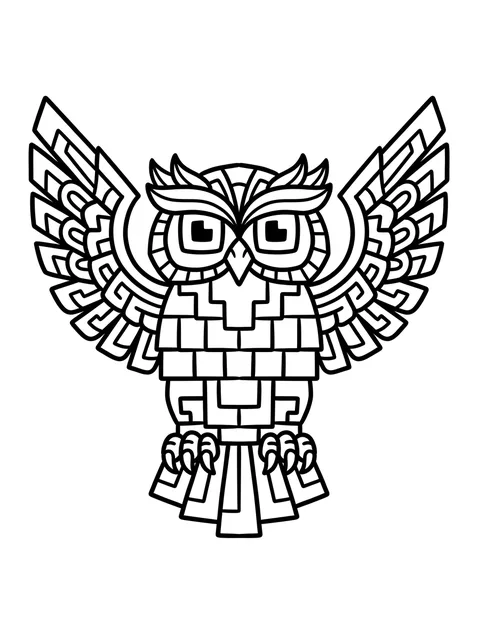
Black and white geometric aztec and owl tattoo design, outline stencil Try it on — Black and white geometric aztec and owl tattoo design, outline stencil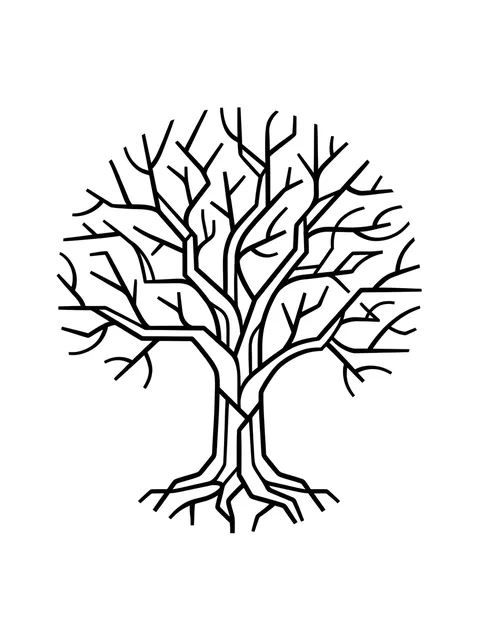
Black and white geometric tree tattoo design, outline stencil Try it on — Black and white geometric tree tattoo design, outline stencil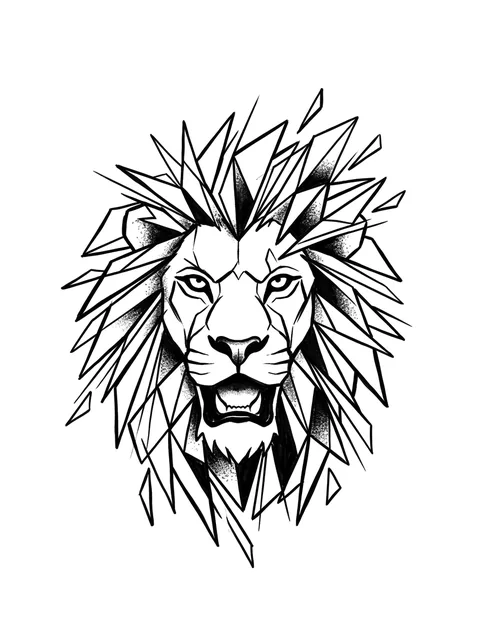
Black and white geometric lion tattoo design, outline stencil Try it on — Black and white geometric lion tattoo design, outline stencil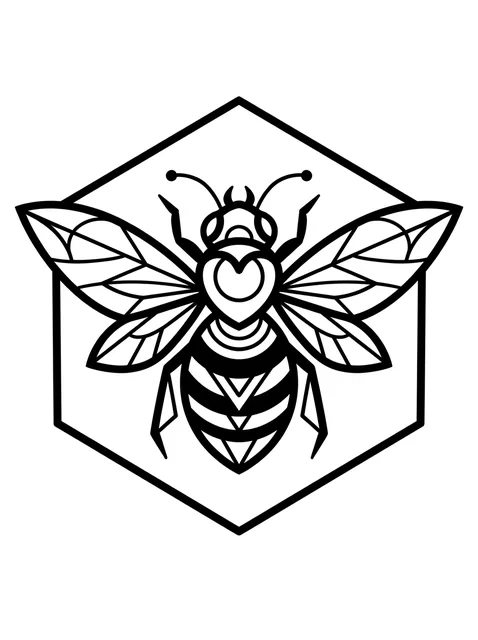
Black and white geometric bee tattoo design, outline stencil Try it on — Black and white geometric bee tattoo design, outline stencil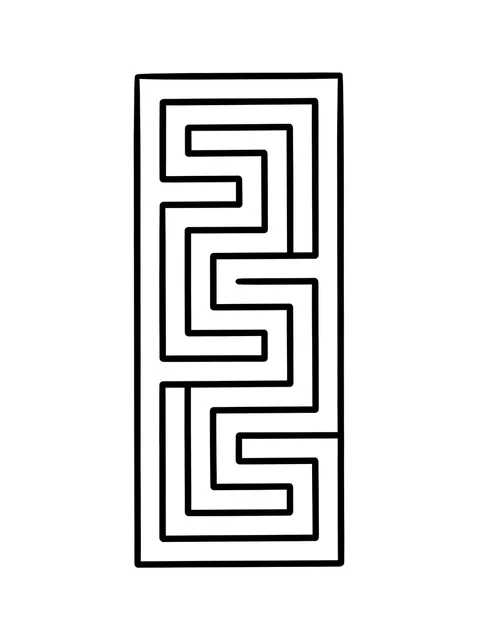
Black and white geometric abstract tattoo design, outline stencil Try it on — Black and white geometric abstract tattoo design, outline stencil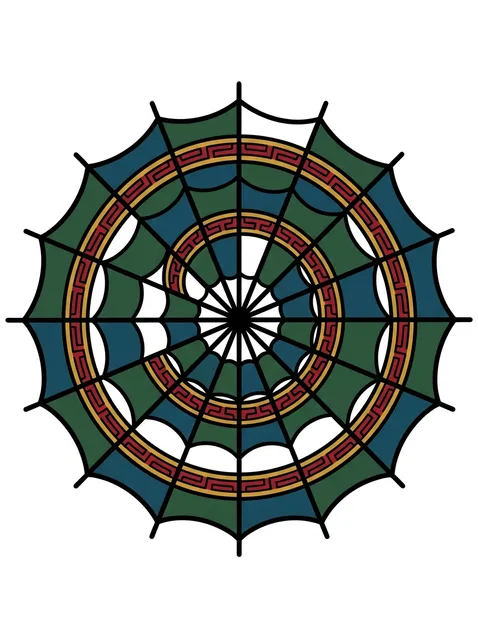
Color geometric mandala and web tattoo design, outline stencil: a central web-like pattern Try it on — Color geometric mandala and web tattoo design, outline stencil: a central web-like pattern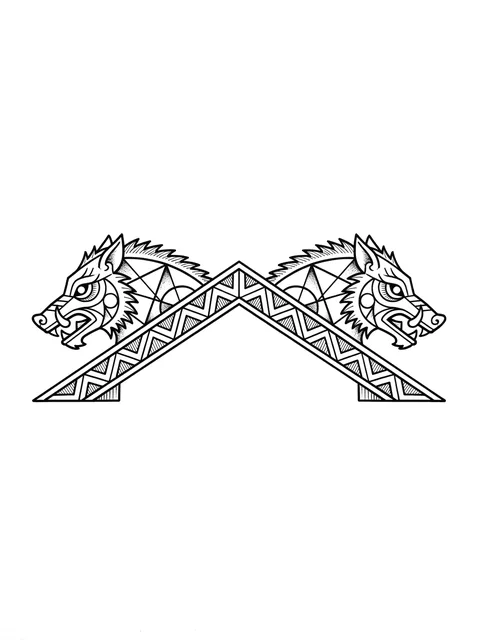
Black and white geometric viking and wolf tattoo design, outline stencil Try it on — Black and white geometric viking and wolf tattoo design, outline stencil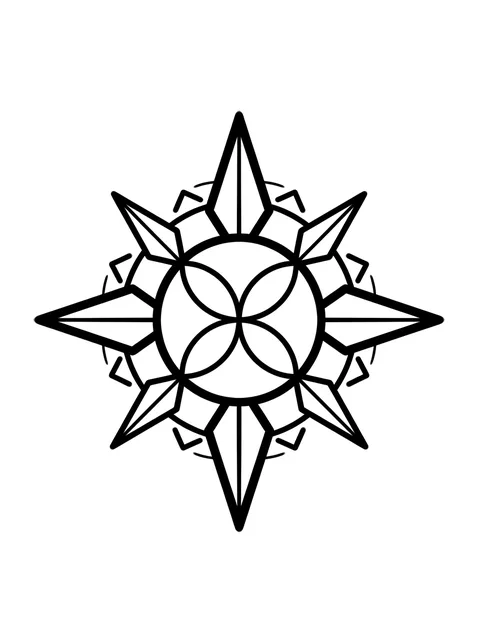
Black and white geometric mandala and star tattoo design, outline stencil Try it on — Black and white geometric mandala and star tattoo design, outline stencil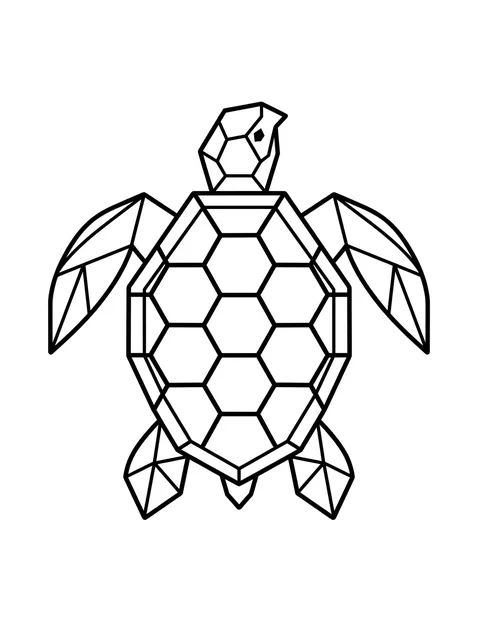
Black and white geometric turtle tattoo design, outline stencil: a sea turtle Try it on — Black and white geometric turtle tattoo design, outline stencil: a sea turtle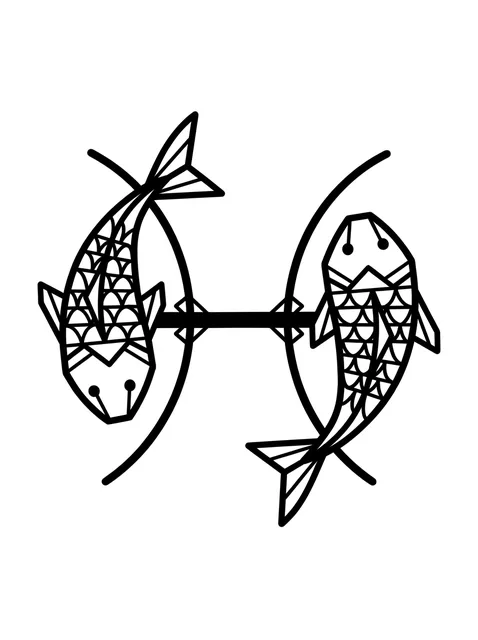
Black and white geometric pisces and fish tattoo design, outline stencil: the Pisces zodiac sign Try it on — Black and white geometric pisces and fish tattoo design, outline stencil: the Pisces zodiac sign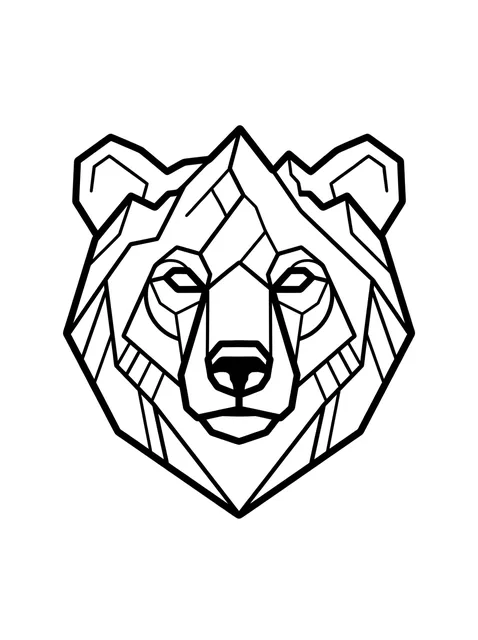
Black and white geometric bear tattoo design, outline stencil Try it on — Black and white geometric bear tattoo design, outline stencil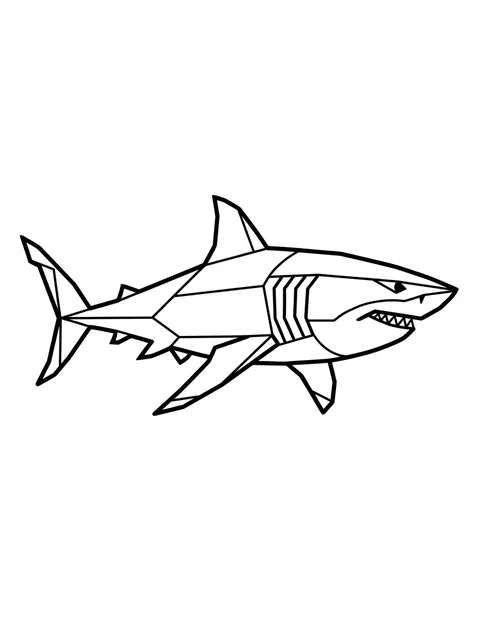
Black and white geometric shark tattoo design, outline stencil Try it on — Black and white geometric shark tattoo design, outline stencil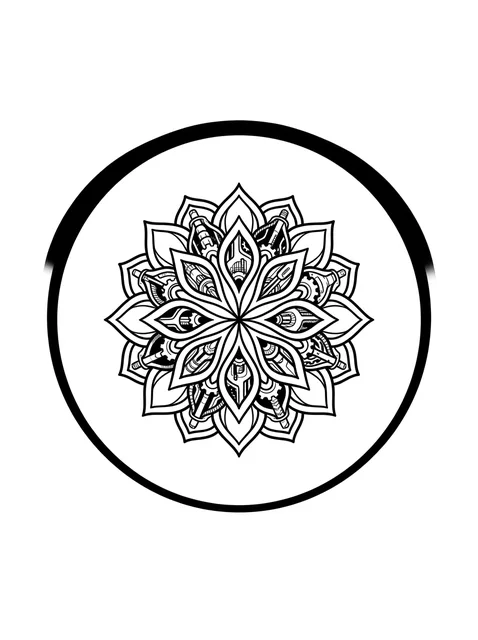
Black and grey geometric mandala and flower tattoo design, outline stencil Try it on — Black and grey geometric mandala and flower tattoo design, outline stencil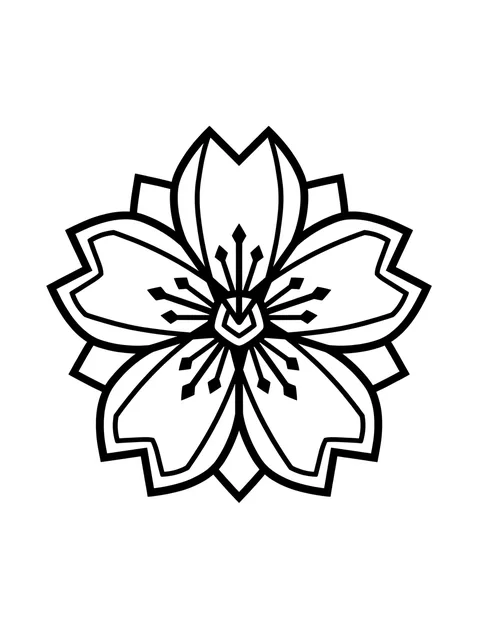
Black and white geometric cherry blossom and flower tattoo design, outline stencil Try it on — Black and white geometric cherry blossom and flower tattoo design, outline stencil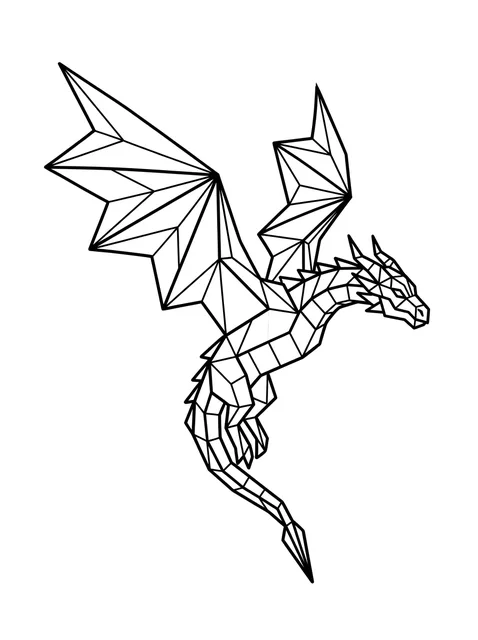
Black and white geometric dragon tattoo design, outline stencil Try it on — Black and white geometric dragon tattoo design, outline stencil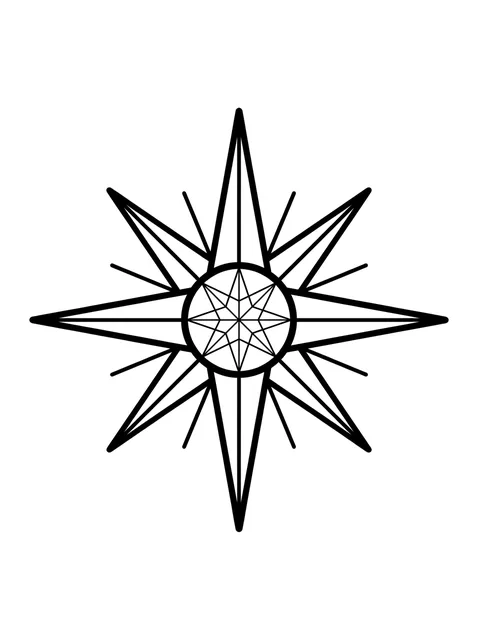
Black and white geometric star and mandala tattoo design, outline stencil Try it on — Black and white geometric star and mandala tattoo design, outline stencil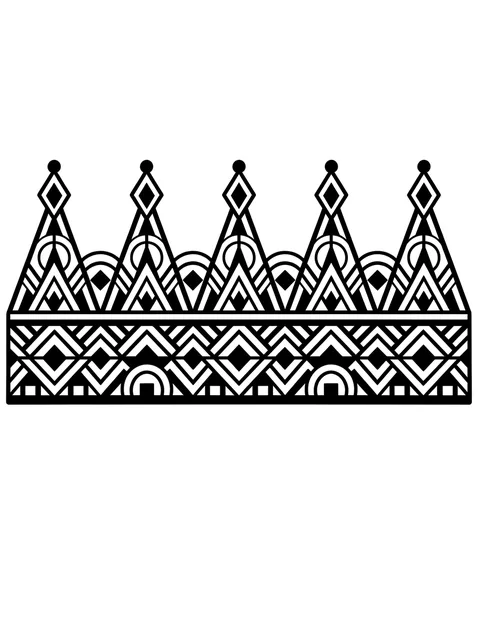
Black and white geometric crown tattoo design, outline stencil Try it on — Black and white geometric crown tattoo design, outline stencil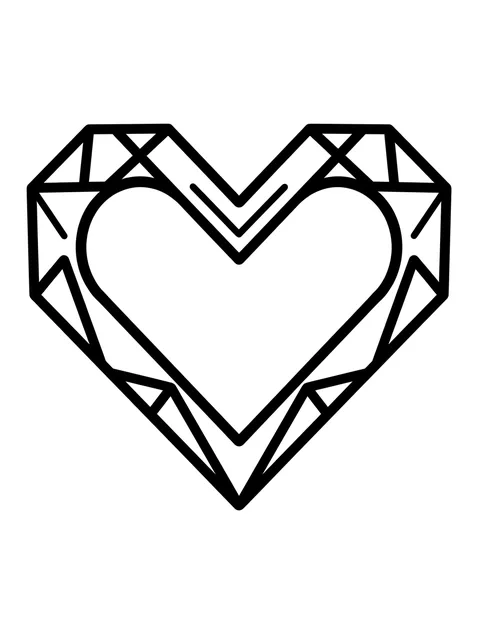
Black and white geometric heart and diamond tattoo design, outline stencil Try it on — Black and white geometric heart and diamond tattoo design, outline stencil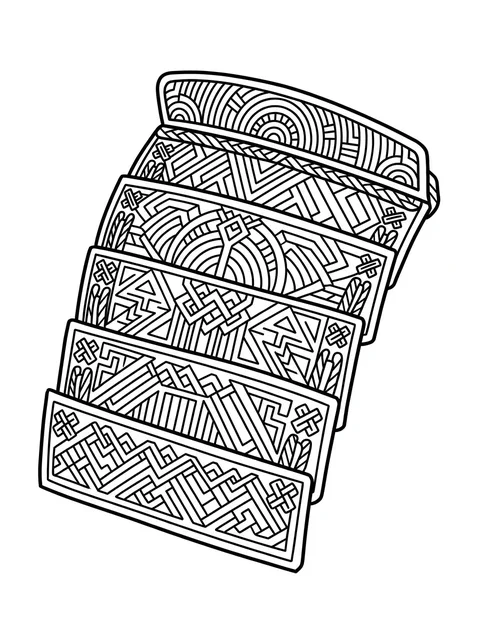
Black and white geometric abstract tattoo design, outline stencil Try it on — Black and white geometric abstract tattoo design, outline stencil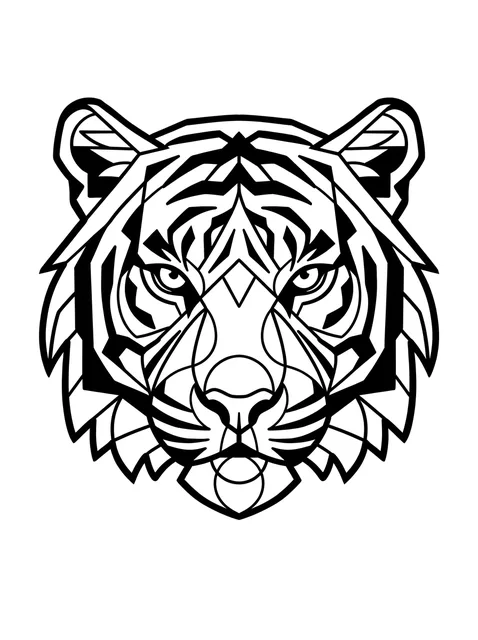
Black and white geometric tiger tattoo design, outline stencil Try it on — Black and white geometric tiger tattoo design, outline stencil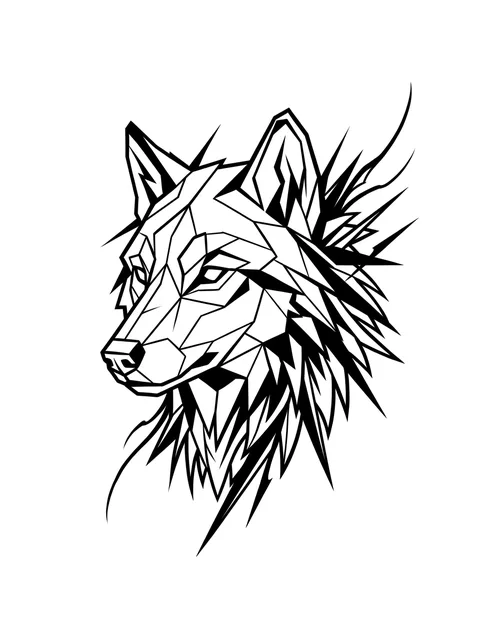
Black and white geometric wolf tattoo design, outline stencil Try it on — Black and white geometric wolf tattoo design, outline stencil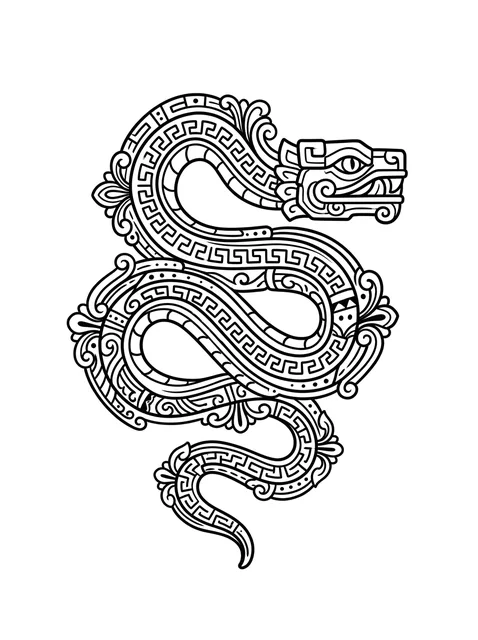
Black and white geometric snake and dragon tattoo design, outline stencil Try it on — Black and white geometric snake and dragon tattoo design, outline stencil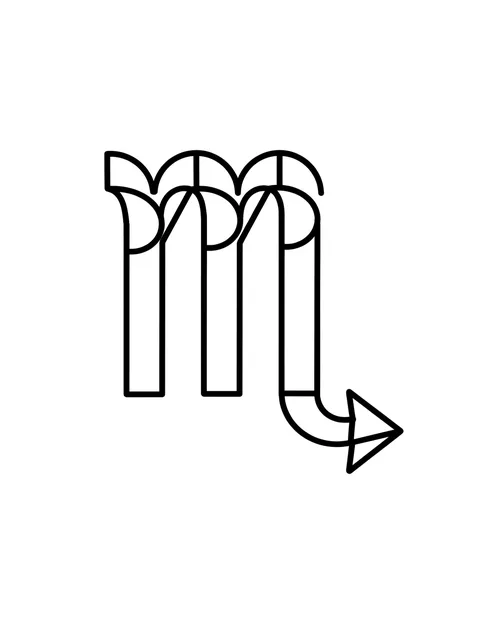
Black and white geometric scorpio tattoo design, outline stencil Try it on — Black and white geometric scorpio tattoo design, outline stencil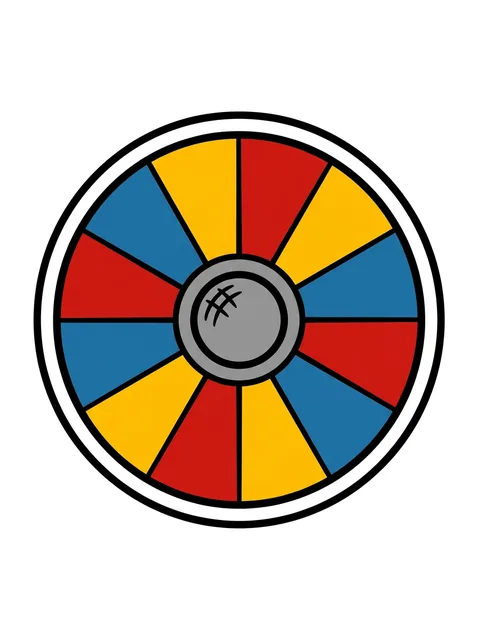
Color geometric abstract tattoo design, outline stencil: a circular shield-like motif Try it on — Color geometric abstract tattoo design, outline stencil: a circular shield-like motif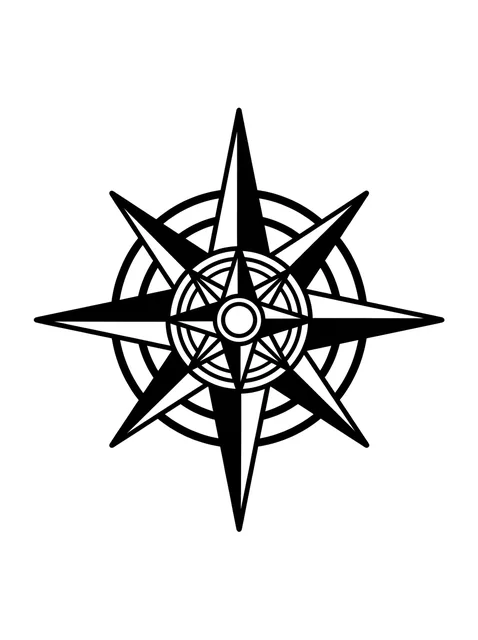
Black and white geometric compass tattoo design, outline stencil Try it on — Black and white geometric compass tattoo design, outline stencil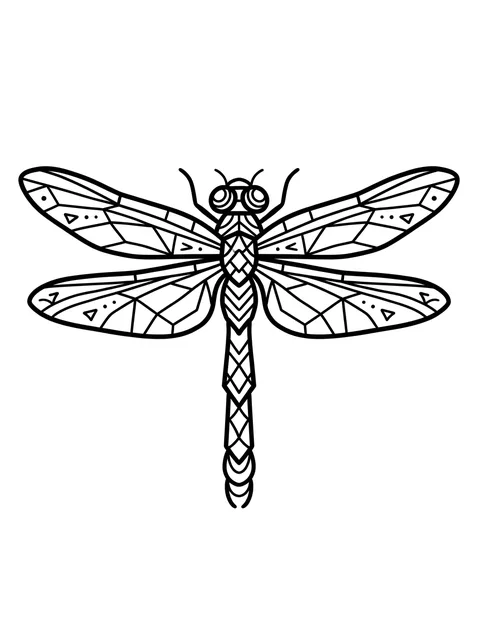
Black and white geometric dragonfly tattoo design, outline stencil Try it on — Black and white geometric dragonfly tattoo design, outline stencil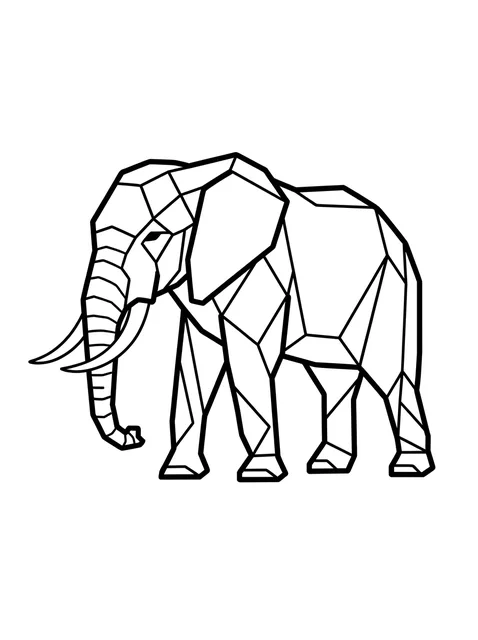
Black and white geometric elephant tattoo design, outline stencil Try it on — Black and white geometric elephant tattoo design, outline stencil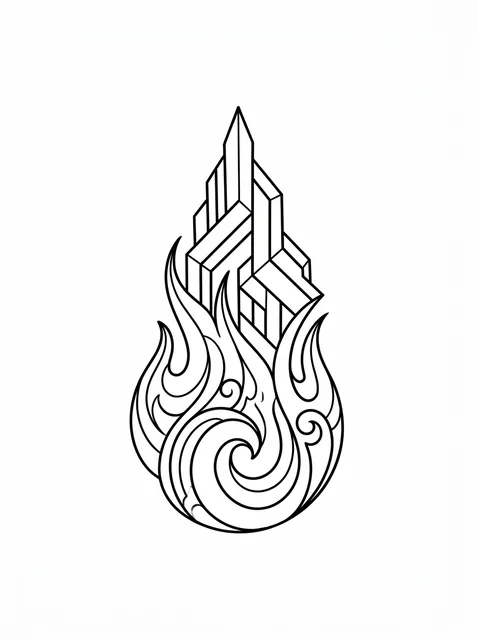
Black and white geometric fire and abstract tattoo design, outline stencil Try it on — Black and white geometric fire and abstract tattoo design, outline stencil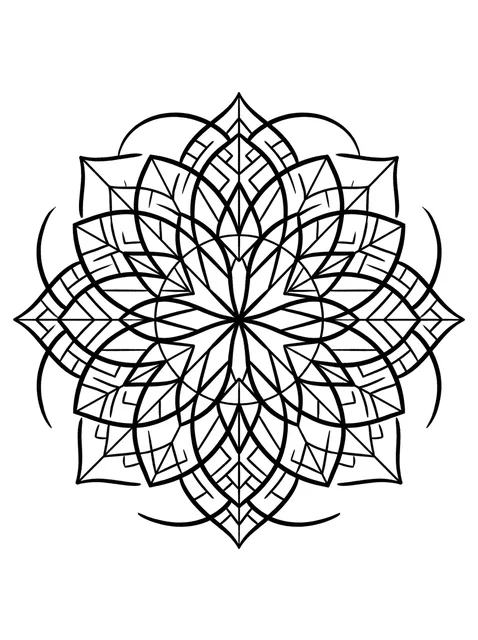
Black and white geometric mandala and flower tattoo design, outline stencil Try it on — Black and white geometric mandala and flower tattoo design, outline stencil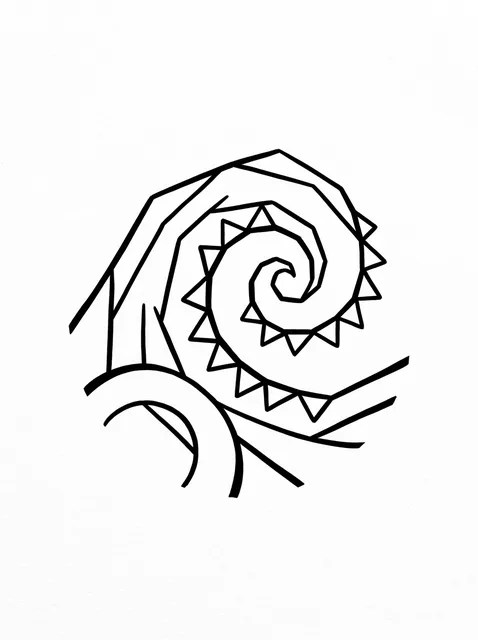
Black and white geometric wave tattoo design, outline stencil Try it on — Black and white geometric wave tattoo design, outline stencil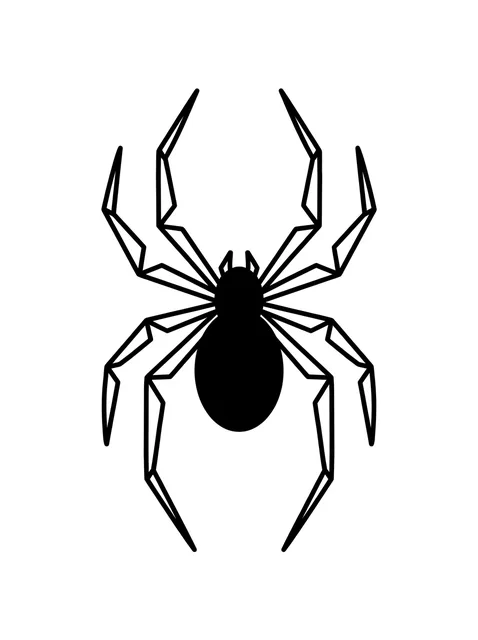
Black and white geometric spider tattoo design, outline stencil Try it on — Black and white geometric spider tattoo design, outline stencil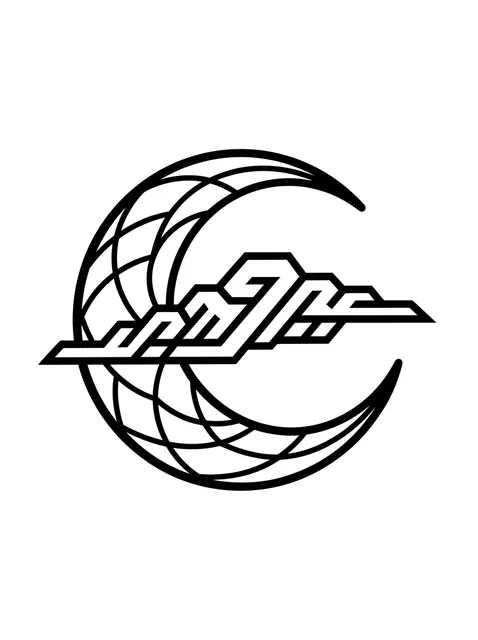
Black and white geometric moon tattoo design, outline stencil Try it on — Black and white geometric moon tattoo design, outline stencil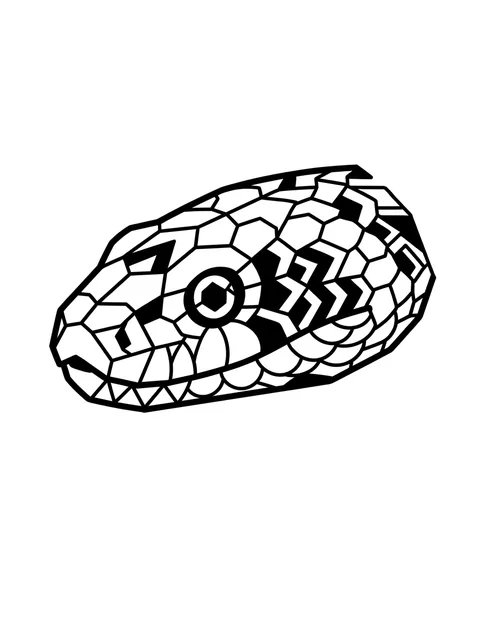
Black and white geometric snake tattoo design, outline stencil: the head of a snake Try it on — Black and white geometric snake tattoo design, outline stencil: the head of a snake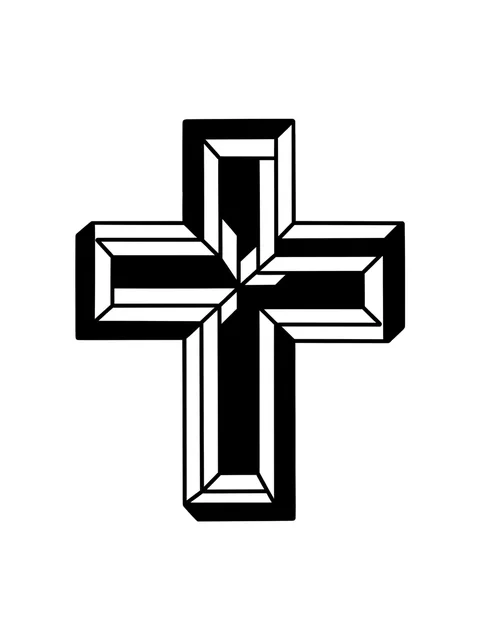
Black and white geometric cross tattoo design, outline stencil Try it on — Black and white geometric cross tattoo design, outline stencil
Black and white geometric aries tattoo design, outline stencil Try it on — Black and white geometric aries tattoo design, outline stencil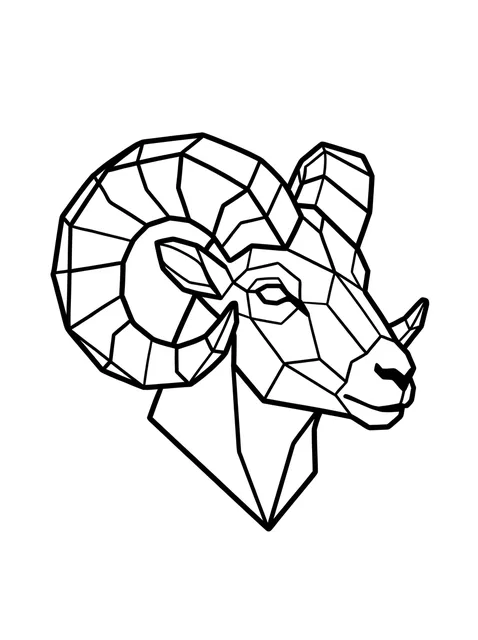
Black and white geometric aries and goat tattoo design, outline stencil: an Aries ram's head Try it on — Black and white geometric aries and goat tattoo design, outline stencil: an Aries ram's head
Black and white geometric star tattoo design, outline stencil: an interwoven, knot-like appearance Try it on — Black and white geometric star tattoo design, outline stencil: an interwoven, knot-like appearance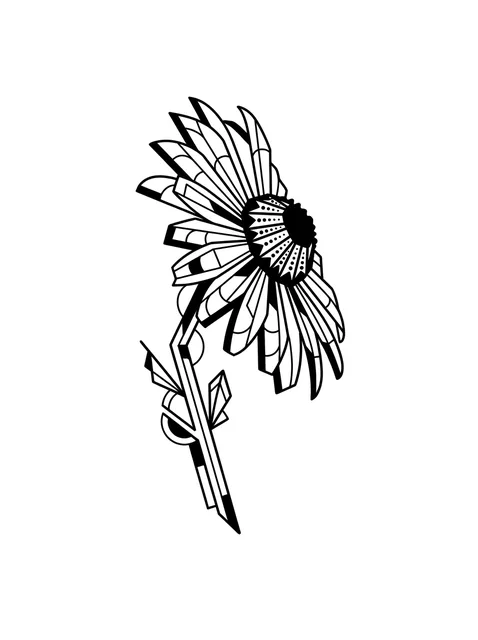
Black and white geometric daisy and flower tattoo design, outline stencil Try it on — Black and white geometric daisy and flower tattoo design, outline stencil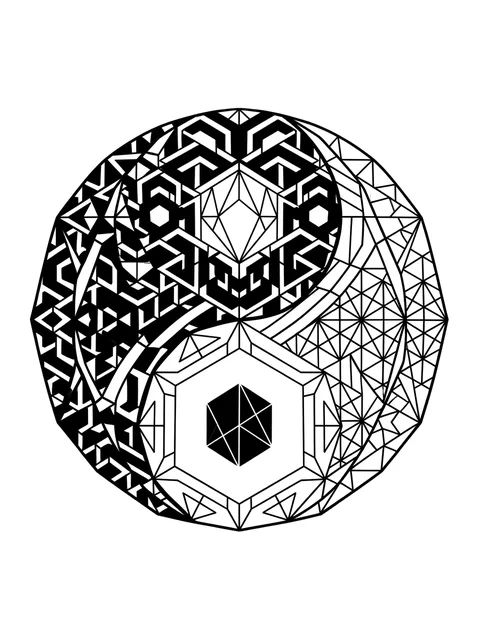
Black and white geometric yin yang and mandala tattoo design, outline stencil Try it on — Black and white geometric yin yang and mandala tattoo design, outline stencil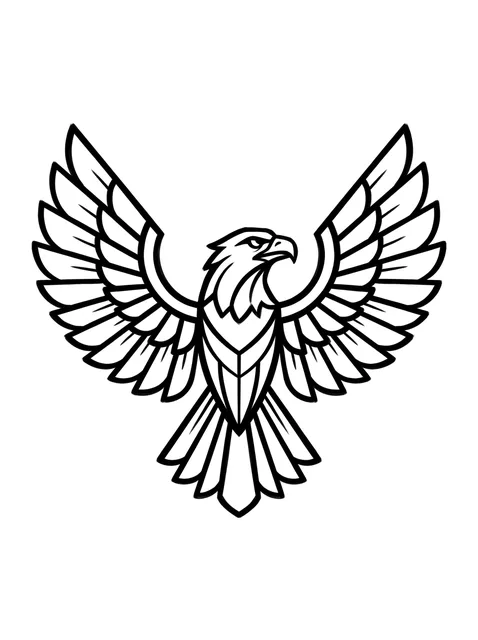
Black and white geometric eagle tattoo design, outline stencil Try it on — Black and white geometric eagle tattoo design, outline stencil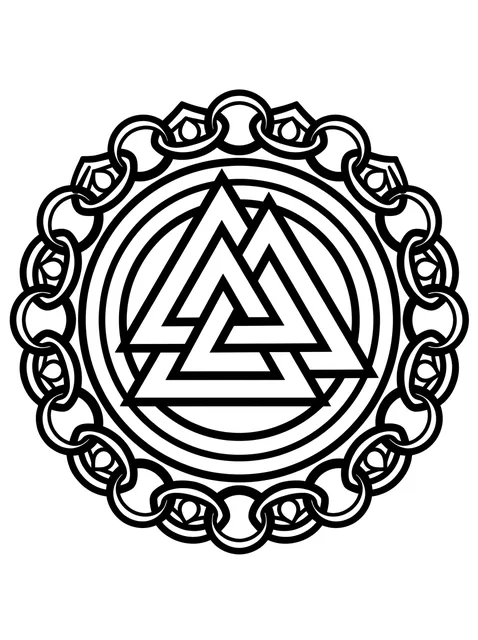
Black and white geometric viking tattoo design, outline stencil: three interlocked triangles Try it on — Black and white geometric viking tattoo design, outline stencil: three interlocked triangles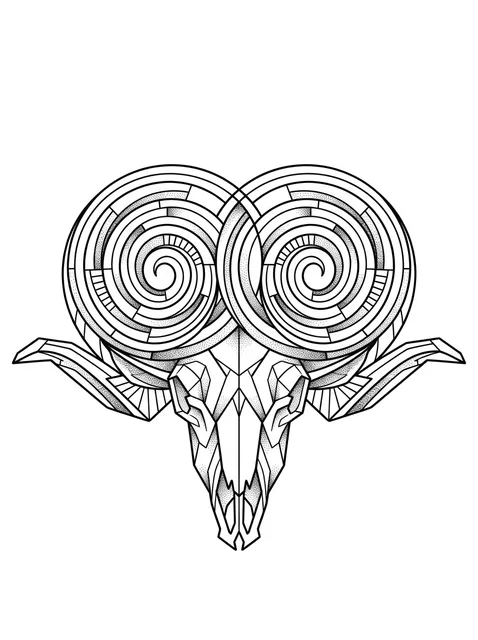
Black and white geometric skull and aries tattoo design, outline stencil Try it on — Black and white geometric skull and aries tattoo design, outline stencil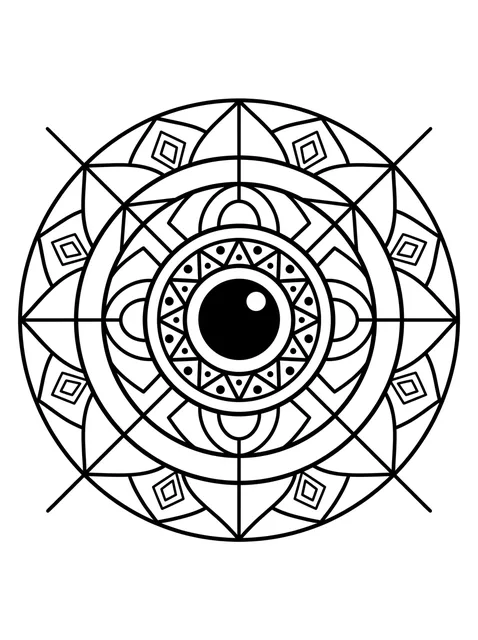
Black and white geometric mandala and eye tattoo design, outline stencil Try it on — Black and white geometric mandala and eye tattoo design, outline stencil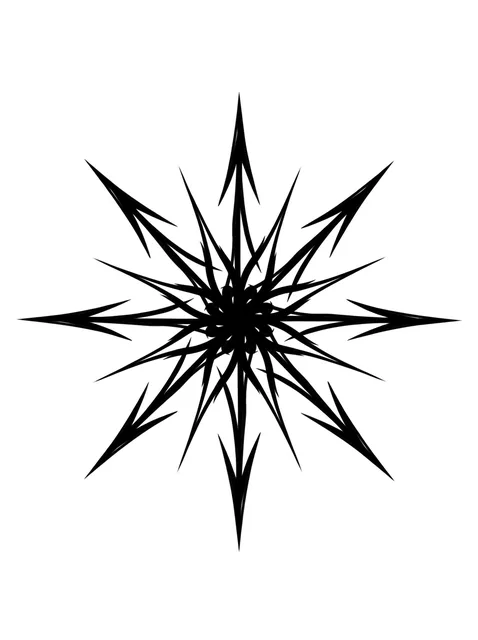
Black and white geometric abstract tattoo design, outline stencil Try it on — Black and white geometric abstract tattoo design, outline stencil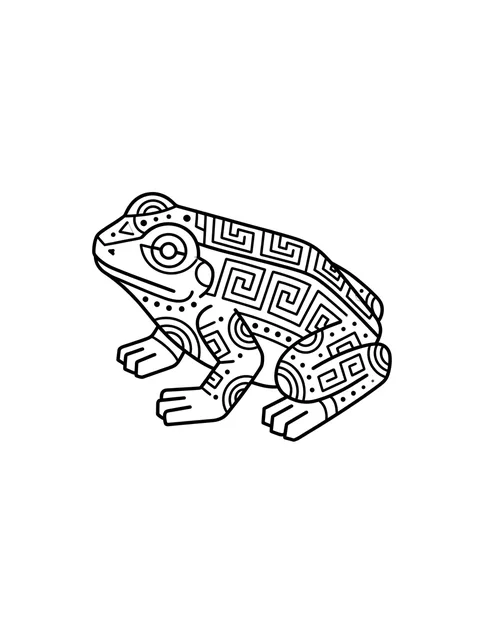
Black and white geometric aztec and frog tattoo design, outline stencil Try it on — Black and white geometric aztec and frog tattoo design, outline stencil
Black and white geometric virgin mary and woman portrait tattoo design, outline stencil Try it on — Black and white geometric virgin mary and woman portrait tattoo design, outline stencil


48 designs drawn for InkCraft in this style. Tap any one to place it on a photo of your own skin.
These 48 designs, in numbers
- Black and grey
- 46
- Colour
- 2
- Subjects covered
- 43
Precision meets an imprecise surface
A geometric design is judged against itself. If two halves are meant to match, the eye finds any discrepancy immediately — far faster than it would spot an inconsistency in an organic drawing, where nothing promised symmetry in the first place. That sensitivity is what makes the style striking and what makes it unforgiving.
The problem is that no limb is symmetrical, and none of them are flat. Wrap a repeating pattern around a forearm and the repeat stretches on the outside of the curve and compresses on the inside; centre a mandala on a shoulder and it is only centred from one viewing angle. Good work in this style is largely the work of solving that before the stencil goes on.
Which is why the stencil stage is not a formality here. A geometric piece should be placed, looked at, peeled off and replaced until the symmetry axis agrees with the body, and any artist who treats that as fussiness is the wrong artist for this style.
Three things the label covers
Sacred geometry is the most recognisable strand — mandalas, the flower of life, nested polygons, ornamental symmetry that fills a defined circle or panel. These need a flat-ish area with a clear centre and are the strand most sensitive to placement.
Tessellation and pattern work is the second: a repeating motif filling an area, often used to wrap a limb or fill a negative space between other pieces. It is the most forgiving strand, because a repeat that distorts slightly around a curve still reads as a repeat.
The third is faceting — an organic subject, usually an animal, broken into planes as though it were cut from crystal. It is the easiest to get wrong, because the facets have to follow the form they are describing rather than being laid over it, and when they are laid over it the subject looks flat and pasted on.
Linework, dotwork, and how long it takes
Most of this work is built from clean line, sometimes with stippled tone inside the shapes. Both are slow: a mandala is an hour of drawing decisions and several hours of executing them exactly, with no room to improvise once the first quarter is down. Expect the quote to reflect that.
It ages well, though, because the elements are discrete. There is no gradient to blur — lines spread slightly and stay lines, dots spread slightly and stay dots, and the geometry is still the geometry. This is one of the few styles where a twenty-year-old piece reads almost as it did fresh.
Because placement carries so much of the result, this is the style where seeing it on your own body first is worth the most. Put the design on a photo, rotate it, and check where the axis of symmetry actually falls — that is the question the try-on answers fastest.
What an hour of this work costs, and how many hours geometric tattoos takes at each size, is in the cost guide. How it behaves later — under a laser, and as the thing doing the covering — is in the removal and cover-up guide.
Common questions
- Why does placement matter so much for geometric tattoos?
- Because symmetry is judged against itself. A mandala centred on a curved or asymmetric area is only centred from one viewing angle, and the eye finds the discrepancy instantly — far faster than it would in an organic design that never promised symmetry.
- Do geometric tattoos age well?
- Unusually well. The elements are discrete rather than tonal, so lines spread slightly and remain lines, dots remain dots, and the structure survives. There is no gradient to blur, which is what usually makes an old tattoo look tired.
- How long does a mandala take?
- Longer than its size suggests — several hours for a palm-sized piece, because every element has to be exact and there is no improvising once the first section is down. Larger ornamental work is usually split across sessions.
- What is the difference between geometric and dotwork?
- Geometric describes what is drawn: shapes, symmetry, repetition. Dotwork describes how tone is made, by stippling rather than shading. Much geometric work uses dotwork for its shading, but each exists without the other.
See this style on your own skin
InkCraft places a design on a photo of you — scaled, wrapped and shaded to the spot you pick, so you can judge how the style reads on your body before it is permanent.