 InkCraft
Linework tattoo designs: the line does the work
48 original linework tattoos designs drawn for InkCraftBy Uladzimir TumanauUpdated
No shading, no fill, nothing to hide behind. A linework piece is a drawing reduced to its structure, which makes it the most flexible style for placement and the least forgiving of a wobble.
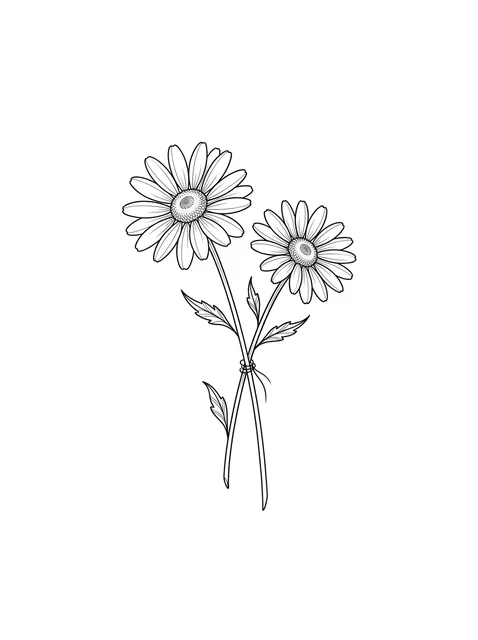
Black and white linework daisy and flower tattoo design, outline stencil Try it on — Black and white linework daisy and flower tattoo design, outline stencil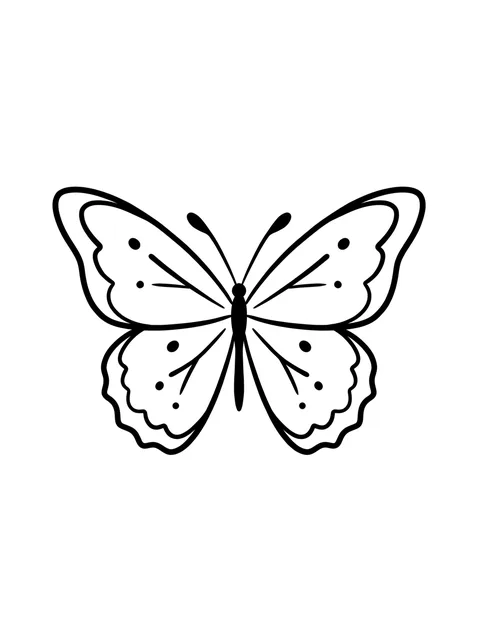
Black and white linework butterfly tattoo design, outline stencil: a butterfly with delicate wings Try it on — Black and white linework butterfly tattoo design, outline stencil: a butterfly with delicate wings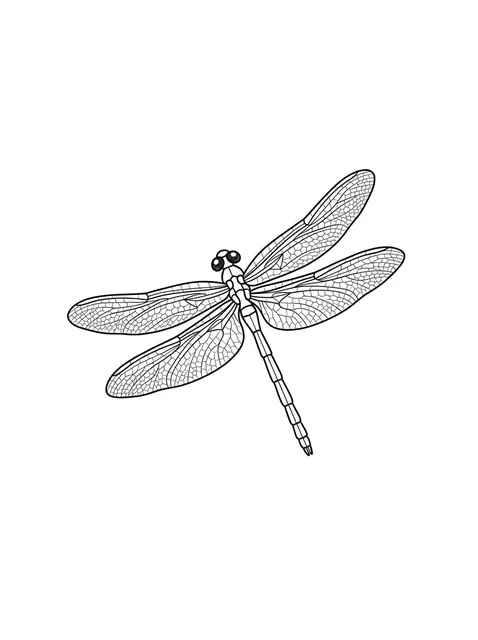
Black and white linework dragonfly tattoo design, outline stencil Try it on — Black and white linework dragonfly tattoo design, outline stencil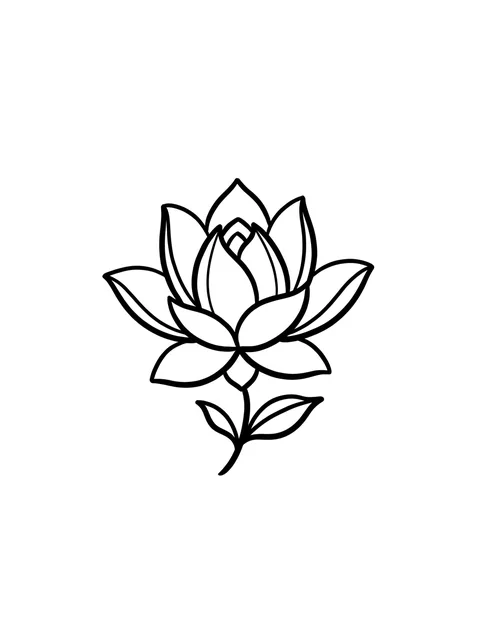
Black and white linework lotus and flower tattoo design, outline stencil Try it on — Black and white linework lotus and flower tattoo design, outline stencil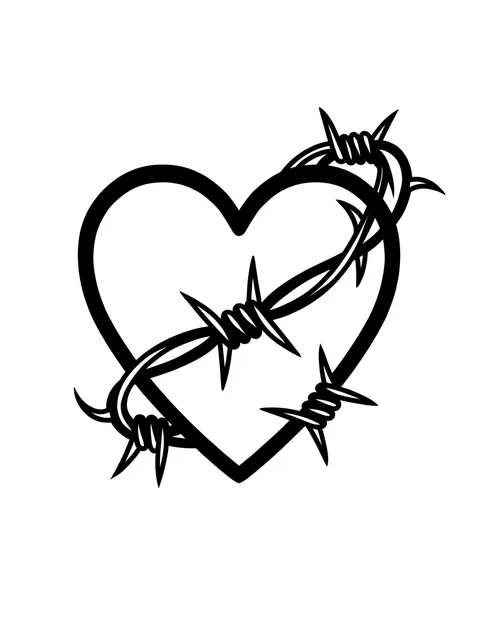
Black and white linework heart tattoo design, outline stencil Try it on — Black and white linework heart tattoo design, outline stencil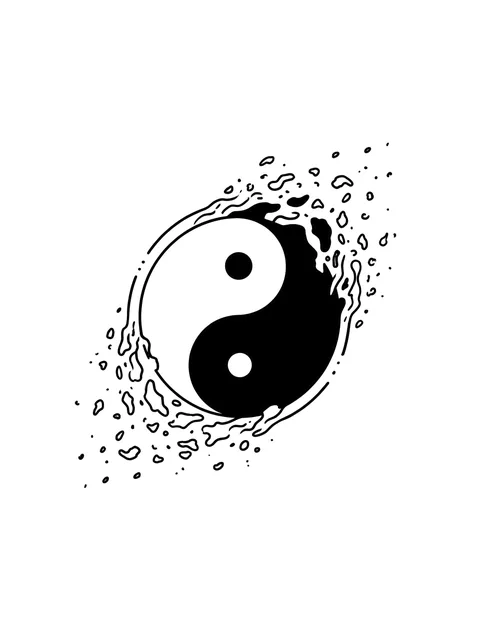
Black and white linework yin yang tattoo design, outline stencil Try it on — Black and white linework yin yang tattoo design, outline stencil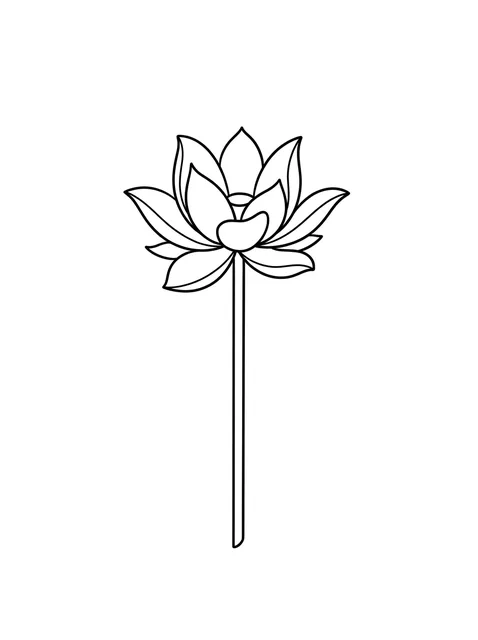
Black and white linework lotus and flower tattoo design, outline stencil Try it on — Black and white linework lotus and flower tattoo design, outline stencil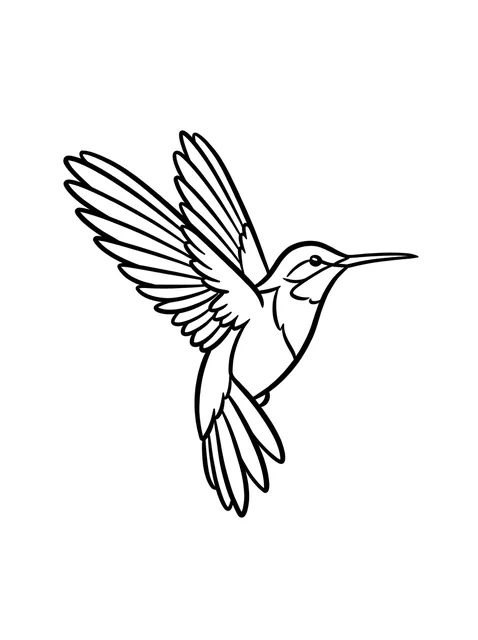
Black and white linework hummingbird tattoo design, outline stencil: a hummingbird in flight Try it on — Black and white linework hummingbird tattoo design, outline stencil: a hummingbird in flight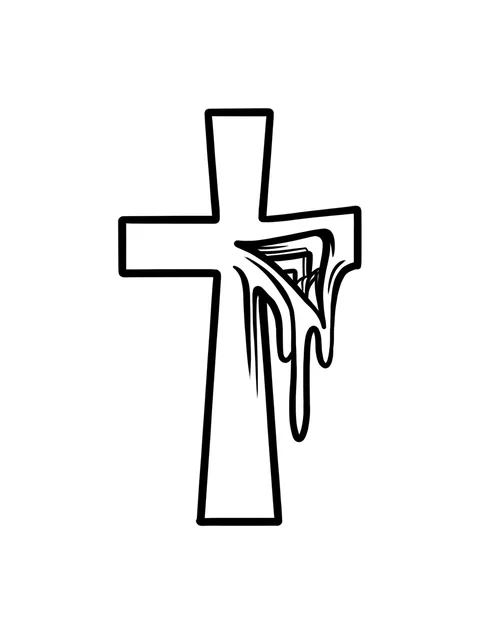
Black and white linework cross tattoo design, outline stencil Try it on — Black and white linework cross tattoo design, outline stencil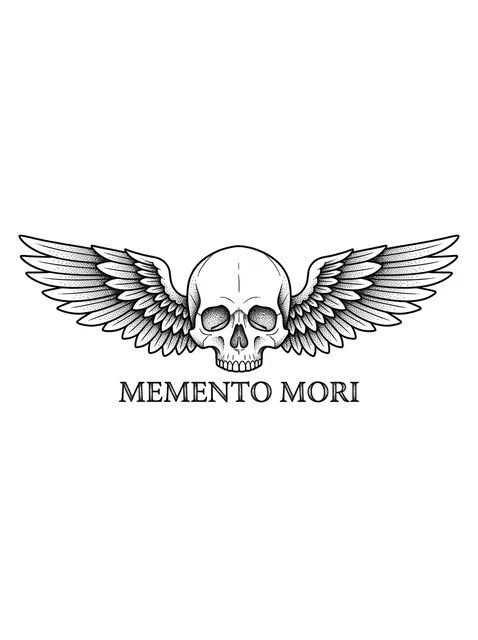
Black and white linework memento mori and skull tattoo design, outline stencil Try it on — Black and white linework memento mori and skull tattoo design, outline stencil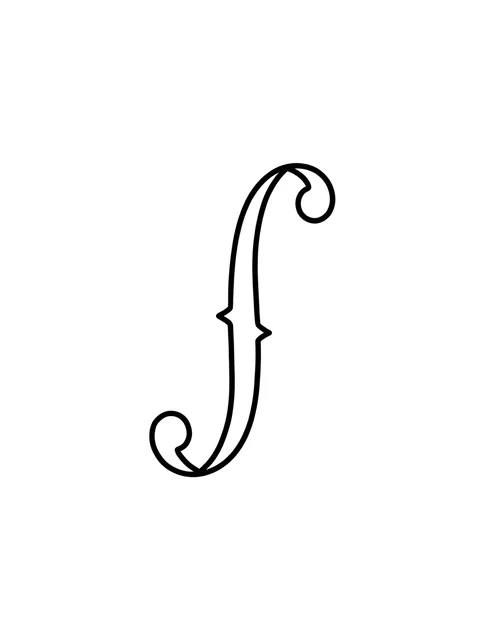
Black and white linework violin tattoo design, outline stencil Try it on — Black and white linework violin tattoo design, outline stencil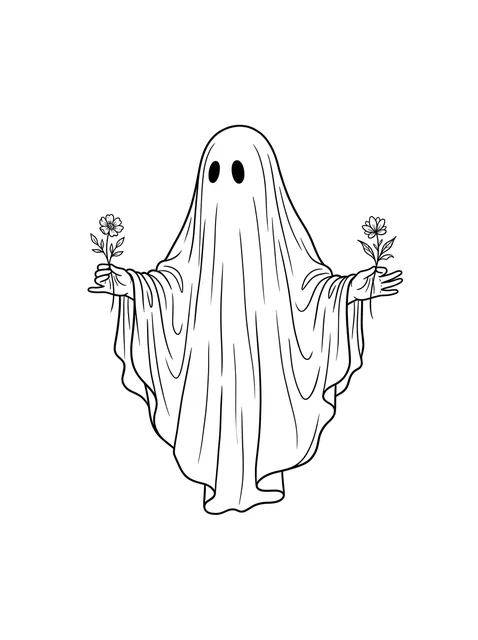
Black and white linework ghost and flower tattoo design, outline stencil Try it on — Black and white linework ghost and flower tattoo design, outline stencil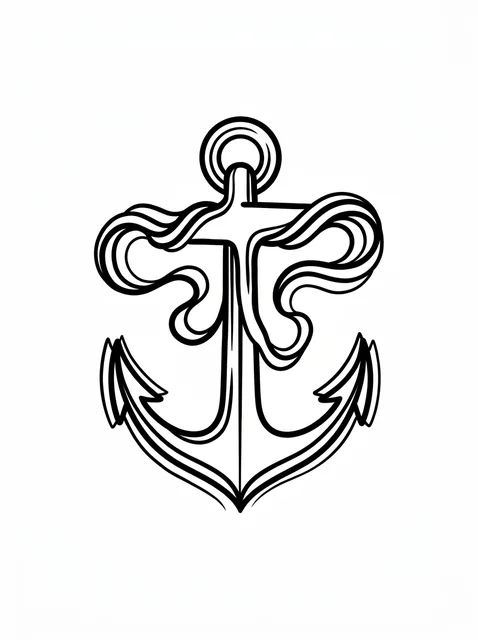
Black and white linework anchor tattoo design, outline stencil Try it on — Black and white linework anchor tattoo design, outline stencil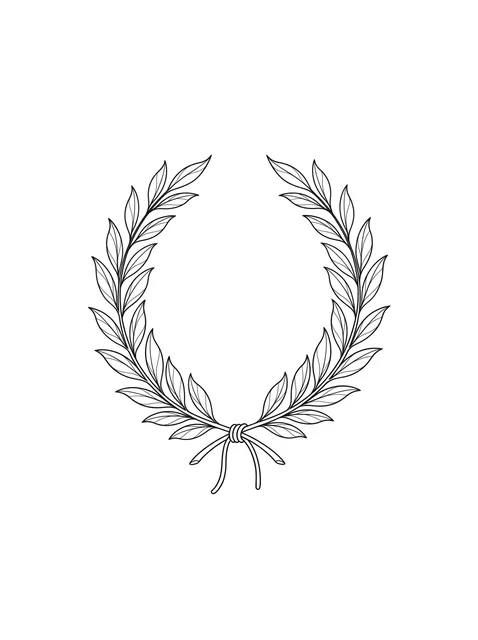
Black and white linework leaf tattoo design, outline stencil Try it on — Black and white linework leaf tattoo design, outline stencil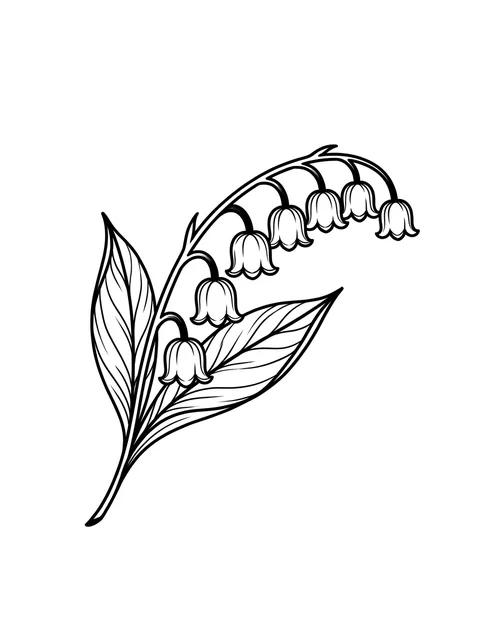
Black and white linework lily and flower tattoo design, outline stencil Try it on — Black and white linework lily and flower tattoo design, outline stencil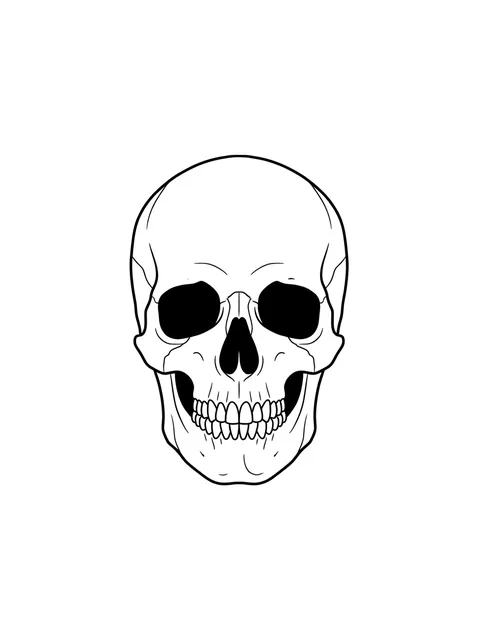
Black and white linework skull tattoo design, outline stencil: a frontal view of a human skull Try it on — Black and white linework skull tattoo design, outline stencil: a frontal view of a human skull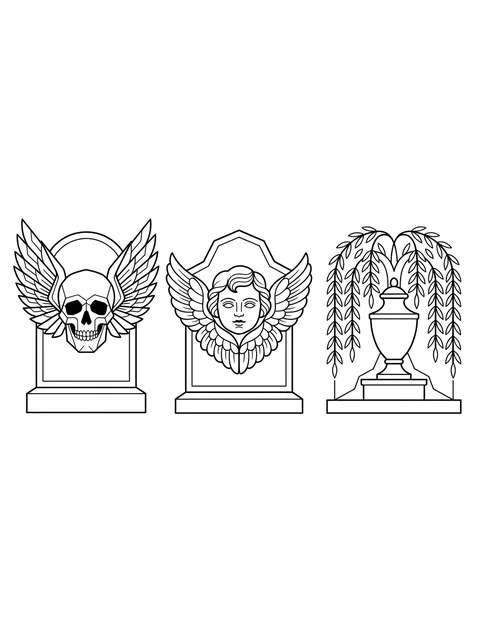
Black and white linework memento mori and skull tattoo design, outline stencil Try it on — Black and white linework memento mori and skull tattoo design, outline stencil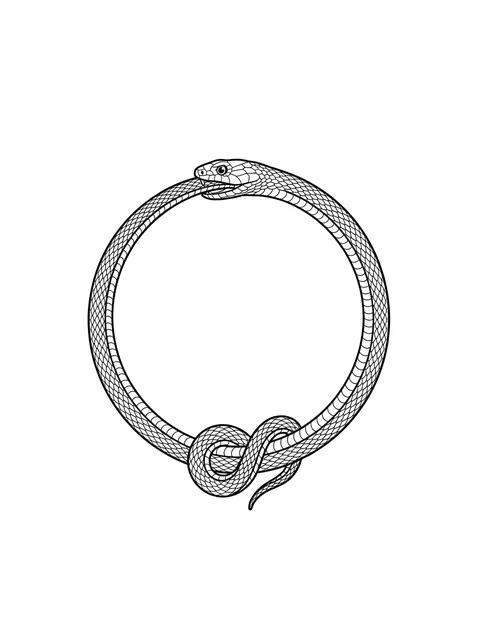
Black and white linework ouroboros and snake tattoo design, outline stencil Try it on — Black and white linework ouroboros and snake tattoo design, outline stencil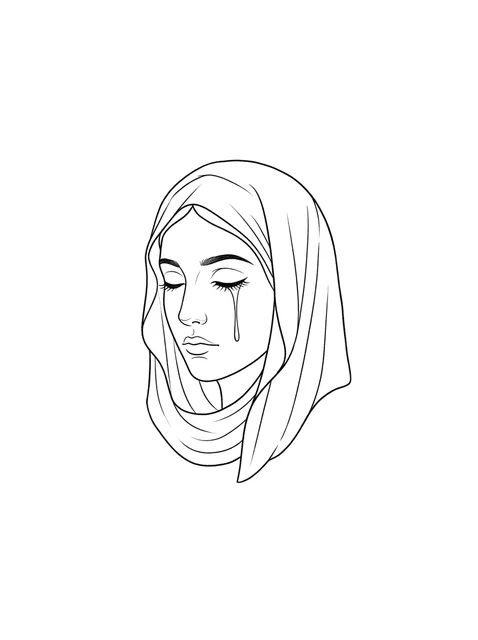
Black and white linework woman portrait tattoo design, outline stencil Try it on — Black and white linework woman portrait tattoo design, outline stencil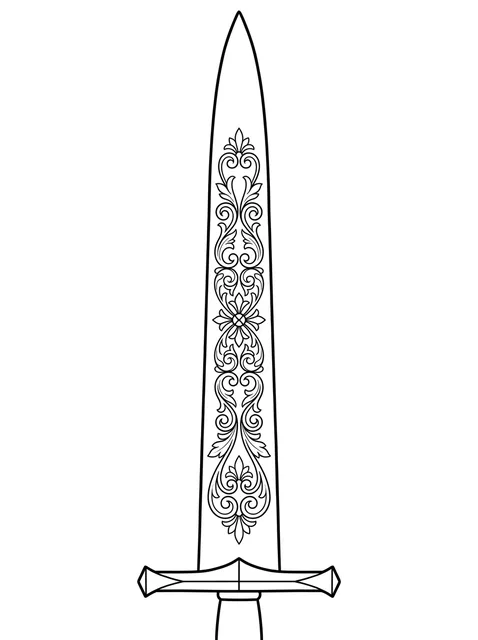
Black and white linework sword and leaf tattoo design, outline stencil: a sword with an ornate blade Try it on — Black and white linework sword and leaf tattoo design, outline stencil: a sword with an ornate blade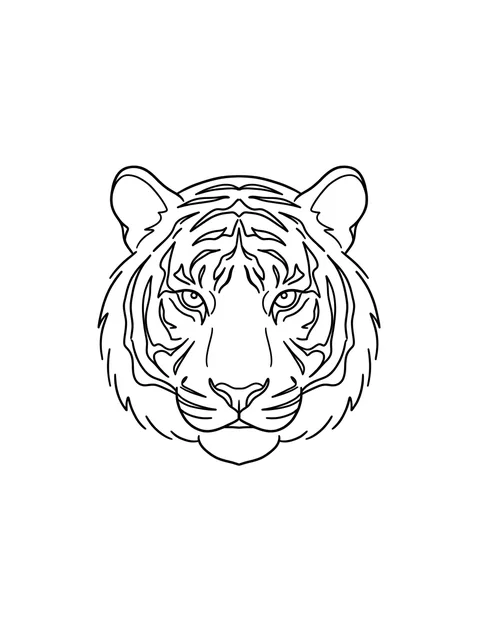
Black and white linework tiger tattoo design, outline stencil: the head of a tiger Try it on — Black and white linework tiger tattoo design, outline stencil: the head of a tiger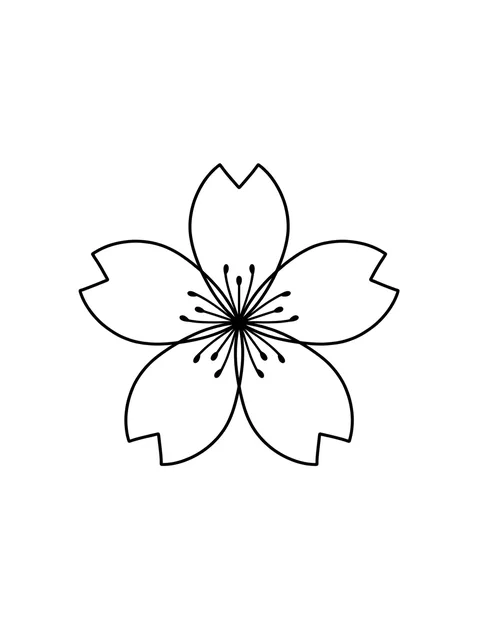
Black and white linework cherry blossom and flower tattoo design, outline stencil Try it on — Black and white linework cherry blossom and flower tattoo design, outline stencil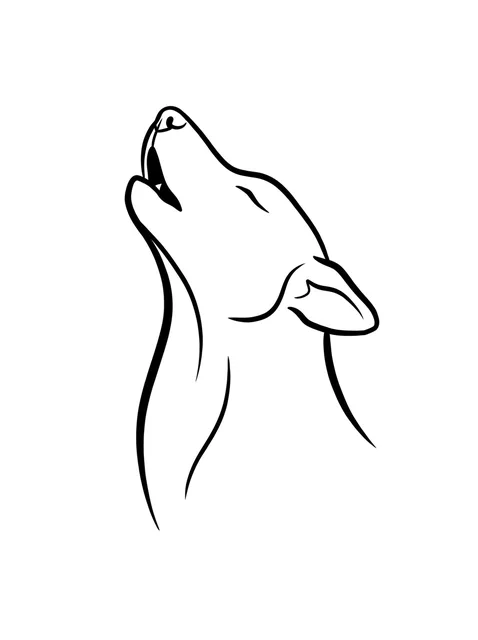
Black and white linework dog and wolf tattoo design, outline stencil: the profile of a howling wolf Try it on — Black and white linework dog and wolf tattoo design, outline stencil: the profile of a howling wolf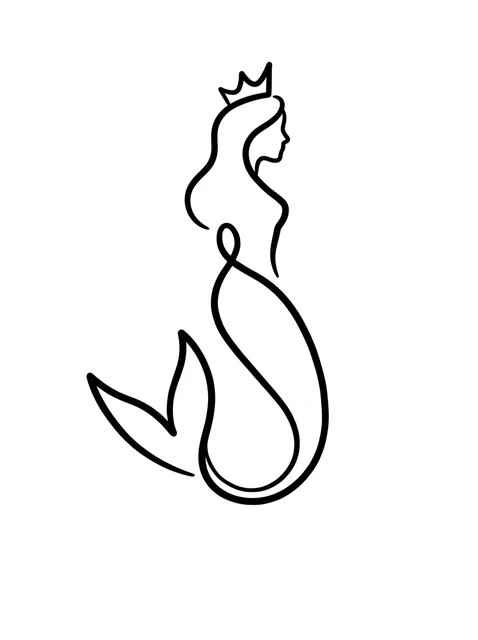
Black and white linework mermaid and crown tattoo design, outline stencil Try it on — Black and white linework mermaid and crown tattoo design, outline stencil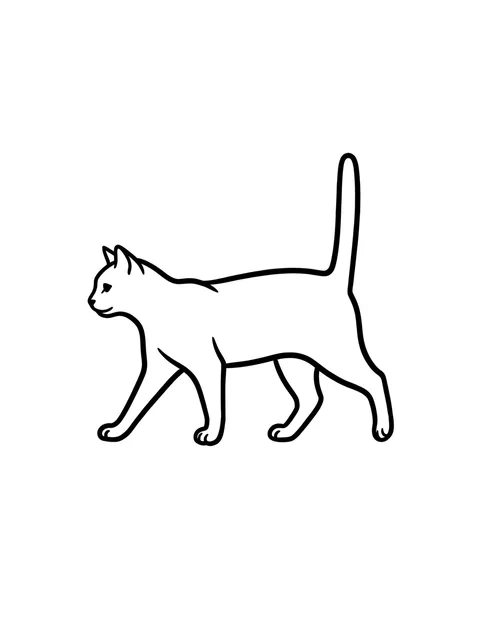
Black and white linework cat tattoo design, outline stencil: a cat walking with its tail straight up Try it on — Black and white linework cat tattoo design, outline stencil: a cat walking with its tail straight up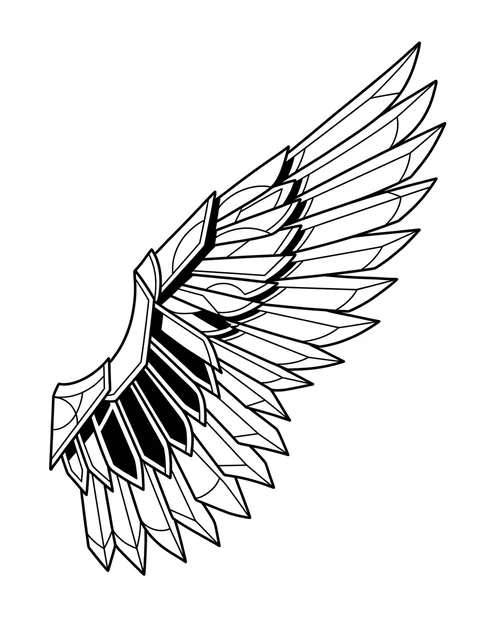
Black and white linework angel wings tattoo design, outline stencil: a single angel wing Try it on — Black and white linework angel wings tattoo design, outline stencil: a single angel wing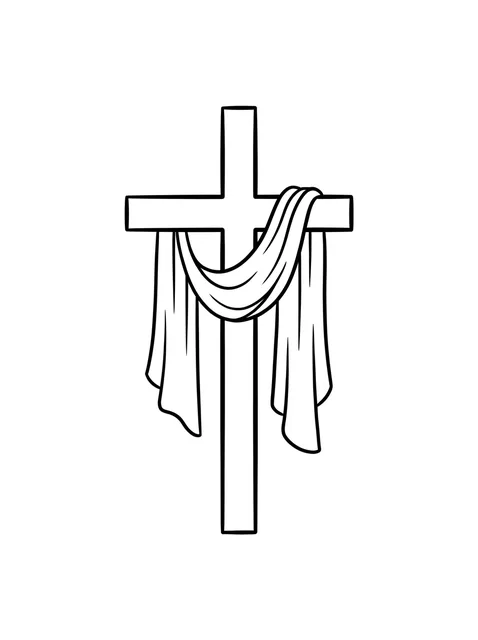
Black and white linework cross tattoo design, outline stencil: a cross draped with fabric Try it on — Black and white linework cross tattoo design, outline stencil: a cross draped with fabric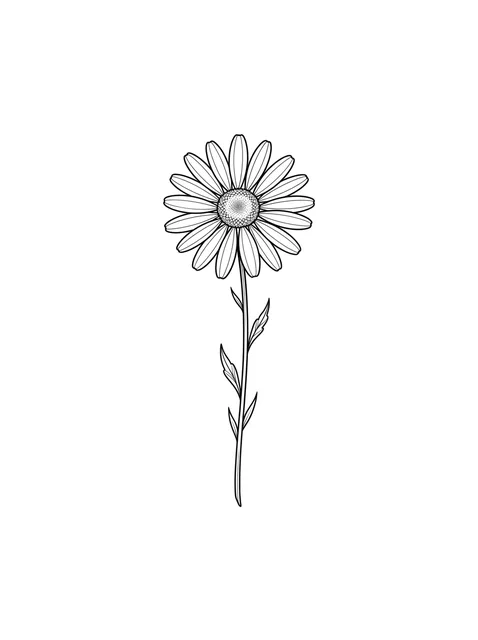
Black and white linework daisy and flower tattoo design, outline stencil Try it on — Black and white linework daisy and flower tattoo design, outline stencil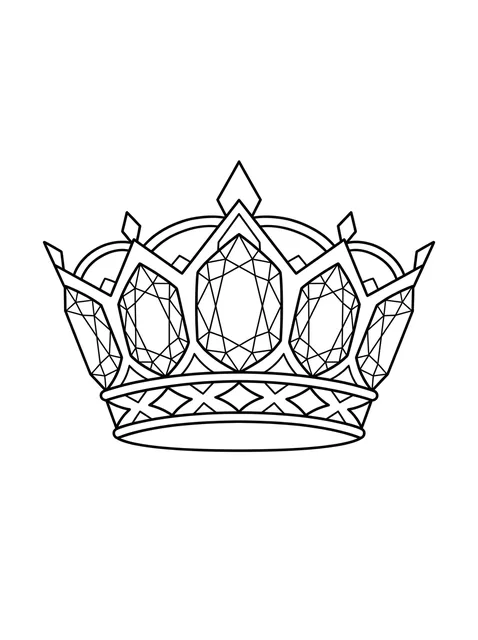
Black and white linework crown and diamond tattoo design, outline stencil Try it on — Black and white linework crown and diamond tattoo design, outline stencil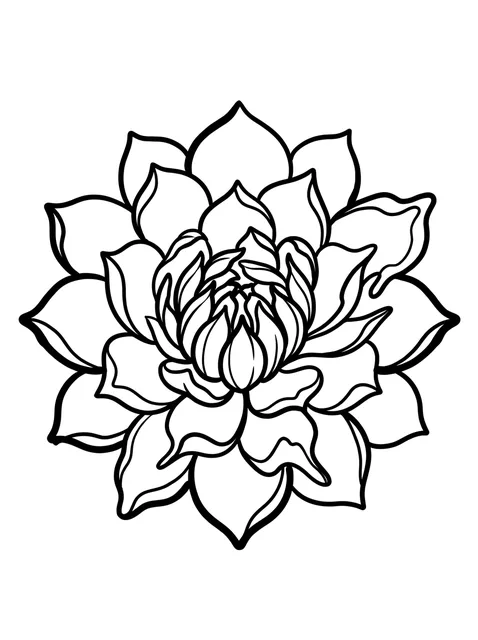
Black and white linework flower tattoo design, outline stencil Try it on — Black and white linework flower tattoo design, outline stencil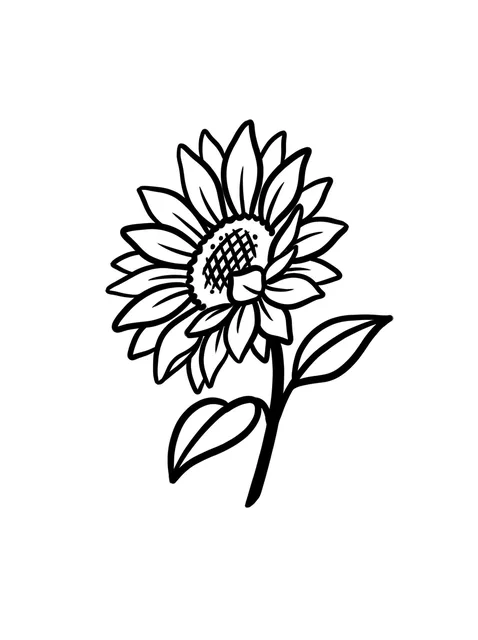
Black and white linework sunflower and flower tattoo design, outline stencil Try it on — Black and white linework sunflower and flower tattoo design, outline stencil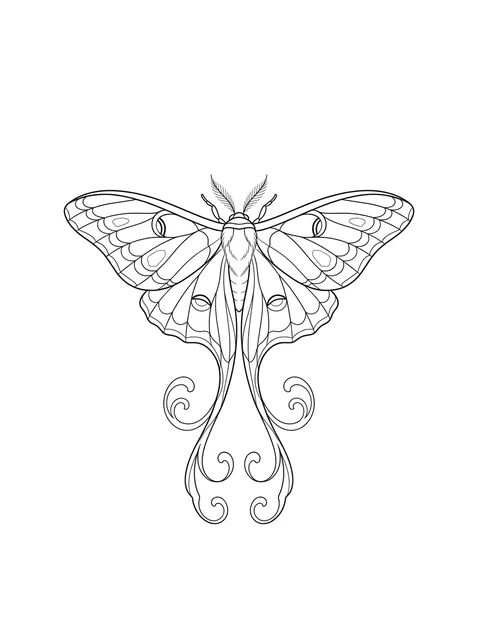
Black and white linework moth tattoo design, outline stencil Try it on — Black and white linework moth tattoo design, outline stencil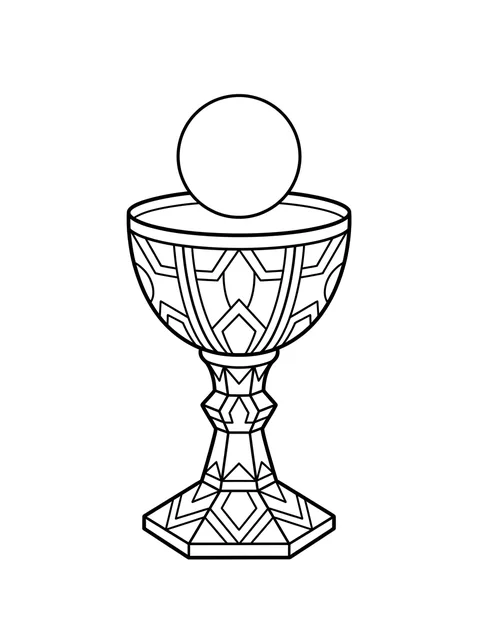
Black and white linework chalice tattoo design, outline stencil Try it on — Black and white linework chalice tattoo design, outline stencil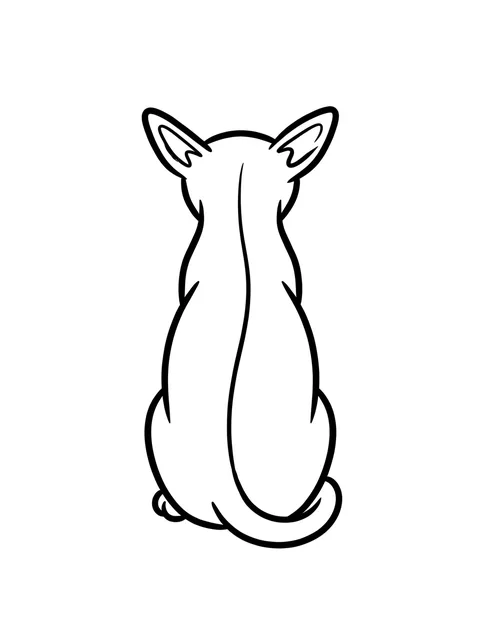
Black and white linework dog tattoo design, outline stencil Try it on — Black and white linework dog tattoo design, outline stencil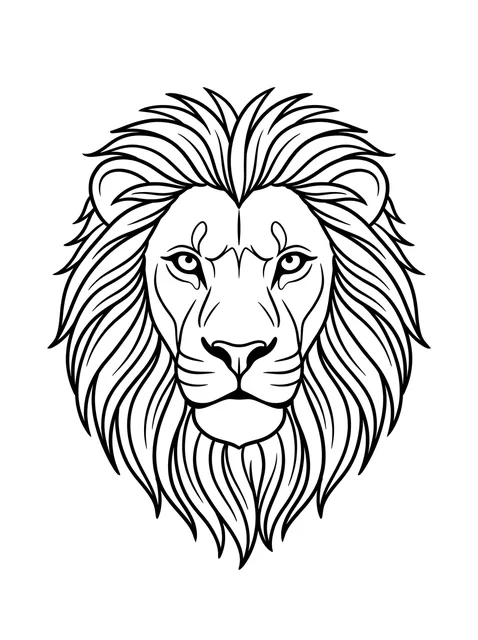
Black and white linework lion tattoo design, outline stencil: the head of a majestic lion Try it on — Black and white linework lion tattoo design, outline stencil: the head of a majestic lion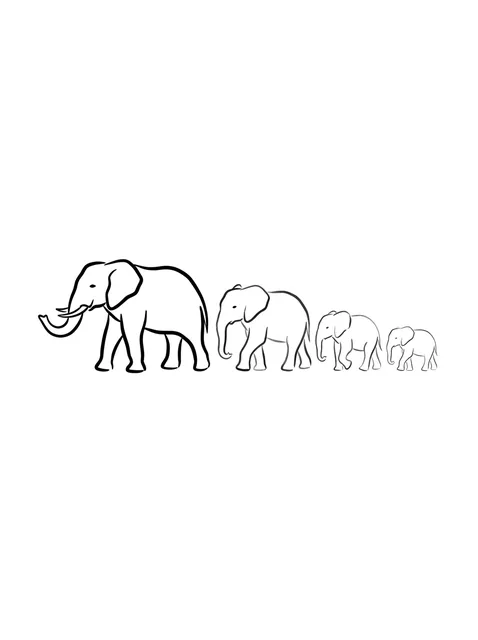
Black and white linework elephant tattoo design, outline stencil Try it on — Black and white linework elephant tattoo design, outline stencil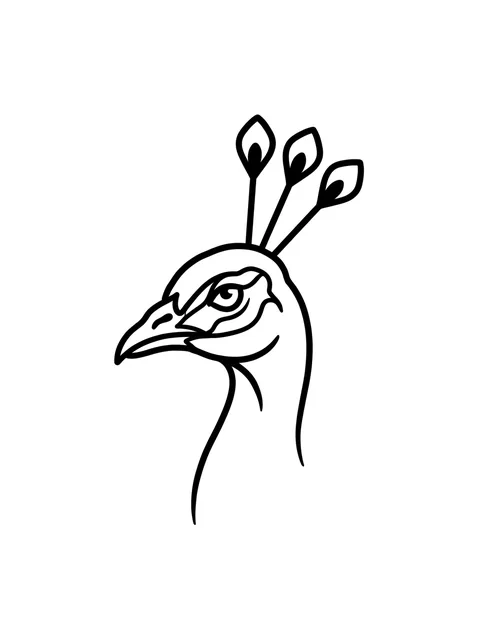
Black and white linework peacock tattoo design, outline stencil Try it on — Black and white linework peacock tattoo design, outline stencil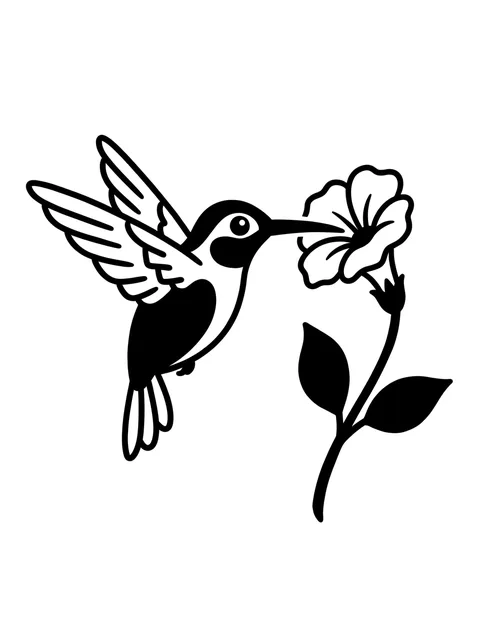
Black and white linework hummingbird and flower tattoo design, outline stencil Try it on — Black and white linework hummingbird and flower tattoo design, outline stencil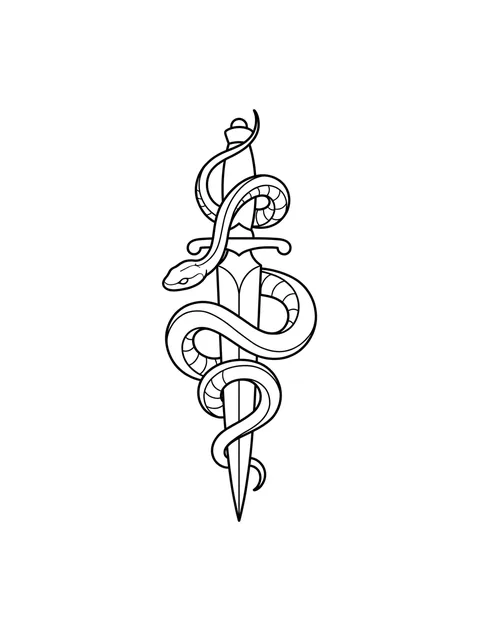
Black and white linework snake and dagger and snake tattoo design, outline stencil Try it on — Black and white linework snake and dagger and snake tattoo design, outline stencil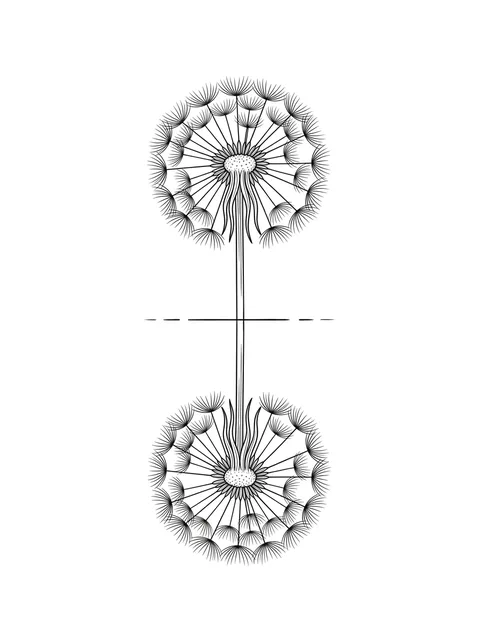
Black and white linework dandelion and flower tattoo design, outline stencil Try it on — Black and white linework dandelion and flower tattoo design, outline stencil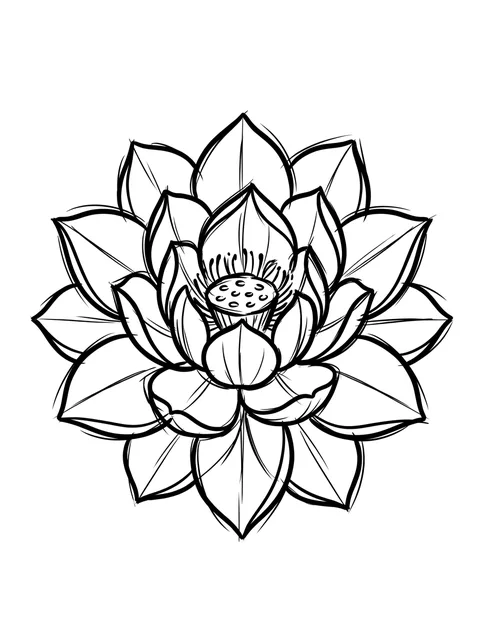
Black and grey linework lotus and flower tattoo design, outline stencil Try it on — Black and grey linework lotus and flower tattoo design, outline stencil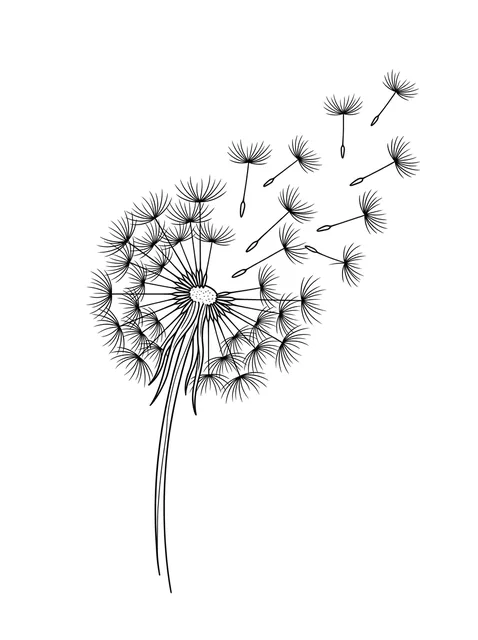
Black and white linework dandelion and flower tattoo design, outline stencil Try it on — Black and white linework dandelion and flower tattoo design, outline stencil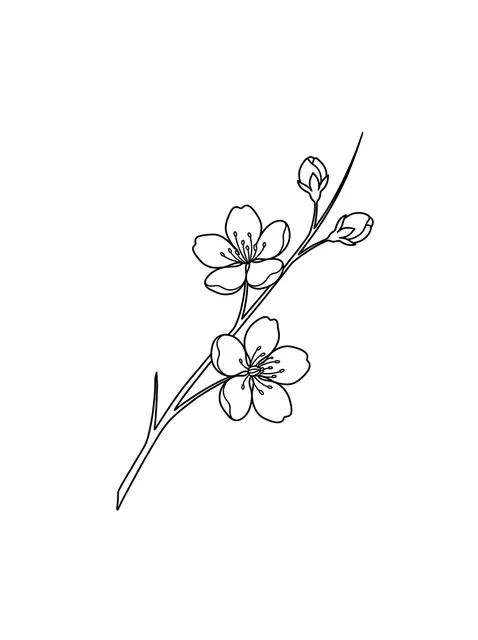
Black and white linework cherry blossom and flower tattoo design, outline stencil Try it on — Black and white linework cherry blossom and flower tattoo design, outline stencil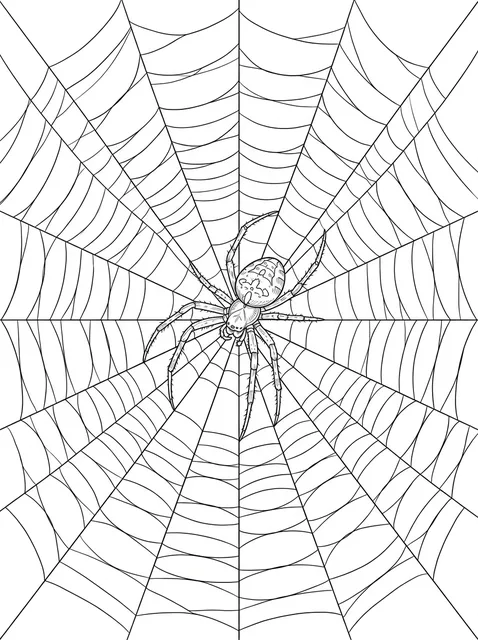
Black and white linework spider tattoo design, outline stencil Try it on — Black and white linework spider tattoo design, outline stencil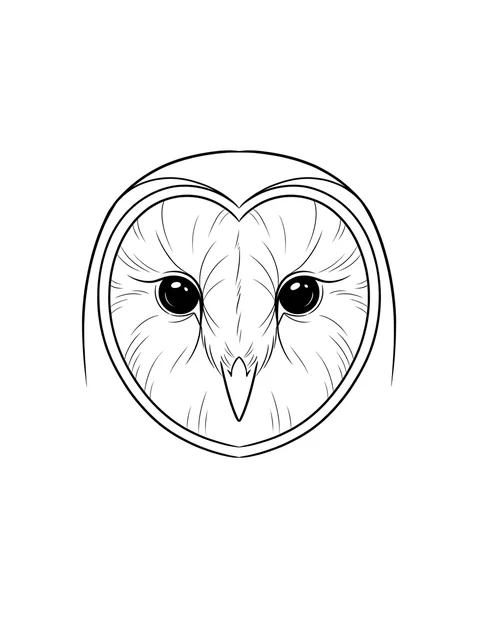
Black and white linework owl tattoo design, outline stencil: the head of a barn owl Try it on — Black and white linework owl tattoo design, outline stencil: the head of a barn owl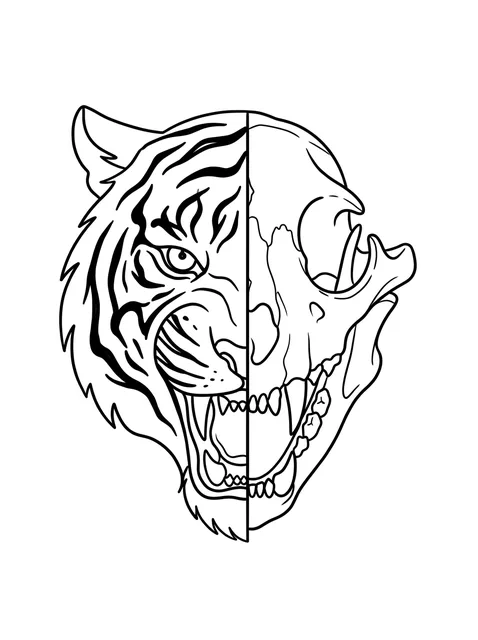
Black and white linework tiger and skull tattoo design, outline stencil Try it on — Black and white linework tiger and skull tattoo design, outline stencil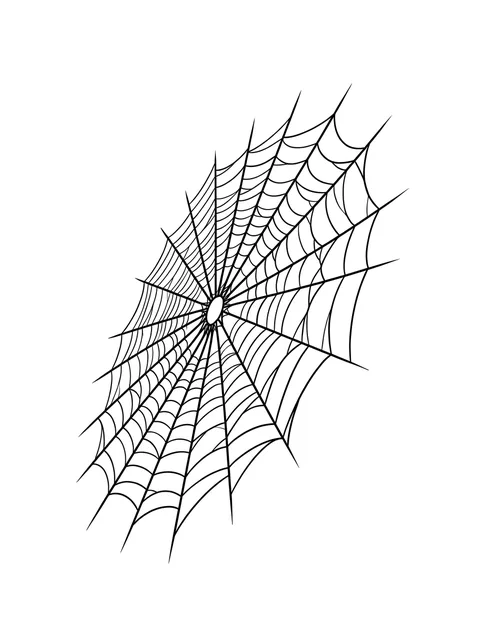
Black and white linework web tattoo design, outline stencil: a classic spider web Try it on — Black and white linework web tattoo design, outline stencil: a classic spider web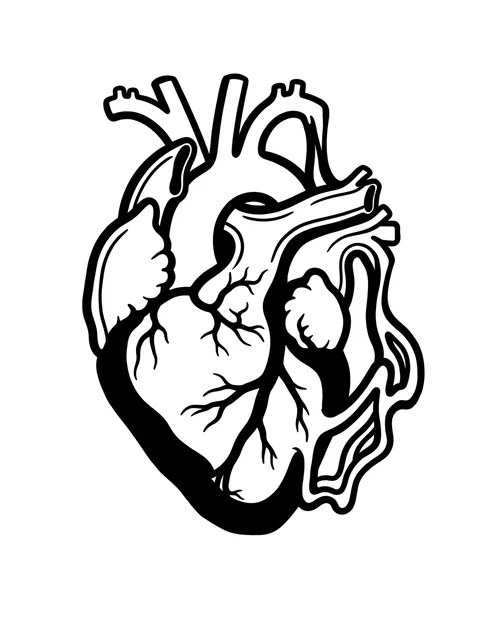
Black and white linework heart tattoo design, outline stencil: an anatomical heart Try it on — Black and white linework heart tattoo design, outline stencil: an anatomical heart


48 designs drawn for InkCraft in this style. Tap any one to place it on a photo of your own skin.
These 48 designs, in numbers
- Black and grey
- 48
- Colour
- 0
- Subjects covered
- 41
What you gain by removing everything else
Take the shading out of a design and two things happen. It becomes far easier to place — a line drawing can wrap a forearm, follow a spine or curl behind an ear without a shaded mass turning into a dark smudge on a curve — and it becomes far easier to scale down, because there is no gradient that needs room to read.
It also heals faster and hurts less than a shaded equivalent of the same size. Shading means passing over the same skin repeatedly to pack pigment; a single-pass outline is one journey. A piece that would be a three-hour sitting with full rendering can be under an hour as pure line.
What you give up is depth. A linework subject reads as a diagram of itself rather than an object with a light source falling on it, and no amount of skill changes that — it is the nature of the form. Some subjects gain from the abstraction. A portrait does not.
Weight is the only variable you have
With one tool and no tone, line weight carries every decision. A single-weight drawing reads as technical and even, almost architectural. Varying the weight — heavier where a form turns away from the light, lighter at the edges — puts depth back into a piece without a drop of shading, and it is the difference between a competent linework tattoo and a good one.
Thinner is not better, and this is where the style gets oversold. A line under about 0.3 mm spreads proportionally more than a thicker one and has less of itself left afterwards, so the finest work needs touching up sooner. Keep roughly 2 mm between parallel lines whatever weight you choose, or they will eventually find each other.
There is also nowhere to hide. A shaded style can absorb a hesitant line inside a gradient; here a wobble stays a wobble for life. It is worth seeing an artist's healed linework rather than fresh photographs, because fresh lines flatter everybody.
Where it goes
The style suits the places other work struggles with: the inner forearm, along a spine, around a wrist or ankle, behind the ear, across a collarbone. All are curved, small or both, and a line drawing bends onto them without a shaded area collapsing into darkness on the turn.
It is also the natural choice for anything with a long axis — botanical stems, script, a snake, a feather — because the composition already has direction and the body can follow it rather than fight it.
Before booking, look at it at true size on the actual spot. Linework is the style where scale surprises people most: without tonal mass to fill the area, a piece that seems substantial on a screen can read as very light on skin. Place it on a photo of yourself at the size you are considering and judge it there.
What an hour of this work costs, and how many hours linework tattoos takes at each size, is in the cost guide. How it behaves later — under a laser, and as the thing doing the covering — is in the removal and cover-up guide.
Common questions
- What is the difference between linework and fine line?
- Fine line describes the thinness of the line; linework describes a drawing made only of lines, at any weight. A bold single-weight piece is linework and is not fine line. The distinction matters because the two age very differently.
- How thin can a tattoo line be?
- Around 0.3 mm is the practical floor, and thinner work needs touching up sooner because it loses proportionally more of itself to spread. Keeping roughly 2 mm between parallel lines matters more than the weight of any single one.
- Do linework tattoos hurt less?
- Usually, because there is no shading — the needle passes over each area once rather than repeatedly packing pigment. The same design takes less time as pure line than as a rendered piece, and shorter sittings are easier regardless of placement.
- Does linework suit any subject?
- It suits subjects with clear structure — botanicals, animals in profile, architecture, script, anything with a strong silhouette. It does not suit work that depends on tone, most obviously portraits, where removing the shading removes the likeness.
See this style on your own skin
InkCraft places a design on a photo of you — scaled, wrapped and shaded to the spot you pick, so you can judge how the style reads on your body before it is permanent.