 InkCraft
Minimalist Tattoo Ideas and Designs
48 original minimalist tattoos designs drawn for InkCraftBy Uladzimir TumanauUpdated
A drawing reduced to the fewest lines that still carry it, with no shading at all. It is the most requested style in tattooing and the least forgiving, because a design with nothing spare has nothing left to lose when the ink spreads.
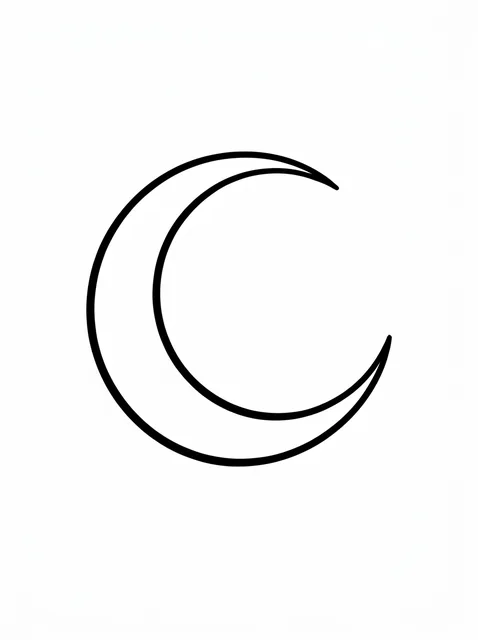
Black and white minimalist moon tattoo design, outline stencil: a crescent moon Try it on — Black and white minimalist moon tattoo design, outline stencil: a crescent moon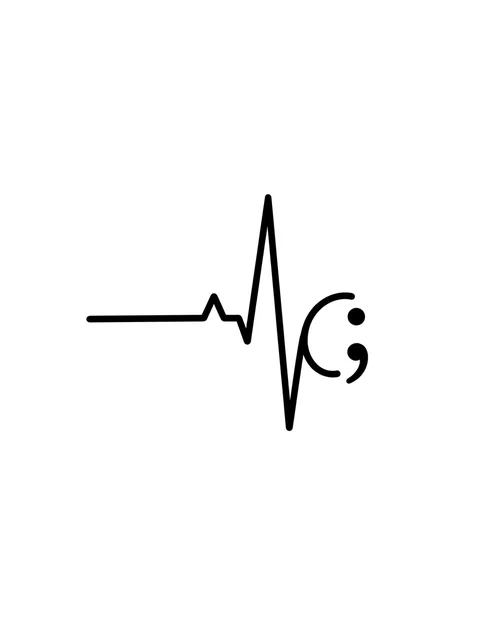
Black and white minimalist semicolon tattoo design, outline stencil Try it on — Black and white minimalist semicolon tattoo design, outline stencil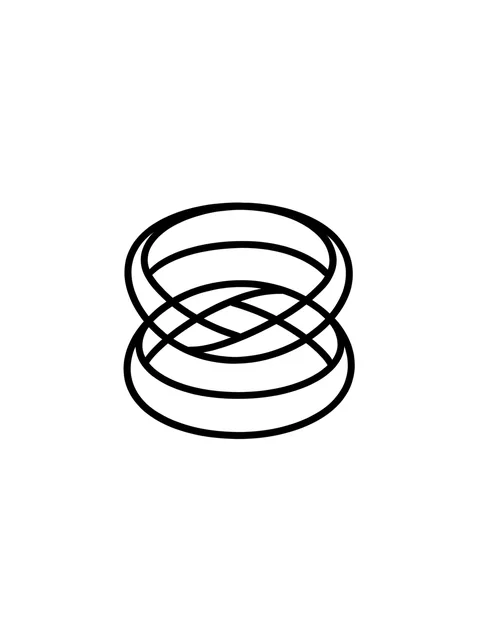
Black and white minimalist ring tattoo design, outline stencil Try it on — Black and white minimalist ring tattoo design, outline stencil
Black and white minimalist heart tattoo design, outline stencil: a broken heart Try it on — Black and white minimalist heart tattoo design, outline stencil: a broken heart
Black and white minimalist butterfly tattoo design, outline stencil: a butterfly in flight Try it on — Black and white minimalist butterfly tattoo design, outline stencil: a butterfly in flight
Black and white minimalist sun tattoo design, outline stencil: a rising sun Try it on — Black and white minimalist sun tattoo design, outline stencil: a rising sun
Black and white minimalist mountain tattoo design, outline stencil Try it on — Black and white minimalist mountain tattoo design, outline stencil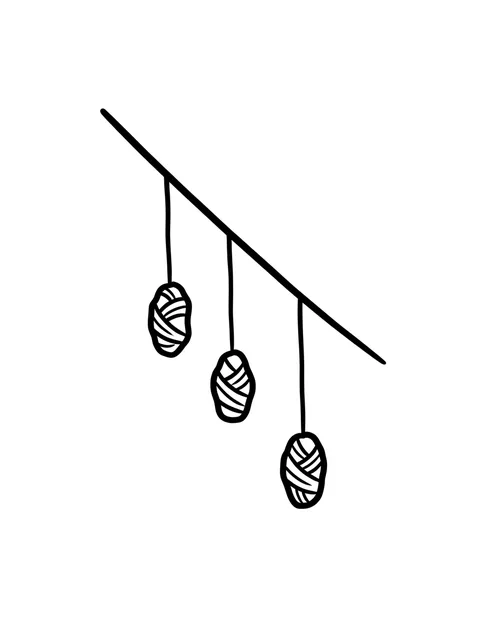
Black and white minimalist abstract tattoo design, outline stencil Try it on — Black and white minimalist abstract tattoo design, outline stencil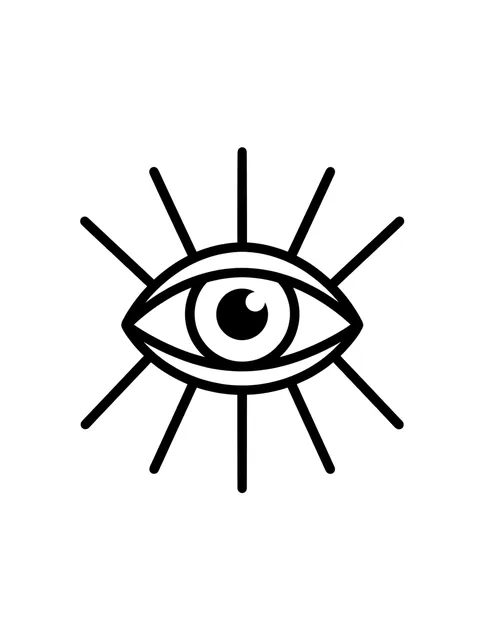
Black and white minimalist evil eye and eye tattoo design, outline stencil: an evil eye symbol Try it on — Black and white minimalist evil eye and eye tattoo design, outline stencil: an evil eye symbol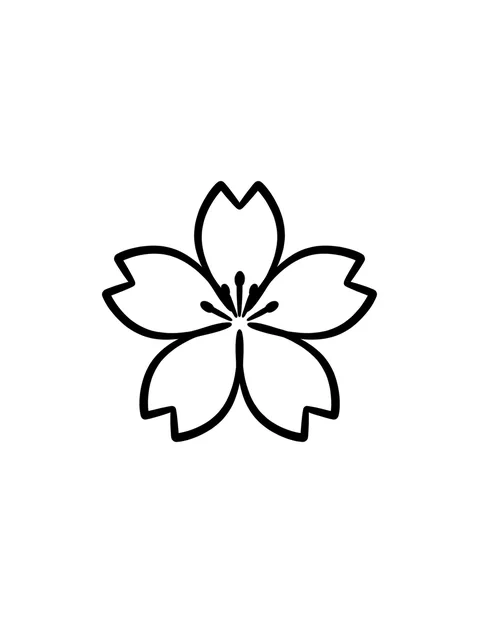
Black and white minimalist cherry blossom and flower tattoo design, outline stencil Try it on — Black and white minimalist cherry blossom and flower tattoo design, outline stencil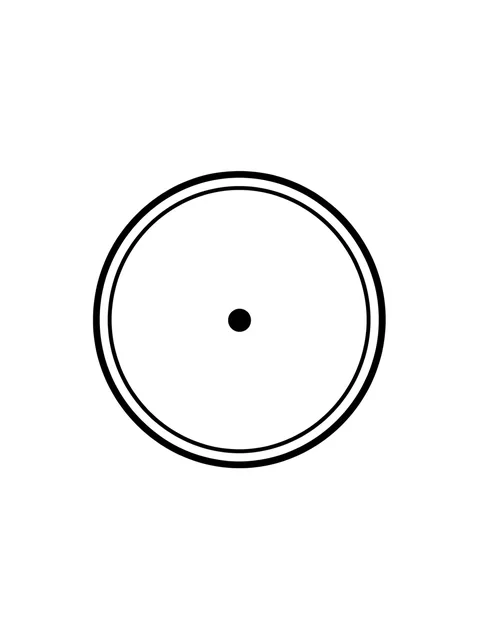
Black and white minimalist abstract tattoo design, outline stencil Try it on — Black and white minimalist abstract tattoo design, outline stencil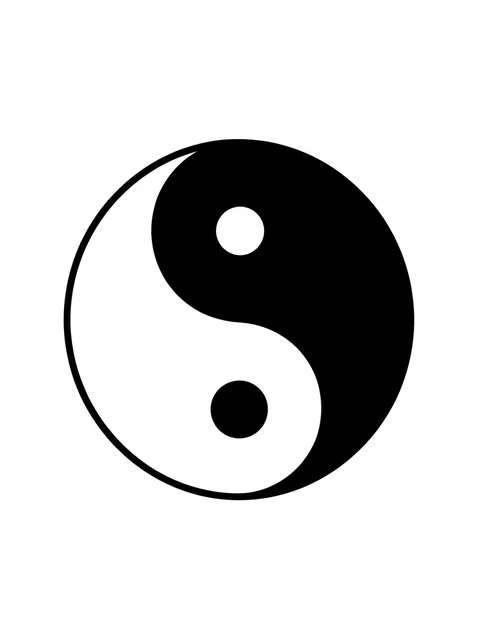
Black and white minimalist yin yang tattoo design, outline stencil Try it on — Black and white minimalist yin yang tattoo design, outline stencil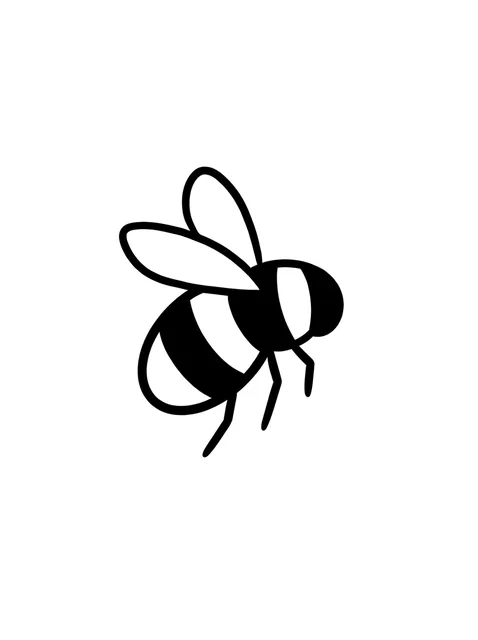
Black and white minimalist bee tattoo design, outline stencil: a bee in flight Try it on — Black and white minimalist bee tattoo design, outline stencil: a bee in flight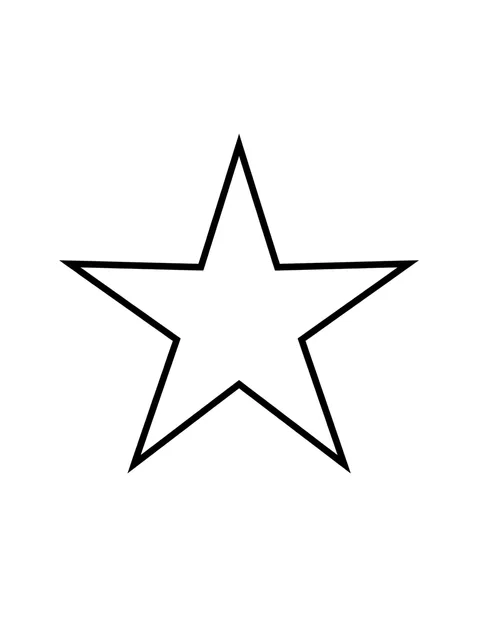
Black and white minimalist star tattoo design, outline stencil: a five-pointed star Try it on — Black and white minimalist star tattoo design, outline stencil: a five-pointed star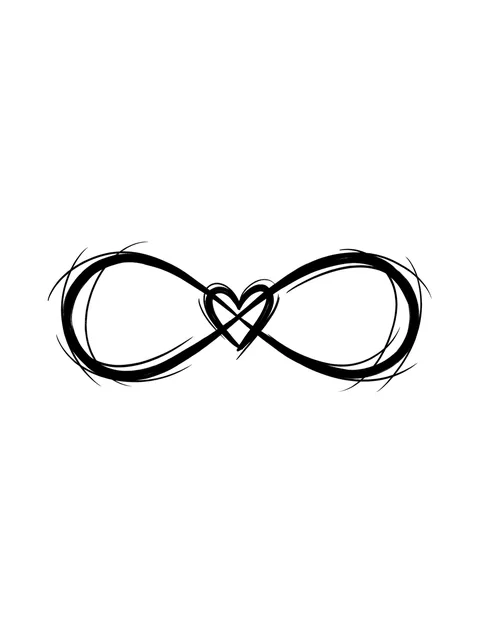
Black and white minimalist infinity and heart tattoo design, outline stencil Try it on — Black and white minimalist infinity and heart tattoo design, outline stencil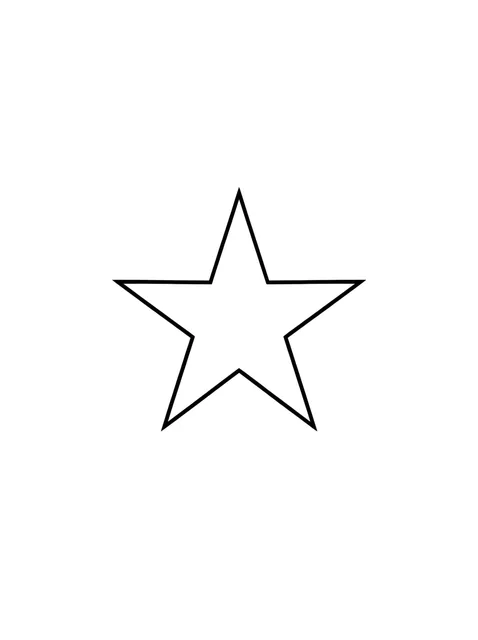
Black and white minimalist star tattoo design, outline stencil: a five-pointed star Try it on — Black and white minimalist star tattoo design, outline stencil: a five-pointed star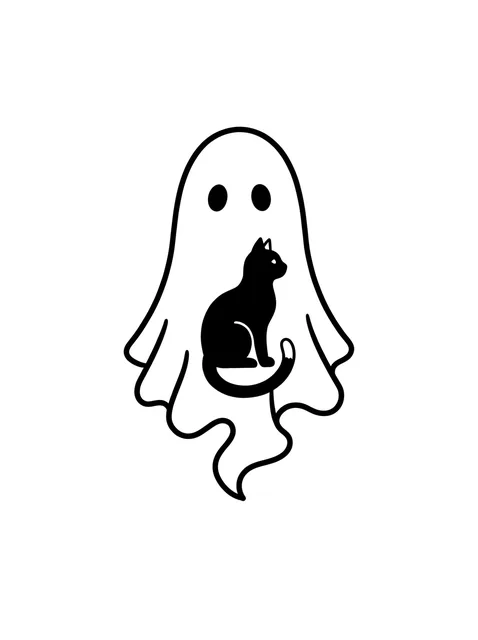
Black and white minimalist cat and ghost tattoo design, outline stencil Try it on — Black and white minimalist cat and ghost tattoo design, outline stencil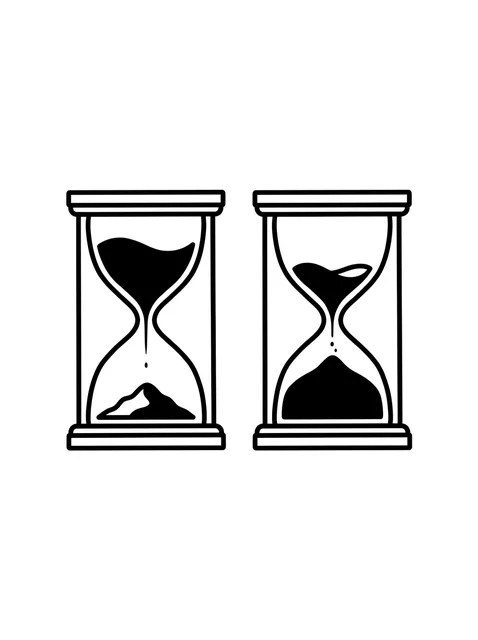
Black and white minimalist hourglass tattoo design, outline stencil Try it on — Black and white minimalist hourglass tattoo design, outline stencil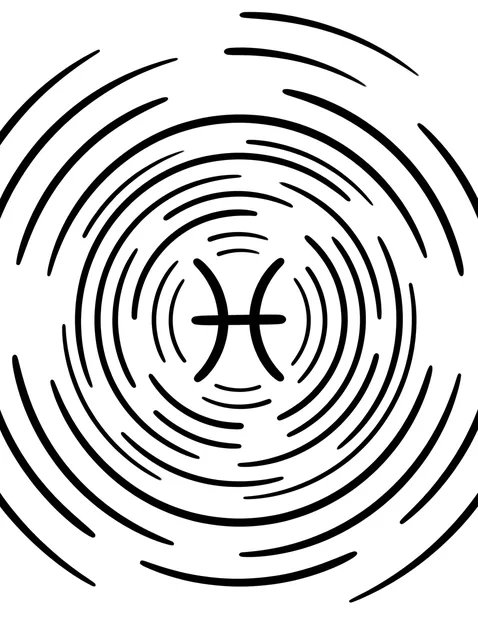
Black and white minimalist pisces tattoo design, outline stencil Try it on — Black and white minimalist pisces tattoo design, outline stencil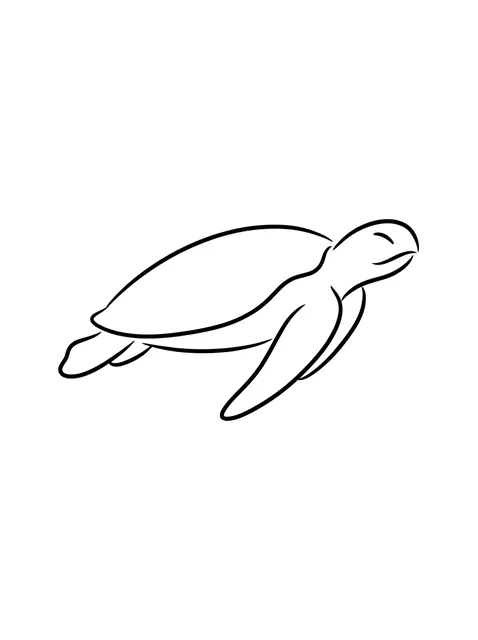
Black and white minimalist turtle tattoo design, outline stencil: a sea turtle in profile Try it on — Black and white minimalist turtle tattoo design, outline stencil: a sea turtle in profile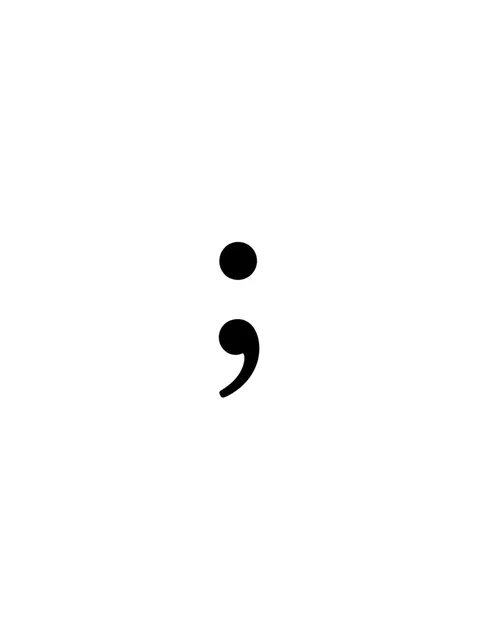
Black and white minimalist semicolon tattoo design, outline stencil Try it on — Black and white minimalist semicolon tattoo design, outline stencil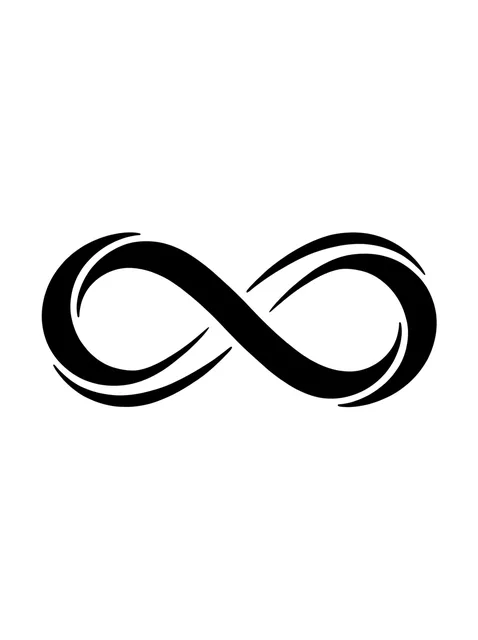
Black and white minimalist infinity tattoo design, outline stencil Try it on — Black and white minimalist infinity tattoo design, outline stencil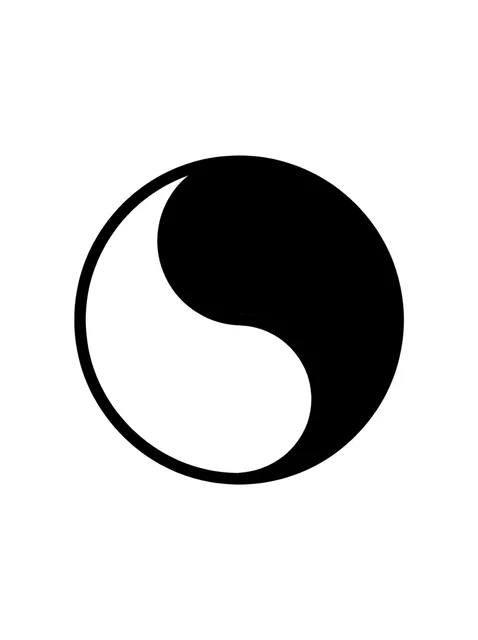
Black and white minimalist yin yang tattoo design, outline stencil Try it on — Black and white minimalist yin yang tattoo design, outline stencil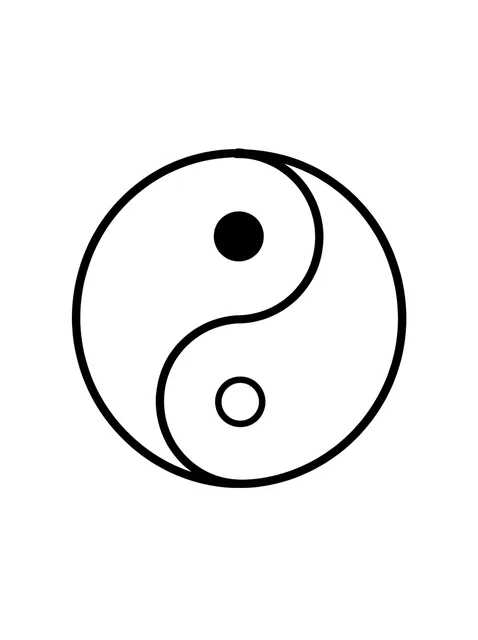
Black and white minimalist yin yang tattoo design, outline stencil Try it on — Black and white minimalist yin yang tattoo design, outline stencil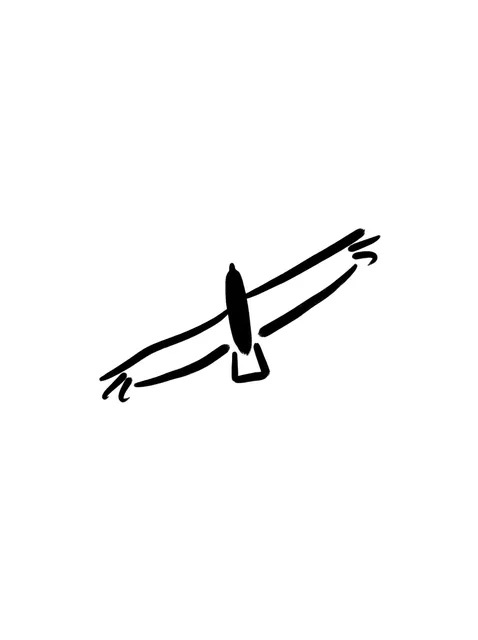
Black and white minimalist bird tattoo design, outline stencil: a bird in flight Try it on — Black and white minimalist bird tattoo design, outline stencil: a bird in flight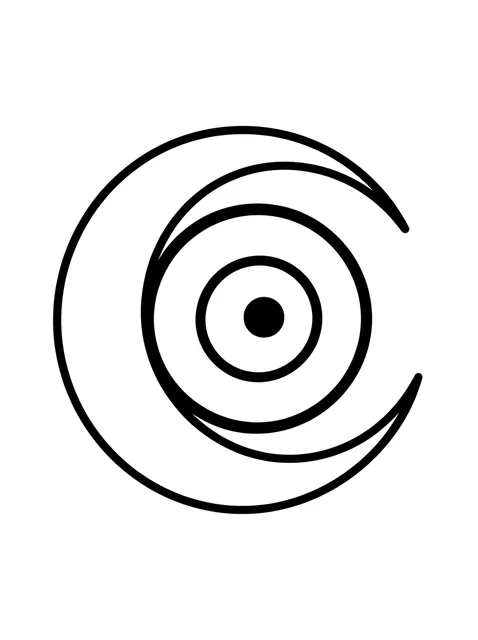
Black and white minimalist evil eye and moon tattoo design, outline stencil Try it on — Black and white minimalist evil eye and moon tattoo design, outline stencil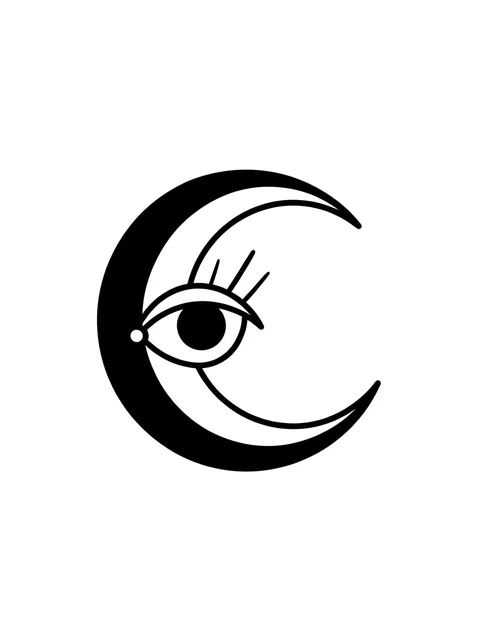
Black and white minimalist evil eye and moon tattoo design, outline stencil Try it on — Black and white minimalist evil eye and moon tattoo design, outline stencil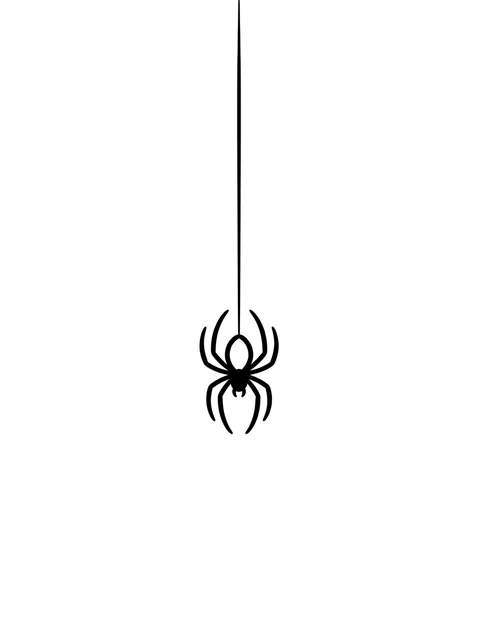
Black and white minimalist spider tattoo design, outline stencil Try it on — Black and white minimalist spider tattoo design, outline stencil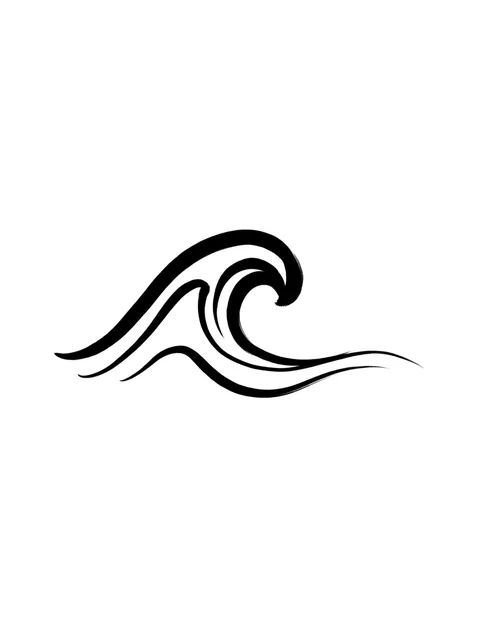
Black and white minimalist wave tattoo design, outline stencil Try it on — Black and white minimalist wave tattoo design, outline stencil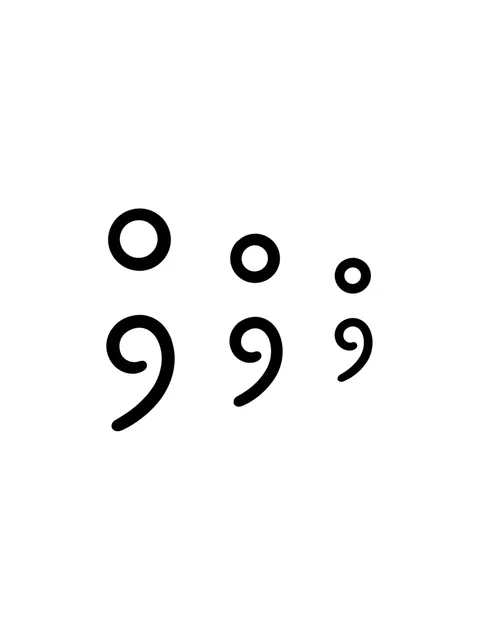
Black and white minimalist semicolon tattoo design, outline stencil: the punctuation mark are Try it on — Black and white minimalist semicolon tattoo design, outline stencil: the punctuation mark are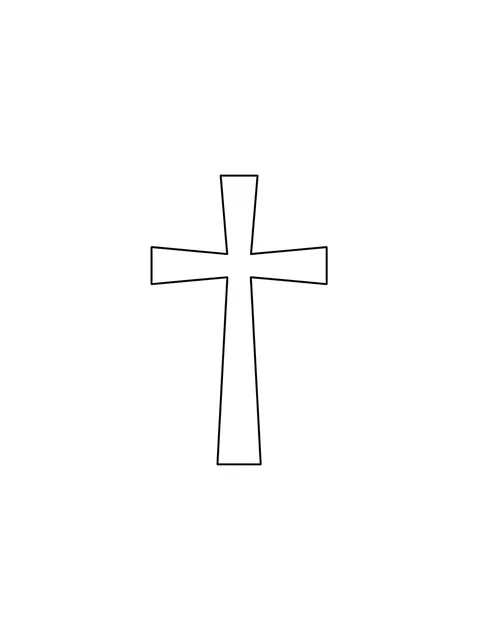
Black and white minimalist cross tattoo design, outline stencil: a Latin cross Try it on — Black and white minimalist cross tattoo design, outline stencil: a Latin cross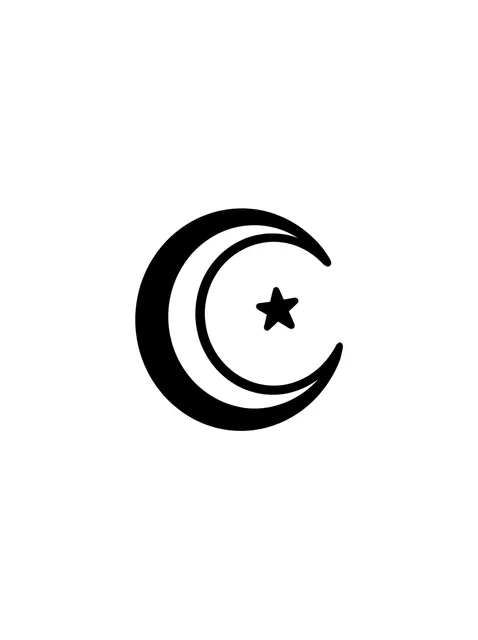
Black and white minimalist moon and star tattoo design, outline stencil: a small black star inside Try it on — Black and white minimalist moon and star tattoo design, outline stencil: a small black star inside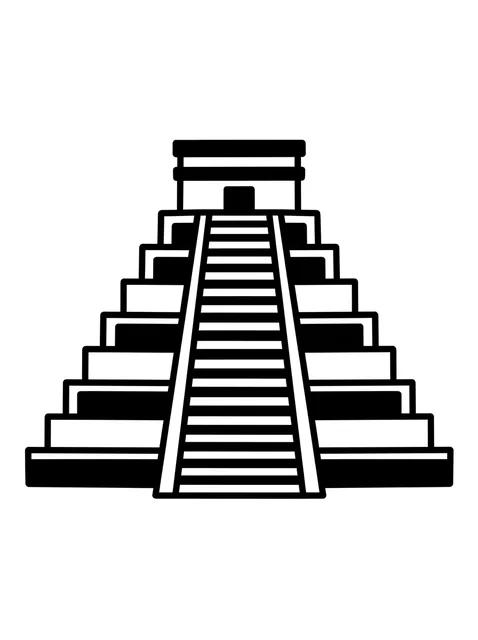
Black and white minimalist aztec tattoo design, outline stencil: an Aztec pyramid Try it on — Black and white minimalist aztec tattoo design, outline stencil: an Aztec pyramid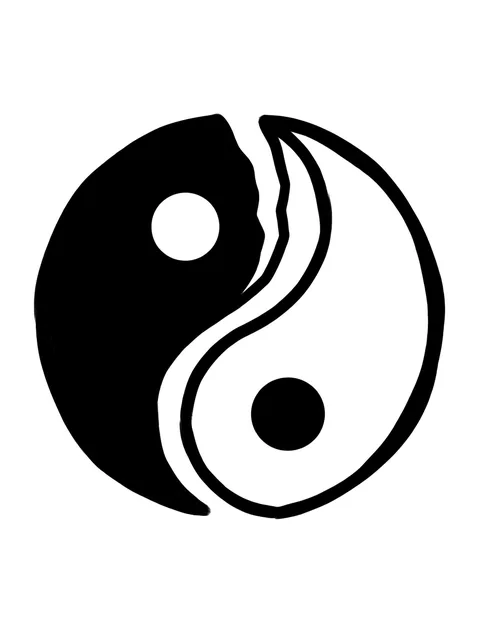
Black and white minimalist yin yang tattoo design, outline stencil Try it on — Black and white minimalist yin yang tattoo design, outline stencil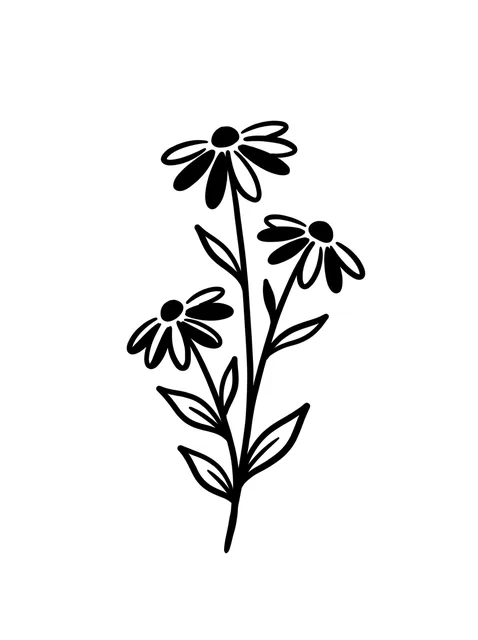
Black and white minimalist daisy and flower tattoo design, outline stencil Try it on — Black and white minimalist daisy and flower tattoo design, outline stencil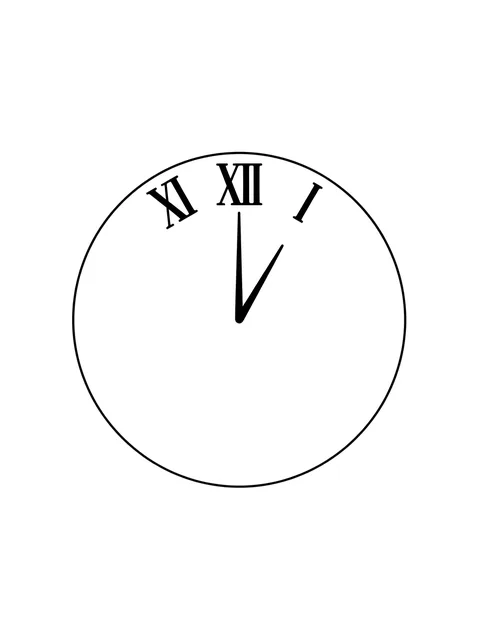
Black and white minimalist clock tattoo design, outline stencil Try it on — Black and white minimalist clock tattoo design, outline stencil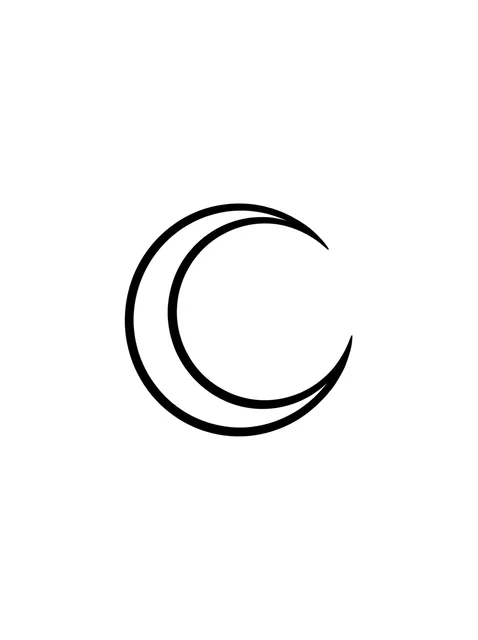
Black and white minimalist moon tattoo design, outline stencil: a crescent moon Try it on — Black and white minimalist moon tattoo design, outline stencil: a crescent moon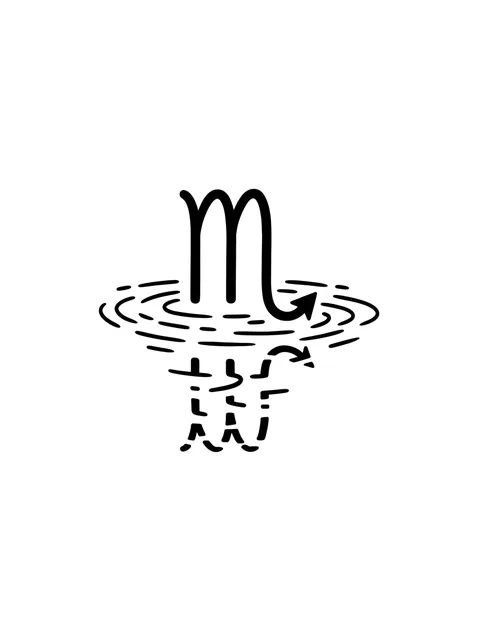
Black and white minimalist scorpio tattoo design, outline stencil Try it on — Black and white minimalist scorpio tattoo design, outline stencil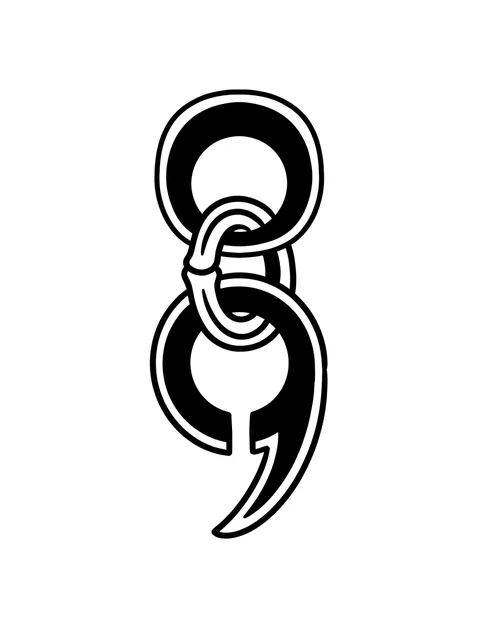
Black and white minimalist semicolon tattoo design, outline stencil Try it on — Black and white minimalist semicolon tattoo design, outline stencil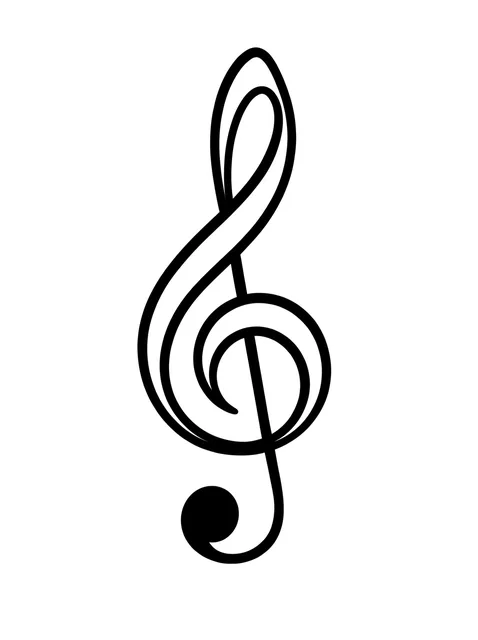
Black and white minimalist music note tattoo design, outline stencil Try it on — Black and white minimalist music note tattoo design, outline stencil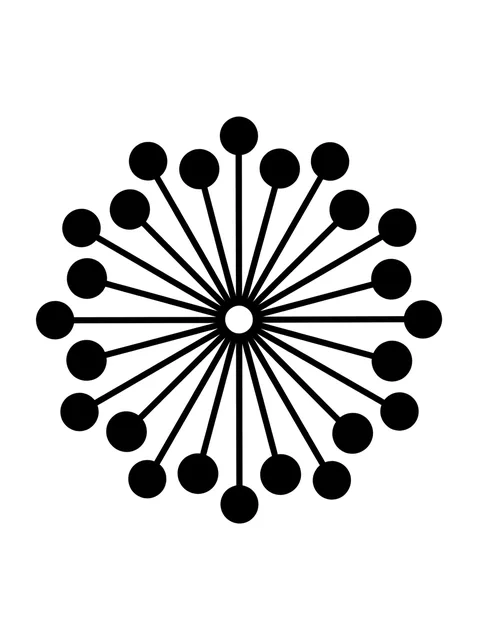
Black and white minimalist dandelion and abstract tattoo design, outline stencil Try it on — Black and white minimalist dandelion and abstract tattoo design, outline stencil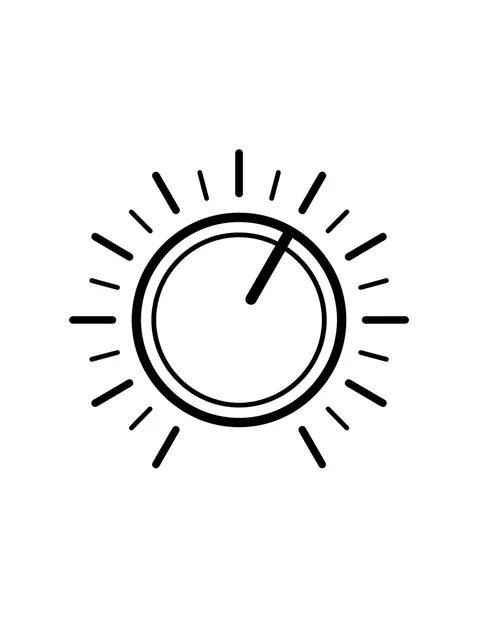
Black and white minimalist sun tattoo design, outline stencil Try it on — Black and white minimalist sun tattoo design, outline stencil
Black and white minimalist ghost tattoo design, outline stencil Try it on — Black and white minimalist ghost tattoo design, outline stencil
Black and white minimalist pisces tattoo design, outline stencil: the astrological symbol for Pisces Try it on — Black and white minimalist pisces tattoo design, outline stencil: the astrological symbol for Pisces
Black and white minimalist infinity and heart tattoo design, outline stencil Try it on — Black and white minimalist infinity and heart tattoo design, outline stencil
Black and white minimalist aries tattoo design, outline stencil: the Aries zodiac symbol Try it on — Black and white minimalist aries tattoo design, outline stencil: the Aries zodiac symbol
Black and white minimalist pisces tattoo design, outline stencil: the astrological symbol for Pisces Try it on — Black and white minimalist pisces tattoo design, outline stencil: the astrological symbol for Pisces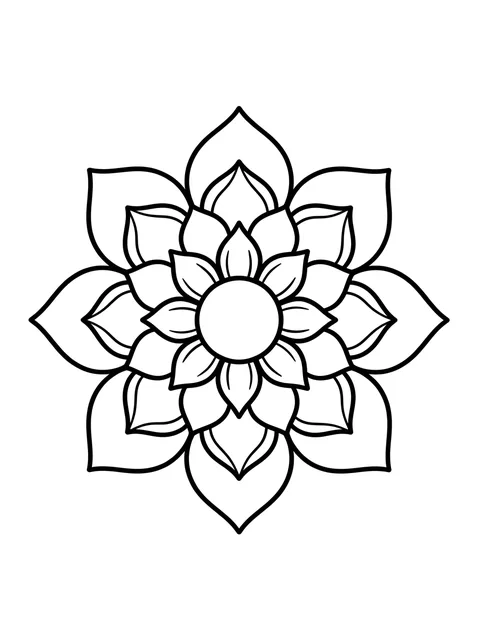
Black and white minimalist mandala and flower tattoo design, outline stencil Try it on — Black and white minimalist mandala and flower tattoo design, outline stencil


48 designs drawn for InkCraft in this style. Tap any one to place it on a photo of your own skin.
These 48 designs, in numbers
- Black and grey
- 48
- Colour
- 0
- Subjects covered
- 34
Why less is harder
Every other style has somewhere to hide. Shading covers an uneven line, dense detail distracts from a weak silhouette, heavy black swallows a wobble. Minimalist work has none of that: three lines on white skin, and each one is fully visible for the rest of your life. An artist who is merely competent produces something that looks fine on the day and slightly wrong forever.
That is why the style is a poor choice for a first-time artist and an excellent test of an experienced one. Ask to see healed minimalist work specifically. A single-weight line that has stayed crisp for three years tells you more about an artist than any amount of colour work.
The second difficulty is composition. When you remove shading and detail, the placement of each remaining mark becomes the entire design. There is no rescuing a badly spaced minimalist piece later, because there is nothing to add that would not make it a different style.
The line weight problem
Ink spreads through the dermis for decades. A 0.5 mm line laid today is closer to 1 mm in twenty years, and two lines drawn 1 mm apart will meet. In a shaded design that reads as softening. In a minimalist design it reads as a smudge where a drawing used to be.
The mitigations are all about spacing rather than skill. Keep parallel lines further apart than looks necessary. Prefer one confident heavier line to two fine ones. And resist the urge to shrink: the same design at 6 cm instead of 3 cm doubles every gap and roughly doubles how long it stays legible.
This is also why the hand, the fingers and the inner wrist are the worst placements for this style specifically, despite being the most requested. Those areas spread and shed ink faster than anywhere else on the body, and a minimalist piece has no reserve to lose.
What it suits
Subjects with a strong silhouette and no dependence on texture. A crescent moon, a wave, a mountain ridge, an animal reduced to its outline, a single continuous-line figure. All of these are defined by their shape rather than by their surface, which is exactly what survives the reduction.
What it suits badly is anything whose identity lives in detail. A realistic face, a feathered wing, a dense floral, a fur-bearing animal: strip the detail and you have removed the thing that made it that subject rather than a generic one. If you want those subjects small, a bold traditional treatment holds up far better than a minimalist one.
What an hour of this work costs, and how many hours minimalist tattoos takes at each size, is in the cost guide. How it behaves later — under a laser, and as the thing doing the covering — is in the removal and cover-up guide.
Common questions
- Why do minimalist tattoos fade so fast?
- They do not fade faster than anything else. They show it sooner, because there is no shading or detail to absorb the change. The same ink spread that reads as softening in a dense design reads as a smudge when three lines were the whole drawing.
- How small can a minimalist tattoo go?
- Smaller than other styles and not as small as people try. Keep parallel lines at least 2 mm apart at the time of tattooing, since they will be closer in twenty years. The same design at 6 cm rather than 3 cm roughly doubles how long it stays legible.
- Is minimalist a good first tattoo?
- For the wearer, yes. For the artist, no. It is the least forgiving style there is, so choose someone with healed minimalist work to show rather than whoever is available, and do not treat a simple design as a simple job.
- What subjects work minimalist?
- Anything defined by silhouette rather than surface: a crescent moon, a wave, a mountain ridge, an animal as an outline. Faces, fur, feathers and dense florals all lose the thing that identified them when the detail goes.
See this style on your own skin
InkCraft places a design on a photo of you — scaled, wrapped and shaded to the spot you pick, so you can judge how the style reads on your body before it is permanent.