 InkCraft
Angel of Death Tattoo Ideas, Designs and Meaning
22 original angel of death designs drawn for InkCraftBy Uladzimir TumanauUpdated
The angel of death is sent to fetch one soul by name, where the reaper comes to harvest everyone. Feathered wings, a veil or a bowed head keep the figure an angel rather than a reaper, and spread wings want a broad, flat field such as the chest.
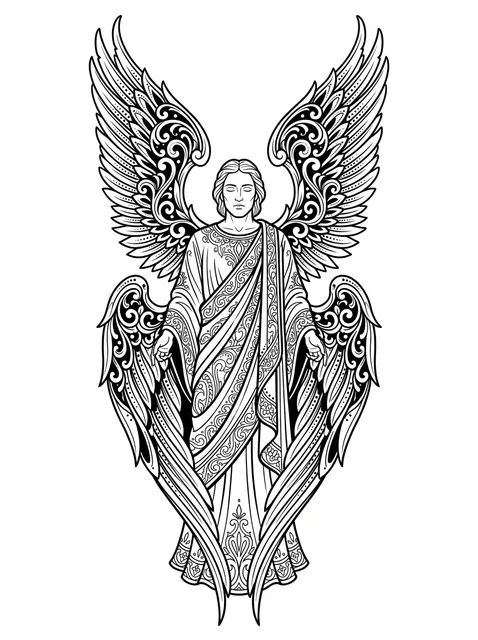
Black and grey ornamental angel of death tattoo design Try it on — Black and grey ornamental angel of death tattoo design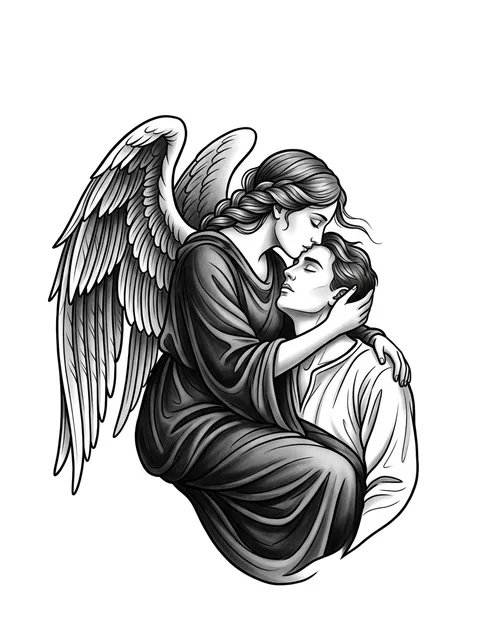
Black and grey illustrative angel of death tattoo design (1 of 2) Try it on — Black and grey illustrative angel of death tattoo design (1 of 2)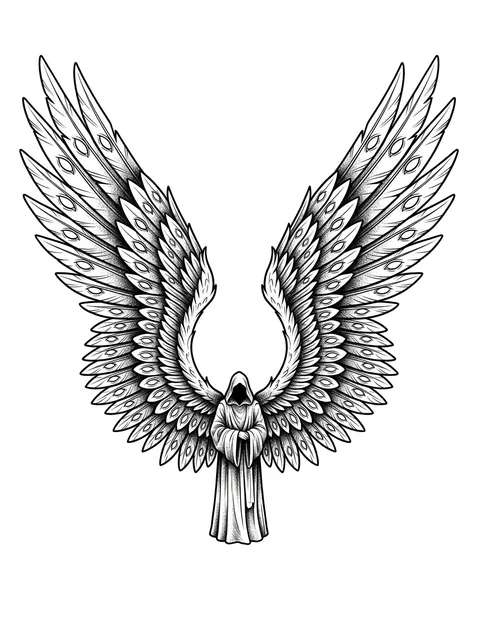
Black and grey illustrative angel of death tattoo design (2 of 2) Try it on — Black and grey illustrative angel of death tattoo design (2 of 2)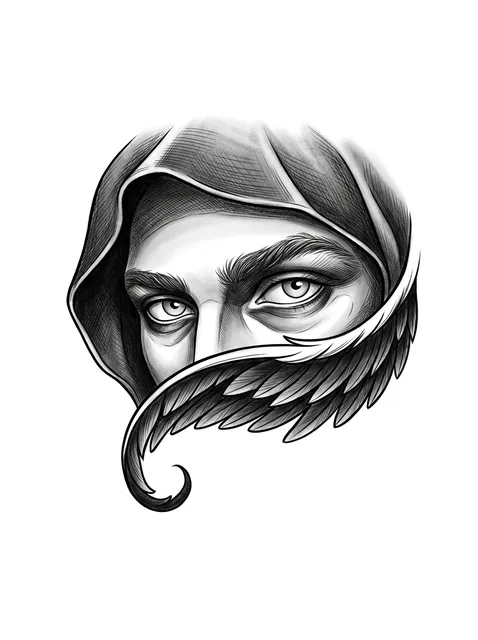
Black and grey realism angel of death tattoo design Try it on — Black and grey realism angel of death tattoo design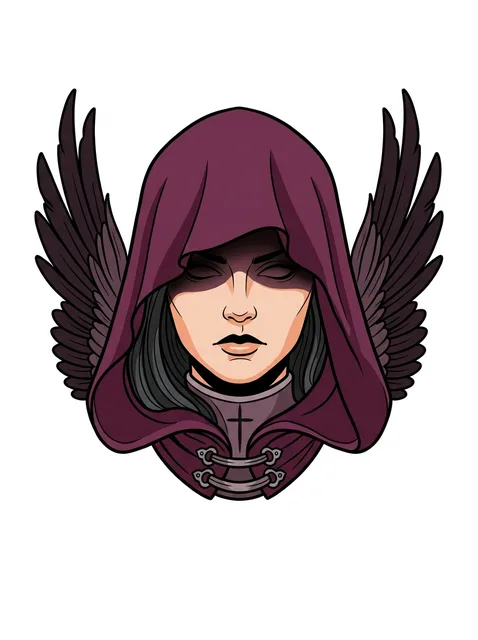
Color neo traditional angel of death tattoo design Try it on — Color neo traditional angel of death tattoo design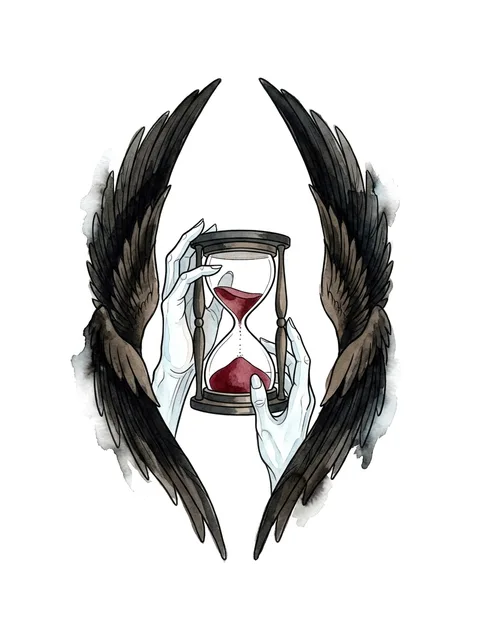
Color watercolor angel of death and hourglass tattoo design: two black wings Try it on — Color watercolor angel of death and hourglass tattoo design: two black wings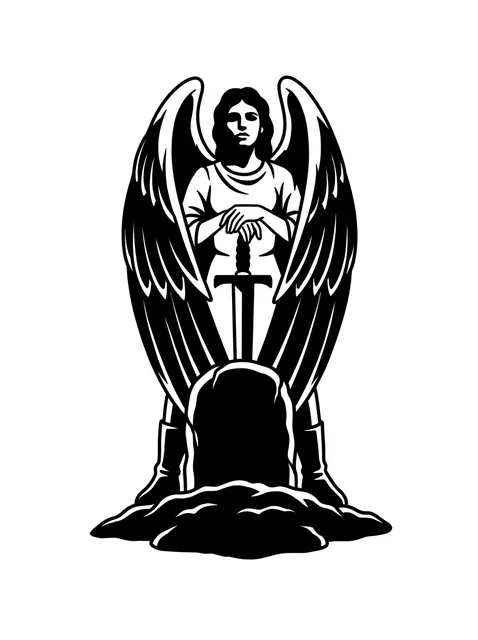
Black and white blackwork angel of death and sword tattoo design Try it on — Black and white blackwork angel of death and sword tattoo design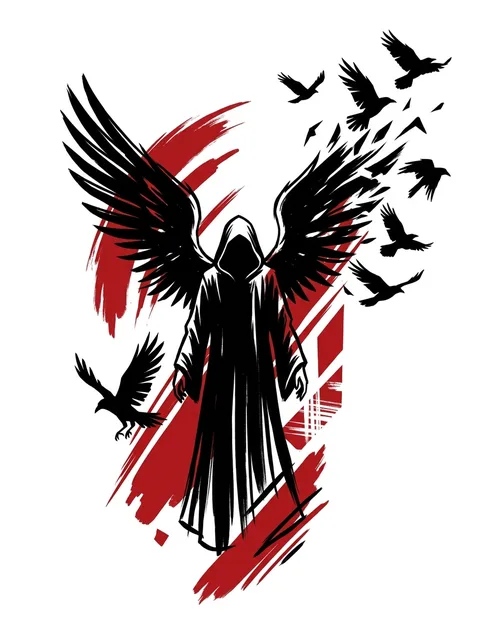
Color trash polka angel of death and crow tattoo design Try it on — Color trash polka angel of death and crow tattoo design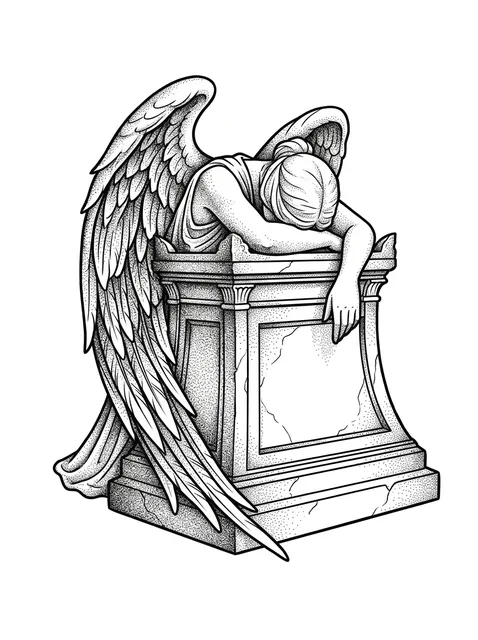
Black and grey illustrative angel of death and tomb tattoo design Try it on — Black and grey illustrative angel of death and tomb tattoo design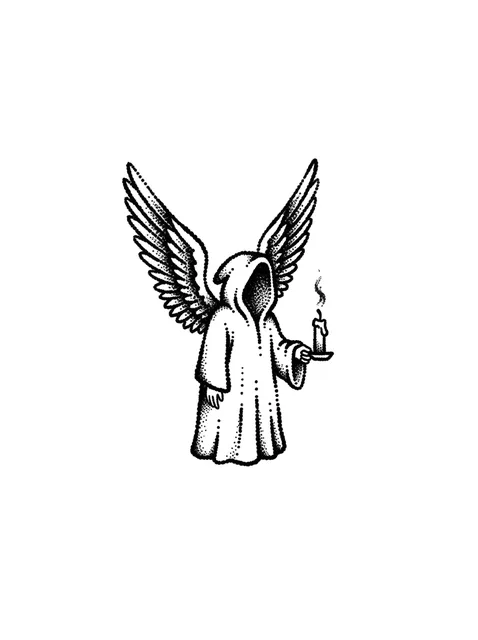
Black and white minimalist angel of death and candle tattoo design, outline stencil Try it on — Black and white minimalist angel of death and candle tattoo design, outline stencil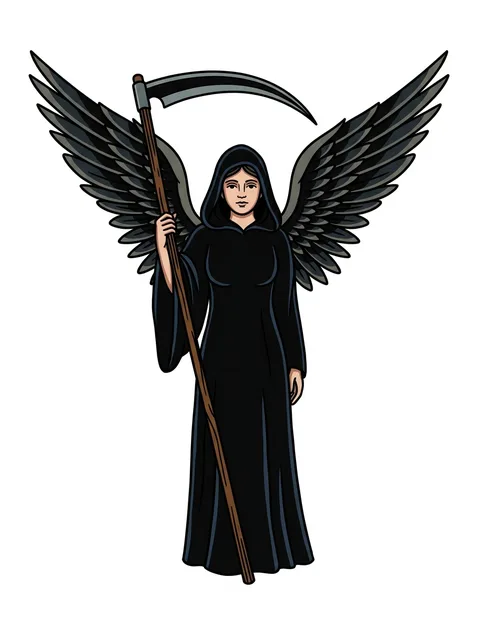
Color illustrative angel of death and scythe tattoo design Try it on — Color illustrative angel of death and scythe tattoo design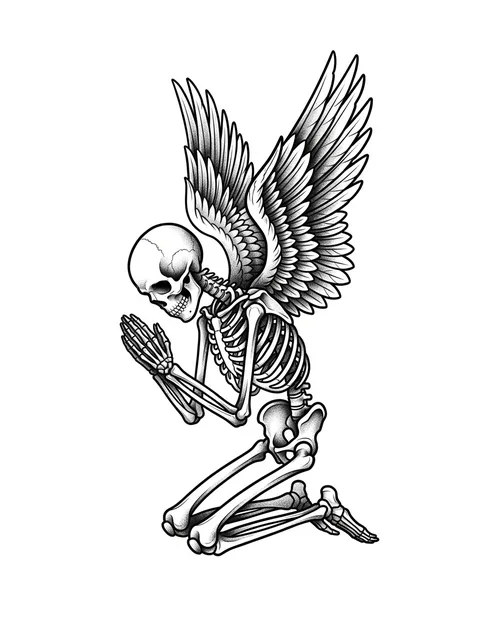
Black and grey illustrative angel of death and skeleton tattoo design Try it on — Black and grey illustrative angel of death and skeleton tattoo design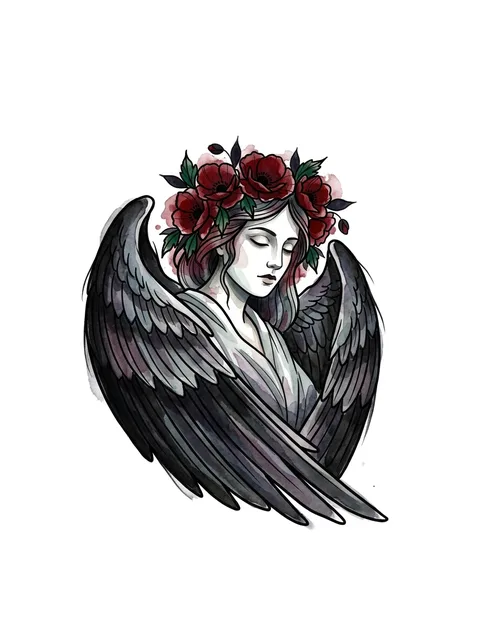
Color watercolor angel of death and poppy tattoo design Try it on — Color watercolor angel of death and poppy tattoo design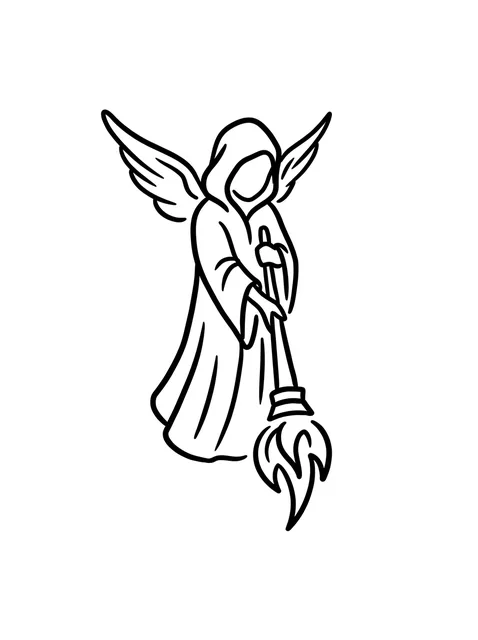
Black and white minimalist angel of death and torch tattoo design, outline stencil Try it on — Black and white minimalist angel of death and torch tattoo design, outline stencil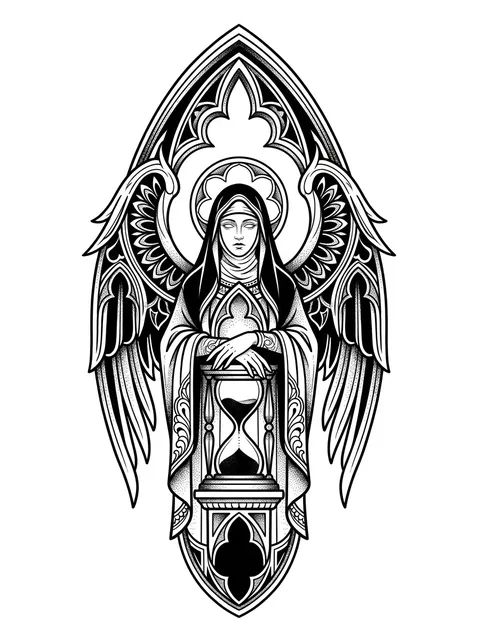
Black and grey gothic angel of death and hourglass tattoo design Try it on — Black and grey gothic angel of death and hourglass tattoo design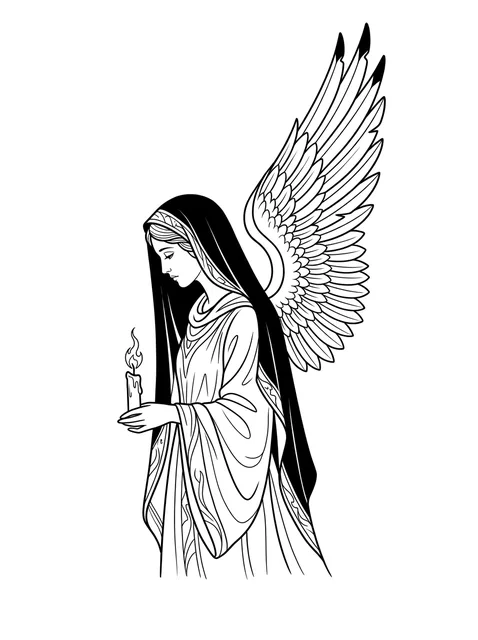
Black and white fine line angel of death and candle tattoo design, outline stencil Try it on — Black and white fine line angel of death and candle tattoo design, outline stencil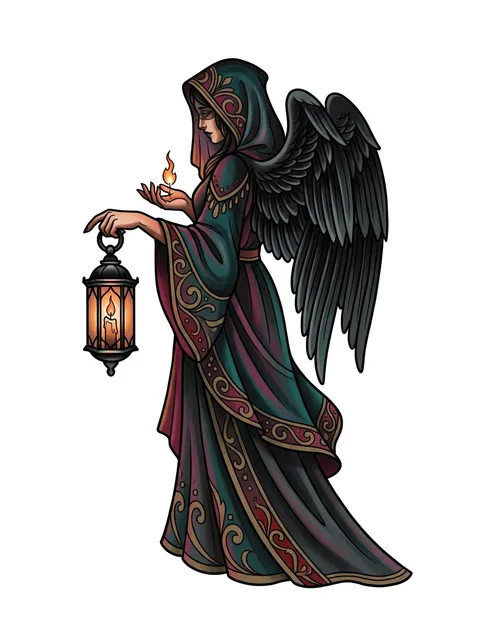
Color neo traditional angel of death and lantern tattoo design Try it on — Color neo traditional angel of death and lantern tattoo design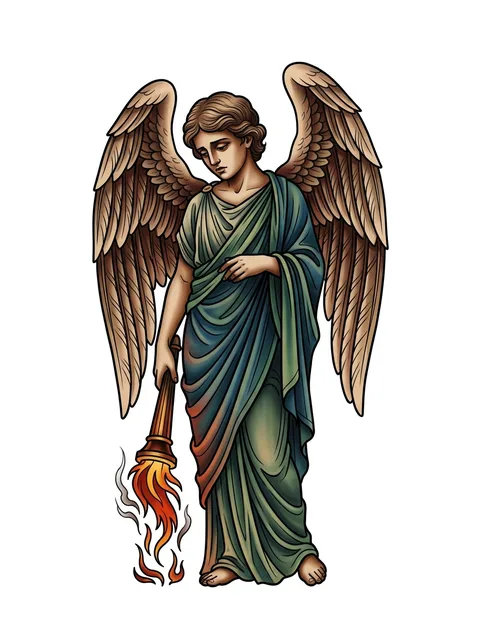
Color neo traditional angel of death and torch tattoo design Try it on — Color neo traditional angel of death and torch tattoo design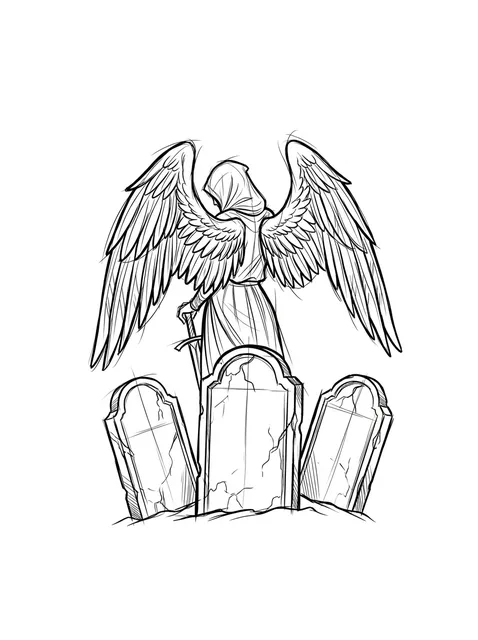
Black and grey sketch angel of death and gravestone tattoo design Try it on — Black and grey sketch angel of death and gravestone tattoo design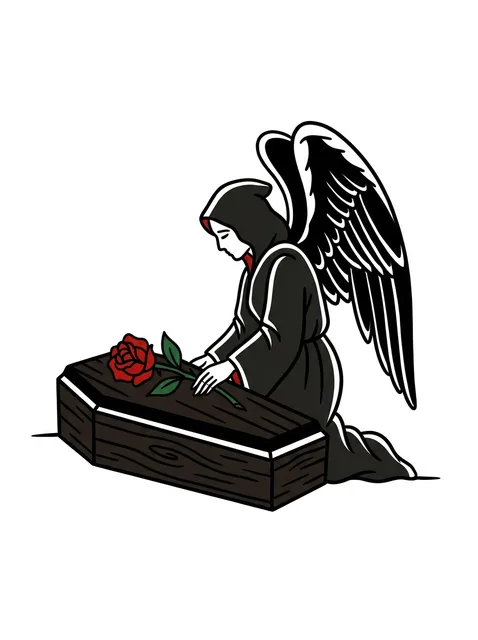
Color traditional angel of death and rose tattoo design Try it on — Color traditional angel of death and rose tattoo design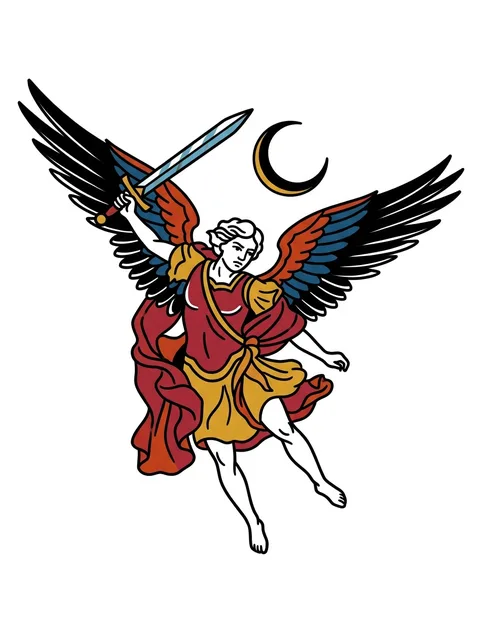
Color traditional angel of death and sword tattoo design Try it on — Color traditional angel of death and sword tattoo design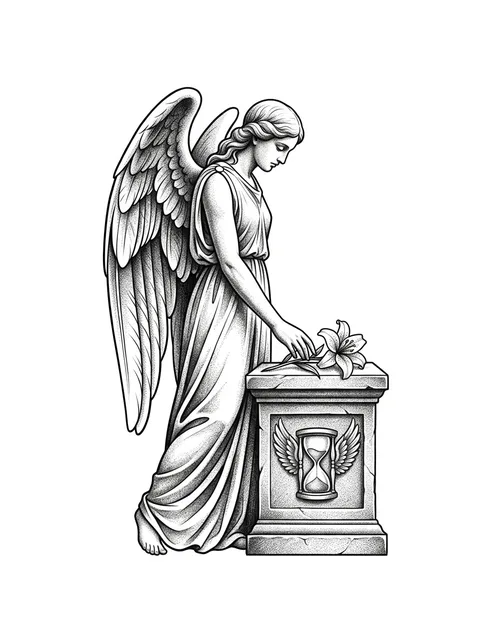
Black and grey illustrative angel of death and lily tattoo design: a winged hourglass Try it on — Black and grey illustrative angel of death and lily tattoo design: a winged hourglass


Tap any design to see it on your own skin in the try-on — no signup.
This set of 22 angel of death designs, by the numbers
- Styles represented
- illustrative (6), neo traditional (3), watercolor (2), minimalist (2), traditional (2), ornamental (1)
- Black-and-grey vs colour
- 59% black-and-grey, 41% colour
- Most often drawn with
- hourglass, sword, candle, torch
Counted from the 22 designs shown on this page. Every one was drawn for InkCraft — none are scraped or reposted. Free to reference with a link to this page.
What a angel of death tattoo means
The angel of death is a messenger, not a harvester. Where the reaper arrives to cut, the angel is sent to fetch, and it comes for each soul at its appointed hour. That is why people who wear one rarely mean fear. Most mean that someone they loved was not alone at the end, or that death, when it comes, will be a guide rather than a stranger.
The Hebrew Bible gives it a sword. The destroyer passes over the marked doors of the Israelites in Exodus, and in the First Book of Chronicles an angel stands between earth and heaven with a drawn sword stretched out over Jerusalem. The Talmud adds eyes: in tractate Avodah Zarah the angel of death is full of eyes and stands over the dying with its sword drawn and a bitter drop hanging from the point. The designs here that plant a sword point down beside a grave belong to that line.
Islam gives it a name. The Quran speaks only of the angel of death put in charge of each person; later tradition calls him Azrael, from a Hebrew name meaning God has helped, and pictures him as vast, many-winged and covered in eyes, as many as there are living people. The small hooded figure between wide wings, every feather marked with an eye, draws on that picture, and the mirrored Azrael with four wings is shorthand for the many.
The gentler figure is Greek, then Victorian. Classical art showed Death as a winged youth, the twin brother of Sleep, and the torch he holds upside down, flame to the ground, is a life put out. Nineteenth-century cemeteries filled with his descendants: veiled women bowing over tombs, laying lilies and roses, holding candles low. On this page that mourning angel is the commonest version, and the natural choice for a memorial.
Where the design comes from
In 1769 Gotthold Ephraim Lessing published How the Ancients Represented Death, arguing that Greek and Roman artists showed death not as a skeleton but as a winged youth with a lowered torch, an idea that passed into cemetery stone on both sides of the Atlantic. William Wetmore Story's Angel of Grief of 1894, flung face down over the grave of his wife Emelyn in the Protestant Cemetery in Rome, is the model for the weeping stone angel here. Daniel Chester French's Milmore Memorial of 1893 in Boston shows the angel of death stopping a young sculptor's hand, poppies for the long sleep in her other hand; Barcelona's Kiss of Death of 1930 has a winged skeleton kiss a dying young man, a scene the feathered angel here gives a woman's face and braided hair.
Choosing yours
- Decide between angel and reaper first. Feathered wings, a veil or a bowed head make an angel; a scythe belongs to the reaper, and the young woman here holding one with grey wings behind her is a hybrid of both. Put a skull under the hood and most people will see the grim reaper, wings or not.
- Let the wings set the size. Spread wide, as on the eyed Azrael and the angel in flight, they want a broad field; folded round the body like a cloak, as on the watercolour angel crowned with poppies, they fit a forearm or a calf.
- Keep what the figure holds legible. An hourglass, a lantern, a candle and a lowered torch each change the meaning, and below about 12 cm there is room for only one.
Size, cost and placement
How big, and what it costs
The small hooded figures with a candle or a lowered torch fit 6 to 8 cm, about an hour. A standing angel with spread wings runs 15 to 25 cm and three to five hours in black and grey; the eyed Azrael and the stone angel over a tomb are day sessions, every feather or fold of marble shaded on its own.
Where it sits, and how much it hurts
Wings opened in a V want the upper back or the chest. Tall figures with folded wings suit the outer forearm, the calf or the outer thigh, all moderate for pain; the mirrored four-winged figure needs the spine, one of the sharpest places there is.
What to ask your artist
- Whether it will still read as an angel, not a reaper, once healed, and which details decide that.
- How many feathers, eyes or folds can stay separate at your size.
- For a memorial, where a name or date fits: the coffin lid, the plinth, or a line beneath.
Prices vary widely by city and artist — treat these as session lengths rather than quotes, and expect a shop minimum on anything small. The cost guide turns hours into money by size, placement and style.
Common questions
Is the angel of death the same figure as the grim reaper?
No, though tattoos often merge them. The reaper, a skeleton with a scythe, is late medieval and harvests everyone; the angel is older, winged and sent for one soul in Jewish, Islamic and classical traditions, and is usually drawn calm.
Who is Azrael?
The name Islamic tradition gives the angel of death. One tradition says he learns who is to die from a leaf bearing that person's name, falling from a tree beneath the divine throne. Many Muslims regard tattooing as forbidden, so on skin the figure is borrowed rather than devotional.
Why is the torch held upside down?
A torch pointed at the ground is a life going out. Roman funerary art gave it to Death, and nineteenth-century gravestones carved it everywhere; when the flame still burns, as on the youth in the classical robe here, it is often read as the soul living on.
Can it carry a name for a memorial?
Easily. The kneeling angel lays a rose on a coffin lid and the marble angel a lily on a plinth carved with a winged hourglass; either surface takes a name or dates without crowding the figure.
See it on your skin before you commit
InkCraft places any of these designs on a photo of you — scaled, wrapped and shaded to the placement you pick.