 InkCraft
Grim Reaper Tattoo Ideas, Designs and Meaning
9 original grim reaper designs drawn for InkCraftBy Uladzimir TumanauUpdated
Opens in your browser. No signup. Or tap any design below.
Death given a body, a robe and a job: where a skull is a reminder, the reaper is a visitor. An empty hood depends on densely packed black to stay empty, and a crown, an owl or a globe turns the figure into Santa Muerte.
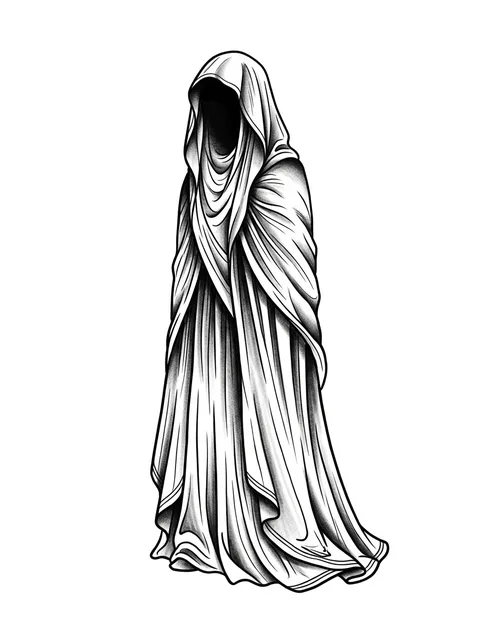
Black and grey illustrative grim reaper and ghost tattoo design: a cloaked, hooded figure Try it on — Black and grey illustrative grim reaper and ghost tattoo design: a cloaked, hooded figure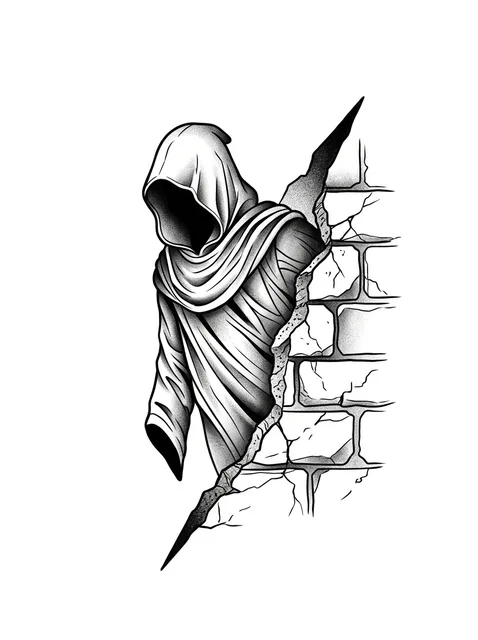
Black and grey illustrative grim reaper and ghost tattoo design Try it on — Black and grey illustrative grim reaper and ghost tattoo design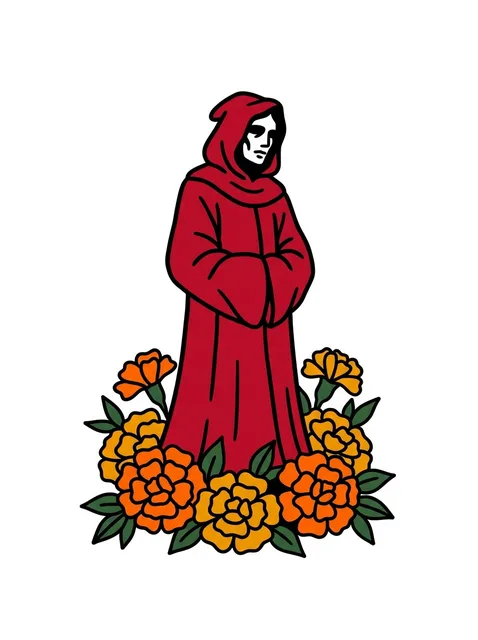
Color traditional grim reaper and santa muerte tattoo design: a grim reaper figure Try it on — Color traditional grim reaper and santa muerte tattoo design: a grim reaper figure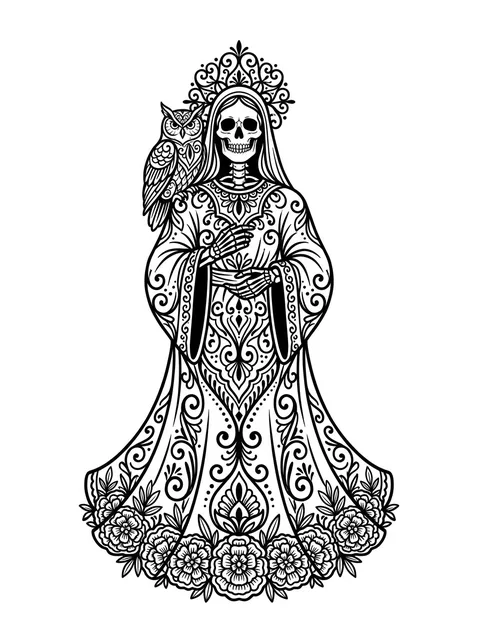
Black and grey illustrative grim reaper and santa muerte tattoo design Try it on — Black and grey illustrative grim reaper and santa muerte tattoo design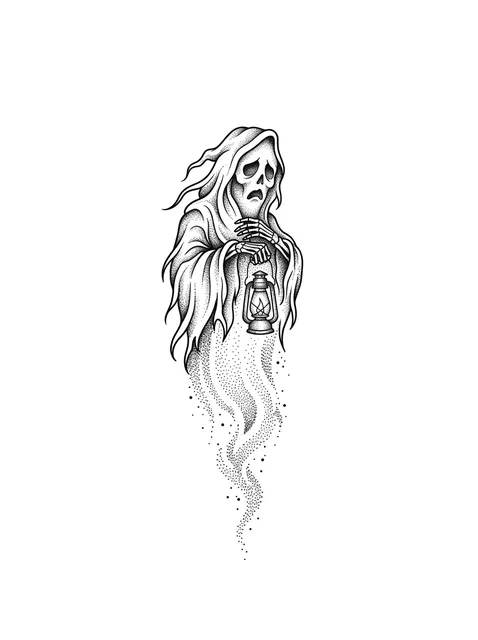
Black and grey dotwork grim reaper and ghost tattoo design: a ghostly grim reaper figure Try it on — Black and grey dotwork grim reaper and ghost tattoo design: a ghostly grim reaper figure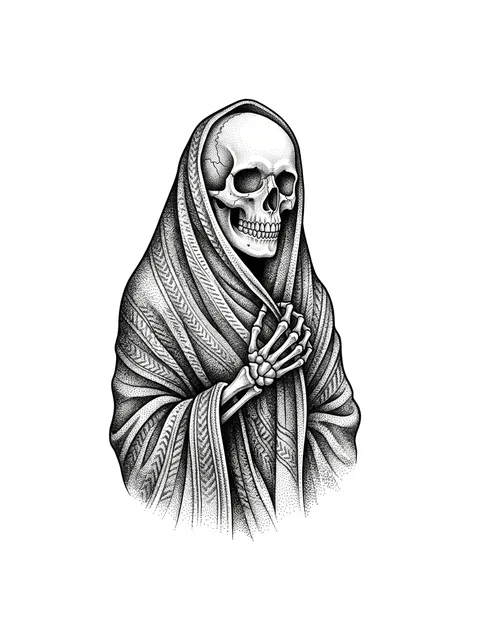
Black and grey dotwork grim reaper and santa muerte tattoo design: a grim reaper figure Try it on — Black and grey dotwork grim reaper and santa muerte tattoo design: a grim reaper figure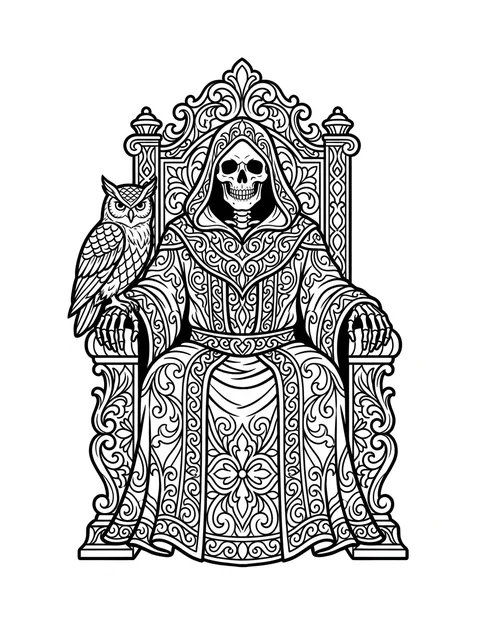
Black and grey illustrative grim reaper and santa muerte tattoo design: a grim reaper figure Try it on — Black and grey illustrative grim reaper and santa muerte tattoo design: a grim reaper figure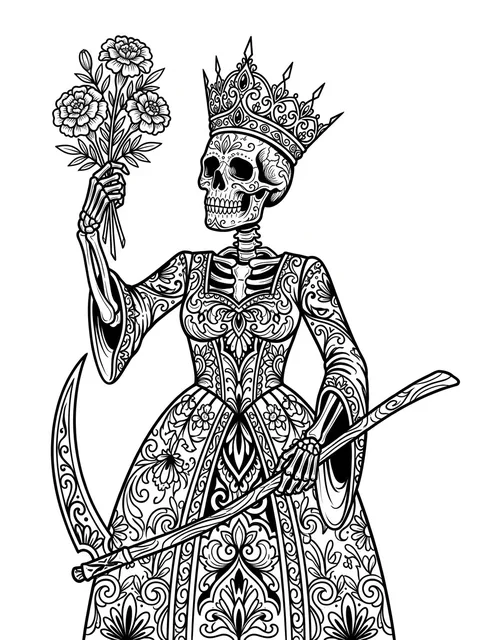
Black and grey illustrative grim reaper and santa muerte tattoo design: a sugar skull queen, adorned Try it on — Black and grey illustrative grim reaper and santa muerte tattoo design: a sugar skull queen, adorned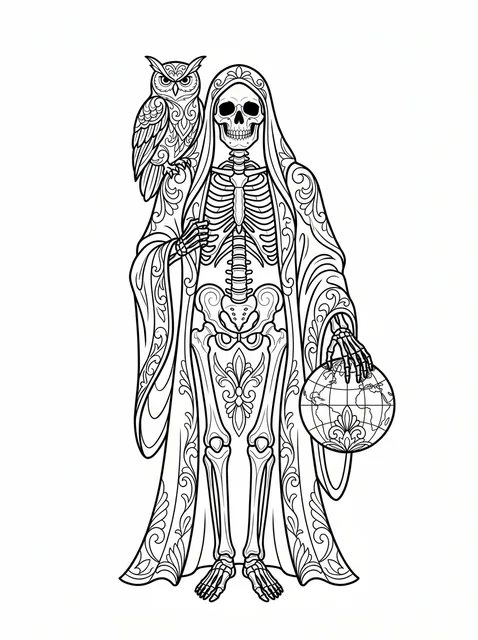
Black and white illustrative grim reaper and santa muerte tattoo design: a grim reaper figure Try it on — Black and white illustrative grim reaper and santa muerte tattoo design: a grim reaper figure


Tap any design to see it on your own skin in the try-on — no signup.
This set of 9 grim reaper designs, by the numbers
- Styles represented
- illustrative (6), dotwork (2), traditional (1)
- Black-and-grey vs colour
- 89% black-and-grey, 11% colour
- Most often drawn with
- santa muerte, ghost, flower, skull
Counted from the 9 designs shown on this page. Every one was drawn for InkCraft — none are scraped or reposted. Free to reference with a link to this page.
What a grim reaper tattoo means
The reaper is death with work to do. A skull reminds you that you will die; the reaper is the one who comes to collect, and people wear it for three reasons that sit almost opposite each other: to say they are not afraid of it, to say they met it and walked away, or to remember someone it took.
The scythe is the argument of the whole figure. Death cuts people the way a farmer cuts grain, all of them, in season, without choosing, an image as old as the line in Isaiah that all flesh is grass and the grass withers. That is why the figure reads as an equaliser rather than a punishment: it does not judge anybody, it only harvests.
The hourglass is its other tool, and together the two say that time and harvest are one idea: the glass measures what is left and the blade ends it. In Albrecht Dürer's engraving Knight, Death and the Devil of 1513, Death rides beside the knight holding up an hourglass, showing him how much sand remains, the most pointed thing a reaper can do. None of the figures on this page carries a glass, so ask for one if the time is the point.
The hood matters as much as the tools. An empty hood with no face in it is the unknown, the version for people who find a grinning skull too theatrical, while a visible skull makes the figure specific and sardonic. A lantern changes the role again. The weeping, smoke-trailed figure here that carries one is a guide for the dead, the job Greek myth gave to Hermes, rather than a hunter. The throne under one owl-flanked figure makes the visitor a ruler, and skeletal hands clasped in front read as patience rather than a summons.
Where the design comes from
Greek art pictured death as Thanatos, the winged twin brother of Sleep, and Revelation gave it a rider on a pale horse. The skeleton with a scythe is late medieval: after the Black Death of 1347 to 1351 the corpse and the skeleton became the usual figure of Death, sharing scythe and hourglass with Father Time, whose blade goes back to the sickle of Cronus, the Roman Saturn. The black hooded robe settled later; its best-known version is in Ingmar Bergman's The Seventh Seal of 1957, where a knight plays chess with Death.
Choosing yours
- Decide between the reaper and the saint; this page holds both. The faceless hood, the figure breaking through a wall and the ghost with the lantern are the European reaper; the crowned skeletons in embroidered gowns, and the figures with an owl, marigolds or a globe, were drawn toward Santa Muerte.
- An empty hood depends on how densely its black is packed. Solid black that heals evenly reads as a void; black laid in thin heals patchy grey, and the missing face becomes a smudge.
- Give the scythe room or leave it out; squeezed short, it becomes an unreadable hook.
Size, cost and placement
How big, and what it costs
A standing reaper wants 15 to 25 cm, or the robe folds and the hands are lost: three to six hours in black and grey. A hooded head and shoulders at 8 to 10 cm takes an hour or two.
Where it sits, and how much it hurts
A tall figure wants a tall field: the outer forearm, the calf, the outer thigh, or the spine for a full robe and scythe. The forearm and calf are gentle; the spine is not.
What to ask your artist
- Photographs of their healed solid black, for a faceless hood.
- Whether its crown, owl or globe will make it read as Santa Muerte.
- How long the scythe can run at your size.
Prices vary widely by city and artist — treat these as session lengths rather than quotes, and expect a shop minimum on anything small. The cost guide turns hours into money by size, placement and style.
Common questions
Which designs here are Santa Muerte rather than the reaper?
The ones with a crown, an embroidered gown, marigolds, an owl or a globe, all of them the saint's attributes. A bare hood, a lantern or a lone scythe is the reaper.
Does wearing a reaper mean wanting to die?
Usually the reverse: that death does not frighten the wearer, that they came close and are still here, or that someone was taken.
Why a scythe and not a sword?
A sword picks one opponent; a scythe cuts the whole field in its season. The reaper harvests rather than fights, and the same blade belongs to Father Time.
Are there reapers outside English folklore?
In Brittany the Ankou drives a cart for the dead with a scythe, and in many tellings the last person to die in a parish each year becomes the next one. Terry Pratchett's Death, a Discworld skeleton who speaks in capitals and likes cats, made the figure friendlier.
See it on your skin before you commit
InkCraft places any of these designs on a photo of you — scaled, wrapped and shaded to the placement you pick.