 InkCraft
Neo-traditional tattoo designs: bold and open
48 original neo traditional tattoos designs drawn for InkCraftBy Uladzimir TumanauUpdated
Keep the outline that makes traditional work last, then open everything it restricted: the palette, the subject, the amount of detail inside the line. That trade is the whole style.
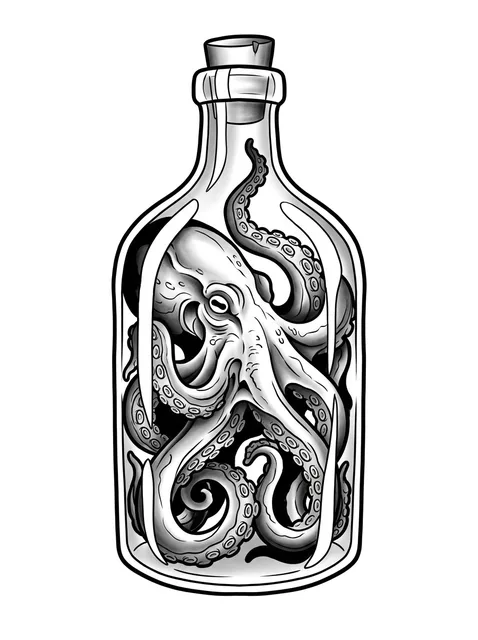
Black and grey neo traditional octopus tattoo design: an octopus trapped inside a glass bottle Try it on — Black and grey neo traditional octopus tattoo design: an octopus trapped inside a glass bottle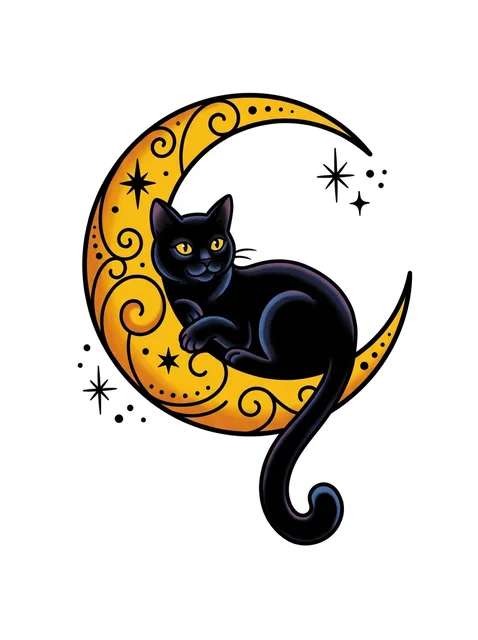
Color neo traditional cat and moon tattoo design Try it on — Color neo traditional cat and moon tattoo design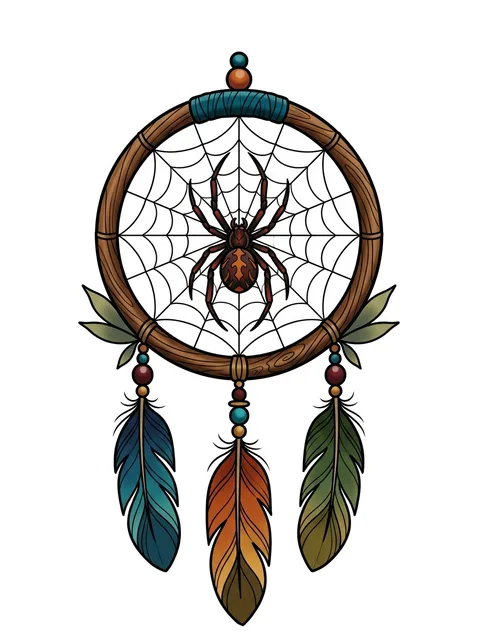
Color neo traditional spider and feather tattoo design Try it on — Color neo traditional spider and feather tattoo design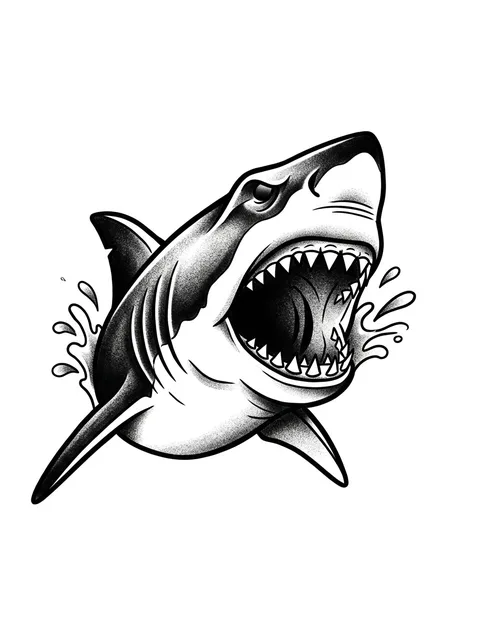
Black and grey neo traditional shark tattoo design: a shark bursting from the water Try it on — Black and grey neo traditional shark tattoo design: a shark bursting from the water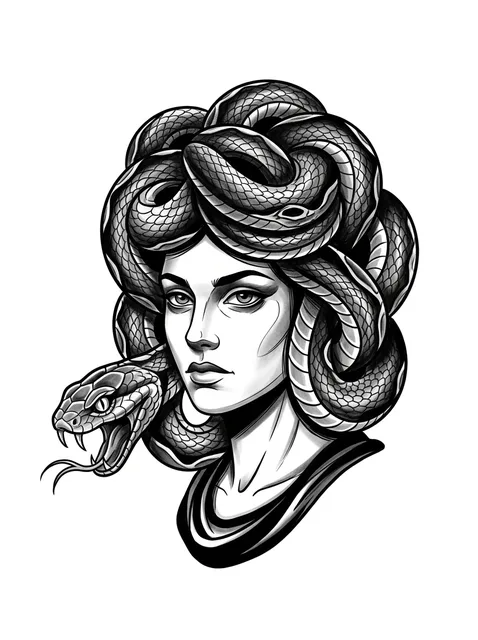
Black and grey neo traditional medusa and snake tattoo design Try it on — Black and grey neo traditional medusa and snake tattoo design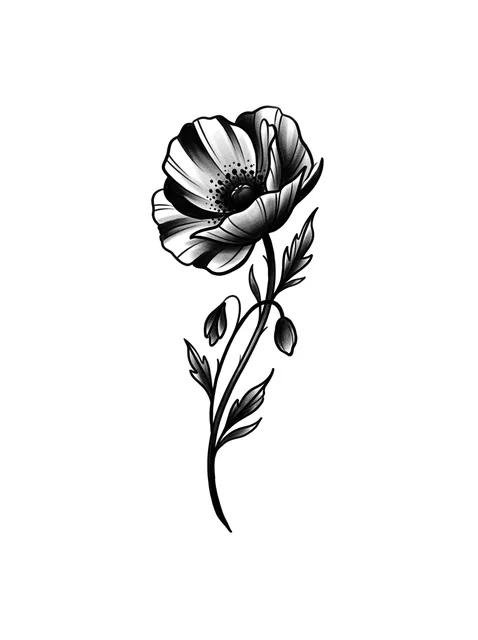
Black and grey neo traditional poppy and flower tattoo design Try it on — Black and grey neo traditional poppy and flower tattoo design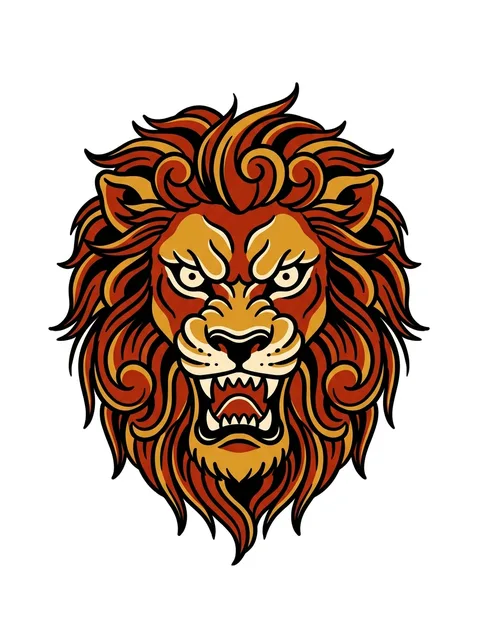
Color neo traditional lion tattoo design: a roaring lion's head Try it on — Color neo traditional lion tattoo design: a roaring lion's head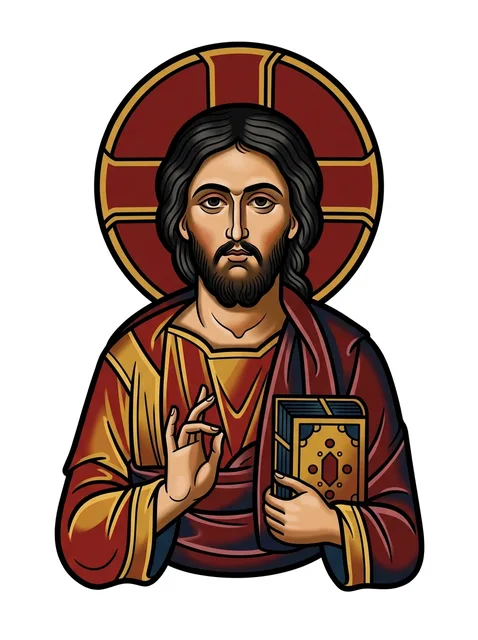
Color neo traditional jesus tattoo design Try it on — Color neo traditional jesus tattoo design
Color neo traditional bear tattoo design Try it on — Color neo traditional bear tattoo design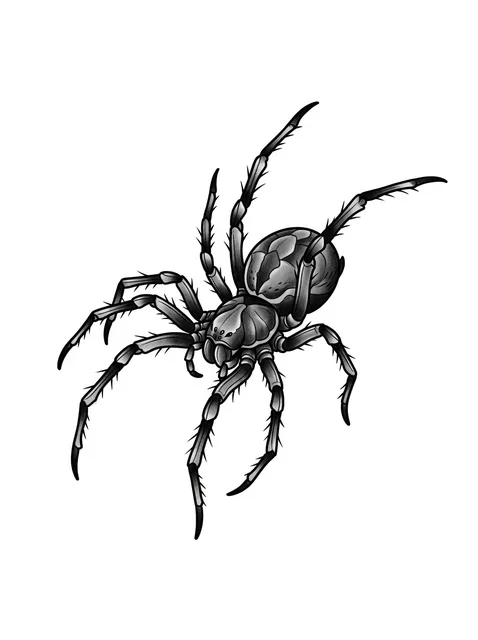
Black and grey neo traditional spider tattoo design: a sense of texture and movement Try it on — Black and grey neo traditional spider tattoo design: a sense of texture and movement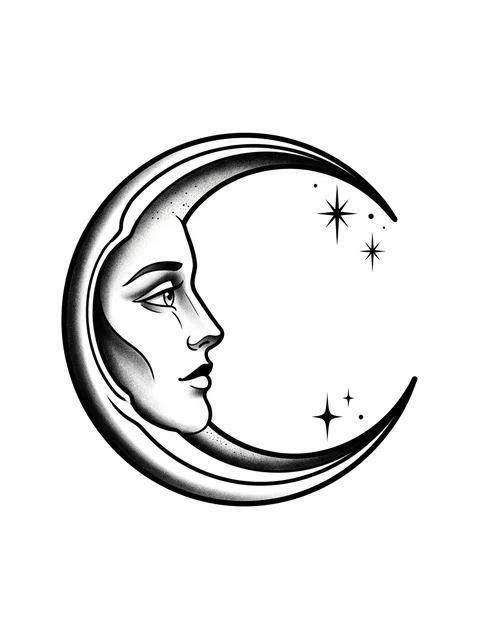
Black and grey neo traditional moon and star tattoo design Try it on — Black and grey neo traditional moon and star tattoo design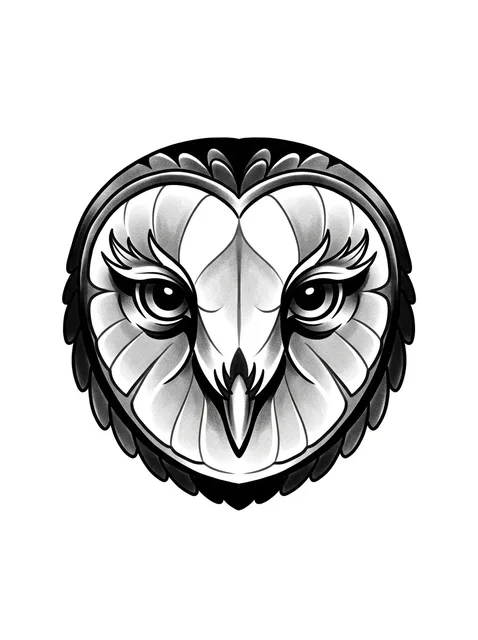
Black and grey neo traditional owl tattoo design: the head of an owl Try it on — Black and grey neo traditional owl tattoo design: the head of an owl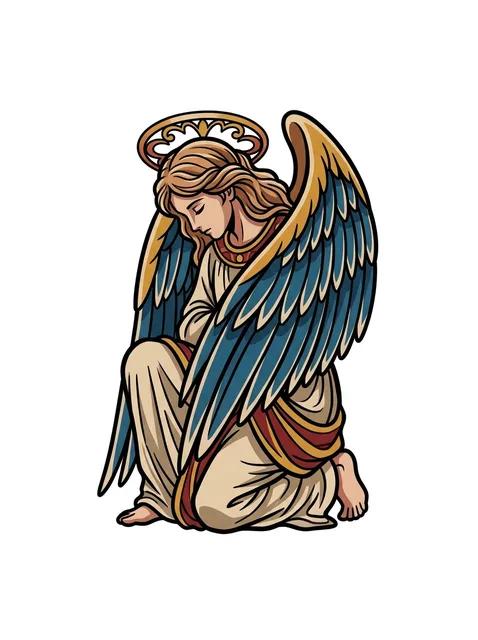
Color neo traditional angel tattoo design: a kneeling angel with a halo Try it on — Color neo traditional angel tattoo design: a kneeling angel with a halo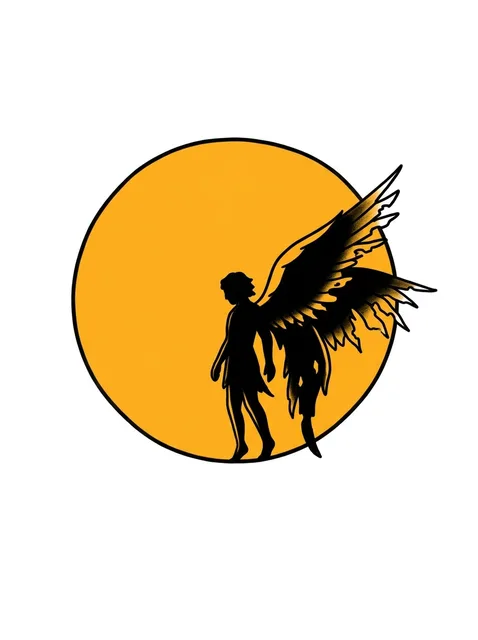
Color neo traditional icarus and angel wings tattoo design Try it on — Color neo traditional icarus and angel wings tattoo design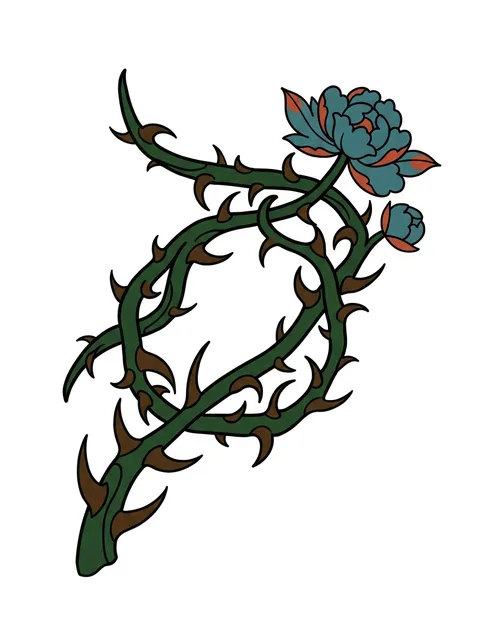
Color neo traditional vine and flower tattoo design Try it on — Color neo traditional vine and flower tattoo design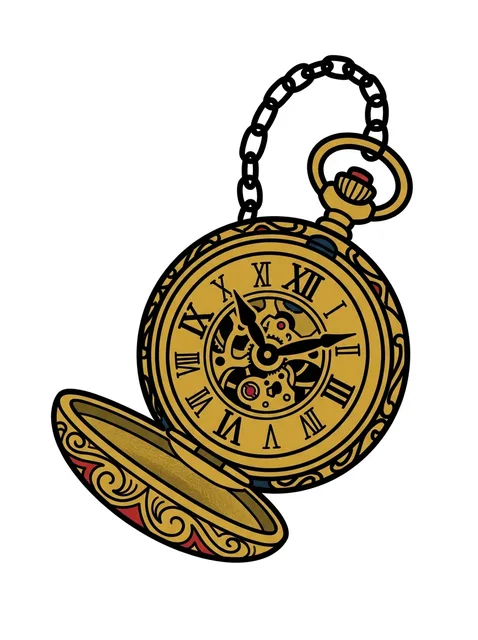
Color neo traditional clock tattoo design Try it on — Color neo traditional clock tattoo design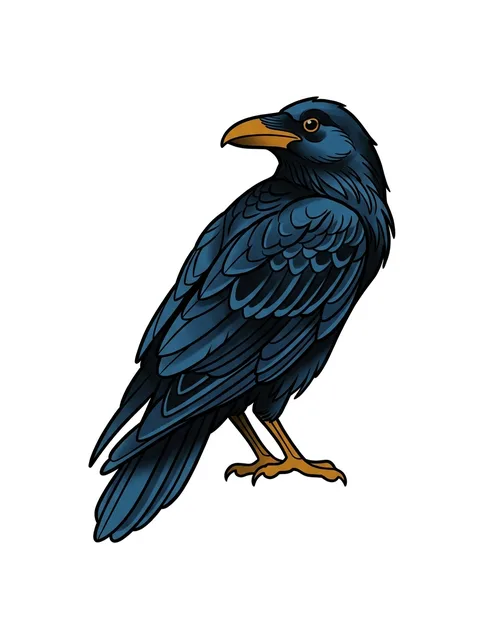
Color neo traditional raven and bird tattoo design Try it on — Color neo traditional raven and bird tattoo design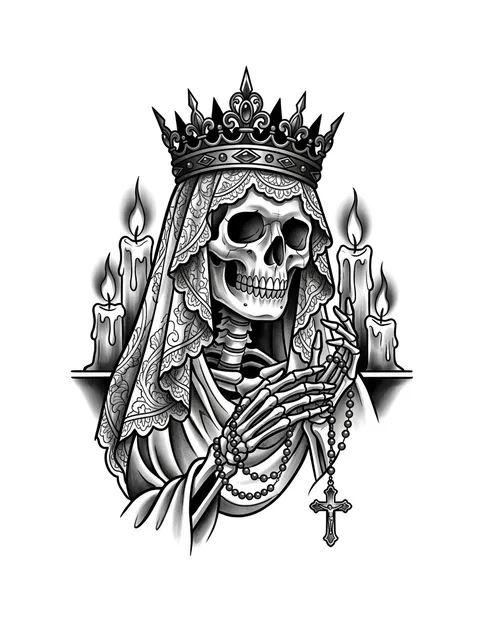
Black and grey neo traditional santa muerte and skeleton tattoo design Try it on — Black and grey neo traditional santa muerte and skeleton tattoo design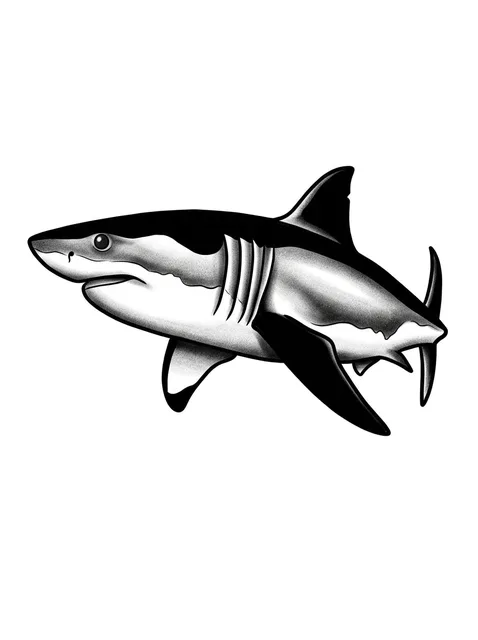
Black and grey neo traditional shark tattoo design Try it on — Black and grey neo traditional shark tattoo design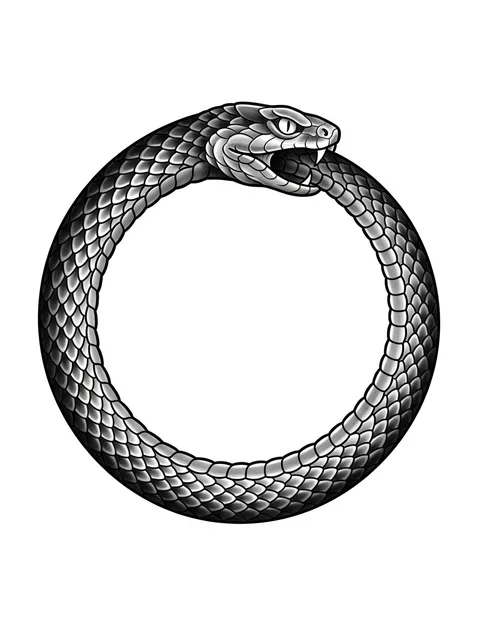
Black and grey neo traditional ouroboros and snake tattoo design Try it on — Black and grey neo traditional ouroboros and snake tattoo design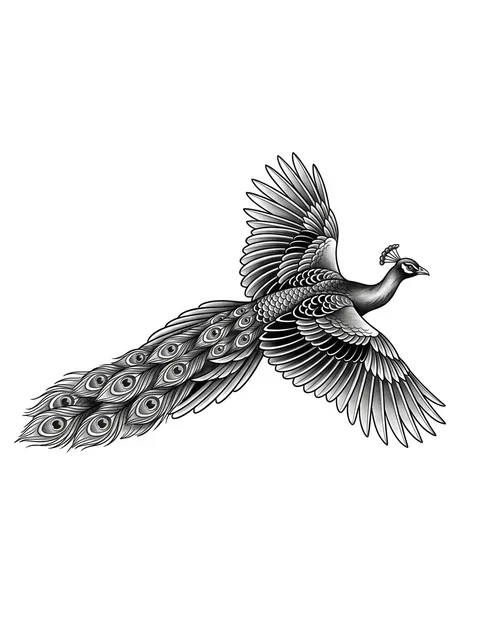
Black and grey neo traditional peacock and bird tattoo design Try it on — Black and grey neo traditional peacock and bird tattoo design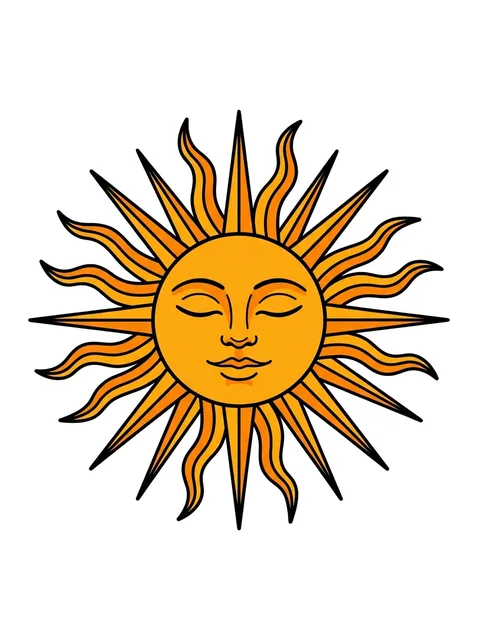
Color neo traditional sun tattoo design Try it on — Color neo traditional sun tattoo design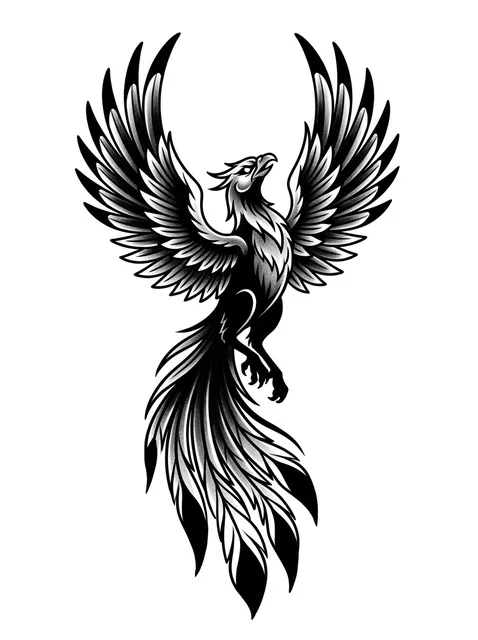
Black and grey neo traditional phoenix tattoo design Try it on — Black and grey neo traditional phoenix tattoo design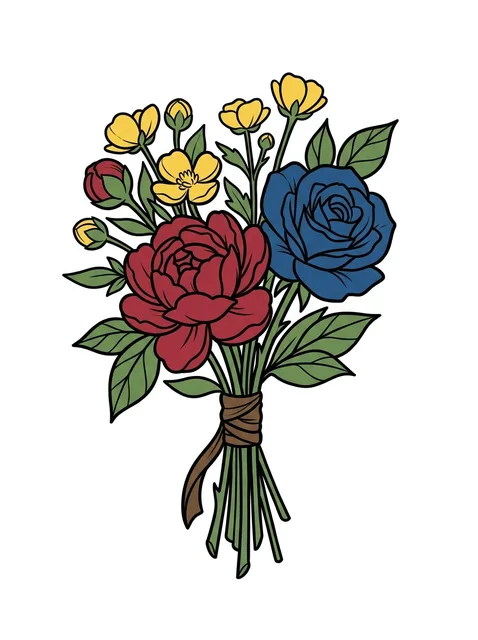
Color neo traditional flower and rose tattoo design: a bouquet of flowers Try it on — Color neo traditional flower and rose tattoo design: a bouquet of flowers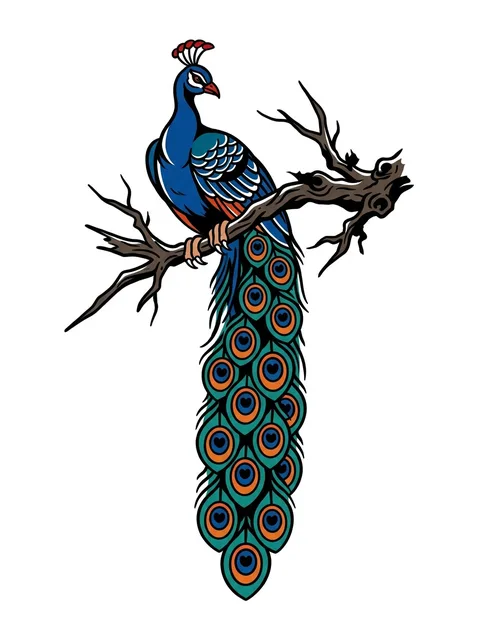
Color neo traditional peacock and bird tattoo design Try it on — Color neo traditional peacock and bird tattoo design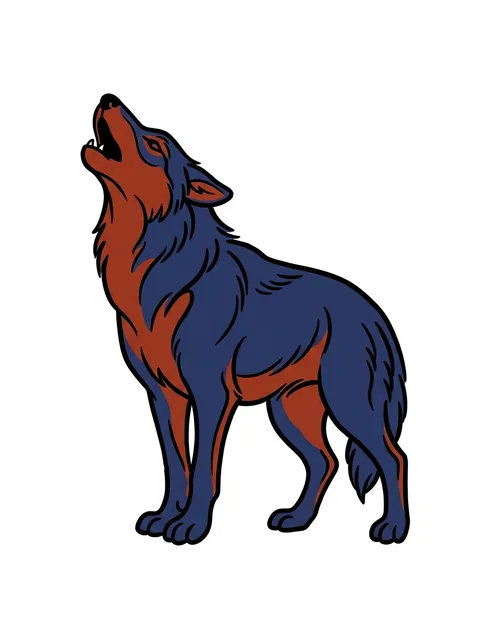
Color neo traditional wolf tattoo design: a howling wolf Try it on — Color neo traditional wolf tattoo design: a howling wolf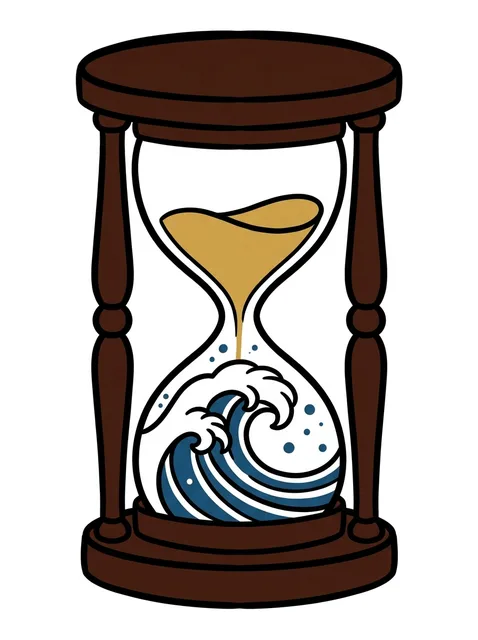
Color neo traditional hourglass and wave tattoo design: an hourglass with a brown wooden frame Try it on — Color neo traditional hourglass and wave tattoo design: an hourglass with a brown wooden frame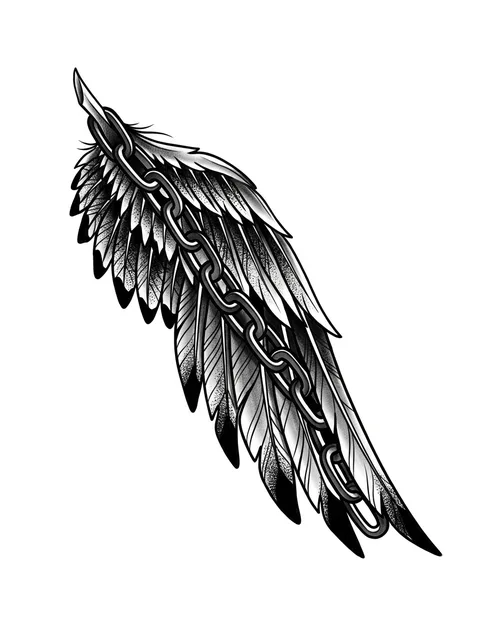
Black and grey neo traditional angel wings tattoo design: a single angel wing Try it on — Black and grey neo traditional angel wings tattoo design: a single angel wing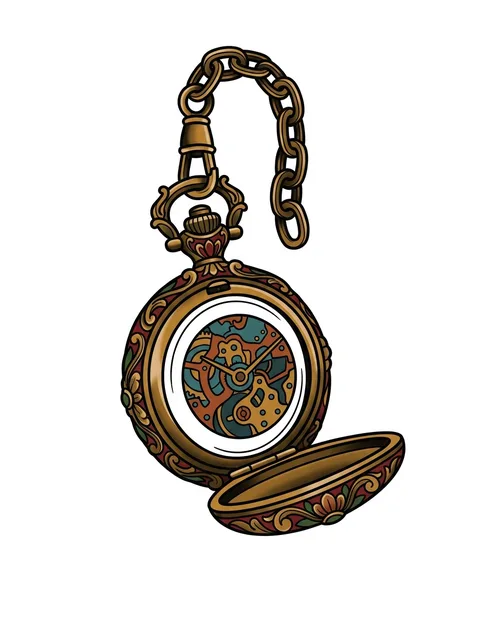
Color neo traditional clock tattoo design Try it on — Color neo traditional clock tattoo design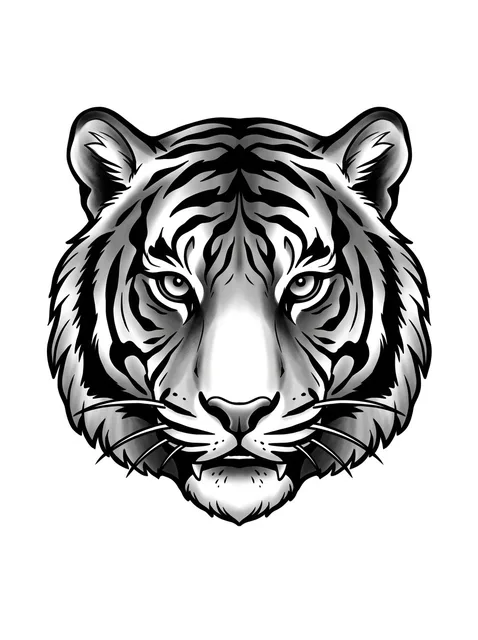
Black and grey neo traditional tiger tattoo design Try it on — Black and grey neo traditional tiger tattoo design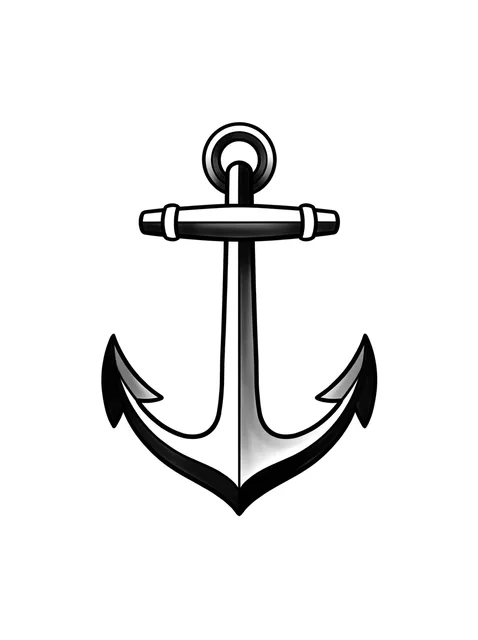
Black and white neo traditional anchor tattoo design: a thick outline and a clean, iconic shape Try it on — Black and white neo traditional anchor tattoo design: a thick outline and a clean, iconic shape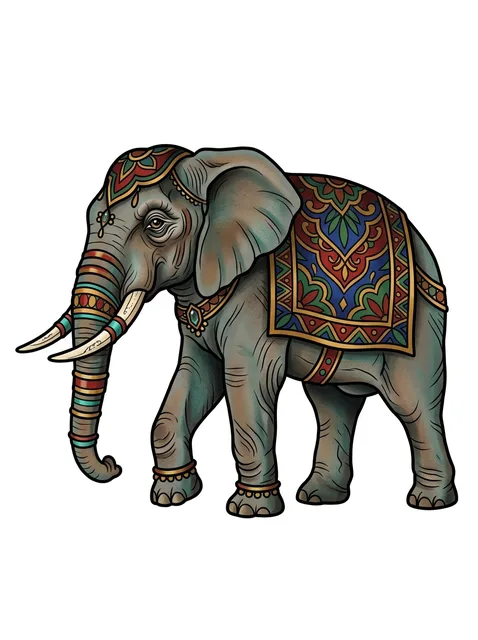
Color neo traditional elephant tattoo design Try it on — Color neo traditional elephant tattoo design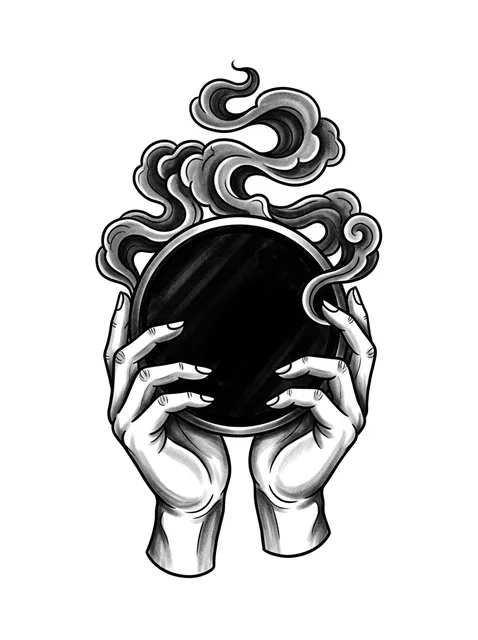
Black and grey neo traditional hand tattoo design Try it on — Black and grey neo traditional hand tattoo design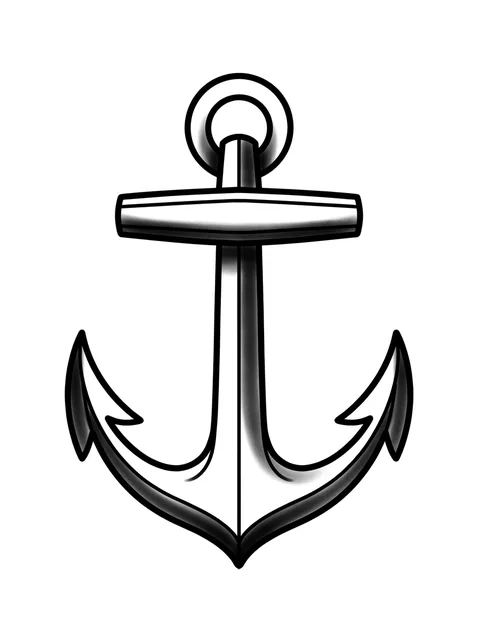
Black and grey neo traditional anchor tattoo design Try it on — Black and grey neo traditional anchor tattoo design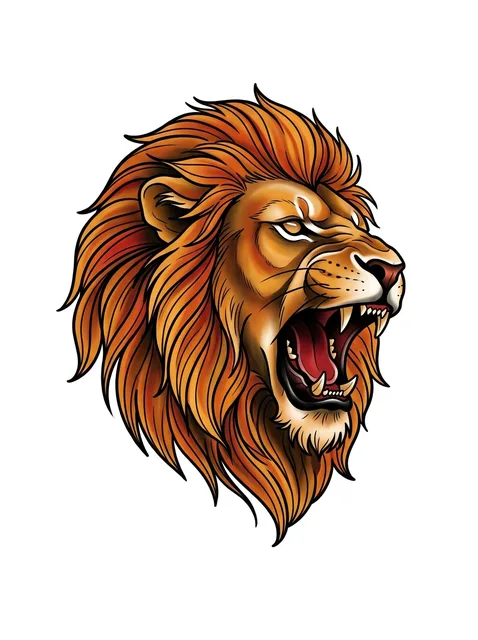
Color neo traditional lion tattoo design: a roaring lion's head Try it on — Color neo traditional lion tattoo design: a roaring lion's head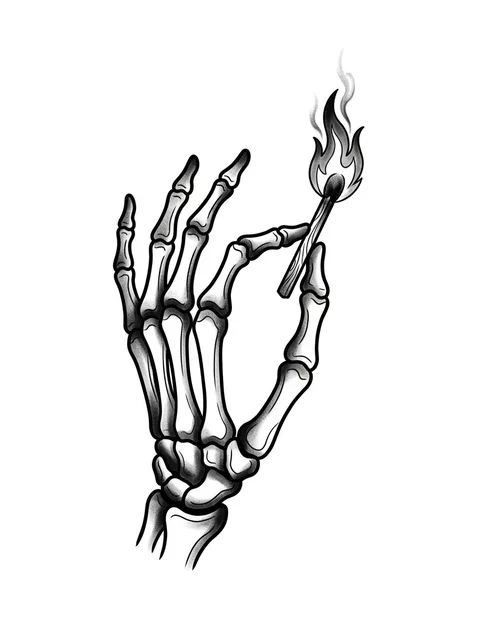
Black and grey neo traditional skeleton hand and fire tattoo design Try it on — Black and grey neo traditional skeleton hand and fire tattoo design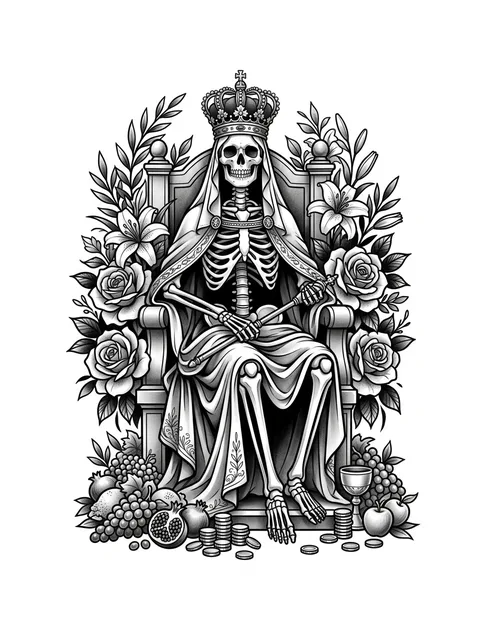
Black and grey neo traditional santa muerte and skeleton tattoo design Try it on — Black and grey neo traditional santa muerte and skeleton tattoo design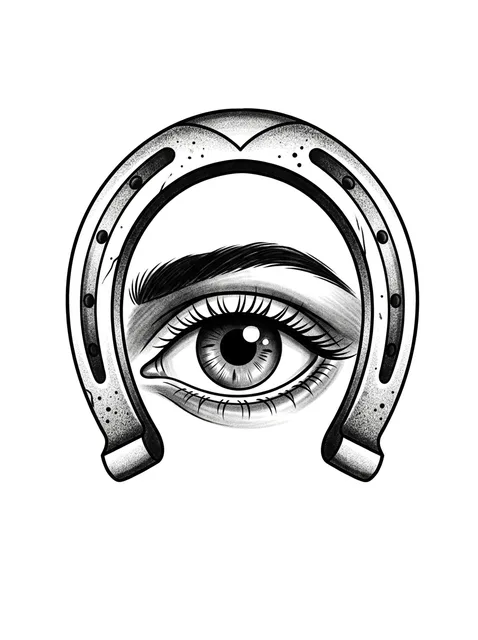
Black and grey neo traditional evil eye and eye tattoo design: a detailed eye within a horseshoe Try it on — Black and grey neo traditional evil eye and eye tattoo design: a detailed eye within a horseshoe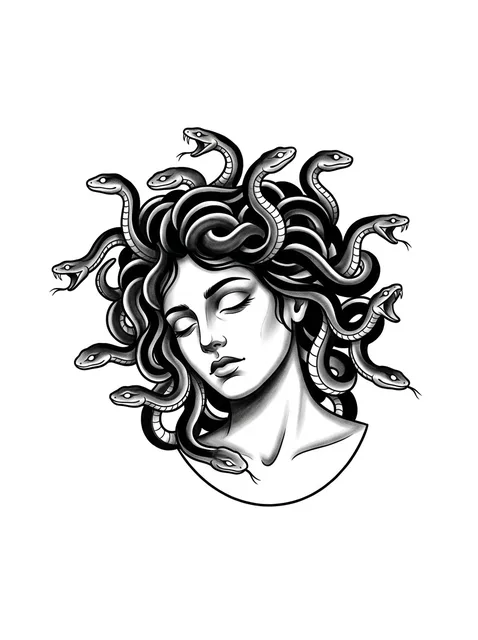
Black and grey neo traditional medusa and snake tattoo design Try it on — Black and grey neo traditional medusa and snake tattoo design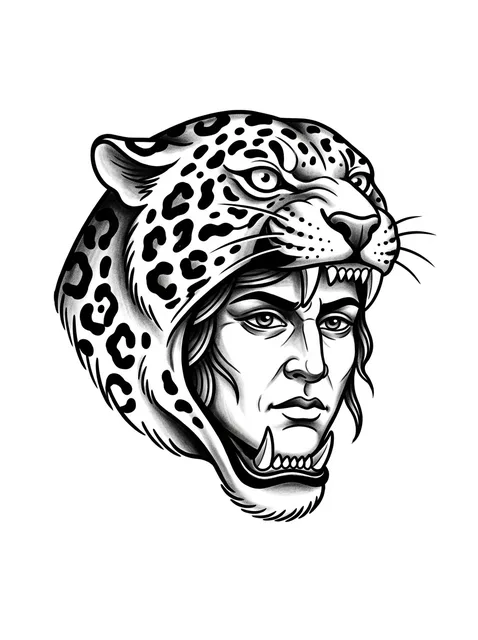
Black and grey neo traditional aztec tattoo design Try it on — Black and grey neo traditional aztec tattoo design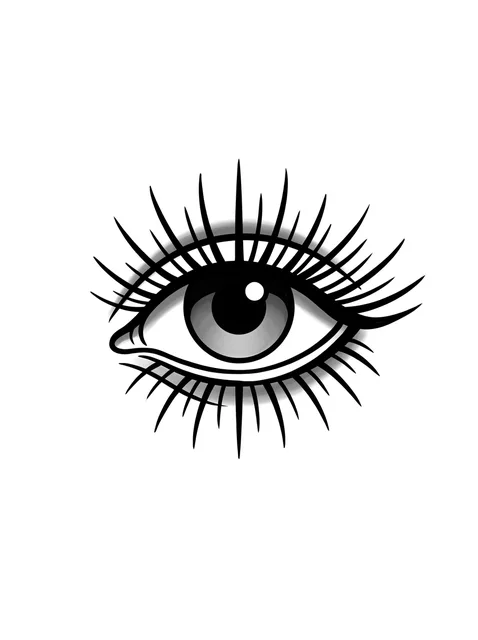
Black and grey neo traditional eye tattoo design Try it on — Black and grey neo traditional eye tattoo design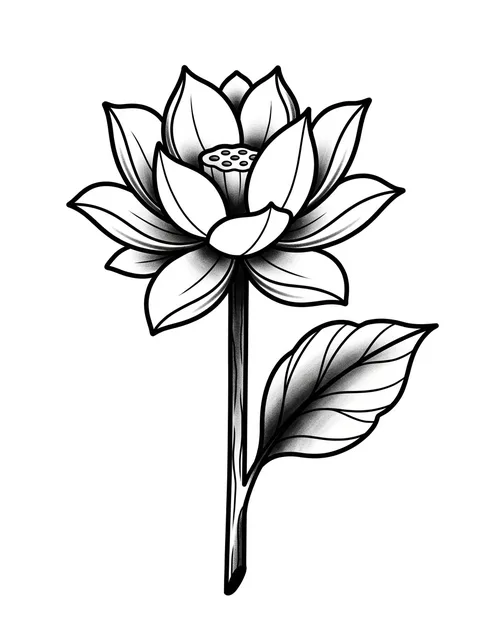
Black and grey neo traditional lotus and leaf tattoo design Try it on — Black and grey neo traditional lotus and leaf tattoo design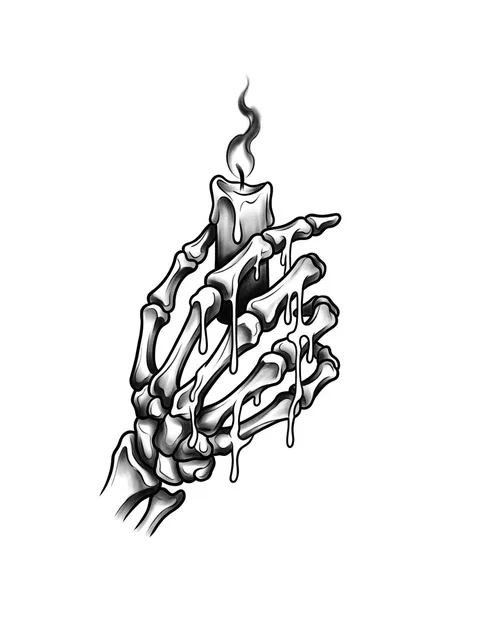
Black and grey neo traditional skeleton hand and candle tattoo design Try it on — Black and grey neo traditional skeleton hand and candle tattoo design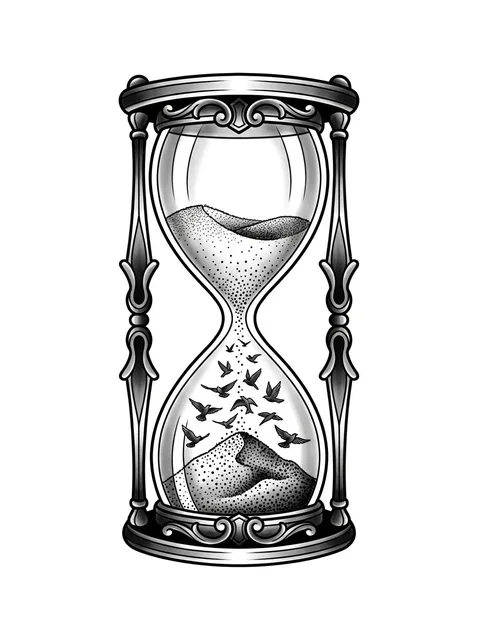
Black and grey neo traditional hourglass and bird tattoo design: an ornate hourglass Try it on — Black and grey neo traditional hourglass and bird tattoo design: an ornate hourglass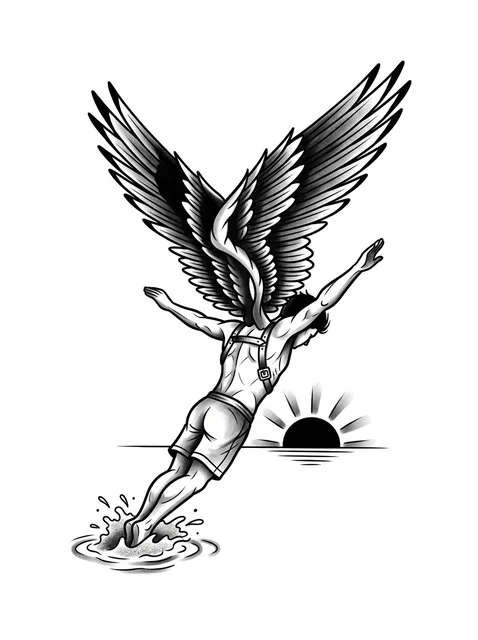
Black and grey neo traditional icarus and angel wings tattoo design Try it on — Black and grey neo traditional icarus and angel wings tattoo design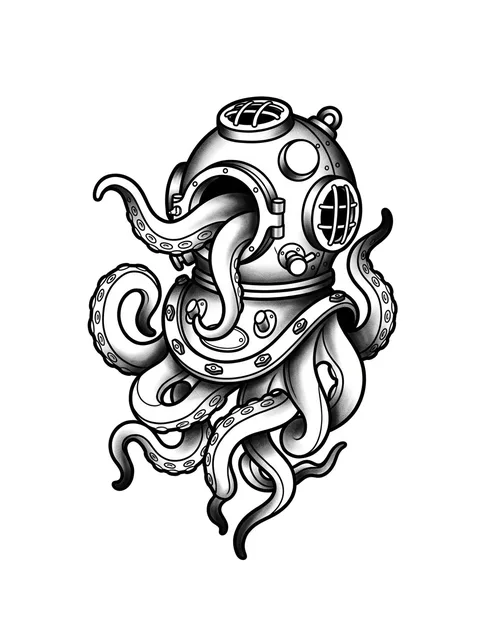
Black and grey neo traditional octopus tattoo design Try it on — Black and grey neo traditional octopus tattoo design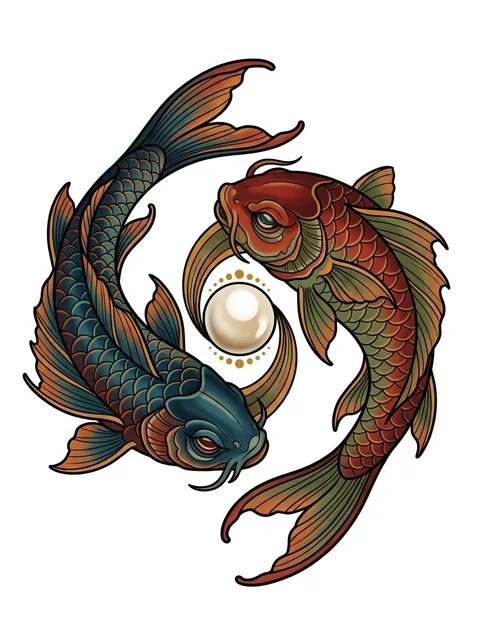
Color neo traditional koi tattoo design Try it on — Color neo traditional koi tattoo design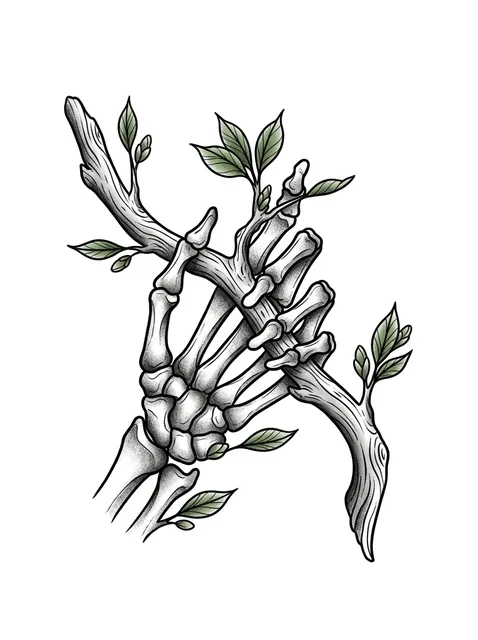
Color neo traditional skeleton hand and leaf tattoo design Try it on — Color neo traditional skeleton hand and leaf tattoo design


48 designs drawn for InkCraft in this style. Tap any one to place it on a photo of your own skin.
These 48 designs, in numbers
- Black and grey
- 28
- Colour
- 20
- Subjects covered
- 49
The structure stays, the rules do not
The load-bearing part of old-school tattooing is the outline: a confident, heavy boundary that holds the drawing together as ink spreads over decades. Neo-traditional keeps it and throws out everything else that was a constraint rather than a principle — the five-colour palette, the fixed motif list, the flatness.
So a piece here has the silhouette discipline of a century-old style and the interior of a contemporary illustration. Faces get modelled rather than symbolised. Animals get fur with direction. Objects get ornament, jewellery, framing devices, art-nouveau whiplash curves. The line still does the structural work, which is why it survives the way it does.
The honest description is that this is the middle ground. It is for people who want something that will still read clearly in twenty years, but who do not want a swallow and an anchor to get it.
Colour and time
Opening the palette has a cost, and it is measured in hours. Packing colour densely enough to stay saturated means repeated passes over the same skin, so a neo-traditional piece is routinely two to three times the sitting of a flat traditional design at the same size. Expect it to be quoted by the session rather than as a flat price.
That density is also what decides how it ages. Colour laid down thinly looks correct for a year and then goes patchy; properly packed colour softens evenly, which reads as age rather than as damage. It is worth asking directly how many passes a piece will get, because it is the question that separates the two outcomes and almost nobody asks it.
Purples, teals and deep reds are the palette this style is known for, and they are also among the pigments most affected by sun. Sunscreen on a healed piece is not fussiness here — it is the difference between a decade and three.
Scale and placement
This style needs more room than its parent. A traditional rose works at 8 cm because it is five shapes; the neo-traditional version of the same rose has interior detail, ornament and modelling that all need space to read, so 12 to 20 cm is the normal range and smaller versions lose exactly what you came for.
That points at the larger canvases: the outer thigh, the upper arm, the chest, the back. They are also the places where a framed composition — a portrait inside an ornamental border, a subject with a decorative surround — has somewhere to sit without being cropped by the shape of the body.
Because the pieces are large and detailed, mocking one up matters more than usual. Judge the footprint on your own limb before committing to a multi-session project rather than after the first sitting.
What an hour of this work costs, and how many hours neo-traditional tattoos takes at each size, is in the cost guide. How it behaves later — under a laser, and as the thing doing the covering — is in the removal and cover-up guide.
Common questions
- What is the difference between traditional and neo-traditional?
- Both keep the bold outline. Traditional also keeps the restricted palette, the settled motif list and the flat interior; neo-traditional opens all three, adding modelled forms, ornament and a much wider range of colour. The structure is shared, the interior is not.
- How long does a neo-traditional tattoo take?
- Two to three times a flat traditional piece of the same size, because colour has to be packed over repeated passes to stay saturated. Larger work is usually quoted by the session, and a substantial piece may run across several sittings with healing time between them.
- How well does the colour hold up?
- Densely packed colour softens evenly over decades and reads as age. Thinly applied colour goes patchy within a few years, which is the outcome people mean when they say colour does not last. Ask how many passes a piece will get, and keep it out of direct sun.
- What size does it need to be?
- Usually 12 to 20 cm. The interior detail and ornament are the point of the style, and both need room — shrink the same drawing to a small piece and it becomes a dark outline with something indistinct inside it.
See this style on your own skin
InkCraft places a design on a photo of you — scaled, wrapped and shaded to the spot you pick, so you can judge how the style reads on your body before it is permanent.