 InkCraft
Hourglass Tattoo Ideas, Designs and Meaning
38 original hourglass designs drawn for InkCraftBy Uladzimir TumanauUpdated
Everything about this piece is decided by one number: how much sand is left. Mostly full reads as beginning, two thirds run is the classic memento mori, and the last grains falling is usually chosen for a specific ending.
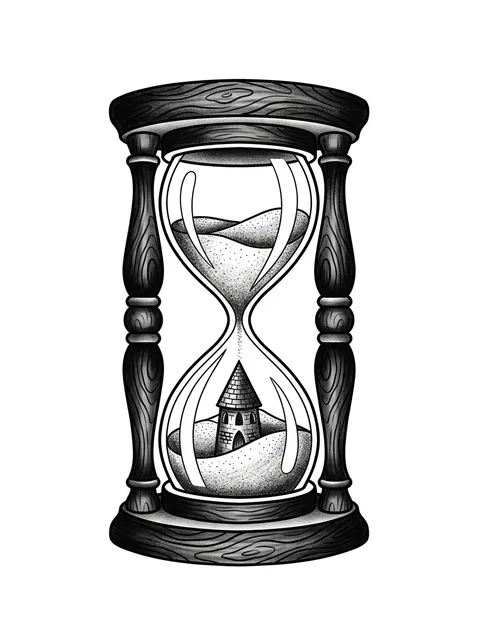
Black and grey illustrative hourglass tattoo design Try it on — Black and grey illustrative hourglass tattoo design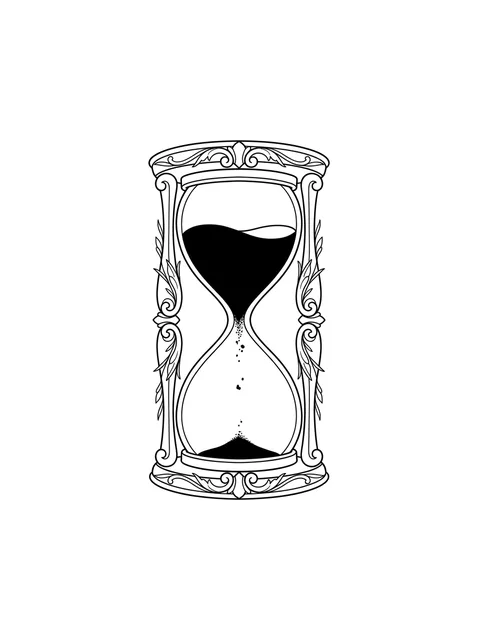
Black and white linework hourglass tattoo design, outline stencil Try it on — Black and white linework hourglass tattoo design, outline stencil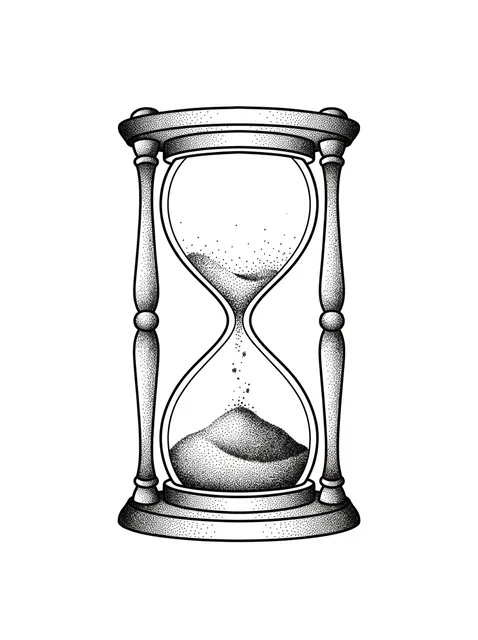
Black and grey dotwork hourglass tattoo design Try it on — Black and grey dotwork hourglass tattoo design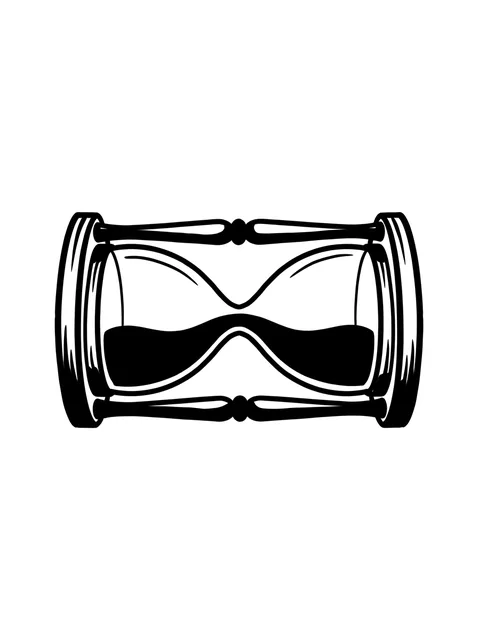
Black and white illustrative hourglass tattoo design Try it on — Black and white illustrative hourglass tattoo design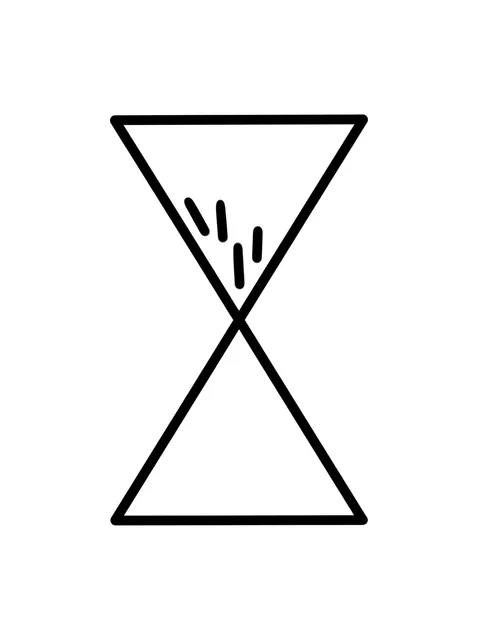
Black and white minimalist hourglass tattoo design, outline stencil Try it on — Black and white minimalist hourglass tattoo design, outline stencil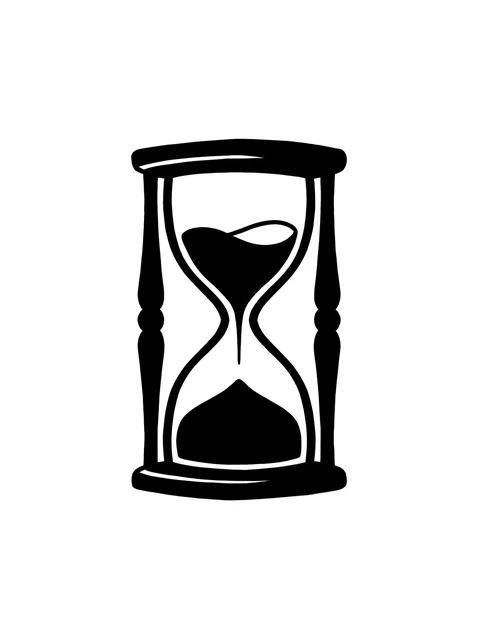
Black and white blackwork hourglass tattoo design: a classic hourglass Try it on — Black and white blackwork hourglass tattoo design: a classic hourglass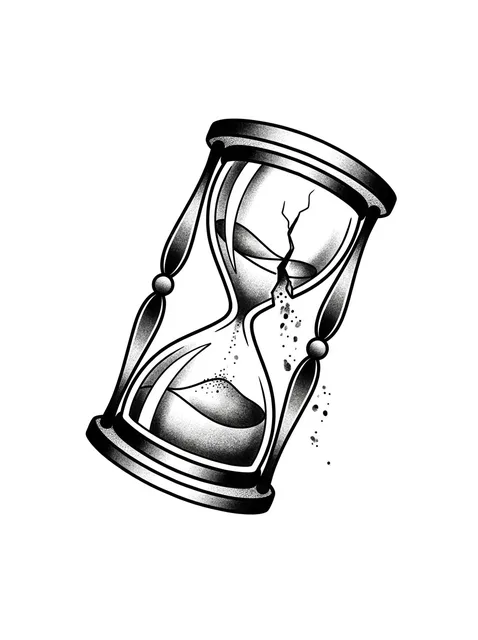
Black and grey traditional hourglass tattoo design: a broken hourglass Try it on — Black and grey traditional hourglass tattoo design: a broken hourglass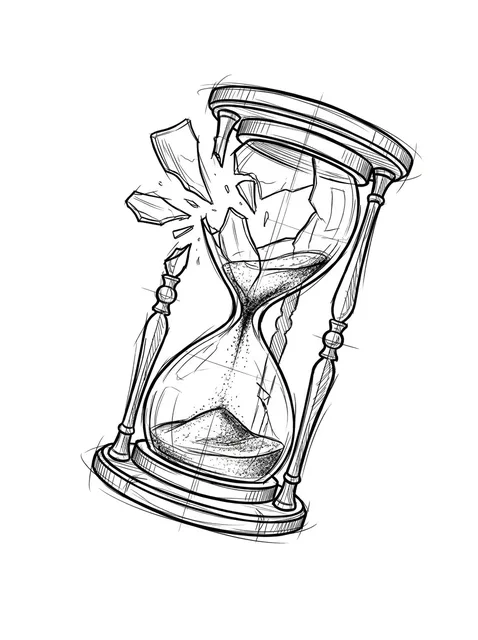
Black and grey illustrative hourglass tattoo design Try it on — Black and grey illustrative hourglass tattoo design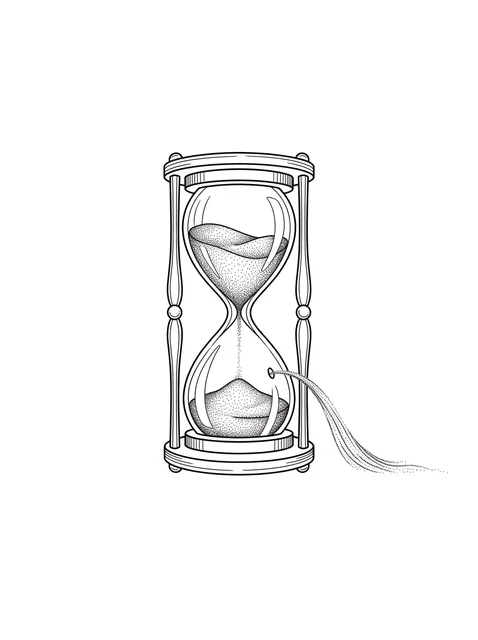
Black and grey dotwork hourglass tattoo design: the bottom bulb Try it on — Black and grey dotwork hourglass tattoo design: the bottom bulb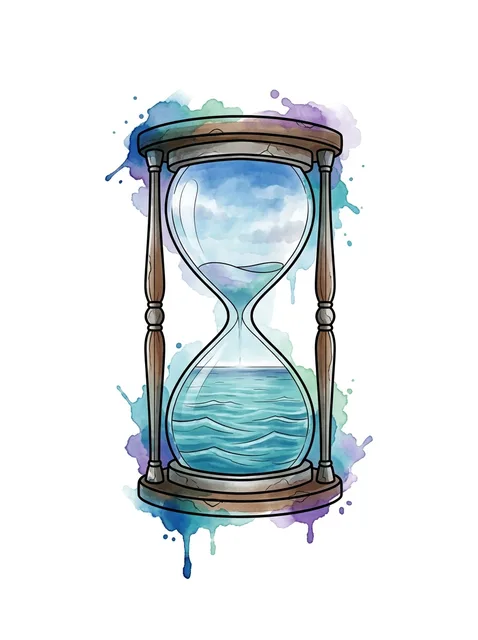
Color watercolor hourglass tattoo design Try it on — Color watercolor hourglass tattoo design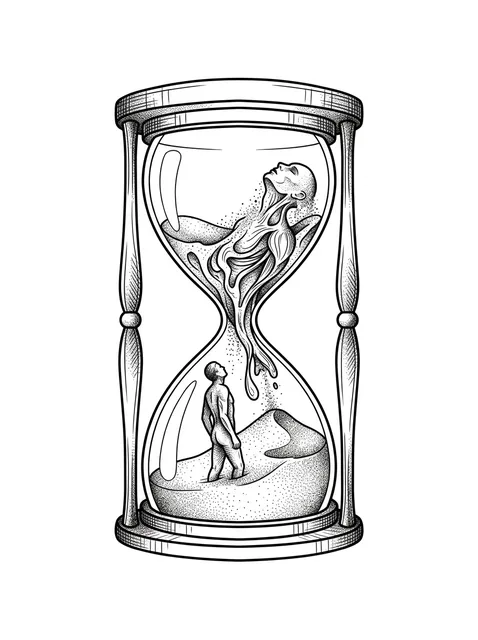
Black and grey illustrative hourglass tattoo design Try it on — Black and grey illustrative hourglass tattoo design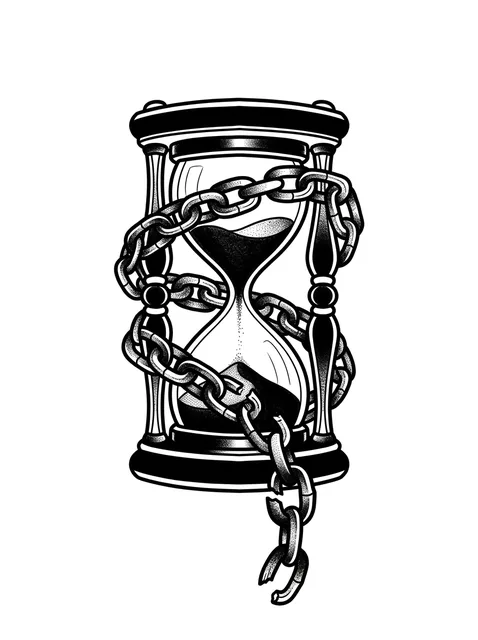
Black and grey traditional hourglass tattoo design Try it on — Black and grey traditional hourglass tattoo design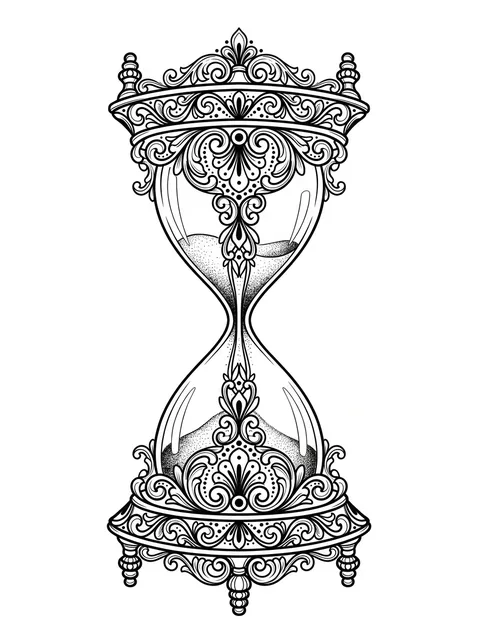
Black and grey ornamental hourglass tattoo design Try it on — Black and grey ornamental hourglass tattoo design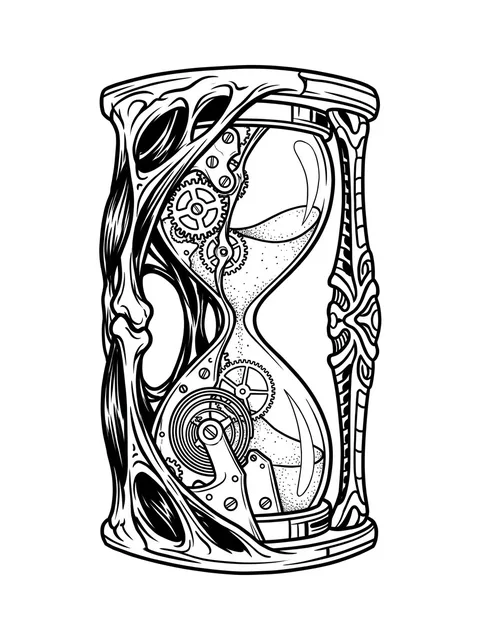
Black and grey illustrative hourglass tattoo design Try it on — Black and grey illustrative hourglass tattoo design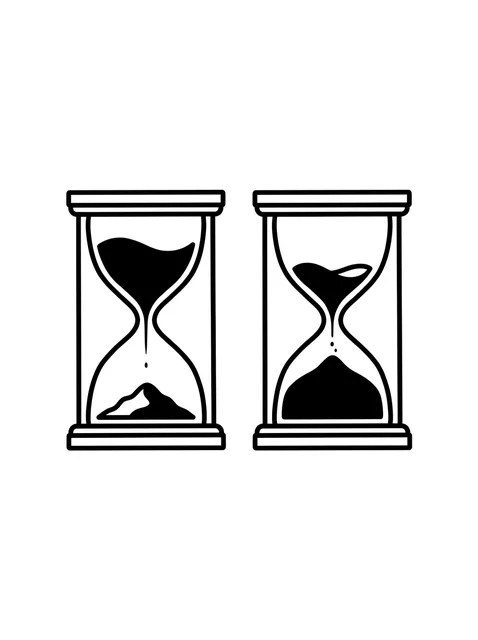
Black and white minimalist hourglass tattoo design, outline stencil Try it on — Black and white minimalist hourglass tattoo design, outline stencil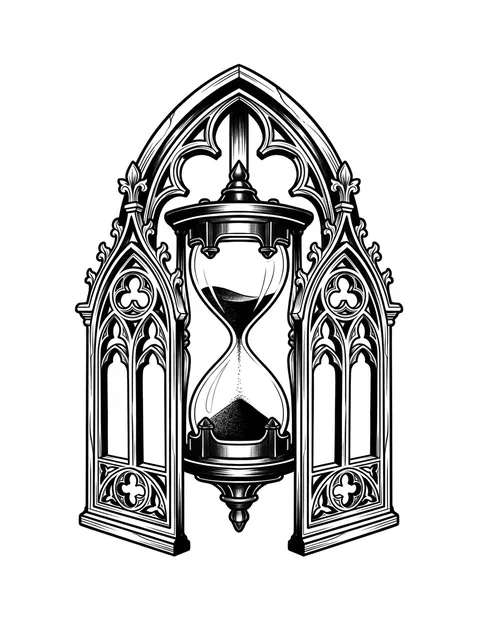
Black and grey gothic hourglass tattoo design: a cathedral window, with detailed arches and tracery Try it on — Black and grey gothic hourglass tattoo design: a cathedral window, with detailed arches and tracery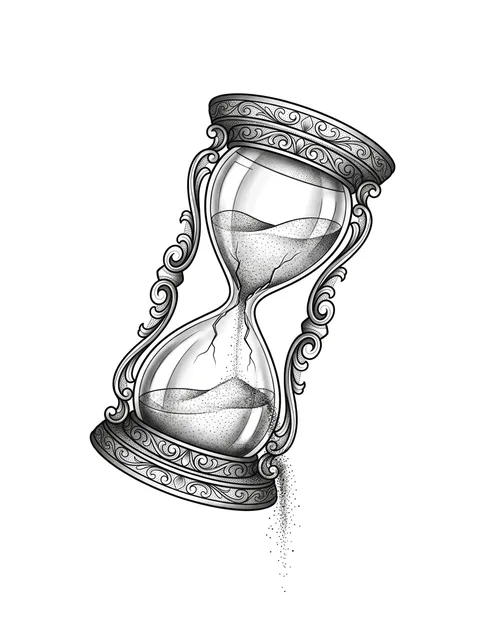
Black and grey chicano hourglass tattoo design Try it on — Black and grey chicano hourglass tattoo design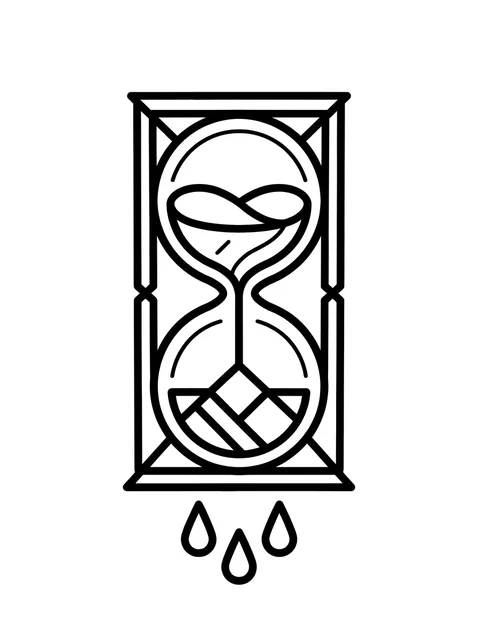
Black and white linework hourglass and heart tattoo design, outline stencil Try it on — Black and white linework hourglass and heart tattoo design, outline stencil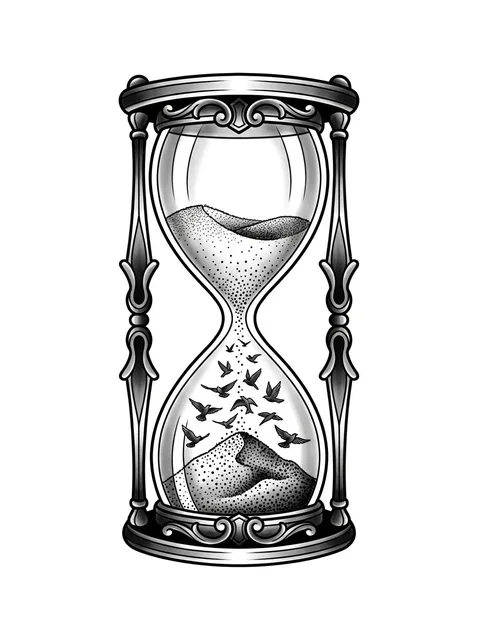
Black and grey neo traditional hourglass and bird tattoo design: an ornate hourglass Try it on — Black and grey neo traditional hourglass and bird tattoo design: an ornate hourglass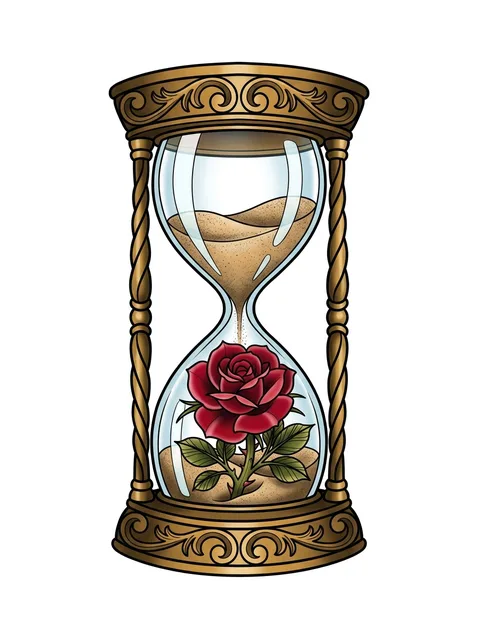
Color neo traditional hourglass and rose tattoo design Try it on — Color neo traditional hourglass and rose tattoo design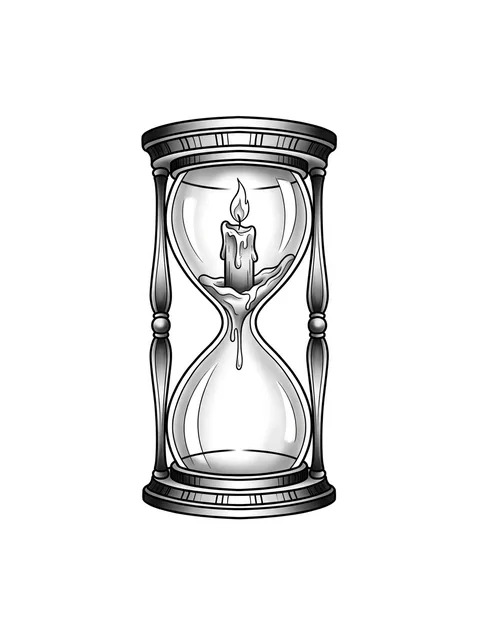
Black and grey illustrative hourglass and candle tattoo design Try it on — Black and grey illustrative hourglass and candle tattoo design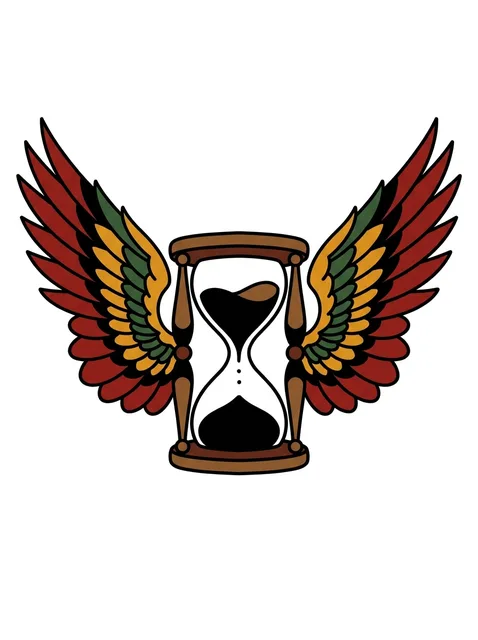
Color traditional hourglass and feather tattoo design: a winged hourglass Try it on — Color traditional hourglass and feather tattoo design: a winged hourglass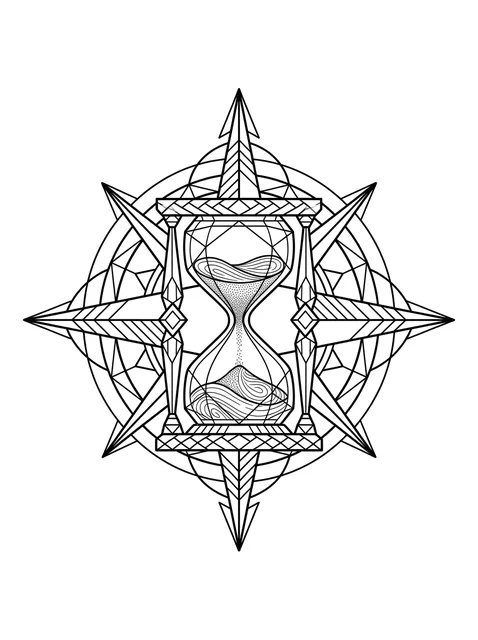
Black and white geometric hourglass and compass tattoo design, outline stencil Try it on — Black and white geometric hourglass and compass tattoo design, outline stencil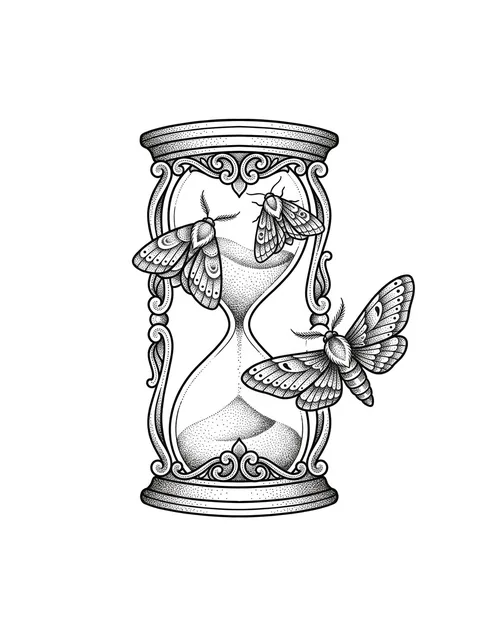
Black and grey dotwork hourglass and moth tattoo design Try it on — Black and grey dotwork hourglass and moth tattoo design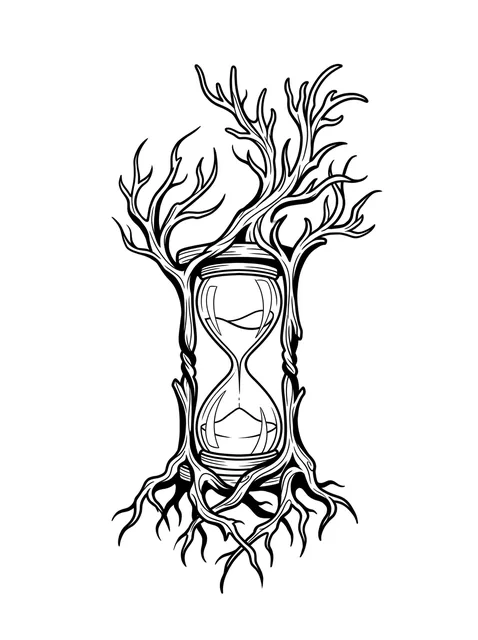
Black and grey illustrative hourglass and tree tattoo design Try it on — Black and grey illustrative hourglass and tree tattoo design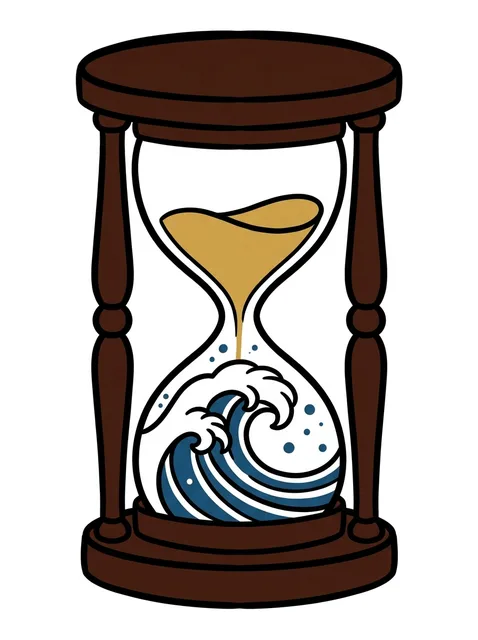
Color neo traditional hourglass and wave tattoo design: an hourglass with a brown wooden frame Try it on — Color neo traditional hourglass and wave tattoo design: an hourglass with a brown wooden frame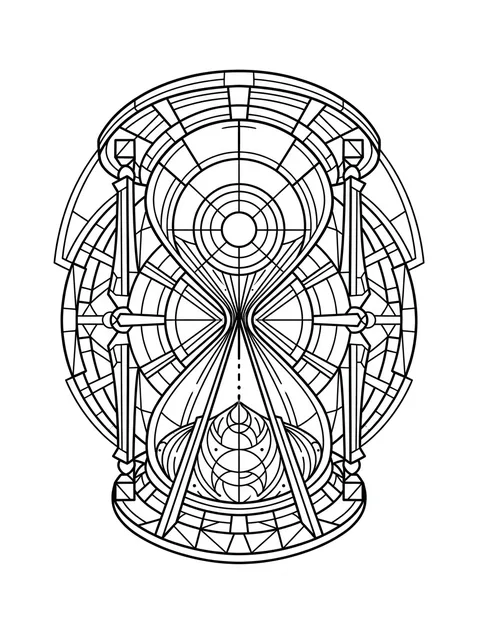
Black and white geometric hourglass and mandala tattoo design, outline stencil Try it on — Black and white geometric hourglass and mandala tattoo design, outline stencil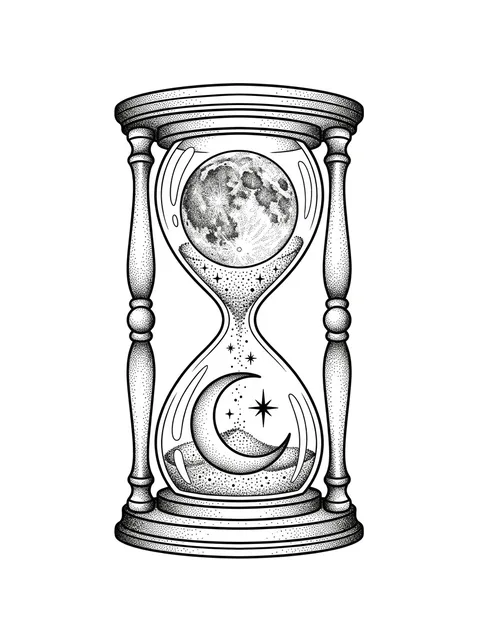
Black and grey dotwork hourglass and moon tattoo design Try it on — Black and grey dotwork hourglass and moon tattoo design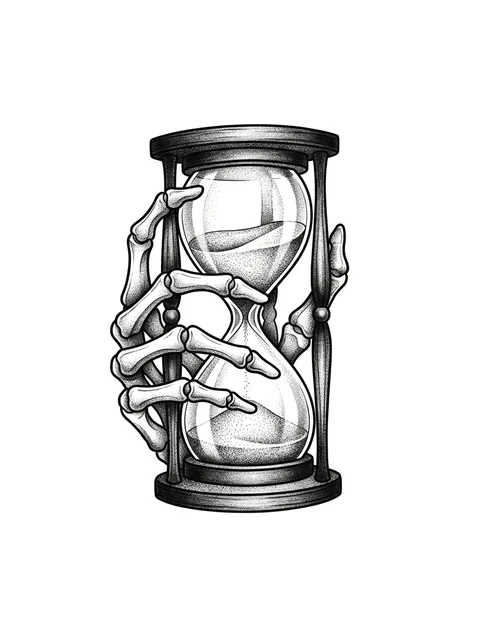
Black and grey dotwork hourglass and skeleton tattoo design: a skeleton hand gripping an hourglass Try it on — Black and grey dotwork hourglass and skeleton tattoo design: a skeleton hand gripping an hourglass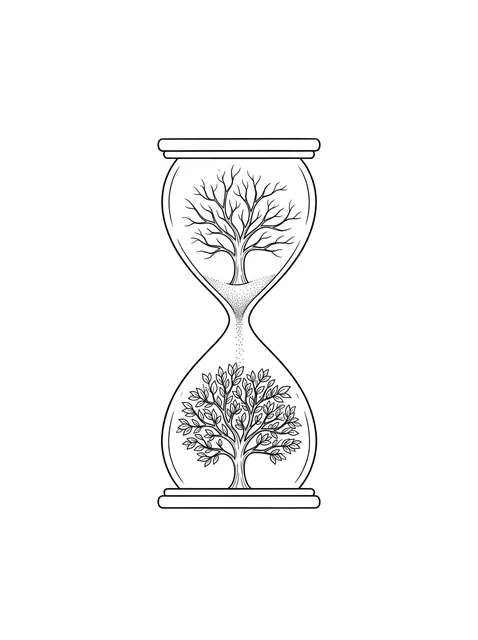
Black and grey illustrative hourglass and tree tattoo design: an hourglass with two trees inside Try it on — Black and grey illustrative hourglass and tree tattoo design: an hourglass with two trees inside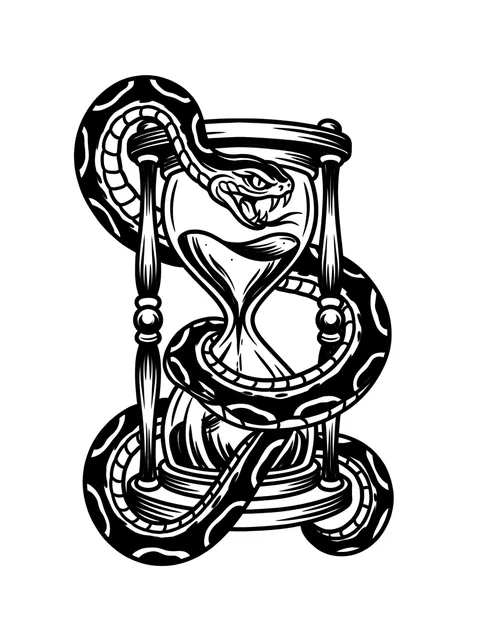
Black and white traditional hourglass and snake tattoo design: a snake coiled around an hourglass Try it on — Black and white traditional hourglass and snake tattoo design: a snake coiled around an hourglass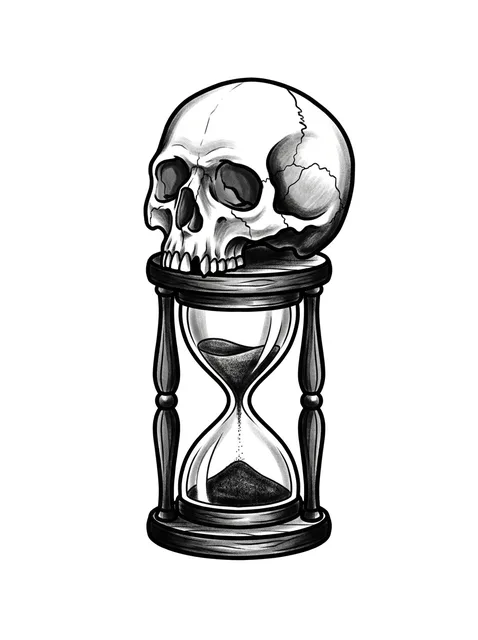
Black and grey illustrative hourglass and skull tattoo design Try it on — Black and grey illustrative hourglass and skull tattoo design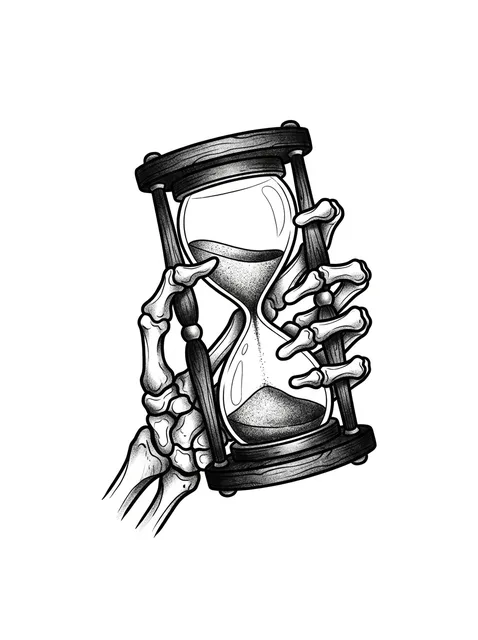
Black and grey illustrative hourglass and skeleton hand tattoo design Try it on — Black and grey illustrative hourglass and skeleton hand tattoo design
Black and grey traditional hourglass and memento mori tattoo design Try it on — Black and grey traditional hourglass and memento mori tattoo design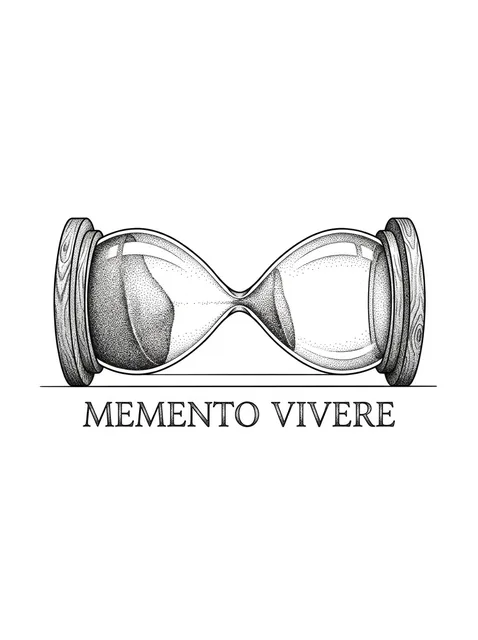
Black and grey dotwork hourglass and memento mori tattoo design Try it on — Black and grey dotwork hourglass and memento mori tattoo design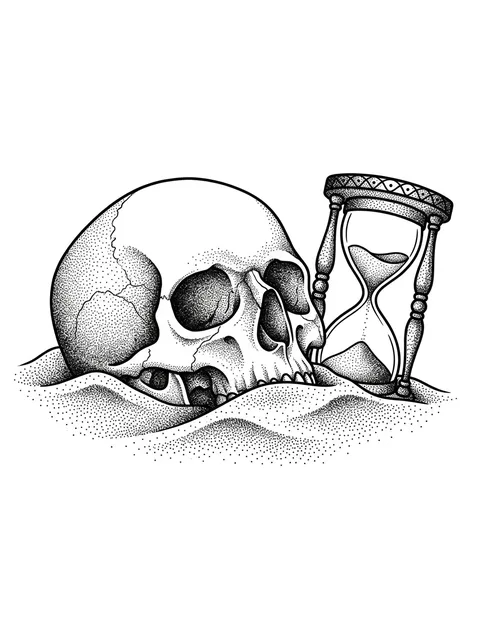
Black and grey dotwork hourglass and memento mori tattoo design Try it on — Black and grey dotwork hourglass and memento mori tattoo design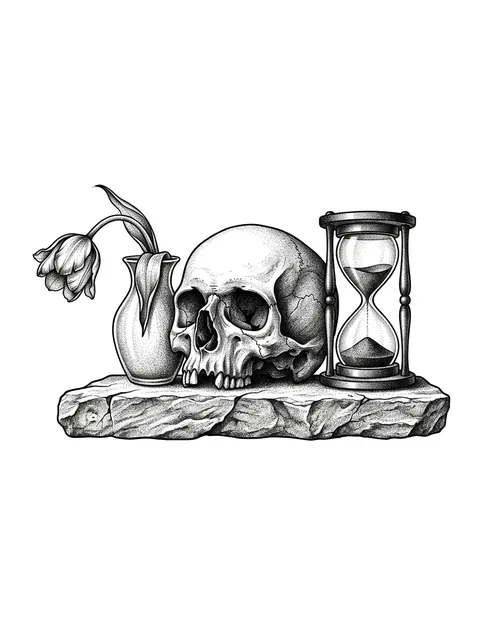
Black and grey dotwork hourglass and memento mori tattoo design Try it on — Black and grey dotwork hourglass and memento mori tattoo design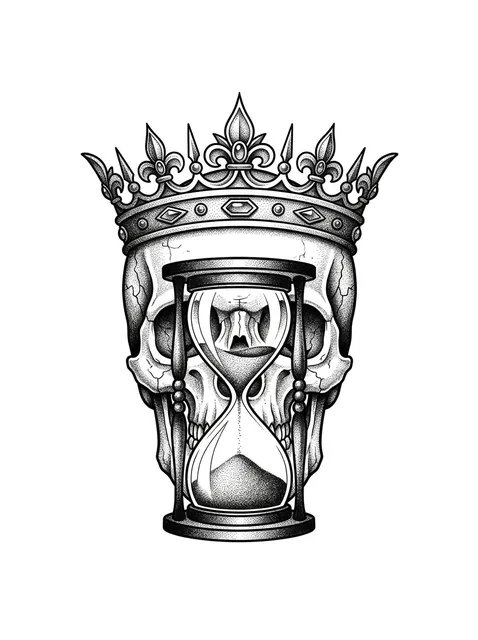
Black and grey dotwork hourglass and santa muerte tattoo design Try it on — Black and grey dotwork hourglass and santa muerte tattoo design


Tap any design to see it on your own skin in the try-on — no signup.
This set of 38 hourglass designs, by the numbers
- Styles represented
- illustrative (10), dotwork (9), traditional (5), neo traditional (3), linework (2), minimalist (2)
- Black-and-grey vs colour
- 89% black-and-grey, 11% colour
- Most often drawn with
- skull, memento mori, tree, heart
Counted from the 38 designs shown on this page. Every one was drawn for InkCraft — none are scraped or reposted. Free to reference with a link to this page.
What a hourglass tattoo means
An hourglass is the only common motif that contains its own measurement. A skull says mortality as an abstraction; an hourglass shows you the fraction remaining, and the viewer reads it instantly without being told. That is why the amount of sand is not a detail of the drawing but the content of it.
Which way the meaning falls depends on that fraction. Sand still mostly in the upper bulb reads as beginning and possibility. Two thirds run is the classic memento mori: time is short and has not stopped. The last grains falling is the hardest version and is usually chosen for a specific ending rather than as a general statement.
Turning it over is the reading almost nobody draws and the most hopeful one available. An hourglass is the rare instrument that can be reset, which makes a glass shown upside down or mid-turn a claim about starting again rather than about running out.
Where the design comes from
The sandglass reached Europe around the fourteenth century and was on ships and in pulpits long before it was decorative. The winged version, carved on gravestones across the seventeenth and eighteenth centuries beside the skull, is where tattooing inherited it from, and why a winged hourglass still reads as funerary rather than nautical.
Choosing yours
- Settle the fraction before anything else, and say it out loud to the artist as a fraction. Left to their own judgement most will draw it roughly half, which is the one level that makes no particular statement.
- The glass is symmetrical and the eye checks it. An hourglass on a curved or angled field lands visibly skewed in a way an asymmetric drawing never does, so it wants a flat placement or a deliberate tilt that reads as intentional.
Size, cost and placement
How big, and what it costs
A plain glass is a one-to-two-hour piece at 8 to 12 cm. Adding contents — a landscape, a flock, a rose growing in the lower bulb — roughly doubles it, because the interior then needs its own shading separate from the frame.
Where it sits, and how much it hurts
A long vertical field suits it: the inner arm, the outer upper arm, the calf, the centre of the back. Because the object is symmetrical it wants a flat surface, and a curved field will make one bulb sit visibly nearer the eye than the other.
What to ask your artist
- The exact fraction of sand, stated as a fraction rather than left to their judgement.
- Whether the glass edges will still separate from the sand once the black has spread.
- If the placement is curved, whether to tilt the design deliberately so the skew reads as a choice.
Prices vary widely by city and artist — treat these as session lengths rather than quotes, and expect a shop minimum on anything small. The cost guide turns hours into money by size, placement and style.
Common questions
Why does the amount of sand matter?
Time passing, with the amount remaining stated rather than implied. It is the only common motif that contains its own measurement, so the fraction of sand left is the meaning rather than a detail of the drawing.
How much sand should be in it?
Decide deliberately and tell the artist as a fraction. Mostly full reads as beginning; two thirds run is the classic memento mori; the last grains falling is usually chosen for a specific ending. Left to chance most artists draw it roughly half, which says nothing.
What is a cracked glass with sand spilling saying?
Time escaping rather than being measured. A crack with sand spilling reads as something lost outside your control, which is a different claim from a glass simply running down, and it is the version people choose after a loss.
What does a winged hourglass mean?
It is funerary rather than nautical. The winged form was carved on gravestones beside the skull for two centuries before tattooing borrowed it, so it reads as time flying toward an end rather than as travel.
See it on your skin before you commit
InkCraft places any of these designs on a photo of you — scaled, wrapped and shaded to the placement you pick.