 InkCraft
Lantern Tattoo Ideas, Designs and Meaning
14 original lantern designs drawn for InkCraftBy Uladzimir TumanauUpdated
A lantern is a flame shielded so it can be carried, worn as a way through the dark or a light kept for the dead. Its glow is bare skin left inside the panes, so the metal around them must be shaded darker than looks natural.
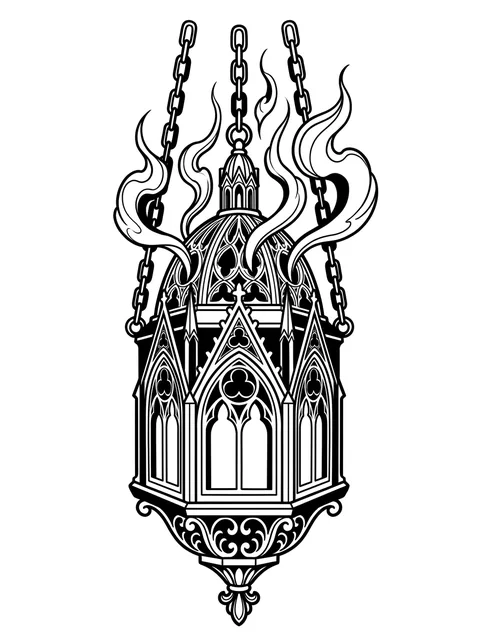
Black and grey gothic lantern tattoo design: a gothic censer or lantern, suspended by chains Try it on — Black and grey gothic lantern tattoo design: a gothic censer or lantern, suspended by chains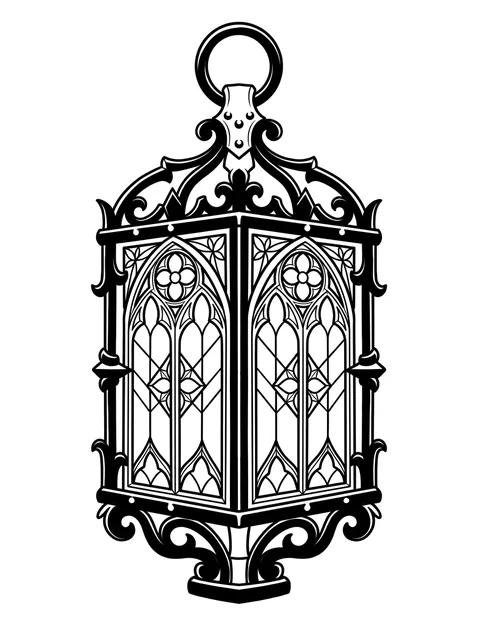
Black and grey gothic lantern tattoo design Try it on — Black and grey gothic lantern tattoo design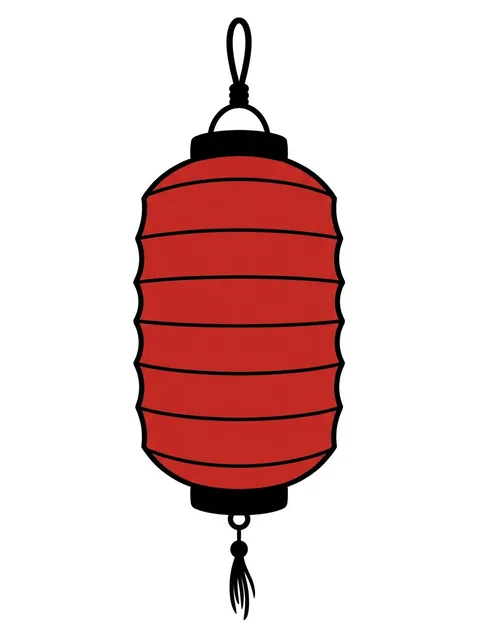
Color Japanese lantern tattoo design Try it on — Color Japanese lantern tattoo design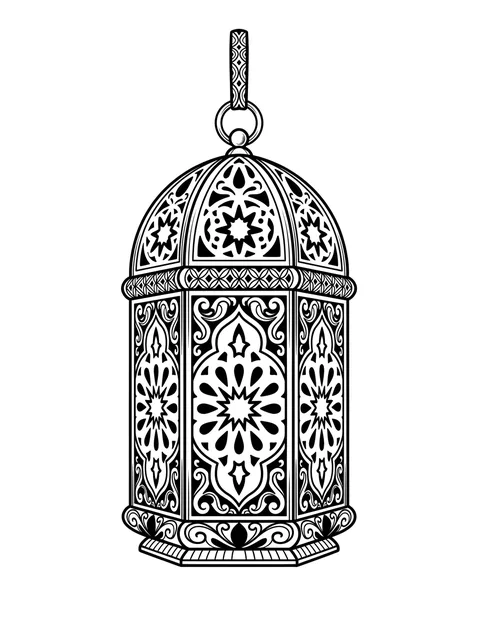
Black and grey ornamental lantern tattoo design: a domed top and a hanging ring Try it on — Black and grey ornamental lantern tattoo design: a domed top and a hanging ring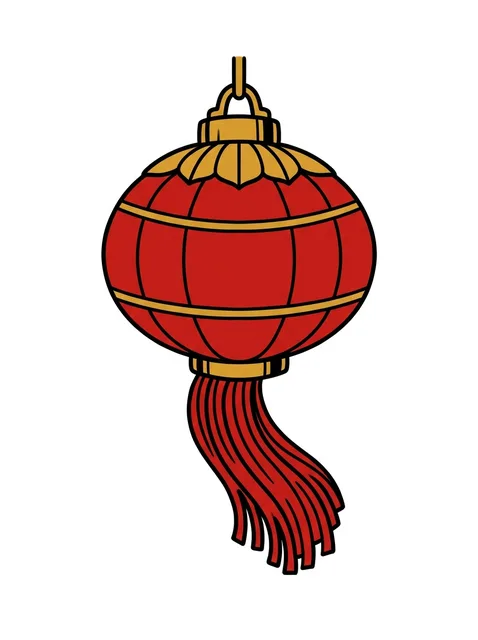
Color traditional lantern tattoo design Try it on — Color traditional lantern tattoo design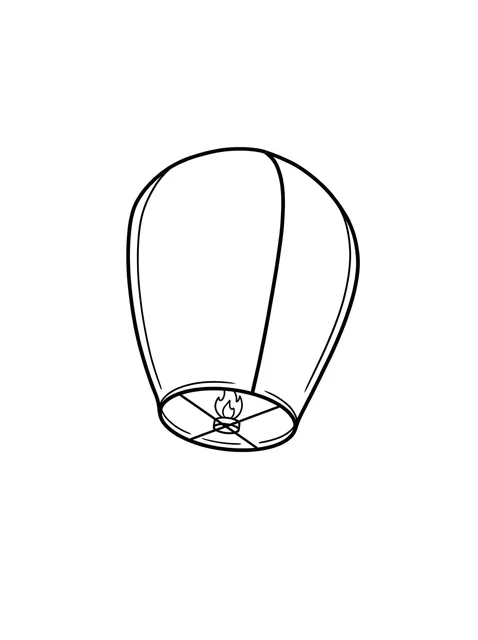
Black and white fine line lantern tattoo design, outline stencil Try it on — Black and white fine line lantern tattoo design, outline stencil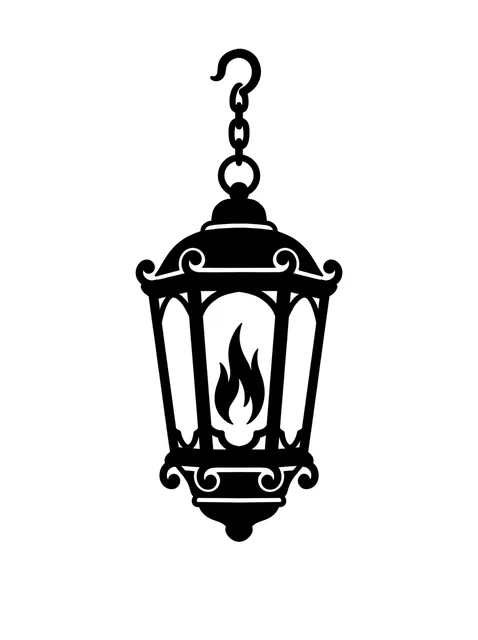
Black and white blackwork lantern tattoo design Try it on — Black and white blackwork lantern tattoo design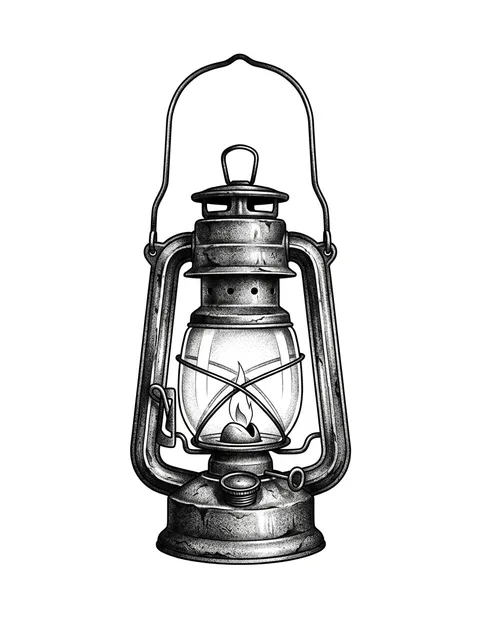
Black and grey realism lantern tattoo design Try it on — Black and grey realism lantern tattoo design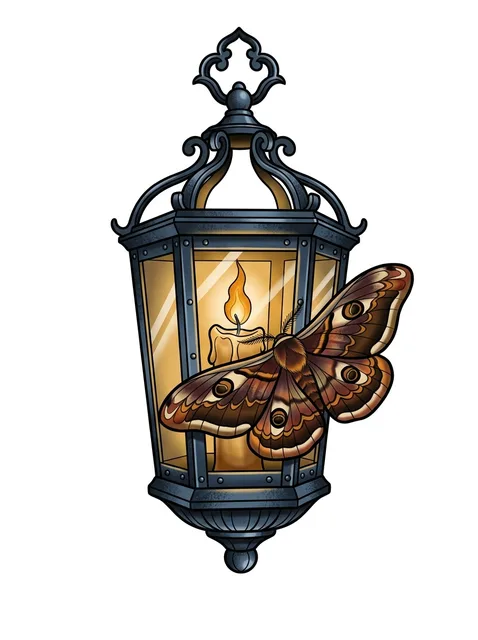
Color neo traditional lantern and moth tattoo design Try it on — Color neo traditional lantern and moth tattoo design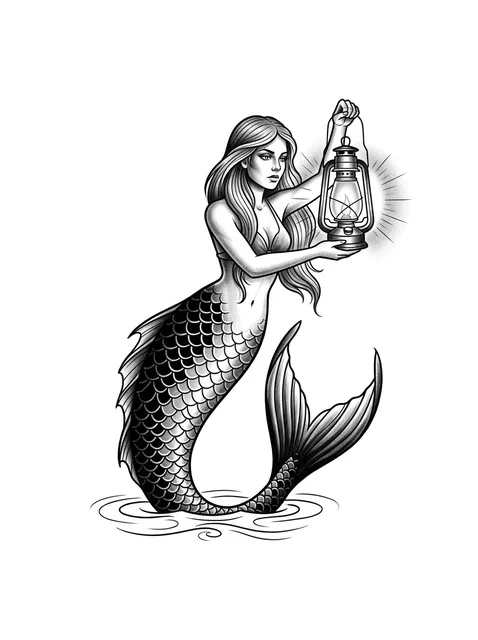
Black and grey neo traditional lantern and mermaid tattoo design Try it on — Black and grey neo traditional lantern and mermaid tattoo design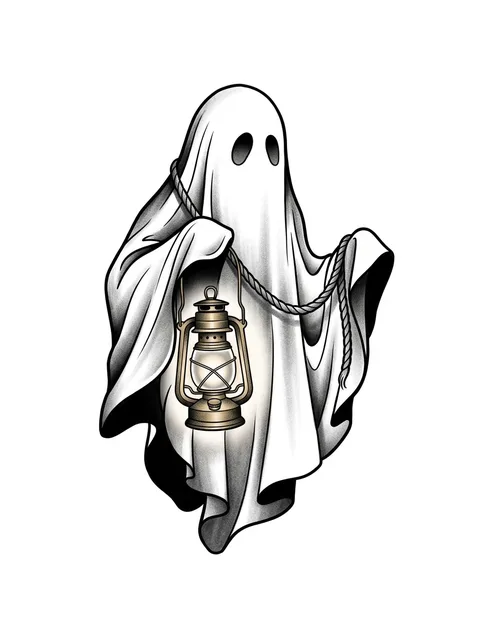
Black and grey neo traditional lantern and ghost tattoo design Try it on — Black and grey neo traditional lantern and ghost tattoo design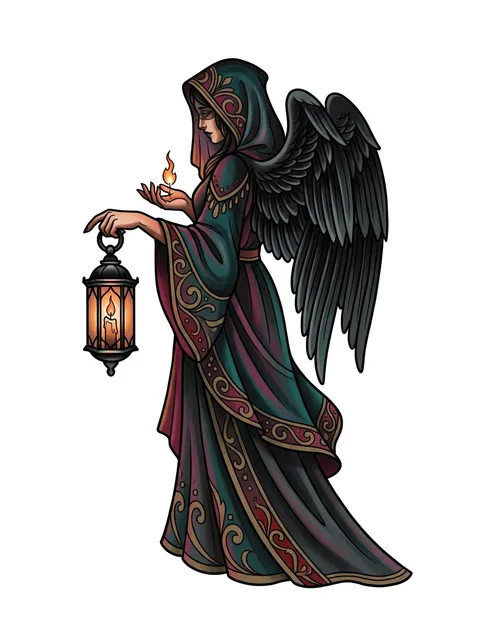
Color neo traditional lantern and angel of death tattoo design Try it on — Color neo traditional lantern and angel of death tattoo design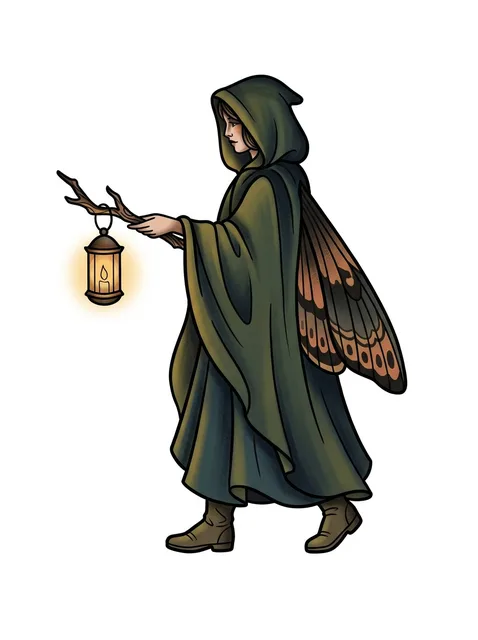
Color neo traditional lantern and fairy tattoo design: a small glowing lantern hung from it Try it on — Color neo traditional lantern and fairy tattoo design: a small glowing lantern hung from it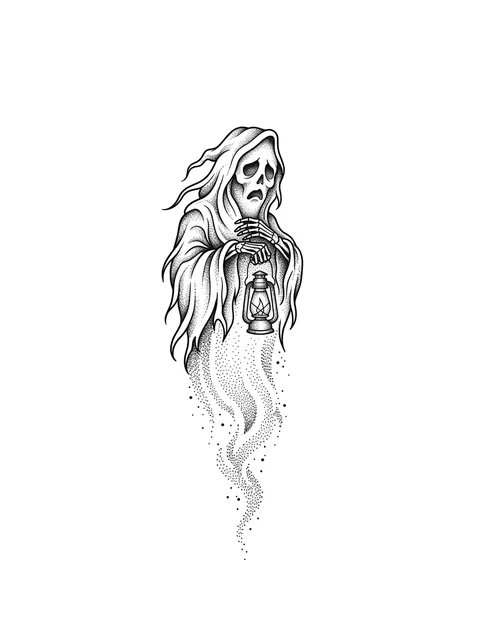
Black and grey dotwork lantern and ghost tattoo design: a ghostly grim reaper figure Try it on — Black and grey dotwork lantern and ghost tattoo design: a ghostly grim reaper figure


Tap any design to see it on your own skin in the try-on — no signup.
This set of 14 lantern designs, by the numbers
- Styles represented
- neo traditional (5), gothic (2), japanese asian (1), ornamental (1), traditional (1), fine line (1)
- Black-and-grey vs colour
- 64% black-and-grey, 36% colour
- Most often drawn with
- ghost, moth, candle, mermaid
Counted from the 14 designs shown on this page. Every one was drawn for InkCraft — none are scraped or reposted. Free to reference with a link to this page.
What a lantern tattoo means
A lantern is a flame given walls. Glass, horn, paper or pierced metal keeps the wind off so the light can travel, and that is its meaning on skin: not light in general, which a sun or a star would say, but light somebody carries on purpose into a place that is dark. Worn for a hard year, it says the wearer got through by holding on to something; worn for another person, it names who did the carrying.
Across East Asia the lantern also belongs to the dead. During Obon in Japan families hang chōchin to guide ancestral spirits home, and on the last night many towns float paper lanterns down a river or out to sea to send them off again, the custom called tōrō nagashi. Hiroshima floats them on the Motoyasu River every 6 August for those killed in 1945. The European figures here make the same move from the other side: the dotwork reaper, the sheet ghost and the angel of death in teal and burgundy each hold a lantern out in front, which makes them escorts rather than threats.
The red lanterns point somewhere happier. In China round red lanterns hang for the New Year and fill the streets at the Lantern Festival on the fifteenth day of the first lunar month, the year's first full moon, and red there means luck and celebration. The round silk lantern here with its gold cap and long tassel is that lantern, drawn in American traditional. The tall ribbed chōchin in plain red paper between black caps is its Japanese cousin, the kind hung outside izakaya and, at giant size, under the Kaminarimon gate of Sensō-ji in Tokyo.
The moth pressed against the glass of the iron lantern is the oldest joke about light: the creature drawn to it cannot reach it, and would burn if it could.
Where the design comes from
Before clear glass was cheap, English lanterns were glazed with thin scraped horn, which let the light out and kept the rain off, and the old spelling lanthorn grew from that horn, though the word descends from the Latin lanterna. Diogenes of Sinope, in the story Diogenes Laertius tells, lit a lamp in broad daylight and went about saying he was looking for a human being; painters later handed him a lantern, and the Hermit of the Rider-Waite-Smith tarot, drawn by Pamela Colman Smith and published in 1909, holds one aloft with a six-pointed star inside. Florence Nightingale's night rounds at Scutari made her the Lady with the Lamp of Longfellow's poem Santa Filomena, though what she actually carried was a folding Turkish lantern, a fanoos.
Choosing yours
- Decide who holds it. Alone, a lantern is about the light; held out by the reaper, the ghost, the mermaid or the fairy with her twig, it is about whoever brings it, and those pieces need 15 cm or more for hand, handle and glow to stay apart.
- Make the glow with contrast. Nothing in black and grey is lighter than bare skin, so the flame and panes inside the frame stay unshaded and the metal around them is shaded darker than would look natural by daylight; the blackwork lantern takes that to its limit. In colour the amber round a candle fades first and needs a black edge.
- Each shape comes from somewhere: the ribbed chōchin from Japan, the round tasselled lantern from China, the pierced one from the souks of Marrakesh and Fez, the hurricane lantern from the farms and railways of the kerosene age, the paper sky lantern from festivals such as Yi Peng in Chiang Mai.
Size, cost and placement
How big, and what it costs
A single hanging lantern in line or silhouette is 6 to 10 cm and an hour or two. The pierced Moroccan one needs about 10 cm before its star rosettes stop closing into dots, and the realism hurricane lantern about 12 cm and three hours. A figure holding one runs 15 to 20 cm and most of a day.
Where it sits, and how much it hurts
It is tall with a ring or hook on top, so it wants a vertical run: the outer forearm, the calf, the back of the upper arm or the ribs. Set the ring toward the elbow or knee and it hangs true with the limb down. The ribs hurt most of these.
What to ask your artist
- Whether the flame and panes will stay bare skin or be filled in white.
- For a pierced lantern, the smallest size at which its openings stay open.
- Which way the ring or chain points when you stand, arms at your sides.
Prices vary widely by city and artist — treat these as session lengths rather than quotes, and expect a shop minimum on anything small. The cost guide turns hours into money by size, placement and style.
Common questions
Is the red paper lantern Japanese or Chinese?
Both are here. The tall ribbed cylinder between black caps is a Japanese chōchin; the round one with a gold cap and long tassel is Chinese, hung for the New Year and the Lantern Festival.
Why do the reaper, the ghost and the angel of death carry lanterns?
To light the way for the dead rather than hunt them. The lantern turns each figure into a guide, gentler than any version with a raised scythe.
Can a lantern work as a memorial?
One of the quieter ones: Obon lanterns bring ancestors home and float them away again, so a lantern with a name or date remembers without a skull.
What does a moth on a lantern mean?
Wanting something that would hurt to reach. The glass is the only thing keeping the moth from the flame, so the pair is often worn for an attraction the wearer knows better than to act on.
See it on your skin before you commit
InkCraft places any of these designs on a photo of you — scaled, wrapped and shaded to the placement you pick.