 InkCraft
Memento Mori Tattoo Ideas, Designs and Meaning
25 original memento mori designs drawn for InkCraftBy Uladzimir TumanauUpdated
Memento mori is a genre, not an object, and that is what most of these tattoos miss. A skull is a skull; what makes it memento mori is the pairing, something alive or ticking set against something dead in one frame.
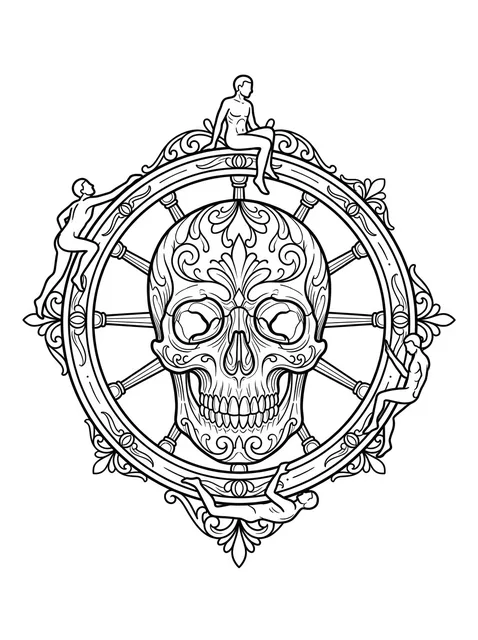
Black and grey illustrative memento mori and skull tattoo design Try it on — Black and grey illustrative memento mori and skull tattoo design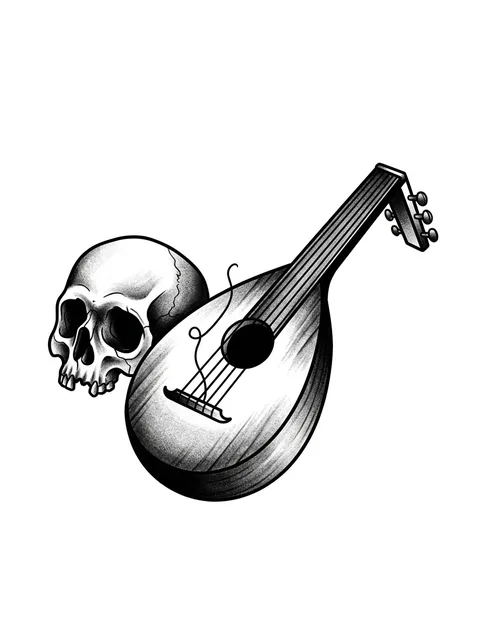
Black and grey traditional memento mori and skull tattoo design: a skull and a mandolin Try it on — Black and grey traditional memento mori and skull tattoo design: a skull and a mandolin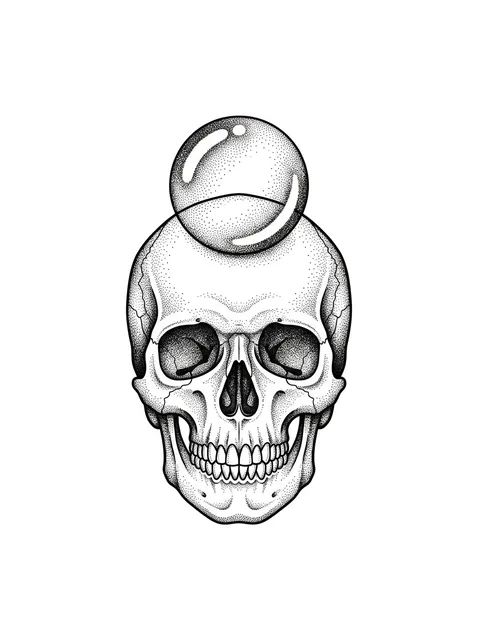
Black and white dotwork memento mori and skull tattoo design Try it on — Black and white dotwork memento mori and skull tattoo design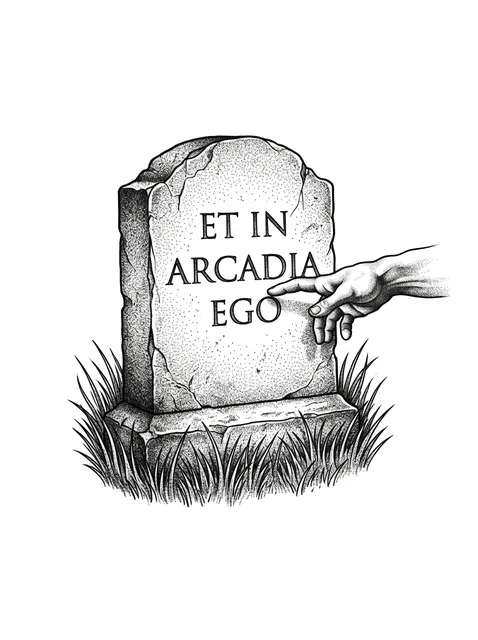
Black and white illustrative memento mori and hand tattoo design Try it on — Black and white illustrative memento mori and hand tattoo design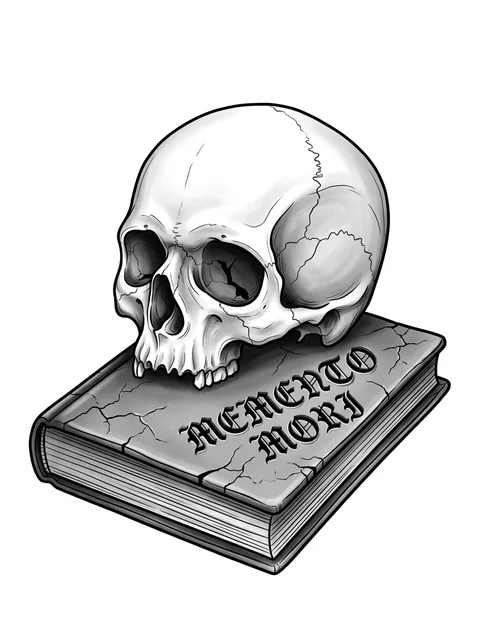
Black and grey illustrative memento mori and skull tattoo design Try it on — Black and grey illustrative memento mori and skull tattoo design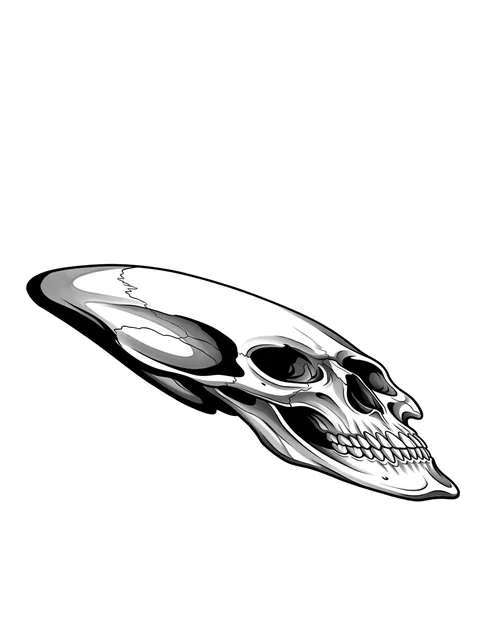
Black and grey illustrative memento mori and skull tattoo design Try it on — Black and grey illustrative memento mori and skull tattoo design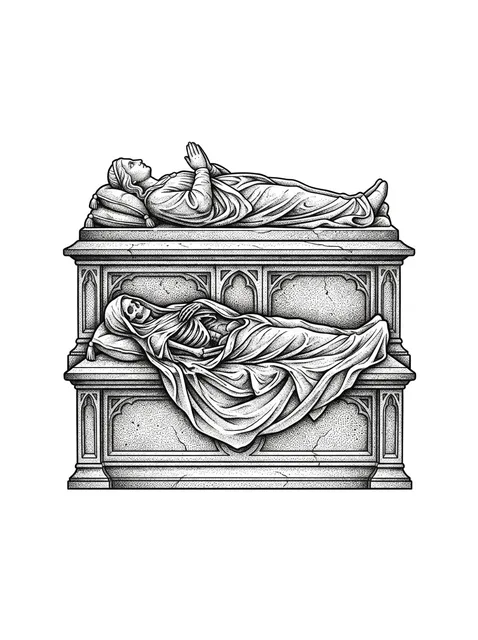
Black and grey dotwork memento mori and praying hands tattoo design Try it on — Black and grey dotwork memento mori and praying hands tattoo design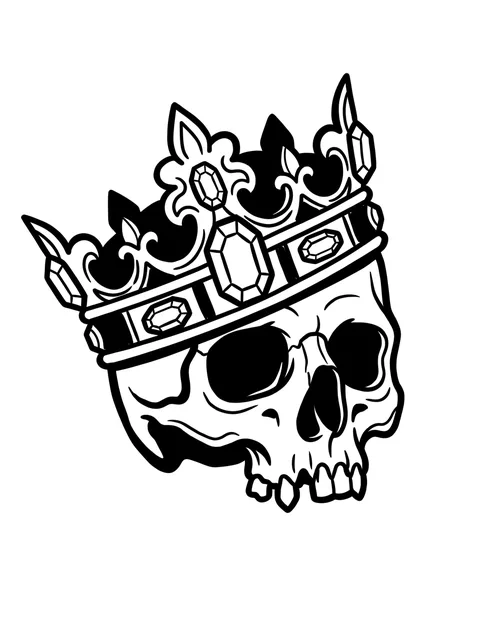
Black and grey traditional memento mori and skull tattoo design: a skull wearing a jeweled crown Try it on — Black and grey traditional memento mori and skull tattoo design: a skull wearing a jeweled crown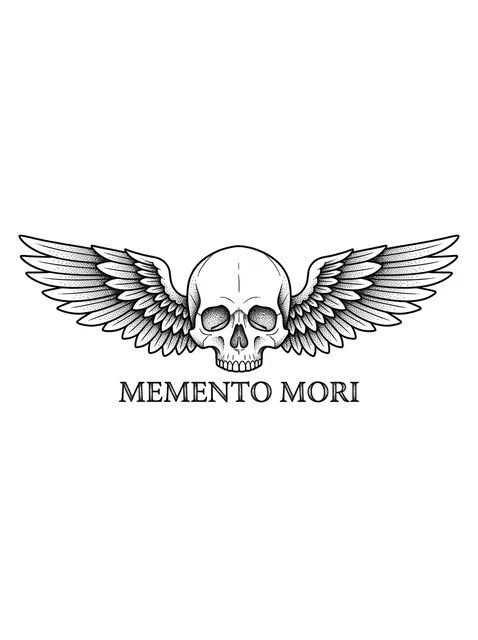
Black and white linework memento mori and skull tattoo design, outline stencil Try it on — Black and white linework memento mori and skull tattoo design, outline stencil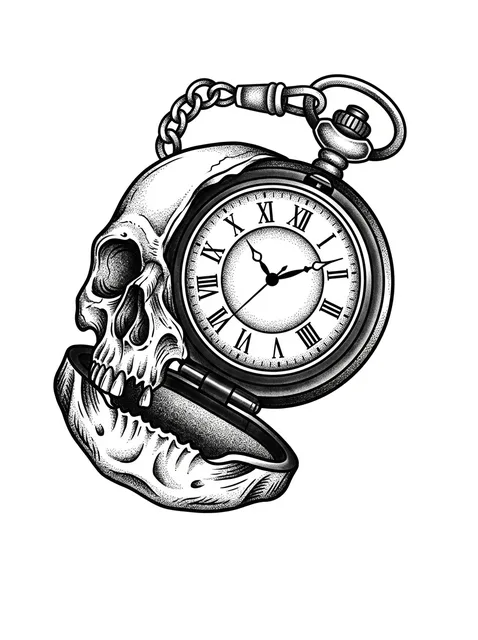
Black and grey dotwork memento mori and skull tattoo design: a skull integrated with a pocket watch Try it on — Black and grey dotwork memento mori and skull tattoo design: a skull integrated with a pocket watch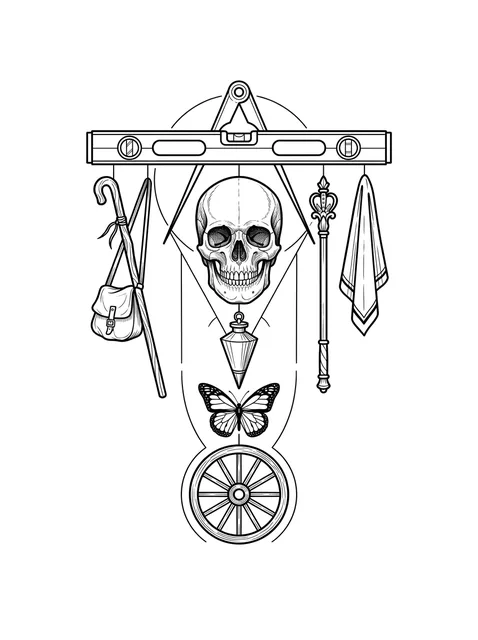
Black and grey illustrative memento mori and skull tattoo design Try it on — Black and grey illustrative memento mori and skull tattoo design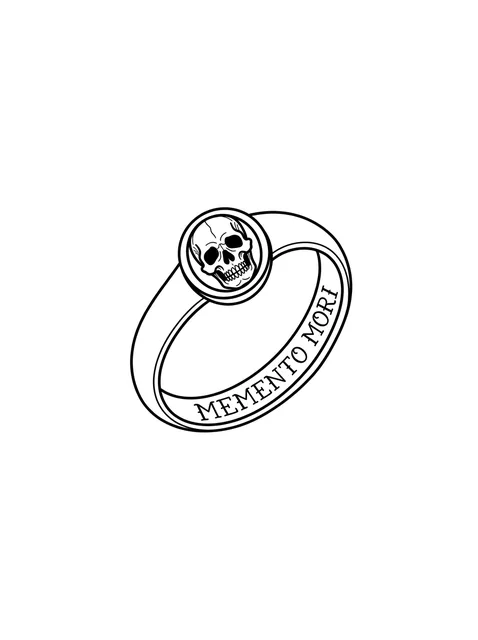
Black and white linework memento mori and skull tattoo design, outline stencil Try it on — Black and white linework memento mori and skull tattoo design, outline stencil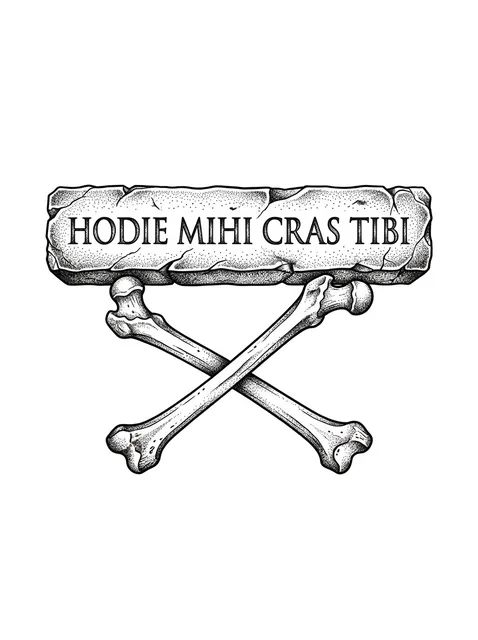
Black and white dotwork memento mori and skeleton tattoo design Try it on — Black and white dotwork memento mori and skeleton tattoo design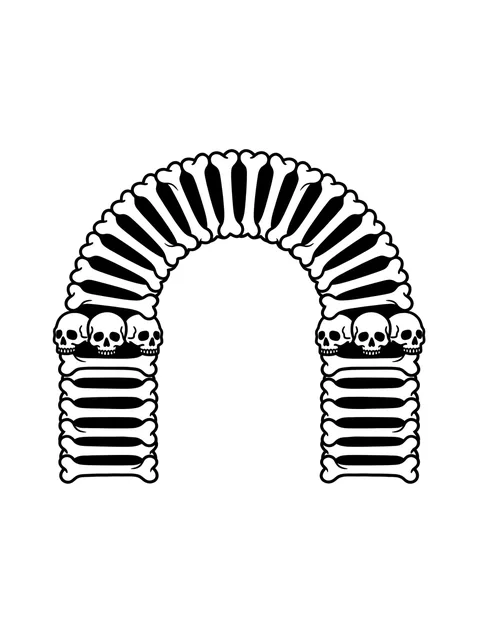
Black and grey traditional memento mori and skull tattoo design Try it on — Black and grey traditional memento mori and skull tattoo design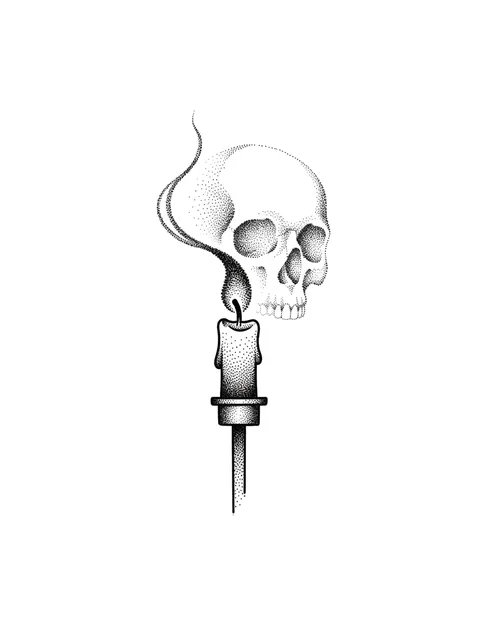
Black and grey dotwork memento mori and skull tattoo design Try it on — Black and grey dotwork memento mori and skull tattoo design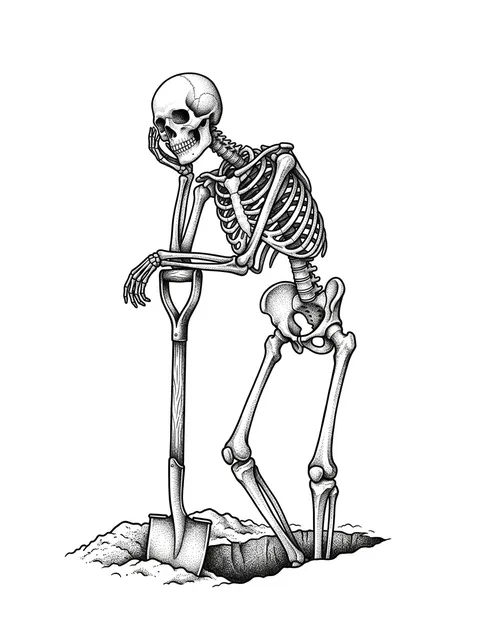
Black and white dotwork memento mori and skeleton tattoo design Try it on — Black and white dotwork memento mori and skeleton tattoo design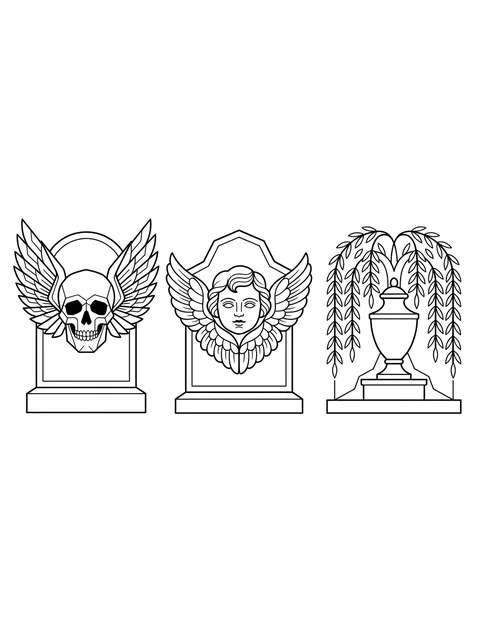
Black and white linework memento mori and skull tattoo design, outline stencil Try it on — Black and white linework memento mori and skull tattoo design, outline stencil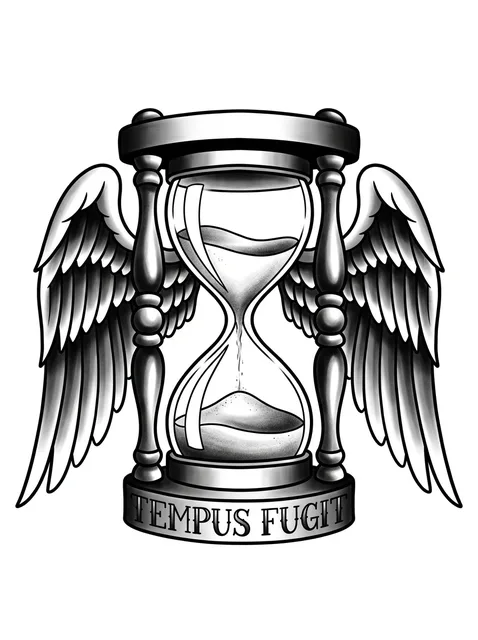
Black and grey traditional memento mori and hourglass tattoo design Try it on — Black and grey traditional memento mori and hourglass tattoo design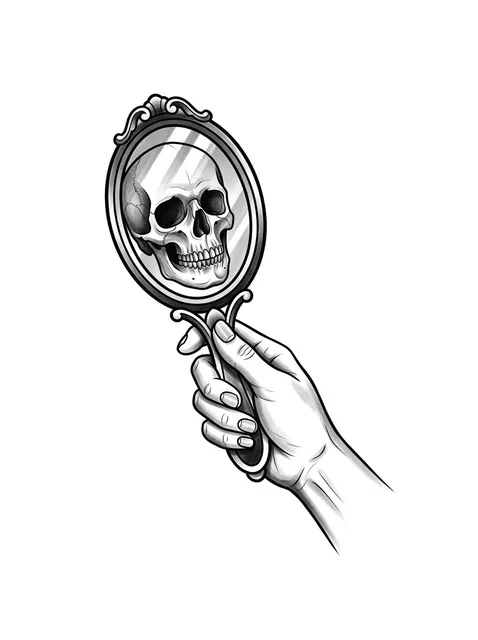
Black and grey illustrative memento mori and skull tattoo design Try it on — Black and grey illustrative memento mori and skull tattoo design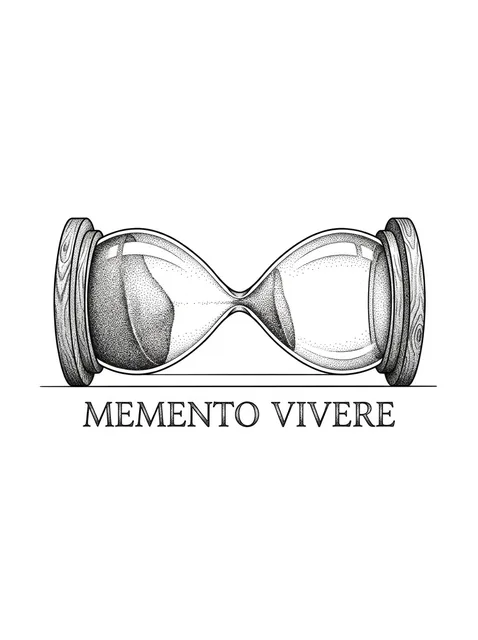
Black and grey dotwork memento mori and hourglass tattoo design Try it on — Black and grey dotwork memento mori and hourglass tattoo design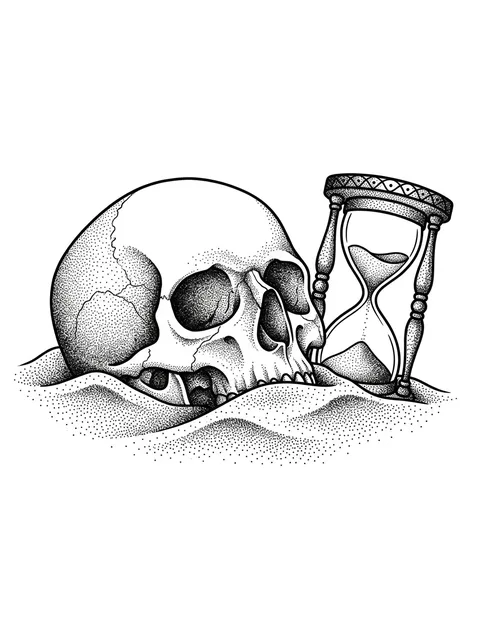
Black and grey dotwork memento mori and skull tattoo design Try it on — Black and grey dotwork memento mori and skull tattoo design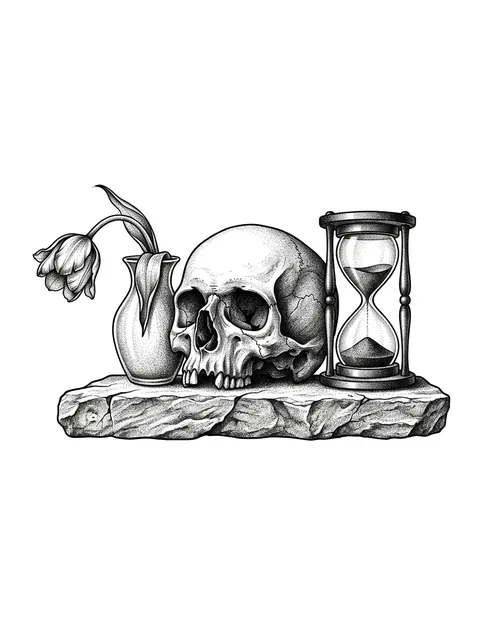
Black and grey dotwork memento mori and skull tattoo design Try it on — Black and grey dotwork memento mori and skull tattoo design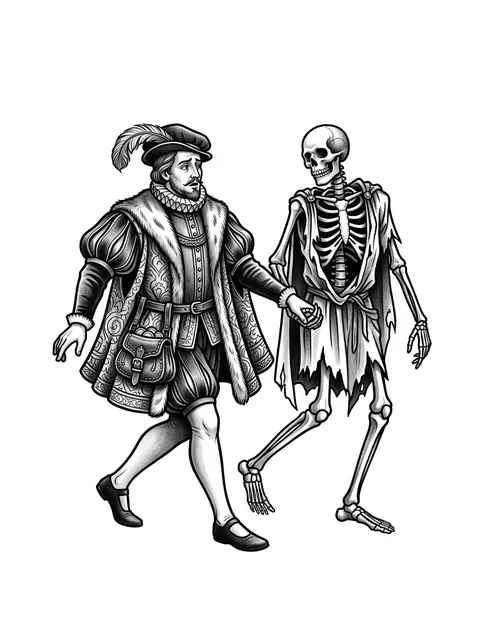
Black and grey illustrative memento mori and skeleton tattoo design Try it on — Black and grey illustrative memento mori and skeleton tattoo design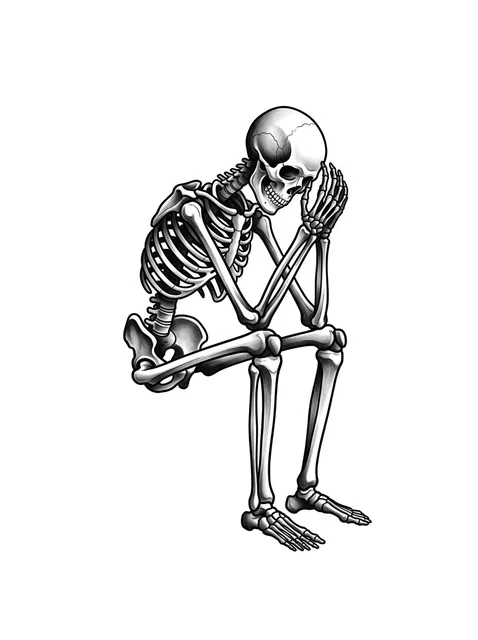
Black and grey illustrative memento mori and skeleton tattoo design Try it on — Black and grey illustrative memento mori and skeleton tattoo design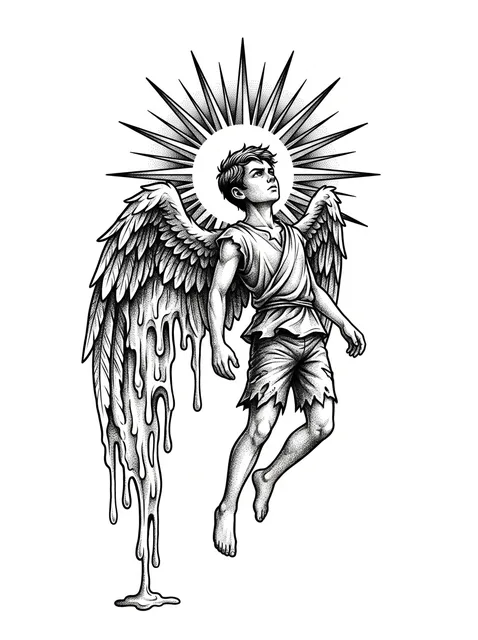
Black and grey dotwork memento mori and icarus tattoo design Try it on — Black and grey dotwork memento mori and icarus tattoo design


Tap any design to see it on your own skin in the try-on — no signup.
This set of 25 memento mori designs, by the numbers
- Styles represented
- dotwork (10), illustrative (8), traditional (4), linework (3)
- Black-and-grey vs colour
- 100% black-and-grey, 0% colour
- Most often drawn with
- skull, skeleton, angel wings, hourglass
Counted from the 25 designs shown on this page. Every one was drawn for InkCraft — none are scraped or reposted. Free to reference with a link to this page.
What a memento mori tattoo means
The phrase is Latin for "remember that you must die", and it is an instruction rather than an observation. That grammatical detail is the whole of it: the image is not decorating a fact about mortality, it is telling you to keep the fact in view. Worn deliberately, it is closer to a note to self than to a symbol.
The Stoics used it as a practical tool. Seneca and Marcus Aurelius both return to the idea that a life felt as finite is lived more carefully, and the modern revival of the phrase comes largely through that reading rather than through the Christian one. People who wear it today usually mean the Stoic version, which is about attention rather than dread.
The Christian tradition that produced most of the imagery meant something sterner. A memento mori on a tomb or in a book of hours was a warning about judgement, and the objects it used are all about vanity: the crown that slips, the fruit that spoils, the candle burning down. What looks like morbidity is really an argument about priorities.
The counterpart phrase is worth knowing before you commit. Memento vivere, remember to live, is the same instruction turned the other way, and a few pieces carry both. Choosing between them is the most consequential decision on this page and almost nobody is offered it.
Where the design comes from
The imagery is older and more specific than the phrase's current popularity suggests. A first-century Roman mosaic from Pompeii, now in Naples, shows a skull hanging from a mason's level with a beggar's staff weighed exactly against a sceptre — rich and poor brought level by death. The transi tombs of the fifteenth century showed the dead in two tiers, the effigy in state above and the rotting cadaver below. Holbein hid an anamorphic skull in "The Ambassadors" in 1533 that resolves only from one oblique angle, and cut a whole Dance of Death in woodblock five years later. Dutch vanitas painting refined it to three objects: Philippe de Champaigne's 1671 canvas is a skull, a spent tulip and an hourglass on a bare ledge, and nothing has improved on it since. New England Puritan gravestones ran a documented sequence across a century — a winged death's head, then a winged cherub, then an urn beneath a willow — and many carried MEMENTO MORI cut beneath in Roman capitals.
Choosing yours
- Decide whether the words are part of it. The genre is named after two Latin words and the historical objects carry them cut into stone, stamped into leather or engraved around a ring band. A piece with the phrase reads as an instruction; a piece without it reads as an image, and both are legitimate.
- Pair something, or it is just a skull. The form depends on a pairing inside one frame: bone against a fresh flower, something ticking against something stopped, a bubble resting on a cranium. A skull alone belongs on a different page.
- Engraving is the native register. Nearly all of this tradition comes to us as woodcut, stipple and line engraving, which is why dotwork and dense stipple suit it better than clean line does. A memento mori drawn as fine-line loses the thing that made the originals feel like objects.
Size, cost and placement
How big, and what it costs
A winged death's head or a simple hourglass is 8-10 cm and two hours. A full vanitas arrangement with a skull, a flower and an hourglass rendered properly wants 15-20 cm and five to six hours, because each object has to hold up on its own. Dense stipple work is priced by time and always takes longer than its size suggests.
Where it sits, and how much it hurts
Vanitas arrangements want a flat panel where all the objects read at once: the outer arm, the chest, the shoulder blade, the outer thigh. A single hourglass or a small winged skull works on the inner forearm or the calf. If the piece carries the Latin, give the words a straight run rather than curving them around a limb.
What to ask your artist
- Whether they are comfortable lettering a short Latin phrase, and to draw it in Roman capitals rather than a script font.
- To work from a specific historical source rather than from other tattoos, since the tradition is deep and almost none of it is in circulation.
- How the piece will be shaded, because engraving-style stipple and smooth black-and-grey age very differently on the same drawing.
Prices vary widely by city and artist — treat these as session lengths rather than quotes, and expect a shop minimum on anything small. The cost guide turns hours into money by size, placement and style.
Common questions
What does memento mori actually mean?
Remember that you must die. It is an imperative rather than a statement, which is why it works as a tattoo: it is an instruction you have chosen to keep in front of you rather than a claim about the world.
Should the Latin words be part of the design?
They can be, and historically they usually were — cut into gravestones, engraved around mourning rings, stamped into book covers. A short fixed Latin tag in Roman capitals is also the kind of text that survives at tattoo scale, which longer quotations do not.
Is memento mori a religious tattoo?
It has both readings. The imagery mostly comes from Christian funerary art, but the phrase itself is classical and the modern revival runs through Stoicism. Nothing in the design commits you to either, which is part of why it has lasted.
How is it different from a plain skull tattoo?
A skull is the subject; memento mori is an argument. The difference is the second element — the hourglass, the guttering candle, the tulip going over — because the contrast between the two is what carries the meaning.
See it on your skin before you commit
InkCraft places any of these designs on a photo of you — scaled, wrapped and shaded to the placement you pick.